

We use cookies to ensure our website works properly and to personalise your experience. Cookies policy
Usha Dwarkadas Pathrikar Institute Of Pharmacy (Dongargaon Kawad), Phulambri, Chatrapati Sambhajingar-431111..
Acne vulgaris is a common chronic inflammatory skin disorder that affects adolescents and young adults worldwide, often causing physical and psychological discomfort. Conventional treatments such as antibiotics, retinoids, and benzoyl peroxide may produce side effects including irritation, dryness, and antibiotic resistance, creating a need for safer herbal alternatives. The present study aimed to formulate and evaluate a polyherbal anti-acne gel containing extracts of green tea (Camellia sinensis), neem (Azadirachta indica), turmeric (Curcuma longa), aloe vera (Aloe barbadensis Miller), and licorice (Glycyrrhiza glabra), selected for their antibacterial, anti-inflammatory, antioxidant, and skin-healing properties. The herbal extracts were prepared using aqueous and hydroalcoholic extraction methods and incorporated into a Carbopol 940 gel base. The formulated gel was evaluated for physicochemical parameters such as appearance, pH, viscosity, spreadability, homogeneity, and stability. The findings revealed that the gel exhibited a smooth texture, satisfactory spreadability, acceptable viscosity, a skin-compatible pH of 5.55, and good stability without any significant changes during storage. Therefore, the developed polyherbal anti-acne gel may be considered a safe, stable, and effective herbal option for the management of acne vulgaris.
Acne vulgaris, commonly known as acne, is a widespread skin disorder that affects a large number of individuals and has an impact on almost every person at some stage of life.[1] It is most frequently observed during adolescence and early
adulthood and is influenced by androgen hormones produced by the adrenal glands in both males and females.{2] Acne mainly appears on the face, chest, and back. Common symptoms include pimples, papules, pustules, redness, tenderness, pain, and, in some cases, loss of normal skin function. In 2015, acne affected approximately 650 million people worldwide and was ranked among the most prevalent diseases globally. Individuals with darker skin tones are more likely to develop post-inflammatory hyperpigmentation, and the condition may be more severe in those with a positive family history. Although acne scars are often believed to fade with age and time, this remains a subject of debate. A recent survey reported that acne accounted for 5.3% of all diagnosed skin conditions and was recognized as the second most common dermatological disorder. During puberty, acne is generally more common in males, whereas in adulthood it tends to occur more frequently in females. Several factors contribute to the occurrence of acne, including dietary habits, body weight, genetic predisposition, hormonal fluctuations, and psychological stress.[3,4] Acne lesions develop when the sebaceous glands associated with skin pores become blocked, preventing the normal removal of dead skin cells. This obstruction promotes bacterial growth within the accumulated sebum, leading to the formation of whiteheads and blackheads. As the condition progresses, inflammation may occur, which can eventually result in scarring. The bacteria Propionibacterium acnes and Staphylococcus epidermidis play important roles in the development of inflammatory acne and superficial skin infections. These microorganisms convert sebaceous lipids into free fatty acids, attracting neutrophils and contributing to the inflammatory process.The treatment approach for acne is gradually shifting away from conventional allopathic medicines because they can be expensive and may contribute to the development of bacterial resistance. Individuals affected by acne often seek rapid and effective treatments to improve their appearance and self-confidence. Therefore, the present study was undertaken to formulate and evaluate an active herbal anti-acne gel with effectiveness against P. aeruginosa and Staphylococcus epidermidis while exhibiting a synergistic action against other microbial strains.[5-9]
Various Plants Having Sunscreen and Antioxidant Activity
Liquorice ( Glycyrrhiza glabra ) [ 10 ]
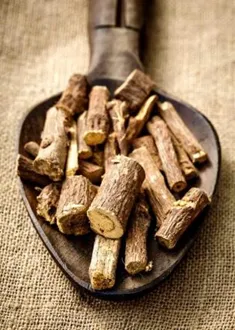
Liquorice extract has shown beneficial effects in the treatment of atopic dermatitis, a skin condition characterized by intense itching and inflammation associated with allergic reactions.The major constituent of liquorice root, glycyrrhizin, has been found to provide protection against damage caused by UVB radiation in human melanoma cells. Another important component, glycyrrhetinic acid, has demonstrated protective activity against the initiation and progression of skin tumors in established skin cancer models. In addition, glabridin, a bioactive compound present in liquorice extract, helps reduce inflammation resulting from exposure to ultraviolet radiation.Studies have reported that when a glabridin-rich liquorice extract is applied to the skin before exposure to UV light, it can help prevent the redness and pigmentation that would normally occur. Liquorice extract also inhibits melanin production, indicating its usefulness in reducing and preventing hyperpigmented areas of the skin commonly referred to as age spots. [11,12,13,14]
Green tea ( Thea viridis ) [15]
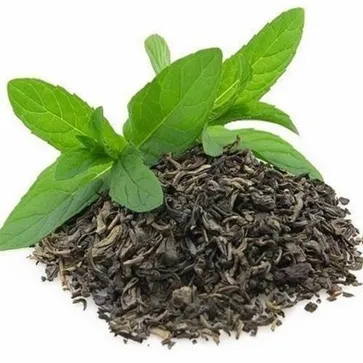
The benefits of green tea are not limited to its consumption as a beverage or in the form of concentrated extracts. Its topical application also offers significant advantages, particularly in protecting the skin from damage that may contribute to skin aging and skin cancer. Epigallocatechin gallate (EGCG), one of the major active constituents of green tea, provides broad-spectrum protection against DNA damage and immune dysfunction of the skin caused by ultraviolet radiation.Topically applied green tea extract has been found to be highly effective in reducing inflammation and oxidative stress associated with UV-induced skin damage. Because of these protective effects, researchers suggest that green tea may play a role in preventing skin cancers that commonly develop as a result of prolonged exposure to solar radiation. Findings obtained from validated skin cancer models have strongly indicated that topical green tea extract can decrease both the occurrence and size of skin tumors.Importantly, this protective effect was observed even when green tea extract was applied after exposure to ultraviolet radiation rather than only before exposure. Therefore, green tea may not only help prevent damage caused by UV rays but may also assist in repairing skin damage that has already occurred. [13,14,16,17,18,19]
Turmeric ( curcuma longa ) [20]
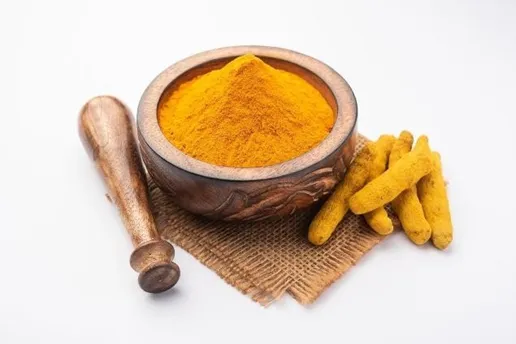
Curcumin is increasingly being recognized as a valuable therapeutic nutrient due to its numerous beneficial properties.Curcumin has been reported to inhibit both the initiation and promotion stages of cancer in validated experimental models. In addition, it activates the tumor suppressor gene p53 and promotes the destruction of basal cell skin cancer cells. Research studies have indicated that topical application of curcumin may provide benefits to the skin; however, the intense yellow color of natural curcumin has restricted its extensive use in topical formulations.Fortunately, tetrahydrocurcumin, a major metabolite of curcumin, does not possess the staining properties associated with native curcumin while exhibiting anticancer activities comparable to those of curcumin. Studies conducted using validated skin cancer models have demonstrated that tetrahydrocurcumin inhibits the promotion of skin cancer. Skin-lightening agents are useful in reducing sun-induced hyperpigmentation and areas of skin darkening. Many of these agents function by inhibiting tyrosinase, an important enzyme involved in melanin production. [13,14,] .
Neem ( azadiracta indiaca ) [21]
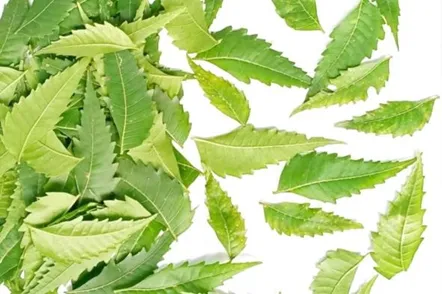
Every part of the neem plant, including the bark, root bark, young fruit, seed or nut, flowers, leaves, gum, and sap, possesses medicinal value and has been used for various therapeutic purposes. Neem contains several important alkaloids such as nimbin, margosine, nimbinin, and nimbidin. Antioxidant activity has been reported in extracts obtained from neem seeds. In addition, neem oil
derived from the plant has been found to exhibit enhanced sunscreen activity when applied externally. [22,23]
Aloe vera ( Aloe Barbadensis) [24]
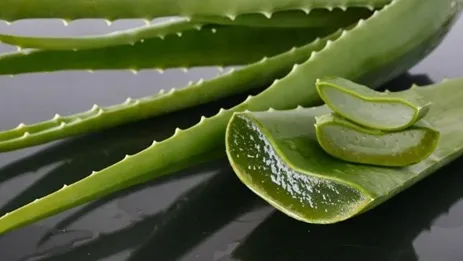
Aloe vera contains various chemical constituents including glucoside, isobarbaloin, barbaloin, and free anthraquinones such as emodin, isoemodin, quercetin, rutin, and chrysophanic acid. The leaves of aloe vera produce two different types of exudates. One is a bitter reddish-yellow juice present in the pericyclic cells located beneath the highly cutinized epidermis of the leaves. This juice has traditionally been used as a laxative and, in its dried form, is recognized as official Aloe in the United States Pharmacopeia. Its bitter taste is mainly due to the presence of aloin, aloe-emodin, and related compounds.The second exudate is a clear, slippery mucilage or gel produced by the thin-walled tubular cells present in the inner central parenchymatous region of the leaf.
This raw gel resembles colorless gelatin with hair-like connective structures and is also referred to as juice. In ancient times, this mucilage was commonly applied to inflamed skin and radiation burns. The leaves of aloe vera are the primary part of the plant utilized for sunscreen activity.
[14,25]
Table no.01:- Plant used for anti acne gel
|
Sr no |
Plant |
Botanical Name |
Part Used |
Active chemical constituent |
|
1 |
Liquorice |
Glycyrrhiza Glabra |
Root |
Glycyrrhizin & Glabridin |
|
2 |
Green Tea |
Thea Viridis |
Leaves |
Epigallocatechin gallate ( EGCG) |
|
3 |
Aloe Vera |
Aloe barbadensis |
Leaves |
Aloin , Aloe-emodin |
|
4 |
Turmeric |
Curcuma Longa |
Root |
Curcumin |
|
5 |
Neem |
Azadirachta indica |
Leaves |
Nimbidin Azadirrachtin Nimbin |
Review of Litrearure
Acne vulgaris is among the most frequently occurring dermatological disorders affecting adolescents and young adults across the world. The condition develops as a result of excessive sebum secretion, bacterial infection, inflammation, and obstruction of hair follicles. Conventional treatment approaches, including antibiotics and retinoids, are often associated with side effects such as irritation, dryness, and the development of antibiotic resistance. Consequently, herbal formulations have attracted considerable attention due to their effectiveness, safety, and reduced adverse effects.[26]
Licorice
Glycyrrhiza glabra is known for its anti-inflammatory and depigmenting activities, which are mainly attributed to the presence of glycyrrhizin and glabridin. Research studies have demonstrated that licorice extracts help reduce hyperpigmentation and post-acne marks while improving overall skin complexion. In addition, it possesses antioxidant and antimicrobial properties that are beneficial in the management of acne. [27]
Recent investigations on herbal anti-acne formulations have indicated that combinations of multiple herbal extracts provide superior therapeutic effects compared to formulations containing a single herb. Polyherbal gels prepared with green tea, turmeric, aloe vera, neem, and licorice have shown satisfactory physicochemical stability, skin-compatible pH, antimicrobial activity, and a reduction in acne-related inflammation.[28]
Green Tea
Camellia sinensis contains catechins, particularly epigallocatechin gallate (EGCG), which exhibit antioxidant and anti-inflammatory activities. Various studies have reported that topical formulations containing green tea significantly decrease acne lesions and sebum production. A systematic review and meta-analysis further concluded that green tea extract is beneficial in the treatment of acne without producing significant adverse effects. [29]
Aloe Vera
Aloe barbadensis Miller is widely recognized for its soothing, moisturizing, and wound-healing properties. Aloe vera contains acemannan, aloe-emodin, and vitamins that contribute to skin repair and the reduction of inflammation. Studies conducted on herbal dermatological formulations have shown that aloe vera promotes the healing of acne lesions and enhances skin hydration.[30]
Turmeric
Curcuma longa contains curcumin, a powerful compound with anti-inflammatory and antioxidant properties. Curcumin helps reduce inflammatory mediators and suppresses microbial growth associated with acne. Studies have reported that topical formulations containing turmeric improve acne lesions, decrease redness, and promote skin healing. [31]
Neem
Azadirachta indica has been extensively used in traditional medicine because of its antibacterial and antimicrobial properties. Neem contains active constituents such as nimbidin and azadirachtin, which inhibit microorganisms responsible for acne. Research on Indian medicinal plants has confirmed that neem exhibits potent anti-inflammatory and antibacterial activity against Cutibacterium acnes.32]
Aim and Objective
Aim
The aim of the present study was to formulate and evaluate a polyherbal anti-acne gel containing extracts of Camellia sinensis, Azadirachta indica, Curcuma longa, Aloe barbadensis Miller, and Glycyrrhiza glabra for the treatment of acne vulgaris. The formulation was developed using natural herbal ingredients possessing antibacterial, anti-inflammatory, antioxidant, and skin-healing properties.
Objectives
The objectives of the study were to prepare herbal extracts from green tea, neem, turmeric, aloe vera, and licorice using appropriate extraction techniques. The study also aimed to formulate a stable herbal gel employing Carbopol 940 as the gelling agent. Furthermore, the physicochemical characteristics of the prepared gel, including pH, viscosity, spreadability, homogeneity, and physical appearance, were evaluated. Another objective was to investigate the anti-acne potential of the herbal formulation based on the medicinal properties of the selected herbs. The study also focused on developing a safe and effective herbal alternative to synthetic anti-acne formulations with minimal side effects. In addition, the stability of the gel under different storage conditions was examined. The synergistic action of the herbal ingredients in reducing acne, inflammation, bacterial growth, and acne scars was also studied.
MATERIALS AND METHODS
Herbal ingredients
• Green tea Leaves
• Neem Leaves
• Turmeric Powder
• Fresh Aloe Vera Leaves
• Licorice root powder
Chemicals / Excipients
• Carbopol 940
• Glycerin
• Methyl Paraben
• Potasium Hydroxide
• Distilled Water
Equipment
• Beaker
• Measuring Cyinder
• Digital Weighing Balance
• Glass rod
• Water Bath
• pH Meter
• Spatula
• Viscometer
• Filter Paper
• Thermometer
• Hot Plate
• Storage Containers
Extractions
Green tea extraction (aqueous extraction )
For the extraction of green tea, 10 g of dried green tea leaves were taken and added to 100 ml of distilled water. The mixture was heated at a temperature of 60–70°C for 30 minutes with continuous stirring throughout the heating process. After heating, the solution was allowed to cool and was then filtered using muslin cloth or filter paper. The obtained extract was stored in an airtight container. [33]
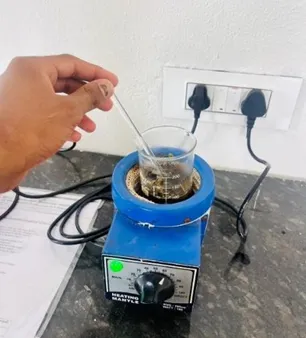
Fig.no.06: Green Tea Extraction
Neem Extraction ( aqueous extraction )
For neem extraction, 20 g of dried neem leaves were added to 200 ml of distilled water. The mixture was heated at a temperature range of 70–80°C for 30–40 minutes. After heating, the solution was allowed to cool and subsequently filtered using filter paper. The extract was concentrated further if required. [33,34]
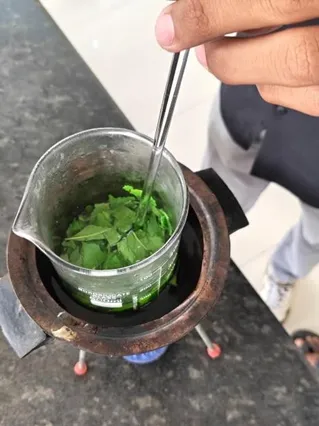
Fig.no.07: Neem Etraction Turmeric Extraction ( Hydroalcoholic Maceration )
For the extraction of turmeric, 10 g of turmeric powder was mixed with 100 ml of an ethanol-water mixture in the ratio of 70:30. The mixture was kept in an airtight container for a period of 24–48 hours. During the maceration process, occasional shaking was carried out. The extract was then filtered, and excess solvent was evaporated whenever necessary. [35,36]
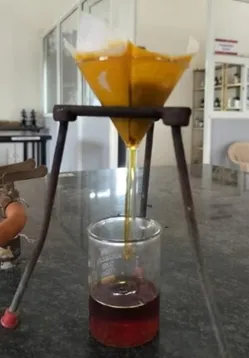
Fig.no.08: Turmeric extraction
Aloe Vera Extraction ( Fresh gel extraction)
Fresh aloe vera leaves were collected and thoroughly washed with water. The outer green layer of the leaves was carefully removed, and the inner transparent gel was collected. The gel was blended to obtain a uniform consistency and then filtered to remove any fibrous material. The prepared gel was stored under refrigerated conditions. [35,36]

Fig.no.09: Aloe vera extraction Licorice Extraction ( hydroalcoholic extraction )
For licorice extraction, 10 g of licorice root powder was added to 100 ml of an ethanol-water mixture in the ratio of 50:50. The mixture was heated at 60°C for 30 minutes or alternatively macerated for 24 hours. The extract was then filtered and stored in an amber-colored container.
[37]
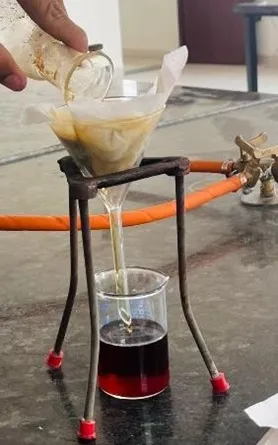
Fig.no.10: Licorice Extraction
MATERIALS REQUIRED
Table.no.02: Final Formula Table
|
Sr.no. |
Ingredient |
Quantity |
Function |
|
1. |
Green tea Extract |
5ml |
Antioxidant, anti-inflamatory |
|
2. |
Neem Extract |
5ml |
Antibacterial Agent |
|
3. |
Turmeric Extract |
2.5ml |
Anti-inflammatory,Antimicrobial |
|
4. |
Aloe vera Extract |
30g |
Gel base, Moisturizing, Soothing agent |
|
5. |
Licorice Extract |
2.5ml |
Reduce acne marks and pigmentation |
|
6. |
Carbopol 940 |
0.5g |
Gelling agent |
|
7. |
Glycerin |
2.5ml |
Humectant and Moisturizer |
|
8. |
Potasium hydroxide |
q.s. |
pH adjuster and gel stabilizer |
|
9. |
Methyl paraben |
0.1 |
Preservative |
|
10. |
Distilled water |
q.s.to make 50 g |
Vehicle |
Method Of Perparation
Gel Base
Carbopol 940 was used as the gelling agent for the preparation of the herbal anti-acne gel. Initially, 1 g of Carbopol 940 was accurately weighed and gradually dispersed in distilled water with continuous stirring to avoid the formation of lumps. The dispersion was then allowed to hydrate and swell for approximately 1–2 hours to obtain a uniform gel base. After complete hydration, 5 ml of glycerin was incorporated into the Carbopol dispersion and mixed thoroughly to enhance the moisturizing property of the formulation. [38,39]
Herbal Extract
The required quantities of green tea extract, neem extract, turmeric extract, and licorice extract were accurately measured and slowly incorporated into the prepared Carbopol base with continuous stirring. Proper mixing was carried out to ensure the uniform distribution of all active herbal constituents throughout the formulation. [40-42]
Aloe vera and Gel Formulation
The previously prepared aloe vera gel was added to the mixture and stirred gently until a smooth and homogeneous consistency was obtained. Following complete mixing, Triethanolamine (TEA) was added dropwise with continuous stirring for pH adjustment and gel formation. During the addition of TEA, gradual thickening of the formulation was observed, and the pH of the gel was adjusted within the range of 5.5–6.5, which is considered suitable for topical skin application. [43,46]
Preservation and Packaging
Thereafter, a suitable preservative, namely methyl paraben (0.2%), was added to the formulation and mixed properly to ensure uniform distribution and improved stability. The prepared gel was visually examined for smoothness, homogeneity, and the absence of lumps. Finally, the formulated herbal anti-acne gel was filled into clean, airtight containers or collapsible tubes and stored at room temperature for further evaluation studies. [47-50]
Observation
|
Sr. no |
Evaluation Parameter |
Standerd Range |
Observation |
|
1. |
Physical Appearance |
Smooth, Semisolid, Uniform gel |
Smooth semisolidgel with uniform consistency |
|
2. |
Color |
Uniform yellow to orange yellow |
Bright yellow-orange color observed |
|
3. |
Odor |
Characteristic mild herbal odor |
Mild herbal odor present |
|
4. |
pH |
5.5 – 6.8 |
5.55 |
|
5. |
Viscosity |
3000 – 5000 cP |
3500 |
|
6. |
Sreadability |
Good spreadability (5-7 cm ) |
Gel spread easily on application |
|
7. |
Homogenety |
No lumps or coarse particals |
Homogeneous preparation observed |
|
8. |
Stability Study |
No significant change in color,ph,viscisity,or phase sepration |
Formulation remained stable during study period |
RESULT
The herbal anti-acne gel formulated with extracts of green tea, neem, turmeric, aloe vera, and licorice was successfully prepared and evaluated. The formulation exhibited good homogeneity, smooth texture, satisfactory viscosity, and good spreadability. The pH of the gel was found to be within the skin-compatible range (5.8–6.3). Stability studies revealed that there were no significant alterations in color, odor, or consistency, indicating that the formulation possessed good stability.
CONCLUSION
The developed polyherbal anti-acne gel demonstrated satisfactory physicochemical characteristics and was considered suitable for topical application. The combination of herbal extracts provided antibacterial, anti-inflammatory, antioxidant, and skin-healing properties. The findings of the study indicate that the herbal gel may serve as a safe and effective alternative to synthetic anti-acne formulation
REFERENCES
Theses, https://egrove.olemiss.edu/hon_thesis/1371.
7. Tayel K., Attia M., Agamia N., and Fadl N., Acne vulgaris: prevalence, severity, and impact on quality of life and self-esteem among Egyptian adolescents, Journal of the Egyptian Public Health Association. (2020) 95, no. 1, https://doi.org/10.1186/s42506-020-00056-9.
Theses, https://egrove.olemiss.edu/hon_thesis/1371.
7. Tayel K., Attia M., Agamia N., and Fadl N., Acne vulgaris: prevalence, severity, and impact on quality of life and self-esteem among Egyptian adolescents, Journal of the Egyptian Public Health Association. (2020) 95, no. 1, https://doi.org/10.1186/s42506-020-00056-9.


Rahul Tekale, Palash Mundada, Dattatray Salunke, Sachin Farkade, Sachin Lanjewar, Dr. Y. Girbhane, Formulation And Evaluation of Herbal Anti-Acne Gel, Int. J. of Pharm. Sci., 2026, Vol 4, Issue 7, 704-715, https://doi.org/10.5281/zenodo.21156960
 10.5281/zenodo.21156960