

We use cookies to ensure our website works properly and to personalise your experience. Cookies policy
DJPS College of pharmacy, Pathri.
The purpose of this study is to create and assess shampoo from natural constituents for cosmetic use. Herbal anti-Dandruff shampoo was created utilizing a variety of herbal ingredients, including Shikakai, Reetha, Neem, and Aloe-Veragel. The shampoo formulation was then tested for factors such as pH, Viscosity, foaming stability, and Inspection satisfaction. The fungi Malassezia restricta and M.globoso are the primary source of the widespread Ailment known as dandruff, which affects the scalp. In the current research, different anti-fungal compounds are Used in hair care products to cure dandruff.
Herbal shampoo is most probably utilized herbal cosmetic which commonly used for cleaning hair and scalp in daily routine life. Now a days, Herbal plants and formulations are widely used for herbal cosmetics. Prepared Herbal shampoo is applied on wet scalp surface, massaging into hair, and cleansed by rinsing with water. Dandruff is also most commonly caused for Hair fall. It is necessary to remove from scalp. Main purpose of Herbal shampoo is to remove dandruff from hair scalp. Herbal formulations are most commonly used in development as well as developing countries as health care aid.
The herbal shampoo is a type of cosmetic preparation that uses herbs that is natural ingredients from the plant . Any hair cleansing solution, made from the extracts of Ayurvedic herbs and flowers, can be termed as a 'herbal shampoo'. It can also be defined as a hair care product in form of viscous liquid used to remove dirt, oil from the hair and make them cleahai. The shampoo has abundant abilities like lubrication, conditioning, hair growth, reduction of hair loss, maintaining hair color, medication. It also has vital roles like anti-dandruff property, cleansing action, also acts as a keratolytic agent. The main aim of shampoo preparation is to clean dirt and dandruff, also used to make hairs soft and silky .The purpose of the present investigation is to avoid the use synthetic or chemical preparations that are available in the market. Several herbal ingredients with antidandruff Properties were used, which makes hair soft and lustrous, promote hair growth. Importantly these preparations Are cost effective, not much expensive.
Shampoo
Shampoos are most probably used as cosmetics. It is a hair care product that is used for Cleaning scalp and hair in our daily life. Shampoos are most likely utilized as beautifying Agents and are a viscous solution of detergents containing suitable additives, preservatives And active ingredients. It is usually applied on wet hair, massaged into the hair, and cleansed By rinsing with water. The purpose of using shampoo is to remove dirt that is built up on the Hair without stripping out much of the sebum. Many synthetic shampoos are present in the Current market both medicated and non medicated; however, herbal shampoo popularized due To natural origin which is safer, increases consumer demand and free from side effects.Alternative to synthetic shampoo we can use shampoos containing natural herbals. However, Formulating cosmetic products containing only natural substances are very difficult. There are A number of medicinal plants with potential effects on hair used traditionally over years Around the world and are incorporated in shampoo formulation. These medicinal plants may Be used in extract form, their powdered form, crude form, or their derivatives. To develop a Shampoo containing only one natural substance which would be safer with milder effect, then The synthetic shampoo is difficult and also it should possess good foaming, detergency, and Solid content as such synthetic shampoo. Hence, we considered in detailing an unadulterated Natural cleanser utilizing conventional technique using regularly utilized plant material for Hair washing.
BENIFITS OF HEARBAL SHAMPOO-
1. More Shine
2. Less Hair Loss
3. Long Lasting Colour
4. Stronger and More Fortified Hairs
5. All Natural, No Chemicals
6. Wont Irritate Skin or Scalp
7.Pure and Organic Ingredient
8. Free from Side Effects
9. No Synthetic Additives
10. Earth And Skin Friendly
11. No Petroleum based Ingredients.
Function of shampoo
1.Keep Healthy Natural Oils
2. It should effectively and completely remove dirt or soil.
3. It should effectively wash the hair.
4. It should produce a good amount of foam to satisfy the user
5. It should be readily removed by rinsing with water.
6. It should impart a pleasant fragrance to the hair.
7. It should not have any side effects or causes irritation to the skin and eye.
8. Conditioning.(10)
Objectives
• To compare the organisms isolated from the scalp with Malassezia furfur (MTCC no -1374)
• To check effect of individual component of shampoo the on growth of dandruff causing
Microorganisms
• Sub-culturing and maintenance of cultures of dandruff causing microorganisms
• To select herbs which are effective against dandruff
• To standardize extraction procedure for active ingredient of herbs
• To check the effect of herb extracts against Malassezia furfur
• Preparation of shampoo using effective herb(s)
• Determining shampoo’s inhibitory effects on dandruff causing microorganisms
• Sample distribution and analysis of Feedback obtained
• Data Analysis and report writing
PROBLEMS RELATED TO HAIR:
?Dandruff
? Dry hair
? Split ends
? Oily hair
? Frizzy hair
? Limp hair
? Hair los
? Heat damage
? Color damage
? Grey hair
Classification of dandruff:-
Depending upon the symptoms dandruff categorize
Advantages: -
? Shampoo keeps hair silky and smooth.
? Shampoo foam is pleasing.
? Shampoo keeps dirt, dust, oil and pollutant away.
? Shampoo is easy to rinse.
? There is minimum skin and eye irritation.
? It gives thick and creamy feeling.
? Pleasant fragrance is imparted.
? Shampoo is less toxic.
? It is biodegradable.
? It is slightly acidic.
? Shampoo causes less damage to hair.
? It repairs damaged hair.
Disadvantages: -
? Sodium laureth sulfate is commonly used in shampoo which may harm eye and skin .
? It may be carcinogenic .
? Continuous exposure to this can cause headache, vertigo and soreness in the eye, Nose, throat and lungs.
? There is an additional ether chain which is an inexpensive cleaning agent , it may
Result in severe scalp discomfort and loss of hair.
? The nitrogen based SLES (sodium laureth sulfate) can be carcinogenic and lead to top
Irritability, skin rash and other allergic symptoms.
? The use of SLES decreases new hair growth and extends hair loss period.
? The existence of SLES in hair might worsen follicles of hair and increase scalp Releated problems.
? Use of ethylene oxide and sodium lauryl sulphate may result in 1,4-dioxane is said to Be carcinogenic.
1) Dry dandruff
A) It is also called pityriasis simplex characterize by excessive.
B) Information on the minute scale which accumulates on the scale area.
2) Oily dandruff
A) It is also called pityriasis steroids.
B) It arrives on the scale with sebum production(11,12)
Different Diseases Associated With Scalp Hair:
? Mycotic Conditions
? Dandruff
? Seborrheic dermatitis
? Tinea capitis
? Parasitic Infestation
? Pediculosis capitis
? Inflammatory Conditions
? Psoriasis
? Introduction to hair
The root is enclosed in the hair follicle, submerges into the skin in inclination and ends down to the bulb; while hair shaft is the part of the hair seen above the skin. Hair is made up of tough protein called keratin that forms the strength of hair. Keratin is a large molecule made up of smaller units called amino acids, which join together to form a chain. Usually hair consists of two parts: (a) Follicle (b) Shaft. The hair follicle is the centre of the biological activity like hair growth, pigmentation; whereas the hair shaft is considered to be dead and is mainly made of protein .
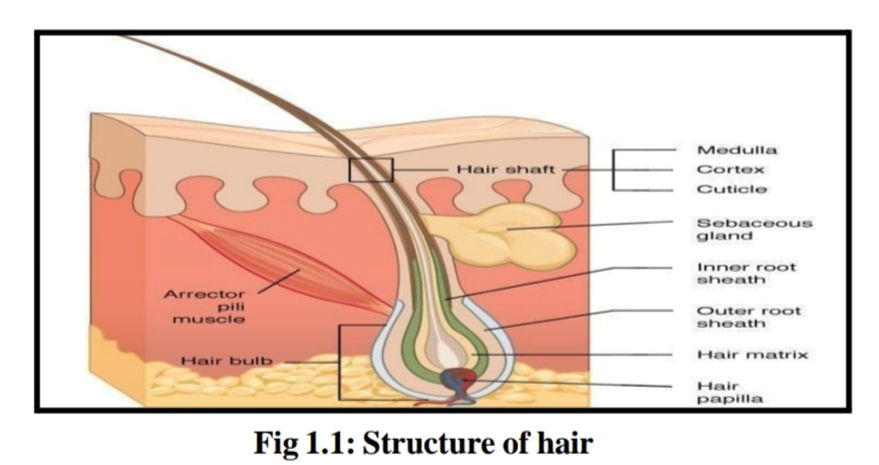
The hair shaft is formed of three layers :-
(1) The medulla: It is the deepest layer of the hair shaft, only seen in large and thick hairs.
(ii) The cortex: It is the middle layer of the hair shaft which provides the strength, colour and texture of hair fiber.The hair cortex also contains melanin. Made by specialised cells named melanocytes.
iii) The cuticle: It is the outer layer of the hair shaft which is thin and colourless. It serves as protection to the cortex. It is made up of 6 to 11 layers of overlapping semi-transparent keratin scales (which make the hair waterproof and allow it to be stretched).
Hair growth cycle :-
Each hair passes through four stages: anagen catagen, telogen and exogen. Another stage Kenogen, has been recently realised. Every hair is at a different stage of the growth cycle. Over Time, the length of the anagen stage decreases. Therefore, the hair may become weaker and Thinner after each cycle.
Dandruff:-
Dandruff is a chronic scalp condition, which involves excessive shedding of dead skin cells from the Scalp. It is caused by a fungus called Malassezia restricta and Malassezia globosa. Malassezia formerly called Pityrosporum is a yeast causing infection of skin and scalp.(13)Dandruff is caused due to excessive shedding of Dead skin cells from the scalp. It affects 5% of the population and mostly occurs after puberty, between 20 and 30 Years, and idandruff affects males more than females.(14) The skin of scalp renews itself about once a month. Usually, scalp sheds dead cells in nearly invisible way, but sometimes cell turnover becomes unusually rapid and Dead cells are shed as visible flakes called dandruff. Warm and humid atmosphere, overcrowding, and poor personal Hygiene promote the growth of Malassezia.(15)
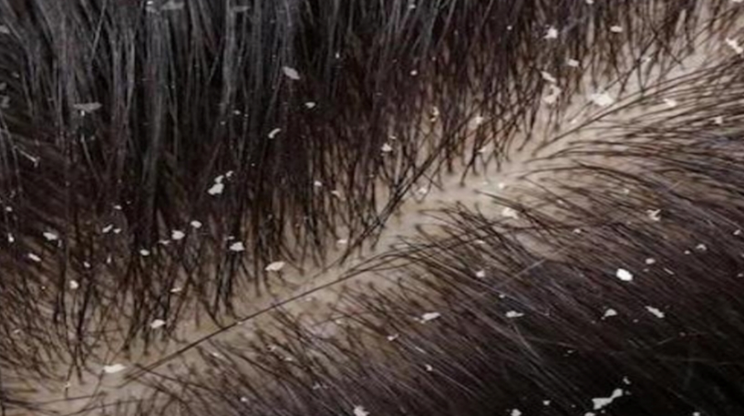
Fig. Dandruff
Causes of dandruff
One explanation for dandruff is that the fungus Pityrosporum ovale, which is naturally present on the scalp and other parts of the skin. Typically, this fungus causes no damage. However, with the weather changes, hormonal, and stress, the scalp will produce more oil, causing the fungus P.ovale to proliferate. With the proliferation of the fungus, itchiness of the scalp skin cells and also the loss of hair follicles and so-called dandruff will come. The exact mechanism of dandruff formation is now believed to be the result of the formation of enzymes called lipases. The Malassezia fungusbreak down sebum to oleic acid by using these enzymes . The oleic acid then penetrates the top layer of skin and causes increased skin cell turnover in susceptible people. This, in turn, causes dandruff flakes and sometimes itching and redness
Symptoms of dandruff mainly include the following
? Presence of fragments (scaling)
? Itching of the scalp
? Redness around the scalp.(16)
The spectrum of dandruff is troublesome to define because it blurs with seborrheic dermatitis and few different scaly conditions.(17)
1. Anagen phase -
The first stage is called the anagen stage and lasts approximately 1,000 days. The anagen phase is known as the growth phase. It begins in the papilla and can last from two to six years. Eighty to ninety percent of all human hair is in the anagen stage. This is the period of active growth when the cells around the follicle are rapidly dividing and depositing materials within the hair. The anagen phase is generaly longer in Asian and can last as much as 7 years with hair being able to grow to 1 metre. The longer the hair stays in the anagen phase, the longer it will grow. Ahout 85% of the hairs on one's head are in the anagen phase at any given time.
2. Catagen phase -
At the end of the anagen phase, hair enters the catagen phase. It is a short transitional phase that lasts approximately 10 days. The first sign of catagen is the cessation of melanin production in the hair bulb and apoptosis of follicular melanocytes. The catagen phase, also lasts about two weeks, the hair follicle shrinks due to disintegration and the papilla detaches known as the transitional phase, allows the follicle to renew itself. The catagen stage accounts for about 2% of all hair growth and development.
3. Telogen phase-
This is the final stage of hair growth. During this stage the hair follicle is dormant or resting and hairs are easily lost. About 10 to 18% of all hairs are in the telogen stage. The follicle then remains inactive for 3 months and the whole process is repeated. During the telogen
or resting phase the follicle remains dormant for one to four months. 10 to 15% of the hairs on one's head are in this phase of growth at any given time. The process results in normal hair loss known as shedding.
Herbal anti-dandruff shampoos
Herbal anti-dandruff shampoos are the cosmetic formulations which contain herbal ingredients such as plant extracts and essential oil. These herbal shampoos are generally used to remove the dandruff, to add natural color to the hair, to remove the extra oil content of the hair, for the healthy growth of the hair, to remove the dust, dirt, and scales of the scalp, to prevent hair falling, to impart softness and smoothness to the hair shaft, etc. It is assumed that they can penetrate to the root shafts, stimulate the sebaceous glands, enhance the blood circulation and impart greater strength to the hair root and the shaft. They are also used against alopecia, thinning, clubbing, and graying of hair and hair shaft roughness and breaking. There are large numbers of plants which have beneficial effects on hair and are commonly used in shampoos(18)
Ingredients of a Shampooo
The common ingredients of a shampoo are:
? Detergents
? Conditioners
? Thickeners
? Preservatives
? Fragrance
Detergents: Shampoo generally include artificial detergents or surfactants as cleansers. A detergent or surfactant is amphiphilic in nature, which means the detergent molecules includes both lipophilic and hydrophilic sites. The lipophilic sites assist to bind sebum, oily dust and hydrophilic end binds to water.
Conditioners: Hair conditioning features are to impart manageability, gloss and residues of hair. This may be included in the shampoo which then serves dual function of cleaning and conditioning.
Thickeners: These are introduced to alternate the physical and optical properties of the shampoo. Many shampoos are pearlescent. Thickeners like sodium chloride are used to grow the product viscosity. These does not show any effect on hair cleansing.
Preservatives: Preservatives withstand germs and save us from decomposition of the shampoos. They also prevent various other health risks that accompany infection through germs and bacteria. Conditioners
?Basic shampoo ingredients formulations and function(19)
?? Detergents Functions to remove environment Dirt,styling products, sebum, and skin Scales from the hair and scalp.
?? Foaming Agent This agent allows the shampoo to form Suds, as consumers equate cleansing with Foaming even though the two are Unrelated.
?? Conditioners Leave the hair soft and smooth after sebum Removal by the detergent.
?? Thickeners Thicken the shampoo, as consumers feel That a thick shampoo works better than a Thin shampoo
?? Opacifiers Added to make a shampoo opaque Aopposed to translucent for aesthetic Purposes, unrelated to cleansing.
?? Sequestering Agents:- Functions to prevent soap scum forming On the hair and scalp in the presence of Hard water; The basic difference between A liquid shampoo and a bar cleanser
?? Fragrance:- Added to give the shampoo a consumer-Acceptable smell.
?? Preservatives:- Prevent microbial and fungal Contamination of the shampoo before and After opening.
?? Specialty Additives:-Treatment ingredients or marketing aids Added to impart other benefits to the Shampoo, besides hair and scalp cleansing.
?Amla
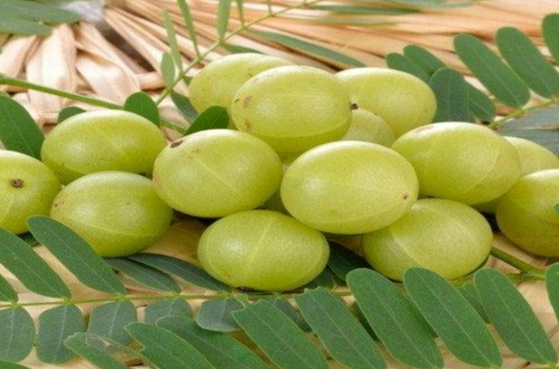
Fig. Amla
Amla, known as Indian gooseberry, is an ample source of vitamin C. It is full of many health benefits. Powdered Amla is used as an essential of hair tonics, required to enhance hair growth and improve hair pigmentation (20). It gives power to the roots, takes care of the colour, and improves luster. Amla oil application to the roots of hair improves hair growth and color . The very popular use is to decrease baldness and hair loss. This quality is due to the tannin contents as tannic acid, ellagic acid, gallic acid, iron and antioxidant material that freezes free radical damage to hair follicles, caused by dandruff (21).
?Hibiscus
Hibiscus or ‘gudhal’ is the most beneficial ingredient for hair . It is used for the growth of hair, its regrowth, and Hair loss. Hibiscus carries amino acids, Vitamin A, C and alpha hydroxyl acids along with other nutrients that are Highly beneficial for hair and scalp. They keep scalp healthy and minimize the chances of dandruff from hair (22).
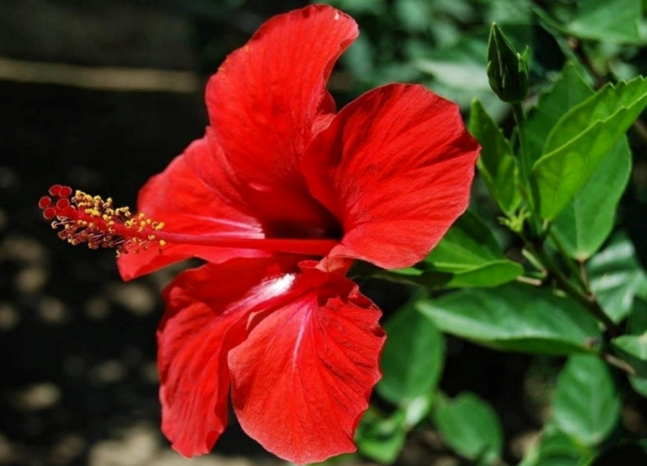
Fig. Hibiscus
Uses – Prevents hair loss , hair growth promoter,Conditions Hairs, Prevents Baldness, Treat Dandruff & Itchy Scalp, Prevents Premature greying.
?Shikakai
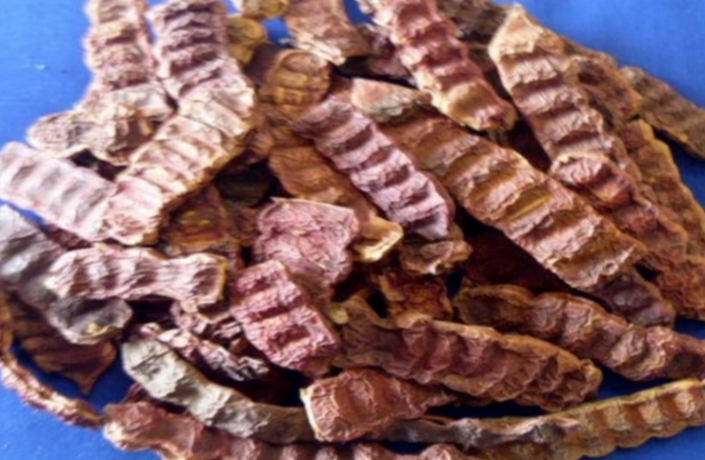
Fig. Shikakai
Aloe Vera –
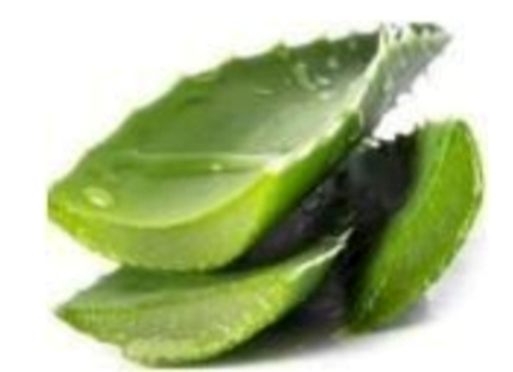
Fig. Aloe Vera
Neem :
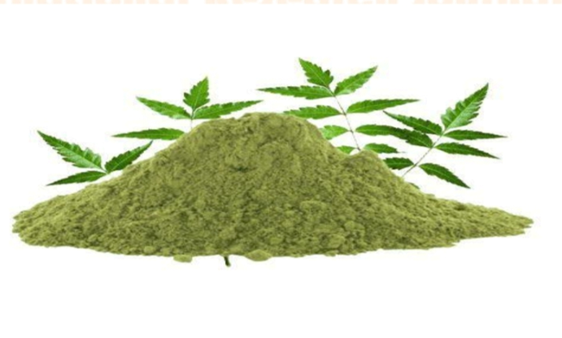
Fig. Neem
Neem helps to clean the scalp. It clears the clogged pores and improves hair growth. The regenerative properties are extremely essential for the treatment of dandruff . It is endowed with antiseptic and healing properties and it can be used for a variety of hair problems (25) . Dandruff can be removed by using neem leaves as a rinse. The most common neem uses are in our hair care rituals. As per Ayurveda, amla, reetha, neem, shikakai are herbs needed for healthy locks, enhanced hair growth, decrease hair fall and make the hair voluminous.
Rose Oil –
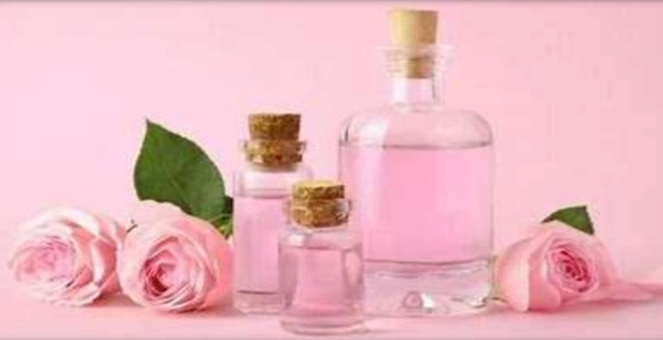
Fig. Rose oil
?Bhringraj
Bhringraj or false daisy is a medicinal herb that promotes hair growth. It is a popular ayurvedic ingredient used for Hair growth . It helps to empower blood circulation to the scalp by stimulating and triggering hair growth, which Has been lost due to any cause, probably, dandruff, etc. It also prevents scalp problems, caused by dandruff and Irritation, in order to make sure that hair growth remains unaffected (24).
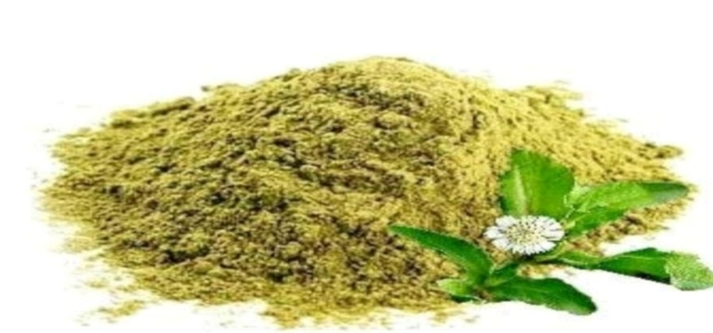
Fig Bhringraj
?Reetha :
? Part used - fruit
? Synonym - Indian soapberry, washnut, ritha or
Chinese soapberry, soap nuts.
? Geographical source - Growsin the lower foothills
and mid hills of the Himalayas
? Biological source - Dried fruits of Sapindus
mukorossi
? Family - Sapindaceae
? Uses- Detergent, anti dandruff , surfactant, antimicrobial agent
? Chemical constituents – saponin
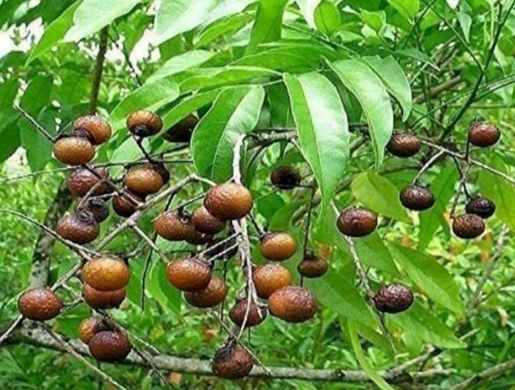
Fig. Reetha.
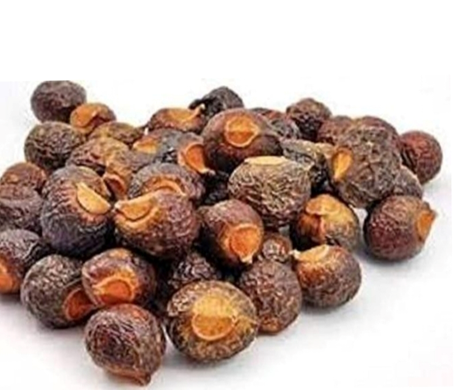
Fig. Reetha
CONCLUSION:-
The present review highlights the potential of herbal ingredients—amla, hibiscus, shikakai, neem, bhringraj, and aloe vera—in the formulation of an effective anti-dandruff shampoo. These natural components are rich in bioactive compounds such as tannins, flavonoids, saponins, and essential oils, which collectively exhibit antimicrobial, anti-inflammatory, antioxidant, and cleansing properties. Neem and aloe vera provide antifungal activity against Malassezia species, the primary causative organism of dandruff. Amla and hibiscus contribute to scalp nourishment and hair strengthening, while shikakai and bhringraj enhance cleansing and promote hair growth.The formulation of an herbal anti-dandruff shampoo not only offers a natural and safe alternative to synthetic products but also aligns with the growing consumer demand for herbal and eco-friendly personal care solutions. Based on available evidence, such herbal formulations can effectively reduce dandruff, improve scalp health, and enhance overall hair quality without the risk of adverse side effects commonly associated with chemical-based shampoos.Further studies including clinical trials and standardization methods are essential to confirm the efficacy and stability of the formulation, but the integration of these herbal ingredients holds significant promise in the field of natural hair care.
REFERENCES

Aditya Sutrave*, Rahul Khochare, Vishal Nalavade, Pradip Dhole, Neha Kedare Bhishma Shrikhande, Dr. Ramesh Ingole, Formulation And Evaluation of Herbal Anti-dandruff Shampoo, Int. J. of Pharm. Sci., 2025, Vol 3, Issue 6, 93-104. https://doi.org/10.5281/zenodo.15569922
 10.5281/zenodo.15569922