

We use cookies to ensure our website works properly and to personalise your experience. Cookies policy
Shiva Trust Godavari College of Pharmacy, Manori, Nashik
In recent years, many people have become interested in adding functional food ingredients to chocolate to reduce the amount of added sugar. They are also exploring new ways to make chocolate. This study looked at how adding red beetroot powder to dark chocolate affects its properties, taste, and how much consumers like it. The researchers focused on different amounts of beetroot powder and the processing time in a melanger. This study looks into whether spread (SC) and compound chocolate (CC) can be used to deliver betalains, which are bioactive compounds and coloring agents. The research examined how different amounts of beetroot powder (ranging from 0.0 to 1.00 g/100 g) affected the quality and visual properties of SC and CC over a 12-week period under conditions that sped up shelf life. As the amount of beetroot powder increased, the hardness and plastic viscosity of CC rose significantly (P<0.05), while factors like particle size, melting behavior, water activity, moisture content, and sensory properties showed no significant changes (P>0.05). The D90 and texture characteristics (such as firmness, stickiness, adhesion, and work of shear) in SC samples were noticeably impacted by the addition of beetroot powder (P<0.05); however, moisture content, water activity. The present study was conducted to formulate and evaluate herbal chocolates incorporated with medicinal plant extracts for potential health benefits. Herbal ingredients such as selected plant extracts were incorporated into a chocolate base to enhance its therapeutic value while maintaining palatability. The chocolates were prepared using standard methods involving melting, mixing, and molding techniques. The formulated herbal chocolates were evaluated for various physicochemical parameters including appearance, texture, hardness, melting point, and uniformity. Organoleptic properties such as taste, aroma, and overall acceptability were also assessed. Additionally, stability studies were performed to determine the shelf life of the prepared formulations under different storage conditions. The results indicated that the herbal chocolates showed satisfactory physicochemical characteristics and acceptable sensory properties. The incorporation of herbal extracts did not significantly affect the quality of the chocolate but enhanced its functional value. Stability studies confirmed that the formulations remained stable over the study period. In conclusion, herbal chocolates were successfully formulated and evaluated, demonstrating their potential as a palatable and effective delivery system for herbal ingredients.
In recent years, more people have started to use functional food ingredients in chocolate to reduce the amount of added sugar. They are also exploring different methods of making chocolate. This study focused on adding red beetroot powder to dark chocolate. It looked at how different amounts of beetroot powder and the time spent processing it in a melanger affected the physical and chemical properties, taste, and how much consumers liked the beetroot dark chocolate.1
Beetroot (Beta vulgaris) is well-known for its health advantages, especially due to its ability to fight diseases with antioxidants and its rich content of vitamin C, along with vitamins B1, B2, niacin, B6, and B12. Its leaves also provide a great source of vitamin A. Despite these impressive nutritional benefits, people consume beetroot much less than other root vegetables. This highlights the need for effective processing and preservation methods to create beetroot-based products that maximize its health benefits. Additionally, it’s important to have a simple and cost-effective preservation technique that requires low investment and helps keep perishable items like beetroot available in areas far from where they are grown. One such method is osmotic dehydration (Shi and Le-Maguer 2002)
Osmotic Dehydration (OD) is a key food preservation technique where fruits and vegetables are soaked in a solution made from concentrated salt, sugar, alcohol, or starch. The osmotic agents can include fructose, corn syrup, glucose, sodium chloride, or sucrose. The cell membranes of fruits and vegetables act like semi-permeable barriers that allow water to flow from the lower concentration inside the produce to the higher concentration in the osmotic solution (Khan 2012).
Candy is a sweet treat made through osmotic dehydration by soaking fruits or vegetables in sugar syrup before draining off the extra syrup and drying them until they can be stored safely. Various fruits and vegetables like apples, ginger, mangoes, guava, carrots, and citrus peels have been used to make candies (Mehta and Bajaj 1984) [3], (Sharma et al., 1998) [4], (Chandu and Prasad 2006) [5]. Candies made from Caronda, ber, and Aonla have also been created (Kaikadi et al., 2006) [6]. Typically, white sugar is used as the sweetener for making candies. Sugar adds energy while improving both the taste and texture of the food (Benitez et al., 2009).2
Beetroots are rich in nutrients, fiber, and various plant compounds. This vegetable offers several health benefits, such as better heart health, lower blood pressure, and improved exercise performance.
- Beetroot (Beta vulgaris) is a root vegetable commonly called red beet, table beet, garden beet, or simply beet.
- Full of vital nutrients, beetroots provide a great amount of fiber, folate (vitamin B9), manganese, potassium, iron, and vitamin C.
- Both beetroots and beetroot juice are linked to many health advantages like better blood flow, reduced blood pressure, and enhanced exercise ability.
- A lot of these benefits come from their high levels of inorganic nitrates.
- You can also eat their leaves, which are known as beet greens.
- There are many varieties of beetroot that come in colors like yellow, white, pink, or dark purple.3
Red beets are rich in bioactive phytonutrients, including phenolic acids like rutin, epicatechin, catechin hydrate, p-coumaric acid, caffeic acid, and protocatechuic acid. They also contain flavonoids such as betavulgarin, betagarin, dihydroisorhamnetin, and cochliophilin A, along with saponins like betavulgarosides and oleanolic acid derivatives. These phytonutrients offer various benefits, including antimicrobial, antioxidant, anti-inflammatory, anti-hypertensive, anti-hyperglycemic, liver-protective, and diuretic effects. Additionally, glutamine is a non-essential amino acid found in beetroot that helps support gut growth and health in our bodies. This remarkable vegetable has been used for medicinal purposes over the years to address issues related to the liver, heart, and pancreas. Its health benefits include detoxifying the liver, enhancing blood circulation, lowering blood pressure, preventing abnormal cell growth, aiding weight control, reducing the risk of diabetes mellitus, and promoting healthy hair growth. Drinking beetroot juice can also help treat nausea and vomiting from bile problems as well as conditions like hemorrhoids, diarrhea, dysentery, cholera, and tuberculosis.4
Enjoying tasty foods like chocolate can transform them from potential health risks into beneficial functional foods. By adding high-value plant-based ingredients to chocolate, we may enhance its health benefits, nutritional value, and shelf life. Chocolate serves as an excellent medium for delivering these plant-based substances, potentially helping to manage and alleviate various health issues like obesity, overweight, hypertension, stress, heart failure, and diabetes. Recent research on fortifying chocolate with valuable plant materials suggests that it may have therapeutic effects against chronic diseases. However, there are some challenges in the process of fortifying chocolates, as their important qualities—like texture and taste—can change in ways we don’t want. Techniques such as spray drying, antisolvent precipitation, nanoemulsification, and liposomal encapsulation appear to help tackle these issues. As a result, numerous studies have looked into creating nanoscale delivery systems aimed at improving chocolate fortification.
Chocolate is considered a functional food due to its high flavonoid levels and positive impacts on human health. These kinds of foods are becoming more popular in the market because they offer health benefits beyond basic nutrition. However, chocolate can also pose health risks due to its high levels of certain non-nutritive compounds (Barišić et al., 2019). It contains antioxidants, anti-inflammatory substances, and minerals that may support bone health. On the flip side, ingredients like cocoa butter, sugar, and methylxanthines might harm bone health (Seem et al., 2019).
Chocolates activate pleasure centers in our brains, making them a delightful daily snack option (Rajeswari, 2020). In recent years, global chocolate consumption has surged across all age groups (Krittanawong et al., 2021). Cocoa is the main ingredient in chocolate. At the start of the 21st century, worldwide cocoa production was about 2 million tons per year; this increased to around 3 million tons by 2010 and reached 5 million tons in 2019 (Araújo et al., 2022). Given this significant level of chocolate consumption, it holds not only economic importance but also potential as a fortified product that could provide medicinal benefits for preventing and treating diseases.5
The way candy is made has changed a lot over the years, with many reports showing how methods have progressed. In the past, different amounts of sweet syrups like honey and sugar syrup were used to prepare candy with ingredients such as carrot and sliced citron peel. These recipes improved both the taste and shelf life of the candy significantly. Similarly, in creating healthier candies, using Stevia rebaudiana instead of sugar can cut calories by up to 60%.
Another method involves using guava as a flavoring agent, which helps create pinkish candies that are more appealing in color and texture. Potassium metabisulphite and sodium bisulfite can also be added to act as disinfectants, antioxidants, and preservatives. Additionally, incorporating chokeberry extract can enhance antioxidant levels while serving as a natural coloring and flavoring option instead of synthetic dyes. Candies made from beetroot and ginger have shown strong antioxidant properties too.
Other candy recipes using beetroot combined with steam-blanching have demonstrated better stability. Blanching has also been used for making candy from unripe mango at temperatures around 40°C. Brix sugar syrup competes well with other formulations for sweetness. A technique involving glass transition temperature along with calcium maltobionate has been shown to improve the hardness of candy, making it a strong candidate for new candy recipes. Today, to support children’s health and create cost-effective pharmaceutical options, metoclopramide hydrochloride and pomegranate juice are included to help soften the candies.6
Health Benefits of Beetroot
Beetroot is becoming well-known as a 'superfood' because of its many health benefits. Here are some key advantages of eating beetroot:
- It can help lower blood pressure and improve blood circulation.
- Beetroot aids in reducing tumors, lowering the risk of obesity, heart disease, diabetes, and overall mortality. It also promotes healthy hair growth, boosts energy levels, and helps with weight loss.
- Different parts of beetroot have various medicinal qualities, including anti-oxidant, anti-microbial, antihypertensive, liver-protecting, anti-inflammatory, anti-diabetic, anti-cancer properties, and diuretic effects. Its high fiber content helps prevent constipation and supports a healthy digestive system. Drinking beetroot juice enhances oxygen flow to the brain and may slow down dementia in older people.
- The nitrates in beetroot support brain function by improving blood flow and increasing the natural production of Glutathione in the body—a compound that may help prevent colon cancer.
- Beetroot wine can aid in healing gastric ulcers. It boosts urine production thanks to its high potassium levels and can help treat low blood sugar. It is also beneficial for conditions like jaundice, hepatitis, nausea from bile issues, tuberculosis, piles, cholera, diarrhea, dysentery, and low immunity after major surgeries. The cellulose in beetroot adds bulk to waste material in the intestines, promoting regular bowel movements which helps prevent constipation and lowers blood pressure for those with hypertension.7
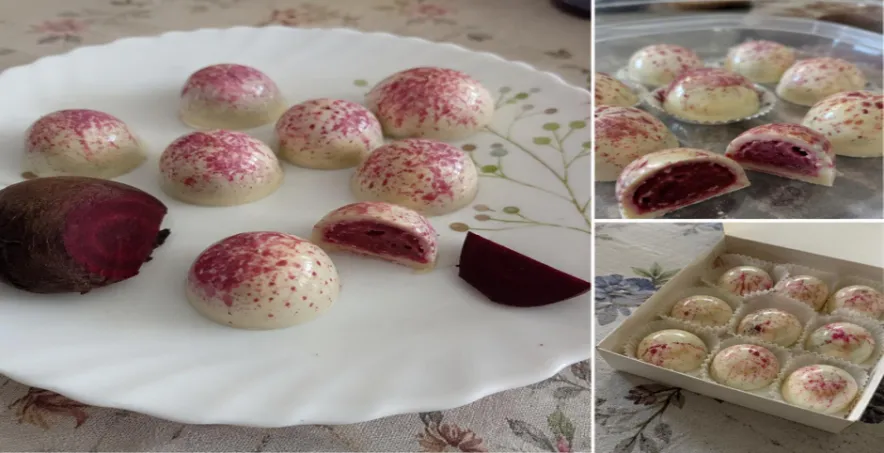
Chocolate is a favorite treat for people of all ages, making it an excellent choice for adding and delivering beneficial compounds. Chocolate, especially varieties with a high cocoa solid content, is packed with polyphenolic compounds like flavan-3-ols, anthocyanins, and proanthocyanidins. These compounds are linked to many health benefits that come from eating chocolate (Tan et al., 2021). According to Commission Regulation EU, 2015, cocoa flavanols have an approved health claim. It states that drinks made with cocoa powder, dark chocolate, and capsules or tablets with high-flavanol cocoa extract providing at least 200 mg of cocoa flavanols per day can help keep blood vessels elastic and support normal blood flow. Eating cocoa and chocolate products also stimulates the pleasure areas in the brain and can have uplifting, calming, and mood-enhancing effects due to substances called methylxanthines—specifically theobromine and caffeine (Tuenter et al., 2018). Interestingly, cocoa beans and chocolate also contain two important brain neurotransmitters: anandamide (N-arachidonoyl ethanolamine) and phenylethylamine (Rodrigues-Silva, 2012). Additionally, cocoa beans and chocolates rich in cocoa solids provide high amounts of magnesium (Cinquanta et al., 2016), which plays a vital role as a cofactor in over 300 enzyme systems that manage various biochemical reactions in our bodies (Grassia et al., 2019).8
Jelly candy is a kind of soft candy that includes hydrocolloids. Nowadays, people often make jelly candies using ingredients that boost their nutritional and functional benefits. Red beet, which has many bioactive compounds, can serve as a key ingredient for making jelly candy. Using red beet in jelly candy might make it more popular because it helps reduce unwanted flavors. This study focused on how different types of hydrocolloids and the addition of ginger extract affect the physical and sensory qualities of red beet jelly candy. The researchers used a nested design with three repetitions for their experiments. They created the red beet jelly candy with two types of hydrocolloid (agar and carrageenan) and varying amounts of ginger extract (0%, 1%, and 2%). The results indicated that changing the type of hydrocolloid significantly influenced the ash content, nitrate and nitrite levels, total phenol, and total betalain content in the candy.9
The use of natural health-boosting additives to improve food products is an exciting topic. Betalains, the natural pigments found in red beets, are recognized for their health benefits. This study aimed to assess gummy candies made with red beet extract (0.1 or 0.3%) as a coloring agent, Salix aegyptiaca distillate for flavor, and gellan gum (0.5 or 1.5%) as a gelling agent. Researchers evaluated the gummy candy samples using texture profile analysis, DPPH assay, sensory evaluation, and color analysis. The findings showed that as the amount of gellan gum increased in the gummy candy recipe, the hardness (~60 N) improved while the gumminess (~15 N) decreased. Statistical tests revealed that adding red beet extract significantly boosted the radical scavenging ability of the samples by 50% (p < 0.05). Additionally, using gellan gum resulted in a shiny red color and made the samples lighter compared to those made with gelatin. Regarding sensory evaluation.10
The recommended daily intake of dietary fiber (DF) is between 25 to 38 grams, which helps prevent non-communicable diseases (NCD). However, many people struggle to meet this goal due to a diet high in processed foods. Researchers have observed a connection between diabetes and the rising rates of obesity, along with a decline in the consumption of dietary fibers and dietary phenolics (DP) over recent decades. DP is linked to a lower risk of hyperglycemia and better glucose regulation through various processes in the liver, muscles, fat cells, and pancreatic beta cells. DF plays a crucial role in moving DP through the digestive system. As carriers of DP, DF helps produce metabolites like short-chain fatty acids and creates an antioxidant environment in the colon.
Studies have also shown that agricultural waste products rich in DF and DP can positively affect endothelial function, which is connected to obesity, diabetes, and metabolic syndrome. Researchers have looked into the bioactive properties and benefits of fruit and vegetable byproducts for different health issues related to endothelial dysfunction.11
Beetroot (Beta vulgaris L.) is the bulb part of the beet plant. It grows in temperate regions and is a biennial plant. People enjoy eating beetroot and drinking its juice because of its delicious taste, nutritional benefits, and flavor. Beetroot juice is rich in antioxidants that are easy for the body to absorb, along with many other healthy compounds like potassium, magnesium, folic acid, iron, zinc, calcium, phosphorus, sodium, niacin, biotin, B6, and soluble fiber. It also provides vitamins A, B1, B2, B6, and C. Additionally, it offers important minerals such as copper, phosphorus, sodium, calcium, magnesium, and iron (Neha et al., 2018) [3].
The pigments in beetroot called betaxanthin and betacyanin give it its yellow and purple colors respectively; these pigments are known together as betalains (Vali et al., 2007) [4]. Betalains have antioxidant properties found in beetroot (Georgiev et al., 2010) [2]. Beetroot has been reported to contain high levels of nitrates (over 250 mg/100 g of fresh weight) (Kumar, 2016) [1]. Although beetroot is cheap and readily available at local markets, many people do not prefer to eat it raw due to its unusual aftertaste. This makes it less popular and limits its health benefits.
As a result, there is a strong need for processed beetroot products. One effective way to include beetroot in everyone's diet is by making it into candy. Given its nutritional and medicinal value, beetroot deserves a place in people's diets. Furthermore, since beetroot is available throughout the year, it can easily be turned into candies (Singh and Hathan, 2013) [5]. Beetroot candy serves as a healthier option compared to artificially flavored candies sold in stores.12
Beetroot (Beta vulgaris L.) is a root vegetable that is recognized for its health benefits. Despite being rich in valuable nutrients and phytonutrients like protein, vitamins, minerals, fiber, phenolic compounds, and antioxidants, beetroot often does not make it into people's diets. Many studies have suggested using beetroot as a health-boosting ingredient in various food products. However, traditional farming methods in many places rely heavily on artificial fertilizers, pesticides, and herbicides. This reliance has led to problems like soil degradation, water pollution, and negative effects on human health. Thus, it is important to transition to more sustainable and eco-friendly farming techniques. Recently, several studies have looked into organic farming as an alternative way to support agricultural sustainability. Organic fertilizers such as compost, manure, poultry waste, and neem cake are vital for organic farming because they help improve soil fertility, increase nutrient availability, support beneficial soil organisms, and boost crop yields.
As people strive to enhance their overall health and quality of life, there is a rising demand for healthy diets that incorporate "functional foods." This trend is growing globally due to the presence of various elements like beta-carotenoids, carotenoids, vitamins, dietary fibers, and other phytochemicals found in certain fruits and vegetables that qualify them as functional foods. These components are essential for preventing cardiovascular disease, cancer, type 2 diabetes mellitus, age-related conditions, and liver diseases. Because of its nutritional value and taste appeal, beetroot stands out as one of the recognized functional foods enjoyed in both raw and processed forms around the world.13
Chocolate is often seen as a sweet treat, but people have enjoyed it for centuries due to its potential health benefits. The native tribes in Mesoamerica first used chocolate for medical purposes, either as a remedy or as a way to deliver other medicines. Research on the health advantages of chocolate comes from the Kuna Indians in Panama, who drink about 30 ounces of a cocoa-based beverage daily that contains roughly 1880 mg of procyanidins. This group shows lower rates of high blood pressure, diabetes, cancer, and strokes. This suggests that the high amount of procyanidins in their drink might help explain why they experience fewer chronic diseases [14]. When chocolate made its way to Europe, it was documented to have nearly 150 different medical uses, including helping digestion, boosting the nervous system, acting as an antidepressant, and enhancing mental performance [14,20].
The health benefits of chocolate mainly come from the antioxidant properties of flavonoids found in cocoa. The cocoa bean is one of the main sources of dietary phenolics, making up about 12-18% of its total dry weight [15]. The key flavonoids in chocolate are epicatechin, catechins, and procyanidins; with procyanidins being the most important for the antioxidant effects of cocoa products [14]. Dark chocolate contains around 21.5 mg of epicatechin, 10.4 mg of catechin, and 821 mg of total procyanidins per gram [14,15]. These compounds may help reduce heart disease risk. Additionally, a meta-analysis indicates that eating foods rich in cocoa can lower blood pressure [15]. Moreover, consuming cocoa and chocolate has been linked to better brain function. Studies on animals have shown that flavonoids directly affect certain targets in the brain and provide an antioxidative effect. This effect may protect brain tissue and enhance areas responsible for memory, learning, and thinking skills.14
There are three types of Beta vulgaris that you can find for sale: B. maritima, B. vulgaris, and B. adanensis. These types are commonly known as red beet, sugar beet, garden beet, table beet, golden beet, or simply beet. People around the world enjoy them in salads, pickles, and juices, and they are grown all year long. New methods in growing beetroots—like better irrigation techniques, breeding programs, and nutrient use—aim to boost their yield and quality. Using organic farming methods and managing pests carefully has helped cut down on chemicals while keeping the beetroot crops healthy.
The main root of the beetroot is long, narrow, and sturdy, with many side roots that give it a thick texture. This root is what people eat and usually measures about 1 to 2 inches tall. Beetroot roots come in different shapes (either round or cylindrical) and colors (like reddish-purple, golden yellow, or reddish-white), depending on the type. The leaves grow from the top and vary in size, shape, and color. Beetroot seeds contain multiple germinations since one seed can grow several seedlings; they have a tough outer shell with phenolics that stop them from sprouting right away. The flowers are small with five petals. Beets grow well throughout the year but prefer cooler weather with temperatures between 15–19 °C. Cooler temperatures help bring out their deep red color, although they can handle some heat too. You can harvest them after about 75–90 days in summer or 100–120 days in winter. During the early stages of growth, it's important to provide nitrogen because it greatly influences how sweet the beets become.15
Processed foods are very popular and are eaten by people from all walks of life. These foods often have high levels of protein and fat, which can make them more prone to oxidation. This process can change their physical and chemical properties and shorten their shelf life. The byproducts of macronutrient oxidation can also harm health. For example, aldehydes like malondialdehyde, which come from the oxidation of fatty acids, can cause mutations and lead to heart issues. Similarly, oxidation products from proteins, such as carbonyls, can speed up cell aging and contribute to diseases related to aging (Miyata et al. 1998; Niedernhofer et al. 2003). To reduce macronutrient oxidation in processed foods, manufacturers often add synthetic antioxidants, but these additives may worsen certain health problems (Shahidi and Ambigaipalan 2015).
In response to consumer demand for healthier diets, food reformulation strategies aimed at enhancing the health benefits of processed foods are gaining popularity (Leroy et al. 2015). Many manufacturers are turning to natural ingredients for these reformulations because they offer several advantages for both consumers and producers. These advantages include better nutritional value and the creation of ‘clean label’ products. Our research has focused on the potential of beetroot for this purpose since it is full of phytochemicals that have proven nutritional and antioxidant benefits. 16
Helminthes refers to an infection in humans caused by parasitic worms like roundworms and pinworms. These worms usually target the intestinal tract but can also spread to other organs. This issue is a major concern for both people and livestock, especially in tropical areas. The problem is more common in developing countries where hygiene practices are poor and regulations are weak. A frequent result of infections from gastrointestinal nematodes is anemia, which harms a person's nutritional health, lowers their appetite, and affects their physical, mental, and social growth. These infections can lead to illness and, in some cases, death by weakening nutritional health, disrupting cognitive functions, causing tissue reactions (like granulomas), and leading to complications such as intestinal blockages or rectal prolapse in livestock.17
The created chocolate shows a strong ability to stop protein denaturation, suggesting it has great potential to help with arthritis. We test these formulations for stability and their effects on protein denaturation and membrane stabilization. This chocolate is made using cocoa mixed with fat. Sesame, an herbal remedy, has some health benefits, including fighting arthritis and acting as an antioxidant. It can help prevent rheumatoid arthritis and improve blood pressure. Therefore, we use sesame in the chocolate-making process to create a product that is friendly for patients and helps manage arthritis.18
Chocolate is a versatile food that can be mixed in various ways to create different tastes and textures. It also acts as a dry medium that prevents the growth of microbes and the breakdown of water-sensitive ingredients. Chocolate is rich in several compounds, including saturated fats, polyphenols, sterols, di- and triterpenes, aliphatic alcohols, and methylxanthines. One notable compound is phenyl ethylamine, which occurs naturally in the brain and is known as "the love drug" because it promotes feelings of happiness and satisfaction. This compound is also found in chocolate, where it can raise blood pressure and blood sugar levels, contributing to a sense of well-being.
Humans have five basic taste sensations: sweet, sour, bitter, salty, and savory. Among these, sweetness is one of the most enjoyable sensations as it helps us identify high-energy sugars to consume.
Medicated chocolate is created by incorporating drugs into a chocolate base. When the drug is blended with chocolate and released while eating it, we refer to this method as a Chocolate Drug Delivery System. This system works particularly well for children.
The goal of this study was to create Pediatric Herbal Chocolate and assess its physical and chemical properties so that the formulations can be standardized for commercial use.19]
The word "CHOCOLATE" comes from the term 'coca.' The story of chocolate goes back to around 400 AD. It is made from the seeds of the coca plant called ‘Theobroma cacao.’ These seeds are rich in antioxidants and important minerals. To make chocolate, several steps are followed, including roasting the seeds, fermentation, and different chemical processes. This results in cocoa powder and cocoa butter, depending on how it's prepared and extracted.
Chocolate contains many helpful compounds like phenylethylamine (see Figure 1), flavonoids, methylxanthines, aliphatic alcohols, sterols, and others. Phenylethylamine, often called the 'love drug,' is found naturally in our brains when we feel love. It’s a type of amphetamine that acts as a natural stimulant. This compound helps produce hormones, creates feelings of happiness and positivity, and increases dopamine levels along with other neuroreceptors.20]
LITERATURE REVIEW:
The development of functional foods has gained significant attention in recent years due to increasing consumer demand for nutritionally enriched and health-promoting products. Among such products, chocolate has emerged as an ideal delivery system for bioactive compounds because of its wide acceptability, pleasant taste, and ability to mask undesirable flavors of herbal ingredients. Dark chocolate, in particular, is recognized as a functional food due to its richness in polyphenols, flavonoids, and antioxidant compounds that contribute to cardiovascular and metabolic health benefits.
1. Functional Chocolate as a Delivery System
Chocolate serves as a lipid-based matrix that allows incorporation of various plant-derived bioactive compounds without significantly compromising stability. Research indicates that fortification of chocolate with natural ingredients such as plant extracts, fruits, or herbs enhances its antioxidant capacity and nutraceutical value. The incorporation of phenolic-rich ingredients has been shown to increase flavonoid content and improve the biological activity of chocolate. OUP Academic
Additionally, herbal chocolates have been explored as novel drug delivery systems. Studies involving herbal extracts (e.g., Brahmi, pumpkin seed) demonstrate that chocolate formulations can maintain stability, acceptable organoleptic properties, and effective release of active constituents, making them suitable for therapeutic as well as nutritional purposes .IJSR
2. Nutritional and Functional Properties of Beetroot
Beetroot (Beta vulgaris) is a highly nutritious root vegetable rich in bioactive compounds such as betalains, polyphenols, nitrates, and vitamin C. These compounds exhibit strong antioxidant, anti-inflammatory, and cardioprotective effects. Betalains, the primary pigments in beetroot, are particularly known for their free radical scavenging activity and contribution to oxidative stress reduction.
Scientific studies have demonstrated that beetroot significantly enhances antioxidant potential when incorporated into food systems. It improves oxidative stability and delays lipid oxidation, thereby extending shelf life and maintaining product quality .
3. Beetroot-Enriched Chocolate
Recent research has focused on the incorporation of beetroot powder into dark chocolate to enhance its functional properties. The addition of beetroot has been shown to increase the levels of bioactive compounds such as catechin, epicatechin, betalains, and vitamin C. This results in improved antioxidant activity and reduced sugar content in the final product .
Moreover, optimization studies suggest that beetroot powder can be incorporated up to certain concentrations (e.g., around 30%) without negatively affecting the physicochemical properties of chocolate. Processing conditions such as conching time also play a significant role in preserving bioactive compounds and improving product quality.
4. Physicochemical and Sensory Evaluation
Evaluation of herbal beetroot chocolate involves several parameters including:
Physicochemical properties: pH, moisture content, fat content, melting behavior, and texture
Antioxidant activity: DPPH, FRAP assays
Stability studies: bloom formation, oxidative stability
Sensory evaluation: taste, color, aroma, mouthfeel, and overall acceptability
Studies on beetroot chocolate indicate that incorporation of beetroot affects color (enhanced reddish hue), slightly modifies texture, and may impart a mild earthy flavor. However, when optimized, the formulation remains highly acceptable to consumers, indicating good potential for commercialization.
5. Challenges in Herbal Chocolate Formulation
Despite its advantages, formulation of herbal chocolates presents certain challenges:
Flavor compatibility: Herbal ingredients may impart bitterness or earthy taste
Stability issues: Interaction of plant compounds with cocoa butter may affect crystallization
Dose uniformity: Ensuring consistent distribution of herbal actives
Processing conditions: Heat sensitivity of bioactive compounds during tempering and conching
Proper selection of formulation techniques and processing conditions is essential to overcome these limitations.
6. Scope and Future Prospects
Herbal beetroot chocolate represents a promising category of functional confectionery products with dual benefits—nutritional and therapeutic. It has potential applications in:
Nutraceuticals
Pediatric and geriatric supplementation (due to palatability)
Antioxidant-rich dietary products
Future research may focus on:
Microencapsulation of beetroot extract for enhanced stability
Sugar-free or low-calorie formulations
Clinical evaluation of health benefits.
Problem Identification:
In recent years, there has been a growing shift in consumer preference toward functional foods that provide health benefits beyond basic nutrition. Although chocolate is widely consumed and accepted across all age groups, most commercially available chocolates are high in sugar and fat content, offering limited nutritional or therapeutic value. This creates a need to transform conventional chocolate into a healthier alternative without compromising its sensory appeal.
Beetroot is a rich source of natural antioxidants, betalains, nitrates, and essential nutrients known for their beneficial effects on cardiovascular health, immunity, and oxidative stress reduction. Despite its significant health potential, beetroot consumption remains limited due to its earthy taste, short shelf life, and low consumer acceptability in raw or cooked forms. Therefore, incorporating beetroot into a more palatable and widely accepted food matrix such as chocolate presents a promising approach .
Another key issue is maintaining the physicochemical properties of chocolate, including proper texture, melting behavior, and shelf stability, while incorporating herbal ingredients. Improper formulation may lead to problems such as fat bloom, phase separation, or inconsistent distribution of active constituents.
Furthermore, there is limited standardized research available on the optimal concentration of beetroot that balances health benefits with sensory acceptance. Evaluation parameters such as antioxidant activity, organoleptic properties, and stability need to be systematically studied to ensure product quality and efficacy.
Thus, the core problem lies in developing a stable, acceptable, and nutritionally enhanced herbal chocolate by effectively incorporating beetroot without compromising its quality attributes. Addressing these challenges is essential to create a functional chocolate product that is both health-promoting and commercially viable.
Finalization of objectives:
Based on the identified problem and the growing demand for functional food products, the objectives of the present study are finalized to ensure systematic development and evaluation of herbal beetroot chocolate. The study is designed to focus on formulation optimization, quality assessment, and evaluation of functional benefits.
Primary Objective
To formulate a stable, palatable, and nutritionally enriched herbal chocolate by incorporating beetroot as a natural functional ingredient.
Secondary Objectives
To select suitable raw materials, including cocoa base and processed beetroot (powder or extract), for preparation of herbal chocolate.
To develop different formulations by varying the concentration of beetroot in order to identify the most suitable composition.
To optimize the formulation process (mixing, melting, tempering, and molding) for uniform distribution of beetroot and desirable texture.
To evaluate the physicochemical properties of the prepared chocolate, such as:
To assess the organoleptic properties of the formulation, including:
To determine the antioxidant activity of the herbal beetroot chocolate using suitable in-vitro methods.
To perform stability studies of the optimized formulation under different storage conditions to evaluate changes in quality parameters over time.
To compare the developed herbal chocolate with conventional chocolate in terms of nutritional value and acceptability.
To identify the optimum concentration of beetroot that provides maximum health benefits while maintaining good sensory characteristics.
Long-Term Objective
To explore the potential of herbal beetroot chocolate as a functional food or nutraceutical product with possible applications in improving general health and preventing oxidative stress-related conditions.
Planning Methodology :
The methodology for the formulation and evaluation of herbal beetroot chocolates was systematically designed to ensure product quality, stability, and acceptability. The planning phase focused on selecting appropriate ingredients, optimizing formulation variables, and establishing evaluation criteria.
1.1. Selection of Ingredients
The formulation was planned using natural and functional ingredients. Beetroot was chosen as the primary herbal component due to its nutritional value and natural coloring properties. Along with beetroot, cocoa, sweetening agents, and herbal additives (such as dry ginger or cardamom) were considered to enhance both flavor and therapeutic benefits.
1.2. Pre-formulation Studies
Before formulation, preliminary studies were planned to assess:
These studies helped in selecting suitable concentrations of beetroot that would not negatively affect texture or taste.
1.3. Formulation Design
Multiple trial batches were planned by varying:
This step ensured optimization of formulation for the best balance between nutrition and palatability.
1.4. Preparation Method
A standardized chocolate preparation technique was planned, involving:
1.5. Evaluation Parameters
The methodology included evaluation based on:
1.6. Data Analysis Plan
All results were planned to be recorded systematically and compared across batches to identify the optimized formulation. Sensory evaluation scores were to be analyzed using simple statistical methods.
Procurement of Materials:
Proper procurement of materials was planned to ensure quality, consistency, and reliability of the formulation process.
2.1 Selection Criteria for Raw Materials
Materials were selected based on:
2.2 Source of Materials
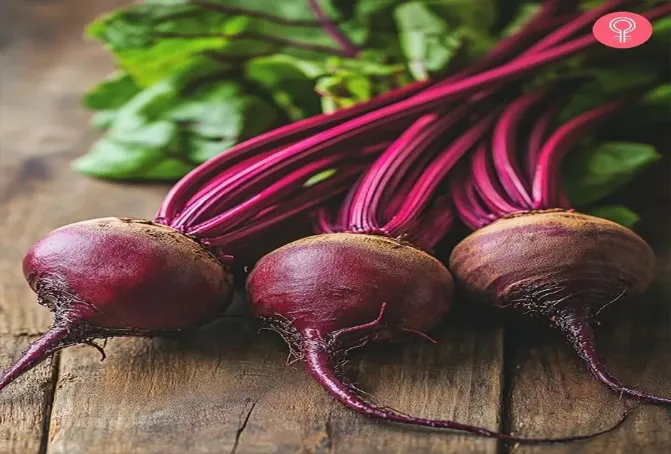
Beetroot: Fresh beetroot was procured from local vegetable markets and processed into powder under hygienic conditions.
Cocoa powder and cocoa butter: Obtained from certified food-grade suppliers to ensure standard chocolate quality.
Sweetening agents: Sugar, jaggery, or alternative sweeteners were purchased from reliable grocery or wholesale vendors.
Herbal additives: Ingredients like cardamom or dry ginger were sourced from herbal stores ensuring authenticity and freshness.
2.3 Processing of Herbal Ingredient
Fresh beetroot was:
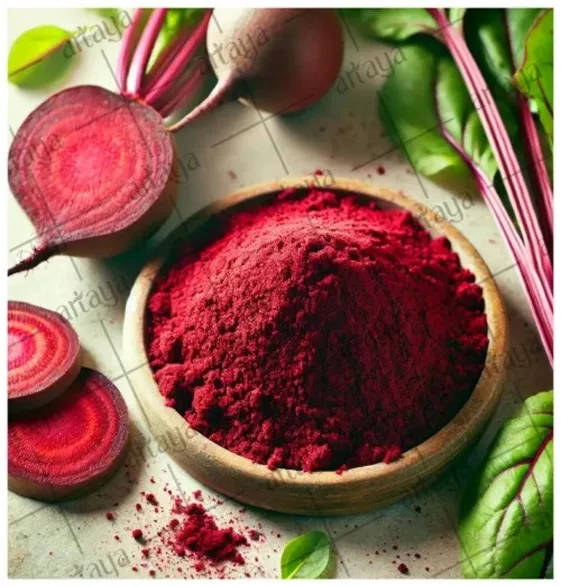
2.4 Storage of Materials
2.5 Equipment Procurement
Basic equipment required included:
These were arranged from laboratory facilities or local suppliers.
2.6 Quality Assurance
Each material was visually inspected and checked for:
Experimental / Research Work Execution :
1. Study Design
The research was designed as a formulation–optimization–evaluation study. Multiple batches of herbal beetroot chocolates were prepared by varying:
Each batch was evaluated to identify the optimized formulation based on sensory acceptability, nutritional value, and stability.
2. Materials Selection and Preparation
2.1 Raw Materials
2.2 Preparation of Beetroot Powder
2.3 Preparation of Herbal Extract
3. Formulation of Herbal Beetroot Chocolates
3.1 Chocolate Base Preparation
3.2 Incorporation of Functional Ingredients
3.3 Mixing and Homogenization
3.4 Molding and Cooling
4. Optimization of Formulation
Different batches (F1, F2, F3, etc.) were prepared by altering:
The best formulation was selected based on:
5. Evaluation Parameters
5.1 Organoleptic Evaluation
5.2 Physicochemical Evaluation
5.3 Nutritional Analysis
5.4 Antioxidant Activity
5.5 Texture Analysis
5.6 Stability Studies
Data Collection:
1. Overview of Data Collection Process
Data collection was carried out systematically during formulation, optimization, and evaluation stages of herbal beetroot chocolates. Both qualitative and quantitative data were recorded to assess the performance, acceptability, and stability of different formulations.
All observations were documented in laboratory record sheets and compiled for further analysis.
2. Types of Data Collected
2.1 Formulation Data
2.2 Organoleptic (Sensory) Data
2.3 Physicochemical Data
2.4 Nutritional Data
2.5 Antioxidant Activity Data
2.6 Texture and Physical Properties Data
2.7 Stability Study Data
3. Data Collection Tools and Instruments
4. Data Reliability Measures
5. Data Handling and Analysis
Data Analysis And Interpretation:
The collected data from various evaluation parameters were systematically analyzed to compare different formulations (F1, F2, F3, etc.). The objective was to identify the formulation that provided the best balance of sensory acceptability, nutritional value, antioxidant activity, and stability.
All experimental values were expressed as mean ± standard deviation, and comparisons were made using simple statistical and graphical methods.
Observation
Formulations with lower beetroot concentration showed better sweetness and familiar chocolate taste.
Higher beetroot levels enhanced color but slightly affected taste due to earthy flavor.
Moderate levels of herbal extract improved aroma but excessive amounts caused bitterness.
Interpretation
A balanced concentration of beetroot and herbal extract is essential for consumer acceptability.
The formulation (e.g., F2) with moderate beetroot (around 4%) and controlled herbal extract showed the highest overall acceptability score.
Sensory scores indicated that extreme variations negatively impact palatability.
pH
All formulations showed slightly acidic to neutral pH.
Increase in beetroot content caused a minor decrease in pH.
Interpretation:
The pH range remained suitable for chocolate stability and consumption, indicating that beetroot incorporation does not adversely affect product safety.
Moisture Content
Moisture content increased slightly with higher beetroot powder addition.
Interpretation:
Excess moisture may reduce shelf life; hence, formulations with controlled beetroot levels are preferable for better stability.
Ash Value
Ash content increased with higher beetroot concentration.
Interpretation:
This indicates improved mineral content, confirming the nutritional enhancement of the chocolate.
Observation
Beetroot-enriched chocolates showed higher iron and overall nutrient content compared to control.
Slight variation in fat and carbohydrate content was observed depending on ingredient ratios.
Interpretation
Incorporation of beetroot significantly improves nutritional profile, especially for iron content.
Herbal additives may contribute additional health benefits, making the product functionally superior to conventional chocolate.
Observation
Antioxidant activity increased with higher levels of beetroot and herbal extract.
The control chocolate showed the lowest antioxidant activity.
Interpretation
Beetroot and herbal components contribute to enhanced free radical scavenging activity.
However, very high concentrations may compromise taste, so an optimal balance is necessary.
Observation
Higher beetroot content slightly increased hardness and reduced smoothness.
Moderate formulations showed good gloss, snap, and mouthfeel.
Interpretation
Excess plant powder affects the structural integrity of chocolate.
Proper emulsification and controlled addition improve texture and consumer appeal.
Observation
Chocolates stored under refrigeration maintained better quality than those at room temperature.
Minor changes in taste and texture were observed over time, especially in high-moisture formulations.
Interpretation
Stability is influenced by moisture content and storage conditions.
Optimized formulation showed minimal changes over 30 days, indicating acceptable shelf stability.
Preparation of Result And Discussion:
1. Overview
Different formulations of herbal beetroot chocolates (F1, F2, F3) were successfully prepared by varying the concentration of beetroot powder and herbal extract. All batches were evaluated for organoleptic properties, physicochemical parameters, nutritional value, antioxidant activity, texture, and stability. The results obtained are discussed below.
2. Organoleptic Evaluation
Results
F1 (low beetroot content): Showed good taste and sweetness with a typical chocolate flavor but had a lighter color.
F2 (moderate beetroot content): Exhibited an appealing reddish-brown color, pleasant aroma, balanced sweetness, and smooth texture.
F3 (high beetroot content): Had a deep color but a slightly earthy taste and mild bitterness due to higher herbal concentration.
3. Physicochemical Parameters
Results
pH: All formulations were within a slightly acidic to neutral range, with a slight decrease in pH as beetroot content increased.
Moisture Content: Increased gradually from F1 to F3.
Ash Value: Higher in formulations with more beetroot content.
4. Nutritional Analysis
Results
Beetroot-enriched chocolates showed increased iron content compared to control.
Slight variations in carbohydrate and fat content were observed across formulations.
F3 had the highest nutritional value, followed by F2.
CONCLUSION
The results demonstrate that beetroot significantly improves the nutritional quality of chocolate, especially in terms of iron and micronutrients. However, excessive addition may compromise sensory properties, highlighting the importance of optimization. demonstrated that it is feasible to develop a nutritionally enriched and functionally beneficial confectionery product by incorporating beetroot and selected herbal ingredients into a chocolate base. The study confirmed that beetroot, owing to its natural pigments, antioxidants, and micronutrient content, can be successfully utilized not only as a natural coloring agent but also as a health-promoting component in chocolate.
REFERENCES



Tejal Brahmane, Yash Wankhede, Rashmi Wagh, Formulation and Evaluation of Herbal Beetroot Chocolates, Int. J. of Pharm. Sci., 2026, Vol 4, Issue 7, 2906-2927. https://doi.org/10.5281/zenodo.21363382
 10.5281/zenodo.21363382