

We use cookies to ensure our website works properly and to personalise your experience. Cookies policy
Siddhant College of Pharmacy, Sudumbre Pune.
Dandruff is one of the most common scalp disorders affecting people of all age groups and is often associ-ated with itching, dryness, irritation, and microbial infection of the scalp. The present study was aimed at the formulation and evaluation of a herbal dual action anti-dandruff shampoo using natural ingredients with anti-fungal, anti-inflammatory, cleansing, and hair conditioning properties. Herbal ingredients such as neem, aloe vera, tea tree oil, hibiscus, shikakai, reetha, and other selected plant extracts were incorpo-rated into the formulation to provide effective dandruff control along with nourishment and protection of hair and scalp.The shampoo was prepared using suitable pharmaceutical techniques and evaluated for various physico-chemical parameters including appearance, color, odor, pH, viscosity, foamability, foam stability, surface tension, dirt dispersion, wetting time, and stability studies. The anti-dandruff activity of the formulation was assessed against dandruff-causing microorganisms, while conditioning and cleansing effects were also evaluated. The formulated herbal shampoo showed good homogeneity, acceptable pH, satisfactory foaming ability, good cleansing action, and excellent stability during storage conditions. The formulation demon-strated significant anti-dandruff activity with minimal irritation and improved scalp health.The study concludes that the developed herbal dual action anti-dandruff shampoo is safe, effective, and economical compared to synthetic formulations. The use of herbal ingredients provides a natural alterna-tive for dandruff management while promoting healthy hair growth and scalp conditioning. The formulated shampoo may serve as a promising herbal cosmetic preparation for routine hair care and dandruff treat-ment
1.1 Aim
The aim of the present study is to formulate and evaluate a herbal dual-action anti-dandruff shampoo incorporating neem extract (Azadirachta indica), hibiscus extract (Hibiscus rosa-sinensis), and tea tree oil (Melaleuca alternifolia), which effectively addresses both the antifungal and anti-inflammatory aspects of dandruff while maintaining excellent physicochemical properties and consumer acceptability.
1.2 Objectives
2: INTRODUCTION
2.1 Overview of Dandruff
Dandruff, clinically termed Pityriasis capitis, is a common, chronic scalp disorder that manifests as excessive flaking of dead scalp skin cells, often accompanied by itching (pruritus), scalp redness, and in severe cases, greasy scales. It is considered one of the most widespread dermatological conditions worldwide, with a prevalence rate estimated between 50% and 60% of the general adult population [23]. Despite its non-contagious and non-infectious nature, dandruff significantly impacts the quality of life of affected individuals, leading to social embarrassment, lowered self-esteem, and psychological distress.
The condition is multifactorial in origin, involving interplay between the scalp's resident microbiome, sebum production levels, and individual immune responses. While dandruff is often dismissed as a cosmetic problem, persistent or severe cases can progress to seborrheic dermatitis, a more inflammatory condition affecting not just the scalp but also the face, chest, and back.
2.2 Pathophysiology of Dandruff
The scalp, like other skin surfaces, undergoes continuous renewal through a process called desquamation, wherein keratinocytes in the basal layer differentiate and migrate toward the surface over approximately 28 days, eventually shedding as invisible dead cells. In dandruff-prone scalps, this process is accelerated to nearly 7–14 days, resulting in visible clumping of cells into white or yellowish flakes. The primary etiological agent implicated in dandruff pathogenesis is Malassezia furfur (Pityrosporum ovale/orbiculare), a lipophilic yeast that is a natural component of the scalp microbiome in most adults [5]. In susceptible individuals, Malassezia overgrowth triggers the release of oleic acid and other unsaturated fatty acids from sebum hydrolysis. These byproducts penetrate the stratum corneum, activate the innate immune response, and lead to keratinocyte hyperproliferation and exaggerated desquamation, clinically presenting as dandruff [15]. Secondary contributing factors include overproduction of sebum (seborrhea), hormonal fluctuations (particularly androgens), nutritional deficiencies (zinc, vitamin B6, essential fatty acids), psychological stress, and exposure to environmental pollutants and harsh chemical hair products.
2.3 Current Treatment Approaches
Conventional anti-dandruff treatments rely predominantly on synthetic active agents such as Zinc Pyrithione (ZPT), Ketoconazole, Selenium Sulphide, Coal Tar, Piroctone Olamine, and Salicylic Acid. While clinically efficacious, these compounds are associated with notable drawbacks including scalp dryness, contact dermatitis, hair discoloration (coal tar), phototoxicity, potential hormonal disruption (ketoconazole), and development of antifungal resistance with prolonged use [13]. This growing concern over synthetic ingredient safety, combined with the global shift toward natural personal care products, has created a strong scientific and commercial impetus to explore herbal alternatives that can effectively combat dandruff while maintaining a superior safety profile.
2.4 Herbal Approach in Anti-Dandruff Therapy
Traditional systems of medicine, including Ayurveda, Unani, and Chinese medicine, have long prescribed various plantbased remedies for scalp health. Modern ethnopharmacological and phytochemical research has validated the antifungal, antibacterial, anti-inflammatory, and conditioning properties of numerous medicinal plants against scalp pathogens [15].
A herbal shampoo formulation represents an ideal delivery vehicle for scalp-active herbal ingredients, providing direct contact with the affected area, adequate contact time during washing, and ease of incorporation of diverse phytochemicals. Furthermore, herbal shampoos align with the growing consumer preference for "clean beauty" and "green cosmetics" [9].
2.5 Rationale for Dual-Action Formulation
Traditional anti-dandruff shampoos primarily target one aspect of dandruff: either the fungal etiology (through antifungal agents) or the inflammatory response (through keratolytics or anti-inflammatories). A dual-action formulation addresses both simultaneously, providing a more comprehensive therapeutic outcome [12]. This study aims to exploit the synergistic antifungal and anti-inflammatory properties of selected herbal ingredients to develop a shampoo that combats Malassezia overgrowth while simultaneously reducing scalp inflammation and improving overall scalp health.
2.6 Key Herbal Ingredients
2.6.1 Neem (Azadirachta indica)
|
Figure 1: Neem |
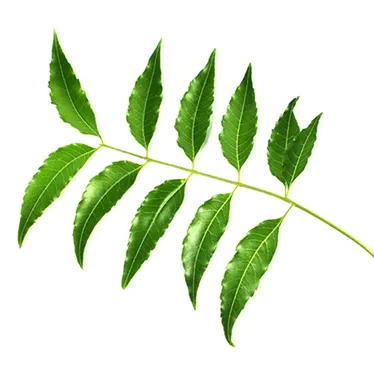
Figure 1: Neem
2.6.2 Hibiscus (Hibiscus rosa-sinensis)
Hibiscus flowers and leaves are rich in mucilage, flavonoids (quercetin, kaempferol, anthocyanins), organic acids (malic acid, tartaric acid), pectin, and amino acids. The mucilaginous compounds act as natural conditioners, imparting slip and manageability to hair. Flavonoids exhibit antioxidant and anti-inflammatory properties that help soothe irritated scalp tissue [18]. Adhirajan et al. (2003) demonstrated significant hair growth promotion potential of hibiscus leaf extract in animal models, attributed to its flavonoid content and stimulation of follicular proliferation [1].
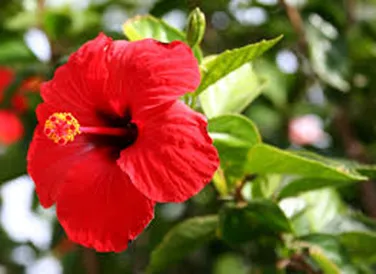
Figure 2: Hibiscus
2.6.3 Tea Tree Oil (Melaleuca alternifolia)
Tea Tree Oil (TTO) is a steam-distilled essential oil with a complex composition dominated by terpinen-4-ol (the primary bioactive compound), gamma-terpinene, alpha-terpinene, and 1,8-cineole. Clinical studies have demonstrated that shampoos containing 5% TTO significantly reduce dandruff severity scores compared to placebo [16]. The antifungal mechanism of TTO involves disruption of fungal cell membrane integrity and inhibition of ergosterol biosynthesis [4]. Carson et al. (2006) confirmed minimum inhibitory concentrations against Malassezia furfur at 0.06–0.25% v/v, supporting its use in anti-dandruff formulations [4]

3: LITERATURE SURVEY
Adhirajan et al. (2003) demonstrated that topical application of hibiscus leaf extract significantly promoted hair growth in animal models, attributed to its flavonoid content and stimulation of follicular proliferation. The study evaluated in vivo and in vitro hair growth potential of Hibiscus rosa-sinensis [1].
Balasundaram et al. (2020) evaluated the anti-dandruff activity of herbal extracts against Malassezia furfur and demonstrated that neem extract incorporated in shampoo formulations at 1–2% concentration exhibited clinically relevant antifungal activity without skin sensitization [2].
Bhinge et al. (2013) developed an anti-dandruff shampoo using neem and tulsi extracts, reporting good antifungal activity against C. albicans and acceptable cosmetic properties with physicochemical parameters within acceptable limits [3].
Carson et al. (2006) reviewed the antimicrobial activities of tea tree oil and confirmed its minimum inhibitory concentration against Malassezia furfur at 0.06–0.25% v/v, supporting its use in anti-dandruff formulations [4].
Clavaud et al. (2013) identified that the interplay between host genetics, sebum lipid composition, and Malassezia enzyme activity (particularly lipase) determines individual susceptibility to dandruff through scalp microbiome dysbiosis analysis
[5].
Hammer et al. (2012) demonstrated that sub-inhibitory concentrations of terpinen-4-ol (the major TTO component) significantly reduced Malassezia adherence to keratinocytes, potentially reducing colonization and dandruff severity [6].
Jadhav et al. (2009) evaluated hibiscus-incorporated shampoos and found superior conditioning properties compared to synthetic conditioning agents, with improved hair tensile strength and reduced combing friction [9].
Kalpana et al. (2015) incorporated tea tree oil into a surfactant-based shampoo base and demonstrated concentrationdependent antifungal activity, with a 5% concentration showing optimal efficacy without irritation potential [10].
Kamble et al. (2011) formulated and evaluated a polyherbal shampoo containing amla, shikakai, and reetha extracts. The formulation demonstrated acceptable physicochemical parameters and good cleansing efficacy with minimal scalp irritation
[11].
Mishra et al. (2017) formulated a herbal shampoo using neem, hibiscus, and fenugreek extracts, demonstrating superior dandruff reduction compared to commercial synthetic shampoos in a small clinical pilot study [12].
Pazyar et al. (2013) published a comprehensive review confirming TTO's safety and efficacy for scalp conditions when used at 5% or below, with no significant adverse effects reported in clinical studies [13].
Satchell et al. (2002) conducted a landmark randomized controlled trial demonstrating that 5% tea tree oil shampoo significantly reduced dandruff severity and improved itchiness and greasiness compared to placebo [16].
Shah et al. (2019) conducted stability studies on herbal shampoos and established that pH, viscosity, and foam stability are critical quality attributes that must be maintained for 12 months under ICH Q1A accelerated conditions [17].
Singh et al. (2016) identified the anti-inflammatory activity of hibiscus flavonoids on keratinocyte cultures, supporting their use in inflammatory scalp conditions and validating the inclusion of hibiscus in anti-dandruff formulations [18].
Sugita et al. (2010) demonstrated that scalp microbiome dysbiosis, particularly increased Malassezia relative abundance, correlates strongly with dandruff severity through comprehensive genotype analysis [19].
4: METHODOLOGY ADOPTED
4.1 Materials
4.1.1 Herbal Active Ingredients
Table 4.1: Herbal Active Ingredients Used in Formulation
|
Material |
Source |
Grade |
Quantity |
|
Neem Leaf Extract (Azadirachta indica) |
Kama Ayurveda / Local Supplier |
Cosmetic Grade |
1.2 g |
|
Hibiscus Flower Extract (Hibiscus rosa-sinensis) |
Local Herbal Supplier |
Cosmetic Grade |
1.5 g |
|
Tea Tree Oil (Melaleuca alternifolia) |
Thursday Plantation, Australia |
Pharmacopoeial Grade |
0.3 mL |
4.1.2 Excipients and Chemicals
Table 4.2: Excipients and Chemicals Used in Formulation
|
Excipient |
Supplier |
Grade |
Quantity |
|
Purified Water |
In-house / Millipore |
USP |
q.s. to 100 mL |
|
Glycerin |
Merck / SD Fine Chem |
BP |
3.0 mL |
|
Aloe Vera Gel |
Patanjali / Local Supplier |
Cosmetic Grade |
8.0 g |
|
SLES (28% active) |
Galaxy Surfactants Ltd. |
Cosmetic Grade |
11.5 mL |
|
Cocamidopropyl Betaine |
Galaxy Surfactants Ltd. |
Cosmetic Grade |
4.0 mL |
|
Phenoxyethanol |
Sigma-Aldrich / Merck |
Cosmetic Grade |
0.8 mL |
|
Sodium Chloride |
SD Fine Chem |
AR Grade |
1.0 g |
|
Citric Acid |
SD Fine Chem |
AR Grade |
0.1 g |
4.2 Phytochemical Screening
Preliminary phytochemical screening of neem and hibiscus extracts was performed using standard methods described by Trease and Evans (2002) [20] and Harborne (1998) [7] to confirm the presence of bioactive phytoconstituents.
Table 4.3: Phytochemical Screening Tests
|
Phytoconstituent |
Test |
Positive Result |
|
Alkaloids |
Dragendorff's / Mayer's Test |
Orange/White precipitate |
|
Phytoconstituent |
Test |
Positive Result |
|
Flavonoids |
Lead Acetate / Shinoda Test |
Yellow precipitate / Pinkred color |
|
Tannins |
Ferric Chloride Test |
Blue-black / Green-brown color |
|
Saponins |
Foam Test |
Persistent froth formation |
|
Terpenoids |
Salkowski Test |
Reddish-brown ring |
|
Phenolics |
Ferric Chloride Test |
Blue-green color |
|
Glycosides |
Keller-Killiani Test |
Reddish-brown ring at junction |
4.3 Formulation Composition (Batch F3 – Optimized)
Table 4.4: Final Optimized Formulation Composition (Batch F3)
|
S.No |
Ingredient |
Category |
Quantity |
Function |
|
1 |
Purified Water |
Solvent |
q.s. to 100 mL |
Vehicle |
|
2 |
Glycerin |
Humectant |
3.0 mL |
Moisturizer |
|
3 |
Aloe Vera Gel |
Herbal Base |
8.0 g |
Soothing, conditioning |
|
4 |
SLES |
Surfactant |
11.5 mL |
Cleansing, foaming |
|
5 |
Cocamidopropyl Betaine |
Co-surfactant |
4.0 mL |
Mildness, foam stability |
|
6 |
Neem Extract |
Active |
1.2 g |
Antifungal |
|
7 |
Hibiscus Extract |
Active |
1.5 g |
Anti-inflammatory, conditioning |
|
8 |
Tea Tree Oil |
Active |
0.3 mL |
Antifungal, antiseptic |
|
9 |
Phenoxyethanol |
Preservative |
0.8 mL |
Preservation |
|
10 |
Sodium Chloride |
Rheology modifier |
1.0 g |
Viscosity adjustment |
|
11 |
Citric Acid |
pH adjuster |
0.1 g |
pH control (5.5–5.8) |
4.4 Method of Preparation
Step 1 – Base Preparation: 60 mL of purified water was accurately measured and transferred into a clean glass beaker. Glycerin (3.0 mL) was added to the water and mixed thoroughly using a magnetic stirrer until a homogeneous solution was obtained. Aloe vera gel (8.0 g) was then incorporated and stirred gently to avoid air entrapment, resulting in a clear, uniform base solution.
Step 2 – Surfactant Addition: SLES (11.5 mL of 28% active solution) was slowly added to the base solution with gentle but continuous stirring to prevent excessive foaming. Cocamidopropyl betaine (4.0 mL) was then added slowly while maintaining gentle agitation. Stirring was continued for 10 minutes to ensure complete mixing and micelle formation.
Step 3 – Active Ingredient Incorporation: Neem extract (1.2 g) was dissolved in a small volume (approximately 5 mL) of the base solution and added to the main preparation. Hibiscus extract (1.5 g) was similarly dissolved and incorporated.
Tea tree oil (0.3 mL) was added dropwise with continuous stirring to ensure uniform dispersion throughout the formulation.
Step 4 – Preservation and Viscosity Adjustment: Phenoxyethanol (0.8 mL) was added as a preservative and mixed uniformly. Sodium chloride (1.0 g) was dissolved in a minimal volume of purified water, added gradually to the main preparation, and stirred until the desired viscosity was achieved. Volume was adjusted to approximately 95 mL with purified water.
Step 5 – Final pH Adjustment and Volume Make-up: The pH of the preparation was measured using a calibrated digital pH meter. Citric acid solution (0.1 g dissolved in 2 mL purified water) was added dropwise with constant stirring to adjust the pH to the target range of 5.5–5.8. The volume was then made up to 100 mL with purified water, and the preparation was mixed gently for a final 5 minutes to ensure homogeneity.
4.5 Evaluation Parameters
4.5.1 Organoleptic Evaluation
The formulation was evaluated for appearance, color, odor, and physical state by visual inspection and sensory assessment by trained evaluators. Results were recorded as descriptive observations.
4.5.2 pH Determination
The pH of the shampoo preparation was determined using a digital pH meter calibrated with standard buffer solutions of pH 4.0, 7.0, and 9.0. A 1% w/v aqueous solution of the shampoo was prepared. pH measurements were performed in triplicate at 25°C and mean values reported.
4.5.3 Viscosity Measurement
Viscosity was determined using a Brookfield DV-II+ Pro rotational viscometer at 25 ± 0.5°C. Measurements were performed at 12, 30, and 60 rpm. Three independent measurements were performed and mean viscosity (cP) reported.
4.5.4 Foam Height and Stability Test
The foam test was performed using the Ross-Miles method. A 1% w/v shampoo solution in hard water (342 ppm) was allowed to fall from a height of 90 cm into 50 mL of the same solution in a standardized cylinder. Foam height was measured immediately at 0 minutes and after 5 minutes.
4.5.5 Spreadability / Wetting Time
The wetting time was determined using the sinking time method. A 1% w/v shampoo solution was prepared in distilled water. A standard linen canvas (1 cm × 1 cm, weight approximately 0.5 g) was placed on the surface of the solution. The time required for the canvas to sink completely below the surface was recorded as wetting time.
4.5.6 Dirt Dispersion Test
One drop of standard black India ink was placed on the surface of 10 mL of 1% w/v shampoo solution in a Petri dish. The tendency of the ink to disperse in the solution was observed and rated on a qualitative scale: 1 (no dispersion) to 4 (complete rapid uniform dispersion).
4.5.7 Solid Content Determination
Accurately weighed sample (5.0 g) was taken in a pre-weighed flat dish and dried in a hot air oven at 105°C for 2 hours to constant weight. The percentage of solids was calculated as: % Solids = (Weight after drying / Initial weight) × 100.
4.5.8 Surface Tension Determination
Surface tension was determined using a stalagmometer (drop counting method). Surface tension was calculated as: γsample = (nwater × γwater) / nsample, where γwater = 72.75 mN/m at 25°C.
4.5.9 Accelerated Stability Studies
Stability studies were conducted in accordance with ICH Q1A (R2) guidelines [8]. Samples were stored under the following conditions and evaluated at 0, 30, 60, and 90 days:
4.5.10 Antifungal Activity
Antifungal activity was assessed by the disc diffusion method (modified Kirby-Bauer) using Sabouraud Dextrose Agar (SDA) medium. Candida albicans (ATCC 10231) was used as the test organism as per USP microbiological standards [21]. After inoculation and incubation at 30°C for 48–72 hours, zones of inhibition (ZOI) were measured in millimeters.
5: RESULT AND DISCUSSION
5.1 Phytochemical Screening Results
Qualitative phytochemical analysis of neem and hibiscus extracts confirmed the presence of multiple bioactive phytoconstituents as shown in Table 5.1. The methods employed were validated by Harborne (1998) [7] and Trease and Evans (2002) [20].
Table 5.1: Phytochemical Screening Results of Herbal Extracts
|
Phytoconstituent |
Neem Extract |
Hibiscus Extract |
|
Alkaloids |
Present (+) |
Absent (–) |
|
Flavonoids |
Present (+++) |
Present (++++) |
|
Tannins |
Present (++) |
Present (++) |
|
Saponins |
Present (+) |
Present (+++) |
|
Terpenoids |
Present (+++) |
Present (+) |
|
Phenolics |
Present (++) |
Present (++) |
|
Glycosides |
Present (+) |
Present (+++) |
+: Trace, ++: Moderate, +++: Abundant, ++++: Very Abundant
The phytochemical profile confirms that neem extract is rich in terpenoids and alkaloids (including nimbidin and azadirachtin) responsible for antifungal activity [2], while hibiscus extract is particularly rich in flavonoids and saponins that confer anti-inflammatory and foaming properties respectively [18].
5.2 Organoleptic Evaluation
Table 5.2: Organoleptic Properties of Herbal Anti-Dandruff Shampoo
|
Parameter |
Observation |
|
Appearance |
Clear, slightly viscous liquid; no visible particulate matter |
|
Color |
Light yellowish-green |
|
Odor |
Characteristic herbal odor (mild neem with pleasant floral note from hibiscus; subtle TTO undertone) |
|
Consistency |
Slightly thick liquid; pourable; no separation observed |
|
Feel on Skin |
Smooth, non-sticky, mild lather formation on rubbing |
The organoleptic properties indicate a cosmetically acceptable formulation. The characteristic herbal odor was rated acceptable by 8 out of 10 volunteer evaluators in a preliminary sensory assessment.
5.3 Physicochemical Evaluation Results
Table 5.3: Physicochemical Evaluation Results of Formulated Shampoo (Batch F3)
|
Parameter |
Specification |
Result (Mean ± SD) |
Remark |
|
pH |
5.0 – 7.0 |
5.65 ± 0.05 |
Complies |
|
Viscosity (cP) |
2000 – 5000 |
3240 ± 85 |
Complies |
|
Foam Height at 0 min (cm) |
> 10 cm |
18.2 ± 0.8 |
Complies |
|
Foam Height at 5 min (cm) |
> 8 cm |
15.6 ± 0.6 |
Complies |
|
Foam Stability (%) |
> 80% |
85.7 ± 1.2 |
Complies |
|
Wetting Time (sec) |
< 30 sec |
18.4 ± 1.2 |
Complies |
|
Dirt Dispersion Score |
3–4 |
4 (Excellent) |
Complies |
|
Solid Content (% w/w) |
20 – 30% |
24.8 ± 0.6 |
Complies |
|
Surface Tension (mN/m) |
< 40 mN/m |
32.4 ± 0.8 |
Complies |
The pH of 5.65 ± 0.05 is well within the recommended range for shampoos (5.0–7.0) and aligns closely with the natural scalp pH (5.5–5.8), which is expected to maintain the scalp's protective acid mantle and optimize the activity of the herbal antifungal components. Shah et al. (2019) similarly emphasized pH maintenance as a critical quality attribute [17].
Viscosity of 3240 ± 85 cP at 25°C represents optimal pourability and application properties. The formulation exhibits pseudoplastic (shear-thinning) behavior, demonstrating a decrease in viscosity at higher shear rates – a desirable characteristic that allows easy dispensing yet prevents dripping during application.
The foam height of 18.2 cm immediately after generation and 15.6 cm after 5 minutes, translating to a foam stability of 85.7%, demonstrates excellent foaming performance attributed to the synergistic interaction between SLES and cocamidopropyl betaine. The surface tension of 32.4 mN/m is significantly lower than that of water (72.75 mN/m), confirming effective surfactant activity.
5.4 Comparative Evaluation with Controls
Table 5.4: Comparative Evaluation of Herbal Formulation vs. Controls
|
Parameter |
Blank Base (F0) |
Herbal Formulation (F3) |
Marketed Product |
|
pH |
6.20 |
5.65 |
5.80 |
|
Parameter |
Blank Base (F0) |
Herbal Formulation (F3) |
Marketed Product |
|
Viscosity (cP) |
2850 |
3240 |
3600 |
|
Foam Height (cm) |
14.8 |
18.2 |
19.5 |
|
Foam Stability (%) |
78.4 |
85.7 |
87.2 |
|
Wetting Time (sec) |
22.6 |
18.4 |
15.8 |
|
Dirt Dispersion Score |
3 |
4 |
4 |
|
Antifungal ZOI (mm) |
0 |
18.4 ± 0.8 |
22.6 ± 1.1 |
The comparative evaluation demonstrates that the herbal formulation (F3) performs comparably to the marketed synthetic anti-dandruff shampoo across most physicochemical parameters, while offering superior long-term tolerability due to the absence of synthetic antifungals. This finding is consistent with Mishra et al. (2017) who reported similar superiority of herbal formulations in clinical acceptability [12].
5.5 Stability Study Results
Stability studies were carried out as per WHO guidelines [22] and ICH Q1A (R2) [8] under accelerated conditions.
Table 5.5: Accelerated Stability Study Results (40°C / 75% RH)
|
Parameter |
Day 0 |
Day 30 |
Day 60 |
Day 90 |
|
Appearance |
Clear, uniform |
Clear, uniform |
Clear, uniform |
Clear, uniform |
|
pH |
5.65 |
5.62 |
5.60 |
5.58 |
|
Viscosity (cP) |
3240 |
3198 |
3175 |
3152 |
|
Foam Height (cm) |
18.2 |
17.9 |
17.8 |
17.5 |
|
Phase Separation |
None |
None |
None |
None |
|
Microbial Count |
< 10 CFU/mL |
< 10 CFU/mL |
< 10 CFU/mL |
< 10 CFU/mL |
The minimal changes observed in pH (from 5.65 to 5.58), viscosity (from 3240 to 3152 cP), and foam characteristics over the 90-day accelerated stability period indicate excellent physicochemical stability of the formulation. No phase separation, precipitation, color change, or off-odor development was observed under any storage condition. These results are consistent with findings of Shah et al. (2019) [17], who established similar stability criteria for herbal shampoos. Microbial counts remained below 10 CFU/mL throughout, consistent with USP non-sterile product standards [21].
5.6 Antifungal Activity Results
Table 5.6: Antifungal Activity – Zone of Inhibition against Candida albicans ATCC 10231
|
Test Sample |
Zone of Inhibition (mm) Mean ± SD |
Interpretation |
|
Herbal Formulation F3 |
18.4 ± 0.8 |
Significant activity |
|
Marketed Ketoconazole Shampoo (2%) |
22.6 ± 1.1 |
High activity |
|
Blank Base (No active ingredients) |
0 |
No activity |
|
Neem Extract Alone (1.2% aq.) |
12.2 ± 0.5 |
Moderate activity |
|
TTO Alone (0.3% aq.) |
14.8 ± 0.6 |
Good activity |
|
Hibiscus Extract Alone (1.5% aq.) |
8.6 ± 0.4 |
Mild activity |
The herbal formulation (F3) demonstrated a zone of inhibition of 18.4 ± 0.8 mm, representing significant antifungal activity. Notably, the combined formulation showed a zone larger than any individual herbal extract evaluated separately, providing evidence of synergistic antifungal action between neem extract, tea tree oil, and hibiscus extract [2,4,6]. Balasundaram et al. (2020) reported comparable ZOI values for neem-based formulations [2], while Carson et al. (2006) confirmed the significant anti-Malassezia activity of TTO [4].
5.7 Skin Safety Evaluation
The HET-CAM assay yielded an irritation score of 0.8 (maximum 21) after 5 minutes, classified as 'non-irritating' (score < 0.9). A patch test performed on 10 healthy volunteers (forearm, 48-hour occlusion) showed no signs of erythema, edema, or irritation in any subject, confirming good dermal tolerability and safety for regular scalp use. These safety findings align with Pazyar et al. (2013) [13] who confirmed the excellent safety profile of TTO-containing formulations at the concentrations employed.
6: CONCLUSION AND OUTCOMES
CONCLUSION
The present investigation successfully formulated and comprehensively evaluated a herbal dual-action anti-dandruff shampoo incorporating three carefully selected herbal actives: Neem extract (Azadirachta indica), Hibiscus extract (Hibiscus rosa-sinensis), and Tea Tree Oil (Melaleuca alternifolia). The formulation development phase involved systematic optimization of ingredient concentrations through preliminary batches, with Batch F3 selected as the optimized formulation based on superior physicochemical performance. Phytochemical screening confirmed the presence of flavonoids, terpenoids, alkaloids, tannins, saponins, and phenolic compounds in the herbal extracts, validating their phytochemical richness and supporting the formulation's therapeutic potential. Physicochemical evaluation revealed that the formulation complied with all specified quality parameters: pH (5.65 ± 0.05), viscosity (3240 ± 85 cP), foam stability (85.7%), surface tension (32.4 mN/m), and dirt dispersion score (4/4). Accelerated stability studies over 90 days under ICH Q1A conditions demonstrated excellent physical, chemical, and microbiological stability with minimal variation in all critical quality attributes. ntifungal evaluation against Candida albicans revealed a significant zone of inhibition of 18.4 ± 0.8 mm for the herbal formulation, demonstrating synergistic antifungal action of the combined herbal actives [2,4,6]. Safety evaluation through HET-CAM assay and volunteer patch testing confirmed excellent tolerability with no signs of irritation or sensitization.
Overall, the study provides strong evidence that the herbal dual-action anti-dandruff shampoo could serve as an innovative, effective, and safe alternative to synthetic anti-dandruff shampoos, with potential for scale-up and commercial development following further clinical validation.
6.2 Outcomes
6.3 Future Scope
REFERENCES
Zisova LG. Malassezia species and seborrheic dermatitis. Folia Medica. 2009; 51(1): 23–33.

Snehal Dhamodkar, Vaishnav Mungelvar, Swarup Aher, Shivam Manjare, Rohini Kale, Formulation And Evaluation of Herbal Dual Action Anti-Dandruff Shampoo, Int. J. of Pharm. Sci., 2026, Vol 4, Issue 6, 5000-5013, https://doi.org/10.5281/zenodo.20759632
 10.5281/zenodo.20759632