

We use cookies to ensure our website works properly and to personalise your experience. Cookies policy
Department of Pharmaceutics, School of Pharmacy, Rai University, Ahmedabad, Gujarat, India.
The use of natural products in pharmaceutical formulation are gaining much attention because of its therapeutic benefit and less side effects. In this study, we aims to formulate and evaluate a gel based preparation containing black catechu extract for topical application. Black catechu contain various bioactive compounds such as phenolic, flavonoid and alkaloid, which exhibits antimicrobial activity and helps to combats oral bacteria.Mouth ulcer, also known as aphthous ulcer, is common oral mucosa disorders that affects peoples worldwide. The conventional treatment option for mouth ulcer often involves synthetic medication which may causing several side effect. Therefore, the development of safe, effective and natural remedies is warranted. This study aims to formulate and evaluate a herbal mouth ulcer gel as an alternative therapeutic approach.The formulation process involves selecting potent herbal ingredients known for their anti-inflammatory, antimicrobial and wound healing property. These ingredient includes extracts of black catechu, guava leaf, liquorice roots and peppermint oils, which was incorporated into gel base by using a suitable excipient. The formulated gel was subjected to various physicochemical evaluations to assess its consistency, pH value, viscosity level, spreadability and stability.The results of the physicochemical evaluation demonstrated that the formulated herbal mouth ulcer gel show desirable properties such as not uniform consistency, inappropriate pH, optimal viscosities and good spreading ability
1.1 Introduction to Mouth Ulcers and Herbal Management:
Mouth ulcers, or aphthous ulcers, are common disorders of the oral mucous membrane. They are characterized by painful lesions on the mouth's mucous membrane. These ulcers can be caused by various factors, including mechanical trauma, stress, hormonal changes, nutritional deficiencies, and microbial infections. While they are generally harmless, mouth ulcers can impact a person's quality of life due to pain, discomfort, and difficulty eating or speaking.
Traditional medicine systems, such as Ayurveda and Traditional Chinese medicine, have long used medicinal plants for various health conditions, including oral disorders. Black catechu is a well-documented botanical ingredient known for its therapeutic properties, derived from the heartwood of Acacia catechu. In traditional medicine, black catechu has been valued for its astringent, anti-inflammatory, antimicrobial, and wound-healing effects.
Black catechu is astringent due to its high tannin content, particularly catechin and epicatechin. These compounds precipitate proteins and contract tissue, forming a protective layer over the ulcerated mucosa. Additionally, black catechu has anti-inflammatory effects by inhibiting pro-inflammatory cytokines and enzymes involved in the inflammatory process, which helps reduce pain and swelling associated with mouth ulcers.
Black catechu also shows strong antimicrobial activity against a wide range of oral pathogens, including bacteria and fungi that often contribute to the development of mouth ulcers. By slowing down the growth and spread of these microorganisms, it helps prevent secondary infections and supports the natural healing of oral lesions more effectively.
Incorporating black catechu into a topical gel formulation offers several advantages for managing mouth ulcers. The gel base serves as an effective vehicle for delivering its active components directly to the affected area, ensuring longer contact time and better penetration into the ulcerated tissues. Moreover, the gel formulation allows for more convenient application, providing relief and promoting healing without the need for frequent doses.
Overall, this research aim to develops a safe, effective and natural remedy for treating mouth ulcers, giving a promising alternative to the conventional treatment option that are commonly used. The study’s findings may helps to facilitate the development of new herbal formulations for oral healthcare and give valuable insight into the therapeutic potentials of medicinal plants in managing different oral mucosal disorder.
1.2 Definition & Characteristics:
Black catechu, also known as Acacia catechu or Khadir, is a traditional medicinal plant widely valued in Ayurveda and other traditional healing systems for its therapeutic benefits. It has been especially used for managing various oral health problems, including mouth ulcers. Here's a definition and overview of the characteristics of black catechu concerning its application in the treatment of mouth ulcers. [1,3]
Definition:
Black catechu is deriving from the heartwood of Acacia catechu, which is a deciduous tree that are native to Southeast Asia and the Indian subcontinent. It is often called as “Khadir’’ in Ayurveda, and it is known for its astringent, antimicrobial, anti-inflammatory, and wound-healing properties. Black catechu is usually available in the form of powder, extract, or sometimes as a decocted preparation for many different medicinal use. [1]
Characteristics:
Overall, black catechu is valuing for its multi-action therapeutic effects, making it a promising natural remedy for treating mouth ulcers. Its astringent, antimicrobial, anti-inflammatory, wound-healing, and hemostatic properties all contributing to its effectiveness with minimal side effects.
1.3 Types of Mouth Ulcer:
Mouth ulcers are categorized as Major, Minor, or Herpetiform based on the size and number of ulcers. [6] The following are the most common forms of mouth ulcers:
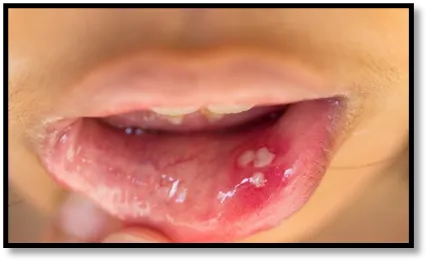
Figure 1: Minor Ulcer
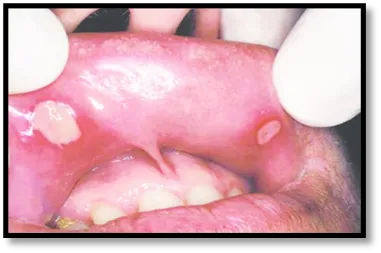
Figure 2: Major Ulcer
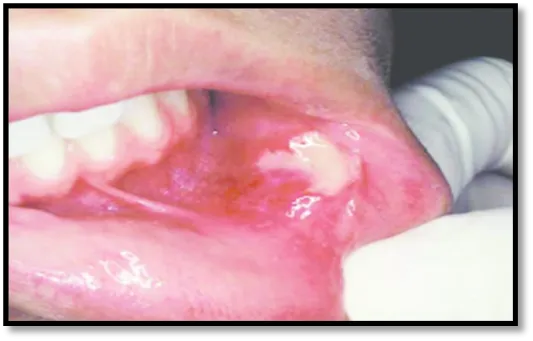
Figure 3: Herpetiform Ulcer
1.4 Local causes of Ulceration:
Chemical burns, heat, ice or ionizing energy burns, or factitious ulceration of the maxillary group includes, can appears at any ages. Ulceration can appears at any age due to trauma, hard meals or equipments. The lingual fraenum can be damages by brushing the lowest incisors repeatedly as in cunnilingus, or by persistent coughs as in rapid cough, or by self mutilation. After receiving a dental local anesthetic, childrens may bites their lower lip, resulting in ulcerations. Non-accidental injury can manifests as ulcers of the higher labial fraenum, particularly in a youngster with slightly swollen lips, subluxed dentition or a fractured jaws. [9] [Fig 4]
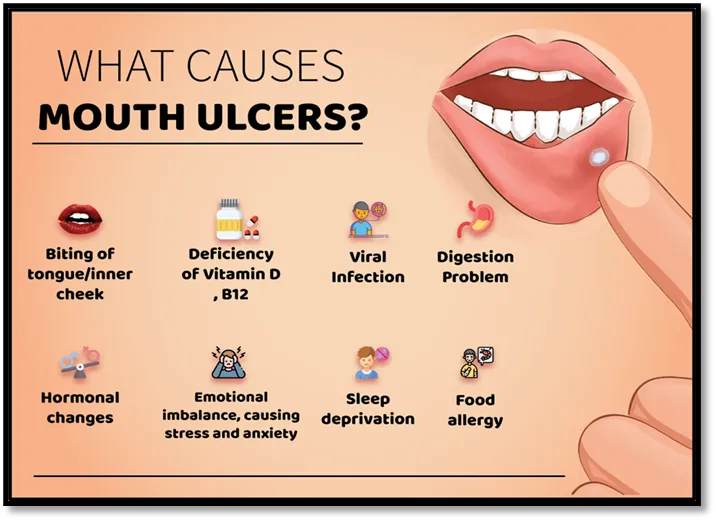
Figure 4: Causes of Ulcer
1.5 Uses of Black Catechu Gel:
The use of black catechu herbal mouth ulcer gel can offer several benefits in the management of mouth ulcers. Here's how black catechu gel can be utilized effectively:
|
SR.NO |
TOPICS |
AUTHORS |
JOURNALS |
REVIEW |
|
1. |
Treatment of mouth ulcer by curcumin loaded thermoreversible mucoadhesive gel
|
Y. S. Thorat, A. M. Sarvagod. S. V. Kulkarni. A. H. Hosmani.
|
International Journal of Pharmacy and Pharmaceutical Science.
|
Mouth ulcers are quite common, but most available treatments don’t give lasting relief. In this study, researchers created a curcumin-based gel that turns into a gel at body temperature and sticks well to the mouth’s lining. It stayed in place, released the drug steadily for about 4 hours, and showed promise as a better option for treating mouth ulcers. [1]
|
|
2. |
A Medicinal Extract of Scutellaria baicalensis and Acacia catechu Acts as a Dual Inhibitor of Cyclooxygenase and 5-Lipoxygenase to Reduce Inflammation
|
Burnett, B. P., Jia, Q., Zhao, Y., Levy, R. M. |
Journal of Medicinal Food
|
A combination of baicalin and catechin was found to block both COX and LOX enzymes, which are key players in inflammation. The extract reduced prostaglandin and leukotriene production in human cell models and showed strong anti-inflammatory effects in mice. [30]
|
|
3. |
Antioxidant, Anti-inflammatory, and Chemoprotective Properties of Acacia catechu Heartwood Extracts
|
Sidney J. Stohs. Debasis Bagchi.
|
Phytotherapy Research |
Acacia catechu heartwood extract contains strong antioxidant compounds like catechin and epicatechin which helps in anti-inflammatory, protective and pain relieving effect. It also reduces oxidative stress and support healing process. [25] |
|
4. |
Therapeutic benefits of liquorice in dentistry
|
Preena sidhu, Swapnil shankargouda, Avita Rath, Priyadarshni H. Ramamurthy. |
Journal of Ayurveda and Integrative Medicine
|
This paper highlight how liquorice, a traditional herbal remedy, hold strong promises in modern dentistry. It rich in bioactive compound and show potential against oral problem like cavity, gums disease, ulcer and even oral cancers. [31] |
|
5. |
Formulation and Evaluation of Polyherbal Aqueous Gel from Psidium guajava, Piper betel and Glycerrhiza glabra Extract for Mouth Ulcer Treatment
|
Nem kumar Jain, Rituparna Roy, Hero Khan Pathan, Aditi Sharma.
|
Journal of Pharmacognosy and Phytochemistry.
|
This project develop a herbal gel for mouth ulcer using guava leaf, betel leaf and liquorice extract. The gel was smooth, transparant and have skin friendly pH with good spreadbility. It shows strong antifungal activities against common oral pathogen. [2] |
|
6. |
Formulation and evaluation of herbal gel using guava leaves for mouth ulcer |
Shaikh S., Shete A., Doijad R. |
International Journal of Pharmaceutical Research |
This study aim to prepare and evaluate a herbal gel using guava leaves powder for mouth ulcer treatment. The gel was clear, smooth and shows good pH, consistency and spreadability. It also show antifungal and antioxidant activity due to presence of flavonoids. Overall, the formulation was stable, safe and more effective than synthetic products. [4] |
|
7. |
Recurrent aphthous stomatitis: A review |
Edgar N. R., Saleh D., Miller R. A. |
Journal of Clinical and Aesthetic Dermatology |
Mouth ulcers also called recurrent aphthous stomatitis is a common condition which causes pain and discomfort in oral cavity. This review explains different causes like stress, minor trauma, and nutritional deficiency. It also describe various treatment options including topical drugs and supportive care which help in reducing pain and healing time. Some natural and supportive methods are also considered helpful for managing symptoms. [10] |
|
8. |
In vitro antimicrobial activity of Acacia catechu |
Negi B. S., Dave B. P. |
Indian Journal of Microbiology |
This study show that Acacia catechu extract have strong antimicrobial activity against different bacteria and fungi. It is effective against both gram positive and gram negative microorganism, which help in reducing infection in mouth ulcers and support faster healing. [11] |
|
9. |
Anti-inflammatory and wound healing properties of catechin |
Middleton E., Kandaswami C., Theoharides T. C. |
Pharmacological Reviews |
Catechin which is main component of Acacia catechu shows good anti-inflammatory effect by inhibiting inflammatory mediators. It also help in wound healing by improving tissue repair, so it can be useful in treatment of oral ulcers. [24] |
|
10. |
Role of tannins in mucosal protection and ulcer healing |
Scalbert A. |
Phytochemistry |
Tannins present in plants like Acacia catechu have astringent property which forms protective layer over mucosa. This helps in reducing irritation and also prevent microbial infection, so healing of ulcers become faster. [26] |
3.1 AIM :
The main aim of this study is to prepare a herbal gel for mouth ulcer by using black catechu as main ingredient. This gel is expected to reduce pain, swelling and discomfort caused by mouth ulcers and also help in faster healing of affected area.
3.2 OBJECTIVES :
1. Selection of Excipients: To choose suitable excipients which is compatible with black catechu and help to improve the stability and overall quality of gel.
2. Preparation of Herbal Gel: To prepare a herbal mouth ulcer gel using black catechu along with other required ingredients, so that it shows good consistency and can be easily applied on affected area.
3. Evaluation of Properties: To check different properties of prepared gel like pH, consistency, viscosity, spreadability and appearance.
4. Antimicrobial Study: To evaluate the antimicrobial activity of gel against common microorganisms present in oral infection.
5. Stability Study: To study the stability of prepared gel under different storage condition and check whether it remain stable or not.
6. User Acceptability: To observe the ease of use, texture and overall acceptability of the gel by users.
4.1 Active Ingredients :
4.1.1 Black Catechu:
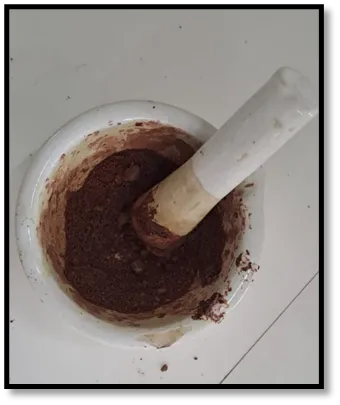
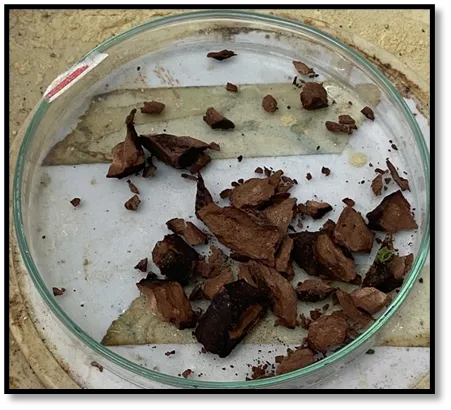
Figure 5: Black Catechu
Table 1: Scientific Classification of Black catechu
|
Botanical name: |
Senegalia catechu |
|
Family: |
Fabaceae |
|
Synonyms: |
Catechu, Kher, Khadira, Katha |
|
Part which are used:
|
Root
|
Chemical Constituents of Black Catechu:

Figure 6: Catechin Chemical Structure
Uses:
4.1.2 Peppermint Oil:
Table 2: Scientific Classification of Peppermint
|
Botanical name: |
Mentha piperita L. |
|
Family: |
Lamiaceae |
|
Synonyms: |
Balm mint |
|
Part which are used: |
Leaves |
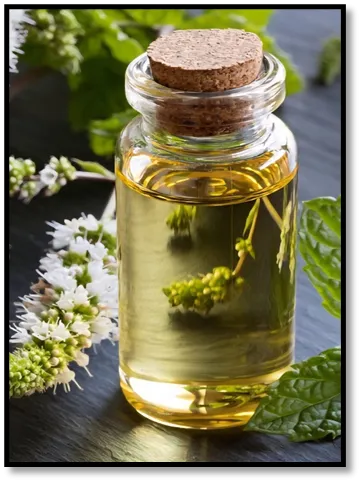
Constituent of Peppermint oil:
Uses:
4.1.3 Guava leaves:
Guava leaves are known for their potent antioxidant properties, which can be attributed to the presence of various phytochemicals. [16] [Fig 8]
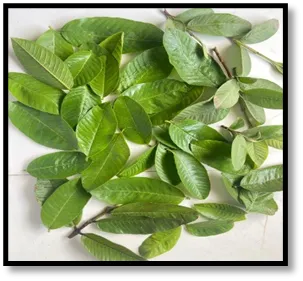
Figure 8: Guava leaves
Table 3: Scientific Classification of Guava
|
Botanical name: |
Psidium guajava L. |
|
Family: |
Myrtaceae |
|
Synonyms: |
True guava |
|
Part which are used: |
Leaves |
Constituents of Guava leaves: [17,18]
Uses:
4.1.4 Liquorice root:
Liquorice (Glycyrrhiza glabra L.) oil is obtained from a perennial plant and is widely used as a natural sweetener and flavoring agent. [19] [Fig 9]
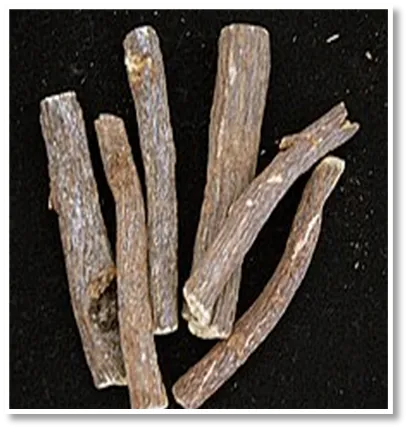
Figure 9: Liquorice root
Table 4: Scientific Classification of Liquorice
|
Botanical name: |
Glycyrrhiza glabra |
|
Family: |
Fabaceae |
|
Synonyms: |
sweet root |
|
Part which are used: |
Root |
Constituents of liquorice: [20]
Uses:
4.2 EXCIPIENTS:
Carbopol 934:
Figure 10: Carbopol 934
Sodium bicarbonate :
• Sodium bicarbonate is mainly used for pH adjustment and neutralization purpose in gel formulation. [22]
• It is a white crystalline powder and easily soluble in water.
• Since gel formulations needs a proper pH for stability and also for compatibility with oral mucosa, sodium bicarbonate is added to maintain the pH within suitable range. [22]
• It also shows mild soothing effect which can help in reducing irritation in mouth ulcer.
Figure 11: Sodium bicarbonate
Methyl paraben:
Figure 12: Methyl paraben
Propyl paraben:
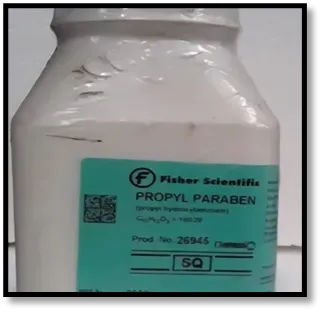
Figure 13: Propyl paraben
4.3 ROLE OF INGREDIENTS: [27,28]
Table 5
: Role of Ingredients
|
Sr. no. |
Ingredients |
Role |
|
1 |
B. Catechu |
Anti-Inflammatory |
|
2 |
Guava leaves |
Anti-oxidant |
|
3 |
Liquorice root |
Reduce pain |
|
4 |
Peppermint oil |
Flavour and Fragrance |
|
5 |
Carbopol 934 |
Mucoadhesive polymer |
|
6 |
Methyl paraben |
Anti-fungal preservative |
|
7 |
Propyl paraben |
Preservative |
|
8 |
Sodium bicarbonate |
Neutralizer |
5. MATERIAL AND METHOD
5.1 SELECTION OF PLANTS: Total 3 plants were selected on the basis of review of
literature. All of 3 has different role but as a main ingredient its black catechu.
5.2 COLLECTION OF PLANTS: Plants were collected from different regions and different
areas (powder of Black catechu, Liquorice root) of Dholka , Gujarat, India. All are blended
and powder is obtained which is used.
5.3 AUTHENTICATION OF PLANTS: Plants were authenticated using its morphological,
and physico-chemical parameters and maintained in the pharmacognosy department of school of pharmacy, Rai University, Dholka , Gujarat for further reference.
5.4 MATERIALS:
5.4.1 Apparatus:
• Beaker
• Glass rod
• Mortar pestle
• Conical flask
• Water-bath
• Measuring cylinder
• Weighing machine
5.4.2 Ingredients:
Active Ingredients:
• Black catechu
• Peppermint oil
• Liquorice root
• Guava Leaf
Excipients:
• Carbopol 934
• Methyl paraben
• Propyl paraben
• Sodium bicarbonate
5.5 FORMULA:
Table 6: List of contents of Mouth ulcer gel
|
Sr. No. |
INGREDIENTS |
QUANTITY |
|
1 |
Black catechu |
10 ml |
|
2 |
Guava leaves |
6 ml |
|
3 |
Liquorice |
2 ml |
|
4 |
Peppermint oil |
q.s |
|
5 |
Carbopol 934 |
2g |
|
6 |
Methyl paraben |
0.02g |
|
7 |
Propyl paraben |
0.02g |
|
8 |
Sodium bicarbonate |
q.s |
|
9 |
Distilled water |
q.s |
5.6 METHOD OF PREPARATION OF EXTRACT
The extraction done by maceration technique which includes following steps:

25 fresh guava leaves were collected and cleaned. These leaves were grinded into paste
which is then weighed and other powder ingredients (black catechu, liquorice root ) are also weighed.

The paste of guava leave obtained by grinding and powder ingredients is placed in the glass
container and solvent
i.e., 250 ml of water is added ensuring that the paste is completely immersed.

The container is then sealed to prevent evaporation and placed in cool and dark location for 2
days as the maceration process lasts for several days allowing solvent to slowly extract the
bioactive compounds from the ingredients.

After the maceration period the mixture is filtered to separate the liquid extract from the solid
material. Filteration was done with the help of filter paper.

This process was repeated for 2 more times i.e. after every filtration the residue was again
immersed in 100 ml of water for the proper extraction.

Filterate kept of water bath for 3 hours to concentrate the liquid extract.
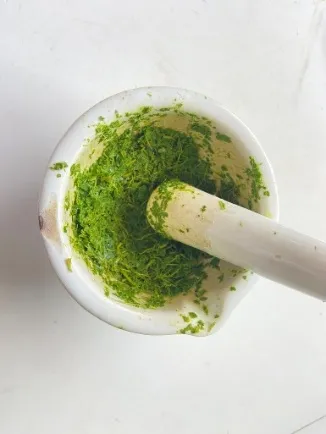
Figure 14: Guava leaves paste
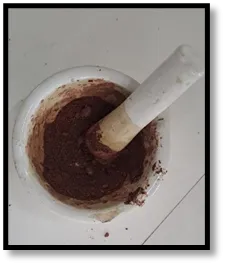
Figure 15: Black catechu powder
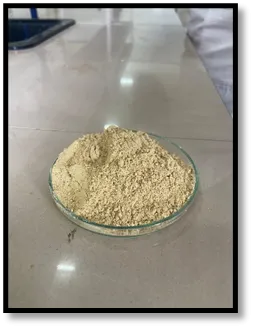
Figure 16: Liquorice root powder
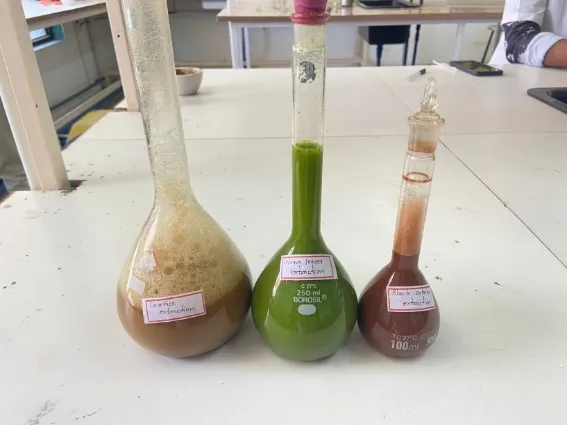
Figure 17: Extracts
Preparation of Gel Base:
In a clean and dry container, add the required amount of distilled water.

Slowly sprinkle Carbopol 934 into the water while stirring continuously to avoid
clumping.

Allow the Carbopol to hydrate for at least 1 hour until it forms a uniform gel.

Once hydrated, add the herbal extracts (black catechu, guava leaves, and
liquorice) to the gel base and mix thoroughly.
Incorporation of Active Ingredients:
Add peppermint oil to the herbal gel base and mix well to ensure uniform
distribution.
Preservative Addition:
Dissolve methyl paraben and propyl paraben separately in a small amount of
distilled water.

Slowly add the dissolved preservatives to the gel base while stirring continuously
to ensure even distribution.
pH Adjustment:
Gradually add sodium bicarbonate to the gel base while monitoring the pH using a pH
meter or pH indicator strips.

Adjust the pH to the desired range (typically around pH 6-7) by adding small
amounts of sodium bicarbonate as needed.
Final Mixing:
Once all ingredients have been incorporated, mix the gel thoroughly to ensure
uniform dispersion of all components.
Table 7: Formulation of Herbal Mouth Ulcer Gel
|
SR. NO. |
Materials Required |
Quantity to be weighed |
Batch 1 |
Batch 2 [Final Batch] |
|
1 |
Black catechu |
10 ml |
10 ml |
10 ml |
|
2 |
Guava leaves |
6 ml |
8 ml |
6 ml |
|
3 |
Liquorice |
2 ml |
4 ml |
2 ml |
|
4 |
Peppermint oil |
q.s |
q.s |
q.s |
|
5 |
Carbopol 934 |
2 g |
4 g |
2 g |
|
6 |
Methyl paraben |
0.02g |
0.02g |
0.02g |
|
7 |
Propyl paraben |
0.02g |
0.02g |
0.02g |
|
8 |
Sodium bicarbonate |
q.s |
q.s |
q.s |
|
9 |
Distilled water |
q.s |
q.s |
q.s |
The evaluation of Black catechu gel can involve various parameters to assess its quality, stability, and performance.
Table 8 Evaluation Parameters
|
6.1 |
Organoleptic properties |
|
1 |
Consistency |
|
2 |
Colour |
|
3 |
Odour |
|
4 |
Stickiness |
|
5 |
Homogeneity |
|
6.2 |
pH determination |
|
6.3 |
Spreadability |
|
6.4 |
Stability |
6.1 ORGANOLEPTIC PROPERTIES: [32,33]
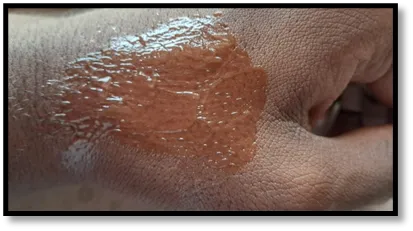
Figure 18: Application of gel on skin
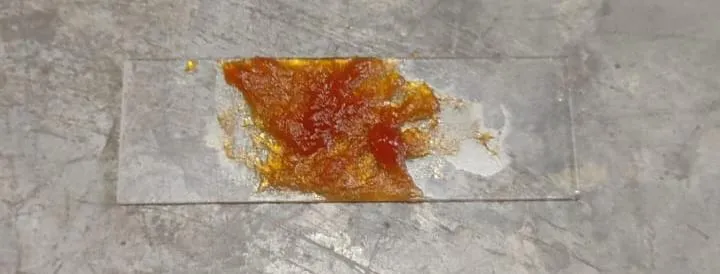
Figure 19: 10% extract containing gel
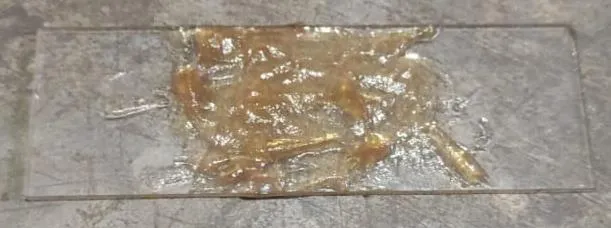
Figure 20: 5% extract containing gel
action.
been set it in the container.
6.2 pH DETERMINATION: [34]

Figure 21: pH DETERMINATION
6.3 SPREADABILITY:
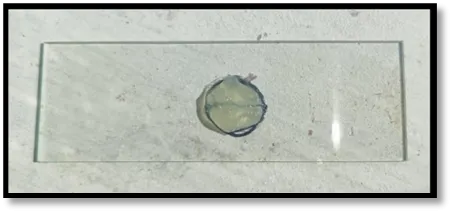
Before

After
Figure 22: Spreadability testing
6.4 STABILITY TEST:
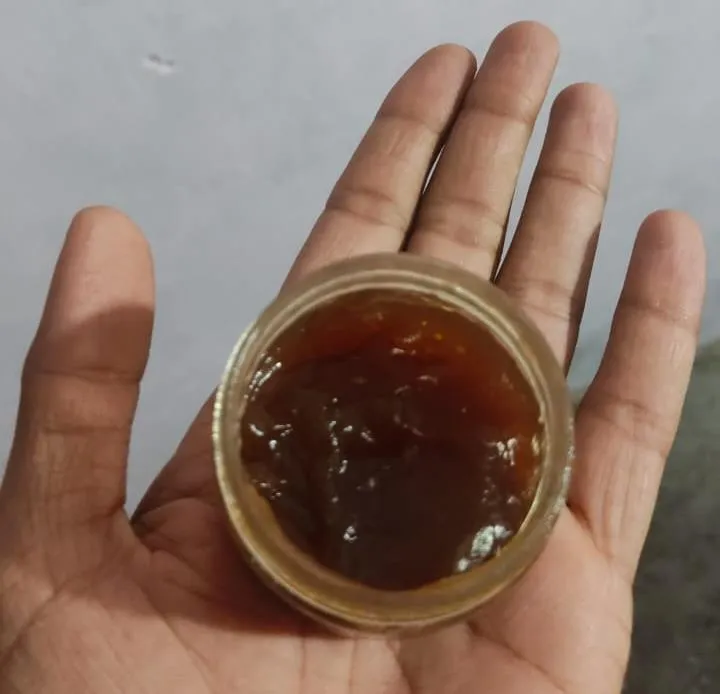
Figure 23: Product after formulating
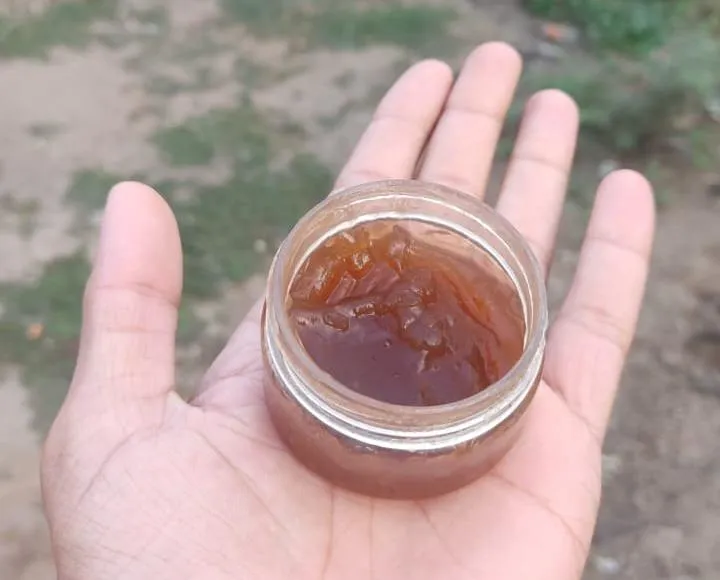
Figure 24: Product after one month of manufacturing
6.5 RESULT:
Table 9: Result
|
SR. NO. |
PARAMETERS |
RESULT |
|
1 |
Consistency |
Good |
|
2 |
Colour |
Light Brown |
|
3 |
Odour |
Minty smell |
|
4 |
Homogeneity |
Good appearance + Aggregation |
|
5 |
pH |
6.15 |
|
6 |
Spreadability |
Easily spreadable |
|
7 |
Stability test |
Stable |
CONCLUSION
In the end, black catechu is really coming out as a very promising herbal ingredient for managing mouth ulcers. Its natural mix of tannins, flavonoids and antioxidant compounds is giving many benefits at the same time—like reducing pain, calming the inflammation, fighting the bacteria, and helping the ulcer to heal more faster. When it is making into a gel, specially a mucoadhesive one, it is sticking on the ulcer surface for longer time and giving more sustained relief.
Even though black catechu is using traditionally from many years, modern research is still not fully catching up. Most of the studies are still lab-based or done on animals, so we still don’t have enough strong human clinical trials to know exactly how effective and safe it is for long-term usage. More work is also needing for extract standardization, because the phytochemical content can be changing a lot depending on plant source and preparation method.
Another important point is improving the formulation quality. Better texture, taste, stability and pH balance will make the gel more user-friendly and also help it to work more consistently. New innovations like controlled-release gels or better mucoadhesive systems might increase the benefits even more.
There is also scope to compare black catechu gel with the regular synthetic treatments. Many patients are preferring herbal options because they are more gentle and having less side effects. If future studies are supporting these advantages, then black catechu gel can becoming a reliable natural option for peoples who are suffering with recurring mouth ulcers.
Overall, black catechu is having a strong potential—not only as a traditional remedy but also as a herbal product supported by science. With more research, better standardization and improved formulation techniques, it could play a important role in future oral healthcare.
REFERENCES


Maurya Himanshu, Shivam Mali, Kumari Priyanka Formulation And Evaluation of Herbal Mouth Ulcer Gel by Using Poly-Herbal Drugs, Int. J. of Pharm. Sci., 2026, Vol 4, Issue 5, 7294-7313, https://doi.org/10.5281/zenodo.20410491
 10.5281/zenodo.20410491