

We use cookies to ensure our website works properly and to personalise your experience. Cookies policy
Kasturi Shikshan Sanstha College of Pharmacy, Shikrapur, Pune 412208.
Herbal tooth powders consisting of various ingredients that are available in the market in a wide range. Hence modern methods focusing on these aspects are useful for the standardization of herbs and their formulations. Consumers believed by using herbal-based toothpowders are safe, effective, and less toxic. This study is thus aimed to provide an alternative to the consumer and formulate herbal tooth powder using Clove, Piper nigrum linn, Acacia, Triphala, Cinnamon, Mentha, Camphor [16]. The oral cavity infections are the most common types of infections. Dental caries is an infectious disease, causes damage and infection of enamel and dentine. If it is not treated, the infection continues and will lead to tooth loss. The mouth contains normal flora of opportunistic bacteria that are normally non- pathogenic. The imbalance of this situation causes infection and tooth decay [5]. Streptococcus mutants are considered as the main species involved in the development of dental caries. S. mutants, acid-producing bacteria, causes fermentation of carbohydrates which results in tooth decay. Therefore, in the present work, the following aspects of Herbal tooth powders were planned for the formulation, standardization of herbal tooth powder, and anti-bacterial screening of the extracts of herbal tooth powder. The enamel, which is a composite of hydroxyapatite. It also consists of 70% of the collagen water. Fluorine is the major constituent of dentine. Orconsists of not only tooth but also saliva for easy to consume the food [3]. Saliva is the major element proposed for lubricate the food and to maintain an appropriate environment trendy the mouth. Denitrifies are the product which is used to maintain the Oral Hygiene such as Freshness of mouth and to avoid tooth decay. The oral hygiene can be maintained throughout the day by using various dentifrices prepared by herbal and synthetic ingrediants [9].
Oral hygiene is vital for maintaining overall health, and traditional systems of medicine have long utilized herbs for the care and treatment of dental ailments. In recent years, the preference for natural and chemical-free oral care products has increased due to concerns over the side effects of synthetic components like fluoride, sodium lauryl sulfate, and artificial preservatives. Herbal tooth powders offer a promising, eco-friendly alternative with minimal side effects and enhanced therapeutic properties.
This project focuses on the formulation and evaluation of a herbal tooth powder containing clove (Syzygium aromaticum), black pepper (Piper nigrum), camphor, acacia, mentha (mint), cinnamon (Cinnamomum zeylanicum), and triphala. These ingredients are known for their antimicrobial, astringent, antioxidant, anti-inflammatory, and refreshing properties. Clove and black pepper possess strong antibacterial activity effective against dental pathogens. Camphor and mentha provide a cooling effect and aid in breath freshness. Acacia has astringent properties that help strengthen gums, while cinnamon and triphala have been traditionally used to treat gum infections, reduce plaque, and enhance oral hygiene. Numerous research studies support the use of herbal formulations in dental care. Ladgaonkar et al. demonstrated the efficacy of neem, clove, and alum- based powders [1]. Patel et al. formulated a multipurpose tooth powder with strong antimicrobial and organoleptic properties [2]. Bharathi et al. confirmed the presence of essential phytochemicals contributing to oral protection [3]. Nandhini et al. emphasized the compatibility of herbal tooth powders with WHO and Indian standards [4]. Vasanth Kumar et al. used Quercus infectoria and reported excellent antimicrobial activity [5]. Edake et al. designed a formulation targeting Streptococcus mutans, the main cause of dental caries [6]. Patil et al. showed that herbal ingredients like babool, fennel, and clove maintained physical and microbial safety standards [7]. Based on this evidence, the current study aims to develop a polyherbal tooth powder formulation using the selected herbs and evaluate its physicochemical, organoleptic, flow, and antimicrobial properties, supporting its role as a safe and effective alternative to commercial synthetic products.
DENTAL CARE:
Tooth decay and gum disease are caused by plaque, a sticky combination of bacteria and food. Plaque begins to build up on teeth within a few minutes after eating. If teeth are not cleaned well each day, plaque will lead to tooth decay or gum disease. If you do not remove plaque, it turns into a hard deposit called tartar that becomes trapped at the base of the tooth [8].
Bacteria and the toxins they produce cause the gums to become
1.Infected
2. Swollen
3. Tender
By taking good care of your teeth and gums, you can help prevent problems such as tooth decay (caries) and gum disease (gingivitis or periodontitis). You should also teach your children how to brush and floss from an early age to help them protect their teeth [11].
Planque and tartar lead to a number of problems:
Cavities are holes that damage the structure of teeth.
DENTAL INFORMATION:
Healthy teeth are clean and have no cavities. Healthy gums are pink and firm, and do not bleed. To maintain healthy teeth and gums, follow these steps: At least once per day. It is best to floss after brushing. Flossing removes plaque that is left behind after brushing from between the teeth and on the gums. Brush your teeth twice a day with a soft-bristled toothbrush. Brush for at least 2 minutes each time [17].
Schedule regular check-ups with your dentist. Many dentists recommend having the teeth professionally cleaned every 6 months for optimal oral health. Seeing the dentist every 3 to 4 months may be needed if your gums become unhealthy [13].
Regular teeth cleaning by a dentist removes plaque that may develop, even with careful brushing and flossing. This is very important for getting at areas that are hard to reach on your own. Professional cleaning includes scaling and polishing. This procedure uses instruments to loosen and remove deposits from the teeth [8].
The formulation of an herbal tooth powder involves a careful selection of medicinal herbs renowned for their antimicrobial, anti-inflammatory, and astringent properties. Common ingredients include neem, babul, clove, mint, and basil, among others, each offering unique therapeutic benefits. The process requires a delicate balance to ensure palatability, texture, and efficacy. This project explores the formulation and evolution of herbal tooth powder, tracing its historical roots and evaluating modern approaches to enhance its effectiveness and user acceptance. By merging traditional knowledge with contemporary scientific insights, we aim to create a formulation that not only promotes oral hygiene but also aligns with the principles of sustainability and natural wellness [9].
This project explores the formulation and evaluation of a herbal tooth powder, aiming to provide a natural alternative to conventional toothpastes while promoting oral health and hygiene. The focus will be on incorporating various herbal ingredients known for their antibacterial, antiseptic, and anti-inflammatory properties. The study will involve preparing different formulations, evaluating their physical and chemical properties, and assessing their antimicrobial activity and potential for oral health benefits [17].
MOTIVATION:
OBJECTIVE:
METHODOLOGY:
EVALUATION:
POTENTIAL FOR ORAL HEALTH BENEFITS:
Evaluating the ability of the tooth powder to reduce plaque, freshen breath, and promote gum. Each person's health is a valued possession. The quality of life is significantly impacted by oral health, which is a crucial component of overall health. One of the fundamental components of dental health is a healthy dentition [18]. An essential oral hygiene practise, brushing your teeth prevents the buildup of oral biofilms that could otherwise result in tooth caries, gingivitis, and periodontal disease [19].
Opportunistic bacteria, which are typically not harmful, make up the mouth's natural flora. This situation's imbalance leads to tooth decay and infection. Tooth decay is caused by the acid-producing bacteria Streptococcus mutans, which ferments carbohydrates [20]. Herbal remedies have a long history of use, are more patient- friendly, and are well accepted by the general population. Our only chance for sustainable supply of more affordable medications for the world's expanding population is that medical plants. Environmentally friendly methods are used for the production and processing of medicinal plants and herbal products. In developing nations like India with vast agro-climatic, cultural, and ethnic biodiversity, the availability of medicinal plants is not a problem [21]. There are claims that certain herbal components have amazing beneficial benefits on a range of dental issues, such as by creating a pro tective layer over teeth, supplying freshness, exerting an antibacterial impact, and reducing dental pain [22]. Herbalism is the practise of using plants and plant-based products for medical purposes. Any part of the plant can be used to make a herbal product, but the most common parts are the roots, leaves, flowers, and bark [23]. Even in the field of dentistry, interest in using products with a herbal base is growing.
There are many herbs that have been shown to have an antiseptic effect. Numerous herbs are being used in India today to clean teeth. If herbs are proven to be helpful at reducing plaque, this will be crucial for maintaining dental health and for treating periodontal issues in a more cost-effective and secure manner [24]. Abrasives like crushed bone, scrambled eggs, and oyster shells were once used to remove dirt from teeth in early attempts at dental cleaning. The first si gnificant development was tooth powders, which contained ingredients like powdered charcoal. Bark powder and some flavour additives are applied to the teeth with a simple stick [25]. There are often no chemicals, harmful substances, water, preservatives, etc. in tooth powder. It is simple to use, effectively cleans teeth, and promotes dental health [26]. Due to the unpleasant side effects of manmade treatments, researchers are attempting to focus more on herbal medications. Isolated plants and plants show effects that are Anti- inflammatory, anticancer, and immunological boosting properties. Making tooth powders at home is easy and inexpensive. Different crude medications are added to herbal tooth powders to assist clean the mouth [27]. .
2. LITERATURE REVIEW
The study by Yash Patel et al. focused on the formulation and evaluation of a herbal tooth powder using natural ingredients such as pudina, clove, neem, tulsi, babool, and others, chosen for their antimicrobial, anti-inflammatory, and gum-strengthening properties. The research highlighted the growing preference for herbal dental products due to their low toxicity, eco-friendliness, and traditional use in oral care.
The formulated tooth powder was evaluated for organoleptic, phytochemical, physicochemical, and rheological properties. It showed a pleasant color, odor, fine texture, and acceptable pH (6.07), with low moisture content and good flow characteristics. Phytochemical screening confirmed the presence of bioactive compounds like alkaloids, flavonoids, and saponins. A patch test confirmed its dermal safety with no signs of irritation. The study concluded that herbal tooth powder is a safe and effective alternative to synthetic products and encouraged further research for clinical validation and commercial application.
The study focused on developing a herbal tooth powder incorporating ingredients such as Neem, Jamun leaf, Clove, Alum, Black Salt, and Stevia leaf, selected for their known antiseptic, antibacterial, and flavor-enhancing properties. The formulation underwent comprehensive evaluations, including assessments of color, odor, taste, stability, spreadability, abrasiveness, foaming power, pH, moisture content, and ash value. The results indicated that the herbal tooth powder exhibited a brown color, characteristic odor, good abrasiveness, and foaming power, with a pH of 5.2, suggesting its suitability for oral use. The study concluded that the herbal tooth powder offers a safer alternative to synthetic dental products, effectively maintaining oral hygiene and preventing dental issues without the adverse effects associated with chemical based formulations.
This study developed a herbal tooth powder using ingredients like clove, neem stem, acacia stem, stevia leaf, mustard oil, salt, ginger, and amla. The formulation was evaluated for organoleptic properties, phytochemical constituents, and antibacterial activity against Streptococcus mutans. Results indicated the presence of beneficial phytochemicals and effective antimicrobial properties, suggesting its potential in preventing dental caries and promoting oral hygiene.
This research formulated a herbal tooth powder incorporating Quercus infectoria (oak galls), Triphala, liquorice, black salt, and calcium carbonate. The product underwent physicochemical, rheological, microbiological, and sensory evaluations. Findings demonstrated strong antibacterial, anti-inflammatory, and antioxidant properties, with a pH suitable for oral use, highlighting its efficacy in maintaining oral health and preventing infections.
This study focused on creating a polyherbal toothpaste using natural ingredients known for their antibacterial and antiseptic properties. The formulation was assessed for organoleptic and physical characteristics, including colour, odour, taste, stability, foamability, and abrasiveness. The results indicated that the herbal toothpaste possessed desirable features for oral hygiene and could serve as a natural alternative to conventional toothpastes.
This research aimed to formulate a herbal tooth powder using fourteen locally sourced herbal plant parts. The product was evaluated for antimicrobial activity against E. coli and S. aureus, showing significant antibacterial effects at higher concentrations. The study concluded that the formulated tooth powder is a safe, effective, and affordable option for maintaining oral hygiene.
This study focused on developing a herbal tooth powder using ingredients like Amla, Cinnamon, Clove, Guava leaf, Kadukkai, and Karuvellampattai. The formulation was evaluated based on organoleptic properties, antimicrobial activity, and adherence to standards set by the Indian Herbal Pharmacopoeia and WHO guidelines. Results indicated that the herbal tooth powder exhibited desirable characteristics, suggesting its potential as a natural and effective dental care product.
This research aimed to provide a natural alternative to conventional toothpaste by formulating a herbal tooth powder incorporating Clove, Neem, Ritha, Babool, Tulasi, Black salt, Stevia Leaf, Cinnamon, Fennel, Alum, Mentha, and Camphor. The study emphasized the antibacterial properties of the formulation, particularly against Streptococcus mutans, a primary bacterium responsible for dental caries. The findings suggested that the herbal tooth powder could effectively maintain oral hygiene and prevent common dental issues.
This study focused on creating a high-quality herbal tooth powder using ingredients such as Neem, Fennel Fruit, Babool, Triphala, Clove, Camphor, Bakul, Anantmul, and Cinnamon. The formulation underwent evaluations for physical characteristics, microbial analysis, and sensory properties. The results demonstrated that the herbal tooth powder possessed good abrasiveness, foaming ability, and antimicrobial activity, indicating its efficacy in promoting oral health and hygiene.
Modern research has validated the antimicrobial potential of herbal tooth powders. A key study by Vidya Sagar et al. (2015) evaluated the antibacterial properties of various herbal tooth powders. Their findings demonstrated significant antibacterial activity against Streptococcus mutans and Lactobacillus acidophilus, two primary bacteria implicated in dental plaque and caries formation. The study underscored the role of herbal ingredients in reducing bacterial load, thereby supporting the traditional use of these powders for dental care.Other studies, such as those by Kumar et al. (2013) and Sharma et al. (2016), have similarly reported that herbal tooth powders can exhibit plaque reduction and antimicrobial activity comparable to that of conventional fluoridated toothpastes. This highlights the potential of herbal powders as effective alternatives for oral hygiene.
3. NEED OF WORK
The formulation and evolution of herbal tooth powder is driven by a multifaceted need rooted in health, sustainability, and scientific advancement.
Although herbal tooth powders have a rich history, modern commercial formulations often suffer from a lack of standardization. Variations in raw materials, improper processing, and absence of standardized dosage forms can lead to inconsistent therapeutic effects and even safety concerns. This work aims to:
2. Validation of Efficacy
Traditional claims of herbal tooth powders are largely anecdotal. Systematic evaluation— including in-vitro and in-vivo studies—of their antibacterial, anti- inflammatory, and remineralizing properties is needed to confirm these claims and fill gaps in scientific knowledge.
3. Consumer Demand and Market Growth
Consumers are increasingly wary of synthetic chemicals and demand natural, eco- friendly oral care products. However, many herbal tooth powders currently on the market do not meet modern expectations for palatability, aesthetics, and clinical efficacy. This project aims to address:
Traditional tooth powders have the advantage of being environmentally friendly, as they do not contain non-biodegradable ingredients like synthetic microbeads found in some toothpastes. Developing an herbal tooth powder also aligns with global trends favoring green chemistry and waste reduction.
The increasing emergence of antibiotic-resistant oral pathogens underscores the need for natural antimicrobial agents. Many herbs (e.g., neem, clove, babul) contain bioactive compounds that target bacterial growth through unique mechanisms, making them valuable as alternative or adjunctive therapies.
Developing an herbal tooth powder that meets modern consumer expectations is challenging due to issues like:
KEY REASONS FOR THIS WORK INCLUDE:
Many herbal tooth powders available in the market do not follow standardized formulation protocols, leading to variations in their effectiveness and safety. This project aims to establish a scientifically sound formulatiotn with consistent quality.
While traditional herbal practices have shown promise, there is a need for rigorous scientific evaluation of their antibacterial, anti-inflammatory, and other beneficial properties. Validating these claims will strengthen the credibility of herbal tooth powders and support their integration into mainstream oral care.
With increasing awareness of the side effects of synthetic toothpastes (such as sensitivity and chemical residues), there is a rising consumer preference
Herbal tooth powders are biodegradable and generally have a smaller ecological footprint compared to commercial toothpastes, which often contain microplastics and synthetic chemical.
4. PLAN OF WORK
5. METHODS OF PREPRATION
Individual herbal ingredients are dried, pulverized separately, sieved, and blended uniformly in required proportions.
Crude drugs are shade dried, powdered using grinder/mortar, then passed through sieve for uniform particle size before mixing.
Fine powders are mixed gradually using geometric dilution to ensure homogeneous distribution of ingredients.
Herbal materials are dried under shade to preserve volatile oils and active constituents before powdering.
Dried herbs are processed using mechanical grinder or pulverizer to obtain fine powder.
Ingredients are purified, dried, finely powdered, filtered through cloth/sieve, and mixed as “Churna”.
After powder preparation, camphor, menthol, clove oil, peppermint, or cardamom are added for taste and freshness.
Ingredients are weighed accurately, mixed uniformly, evaluated for pH, ash value, flow property, and stability.
Some formulations prepare herbal extracts first, then dry and incorporate into powder base.
Large-scale mixing, quality testing, sieving, packing, and standardization using GMP equipment [29].
6. FORMULATION
|
Sr. No. |
Name of ingredients |
Quantity taken(gms) |
Activity |
|
1 |
Clove |
2 |
Analgesic |
|
2 |
Acacia |
5.63 |
Anti-bacterial |
|
3 |
Piper Nigrum linn. |
1 |
Anti-bacterial |
|
4 |
Triphala |
10 |
Health-harmonizer |
|
5 |
Cinnamon |
3 |
Analgesic |
|
6 |
Mentha |
0.8 |
Analgesic |
|
7 |
Camphor |
1.50 |
Analgesic |
7. METHOD OF PREPARATION:
All drugs were collected from the local market. The Standardized herbal materials were dried under shade and tested for their moisture content until it came below six percent and tested for their standards according to Ayurvedic Pharmacopoeia of India. The materials were powdered and used for the formulation of Herbal tooth powder. The powdered herbal materials were sieved through a mesh size 85. The composition of the developed formulation is summarized in above the table.
DRY POWDER MIXING METHOD FOR HERBAL TOOTH POWDER
The Dry Powder Mixing Method is the most commonly used technique for preparing herbal tooth powder. In this method, all herbal ingredients are dried, powdered separately, sieved, and mixed uniformly to obtain a homogeneous dentifrice powder.
DEFINITION
Dry powder mixing is a pharmaceutical and Ayurvedic preparation technique in which finely powdered herbal ingredients are blended in dry form without using water or solvents.
PREPARATION PROCEDURE
1. Selection of Herbal Ingredients
Medicinal herbs with antimicrobial, anti-inflammatory, abrasive, and flavoring properties are selected.
Common ingredients include:
2. Cleaning
All crude drugs are cleaned manually to remove:
3. Drying
Ingredients are shade dried or tray dried to remove moisture and prevent microbial growth.
Purpose:
4. Pulverization
Each dried ingredient is powdered separately using:
5. Sieving
Powders are passed through sieve no. 80 or suitable mesh size to obtain uniform particle size.
Advantages:
6. Dry Powder Mixing
All sieved powders are weighed accurately and mixed uniformly using geometric dilution technique.
Mixing may be performed:
7. Addition of Flavoring Agents
Flavoring and cooling agents are added in small quantity:
8. Packaging
Prepared tooth powder is packed in:
PREPARED PRODUCT:
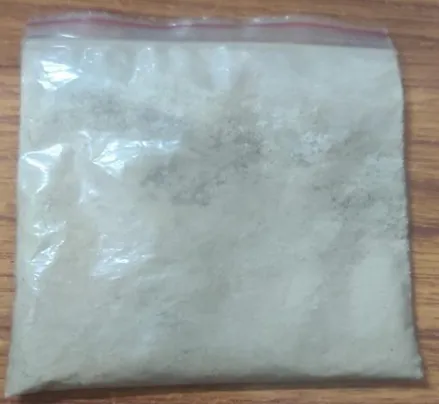
FIGURE NO:8 prepared product of herbal tooth powder
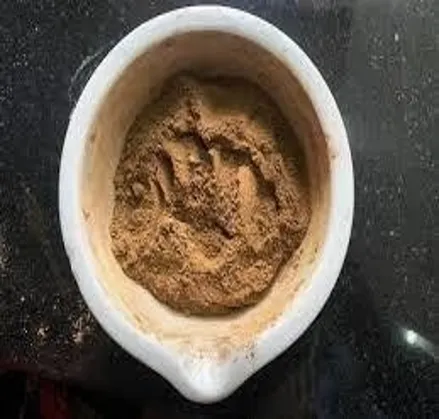
FIGURE NO:9 prepared product of herbal tooth powder
EVALUATION OF PREPARED POWDER
The weight of tooth powder (10 g) was taken, oven-dried at 105 °C, and cooled. Weight loss is recorded as percentage moisture content and calculated based on the given formula [12]. Moisture content formula: The percentage moisture content formula to be used while determining moisture. content is: % Moisture content = (Original sample weight - Dry sample weight) / (Original sample weight x 100)
About 1 gram of the sample was measured and placed in the center of a 10x10 cm glass plate, and another glass plate was put on top with suspicion. A 2-kilogram weight was placed in the center of the glass plates to avoid the plates from sliding. The diameter of the paste was measured in centimeters after 30 minutes for all samples. All samples were averaged after the experiment was repeated three times.[13]
Bulk density of a powder is the weight of an untapped sample divided by its volume, including the inter-particulate void volume. It is expressed in grammes per millilitre. [14] Bulk density = Untapped density - Tapped density
The sample was evaluated for organoleptic properties on the basis of appearance, color, odor, and taste.[15]
Angle of repose defines the maximum angle at which a heap of a particular granular material can remain stable without any of it falling off the side. It can give an engineering insight into the ideal size and shape of search equipment, so it is useful in designing transportation and storage equipment for granular materials.[16] Flow property = tan^(-1) (h/r) 8]
Mix herbal tooth powder with distilled water to form a slurry, and test the pH using pH paper or a pH meter and record the pH reading. Verify that the pH range, which is typically between 6.5 and 7.5, is suitable for oral care.[17]
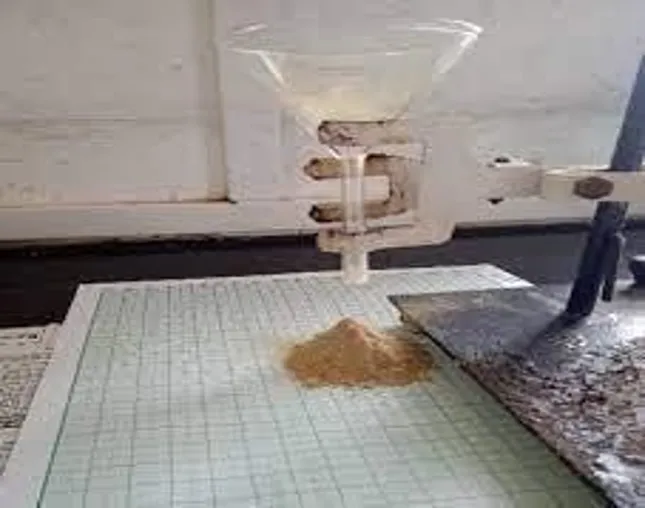
FIGURE NO: 10 Flow property determination
8. OBSERVATION TABLE:
|
Sr No |
Evaluation tests |
Results |
|
1. |
Colour |
Beige |
|
2. |
Odour |
Characteristic |
|
3. |
Taste |
Bitter |
|
4. |
Moisture content |
1.43 |
|
5. |
Determination of spreadability |
Easily spreadable |
|
6. |
Bulk density |
1.3 g/cm3 |
|
7. |
Flow Property |
Good |
|
9 |
Foaming ability |
Good |
|
10. |
Determination of pH |
6.4 |
9. RESULT
The formulated herbal tooth powder containing clove, piper nigrum linn, camphor, acacia, mentha, triphala, and cinnamon was evaluated for its physicochemical properties and antimicrobial activity.
|
Parameter |
Observation |
|
Color |
Brownish-green, uniform |
|
Odor |
Pleasant, characteristic herbal aroma |
|
Taste |
Slightly astringent, pleasant herbal taste |
|
Texture |
Smooth, fine powder, no grittiness |
|
pH (1% aqueous solution) |
7.0 |
|
Moisture content (%) |
2.1% |
|
Particle size |
Passed through #120 mesh sieve |
|
Foaming index |
Low foaming observed |
|
Total ash content (%) |
6.5% |
|
Stability (up to 60 days) |
No significant changes in color, odor, texture; no microbial growth |
DISCUSSION:
The results indicate that the herbal tooth powder has promising properties for oral care. The pH of 6.8 is within the acceptable range, ensuring safety for oral use. The low moisture content and ash value suggest good stability and minimal impurities. The antimicrobial activity against Streptococcus mutans and Lactobacillus acidophilus demonstrates the potential of the formulation in preventing oral infections. The combination of Clove, Piper nigrum Linn, Camphor, Acacia, Mentha, Triphala, and Cinnamon provides a synergistic effect, leveraging their individual properties to create an effective oral care product. These findings suggest that the herbal tooth powder could be a viable alternative to conventional oral care products, offering a natural and potentially safer option for maintaining oral hygiene.
ORGANOLEPTIC PROPERTIES:
The powder had a uniform brownish-green colour and a pleasant herbal aroma, making it appealing for daily use.
The taste was mildly astringent but pleasant, reflecting the natural flavour of the herbal ingredients. The smooth texture of the powder ensured comfortable application and minimized any abrasive effect on the gums and teeth.
PHYSICOCHEMICAL PROPERTIES:
STABILITY STUDIES:
Stability studies conducted over 60 days at both room temperature and elevated temperature (40°C, 75% RH) showed no significant changes in color, odor, or texture. There were no signs of microbial growth, confirming the powder’s microbiological stability. Overall, the formulated herbal tooth powder demonstrated excellent stability, pleasant organoleptic properties, and safe physicochemical characteristics. These findings support the effectiveness and acceptability of the herbal tooth powder as a natural alternative to conventional dentifrices.
9. FUTURE SCOPE
Further studies can focus on optimizing the proportion of herbal ingredients to enhance the therapeutic efficacy, taste, and texture of the herbal tooth powder.
Detailed phytochemical profiling of the herbal tooth powder can be carried out to identify and quantify the active constituents (e.g., tannins, flavonoids, alkaloids) responsible for the antimicrobial and anti-inflammatory activities.
In-vitro and in-vivo studies can be performed to evaluate the antimicrobial activity of the herbal tooth powder against oral pathogens like Streptococcus mutans and Lactobacillus acidophilus to confirm its effectiveness in preventing dental plaque and caries.
CLINICAL EVALUATION:
The formulation can be further developed into herbal toothpaste or mouthwash variants to cater to different consumer preferences and applications.
Investigation into eco-friendly packaging materials and long-term stability testing will ensure product safety and sustainability in real-world conditions.
Efforts can be directed toward standardizing the formulation according to pharmacopeial and regulatory guidelines to facilitate large-scale production and commercialization.
Main key points of future scope:
Adjusting the herbal ingredient ratios.
Exploring additional herbal actives (licorice root, babool, etc.).
Identifying and quantifying bioactive components using advanced techniques (HPLC, GC-MS, NMR).
Studying mechanisms of action.
In-vitro and in-vivo studies on oral pathogens.
Testing effectiveness against gingivitis, plaque, etc.
Creating herbal toothpaste, gels, mouthwashes
Encapsulation/microencapsulation for controlled release.
Animal studies.
Human clinical trials (double-blind, randomized).
Sensory evaluation and consumer feedback.
Biodegradable packaging.
Sourcing of herbs and reducing environmental footprint.
Regulatory & Commercialization:
Standardization and quality control.
Certifications and approvals.
Market positioning as a natural alternative [29].
FUTURE PERSPECTIVE
The future perspective of herbal tooth powder is very promising due to the growing demand for natural and chemical-free oral care products. People are becoming more aware of the side effects of synthetic toothpaste ingredients, leading them to choose herbal alternatives. Herbal tooth powders are made from natural ingredients like neem, clove, charcoal, mint, and salt, which help maintain oral hygiene effectively.
In the future, herbal tooth powders may become more popular worldwide because they are eco-friendly and biodegradable. Many consumers prefer sustainable products with less plastic packaging, and tooth powders fit this trend well. Advances in herbal research can improve their effectiveness in preventing cavities, gum diseases, and bad breath.
The use of Ayurvedic and traditional medicine is also increasing, supporting the growth of herbal dental products. Companies are expected to introduce innovative flavors, better packaging, and scientifically tested formulations to attract more users. Online marketing and e-commerce will further boost their popularity.
Herbal tooth powders may also gain acceptance in rural and urban areas due to their affordability and easy availability. Dentists and researchers may encourage the use of safe herbal ingredients for better oral health. However, proper quality control and clinical testing will be important to ensure safety and effectiveness [17].
CONCLUSION:
The formulated herbal tooth powder demonstrated favourable organoleptic properties (pleasant colour, aroma, taste, and texture) and physicochemical properties (neutral pH, low moisture content, suitable fineness, and mild abrasiveness). Stability studies confirmed that the powder retained its quality over 60 days, with no microbial contamination or significant changes in physical characteristics.
This herbal formulation incorporates the natural therapeutic benefits of ingredients like neem, clove, mint, triphala, and turmeric, known for their antimicrobial, anti- inflammatory, and refreshing properties. The formulation's safety, stability, and acceptability suggest its potential as a viable alternative to commercial dentifrices, promoting oral hygiene naturally and effectively.
Overall, the herbal tooth powder formulated in this study showed promising organoleptic appeal, physicochemical stability, and safety for long-term use. The synergistic combination of herbal ingredients can contribute to improved oral health by providing antimicrobial, anti-inflammatory, and cleansing effects. This formulation offers a natural, costeffective, and environmentally friendly alternative to commercial dentifrices, supporting the growing interest in herbal-based dental care products.
The herbal tooth powder formulated in this project demonstrated satisfactory physicochemical characteristics, stability, and organoleptic properties. The combination of clove, triphala, mentha, cinnamon, acacia, and camphor provided synergistic antibacterial and anti-inflammatory actions beneficial for oral care. The project supports the growing interest in herbal healthcare products and highlights the importance of natural alternatives in modern dentistry. The expanded report further emphasizes the significance of quality control, scientific validation, sustainable packaging, and commercialization strategies.
REFERENCES

Dr. Vijaykumar Kale, Pradip Raut, Gauri Bhange, Dr. Mahesh Thakare, Vaibhav Narwade, Formulation and Evaluation of Herbal Tooth Powder, Int. J. of Pharm. Sci., 2026, Vol 4, Issue 6, 4392-4408. https://doi.org/10.5281/zenodo.20736354
 10.5281/zenodo.20736354