

We use cookies to ensure our website works properly and to personalise your experience. Cookies policy
Ashvin College of Pharmacy, Manchi Hill, Sangamner, Ahilyanagar, Maharashtra 413714
Herbal cosmetics have gained considerable importance in recent years due to increased awareness regarding the harmful effects associated with synthetic cosmetic products. Herbal shampoos are widely preferred because they are safer, biodegradable, eco-friendly, and possess fewer side effects compared to conventional shampoos. The present research work was aimed at the formulation and evaluation of a multipurpose herbal liquid shampoo using naturally available herbal ingredients possessing cleansing, nourishing, conditioning, anti-dandruff, and hair growth promoting properties. The herbal liquid shampoo was prepared using various plant-based extracts including Horse Gram extract, Amla extract, Fenugreek extract, Hibiscus extract, and Flaxseed extract. These ingredients were selected based on their traditional medicinal value and beneficial effects on hair and scalp health. Lemon juice was incorporated for maintaining the pH balance, while rose water containing fragrance was used for providing soothing effect and pleasant aroma. Coco glucoside served as a mild foaming and cleansing agent, whereas benzyl alcohol was incorporated as a preservative to improve formulation stability. The prepared formulation was adjusted with purified water to obtain the final volume of 100 ML. The formulated herbal liquid shampoo was evaluated for various physicochemical and performance parameters such as colour, odour, pH, texture, foam type, percentage solid content, appearance, cleansing action, skin irritation, and stability study. The shampoo exhibited brownish colour with pleasant odour and slightly thick texture. The pH of the formulation was found to be 5, which is considered suitable for scalp and hair compatibility. The formulation showed medium foam formation and effective cleansing action with soft hair feel after washing. Percentage solid content was observed to be 20.8%, indicating acceptable consistency and spreadability. The prepared shampoo appeared turbid due to the presence of multiple herbal extracts. Skin irritation studies revealed no signs of irritation, redness, or discomfort, confirming the safety of the formulation for topical application.
Hair is considered one of the most important external features contributing to personality, beauty, and self-confidence. Healthy hair not only enhances physical appearance but also reflects the general health condition of an individual. Exposure to environmental pollution, dust, excessive use of chemical-based cosmetic products, stress, nutritional deficiencies, and improper hair care practices often lead to various hair problems such as dandruff, hair fall, dryness, scalp irritation, split ends, and premature greying. Due to these increasing hair-related disorders, there has been growing demand for safer and naturally derived hair care products.[1]
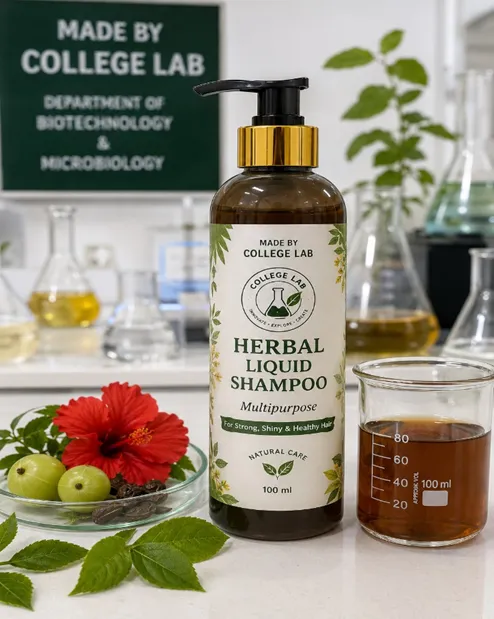
Fig: Formulated Herbal Shampoo from Natural Plant Extracts
Shampoo is one of the most commonly used cosmetic preparations for cleansing hair and scalp. The term shampoo is derived from the Hindi word “Champo,” meaning massage. The primary function of shampoo is to remove dirt, excess oil, dead cells, and environmental contaminants from the hair and scalp while maintaining the natural moisture balance. Conventional shampoos available in the market mainly contain synthetic surfactants, preservatives, artificial fragrances, and chemical additives that may produce undesirable effects such as scalp irritation, hair dryness, allergic reactions, hair damage, and loss of natural hair texture after prolonged use.[2]
In recent years, herbal cosmetics have gained significant popularity because consumers are becoming more conscious regarding the side effects associated with synthetic ingredients. Herbal formulations are generally considered safer, biodegradable, eco-friendly, and compatible with the human body. Herbal shampoos contain plant-derived ingredients possessing cleansing, conditioning, antimicrobial, antioxidant, anti-inflammatory, and nourishing properties. Such preparations provide multiple benefits including improvement of scalp health, strengthening of hair roots, enhancement of hair texture, reduction of dandruff, and promotion of healthy hair growth.[3]
The present research work focuses on the formulation and evaluation of a multipurpose herbal liquid shampoo using various medicinal plant extracts with beneficial effects on hair care. The formulation includes Horse Gram extract, Amla extract, Fenugreek extract, Hibiscus extract, and Flaxseed extract as major herbal ingredients. These herbal extracts were selected based on their traditional therapeutic uses and scientifically proven cosmetic benefits.
Horse Gram extract is known for its rich protein and antioxidant content, which helps in nourishing hair follicles and promoting healthy hair growth. Amla extract possesses antimicrobial and antioxidant activities that help in reducing dandruff, preventing scalp infections, and improving hair pigmentation. Fenugreek extract is widely used in herbal hair preparations because of its ability to strengthen hair roots, reduce hair breakage, and improve hair texture. Hibiscus extract contributes to hair conditioning, enhances shine, and supports healthy hair growth. Flaxseed extract acts as a natural moisturizing and conditioning agent due to the presence of mucilage and omega fatty acids.[4]
Lemon juice was incorporated in the formulation to maintain suitable acidic pH, which is important for scalp compatibility and cuticle protection. Rose water with fragrance was added to provide a soothing effect, cooling sensation, and pleasant aroma to the formulation. Coco glucoside, a mild non-ionic surfactant derived from natural sources, was used as a cleansing and foaming agent. Benzyl alcohol was incorporated as a preservative to improve microbial stability and shelf life of the preparation.
Liquid shampoos are preferred over powder or solid shampoos because of their ease of application, better spreadability, improved patient compliance, and convenient packaging. The quality and performance of herbal shampoos are mainly evaluated by parameters such as pH, viscosity, foamability, cleansing action, appearance, solid content, skin irritation potential, and stability studies. Proper evaluation is essential to ensure the safety, effectiveness, and acceptability of the cosmetic formulation.[5]
The present study was therefore designed to formulate a stable and effective multipurpose herbal liquid shampoo containing herbal extracts with hair nourishing and cleansing properties. The prepared formulation was subjected to various physicochemical and performance evaluations to determine its quality, safety, and cosmetic acceptability. The research work aims to develop a natural, safe, economical, and effective herbal shampoo that may serve as an alternative to synthetic hair care products.
2. REVIEW OF LITERATURE
|
Sr. No. |
Author (Year) |
Study / Focus Area |
Key Findings |
|
1 |
Sharma & Singh (2018) |
Herbal cosmetics trends |
Herbal cosmetics are safer, biodegradable, and widely accepted in personal care industry. |
|
2 |
Kaur & Arora (2019) |
Herbal shampoo formulation |
Plant extracts improve cleansing and conditioning properties of shampoos. |
|
3 |
Patel & Shah (2020) |
Natural surfactants |
Coco-derived surfactants provide mild cleansing with less irritation. |
|
4 |
Gupta & Verma (2018) |
Herbal hair care review |
Herbal ingredients reduce dandruff and promote hair strength. |
|
5 |
Mehta & Joshi (2021) |
Medicinal plants in cosmetics |
Plants contain bioactive compounds useful for hair nourishment and scalp health. |
|
6 |
Kapoor & Singh (2019) |
Herbal shampoo evaluation |
Herbal shampoos show good safety and acceptable cosmetic properties. |
|
7 |
Desai & Patel (2020) |
Plant-based surfactants |
Natural surfactants are eco-friendly and suitable for sensitive scalp. |
|
8 |
Jain & Sharma (2021) |
Shampoo evaluation parameters |
pH, foamability, and stability are key quality parameters in shampoos. |
|
9 |
Verma & Yadav (2020) |
Amla in hair care |
Amla shows strong anti-dandruff and antioxidant activity. |
|
10 |
Sharma & Gupta (2018) |
Fenugreek benefits |
Fenugreek strengthens hair roots and reduces hair breakage. |
|
11 |
Singh & Patel (2021) |
Hibiscus in cosmetics |
Hibiscus improves hair shine, thickness, and conditioning. |
|
12 |
Kumar & Singh (2019) |
Flaxseed in dermatology |
Flaxseed provides moisturizing and scalp nourishing effects. |
|
13 |
WHO (2019) |
Herbal medicine guidelines |
Herbal formulations require quality control and safety evaluation. |
|
14 |
Joshi & Deshmukh (2020) |
Herbal shampoo technology |
Herbal shampoos are gaining popularity due to safety and efficacy. |
|
15 |
Sharma & Yadav (2019) |
Stability studies |
Stability testing ensures shelf life and formulation safety. |
|
16 |
Kumar & Singh (2020) |
Foam stability |
Foam quality depends on surfactant type and concentration. |
|
17 |
Patel & Shah (2019) |
Solid content in shampoos |
Solid content affects viscosity and cleansing performance. |
|
18 |
Mehta & Gupta (2021) |
Cleansing efficiency |
Herbal shampoos provide gentle cleansing without damage. |
|
19 |
Singh & Kumar (2018) |
Safety evaluation |
Herbal formulations show low irritation and good scalp compatibility. |
|
20 |
Sharma & Agarwal (2019) |
Cosmetic stability testing |
Stability studies are essential for product shelf-life determination. |
Herbal cosmetics have been extensively used since ancient times for maintaining hair hygiene, promoting hair growth, and preventing scalp disorders. Traditional medicinal systems such as Ayurveda, Siddha, and Unani have described numerous herbal ingredients possessing beneficial effects on hair and scalp health. In recent years, scientific research has increasingly focused on the development of herbal shampoos due to their improved safety profile, minimal side effects, and natural origin.
Researchers have reported that herbal shampoos are capable of providing cleansing action along with additional therapeutic benefits such as anti-dandruff activity, scalp nourishment, hair conditioning, and reduction of hair fall. Unlike synthetic shampoos, herbal formulations are less likely to damage hair proteins or disturb the natural oil balance of the scalp. The growing preference for herbal personal care products has significantly increased research interest in the formulation of plant-based shampoos.
Amla (Emblica officinalis) is one of the most commonly used herbal ingredients in hair care formulations. Various studies have demonstrated that amla possesses antioxidant, antimicrobial, and hair strengthening properties. The presence of vitamin C, tannins, and polyphenolic compounds contributes to scalp protection and reduction of dandruff. Amla is also traditionally used for improving hair pigmentation and preventing premature greying of hair.
Fenugreek (Trigonella foenum-graecum) has been widely investigated for its beneficial effects on hair health. Researchers have reported that fenugreek seeds contain proteins, nicotinic acid, lecithin, and mucilage which help in strengthening hair roots and reducing hair breakage. Fenugreek extract also exhibits conditioning properties that improve softness and manageability of hair. Several herbal cosmetic preparations incorporate fenugreek as a natural anti-hair fall agent.
Hibiscus (Hibiscus rosa-sinensis) is another important medicinal plant commonly used in herbal shampoos and hair oils. Scientific studies suggest that hibiscus extract promotes hair growth, improves hair thickness, and provides conditioning effects. The presence of flavonoids, amino acids, and mucilage contributes to nourishment of hair follicles and enhancement of hair shine. Hibiscus is also considered beneficial in reducing scalp irritation and dryness.
Flaxseed (Linum usitatissimum) has gained attention in cosmetic formulations due to its moisturizing and conditioning properties. Flaxseed contains omega-3 fatty acids, proteins, mucilage, and antioxidants that help in maintaining scalp hydration and preventing hair dryness. Herbal hair care products containing flaxseed are reported to improve smoothness and elasticity of hair fibers.
Horse gram (Macrotyloma uniflorum) has traditionally been used in various herbal preparations due to its rich nutritional profile. It contains proteins, iron, calcium, antioxidants, and polyphenolic compounds that may help in nourishing the scalp and supporting healthy hair growth. Although limited studies are available specifically related to shampoo formulations, horse gram extract has shown potential as a natural hair strengthening agent.
Lemon juice has been commonly incorporated into herbal shampoos for maintaining acidic pH and controlling excess oil secretion from the scalp. Acidic pH is considered essential for maintaining hair cuticle integrity and reducing scalp irritation. Rose water is frequently used in cosmetic formulations because of its soothing, cooling, and fragrance-enhancing properties. It also improves consumer acceptability of herbal cosmetic products.
Modern herbal shampoos often utilize mild surfactants such as coco glucoside instead of harsh synthetic detergents. Coco glucoside is a non-ionic surfactant derived from coconut oil and glucose. It is biodegradable, gentle on the skin, and capable of producing satisfactory cleansing and foaming action. Due to its mild nature, it is commonly used in herbal and sensitive skin formulations.
Several investigators have emphasized the importance of evaluation parameters in determining the quality and acceptability of herbal shampoos. Parameters such as pH, viscosity, foamability, solid content, wetting ability, cleansing efficiency, skin irritation, and stability studies are considered essential for ensuring formulation performance and safety. Stability testing is particularly important to evaluate physical appearance, phase separation, colour changes, odour retention, and microbial stability during storage.
Recent research trends indicate increasing demand for multipurpose herbal shampoos capable of providing cleansing, conditioning, scalp protection, anti-dandruff activity, and hair nourishment simultaneously. Consumers are becoming more inclined toward herbal products that are economical, environmentally friendly, and free from harmful synthetic chemicals. Therefore, the development of scientifically validated herbal liquid shampoos represents an important area of research in pharmaceutical and cosmetic sciences.
3. AIM AND OBJECTIVES
3.1 Aim
The main aim of the present research work was to formulate and evaluate a multipurpose herbal liquid shampoo using natural herbal extracts possessing cleansing, nourishing, conditioning, anti-dandruff, and hair strengthening properties. The study was designed to develop a safe, stable, effective, and eco-friendly herbal shampoo formulation that may serve as an alternative to synthetic cosmetic shampoos.[6]
3.2 Objectives
The major objectives of the present study were as follows:
1. To formulate a herbal liquid shampoo
To prepare a multipurpose herbal liquid shampoo using Horse Gram extract, Amla extract, Fenugreek extract, Hibiscus extract, and Flaxseed extract along with suitable excipients and additives.[7]
2. To utilize natural herbal ingredients for hair care
To incorporate herbal ingredients possessing medicinal and cosmetic benefits such as hair growth promotion, scalp nourishment, conditioning, anti-dandruff activity, and moisturizing effects.[8]
3. To reduce the use of synthetic chemicals
To develop a herbal cosmetic formulation containing minimal synthetic ingredients in order to reduce scalp irritation, dryness, and harmful side effects commonly associated with conventional shampoos.[9]
4. To evaluate physicochemical properties of the formulation
To evaluate the prepared shampoo for various parameters including colour, odour, appearance, pH, texture, foamability, solid content, cleansing action, and skin irritation.[10]
5. To determine the stability of the formulation
To perform stability studies in order to assess the physical stability, appearance, odour retention, and overall acceptability of the shampoo during storage conditions.[11]
6. To prepare a safe and user-friendly formulation
To formulate a shampoo with acceptable consistency, pleasant fragrance, easy applicability, and good consumer compliance suitable for routine hair care applications.
7. To promote herbal cosmetic research
To encourage the use of medicinal plants and herbal ingredients in cosmetic and pharmaceutical formulations for safer and sustainable personal care products.[12]
4. MATERIALS AND METHODS
4.1 Materials
The herbal liquid shampoo was prepared using various herbal extracts, natural additives, surfactants, preservatives, and purified water. All the ingredients used in the formulation were selected based on their therapeutic and cosmetic importance in hair care preparations. The materials used in the study are listed below.
4.2 List of Materials Used
Table 4.1: Ingredients Used in the Formulation of Multipurpose Herbal Liquid Shampoo
|
Sr. No. |
Ingredient |
Quantity Taken |
Category / Role |
|
1 |
Horse Gram Extract |
50 mL |
Hair growth promoting agent |
|
2 |
Amla Extract |
10 mL |
Anti-dandruff and scalp nourishing agent |
|
3 |
Fenugreek Extract |
10 mL |
Hair strengthening agent |
|
4 |
Hibiscus Extract |
10 mL |
Hair conditioning and shining agent |
|
5 |
Flaxseed Extract |
10 mL |
Moisturizing and conditioning agent |
|
6 |
Lemon Juice |
q.s. |
pH adjusting agent |
|
7 |
Rose Water with Fragrance |
q.s. |
Fragrance and soothing agent |
|
8 |
Coco Glucoside |
1% |
Foaming and cleansing agent |
|
9 |
Benzyl Alcohol |
1% |
Preservative |
|
10 |
Purified Water |
Up to 100 mL |
Vehicle |
4.3 Role of Ingredients in Herbal Liquid Shampoo
4.3.1 Horse Gram Extract
Horse gram extract was used as the major herbal ingredient in the formulation due to its rich nutritional composition containing proteins, iron, antioxidants, and polyphenols. It helps in strengthening hair roots, nourishing hair follicles, and promoting healthy hair growth. The antioxidant properties also assist in protecting the scalp from oxidative damage.[13]
4.3.2 Amla Extract
Amla extract is widely used in herbal hair care preparations because of its high vitamin C content and antioxidant activity. It helps in reducing dandruff, improving scalp health, strengthening hair roots, and preventing premature greying of hair. Amla also enhances hair texture and natural shine.[14]
4.3.3 Fenugreek Extract
Fenugreek extract contains proteins, lecithin, mucilage, and nicotinic acid which are beneficial for reducing hair fall and strengthening hair fibers. It also acts as a natural conditioner and improves softness and manageability of hair.[15]
4.3.4 Hibiscus Extract
Hibiscus extract is known for its conditioning and hair nourishing properties. It supports healthy hair growth, improves hair thickness, and enhances natural shine. The mucilage present in hibiscus also contributes to smoothness and softness of hair.[16]
4.3.5 Flaxseed Extract
Flaxseed extract acts as a natural moisturizing and conditioning agent due to the presence of omega fatty acids and mucilage. It helps in preventing dryness, improving scalp hydration, and maintaining smooth texture of hair.[17]
4.3.6 Lemon Juice
Lemon juice was incorporated to maintain the acidic pH of the shampoo formulation. Proper pH is essential for scalp compatibility, prevention of scalp irritation, and maintenance of hair cuticle integrity. Lemon juice also contributes mild cleansing and anti-dandruff activity.[18]
4.3.7 Rose Water with Fragrance
Rose water containing fragrance was used to provide a soothing effect and pleasant aroma to the shampoo. It improves consumer acceptability and provides refreshing sensation during application. Rose water also exhibits mild cooling and calming effects on the scalp.
4.3.8 Coco Glucoside
Coco glucoside is a mild non-ionic surfactant derived from natural sources such as coconut oil and glucose. It was used as a cleansing and foaming agent in the formulation. It produces gentle foam without causing excessive dryness or irritation to the scalp.[19]
4.3.9 Benzyl Alcohol
Benzyl alcohol was used as a preservative to prevent microbial contamination and improve the shelf life of the herbal shampoo formulation. It helps in maintaining formulation stability during storage.[20]
4.4 Method of Preparation of Multipurpose Herbal Liquid Shampoo
The multipurpose herbal liquid shampoo was prepared by simple mixing and blending method under controlled laboratory conditions.
Step 1: Preparation of Herbal Base
Measured quantities of Horse Gram extract, Amla extract, Fenugreek extract, Hibiscus extract, and Flaxseed extract were taken in a clean beaker and mixed thoroughly using a magnetic stirrer to obtain a uniform herbal base.[21]
Step 2: Addition of Surfactant
Coco glucoside was added slowly to the herbal mixture with continuous stirring to ensure proper mixing and avoid excessive foam formation.
Step 3: Addition of Preservative
Benzyl alcohol was incorporated into the formulation as a preservative with continuous stirring to maintain uniformity.
Step 4: Adjustment of pH and Fragrance
Lemon juice was added in suitable quantity for pH adjustment, and rose water containing fragrance was incorporated to improve aroma and soothing properties of the formulation.
Step 5: Volume Adjustment
Finally, purified water was added to make the final volume up to 100 mL. The formulation was stirred continuously until a homogeneous liquid shampoo was obtained.
Step 6: Storage of Formulation
The prepared herbal liquid shampoo was transferred into clean airtight containers, properly labeled, and stored at room temperature for further evaluation studies.
5. PREFORMULATION STUDIES
Preformulation studies are important preliminary investigations carried out before the development of any pharmaceutical or cosmetic formulation. These studies help in understanding the physical, chemical, and compatibility characteristics of ingredients used in the formulation. Proper preformulation evaluation ensures stability, safety, effectiveness, and quality of the final product.[22]
In the present research work, preformulation studies were performed for the selected herbal ingredients and excipients used in the preparation of multipurpose herbal liquid shampoo. The studies mainly included organoleptic evaluation, solubility characteristics, compatibility studies, pH determination, and evaluation of physical appearance.
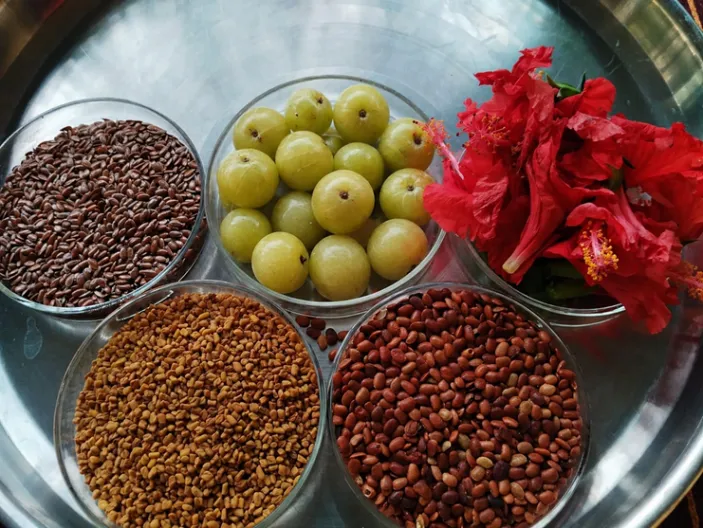
Fig: Herbal Ingredients Used in Multipurpose Shampoo Formulation
5.1 Organoleptic Evaluation of Herbal Ingredients
Organoleptic evaluation involves examination of ingredients based on sensory characteristics such as colour, odour, appearance, and texture. These parameters are important for maintaining consistency and acceptability of cosmetic formulations.
Table 5.1: Organoleptic Characteristics of Herbal Ingredients
|
Sr. No. |
Ingredient |
Colour |
Odour |
Appearance |
|
1 |
Horse Gram Extract |
Brown |
Characteristic |
Semi-liquid |
|
2 |
Amla Extract |
Dark Brown |
Characteristic |
Liquid |
|
3 |
Fenugreek Extract |
Yellowish Brown |
Mild Herbal |
Viscous Liquid |
|
4 |
Hibiscus Extract |
Reddish Brown |
Pleasant Herbal |
Semi-liquid |
|
5 |
Flaxseed Extract |
Pale Brown |
Mild |
Gel-like |
|
6 |
Lemon Juice |
Light Yellow |
Citrus |
Clear Liquid |
|
7 |
Rose Water with Fragrance |
Colourless |
Pleasant Rose Aroma |
Clear Liquid |
The organoleptic properties of all ingredients were found to be suitable for preparation of herbal shampoo formulation. No undesirable odour or abnormal appearance was observed.[23]
5.2 Solubility Study
Solubility study was performed to determine the miscibility and dispersion behavior of herbal extracts and excipients in water. Proper solubility is essential for obtaining a homogeneous and stable liquid shampoo formulation.
Observation:
The results indicated that all ingredients were compatible with the aqueous base and suitable for liquid shampoo preparation.[24]
5.3 Compatibility Study
Compatibility study was carried out to evaluate possible interactions among herbal extracts and formulation additives. Incompatible ingredients may lead to instability, precipitation, colour changes, or degradation of active constituents.
Observation:
These findings indicated satisfactory compatibility among all selected ingredients used in the herbal shampoo formulation.[25]
5.4 pH Determination of Herbal Base
The pH of the herbal base was determined because pH plays a significant role in maintaining scalp health and hair compatibility. Acidic pH helps in reducing scalp irritation and maintaining hair cuticle integrity.
The pH of the prepared herbal shampoo formulation was adjusted using lemon juice and was found to be approximately 5, which is considered suitable for scalp and hair applications.[26]
5.5 Selection of Surfactant
Selection of suitable surfactant is one of the most important aspects in shampoo formulation. The surfactant should provide adequate cleansing action without causing excessive dryness or irritation.
Coco glucoside was selected as the surfactant because:
5.6 Selection of Preservative
Herbal formulations are more susceptible to microbial contamination due to the presence of natural ingredients and water content. Therefore, incorporation of preservative is essential to improve stability and shelf life.
Benzyl alcohol was selected as preservative because:
5.7 Conclusion of Preformulation Studies
The preformulation studies confirmed that all selected herbal ingredients and excipients were suitable for the preparation of multipurpose herbal liquid shampoo. The ingredients showed satisfactory compatibility, acceptable organoleptic characteristics, good aqueous miscibility, and stable physical appearance. The studies also confirmed that the selected formulation components were appropriate for developing a stable and effective herbal shampoo preparation.
6. FORMULATION OF HERBAL LIQUID SHAMPOO
Herbal liquid shampoo is a cosmetic preparation used for cleansing hair and scalp while simultaneously providing nourishment, conditioning, and protection against common hair problems. In the present study, a multipurpose herbal liquid shampoo was formulated using natural herbal extracts possessing hair growth promoting, moisturizing, anti-dandruff, and conditioning properties. The formulation was developed with the objective of preparing a safe, stable, and effective herbal cosmetic preparation with minimal use of synthetic ingredients.[29]
The formulation consisted of various medicinal plant extracts such as Horse Gram extract, Amla extract, Fenugreek extract, Hibiscus extract, and Flaxseed extract along with suitable additives including coco glucoside, benzyl alcohol, lemon juice, rose water with fragrance, and purified water.
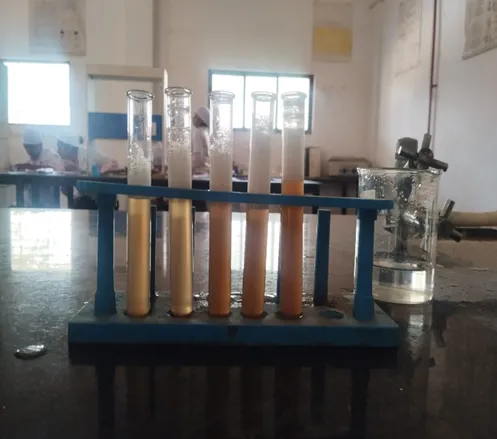
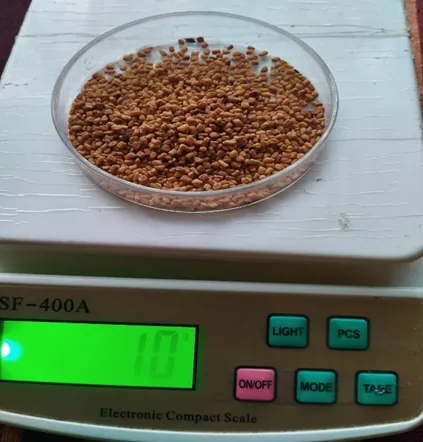
6.1 Formula for Multipurpose Herbal Liquid Shampoo
Table 6.1: Formulation of Multipurpose Herbal Liquid Shampoo (100 mL)
|
Sr. No. |
Ingredient |
Quantity Taken |
|
1 |
Horse Gram Extract |
50 mL |
|
2 |
Amla Extract |
10 mL |
|
3 |
Fenugreek Extract |
10 mL |
|
4 |
Hibiscus Extract |
10 mL |
|
5 |
Flaxseed Extract |
10 mL |
|
6 |
Lemon Juice |
q.s. |
|
7 |
Rose Water with Fragrance |
q.s. |
|
8 |
Coco Glucoside |
1% |
|
9 |
Benzyl Alcohol |
1% |
|
10 |
Purified Water |
Up to 100 mL |
6.2 Scientific Basis of Formulation
The formulation was designed by selecting herbal ingredients known for their beneficial effects on hair and scalp health. Each ingredient was incorporated based on its therapeutic and cosmetic properties.
6.3 Method of Formulation
The herbal liquid shampoo was prepared using simple blending and mixing technique under hygienic laboratory conditions.
Step 1: Preparation of Herbal Extract Mixture
Measured quantities of Horse Gram extract, Amla extract, Fenugreek extract, Hibiscus extract, and Flaxseed extract were transferred into a clean beaker. The extracts were mixed thoroughly using a magnetic stirrer until a uniform herbal mixture was obtained.[31]
Step 2: Addition of Surfactant
Coco glucoside was added slowly to the herbal mixture with continuous stirring. Slow addition was necessary to avoid excessive foam formation and ensure uniform dispersion throughout the formulation.
Step 3: Incorporation of Preservative
Benzyl alcohol was added to the formulation as a preservative. Continuous stirring was maintained to achieve complete mixing and uniform distribution.
Step 4: pH Adjustment and Fragrance Addition
Lemon juice was added in suitable quantity for maintaining scalp-friendly acidic pH. Rose water containing fragrance was incorporated to provide pleasant aroma and soothing effect to the final product.
Step 5: Volume Adjustment
Purified water was added gradually to make the final volume up to 100 mL. The entire mixture was stirred continuously until a homogeneous liquid shampoo formulation was obtained.
Step 6: Filtration and Storage
The prepared shampoo formulation was filtered if necessary to remove unwanted particles and transferred into clean airtight containers. The containers were labeled properly and stored at room temperature for further evaluation and stability studies.[32]
6.4 Advantages of the Prepared Herbal Shampoo
The formulated multipurpose herbal liquid shampoo offers several advantages compared to conventional synthetic shampoos:
6.5 Precautions During Formulation
Certain precautions were followed during preparation of the herbal shampoo to maintain formulation quality and stability:
6.6 Flow Chart of Herbal Liquid Shampoo Formulation
Collection of Herbal Extracts
↓
Mixing of Horse Gram, Amla, Fenugreek, Hibiscus, and Flaxseed Extracts
↓
Addition of Coco Glucoside
↓
Addition of Benzyl Alcohol
↓
Addition of Lemon Juice and Rose Water with Fragrance
↓
Volume Adjustment with Purified Water
↓
Continuous Stirring and Homogenization
↓
Filling into Containers
↓
Storage and Evaluation
7. EVALUATION PARAMETERS
Evaluation of herbal shampoo is essential to determine its quality, safety, stability, and performance characteristics. Various physicochemical and performance parameters are evaluated to ensure that the formulation is suitable for cosmetic application and acceptable to consumers. In the present study, the prepared multipurpose herbal liquid shampoo was evaluated for colour, odour, pH, texture, foamability, percentage solid content, appearance, cleansing action, skin irritation, and stability studies.[35]
7.1 Organoleptic Evaluation
Organoleptic evaluation involves visual and sensory examination of the formulation. Parameters such as colour, odour, appearance, and texture are important for consumer acceptability and aesthetic quality of the shampoo.
Observation
The shampoo formulation showed acceptable organoleptic properties suitable for herbal cosmetic preparations.[36]
7.2 Determination of pH
The pH of shampoo is an important parameter because it affects scalp compatibility, hair texture, and irritation potential. Acidic pH is preferred as it helps maintain the natural condition of hair cuticle and reduces scalp irritation.
Procedure
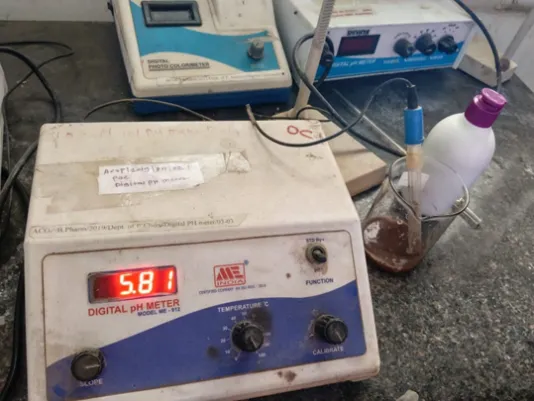
A small quantity of shampoo was dissolved in distilled water and the pH was measured using a calibrated digital pH meter at room temperature.[37]
Result
The pH of the prepared herbal liquid shampoo was found to be:
pH = 5
The obtained pH indicated that the formulation was suitable for scalp and hair application.
7.3 Evaluation of Texture
Texture determines the consistency and spreadability of shampoo. Proper consistency ensures easy application and uniform distribution over hair and scalp.
Observation
The prepared shampoo exhibited slightly thick consistency, which was considered appropriate for liquid shampoo formulation.[38]
7.4 Foamability and Foam Type
Foam formation is one of the important quality parameters of shampoos because consumers generally associate foam with cleansing efficiency. Herbal shampoos usually produce moderate foam compared to synthetic shampoos due to the use of mild surfactants.
Procedure
A measured quantity of shampoo was mixed with water in a graduated cylinder and shaken vigorously. Foam formation and foam stability were observed.[39]
Result
The formulation produced:
Foam Type: Medium
The shampoo showed satisfactory foaming ability and stable foam formation.
7.5 Determination of Percentage Solid Content
Solid content indicates the concentration of active and inactive ingredients present in shampoo. Proper solid content is necessary to maintain consistency and ease of washing.
Procedure
A known quantity of shampoo was evaporated to dryness and the remaining residue was weighed. Percentage solid content was calculated.[40]
Result
Percentage Solid Content = 20.8%
The obtained value indicated acceptable consistency and spreadability of the formulation.
7.6 Evaluation of Appearance
Appearance evaluation is important for assessing physical uniformity and aesthetic quality of shampoo formulations.
Observation
The prepared shampoo appeared turbid due to the presence of multiple herbal extracts and natural constituents. No phase separation or precipitation was observed.[41]
7.7 Cleansing Action
Cleansing action determines the ability of shampoo to remove dirt, oil, and impurities from hair and scalp without causing excessive dryness.
Procedure
The shampoo was applied on oily hair strands followed by washing with water. Cleansing efficiency and hair feel after washing were observed.[42]
Result
The formulation exhibited:
Soft and Easy Cleansing Action
The shampoo effectively removed dirt and oil while maintaining softness of hair.
7.8 Skin Irritation Test
Skin irritation study is performed to evaluate the safety of cosmetic formulations for topical application.
Procedure
A small quantity of shampoo was applied on skin surface and observed for signs of redness, itching, irritation, or inflammation after a specific time interval.[43]
Result
No Irritation Observed
The formulation was found to be safe and non-irritating for topical use.
7.9 Stability Study
Stability studies are performed to determine the physical and chemical stability of the formulation during storage.
Procedure
The prepared shampoo was stored at room temperature and observed periodically for changes in colour, odour, texture, appearance, and phase separation.[44]
Result
Stable After 35 Days
No significant changes were observed during the study period, indicating good stability of the formulation.
7.10 Evaluation Results Table
Table 7.1: Evaluation Results of Herbal Liquid Shampoo
|
Sr. No. |
Parameter |
Result |
|
1 |
Colour |
Brownish |
|
2 |
Odour |
Pleasant |
|
3 |
pH |
5 |
|
4 |
Texture |
Slightly Thick |
|
5 |
Foam Type |
Medium |
|
6 |
Percentage Solid Content |
20.8% |
|
7 |
Appearance |
Turbid |
|
8 |
Cleansing Action |
Soft and Easy Cleansing |
|
9 |
Skin Irritation Test |
No Irritation |
|
10 |
Stability Study |
Stable After 35 Days |
7.11 Significance of Evaluation Parameters
Evaluation parameters play a major role in determining the quality and performance of herbal shampoos. Proper pH prevents scalp irritation, adequate foamability improves cleansing efficiency, acceptable solid content ensures easy application, and stability studies confirm formulation reliability during storage. The obtained evaluation results indicated that the prepared multipurpose herbal liquid shampoo possessed satisfactory physicochemical properties and cosmetic acceptability suitable for routine hair care applications.[45]
8. STABILITY STUDIES
Stability study is an important part of pharmaceutical and cosmetic formulation development. It helps in determining the ability of a formulation to retain its physical appearance, chemical properties, performance characteristics, and microbial stability during storage. Herbal formulations are more susceptible to instability because they contain natural constituents that may undergo degradation, precipitation, colour change, microbial contamination, or phase separation over time. Therefore, stability evaluation is essential to ensure the quality, safety, and shelf life of herbal cosmetic products.[46]
In the present study, stability studies were carried out for the prepared multipurpose herbal liquid shampoo to evaluate its stability under storage conditions. The formulation was observed periodically for changes in colour, odour, texture, pH, appearance, foamability, and phase separation.
8.1 Objectives of Stability Study
The major objectives of the stability study were:
8.2 Storage Conditions
The prepared herbal liquid shampoo was filled in clean airtight containers and stored under room temperature conditions for a period of 35 days.
Storage Condition:
The formulation was examined at regular intervals throughout the storage period.[48]
8.3 Parameters Evaluated During Stability Study
The following parameters were evaluated during stability testing:
1. Colour
Observation of any colour fading, darkening, or undesirable colour change.
2. Odour
Examination of retention of pleasant fragrance and absence of foul smell.
3. Texture
Evaluation of consistency and viscosity changes during storage.
4. Appearance
Observation of clarity, turbidity, precipitation, or phase separation.
5. pH
Determination of any changes in pH affecting scalp compatibility.
6. Foamability
Assessment of foaming ability and foam stability after storage.[49]
8.4 Observations of Stability Study
During the study period, the herbal liquid shampoo formulation remained physically stable without significant changes in organoleptic or performance characteristics.
Observed Results:
8.5 Stability Study Result
Stability Result:
Stable After 35 Days
The prepared herbal liquid shampoo showed satisfactory stability throughout the storage period and maintained acceptable physicochemical properties.
8.6 Importance of Stability Studies in Herbal Cosmetics
Stability studies are essential in herbal cosmetic formulations because natural ingredients may undergo degradation due to environmental conditions such as temperature, light, moisture, and microbial contamination. Stability evaluation helps in:
Proper preservation and suitable packaging are also important factors contributing to formulation stability.
8.7 Factors Affecting Stability of Herbal Shampoo
Several factors may influence the stability of herbal shampoo formulations:
In the present formulation, incorporation of benzyl alcohol as preservative and maintenance of acidic pH contributed significantly to formulation stability.
8.8 Conclusion of Stability Studies
The stability studies confirmed that the prepared multipurpose herbal liquid shampoo possessed satisfactory physical stability and maintained acceptable quality during the study period. The formulation remained stable without significant alteration in colour, odour, texture, pH, appearance, or cleansing performance. These findings indicate that the developed herbal shampoo formulation is suitable for cosmetic use and possesses good storage stability under normal conditions.[53]
9. RESULTS AND DISCUSSION
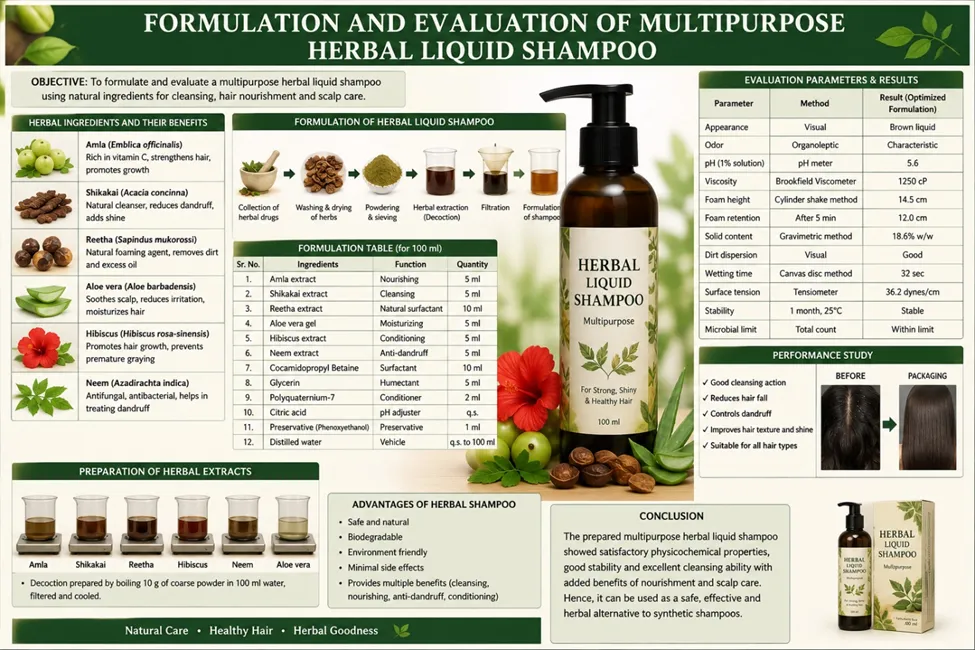
The present research work was carried out to formulate and evaluate a multipurpose herbal liquid shampoo using natural herbal extracts possessing cleansing, conditioning, moisturizing, anti-dandruff, and hair nourishing properties. The prepared formulation was evaluated for various physicochemical and performance parameters to determine its quality, stability, safety, and cosmetic acceptability. The obtained results indicated that the developed herbal shampoo possessed satisfactory characteristics suitable for routine hair care applications.[54]
9.1 Results of Herbal Liquid Shampoo
The prepared herbal shampoo was found to be physically stable and aesthetically acceptable. The formulation exhibited good consistency, pleasant odour, satisfactory cleansing action, and suitable pH for scalp compatibility.
Table 9.1: Evaluation Results of Multipurpose Herbal Liquid Shampoo
|
Sr. No. |
Parameter |
Result |
|
1 |
Colour |
Brownish |
|
2 |
Odour |
Pleasant |
|
3 |
pH |
5 |
|
4 |
Texture |
Slightly Thick |
|
5 |
Foam Type |
Medium |
|
6 |
Percentage Solid Content |
20.8% |
|
7 |
Appearance |
Turbid |
|
8 |
Cleansing Action |
Soft and Easy Cleansing |
|
9 |
Skin Irritation Test |
No Irritation |
|
10 |
Stability Study |
Stable After 35 Days |
9.2 Discussion of Evaluation Parameters
9.2.1 Colour and Appearance
The prepared herbal shampoo showed brownish colour and turbid appearance due to the presence of multiple herbal extracts such as Horse Gram, Amla, Fenugreek, Hibiscus, and Flaxseed extracts. Natural herbal formulations commonly exhibit turbidity because plant extracts contain pigments, mucilage, and phytoconstituents. The observed appearance was considered acceptable for a herbal cosmetic preparation.[55]
9.2.2 Odour
The formulation exhibited pleasant odour because of the incorporation of rose water with fragrance. Herbal ingredients sometimes possess strong characteristic smell, but the addition of rose water improved the overall aroma and consumer acceptability of the shampoo formulation.[56]
9.2.3 pH Evaluation
The pH of the prepared herbal shampoo was found to be 5, which is considered suitable for scalp and hair application. Acidic pH is beneficial because it helps maintain the integrity of the hair cuticle, reduces scalp irritation, and minimizes hair dryness. Lemon juice used in the formulation contributed to maintaining the acidic pH range.[57]
9.2.4 Texture and Consistency
The prepared formulation showed slightly thick texture which was considered ideal for easy application and uniform spreading on hair and scalp. Proper consistency improves handling characteristics and enhances user compliance. The mucilage content present in fenugreek and flaxseed extracts contributed to the viscosity and smooth texture of the shampoo.[58]
9.2.5 Foamability
The shampoo formulation exhibited medium foam formation due to the presence of coco glucoside as a mild surfactant. Herbal shampoos generally produce moderate foam compared to synthetic shampoos because they contain fewer harsh surfactants. However, satisfactory foamability is essential for consumer acceptance and cleansing efficiency.[59]
9.2.6 Percentage Solid Content
The percentage solid content of the formulation was found to be 20.8%, indicating acceptable concentration of active and inactive ingredients. Proper solid content is important because very low solid content results in watery formulation whereas excessive solid content may make shampoo difficult to wash off from hair.[60]
9.2.7 Cleansing Action
The prepared herbal shampoo demonstrated soft and easy cleansing action. The formulation effectively removed dirt and oil from hair without causing excessive dryness. Coco glucoside provided gentle cleansing action while herbal extracts helped maintain smoothness and softness of hair after washing.[61]
9.2.8 Skin Irritation Study
No irritation, redness, itching, or inflammation was observed during the skin irritation test. The result indicated that the formulation was safe for topical application and compatible with skin and scalp conditions. Use of natural herbal ingredients and mild surfactant contributed to reduced irritation potential.[62]
9.2.9 Stability Study
The prepared herbal liquid shampoo remained stable throughout the 35-day stability study period. No significant changes were observed in colour, odour, texture, appearance, or pH. The preservative benzyl alcohol effectively prevented microbial spoilage and helped maintain formulation stability.[63]
9.3 Role of Herbal Ingredients in Overall Performance
The overall performance of the shampoo formulation was mainly attributed to the synergistic effect of various herbal ingredients.
The combination of these herbal extracts resulted in a multipurpose herbal shampoo possessing cleansing, conditioning, moisturizing, and scalp protective properties.
9.4 Overall Interpretation of Results
The obtained evaluation results demonstrated that the formulated multipurpose herbal liquid shampoo possessed satisfactory physicochemical properties, acceptable cosmetic appearance, good cleansing efficiency, scalp-friendly pH, and excellent stability. The formulation was found to be safe, effective, and suitable for routine hair care applications.
The study also confirmed that herbal ingredients can be successfully utilized in shampoo formulations to reduce dependency on synthetic chemicals and promote development of natural cosmetic products. The prepared herbal shampoo may therefore serve as a promising alternative to conventional synthetic shampoos available in the market.[65]
10. FUTURE SCOPE
The field of herbal cosmetics is expanding rapidly due to increasing consumer preference for natural, safe, and environmentally friendly personal care products. Herbal shampoos have gained considerable attention because they provide cleansing along with therapeutic and cosmetic benefits without causing major side effects associated with synthetic formulations. The present study demonstrated that a multipurpose herbal liquid shampoo can be successfully formulated using natural herbal ingredients with satisfactory quality, stability, and safety.
Although the developed formulation showed promising results, there remains significant scope for further research and improvement in herbal shampoo formulations. Future studies may focus on advanced formulation techniques, clinical evaluation, product optimization, and commercial development of herbal cosmetic products.
10.1 Scope for Advanced Herbal Formulations
Further research can be carried out to improve the formulation by incorporating additional medicinal herbs possessing specialized hair care properties such as anti-hair fall, anti-lice, anti-fungal, anti-inflammatory, and scalp rejuvenating activities. Herbal ingredients such as Aloe vera, Neem, Shikakai, Bhringraj, Brahmi, and Reetha may be incorporated in future formulations to enhance therapeutic effectiveness.
Advanced herbal formulations may also include:
Such modifications may improve overall cosmetic performance and consumer acceptability of the product.
10.2 Scope for Commercial Production
The prepared herbal shampoo possesses potential for large-scale manufacturing and commercial marketing. With proper standardization, quality control, packaging, and stability enhancement, the formulation can be developed into a commercial herbal cosmetic product.
Commercial production may involve:
The increasing demand for herbal cosmetics creates significant market opportunities for natural hair care products.
10.3 Scope for Clinical and Dermatological Studies
Further investigations can be conducted through clinical trials and dermatological studies to scientifically validate the efficacy and safety of the herbal shampoo in larger populations.
Future studies may include:
These investigations may help establish scientific evidence supporting the therapeutic benefits of the formulation.
10.4 Scope for Stability Enhancement
Although the prepared formulation showed satisfactory stability for 35 days, further research may focus on improving long-term stability and shelf life by:
Enhanced stability studies are important for successful commercial applications of herbal cosmetic products.
10.5 Scope for Eco-Friendly Cosmetic Development
Herbal shampoos are biodegradable and environmentally safer compared to synthetic cosmetic formulations. Future research may focus on:
Such developments may support environmentally responsible cosmetic manufacturing practices.
10.6 Scope for Pharmaceutical and Cosmeceutical Applications
The prepared herbal shampoo may also serve as a base for development of medicated herbal shampoos and cosmeceutical products targeting specific scalp disorders such as:
Incorporation of scientifically validated herbal actives may enhance the therapeutic value of future formulations.
10.7 Overall Future Perspective
The present study provides a strong foundation for further research in herbal cosmetic science and pharmaceutical cosmetology. With increasing awareness regarding natural products and safer personal care formulations, herbal liquid shampoos have substantial future potential in cosmetic and pharmaceutical industries.
The formulated multipurpose herbal liquid shampoo may therefore be further optimized, standardized, clinically evaluated, and commercially developed as an effective natural hair care product suitable for modern consumer needs.
11. CONCLUSION
The present research work entitled “Formulation and Evaluation of Multipurpose Herbal Liquid Shampoo” was successfully carried out using various herbal ingredients possessing beneficial effects on hair and scalp health. The study focused on the development of a safe, stable, effective, and eco-friendly herbal shampoo formulation using natural plant extracts such as Horse Gram extract, Amla extract, Fenugreek extract, Hibiscus extract, and Flaxseed extract along with suitable excipients and additives.The prepared herbal liquid shampoo demonstrated satisfactory physicochemical and performance characteristics. The formulation showed brownish colour, pleasant odour, slightly thick texture, medium foamability, and acceptable cleansing action. The pH of the shampoo was found to be 5, which is considered suitable for scalp compatibility and maintenance of healthy hair cuticle. The percentage solid content of 20.8% indicated appropriate formulation consistency and ease of application.
The herbal extracts used in the formulation contributed significantly toward the overall effectiveness of the shampoo. Horse Gram extract helped in nourishing hair follicles and promoting healthy hair growth. Amla extract provided antioxidant and anti-dandruff activity, while Fenugreek extract improved hair strength and reduced breakage. Hibiscus extract enhanced hair shine and conditioning effect, whereas Flaxseed extract acted as a natural moisturizing and smoothing agent. The combined action of these herbal ingredients resulted in a multipurpose formulation capable of cleansing, conditioning, moisturizing, and protecting the scalp simultaneously.
The prepared shampoo formulation exhibited satisfactory cleansing efficiency without causing excessive dryness or irritation. Skin irritation studies confirmed that the formulation was safe and non-irritating for topical application. The use of mild surfactant coco glucoside contributed to gentle cleansing and reduced irritation potential compared to conventional synthetic detergents.
Stability studies demonstrated that the formulation remained stable for 35 days without significant changes in colour, odour, appearance, texture, pH, or cleansing properties. The preservative benzyl alcohol effectively maintained microbial stability and improved shelf life of the formulation. The overall stability results indicated that the prepared herbal shampoo possesses good storage characteristics suitable for cosmetic applications.
The present study also highlighted the importance of herbal cosmetics as safer alternatives to synthetic cosmetic products. Increasing consumer awareness regarding the harmful effects associated with synthetic chemicals has created growing demand for natural and herbal formulations. Herbal shampoos offer several advantages including biodegradability, reduced side effects, scalp compatibility, environmental safety, and therapeutic benefits.
Based on the obtained results, it can be concluded that the formulated multipurpose herbal liquid shampoo possessed satisfactory quality, stability, safety, and cosmetic acceptability. The study confirmed that herbal ingredients can be effectively utilized in shampoo formulations for development of natural hair care products with multifunctional benefits.
Therefore, the developed herbal liquid shampoo may serve as a promising herbal cosmetic preparation suitable for routine hair care and may be considered as a potential alternative to commercially available synthetic shampoos.
REFERENCES





Aarti Lahamage, Jayraj Khedkar, Dipti Naikwadi, Dipak Ahire, Dhananjay Deshmukh, Formulation and Evaluation of Multipurpose Herbal Liquid Shampoo, Int. J. of Pharm. Sci., 2026, Vol 4, Issue 5, 7421-7446. https://doi.org/10.5281/zenodo.20414063
 10.5281/zenodo.20414063