

We use cookies to ensure our website works properly and to personalise your experience. Cookies policy
Department of pharamaceutics, Paavai college of pharmacy and research, Namakkal
Parkinson's disease (PD) is a progressive neurodegenerative disorder marked by degeneration of dopaminergic neurons and loss of striatal dopamine, producing tremor, rigidity, bradykinesia and postural instability. Conventional oral anti-parkinsonian therapy is limited by poor systemic bioavailability, extensive first-pass metabolism and restricted blood-brain barrier (BBB) permeation. The present study aimed to formulate and evaluate a resveratrol nanoparticle-loaded nasal in-situ gel that exploits the nose-to-brain pathway to bypass the BBB and improve central drug delivery. Resveratrol, a BCS class-II polyphenol with demonstrated neuroprotective activity, was converted into nanoparticles to enhance nasal permeation and then incorporated into a pH-triggered in-situ gelling base prepared using Carbopol 934P, PEG 400 and cold-method dispersion. Three formulations (F1-F3) were prepared by varying the Carbopol 934P concentration and were evaluated for particle size, entrapment efficiency, FTIR compatibility, viscosity (before and after gelation), pH, gel strength, spreadability, mucoadhesive strength, in-vitro drug release and differential scanning calorimetry (DSC). The nanoparticles showed a particle size range of 100-140 nm and entrapment efficiency up to 88%. Formulation F2 exhibited the most favourable balance of viscosity, non-irritant pH, spreadability, mucoadhesive strength and cumulative in-vitro drug release (30.3% at 60 min), indicating suitability for sustained nasal residence and nose-to-brain transport. The results support the resveratrol nanoparticle-loaded nasal in-situ gel as a promising, non-invasive, patient-compliant strategy for the management of Parkinson's disease, warranting further in-vivo and clinical evaluation.
Parkinson's disease (PD) is a neurodegenerative disorder resulting from degeneration of dopaminergic neurons in the substantia nigra, leading to reduced striatal dopamine and the cardinal features of rest tremor, rigidity, bradykinesia and postural instability, along with craniofacial and visual non-motor manifestations such as hypomimia, dysphagia, hypophonia and visual hallucinations [1,2]. The Global Burden of Disease Study estimates that PD cases will rise from approximately 7 million in 2015 to 13 million by 2040, suggesting an emerging 'PD pandemic' driven by an ageing population [1,3]. Established risk factors include advancing age, male sex, heredity and pesticide exposure, while the pathology is broadly classified into neurodegenerative, secondary and heredodegenerative parkinsonism [3,4].
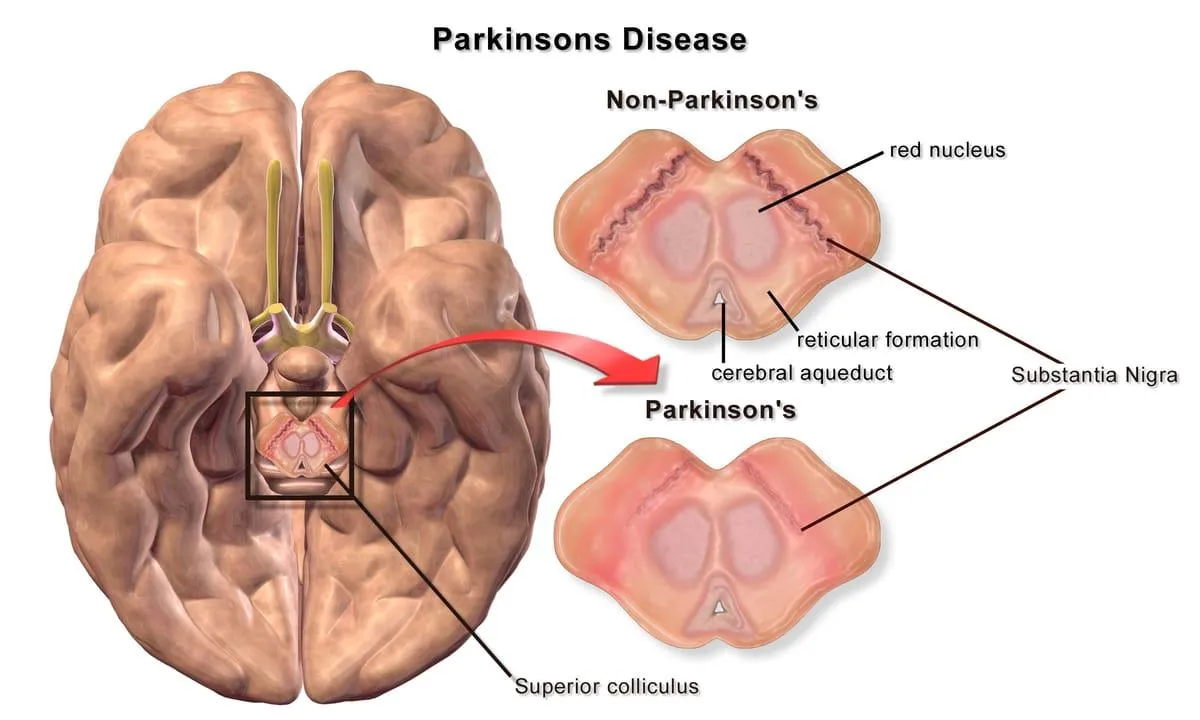
Figure 1: Substantia nigra changes in Parkinson's disease compared with the non-Parkinsonian brain
The pathogenesis of PD involves dopaminergic neuron loss, alpha-synuclein misfolding and Lewy body formation, mitochondrial dysfunction, oxidative stress, impaired protein-clearance systems and neuroinflammation, all modulated by genetic and environmental factors [4,5]. Current pharmacotherapy is dominated by levodopa/carbidopa, dopamine agonists, MAO-B and COMT inhibitors, and newer continuous-infusion and device-based therapies; however, conventional oral levodopa suffers from poor systemic bioavailability (<10%), minimal brain delivery (<1%), a short plasma half-life and erratic gastrointestinal absorption, culminating in long-term motor complications such as wearing-off and dyskinesia [6,7].
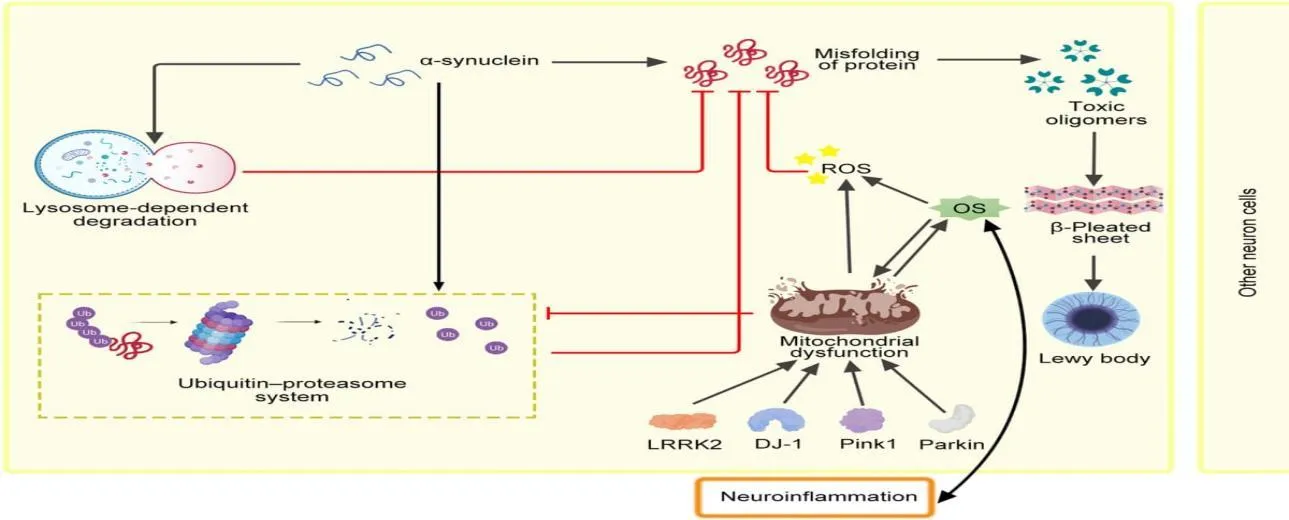
Figure 2: Molecular mechanism of Parkinson's disease showing alpha-synuclein misfolding, mitochondrial dysfunction and neuroinflammation
The nasal route offers a non-invasive alternative for central nervous system (CNS) drug delivery, permitting direct nose-to-brain transport via the olfactory and trigeminal nerve pathways and thereby bypassing both the blood-brain barrier and hepatic first-pass metabolism [8,9]. However, rapid mucociliary clearance restricts nasal residence time of simple solutions. In-situ gelling systems address this limitation: the formulation is instilled as a low-viscosity liquid that undergoes sol-to-gel transition on contact with nasal mucosa in response to temperature, pH or ionic triggers, thereby prolonging mucosal contact and sustaining drug release [9,10].
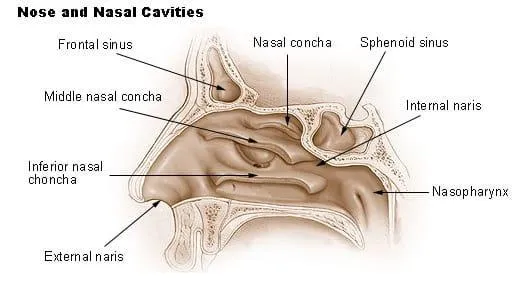
Figure 3: Anatomy of the nose and nasal cavities relevant to nose-to-brain drug delivery
Resveratrol, a naturally occurring stilbene polyphenol, exhibits antioxidant, anti-inflammatory and neuroprotective activity mediated through SIRT1 activation, AMPK signalling, Nrf2 induction and NF-κB inhibition, and has shown protective effects in experimental models of parkin loss-of-function-associated oxidative stress [11,12]. Its therapeutic utility is nevertheless constrained by poor aqueous solubility (BCS class II), extensive first-pass glucuronidation/sulfation and consequent oral bioavailability of less than 1-5% [13]. Formulating resveratrol as nanoparticles can improve its solubility, mucosal permeation and stability, and incorporation of these nanoparticles into a mucoadhesive nasal in-situ gel can further enhance nasal residence time and sustain nose-to-brain delivery [10,14].
Building on these principles, the present study was undertaken to formulate resveratrol nanoparticle-loaded nasal in-situ gel using Carbopol 934P as the pH-responsive gelling polymer and PEG 400 as a co-solvent/plasticiser, and to evaluate the formulations for pre-formulation compatibility, particle characteristics, entrapment efficiency, rheological behaviour, mucoadhesion, in-vitro drug release and thermal behaviour, with the objective of identifying a formulation suitable for sustained, brain-targeted delivery of resveratrol in the management of Parkinson's disease.
MATERIALS AND METHODS
Materials
The materials used in the present study, along with their respective sources, are listed in Table 1.
Table 1: MATERIALS USED AND THEIR SOURCE
|
Material |
Source |
|
Resveratrol |
Gifted drug |
|
PEG 400 |
BRM Herbals, New Delhi |
|
Ethyl paraben |
Isotherm Laboratories, Angamaly |
|
Carbopol 934P |
BRM Herbals, New Delhi |
|
Methanol |
Isotherm Laboratories, Angamaly |
|
Sodium chloride |
BRM Herbals, New Delhi |
|
Sodium hydroxide |
BRM Herbals, New Delhi |
Formulation of resveratrol nanoparticle-loaded nasal in-situ gel
Preparation of drug solution: An accurately weighed quantity of resveratrol was dissolved in ethanol to obtain a clear drug solution.
Preparation of polymeric solution: Distilled water was cooled to 4 °C in a refrigerator. Carbopol 934P was dispersed in the cold distilled water under continuous stirring until a homogeneous mixture was obtained, and the dispersion was stored overnight in the refrigerator to yield a clear polymeric dispersion.
Preparation of in-situ gel: The drug solution was combined with the polymeric dispersion under continuous magnetic stirring. Sodium hydroxide, sodium chloride and ethyl paraben were added, and the mixture was stirred for approximately 15 min until homogeneous.
Filtration and volume make-up: The formulation was made up to the final volume with cold distilled water/buffer and filtered.
Storage: The finished liquid formulation was stored in a clean, airtight container at 4 °C to maintain the liquid state until administration.
Table 2: COMPOSITION OF RESVERATROL NANOPARTICLE-LOADED NASAL IN-SITU GEL FORMULATIONS
|
Ingredient |
F1 (g) |
F2 (g) |
F3 (g) |
|
Resveratrol |
0.25 |
0.25 |
0.25 |
|
Carbopol 934P |
0.1 |
0.2 |
0.3 |
|
PEG 400 |
0.5 |
0.5 |
0.5 |
|
Ethyl paraben |
0.1 |
0.1 |
0.1 |
|
Sodium chloride |
0.1 |
0.1 |
0.1 |
|
Sodium hydroxide |
q.s. |
q.s. |
q.s. |
|
Methanol |
q.s. |
q.s. |
q.s. |
Evaluation methods
Morphological studies: Particle size of the resveratrol nanoparticles was determined by photon correlation spectroscopy (PCS) and laser Doppler velocimetry (LDV) using a Malvern Zetasizer-Nanosizer, with measurements performed in triplicate at 25 °C. Surface morphology was examined by scanning electron microscopy (SEM) and transmission electron microscopy (TEM).
Entrapment efficiency: The entrapment efficiency (EE%) and drug loading (DL%) of resveratrol were determined by the direct method. Nanoparticles were dissolved in methanol, sonicated for 5 min, filtered through a 0.45 μm syringe filter and analysed by HPLC (PDA/UV detector at 303 nm).
Rheological properties: Viscosity of the in-situ gel, before and after gelation, was measured using a Brookfield viscometer at 100 rpm and 37 ± 0.5 °C.
Determination of pH: The pH of each formulation was measured using a digital pH meter calibrated with standard buffers of pH 4 and 7.
Gel strength: Gel strength was determined by measuring the time taken for a 35 g weight to sink 5 cm into 50 g of formulation maintained at 37 °C.
Spreadability: Spreadability was assessed on sheep nasal mucosa mounted on a glass slide at 37 °C, using the relation S = M × L / T, where M is the weight placed on the upper slide, L is the length of the slide and T is the time taken to travel the specified distance.
Mucoadhesive strength: Ex-vivo mucoadhesive strength was determined on fresh sheep nasal mucosa using a modified balance method with phosphate buffer (pH 6.4).
In-vitro drug release: In-vitro release of resveratrol was studied using a Franz diffusion cell with sheep nasal mucosa mounted between donor and receptor compartments. The receptor compartment contained phosphate buffer (pH 6.4) maintained at 37 °C and stirred at 100 rpm; samples were withdrawn at predetermined intervals and analysed spectrophotometrically at 280 nm.
Fourier-transform infrared (FTIR) spectroscopy: FTIR spectra of resveratrol, Carbopol 934P and PEG 400 were recorded to assess drug-excipient compatibility.
Differential scanning calorimetry (DSC): DSC thermograms of the selected formulations were recorded at a heating rate of 10 °C/min over a range of 30-200 °C.
RESULTS AND DISCUSSION
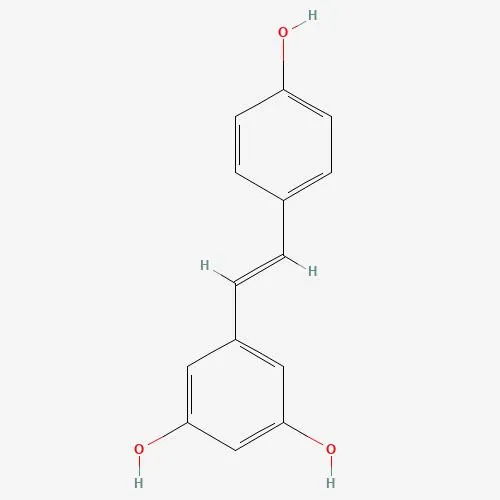
Figure 4: Chemical structure of resveratrol
Table 3: PARTICLE SIZE OF RESVERATROL NANOPARTICLES
|
Formulation code |
Particle size range (nm) |
|
F1 |
100-120 |
|
F2 |
110-130 |
|
F3 |
120-140 |
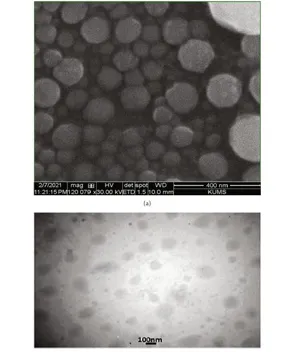
Figure 5: (a) SEM and (b) TEM images of resveratrol nanoparticles
Table 4: ENTRAPMENT EFFICIENCY OF RESVERATROL NANOPARTICLES
|
S.No. |
Formulation code |
Drug:polymer ratio |
Total drug added (mg) |
Free drug (mg) |
Entrapped drug (mg) |
Entrapment efficiency (%) |
|
1 |
RSV-NP1 |
1:1 |
100 |
35 |
65 |
65 |
|
2 |
RSV-NP2 |
1:2 |
100 |
25 |
75 |
75 |
|
3 |
RSV-NP3 |
1:3 |
100 |
18 |
82 |
82 |
|
4 |
RSV-NP4 |
1:4 |
100 |
12 |
88 |
88 |
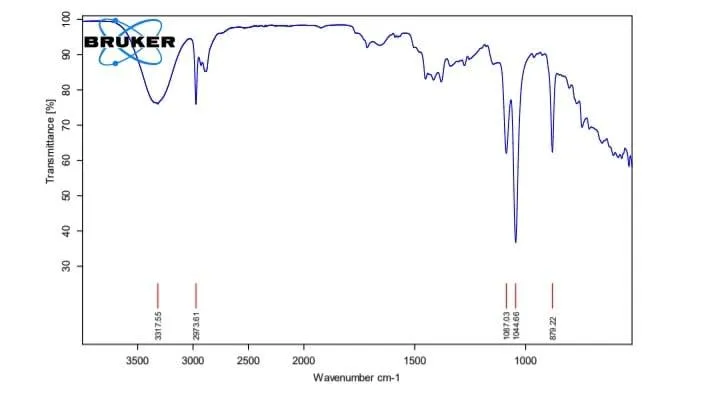
Figure 6: FTIR spectrum of resveratrol
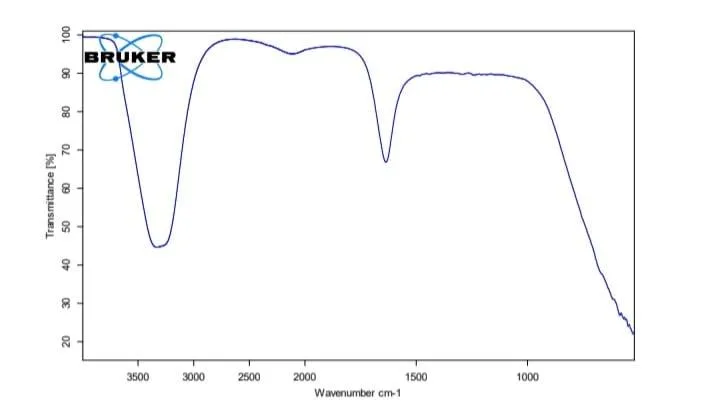
Figure 7: FTIR spectrum of Carbopol 934P
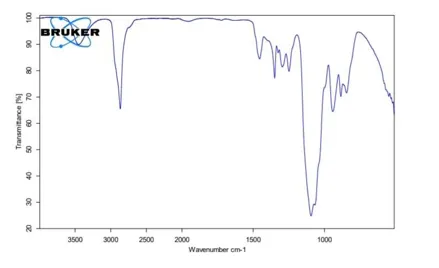
Figure 8: FTIR spectrum of PEG 400
Table 5: VISCOSITY OF IN-SITU GEL FORMULATIONS BEFORE AND AFTER GELATION
|
S.No. |
Formulation code |
Viscosity before gelation (cP) |
Viscosity after gelation (cP) |
|
1 |
F1 |
55 |
2600 |
|
2 |
F2 |
150 |
2400 |
|
3 |
F3 |
255 |
2300 |
Table 6: pH OF IN-SITU GEL FORMULATIONS
|
S.No. |
Formulation code |
pH |
|
1 |
F1 |
4.3 |
|
2 |
F2 |
4.1 |
|
3 |
F3 |
4.5 |
Table 7: GEL STRENGTH OF IN-SITU GEL FORMULATIONS
|
S.No. |
Formulation code |
Gel strength (s) |
|
1 |
F1 |
65 |
|
2 |
F2 |
62 |
|
3 |
F3 |
60 |
Table 8: SPREADABILITY OF IN-SITU GEL FORMULATIONS
|
S.No. |
Formulation code |
Spreadability (g.cm/s) |
|
1 |
F1 |
5.5 |
|
2 |
F2 |
5.2 |
|
3 |
F3 |
5.4 |
Table 9: MUCOADHESIVE STRENGTH OF IN-SITU GEL FORMULATIONS
|
S.No. |
Formulation code |
Mucoadhesive strength (dyne/cm²) |
|
1 |
F1 |
490 |
|
2 |
F2 |
565 |
|
3 |
F3 |
620 |
Table 10: IN-VITRO CUMULATIVE PERCENTAGE DRUG RELEASE OF FORMULATIONS F1-F3
|
Time (min) |
F1 (%) |
F2 (%) |
F3 (%) |
|
10 |
9.5 |
10.1 |
10.4 |
|
20 |
10.5 |
10.8 |
11.2 |
|
30 |
15.5 |
17.6 |
16.2 |
|
40 |
18.4 |
22.3 |
19.5 |
|
50 |
21.2 |
23.1 |
22.5 |
|
60 |
29.3 |
30.3 |
28.3 |
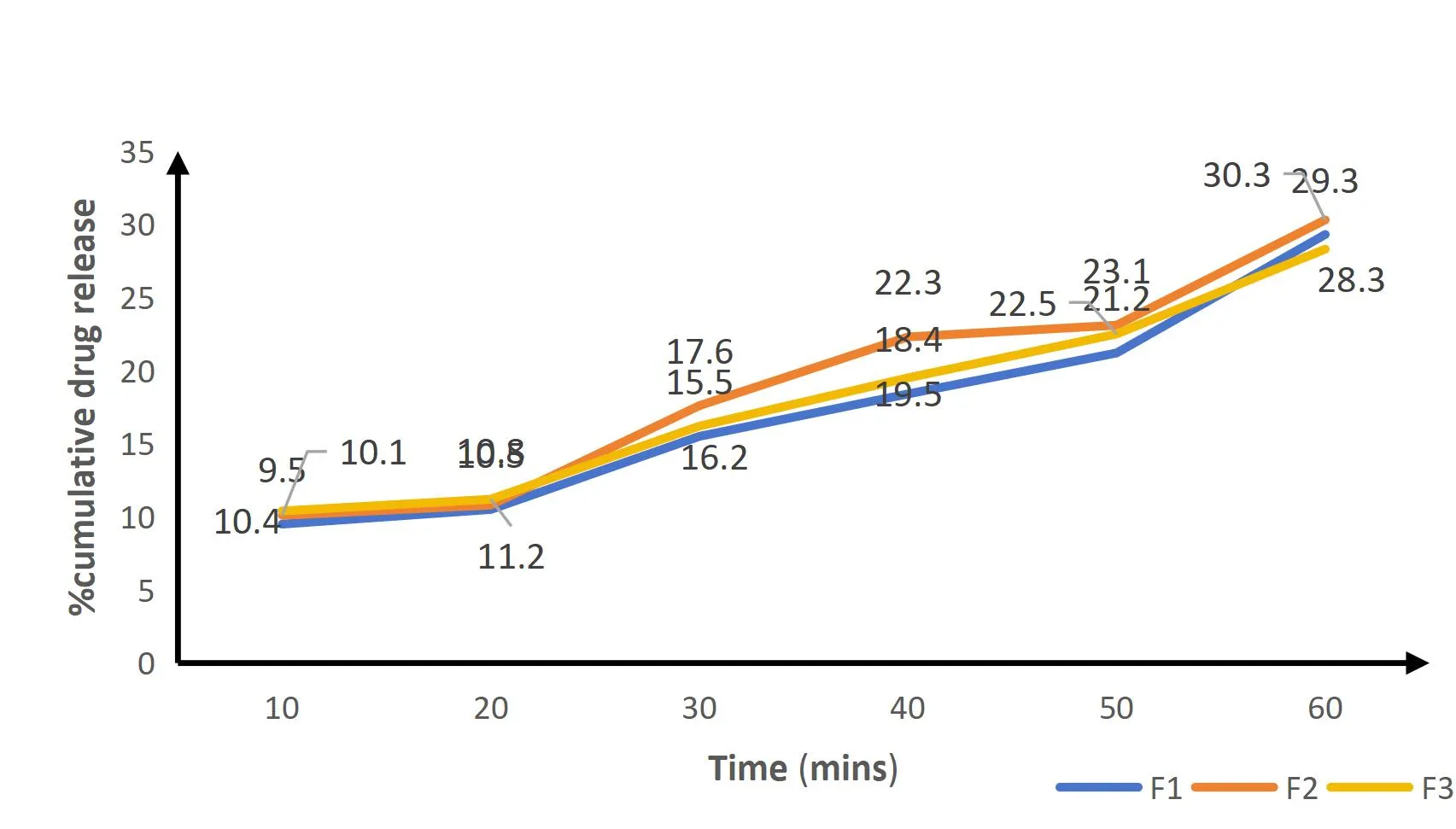
Figure 9: Comparative in-vitro cumulative percentage drug release profile of formulations F1, F2 and F3
Table 11: DSC TRANSITION TEMPERATURE OF SELECTED FORMULATIONS
|
S.No. |
Formulation code |
Temperature (°C) |
|
1 |
F1 |
90 |
|
2 |
F2 |
110 |
|
3 |
F3 |
150 |
Particle size analysis showed that the resveratrol nanoparticles fell within the sub-micron range of 100-140 nm across the three formulations, with F1 giving the smallest particle size (100-120 nm) (Table 3). SEM and TEM images (Figure 5) confirmed discrete, near-spherical particles consistent with the measured size range, supporting suitability for nasal mucosal penetration.
Entrapment efficiency increased progressively with increasing polymer proportion, from 65% at a 1:1 Drug:polymer ratio (RSV-NP1) to 88% at a 1:4 ratio (RSV-NP4) (Table 4), indicating that a higher relative polymer content favours drug entrapment, likely by reducing drug loss to the external phase during nanoparticle formation, consistent with earlier reports on resveratrol nanocomposite in-situ gelling systems [15].
FTIR spectra of resveratrol, Carbopol 934P and PEG 400 (Figures 6-8) retained the principal characteristic absorption bands of the drug without the appearance of new peaks or the disappearance of existing ones, suggesting the absence of a major chemical interaction between resveratrol and the selected excipients.
Viscosity measurements showed a marked rise on gelation in all three formulations, consistent with pH-triggered sol-to-gel transition of Carbopol 934P at the nasal mucosal surface, in agreement with earlier Carbopol-based mucoadhesive nasal in-situ gel systems [16] (Table 5). Formulation F2 (150 cP before gelation, 2400 cP after gelation) offered the most workable pre-administration viscosity together with adequate post-gelation consistency for nasal retention. All formulations exhibited an acidic-to-mildly-acidic pH (4.1-4.5) considered compatible with nasal mucosal tolerance, with F2 and F3 closer to the desired non-irritant range (Table 6).
Gel strength values (60-65 s) (Table 7) indicated adequate structural integrity of the formed gel at physiological temperature (37 ± 0.5 °C), while spreadability (5.2-5.5 g.cm/s) (Table 8) confirmed that all three formulations could be readily administered and would spread appropriately over the nasal mucosal surface, with F2 and F3 marginally favoured.
Mucoadhesive strength increased with increasing Carbopol 934P concentration, from 490 dyne/cm² (F1) to 620 dyne/cm² (F3) (Table 9), confirming that greater polymer content enhances mucosal adhesion and would be expected to reduce mucociliary clearance and prolong nasal residence time, comparable to mucoadhesive strengths reported for other intranasal in-situ gel systems targeting the brain [17,18].
In-vitro drug release over 60 min showed a cumulative release of 29.3%, 30.3% and 28.3% for F1, F2 and F3, respectively (Table 10, Figure 9), with formulation F2 exhibiting the highest cumulative release at every sampled time point. Taken together with its favourable viscosity, pH, spreadability and mucoadhesive profile, F2 (drug: Carbopol 934P ratio corresponding to 0.2 g per formulation) emerged as the optimised formulation, and the sustained release trend observed is consistent with the substantially enhanced brain bioavailability reported for other thermosensitive/mucoadhesive nasal in-situ gels developed for CNS-acting drugs [17].
DSC thermograms showed transition temperatures of 90 °C, 110 °C and 150 °C for F1, F2 and F3, respectively (Table 11), with F2 and F3 indicating comparatively more favourable thermal stability and physical state than F1, consistent with the higher polymer content stabilising the gel matrix.
CONCLUSION
The present study demonstrates the successful formulation and evaluation of a resveratrol nanoparticle-loaded nasal in-situ gel intended for nose-to-brain delivery in the management of Parkinson's disease. The nasal route, by exploiting the olfactory and trigeminal pathways, offers a non-invasive means of bypassing the blood-brain barrier, while the pH-responsive Carbopol 934P-based in-situ gel prolongs nasal mucosal residence relative to a simple nasal solution, in line with the performance characteristics reported for nasal drug delivery devices and formulations in general. The optimised nanoparticle formulation exhibited a particle size range of 100-140 nm and entrapment efficiency up to 88%, and formulation F2 showed the most favourable overall balance of viscosity, non-irritant pH, gel strength, spreadability, mucoadhesive strength and in-vitro drug release. These findings support the resveratrol nanoparticle-loaded nasal in-situ gel as a promising, patient-compliant strategy for improving brain-targeted delivery and therapeutic outcomes in Parkinson's disease, although further in-vivo pharmacokinetic and clinical studies are warranted to confirm its safety and efficacy.
ACKNOWLEDGEMENT
The authors gratefully acknowledge the Management, Principal, project guide and faculty of the Department of Pharmaceutics, Paavai College of Pharmacy and Research, for their support and facilities extended during this research work.
CONFLICTS OF INTEREST
The authors declare that they have no conflicts of interest.
REFERENCES

Thilagavathi S.*, Myvizhi S., Deerga D., Tharun A.M., Shasiddiq A., Ramkumar B., Parameshwari P., Vishwadharshan B., Rokesh S., Sakthi Sundar M., Dharun Dexit T., Formulation And Evaluation Of Resveratrol Nanoparticle-Loaded Nasal In-Situ Gel For Parkinson's Disease , Int. J. of Pharm. Sci., 2026, Vol 4, Issue 9, 3569-3579. https://doi.org/10.5281/zenodo.23013995
 10.5281/zenodo.23013995