View Article

Abstract

Strong, broad-spectrum antibacterial action is shown by thyme oil, an essential oil rich in thymol and carvacrol. Still, its direct application on the skin is often limited since it has low solubility in water, is highly volatile, and could irritate the skin. This study seeks to create and evaluate a thyme-oil-infused nanoemulgel to overcome these physicochemical issues and increase its regional antibacterial activity. The thyme oil nanoemulsion was first made by combining the right amounts of oil, surfactant, and co-surfactant, and putting them through a high-speed homogenizer. Later, the improved nanoemulsion was combined into a Carbopol-based hydrogel structure to increase patient compliance and retention on the skin. The prepared batches of nanoemulgel were systematically analyzed for several parameters, including thermodynamic stability, droplet size, polydispersity index (PDI), zeta potential, acidity, viscosity, spreadability, and ability to be extruded. In vitro experiments for medication release and antibacterial evaluation were also carried out using the agar well diffusion method against typical skin infections such as Staphylococcus aureus and Escherichia coli. The optimized thyme oil nanoemulgel is expected to show a nanometric droplet size with a low PDI, resulting in a consistent and stable mixture. For topical usage, rheological tests should show pseudoplastic flow and great spreadability. Importantly, antimicrobial tests are predicted to reveal a significantly increased zone of inhibition in comparison to pure thyme oil. The nanoemulgel style allows for better cellular penetration and regulated release, both of which are related to this upgrade. In conclusion, incorporating thyme oil into a nanoemulgel provides a very effective, stable, and hopeful topical delivery system for treating microbial skin infections

Keywords

Thyme oil, nanoemulgel, Thyme, Formulation, Topical Drug Delivery System, Thymol, Antimicrobial Activity, Emulsification, Sustained release, Nanocarrier, Nanotechnology

Introduction

× Popup Image

Clinically categorized under Skin and Soft Tissue Infections (SSTIs), topical microbial infections happen when bacteria penetrate the skin's physical barrier, causing tissue damage and localized colonization1,2.

These infections can cause deep dermis problems as well as superficial epidermal disorders. Bacterial adhesion to host cells, tissue penetration with evasion of the host's innate immune system, and the subsequent release of enzymes or toxins are the main steps in the development of a topical infection1,3.

Keratinocytes and pattern recognition receptors that indicate proinflammatory responses safeguard healthy skin. However, foreign germs can infiltrate any structural defect brought on by wounds, abrasions, mechanical trauma, or long-term medical conditions such as atopic dermatitis3,4.

Primary Topical Microbial Diseases

In clinical dermatology, the most common superficial skin infections are as follows:

1. Impetigo:  Usually affecting youngsters, this extremely contagious superficial bacterial pyoderma (pus-producing infection) is characterized by weeping sores and vesicular eruptions2. It is primarily brought on by Streptococcus pyogenes (group A Streptococci) and/or Staphylococcus aureus5,6.
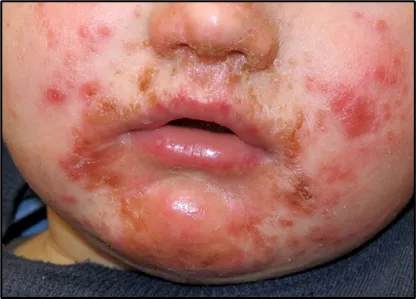


Fig 1: Impetigo

2. Folliculitis and Abscesses: If ignored, folliculitis, an inflammatory disease confined to the hair follicle, can develop into a deeper, painful skin abscess (boil or furuncle). It is mostly caused by Staphylococcus aureus, but some exposures—like hot tubs—can bring in Gram-negative opportunistic bacteria such as Pseudomonas aeruginosa5,6.
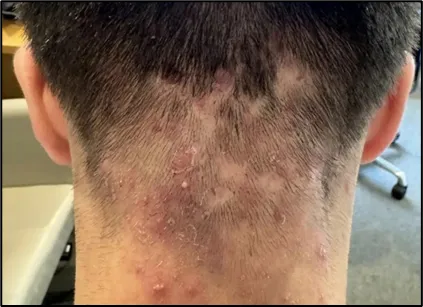


Fig. 2: Folliculitis

3. Secondary Bacterial Infections (Atopic Dermatitis Complications): A serious clinical problem in which high-density opportunistic pathogen colonization is made possible by a pre-existing dermatological disease that compromises the skin barrier. Staphylococcus aureus and coagulase-negative Staphylococci (CoNS) are isolated in more than 60% of these instances6,7.

An emulsion (either water-in-oil or oil-in-water) and a gelling agent are combined to create an emulgel, which is a topical medication delivery technique. Emulgels work as dual-control release devices, merging the drug-carrying properties of an emulsion with the structural integrity of a gel7. They are specifically made to overcome traditional hydrogels' inability to integrate hydrophobic (water-insoluble) active medicinal components8.

The main goals of creating an emulgel formulation include the delivery of lipophilic medicines, improving skin penetration, and enhancing stability9.

Emulgels offer a significant therapeutic benefit for localized treatments since they are thixotropic, patient-friendly, and have a better loading capacity when properly prepared. Patients can target the site of action directly and avoid serious gastrointestinal or systemic side effects by applying an emulgel topically, bypassing hepatic first-pass metabolism8. Additionally, it is utilized for wound healing, musculoskeletal pain, and dermatological conditions9,10.

Drug: Thyme oil

The leaves and flowering tops of Thymus vulgaris are used to make thyme oil, a volatile essential oil. Traditionally, thyme has been used to treat wounds, inflammatory problems, skin infections, and respiratory issues. The liquid's physical characteristics are usually pale yellow to reddish-brown, and it smells strongly of herbs. Carvacrol and thyme oil have high lipophilicity. They oxidative stress, intracellular component efflux, and ultimately cell death easily penetrate the lipid bilayer of bacterial and fungal cell membranes, causing11,12.
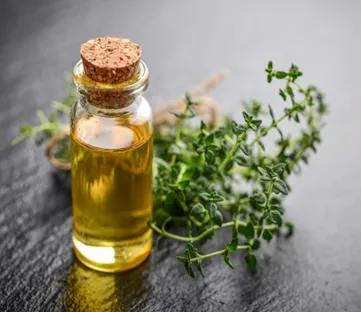


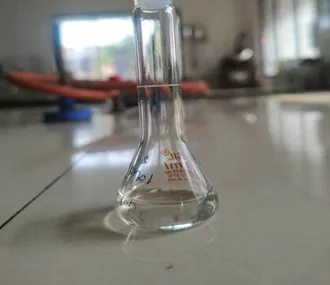
Fig. 3: Thyme oil

Thyme oil (2-isopropyl-5-methylphenol), carvacrol, p-cymene, γ-terpinene, and linalool are the main components of thyme oil. Among these, the main bioactive substances with potent antibacterial activity against a variety of bacteria and fungi include thymol and carvacrol. Thyme oil has a number of pharmacological properties, including antifungal activity, antioxidant activity, anti-inflammatory activity, and wound-healing activity13.

The main source of thyme oil, common thyme (Thymus vulgaris L.), is classified taxonomically as belonging to the kingdom Plantae (plants) and the subkingdom Tracheobionta, which includes vascular plants. It is a member of the division Magnoliophyta, also referred to as blooming plants or angiosperms, and the superdivision Spermatophyta (seed plants). As one descends the hierarchy, it is categorized under the subclass Asteridae and the class Magnoliopsida (dicotyledons). Thyme belongs to the Lamiaceae (or Labiatae) family, commonly known as the mint or deadnettle family, and is a member of the order Lamiales. It is further divided into the subfamily Nepetoideae within this family. Lastly, the species Thymus vulgaris L. is the particular organism that belongs to the genus Thymus L14.

Statement of the Problem

Conventional antimicrobial therapies often face limitations such as poor skin penetration and microbial resistance; therefore, a thyme oil nanoemulgel is formulated and evaluated to enhance antimicrobial efficacy and topical drug delivery15,16.

Need of Study

This study is justified by the therapeutic necessity of combining cutting-edge nanomedicine and green pharmacology to safely and successfully treat resistant skin infections. Because of its strong antibacterial, antifungal, and biofilm-disrupting properties, thyme oil is a perfect substitute for or addition to synthetic antibiotics that aren't working17. However, a delivery method that reduces its high volatility and hydrophobicity is necessary to take advantage of these advantages. These formulation shortcomings are directly addressed by creating a thyme oil nanoemulgel18.

The oil's surface area increases exponentially when the internal oil droplet size is reduced to the nanoscale (usually 20 to 200 nm). This alteration maximizes localized therapeutic concentrations by greatly increasing the rate of breakdown and permitting passive, intracellular penetration through the skin's tiny lipid pathways. The special structural benefits of the nanoemulgel hybrid system highlight the "need of study" even more. Although nanoemulsions have good permeability, their therapeutic use on the skin is limited by their watery consistency. We create a sophisticated system with shear-thinning (pseudoplastic) rheological behaviour by structuring the nanoemulsion into a polymeric hydrogel network. This ensures longer medication release and fewer doses since the formulation spreads readily under external friction but remains localized at the infection site after application 19,20.

Thyme oil's shelf life is also increased by encasing it in a nanostructured droplet, which protects its oxygen-sensitive and volatile chemical bonds from environmental deterioration. From the standpoint of patient safety, the regulated release of the oil from the gel matrix significantly reduces skin irritation by minimizing the initial, concentrated contact of volatile thymol with the epidermis21.

Objectives

The following particular technical goals motivate this project's methodical execution:

  1. To select suitable excipients (oil, surfactant, co-surfactant, gelling agent, and preservatives) for the development of thyme oil nanoemulgel.
  2. To perform preformulation studies of thyme oil and excipients for compatibility, solubility, and stability assessment22.
  3. To formulate a stable thyme oil nanoemulsion and incorporate it into a gel base to prepare a nanoemulgel.
  4. To evaluate the prepared thyme oil nanoemulgel for physical appearance, pH, viscosity, spreadability, drug content, particle size, and stability.
  5. To assess the antimicrobial activity of the formulated thyme oil nanoemulgel against selected micro-organisms23.

Hypothesis

The developed Thyme oil nanoemulgel and alternative conventional control bases will not differ statistically in the measured antimicrobial activity, as determined by the Minimum Inhibitory Concentration (MIC) values and Zones of Inhibition (ZOI) against representative Gram-positive and Gram-negative bacterial or fungal strains. Microbial colony counts will not be reduced, or protective cellular biofilms will not be broken down by encapsulation into the nano-carrier system.

.

Methodology:

This includes the procedures that aid in the creation of thyme oil emulgel. There are three phases to it:

1. Preformulation Test:

1.1 Evaluation of Organoleptic and Physicochemical Aspects:

1. Organoleptic Testing

  1. A sample of the substance was transferred into a clear glass vial.
  2. The physical state, appearance, and color were visually examined under standard white laboratory lighting.
  3. To evaluate the odour, the vial was held at a safe distance, and the vapors were gently wafted toward the nose to detect its characteristic aromatic properties24.

2. Solubility Analysis

  1. 2 ml of the sample were dispensed into separate test tubes.
  2. A specific solvent water, ethanol was added to each respective tube.
  3. The test tubes were sealed and vigorously shaken for several minutes.
  4. Afterward, the mixtures were allowed to settle and were visually inspected for complete dissolution (solubility) or phase separation (insolubility)25.

3. Density

  1. An empty, dry pycnometer (specific gravity bottle) was accurately weighed on an analytical balance.
  2. The pycnometer was then completely filled with the liquid sample, ensuring no air bubbles were trapped, and was weighed again.
  3. The density was calculated by subtracting the weight of the empty flask from the filled flask and dividing that mass by the known volume of the pycnometer at room temperature26.

1.2 UV-Visible Spectrophotometry Calibration:
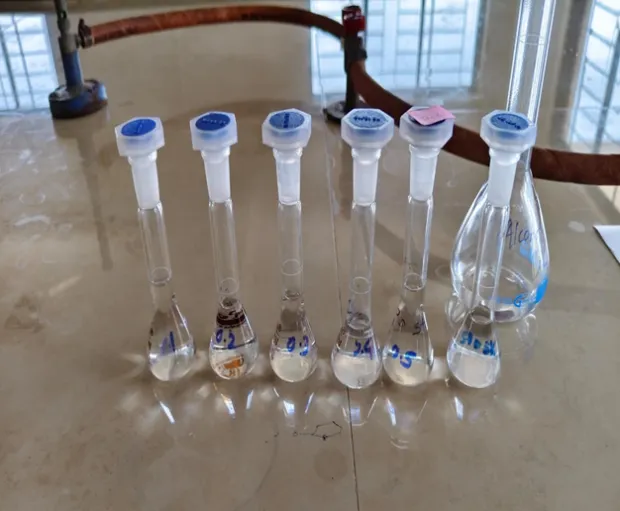
  1. An accurately measured amount of 0.10 mg thyme oil was dissolved in an ethanol to prepare a stock solution.
  2. A diluted sample was then scanned from 200 nm to 400 nm using a UV-Vis spectrophotometer to determine maximum absorbance wavelength (λmax) of thymol.
  3. The stock solution was serially diluted to create a range of standard concentrations ( 10 µm/ml, 20 µm/ml, 30 µm/ml, 40 µm/ml, 50 µm/ml), and their absorbances were recorded at the determined λmax27.


Fig.  4: Standard concentration solution


  1. Finally, a calibration curve was generated by plotting absorbance against concentration, and linear regression analysis was performed to determine the equation and R2 value to confirm linearity28.

1.3 FTIR Spectroscopy:

A baseline FTIR spectrum of pure thyme oil was obtained using a Fourier Transform Infrared (FTIR) spectrophotometer. The spectrum was analyzed for characteristic peaks. A broad absorption band between 3200 and 3400 cm⁻¹, corresponding to the phenolic –OH stretching vibration of thymol, was observed. Peaks in the range of 2800–3000 cm⁻¹, corresponding to C–H stretching vibrations, were also identified and recorded29.

2. Formulation:

1. Instructions for creating the Emulsion Base.

In this, S mix was prepared in 2:1 ratio of Tween 80 and PEG 400 resp.


Table No. 1: Batches of emulsion

Formula

thyme oil

s mix

water

E1

1

15

84

E2

1.5

15

83.5

E3

2

15

83

E4

1

20

79

E5

1.5

20

78.5

E6

2

20

78

E7

1

25

74

E8

1.5

25

73.5

E9

2

25

73


In this section, evaluate the optimized batch based on stability, effectiveness, and the high concentration of the Active Pharmaceutical Ingredient.

1.1 Creating the Oil Phase (with Smix):
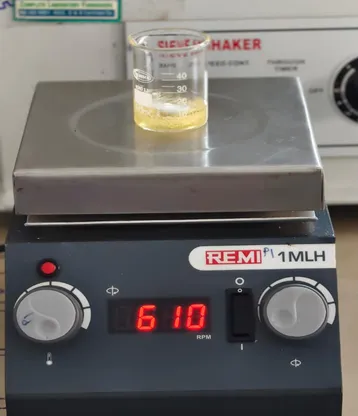
  1. Tween 80 (a surfactant) and PEG 400 (a co-surfactant) were combined to achieve a ratio of roughly 2:1.
  2. The mixture was stirred using a magnetic stirrer at a speed of 500 rpm for 15 minutes at room temperature.
  3. 2 gram of thyme oil was then gradually added to the Smix.
  4. Magnetic stirring was continued at 600 rpm for another 30 minutes until the oil fully dissolved, resulting in a uniform and clear oil phase24.


Fig. 5: Magnetic stirrer

1.2 Creating the Water Phase and Emulsifying Titration:

  1. Thirty grams of distilled water was utilized for the water phase.
  2. This prepared water phase was gradually introduced drop by drop into the oil/Smix phase under continuous high-speed magnetic stirring.
  3. This ensured that the droplets became very small, typically reaching nanometer size26.

2. Formulation of Gel Base

In this, emulsion and gel ratio was 1:1.


Table No. 2: Batches of Emulgel

Formula

emulsion

gelling agent

preservative

tea

water

E1

50%

1

0.2

2 drops /qs

48.8

E2

50%

1.5

0.2

2 drops /qs

48.3

E3

50%

2

0.2

2 drops /qs

47.8

E4

50%

2

0.2

2 drops /qs

47.8

E5

50%

3

0.2

2 drops /qs

46.8

E6

50%

4

0.2

2 drops /qs

45.8

E7

50%

0.5

0.2

2 drops /qs

49.3

E8

50%

1

0.2

2 drops /qs

48.8

E9

50%

1.5

0.2

2 drops /qs

48.3


2.1 Gel Base formulation procedure:

  1. A 0.2% preservative mixture, consisting of 0.18 gram methyl paraben and 0.02 gram propyl paraben, was added to approximately 40 grams of distilled water.
  2. The mixture was carefully warmed to 40°C to ensure complete dissolution of the parabens before being allowed to cool to room temperature.
  3. Next, the gelling agent (Carbopol 934) was slowly and uniformly dispersed over approximately 46.1 grams of remaining distilled water in a large beaker to minimize the formation of dry, non-hydrated lumps.
  4. The beaker was covered, and the mixture was left undisturbed to hydrate and swell for 12 to 24 hours at room temperature.
  5. Once fully expanded, four drops of triethanolamine (TEA) were added dropwise under gentle, continuous mixing with a mechanical stirrer.
  6. This neutralized the polymer's carboxylic groups, raising the pH to a skin-friendly range of 5.5 to 6.5 and yielding a clear, thick gel25.

2.2 Nanoemulgel Development

  1. The liquid thyme oil nanoemulsion was gradually incorporated into the neutralized gel base in small aliquots.
  2. The two components were then homogenized using an overhead mechanical stirrer at 400 rpm for 20 to 30 minutes.
  3. During this process, the mixing paddle was kept completely submerged to prevent the entrapment of air bubbles.
  4. Ultimately, this procedure resulted in a consistent, stable, and visually appealing thyme oil nanoemulgel29.

3. Evaluation method:

These are the comprehensive, step-by-step evaluation criteria and methods for emulgel characterization. These procedures use common pharmaceutical testing techniques appropriate for assessing polymeric bases and the emulsions they incorporate.

3.1. Physical Characterization

  1. A small amount of the prepared emulgel was taken in a clear, transparent glass beaker or watch glass.
  2. The formulation was visually inspected against both dark and light backgrounds.
  3. Observations for color, homogeneity, consistency, and any visible signs of phase separation (creaming or cracking) were recorded29.

 3.2 pH Determination

  1. Exactly 1 g of the emulgel was accurately weighed.
  2. It was dispersed uniformly in 9 mL of double-distilled water to create a 10% w/v dispersion. (A 1% solution was also used depending on specific monograph requirements).
  3. A digital pH meter was calibrated using standard buffer solutions of pH 4.0, 7.0, and 9.2.
  4. The glass electrode was dipped into the emulgel dispersion, and once the reading stabilized, the pH was recorded.

3.3 Viscosity Measurement

  1. Approximately 50 g of the emulgel was transferred into a clean beaker, ensuring no air bubbles were trapped.
  2. A Brookfield Viscometer was set up, and the appropriate spindle (Spindle No. 64 or 94 for semisolid gels) was selected.
  3. The spindle was lowered into the emulgel until the indentation mark on the spindle shaft was exactly level with the surface of the formulation.
  4. The spindle was rotated at increasing speeds (e.g., 10, 20, 50, and 100 rpm) to evaluate shear-thinning properties.
  5. The viscosity readings in centipoise (cP) were recorded at each speed once the dial reading stabilized30.

3.4 Spreadability

  1. One gram of the emulgel was sandwiched between two standardized glass slides.
  2. A standard weight (100 g) was placed on the upper slide for 5 minutes to compress the formulation to a uniform thickness.
  3. The lower slide was securely fixed to the apparatus board.
  4. A string was attached to the upper slide, run over a pulley, and a known weight (e.g., 20 g) was attached to the pan at the end of the string.
  5. The time (in seconds) required for the upper slide to separate entirely from the lower slide was recorded.
  6. The spreadability was calculated using the standard formula:

S=M×LT


(Where S = Spreadability, M = Weight tied to the upper slide, L = Length of the glass slide, T = Time taken to separate)31.

3.5 Globule Size and Polydispersity Index (PDI)

  1. One gram of the emulgel was diluted with 99 mL of double-distilled water (1:100 dilution) to prevent multiple scattering phenomena.
  2. The mixture was gently mixed to ensure uniform dispersion without mechanically breaking the emulsion droplets.
  3. A few milliliters were transferred into the cuvette of a Dynamic Light Scattering (DLS) instrument (e.g., Malvern Zetasizer).
  4. The analysis was run at 25°C at a scattering angle of 90°.
  5. The mean globule size (z-average) and PDI were recorded. (A PDI value < 0.3 indicated a narrow, highly uniform size distribution)32.

3.6 Zeta Potential

  1. A diluted sample of the emulgel was prepared exactly as done for the globule size analysis (1:100 in double-distilled water).
  2. The diluted sample was injected into a folded capillary electrophoretic cell using a syringe.
  3. The cell was inserted into the Zetasizer.
  4. An electric field was applied to measure the electrophoretic mobility.
  5. The Zeta Potential value was recorded33.

3.7 Centrifugation Test

  1. This served as a rapid stress test to predict long-term physical stability and phase separation.
  2. A 10 mL centrifuge tube was filled with 5 g of the emulgel.
  3. The tube was placed in a laboratory centrifuge and balanced with a counterweight tube of equal mass.
  4. The sample was centrifuged at 5000 rpm for 30 minutes at room temperature.
  5. The tube was then removed and visually inspected for any signs of phase separation, creaming, or cracking34.

3.8 Accelerated Stability Studies

  1. Sample Preparation: The formulated emulgel was packed into its final intended packaging (e.g., sealed aluminum tubes or glass jars).
  2. Baseline Establishment (0 Hours): The initial sample was tested for visual appearance, pH, viscosity, and drug content to establish starting reference values.
  3. Incubation: The packaged samples were placed into a stability testing chamber maintained at 40°C ± 2°C with 75% ± 5% Relative Humidity (RH).
  4. Sampling: Samples were withdrawn from the chamber at exactly the 24-hour and 48-hour intervals and allowed to cool to room temperature before testing.
  5. Final Evaluation: The withdrawn samples were re-tested for physical changes (like phase separation or creaming using a centrifuge), pH shifts, viscosity changes, and API degradation. These results were directly compared against the 0-hour baseline.

3.9 Skin Irritation Test

  1. The skin of the hand was washed and cleaned.
  2. One gram of the emulgel was applied to the skin.
  3. The site was then observed, and the action or any sign of irritation was evaluated28.

3.10 Antimicrobial Efficacy

  1. Antibiotic Assay Medium No. 19 was prepared, boiled, adjusted to the proper pH, and sterilized by autoclaving at 121°C for 15 minutes.
  2. A 10 mg/ml sample solution and a standard solution were formulated for inoculation.
  3. The test organism was streaked on agar slants, incubated for 24 hours at 30-35°C, and then suspended in saline solution with its optical density adjusted to 60-70% at 530 nm.
  4. Two milliliters of the culture suspension were inoculated into 200 ml of sterile molten medium at 40-45°C, poured into Petri plates, cooled at room temperature, and refrigerated for 15 to 20 minutes to harden.
  5. Agar cups were punched into the solidified medium using a 6 mm borer.
  6. Volumes of 100 µl of the standard solution, sample solution, and a DMSO negative control were then added to their respectively labeled cups.
  7. The plates were pre-incubated at 2-8°C for 15 to 20 minutes to allow for diffusion, then incubated at 30-35°C for 24 to 48 hours,
  8. after Zone of Inhibition (ZOI) was measured in millimeters using a ruler or Vernier caliper35,36,37.

9. Evaluation

  1. Preformulation Study Result

1. Organoleptic Properties

  1. Appearance: The sample was observed to be a clear, mobile liquid.
  2. Color: The color was determined to be colorless to pale yellow or reddish-brown.
  3. Odour: It exhibited a characteristic strong, aromatic, and phenolic odour during testing.
  4. State: The substance was found to be in a liquid state at room temperature.


2. Physicochemical Evaluation

  1. Solubility Profile: In the solubility test, it was insoluble in water and soluble in organic solvents like ethanol.
  2. Specific Gravity / Density: It was typically around 0.922 g/mL.
  3. Boiling Point: It was generally around 195°C


Fig. 6: Solublity test


3. UV-Visible Spectrophotometry:
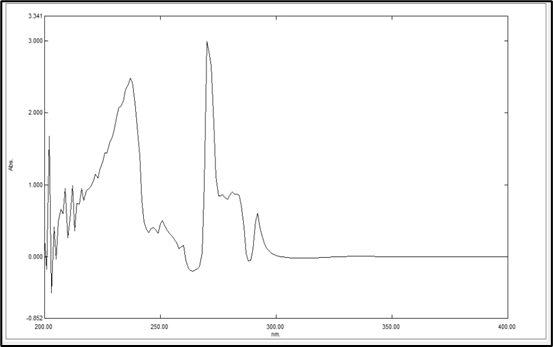


Fig. 7: UV Graph of Thyme oil


In the context of your UV-Vis data, the most significant λmax is observed at 272 nm, indicating the point of maximum electronic transition for the molecules in sample.

Regression Analysis (R2): the value of R2 was 0.9893.
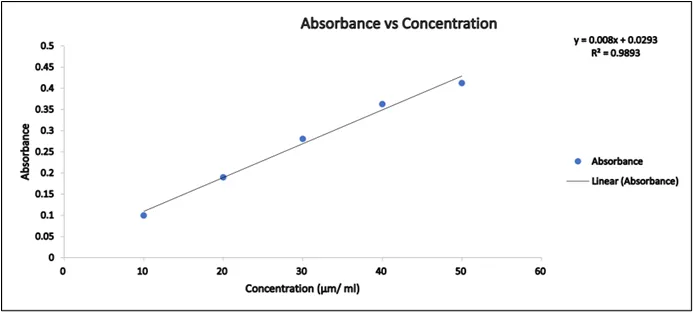


Fig. 8: Graph of regression curve of Thyme oil
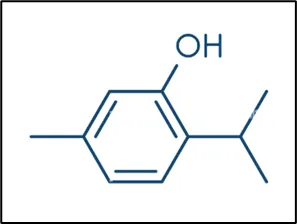


  1. FTIR Spectroscopy:


Fig. 9: Thymol

Name: 2-isopropyl-5-methylphenol

Formula: C10H14O

Interpretation: The IR spectrum is highly characteristic of thyme oil. The combination of the phenolic O-H stretch (~3530 cm⁻¹), strong aliphatic C-H stretches (~2960-2872 cm⁻¹), aromatic C=C stretching (~1619-1515 cm⁻¹), and the prominent C-O stretch (~1224 cm⁻¹) confirms the presence of its major pharmacologically active constituents, thymol and carvacrol. This indicates the oil is of standard chemical integrity and suitable for pharmaceutical formulation research.
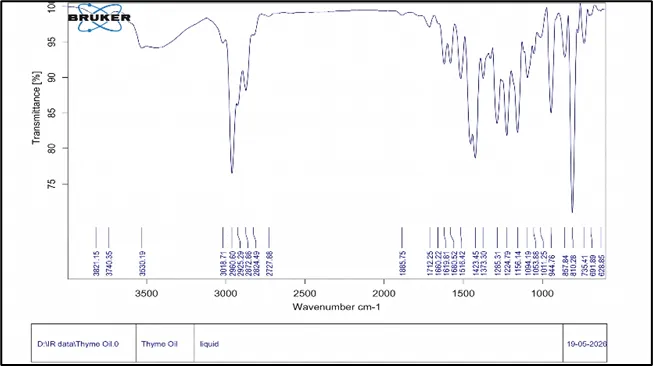


Fig. 10: FTIR Graph of Thyme oil


2. Formulation:

In this, can be check the optimized batch according stability, Efficacy and high concentration of Active Pharmaceutical Ingredient.

Formula for preparation of Emulsion Base


Table No. 3: Optimized Batch selection of emulsion
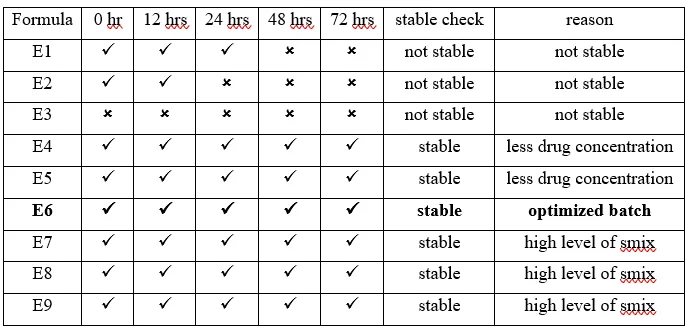


Optimized Batch Selection of Emulsion Batch E6 was chosen as the optimized batch. It has a high concentration of thyme oil and the required concentration of Tween 80 and PEG 400 for better stability. Other batches (like E1-E3) were not stable, or had less drug concentration (E4, E5), or unnecessarily high Smix levels (E7-E9).
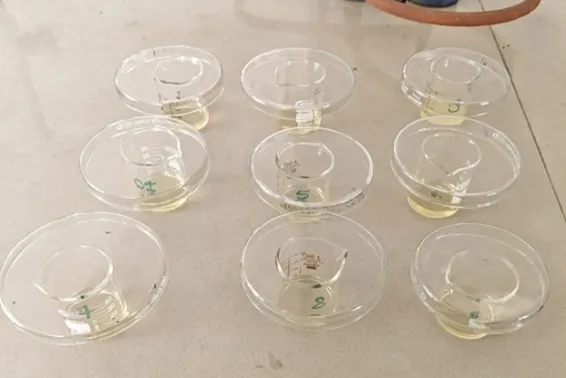


Fig. 11: Emulsion batches

Formulation of Gel Base


Table No. 4: Selection of Optimized batch of Emulgel
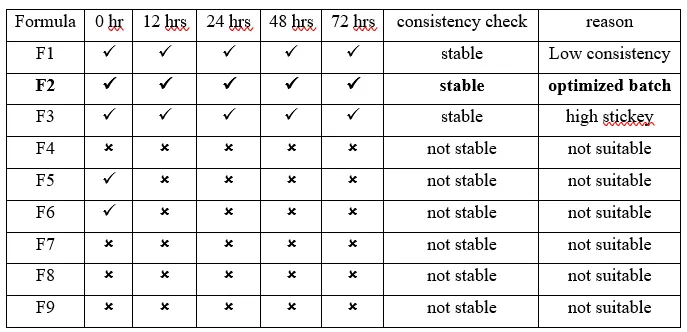


Selection of Optimized Batch of Emulgel Batch F2 was optimized, fulfilling all considerations. Other batches either had low consistency, were highly sticky, or were simply unstable and unsuitable.
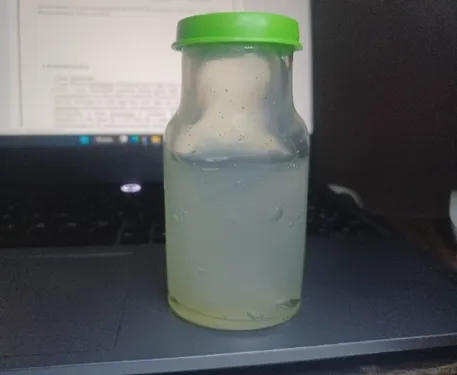


Fig. 12: Optimized Emulgel batch of emulgel

3. Evaluation method:

3.1 Visual Appearance

  1. Color: The formulation was observed to be light yellow to pale amber in color.
  2. Clarity: The formulation appeared clear, semi-transparent, and slightly glossy.
  3. Homogeneity: The formulation was found to be uniform and homogeneous, with no visible oily spots, aggregates, or clumps.
  4. Consistency: The formulation exhibited a smooth and jelly-like consistency.
  5. Phase Separation: No visible signs of phase separation were observed during the evaluation period.

3.2 Viscosity:

 The viscosity of the sample was measured and was found to be 4068 cP.


Fig. 13: Viscosity test reading

3.3 pH Determination

The pH of the sample was determined and was found to be 6.09.
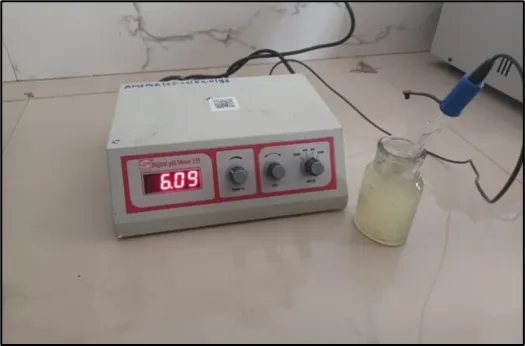


Fig. 14: pH test reading

3.4 Spread ability
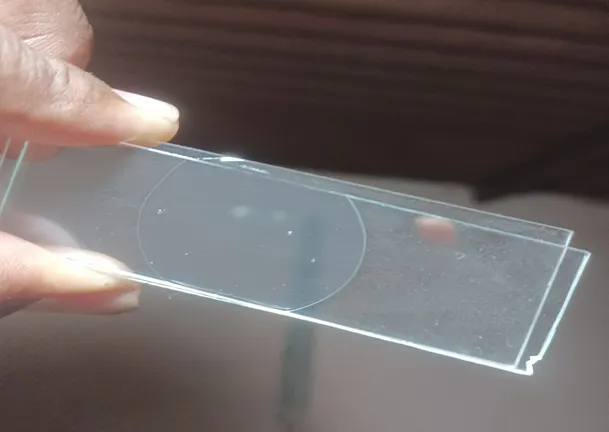


Fig. 15: Spread ability Testing

M = 100 gm, L = 3cm, T = 20 sec.

S=100×320

       =         1515 g·cm/s


The spreadability of the sample was determined and was found to be 15 g·cm/s

3.5 Globule Size and Polydispersity Index (PI)

The globule size was measured and it was found to be 205.6 nm, and the PI was 0.317.
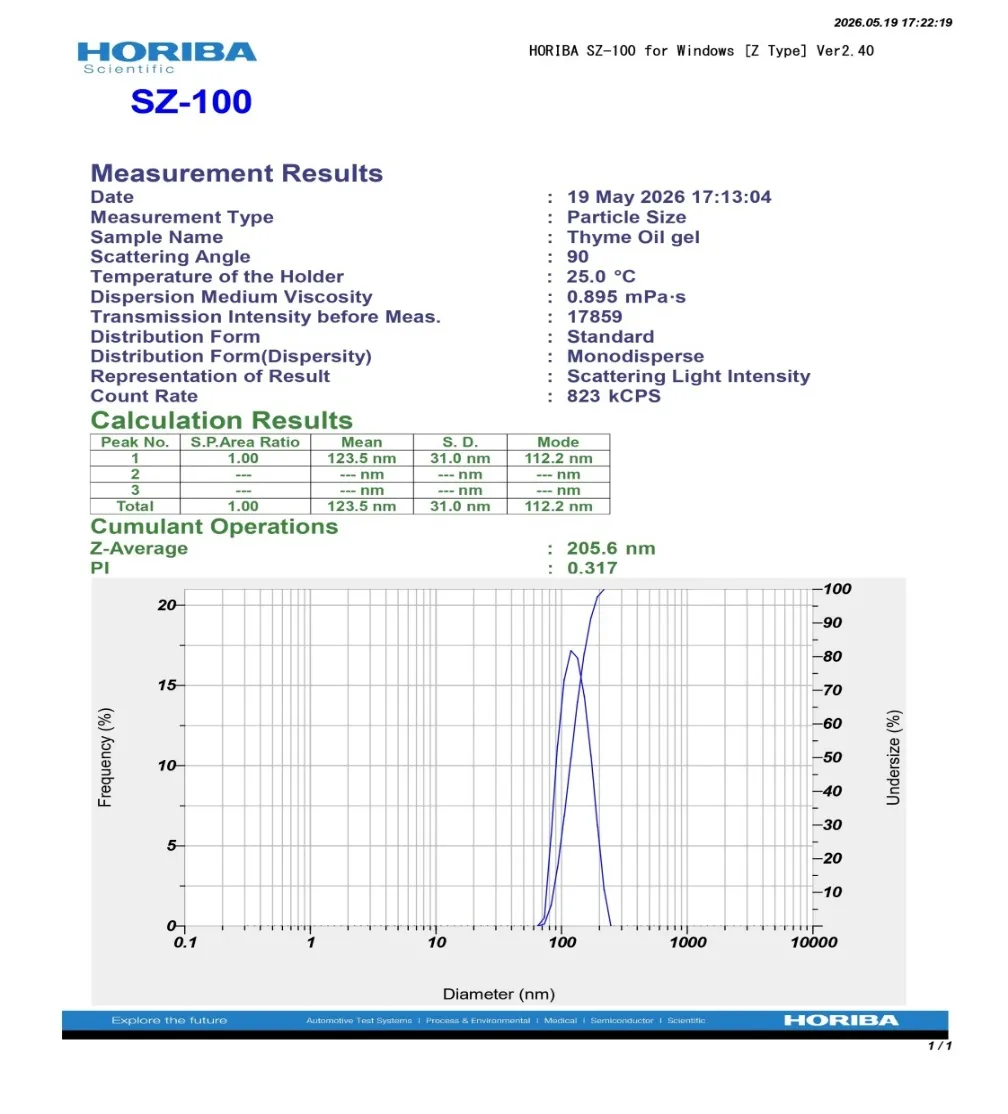


Fig. 16: Globule Size and PI testing result


3.6 Zeta Potential

The zeta potential of the emulgel was determined, and the mean zeta potential was found to be −3.5 mV."
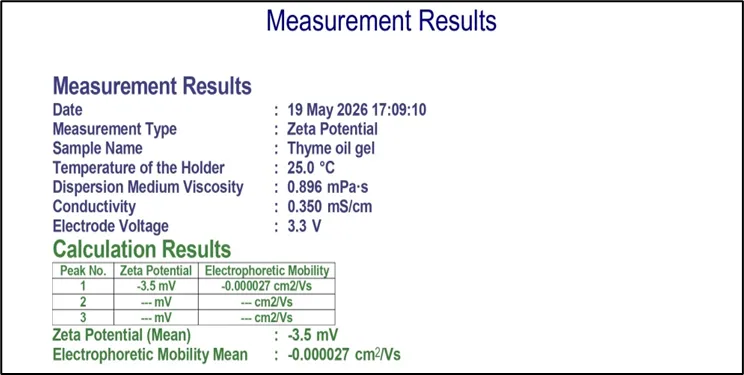


Fig. 17: Zeta Potential testing result


7. Centrifugation Test:
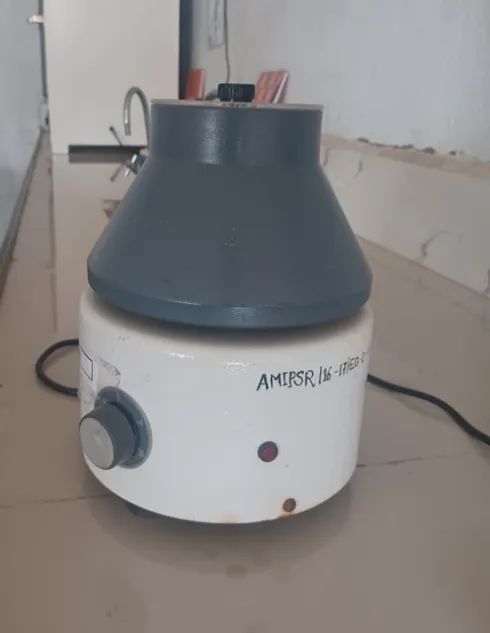


Fig. 18: Centrifugation Testing

The centrifugation test was performed to evaluate the physical stability of the nanoemulgel. No phase separation was observed in the nanoemulgel after centrifugation.

8. Accelerated Stability Studies:


Table No. 5: Accelerated Stability result

Sr. No.

Test

Result

1

Colour Change

No change of light yellow colour

2

Texture

Smooth and semi-solid gel

3

Homogenisity

Uniform and clear

4

pH

5.98

5

Viscosity

3940 cP

 
  1. Skin Irritation Test

The skin irritation test was performed to evaluate the safety of the nanoemulgel formulation. The formulation did not cause any skin irritation and was found to be easy to apply on the skin.

  1. In Vitro Antimicrobial Efficacy

Escherichia Coli ATCC no-8739


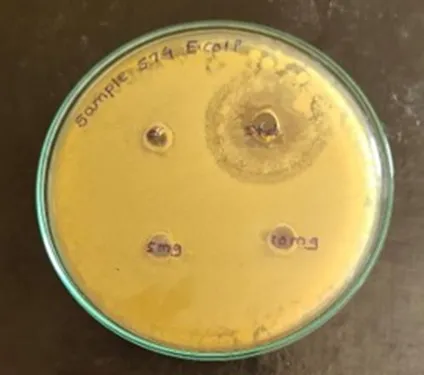
Fig. 19: Antimicrobial Activity

Against Escherichia coli ATCC no-8739, the standard drug (Streptomycin at 1 mg/ml) produced a ZOI of 35 mm. In contrast, Sample-574 showed a ZOI of 01 mm at 5 mg/mL, and 02 mm at 10 mg/mL.

10. RESULT

1. Preformulation Results

  1. Organoleptic Properties: The Thyme oil sample was a clear, mobile liquid in a colourless to pale yellow or reddish-brown hue. It possessed a characteristic strong, aromatic, and phenolic odour.
  2. Physicochemical Evaluation: The oil was found to be insoluble in water but soluble in organic solvents such as ethanol. It demonstrated a specific gravity/density of approximately 0.922 g/mL and a boiling point of around 195°C.
  3. UV-Visible Spectrophotometry: The maximum absorbance wavelength (λmax) for the sample was identified at 272 nm. The calibration curve showed a linear regression R2 value of 0.9893.
  4. FTIR Spectroscopy: The infrared spectrum confirmed the presence of thymol and carvacrol (the major pharmacologically active constituents) by displaying characteristic peaks, including phenolic O-H stretch around 3530 cm⁻¹ and a C-O stretch at 1224 cm⁻¹.

2. Postformulation (Evaluation) Results

  1. Visual Appearance: The optimized nanoemulgel was light yellow to pale amber, semi-transparent, and visually clear. It was homogeneous with a smooth, jelly-like consistency and showed no visible phase separation.
  2. pH : The pH of the formulation was 6.09.
  3. Viscosity: The viscosity was measured at 4068 cP.
  4. Spreadability: The formulation exhibited a spreadability of 15 g·cm/s.
  5. Particle Characterization: The mean globule size was measured at 205.6 nm with a Polydispersity Index (PI) of 0.317. The mean zeta potential was found to be −3.5 mV.
  6. Stability: The nanoemulgel showed no phase separation during the centrifugation test. In accelerated stability studies, it maintained its color, smooth texture, and homogeneity, while recording a minor shift in pH to 5.98 and a viscosity of 3940 cP.
  7. Safety: In a skin irritation test, the emulgel was found to be easy to apply and did not cause any irritation.

3. Antimicrobial Efficacy Results

Nanoemulgel activity: The formulation exhibited dose-dependent activity, producing a Zone of Inhibition (ZOI) of 1 mm at a 5 mg/mL concentration, and a ZOI of 2 mm at a 10 mg/mL concentration.

CONCLUSION

The primary objective of this project—to design, formulate, and evaluate a stable topical nanoemulgel incorporating Thyme oil—was successfully achieved. By systematically optimizing the oil, surfactant (Tween 80), co-surfactant (PEG 400), and gelling agent (Carbopol 934), the formulation overcame the inherent biopharmaceutical challenges of Thyme oil, such as its high volatility and poor aqueous solubility.

The optimized nanoemulgel (Batch F2) displayed excellent physicochemical properties suitable for topical drug delivery. Its nanometric globule size (205.6 nm) and low polydispersity ensured an even, elegant dispersion, while its pH of 6.09 and optimal spreadability guarantee that it is safe, non-irritating, and patient-compliant. Furthermore, the formulation demonstrated robust thermodynamic stability, maintaining its structural integrity without phase separation even under accelerated stress conditions.

In terms of therapeutic efficacy, the in vitro screening confirmed that the nanoemulgel formulation successfully facilitated the release and permeation of the essential oil. While the formulation did exhibit dose-dependent antimicrobial activity against E. coli, the zones of inhibition (1 mm to 2 mm) were notably smaller than those of the synthetic standard antibiotic, Streptomycin (35 mm). This suggests that while the nanoemulgel is a highly stable and effective delivery vehicle, further studies exploring higher concentrations of Thyme oil, synergistic combinations with other active agents, or testing against different Gram-positive strains (like Staphylococcus aureus) may be necessary to maximize its clinical antimicrobial potency. Ultimately, this Thyme oil nanoemulgel represents a promising, green-pharmacology approach to developing stable topical nanocarriers for dermatological applications

REFERENCES

  1. Ki V, Rotstein C. Bacterial skin and soft tissue infections in adults: A review of their epidemiology, pathogenesis, diagnosis, treatment and site of care. Can J Infect Dis Med Microbiol. 2008 Mar;19(2):173-84.
  2. Williamson DA, Carter GP, Howden BP. Current and emerging topical antibacterials and antiseptics: Agents, action, and resistance patterns. Clin Microbiol Rev. 2017 Jul;30(3):827-60.
  3. Alexander H, Paller AS, Traidl‐Hoffmann C, Beck LA, De Benedetto A, Dhar S, et al. The role of bacterial skin infections in atopic dermatitis: expert statement and review from the International Eczema Council Skin Infection Group. Br J Dermatol. 2019 Jun;182(6):1331-42.
  4. Marchese A, Orhan IE, Daglia M, Barbieri R, Di Lorenzo A, Nabavi SF, et al. Antibacterial and antifungal activities of thymol: A brief review of the literature. Food Chem. 2016;210:402-14.
  5. Bandyopadhyay D. Topical antibacterials in dermatology. Indian J Dermatol. 2021 Mar-Apr;66(2):117-25.
  6. Sukumaran V, Senanayake S. Bacterial skin and soft tissue infections. Aust Prescr. 2016 Oct;39(5):159-63.
  7. Lim JS, Park H, Cho S, Yoon H. Antibiotic susceptibility and treatment response in bacterial skin infection. Ann Dermatol. 2018 Apr;30(2):186-93.
  8. Jurel, P. (2024). Formulation and Evaluation of Wrightia tinctoria Emulgel for the Treatment of Psoriasis. Asian Journal of Pharmaceutics, 18(4).
  9. Kaur LP, Guleri TK. Topical gel: a recent approach for novel drug delivery. Asian J Biomed Pharm Sci. 2013;3(17):1–5.
  10. Sultana, N., Akhtar, J., Badruddeen, et al. (2022). Nanoemulgel: For Promising Topical and Systemic Delivery. Drug Development Life Cycle.
  11. Kushwah, P., Kumar Sharma, P., S Koka, S., et al. (2021). Microemulgel: a novel approach for topical drug delivery. Journal of Applied Pharmaceutical Research, 9(3), 14-20.
  12. Shakeel F, Ramadan W, Ahmed MA. Investigation of true nanoemulsions for transdermal potential of indomethacin: characterization, rheological characteristics, and ex vivo skin permeation studies. J Drug Target. 2009;17(6):435-41.
  13. Burt S. Essential oils: their antibacterial properties and potential applications in foods—a review. Int J Food Microbiol. 2004;94(3):223-53.
  14. Moghimipour E, Salimi A, Leis F. Preparation and evaluation of tretinoin microemulsion based on pseudo-ternary phase diagram. Adv Pharm Bull. 2012;2(2):141-7.
  15. Hammoudi Halat, D., Krayem, M., Khaled, S., & Younes, S. (2022). A Focused Insight into Thyme: Biological, Chemical, and Therapeutic Properties of an Indigenous Mediterranean Herb. Nutrients, 14, 2104.
  16. Dhiman S, Singh TG, Rehni AK, Sood S, Arora S. Nanoemulsion based hydrogel formulations of herbal drugs: preparation, characterization and antimicrobial evaluation. J Drug Deliv Sci Technol.
  17. Escobar, A., Pérez, M., Romanelli, G., & Blustein, G. (2020). Thymol bioactivity: A review focusing on practical applications. Arabian Journal of Chemistry, 13, 9243–9269.
  18. Liu, F., Jin, P., Gong, H., Sun, Z., Du, L., & Wang, D. (2020). Antibacterial and antibiofilm activities of thyme oil against foodborne multiple antibiotics-resistant Enterococcus faecalis. Poultry Science, 99, 5127–5136.
  19. Gupta A, Eral HB, Hatton TA, Doyle PS. Nanoemulsions: formation, properties and applications. Soft Matter. 2016;12:2826–2841.
  20. Dhiman S, Singh TG, Rehni AK, Sood S, Arora S. Nanoemulsion based hydrogel formulations of herbal drugs: preparation, characterization and antimicrobial evaluation. J Drug Deliv Sci Technol. 2021;61:102329.
  21. Folle, C., Díaz-Garrido, N., Mallandrich, M., et al. (2024). Hydrogel of Thyme-Oil-PLGA Nanoparticles Designed for Skin Inflammation Treatment. Gels, 10, 149.
  22. Nerdy, N., Margata, L., Zebua, N. F., et al. (2023). Qualitative and quantitative analysis of marketed cimetidine tablet preparations by developed and validated spectrophotometry ultraviolet. AIP Conference Proceedings, 2714, 040017.
  23. Patel J, Patel B, Banwait H, Parmar K, Patel M. Formulation and evaluation of topical aceclofenac gel using different gelling agent. Int J Drug Dev Res. 2011;3(1):156-164.
  24. Asres, Y., Hymete, A., Admassu, H., & Ayalew, A. (2024). Chemical, physical, and biological evaluation of hydro-distilled essential oil from leaves of Ethiopian thymus species. International Journal of Food Properties, 27, 549–565.
  25. Ahmad J, et al. Topical Nano-emulgel for Skin Disorders: Formulation Approach and Characterization. Recent Pat Antiinfect Drug Discov. 2019;14(1):41-50.
  26. Al-Nasiri MI, et al. Development of a Nanoemulgel for the Topical Application of Mupirocin. Pharmaceutics. 2023;15(11):2574.
  27. Kumar L, Verma S, Singh M, et al. Evolution and Characterization of Stabilized Nano-emulgel Loaded with Tacrolimus for Improving Topical Application. ResearchGate. 2023.
  28. Ning X, et al. Carbomer gel and preparation method thereof. Chinese Patent CN102988410A. 2013 Mar 27.
  29. Singla V, Saini S, Joshi B, Rana AC. Emulgel: A new platform for topical drug delivery. Int J Pharma Bio Sci. 2012;3(1):485-98.
  30. Khullar R, Kumar D, Seth N, Saini S. Formulation and evaluation of mefenamic acid emulgel for topical delivery. Saudi Pharm J. 2012 Jan;20(1):63-7.
  31. Panwar AS, Upadhyay N, Bairagi M, Gujar S, Darwhekar GN, Jain DK. Emulgel: A review. Asian J Pharm Life Sci. 2011;1(3):333-43.
  32. Mulye SP, Wadkar KA, Kondawar MS. Formulation development and evaluation of Indomethacin emulgel. Der Pharmacia Sinica. 2013;4(5):31-45.
  33. Bajaj S, Singla D, Sakhuja N. Stability testing of pharmaceutical products: an overview. J Appl Pharm Sci. 2012;2(3):129-38.
  34. ​Matthews BR. Regulatory aspects of stability testing in Europe. Drug Dev Ind Pharm. 1999;25(7):843-56.
  35. Andrographis echiodes.J. Nat. Remedies., 3:185-188.
  36. Hufford CD, Funderburk JM, Morgan JM, Robertson LW (1975) Two antimicrobial alkaloids from heartwood of Liriodendron tulipifera. I.J.pharm. Sci., 64:789-792.
  37. Gaikwad, A., Harshad, R., & Patil, S. B. (2024). Formulation, Evaluation, and Antioxidant Properties of Herbal Soap for Anti-Acne Treatment. International Journal of Novel Research and Development, 9(8), August 2024. ISSN: 2456-4184.
  38. Umadevi S, Mohanta G P, Chelladurai V, Manna PK, Manavalan R(2003). Antibacterial and antifungal activity

Reference

  1. Ki V, Rotstein C. Bacterial skin and soft tissue infections in adults: A review of their epidemiology, pathogenesis, diagnosis, treatment and site of care. Can J Infect Dis Med Microbiol. 2008 Mar;19(2):173-84.
  2. Williamson DA, Carter GP, Howden BP. Current and emerging topical antibacterials and antiseptics: Agents, action, and resistance patterns. Clin Microbiol Rev. 2017 Jul;30(3):827-60.
  3. Alexander H, Paller AS, Traidl?Hoffmann C, Beck LA, De Benedetto A, Dhar S, et al. The role of bacterial skin infections in atopic dermatitis: expert statement and review from the International Eczema Council Skin Infection Group. Br J Dermatol. 2019 Jun;182(6):1331-42.
  4. Marchese A, Orhan IE, Daglia M, Barbieri R, Di Lorenzo A, Nabavi SF, et al. Antibacterial and antifungal activities of thymol: A brief review of the literature. Food Chem. 2016;210:402-14.
  5. Bandyopadhyay D. Topical antibacterials in dermatology. Indian J Dermatol. 2021 Mar-Apr;66(2):117-25.
  6. Sukumaran V, Senanayake S. Bacterial skin and soft tissue infections. Aust Prescr. 2016 Oct;39(5):159-63.
  7. Lim JS, Park H, Cho S, Yoon H. Antibiotic susceptibility and treatment response in bacterial skin infection. Ann Dermatol. 2018 Apr;30(2):186-93.
  8. Jurel, P. (2024). Formulation and Evaluation of Wrightia tinctoria Emulgel for the Treatment of Psoriasis. Asian Journal of Pharmaceutics, 18(4).
  9. Kaur LP, Guleri TK. Topical gel: a recent approach for novel drug delivery. Asian J Biomed Pharm Sci. 2013;3(17):1–5.
  10. Sultana, N., Akhtar, J., Badruddeen, et al. (2022). Nanoemulgel: For Promising Topical and Systemic Delivery. Drug Development Life Cycle.
  11. Kushwah, P., Kumar Sharma, P., S Koka, S., et al. (2021). Microemulgel: a novel approach for topical drug delivery. Journal of Applied Pharmaceutical Research, 9(3), 14-20.
  12. Shakeel F, Ramadan W, Ahmed MA. Investigation of true nanoemulsions for transdermal potential of indomethacin: characterization, rheological characteristics, and ex vivo skin permeation studies. J Drug Target. 2009;17(6):435-41.
  13. Burt S. Essential oils: their antibacterial properties and potential applications in foods—a review. Int J Food Microbiol. 2004;94(3):223-53.
  14. Moghimipour E, Salimi A, Leis F. Preparation and evaluation of tretinoin microemulsion based on pseudo-ternary phase diagram. Adv Pharm Bull. 2012;2(2):141-7.
  15. Hammoudi Halat, D., Krayem, M., Khaled, S., & Younes, S. (2022). A Focused Insight into Thyme: Biological, Chemical, and Therapeutic Properties of an Indigenous Mediterranean Herb. Nutrients, 14, 2104.
  16. Dhiman S, Singh TG, Rehni AK, Sood S, Arora S. Nanoemulsion based hydrogel formulations of herbal drugs: preparation, characterization and antimicrobial evaluation. J Drug Deliv Sci Technol.
  17. Escobar, A., Pérez, M., Romanelli, G., & Blustein, G. (2020). Thymol bioactivity: A review focusing on practical applications. Arabian Journal of Chemistry, 13, 9243–9269.
  18. Liu, F., Jin, P., Gong, H., Sun, Z., Du, L., & Wang, D. (2020). Antibacterial and antibiofilm activities of thyme oil against foodborne multiple antibiotics-resistant Enterococcus faecalis. Poultry Science, 99, 5127–5136.
  19. Gupta A, Eral HB, Hatton TA, Doyle PS. Nanoemulsions: formation, properties and applications. Soft Matter. 2016;12:2826–2841.
  20. Dhiman S, Singh TG, Rehni AK, Sood S, Arora S. Nanoemulsion based hydrogel formulations of herbal drugs: preparation, characterization and antimicrobial evaluation. J Drug Deliv Sci Technol. 2021;61:102329.
  21. Folle, C., Díaz-Garrido, N., Mallandrich, M., et al. (2024). Hydrogel of Thyme-Oil-PLGA Nanoparticles Designed for Skin Inflammation Treatment. Gels, 10, 149.
  22. Nerdy, N., Margata, L., Zebua, N. F., et al. (2023). Qualitative and quantitative analysis of marketed cimetidine tablet preparations by developed and validated spectrophotometry ultraviolet. AIP Conference Proceedings, 2714, 040017.
  23. Patel J, Patel B, Banwait H, Parmar K, Patel M. Formulation and evaluation of topical aceclofenac gel using different gelling agent. Int J Drug Dev Res. 2011;3(1):156-164.
  24. Asres, Y., Hymete, A., Admassu, H., & Ayalew, A. (2024). Chemical, physical, and biological evaluation of hydro-distilled essential oil from leaves of Ethiopian thymus species. International Journal of Food Properties, 27, 549–565.
  25. Ahmad J, et al. Topical Nano-emulgel for Skin Disorders: Formulation Approach and Characterization. Recent Pat Antiinfect Drug Discov. 2019;14(1):41-50.
  26. Al-Nasiri MI, et al. Development of a Nanoemulgel for the Topical Application of Mupirocin. Pharmaceutics. 2023;15(11):2574.
  27. Kumar L, Verma S, Singh M, et al. Evolution and Characterization of Stabilized Nano-emulgel Loaded with Tacrolimus for Improving Topical Application. ResearchGate. 2023.
  28. Ning X, et al. Carbomer gel and preparation method thereof. Chinese Patent CN102988410A. 2013 Mar 27.
  29. Singla V, Saini S, Joshi B, Rana AC. Emulgel: A new platform for topical drug delivery. Int J Pharma Bio Sci. 2012;3(1):485-98.
  30. Khullar R, Kumar D, Seth N, Saini S. Formulation and evaluation of mefenamic acid emulgel for topical delivery. Saudi Pharm J. 2012 Jan;20(1):63-7.
  31. Panwar AS, Upadhyay N, Bairagi M, Gujar S, Darwhekar GN, Jain DK. Emulgel: A review. Asian J Pharm Life Sci. 2011;1(3):333-43.
  32. Mulye SP, Wadkar KA, Kondawar MS. Formulation development and evaluation of Indomethacin emulgel. Der Pharmacia Sinica. 2013;4(5):31-45.
  33. Bajaj S, Singla D, Sakhuja N. Stability testing of pharmaceutical products: an overview. J Appl Pharm Sci. 2012;2(3):129-38.
  34. ?Matthews BR. Regulatory aspects of stability testing in Europe. Drug Dev Ind Pharm. 1999;25(7):843-56.
  35. Umadevi S, Mohanta G P, Chelladurai V, Manna PK, Manavalan R(2003). Antibacterial and antifungal activity of Andrographis echiodes.J. Nat. Remedies., 3:185-188.
  36. Hufford CD, Funderburk JM, Morgan JM, Robertson LW (1975) Two antimicrobial alkaloids from heartwood of Liriodendron tulipifera. I.J.pharm. Sci., 64:789-792.
  37. Gaikwad, A., Harshad, R., & Patil, S. B. (2024). Formulation, Evaluation, and Antioxidant Properties of Herbal Soap for Anti-Acne Treatment. International Journal of Novel Research and Development, 9(8), August 2024. ISSN: 2456-4184.

Photo
Avinash Shinde
Corresponding author

Ashokrao Mane Institute of Pharmaceutical Sciences and Research, Save. Shahuwadi, Kolhapur.

Photo
Dhanashree Jirole
Co-author

Associate Professor Ashokrao Mane Institute of Pharmaceutical Sciences and Research, Save. Shahuwadi, Kolhapur.

Photo
Dr. U. Jirole
Co-author

Associate Professor Ashokrao Mane Institute of Pharmaceutical Sciences and Research, Save. Shahuwadi, Kolhapur.

Photo
Nikita Chandane
Co-author

Student Ashokrao Mane Institute of Pharmaceutical Sciences and Research, Save. Shahuwadi, Kolhapur.

Photo
Tejas Patil
Co-author

Student of B. Pharmacy Ashokrao Mane Institute of Pharmaceutical Sciences and Research, Save. Shahuwadi, Kolhapur.

Photo
Vyankatesh Atigidad
Co-author

Student of B. Pharmacy Ashokrao Mane Institute of Pharmaceutical Sciences and Research, Save. Shahuwadi, Kolhapur.

Avinash Shinde, Dhanashree Jirole, Dr. Umesh Jirole, Nikita Chandane, Tejas Patil, Vyankatesh Atigidad, Formulation And Evaluation of Thyme Oil Nanoemulgel for Antimicrobial Activity, Int. J. of Pharm. Sci., 2026, Vol 4, Issue 7, 582-599, https://doi.org/10.5281/zenodo.21155773

More related articles
pH-Responsive Hydrogels for Oral Colon-Targeted De...
Gautami Gangurde , Prajwal Aher, Dr. Atul Bendale, Dr. Anil Jadh...
Evaluation of Clinical Outcomes and Quality of Car...
Srinivas S K, A. Muthukumar, P. Suriya...
A Study on The Clinical Characteristics and Causal...
Dr. Anita Mehta, Dr. Akshay Shah, Dr. Tejal Gandhi, Dr.Alpa Gor, ...
Related Articles
Pediatric Malnutrition: Phenotypic–Etiologic Diagnostic Approach and Comprehen...
Andrés Felipe Altahona Acosta, Andrea juliana Rodríguez jalkh, Aura María Amor Escudero, Dayanis ...
Formulation And Evaluation of Herbal Anti-Acne Gel...
Rahul Tekale, Dr. Y. Girbhane, Sachin Lanjewar, Sachin Farkade, Dattatray Salunke, Palash Mundada...
pH-Responsive Hydrogels for Oral Colon-Targeted Delivery of Biologics: Recent Ad...
Gautami Gangurde , Prajwal Aher, Dr. Atul Bendale, Dr. Anil Jadhav ...
More related articles
pH-Responsive Hydrogels for Oral Colon-Targeted Delivery of Biologics: Recent Ad...
Gautami Gangurde , Prajwal Aher, Dr. Atul Bendale, Dr. Anil Jadhav ...
A Study on The Clinical Characteristics and Causal Factors of Headache Among Pha...
Dr. Anita Mehta, Dr. Akshay Shah, Dr. Tejal Gandhi, Dr.Alpa Gor, Dr. Dhruvi Pandit, Dr. Maitri Parma...
pH-Responsive Hydrogels for Oral Colon-Targeted Delivery of Biologics: Recent Ad...
Gautami Gangurde , Prajwal Aher, Dr. Atul Bendale, Dr. Anil Jadhav ...
A Study on The Clinical Characteristics and Causal Factors of Headache Among Pha...
Dr. Anita Mehta, Dr. Akshay Shah, Dr. Tejal Gandhi, Dr.Alpa Gor, Dr. Dhruvi Pandit, Dr. Maitri Parma...