

We use cookies to ensure our website works properly and to personalise your experience. Cookies policy
Siddhi Collage of Pharmacy, Chikhali, Pune.
The present study was undertaken to formulate and evaluate a herbal shampoo enriched with rice water and willow bark extract as a natural alternative to conventional synthetic shampoos. Rice water was incorporated for its hair-conditioning and strengthening potential, while willow bark extract was added for its gentle keratolytic and scalp-soothing properties. The formulation was prepared using herbal ingredients and assessed for its physical appearance, pH, viscosity, foamability, spreadability, stability, and antimicrobial potential. The objective was to develop a shampoo that provides effective cleansing along with nourishment, scalp protection, and improved hair manageability without harsh chemical effects. The findings suggest that a synergistic combination of rice water and willow bark extract can be used in herbal shampoo development to support healthy hair and scalp care
Modern hair care formulations have evolved into multifunctional cosmeceuticals addressing urbanization-induced scalp disorders, pollution damage, and lifestyle stressors like dandruff (seborrheic dermatitis affecting 50% adults), androgenetic alopecia, and premature greying [1,2].Shampoos now transcend mere cleansing to deliver conditioning, antimicrobial protection, and follicle stimulation through naturally derived bioactive ingredients [3,4].
Hair and Scalp Anatomy:
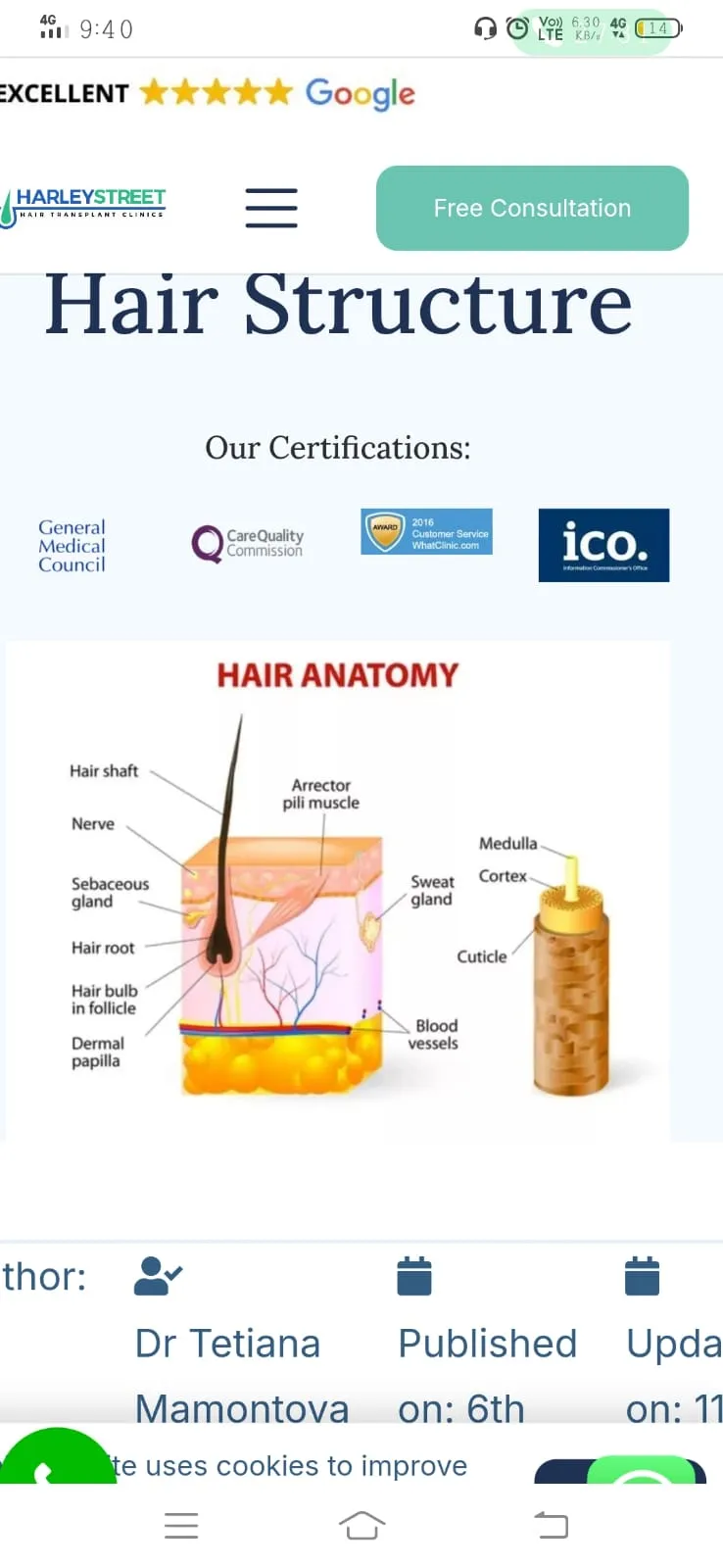
Fig.no.1
Targeted Formulation Effects
Rice water contains inositol, amino acids, vitamins, and antioxidants that help improve hair strength, smoothness, and overall manageability while protecting the hair cuticle from damage [1,2]. Willow bark extract (Salix alba) contains salicin and polyphenols possessing mild keratolytic, antimicrobial, and anti-inflammatory properties that may help reduce dandruff, scalp irritation, and microbial buildup around hair follicles [3,7]. Additionally, the antioxidant activity of polyphenols may help protect hair fibers from environmental and oxidative stress.
Ideal Shampoo Properties
Research Gap and Objectives
Although fermented rice water and willow bark extract individually possess beneficial properties for hair and scalp, limited research is available on their combined use in shampoo formulation. This study formulates/evaluates rice water shampoo enriched with Salix alba extract, characterizing physicochemical properties, antimicrobial activity, hair tensiometry, and scalp biocompatibility to validate anatomical targeting.
MATERIALS REQUIRED:
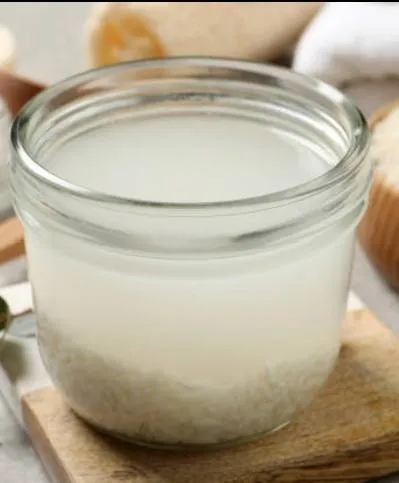
Fig.no.2
|
Biological Source |
Oryza sativa |
|
Family |
Poaceae |
|
Species |
Oryza sativa L. |
|
Parts used |
Rice grains |
|
Properties |
Anti-aging, Softening, Anti-oxidant, Strengthening |
|
Description |
Fermented rice water is a nutrient-rich liquid produced by soaking and fermenting rice. It contains amino acids, vitamins, minerals, antioxidants, and inositol that help improve hair strength, shine, smoothness, and scalp health. Due to its conditioning and protective properties, it is widely used in herbal hair-care formulations.[2] |
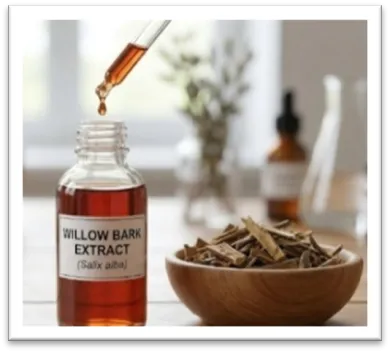
Fig.no.3
|
Biological Source |
Salix alba |
|
Family |
Salicaceae |
|
Species |
Species Salix alba L. |
|
Parts used |
Inner bark |
|
Properties |
Anti-inflammatory, Anti-dandruff, Antimicrobial, Keratolytic, Antioxidant |
|
Description |
Willow bark extract contains salicin, polyphenols, flavonoids, and tannins that provide anti-inflammatory, antioxidant, and antimicrobial properties. It helps reduce dandruff, soothe scalp irritation, and improve overall scalp health, making it a valuable ingredient in hair-care and cosmetic formulations.[7] |
3. Neem oil: [15]
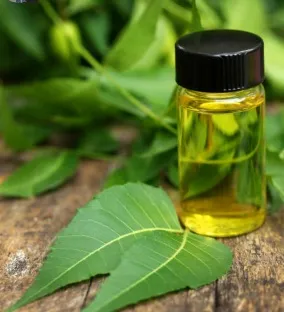
Fig.no.4
|
Biological Source |
Azadirachta indica |
|
Family |
Meliaceae |
|
Parts used |
Neem leaves |
|
Properties |
Scalp health, Anti- bacterial, Anti-microbial. |
|
Description |
In hair-care formulations, neem oil is widely used for controlling dandruff, reducing scalp infections, soothing irritation, and promoting healthy hair growth. It exhibits antimicrobial, antifungal, anti-inflammatory, and antioxidant properties. |
4. Guar gum: [16]
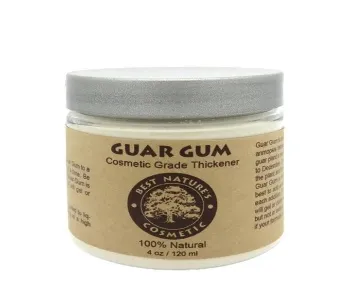
Fig.no.5
|
Biological Source |
Cyamopsis tetragonoloba |
|
Family |
Fabaceae |
|
Parts used |
Dried endosperm of seeds |
|
Properties |
Thickening agent, Stabilizer & emulsifier |
|
Description |
It mainly contains galactomannan and is widely used in pharmaceutical and cosmetic formulations as a thickening agent, stabilizer, binder, and viscosity enhancer. In hair-care formulations, guar gum improves shampoo consistency, spreadability, conditioning effect, and product stability.[17] |
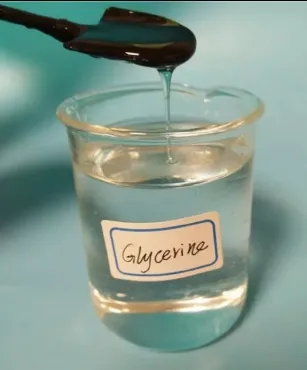
Fig.no.6
|
Biological Source |
Glycerol |
|
Parts used |
Vegetable oils and fats |
|
Chemical name |
Propane-1,2,3-triol |
|
Properties |
Humectant, Improves Hair elasticity, Reduces dryness |
|
Description |
Glycerin helps retain moisture, improves hair softness, prevents dryness, and enhances smoothness and manageability of hair.[19] |
6. Sodium Benzoate:
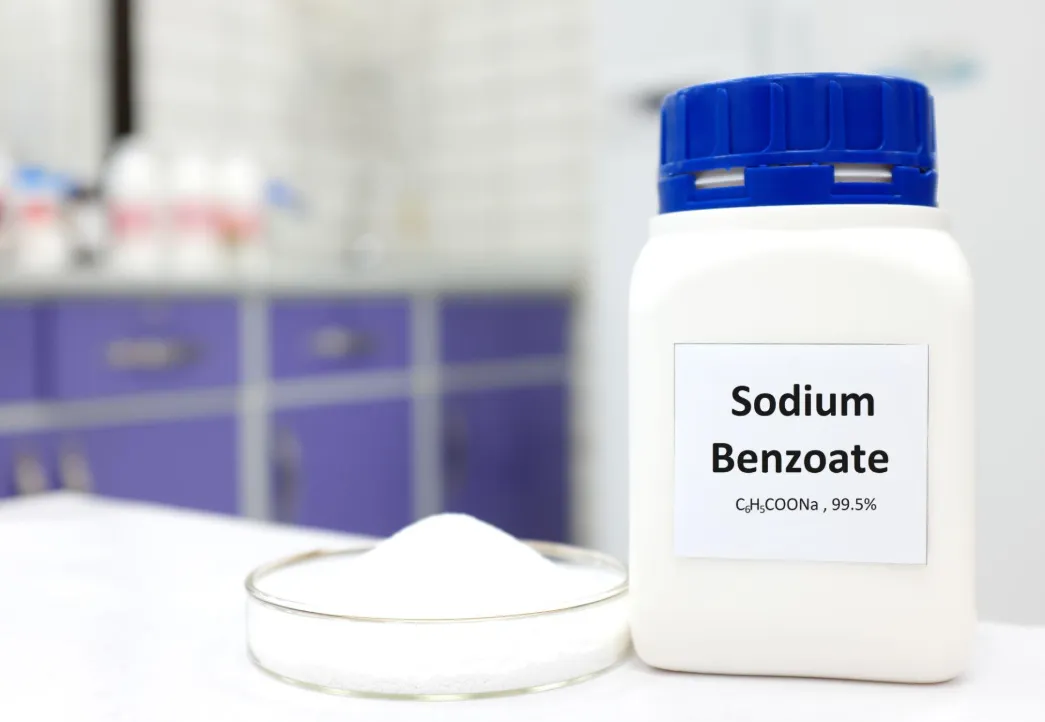
Fig.no.7
|
Biological Source |
Synthetic preservative |
|
Chemical formula |
C6H5COONa |
|
Properties |
Preservative, Antifungal, Antibacterial, Water-soluble, Stability enhancer |
|
Description |
Sodium benzoate helps prevent microbial contamination, increases shelf life, and maintains product stability.[20] |
7.Lemon oil: [21]
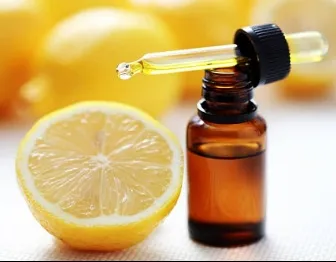
Fig.no.8
|
Biological Source |
Citrus limon |
|
Family |
Rutaceae |
|
Species |
Citrus limon (L.) Osbeck |
|
Parts used |
Fruit peel |
|
Properties |
Antimicrobial, Sebum-regulating, Antioxidant, Astringent, pH balancing |
|
Description |
Lemon oil is used to control excess oil, reduce dandruff, provide fragrance, and improve scalp cleanliness. [22] |
8.Sodium Lauryl Sulfate: [23]
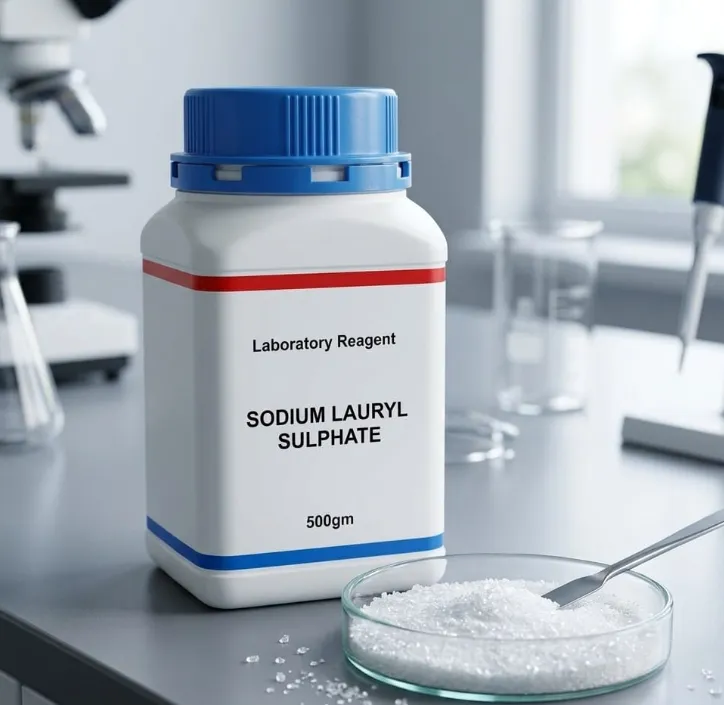
Fig.no.9
|
Chemical name |
Sodium lauryl sulfate |
|
Chemical formula |
C??H??SO?Na |
|
Properties |
Surfactant, Cleanser |
|
Description |
Sodium lauryl sulfate is an anionic surfactant used in shampoo formulations for effective cleansing, foaming, and emulsification of oils and dirt. [20] |
METHOD OF PREPARATION AND PROCEDURE: [25,26,27,28,29,30,40]
Phase I – Preparation Of Surfactant Phase
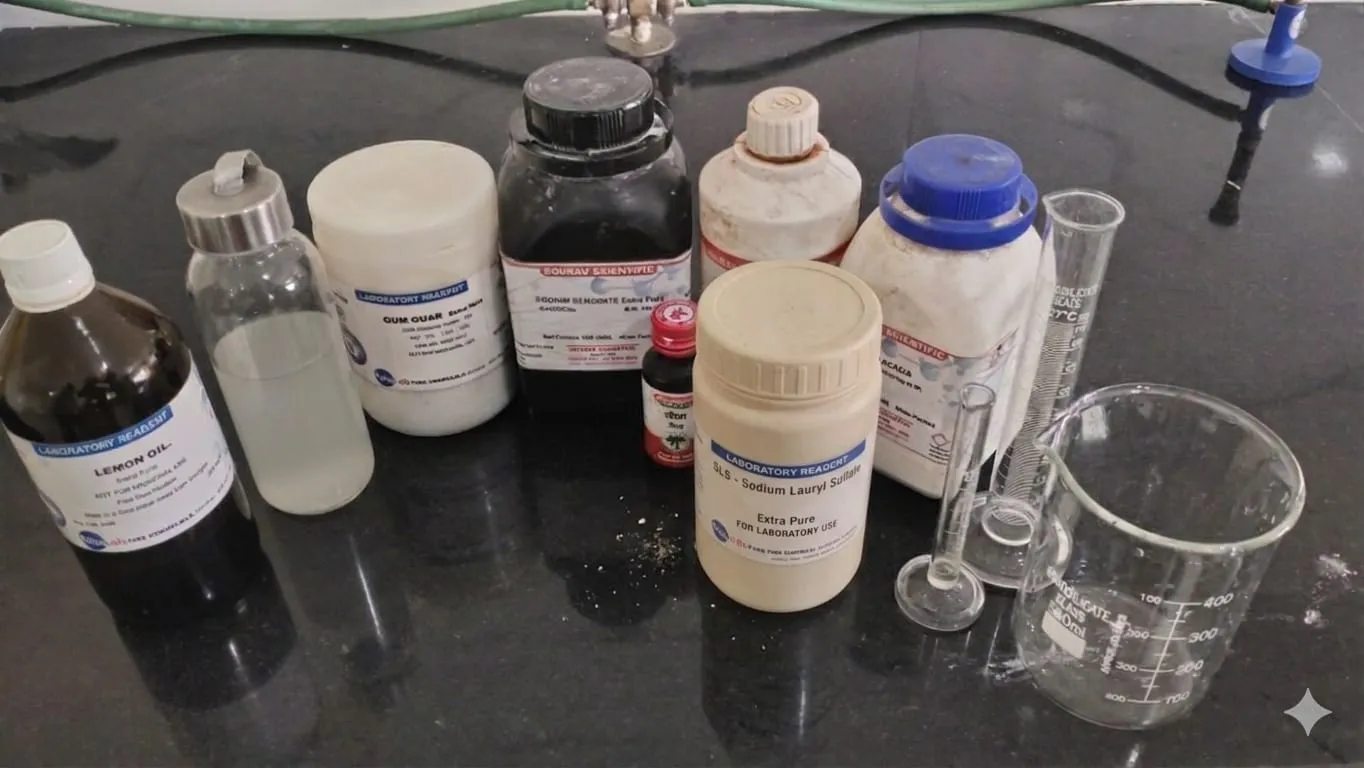
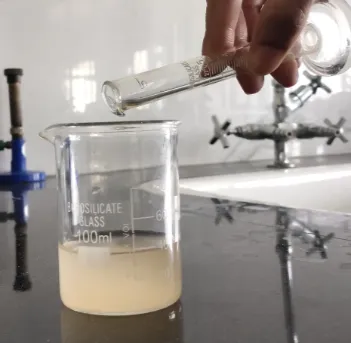
Fig.no.10 Fig.no.11
Phase II – Preparation Of Thickening Phase

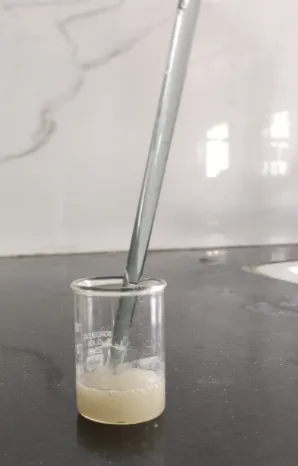
Fig.no.12 Fig.no.13
Phase III – Incorporation Of Functional Ingredients
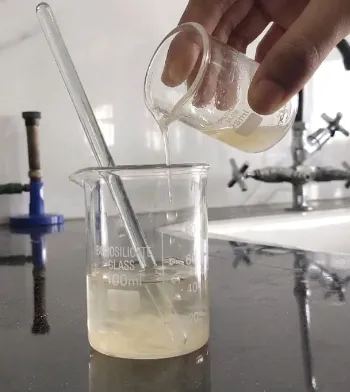
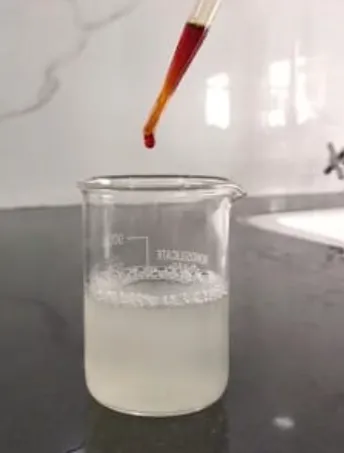
Fig.no.14 Fig.no.15
Phase IV – Final Processing And Storage
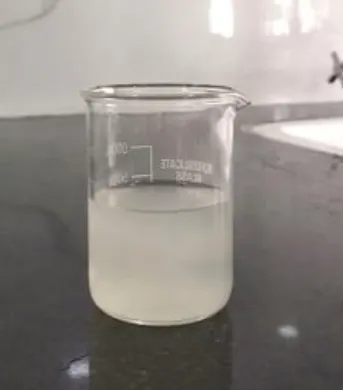
Fig.no.16
FORMULATION TABLE:
|
INGREDIENT? |
ROLE? |
F1? |
F2 ? |
F3? |
|
Fermented Rice Water? |
Base / Conditioning agent? |
39.65 mL? |
37.90 mL? |
35.90 mL? |
|
Willow Bark Extract? |
Anti-dandruff active? |
1.5 mL (3%)? |
2.0 mL (4%)? |
2.5 mL (5%)? |
|
Sodium Lauryl Sulfate? |
Surfactant / Foaming agent? |
3 g (6%)? |
4 g (8%)? |
5 g (10%)? |
|
Glycerin? |
Humectant? |
1.5 mL? |
1.5 mL? |
1.5 mL? |
|
Guar Gum? |
Thickening agent? |
0.30 g (0.6%)? |
0.40 g (0.8%)? |
0.50 g (1%)? |
|
Neem Oil? |
Antimicrobial agent? |
0.25 mL? |
0.25 mL? |
0.25 mL? |
|
Lemon Oil? |
Fragrance? |
0.1 mL? |
0.1 mL? |
0.1 mL? |
|
Sodium Benzoate? |
Preservative? |
0.25 g? |
0.25 g? |
0.25 g? |
|
TOTAL? |
? |
50 ML ? |
50 ML ? |
5O ML? |
EVALUATION TESTS:[31,32,33,34,35,36,37,38,41]
Visual and sensory characteristics such as colour, odour, appearance, and consistency were examined to ensure the prepared shampoo formulations were aesthetically acceptable and suitable for consumer use.
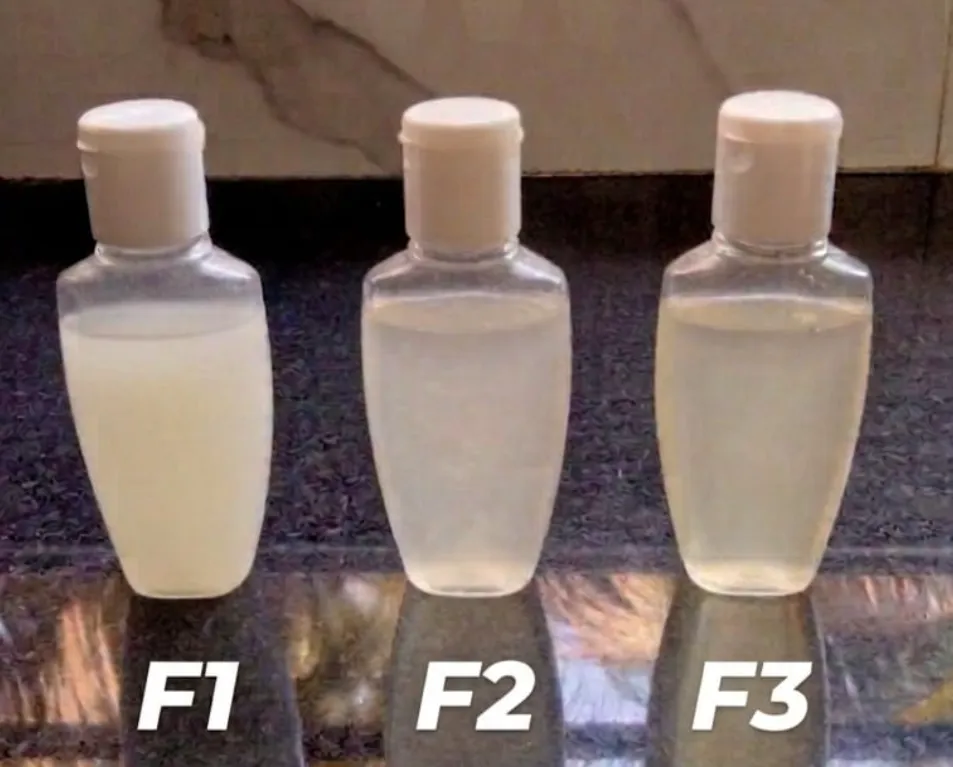
Fig.no.17
|
Parameters |
F1 |
F2 |
F3 |
|
Colour |
Off-white |
White |
White |
|
Odour |
Pleasant |
Pleasant |
Pleasant |
|
Clarity |
Slightly translucent |
Translucent |
Slightly opaque |
|
Consistency |
Moderately viscous |
Viscous |
Highly viscous |
The pH of the prepared shampoo formulations was determined to evaluate scalp compatibility and formulation stability. A 10% shampoo solution was prepared using distilled water, and the pH was measured using a calibrated digital pH meter by immersing the electrode into each formulation. The observed pH values were 5.8, 6.1, and 6.5 for F1, F2, and F3 respectively, indicating that all formulations were within the acceptable range for hair and scalp application.
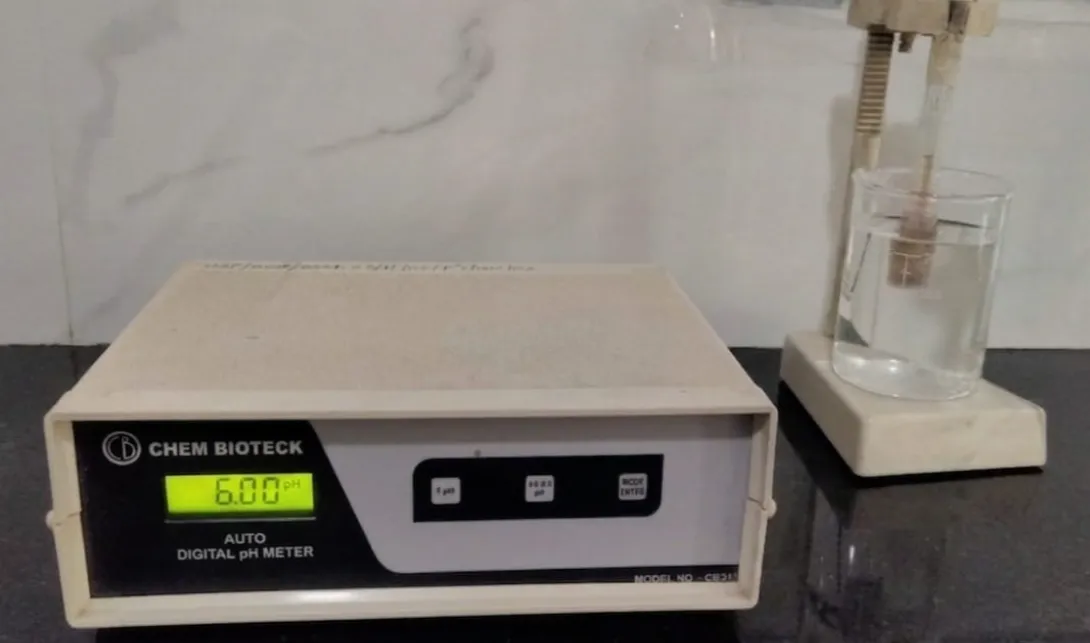
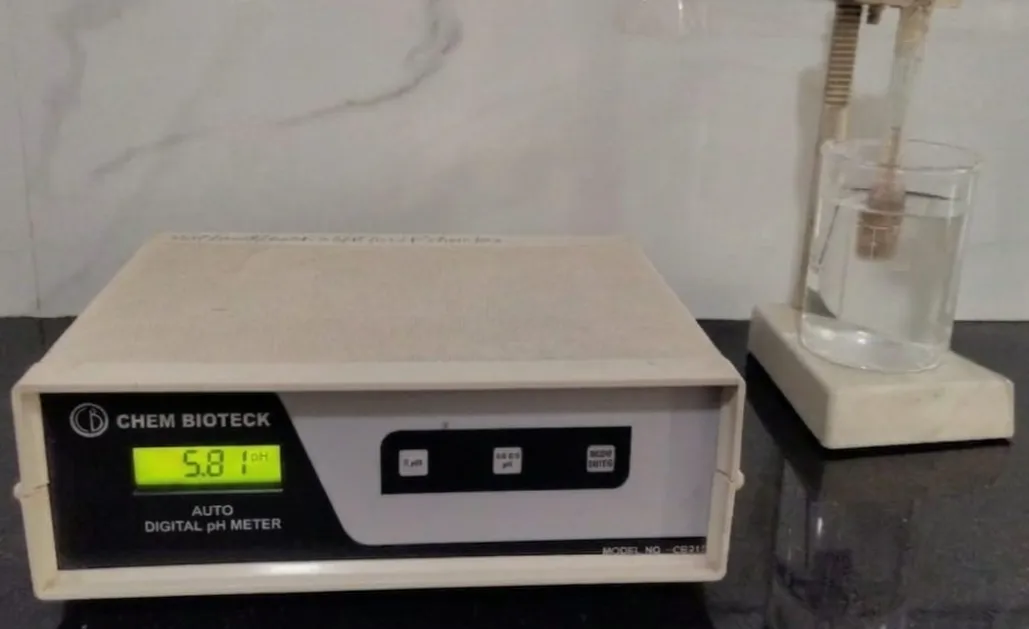
F1 (Fig.no.18) F2(Fig.no.19)
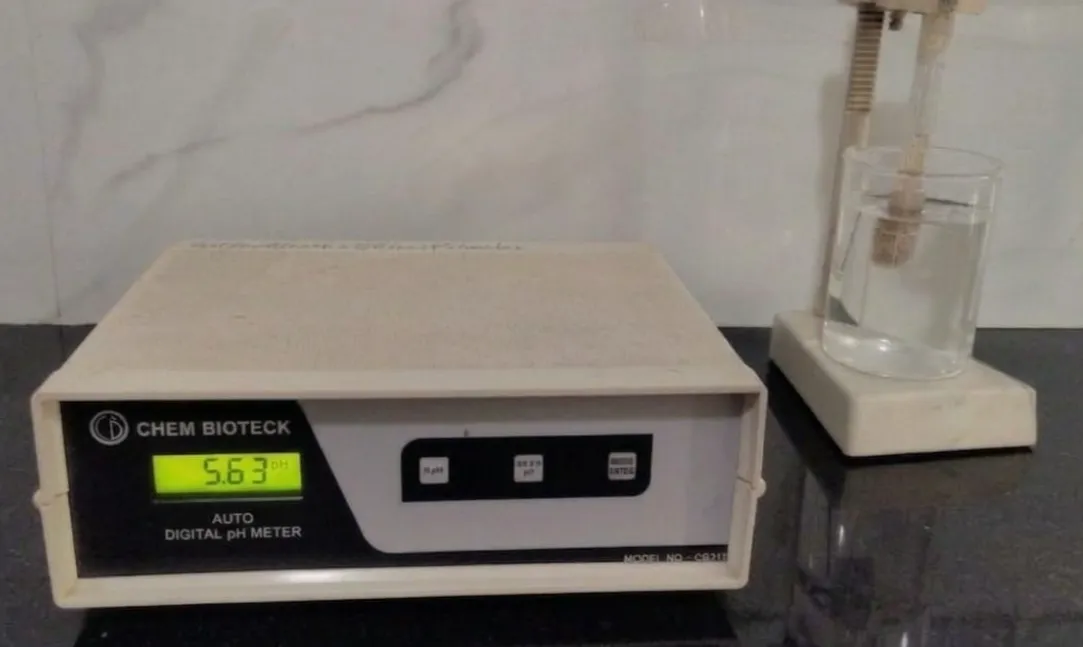
F3(Fig.no.20)
|
Sr. No |
Parameter |
F1 |
F2 |
F3 |
|
1. |
pH |
6 |
5.81 |
5.63 |
Foam ability and foam stability of the prepared shampoo formulations were evaluated using the cylinder shake method. A 1% shampoo solution was prepared in distilled water and transferred into a measuring cylinder, followed by shaking uniformly for 10 times. The foam volume was measured immediately to determine foam ability and again after 5 minutes to evaluate foam stability.
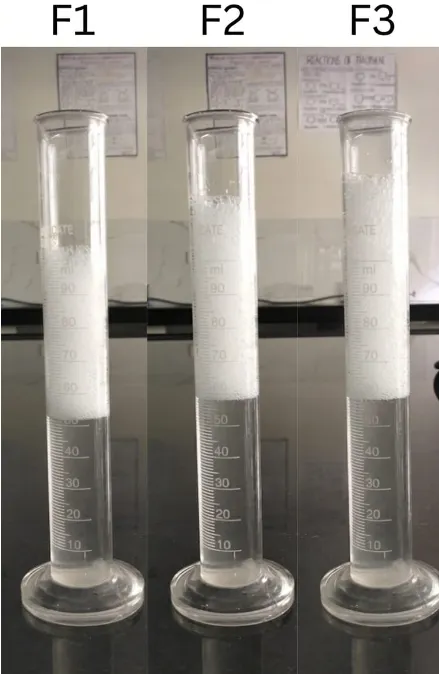
Fig.no.21
|
Sr.no. |
F1 |
F2 |
F3 |
|
Initial Foam Volume(ml) |
45 |
50 |
55 |
|
Foam Volume after 5 mins(ml) |
40 |
45 |
50 |
|
Observation |
Moderate foam stability |
Good foam stability |
Excellent foam stability |
|
F1 |
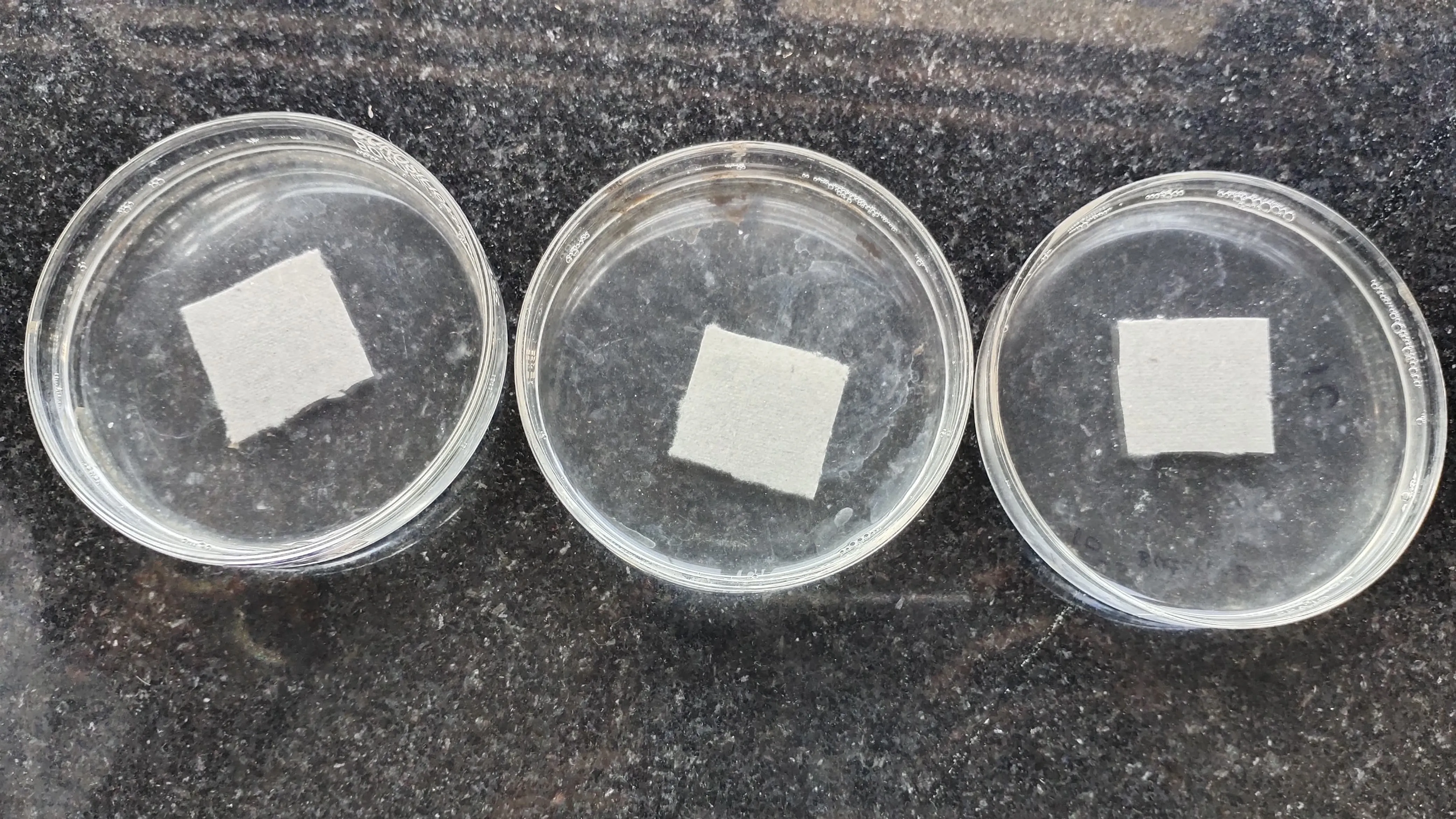
Fig.no.22
|
|
F1 |
F2 |
F3 |
|
Wetting time |
18 |
14 |
10 |
|
F3 |
|
F2 |
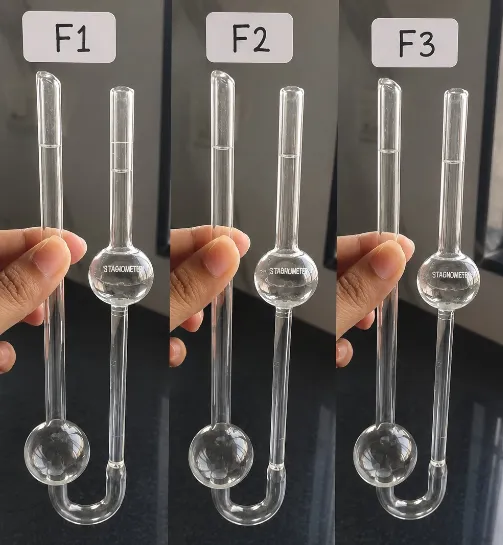
Fig.no.23
|
|
F1 |
F2 |
F3 |
|
Surface Tension(dynes/cm) |
38.5 |
35.2 |
32.8 |
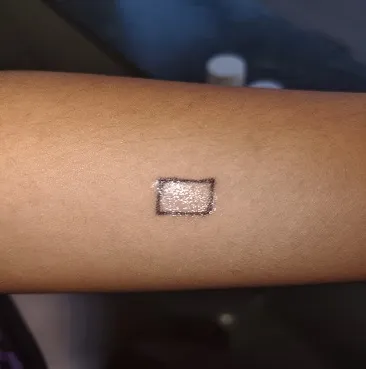
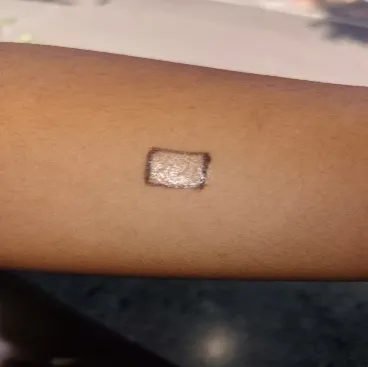
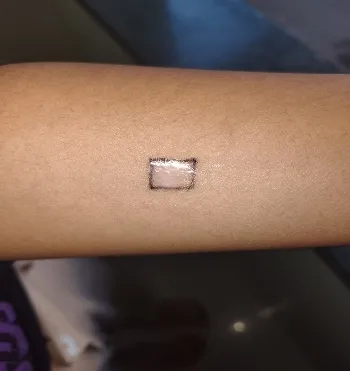
The skin irritation test was performed to evaluate the safety and compatibility of the prepared shampoo formulations on skin. A small quantity of each formulation was applied on the skin surface and observed for redness, itching, irritation, or inflammation after a specific period of time.
|
F3 |
|
F3 |
|
F2 |
|
F1 |
|
|
F1 |
F2 |
F3 |
|
Observation |
No irritation |
No irritation |
No irritation |
The dirt dispersion test was performed to evaluate the cleansing efficiency of the prepared shampoo formulations. A few drops of shampoo solution were added to a beaker containing water and India ink, followed by shaking gently. The amount of ink retained in the foam was observed, as lesser ink in foam indicates better cleansing performance.
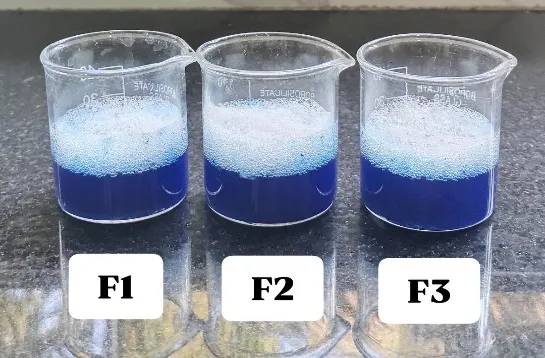
Fig.no.27
|
|
F1 |
F2 |
F3 |
|
Observation |
Light ink in foam |
Very little ink in foam |
Negligible ink in foam |
The formulated shampoos were subjected to short-term stability studies according to International Council for Harmonisation Q1A(R2) guidelines. The formulations were stored at room temperature (25 ± 2°C), refrigerated condition (4 ± 2°C), and accelerated condition (40 ± 2°C/75 ± 5% RH) for 30 days. Evaluation was carried out at predetermined intervals for appearance, color, odor, pH, viscosity, foamability, and phase separation.
|
Parameter |
F1 |
F2 |
F3 |
|
Colour |
No change |
No change |
No change |
|
Odour |
Characteristic |
Characteristic |
Characteristic |
|
Ph |
5.8 |
5.8 |
5.7 |
|
Viscosity |
Stable |
Stable |
Stable |
|
Phase separation |
Absent |
Absent |
Absent |
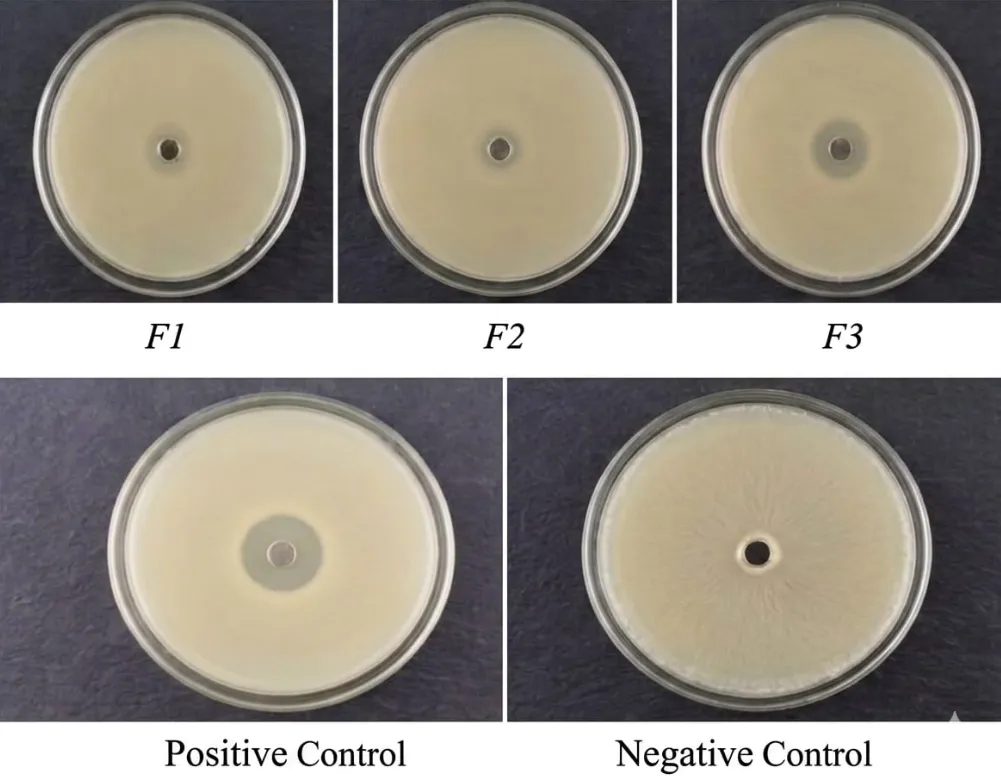
The antifungal activity of the prepared shampoo formulations was evaluated by agar well diffusion method using Potato Dextrose Agar against fungal strain Candida albicans. The fungal culture was uniformly spread on the agar surface, and wells were prepared using a sterile cork borer. Different formulations containing varying concentrations of willow bark extract were added into the wells and incubated at 28–37°C for 24–48 hours. The antifungal activity was determined by measuring the zone of inhibition around each well.
|
Formulation |
Willow Bark Extract Concentration |
Zone of Inhibition(mm) |
|
F1 |
Low concentration |
10 ±0.2 |
|
F2 |
Medium concentration |
14 ±0.3 |
|
F3 |
High concentration |
18 ±0.4 |
|
Standard |
Ketoconazole |
22 ±0.2 |
|
Control |
Distilled water |
No inhibition |
DISCUSSION
F3 showed the highest antifungal activity among all formulations. The antifungal activity increased with increase in concentration of willow bark extract.
CONCLUSION
The present study successfully formulated and evaluated a herbal shampoo containing fermented rice water and willow bark extract. The prepared formulations showed acceptable physicochemical properties, good cleansing ability, foam stability, scalp-compatible pH, and satisfactory stability. Among all formulations, F3 exhibited better antifungal activity and cleansing efficiency, while F2 showed optimum consistency and overall acceptability. Overall, the study suggests that rice water and willow bark extract can be effectively used in herbal shampoo formulations as a natural alternative for healthy hair and scalp care.
REFERENCES





Tanaya Chandekar, Aditi Hirlekar, Gaurav Mane, Arti Ingole, Dr. P. N. Sable, Formulation And Evaulation of Herbal Shampoo Enriched with Rice Water and Willow Bark Extract, Int. J. of Pharm. Sci., 2026, Vol 4, Issue 6, 1640-1653, https://doi.org/10.5281/zenodo.20569082
 10.5281/zenodo.20569082