

We use cookies to ensure our website works properly and to personalise your experience. Cookies policy
B. R. Harne College of Pharmacy, Karav, Vangani (W), Ambarnath, Thane, Maharashtra, 421503
The increasing demand for plant-based nutritional supplements has encouraged the development of natural and affordable protein formulations with enhanced health benefits. However, many commercially available protein powders contain artificial additives, preservatives, and synthetic ingredients that may not be suitable for long-term consumption. Therefore, the development of a natural, plant-based, and cost-effective protein supplement has become important. Moringa oleifera is widely recognized for its high nutritional value and medicinal properties due to its rich content of proteins, essential amino acids, vitamins, minerals, dietary fiber, and antioxidants. In the present study, moringa leaf powder was combined with peanut powder, roasted chickpea powder, oat powder, almond powder, flaxseed powder, cocoa powder, jaggery powder, cardamom powder and ginger powder to formulate herbal protein shake powders. These ingredients were selected to improve the nutritional profile, flavor, texture, and functional properties of the formulation. Three different formulations were prepared with varying concentrations of moringa powder: F1 (10% moringa), F2 (20% moringa), and F3 (30% moringa). The prepared formulations were evaluated for physical characteristics, nutritional composition, and physicochemical parameters. The study concludes that moringa-based herbal protein shake powder can serve as a nutritious, affordable, plant-based alternative to synthetic protein supplements. The developed formulation has potential applications as a functional food and nutritional supplement for athletes, gym users, children, elderly individuals, and health-conscious consumers seeking natural dietary support.
Proteins are very important for our body. They are needed for growth and for repairing body tissues. Proteins help in muscle development and also play an important role in the production of enzymes and hormones. They support the immune system and help the body perform many essential functions. Without enough protein, the body cannot function properly.(1)
In recent years, many people have started using protein supplements, including athletes, gym-goers, older adults, and health-conscious individuals. They use these supplements to stay fit and maintain a healthy diet.(2)
Many protein powders available in the market are made from whey, casein, soy, or other ingredients that help improve nutrition. However, some of these powders contain artificial sweeteners, preservatives, and other additives that may not be good for health.(3) Some people may also experience problems due to lactose intolerance or allergies.(4) In addition, these protein powders can be expensive. Because of this, many people are now looking for plant-based alternatives that are safe, affordable, and environmentally friendly.(5) Plant-based protein powders are becoming increasingly popular, especially among people who do not consume meat. They also contain phytochemicals and antioxidants that are beneficial for health.(5)
One such beneficial plant is Moringa oleifera. It is widely grown in countries such as India, parts of Africa, and Southeast Asia.(6) Different parts of the plant, including the leaves, seeds, flowers, and pods, are used for food and medicinal purposes.(7) Among these, the leaves are considered the most nutritious because they are rich in proteins, vitamins, and minerals.(8) Moringa leaves contain a high amount of plant protein and essential amino acids that help the body grow and repair itself.(9) The leaves can be processed into a powder and used as a nutritional supplement.(3) Moringa is also a good source of iron, calcium, and other important minerals. Iron supports healthy blood formation, while calcium helps maintain strong bones.(10) Moringa also contains antioxidants that help protect the body from harmful substances.(11) It is rich in compounds such as flavonoids and polyphenols, which help keep the body healthy and may reduce the risk of diseases.(4)
The aim of this study is to develop a moringa-based protein shake powder that is natural, nutritious, and affordable. The formulation will use plant-based ingredients to provide proteins, nutrients, and antioxidants. This protein shake powder can support overall health and encourage healthy eating habits.
1. Aim:
The aim of this study is to develop herbal protein shake powder using Moringa oleifera as the main ingredient. The formulation is intended to provide a nutritious and affordable source of protein along with improved health benefits and antioxidant properties.
2. Objectives:
Moringa oleifera is a highly nutritious plant that is often referred to as the “miracle tree” because of its wide range of health benefits.(12) Studies have shown that almost every part of the plant, including its leaves, seeds, and flowers, is edible and possesses medicinal properties.(13) In recent years, there has been growing interest in Moringa oleifera due to the increasing demand for plant-based and health-promoting foods.(14)
The leaves of Moringa oleifera are considered highly nutritious because they contain significant amounts of proteins, vitamins, and minerals.(15) Researchers have reported that the leaves are rich in essential amino acids and other nutrients required for growth and overall health.(15) The seeds of the plant also contain a high amount of protein, making them valuable for nutritional applications.(7) Because of its rich nutritional profile, Moringa oleifera is increasingly being used in the development of protein-rich and functional food products.(6)
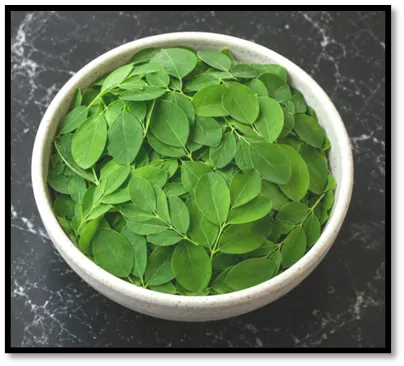
Figure 1: Moringa oleifera leaves
Several studies suggest that Moringa oleifera may help address malnutrition, particularly in developing countries where access to nutritious food is limited.(16) Due to its high nutritional value, the leaves are commonly used to improve the diets of children, pregnant women, and elderly individuals.(16) Daily consumption of moringa has been associated with improved nutritional status because it provides essential nutrients such as iron, calcium, and other important minerals.(13)
With the growing preference for plant-based diets, there has been an increased demand for plant-derived protein sources.(17) Plant proteins are considered environmentally sustainable and are suitable for vegetarians and individuals seeking healthier dietary options.(18) Research indicates that plant proteins can contribute to improved strength, health, and overall well-being. This has increased the popularity of Moringa oleifera as a valuable plant-based protein source.(17)
In addition to its nutritional value, Moringa oleifera is also rich in antioxidants, which help protect the body from oxidative stress and various diseases.(19) The leaves contain bioactive compounds such as flavonoids and phenolic acids that contribute to its antioxidant activity.(20) These antioxidants play an important role in maintaining health and reducing the risk of illness.(15) Studies have demonstrated that moringa possesses strong antioxidant properties, making it beneficial for regular consumption.(19)
Researchers are also exploring the use of Moringa oleifera in the preparation of functional foods and nutritional supplements.(6) The protein obtained from moringa is suitable for the formulation of products such as protein powders and herbal health supplements.(19) Its natural origin and nutritional benefits have further increased interest in its use as an herbal ingredient.(12)
However, some studies have reported the presence of antinutritional factors in Moringa oleifera, such as tannins and phytates, which may interfere with nutrient absorption.(7) Proper processing methods can help reduce these compounds and improve the safety and nutritional quality of the plant for consumption.(21)
Recent research highlights Moringa oleifera as a promising ingredient for the development of herbal protein supplements because it is nutritious, rich in antioxidants, affordable, and plant-based. Thus, the study focuses on exploring the use of moringa in the formulation of a protein shake powder that can support health and nutrition.
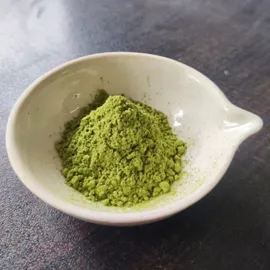
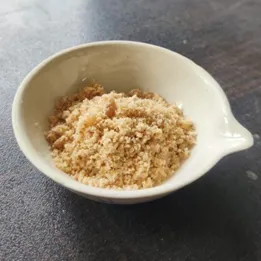
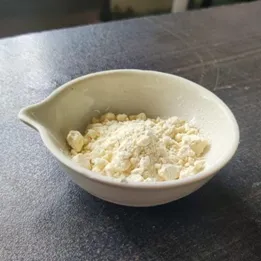
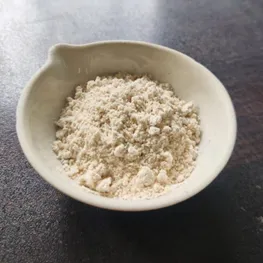
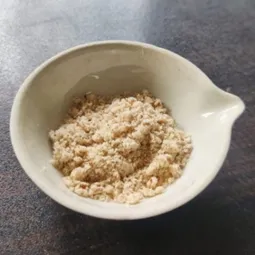
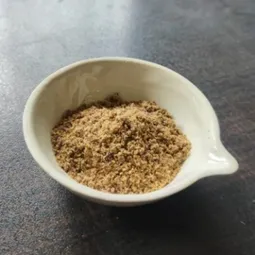
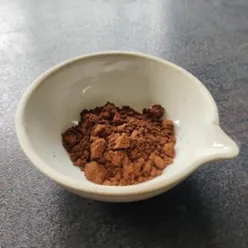
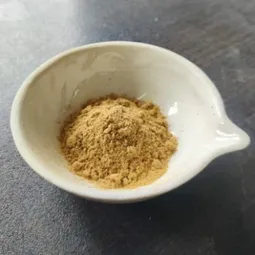
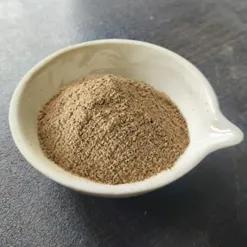
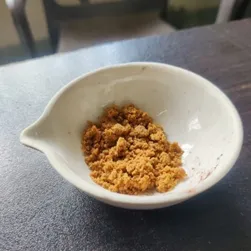
Table 1: List of Ingredients.(24)
|
Ingredients |
Category |
Images |
|
Moringa oleifera leaf powder |
Herbal protein source |
|
|
Peanut powder |
Healthy fats source |
|
|
Roasted chickpea powder (Sattu) |
Protein + Energy |
|
|
Oat powder |
Carbohydrate + Fibe |
|
|
Almond powder |
Healthy fats + Protein |
|
|
Flaxseed powder |
Omega 3 + Fiber |
|
|
Cocoa powder |
Flavor masking |
|
|
Jaggery powder |
Sweetener |
|
|
Cardamom (Elaichi) powder |
Natural Aromatic agent |
|
|
Ginger Powder |
Anti-microbial agent |
|
Take a clean dry bowl
↓
Then, add required amount of moringa powder, peanut powder, chickpea powder, oat powder, almond powder, flaxseed powder, cocoa powder, and sweetener.
↓
Add Cardamom powder as a natural aromatic agent to mask the odor.
↓
Add ginger powder to prevent microbial growth and to enhance the stability.
↓
Mix thoroughly for 10–15 minutes to obtain uniform blend
↓
The obtained mixture is pass through sieve again to remove lumps and ensure uniformity.(27)
Nutritional Information: (Approximate Values per 25 g Serving)
Different concentrations of Moringa oleifera were used for the preparation of the protein powder. Following are the three formulations prepared for a 100g batch:
Table 2: Composition for F1, F2 and F3 Moringa protein powder.(24)
|
Ingredients |
F1 = 10% Moringa |
F2 = 20% Moringa |
F3 = 30% Moringa |
|
Moringa oleifera leaf powder |
10 g |
20 g |
30 g |
|
Peanut powder |
35 g |
30 g |
25 g |
|
Roasted chickpea powder (Sattu) |
25 g |
20 g |
15 g |
|
Oat powder |
12 g |
10 g |
8 g |
|
Almond powder |
10 g |
10 g |
10 g |
|
Flaxseed powder |
5 g |
5 g |
5 g |
|
Cocoa powder |
2 g |
3 g |
5 g |
|
Jaggery powder |
1 g |
2 g |
2 g |
|
Cardamom (Elaichi) powder |
1 g |
1 g |
1 g |
|
Ginger powder |
0.5 g |
0.5 g |
0.5 g |
Table 3: Evaluation parameters for Moringa protein powder.(29), (30)
|
Category |
Parameters |
Methods |
Acceptable Range/ Observation |
|
Physical Evaluation |
Color |
Visually Observed under normal daylight |
Light green to dark green |
|
|
Odor |
Evaluated by smelling the formulation |
Pleasant characteristic aromatic odor |
|
|
Taste |
Evaluated after dissolving powder in water/ milk |
Slightly sweet and acceptable |
|
|
Texture |
Observed by touch and visual inspection |
Smooth and free flowing powder |
|
Nutritional Evaluation |
Protein Content |
Biuret Method |
20-35g per 100g |
|
|
Carbohydrate content |
Difference method |
40-60g per 100g |
|
|
Fat content |
Soxhlet Extraction |
5-15g per 100g |
|
|
Fiber content |
Crude fiber method |
5-12g per 100g |
|
|
Caloric value |
Atwater factor method |
300-450kcal per 100g |
|
Physicochemical Properties |
Solubility test |
Powder is mixed in water/ milk and observed |
80 – 95% soluble in water/ milk |
|
|
Moisture content |
Determine by drying method |
Less than 10% |
|
|
pH |
Measured using digital pH meter |
5.5 – 7.5 |
|
|
Stability study |
Stored under different conditions and observed periodically |
No significant change in color, odor, test or texture for 1-2 months |
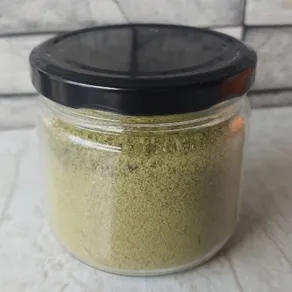
Table 4: Comparative Physical Evaluation of F1, F2 and F3 Formulations.
|
Physical Evaluation |
F1 = 10% Moringa |
F2 = 20% Moringa |
F3 = 30% Moringa |
|
Color |
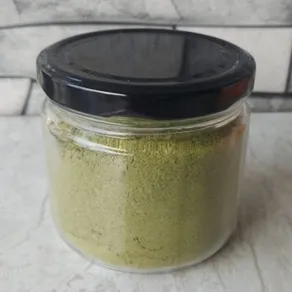
Light Green |
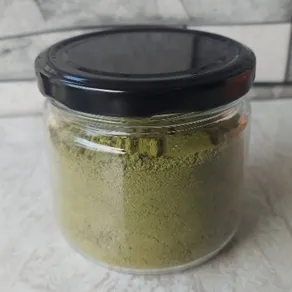
Medium Green |
Dark Green |
|
Odor |
Pleasant, characteristic aromatic odor |
Pleasant, characteristic aromatic odor |
Pleasant, characteristic aromatic odor |
|
Taste |
Slightly sweet |
Sweet and acceptable |
Slightly bitter |
|
Texture |
Smooth and free flowing powder |
Smooth and free flowing powder |
Smooth and free flowing powder |
|
F1 = 10% Moringa |
F2 = 20% Moringa |
F3 = 30% Moringa |
|
|
|
Figure 2: Prepared F1, F2 and F3 Formulations
Key Observations:
Table 5: Comparative Nutritional Evaluation of F1, F2 and F3 Formulations.
|
Nutritional Evaluation |
F1 = 10% Moringa |
F2 = 20% Moringa |
F3 = 30% Moringa |
|
Protein content |
24.5g |
27.8g |
30.6g |
|
Carbohydrate content |
42.0g |
38.5g |
34.2g |
|
Fat content |
11.2g |
10.8g |
10.3g |
|
Fiber content |
6.5g |
8.9g |
11.4g |
|
Caloric value |
360kcal |
348kcal |
335kcal |
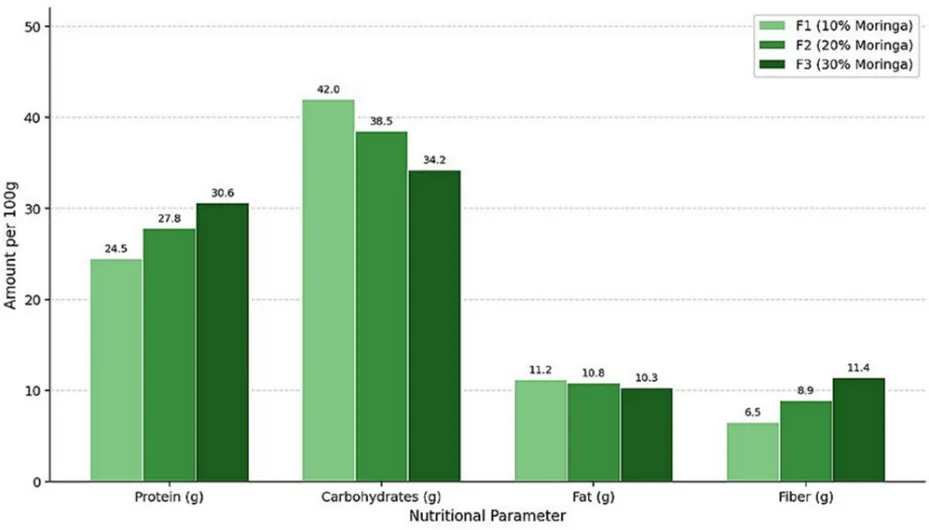
Figure 3: Grouped bar chart showing macronutrient composition (per 100 g) of F1, F2, and F3 formulations.
Key Observations:
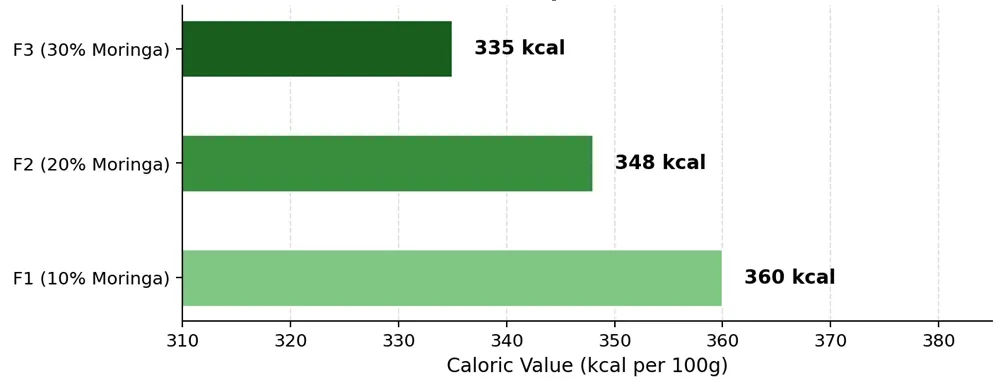
Figure 4: Caloric value (kcal per 100 g) comparison of F1, F2, and F3 formulations.
7.3 Physicochemical Properties:
Table 6: Comparative Physicochemical properties of F1, F2 and F3 Formulations.
|
Physicochemical properties |
F1 = 10% Moringa |
F2 = 20% Moringa |
F3 = 30% Moringa |
|
Solubility test |
88% |
85% |
82% |
|
Moisture Content |
4.2% |
4.8% |
5.5% |
|
pH |
6.7 |
6.4 |
6.1 |
|
Stability Studies |
Stable |
Stable |
Moderately Stable |
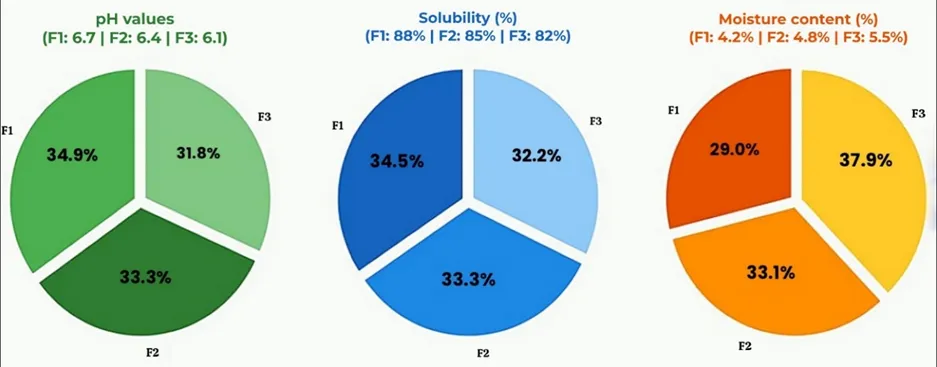
Figure 5: Pie Charts — Proportional comparison of pH, Solubility & Moisture across formulations
Key Observations:
Three formulations of herbal protein shake powder containing different concentrations of Moringa oleifera were prepared and evaluated. The formulations were designated as F1 (10% moringa), F2 (20% moringa), and F3 (30% moringa) based on increasing concentration of moringa powder.
The present study successfully demonstrated the formulation and evaluation of herbal protein shake powder formulated using Moringa oleifera as the major functional ingredient. The incorporation of moringa leaf powder significantly enhanced the nutritional value of the formulation because of its rich protein content, essential amino acids, dietary fiber, vitamins, minerals, and antioxidant compounds. The use of natural plant-based ingredients such as peanut powder, roasted chickpea powder, oats, almonds, and flaxseed further improved the nutritional profile and made the product suitable as a balanced dietary supplement.
The prepared formulations showed acceptable organoleptic characteristics, including colour, odour, texture, and taste. Nutritional analysis revealed that protein and fiber content increased with higher moringa concentration, while carbohydrate content and caloric value showed a slight decrease. Physicochemical analysis demonstrated that all formulations remained within acceptable quality limits.
Among all formulations, F2 containing 20% moringa was identified as the most optimized formulation. It provided a balanced combination of nutritional value, acceptable taste, good solubility, stable physicochemical properties, and overall consumer acceptability. F2 showed comparatively high protein and fiber content while maintaining a pleasant taste and desirable texture, making it the most suitable formulation for further development and commercialization.
The study also highlights the advantages of herbal and plant-based protein supplements over synthetic formulations, as they are economical, environmentally sustainable, and free from harmful artificial additives. The developed protein shake powder may be beneficial for athletes, gym users, growing children, elderly individuals, and health-conscious consumers requiring nutritious and easily digestible protein supplementation.
Furthermore, the formulation has significant potential for commercial production and nutraceutical applications. Future studies focusing on clinical evaluation, shelf-life stability, flavour enhancement, and large-scale manufacturing can further improve the effectiveness and marketability of the product.Top of Form
The developed herbal protein shake powder containing Moringa oleifera has significant future potential in the field of nutrition and health supplements. Due to its high nutritional value and natural composition, the formulation can be further explored for large-scale commercial production as an affordable and plant-based protein supplement.
Different flavor variations such as chocolate, vanilla, strawberry, banana, and coffee can be developed in the future to improve taste, palatability, and consumer acceptance. Additional ingredients like nuts, seeds, probiotics, or superfoods may also be incorporated to enhance the nutritional and functional properties of the product. Future research can also focus on developing sugar-free or low-calorie versions of the protein shake powder suitable for diabetic and weight-conscious individuals.
Further clinical and nutritional studies can be carried out to scientifically evaluate the health benefits, safety, digestibility, and effectiveness of the formulation in different population groups. Improvement in packaging materials, storage conditions, and shelf-life stability studies can further increase the commercial value and market acceptance of the product.
Thus, moringa-based herbal protein shake powder has promising future applications as a functional food and natural nutritional supplement in both healthcare and commercial sectors.Bottom of Form
REFERENCES






Bhoomika Choudhary, Siddhi Chaugule, Nupur Chiplunkar, Sameer Bhoir, Utkarsh Chavan, Priya Jadhav, Formulation and Nutritional Evaluation of Herbal Moringa-Based Protein Shake Powder, Int. J. of Pharm. Sci., 2026, Vol 4, Issue 5, 8212-8226. https://doi.org/10.5281/zenodo.20472103
 10.5281/zenodo.20472103