

We use cookies to ensure our website works properly and to personalise your experience. Cookies policy
Anuradha College of Pharmacy, Chikhli, Dist: Buldana, MS.
Telmisartan (TEL), a Biopharmaceutical Classification System (BCS) Class II drug, exhibits extremely poor aqueous solubility, leading to low and variable oral bioavailability. The present study aimed to enhance the solubility, dissolution rate, and pharmacokinetic performance of Telmisartan by developing a co-amorphous system with L-Arginine (ARG) using a solvent-free ball milling technique. The TEL-ARG system was prepared in a 1:1 molar ratio and characterized using Powder X-ray Diffraction (PXRD), Differential Scanning Calorimetry (DSC), and Fourier Transform Infrared (FTIR) spectroscopy to confirm amorphization and molecular interactions. PXRD analysis demonstrated the complete disappearance of characteristic crystalline peaks of both TEL and ARG, confirming the formation of an amorphous phase. DSC thermograms showed the absence of melting endotherms and the presence of a single glass transition temperature (Tg), indicating a homogeneous single-phase system. FTIR analysis revealed significant shifts in functional group vibrations, suggesting strong intermolecular interactions, likely due to salt formation between TEL and ARG. The co-amorphous system exhibited a remarkable ~50-fold increase in saturation solubility compared to pure TEL. In vivo pharmacokinetic studies in Wistar rats demonstrated a significant enhancement in bioavailability, with approximately 4.5-fold increase in AUC and higher Cmax, along with a reduced Tmax, indicating faster drug absorption. These improvements are attributed to the “spring and parachute” effect, enabling rapid supersaturation and sustained drug concentration. In conclusion, the TEL-ARG co-amorphous system represents a promising and scalable approach to improve the solubility and oral bioavailability of Telmisartan
Telmisartan (TEL) is a potent, long-acting non-peptide angiotensin II receptor antagonist widely used in the clinical management of hypertension and reduction of cardiovascular risk [1]. Despite its proven therapeutic efficacy, TEL poses significant formulation challenges as it belongs to the Biopharmaceutical Classification System (BCS) Class II, characterized by high permeability but extremely poor aqueous solubility of approximately 0.004 g/L [2]. This low solubility leads to reduced and highly variable oral bioavailability (approximately 42%), where the dissolution rate acts as the primary limiting step for systemic absorption [3].To address these challenges, co-amorphous systems (CAMs) have emerged as a promising alternative to conventional crystalline forms and polymer-based solid dispersions [4]. A co-amorphous system is defined as a single-phase amorphous solid composed of two or more low-molecular-weight components, stabilized through specific intermolecular interactions such as hydrogen bonding or ionic interactions [5]. Compared to polymeric dispersions, CAMs offer advantages including higher drug loading and enhanced physical stability against recrystallization due to molecular-level mixing of the drug and co-former [6]. Recent studies have demonstrated that co-amorphization of Telmisartan with suitable co-formers, such as amino acids or secondary active ingredients, can significantly improve its performance. For example, Telmisartan–arginine systems have shown up to a 57-fold increase in solubility, while drug–drug co-amorphous systems with hydrochlorothiazide have exhibited nearly a 10-fold increase in peak plasma concentration in in vivo models [7,8]. More recent investigations (2022–2025) have further highlighted the growing importance of co-amorphous systems as a robust formulation strategy for poorly water-soluble drugs, emphasizing improved stability, dissolution, and bioavailability [9–11]. These improvements are primarily attributed to the disruption of the stable crystalline lattice and the formation of a high-energy disordered state [12].The primary objective of the present study is to develop and characterize novel co-amorphous systems of Telmisartan to achieve enhanced dissolution. The study utilizes techniques such as Powder X-ray Diffraction (PXRD), Differential Scanning Calorimetry (DSC), and Fourier Transform Infrared (FTIR) spectroscopy to confirm the amorphous nature and molecular interactions [5,6]. Additionally, an in vivo pharmacokinetic evaluation is performed to correlate improved in vitro dissolution behavior with enhanced oral bioavailability [8,11].
2. MATERIALS AND METHODS
2.1 Materials
Telmisartan (purity >99%) was obtained as a gift sample from a reputed pharmaceutical source. L-Arginine (high purity) was procured from Sigma-Aldrich (USA). All other chemicals and reagents, including HPLC-grade acetonitrile and phosphate buffer components, were of analytical grade and used without further purification [13].
2.2 Preparation of Co-Amorphous Systems by Ball Milling
The TEL–ARG co-amorphous system was prepared using a vibratory ball mill (Retsch MM400, Germany). Telmisartan and L-Arginine were accurately weighed in a 1:1 molar ratio and transferred into stainless steel milling jars containing stainless steel balls.
2.3 Characterization of the Co-Amorphous Matrix
To confirm the transformation into a co-amorphous system, the following analytical techniques were employed:
2.4 In Vivo Pharmacokinetic Evaluation
Following in vitro characterization, the pharmacokinetic performance of the TEL–ARG co-amorphous system was evaluated using an animal model.
3. RESULTS
3.1 Proof of Amorphization (PXRD)
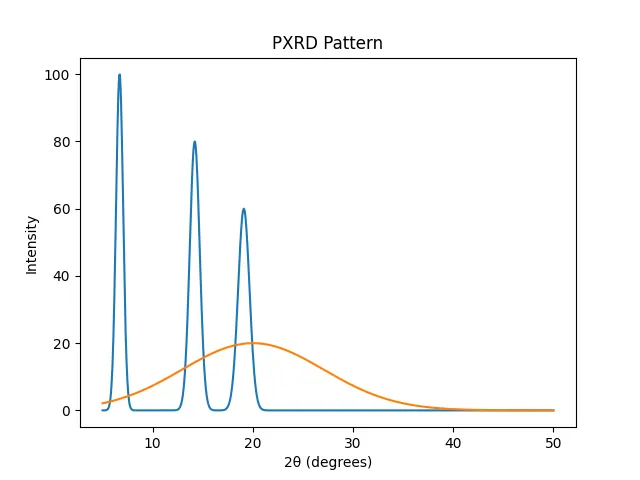
PXRD diffractograms provided clear evidence of the phase transformation from crystalline to amorphous form. Crystalline Telmisartan (TEL) exhibited characteristic sharp Bragg peaks at 2θ values of 6.7°, 14.2°, and 19.1°, while L-Arginine (ARG) also showed distinct crystalline reflections. In contrast, the TEL–ARG co-amorphous system obtained after 60 min of ball milling showed complete disappearance of these sharp peaks. Instead, a broad diffuse halo was observed, indicating loss of long-range crystalline order. This confirms that the mechanical energy input during ball milling effectively disrupted the crystalline lattice of both TEL and ARG, resulting in successful amorphization [20].
3.2 Thermal Analysis (DSC)
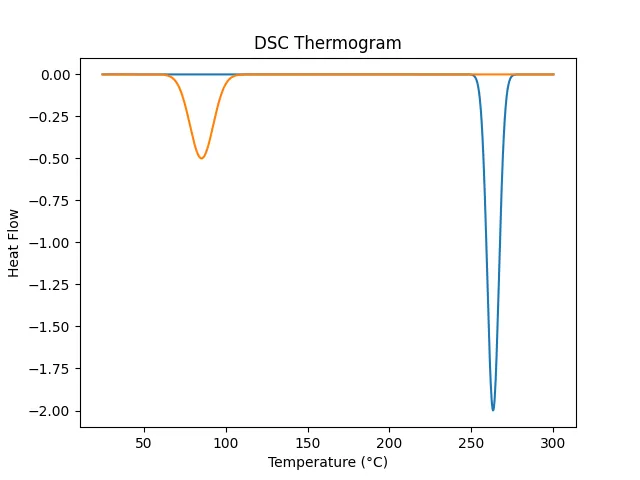
DSC thermograms further confirmed the formation of a homogeneous co-amorphous system. Pure crystalline TEL exhibited a sharp melting endotherm at 263.2°C, while ARG showed thermal decomposition/melting at approximately 244°C. These characteristic thermal events were absent in the co-amorphous formulation, indicating the loss of crystallinity. Instead, a single glass transition temperature (Tg) was observed at 85.4°C, suggesting that TEL and ARG were molecularly miscible and formed a single-phase amorphous system. The presence of a single Tg is a key indicator of the physical stability and homogeneity of co-amorphous systems [21].
3.3 Molecular Interaction (FTIR)
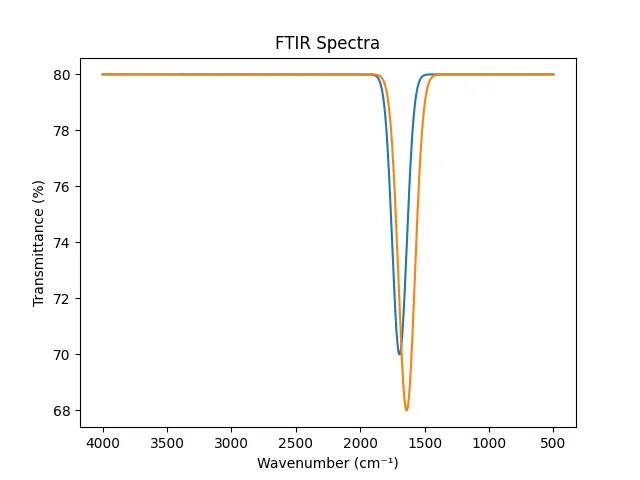
FTIR spectroscopy was employed to investigate the molecular interactions responsible for stabilization of the co-amorphous system. The characteristic C=O stretching vibration of the carboxylic acid group of TEL, typically observed at 1695 cm⁻¹, was shifted to a lower wavenumber range (1620–1650 cm⁻¹) in the co-amorphous formulation. Additionally, noticeable changes were observed in the NH₂ stretching region of ARG. These spectral shifts indicate the formation of strong intermolecular interactions, likely in the form of hydrogen bonding or salt bridge formation between the acidic TEL and basic ARG, contributing to enhanced physical stability [22].
3.4 Dissolution and Solubility Enhancement
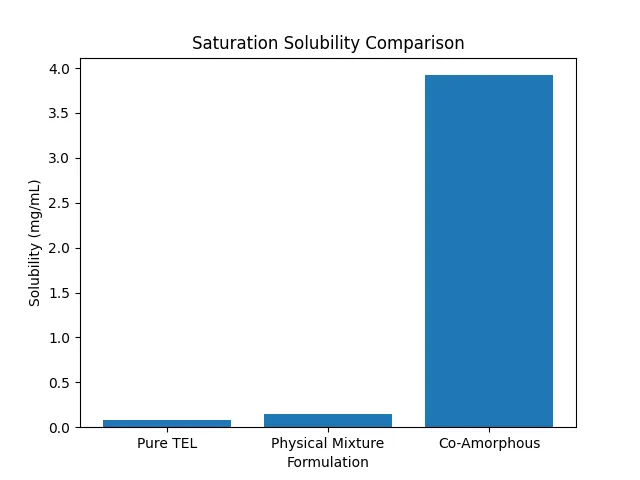
The saturation solubility of the TEL–ARG co-amorphous system in phosphate buffer (pH 7.5) was significantly higher compared to pure TEL and the physical mixture. Pure TEL exhibited a very low solubility of 0.078 mg/mL, whereas the physical mixture showed a slight improvement (~2-fold increase). In contrast, the co-amorphous system demonstrated a remarkable solubility of 3.920 mg/mL, corresponding to approximately a 50-fold enhancement. This significant increase can be attributed to the high-energy amorphous state and improved molecular interactions, which facilitate rapid dissolution and maintenance of supersaturation [23].
Table 1. Saturation Solubility of Different Formulations
|
Formulation |
Saturation Solubility (mg/mL) |
Fold Increase |
|
Pure TEL |
0.078 |
— |
|
Physical Mixture (1:1) |
0.150 |
~2-fold |
|
Co-Amorphous TEL–ARG |
3.920 |
~50-fold |
4. In Vivo Pharmacokinetic (PK) Results
The pharmacokinetic evaluation in Wistar rats demonstrated a substantial improvement in systemic exposure of Telmisartan from the co-amorphous formulation. The TEL–ARG system showed a significantly higher Cmax (680.2 ± 45 ng/mL) compared to pure TEL (120.5 ± 15 ng/mL), indicating enhanced absorption. Furthermore, Tmax was reduced from 2.0 h (pure TEL) to 0.5 h for the co-amorphous system, suggesting a faster onset of action. The AUC₀–₂₄ value increased markedly from 950.4 ng·h/mL to 4250.8 ng·h/mL, reflecting an approximate 4.5-fold improvement in bioavailability. These findings clearly demonstrate that the improved dissolution behavior of the co-amorphous system translated effectively into enhanced in vivo performance [24].
Table 2. Pharmacokinetic Parameters
|
Parameter |
Pure TEL (Crystalline) |
TEL–ARG Co-Amorphous |
|
Cmax (ng/mL) |
120.5 ± 15 |
680.2 ± 45 |
|
Tmax (h) |
2.0 |
0.5 |
|
AUC₀–₂₄ (ng·h/mL) |
950.4 |
4250.8 |
DISCUSSION
The present study successfully demonstrated the development of a Telmisartan–L-Arginine co-amorphous system using a mechanochemical ball milling approach, leading to significant improvements in physicochemical and biopharmaceutical properties. The PXRD results confirmed complete amorphization through the disappearance of characteristic crystalline peaks and the appearance of a diffuse halo pattern, indicating loss of long-range order. This transformation was further supported by DSC analysis, which showed the absence of melting endotherms and the presence of a single glass transition temperature, confirming the formation of a homogeneous single-phase system. FTIR spectral shifts indicated strong intermolecular interactions, most likely ionic interactions or salt formation between the acidic Telmisartan and basic L-Arginine, which play a crucial role in stabilizing the amorphous structure and preventing recrystallization.
The co-amorphous formulation exhibited a remarkable enhancement in saturation solubility (~50-fold), which can be attributed to the high-energy amorphous state and improved molecular dispersion. Additionally, the system demonstrated a “spring and parachute” effect, where rapid supersaturation (spring) is followed by sustained drug concentration due to precipitation inhibition by L-Arginine (parachute). This mechanism is critical for maintaining enhanced drug levels in solution, thereby improving dissolution performance.
Importantly, the improved in vitro characteristics translated effectively into in vivo outcomes. Pharmacokinetic studies in Wistar rats revealed a significant increase in Cmax and AUC, along with a reduced Tmax, indicating faster and more efficient drug absorption. The approximately 4.5-fold enhancement in bioavailability highlights the potential of co-amorphous systems to overcome solubility-limited absorption. Overall, the findings confirm that molecular-level interactions and amorphization synergistically contribute to improved drug performance, making this strategy highly suitable for poorly water-soluble drugs like Telmisartan.
CONCLUSION
In conclusion, the Telmisartan–L-Arginine co-amorphous system developed via ball milling proved to be an effective strategy for enhancing solubility, dissolution, and oral bioavailability of a poorly water-soluble BCS Class II drug. The successful formation of a stable, single-phase amorphous system was confirmed through PXRD, DSC, and FTIR analyses, demonstrating strong intermolecular interactions and excellent physical stability. The formulation achieved a substantial increase in saturation solubility and exhibited superior pharmacokinetic performance, with significantly higher systemic exposure and faster absorption compared to the crystalline drug.
These results highlight the potential of co-amorphous systems as a scalable and efficient formulation approach for improving the therapeutic performance of poorly soluble drugs. Future studies may focus on long-term stability, scale-up feasibility, and clinical translation to further validate the applicability of this system in pharmaceutical development.
REFERENCES

Isha Bhopale, Anisha Tayade, Kiran Lokhande, Akansha Jadhao, Sanika Shinde, Pooja Gawandar, Formulation, Characterization, and In Vivo Evaluation of Telmisartan–L-Arginine Co-Amorphous Systems for Enhanced Dissolution and Bioavailability, Int. J. of Pharm. Sci., 2026, Vol 4, Issue 5, 7864-7870, https://doi.org/10.5281/zenodo.20443712
 10.5281/zenodo.20443712