View Article

Abstract

The present study aimed to formulate and evaluate sustained-release mucoadhesive microspheres of meloxicam using a combination of natural and synthetic polymers to enhance gastric retention, improve bioavailability, and achieve controlled drug release. Microspheres were prepared using the ionotropic gelation technique followed by polyelectrolyte complexation employing sodium alginate and chitosan, along with matrix modifiers such as HPMC and ethyl cellulose. A Quality by Design (QbD) approach using Box—Behnken design was implemented to optimize critical formulation variables. The prepared microspheres were evaluated for micromeritic properties, particle size, entrapment efficiency, mucoadhesion, and in vitro drug release. The optimized formulation (MM8) exhibited particle size of 528.6 ± 22 um, entrapment efficiency of 84.6 ± 1.7%, and mucoadhesion of 90.5 ± 1.8%. Drug release studies demonstrated sustained release up to 12 hours with 92.6 ± 2.0% release. Kinetic analysis revealed that drug release followed zero-order kinetics with a Korsmeyer—Peppas exponent (n 0.567), indicating non-Fickian diffusion. DSC and XRD studies confirmed partial amorphization without degradation. Stability studies showed no significant variation over three months. The study concluded that mucoadhesive microspheres of meloxicam provide a promising gastroretentive drug delivery system with enhanced therapeutic performance.

Keywords

Meloxicam, Mucoadhesive microspheres, Gastroretentive drug delivery, Ionotropic gelation, Controlled release, QbD

Introduction

× Popup Image
Non-steroidal anti-inflammatory drugs (NSAIDs) are extensively used for the management of pain and inflammatory disorders such as osteoarthritis and rheumatoid arthritis. Among these, meloxicam has gained significant clinical importance due to its preferential inhibition of cyclooxygenase-2 (COX-2), resulting in reduced gastrointestinal side effects compared to conventional NSAIDs. However, meloxicam exhibits poor aqueous solubility and pH dependent dissolution, which can lead to variable bioavailability and inconsistent therapeutic outcomes. These limitations necessitate the development of advanced drug delivery systems capable of improving drug solubility, prolonging drug residence time, and ensuring sustained therapeutic action (Zehravi et al., 2026; J. Zeng et al., 2026; M. Zeng et al., 2026; R. Zhang et al., 2026). Conventional oral dosage forms often fail to maintain consistent plasma drug levels due to rapid gastric emptying and fluctuating drug release patterns. This results in suboptimal therapeutic efficacy and increased dosing frequency, ultimately affecting patient compliance. Gastroretentive drug delivery systems (GRDDS) have emerged as a promising approach to overcome these limitations by prolonging the residence time of dosage forms in the stomach. This strategy is particularly beneficial for drugs like meloxicam, which require controlled release and enhanced dissolution (Tang et al., 2026; Zehravi et al., 2026; J. Zeng et al., 2026; M. zeng et al., 2026; R. Zhang et al., 2026; X. Zhang et al., 2026).

Among various GRDDS approaches, mucoadhesive systems offer a distinct advantage by adhering to the gastric mucosa, thereby ensuring prolonged retention and improved drug absorption. Mucoadhesive polymers such as sodium alginate and chitosan interact with mucin through hydrogen bonding and electrostatic interactions, leading to enhanced adhesion and drug retention. The incorporation of such polymers into drug delivery systems significantly improves the therapeutic efficacy of poorly soluble drugs (Thakur et al., 2026; Tiwari et al., 2026; Trinh et al., 2026; Tseng et al. , 2026). Microspheres represent a versatile multiparticulate drug delivery system capable of providing controlled and sustained drug release. Their small size and large surface area allow for uniform distribution in the gastrointestinal tract, enhancing drug absorption. When combined with mucoadhesive properties, microspheres can serve as an effective gastroretentive system, offering both prolonged retention and controlled drug release. The use of ionotropic gelation technique for microsphere preparation offers several advantages, including simplicity, cost-effectiveness, and avoidance of organic solvents. Sodium alginate, in the presence of calcium ions, forms a gel matrix that encapsulates the drug, while chitosan provides a mucoadhesive coating through polyelectrolyte complexation. The addition of synthetic polymers such as HPMC and ethyl cellulose further enhances the mechanical strength and release characteristics of the microspheres (Sharma et al., 2026; Szczepanowicz et al., 2026; Tanaka et al., 2026; Tang et al., 2026; Thakur et al., 2026; Tiwari et al., 2026; Trinh et  al., 2026; Tseng et al., 2026).

Quality by Design (QbD) has become an integral part of pharmaceutical development, enabling systematic optimization of formulation variables and ensuring consistent product quality. The use of statistical tools such as Box—Behnken design allows for efficient evaluation of the effects of formulation variables on critical quality attributes such as entrapment efficiency, mucoadhesion, and drug release. The present study was therefore designed to develop and optimize mucoadhesive microspheres of meloxicam using a combination of natural and synthetic polymers. The objective was to enhance gastric retention, improve drug solubility, and achieve sustained drug release, thereby improving therapeutic efficacy and patient compliance.

MATERIALS AND METHODS

Materials

Meloxicam was used as the model drug due to its poor aqueous solubility and requirement for sustained release. Sodium alginate was selected as the primary natural polymer for matrix formation owing to its excellent gel-forming ability in the presence of divalent cations. Chitosan was employed as a mucoadhesive polymer to enhance adhesion to gastric mucosa through electrostatic interactions. Hydroxypropyl methylcellulose (HPMC) was incorporated as a hydrophilic matrix-forming polymer to regulate drug release, while ethyl cellulose was used as a hydrophobic release retardant. Calcium chloride (CaCb) served as the cross-linking agent for ionotropic gelation. All chemicals and reagents used in the study were of analytical grade and were used without further purification.

Preformulation Studies

Preformulation studies were conducted to evaluate the physicochemical properties of meloxicam and to ensure compatibility with selected excipients. The solubility of meloxicam was determined in distilled water and phosphate buffer (pH 6.8) using the shake flask method. The Imax of meloxicam was determined using UV-visible spectrophotometry in phosphate buffer (pH 6.8), which was found suitable for quantitative estimation. Drug—excipient compatibility was assessed using Fourier Transform Infrared (FTIR) spectroscopy, Differential Scanning Calorimetry (DSC), and X-ray Diffraction (XRD). FTIR spectra were recorded to identify potential interactions between drug and polymers, while DSC thermograms were used to analyze thermal behavior. XRD analysis was performed to evaluate the crystalline nature of the drug and its transformation in the formulated microspheres (Haimhoffer et al., 2021 ; Nicol et al., 2024; Ostr6ika-Cieélik, 2025; Steele & Austin, 2016).

Experimental Design (QbD Approach)

A Quality by Design approach was adopted to optimize the formulation variables. A threefactor, three-level Box—Behnken design was employed to evaluate the effect of independent variables on critical quality attributes (Haimhoffer et al., 2021; Nicol et al., 2024; Ostr6±kaCieélik, 2025; Steele & Austin, 2016).

Independent variables:

  • Sodium alginate concentration
  • Chitosan concentration
  • Calcium chloride concentration

Dependent variables (responses):

  • Entrapment efficiency (%)
  • Mucoadhesion (%)
  • Drug release (%)

A total of 17 experimental runs were generated, and formulations were coded as MM I to MM 17. Statistical analysis was performed using regression models and response surface methodology to identify optimal formulation conditions.

Preparation of Mucoadhesive Microspheres

Mucoadhesive microspheres of meloxicam were prepared using the ionotropic gelation technique followed by polyelectrolyte complexation. Accurately weighed meloxicam was dispersed in an aqueous solution of sodium alginate under continuous stirring to obtain a uniform dispersion. HPMC and ethyl cellulose were added to the mixture to enhance matrix formation and control drug release. The resulting dispersion was extruded dropwise through a syringe into a calcium chloride solution under constant stirring. Upon contact with the crosslinking solution, sodium alginate underwent instantaneous gelation, forming microspheres. The formed microspheres were allowed to cure for a specified time to ensure complete crosslinking. Subsequently, the microspheres were transferred to a chitosan solution to facilitate polyelectrolyte complexation. This step enhanced the mucoadhesive properties and mechanical strength of the microspheres. The microspheres were then filtered, washed with distilled water to remove excess reagents, and dried at room temperature (Abd El Hady et al., 2021; Ahmad et al., 2020; Baltzley et al., 2018; Essa et al., 2020; L6pez-Cebral et al., 2018; Mamona et al., 2025; Rath et al., 2025; Sharma et al., 2024; wang et al., 2025).

Evaluation of Microspheres

Micromeritic Properties

The flow properties of the prepared microspheres were evaluated by determining angle of repose, Carr's index, and Hausner ratio. These parameters provided insights into the handling and processing characteristics of the microspheres (Sapra et al., 2024; Sharma et al., 2024; Tripathi et al., 2024; J. Yang et al., 2024; X. Yang et al., 2024).

Particle Size Analysis

Particle size of the microspheres was determined using optical microscopy. The average particle size was calculated by measuring a sufficient number of particles to ensure statistical reliability (Sapra et al., 2024; Sharma et al., 2024; Tripathi et al., 2024; J. Yang et al., 2024; X. Yang et al., 2024).

Entrapment Efficiency

Entrapment efficiency was determined by dissolving a known quantity of microspheres in phosphate buffer (pH 6.8) and analyzing the drug content using UV spectrophotometry. The percentage entrapment efficiency was calculated using the standard formula (Sapra et al. , 2024; Sharma et al., 2024; Tripathi et al., 2024; J. Yang et al., 2024; X. Yang et al., 2024).

Mucoadhesion Study

Mucoadhesive properties were evaluated using an ex vivo wash-off method. Freshly excised gastric mucosa was mounted on a suitable surface, and microspheres were applied. The setup was subjected to simulated gastric fluid under controlled conditions, and the percentage of microspheres retained over time was determined (Sapra et al., 2024; Sharma et al., 2024; Tripathi et al., 2024; J. Yang et al., 2024; X. Yang et al., 2024).

In Vitro Drug Release Study

Drug release studies were performed using a USP dissolution apparatus in phosphate buffer (pH 6.8). Samples were withdrawn at predetermined intervals and analyzed spectrophotometrically. The cumulative percentage drug release was calculated and plotted against time (Achmad et al., 2025; Pareek et al., 2024; Tripathi et al., 2024; X. Yang et al.,  2024).

Drug Release Kinetics

The release data were fitted to various kinetic models, including zero-order, first-order, Higuchi, and Korsmeyer—Peppas models, to determine the mechanism of drug release.

Regression coefficients (R2) were calculated to identify the best-fit model.

Surface Morphology

Surface morphology of the microspheres was examined using scanning electron microscopy (SEM) to evaluate shape, surface characteristics, and structural integrity.

Thermal and Crystallinity Analysis

DSC and XRD analyses were conducted to assess the physical state of the drug within the microspheres and to detect any changes in crystallinity.

Stability Studies

Stability studies were performed on the optimized formulation under controlled conditions for a period of three months. Samples were evaluated at predetermined intervals for particle size, entrapment efficiency, mucoadhesion, and drug release. The stability of the formulation was assessed based on the absence of significant changes in these parameters (Achmad et al. , 2025; Pareek et al., 2024; Tripathi et al., 2024; X. Yang et al., 2024).

RESULTS

Calibration Curve of Meloxicam

The calibration curve of meloxicam in phosphate buffer (pH 6.8) demonstrated excellent linearity over the concentration range of 2—20 pg/mL. The regression equation obtained was y= 0.042x + 0.001, with a correlation coefficient ofR2 0.999, confirming the reliability of the  analytical method.
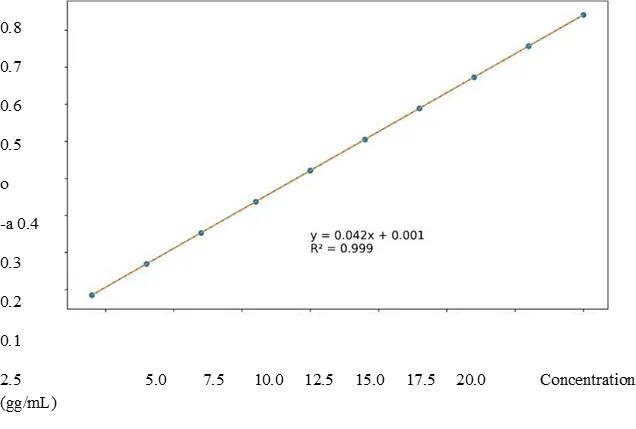
Figure 1: Calibration curve of meloxicam in phosphate buffer (pH 6.8).

Thermal and Crystallinity Analysis

DSC thermograms of meloxicam showed a sharp endothermic peak at —257—258 0 C, confirming its crystalline nature. In the microsphere formulation, a slight shift and broadening of the peak were observed, indicating partial amorphization of the drug.
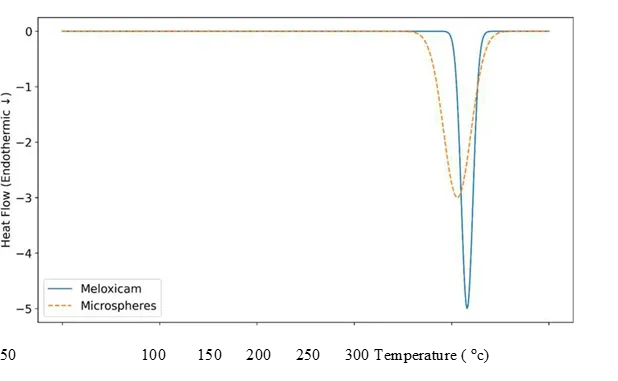
Figure 2: DSC thermograms of meloxicam and microspheres.
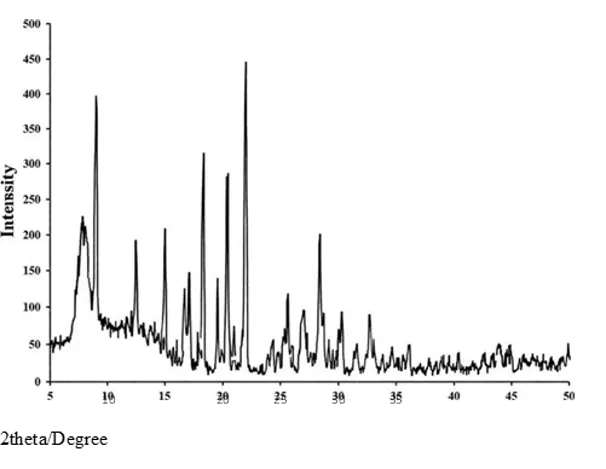
Figure 3: XRD pattern comparison.

Micromeritic Properties

The prepared microspheres exhibited acceptable flow properties.

Table 1: Micromeritic Properties of Microspheres

Batch

Angle (0)

Carr's Index (%)

Hausner Ratio

MMI

30.1 ± 1.2

18.5 ±0.8

1.23 ±0.02

MM2

29.4

17.8 ±0.7

1.22 ±0.02

MM3

28.9 ± 1.1

17.2 ±0.6

1.21 ±O.OI

MM4

27.6

15.8

1.19

MMS

29.8 ±1.2

18.2 ±0.8

1.22 ±0.02

MM6

28.5 ± 1.0

16.9 ±0.7

1.20

MM7

27.9 ±0.8

15.6 ±0.6

1.18

MM8

26.8 ±0.9

14.3

1.16

MM9-MM17

(similar acceptable range)


The results indicated good flowability, with MM8 showing superior properties.

Mucoadhesion Study

Table 2: Mucoadhesion Profile of Microspheres

Batch


MMI

78.2 ±2.3

70.5 ±2.1

62.4 ±2.o

MM8

90.5 ± 1.8

84.2 ±1.9

76.8 ±1.8

MM17

89.2 ±1.9

82.6 ±2.o

75.4 ± 1.9

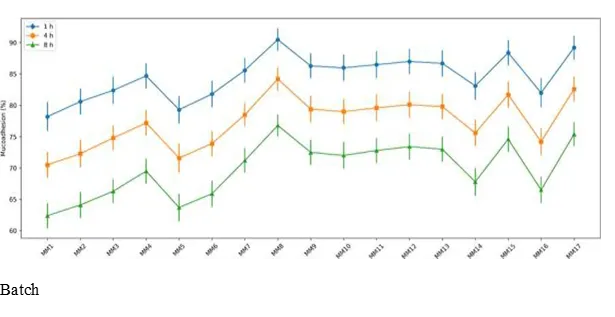
All formulations showed gradual decrease in adhesion over time.

Figure 4: Mucoadhesion profile of all formulations (MMI—MMI 7).

MM8 exhibited maximum adhesion due to optimal chitosan concentration.

In Vitro Drug Release Study

Table 3: Drug Release Profile

Batch

QIh

Q6h

Q12h

MMI

32.5 ± 1.3

68.4 ±2.1

96.2 ±2.4

MM8

22.4 ± I

55.6 ±1.8

92.6 ±2.o

MM 17

23.1 ± 1.0

56.4 ± 1.9

91.5 ±2.1

The release pattern showed a biphasic profile with initial burst followed by sustained release.
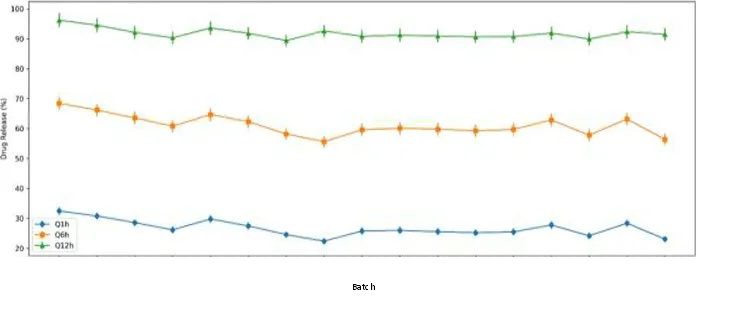
Figure 5: In vitro drug release profile of microspheres.

MM8 showed lowest burst release and controlled release behaviour.

Drug Release Kinetics

The optimized formulation (MM8) was analyzed for release kinetics. The R2 values indicated:

  1. Zero order: 0.999
  2. Higuchi: 0.984
  3. Peppas: 0.991
  4. First order: 0.903

The Peppas exponent (n 0.567) confirmed non-Fickian diffusion, indicating combined diffusion and polymer relaxation mechanisms.

QbD Optimization

Response surface analysis showed the effect of formulation variables.
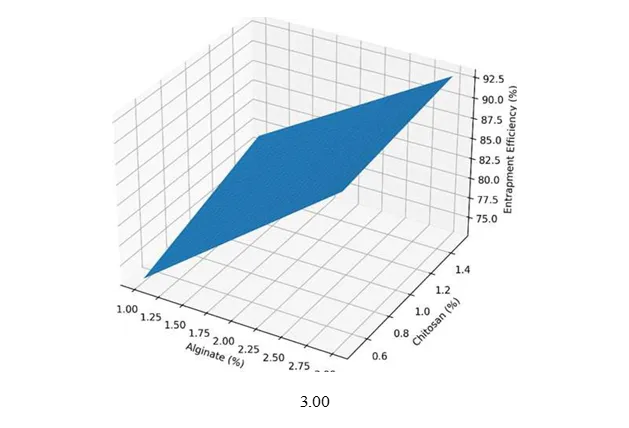
Figure 6: Response surface plot showing effect of alginate and chitosan on entrapment efficiency.
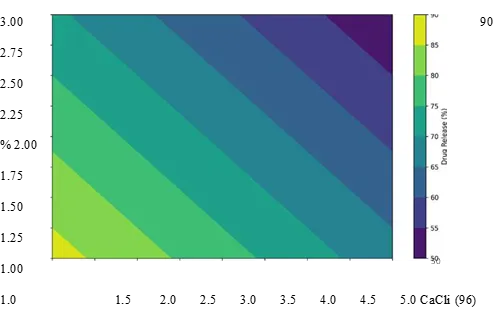
Figure 7: Contour plot showing effect of CaCb and alginate on drug release.

Stability Studies

Table 4: Stability Study Results

Time

Particle Size (um)


Mucoadhesion (%)

Drug Release (%)

O Month

528.6

84.6 ± 1.7

90.5 ±1.8

92.6 ±2.o

1 Month

532.4

83.9 ± 1.8

89.6 ± 1.9

91.8 ±2.1

3 Months

538.2

82.8 ±1.9

88.7 ±2.o

90.9 ±2.2

No significant variation was observed, confirming stability.

DISCUSSION

The present study was designed to develop a robust gastroretentive mucoadhesive microsphere system of meloxicam capable of overcoming its inherent limitations such as poor aqueous solubility and variable bioavailability. The results obtained from formulation development, characterization, and optimization collectively demonstrated that the selected approach was scientifically sound and practically effective. The calibration curve established for meloxicam showed excellent linearity (R2 = 0.999), confirming the reliability of the analytical method employed throughout the study. This ensured accurate quantification of drug content during evaluation of entrapment efficiency and release studies. Preformulation analyses using FTIR, DSC, and XRD provided critical insights into drug—excipient compatibility. The absence of significant peak shifts in FTIR confirmed no chemical interaction, while DSC and XRD results indicated partial amorphization of meloxicam within the polymer matrix. This transformation from crystalline to partially amorphous form is advantageous, as it enhances drug dissolution and contributes to improved release characteristics.

The micromeritic evaluation revealed that all formulations exhibited acceptable flow properties, with angle of repose, Carr's index, and Hausner ratio within pharmacopeial limits. Among them, MM8 showed the best flow characteristics, which can be attributed to uniform particle size distribution and optimal polymer composition. Good flowability is essential not  only for processing but also for ensuring reproducibility during large-scale production. Entrapment efficiency was significantly influenced by polymer concentration and cross-linking density. The optimized formulation (MM8) exhibited high entrapment efficiency (84.6 ± I . 7%), indicating effective drug encapsulation. The increase in sodium alginate concentration enhanced viscosity, leading to reduced drug diffusion into the external phase during preparation. Similarly, chitosan contributed to improved entrapment by forming a dense polyelectrolyte complex with alginate. Response surface analysis further confirmed that both polymers exerted a synergistic effect on entrapment efficiency, highlighting the importance of balanced formulation design.

Mucoadhesion studies demonstrated that all formulations adhered effectively to gastric mucosa, with a gradual decline over time. The optimized formulation exhibited maximum adhesion, which can be attributed to the presence of chitosan. The positively charged amino groups of chitosan interact with negatively charged mucin, resulting in strong electrostatic interactions. This prolonged adhesion ensures extended gastric residence time, which is critical for enhancing drug absorption and therapeutic efficacy. The in vitro drug release study revealed a biphasic release pattern characterized by an initial burst followed by sustained release. The initial release is attributed to surface-associated drug, while the sustained phase is governed by diffusion through the polymer matrix. The optimized formulation exhibited minimal burst release and controlled release up to 12 hours, indicating efficient matrix formation. The incorporation of both hydrophilic (HPMC) and hydrophobic (ethyl cellulose) polymers played a crucial role in modulating drug release. Kinetic analysis provided further insights into the mechanism of drug release. The high correlation with zero-order kinetics (R2 0.999) suggested a constant release rate independent of drug concentration. The Korsmeyer—Peppas model yielded an exponent value of 0.567, indicating non-Fickian diffusion. This confirms that drug release was governed by a combination of diffusion and polymer relaxation/swelling mechanisms, which is characteristic of well-designed sustained-release systems.

The QbD approach significantly strengthened the study by establishing a clear relationship between formulation variables and critical quality attributes. Response surface and contour plots demonstrated that increasing polymer concentration enhanced entrapment efficiency while reducing drug release due to increased cross-linking density. This systematic optimization ensured the selection of an ideal formulation with balanced properties. Stability studies confirmed that the optimized formulation remained stable over a period of three months, with no significant changes in particle size, entrapment efficiency, mucoadhesion, or drug release. The slight variations observed were within acceptable limits and can be attributed to minor polymer relaxation or environmental effects. Overall, the findings of this study strongly support the potential of mucoadhesive microspheres as an effective gastroretentive drug delivery system for meloxicam, offering controlled release, improved bioavailability, and enhanced therapeutic performance.

CONCLUSION

The present investigation successfully demonstrated the formulation and optimization of sustained-release mucoadhesive microspheres of meloxicam using a combination of natural and synthetic polymers. The ionotropic gelation technique, coupled with polyelectrolyte complexation, proved to be an effective and reproducible method for developing microspheres with desirable physicochemical and functional properties. The application of a Quality by Design approach enabled systematic optimization of formulation variables, ensuring a robust and efficient delivery system. Among all formulations, MM8 was identified as the optimized batch, exhibiting superior performance in terms of particle size (528.6 ± 22 pm), entrapment efficiency (84.6 ± 1.7%), and mucoadhesion (90.5 ± 1.8%). The formulation demonstrated a controlled and sustained drug release profile over 12 hours, with minimal initial burst release. Kinetic modeling confirmed that drug release followed zero-order kinetics and a non-Fickian diffusion mechanism (n 0.567), indicating the combined influence of diffusion and polymer relaxation. Thermal and crystallinity analyses (DSC and XRD) revealed partial amorphization of meloxicam within the polymer matrix, which is expected to enhance drug dissolution and bioavailability. Stability studies conducted over three months showed no significant changes in key parameters, confirming the physical and chemical stability of the optimized formulation. Overall, the developed mucoadhesive microspheres represent a promising gastroretentive drug delivery system capable of improving therapeutic efficacy, reducing dosing frequency, and enhancing patient compliance.

REFERENCES

  1. Abd El Hady, W. E., Soliman, O. A. E., El Sabbagh, H. M., & Mohamed, E. A. (2021). Glutaraldehyde-crosslinked chitosan-polyethylene oxide nanofibers as a potential gastroretentive delivery system of nizatidine for augmented gastroprotective activity. Drug Deliv, 28(1), 1795-1809. https://doi.org/l O. 1080/10717544.2021.1971796
  2. Achmad, N. A., Tuna, R. W., Kurniawan, 1., Khairiyah, Asaf, M. B., Rahman, L. , Manggau, M. A., Aliyah, Dominguez-Robles, J., Aswad, M. , & Permana, A. D. (2025). Development of Thermosensitive Mucoadhesive Gel Based Encapsulated Lipid Microspheres as Nose-to-Brain Rivastigmine Delivery System. Langmuir, 4/(1), 314328. https://doi.org/10.1021/acs.langmuir.4c03530
  3. Ahmad, N., Ahmad, R., Alrasheed, R. A., Almatar, H. M. A., Al-Ramadan, A. S. , Buheazah, T. M., AIHomoud, H. S., Al-Nasif, H. A., & Alam, M. A. (2020). A Chitosan-PLGA based catechin hydrate nanoparticles used in targeting of lungs and cancer treatment. Saudi J Biol Sci, 27(9), 2344-2357. https://d0i.org/10.1016/j.sjbs.2020.05.023
  4. Baltzley, S., Malkawi, A. A., Alsmadi, M., & Al-Ghananeem, A. M. (2018). Sublingual spray drug delivery of ketorolac-loaded chitosan nanoparticles. Drug Dev Ind Pharm, 44(9), 1467-1472. https://d0i.org/10.1080/03639045.2018.1460378
  5. Essa, D., Choonara, Y. E., Kondiah, P. P. D., & Pillay, V. (2020). Comparative Nanofabrication ofPLGA-Chitosan-PEG Systems Employing Microfluidics and Emulsification Solvent Evaporation Techniques. Polymers (Basel), 12(9). https://doi.org/10.3390/polym12091882
  6. Haimhoffer, A., Dossi, E., Béresovå, M., Båcskay, 1., Våradi, J., Afsar, A., Rusznyåk, Å., Vasvåri, G., & Fenyvesi, F. (2021). Preformulation Studies and Bioavailability Enhancement of Curcumin with a 'Two in One' PEG-ß-Cyclodextrin Polymer. Pharmaceutics, 13(10). https://doi.org/10.3390/pharmaceutics13101710
  7. L6pez-Cebra1, R., Peng, G., Reys, L. L., Silva, S. S., Oliveira, J. M., Chen, J., Silva, T. H., & Reis, R. L. (2018). Dual delivery of hydrophilic and hydrophobic drugs from chitosan/diatomaceous earth composite membranes. J Mater Sci Mater Med, 29(3), 21. https://d0i.org/10.1007k10856-018-6025-9
  8. Mamona, S., Younas, E., Yousaf, S., Rubab, F., Akram, S., Shoaib, Q., & Hussain, T. (2025). Development and evaluation of gastroretentive mucoadhesive microspheres of gabapentin. Pak J Pharm Sci, 38(2), 649-656.
  9. Nicol, E., Do, B., Vignes, M., Annereau, M., Paul, M., Wolkenstein, P., Touboul, D., & Secretan, P. H. (2024). Preformulation evaluation of selumetinib for topical application: skin distribution and photodegradation analysis using MALDI imaging and LCMS/MS. Pharm Dev Technol, 29(8), 855-861. https://d0i.org/10.1080/10837450.2024.2405829
  10. Ostr6ika-Cieélik, A. (2025). Hyaluronan-Based Hydrogel Hybrid Insulin CarriersPreformulation Studies. Polymers (Basel), 17(19). https://doi.org/10.3390/polym17192661
  11. Pareek, A., Kothari, R., Pareek, A., Ratan, Y., Kashania, P., Jain, V., Jeandet, P., Kumar, P., Khan, A. A., Alanazi, A. M., & Gupta, M. M. (2024). Development of a new inhaled swellable microsphere system for the dual delivery of naringenin-loaded solid lipid nanoparticles and doxofylline for the treatment of asthma. Eur J Pharm Sci, 193, 106642.
  12. Rath, S. K., Nayak, S., Behera, S. S., Sahoo, R. N., Maiti, A. K., Panda, B. B., Hasnain, M. S., & Nayak, A. K. (2025). Floating-mucoadhesive tamarind gum-alginate-calcium silicate composite beads for gastroretentive delivery of ofloxacin. Int J Biol Macromol, 308(Pt 1), 142379. https•.//d0i.org/10.1016/j.ijbiomac.2025.142379
  13. sapra, A., Hm, H., Amin, S. M., Syahrani, Kelsi, F. A., Nur, S., & Permana, A. D. (2024). Development of mucoadhesive microspheres for intranasal delivery of fluconazole as an alternative treatment of cryptococcal meningitis infection in patients with acquired immunodeficiency. Ann Pharm 82(5), 813-821. https://doi.org/10.1016/j.pharma.2024.04.001
  14. Sharma, B., Chaurasia, A., Rajput, D. S., & Gupta, N. (2024). Mucoadhesive Microspheres: A Promising Delivery System for Helicobacter Pylori (H. pylori) Treatment. Zhongguo Ying Yong Sheng Li Xue Za Zhi, 40, e20240006. https://doi.org/10.62958/j.cjap.2024.006
  15. Sharma, M., Mazumder, R., & Debnath, A. (2026). Hydrogel-enabled drug delivery for ulcerative colitis. Inflammopharmacology. https://doi.org/10.1007/s10787-026-02127-3
  16. Steele, G., & Austin, T. (2016). Preformulation investigations using small amounts of compound as an aid to candidate drug selection and early development. In Pharmaceutical Preformulation and Formulation (pp. 29-140). CRC Press.
  17. Szczepanowicz, K., Procner, M., Szczqch, M., Lopuszyfiska, N. , Jantas, D., Regulska, M., Leékiewicz, M., Jasifiski, K., Stachurski, K., Szyk-Warszyfiska, L., Roman, A. , Lasofi, W., Wqglarz, W. P., & Warszyfiski, P. (2026). Polymeric-Based Theranostic Nanocarriers of Neuroprotective Drugs: Development, Imaging, and Bioanalysis. Mol Pharm, 23(1), 103-117. https://doi.org/10.1021/acs.molpharmaceut.5c00170
  18. Tanaka, M., Araujo, A. C., Valenti, V. E., Guiguer, E. L., Catharin, V. C. S., Gualhardi, C. M., de Souza Bastos Mazuqueli Pereira, E., de Alvares Goulart, R., de Argolo Haber, R. S., de Carvalho, A. C. A., & Barbalho, S. M. (2026). From Polyphenols to Prodrugs: Bridging the Blood-Brain Barrier with Nanomedicine and Neurotherapeutics. Int J Mol Sci, 27(5). https://d0i.org/10.3390/ijms27052370
  19. Tang, Y., Wang, R., Bai, Q., Wang, H., Tim, T., Hu, B., Zhang, J., He, M., Zhang, Y., Gao, S., & Zhang, Y. (2026). Investigation of Transdermal Drug Delivery and In Vivo Pharmacokinetics of Choline Ketoprofen Ionic Liquid. ACS Mater Au, 6(1), 128-139. https://doi.org/10.1021/acsmaterialsau.5c00109
  20. Thakur, A., Sharma, R., & Devi, A. (2026). Solid lipid nanoparticles for targeted drug delivery in breast cancer: Biointerface interactions, therapeutic potential, and translational challenges. Pathol Res Pract, 282, 156452. https://doi.org/10.1016/j.prp.2026.156452
  21. Tiwari, A. K., Dahiya, S., Khan, A., Saroj, P., & Yadav, M. (2026). Novel Approaches in Targeted Drug Delivery for Treatment of Neuropathy. Recent Adv Drug Deliv Formul. https://d0i.org/10.2174/0126673878372806251128113526
  22. Trinh, T. A., Phan, N. M., Nguyen, T. L., & Kim, J. (2026). Antioxidant Hydroge1-Based Transdermal Drug Delivery Patch for Reactive Oxygen Species- and MyD88-Targeted Management of Atopic Dermatitis. Biomacromo/ecu/es, 27(1), 121-133. https://doi.org/10.1021/acs.biomac.5c00741
  23. Tripathi, D., Rathour, K., Pandey, P., Tiwari, R. K., & Rai, A. K. (2024). Basil seed mucilage as a bioadhesive polymer: Development of naproxen sodium microspheres and suppositories with in-vitro and ex-vivo studies. Admet dmpk, 12(6), 881-901. https://doi.org/10.5599/admet.2372
  24. Tseng, Y. H., Lin, J. Y., Chuang, C. P., su, H. C., Wang, T. W., Wei, K. C., Huang, F. T., & Huang, C. W. (2026). Engineering a modular FAP-targeting ferritin-based drug nanocarrier for enhanced glioblastoma theranostics. Theranostics, 16(8), 4169-4189. https://doi.org/10.7150/thno.125403
  25. Wang, M., Jiang, Y., Chen, Z., Jiang, D., Jiang, X., Ye, J., Wang, H., & Liu, Y. (2025). ColonTargeted Mucoadhesive PLGA Microspheres Loaded with Ramulus Mori Alkaloids for Enhanced Water-Soluble Drug Delivery in Ulcerative Colitis Treatment. Molecules, 30(9). https://doi.org/10.3390/molecules30091878
  26. Yang, J., Long, Q., Zhu, Y., Lin, C., xu, X., Pan, B., Shi, W., Guo, Y., Deng, J., Yao, Q., & Wang, Z. (2024). Multifunctional self-assembled adsorption microspheres based on waste bamboo shoot shells for multi-pollutant water purification. Environ Res, 249, 118452. https://doi.org/10.1016/j.envres.2024.118452
  27. Yang, X., Nie, W., Wang, C., Fang, Z., & Shang, L. (2024). Microfluidic-based multifunctional microspheres for enhanced oral co-delivery of probiotics and postbiotics. Biomaterials, 308, 122564. https://doi.org/10.1016/j.biomaterials.2024.122564
  28. Zehravi, M., Khan, S. L., Gupta, J. K., Jahnavi, P., Babu, R. H., Vidiyala, N., Averineni, A., Dharmamoorthy, G., Dantinapalli, V. L. S., Elumalai, S., Rab, S. O., & Emran, T. B. (2026). Advances in polymeric nanoparticles for oral drug delivery: mechanisms, challenges, emerging trends, and preclinical to clinical perspectives. 3 Biotech, 16(1), 35. O. 13205-025-04659-x
  29. zeng, J., Chen, R., He, S., Zhang, C., Liu, W. C., song, H., Liu, S., & Nan, K. (2026). Highthroughput, Al-assisted design and optimization of lipid nanoparticles for drug delivery. Control Release, 391, 114573. https://doi.org/10.1016/j.jconrel.2025.114573
  30. zeng, M., Deng, P., Yang, Q., Hu, J., Li, J., Tang, Q., PCI, X., & Zhang, L. (2026). Machine learning-guided composite ionic liquid-based system for dual-drug delivery targeting redox homeostasis and STAT3-P13K axis in psoriasis therapy. Bioact Mater, 58, 107122. https://doi.org/10.1016/j.bioactmat.2025.lI.034
  31. Zhang, R., Yang, L., Li, L., Huang, H., song, Y., Lei, Y., Hu, Y., Chen, S., & Liu, F. (2026). Advance in the characteristics, bioactivities, and drug delivery application of chitosan and its derivatives for osteoarthritis: A review. Carbohydr Polym, 373, 124570. https://doi.org/10.1016/j.carbpol.2025.124570
  32. Zhang, X., Ning, S., Fang, F., Zhou, C., Yang, Z., cao, L., Wang, K., Feng, Z., Li, B., Luo, D., xu, X., Liu, Z., Chen, X., & Yu, Z. (2026). Leveraging Cisp1atin-Derived Prodrugs as Helper Lipids in LNPs to Boost the Efficacy of Cancer Chemoimmunotherapy. ACS Nano, 1448—1461. https://doi.org/10.1021/acsnano.5c18243

Reference

  1. Abd El Hady, W. E., Soliman, O. A. E., El Sabbagh, H. M., & Mohamed, E. A. (2021). Glutaraldehyde-crosslinked chitosan-polyethylene oxide nanofibers as a potential gastroretentive delivery system of nizatidine for augmented gastroprotective activity. Drug Deliv, 28(1), 1795-1809. https://doi.org/l O. 1080/10717544.2021.1971796
  2. Achmad, N. A., Tuna, R. W., Kurniawan, 1., Khairiyah, Asaf, M. B., Rahman, L. , Manggau, M. A., Aliyah, Dominguez-Robles, J., Aswad, M. , & Permana, A. D. (2025). Development of Thermosensitive Mucoadhesive Gel Based Encapsulated Lipid Microspheres as Nose-to-Brain Rivastigmine Delivery System. Langmuir, 4/(1), 314328. https://doi.org/10.1021/acs.langmuir.4c03530
  3. Ahmad, N., Ahmad, R., Alrasheed, R. A., Almatar, H. M. A., Al-Ramadan, A. S. , Buheazah, T. M., AIHomoud, H. S., Al-Nasif, H. A., & Alam, M. A. (2020). A Chitosan-PLGA based catechin hydrate nanoparticles used in targeting of lungs and cancer treatment. Saudi J Biol Sci, 27(9), 2344-2357. https://d0i.org/10.1016/j.sjbs.2020.05.023
  4. Baltzley, S., Malkawi, A. A., Alsmadi, M., & Al-Ghananeem, A. M. (2018). Sublingual spray drug delivery of ketorolac-loaded chitosan nanoparticles. Drug Dev Ind Pharm, 44(9), 1467-1472. https://d0i.org/10.1080/03639045.2018.1460378
  5. Essa, D., Choonara, Y. E., Kondiah, P. P. D., & Pillay, V. (2020). Comparative Nanofabrication ofPLGA-Chitosan-PEG Systems Employing Microfluidics and Emulsification Solvent Evaporation Techniques. Polymers (Basel), 12(9). https://doi.org/10.3390/polym12091882
  6. Haimhoffer, A., Dossi, E., Béresovå, M., Båcskay, 1., Våradi, J., Afsar, A., Rusznyåk, Å., Vasvåri, G., & Fenyvesi, F. (2021). Preformulation Studies and Bioavailability Enhancement of Curcumin with a 'Two in One' PEG-ß-Cyclodextrin Polymer. Pharmaceutics, 13(10). https://doi.org/10.3390/pharmaceutics13101710
  7. L6pez-Cebra1, R., Peng, G., Reys, L. L., Silva, S. S., Oliveira, J. M., Chen, J., Silva, T. H., & Reis, R. L. (2018). Dual delivery of hydrophilic and hydrophobic drugs from chitosan/diatomaceous earth composite membranes. J Mater Sci Mater Med, 29(3), 21. https://d0i.org/10.1007k10856-018-6025-9
  8. Mamona, S., Younas, E., Yousaf, S., Rubab, F., Akram, S., Shoaib, Q., & Hussain, T. (2025). Development and evaluation of gastroretentive mucoadhesive microspheres of gabapentin. Pak J Pharm Sci, 38(2), 649-656.
  9. Nicol, E., Do, B., Vignes, M., Annereau, M., Paul, M., Wolkenstein, P., Touboul, D., & Secretan, P. H. (2024). Preformulation evaluation of selumetinib for topical application: skin distribution and photodegradation analysis using MALDI imaging and LCMS/MS. Pharm Dev Technol, 29(8), 855-861. https://d0i.org/10.1080/10837450.2024.2405829
  10. Ostr6ika-Cieélik, A. (2025). Hyaluronan-Based Hydrogel Hybrid Insulin CarriersPreformulation Studies. Polymers (Basel), 17(19). https://doi.org/10.3390/polym17192661
  11. Pareek, A., Kothari, R., Pareek, A., Ratan, Y., Kashania, P., Jain, V., Jeandet, P., Kumar, P., Khan, A. A., Alanazi, A. M., & Gupta, M. M. (2024). Development of a new inhaled swellable microsphere system for the dual delivery of naringenin-loaded solid lipid nanoparticles and doxofylline for the treatment of asthma. Eur J Pharm Sci, 193, 106642.
  12. Rath, S. K., Nayak, S., Behera, S. S., Sahoo, R. N., Maiti, A. K., Panda, B. B., Hasnain, M. S., & Nayak, A. K. (2025). Floating-mucoadhesive tamarind gum-alginate-calcium silicate composite beads for gastroretentive delivery of ofloxacin. Int J Biol Macromol, 308(Pt 1), 142379. https•.//d0i.org/10.1016/j.ijbiomac.2025.142379
  13. sapra, A., Hm, H., Amin, S. M., Syahrani, Kelsi, F. A., Nur, S., & Permana, A. D. (2024). Development of mucoadhesive microspheres for intranasal delivery of fluconazole as an alternative treatment of cryptococcal meningitis infection in patients with acquired immunodeficiency. Ann Pharm 82(5), 813-821. https://doi.org/10.1016/j.pharma.2024.04.001
  14. Sharma, B., Chaurasia, A., Rajput, D. S., & Gupta, N. (2024). Mucoadhesive Microspheres: A Promising Delivery System for Helicobacter Pylori (H. pylori) Treatment. Zhongguo Ying Yong Sheng Li Xue Za Zhi, 40, e20240006. https://doi.org/10.62958/j.cjap.2024.006
  15. Sharma, M., Mazumder, R., & Debnath, A. (2026). Hydrogel-enabled drug delivery for ulcerative colitis. Inflammopharmacology. https://doi.org/10.1007/s10787-026-02127-3
  16. Steele, G., & Austin, T. (2016). Preformulation investigations using small amounts of compound as an aid to candidate drug selection and early development. In Pharmaceutical Preformulation and Formulation (pp. 29-140). CRC Press.
  17. Szczepanowicz, K., Procner, M., Szczqch, M., Lopuszyfiska, N. , Jantas, D., Regulska, M., Leékiewicz, M., Jasifiski, K., Stachurski, K., Szyk-Warszyfiska, L., Roman, A. , Lasofi, W., Wqglarz, W. P., & Warszyfiski, P. (2026). Polymeric-Based Theranostic Nanocarriers of Neuroprotective Drugs: Development, Imaging, and Bioanalysis. Mol Pharm, 23(1), 103-117. https://doi.org/10.1021/acs.molpharmaceut.5c00170
  18. Tanaka, M., Araujo, A. C., Valenti, V. E., Guiguer, E. L., Catharin, V. C. S., Gualhardi, C. M., de Souza Bastos Mazuqueli Pereira, E., de Alvares Goulart, R., de Argolo Haber, R. S., de Carvalho, A. C. A., & Barbalho, S. M. (2026). From Polyphenols to Prodrugs: Bridging the Blood-Brain Barrier with Nanomedicine and Neurotherapeutics. Int J Mol Sci, 27(5). https://d0i.org/10.3390/ijms27052370
  19. Tang, Y., Wang, R., Bai, Q., Wang, H., Tim, T., Hu, B., Zhang, J., He, M., Zhang, Y., Gao, S., & Zhang, Y. (2026). Investigation of Transdermal Drug Delivery and In Vivo Pharmacokinetics of Choline Ketoprofen Ionic Liquid. ACS Mater Au, 6(1), 128-139. https://doi.org/10.1021/acsmaterialsau.5c00109
  20. Thakur, A., Sharma, R., & Devi, A. (2026). Solid lipid nanoparticles for targeted drug delivery in breast cancer: Biointerface interactions, therapeutic potential, and translational challenges. Pathol Res Pract, 282, 156452. https://doi.org/10.1016/j.prp.2026.156452
  21. Tiwari, A. K., Dahiya, S., Khan, A., Saroj, P., & Yadav, M. (2026). Novel Approaches in Targeted Drug Delivery for Treatment of Neuropathy. Recent Adv Drug Deliv Formul. https://d0i.org/10.2174/0126673878372806251128113526
  22. Trinh, T. A., Phan, N. M., Nguyen, T. L., & Kim, J. (2026). Antioxidant Hydroge1-Based Transdermal Drug Delivery Patch for Reactive Oxygen Species- and MyD88-Targeted Management of Atopic Dermatitis. Biomacromo/ecu/es, 27(1), 121-133. https://doi.org/10.1021/acs.biomac.5c00741
  23. Tripathi, D., Rathour, K., Pandey, P., Tiwari, R. K., & Rai, A. K. (2024). Basil seed mucilage as a bioadhesive polymer: Development of naproxen sodium microspheres and suppositories with in-vitro and ex-vivo studies. Admet dmpk, 12(6), 881-901. https://doi.org/10.5599/admet.2372
  24. Tseng, Y. H., Lin, J. Y., Chuang, C. P., su, H. C., Wang, T. W., Wei, K. C., Huang, F. T., & Huang, C. W. (2026). Engineering a modular FAP-targeting ferritin-based drug nanocarrier for enhanced glioblastoma theranostics. Theranostics, 16(8), 4169-4189. https://doi.org/10.7150/thno.125403
  25. Wang, M., Jiang, Y., Chen, Z., Jiang, D., Jiang, X., Ye, J., Wang, H., & Liu, Y. (2025). ColonTargeted Mucoadhesive PLGA Microspheres Loaded with Ramulus Mori Alkaloids for Enhanced Water-Soluble Drug Delivery in Ulcerative Colitis Treatment. Molecules, 30(9). https://doi.org/10.3390/molecules30091878
  26. Yang, J., Long, Q., Zhu, Y., Lin, C., xu, X., Pan, B., Shi, W., Guo, Y., Deng, J., Yao, Q., & Wang, Z. (2024). Multifunctional self-assembled adsorption microspheres based on waste bamboo shoot shells for multi-pollutant water purification. Environ Res, 249, 118452. https://doi.org/10.1016/j.envres.2024.118452
  27. Yang, X., Nie, W., Wang, C., Fang, Z., & Shang, L. (2024). Microfluidic-based multifunctional microspheres for enhanced oral co-delivery of probiotics and postbiotics. Biomaterials, 308, 122564. https://doi.org/10.1016/j.biomaterials.2024.122564
  28. Zehravi, M., Khan, S. L., Gupta, J. K., Jahnavi, P., Babu, R. H., Vidiyala, N., Averineni, A., Dharmamoorthy, G., Dantinapalli, V. L. S., Elumalai, S., Rab, S. O., & Emran, T. B. (2026). Advances in polymeric nanoparticles for oral drug delivery: mechanisms, challenges, emerging trends, and preclinical to clinical perspectives. 3 Biotech, 16(1), 35. O. 13205-025-04659-x
  29. zeng, J., Chen, R., He, S., Zhang, C., Liu, W. C., song, H., Liu, S., & Nan, K. (2026). Highthroughput, Al-assisted design and optimization of lipid nanoparticles for drug delivery. Control Release, 391, 114573. https://doi.org/10.1016/j.jconrel.2025.114573
  30. zeng, M., Deng, P., Yang, Q., Hu, J., Li, J., Tang, Q., PCI, X., & Zhang, L. (2026). Machine learning-guided composite ionic liquid-based system for dual-drug delivery targeting redox homeostasis and STAT3-P13K axis in psoriasis therapy. Bioact Mater, 58, 107122. https://doi.org/10.1016/j.bioactmat.2025.lI.034
  31. Zhang, R., Yang, L., Li, L., Huang, H., song, Y., Lei, Y., Hu, Y., Chen, S., & Liu, F. (2026). Advance in the characteristics, bioactivities, and drug delivery application of chitosan and its derivatives for osteoarthritis: A review. Carbohydr Polym, 373, 124570. https://doi.org/10.1016/j.carbpol.2025.124570
  32. Zhang, X., Ning, S., Fang, F., Zhou, C., Yang, Z., cao, L., Wang, K., Feng, Z., Li, B., Luo, D., xu, X., Liu, Z., Chen, X., & Yu, Z. (2026). Leveraging Cisp1atin-Derived Prodrugs as Helper Lipids in LNPs to Boost the Efficacy of Cancer Chemoimmunotherapy. ACS Nano, 1448—1461. https://doi.org/10.1021/acsnano.5c18243

Photo
Pooja Anjali
Corresponding author

Dreamz College of Pharmacy, Himachal Pradesh Technical University, 175036

Photo
Dr. Puneet Kumar
Co-author

Dreamz College of Pharmacy, Himachal Pradesh Technical University, 175036

Photo
Vijay Sharma
Co-author

Dreamz College of Pharmacy, Himachal Pradesh Technical University, 175036

Photo
Neha
Co-author

Dreamz College of Pharmacy, Himachal Pradesh Technical University, 175036

Photo
Naresh Kumar
Co-author

Dreamz College of Pharmacy, Himachal Pradesh Technical University, 175036

Pooja Anjali, Dr. Puneet Kumar, Vijay Sharma, Neha, Naresh Kumar, Formulation, Development, and Evaluation of Sustained-Release Mucoadhesive Microspheres of Meloxicam Using Natural and Synthetic Polymers, Int. J. of Pharm. Sci., 2026, Vol 4, Issue 6, 1427-1439. https://doi.org/10.5281/zenodo.20564956

More related articles
Preparation, Evaluation and Antibacterial Assessme...
Hiteksha Kajale, Dr. P. Sable, Arti Ingole, Sushant Surekar, Tanz...
Development and Validation of an HPLC Method for the Simultaneous Estimation of ...
Baswaraju Aruna, Durgam Shashank, Ulli Vaman Shiva, Jarupla Abhishek, Macharla Rakesh...
Formulation and Evaluation of Polyherbal Gastroprotective Suspention Using Bael ...
Snehal Kadam , Hrutuja Chavan , Sapana Waghmare , Chaitanya Damale, Shivam Limbore , Varad lad ...
Related Articles
Extracellular Vehicles (EVS) as Next-Generation Nanomedicine in Cancer Therapy: ...
Yash Surti, Rohidas Khanjode, Sahil Mudras, Ansh Sarvankar, Smita Patil, Harsh More...
Ranunculaceae as a Reservoir of Bioactive Phytochemicals: Ethnopharmacological I...
Jayshree Shejul, Aradhana Kangare, Snehal Rahate, Varsha Jadhav, Vilas Ghawate...
Formulation and Evaluation of Herbal Anti-Inflammatory Emulgel of Boswellia serr...
Pooja Ligade, Pravin Sable, Seema Munjewar, Sayli Jadhav...
AI-Integrated Alternatives to Animal Testing in Preclinical Pharmacokinetics and...
Purva Gupta, Gayatri Jawanjal, Gauri Nagalkar, Gauri Datir, Sanika Bhuskat, Urmila Tiwaskar...