

We use cookies to ensure our website works properly and to personalise your experience. Cookies policy
1Department Of Chemistry, Abhinav Education Society’s College of Pharmacy, Narhe, Pune.
2Bachelor of Pharmacy, Abhinav Education Society’s College of Pharmacy, Narhe, Pune.
Papaya churna is a polyherbal formulation prepared using natural ingredients known for their digestive, antioxidant, and therapeutic properties. The present study aimed to formulate and evaluate a herbal papaya churna containing papaya leaf powder, papaya fruit powder, black salt, sugar powder, isabgol, triphala, cumin seed powder, and dry ginger powder. The formulation was developed using suitable proportions of powdered ingredients and evaluated for its physicochemical and organoleptic characteristics. Papaya leaf and fruit powders were incorporated due to their rich content of enzymes, vitamins, and antioxidants that support digestion and overall health. Triphala, cumin seed powder, and dry ginger powder were added for their carminative, digestive, and anti-inflammatory activities, while black salt enhances palatability and digestive action. Isabgol acts as a natural laxative and improves bowel movement. Sugar powder was included to improve taste and patient acceptability. The prepared churna was evaluated for parameters such as color, odor, taste, particle size, bulk density, angle of repose, moisture content, ash value, and pH. The formulation showed satisfactory flow properties, acceptable physicochemical characteristics, and good stability. The study concludes that the prepared papaya churna may serve as an effective herbal digestive formulation with potential benefits in improving gastrointestinal health and relieving constipation and indigestion. Further pharmacological and clinical studies are required to confirm its therapeutic efficacy and safety.
Herbal medicine has been used since ancient times for the prevention and treatment of various diseases due to its natural origin, safety, and therapeutic benefits. Dengue is a mosquito-borne viral disease that causes high fever, weakness, body pain, and reduction in platelet count. In recent years, herbal remedies have gained attention as supportive therapy in dengue management. [1] Carica papaya is one of the important medicinal plants used in traditional medicine. Papaya leaves are rich in bioactive compounds such as papain, flavonoids, and antioxidants, which may help improve platelet count and strengthen immunity during dengue infection. [3] Churna is a traditional Ayurvedic powdered formulation that offers advantages such as easy preparation, better absorption, convenient administration, and longer shelf life. Papaya churna prepared using papaya leaf powder and other herbal ingredients may provide supportive health benefits in dengue management and improve overall digestive and immune health. [4]
Pharmacological Activities
1. Platelet Count Enhancing Activity
Papaya leaves are known to help increase platelet count in dengue patients. They stimulate bone marrow activity and support thrombopoiesis (platelet production).
2. Immunomodulatory Activity
The phytoconstituents present in papaya and other herbal ingredients help strengthen the immune system. They enhance the body's defense mechanism against viral infections.
3. Antioxidant Activity
Flavonoids, phenolic compounds, and vitamin C present in the formulation neutralize free radicals. They reduce oxidative stress caused during dengue infection.
4. Anti-inflammatory Activity
Herbal constituents help reduce inflammation and associated symptoms such as fever, body pain, and joint pain.
5. Antiviral Activity
Certain bioactive compounds of papaya leaves have shown inhibitory effects against dengue virus replication in experimental studies.
6. Hepatoprotective Activity
The formulation helps protect liver cells from damage caused by viral infection and oxidative stress.
7. Digestive and Carminative Activity
Ingredients such as cumin, dry ginger, and black salt improve digestion, reduce bloating, and enhance appetite during illness.
8. Hematopoietic Activity
Supports the formation of blood cells and helps in recovery from thrombocytopenia associated with dengue fever.
9. Adaptogenic and General Tonic Effect
The polyherbal formulation improves overall health, reduces weakness, and promotes faster recovery. [3,4,5,6]
Aim
To prepare and evaluate a herbal papaya churna containing papaya leaf powder and other herbal ingredients for supportive management of dengue and improvement of overall health.
Objectives
Literature Review
1. Introduction to Papaya
Carica papaya, commonly known as papaya, belongs to the family Caricaceae. It is a tropical medicinal plant widely cultivated in India and other tropical countries. Different parts of the plant including leaves, fruits, seeds, and roots possess significant therapeutic properties. Papaya leaves have gained considerable attention due to their potential role in improving platelet count during dengue fever. The plant contains various bioactive compounds such as alkaloids, flavonoids, phenolic compounds, and enzymes that contribute to its medicinal value. Papaya is rich in vitamins A, C, and E, minerals, antioxidants, and digestive enzymes. Due to its nutritional and medicinal benefits, papaya has been extensively used in traditional and modern healthcare systems.
2. Traditional Uses of Papaya
Papaya has been traditionally used in Ayurveda and folk medicine for the management of various diseases. The leaves are commonly utilized for treating fever, digestive disorders, malaria, and viral infections. Papaya fruit is known for its laxative and digestive properties due to the presence of papain enzyme.
Traditional medicinal uses of papaya include:
Management of fever and infections.
Improvement of digestion and appetite.
Relief from constipation.
Enhancement of immunity.
Anti-inflammatory activity.
Antioxidant protection.
Supportive treatment during dengue fever.
Promotion of wound healing and skin health.
3. Phytochemical Constituents of Papaya
Papaya contains numerous phytochemicals responsible for its pharmacological activities. Major constituents include:
I] Alkaloids (Carpaine)
II] Flavonoids
III] Saponins
IV] Tannins
V] Glycosides
VI] Phenolic compounds
VII] Papain and Chymopapain enzymes
VIII] Vitamin C
IX] Vitamin A
X] Lycopene
XI] Beta-carotene
These phytochemicals exhibit antioxidant, anti-inflammatory, antiviral, immunomodulatory, and hematopoietic activities which may contribute to supportive management of dengue. [11,12]
4. Review of Previous Research Studies
Several studies have investigated the medicinal properties of papaya and herbal formulations for dengue management. Studies on papaya leaf extract demonstrated a significant increase in platelet count among dengue patients. Researchers reported that papaya leaf preparations possess thrombopoietic activity which supports recovery from thrombocytopenia associated with dengue fever. Various herbal formulations containing papaya, giloy, tulsi, and other medicinal plants have shown promising results in enhancing immunity and improving hematological parameters. Research on polyherbal formulations suggests that combining multiple herbs can provide synergistic therapeutic effects due to the presence of diverse phytoconstituents. Such formulations may offer antioxidant, antiviral, immunostimulatory, and supportive benefits during dengue infection.
Previous studies also highlighted the importance of standardization and quality evaluation of herbal churna formulations to ensure efficacy, safety, and reproducibility. [19]
5. Role of Ingredients Used in Polyherbal Papaya Churna
I] Papaya Leaf Powder
Acts as the principal ingredient and is reported to support platelet production, improve immunity, and provide antioxidant activity.
II] Dry Ginger Powder (Zingiber officinale)
Improves digestion, reduces inflammation, and enhances bioavailability of herbal constituents.
III] Black Salt
Acts as a digestive agent and improves palatability of the formulation.
IV] Sugar Powder
Used as a sweetening agent to improve taste and patient acceptability.
6. Churna Dosage Form
Churna is a finely powdered Ayurvedic dosage form prepared from dried herbal ingredients. It is one of the oldest and most commonly used herbal formulations due to its simplicity and effectiveness.
Advantages of churna include:
Easy preparation.
Rapid absorption.
Improved bioavailability.
Better patient compliance.
Cost-effective formulation.
Suitable for combining multiple herbal ingredients. Proper sieving, mixing, and storage are essential to maintain uniformity and quality of churna formulations. [15]
7. Objectives Derived from Literature
Based on the literature reviewed, the present study was designed with the following objectives:
Ingredients Used and Their Roles
|
Ingrdients |
Role in Papaya Churna |
|
Carica papaya Leaf Powder |
Helps support platelet count, boosts immunity, and provides antioxidant activity |
|
Papaya Fruit Powder |
Improves digestion and provides vitamins and nutrients |
|
Triphala Powder |
Acts as a digestive, detoxifying, and antioxidant agent |
|
Isabgol
|
Functions as a natural laxative and improves bowel movement |
|
Cumin Seed Powder |
Enhances digestion and relieves gastric discomfort |
|
Dry Ginger Powder |
Provides anti-inflammatory and digestive properties |
|
Black Salt |
Improves taste and aids digestion |
|
Sugar Powder |
Enhances palatability and patient acceptability |
I] Papaya leaf
|
Rank |
Classification |
|
Domain |
Eukaryota |
|
Kingdom |
Plantae |
|
Subkingdom |
Tracheobionta |
|
Phylum |
Spermatophyta |
|
Subphylum |
Angiospermae |
|
Infra phylum |
Magnoliophyta |
|
Class |
Mangnoliopsida |
|
Subclass |
Dillniidae |
|
Superoder |
Violanae |
|
Order |
Brassicales |
|
Family |
Caricaceae |
|
Subfamily |
Caricoideae |
|
Genus |
Carica |
|
Botanical name |
Carica papaya Linn |
|
Synonym |
Papaya carica |
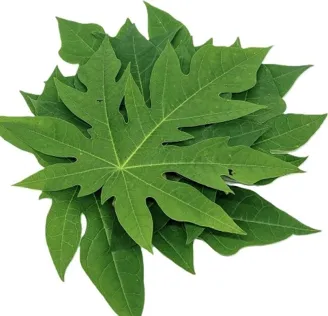
Fig. 1: Papaya Leaf
Geographical Description
Papaya (Carica papaya L.) is believed to have originated in Central America and Southern Mexico. It is now widely cultivated in tropical and subtropical regions throughout the world. Major papaya-growing countries include India, Brazil, Mexico, Indonesia, and Thailand. In India, papaya is commonly cultivated in states such as Maharashtra, Gujarat, Andhra Pradesh, Karnataka, and Tamil Nadu. It grows best in warm climates with temperatures between 21–33°C, well-drained fertile soil, and moderate rainfall. [17]
Morphological Description of Papaya Leaf
Leaves are large, simple, and deeply palmately lobed. Arranged in a spiral pattern at the top of the stem. Leaf blade is 25–75 cm wide with 5–11 deep lobes. Petiole is long, hollow, and green, measuring 30–100 cm in length. Upper surface is dark green, while the lower surface is light green. Leaves contain milky latex, which exudes when cut. Diagnostic Character: Large palmately lobed leaves with a long hollow petiole and milky latex. [10]
Major Phytoconstituents of Papaya Leaf Powder:
|
Phytoconstituents |
Activity/ Importance |
|
Papain |
Proteolytic Enzyme; aids digestion |
|
Chymopapain |
Anti-inflammatory enzyme |
|
Alkaloids |
Cardioprotective and antimicrobial activity |
|
Flavonoids |
Antioxidant activity |
|
Tannins |
Astringent and antimicrobial properties |
|
Saponins |
Immune-enhancing and antimicrobial activity |
|
Glycosides |
Therapeutic activity |
|
Phenolic compounds |
Antioxidant properties |
|
Vitamins A, C, E |
Immunity and antioxidant support |
|
Minerals (Calcium, Magnesium, Potassium) |
Nutritional support |
|
Terpenoids |
Anti-inflammatory activity |
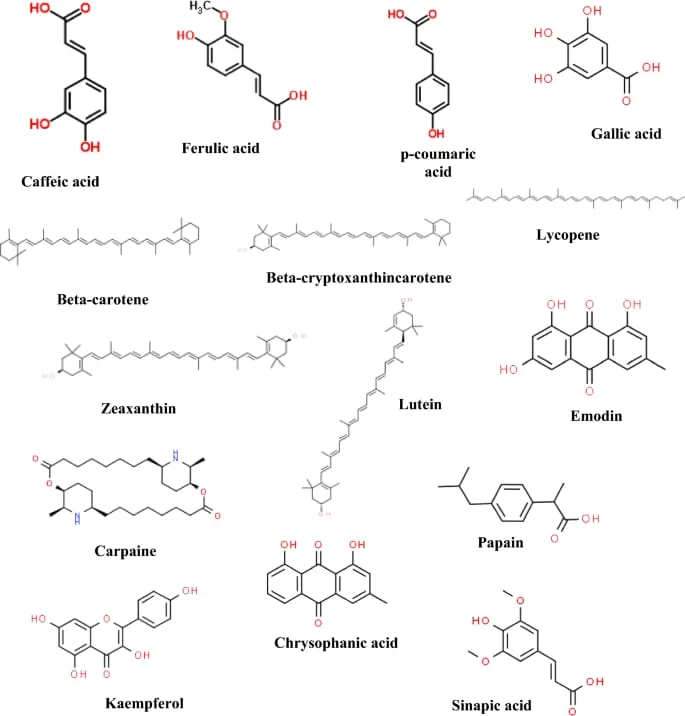
Fig. 2: Chemical Constituents
|
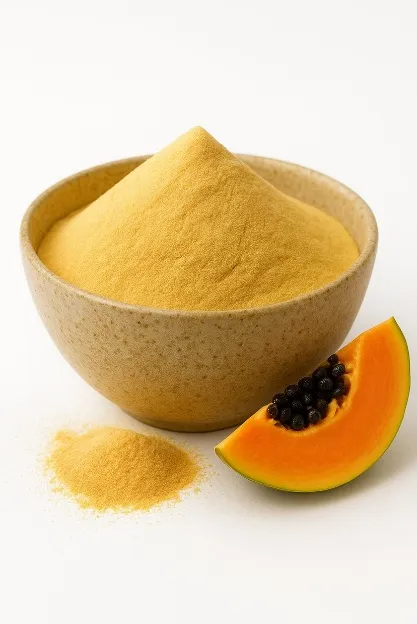
Fig.3: Papaya Fruit Powder |
|
Rank |
Classification |
|
Domain |
Eukaryota |
|
Kingdom |
Plantae |
|
Sub kingdom |
Tracheobionta |
|
Phylum |
Spermatophyta |
|
Subphlyum |
Angiospermae |
|
Infraphylum |
Magnoliophyta |
|
Class |
Magnoliopsida |
|
Subclass |
Dilleniidae |
|
Suborder |
Violance |
|
Order |
Brassicales |
|
Family |
Caricaceae |
|
Subfamily |
Caricoideae |
|
Genus |
Carica |
|
Species |
Carica papaya |
|
Botanical name |
Carica papaya L. |
|
Synonym |
Papaya carica |
Part used
Ripe or unripe fruit
Major Phytoconstituents
I] Papain
II] Chymopapain
III] Carotenoids (β-carotene, lycopene)
IV] Flavonoids
V] Alkaloids
VI] Vitamin C
VII] Vitamin A
VIII] Pectin
IX] Phenolic compounds
|
Fig. 4: Isabgol |
|
Rank |
Classification |
|
Domain |
Eukaryota |
|
Kingdom |
PAntae |
|
Subkingdom |
Traceobionta |
|
Phylum |
Spermatophyta |
|
Subphylum |
Angiospermae |
|
Infraphylum |
Magnoliophyta |
|
Class |
Magnoliopsida |
|
subclass |
Asteridae |
|
Superorder |
Lamianae |
|
order |
Lamiales |
|
Family |
Plantaginaceae |
|
Subfamily |
Plantaginoideae |
|
Genus |
Plantago |
|
Species |
Plantago ovata |
|
Botanical name |
Plantago ovata Forssk |
|
Synonym |
Plantago ispaghula Roxb |
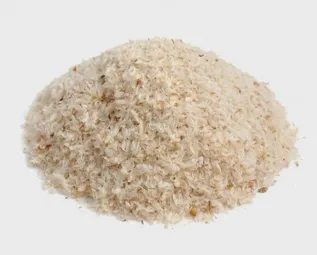
Fig. 4: Isabgol
Part Used
Seeds and seed husk
Major Phytoconstituents
I] Mucilage
II] Hemicellulose
III] Polysaccharides
IV] Fixed oils
V] Proteins
VI] Tannins
VII] Iridoid glycosides (Aucubin)
VIII] Minerals (Potassium, Calcium)
Uses
1] Natural bulk-forming laxative
2] Relieves constipation
3] Supports digestive health
4] Used in Ayurvedic and pharmaceutical formulations such as churna, granules, and powders. [15]
IV] Triphala powder
|
Fig. 5: Triphala Powder |

|
Ingredient |
Botanical Name |
Family |
|
Amla |
Phyllanthus emblica L. (Synonym: Emblica officinalis) |
Phyllanthaceae |
|
Haritaki |
Terminalia chebula Retz. |
Combretaceae |
|
Bibhitaki |
Terminalia bellirica (Gaertn.) Roxb. |
Combretaceae |
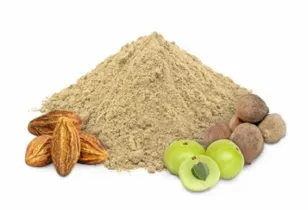
Fig. 5: Triphala Powder
Parts Used
Dried fruits of:
I] Amla
II] Haritaki
III] Bibhitaki
Major Phytoconstituents
I] Gallic acid
II] Ellagic acid
III] Chebulagic acid
IV] Chebulinic acid
V] Tannins
VI] Flavonoids
VII] Polyphenols
VIII] Vitamin C
Therapeutic Uses
1] Digestive tonic
2] Mild laxative
3] Antioxidant
4] Detoxifying agent
5] Immunity enhancer
6] Supports gastrointestinal health and overall wellness. [16]
|
Fig. 6: Cumin seed powder |
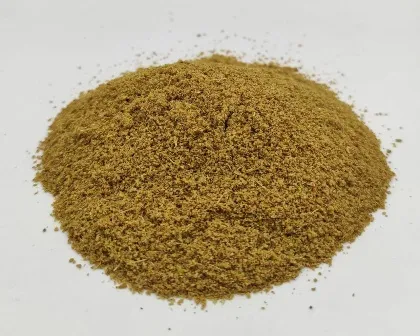
|
Rank |
Classification |
|
kingdom |
Plantae |
|
Division |
Magnoliophyta |
|
Class |
Magnoliopsida |
|
Order |
Apiales |
|
Family |
Apiaceae |
|
Genus |
Cuminum |
|
Species |
Cuminum cyminum |
|
Botanical name |
Cuminum cyminum L. |
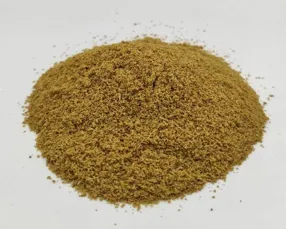
Fig. 6: Cumin seed powder
Common Names
Cumin
Jeera
Cumin Seeds Powder
Part Used
Dried ripe fruits
Major Phytoconstituents
I] Cuminaldehyde
II] Cymene
III] Terpenes
IV] Flavonoids
V] Tannins
VI] Phenolic compounds
Uses
1] Carminative and digestive aid
2] Antioxidant and antimicrobial activity
3] Used in churna, herbal formulations, and food preparations
4] Helps relieve indigestion, flatulence, and abdominal discomfort. [17]
VI] Dry ginger powder
|
Rank |
Classification |
|
Kingdom |
Plantae |
|
Division |
Magnoliophyta |
|
Class |
Liliopsida |
|
Order |
Zingiberales |
|
Family |
Zingiberaceae |
|
Genus |
Zingiber |
|
Species |
Zingiber officinale |
|
Botanical name |
Zingiber officinale Roscoe |
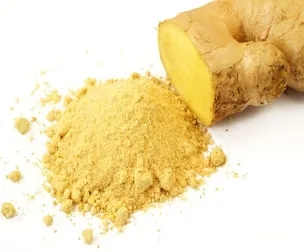
Fig. 7: Dry Ginger Powder
Common Names
Sonth (Hindi)
Sunthi (Ayurveda)
Part Used
Dried rhizome
Major Phytoconstituents
I] Gingerols
II] Shogaols
III] Zingerone
IV] Essential oils (Zingiberene, Bisabolene)
V] Resin
Uses
1] Digestive stimulant and Carminative
2] Anti-inflammatory and Antioxidant
3] Used in Ayurvedic churna and herbal formulations for indigestion, nausea, and common cold. [20]
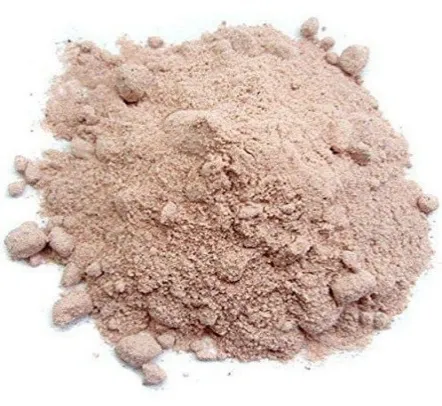
VII] Black Salt
|
Fig.8: Black Salt |
|
Parameter |
Classification |
|
Common name |
Black salt |
|
Type |
Mineral salt |
|
Source |
Natural mineral deposites |
|
Chemical nature |
Sodium chloride with sulfur compounds |
|
Appearance |
Dark brown to black crystalline powder |
|
Taste |
Salty with characteristic sulfurous flavor |
|
Odour |
Sulfur like |
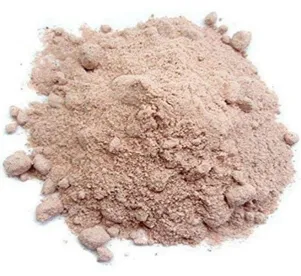
Fig.8: Black Salt
Major Constituents
I] Sodium chloride (NaCl)
II] Sodium sulfate
III] Iron sulfide
IV] Hydrogen sulfide compounds
Pharmaceutical Uses
1] Digestive aid and Carminative
2] Relieves flatulence and indigestion
3] Improves taste and palatability of herbal preparations. [14]
VIII] Sugar powder
|
Rank |
Classification |
|
Kingdom |
Plantae |
|
Division |
Magnoliophyta |
|
Class |
Liliopsida |
|
Order |
Poales |
|
Family |
Poaceae |
|
Genus |
Saccharum |
|
Species |
Saccharum officinarum |
|
Botanical name |
Saccharum officinarum L. |
Common Names
Sugar Powder
Powdered Sugar
Part Used
Purified sugar obtained from sugarcane juice
Major Constituents
I] Sucrose (95–99%)
II] Glucose
III] Fructose
Uses
1] Sweetening agent in pharmaceutical formulations
2] Improves taste and palatability of churna and syrups
3] Used as a diluent and vehicle in herbal preparations
4] Provides quick source of energy. [17]
Collection and Preparation of Crude Drugs:
I]Papaya leaf powder
Papaya Leaves (Carica papaya)

Collection of Leaves

Authentication

Washing (Removal of dust and dirt)

Drying
(Shade drying at room temperature)

Size Reduction
(Cutting into small pieces)

Pulverization
(Grinding into powder)

Sieving
(Uniform particle size)

Papaya Leaf Powder

Storage in Airtigh Container
Formulation Procedure for 50 g Papaya Churna:
Ingredients and Quantity
|
Ingredients |
Quantity |
|
Carica papaya Leaf Powder |
15 g |
|
Papaya Fruit Powder |
10 g |
|
Triphala Powder |
5 g |
|
Isabgol |
5 g |
|
Cumin Seed Powder |
5 g |
|
Dry Ginger Powder |
3 g |
|
Black Salt |
2 g |
|
Sugar Powder |
5 g |
|
Total |
50 g |
Procedure:
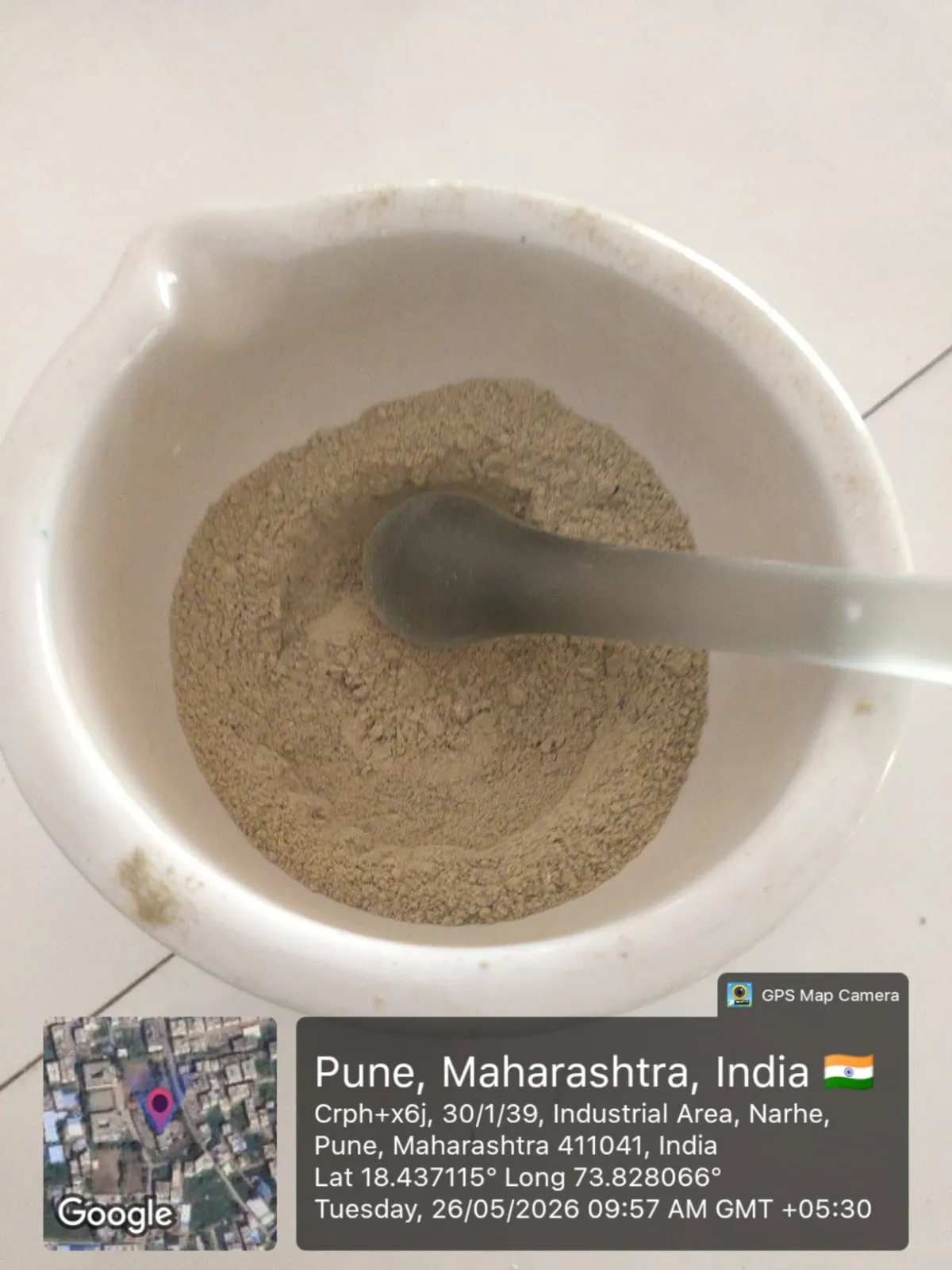
Fig. 9: Formulation of Churna
Evaluation Tests for Papaya Churna
1. Organoleptic Evaluation
The prepared churna was evaluated for:
2. Particle Size
The powder was passed through a suitable sieve to determine uniform particle size.
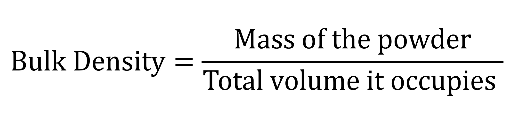
3. Bulk Density
Bulk density was determined by measuring the volume occupied by a known quantity of churna before tapping.
4. Tapped Density
Tapped density was measured after tapping the measuring cylinder until a constant volume was obtained.
5. Angle of Repose
Angle of repose was determined to evaluate the flow property of the churna powder.
6. Moisture Content
Moisture content was determined by drying the sample and calculating loss of moisture.
7. Ash Value
Ash value test was performed to determine the amount of inorganic matter present in the formulation.
8. pH Determination
The pH of the churna solution was measured using a pH meter.
9. Carr’s Index
Carr’s index was calculated to evaluate compressibility and flow characteristics of the powder.
10. Hausner Ratio
Hausner ratio was determined to study the flowability of the prepared churna. [9,15,19]
Evaluation Parameters with Procedure
1. Organoleptic Evaluation
Procedure:
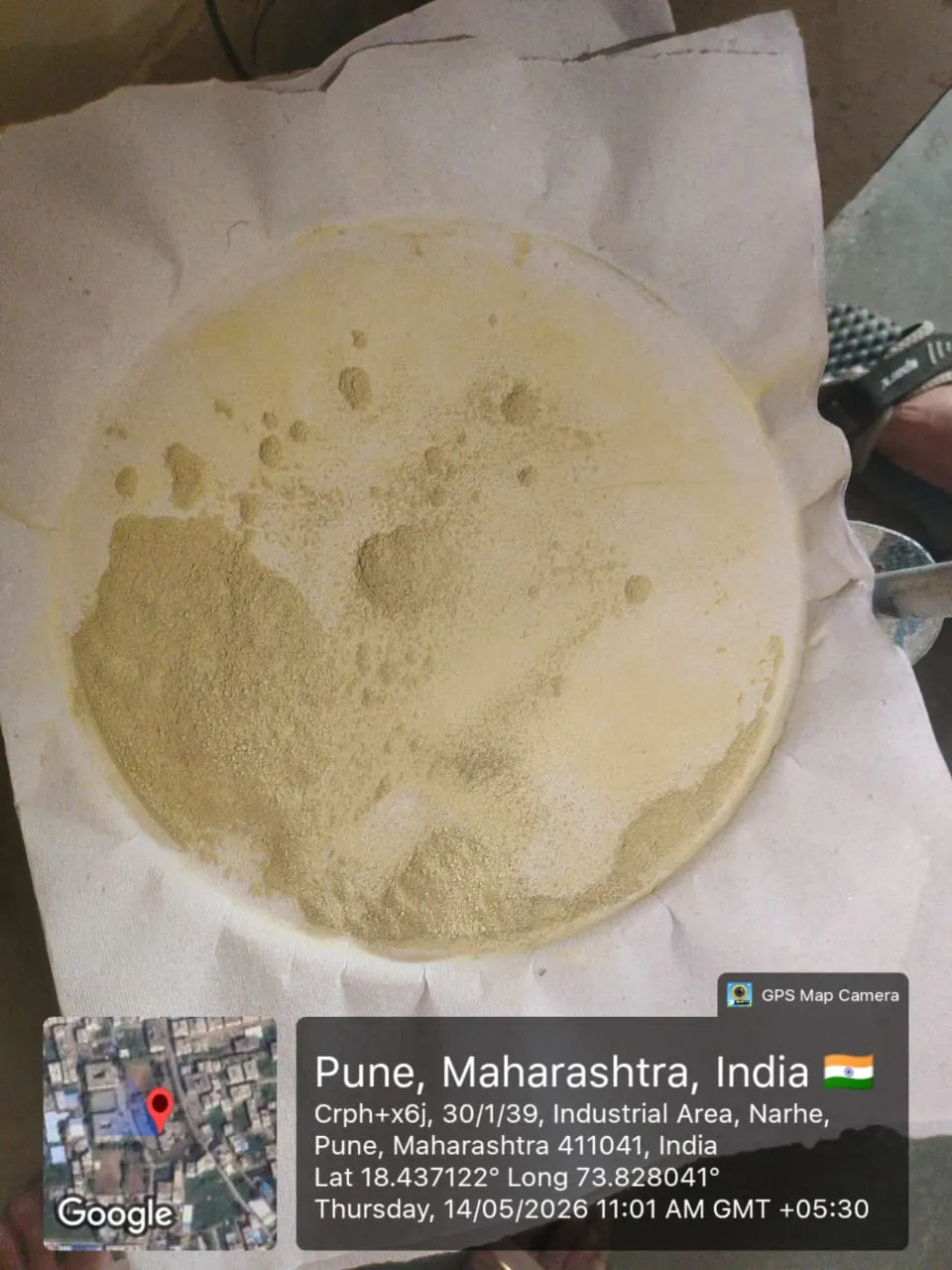
The prepared papaya churna was examined visually and manually for its color, odor, taste, and appearance.
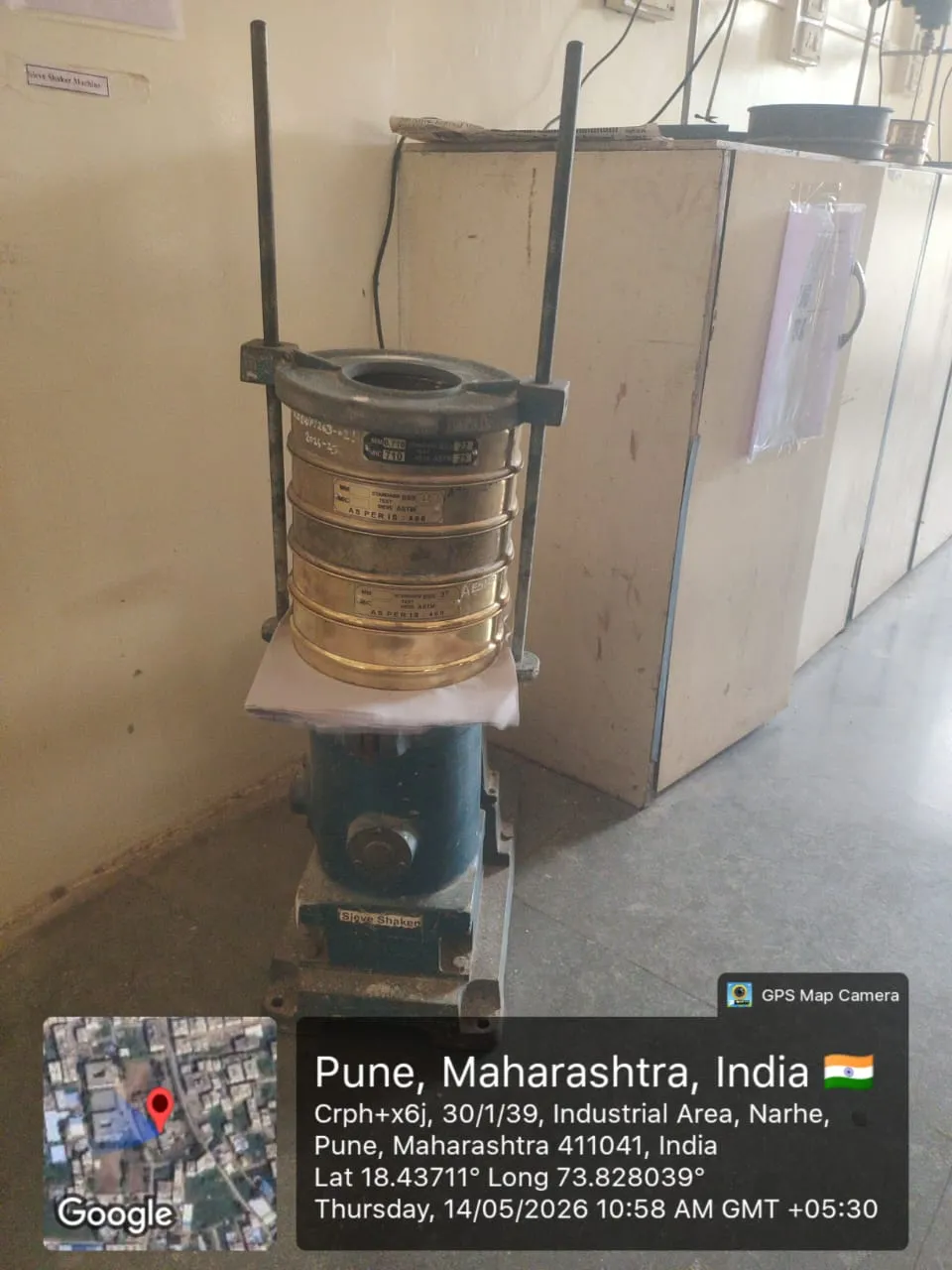
2. Particle Size Determination
Procedure:
The churna powder was passed through a suitable sieve and the particle size uniformity was observed.
|
|
|
Fig. 10: Size Determination
3. Bulk Density
Procedure:
A known quantity of churna was poured into a graduated measuring cylinder without tapping, and the volume occupied was noted.
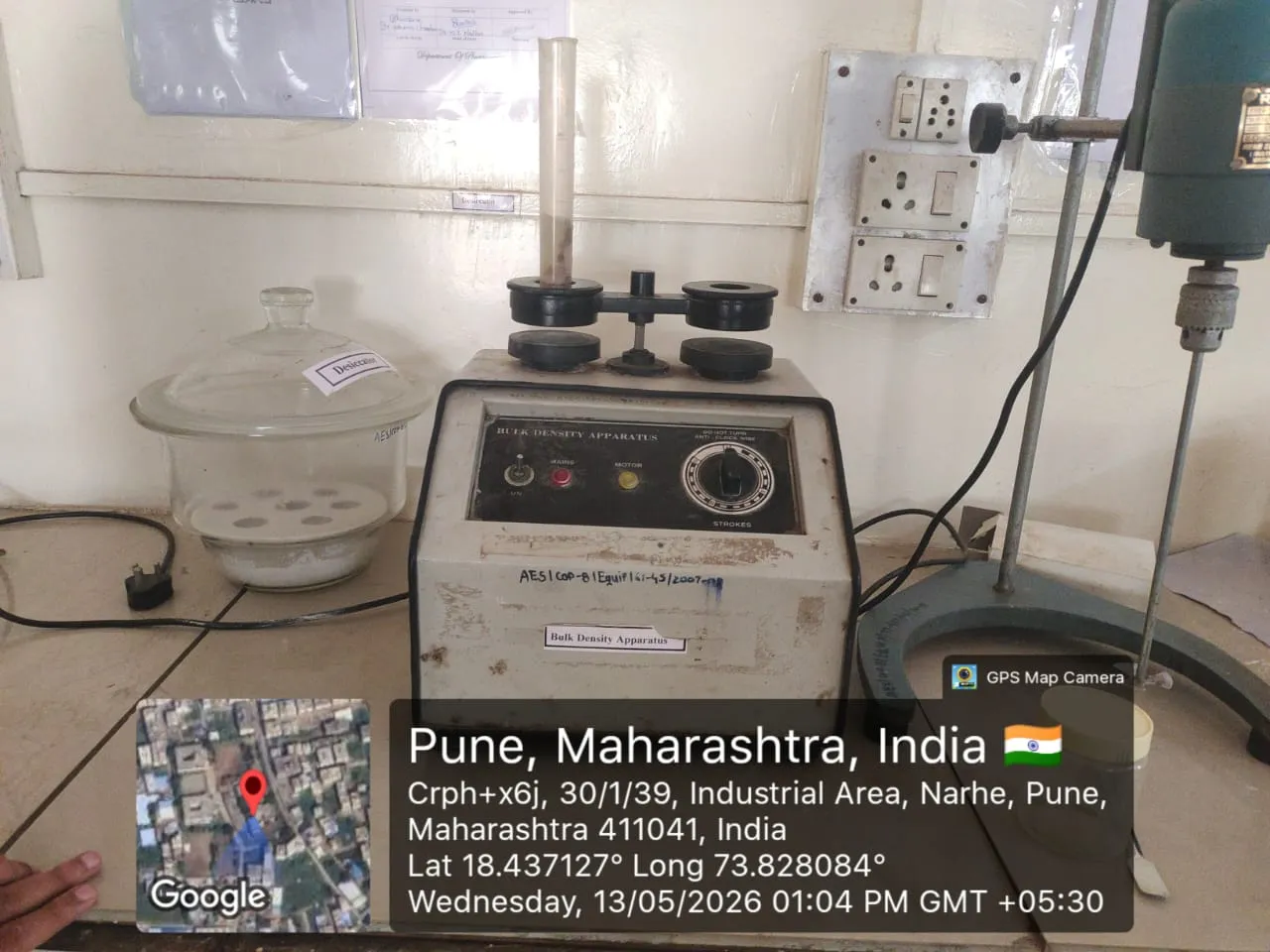
Fig. 11: Bulk Density
4. Tapped Density
Procedure:
The measuring cylinder containing the powder was tapped continuously until constant volume was obtained. The final volume was recorded.
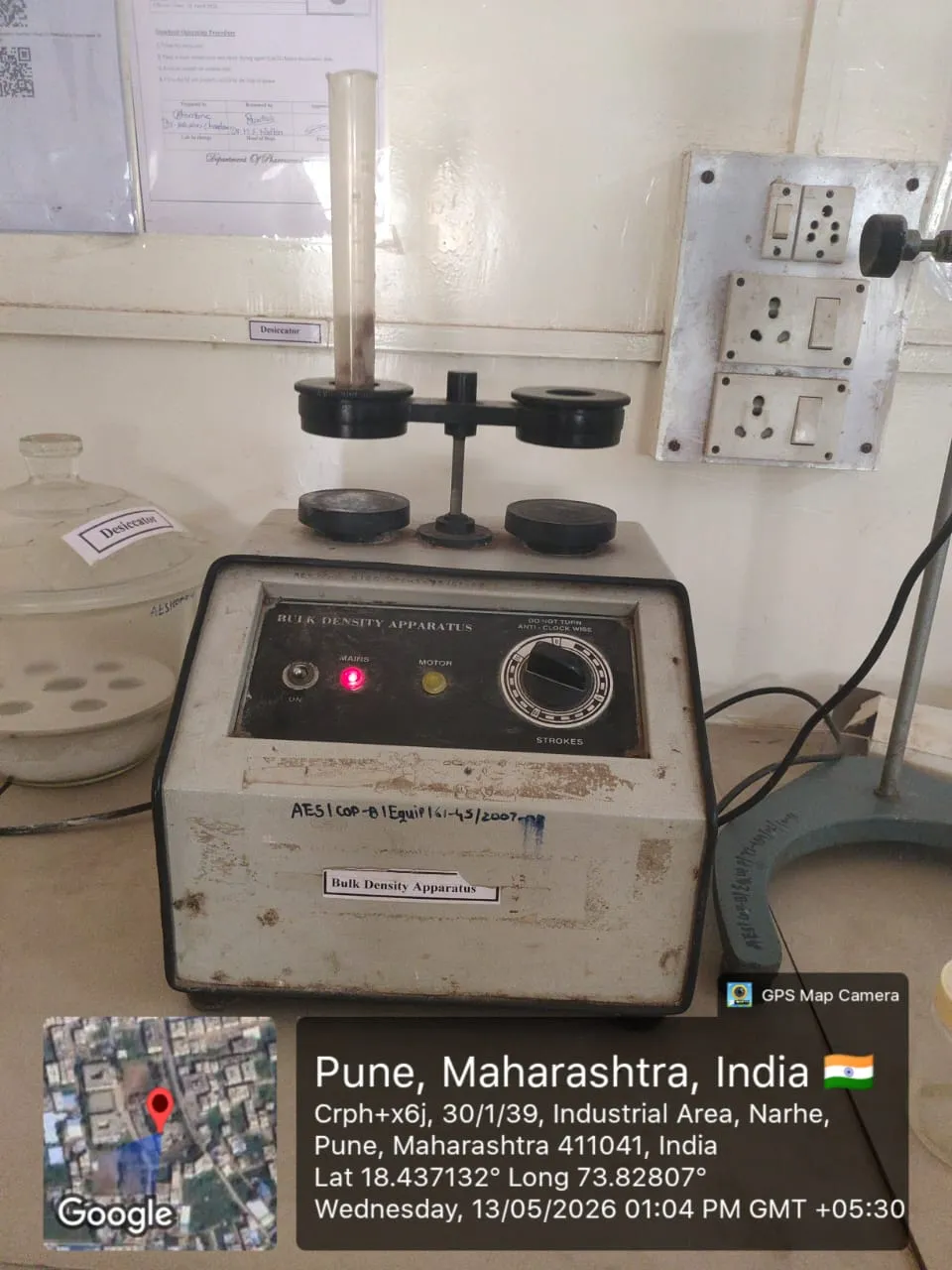
Fig. 12: Tapped Density
Formula:

5. Angle of Repose
Procedure:
The powder was allowed to flow through a funnel to form a cone on a flat surface. The height and radius of the cone were measured.
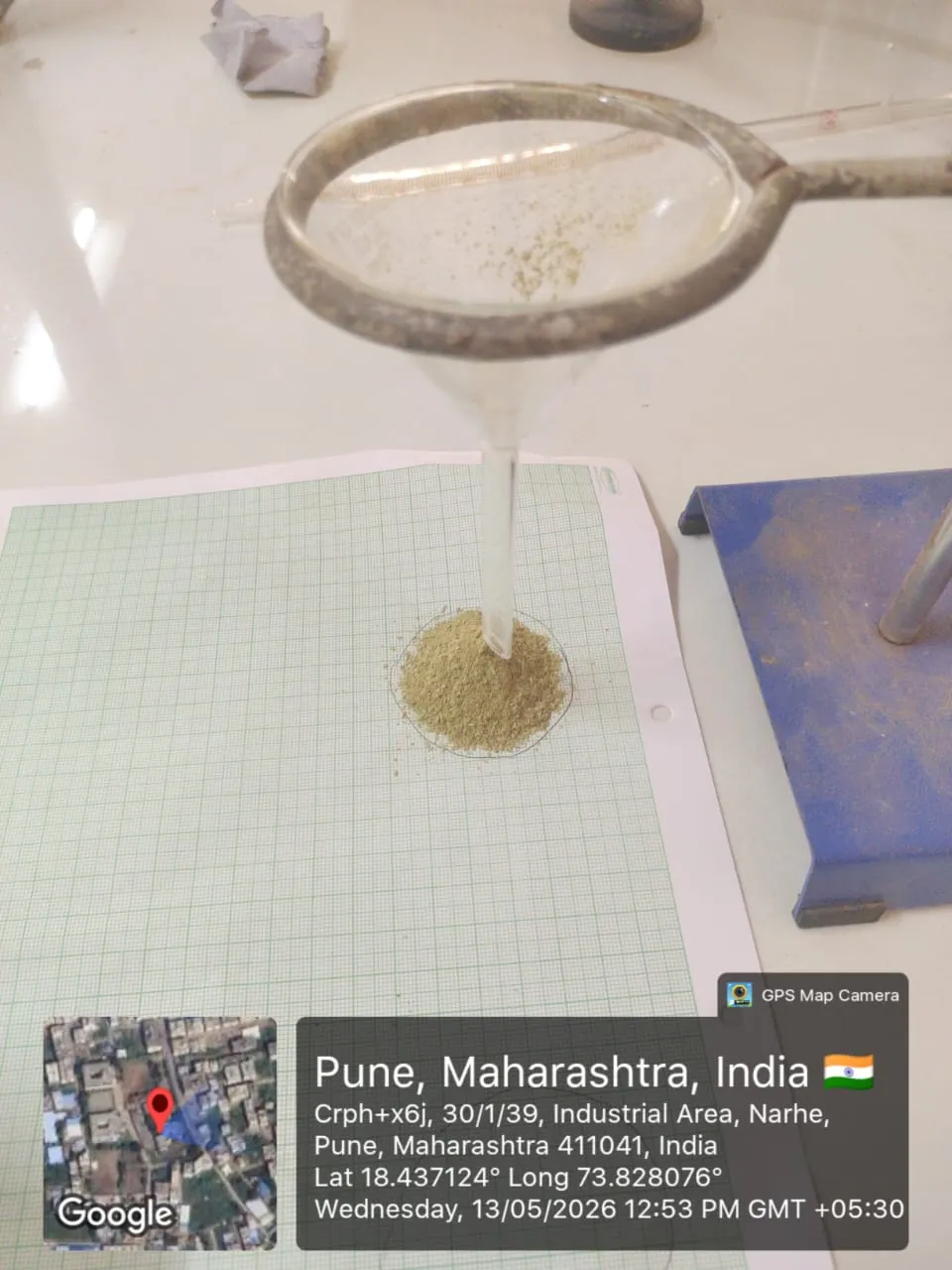
Fig. 13: Angle of repose
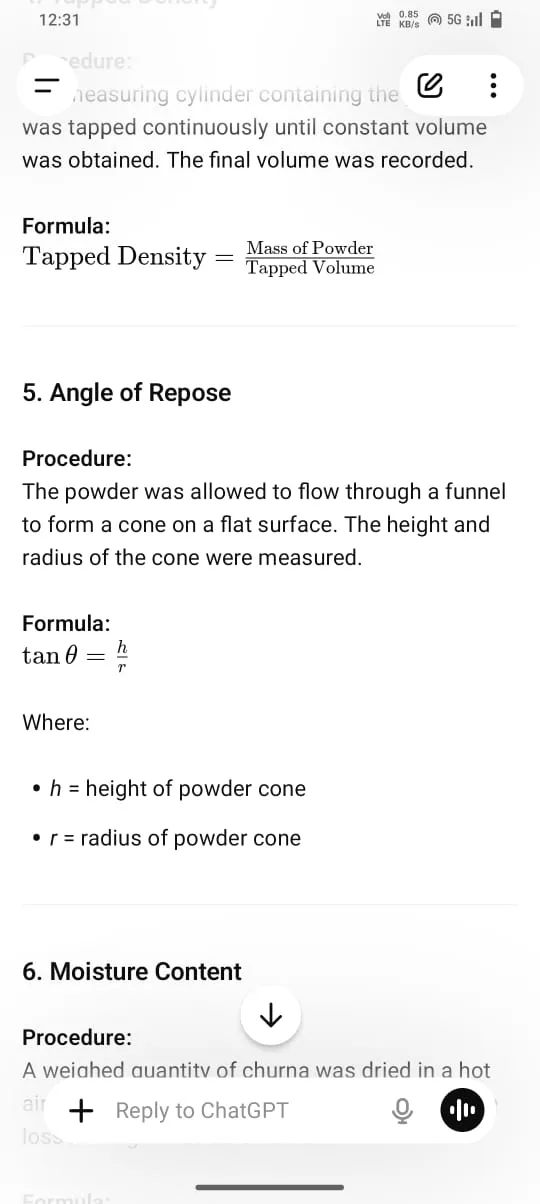
Where:
h = height of powder cone
r = radius of powder cone
6. Moisture Content
Procedure:
A weighed quantity of churna was dried in a hot air oven until constant weight was obtained. The loss in weight was calculated.
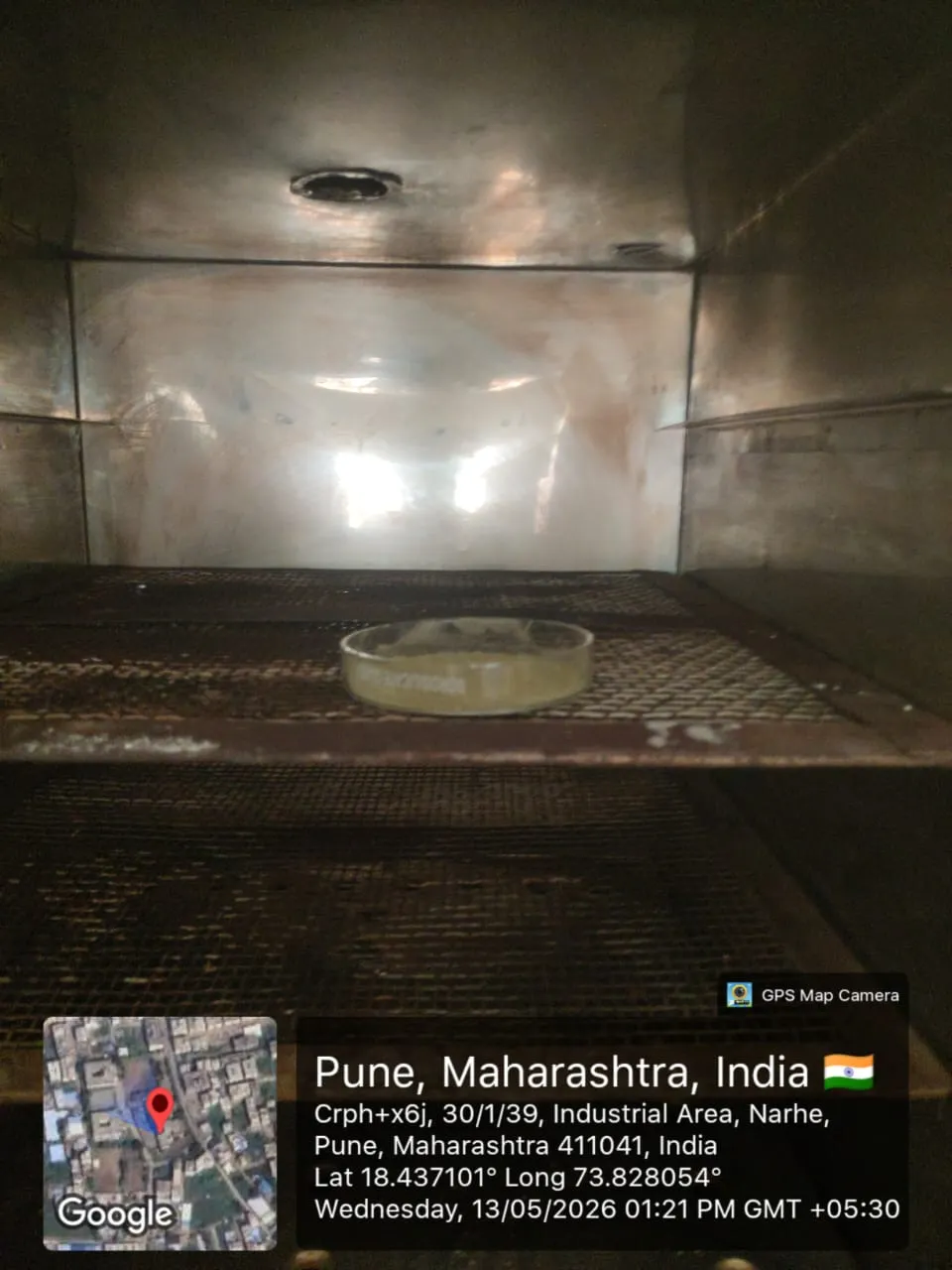
Fig. 14: Moisture content
Formula:

7. Ash Value
Procedure:
A known quantity of churna was incinerated in a silica crucible at high temperature until carbon-free ash was obtained. The ash was weighed.
Fig. 15: Ash Value
Formula:
8. pH Determination
Procedure:
A small quantity of churna was dissolved in distilled water and the pH was measured using a pH meter.
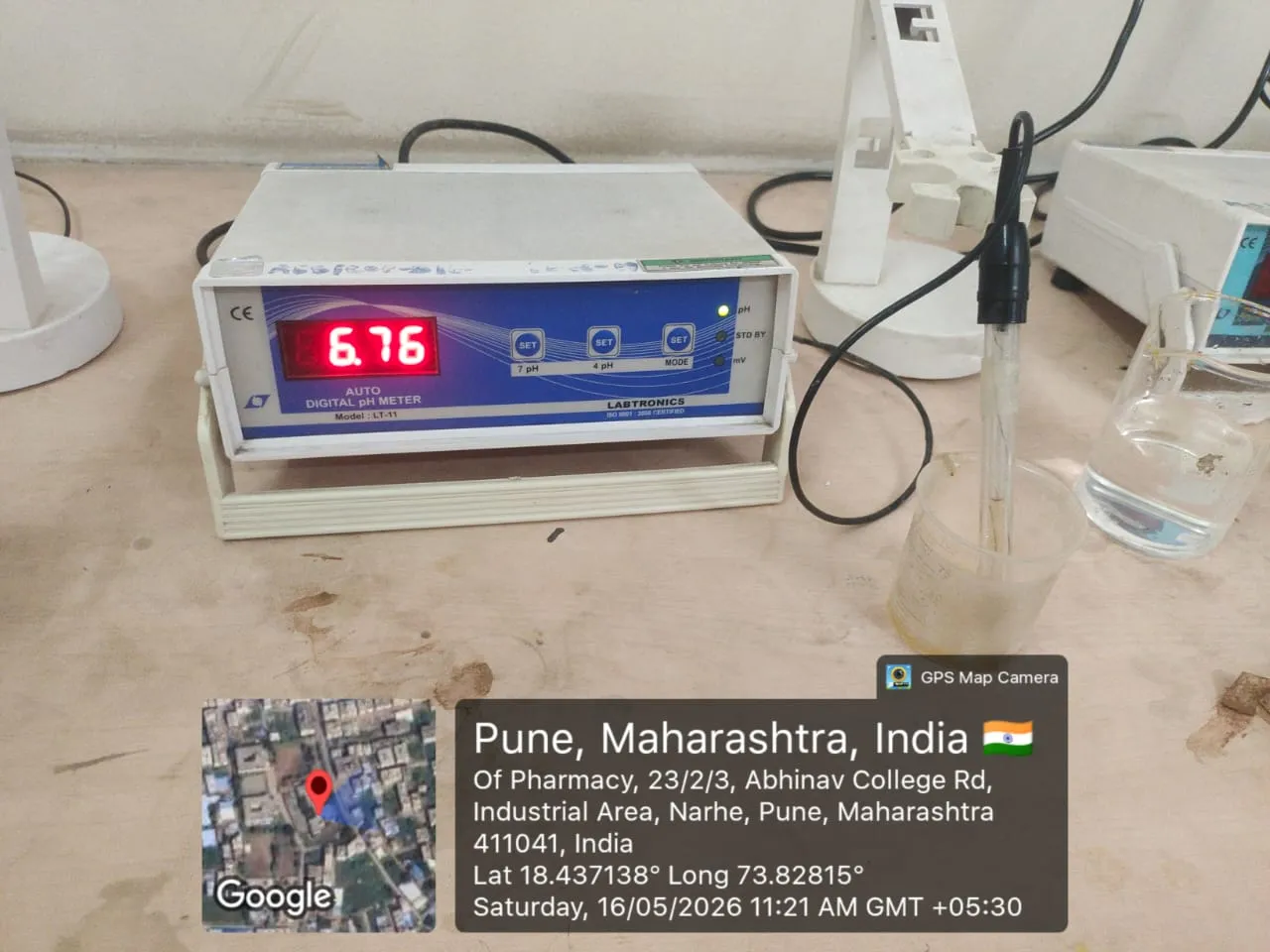
Fig. 16: pH Determination
9. Carr’s Index
Procedure:
Carr’s index was calculated using bulk density and tapped density values.Formula:
10. Hausner Ratio
Procedure:
Hausner ratio was calculated using bulk density and tapped density.
Formula

Observation Table:
|
Parameter |
Observation |
|
Color |
Greenish brown |
|
Odor |
Characteristic |
|
Taste |
Slightly sweet, salty, and pungent |
|
Particle Size |
Uniform |
|
Bulk Density |
1.21g/ml |
|
Tapped Density |
2.31g/ml |
|
Angle of Repose |
37.95° |
|
Moisture Content |
6.5% w/w |
|
Ash Value |
10% w/w |
|
pH |
6.8 |
|
Carr’s Index |
47.61 |
|
Hausner Ratio |
1.90 |
Microbial Limit Test for Herbal Churna
The Microbial Limit Test (MLT) for herbal churna is performed to determine the microbial contamination present in the herbal powder formulation and to ensure its safety and quality according to pharmacopeial standards. Herbal products are more prone to microbial contamination because they contain natural plant materials. [24]
Procedure
1] Weigh 1 g of herbal churna and transfer it into 9 mL sterile diluent.
2] Prepare serial dilutions (10⁻², 10⁻³) using sterile diluent.
3] For Total Aerobic Microbial Count (TAMC), inoculate 1 mL of diluted sample into sterile Petri plates, add nutrient agar, and incubate at 30–35°C for 24–48 hours.
4] For Total Yeast and Mold Count (TYMC), inoculate the sample on Sabouraud Dextrose Agar and incubate at 20–25°C for 5–7 days.
5] Count the colonies and calculate CFU/g.
6] Test for specified pathogens (E. coli, Salmonella, S. aureus, P. aeruginosa) using selective media.
7] Compare the results with pharmacopeial limits and record the observations. [25]
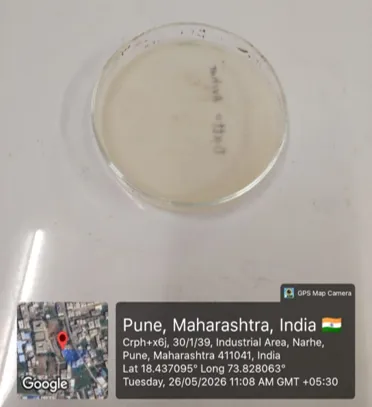
Fig. 17: Microbial Limit test
Result of Microbial Limit Test for Herbal Churna
The prepared herbal churna showed microbial counts within the acceptable limits prescribed by the Indian Pharmacopoeia. No pathogenic microorganisms such as E. coli, Salmonella, Staphylococcus aureus, or Pseudomonas aeruginosa were detected.
Result:
Plant Material Processing and Extraction
The plant materials were successfully processed and standardized for churna preparation.
Formulation of Herbal Churna
A stable and uniform polyherbal papaya churna was successfully formulated. The prepared churn filled into container and stored at room temperature
Evaluation of Herbal Churna
The prepared churna exhibited acceptable physicochemical properties and good flow characteristics, indicating its suitability for oral administration.
Stability Studies
The formulated churna was stored at room temperature (25 ± 2°C) The formulated polyherbal papaya churna was subjected to stability studies by storing it at room temperature for a period of 3 months. The formulation was evaluated periodically for changes in color, odor, taste, pH, and moisture content. No significant changes were observed during the study period, indicating that the churna remained physically and chemically stable under normal storage conditions. This confirms the good stability and shelf-life potential of the formulation.
DISCUSSION
The prepared papaya churna showed satisfactory organoleptic characteristics with acceptable color, odor, and taste. Uniform particle size indicated proper mixing and sieving of ingredients. The bulk density, tapped density, Carr’s index, Hausner ratio, and angle of repose suggested good flow properties of the powder formulation. Moisture content was within acceptable limits, indicating good stability and lower chances of microbial growth. Ash value confirmed the purity of the formulation and presence of inorganic constituents within limits. The pH was found near neutral, making the churna suitable for oral administration. Carica papaya leaf powder, the major ingredient, may help support platelet count and immunity during dengue conditions, while other herbal ingredients contribute digestive, antioxidant, and health-supporting benefits. Overall, the prepared papaya churna showed good quality and acceptable evaluation results.
CONCLUSION
The present study successfully formulated and evaluated papaya churna containing Carica papaya leaf powder, papaya fruit powder, triphala, isabgol, cumin seed powder, dry ginger powder, black salt, and sugar powder. The prepared formulation showed satisfactory physicochemical and organoleptic properties, indicating good quality, stability, and acceptability. The formulation may provide supportive benefits in dengue management by helping to improve immunity and platelet count due to the presence of papaya leaf powder. Other herbal ingredients contribute digestive, antioxidant, and health-promoting activities. The churna dosage form is economical, easy to prepare, convenient to administer, and suitable for herbal health management. Further pharmacological and clinical studies are required to confirm its therapeutic efficacy and safety.
REFERENCES






Varsharani Patil*, Kirti Andewad, Sakshi Jagtap, Mrunali Patil, Sanket Kamble, Kedar Kale, Formulation & Evaluation of Polyherbal Papaya Churna for Supportive Management of Dengue, Int. J. of Pharm. Sci., 2026, Vol 4, Issue 6, 4375-4393. https://doi.org/10.5281/zenodo.20736135
 10.5281/zenodo.20736135