

We use cookies to ensure our website works properly and to personalise your experience. Cookies policy
1Department of Pharmacology Acharya & BM Reddy College of Pharmacy, Acharya Dr. Sarvepalli Radhakrishna Road Achit Nagar (Post), Soldevanahalli Bengaluru, India.
Background: Garcinol, a polyisoprenylated benzophenone predominantly derived from Garcinia indica, has gained significant attention due to its wide-ranging pharmacological activities. Traditionally used in Ayurvedic medicine, garcinol exhibits potent antioxidant, anti-inflammatory, antimicrobial, and anticancer properties. Its multitarget potential makes it an emerging candidate for preclinical drug development. Methods: A systematic survey of the literature was performed across PubMed, Scopus, Web of Science, and Google Scholar up to August 2025. Studies were selected based on predefined inclusion criteria encompassing in vitro and in vivo preclinical evaluations of garcinol. Data were extracted regarding disease model, dose, route of administration, pharmacological outcomes, toxicity, and underlying molecular mechanisms. Results: Garcinol demonstrated consistent anti-cancer effects across multiple malignancies including breast, colon, prostate, pancreatic, and lung cancers. Mechanistically, it inhibits NF-?B, STAT3, and histone acetyltransferases, while promoting apoptosis, cell cycle arrest, and mesenchymal-to-epithelial transition in tumor cells. Its antioxidant and anti-inflammatory activities are mediated through suppression of reactive oxygen species, COX-2, and pro-inflammatory cytokines. Beyond oncology, garcinol shows promise in neuroprotection, cardiovascular modulation, antimicrobial defense, and anti-ulcer activity. Preclinical pharmacokinetic studies reveal moderate oral bioavailability, high tissue distribution, and minimal hepatic first-pass metabolism, though limited aqueous solubility remains a barrier. Toxicity profiles in rodents indicate high tolerability with no significant adverse effects. Emerging nanotechnology-based formulations including PLGA, gold nanoconjugates, and protein nanocarriers substantially improve solubility, stability, and therapeutic efficacy. Conclusion: Preclinical evidence positions garcinol as a multitargeted natural compound with broad therapeutic potential and favorable safety. However, translation to clinical application requires addressing formulation challenges, establishing human pharmacokinetics, and conducting well-designed clinical trials.
Polyisoprenylated benzophenones are biologically dynamic natural products principally exposed in plants of the Clusiaceae family. These small molecules have numerous biological activities, including anti-inflammation and cytotoxicity towards cancer cells.[1] The anti-inflammatory mechanisms of polyisoprenylated benzophenones suggest that they target the TLR/IRAK-1 pathway to inhibit downstream NF-κB and Akt/mTOR pathways, inhibit lipoxygenase enzyme activity and suppress nitric oxide production in LPS-stimulated RAW 264.7 macrophages. [2-4]
Benzophenones are structurally characterized as diphenylmethanone, but one or more hydrogen atoms from the phenolic groups have been substituted with hydroxyl, alkyl, alkyloxy groups, or halogen.[5 These compounds are a basis of significant interest in drug development and have been utilized as treatments for cancer, inflammation, antibacterial, and antiparasitic compounds. The demand for original and more effective treatments has led to research into the newly coined polyisoprenylated benzophenones.[6]
Functionally, these benzophenones are important intermediates in the xanthone biosynthesis pathway, a class of bioactive compounds that have mainly been reported in the Clusiaceae family of plants.[7] Their relative scarcity, aside from this botanical group, illustrates their unique biochemical function. Also, studies show that benzophenones can bind to tubulin inhibiting microtubule disassembly during cell division, parallel to paclitaxel but not as potent; and a number of studies have shown that benzophenones activate caspase-3 activity and induce apoptosis. Proposed mechanisms include:
1.1 Garcinol: Discovery, Structural Features, and Multifaceted Bioactivity
1.1.1 Discovery and Traditional Use
Garcinol, a polyisoprenylated benzophenone, is a plant compound that originates from the fruit rinds of Garcinia indica (kokum) and other related species. The solvent (fruit rinds) has been used for a long time by traditional cultures in tropical areas (especially ancient and modern uses in Ayurvedic medicine) to treat a variety of ailments, including dermatitis, diarrhea, and digestive problems.[9][10] The compound gained scientific consideration due to its potential biological properties, which have only recently been clarified in detail.[9][11]
1.1.2 Chemical Structure and Analysis
Garcinol has the molecular formula C38H50O6 and is classified as a polyisoprenylated benzophenone. Its molecular weight, as measured by QTOF LC-ESI-MS/MS analysis, is roughly 603.37 g/mol.[12] The compound's structure includes a benzophenone core with isoprenyl side chains, which contribute to its hydrophobicity and biological activity.[13][14] Its pleiotropic actions and interaction with cellular targets depend on the presence of these isoprenyl groups.[9][15]
1.1.3 Bioactivity and Mechanisms
Garcinol has a multitude of bioactivities reported in the literature including, but not limited to, antioxidant, anti-inflammatory, anti-cancer, and antimicrobial. Importantly, its antioxidant activity has been documented and garcinol has been shown to clear free radicals and prevent oxidative stress to living tissues. [9][10] The racemic compound's anti-cancer properties are thought to modulate many key regulatory pathways including but not limited to the inhibition of nuclear factor-κB (NF-κB), signal transducer and activator of transcription 3 (STAT3), and histone acetyltransferases (HATs).[15][16] Garcinol negatively regulates apoptosis, cellular cycle, and cellular replication in many cell lines including breast, colon, and prostate cancer cells.[12][16] In addition to the functional mechanisms of its anti-cancer properties, garcinol has anti-inflammatory properties by inhibiting the activity of 5-lipoxygenase (5-LOX) and cyclooxygenase-2 (COX-2) which are key enzymes often quoted for their role in inflammatory response.[13][15] Garcinol is stated having anti-microbial properties demonstrated towards pathogenic bacteria and parasites, further suggesting its functional role as a multi-target therapeutic agent.[13]
1.2 Mechanisms of Action
The mechanisms underlying garcinol's bioactivity are diverse and involve multiple cellular pathways. Key mechanisms include:
|
Pharmacological Activity |
Mechanism of action |
Key Molecular Targets |
Scientific Evidence |
|
Antioxidant Activity [9][11] |
Scavenges free radicals-Protects against oxidative stress |
Superoxide anion, Hydroxyl radicals, DPPH radicals |
Garcinol exhibits significant antioxidant activity, comparable to DL-α tocopherol,by neutralizing various free radicals. |
|
Anti-Cancer Effects [12][16] |
Induces apoptosis- Arrests cell cycle progression,Modulates oncogenic signaling pathways |
NF-κB, STAT3, PI3K/Akt pathways |
Studies demonstrate that Garcinol induces apoptosis and cell cycle arrest in cancer cells by downregulating COX-2 and NF-κB. |
|
Anti-Inflammatory Effects [13][15] |
Inhibits pro-inflammatory enzymes and Suppresses cytokine production |
COX-2, Interleukin-6 (IL-6), TNF-α |
Garcinol reduces the production of pro-inflammatory cytokines and mediators, including IL-6 and COX-2, in activated macrophages. |
|
Epigenetic Regulation [17] |
Inhibits histone acetyltransferases (HATs), Modulates gene expression |
p300, PCAF, miRNAs |
Garcinol acts as a natural HAT inhibitor, leading to chromatin remodelling and regulation of gene expression. |
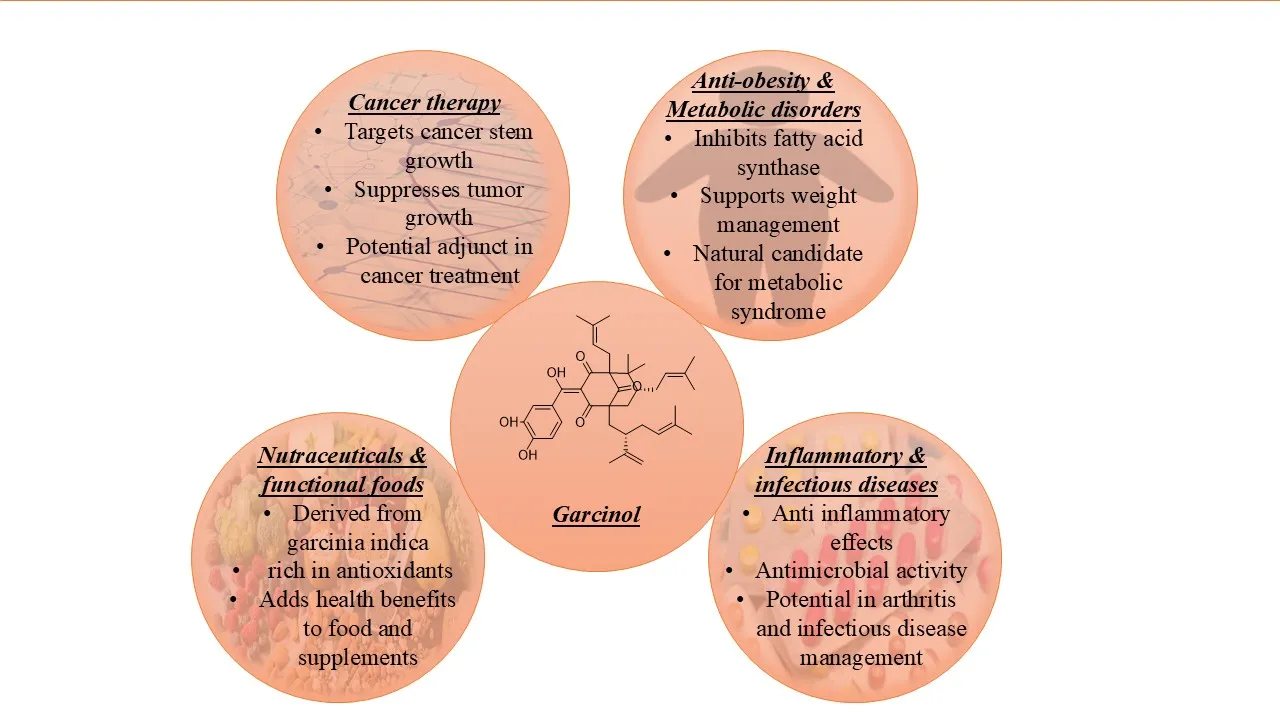
Figure 1. Potential applications in medicine and industry [10][13][14][15][18][19][20]
1.3 Pharmacokinetics and Delivery Systems
Researchers have newly studied the pharmacokinetics and biodistribution of garcinol in order to enhance its therapeutic use. Garcinol has moderate bioavailability and metabolic stability, as a large part escapes hepatic first-pass metabolism [21]. To further enhance its therapeutic efficacy, researchers have attempted different delivery systems, including a new delivery system based on bovine serum albumin (BSA)-based nanocarriers which enhances garcinol's solubility and prolonged release kinetics [22]
1.4 Natural Products in Preclinical Research
Objectives: To systematically summarize and critically evaluate all reported preclinical studies involving Garcinol, covering multiple therapeutic categories, mechanisms, models, and translational implications.
2. Methodology
2.1 Literature Search Strategy
A comprehensive literature search was performed to identify all relevant studies investigating the preclinical pharmacology of garcinol. The following electronic databases were systematically searched: PubMed, Scopus, Web of Science, and Google Scholar, covering all available records up to 2024. The search strategy incorporated a combination of keywords and Boolean operators, including: “Garcinol,” “preclinical,” “in vivo,” “animal models,” “mechanism,” and “pharmacology.” To enhance coverage, reference lists of retrieved articles and relevant reviews were also manually screened.
2.2 Inclusion and Exclusion Criteria
Studies were eligible for inclusion if they met the following criteria:
Aarticles reporting either in vitro or in vivo preclinical studies.
Exclusion criteria included:
Studies without sufficient mechanistic or pharmacological data.
2.3 Data Extraction and Management
Data from eligible studies were independently extracted by [insert researcher initials or “two reviewers” if being written like a systematic review] using a pre-designed data extraction form. Extracted information included:
2.4 Study Selection Process
Titles and abstracts were screened for relevance, followed by full-text evaluation of potentially eligible studies. Any discrepancies during selection or data extraction were resolved through discussion and consensus among reviewers.
3. Pharmacological and Chemical Overview of Garcinol
1.Source and chemical structure
Garcinol is a polyisoprenylated benzophenone most commonly isolated from the dried rind of Garcinia indica, the tropical fruit of the Garcinia tree distributed in Southeast Asia and Central Africa.[14][33][34] The garcinol structure is encompassed of a phenolic catechol group and three beta-diketone groups, which are mainly responsible for its marked antioxidant and anti-inflammatory activities. Its exclusive structure allows garcinol to display a variety of biological activities, including anticancer and antithrombotic activity. Garcinol is an integrin αIIbβ3 inhibitor that is hepatoprotective against non-steroidal anti-inflammatory drugs and aspirin, and shows inhibition of platelet aggregation and thrombus formation without prolongation of bleeding time, indicating its development as a new generation of antithrombotic agent.[33] Additionally, in non-small cell lung cancer, garcinol target cancer stem cells through induction of cellular senescence, apoptosis, and cell cycle arrest.[14] In breast cancer research, garcinol is an acetyltransferase inhibitor that inhibits estrogen-induced proliferation, and promotes apoptosis in MCF-7 cells via effects on acetylation and modulation of the NF-κB pathway.[34] Overall, the variety of bioactivities potentially indicates garcinol's place as a therapeutic agent in many areas of medicine.
3.2 Key physicochemical properties
Garcinol is a polyisoprenylated benzophenone extracted from Garcinia indica, that shows good pharmacological properties with both anticancer and anti-inflammatory effects. Furthermore, it is characterized by many physicochemical properties, including its extreme insolubility in water, which complicates translational application of Garcinol in the clinical setting. However, new formulations, such as PLGA nanoparticles, have been developed to minimize the effects of this insolubility and increase bioavailability and activity.[35][36] Garcinol’s biological activity is mainly associated with its effects as an antioxidant, which has been widely studied, and used in traditional medicine for use in many conditions for thousands of years.[9] Several anti-cancer properties of Garcinol in various cancers, such as colon, breast, prostate, head and neck cancers, and hepatocellular carcinomas have been shown. The mechanism of action of Garcinol inhibits cellular activity by altering transcription factors NF-κB and JAK/STAT3 regulation in tumor cells, thereby inhibiting the growth of populations of malignant cells. However, even though Garcinol has shown promise as a clinically relevant anti-cancer agent, its translational submission remains in pre-clinical trials as it is limited by an inability to definitely evaluate pharmacological parameters; [16] Furthermore, it is also a histone acetyl transferase inhibitor, which can have effects on epigenetic regulation and shows great promise against breast and pancreatic cancer.[37] The ongoing research into garcinol's precise metabolic mechanism underscores its potential significance in the field of natural therapeutic agents.[16]
3.3 Preclinical ADME Profile
3.3.1 Stability
Garcinol also showed a medium level of metabolic stability in human liver microsomes (HLM), with an observed half-life of about 39 minutes and intrinsic clearance (CLint) of 33.94 µL/min/mg microsomal protein. It can be characterized as medium clearance drug and is close to the high clearance category. Because of this, we can conclude that garcinol will require better stability to reach steady blood concentrations over an extensive time period. Stability can be improved via chemical modifications (deuteriation, halogens/isosteric groups).[21]
3.3.2 Solubility
Garcinol is hydrophobic and nearly insoluble in aqueous solutions but freely soluble in organic solvents, including methanol and acetonitrile. In addition, we identified acetonitrile with 0.1% formic acid as the ideal solvent for chromatographic analysis due to its sensitivity and resolution.[21]
3.3.3 Metabolism
Although garcinol is exposed to limited hepatic first-pass metabolism, out of the total dose 94% was released into systemic circulation. The metabolism of garcinol occurs via HLM and follows first order kinetics and we assessed the metabolic stability using a logarithmic linear plot and first order rate equation approach arriving at similar conclusions. The lipophilicity of the drug (logP = 6.85) contributes to the high volume of distribution and suggests partitioning into the lipid bilayers and intracellular organelles. Overall garcinol is likely to have promising pharmacokinetic properties for future development as an anticancer agent.[21]
3.4 Safety evaluations
The toxicity profile of Garcinol from Garcinia indica was assessed through acute, sub-acute, sub-chronic, and reproductive/developmental toxicity studies in experimental rodents. Notable results are:
3.5 Delivery systems used in preclinical studies
In preclinical studies, various delivery systems for garcinol, a potential anticancer agent, have been developed mainly with nanoparticle formulations. One study adopted an approach that utilized hyaluronic acid (HA) and poly(lactic-co-glycolic acid) (PLGA) to develop HA-coated garcinol-loaded nanoparticles (HA-GA-NPs). The HA-GA-NPs not only enhanced the antiproliferative effects of garcinol in breast cancer stem cells under hypoxic conditions, but were able to improve cellular uptake through receptor-mediated endocytosis.[39] One study adopted an iRGD peptide-conjugated.
biodegradable nanoparticles formulation, which significantly improved the cytotoxic effects of garcinol against colorectal carcinoma cells, as evidenced by a 2.3-fold change in IC50 values of garcinol when compared with free garcinol.[40] Next, PLGA nanoparticles that were loaded with garcinol and emulsified with vitamin E TPGS exhibited significant in vitro cytotoxicity in multiple cancer cell lines, while also exhibiting targeted tumor uptake in vivo.[36] There is a great potential for using nanoparticles to enhance the anticancer efficacy for garcinol. These studies can demonstrate that targeting nanocarriers may play a large role in improving the efficacy of drug delivery in cancer therapies.
4.Preclinical Studies by Therapeutic Area
Oncology is an important area of therapeutic research which comprises the study, diagnosis, treatment and prevention of cancer. Cancer is one of the leading causes of death around the world, and therefore a very active area of research and drug development. Garcinol, which is a polyisoprenylated benzophenone derivative, has become of interest in medicinal chemistry and cancer research because of its reported anti-oxidative, anti-inflammatory and anti-cancer activities [16][41]. Several in vitro and in vivo studies highlight the potential of Garcinol against a variety of cancers including breast, colon, pancreatic, leukemia and glioma [42]
4.1 Summary of In Vitro Studies Investigating Garcinol in Cancer
|
Cancer Type |
Cell line used |
Key Findings |
Molecular Mechanisms |
Combination Therapy |
Reference |
|
Breast Cancer |
MCF-7 human breast cancer cell line |
|
|
Not tested |
[34] |
|
Breast Cancer |
Triple-negative breast cancer cell lines: MDA-MB-231 and BT-549 |
|
|
Not tested |
[43] |
|
Breast Cancer |
Breast cancer stem cells (bCSCs) of MDA-MB-231 cells; hypoxic conditions |
HA-coated garcinol-loaded nanoparticles (HA-GA-NPs) showed superior antiproliferative effects, enhanced cellular uptake, and induced apoptosis more effectively than free garcinol or uncoated NPs. |
Significant downregulation of hypoxia-inducible factors (HIF-1α, HIF-2α) and notch pathway genes (DLL1, Jagged1); activation of caspase-3/7-dependent apoptosis |
Not tested |
[39] |
|
Breast Cancer |
MDA-MB-231 breast cancer cells (ER-); MCF-10A normal breast epithelial cells |
Garcinol inhibited nicotine-induced proliferation of MDA-MB-231 cells in a dose-dependent manner; no cytotoxicity to normal MCF-10A cells |
|
Not tested |
[44] |
|
Breast Cancer |
MDA-MB-231, MCF-7 (breast cancer) |
Garcinol inhibited proliferation and induced apoptosis |
|
Not tested |
[42] |
|
Breast Cancer |
4T1 murine breast cancer cells |
Garcinol sensitized 4T1 cells to Taxol, enhancing antitumor and anti-metastasis effects |
|
|
[45] |
|
Oral Cancer |
Oral squamous cell carcinoma (OSCC) cell lines: SCC-4, SCC-9, SCC-25 |
|
|
Not tested |
[44] |
|
Oral Cancer |
Oral squamous cell carcinoma (OSCC) cell line: SCC-25 |
8-Allyl garcinol significantly reduced cell viability and clonogenicity in SCC-25 cells in a dose-dependent manner. |
|
Not tested |
[46] |
|
Lung Cancer |
A549, H1299, H460, H1650, H358, HCC827, H441.
|
|
|
Not tested |
[16] |
|
Colon Cancer |
HT-29 human colon cancer cells |
Garcinol exhibits anti-proliferative, anti-angiogenic, anti-migratory, and pro-apoptotic effects on HT-29 cells.
|
|
Not tested |
[47] |
|
Pancreatic cancer |
BxPC-3, PANC-1, PaCa
|
Garcinol inhibits proliferation and induces apoptosis effectively.
|
|
|
[48],[49] |
|
Prostate cancer |
LNCaP, C4-2B, PC3 |
Garcinol inhibits cell growth and induces apoptosis in a dose-dependent manner.
|
Down-regulation of NF-κB signaling and its target genes (Bcl-2, Bcl-xL); caspase-3 activation. |
Not tested |
[49] |
|
Leukaemia |
HL-60, NB4, U937, K562
|
Garcinol exhibits growth inhibitory effects, induces apoptosis, and disrupts mitochondrial membrane potential.
|
|
Not tested |
[42] |
|
Glioma |
C6 (rat glioblastoma) |
Garcinol inhibited cell viability, induced apoptosis, and was non-toxic to normal cells |
|
Not tested |
[50] |
5 Summary of In Vivo Studies Investigating Garcinol in Cancer
|
Cancer Type |
Model Used |
In Vivo System |
Key Findings |
Molecular Mechanisms |
Combination Therapy |
Reference |
|
Breast Cancer (TNBC)
|
MDA-MB-231 |
Xenograft in SCID mice |
|
|
Not tested |
[43] |
|
Breast Cancer (TNBC) |
MDA-MB-231 |
SCID mice (female, ICR) |
|
|
Not tested |
[43] |
|
Breast Cancer (TNBC murine breast cancer cells) |
4T1 |
Orthotopic model in BALB/c mice |
|
|
Taxol (5 mg/kg i.p. + 1 mg/kg garcinol oral) — synergistic effect (CI < 1) |
[45] |
|
Lung Cancer |
Human NSCLC cell lines A549 and H441 |
Immunodeficient NOD/SCID mice |
|
|
STAT3-siRNA + garcinol:
|
[52] |
|
Tongue Squamous Cell Carcinoma |
4-NQO-induced carcinogenesis
|
Fischer 344 rats |
|
Garcinol suppressed
|
Not tested |
[53] |
|
Prostate Cancer |
Human prostate cancer cell line PC-3 |
Nude mice xenograft model |
Garcinol treatment led to over 80% tumor reduction in volume; apoptosis was significantly induced in tumor tissues. |
|
Not tested |
[54] |
|
Colorectal Cancer |
Human colorectal cancer cell lines (HCT116, SW480) |
Nude mice xenograft model |
Garcinol significantly inhibited tumor growth and tumor weight in vivo in a dose-dependent manner without noticeable toxicity. |
Garcinol inhibited the Wnt/β-catenin pathway by:
|
Not tested |
[40] |
6. Safety, Pharmacokinetics, and Delivery Challenges
6.1 Safety Profile and Toxicity Studies
6.1.1 Comprehensive Toxicity Assessment in Rodents
The safety profile of garcinol has been thoroughly assessed through repeated toxicity studies according to OECD guidelines.[55] Acute toxicity studies in female Wistar rats showed virtually no toxicity, with no observed abnormal clinical signs, abnormal behavior, or mortality in Wistar rates given 2000 mg/kg doses during the 14-day observations.[55]
The 28-day repeated dose toxicity study tested garcinol for repeated dosing in Wistar rats at 20, 50, and 100 mg/kg/day.[55] All rats had no visible clinical signs of toxicity, had no evidence of mortality, and did not show changes in weight gain, haematological parameters or markers, or biochemical markers across all treatment groups.[55]
The 90-day repeated dose toxicity study confirmed the safety profile of garcinol, as a full set of analyses did not show any dose-related toxicity from garcinol.[55] The reproductive and developmental toxicity studies demonstrated that garcinol does not have a deleterious impact on fertility, pregnancy or fetal development.[55] Collectively, it is clear that garcinol has an exceptional safety profile that presents no adverse effects under experimental conditions [55]
6.1.2 Cell Line Safety Studies
In vitro studies have shown that garcinol is selectively toxic to cancer cells, while having limited effects on normal cells. Garcinol inhibits viability in hepatocellular carcinoma, lung carcinoma, and renal carcinoma cells while sparing viability in normal cells. [16] This selective cytotoxicity may suggest a favorable therapeutic index for garcinol in clinical settings.
6.2 Pharmacokinetic Studies
6.2.1 Oral Bioavailability and Absorption
Garcinol's absorption characteristics have been informatively studied in Sprague-Dawley rats through pharmacokinetic studies.[21] After oral dosing of 22.5 mg/kg and 45 mg/kg doses of garcinol, moderate bioavailability has been reported, at 26.64 ± 0.23% and 35.72 ± 0.97%, respectively.[21] Dose-dependent bioavailability suggests that garcinol has an initial first-order pharmacokinetics with a non-linear component likely due to dose-dependent saturation of elimination routes at higher doses.[21]
The Cmax concentration was 2317.69 ± 180.44 ng/mL and 3446.14 ± 190.12 ng/mL, respectively for each dosed batch.[21] Garcinol has been demonstrated to be absorbed relatively quickly as Tmax at 1-2 hours post-dose.[21] However, the observed increase in Tmax with dose level suggests that absorption may also saturate.[21]
6.2.2 Distribution and Elimination
The calculated volume of distribution values were quite high (57,891.66 ± 4,334.00 mL/kg and 39,184.87 ± 3,603.87 mL/kg), which is likely a reflection of garcinol's moderate lipophilicity (logP = 6.85), and the extensive distribution throughout tissues. The terminal elimination half-life differed widely based on route of administration [Oral Dose - 25.43 ± 1.24 hour and 24.46 ± 3.52 hour] versus [Intravenous Dose - 11.94 ± 5.29 hour] 7. The extended half-life observed after the oral route may be one of the results of garcinol accumulation as a function of its high lipophilicity.[21]
6.2.3 Hepatic Metabolism
The metabolic stability studies using human liver microsomes showed that garcinol has medium clearance characteristics with an intrinsic hepatic clearance (CLint) of 33.94 µL/min/mg of microsomal protein. However, it was calculated that 94% of garcinol would circumvent hepatic first-pass metabolism, leading to moderate oral bioavailability [21]
6.3 Delivery Challenges
6.3.1 Solubility and Formulation Issues
Garcinol has a number of physicochemical characteristics that affect drug delivery and bioavailability. First, garcinol is poorly soluble in aqueous solvent and has rapid metabolic clearance, which contributes to its inability to reach its full therapeutic potential. When serum protein was assessed in various in vitro studies, garcinol proved effective, however 10% of fetal serum reduced the half-maximum inhibitory concentration value up to 10 times as a result of serum protein interactions.[16]
6.3.2 Nanotechnology-Based Solutions
Understanding these delivery limitations has prompted efforts to study nanotechnology-based approaches. For instance, researchers have developed numerous nanoparticle-based formulations to increase garcinol's aqueous solubility and increase bioavailability and pharmacologic efficacy. Researchers have developed garcinol-loaded PLGA nanoparticles that alleviated the solubility issues with relatively promising in vitro release properties and stability. These formulations have been characterized in terms of encapsulation efficiency, mean particle size, and in vitro release properties [16], [21].
Garcinol has an excellent toxicology profile in preclinical studies with little toxicity and low oral bioavailability (26 - 36%) and good properties such as, the liver being minimally involved in first-pass metabolism. When all is said and done, there are some major concerns about delivery, mainly low aqueous solubility issues and protein binding interactions limiting the therapeutic efficacy of garcinol. Nanotechnology-based delivery approaches appear promising for addressing some of these challenges, but clinical translation of the technology to eventual therapeutic translation of garcinol is still necessary.
6.4 Nanoparticle and Formulation Advancements in Preclinical Delivery of Garcinol
6.4.1 Gold Nanoparticle Conjugation Systems
6.4.2 Bioconjugated Gold Nanoparticles (G-AuNPs)
Recent advancements in the delivery of garcinol through bioconjugation to gold nanoparticles via glycation reactions represent one of the most exciting innovations. We achieved extraordinary bioconjugation efficiencies of 78.6% of garcinol across the AuNP surface. The synthesis employed an easy glycation reaction-mediated strategy to improve the sustainability of our nanoconjugates with better therapeutic characteristics.[56]
6.4.3 Enhanced Therapeutic Efficacy
The G-AuNPs exhibited much more favourable outcomes relative to pure garcinol in numerous therapeutic endpoint results. In antiglycation studies, G-AuNPs were better inhibitors of glycation reactions as they were able to block formation of early glycation adducts as well as advanced glycation end products. The nanoconjugates were able to successfully shield glycation-prone free arginine and lysine residues from taking part in harmful glycation reactions rather than obtain glycation from free reactants.[56]
6.4.4 Improved Anticancer Activity
The anticancer potential of G-AuNPs was significantly enhanced compared to free garcinol.[56] The nanoconjugates disrupted mitochondrial membrane potential (ΔΨm) of A549 lung cancer cells at much lower concentrations (13.3 μM) compared to pure garcinol (28.7 μM).[56] This enhanced potency was attributed to improved cellular uptake, targeted delivery, and sustained release of garcinol from the gold nanoparticle surface.
6.4.5 Antidiabetic Enhancement
G-AuNPs also demonstrated superior α-amylase inhibition activity compared to standard inhibitors.[56] While pure garcinol showed significant α-amylase inhibition (IC50 = 8.9 μM) compared to acarbose (IC50 = 0.118 mM), the nanoconjugated form exhibited even greater potency.[56] This enhanced antidiabetic activity positions G-AuNPs as promising candidates for diabetes management applications.
6.5 Polymer-Based Nanoparticle Systems
6.5.1 PLGA Nanoparticle Formulations
Garcinol-loaded vitamin E TPGS (D-α-tocopheryl polyethylene glycol 1000 succinate) emulsified poly (lactic-co-glycolic acid) (PLGA) nanoparticles represent a sophisticated approach to garcinol delivery. These biodegradable nanoparticles have been extensively characterized for physicochemical properties, including particle size distribution, zeta potential, encapsulation efficiency, and in vitro release profiles.[16]
The PLGA system has multiple advantages, such as controlled drug release, better stability, and a better biocompatibility profile. The utilization of vitamin E TPGS as emulsifier improves stability but may also confer additional antioxidant and free radical scavenging benefits. PLGA formulations incorporated with garcinol have shown promising results in both in vitro and in vivo characterizing designs showing improved therapeutic effects over the free drug (garcinol).[16]
6.5.2 Characterization and Performance
The PLGA nanoparticles have been thoroughly characterized using advanced analytical techniques including differential scanning calorimetry, Fourier transform infrared spectroscopy, and X-ray diffraction. These analyses confirm successful garcinol encapsulation and provide insights into drug-polymer interactions that influence release kinetics and stability.[16]
The PLGA system has multiple advantages, such as controlled drug release, better stability, and a better biocompatibility profile. The utilization of vitamin E TPGS as emulsifier improves stability but may also confer additional antioxidant and free radical scavenging benefits. PLGA formulations incorporated with garcinol have shown promising results in both in vitro and in vivo characterizing designs showing improved therapeutic effects over the free drug (garcinol).[16]
6.5.2 Characterization and Performance
The PLGA nanoparticles have been thoroughly characterized using sophisticated analytical techniques, for example using differential scanning calorimetry, Fourier transform infrared spectroscopy, and x-ray diffraction. These analyses confirm the successful encapsulation of garcinol and suggest associations with drug-polymer interactions that enhance release and stability profiles during characterization and testing on the formulations.[16]
6.6 Protein-Based Nanocarrier Systems
6.6.1 Papain Nanoparticles as Drug Carriers
Although primarily developed for imaging purposes, papain nanoparticles (P-NPs) made via radiation-induced processes represent a new class of protein-based drug delivery systems. These nanoparticles, with an average diameter of 9.3 ± 1.9 nm, are almost spherical and are extremely biocompatible with low cytotoxicity. The radiation-induced crosslinking of proteins forms stable nanoparticles via the free radical-mediated formation of covalent bonds, predominantly bityrosine linkages. Advantages of this green nanotechnology approach over other approaches include eco-friendliness, scalability and stability for functional protein nanoparticles - as they retain protein functionality yet provide space for manipulation to produce stable nanocarriers.[57]
6.6.2 Tumor-Targeting Capabilities
In terms of tumor targeting capability, P-NPs labelled with technetium-99m (99mTc-P-NPs) provided a radiochemical yield of 94.2 ± 3.1% and excellent stability (≥90%) for 6 hours. These nanoparticles displayed significant tumor uptake by breast cancer models, with the tumor-to-muscle ratio increasing from approximately 5.3 at 2 hours post injection to 7.1 at 6 hours post injection. This increase in tumor targeting capability suggests an opportunity for applications related to drug delivery of garcinol to sites of cancer amid normal tissue. [57]
6.7 Titanium Dioxide Nanocomposites
6.7.1 Antimicrobial Applications
Garcinol has been embeded into titanium dioxide (TiO₂) nanoparticles in order to formulate multifunctional nanocomposites with greater antimicrobial activity.[16] In such systems, garcinol’s bioactivities- antimicrobial, antioxidant, anti-inflammatory, are combined with the photocatalytic properties of TiO₂ which can provide different synergistic effects in the control of infectious and inflammatory diseases.
6.8 Advanced Delivery Strategies
6.8.1 Surface Modification and Targeting
Garcinol has been embeded into titanium dioxide (TiO₂) nanoparticles in order to formulate multifunctional nanocomposites with greater antimicrobial activity.[16] In such systems, garcinol’s bioactivities- antimicrobial, antioxidant, anti-inflammatory, are combined with the photocatalytic properties of TiO₂ which can provide different synergistic effects in the control of infectious and inflammatory diseases.[56]
6.8.2 Enhanced Permeability and Retention (EPR) Effect
Since nanoparticles are lower than 200 nm, the garcinol-loaded systems are ideally modelled to escape from the reticuloendothelial system and can have extended circulation in the blood. This mechanism becomes a feature of increased retention and permeation and enhanced retention followed by preferential accumulation at tumor sites through enhanced permeability and retention effect (EPR) effect.[56]
7 Therapeutic Uses of Garcinol Beyond Cancer
7.1 Anti-Inflammatory Activity
Garcinol has significant anti-inflammatory effects by reducing the production of essential pro-inflammatory cytokines such as TNF-α, IL-6, and IL-1β. Garcinol is also able to reduce the inflammatory mediator’s nitric oxide (NO) and prostaglandin E2 (PGE2). Garcinol inhibits primary inflammatory signaling pathways (NF-κB and C/EBP) and preclinical trials have shown orally and topically administered garcinol reduced inflammation in models for skin and ear edema, an indication that garcinol may have practical use in treating inflammatory disease processes.[41]
7.2 Antioxidant Effects
Garcinol is able to act as an antioxidant by scavenging free radicals (e.g., hydroxyl radicals) that contribute to oxidative stress and many condition-associated morbidity. Garcinol’s antioxidant properties have been attributed to protection of tissue in experimental models of gastric mucosal injury and neurotoxicity. This implies the possibility of targeted therapy in conditions of oxidative stress. [41]
7.3 Neuroprotective and Cognitive Support
Evidence from preclinical studies shows that garcinol has neuroprotective effects against oxidative stress and inflammation, two critical drivers of neurodegenerative conditions. Garcinol has anticholinesterase activity at levels comparable to therapeutic agents used to treat Alzheimer's disease and has been shown to promote neuronal growth, memory, and cognition. Garcinol also appears to ameliorate neuropathic pain in animal models by reducing neuroinflammation and inhibiting microglial activation, indicating its potential as a candidate for managing both neurodegenerative conditions and neuropathic pain prevalence.[58]
7.4 Cardioprotective Potential
Garcinol may exhibit cardioprotective action through its ability to decrease inflammatory status and oxydative stress, which are major contributors to cardiac injury. There is evidence that garcinol effectively scavenges reactive oxygen species, and garcinol appears to decrease pro-inflammatory cytokines, which may limit myocardial injury. There has been limited performance of garcinol in cardiovascular models, and studies are needed to specifically examine cardiac function in these contexts.[9]
7.5 Anti-Ulcer Activity
In animal models of stress-induced and nonsteroidal anti-inflammatory drug (NSAID)-induced gastric ulcers, garcinol reversed both types of ulcers by, in part, through its antioxidant properties and by stabilizing gastric mucosa. [9]
7.6 Antimicrobial Effects
Garcinol has broad-spectrum antimicrobial activity against pathogenic microorganisms including Staphylococcus aureus, methicillin resistant Staphylococcus aureus (MRSA), Pseudomonas aeruginosa, Escherichia coli, and Candida albicans. The antimicrobial properties of garcinol are enhanced in nanoparticle formulations, especially in silver or titanium dioxide nanoparticles that improve stability and delivery, and potency provide important evidence that support using garcinol as a therapeutic agent against fungal and bacterial infections, particularly with the global increase in antimicrobial resistance. [59]
7.7 Antiviral and Epigenetic Activity
Inhibitors, resulting from garcinol ability to block histone acetyltransferases (potentially contributing to viral replication), were observed. It is possible that these inhibitors serve as a basis for future drug therapies against viral infections, including HIV and others. [9]
8. CONCLUSION
Garcinol, a polyisoprenylated benzophenone isolated from Garcinia indica and related species, has emerged as a promising multitargeted phytochemical with diverse pharmacological activities. Preclinical studies consistently demonstrate its potent antioxidant, anti-inflammatory, epigenetic modulatory, antimicrobial, and anticancer effects across a broad spectrum of in vitro and in vivo models. Mechanistically, garcinol exerts pleiotropic activity through inhibition of NF-κB, STAT3, COX-2, and histone acetyltransferases, while simultaneously modulating apoptotic regulators, angiogenic factors, and pro-inflammatory cytokines. These multitarget actions highlight its potential role as a lead natural compound in drug discovery and integrative therapeutic strategies.
Toxicological evaluations in rodents indicate a favorable safety profile, with high tolerated doses and no significant adverse effects across acute, sub-chronic, and reproductive studies. Pharmacokinetic analyses further reveal moderate oral bioavailability with minimal hepatic first-pass metabolism, though poor aqueous solubility and rapid clearance remain key translational challenges. Advances in nanotechnology-based delivery platforms—including PLGA nanoparticles, gold nanoconjugates, and protein-based carriers—offer promising solutions to improve garcinol’s stability, bioavailability, and therapeutic efficacy.
Despite these encouraging preclinical findings, significant research gaps persist. The absence of clinical pharmacokinetic, pharmacodynamic, and safety data limits definitive conclusions on its translational potential. Moreover, scalable manufacturing processes, regulatory considerations for nano pharmaceutical formulations, and optimization of dosage strategies require systematic investigation.
In summary, garcinol represents a versatile and multitargeted phytochemical with considerable promise for oncology and beyond, including anti-inflammatory, antimicrobial, neuroprotective, and metabolic applications. To realize its therapeutic potential, future work must prioritize well-designed clinical trials, advanced formulation development, and rigorous regulatory evaluation. Bridging these gaps will be essential for translating garcinol from a promising laboratory compound into a clinically viable therapeutic agent.
DECLARATIONS: -
Ethics approval
This article does not include any studies involving human participants or animals conducted by the authors. Therefore, ethics approval and consent to participate are not applicable.
Consent for publication
All authors have reviewed and approved the manuscript for submission and have given their consent for its publication.
Competing interests
The authors declare that they have no competing interests.
Acknowledgment
The authors would like to express their sincere gratitude to Acharya & BM Reddy College of Pharmacy for providing the necessary resources and support for this work. Special thanks to Dr. Manjunatha PM for their valuable guidance and insightful feedback throughout the preparation of this review. We also appreciate the contributions of colleagues and peers who provided constructive discussions and suggestions that enhanced the quality of this article.
Conflict of interest
The authors declare no conflict of interest.
This ensures transparency and confirms that there are no financial or personal interests influencing the study.
Funding
This review was conducted without any specific funding from public, commercial, or not-for-profit sectors.
Data Availability Statement
No new data were generated or analyzed in this study. Data sharing is not applicable.
Authors' contributions
NIKHIL H R conceived the idea for the review and written original manuscript. Manjunatha PM. conceived the idea for the review and reviewed the manuscript. And all other authors reviewed the manuscript
REFERENCES


Nikhil H. R., Manjunatha P. M., Uday Raj Sharma, Shashikala G., Uday R., Jyotsna Shankar, Sushma M, Garcinol in Preclinical Cancer Models: A Systematic Review of Mechanisms, Safety, And Nanodelivery Strategies, Int. J. of Pharm. Sci., 2026, Vol 4, Issue 6, 7320-7344. https://doi.org/10.5281/zenodo.21039133
 10.5281/zenodo.21039133