

We use cookies to ensure our website works properly and to personalise your experience. Cookies policy
Bhagwan Mahavir College of Pharmacy, BMEF Campus, Nr. Aakash E-Space, Bharthana, Vesu, Surat, Gujarat – 395017, India.
Green Analytical Chemistry (GAC) has emerged as a vital paradigm for developing sustainableanalytical procedures by minimizing the use of hazardous chemicals, organic solvents, energy, and waste generation. This review provides an overview of the key principles, techniques, assessment tools, andapplications of GAC with a focus on their role in designing environmentally viable analyticalprocedures. The twelfth principles of Green Analytical Chemistry, as well as the Analytical GREEnness (AGREE) approach, are discussed as effective frameworks for designing and evaluating sustainableanalytical procedures. The major green sample-preparation techniques, including microwave-assisted extraction, ultrasound-assisted extraction, supercritical fluid extraction, QuEChERS, solid-phaseextraction, solid-phase microextraction, stir-bar sorptive extraction, dispersive liquid-liquidmicroextraction, and pressurized fluid extraction, are reviewed in terms of their solvent consumption, extraction efficiency, waste generation, and operational advantages. The review also focuses on green chromatographic approaches, such as UHPLC and HPTLC, and the use of safer and bio-based solvents, as well as green spectroscopic techniques as alternatives to conventional analytical procedures. Thereview discusses the applications of GAC in pharmaceutical analysis, environmental monitoring, food safety and quality control, and industrial analysis, as well as its applications in clinical and biomedical analysis. The approaches reviewed in this paper have demonstrated that miniaturization, automation, direct analysis, solvent substitution, and reduced sample preparation can enhance the environmentalprofile of analytical procedures while maintaining desirable analytical performance. However, there are challenges, including method validation, regulatory acceptance, the availability of green solvents,specialized equipment, costs, and the balance between analytical performance and sustainability. Overall, GAC has provided a practical tool for achieving safer, efficient, and more environmentally responsible analytical practices.
Green Analytical Chemistry (GAC) is a specialism with the aim of integrating principles of sustainability in analytical processes. It seeks to minimise the environmental and health effects of measurement
techniques such as reagent consumption, solvents, energy use and waste generation. [1]
The community has adopted the 12 principles of Green Analytical Chemistry to guide the development of and evaluation of sustainable analytical techniques. The principles are specific adaptations of the general principles of green chemistry to the analytical measurement domain. [2]
The guidelines are aimed at preventing waste, reducing the use of reagents, using safer solvents,
improving energy use, miniaturization, automating processes and performing on-line measurements. [3]
The AGREE system has been applied to various applications including pharmaceutical analysis, environmental monitoring, and food chemistry. This application allows to compare methods
systematically with regard to their sustainability. [4].One of the most advanced and complete metrics for the environmental sustainability of analytical methods is the Analytical GREEnness (AGREE) metric.
+[6,5]
The basic concepts of Green Chemistry were introduced by Anastas and Warner in 1999. .[7]
A set of ideal green analytical methods based on green chemistry principles should include the following characteristics: 1) direct, automated, miniaturized and multi analytes techniques; 2) use of minimal sample size, a reduced number of processed samples and simplified pre-treatment procedures; 3)
reduction of the use of chemicals; 4) reduction of waste generation; 5) reduction of hazards and risks; 6) improvements of work safety; 7) improvements of environmental sustainability.
Green chemistry is a concept by Paul Anastas that emphasizes the reduction of harmful effects of chemicals, processes, and substrates. [9].
The vision of green chemistry comes from the principles of sustainable development. At first, chemists focused on industrial-scale processes and products for sustainability. This emphasis is reflected in the
popular definition of green chemistry proposed by Anastas. [10]Green Analytical Chemistry (GAC) is the development and application of analytical methods that minimize and/or prevent the generation and use of hazardous materials.
In the era of scientific practices that can cause pollution or depletion of resources, GAC has become an essential part to ensure that the practices do not cause pollution or depletion. Traditional analytical methods often require the use of harmful chemicals and generate significant amounts of waste, which can be harmful to the environment and human health (as mentioned by Chen et al., 2014).This shift not only has environmental advantages but also enhances the safety and efficiency of analytical operations,
making it a valuable part of contemporary scientific endeavors.
This shift is not only eco-friendly but also enhances analytical procedures' safety and efficiency, making it an inevitable part of scientific progress. In 1995, the first steps towards implementing green analytical
chemistry (GAC) in the analytical chemistry field were taken.[11]
The focus on safer solvents and auxiliaries has stimulated the research into alternative extraction and separation methods, such as supercritical fluid chromatography (SFC) and solid-phase microextraction (SPME) that significantly cut solvent usage and waste generation. .[12]
2. BODY
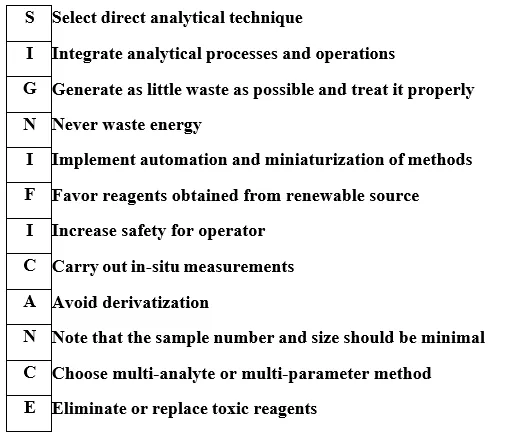
Fig. 1. The principles of green analytical chemistry expressed as the mnemonic SIGNIFICANC
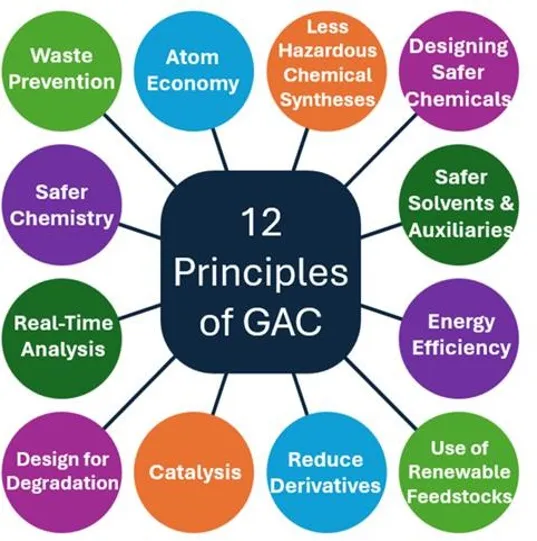
Figure 2. The 12 principles of Green Analytical Chemistry (GAC)
Table 1: Twelve principles of Green Analytical Chemistry and their evaluation in the AGREE
|
Principle of Green Analytical Chemistry |
Focus |
Evaluation in AGREE |
|
Direct analytical techniques |
Avoid sample preparation where possible |
Compliance scored based on use of direct, in situ measurements |
|
Minimal sample size and number |
Reduce consumption of material |
Scored by sample amount required for analysis |
|
Minimal energy consumption |
Promote low-energy processes |
Considers energy use of instruments and procedures |
|
Safer solvents and reagents |
Avoid toxic/hazardous substances |
Scored on choice of solvent/reagent safety |
|
Generation of minimal waste |
Reduce waste volumes and toxicity |
Evaluates overall waste generated per analysis |
|
Multi-analyte or multi-parameter methods |
Maximize information per analysis |
Higher scores for multiplexed or combined methods |
|
Integration of analytical steps |
Fewer steps, higher efficiency |
Rewards streamlined or automated workflows |
|
Automation and miniaturization |
Reduce scale and increase efficiency |
Scores methods employing micro techniques or robotics |
|
Avoid derivatization |
Prevent unnecessary chemical steps |
Deduction if derivatization is used |
|
Real-time monitoring |
Enable continuous and on-site analysis |
Higher scores for real-time or portable methods |
|
Quality by design |
Incorporate greenness into method development |
Rewards proactive design strategies |
|
Education and awareness |
Promote sustainability in training |
Evaluates contribution to awareness and education |
2.1 AGREE Approach for Green Analytical Technology
The AGREE approach uses a semi-quantitative scoring system, where each of the 12 principles is scored from 0 (no compliance) to 1 (full compliance) [13]. Weighting factors can be used in some applications to highlight the relative importance of particular principles depending on the context of the analysis (for
example, use of solvent may be weighted more highly in pharmaceutical analysis, while waste generation may be weighted more highly in environmental monitoring) [14]. Once the scores and weights have been determined, the AGREE software calculates the mean greenness score (0–1) and generates a circular
pictogram. A visual tool that shares the circle into twelve coloured segments representing a principle. The different shades of green reflect the depth of commitment, with darker shades indicating more sustainable practices. The pictogram quickly and easily allows you to compare different techniques and identify areas for improvement.
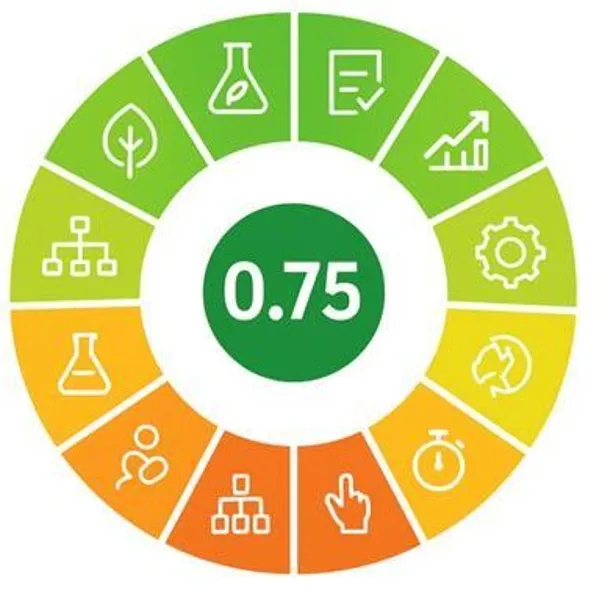
Fig. 3 Illustrative representation of the Analytical GREEnness (AGREE) metric used for assessing the sustainability of analytical methods.
2.1.1 Advantages of AGREE
Several main advantages make it so that the adoption of AGREE has been fast. Firstly, it is
comprehensive – it covers all twelve GAC principles; it doesn't only focus on waste, or solvent risks. Thirdly, it is flexible, allowing users to adjust weightings to suit specific application areas [15]. Fourthly,
the visualisation helps to make the sustainability results understandable and contributes to communicating the results to researchers and stakeholders or regulatory bodies [16]. As a consequence, AGREE has been successfully applied to the pharmaceutical quality control, environment monitoring, food safety and
bioanalytical research areas [17].
2.1.2. Limitations and Challenges
While the AGREE framework has numerous strengths, it has some weaknesses. Some of the criteria, such as "educational impact" or "integration of analytical steps" [18] are semi-quantitative, which means that
they can be subjective. Further, a comprehensive evaluation requires full methodological details (e.g., volumes of solvents used, energy used and waste produced) which are not always fully described in the literature [19]. A different challenge is the integration with the regulatory framework where analytical
performances, such as accuracy, sensitivity and precision have a higher weighting than environmental ones [20]. Finally, compromises between analytical efficiency and sustainability may be necessary when developing methods, and these must be carefully balanced [21].
2.1.3. Comparing to other greenness measures
AGREE is more complete, more flexible and easier to use than other assessment tools, such as NEMI, Eco-Scale and the Green Analytical Procedure Index (GAPI). While NEMI offers quick and convenient screening, and Eco-Scale offers a numerical assessment, neither is as thorough as what AEI gives as an assessment. Similarly, GAPI uses multiple criteria visual format, but the results are not as quantitative and are not as easy to read as the AGREE pictogram. A comparative overview of these methods is given in Table 2.
Table 2: Comparison of major greenness assessment tools in analytical chemistry
|
Metric/Tool |
Format of Output |
Criteria Considered |
Strengths |
Limitations |
|
NEMI (National Environmental Methods Index) |
Simple pictogram (circle with 4 quadrants) |
Use of PBT chemicals, hazardous waste, waste generation, energy use |
Easy and fast screening |
Very limited scope; binary (yes/no) outcomes |
|
Analytical Eco-Scale |
Numerical score (0–100, with penalties) |
Solvent/reagent hazards, waste, occupational risks, energy |
Quantitative, easy to calculate |
Does not cover all GAC principles; penalty values partly subjective |
|
GAPI (Green Analytical Procedure Index) |
Colored pentagram pictogram |
Sample preparation, reagent use, instrumentation, energy, waste |
Multi-criteria visual summary; broad coverage |
No unified scoring; qualitative rather than quantitative |
|
AGREE (Analytical GREEnness) |
Circular pictogram + numerical score (0–1) |
All 12 principles of Green Analytical Chemistry |
Holistic, flexible, standardized, visually intuitive |
Some subjectivity in scoring; requires detailed method reporting |
2.1.4. Applications of AGREE in Analytical Chemistry
The flexibility and applicability of the AGREE metric have been demonstrated through its use in many different areas of analysis. It is used in various applications including pharmaceutical quality control, environmental monitoring, food analysis and bioanalytical research, providing an objective and
standardised assessment of method sustainability [22].
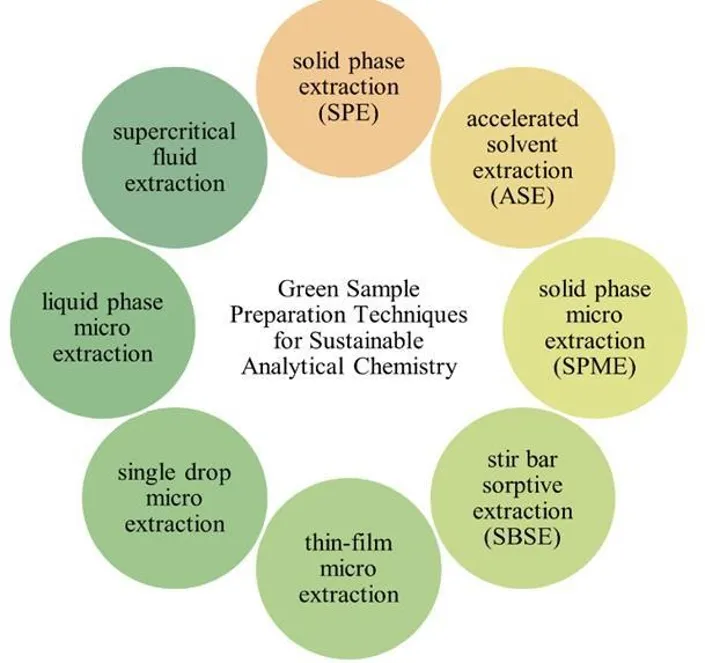
Fig. 4 Green sample preparation techniques for sustainable analytical chemistry.
2.2. Extractions in Green Analytical Chemistry Tecniques
2.2.1. Microwave-Assisted Extraction (MAE)
An emerging extraction method is microwave assisted extraction (MAE), which extracts the sample and extraction medium by heating with microwaves. Microwave radiation can also rapidly heat the sample matrix, changing its cellular structure and enhancing the release of compounds of interest for enhanced extraction. Because of its ability of extraction of bioactive compounds from natural materials and from agro and agricultural by-products, mainly when fast extraction is desired, MAE has been given important attention. [23,24]The typical frequency of microwave systems is about 2.45 GHz. The major benefit of MAE is its capacity to achieve the high temperature in a short time and requires relatively low amounts of extraction solvent. This technique is therefore useful for reducing the extraction time and solvent consumption in comparison with the conventional heating technique. But microwave heating requires the dielectric property of the sample and solvent. Solvents which are not good microwave energy absorbers can affect extraction
efficiency and thus appropriate selection of solvent and optimization of extraction conditions are important. [25]Typically, MAE systems include components like a magnetron, waveguide, sample applicator and circulator. Systems can be classified as either multimode or single mode on the basis of how themicrowave energy is distributed. Multimode systems spread radiation across the cavity, and are able to hold multiple samples, while single-mode systems have the ability to focus the microwave energy on a specific sample, thus enabling more controlled energy delivery. [26]
2.2.2. Ultrasound-Assisted Extraction (UAE)
Ultrasound-assisted extraction (UAE) is the extraction process that is enhanced by the ultrasonic energy. When ultrasonic waves are transmitted through the extraction medium, the compression and rarefaction cycles are repeated. These cycles generate a small number of cavitation bubbles at higher intensity. The formation, growth and breaking apart of these create localised shock waves and micro-mixing within the extraction system.Cavitation bubbles can destroy cell structures and facilitate the contact between the cell matrix andextraction solvent. This aids the release of intracellular compounds to the extraction medium, and helps to optimize the extraction process. [27]UAE has received interest as an alternate extraction approach to conventional extraction, since it mightdecrease the extraction time, and may necessitate less solvent and energy. In the light of these facts, it is a cleaner and more efficient method of sample preparation. It has been extensively studied for bio-extraction of bioactive molecules from plant and other natural sources. It is relatively simple to operate, versatile and has comparatively low investment requirements, as well. [28]
2.2.3. Supercritical Fluid Extraction (SFE)
Supercritical fluid extraction (SFE) is a particular extraction method that involves a fluid that remains in a supercritical state, above its critical pressure and temperature. In this case the fluid has properties that
enable it to penetrate the sample matrix well, and dissolve appropriate target compounds.
The advantage of SFE is that it is an environmentally friendly sample-preparation method that can employ relatively safe liquids, especially the supercritical CO2. It can be applied to extract fast and
minimize the consumption of conventional toxic organic solvents, and it can be applied under conditions which maintain the safety of sensitive compounds. [29]
The most common supercritical fluid used is carbon dioxide, which is not toxic, not flammable undernormal operating conditions, not expensive, and easily separated from the extracted material. Depending on the analytical application, other fluids (such as nitrous oxide, ethane, propane, pentane, ammonia and sulfur hexafluoride) can also be employed. [30]
Some major benefits of SFE are the ability to extract quickly, high selectivity, quantitative success, the possibility of automation, and minimal environmental impact. It can be used to make a relatively clean extract, using fewer solvents; it may not need any further clean-up. Special equipment and pressure
control, however, can make implementation of the concept complex and costly.
2.2.4. QuEChERS Extraction Methodology
QuEChERS is a simple yet fast and efficient sample preparation method that is robust and relatively
inexpensive. The method was developed by Anastassiades et al. in 2002 and was originally developed to simplify the extraction and cleanup of analytes from complex matrices. [31]
QuEERS has the benefit from a green analytical point of view that in general it uses less organic solvent as compared to many conventional extraction methods. This method is primarily consisted of two steps: extraction and cleanup. The extraction involves mixing of the sample with the proper solvent, plus saltslike magnesium sulfate and sodium chloride. These salts help to separate the phases and facilitate the transfer of analytes into the extraction phase.
In the cleaning step unwanted matrix components are removed that might interfere with the next step of analysis. Dispersive solid-phase extraction can be used for this purpose. The use of magnesium sulfate can remove residual water, and primary-secondary amine (PSA) can remove matrix components such as fatty acids and interfering components. [32]
The ease of extraction and effective cleaning capabilities make QuEChERS a valuable tool for labs thatneed to analyse lots of samples. It is used in Green Analytical Chemistry due to its lower waste generation and lower solvent usage. The method is also suitable for the extraction of other analytes from biological and other complex samples. [33,34,35]
2.2.5. Solid Phase Extraction (SPE)
Solid phase extraction (SPE) is a popular sample preparation method, in which analytes are bound to a solid sorbent while the sample travels through a solid cartridge or column. The retained substances are then eluted with a small amount of an appropriate solvent and the concentration of the analytes isperformed prior to analysis. SPE can be performed using relatively small amounts of solvent, which can help to minimize waste and promote environmentally friendly sample preparation. [36]
IBM's SPE can also be automated by relatively simple equipment, thereby providing better turnaround time in the laboratory without compromising the analytical performance. But, the extraction is dependent on the properties of sorbent and the sample matrix. The extraction efficiency may be reduced due toinconsistent packing of the bed of the sorbent, and conventional sorbents may be found to beinsufficiently selective for highly polar molecules. Retention and recovery can also be influenced by the interactions between the analytes and the matrix components. These limitations can be overcome by using commercial cartridges and optimizing the extraction conditions. [37]
2.2.6. Solid Phase Microextraction (SPME)
Solid Phase Microextraction (SPME) is a technique for extracting compounds from solid samples.
Solid phase microextraction (SPME) is a single-step sample preparation technique that extracts and
concentrates the sample in a single step, and can be done without consuming large amounts of solvent. The method was first invented by Arthur and Pawliszyn in 1990. It has a silica fibre covered with an appropriate adsorbent phase onto which analytes are extracted and concentrated from the sample. [38]
Various parameters such as the type of fibre coating, agitation and extraction time can affect the extraction efficiency of SPME. SPME is associated with other methods like high-performance liquid chromatography, gas chromatography, gas chromatography mass spectrometry, and liquid
chromatography mass spectrometry (LCMS) analysis for analysis of substances from various samples. [39]
Some of the most significant benefits of SPME are low solvent use, ease of use, minimal solvent disposal needs, fast sample preparation, sensitivity and good reproducibility. But the fibre can be frail and break easily in handling. Reuse may also cause degradation of coating and there might be competitive
adsorption, matrix effects, and mass transfer and mass loss factors. [40]
Fig.5 Methodological introduction of green analytical chemistry principles
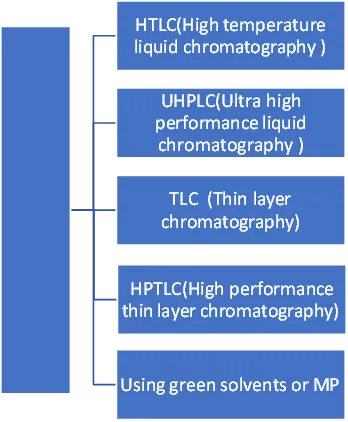
Fig.6 Green Analytical Techniques
2.2.7. Stir-bar Sorptive Extraction (SBSE)
Stir-bar sorptive extraction (SBSE) is a solvent-free extraction method that was introduced in 1999 as an alternative to SPME. Initially it was developed for the isolation and purification of volatile analytes from aqueous samples and later extended to non-volatile analytes in combination with HPLC and headspace analysis of liquid, solid and gaseous samples.
SBSE is based upon sorptive extraction but uses a substantially larger amount of sorptive phase which leads to improved sensitivity, especially in cases of large sample volumes or low partition coefficients.
For volatile analytes the coating can allow thermal desorption directly into a gas chromatograph, eliminating the need for an extraction solvent. For non-volatile analytes, small amounts of a suitable
diluent may be used during desorption. These characteristics make it a useful environmentally friendly sample-preparation approach. [41]
2.2.8. Dispersive Liquid–Liquid Microextraction (DLLME)
Dispersive liquid–liquid microextraction (DLLME) is a miniaturized extraction procedure which usually involves an aqueous sample, an extraction solvent that is immiscible with water and a dispersive solvent that is miscible with both phases. The extraction and dispersive solvents are rapidly injected into the
aqueous sample generating a fine dispersion/emulsion, which creates a large contact area between sample and extraction solvent and enables rapid transfer of analytes into the extraction phase.
Following the creation of an emulsion, the system is usually centrifuged and the extraction phase is collected with a microsyringe and injected into the analytical instrument. DLLME offers numerous advantages, including the use of small sample volumes, low solvent consumption, high enrichment factors, good reproducibility and high recovery rates. The large interfacial area generated by the
dispersion leads to efficient extraction and rapid equilibration. [42]
2.2.9. Pressurized fluid extraction (PFE)
Pressurized fluid extraction (PFE), also known as accelerated solvent extraction (ASE), is carried out at elevated pressure and temperature, often above the normal boiling point of the extraction solvent. Raising the temperature can enhance analyte solubility and diffusion while decreasing solvent viscosity and
surface tension. The applied pressure further aids penetration of the extraction solvent into the pores of the sample matrix.
PFE can be regarded as a greener extraction technique as it requires relatively small amounts of solvent and can provide rapid and efficient extraction. Solvents with more favorable environmental profiles, such as ethanol, can be used depending on the application. The shorter extraction time and reduced solvent
requirement can assist in reducing resource consumption and waste generation compared to certain conventional extraction procedures. [42].
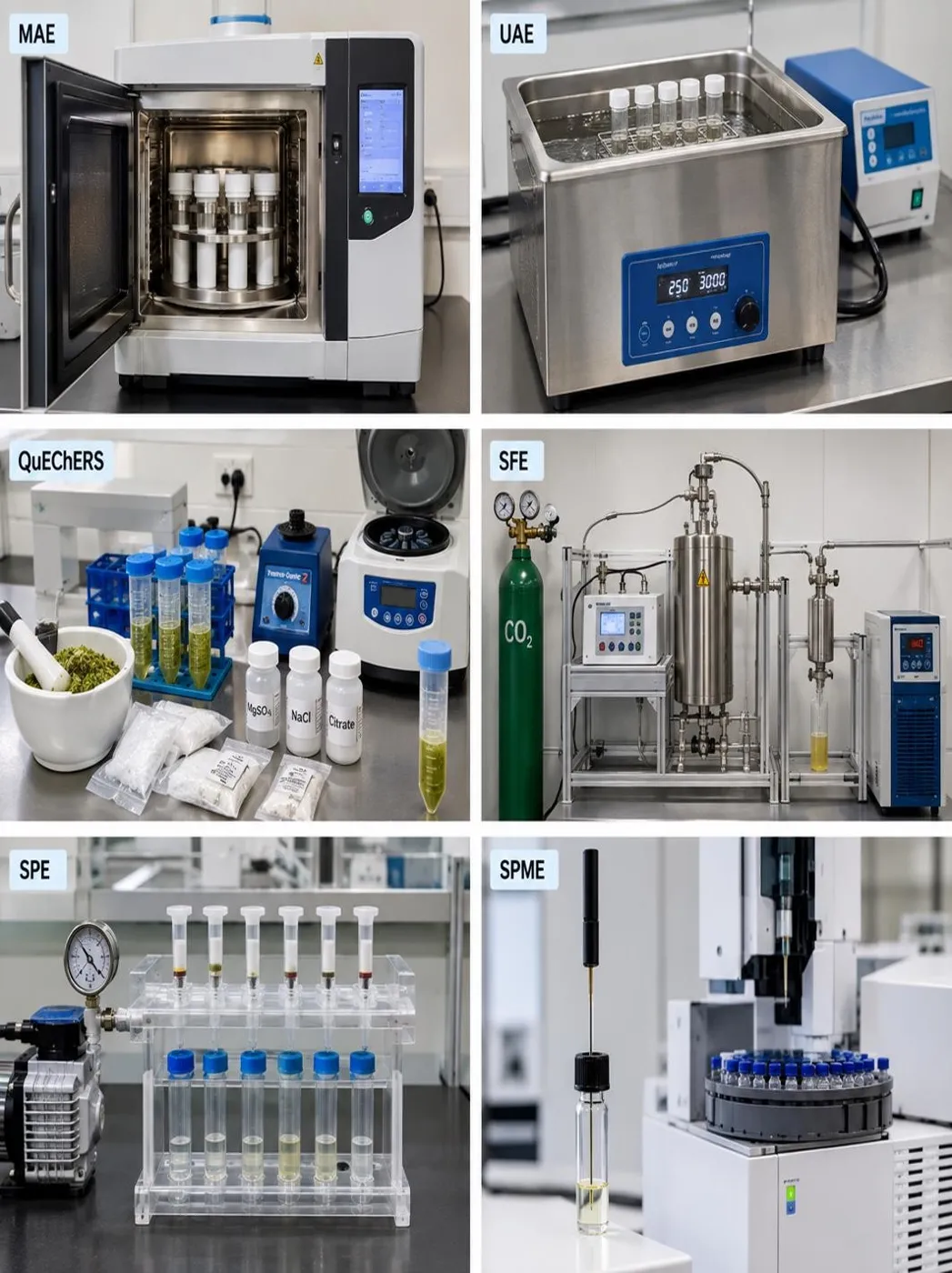
Table 3: Summary of applications of green solvent in HPLC
|
Drug |
Approach |
Greenness |
ECO Scale/AGREE Score |
|
Zonisamide |
HPLC |
EtOH-H?O MP |
81 and 84 |
|
Atorvastatin calcium |
HPLC |
0.5% v/v aqueous acetic acid-EtOH MP |
90 |
|
Escitalopram and Etizolam |
HPLC |
EtOH and phosphate buffer MP |
0.78 (AGREE) |
|
Lamivudine, Zidovudine, and Nevirapine |
HPLC |
EtOH as MP, reducing column diameter format |
73 |
|
Bendroflumethiazide & Chlorthalidone |
HPLC |
EtOH and potassium dihydrogen phosphate MP |
93 |
|
Atorvastatin, Ezetimibe, and Fenofibrate |
RP-HPLC |
Buffer (0.1% triethylamine in H?O) and EtOH MP |
81 |
|
Molnupiravir and its Breakdown products |
UV spectrophotome tric and HPLC |
EtOH and phosphate buffer MP |
0.86 (AGREE) |
|
Betamethasone and Calcipotriene |
RP-HPLC |
EtOH and phosphate buffer MP |
0.89 (AGREE) |
|
Apremilast, its enantiomer and its seven impurities |
RP-HPLC |
Green mobile phase buffer 0.01 M NH?HCO? (pH 8.0) along with ACN |
0.84 (AGREE) |
|
Clopidogrel Hydrochloride |
LC method |
Bio-in green C18 column along with sodium dihydrogen phosphate buffer (pH 3.5) with ACN as MP |
77 |
|
Ondansetron hydrochloride |
HPLC |
Phosphate buffer pH 3.7 and ACN MP |
— |
|
Drug |
Approach |
Greenness |
ECO Scale/AGREE Score |
|
Metformin Hydrochloride, Pioglitazone hydrochloride, and Glibenclamide |
HPLC-UV |
Short run time and low environmental risks |
0.79 (AGREE) |
|
Tamsulosin HCl, Tadalafil, Alfuzosin HCl, and Solifenacin succinate |
HPLC-DAD |
EtOH and phosphate buffer MP and effective use of monolithic-based column by enable analysis with just 4 milliliters of EtOH |
94 |
|
Ketoconazole and Beclomethasone |
RP-HPLC & UV spectrophotome tric |
EtOH-0.1 M potassium dihydrogen phosphate buffer MP |
— |
|
Clonazepam and its associated compounds |
RP-HPLC |
2% sodium dodecyl sulphate, 0.05 M sodium acetate buffer pH 3.5, and isopropanol as MP |
— |
|
Sofosbuvir and Ledipasvir |
RP-HPLC-UV- Fluorescence |
— |
— |
|
Favipiravir |
RP-HPLC |
MeOH, EtOH, and water MP |
92 |
|
Vitamin D3 and calcium levels in atorvastatin |
HPLC |
0.1% orthophosphoric acid and EtOH |
0.75 (AGREE) |
|
5-Fluorouracil (5-FU) |
HPLC |
Formic acid solution and EtOH MP |
— |
|
Aspirin and Domperidone |
HPLC |
KH?PO?: Acetonitrile |
— |
|
Rosuvastatin calcium |
HPLC |
MeOH:EtOH and ethyl acetate MP |
— |
|
Drug |
Approach |
Greenness |
ECO Scale/AGREE Score |
|
Oxfendazole, Albendazole, Triclabendazole and Ivermectin |
Micellar liquid chromatographi c |
Sodium dodecyl sulphate, 15% propanol, and 15 mM phosphate buffer |
75 |
|
Levosulpiride and Febuxostat |
RP-HPLC |
ACN: potassium phosphate buffer MP |
87 |
|
Nitrendipine |
Reversed-phase liquid chromatographi c |
MeOH and ammonium acetate buffer 20 mM |
41 (E-FAT value) |
|
Brivaracetam detection together with Piracetam and Carbamazepine |
LC |
ACN : H?O containing 0.1% triethylamine |
80 |
|
Metoprolol and Amlodipine |
Micellar liquid chromatographi c |
SDS and sodium dihydrogen phosphate in H?O MP and technique |
80 |
|
Gapapentin |
HPLC |
EtOH-H?O MP |
— |
|
Parecoxib sodium |
HPLC |
NH?COOH/buffer-EtOH |
0.74 (AGREE) |
|
Metronidazole and Ciprofloxacin |
HPLC |
0.12 M sodium dodecyl sulphate and 0.02 M Brij 35 solution |
0.81 (AGREE) |
|
Levetiracetam |
HPLC |
Phosphate buffer and ACN (87:13%v/v) |
0.82 (AGREE) |
|
Artesunate and Amodiaquine |
RP-HPLC |
Solvent EtOH and 10 mM CH3COOH |
- |
|
Drug |
Approach |
Greenness |
ECO Scale/AGREE Score |
|
Metronidazole (MTR) and Spiramy cin (SPR) |
HPLC |
EtOH and 20 mM sodium dihydro gen phosphate solution |
- |
|
Nine sulphonamides |
HPLC |
EtOH |
86 |
|
Atorvastatin calcium and Amlodi pine |
HPLC |
0.17 M sodium dodecyl sulphate solution (pH 2.9) with 10%v/v n-butanol |
- |
|
Three BDZs (diazepam, clonaz epam, and bromazepam) |
HPLC |
50:50% v/v mixture of sodium dodecyl sulphate (SDS) and poly oxyethylene lauryl ether (Brij-35) |
95 |
|
Atorvastatin |
HPLC |
EtOH |
90 |
|
Modafinil |
HPLC |
EtOH-H2O |
90 |
2.3 GREENER ORGANIC SOLVENTS AS MOBILE PHASES
Liquid chromatography is a valuable analytical technique; however, conventional chromatographic practices involve the use of a significant amount of high-purity organic solvents. Therefore, the
implementation of less hazardous mobile-phase components became one of the primary areas of focus in terms of making liquid chromatography more sustainable.
One of the first approaches used to make liquid chromatography more environmentally friendly was the replacement of normal-phase chromatography with less toxic solvents with reversed-phase ones. In turn, non-polar solvents can be replaced by less hazardous ones as a part of the overall strategy. Using mixed solvents allows for the efficient separation of neutral, acid, and basic compounds with a reduced risk
profile compared to traditional approaches. [43]
Table 4: Summary of green technique by reducing solvent consumptions using UHPLC
|
Drug |
Approach |
Greenness |
ECO Scale/AGREE Score |
|
Chrysin |
UHPLC |
ACN with water MP and UHPLC technique minimised the amount of waste generated |
81 |
|
Isosorbide dinitrate and hydralazine hydrochloride |
UHPLC |
EtOH and 0.1% trifluoroacetic acid MP |
96 |
|
Crotamiton and Hydrocortisone |
RP-UHPLC |
EtOH: 0.01 M ammonium acetate buffer |
0.83 (AGREE) |
|
Pitavastatin and Ezetimibe |
UHPLC |
EtOH and 0.1% orthophosphoric acid MP |
97 |
|
Umifenovir |
UHPLC-MS/MS |
Technique as well as 15 mM ammonium acetate and acetonitrile MP |
0.77 (AGREE) |
|
Delafloxacin |
UHPLC-MS/MS |
Technique as well as 0.1% formic acid in acetonitrile and 0.1% formic acid in H2O MP |
0.78 (AGREE) |
|
MPM |
UHPLC |
Potassium phosphate buffer |
85 |
|
Fluorescein sodium & Benoxinate hydrochloride |
UHPLC |
Isopropanol and 20 mM potassium dihydrogen phosphate in a 27:73% v/v |
90 & 4.21 (EAT) |
The most common solvents used in reversed-phase liquid chromatography are methanol, ethanol, acetonitrile, acetone, ethyl acetate, tetrahydrofuran, and mixtures of these solvents with water. Of these solvents, ethanol, acetone, and ethyl acetate are considered to be more favorable alternatives and have therefore been investigated as substitutes for solvents with less favorable environmental and safety
properties. [44]
Acetonitrile can, for example, be replaced by propylene carbonate or propylene carbonate–ethanol mixtures in appropriate chromatographic procedures without significantly compromising
chromatographic performance. Ethanol is particularly attractive due to its relatively low toxicity.
However, its comparatively high viscosity can have an adverse effect on chromatographic efficiency and pressure. [45,46]
Acetone has also been investigated as a replacement for acetonitrile. Studies have demonstrated that acetone can provide comparable separation performance in a number of chromatographic procedures while providing a more favorable solvent profile. [47]
Another approach to reducing the environmental impact of liquid chromatography is to increase the
proportion of water in the mobile phase. Water is extraordinarily desirable from a sustainability point of view because it is inexpensive, easily available, and has extremely low toxicity. Appropriate stationary phases can enable efficient chromatographic separation using predominantly aqueous mobile phases.
High-temperature liquid chromatography is another strategy that can be employed to enable the use of water-rich mobile phases. Increasing the temperature can reduce the viscosity of water and water–ethanol mixtures and, thus, enable their use for chromatographic purposes. Such approaches can substantially
reduce the quantity of organic solvent that needs to be used for individual analytical runs. [48,49]
Table 5: Summary of green technique by reducing solvent consumptions using HPTLC
|
Drug |
Approach |
Greenness |
ECO Scale/AGREE Score |
|
Thiocolchicoside |
HPTLC |
HPTLC uses a minimal amount of mobile phase to analyse |
– |
|
Quinfamide and Mebendazole |
HPTLC and RP-HPLC |
Short analytical time technique and water: methanol |
– |
|
Furosemide, Spirolactone, and Canrenone |
HPTLC and RP-HPLC |
Short analytical time technique and EtOH and deionized H2O MP |
– |
|
Lenvatinib |
RP-HPTLC, NP-HPTLC |
ethanol and water (60:40, %v/v), and 50:50% v/v of ethanol and ethyl acetate |
0.88 & 0.82 (AGREE) |
Development of greener solvents is also crucial for normal-phase liquid chromatography. Although
reversed-phase chromatography is preferred when possible, some non-polar and non-volatile compounds such as lipids may still require normal-phase separation. Alternative solvents such as
hexamethyldisiloxane, cyclopentyl methyl ether, 2-methyltetrahydrofuran, and isopentyl acetate havebeen investigated as possible replacements for more problematic solvents used in the separation of lipids.[50]
Purity of alternative solvents is also an important consideration. Some naturally derived solvents may not be commercially available in the high-purity grades that are required for analytical measurements. This could limit their use if their environmental characteristics seem favorable.
In addition to replacing hazardous mobile-phase components, minimizing the amount of mobile phaseneeded is another effective strategy. Miniaturization of chromatographic columns can reduce the amount of solvent consumed because smaller columns generally require lower mobile-phase flow rates and
volumes.Combining solvent substitution with chromatographic miniaturization can therefore offer greater environmental benefits than implementing either strategy alone.
2.3.1 GREENER ORGANIC SOLVENTS AS EXTRACTION AGENTS
Organic solvents have traditionally been used for the extraction of organic compounds from a wide
variety of samples. The effectiveness of a given solvent is largely dictated by its ability to dissolve the target compounds while facilitating their separation from the sample matrix. However, many conventional extraction solvents can present environmental and health concerns.
One approach to reducing the amount of solvent consumed is the development of liquid-phase
microextraction techniques. These approaches can use minute volumes of extraction solvent while still offering effective analyte enrichment. Techniques such as hollow-fiber microextraction, dispersive liquid-liquid microextraction, and single-drop microextraction can operate with sub-milliliter quantities of
organic solvent. [51]
The selection of an extraction solvent should be based on its analytical performance as well as its environmental characteristics. During optimization of dispersive liquid-liquid microextraction, for example, different solvent combinations can be evaluated using multicriteria decision analysis. This
approach allows several properties to be considered simultaneously and can aid in identifying solvent systems which offer an appropriate balance between extraction efficiency and environmental acceptability. [52]
2.3.2 BIO-BASED ORGANIC SOLVENTS
The use of solvents derived from renewable biological resources is an important direction in the development of greener analytical procedures. Bio-based solvents can provide alternatives to solvents derived from petroleum and may help in reducing the reliance on non-renewable resources.
Bio-based solvents used or investigated for analytical applications include compounds belonging to groups such as alcohols, esters, ethers, and ketones. Bioethanol is one of the more established examples since it can be produced from several renewable feedstocks using different production processes. [53,54]
Ethyl lactate is one example of a bio-derived solvent that has been investigated for analytical extraction.
Its application has been demonstrated for the determination of total petroleum hydrocarbons in
contaminated soil. Other bio-based solvents such as 2-methyltetrahydrofuran and cyclopentyl methyl ether have also been investigated as alternatives to conventional solvent mixtures for the purification of membrane proteins. [55,56]
D-limonene is another bio-derived solvent that has attracted attention in the field of analytical chemistry. It can be obtained from citrus-processing waste and so presents an example of converting a renewable or waste-derived material into a useful chemical resource. D-limonene has been investigated as an alternative to petroleum-derived aromatic solvents in analytical procedures.
For example, D-limonene has been used as a replacement for toluene in moisture determination
procedures. It has also been successfully applied in microwave-assisted Soxhlet extraction for the
determination of fats and lipids, replacing n-hexane. In another application, D-limonene was used for extracting simvastatin and related compounds from human blood plasma prior to chromatographic analysis. [57-60]
Although bio-based origin can be an advantage, it does not necessarily mean that a solvent is completely environmentally harmless. Some terpenes such as D-limonene may contribute to atmospheric ozone
formation and can have adverse effects on aquatic organisms. Thus, environmental assessment should consider the complete hazard profile of the solvent instead of focusing only on its renewable origin. [61]
The use of bio-based solvents in routine analytical chemistry is still relatively limited. More research has been done on their application for extracting bioactive compounds from plant materials than their use in conventional analytical laboratories. Before wider implementation, factors such as solvent purity,
extraction efficiency, reproducibility, and compatibility with analytical instruments must be carefully considered.
Potentially useful bio-derived solvents include ethyl lactate, glycerol, furfural, furan-based solvents, and cyrene. Their analytical applications require further investigation to determine their suitability for
different extraction and separation procedures. [62,63]
In some analytical applications however, the solvent does not necessarily need to be of the highest
available purity. If impurities present in a solvent do not correspond to the analytes of interest or lead to analytical interference, highly purified solvent may not always be essential. This possibility can offer another opportunity for reducing resource consumption and increasing the sustainability of analytical
procedures. [64]
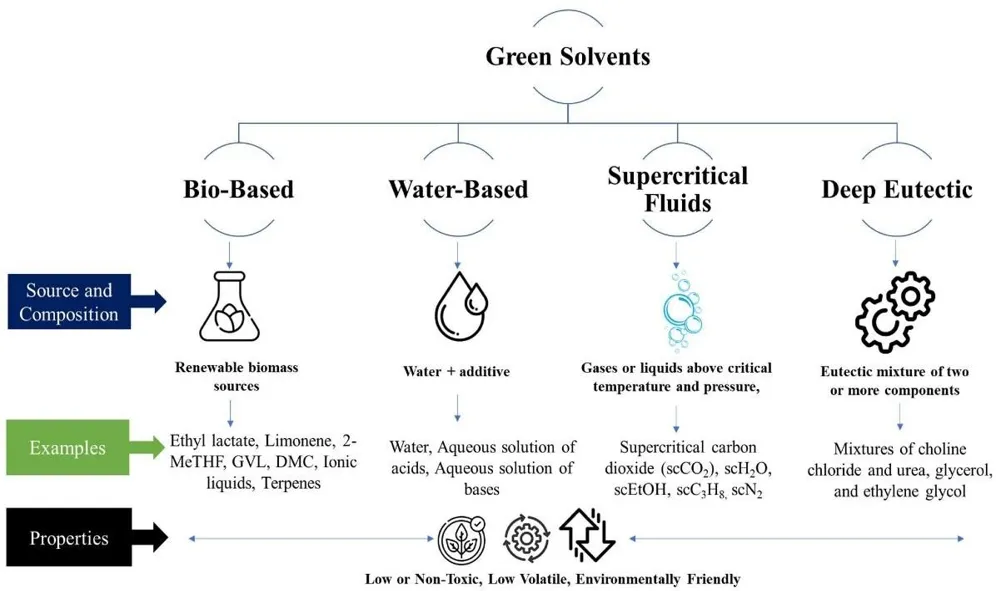
Fig 7: GREEN SOLVENTS Classification
Table 7: Summary of Green Spectroscopy techniques
|
Drug |
Approach |
Greenness |
ECO Scale/AGREE Score |
|
Paracetamol, Aceclofenac, and Thiocolchicoside |
Spectrophotometric |
Diluent phosphate buffer pH 7.8 |
100 |
|
Paracetamol, Aceclofenac, and Eperisone Hydrochloride |
UV spectrophotometric |
Diluent phosphate buffer pH 7.8 |
96 |
|
Chlorthalidone and Cilnidipine |
Ultra-Violet (UV) spectrophotometric |
Propylene carbonate as diluent |
0.91 (AGREE) |
|
Saxagliptin hydrochloride and Dapagliflozin propanediol monohydrate |
Spectrophotometric |
Favourable use of instruments, reagents, and the disposal of waste |
88 |
|
Fluticasone propionate and Azelastine |
Ultra-Violet (UV) spectrophotometric |
Favourable use of instruments, reagents, and the disposal of waste |
88 |
|
Ramipril as well as Temisartan coupled with Hydrochoryhiazide |
FSD aided UV spectrophotometric |
Technique |
88 |
|
Atenolol, Amiloride, and Chortalidone |
UV-methods |
Less solvent consumption |
89 |
|
Ketoconazole |
UV-methods |
H2O and EtOH diluent |
96 |
|
Mometasone furoate and salicylic acid |
Capillary zone electrophoretic |
Technique itself |
86 |
|
Metformin and Remogliflozin |
UV spectrophotometric |
Technique |
94 |
|
Favipiravir |
Spectrofluorimetric |
0.2 M borate buffer |
92 |
|
Molnupiravir |
UV spectrophotometric |
EtOH |
0.81 (AGREE) |
2.4. Applications of Green Analytical Chemistry
A. Environmental Monitoring
Environmental monitoring is one of the major areas in which Green Analytical Chemistry has significant potential. Green analytical methods can be used to identify and quantify contaminants in air, water, and soil while reducing the environmental burden associated with the analytical process.
Miniaturized extraction procedures such as SPME and LPME can reduce the solvent use while
maintaining the sensitivity required for detecting trace contaminants. Real-time monitoring methods canalso pro vide rapid information about pollution levels, allowing environmental problems to be identified and addressed more effectively.[65]
B. Pharmaceutical Analysis
The pharmaceutical sector requires reliable analytical procedures for identifying, measuring andcontrolling active pharmaceutical ingredients and related substances. GAC principles can be incorporated into pharmaceutical analysis by reducing the use of hazardous solvents and minimizing waste during sample preparation and measurement.
Green solvents, ionic liquids, and supercritical fluids can be used for selected pharmaceutical extraction and separation procedures. Such approaches can provide efficient analysis while supporting the industry's increasing emphasis on environmentally responsible practices and regulatory sustainability
requirements.[66]
C. Food Safety and Quality Control
Green analytical methods are also valuable for monitoring food safety and quality. Analytical testing may be required to identify pesticide residues, contaminants, additives, and other substances present in food
products.
Spectroscopic methods and electrochemical techniques can provide rapid measurements with limited sample preparation. Direct analytical approaches can also reduce the requirement for hazardous solvents and minimize waste, making food testing more compatible with sustainable laboratory practices.[67]
D. Industrial Applications
Industrial laboratories increasingly require analytical techniques that can provide reliable quality control while reducing resource consumption and environmental impact. Green analytical approaches can be
applied in sectors such as petrochemicals, polymers, and manufacturing.
Methods including supercritical fluid chromatography can reduce the amount of conventional organic solvent required during analytical separations. By decreasing the solvent consumption and waste
production, green analytical techniques can contribute to more sustainable industrial operations while maintaining product quality and regulatory compliance.[68]
E. Clinical and Biomedical Analysis
Clinical and biomedical laboratories routinely analyze complex biological samples such as blood, urine, and tissue. Green Analytical Chemistry can help reduce the environmental impact of these activities while maintaining the analytical reliability required for clinical applications.
Miniaturized extraction procedures and safer solvents can reduce chemical consumption and laboratory exposure to hazardous substances. Such approaches support safer laboratory environments while maintaining the accuracy and efficiency needed for biomedical analysis.[69]
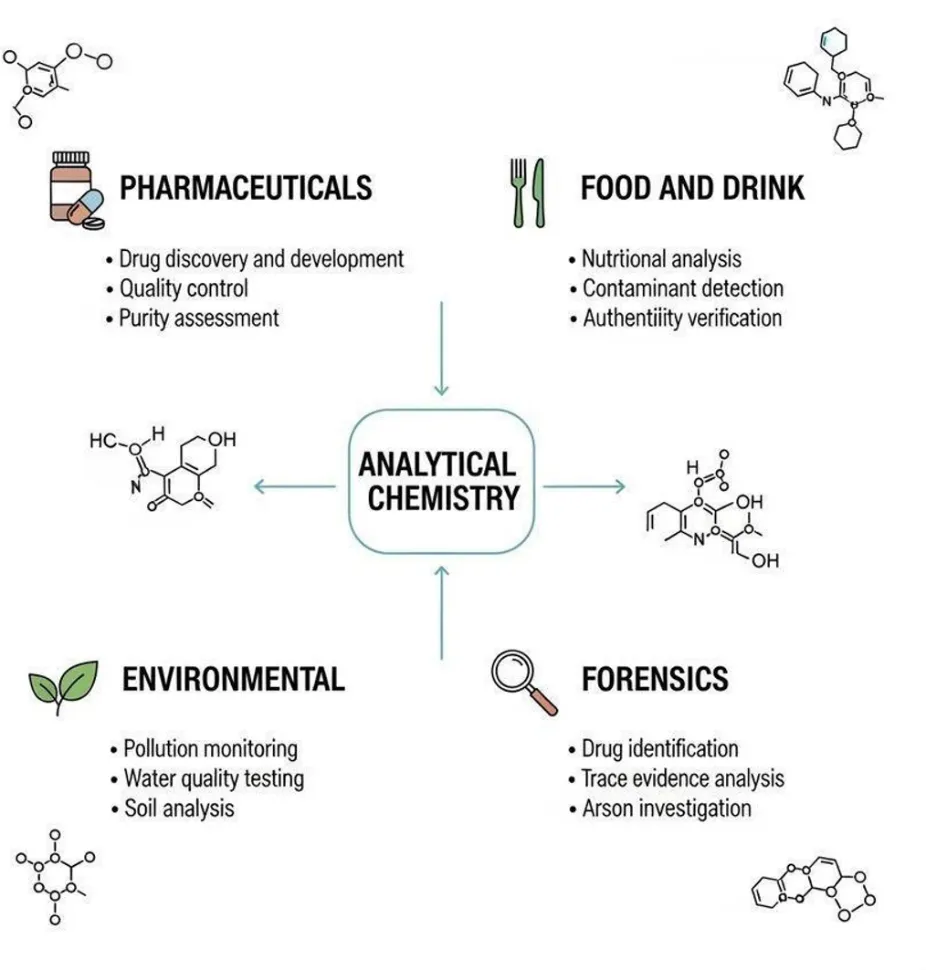
Fig 8: Applications of Green Analytical Chemistry
2.5. Case Studies and Examples
A. Successful Implementation in Various Fields
The practical value of Green Analytical Chemistry can be demonstrated through its application in environmental, pharmaceutical, and food analysis. These examples show that greener analytical
procedures can reduce resource consumption without necessarily compromising analytical performance.
1. Environmental Monitoring
Solid-phase microextraction has been applied to the monitoring of volatile organic compounds in environmental samples. Compared with conventional extraction procedures, SPME requires a substantially lesser amount of solvent and produces less waste.
This makes SPME a useful alternative for environmental analysis, particularly where a sensitive detection of trace contaminants is required while minimizing the environmental burden of sample preparation.[70]
2. Pharmaceutical Analysis
Supercritical fluid chromatography has become an important green alternative for pharmaceutical analysis. When supercritical carbon dioxide is used as the principal mobile phase, the amount of conventional organic solvent required can be reduced.
The approach can also provide rapid separations and effective resolution of pharmaceutical compounds. Therefore, SFC can combine analytical efficiency with reduced solvent consumption.[71]
3. Food Safety and Quality Control
Direct analysis in real-time mass spectrometry has been investigated for the rapid detection of pesticide residues in food samples. One of its major advantages is the reduction of extensive sample preparation.
By limiting the requirement for large quantities of solvents and additional preparation chemicals, DART-based analysis can provide a faster and more environmentally responsible approach to food testing.[67]
B. Comparative Analysis of Traditional and Green Methods
Comparison between conventional and green analytical procedures demonstrates several important environmental advantages associated with GAC.
1. Traditional versus Green Solvent Extraction
Traditional solvent extraction frequently relies on relatively large quantities of organic solvents, some of which can be toxic and environmentally harmful. This creates both waste-management requirements and potential health risks.
Green extraction approaches seek to replace such solvents with safer alternatives, including ionic liquids and supercritical fluids. These systems can reduce the environmental footprint of extraction while
maintaining useful extraction efficiency.[72]
2. Chromatographic Techniques
Conventional HPLC methods can require substantial quantities of organic mobile phases, resulting in
significant solvent waste. Green chromatographic approaches such as SFC can use supercritical CO? as an alternative mobile phase.
SFC can reduce solvent consumption while also offering rapid analysis and efficient separation.
Consequently, it provides an example of how chromatographic methods can be redesigned to reduce the environmental impact.[71]
3. Spectroscopic Methods
Traditional analytical procedures may involve several sample preparation steps and the use of chemical reagents before spectroscopic measurement. Green spectroscopic approaches attempt to simplify this workflow.
The use of water-based systems, direct measurements, and miniaturized preparation procedures can decrease reagent consumption and waste while maintaining suitable analytical performance. Such
methods demonstrate that environmental improvements can be achieved without necessarily sacrificing analytical quality.[65]
C. Challenges and Limitations Encountered
Although Green Analytical Chemistry provides considerable environmental and safety benefits, several barriers remain to its broader implementation.
1. Technological Limitations
Some green analytical technologies require specialized instruments, advanced infrastructure, and trained personnel. Supercritical fluid chromatography, for example, may not be readily accessible to laboratories that lack the necessary equipment or technical expertise.
The high initial cost associated with certain technologies can therefore restrict their adoption, particularly in laboratories with limited financial resources.[73]
2. Method Development and Validation
The development of a green analytical method is not necessarily straightforward. A new procedure must demonstrate acceptable sensitivity, selectivity, accuracy, precision, and reproducibility while also
reducing its environmental impact.
Methods must often undergo extensive validation before they can replace established procedures. Meeting regulatory requirements while maintaining the advantages of a greener method can therefore require considerable time and resources.[68]
3. Resistance to Change
Established analytical methods are often preferred because laboratory personnel are familiar with their operation and performance. Even when a greener alternative is available, researchers may hesitate to adopt a new procedure if its reliability has not been demonstrated sufficiently.
Education, training, and clear evidence of the practical advantages of green methods are therefore important for encouraging wider acceptance.[69]
4. Availability of Green Solvents and Reagents
The availability and cost of environmentally preferable solvents and reagents can also restrict the adoption of GAC. Some green alternatives may not yet be readily accessible or economically competitive for every analytical application.
Continued research is required to expand the range of suitable green chemicals and improve their
availability. As these materials become more widely produced and evaluated, their practical application is likely to increase.[72]
CONCLUSION
Green Analytical Chemistry (GAC) has become an important approach for reducing the environmental and health impacts associated with conventional analytical practices. This review was undertaken to provide an overview of the principles, techniques, greener solvents, assessment approaches, and
applications that contribute to the development of more sustainable analytical methods. The reviewed literature demonstrates that significant improvements in analytical sustainability can be achieved through reduction of solvent and reagent consumption, minimization of waste, safer chemical selection, sample miniaturization, automation, and the use of direct and efficient analytical techniques.
Green extraction approaches such as microwave-assisted extraction, ultrasound-assisted extraction,
supercritical fluid extraction, QuEChERS, solid-phase extraction, solid-phase microextraction, stir-bar sorptive extraction, dispersive liquid–liquid microextraction, and pressurized fluid extraction provide promising alternatives to conventional sample-preparation procedures. Similarly, the use of safer and bio-based solvents, together with greener chromatographic and spectroscopic approaches, can further reduce the environmental burden of analytical laboratories. Assessment tools such as AGREE provide a systematic way to evaluate and compare the greenness of analytical methods. The applications discussed in pharmaceutical, environmental, food, industrial, and clinical analysis indicate that sustainability can be incorporated without necessarily compromising useful analytical performance.
Despite these developments, challenges remain regarding method validation, reproducibility, regulatory acceptance, cost, availability of suitable green solvents and equipment, and the balance between analytical performance and environmental impact. Future research should therefore focus on developing practical, validated, cost-effective, and scalable green methods, expanding the use of renewable and safer solvents, improving miniaturized and automated techniques, and integrating sustainability assessment into routine analytical method development. Greater collaboration between researchers, industries, and regulatory bodies will also be important for the wider adoption of GAC.
Overall, continued development of GAC can support safer laboratory practices and contribute to more sustainable analytical science.
ACKNOWLEDGEMENT
The author sincerely expresses her deepest gratitude to Dr. Bhavini Gharia [Assistant Professor-HOD Of Pharmaceutical Chemistry ] Bhagwan Mahavir College of Pharmacy, for her invaluable guidance, encouragement, insightful suggestions, and continuous support throughout the preparation of this review article.
The author is also immensely thankful to Bhagwan Mahavir College of Pharmacy for providing the necessary academic support, digital repositories, and infrastructural facilities that contributed significantly to the completion of this work.
— Sevak Mansi Rakeshkumar
Bhagwan Mahavir College of Pharmacy
REFERENCES
10.1039/D3AY01644G. https://doi.org/10.1039/D3AY01644G
10.1021/acs.analchem.0c01887. https://doi.org/10.1021/acs.analchem.0c01887
bioanalytical samples prior to chromatographic analysis. Journal of Chromatography B, 1043, 44–
62. DOI: 10.1016/j.jchromb.2016.08.040. https://doi.org/10.1016/j.jchromb.2016.08.040
10.1021/acs.analchem.0c01887. https://doi.org/10.1021/acs.analchem.0c01887
Approaches in Biological, Food, and Environmental Matrices: A Review. Molecules, 27(9), 2953. DOI: 10.3390/molecules27092953. https://doi.org/10.3390/molecules27092953
combinations, protocols and applications. A review. Ultrasonics Sonochemistry, 34, 540–560. DOI: 10.1016/j.ultsonch.2016.06.035. https://doi.org/10.1016/j.ultsonch.2016.06.035
https://doi.org/10.1016/j.trac.2014.12.011
Approaches in Biological, Food, and Environmental Matrices: A Review. Molecules, 27(9), 2953. DOI: 10.3390/molecules27092953. https://doi.org/10.3390/molecules27092953
fluid extraction for PHCs removal from a contaminated sand using response surface methodology. Journal of Environmental Chemical Engineering, 6(2), 3083–3094. DOI:
10.1016/j.jece.2018.04.048. https://doi.org/10.1016/j.jece.2018.04.048
https://doi.org/10.1016/j.aca.2019.02.036
environmental contaminants in human blood samples—combining QuEChERS with LC-MS and GC-MS methods. Analytical and Bioanalytical Chemistry, 407, 7047–7054. DOI:
10.1007/s00216-015-8857-1. https://doi.org/10.1007/s00216-015-8857-1
Coimbra MA, Cardoso SM. (2019). Revisiting the chemistry of apple pomace polyphenols. Food Chemistry, 294, 9–18. DOI: 10.1016/j.foodchem.2019.05.006.
https://doi.org/10.1016/j.foodchem.2019.05.006
https://doi.org/10.1016/j.aca.2019.02.036
environmental contaminants in human blood samples—combining QuEChERS with LC-MS and GC-MS methods. Analytical and Bioanalytical Chemistry, 407, 7047–7054. DOI:
10.1007/s00216-015-8857-1. https://doi.org/10.1007/s00216-015-8857-1
https://doi.org/10.1007/s11419-018-0419-8
10.3390/molecules25225297. https://doi.org/10.3390/molecules25225297
preparation prior to LC-MS/MS determination of opiates, amphetamines, and cocaine metabolites in whole blood. Analytical and Bioanalytical Chemistry, 408, 1467–1474. DOI: 10.1007/s00216-015-9248-3. https://doi.org/10.1007/s00216-015-9248-3
10.3390/molecules25225297. https://doi.org/10.3390/molecules25225297
https://doi.org/10.1007/s00216-015-9059-6
10.3390/molecules25225297. https://doi.org/10.3390/molecules25225297
Chemistry, 66(28), 7249–7255. DOI: 10.1021/acs.jafc.8b02182. https://doi.org/10.1021/acs.jafc.8b02182
Reviews, 44(1), 1–18. DOI: 10.1080/15422119.2013.872125.
https://doi.org/10.1080/15422119.2013.872125
technology for the effective extraction of active phytopharmaceuticals. Research Journal of Pharmacy and Technology, 8(6), 800–810. DOI: 10.5958/0974-360X.2015.00129.8.
https://doi.org/10.5958/0974-360X.2015.00129.8
https://doi.org/10.1016/j.trac.2015.06.012
10.3390/molecules23051065. https://doi.org/10.3390/molecules23051065
10.3390/molecules23051065. https://doi.org/10.3390/molecules23051065
10.3390/molecules23051065. https://doi.org/10.3390/molecules23051065
beverages with green mobile phases and high temperature liquid chromatography–tandem mass spectrometry. Food Chemistry, 169, 162–168.
microextraction. Journal of Chromatography A, 1446, 21–26.
solvents in solvent extraction applications—a review. Chinese Journal of Chemical Engineering, 24, 215–220.
generation of eco-friendly alternatives. Green Chemistry, 17, 3687–3705.
https://doi.org/10.1016/j.cogsc.2018.12.010
Approaches in Biological, Food, and Environmental Matrices: A Review. Molecules, 27(9), 2953. DOI: 10.3390/molecules27092953. https://doi.org/10.3390/molecules27092953
Approaches in Biological, Food, and Environmental Matrices: A Review. Molecules, 27(9), 2953. DOI: 10.3390/molecules27092953. https://doi.org/10.3390/molecules27092953
Approaches in Biological, Food, and Environmental Matrices: A Review. Molecules, 27(9), 2953. DOI: 10.3390/molecules27092953. https://doi.org/10.3390/molecules27092953
extract hydrophilic (polar) and lipophilic (non-polar) phytonutrients simultaneously from fruit and vegetable by-products. Sustainable Chemistry and Pharmacy, 4, 21–31.
solvents in solvent extraction applications—a review. Chinese Journal of Chemical Engineering, 24, 215–220.]
ttps://doi.org/10.1016/j.cogsc.2018.12.010
10.1021/acs.analchem.8b04710. https://doi.org/10.1021/acs.analchem.8b04710
121. DOI: 10.1016/j.cofs.2018.01.009. https://doi.org/10.1016/j.cofs.2018.01.009
10.1039/D3AY01644G. https://doi.org/10.1039/D3AY01644G
10.3390/molecules25225297. https://doi.org/10.3390/molecules25225297
10.1021/acs.analchem.8b04710. https://doi.org/10.1021/acs.analchem.8b04710
chromatography in pharmaceutical analysis and purification. Journal of Separation Science. https://doi.org/10.1002/jssc.201501062
10.1039/D3AY01644G. https://doi.org/10.1039/D3AY01644G
10.1021/acs.analchem.0c01887. https://doi.org/10.1021/acs.analchem.0c01887
bioanalytical samples prior to chromatographic analysis. Journal of Chromatography B, 1043, 44–
62. DOI: 10.1016/j.jchromb.2016.08.040. https://doi.org/10.1016/j.jchromb.2016.08.040
10.1021/acs.analchem.0c01887. https://doi.org/10.1021/acs.analchem.0c01887
Approaches in Biological, Food, and Environmental Matrices: A Review. Molecules, 27(9), 2953. DOI: 10.3390/molecules27092953. https://doi.org/10.3390/molecules27092953
combinations, protocols and applications. A review. Ultrasonics Sonochemistry, 34, 540–560. DOI: 10.1016/j.ultsonch.2016.06.035. https://doi.org/10.1016/j.ultsonch.2016.06.035
https://doi.org/10.1016/j.trac.2014.12.011
Approaches in Biological, Food, and Environmental Matrices: A Review. Molecules, 27(9), 2953. DOI: 10.3390/molecules27092953. https://doi.org/10.3390/molecules27092953
fluid extraction for PHCs removal from a contaminated sand using response surface methodology. Journal of Environmental Chemical Engineering, 6(2), 3083–3094. DOI:
10.1016/j.jece.2018.04.048. https://doi.org/10.1016/j.jece.2018.04.048
https://doi.org/10.1016/j.aca.2019.02.036
environmental contaminants in human blood samples—combining QuEChERS with LC-MS and GC-MS methods. Analytical and Bioanalytical Chemistry, 407, 7047–7054. DOI:
10.1007/s00216-015-8857-1. https://doi.org/10.1007/s00216-015-8857-1
Coimbra MA, Cardoso SM. (2019). Revisiting the chemistry of apple pomace polyphenols. Food Chemistry, 294, 9–18. DOI: 10.1016/j.foodchem.2019.05.006.
https://doi.org/10.1016/j.foodchem.2019.05.006
https://doi.org/10.1016/j.aca.2019.02.036
environmental contaminants in human blood samples—combining QuEChERS with LC-MS and GC-MS methods. Analytical and Bioanalytical Chemistry, 407, 7047–7054. DOI:
10.1007/s00216-015-8857-1. https://doi.org/10.1007/s00216-015-8857-1
https://doi.org/10.1007/s11419-018-0419-8
10.3390/molecules25225297. https://doi.org/10.3390/molecules25225297
preparation prior to LC-MS/MS determination of opiates, amphetamines, and cocaine metabolites in whole blood. Analytical and Bioanalytical Chemistry, 408, 1467–1474. DOI: 10.1007/s00216-015-9248-3. https://doi.org/10.1007/s00216-015-9248-3
10.3390/molecules25225297. https://doi.org/10.3390/molecules25225297
https://doi.org/10.1007/s00216-015-9059-6
10.3390/molecules25225297. https://doi.org/10.3390/molecules25225297
Chemistry, 66(28), 7249–7255. DOI: 10.1021/acs.jafc.8b02182. https://doi.org/10.1021/acs.jafc.8b02182
Reviews, 44(1), 1–18. DOI: 10.1080/15422119.2013.872125.
https://doi.org/10.1080/15422119.2013.872125
technology for the effective extraction of active phytopharmaceuticals. Research Journal of Pharmacy and Technology, 8(6), 800–810. DOI: 10.5958/0974-360X.2015.00129.8.
https://doi.org/10.5958/0974-360X.2015.00129.8
https://doi.org/10.1016/j.trac.2015.06.012
10.3390/molecules23051065. https://doi.org/10.3390/molecules23051065
10.3390/molecules23051065. https://doi.org/10.3390/molecules23051065
10.3390/molecules23051065. https://doi.org/10.3390/molecules23051065
beverages with green mobile phases and high temperature liquid chromatography–tandem mass spectrometry. Food Chemistry, 169, 162–168.
microextraction. Journal of Chromatography A, 1446, 21–26.
solvents in solvent extraction applications—a review. Chinese Journal of Chemical Engineering, 24, 215–220.
generation of eco-friendly alternatives. Green Chemistry, 17, 3687–3705.
https://doi.org/10.1016/j.cogsc.2018.12.010
Approaches in Biological, Food, and Environmental Matrices: A Review. Molecules, 27(9), 2953. DOI: 10.3390/molecules27092953. https://doi.org/10.3390/molecules27092953
Approaches in Biological, Food, and Environmental Matrices: A Review. Molecules, 27(9), 2953. DOI: 10.3390/molecules27092953. https://doi.org/10.3390/molecules27092953
Approaches in Biological, Food, and Environmental Matrices: A Review. Molecules, 27(9), 2953. DOI: 10.3390/molecules27092953. https://doi.org/10.3390/molecules27092953
extract hydrophilic (polar) and lipophilic (non-polar) phytonutrients simultaneously from fruit and vegetable by-products. Sustainable Chemistry and Pharmacy, 4, 21–31.
solvents in solvent extraction applications—a review. Chinese Journal of Chemical Engineering, 24, 215–220.]
ttps://doi.org/10.1016/j.cogsc.2018.12.010
10.1021/acs.analchem.8b04710. https://doi.org/10.1021/acs.analchem.8b04710
121. DOI: 10.1016/j.cofs.2018.01.009. https://doi.org/10.1016/j.cofs.2018.01.009
10.1039/D3AY01644G. https://doi.org/10.1039/D3AY01644G
10.3390/molecules25225297. https://doi.org/10.3390/molecules25225297
10.1021/acs.analchem.8b04710. https://doi.org/10.1021/acs.analchem.8b04710

Sevak Mansi Rakesh kumar, Green Analytical Chemistry: Principles, Sustainable Extraction Techniques, Green Solvents, Assessment Tools, and Applications, Int. J. of Pharm. Sci., 2026, Vol 4, Issue 10, 498-526, https://doi.org/10.5281/zenodo.23160670
 10.5281/zenodo.23160670