

We use cookies to ensure our website works properly and to personalise your experience. Cookies policy
Department of Pharmacology, RBVRR Women’s College of Pharmacy, Barkatpura, Hyderabad, Telangana, India.
Pterocarpus marsupium Roxb. (Fabaceae), widely known as Vijaysar or Indian kino, is a medicinal tree with a long history of use in Ayurveda and other traditional systems, particularly for metabolic disorders. The species has attracted sustained pharmacological interest because its bark, heartwood, and other tissues contain a diverse array of flavonoids, stilbenoids, phenolic compounds, tannins, and glycosides. This review provides the available evidence on the botanical identity, ethnomedicinal relevance, phytochemical composition, pharmacological activities, mechanistic relationships, safety, and clinical prospects of P. marsupium, while emphasising the limitations that affect the interpretation and translation of the evidence. Antidiabetic activity represents the most extensively investigated pharmacological domain, with evidence involving both extracts and characterized constituents such as (?)-epicatechin, pterostilbene, marsupin, and pterosupin. Antioxidant, anti-inflammatory, and antihyperlipidemic effects provide a broader cardiometabolic rationale, whereas hepatoprotective, antimicrobial, anticancer, neuroprotective, anticataract, and anthelmintic activities remain supported predominantly by preclinical or preliminary evidence. Importantly, pharmacological attribution cannot be based solely on the detection of a constituent in an extract; relationships between chemical composition, exposure, and biological response require direct validation. Differences in plant part, geographical origin, extraction procedure, phytochemical composition, dose, and experimental model substantially limit cross-study comparison. Limited human evidence suggests that selected standardized preparations may be tolerated over the short term and may have potential in glycemic management, but definitive conclusions regarding efficacy, optimal dose, long-term safety, pharmacokinetics, and herb-drug interactions cannot yet be drawn. Future research should prioritize authenticated botanical material, chemically standardized preparations, quantitative marker analysis, mechanism-based pharmacology, pharmacokinetic-pharmacodynamic characterization, long-term toxicology, and adequately powered randomized clinical trials. Collectively, P. marsupium remains a promising source of bioactive phytochemicals, but its transition from traditional medicine to evidence-based therapeutic use depends on stronger standardization and translational validation.
Medicinal plants remain important sources of structurally diverse natural products and continue to inform contemporary pharmacological research. Their relevance is particularly evident in chronic disorders in which oxidative stress, inflammation and metabolic dysregulation interact across multiple biological pathways. Nevertheless, traditional use and preliminary experimental activity should not be equated with established therapeutic efficacy. Translation of a medicinal plant into a reproducible therapeutic product requires authentication of the botanical material, chemical characterization of the preparation, identification of pharmacologically relevant constituents, mechanistic validation, assessment of exposure and safety, and ultimately, a well-designed clinical evaluation. 1
Within this context, Pterocarpus marsupium Roxb. has received considerable attention. It is a deciduous member of Fabaceae family, commonly referred as Indian kino, Malabar kino, Vijaysar, or Bijasar. Traditional applications particularly emphasize the heartwood, which has been used in Ayurvedic practice for Prameha and related metabolic disorders, while other plant parts have been associated with inflammatory, gastrointestinal, wound-related, and astringent applications. The prominence of the heartwood is also pharmacologically relevant because it contains a diverse mixture of phenolic and stilbenoid constituents. 2,3
Phytochemical studies have identified pterostilbene, (−)-epicatechin, catechin, marsupin, pterosupin, liquiritigenin, isoliquiritigenin, and other phenolic or glycosidic constituents. Experimental studies have subsequently associated P. marsupium preparations with antidiabetic, antioxidant, anti-inflammatory, antihyperlipidemic, hepatoprotective, antimicrobial, and anticancer effects, with additional evidence emerging for cardiometabolic and neuroprotective applications. The antidiabetic literature is comparatively mature; evidence for several other activities remains less extensive and is often restricted to in vitro models. 4-7
A critical appraisal is therefore necessary because the apparent breadth of activity may reflect a combination of genuine multi-target pharmacology and substantial variation among preparations. Differences in extraction method, plant part, dose, analytical characterization, and experimental design can produce biologically non-equivalent preparations. In addition, activity demonstrated by an isolated compound should not automatically be attributed to the whole plant, and the presence of several constituents does not, by itself, demonstrate pharmacological synergy. The present review accordingly focuses not only on reported activities but also on the quality, limitations, and translational significance of the evidence.
2. BOTANICAL AND ETHNOMEDICINAL PROFILE
2.1 Taxonomy and Botanical Characteristics
Pterocarpus marsupium Roxb. is a deciduous tree belonging to the family Fabaceae and genus Pterocarpus. The accepted species name is P. marsupium Roxb.; reported synonyms include Lingoum marsupium (Roxb.). Kuntze and Pterocarpos marsupius (Roxb.) St.-Lag. The species is traditionally recognized by several vernacular names, including Indian kino, Malabar kino, Vijaysar, Bijasar, and Bijasal. 8,16
Table 1. Taxonomic classification and botanical characteristics of Pterocarpus marsupium Roxb.
|
Taxonomic rank |
Classification |
|
Kingdom |
Plantae |
|
Phylum |
Tracheophyta |
|
Class |
Magnoliopsida |
|
Order |
Fabales |
|
Family |
Fabaceae |
|
Subfamily |
Faboideae |
|
Genus |
Pterocarpus |
|
Species |
Pterocarpus marsupium Roxb. |
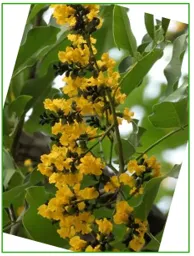
The tree may attain substantial height and is characterised by a stout trunk and greyish to dark, fissured bark capable of producing a reddish-brown kino exudate. Leaves are alternate and imparipinnate, flowers are yellowish and occur in terminal or axillary panicles, and the fruit is a flattened, winged pod. The yellowish-brown heartwood has received the greatest medicinal and phytochemical attention, although bark and kino have also been investigated.9
2.2 Distribution, Habitat and Conservation Considerations
P. marsupium is reported from the Indian subcontinent, including India, Nepal, Bangladesh and Sri Lanka, and is associated primarily with seasonally dry tropical and dry deciduous environments. Within India, it occurs in several central, western and southern regions. The species has also attracted conservation concern because medicinal and commercial demand overlaps with its value as a timber tree. Consequently, cultivation, regeneration and sustainable harvesting are relevant not only to conservation but also to the reproducibility of medicinal raw materials. 2,4
2.3 Traditional applications
The ethnomedicinal profile of P. marsupium is dominated by the heartwood. Ayurvedic use of Vijaysar is particularly associated with Prameha and diabetes-related metabolic disorders, including traditional preparations involving water infused with heartwood. The kino has traditionally been valued for astringent and styptic applications, while bark and other parts have been described for gastrointestinal, inflammatory, wound, skin and worm-related conditions. 2,3
Table 2. Traditional and ethnomedicinal uses of Pterocarpus marsupium Roxb.
|
Plant part |
Traditional preparation/application |
Reported use |
|
Heartwood |
Decoction or aqueous infusion; Vijaysar/Bijasar |
Prameha, diabetes and metabolic disorders; astringent and anti-inflammatory applications |
|
Bark |
Decoction, powder or extract |
Astringent, gastrointestinal, wound and inflammatory applications |
|
Kino/gum-resin |
Oral or topical preparations |
Astringent and styptic applications; diarrhea, bleeding and wounds |
|
Leaves |
Traditional preparations |
Inflammatory and skin-related applications |
|
Flowers |
Folk/traditional preparations |
Reported inflammatory and other medicinal applications |
|
Fruit/other parts |
Region-specific traditional use |
Various ethnomedicinal applications |
Traditional indications provide a useful hypothesis-generating basis for pharmacological research, but they should be interpreted separately from experimentally demonstrated efficacy. The strongest convergence between traditional use and modern experimental evidence is observed in metabolic disease, particularly diabetes. For several other indications, the ethnomedical record is substantially stronger than the modern mechanistic or clinical evidence. 1-3
3. PHYTOCHEMICAL COMPOSITION
3.1 Chemical Diversity
Phytochemical investigations indicate that P. marsupium contains multiple classes of secondary metabolites, including flavonoids, stilbenoids, phenolic compounds, tannins, glycosides and terpenoids. The qualitative and quantitative profile is not fixed: it may vary with plant part, geographical origin, maturity, harvesting conditions, storage and extraction methodology. This variability is an important consideration when pharmacological studies using apparently similar plant materials produce different results. 10
The heartwood is particularly notable for phenolic and stilbenoid constituents. Among the compounds repeatedly associated with the pharmacological literature are pterostilbene, (−)-epicatechin, catechin, marsupin, pterosupin, liquiritigenin and isoliquiritigenin. More recent reports have expanded the chemical profile to include glycosidic constituents such as pterocarposide and sabioside. However, chemical identification alone cannot establish biological responsibility; causal attribution requires activity-guided isolation, defined concentrations, mechanistic experiments and appropriate exposure studies. 10
Table 3. Major phytoconstituents reported from Pterocarpus marsupium Roxb. and their associated pharmacological relevance.
|
Phytoconstituent/group |
Chemical class |
Major reported source |
Reported pharmacological relevance |
|
Pterostilbene |
Stilbenoid |
Heartwood |
Metabolic, antioxidant, anti-inflammatory and anticancer effects, mainly preclinical |
|
(−)-Epicatechin |
Flavan-3-ol |
Bark/heartwood |
Antioxidant, glucose-related and cardiovascular effects |
|
Marsupin |
Flavonoid/phenolic constituent |
Heartwood |
Experimental antidiabetic and antioxidant relevance |
|
Pterosupin |
Phenolic/flavonoid-related |
Heartwood |
Antioxidant and other biological effects |
|
Liquiritigenin |
Flavanone |
Heartwood/root |
Antioxidant and other experimental effects |
|
Isoliquiritigenin |
Chalcone |
Heartwood/root |
Antioxidant, anti-inflammatory and cytoprotective potential |
|
Tannins/kinotannic constituents |
Polyphenolic |
Bark/heartwood/kino |
Astringent, protein-binding and antimicrobial properties |
|
Pterocarposide |
Glycosidic phenolic |
Reported in recent investigations |
Emerging constituent; pharmacological significance requires validation |
|
Sabioside |
Glycosidic constituent |
Reported in recent investigations |
Emerging constituent; biological relevance remains to be established |
3.2 Major Bioactive Constituents and Evidence Interpretation
3.2.1 Pterostilbene
Pterostilbene is a methoxylated stilbenoid related structurally to resveratrol and is one of the characteristic compounds reported from P. marsupium heartwood. Its physicochemical properties, including relatively greater lipophilicity than hydroxyl-rich stilbenes, provide a plausible basis for biological activity, but physicochemical differences should not be interpreted as proof of superior clinical exposure. Experimental literature associates pterostilbene with metabolic, antioxidant, anti-inflammatory, neuroprotective and anticancer effects. Importantly, evidence obtained with purified pterostilbene must be distinguished from evidence obtained with whole-plant extracts, because the latter contain multiple constituents and may have a different exposure profile. 11-12
3.2.2 (−)-Epicatechin
(−)-Epicatechin is a flavan-3-ol isolated from P. marsupium and is among the best-characterized constituents linked to its traditional antidiabetic reputation. Early experimental work identified glucose-related effects, while subsequent investigations supported antioxidant and metabolic actions. The evidence is most useful when interpreted as a constituent-level contribution rather than as proof that epicatechin alone explains the activity of every P. marsupium preparation. 13-15
3.2.3 Marsupins and Pterosupins
Marsupin and pterosupin are characteristic phenolic constituents of the heartwood and have been investigated in relation to the plant's glucose-regulatory and antioxidant properties. Compared with epicatechin and pterostilbene, the independent evidence base for these compounds is smaller. Their contribution to extract-level activity therefore remains plausible but incompletely resolved, particularly with respect to oral exposure, metabolism and tissue distribution. 10
3.3 Phytochemical standardization and quality considerations
Standardization is a prerequisite for meaningful comparison among pharmacological studies and for eventual development of reproducible phytopharmaceutical preparations. Plant authentication should be accompanied by documentation of the plant part, collection site, harvesting stage, and processing and extraction conditions. Quantitative analysis of characteristic constituents using validated chromatographic methods can then provide a chemical basis for batch characterization. 16
HPLC, HPTLC and LC–MS, together with spectroscopic approaches where appropriate, can be used to generate quantitative profiles and fingerprints. Epicatechin and pterostilbene are reasonable candidate analytical markers because they are repeatedly represented in the pharmacological literature; however, marker selection should ultimately be based on validated occurrence, analytical robustness and demonstrated relevance to preparation quality and biological activity. Total phenolic/flavonoid measurements alone are insufficient to establish chemical equivalence between batches.
4. PHARMACOLOGICAL EVIDENCE
The pharmacological literature on P. marsupium is broad but uneven. Antidiabetic activity has the strongest convergence of traditional use, experimental investigation and limited human evidence. Antioxidant, anti-inflammatory, and antihyperlipidemic effects provide mechanistic support for a broader metabolic profile. Hepatoprotective, antimicrobial and anticancer effects have also been reported, whereas cardioprotective, neuroprotective, anticataract and anthelmintic applications remain less mature. The following sections therefore emphasize both the reported outcome and the level of evidence supporting it. 17-19
4.1 Antidiabetic activity
The antidiabetic potential of P. marsupium is the most extensively studied component of its pharmacological profile. Early work identified (−)-epicatechin as a bioactive constituent and reported glucose-lowering effects in alloxan-induced diabetic rats. An important nuance in these experiments is that activity was more evident when treatment was initiated before or shortly after diabetogenic injury than after established diabetes, raising the possibility of pancreatic protective effects in addition to direct glucose-lowering activity.
Subsequent studies using alcoholic bark extracts and fractions demonstrated reductions in plasma glucose together with improvements in cholesterol, triglycerides and other diabetes-associated biochemical parameters. Comparative work with heartwood extracts also indicated that extraction methodology can influence pharmacological performance, suggesting that solvent selection and processing are not merely technical details but determinants of biological equivalence.
Studies using aqueous bark preparations in fructose-induced insulin resistance further support an effect on metabolic homeostasis. More recent experimental work has associated P. marsupium treatment with reductions in blood glucose and HbA1c, improvement of insulin-related measures and favorable changes in lipid and inflammatory parameters. In addition, heartwood extracts have shown antiglycation and aldose-reductase-inhibitory activity in vitro, suggesting potential relevance to pathways involved in diabetic complications. 20
Taken together, the antidiabetic evidence supports a multi-component model involving glucose regulation, insulin-related activity, oxidative-stress attenuation, lipid metabolism and inflammatory signaling. Nevertheless, comparison is constrained by differences in animal models, plant material, extraction conditions, dose and chemical standardization. 21
4.2 Antioxidant activity
Antioxidant activity is consistently reported for P. marsupium extracts and is biologically relevant to its metabolic pharmacology because oxidative stress contributes to β-cell dysfunction, insulin resistance, inflammation and tissue injury. Aqueous stem-bark extract demonstrated strong activity in chemical antioxidant systems and protected liver-slice mitochondria against oxidative injury, while stem-wood extracts showed concentration-dependent radical-scavenging activity in DPPH assays. 22
These findings support the presence of redox-active constituents, particularly polyphenols and flavonoids. However, chemical radical-scavenging assays should be interpreted as screening evidence rather than direct indicators of clinical antioxidant efficacy. Cellular assays and in vivo studies using validated biomarkers are needed to determine whether the observed activity translates into biologically relevant modulation of oxidative stress. 22
4.3 Anti-inflammatory activity
Experimental studies indicate that P. marsupium extracts can suppress inflammatory responses. In a carrageenan-induced paw edema model, an acetone-isopropyl alcohol stem-wood extract produced dose- and time-dependent inhibition. In diabetic animals, treatment has also been associated with lower TNF-α and IL-6 together with reductions in oxidative-stress and apoptosis-related markers.
Pterostilbene provides a potential constituent-level explanation because experimental studies have linked it with inflammatory signaling, including COX-2/prostaglandin and PI3K/Akt- or NF-κB-related pathways. Nevertheless, the relative contribution of pterostilbene versus other phenolics in standardized P. marsupium preparations remains unresolved. 17-19
4.4 Antimicrobial activity
P. marsupium extracts have demonstrated antibacterial activity against selected organisms, with activity differing according to extraction solvent and microbial species. Such variation is consistent with the influence of phenolics, tannins and flavonoids on microbial proteins, membranes and enzymes. However, diffusion-based assays provide preliminary evidence only. Minimum inhibitory and bactericidal concentrations, antibiofilm activity, mechanism-based assays and standardized chemical characterization would be required before antimicrobial claims could be translated into therapeutic relevance. 17-18
4.5 Analgesic activity
Analgesic activity has been reported for ethanolic stem-wood extracts in chemically induced writhing models in mice, with dose-dependent protection. Because this model primarily reflects peripheral chemical nociception, the findings are compatible with an analgesic effect but do not establish central analgesic mechanisms. Additional thermal, inflammatory and receptor-specific models would strengthen interpretation.18
4.6 Antihyperlipidemic activity
The antihyperlipidemic activity of P. marsupium is particularly relevant to its traditional and experimental association with diabetes and metabolic disease. Early work with isolated flavonoids provided evidence of lipid-lowering activity, while subsequent studies with bark fractions reported improvements in cholesterol and triglyceride-related abnormalities. The convergence of glucose- and lipid-related effects suggests that P. marsupium may influence cardiometabolic physiology through multiple interacting pathways rather than a single lipid target. 23,24
At present, however, the molecular basis of the lipid-lowering response remains insufficiently characterized. Future work should relate quantified phytochemical exposure to lipid endpoints and investigate specific metabolic targets in standardized preparations.
4.7 Hepatoprotective activity
Hepatoprotective effects have been demonstrated in chemically induced liver injury models. P. marsupium extracts reduced biochemical indicators of CCl₄-induced hepatic damage, while an ethanolic leaf extract showed protective effects in a paracetamol-induced injury model and improved antioxidant defense markers such as SOD, GSH, and catalase. These findings are compatible with antioxidant and membrane-protective mechanisms. 25, 26
The evidence nevertheless remains preclinical. The hepatoprotective potential of P. marsupium should not be generalized across preparations without consideration of plant part, extraction procedure and chemical composition, and clinical confirmation is required before therapeutic claims are made.
4.8 Cardiometabolic and vascular potential
Cardiovascular relevance is currently best interpreted as a consequence of the plant's metabolic, antioxidant, anti-inflammatory and lipid-modulating activities rather than as evidence of an established cardioprotective therapy. Experimental flavonoid studies provide a pharmacological basis for further investigation, while early work with epicatechin indicates cardiovascular biological activity. Dedicated models of endothelial function, vascular reactivity, myocardial injury and cardiovascular disease are required to establish whether these observations translate into clinically meaningful benefit. 17-19
4.9 Anticancer activity
Anticancer research has focused substantially on pterostilbene. Pterostilbene isolated from P. marsupium has shown cytotoxic and antiproliferative activity in MCF-7 breast cancer and PC3 prostate cancer cells, with reported involvement of Akt, Bcl-2, Bax, caspases, MMP-9, and AMACR. These observations provide mechanistic evidence for a lead-compound concept, but the evidence remains predominantly in vitro. Accordingly, P. marsupium should not be characterized as an established anticancer treatment; its current significance lies in providing molecules that warrant further target-based and in vivo investigation. 30
4.10 Neuroprotective and anticataract potential
Neuroprotective activity is an emerging area supported mainly by the antioxidant and anti-inflammatory properties of the plant's phenolic constituents. The mechanistic rationale includes possible modulation of neuronal oxidative stress, mitochondrial dysfunction, neuroinflammation and apoptosis, but the evidence base is smaller than that for antidiabetic activity. 22
Similarly, the association between diabetes, oxidative stress and ocular injury provides a rationale for investigating anticataract effects. Existing experimental observations suggest potential benefit in diabetes-associated ocular complications, but direct mechanistic evidence remains limited. Validated lens-opacity models and molecular endpoints are required before the activity can be considered established. 21
4.11 Anthelmintic potential
Traditional use of P. marsupium for worm infestation provides a rationale for investigating its anthelmintic properties. Nevertheless, compared with the antidiabetic and antioxidant literature, modern experimental evidence is limited. Tannins, flavonoids and other phenolics provide a plausible chemical basis, but systematic concentration-response studies using defined helminth species and appropriate reference drugs are needed. The current evidence therefore supports anthelmintic activity as a research opportunity rather than a clinically established indication. 21
Table 4. Pharmacological activities of Pterocarpus marsupium Roxb.: experimental evidence and major findings.
|
Activity |
Plant material/model |
Evidence level |
Principal interpretation |
|
Antidiabetic |
Bark/heartwood extracts; alloxan, fructose and streptozotocin models; isolated epicatechin |
Strongest preclinical support; limited human evidence |
Multi-component glucose, insulin, and oxidative and inflammatory effects |
|
Antioxidant |
Stem-bark/stem-wood/heartwood extracts; chemical and tissue models |
Consistent preclinical/in-vitro evidence |
Polyphenol-associated redox modulation |
|
Anti-inflammatory |
Stem wood extracts, carrageenan and diabetic models, pterostilbene |
Preclinical |
Possible modulation of cytokines, COX-2, and inflammatory signaling |
|
Antihyperlipidemic |
Isolated flavonoids and bark fractions |
Preclinical |
Potential modulation of lipid metabolism |
|
Hepatoprotective |
Heartwood/leaf extracts; CCl₄ and paracetamol models |
Preclinical |
Antioxidant and tissue-protective effects |
|
Antimicrobial |
Stem-wood extracts; bacterial assays |
Preclinical/in vitro |
Activity varies with extract and organism; requires MIC/MBC validation |
|
Anticancer |
Pterostilbene; MCF-7, PC3, and related models |
Predominantly in vitro |
Promising lead-compound activity; no clinical validation |
|
Cardiometabolic |
Flavonoid/heartwood preparations |
Early preclinical |
Potential secondary benefit of metabolic and redox effects |
|
Neuroprotective |
Extracts/phenolics |
Emerging preclinical |
Requires dedicated neuronal and in vivo validation |
|
Anthelmintic |
Traditional bark/heartwood use; limited modern studies |
Limited |
Important gap for standardized experimental investigation |
5. PHYTOCHEMISTRY–PHARMACOLOGY RELATIONSHIP AND MECHANISTIC INSIGHTS
The available evidence is more consistent with a multi-component pharmacological model than with a single-compound explanation. Flavonoids and other phenolics can contribute to redox and inflammatory regulation, while pterostilbene has been investigated in metabolic, inflammatory, and apoptosis-related pathways. Epicatechin has a particularly prominent relationship with glucose homeostasis, whereas flavonoid-rich fractions have been associated with lipid-lowering effects. 21
At the extract level, a useful working model is that multiple constituents act on interconnected pathways: modulation of glucose handling and insulin-related responses may occur alongside attenuation of oxidative stress and inflammation, with additional effects on lipid metabolism. This framework is pharmacologically plausible but should not be presented as proof of synergy. Demonstrating true synergy requires defined combinations and appropriate experimental approaches such as response-surface analysis or isobolographic methods.
Table 5. Phytochemistry–Pharmacology Relationships and Proposed Mechanisms of Action of Pterocarpus Marsupium Constituents.
|
Major constituent/class |
Reported activity |
Interpretive mechanistic relevance |
|
(−)-Epicatechin |
Antidiabetic, antioxidant |
Possible β-cell protection, glucose homeostasis and redox modulation |
|
Pterostilbene |
Metabolic, antioxidant, anti-inflammatory, anticancer |
Potential modulation of metabolic/inflammatory signalling and apoptosis |
|
Marsupin |
Antidiabetic/phenolic activity |
Possible contribution to glucose-regulatory activity |
|
Pterosupin |
Antidiabetic/phenolic activity |
Possible contribution to heartwood-associated activity |
|
Flavonoids |
Antioxidant, anti-inflammatory, antihyperlipidemic |
Redox regulation and possible lipid/inflammatory modulation |
|
Phenolic compounds |
Antioxidant and anti-inflammatory |
Radical scavenging and inflammatory pathway modulation |
|
Tannins |
Antioxidant and antimicrobial |
Protein interaction and effects on microbial structures |
|
Pterocarposide/sabioside |
Emerging constituents |
Requires direct pharmacological and mechanistic validation |
A critical issue is exposure. Concentrations of individual constituents achieved after oral administration of crude extracts are often insufficiently characterized, and absorption, metabolism and tissue distribution may alter biological activity substantially. Therefore, mechanistic claims should increasingly be linked to quantitative phytochemistry and pharmacokinetic measurements rather than inferred solely from in vitro potency.
6. SAFETY, TOXICOLOGY AND CLINICAL EVIDENCE
6.1 Preclinical safety
Available acute toxicity observations suggest a relatively wide safety margin for some P. marsupium preparations. An aqueous heartwood extract was reported to produce no mortality or major toxic signs at doses up to 5000 mg/kg in an acute toxicity study. These findings are encouraging but cannot be generalized to all plant parts or extracts because chemical composition and exposure vary substantially. 28
For translational development, safety assessment should extend beyond acute toxicity to repeated-dose toxicity, reproductive and developmental toxicity, genotoxicity and organ-specific evaluation. Standardised preparations should be tested for the same chemical markers intended for quality control so that safety findings can be related to a defined material. 27
6.2 Clinical evidence for antidiabetic activity
Limited clinical observations provide preliminary support for the traditional antidiabetic application. A multicenter open clinical study in newly diagnosed non-insulin-dependent diabetes mellitus reported glycemic improvement in a proportion of evaluable patients after approximately 12 weeks of Vijayasar administration. A subsequent study evaluated P. marsupium wood powder as an adjunct to conventional oral hypoglycemic therapy and reported reductions in fasting and postprandial glucose and HbA1c over 12 weeks. 28,29
These observations are clinically relevant because they extend the evidence beyond animal models, but their interpretation is limited by study design, sample size, duration and differences in preparation and standardisation. Larger randomised controlled trials using chemically characterised preparations are necessary to determine efficacy, optimal dose and durability of response.
6.3 Human safety and pharmacokinetic considerations
A randomised, double-blind, placebo-controlled study in healthy adults evaluated a standardised P. marsupium preparation enriched in pterostilbene at 200 mg/day for 60 days and reported no serious adverse events, with clinical laboratory parameters remaining within expected ranges. This provides useful short-term safety information for that defined preparation, but it should not be extrapolated to all P. marsupium products or to long-term use in patients with chronic disease.
Pharmacokinetic information remains comparatively limited. For compounds such as epicatechin and pterostilbene, absorption, metabolism and biotransformation may determine whether concentrations capable of producing the observed experimental effects are achieved in humans. Because P. marsupium may influence glucose and lipid metabolism, potential interactions with conventional medicines also warrant systematic evaluation. 30
7. LIMITATIONS OF CURRENT EVIDENCE AND RESEARCH GAPS
Several limitations recur across the literature. First, substantial heterogeneity exists in botanical material, plant part, extraction solvent, processing, dose and experimental model. Consequently, apparently conflicting findings may reflect chemically different preparations rather than true biological inconsistency. Second, many investigations use crude extracts without sufficient quantitative characterisation, making it difficult to identify the constituents responsible for activity or to reproduce the preparation.
Third, a large proportion of the evidence remains in vitro or preclinical. Chemical antioxidant assays, cell-line cytotoxicity and short-term animal models can identify pharmacological signals, but they do not establish clinical efficacy. Fourth, the relationship between isolated-compound activity and extract-level effects remains incompletely defined. Potential additive, synergistic or antagonistic interactions require direct experimental demonstration rather than assumption.
Finally, pharmacokinetic exposure, long-term toxicity, herb-drug interactions and clinical dose optimization remain insufficiently studied. These limitations are especially important for a plant being considered for chronic metabolic disorders, where treatment may be prolonged and concurrent medication use is common.
Table 6. Major research gaps and future priorities for the development of Pterocarpus marsupium-derived phytopharmaceuticals.
|
Research gap |
Current limitation |
Recommended approach |
|
Botanical/extract standardization |
Variation in plant part and extraction method |
Authentication, defined processing, chromatographic fingerprints and quantitative markers |
|
Phytochemical attribution |
Crude extracts often lack quantitative profiling. |
Activity-guided isolation and validated quantitative analysis |
|
Mechanistic validation |
Limited target-specific evidence |
Biochemical assays, cellular models and pathway validation |
|
Pharmacokinetics |
Limited information on exposure and metabolism |
ADME, bioavailability, tissue distribution and PK–PD studies |
|
Safety |
Limited long-term data |
Chronic, reproductive, developmental and genotoxicity studies |
|
Clinical evidence |
Small/limited studies and variable preparations |
Adequately powered randomised multicentre trials |
|
Herb–drug interactions |
Insufficient mechanistic and clinical data |
CYP/transporter and clinical interaction studies |
|
Novel constituents |
The biological significance of newer compounds remains uncertain. |
Isolation, target identification and structure–activity studies |
|
Advanced formulations |
Early-stage evidence for delivery systems |
Comparative PK, efficacy and long-term safety evaluation |
|
Anthelmintic potential |
Limited modern evidence |
Standardized in vitro and in vivo helminth studies |
8. FUTURE PERSPECTIVES AND TRANSLATIONAL POTENTIAL
Future research should move beyond repeated demonstration of crude-extract activity toward chemically defined, mechanism-oriented studies. The first step should be authentication and standardisation of botanical material, followed by quantitative profiling of characteristic constituents. Comparative evaluation of crude extracts, standardised fractions, purified compounds and defined combinations would help determine whether the biological response is driven primarily by individual molecules or by interactions among constituents.
Mechanistic studies should be integrated with pharmacokinetics. Molecular docking and network pharmacology can be useful hypothesis-generating tools, but predicted interactions require biochemical, cellular and in vivo confirmation. Similarly, evidence of in vitro potency should be interpreted alongside achievable systemic and tissue concentrations. A translational workflow can therefore be represented as authenticated material → standardised extraction → quantitative phytochemistry → target identification → mechanistic validation → PK/PD characterisation → in vivo efficacy → toxicology → clinical evaluation. ss
Advanced delivery systems may provide opportunities where limited bioavailability constrains therapeutic exposure. However, formulation development should show meaningful improvement in pharmacokinetics and biological efficacy rather than relying solely on nanoscale characterisation. The underexplored anthelmintic potential also represents a focused opportunity for future investigation because it links a traditional indication with a comparatively limited modern evidence base.
CONCLUSION
Pterocarpus marsupium Roxb. is a chemically diverse medicinal plant with a pharmacological profile that is particularly relevant to metabolic disease. Flavonoids, stilbenoids and phenolic constituents—including (−)-epicatechin, pterostilbene, marsupin and pterosupin—provide plausible molecular contributors to the antidiabetic, antioxidant, anti-inflammatory and antihyperlipidemic effects reported in experimental studies. Hepatoprotective, antimicrobial and anticancer activities provide additional evidence of pharmacological potential, while cardiometabolic, neuroprotective, anticataract and anthelmintic applications remain less mature.
The central limitation is not a lack of reported activity but insufficient comparability and translation. Variation in plant material, extraction procedures, chemical composition, dose and experimental models complicates interpretation, while pharmacokinetic, long-term safety and clinical evidence remain limited. The next phase of P. marsupium research should therefore prioritize standardized preparations, quantitative phytochemical markers, exposure–response relationships, rigorous mechanistic validation and adequately designed clinical studies. Such an approach would allow the therapeutic potential of P. marsupium to be evaluated on the basis of reproducible evidence rather than traditional claims or isolated preliminary findings.
CONFLICT OF INTEREST
The authors have no conflicts of interest.
REFERENCES


Marati Kavitha, Maheen Saniya, Nomula Manisha, Muthyala Akhila, Medipally Pravalika, Pterocarpus marsupium Roxb.: A Comprehensive Review of Phytochemistry, Traditional Uses, Pharmacological Activities, and Therapeutic Potential, Int. J. of Pharm. Sci., 2026, Vol 4, Issue 10, 483-497, https://doi.org/10.5281/zenodo.23160602
 10.5281/zenodo.23160602