

We use cookies to ensure our website works properly and to personalise your experience. Cookies policy
1Department of Pharmaceutics, Chemists College of Pharmaceutical Sciences and Research, Varikoli, Ernakulam, Affiliated to Kerala University of Health Science.
23456 Chemists College of Pharmaceutical Sciences and Research, Varikoli, Ernakulam, Affiliated to Kerala University of Health Science.
Sunburn, an acute inflammatory skin disorder marked by erythema, discomfort, oxidative stress, and tissue destruction, is caused by excessive exposure to ultraviolet (UV) light. Rising interest in herbal-based topical formulations for safer and more biocompatible skin care has resulted from rising awareness of the negative effects of synthetic agents. Herbal after-sun gels are useful for treating sunburn and encouraging skin restoration because they have calming, hydrating, antioxidant, and anti-inflammatory properties. The formulation techniques and evaluation of herbal after-sun gels are the main topics of this review, with a particular emphasis on popular plant extracts like aloe vera, cucumber, green tea, turmeric, and gooseberry . In order to improve stability, spreadability, and patient compliance, it highlights several gel formulation techniques, such as the choice of gelling agents, the addition of herbal actives, and the optimization of physicochemical qualities. Additionally, the review also discusses key evaluation parameters such as pH, viscosity, spreadability, homogeneity, stability studies, and in-vitro release. Overall, herbal after-sun gels represent an effective and natural approach for sunburn management.
People all over the world are exposed to sunlight every day. Moderate sun exposure helps the body make vitamin D, but too much sun exposure can seriously harm the skin. The skin is the body’s main sense organ, and it comes into direct contact with the outside world. Long-term exposure to sunlight can cause sunburn, photoaging, and even skin cancer. ¹
Our skin is structurally composed of mainly 3 layers : the outermost epidermis, middle dermis, and innermost hypodermis. UV radiation can penetrate different layers of skin and cause cellular damage, oxidative stress and long term degradation changes in skin and it is called photodamage.
The terrestrial solar ranges between 280 and 2500 nm, where ultraviolet (UV) radiation is considered one of the most harmful to the skin. Ultraviolet radiation is broadly classified into UVA (320-400) and UVB (280–320 nm), both of which penetrate the skin and contribute to photodamage. While UVA penetrates deeper into skin sensitization reactions ; UVB primarily affects the epidermis and is the main cause of skin sunburn and damage, skincancer,infammation,photoimmunosuppression and melanogenesis².
Exposure to ultraviolet (UV) radiation leads to the generation of reactive oxygen species (ROS) in the skin, which play a key role in photodamage. These ROS induce oxidative stress by damaging cellular components such as lipids, proteins, and DNA, thereby disrupting normal skin function. Additionally, ROS activate various intracellular signaling pathways that promote the release of inflammatory mediators, including cytokines and prostaglandins, resulting in sunburn symptoms such as redness, swelling, and irritation. Prolonged oxidative stress may also contribute to premature skin aging and cell death³. So the exposure to UV not only produces erythema, edema and pain but also leads to disruption of skin barrier function and trans epidermal water loss. This can result in dryness, skin irritation and sensitivity. This necessitates immediate post sun management and care to minimize the inflammation and to support skin recovery. After sun care aims to soothe and hydrate damaged, irritated tissues and also restore skin integrity and promote skin repair. The development of after sun gel formulation plays a significant role in management of UV induced skin damage and to
promote regeneration and skin repair.
Topical formulations are commonly preferred for this purpose, as they allow localized action with minimal systemic effects.⁴ Among them, gels have gained significant attention owing to their non-greasy nature, ease of application, and rapid absorption.⁵ They provide a cooling and soothing effect on the skin, helping to relieve burning sensation, redness, and irritation associated with sunburn. Furthermore, incorporation of herbal ingredients enhances their therapeutic potential by offering additional anti-inflammatory, antioxidant, and moisturizing benefits, making herbal after-sun gels a promising approach for the management of UV-induced skin damage.⁴
Topical Gels
Topical formulations are utilized for their targeted effects at the application site, owing to the drug’s ability to penetrate the deeper layers of the skin or mucous membrane. They can infiltrate further into the skin, resulting in enhanced absorption. There are numerous benefits to using topical applications compared to traditional dosage forms. Generally, they tend to be more effective and exhibit lower toxicity than standard formulations. Topical preparations deliver their effects directly at the action site. Within the primary category of semisolid preparations, the popularity of topical gels has increased in both cosmetic and pharmaceutical applications.⁶ Among different topical systems, gels are recognized as one of the most commonly employed semisolid formulations.
Gels are semisolid dosage forms made up of a three-dimensional network of polymers that retain a significant amount of liquid. Because they are non-greasy, simple to apply, and offer good patient compliance, they are frequently employed in topical medication delivery.⁵ Gels are ideal for dermatological disorders including sunburn and inflammation because they enable faster drug release and greater skin absorption. Their utility in topical preparations is further enhanced by the cooling and calming impact they provide.⁶
Classification Of Gels7
Gels are classified mainly by two methods based on:
1)Nature of colloid phase
a. Inorganic gels (Two phase system)
b. Organic gels (single phase system)
2) Based on nature of solvent
a. Hydrogel (Aqueous gels)
b. Xerogel
c. Organic gel (Non aqueous gels)
3). Based on rheological properties
a. Plastic gels
b. Pseudo plastic gels
c.Thixotropic gels
4). Based on physical nature
a. Elastic gel
b. rigid gels
Herbal Ingredients Used
Herbal actives are essential in creating after-sun gels because they offer natural benefits for skin that has been exposed to the sun. These plant-based ingredients contain bioactive compounds like flavonoids, polyphenols, vitamins, and essential oils. They help reduce inflammation, neutralize free radicals, and support skin healing. Adding these herbal actives to gel formulations improves the effectiveness and safety of after-sun products. This makes them a favored choice over synthetic agents in skincare.
1.Aloe vera
Aloe vera, also known as Aloe barbadensis, has been scientifically proven to help with all types of burns, including radiation, thermal, and solar. It is effective when used before, during, and after these skin-damaging events. The plant is mainly recognized for its soothing and cooling effects, but it must be used at 100% concentration to be effective. Polysaccharides, mannose-6-phosphate, and complex anthraquinones all work together to enhance its benefits. The natural components of Aloe vera can be grouped into several categories: amino acids, anthraquinones, enzymes, lignin, minerals, mono- and polysaccharides, salicylic acid, saponins, sterols, and vitamins. Aloe vera not only improves fibroblast cell structure but also speeds up collagen production. It serves as a highly effective moisturizer and healing agent for skin.8
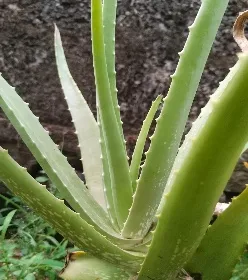
Figure 1: Aloe vera leaves (Source: Author’s own photograph)
2. Cucumber
Cucumber plays an important role in skin rejuvenation, correction, and protection. It has antioxidant and anti-inflammatory properties and contains vitamins E and C. Research shows that applying vitamins topically can help treat various skin issues and may prevent or slow certain age-related changes, such as skin shedding and dryness. Additionally, the qualities of. these vitamins have led to their use in creams and moisturizers to maintain soft and smooth skin by replenishing.9
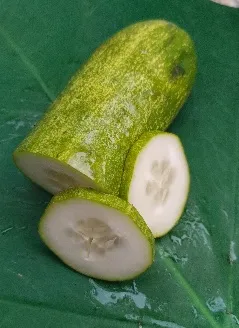
Figure 2 : Cucumber ( Source: Author’s own photograph)
3. Curcuma longa
Curcuma longa, commonly known as turmeric, belongs to the Zingiberaceae family. Turmeric is a widely used spice and food coloring agent. Curcumin is the main ingredient in Curcuma longa, extracted from the plant's rhizome. Curcumin is a polyphenol and a potent antioxidant with photoprotective properties. It has antioxidant, anti-inflammatory,and antitumor effect. Its inhibitory effects stem from its ability to scavenge reactive oxygen species (ROS).10
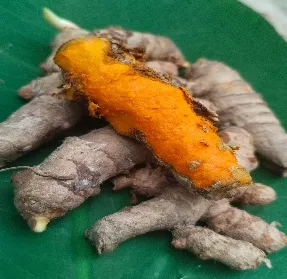
Figure 3: Turmeric (Source: Author’s own photograph)
4. Green Tea
Green tea, or the dried buds and leaves of Camellia sinensis, protects the skin from inflammation, chemicals, and UV-induced cancer when consumed or applied topically. Additionally, green tea prevents UV-induced immune suppression.11
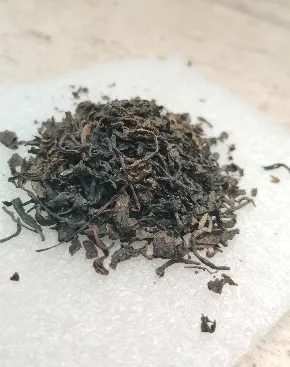
Figure 4: Green tea (Source: Author’s own photograph )
Formulation Strategies
In addition to herbal actives, the formulation also includes various excipients that are important for the product’s performance and stability. Gelling agents provide the right viscosity and texture. Humectants assist with moisture retention, while preservatives protect product safety by stopping microbial contamination. An effective herbal after-sun gel is created through a balanced mix of plant-based actives and functional excipients. This leads to better stability, improved therapeutic action, and increased user acceptance.¹²
Gelling Agent:Gelling agents help create a semisolid structure and the right thickness in after-sun gels. They ensure a smooth texture, easy spreading, and even application of the formulation. Common examples are carbopol, xanthan gum, and hydroxypropyl methylcellulose (HPMC).
Carbopol - It is a polymer that thickens and stabilizes gels commonly used in cosmetic products. It is valued for creating non-greasy, smooth textures and for helping to evenly distribute the product’s active ingredients . Carbopol is mainly used in skin gels for several reasons:
Stability of Formulation- Carbopol keeps ingredients from separating in skincare formulas. It is important for active chemicals to be evenly spread throughout the gel.
The gel form allows for controlled release and easy application without feeling sticky or greasy.
Increased Absorption of Active Ingredients-Carbopol allows active ingredients to be absorbed more efficiently into the skin.
Preservatives: These are added to prevent microbial growth and ensure safety and efficacy of formulation .Common preservatives includes methyl paraben ,propyl paraben and phenoxyethanol.
Methyl and Propyl Paraben
Increasing Shelf Life- These helps to extend the shelf life of gel-based products by preventing the growth of microorganisms.
Hydrating and Moisturizing Gels: Parabens help keep hydrating gels, such as those with hyaluronic acid or aloe vera , fresh and safe for long-term use. Propyl paraben and methyl paraben stabilize gels and prevent microbiological growth.¹³
Humectants: Humectants are used to retain moisture in the skin and prevent dryness after sun exposure.
Glycerine
Calming Effect- Glycerine soothes irritated skin. It is gentle and does not cause irritation, making it ideal for soothing sensitive skin. It helps to reduce redness and irritation caused by environmental factors, dryness, or minor abrasions.
Sunburn Relief-Glycerine is commonly found in after-sun gels. It has cooling and soothing properties that reduce sunburn discomfort by drawing moisture to the skin.
PH Adjusters:PH adjusters are used to maintain the pH of the gel close to skin pH (5.5–6.5), ensuring skin compatibility and reducing irritation. Examples include triethanolamine and citric acid.
Citric Acid: This is used to adjust the pH and maintain skin compatibility.
Solvent: Distilled Water: This is used throughout extraction, dilution, and formulation to maintain purity and sterility.¹⁴
General Methods of Preparation15
1.Cold method
This method is for heat sensitive drugs or vehicles.This process involves by keeping the components at very low temperature.Then mix solution A and solution B.Solution A consist of polymer and penetration enhancers/additives.Solution B consist of drug and solvent.In the final step solution B is slowly integrated into solution A under continous stirring to ensure a uniform , smooth mass.
2.Dispersion method
It is a technique relying on the hydration time of the polymer.The process involves by adding polymer to water and allowed to sit for two hours to ensure dissolution and swelling.Once the polymer base is ready the remaining preservatives ,stabilizers are mixed until the mass is homogenous.
3.Thermal changes
Gels can be formed by modulating temperature to change the solubility or hydration of lipophilic colloids.The mechanism involves by cooling a concentrated hot solution of gelatin or agar and it reduces the level of hydration causing the molecules into a gel like substance.The Hydrogen Bond Factor is really important. Some things like cellulose ethers can stay soluble because of hydrogen bonding.By heating these things up it can actually break the hydrogen bonds and that can cause them to become a gel. This does not happen the way with all materials. So the Hydrogen Bond Factor is not something that always works the way with every material.
4.Chemical reaction
Instead of physical mixing the gel structure is formed through a chemical interaction between solutes and solvents.Aluminum Hydroxide Gel is made by mixing aluminum salts with sodium carbonate, in water.Silica Gel is made by reacting sodium silicate, acids and water. The gel structure and the framework of the gel are very important for Aluminum Hydroxide Gel and Silica Gel to be made properly.
5.Flocculation method
This method is about adding the right amount of salt.The salt is that makes the molecules in the solution come together.The Balance is important. Add salt to make the molecules cluster together but not so much that they turn into a solid. Hydrophobic substances: These often turn into gels that become liquid when you shake them and then go back to being gel by leaving them.Hydrophilic substances are different. adding salt to acacia or gelatin does not always work as planned. This is because the salt takes away the water molecules that these substances need which is called the "salting-out" effect. The Flocculation Method and the salt used in it can have effects on Hydrophilic substances, like acacia and gelatin.15
EVALUATION
Evaluation is carried out to ensure its quality,safety,stability and effectiveness. It involves parameters such as appearance,homogeneity and spreadability,which can influence the gel’s performance and user acceptability.
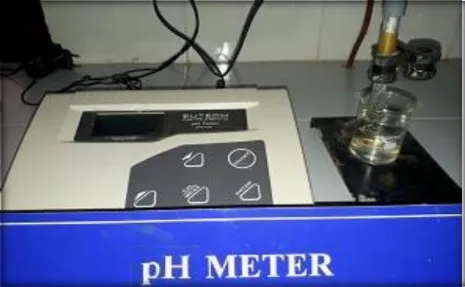
Figure 5: pH meter (Source: Author’s own photograph)
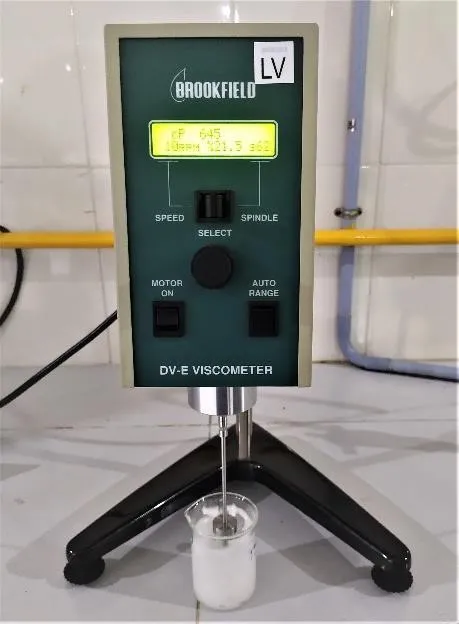
Figure 6 : Brookfield viscometer (Source: Author’s own photograph )
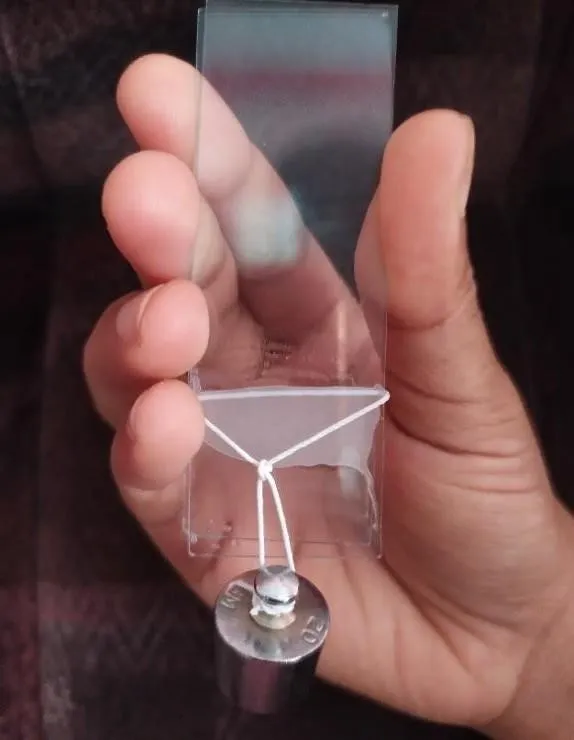
Figure 7: Spreadability by glass slide method
(Source: Author’s own photograph )
5.Moisturizing effect: This is evaluated to determine its ability to hydrate skin. It is assessed by applying the gel to skin and measuring the increase in hydration by comparing skin moisture before and after application. ¹⁶
6.Skin irritation: This is done to evaluate the safety of the gel on skin. A small amount of gel will be applied to a definite area and the site will be observed for redness, itching, or swelling. ¹⁷
7.Drug content uniformity: This is evaluated to ensure that the active ingredients are distributed throughout the gel.⁶
REFERENCES





Sherin Kunjumon, Devika Prasad, Anupama Arackal, Aparna Jayaprakash, Afnitha Aliyar, Alin Khadeeja, Herbal After Sun Gels: Formulation Strategies and Evaluation, Int. J. of Pharm. Sci., 2026, Vol 4, Issue 5, 7792-7800. https://doi.org/10.5281/zenodo.20439363
 10.5281/zenodo.20439363