

We use cookies to ensure our website works properly and to personalise your experience. Cookies policy
1Pravara Rural Education Society, College of Pharmacy for Women, Chincholi, Nashik, Maharashtra, India.
2Professsor, Department of Pharmaceutical chemistry, Pravara Rural Education Society, College of Pharmacy for Women, Chincholi, Nashik, Maharashtra, India.
Metabolic diseases such diabetes, obesity, metabolic syndrome, dyslipidemia, and non-alcoholic fatty liver disease (NAFLD) are major health problems associated with insulin resistance, oxidative stress, chronic inflammation, and abnormalities in glucose and lipid metabolism. This review looks at the potential application of herbal remedies for the prevention and supplemental treatment of metabolic illnesses. Many medicinal plants, including turmeric, garlic, neem, ashwagandha, fenugreek, and cinnamon, contain bioactive phytochemicals with antidiabetic, antioxidant, anti-inflammatory, hypolipidemic, and metabolic regulating properties. These herbal treatments may improve insulin sensitivity, regulate fat and carbohydrate metabolism, reduce oxidative stress and inflammation, and help control weight. Metabolic diseases such diabetes, obesity, metabolic syndrome, dyslipidemia, and non-alcoholic fatty liver disease (NAFLD) are major health problems associated with insulin resistance, oxidative stress, chronic inflammation, and abnormalities in glucose and lipid metabolism. Many medicinal plants, including turmeric, garlic, neem, ashwagandha, fenugreek, and cinnamon, contain bioactive phytochemicals with antidiabetic, antioxidant, anti-inflammatory, hypolipidemic, and metabolic regulating properties. These herbal treatments may improve insulin sensitivity, regulate fat and carbohydrate metabolism, reduce oxidative stress and inflammation, and help control weight. However, a variety of parameters, including as patient characteristics, phytochemical composition, dosage, formulation, bioavailability, and plant species, affect how beneficial they are.
Defination: The process of getting energy from meals composed of proteins, carbs, and fats is called metabolism. The digestive system's chemicals and enzymes break down and digest food to provide the nutrients and energy required for life. Any issue with any one of these processes, which can affect different organs and systems, is referred to as a metabolic condition. There are several types of metabolic disorders; in particular, during the menopause transition, certain metabolic disorders may arise due to changes in body composition. Dyslipidemia, reduced glucose tolerance, and type 2 diabetes are examples of metabolic illnesses that are frequently associated with menopause and are risk factors for cardiovascular disease.[1]
Types of metabolic disorders:
Diabetes
Obesity
Metabolism Syndrome
Dyslipidemia
NAFLD
Diabetes
Diabetes mellitus (DM) is defined by the American Diabetes Association (ADA) as "a group of metabolic diseases characterized by hyperglycemia resulting from defects in insulin secretion, insulin action, or both." Diabetes mellitus may result from a decrease in the mass and/or function of pancreatic tissue. among short periods of time, the prevalence of this ailment has dramatically increased among children and teenagers. Obesity is the main environmental factor contributing to the rise of Type 2 Diabetes.[2]
Role of Insulin in Diabetes Mellitus
The pancreatic islets of Langerhans' β-cells create the peptide hormone insulin. It mostly affects adipose tissue, skeletal muscles, and the liver. By boosting glucose absorption, particularly by muscle and fat cells, it reduces blood glucose. It encourages the production of glycogen in the muscles and liver.
It prevents the liver from producing gluconeogen and breaking down glycogen (glycogenolysis). It prevents the degradation of proteins and encourages their synthesis. It prevents lipolysis and encourages the synthesis and storage of fat. Insulin stimulates anabolic processes and cellular development. It facilitates the entry of magnesium and potassium into cells. Insulin initiates intracellular signaling by attaching to particular cell membrane receptors. Hyperglycemia and poor glucose utilization are brought on by insulin resistance or insufficiency. In Type 1 diabetes, β-cell loss results in severe insulin insufficiency. In Type 2 diabetes, insulin resistance and reduced β-cell secretion often coexist. Peripheral glucose absorption is decreased and hepatic glucose synthesis is increased when insulin activity is reduced. Complications include retinopathy, nephropathy, neuropathy, cardiovascular disease, and vascular damage can result from chronic hyperglycemia. As a result, insulin is necessary to preserve both general metabolic balance and appropriate blood glucose levels.[3]
Obesity
Infants, toddlers, and adults are all impacted by the global epidemic of obesity. The prevalence of obesity has nearly doubled globally over the last three decades and is at its highest level in US history. The number of obese and overweight individuals worldwide has surpassed that of underweight individuals for the first time. The frequency of abdominal obesity has sharply increased in both developed and developing countries. Obesity rates among children and adolescents have also increased. Obesity is also associated with neurological disorders, cancer, and obstructive sleep apnea. Determining the causes of obesity has therefore emerged as a significant public health concern.[2]
Role of herbal medicine in obesity
Reduces body weight: By affecting fat metabolism and energy balance, herbal remedies may help reduce body weight and body fat.
Suppresses appetite: Certain herbs can help regulate food intake by boosting feelings of fullness and decreasing hunger.
Boosts energy expenditure: The body can burn more calories when some herbal ingredients improve thermogenesis and metabolism.
Inhibits the digestion and absorption of dietary fats: Certain herbs have the ability to block enzymes like pancreatic lipase.
Prevents fat accumulation: Herbal bioactive ingredients may lessen the amount of lipid stored in fat cells and prevent the growth and development of adipocytes.
Enhances glucose metabolism: In diabetes linked to obesity, several herbs may help control blood glucose levels and increase insulin sensitivity.
Enhances lipid profile: Herbal remedies may help lower LDL cholesterol and triglycerides while also enhancing general lipid metabolism.
Antioxidant effects: Polyphenols and flavonoids found in many herbs help lower oxidative stress linked to obesity.
Reduces inflammation: Some herbal components have anti-inflammatory qualities and may aid in the reduction of obesity-related chronic low-grade inflammation.
Supports metabolic health: When paired with a healthy diet and regular exercise, herbal therapy may offer a supplemental strategy for treating obesity and the metabolic diseases it causes.[4]
Metabolic Syndrome
According to the International Diabetes Federation, 20–25% of adults worldwide suffer with Metabolic Syndrome, which is described as "a cluster of the most dangerous heart attack risk factors: diabetes and prediabetes, abdominal obesity, high cholesterol, and high blood pressure." Although the exact cause of metabolic syndrome is yet unknown, central obesity and insulin resistance are important factors. Insulin resistance is probably the cause of several aspects of Metabolic Syndrome, while there is still much disagreement.[2]
Role of herbal medicine in metabolic syndrome
Blood glucose regulation: Herbal remedies may enhance insulin sensitivity and assist regulate blood glucose levels.
Obesity management: By affecting fat metabolism and energy expenditure, many herbs can help control weight and lessen the buildup of fat.
Lipid profile improvement: Herbs may help lower triglycerides and cholesterol, which lowers the chance of metabolic problems.
Blood pressure control: Elevated blood pressure is a major component of metabolic syndrome, and several herbs may help control it.
Antioxidant activity: Bioactive substances found in many herbs lower oxidative stress, which is frequently linked to metabolic diseases.
Anti-inflammatory effect: Herbal substances may help prevent or improve insulin resistance by lowering chronic inflammation.
Enhancement of metabolism: Herbs may assist preserve energy balance by controlling the metabolism of fats, carbohydrates, and fats.
Support for gut microbiota: Certain herbs may aid in reestablishing the equilibrium of intestinal microbes, improving metabolic health.
Organ protection: Some herbs may have a protective impact on organs that are susceptible to metabolic problems, such as the kidneys and liver.
Numerous advantages: Herbal remedies may address multiple metabolic disorders at once, such as dyslipidemia, obesity, hyperglycemia, and hypertension.[5]
Limitations:
Different herbs have varying degrees of usefulness, and some clinical investigations have inconsistent or negligible findings. Herbal remedies should therefore be utilized cautiously as a supplementary strategy.[5]
Pathophysiology of Metabolic Disorder
A collection of clinical and metabolic disorders that coexist and raise the risk of IR, T2DM, dyslipidemia, CVDs, prothrombotic state, and stroke is known as metabolic syndrome. The International Diabetes Federation (IDF) defines metabolic syndrome as having three or more of the following characteristics: i) obesity; ii) elevated blood sugar levels; iii) high blood pressure; iv) low levels of HDL cholesterol; and/or v) Hypertriglyceridemia: The most common feature of Metabolic Syndrome is obesity. Patients with metabolic syndrome have been shown to have a two to three times higher risk of CVDs (stroke and myocardial infarction) and a five-fold increased chance of developing type 2 diabetes. Furthermore, hepatic steatosis and NAFLD, hypogonadism, polycystic ovarian syndrome, obstructive sleep apnea, vascular dementia, Alzheimer's disease, and carcinomas, including breast, pancreatic, and colorectal malignancies, have all been linked to metabolic syndrome. The most common aspect of metabolic syndrome is obesity. Furthermore, a diet high in fats can change how oxygen is metabolized and produce ROS. Furthermore, a rise in endothelium-derived contractile factors and a decrease in the bioavailability of vasodilators, especially none, are caused by increased ROS generation and a decline in antioxidant capacity, which encourage atherosclerotic disease. Elevated OS in the arterial wall causes vasoconstriction, vascular remodeling, inflammation, and fibrosis, all of which contribute to hypertension and atherosclerosis. Elevated OS has been shown to be a major factor in the development of hepatic inflammation and damage in NAFLD. Lastly, it has been discovered that dyslipidemia is linked to decreased eNOS production and increased ROS release.[6]
Herbal Medicines used in Metabolic disorder
Turmeric
Botanical Name: Curcuma longa L.
Family: Zingiberaceae
Common Name: Turmeric / Haldi
Active phytochemicals: Curcumin, Demethoxycurcumin, bisdemethoxycurcumin, turmerones, Zingiberene, essential oils.
Main Active Compound: Curcumin.
Mechanism of Action (MOA):
Curcumin has anti-inflammatory action by inhibiting NF-κB and reducing inflammatory mediators such as TNF-α, IL-1β and IL-6.
It has antioxidant activity by scavenging free radicals and increasing antioxidant enzymes.
It may modulate several signaling pathways involved in inflammation, oxidative stress and cell growth.
Scientific Evidence
In vitro studies: Curcumin shows antioxidant and anti-inflammatory effects in cell models.
Animal studies: Studies have demonstrated reduction of inflammatory markers and oxidative stress.
Human studies: Clinical trials suggest possible benefits of turmeric/curcumin for conditions such as osteoarthritis symptoms and inflammation, although evidence varies and formulations differ greatly in absorption.
Important: Curcumin has relatively poor oral bioavailability, so enhanced formulations (e.g., with appropriate absorption-enhancing systems) are often studied.
Ancient remedies are disregarded since neither their active ingredient nor their molecular targets are clearly characterized, despite the fact that they are generally safe. This isn't the case with curcumin, a yellow pigment found in turmeric (Curcuma longa) that was discovered over a century ago. Turmeric has been known to have anti-inflammatory properties for centuries, but a large body of research conducted in the last 20 years has revealed that curcumin (diferuloylmethane) is responsible for this action. Numerous transcription factors, cytokines, protein kinases, adhesion molecules, redox state, and enzymes associated with inflammation have all been demonstrated to be regulated by this drug. The majority of chronic disorders, such as neurological, cardiovascular, pulmonary, metabolic, autoimmune, and neoplastic diseases, have been demonstrated to be significantly influenced by the inflammatory process. We present evidence for curcumin's possible use in the prevention and treatment of a number of proinflammatory chronic illnesses in this review.
These characteristics make curcumin an appealing drug to investigate further, together with its pharmacological safety and low cost.[7]
Garlic
Botanical Name: Allium sativum L.
Family: Amaryllidaceae (formerly placed in Liliaceae)
Common Name: Garlic/ Lahsun
Active phytochemicals: Allicin, alliin, ajoene, diallyl disulfide (DADS), diallyl trisulfide (DATS), S-allyl cysteine.
Main Active compound: Allicin.
Mechanism of Action (MOA):
Antioxidant: Sulfur compounds help reduce oxidative stress.
Antimicrobial: Allicin can inhibit the growth of various bacteria and fungi.
Cardiovascular: Garlic compounds may promote vasodilation and may modestly reduce blood pressure.
Hypolipidemic: May reduce cholesterol synthesis, partly by affecting enzymes involved in lipid metabolism.
Anti-inflammatory: May modulate inflammatory signaling pathways.
Scientific Evidence:
In vitro studies: Garlic compounds show antimicrobial, antioxidant and anti-inflammatory activities.
Animal studies: Studies have reported beneficial effects on blood pressure, lipid levels and oxidative stress.
Human studies: Clinical studies suggest garlic preparations can produce modest reductions in blood pressure and cholesterol in some people, although effects depend on the preparation, dose and study population.
The metabolic syndrome is a common problem world-wide and includes abdominal obesity, hypertension, dyslipidemia, and hyperglycemia disorders. It leads to insulin resistance and the development of diabetes mellitus or cardiovascular disease. Allium sativum (garlic) has been documented to exhibit anti-diabetic, hypotensive, and hypolipidemic properties. This suggests a potential role of A. sativum in the management of metabolic syndrome; however, more studies should be conducted to evaluate its effectiveness. In this review, we discussed the most relevant articles to find out the role of A. sativum in different components of metabolic syndrome and cardiovascular disease risk factors. Because human reports are rare, further studies are required to establish the clinical value of A. sativum in metabolic syndrome.[8]
Neem
Botanical Name: Azadirachta Indica A. Juss.
Family: Meliaceae
Common name: Neem/ Nimba
Active phytochemicals: Azadirachtin, nimbin, nimbidin, salannin, gedunin, nimbolide, quercetin
Main Active compound: Azadirachtin, nimbin, and nimbidin
Mechanism of Action (MOA):
Antimicrobial: Neem compounds can inhibit the growth of certain bacteria and fungi.
Anti-inflammatory: Nimbidin and related compounds may reduce inflammatory mediators.
Antioxidant: Flavonoids such as quercetin help neutralize free radicals.
Insecticidal: Azadirachtin interferes with insect feeding, growth and development.
Antidiabetic: Some experimental studies suggest neem extracts may influence glucose metabolism.
Scientific Evidence:
In vitro studies: Neem extracts show antimicrobial, antioxidant and anti-inflammatory activities.
Animal studies: Experimental studies have reported effects on inflammation, blood glucose and microbial infections.
Human studies: Evidence in humans is limited compared with laboratory and animal research, so neem should not be considered a proven treatment for diseases without appropriate clinical evidence.
Neem, also known as Azadirachta indica, is a remarkable golden tree that has been utilized in traditional and ayurvedic treatment from the beginning of medical history. Each portion of this tree contains phytochemicals that are known to treat a wide range of illnesses, including cancer, inflammatory diseases, various metabolic problems, and infections caused by bacteria, fungi, and viruses. Neem, azadirachtin, nimbin, nimbolide, quercetin, and other predominant phytochemicals are recognized as powerful anti-inflammatory, antiviral, and anti-cancer compounds. These and numerous other neem bioactive chemicals inhibit the spread and replication of viruses such as Herpes Simplex Virus, Human Immunodeficiency Virus, and β-coronaviruses. Neem has been established as a powerful anti-cancer agent because neem extracts and bioactive chemicals from neem have been targeting cancer cells by limiting their proliferation, survival, and migration and inducing apoptosis. Neem has been shown in numerous studies to be effective in blocking oxidative stress and inflammatory pathways, which are known to be connected to cancer and viral infections. In this review, we address the role of methanolic neem bark extracts and their bioactive compounds in preventing the replication and spread of SARS-CoV-2 and β-coronavirus mouse hepatitis virus, as well as the anti-cancer effects of MNBE by activating pro-apoptotic markers, limiting the migration and proliferation of cervical cancer cells, and inducing cell cycle arrest.[9]
Ashwagandha
Botanical Name: Withania somnifera (L.) Dunal
Family: Solanaceae
Common Name: Ashwagandha/ Indian Ginseng
Active phytochemicals: Withanolides, withaferin A, sitoindosides, alkaloids, flavonoids, steroidal lactones.
Main active compounds: Withanolides, especially withaferin A
Mechanism of Action (MOA):
Adaptogenic action: May help regulate the body's response to stress through effects on the HPA axis.
Anti-inflammatory: Withanolides can modulate inflammatory signaling pathways.
Antioxidant: Helps increase endogenous antioxidant defenses and reduce oxidative stress.
Neuroprotective: Experimental studies suggest effects on pathways involved in neuronal function and protection.
Scientific Evidence:
In vitro studies: Ashwagandha constituents demonstrate antioxidant, anti-inflammatory and neuroprotective activities.
Animal studies: Studies have reported effects on stress responses, cognition and inflammation.
Human studies: Clinical trials suggest that standardized ashwagandha extracts may reduce perceived stress and improve sleep in some adults, but evidence is still developing and results vary according to extract and dose.
Acetylcholine, dopamine, serotonin, glutamate, and γ-aminobutyric acid (GABA) are among the neurotransmitter systems that are dysregulated in cognitive diseases such as Alzheimer's disease, Parkinson's disease, schizophrenia, depression, and vascular dementia. The multifactorial nature of these disorders—which include oxidative stress, neuroinflammation, mitochondrial dysfunction, synaptic impairment, disruption of the blood-brain barrier, metabolic imbalance, and dysregulation of the gut-brain axis—is becoming more well acknowledged. Although current pharmaceutical treatments may alleviate symptoms, their therapeutic advantages are frequently restricted and accompanied by side effects.[10]
Mechanism of Action
Anti-Oxidant Activity
Free radicals are dangerous substances that are produced by a number of natural biological processes in our bodies, including breathing, digesting food, metabolizing alcohol and drugs, and converting lipids into energy. Free radicals can cause a negative chain reaction in the body if this system is unable to function properly. [From Fig.1][11]
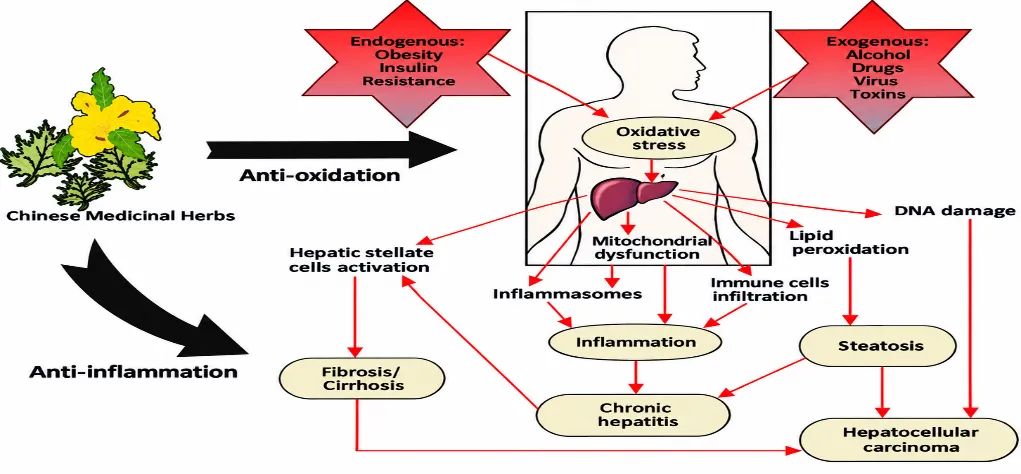
Figure 1: Mechanism of Action of Anti-Oxidant Activity.
This reaction can damage the cell membrane, obstruct the activity of important enzymes, stop cellular processes that are essential to the body's proper operation, stop normal cell division, destroy deoxyribonucleic acid (DNA), and prevent the production of energy. Numerous metabolic, chronic, or cancerous conditions have been linked to oxidative stress.
Improvement of insulin sensitivity
The review identified 111 medicinal plants that may improve diabetes by increasing insulin sensitivity. However, the evidence is predominantly preclinical:
About 70% of the studies were conducted in animal models, particularly streptozotocin-induced diabetic rats/mice and db /db diabetic mice.
In-vitro studies mainly used 3T3-L1 adipocytes and HepG2 liver cells, with additional studies involving muscle, liver, pancreatic β-cell, and human adipocyte cell models.
Only about 2% of the studies involved humans, including people with prediabetes, type 2 diabetes, or obesity. Therefore, the evidence for clinical effectiveness is much more limited than the large number of laboratory studies might suggest. [From fig.2]
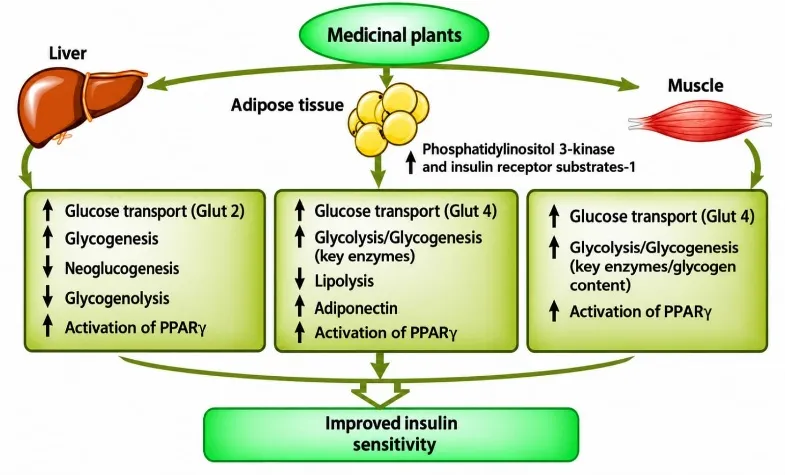
Figure 2: Main Metabolic and Cellular Targets Involved in Improving Sensitivity by Anti-Diabetic Plants.
They have been reported to:
1. Enhance insulin signaling
Increase or activate insulin receptor (InsR)
IRS-1
PI3K
AMPK/ACC signaling
MAPK pathways
2. Improve glucose uptake
Increase glucose uptake by cells
Increase GLUT4 expression and movement to the cell membrane
Influence GLUT2, particularly in the liver
3. Modulate PPARγ
PPARγ is an important regulator of glucose and lipid metabolism and is a target of insulin-sensitizing drugs such as thiazolidinediones (TZDs).
4. Activate AMPK
AMPK acts as a cellular energy sensor and regulates glucose and lipid metabolism.
Some medicinal plants in the review appear to improve insulin sensitivity through the AMPK pathway.
5. Alter glucose metabolism
Influence enzymes such as hexokinase, phosphofructokinase, pyruvate kinase, glucose-6-phosphatase, fructose-1,6-bisphosphatase, glucose-6-phosphate dehydrogenase, and glucokinase.
Increase hepatic glycogen storage in some models.
6. Inhibit processes associated with insulin resistance
Protein tyrosine phosphatase 1B (PTP1B)
Hepatic glucose production
Hepatic gluconeogenesis
Tyrosine dephosphorylation
Inflammatory mediators such as TNF-α
In some studies, circulating leptin levels
7. Influence adipokines
The review also discusses adiponectin, an adipose-derived hormone associated with improved insulin sensitivity. Lower adiponectin levels are commonly associated with obesity and insulin resistance.
Medicinal plants uses:
Some medicinal plants may improve insulin sensitivity by increasing adiponectin and regulating important metabolic pathways. The main active compounds identified are flavonoids, terpenoids, glycosides, and oligosaccharides. Examples include compounds from Aloe vera, Glycyrrhiza, Anemarrhena, and Angelica.
These compounds may:
Lipid Metabolism
In higher species, lipid and carbohydrate homeostasis is regulated by an integrated system that can react quickly to changes in metabolism. Nuclear fatty acid receptors called peroxisome proliferator-activated receptors (PPARs) have been linked to obesity-related metabolic disorders such insulin resistance, hyperlipidemia, and coronary artery disease. [From fig.3]
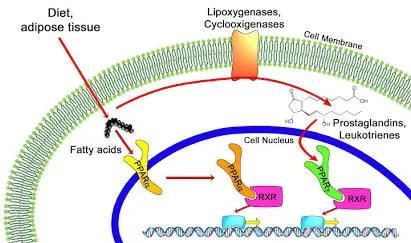
Figure 3: Mechanism of Lipid Lowering by PPAR and RXR Nuclear Receptors.
The three PPAR subtypes—α, γ, and δ—have varied expression patterns and have developed to sense various lipoprotein components and control lipid homeostasis according to the requirements of a particular tissue. The subtype-specific functions and therapeutic potential of these receptors have been clarified by recent developments in the identification of selective ligands combined with microarray analyzes and gene targeting research. While PPARγ is crucial for adipocyte differentiation and mediates the action of insulin-sensitizing thiazolidinediones (such as rosiglitazone and pioglitazone), PPARα enhances fatty acid catabolism in the liver and is the molecular target of lipid-lowering fibrates (such as fenofibrate and gemfibrozil). According to recent research, PPARδ may have a significant role in regulating triglyceride levels by detecting very low-density lipoprotein. Therefore, understanding the transcriptional targets and regulatory mechanisms of PPARs will continue to shed light on the pathophysiology of metabolic illnesses while also providing important information for logical medication design.[13]
Clinical Evidence
Clinical presentation of Herrb- Drug interactions
Depending on the herbs and medications involved, the clinical manifestations of HDI can differ significantly. Reduced blood levels of nevirapine, amitriptyline, nifedipine, statins, digoxin, theophylline, cyclosporine, midazolam, and steroids in patients concurrently taking reduced oral bioavailability of prednisolone in the presence of the Chinese herbal product xiao-chai-hu tang (shosaiko-to); potentiation of warfarin effects with consequent bleeding in the presence of garlic (Allium sativum); Among other clinical manifestations, ginseng (Panax ginseng)-induced mania in patients taking antidepressants; elevated blood pressure brought on by a combination of tricyclic antidepressants and yohimbe (Pausinystalia yohimbe); increased phenytoin clearance; and frequent seizures when combined with Ayurvedic syrup shankhapushpi. The mechanism of HDI determines these clinical manifestations.[14]
Effect on absorption
P-gp is an active drug transporter that is crucial for oral absorption, renal excretion, and hepatic excretion of pharmaceuticals. The pharmacokinetics of P-gp substrate medications used in conjunction with herbal therapy may change due to the control of P-gp by herbal remedies. Herbal remedies may potentially stimulate or inhibit these transporter proteins, resulting in medication interactions depending on transporter proteins. P-gp is the subject of the majority of current research on interactions between herbal remedies and pharmaceutical medications. In certain cases, human drug-drug interactions related to absorption may include intestinal P-gp. Numerous medications may be substrates of both transporters and metabolizing enzymes [From fig. (4)]. In these situations, it is challenging to discern between the P-gp and CYP3A contributions to the elevated oral bioavailability.[15]
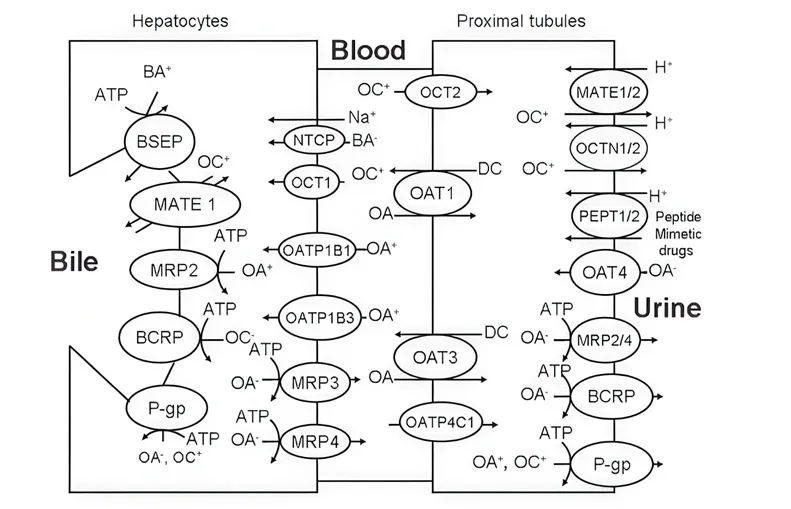
Figure 4: Drug Transporters in Hepatic and Renal Drug Excretion.
Strength and limitations
There are a few drawbacks and a number of strengths to our study that should be taken into account. This study highlighted the clinical importance of the results by examining liver function using histology and enzyme indicators. To determine the influence of moderating factors, particularly the type of fasting, a number of subgroup analyzes were carried out. We included single-group pre-post trials as well as randomized and nonrandomized trials in our analyzes. It is challenging to assess the therapeutic significance of the results when nonrandomized and single-group trials are included in meta-analyses due to potential biases and limitations. However, by using this method, we were able to run significant subgroup analyzes and incorporate more studies. Furthermore, when evaluating the results of our meta-analysis, it is important to take into account the fact that most of the studies in our study had a high or moderate risk of bias. The quality of the information that is currently available suggests that more randomized clinical studies are required to clarify how IF affects liver function in individuals with metabolic disorders. Significant variability was also observed across the studies for a number of outcomes, which could be attributed to variations in study designs, participant characteristics, and outcome measuring techniques. Subgroup analyzes should be viewed cautiously because there were few research for a number of outcomes. Lastly, there weren't many studies that looked at the role of IF in comparison to continuous calorie restriction; future research should take this kind of study into account.[16]
Safety Concerns
When thinking about using plant extracts and their bioactive components in functional foods or dietary supplements, safety is crucial. Despite being widely regarded as safe, careful assessment is necessary to guaranty human safety because many plant extracts do not undergo systematic toxicity testing. Numerous plants that have historically been utilized as food or medicine have shown signs of toxicity, mutagenicity, or carcinogenicity. In contrast to traditional medications, plant extracts frequently lack dose-dependent toxicity data and long-term safety assessments, particularly for innovative or high-potency formulations. Several widely used plant extracts, such as Withania somnifera (L.) Dunal, Curcuma longa L., and Camellia sinensis (L.) Kuntze, Actaea racemosa L., Monascus purpureus, and Garcinia gummi-gutta (L.) N. Robson have all been linked to a higher risk of hepatotoxicity. To guaranty its therapeutic potential and reduce health hazards, plant extracts meant to control metabolic syndrome risk factors must adhere to strict efficacy and safety requirements.[17]
Comparison with standard drugs
The syndrome of metabolism The position of Metabolic Syndrome as a therapeutic indication appropriate for the market authorization of novel medications has been one of the most controversial topics in drug development. Reaven accepted that obesity was associated with insulin resistance and hyper-insulinemia, even if it was not on his main list of conditions brought on by insulin resistance. Therefore, it would be expected that lowering body weight and increasing physical activity would help with what he named "syndrome X." [From table.1]According to NCEP ATP III, a man with a waist circumference of 90 cm, triglycerides of 155 mgdl-1 (1.76 mmoll-1), HDL cholesterol of 35 mgdl-1 (0.9 mmoll-1), blood pressure of 135/90 mmHg, and a fasting plasma glucose of 105 mgdl-1 (5.82 mmoll-1) would not meet WHO or IDF criteria for the Metabolic Syndrome. Although it might be assumed that these classification disparities represent the viewpoints of various metabolic specializations, this is likewise untrue.[18]
Table 1: Comparison of Diagnostic Criteria for Metabolic Syndrome According to Who, NCEP ATP III, IDF.
| WHO T2D, IGT, Glucose intolerance | NCEP ATP III ≥3 risk factors |
IDF Central obesity +≥2 other risk factors |
|
|---|---|---|---|
| Insulin resistance | Hyperinsulinaemic clamp. Glucose intake below lowest quartile | Not included | Not included |
| Obesity | BMI >30 Waist-hip >0.9M;>0.85 F |
Waist > 102 cm (40in)M; >88 cm (35 in) F | Waist >94 cm(37.4 in)M; > 80 cm(31.8 in) F |
| Hypertension | ≥140/90 mmHg | ≥130/85 mmHg | ≥130 mmHg ≥85 mmHg Hypertension diagnosis |
| Serum triglycerides | ≥1.7 mmol l-1 (150 mg dl-1) | ≥1.7 mmol l-1 (150 mg dl-1) | ≥1.7 mmol l-1 (150 mg dl-1) drug treatment |
| HDL-cholesterol | <0.9 mmol-1 (35 mg dl-1)M <1.0 mmol-1 (39 mg dl-1) |
<1.03 mmol-1 (40 mg dl-1)M <1.29 mmol-1 (50 mg dl-1) F |
<0.9 mmol-1 (40 mg dl-1)M <1.1 mmol-1 (50 mg dl-1) F drug treatment |
One of the most significant risk factors for the onset and consequences of cardiometabolic illnesses is known to be changes in glucose metabolism. Numerous dysregulated pathways mediate the intricate link between glucose metabolism problems and cardiometabolic illnesses. Obesity and metabolic syndrome are closely linked to insulin resistance, which is the primary cause of disrupted glucose homeostasis Metabolic syndrome is characterized by a procoagulant, proinflammatory, and prooxidant state, which further increases the risk of developing ischemic cardiovascular (CVD) and cerebrovascular diseases. Metabolic disorders include impaired glucose tolerance, abdominal obesity, decreased high-density lipoprotein cholesterol (HDL-C) level, and elevated triglycerides (TG). However, these processes' biomarkers are rarely assessed in clinical settings, necessitating additional confirmation. Prediabetes, which is becoming more well recognized, is characterized by impaired peripheral tissue insulin sensitivity and pancreatic β-cell dysfunction even before glucose levels beyond optimum thresholds. Clinical validation of recently suggested options, such as advanced glycation end-products (AGEs), fructosamine, and glycated albumin, is still pending despite the well-known limitations of standard biochemical indicators for the diagnosis and treatment monitoring. Furthermore, a more thorough assessment of disease-specific molecular pathways was made possible by the incorporation of cutting-edge tools in medical laboratories, such as genomic, transcriptomic, epigenomic, proteomic, and metabolomic methodologies. In this regard, metabolomics research is especially crucial for finding new biomarkers associated with diseases of glucose metabolism. These new biomarkers may also serve as therapeutic targets in the treatment of disease, opening the door to more individualized approaches.[19]
Opportunities in metabolic disorder
A mysterious component of the plasma lipid and lipoprotein transport system, high-density lipoprotein (HDL) is most recognized for its capacity to facilitate the unloading of excess cholesterol from peripheral organs and reverse cholesterol efflux. Recent findings in humans and experimental mice indicate that HDL may have significant new functions in other physiological systems linked to different metabolic diseases. The apolipoprotein and lipid content of HDL are crucial factors in its functions, supporting the idea that HDL structure determines its activity. According to available data, metabolic disorders such morbid obesity, type 2 diabetes mellitus, and nonalcoholic fatty liver disease are linked to low levels of HDL-cholesterol (HDL-C) or malfunctioning HDL particles. It's interesting to note that patients with multiple myeloma and other cancers have low levels of HDL-C and malfunctioning HDL particles. A substantial role for HDL in the treatment of atherosclerosis and related metabolic disorders is not precluded by the failure of earlier clinical trials evaluating different medications that raise HDL-C. Many of these medications should therefore be retested in well planned clinical trials. It is anticipated that new gene-editing-based medications will transform treatment approaches and improve the functionality of defective HDL by changing the apolipoprotein composition of HDL.[20]
Standardization of herbal drugs
The process of monitoring the complete bio-prospection of natural flora, collection, extraction, bio-activity guided fractionation, and creation of herbal medications using current technological standards is known as standardization and quality control of herbals. The process of prescribing a set of standards or intrinsic qualities, consistent parameters, and definitive qualitative and quantitative values that convey an assurance of quality, efficacy, safety, and repeatability is known as standardization of herbal medicines. Many factors influence the quality of herbal medications. a) Combinations of numerous components that result in complicated yet comprehensive physiological reactions; b) The active principle or principles are typically unknown; c) The establishment of a standard chemical fingerprint, which is necessary to determine efficacy across different batches, is hampered by the lack of selective analytical techniques or standard reference compounds; d) Plant natural variability in both wild and non-wild varieties; e) Variations in bioactivity spectra between natural and chemo-varieties and chemo-cultivars; and f) Variability in the raw material's quality and source, etc. The final herbal medications are also greatly impacted by the techniques used in harvesting, drying, storing, transporting, and processing (e.g., mode of extraction and polarity of the extracting solvent, instability of components, etc.). Herbal medicines' commercial utility is limited by their unknown target compositions and sites, batch-to-batch variances, and non-standardized development processes. The bio-efficacy and repeatable therapeutic effect of herbal medications are influenced by all of these aspects. Adopting appropriate standardization procedures is necessary to guaranty the effectiveness of the medications for diabetes mellitus that have been clinically verified for human usage. [21]
Bioavailability in Metabolic disorders
People who consume a diet similar to that of the West, which is high in fat and sugar and very low in fiber, are more likely to develop metabolic and carcinogenic disorders. The fact that a low-fiber diet is deficient in certain essential elements, such as phytates and inositols, for which a strong mechanistic connection has been established in the pathophysiology of metabolic disorders and cancer, is even more astounding. Reduced food availability or dysregulated metabolism may be the cause of decreased inositol bioavailability in living things. Numerous disorders that are mechanistically and epidemiologically linked to high-glucose diets or altered glucose metabolism have been linked to inositol dysregulation. In fact, elevated glucose levels reduce the availability of inositol by accelerating its breakdown and preventing the production and absorption of myo-Ins. The acquired, metabolic limitation in inositol bioavailability may be explained by these unappreciated mechanisms. [22]
Regulatory issues in metabolic disorder
The metabolic condition known as type 2 diabetes mellitus (T2DM) is characterized by decreased insulin production from pancreatic β-cells, which leads to hyperglycemia, and insulin resistance in insulin-sensitive organs such as the liver, skeletal muscle, and white adipose tissue. When more insulin is required to maintain glucose homeostasis, a condition known as insulin resistance develops, which makes insulin less efficient at lowering blood glucose. It frequently results in poor lipid and glucose metabolism, which are important risk factors for the emergence of metabolic diseases. To develop strategies to prevent metabolic disorders, it is crucial to describe the molecular causes of insulin resistance and eventual pancreatic β-cell failure. The molecular processes behind insulin resistance and the development of other metabolic illnesses remain elusive despite significant advancements in our knowledge of the causes and risk factors for metabolic diseases. Understanding the biological functions of post-transcriptional regulators in metabolically active and insulin-sensitive tissues has advanced significantly. Further thorough characterization of their impact on cellular homeostasis and metabolism in vivo is required.[23]
Future Perspective
The field of cardiovascular and metabolic illness research has enormous potential for ground-breaking discoveries and creative treatments in the future. As we negotiate the intricacies of these interrelated circumstances, a number of crucial paths become apparent as focal topics for further investigation and study. First and foremost, individualized therapy is becoming increasingly important for managing metabolic and cardiovascular diseases. Precision medicine and genomic technologies have created previously unheard-of opportunities to customize treatments to each patient's unique requirements and traits, maximizing therapeutic results and reducing side effects. Researchers can gain important insights into the complex interactions between genetic, environmental, and lifestyle factors influencing disease susceptibility and progression by utilizing big data analytics and artificial intelligence. This will open the door to more focused and efficient treatment approaches. Additionally, the search for new treatment targets and modalities is an area that is ready for investigation. Ongoing research initiatives have the potential to completely transform the way that cardiovascular and metabolic illnesses are treated, from clarifying the molecular pathways behind disease pathogenesis to finding druggable targets and creating novel therapies. a path toward a time when people and communities all across the world can truly experience the promise of better health and well-being and the weight of these terrible situations is lessened.[24]
Nano-herbal Formulation
Here, we are referring to the most pertinent natural substance nano-formulation that can be used to prevent or treat metabolic syndrome. Greater surface area to volume ratios, targeted drug delivery, sustained and controlled drug release, and altered bioavailability are the benefits of nano-formulations over conventional formulations. Short shelf life, unpredictable stability, pharmacokinetics, toxicity, and higher cost are the drawbacks of nano-formulations when compared to conventional formulations. As a result, nanonization and nano-formulation techniques are presented as viable alternatives to traditional medication delivery methods. The results of administering these natural-based nanodrugs in several Metabolic Syndrome models have been compiled into a brief paper.[25] According to [Table.2] The Nano-formulation of phytochemicals for the management of metabolic disorders is shown.
Table 2: Nano-formulation of Phytochemicals for the Management of Metabolic Disorders.
| Phytochemicals | Nano-formulations | Disorder | Cellular/animal Model | Dose | Size | |||
|---|---|---|---|---|---|---|---|---|
| Curcumin | PBLG-PEG-PBLG CNPs hydrogel SNEDDS Curcumin nano emulsion |
Diabetic Cardiomyopathy Diabetic Wound Diabetic neuropathy Hypertennsion and hypercholesterolemia |
Diabetic Rats and H9C2 cells STZ- induced diabetic rats STZ- induced diabetic rats In vitro study |
20 mg/kg - 66.7 mg/kg - |
30 m 4 to 8 nm 170 nm 42.93+- 29.85 nm |
|||
| Capsicum oleoresin | Nanoemulsion Alginate double-layer nanoemulsion |
Obesity Obesity |
High-fat 9HF0-diet-induced obesity in rats HF-diet-induced obesity in rats and 3T3-LI cell line |
mL/80 g body weight 1,000 ng/mL |
20 – 50 nm - |
|||
| Naringenin | Alginate-coated chitosan core-shell | Diabetes | STZ-diabetes rats | 150- 300 nm | ||||
| Gymnemic acid | Nanosuspension | Diabetes | Diabetes-induced rats | |||||
| Baicalin | Nanostructured lipid carriers | Diabetes | STZ- induced diabetes rats | 92+- 3.1 nm | ||||
| Resvaratrol | Nanoliposomes Nanocapsule |
Diabetes mellitus Blood pressure regulation |
STZ- induced diabetic cells HF- diet- induced diabetic rats |
215 nm 207 nm |
||||
| Stevioside | Pluronic-F-68 copolymer-based PLA nanoparticles | Diabetes | In vitro released study | 10mg NPs | 110-130 nm | |||
| Curcumin | PBLG-PEG-PBLG CNPs hydrogel SNEDDS Curcumin nano emulsion |
Diabetic Cardiomyopathy Diabetic Wound Diabetic neuropathy Hypertennsion and hypercholesterolemia |
Diabetic Rats and H9C2 cells STZ- induced diabetic rats STZ- induced diabetic rats In vitro study |
20 mg/kg - 66.7 mg/kg - |
30 m 4 to 8 nm 170 nm 42.93+- 29.85 nm |
|||
Personalized herbal medicine
The multifactorial metabolic syndrome (MS) is linked to high medical expenses and a substantial financial burden. In order to treat disorders like diabetes mellitus, insulin resistance, obesity, cardiovascular diseases, hypertension, and non-alcoholic fatty liver disease (NAFLD), numerous medications (polydrug) are frequently needed. However, by changing lipid and glucose metabolism and encouraging weight gain, a number of treatments and potential drug-drug combinations may also raise the risk of multiple sclerosis. Nausea, flatulence, bloating, sleeplessness, restlessness, asthenia, palpitations, cardiac arrhythmias, dizziness, and blurred vision are additional adverse effects of the drugs. In order to treat and control MS, it is crucial to find and create innovative, safe, and effective medicines based on a multi-target approach. Curcumin and other natural compounds have multiple ways to target multiple variables that contribute to the development of multiple sclerosis. The effects of curcumin on MS are discussed in this review along with recent preclinical and clinical findings, an up-to-date meta-analysis from Randomized Controlled Trials, and a pharma-metabolomics and meta-bionomics outlook that takes into account curcumin metabolites, the gut microbiome, and the environment for a complementary, individualized prevention and treatment for MS management.[26]
AI-assisted phytochemicals screening
Phytochemical research has seen tremendous scientific progress in the quest for their nutritional and medicinal potential. Utilizing artificial intelligence (AI) is crucial for managing the increasing amount of omics data and for clarifying new possible phytochemicals. It's interesting to note how AI has revolutionized phytochemical research by making it possible to analyze high-dimensional "omics" data efficiently and by making it easier to find new metabolites, clarify structural details, and profile compounds in plants. When taken as a whole, this study emphasizes the application and importance of AI in several facets of phytochemical research, such as analytical methods, phytochemical structure elucidation, plant metabolomics, and genomics. Additionally, we suggest incorporating more AI-driven analytical techniques into phytochemical research to find metabolites and investigate their uses in agriculture and medicine.[As shown in fig.5][27]
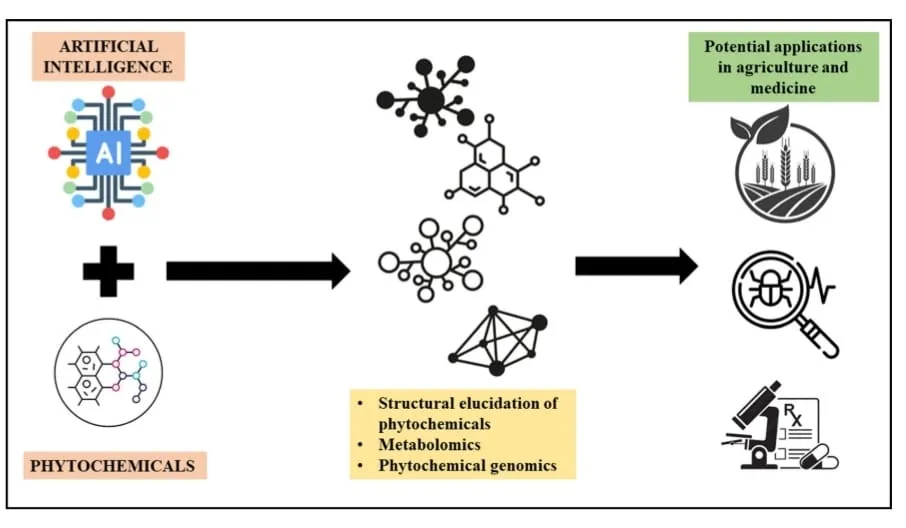
Figure 5: AI- Assisted Phytochemicals Screening.
Combination Therapy with conventional
Glucose-lowering medications: Diguanides, sulphonyl ureas, SGLT2 inhibitors, DPP-4 inhibitors, GLP-1 receptor agonists, alpha glucosidase inhibitors, and thiazolidinediones (TZDs) are among the main conventional hypoglycemic medications used to treat diabetes. These medications may operate in concert to improve blood glucose control in diabetic patients by acting on various targets to effectively address the intricate mechanisms underlying the disease.
Combination medication treatment for T1D: The analysis of pharmacological combination therapy was prompted by the fact that insulin monotherapy does not produce the intended impact of blood glucose control in many T1D patients. Insulin + SGLT inhibitors: A meta-analysis of randomized controlled trials (RCTs) revealed a noteworthy correlation between the combination therapy of insulin and sodium-glucose cotransporter (SGLT) inhibitors and a reduction in body weight of -3.47% (95% CI, -3.78 to -3.16) and a decrease in HbA1c of -0.39% (95% CI, -0.43 to -0.36). Nevertheless, there are certain side effects, such as a higher frequency of vaginal infections and diabetic ketoacidosis. The combination of insulin and sotagliflozin, a dual SGLT1/2 inhibitor that may delay glucose absorption and thereby lower the post-prandial glucose level, was linked in a post hoc clinical analysis to a significant reduction in HbA1c level, body weight, and a higher risk of diabetic ketoacidosis, which is consistent with the results above. Similarly, research conducted in several T1D populations has demonstrated that insulin plus SGLT2 inhibitors (dapagliflozin/empagliflozin) can enhance blood glucose and body weight control without raising the risk of hypoglycemia. Overall, these studies have shown that the combination of SGLT inhibitors with basal insulin has positive therapeutic results for T1D patients, despite side outcomes.
Insulin + biguanides Furthermore, metformin markedly increased the frequency of unfavorable gastrointestinal events. This suggested that additional therapeutic approaches to enhance the glycemic control of these children should be taken into consideration, as the combination of insulin and metformin may not be appropriate in overweight adolescents with T1D.
Insulin + GLP-1 receptor agonists With a variety of actions, including increasing glucose-stimulated insulin secretion and decreasing glucagon release, glucagon-like peptide-1 (GLP-1) receptor agonists are a possible insulin-assisted treatment for type 1 diabetes. The combination of GLP-1 receptor agonists and insulin treatment might successfully lower HbA1c from 10.74±0.96% to 7.4±0.58% (P<0.01) and body weight from 71±2.0 to 69±2 kg (P=0.06) in a retrospective research involving C-peptide-positive T1D patients, which confirmed this combination therapy's effectiveness. Additionally, the addition of liraglutide, a GLP-1 receptor agonist, to insulin therapy has shown prospective advantages, such as decreased body weight, insulin need, and HbA1c level in T1D patients.
DPP-4 inhibitors + vitamin D The synergistic anti-inflammatory and immune-regulating effects of a combination therapy including vitamin D and dipeptidyl peptidase4 (DPP-4) inhibitors have been supported by a number of pre-clinical studies. In people with T1D, this combo therapy may be able to maintain b cell activity. Vitamin D plus DPP-4 inhibitors were found to significantly extend the honeymoon phase (partial remission of disease) in newly diagnosed T1D in a retrospective case-control study. To confirm the possible role of this combo medication in the onset and progression of T1D, more clinical trials are necessary.
Insulin + DPP-4 inhibitors + PPI + GABA Since proton pump inhibitors (PPI) have the ability to promote insulin secretion and glucose metabolism, adding PPI may help to increase the hypoglycemic effects of DPP-4 inhibitors and hence improve T1D control. In T1D patients, a recent assessment of the effectiveness of combination therapy with G-aminobutyric acid (GABA, which has regenerative effects on islet b cells), DPP-4 inhibitors, PPI, and insulin revealed that this combination was linked to significant decreases in fasting blood glucose, HbA1c level, daily insulin dose, fasting plasma C-peptide, etc. It has been demonstrated that this combination can enhance glycemic control in T1D patients after 26–42 weeks of treatment.[28]
CONCLUSION
Insulin resistance, oxidative stress, chronic inflammation, and abnormalities in glucose and lipid metabolism are all linked to metabolic diseases, which include diabetes, obesity, metabolic syndrome, dyslipidemia, and nonalcoholic fatty liver disease (NAFLD). According to the review, herbal remedies may be useful as supplemental treatments for various conditions. Bioactive phytochemicals found in herbs including turmeric, fenugreek, cinnamon, garlic, neem, and ashwagandha may have antidiabetic, antioxidant, anti-inflammatory, hypolipidemic, and other advantageous metabolic effects.
The efficacy of herbal remedies can differ depending on the plant species, phytochemical composition, dose, formulation, and patient characteristics, however the evidence that is now available is inconsistent. Concerns about standardization, bioavailability, toxicity, contamination, and a lack of long-term safety evidence are also highlighted in the review. As a result, herbal medicines should be used in conjunction with recognized therapy rather than as a substitute. To determine the effectiveness, suitable dosage, mechanisms of action, and long-term safety of herbal medications, more carefully planned, extensive clinical trials are needed. The medicinal potential of herbal preparations may be further increased by standardizing them and developing better delivery methods, such as nano-herbal formulations. As long as their application is backed by solid scientific and clinical data, herbal remedies offer a potential field for further study in the prevention and treatment of metabolic diseases.
REFERENCES

Sakshi Sonawane, Charushila Bhangale, Herbal Remedies for Metabolic Disorder, Int. J. of Pharm. Sci., 2026, Vol 4, Issue 11, 219-235. https://doi.org/
 10.5281/zenodo.23877364