

We use cookies to ensure our website works properly and to personalise your experience. Cookies policy
Siddhi College Of Pharmacy, Chikhali, Pune.
The present study successfully developed a novel sweat-activated cooling and anti-acne gel with both cosmetic and therapeutic benefits. The formulation was designed to become more effective during sweating conditions by providing cooling sensation, oil control, and anti-acne action.Three formulations (F1, F2, and F3) were prepared using Carbopol 940, menthol, neem extract, salicylic acid, aloe vera gel, and glycerin. All formulations showed good appearance, smooth texture, suitable pH, and stability. Among them, F2 showed the best performance with better spreadability, enhanced cooling effect, and effective anti-acne activity.Menthol produced an instant cooling sensation, while neem extract and salicylic acid helped in reducing acne and controlling bacteria. Aloe vera gel and glycerin provided soothing and moisturizing effects. Overall, the developed gel showed promising results as an innovative smart skincare product suitable for summer skincare, sports cosmetics, gym users, and oily or acne-prone skin.
Acne vulgaris is one of the most prevalent dermatological disorders worldwide, affecting adolescents and adults and significantly impacting quality of life.[1] It is characterized by excessive sebum production, follicular hyperkeratinization, microbial colonization (especially Cutibacterium acnes), and inflammation.[2] Globally, acne affects millions of individuals and remains a major concern in both therapeutic dermatology and cosmetic science [1]
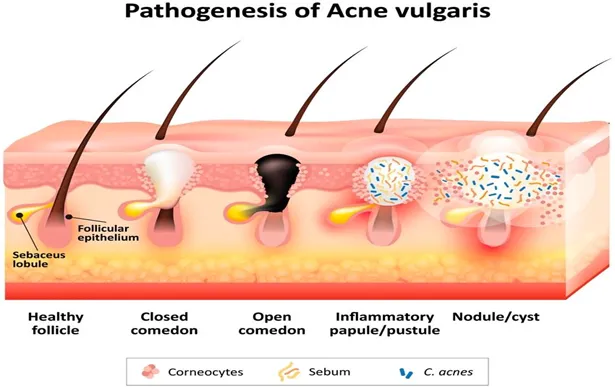
Fig No.1
In tropical and subtropical regions, including India, excessive perspiration is a common concern that not only worsens acne severity but also causes discomfort, skin irritation, and a sensation of increased skin temperature.[3]
Conventional topical therapies for acne, including keratolytics, antimicrobials, and anti-inflammatory agents, are typically designed for continuous drug release irrespective of environmental conditions.[4] However, such systems may lead to unnecessary drug exposure, reduced patient compliance, and potential side effects such as dryness and irritation[5]. In recent years, there has been growing interest in the development of stimuli-responsive or smart delivery systems that can modulate drug release in response to specific physiological triggers such as pH, temperature, or moisture.[6] Among these, moisture-responsive hydrogels have gained attention due to their ability to undergo swelling and controlled drug release upon hydration.[7]
Sweat, composed primarily of water along with electrolytes and metabolites, can act as a natural biological trigger for activating such smart systems.[8] Hydrophilic polymer-based gels, such as those formulated using Carbopol or hydroxypropyl methylcellulose (HPMC), exhibit excellent swelling behavior in the presence of moisture, thereby enabling on-demand release of active ingredients.[9] This property makes them particularly suitable for developing sweat-activated formulations that remain inactive under dry conditions but become functional during perspiration.[7,9]
In addition to acne control, providing a cooling effect during sweating is highly desirable, especially in hot climates.[3] Menthol and similar compounds are widely used in topical formulations for their ability to activate the TRPM8 receptor, producing a sensation of cooling without actual reduction in temperature.[10] Furthermore, evaporative cooling resulting from sweat evaporation can enhance this effect, contributing to improved user comfort.[11] Combining cooling agents with anti-acne actives such as salicylic acid and niacinamide can offer dual functional benefits by simultaneously addressing thermal discomfort and acne pathogenesis.[12,13]
Therefore, the development of a sweat-activated cooling and anti-acne cosmetic gel represents an innovative approach that integrates stimuli-responsive drug delivery with cosmetic functionality.[6] Such a system is designed to release active ingredients selectively during perspiration, when acne-promoting conditions are most pronounced, thereby enhancing therapeutic efficacy while minimizing unnecessary exposure.[6,7] This study aims to formulate and evaluate a moisture-responsive topical gel capable of providing controlled drug release, cooling sensation, and effective anti-acne action during sweating, ultimately improving patient compliance and skin health outcomes.[6,7]
Mechanism Of Action
The formulated sweat-activated cooling and anti-acne gel operates as a stimuli-responsive topical delivery system, specifically designed to respond to perspiration as a physiological trigger.[6,8] Upon application, the formulation forms a thin, uniform film over the skin surface, wherein active pharmaceutical and cosmetic ingredients are entrapped within a cross-linked polymeric matrix composed of hydrophilic gelling agents such as Carbopol or hydroxypropyl methylcellulose (HPMC).[9] In the absence of sweat, the polymer network remains in a relatively compact and semi-dry state, thereby restricting the diffusion of active constituents and ensuring minimal baseline release, which contributes to improved stability and reduced risk of skin irritation.[5,7]
During perspiration, sweat secreted from eccrine glands hydrates the polymer matrix, leading to rapid water uptake, swelling, and relaxation of the cross-linked network. [7,8] This hydration-induced expansion increases the free volume and pore size within the gel structure, facilitating a transition from a diffusion-limited system to an active state characterized by enhanced mass transport.[7] The release of active ingredients is primarily governed by a combination of Fickian diffusion and swelling-controlled mechanisms, wherein the concentration gradient and increased polymer chain mobility promote the migration of actives toward the stratum corneum.[14] Additionally, the presence of moisture enhances skin permeability by hydrating the stratum corneum, thereby improving transdermal penetration.[15]
The cooling effect is achieved through a dual mechanism involving both sensory and physical processes.[10,11] Menthol, a key component of the formulation, activates the TRPM8 receptor located on cutaneous sensory neurons, eliciting a cooling sensation independent of actual temperature reduction.[10] Concurrently, the evaporation of sweat and water from the gel surface results in evaporative heat loss, contributing to a tangible decrease in skin surface temperature and reinforcing the perception of cooling.[11]
Simultaneously, the formulation exerts anti-acne activity in response to sweat-induced conditions that typically exacerb
ate acne, such as increased sebum production and microbial proliferation.[2] Keratolytic agents, such as salicylic acid, facilitate the desquamation of corneocytes and prevent follicular occlusion, thereby reducing comedone formation.[12] Antimicrobial components target and inhibit the growth of Cutibacterium acnes, a primary etiological factor in acne pathogenesis.[2,16] Furthermore, anti-inflammatory agents such as niacinamide mitigate erythema and inflammatory responses associated with acne lesions.[13]
Upon cessation of sweating, the reduction in moisture availability leads to gradual dehydration and contraction of the polymer matrix, resulting in decreased diffusivity and a return to the baseline controlled-release state. [7,14] This reversible transition underscores the smart, on-demand functionality of the formulation, enabling site-specific and condition-responsive delivery of active agents.[6,7] Overall, the system integrates moisture-triggered activation, controlled drug release, sensory cooling, and targeted anti-acne action, thereby offering an effective and adaptive approach for managing acne and thermal discomfort under perspiring conditions.[6,10]
Mechanism of action in flow chart
Sweat (Moisture + Heat)
↓
Hydrogel Swelling & Activation
↓
Menthol Activation → Cooling Sensation
↓
↑ Skin Hydration → ↑ Drug Penetration
↓
Salicylic Acid → Unclogs Pores
Neem → Antibacterial Action
↓
Aloe Vera + Glycerin → Soothing & Hydration
↓
FINAL EFFECT: Cooling + Oil Control + Anti-Acne Action
Materials
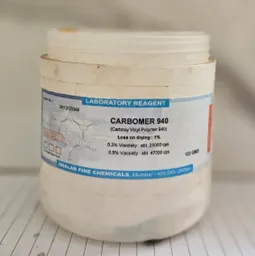
Fig No. 2
Purpose:
Acts as gelling agent / polymer base
Provides viscosity and structure
Uses in formulation:
Forms a clear, smooth hydrogel
Enables uniform distribution of active ingredients
Improves stability and spreadability
Scientific support:
Carbopol polymers are widely used in topical gels due to their excellent thickening, stability, and drug delivery properties.
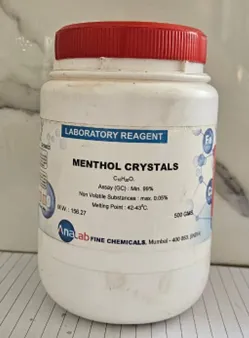
Fig No.3
Purpose:
Provides instant cooling sensation
Acts as counterirritant
Uses in formulation:
Activated by sweat → enhances cooling effect
Improves user comfort in hot climates
Scientific support:
Menthol produces a cooling sensation when applied to skin and has mild anesthetic properties.
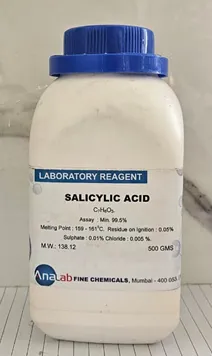
Fig No.4
Purpose:
Keratolytic (removes dead skin cells)
Anti-inflammatory
Uses in formulation:
Unclogs pores
Reduces acne lesions
|
Fig No.4 |
Scientific support:
Salicylic acid promotes shedding of epidermal cells and prevents pore clogging, making it effective in acne treatment.
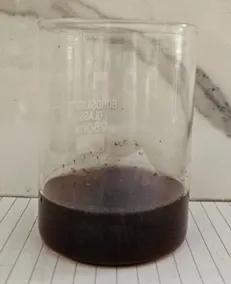
Fig No.5
Purpose:
ntibacterial
Anti-inflammatory
Uses in formulation:
Kills acne-causing bacteria
Reduces redness and swelling
Controls sebum production
Scientific support:
Neem extract shows strong antimicrobial and anti-inflammatory activity against acne-causing bacteria.
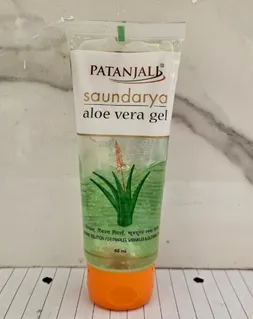
Fig No.6
Purpose:
Skin soothing and moisturizing
Anti-inflammatory
Uses in formulation:
Reduces irritation caused by actives
Provides hydration
Enhances healing
Scientific support:
Aloe vera is widely used in dermatology due to its soothing, healing, and moisturizing properties.
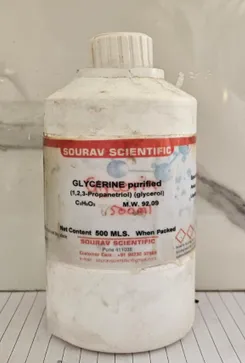
Fig No.7
Purpose:
Acts as humectant (moisture-retaining agent)
Uses in formulation:
Maintains skin hydration
Prevents dryness
|
Fig No.7
|
Scientific basis:
Glycerin attracts water and helps maintain skin hydration and elasticity (widely accepted in dermatology formulations).
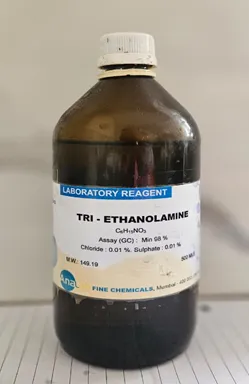
Fig No.8
Purpose:
Neutralizes Carbopol
Adjusts pH
Uses in formulation:
Converts liquid dispersion into gel
Maintains skin-friendly pH
Scientific support:
Triethanolamine forms salts with acids and is used in topical formulations to stabilize and neutralize gels.
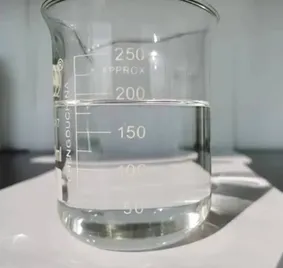
Fig No.9
Purpose:
Solvent / vehicle
Uses in formulation:
Dissolves ingredients
Provides base medium for gel formation.
Formulation Table
|
Ingredients |
F1(Higher) |
F2(Standard) |
F3(Lower) |
Role |
|
Neem Extract |
0.90 gm |
0.75 gm |
0.60 gm |
Anti Acne Active |
|
Carbopol 940 |
0.30 gm |
0.27 gm |
0.24 gm |
Gelling Agent |
|
Menthol |
0.15 gm |
0.10 gm |
0.05 gm |
Cooling Agent |
|
Salicylic Acid |
0.30 gm |
0.20 gm |
0.15 gm |
Keratolytic Agent |
|
Glycerine |
1.20 gm |
1.20 gm |
1.20 gm |
Humectant |
|
Aloe vera gel |
2.00 gm |
2.00 gm |
2.00 gm |
Soothing Agent |
|
Triethanolamine |
0.20 gm |
0.20 gm |
0.20 gm |
Neutralizer |
|
Distilled Water |
q.s to 30 g |
q.s to 30 g |
q.s to 30 g |
Vehicle |
Methodology
Step 1: Preparation of Gel Base
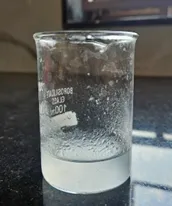
Fig no.10
Accurately weigh Carbopol 940 (0.27 gm)
Disperse slowly in distilled water with continuous stirring
Allow to swell for 20–30 minutes
Forms the primary gel matrix
Step 2: Addition of Moisturizing Phase
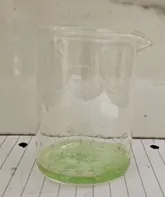
Fig no.11
Add glycerine (1.20 gm)
Add aloe vera gel (2.00 gm)
Stir until a homogeneous mixture is obtained
Provides hydration and soothing base
Step 3: Incorporation of Active Ingredients
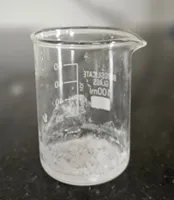
Fig no.12
Dissolve salicylic acid (0.20 gm) in small quantity of ethanol/warm water
Add menthol (0.10 gm) (pre-dissolved)
Add neem extract (0.75 gm)
Mix thoroughly
Ensures uniform distribution of actives
Step 4: Neutralization & Gel Formation
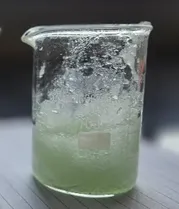
Fig no.13
Add triethanolamine dropwise with stirring
Observe instant gel formation (increase in viscosity)
Adjust pH to 5.5–6.5
Converts dispersion into a stable gel
Step 5: Final Adjustment & Packaging
Make up volume with distilled water
Remove air bubbles
Transfer to suitable containers
Final product: smooth, clear gel
Flow Chart
Weigh Carbopol 940 (1–1.5%)
↓
Disperse in Distilled Water + Continuous Stirring
↓
Allow Swelling (20–30 min)
↓
GEL BASE FORMED
↓
Add Glycerine (5–10%) + Aloe Vera Gel (5–10%)
↓
Mix → Homogeneous Hydrating Phase
↓
MOISTURIZING BASE READY
↓
Dissolve Salicylic Acid (0.5–2%)
↓
Add Menthol (0.1–0.5%) + Neem Extract (1–2%)
↓
Mix Thoroughly
↓
ACTIVE INGREDIENTS INCORPORATED
↓
Add Triethanolamine (Dropwise)
↓
Neutralization → Gel Formation
↓
Adjust pH (5.5–6.5)
↓
STABLE GEL FORMED
↓
Make Final Volume with Distilled Water
↓
Remove Air Bubbles
↓
Fill in Containers
↓
FINAL PRODUCT: Smooth, Clear Gel
Evaluation Test
The appearance of the formulations was evaluated visually by observing the color, transparency, consistency, and presence of any lumps or phase separation under normal light conditions. The gels were checked for smoothness and cosmetic elegance.
All three formulations (F1, F2, and F3) were visually evaluated for appearance. F1 showed a slightly thick translucent gel, F2 exhibited a smooth and elegant translucent appearance, while F3 appeared slightly thin. Among all formulations, F2 showed the best cosmetic appearance and consistency.
All formulations showed a light green to pale green color due to the presence of neem extract. F1 possessed a strong menthol odor, F2 had a pleasant and refreshing odor, whereas F3 exhibited a mild odor. F2 was considered most acceptable in terms of sensory properties.
Spreadability was evaluated using the slide method. A small quantity of gel was placed between two glass slides, and a specific weight was applied over the upper slide. The time required for the upper slide to move a fixed distance was recorded. Better spreadability indicated easier application on skin.
Spreadability studies indicated that F2 possessed optimum spreadability compared to F1 and F3. F1 was slightly difficult to spread due to higher viscosity, whereas F3 spread very easily because of its thinner consistency. F2 provided smooth and uniform application on the skin.
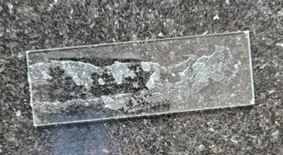
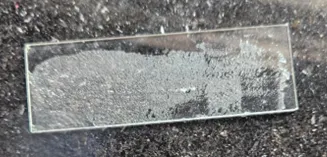
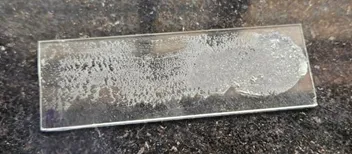
Fig no.14 (F1) Fig no.15 (F2) Fig no.16 (F3)
The cooling effect was evaluated by applying a small quantity of gel on the skin surface of volunteers. The intensity and duration of cooling sensation produced by menthol were observed and recorded subjectively.
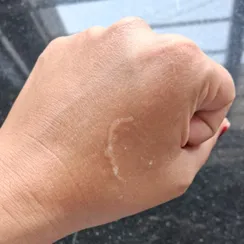
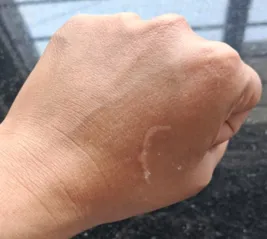
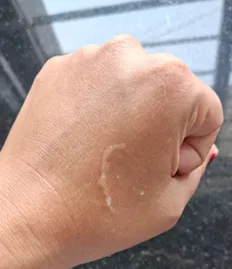
Fig no.17 (F1) Fig no.18 (F2) Fig no.19 (F3)
The gel is exposed to artificial sweat solution (NaCl, urea, lactic acid) to simulate perspiration⁹.
The sweat activation behavior was examined by exposing the gel to artificial moisture or simulated sweating conditions. The formulations were observed for activation of cooling sensation and enhanced spreadability in the presence of moisture and body heat.
The sweat activation behavior was examined by exposing the gel to moisture and body heat conditions. F1 showed rapid activation with intense cooling, F3 showed delayed and weak activation, while F2 demonstrated controlled and uniform sweat-responsive cooling action. Therefore, F2 exhibited the best smart-responsive behavior.
Homogeneity was determined by visual inspection after the gels were set in the container. The formulations were checked for uniform distribution of ingredients, smooth texture, and absence of lumps or aggregates.
All formulations were checked for homogeneity and absence of lumps. F2 showed excellent homogeneity with smooth texture, whereas F1 and F3 showed good homogeneity.
The skin irritation test was carried out by applying a small amount of gel on the skin of volunteers or on a patch area for a specific period. The application site was observed for redness, itching, swelling, or irritation.
Skin irritation studies revealed slight irritation with F1 due to higher concentration of menthol and salicylic acid. F2 and F3 showed no signs of redness, itching, or irritation, indicating good skin compatibility.
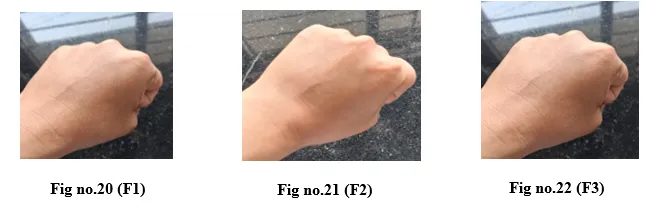
Washability was evaluated by applying the gel on the skin and washing it with normal water. The ease of removal and residue left on the skin were observed.
All formulations were easily washable with water. However, F2 and F3 showed better washability compared to F1 because of their balanced gel consistency.
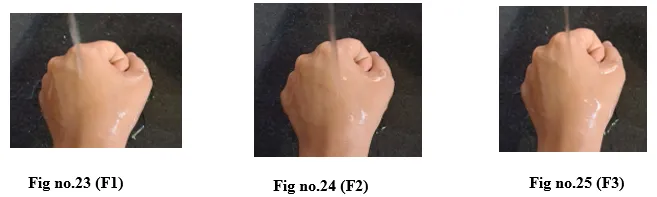
Texture evaluation was carried out manually by rubbing the gel between fingers to assess smoothness, stickiness, consistency, and ease of application on the skin surface.
Texture analysis revealed that F1 was slightly thick and sticky, whereas F3 was comparatively thin. F2 exhibited a smooth, non-sticky, and cosmetically elegant texture suitable for daily use.
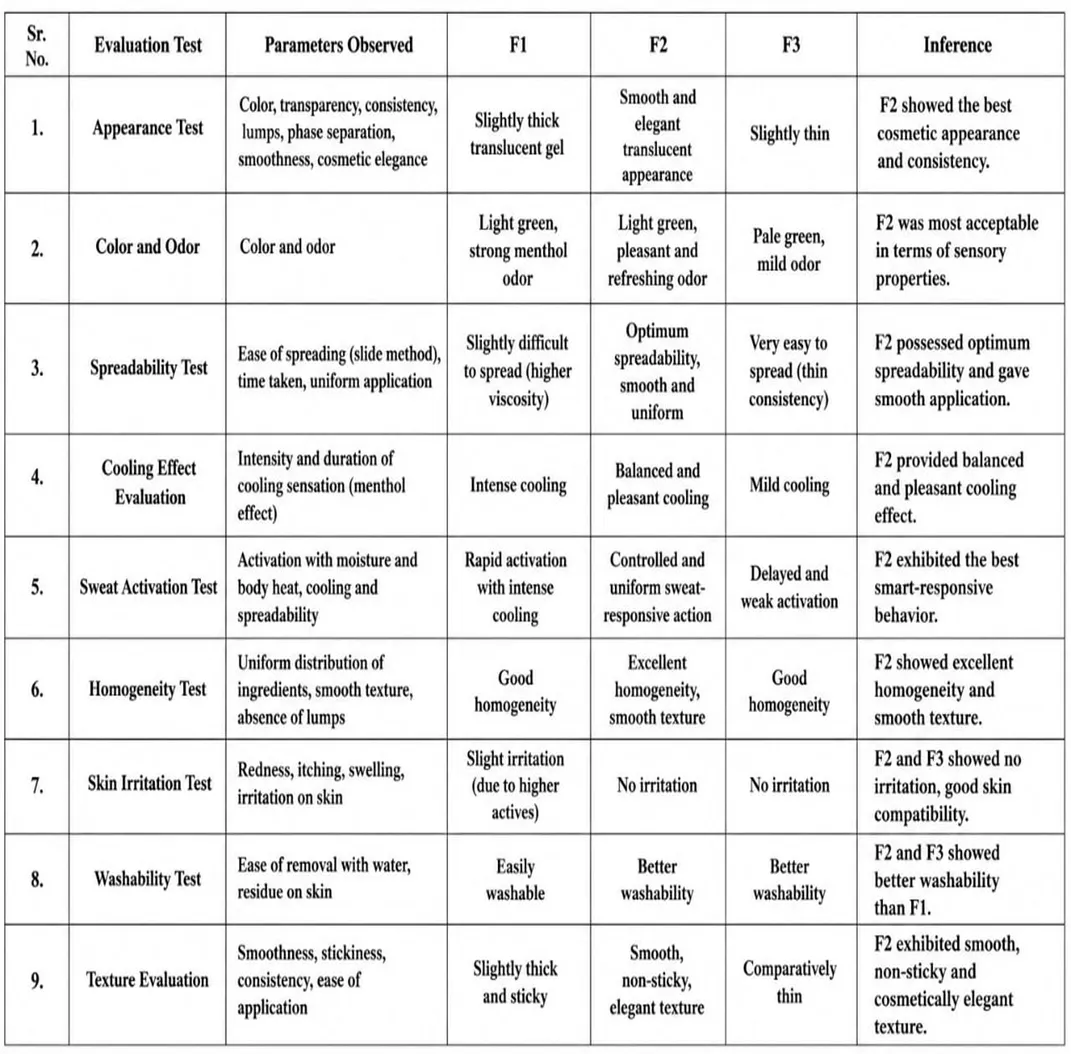
Fig No. 26
RESULT
In the present research work, a novel sweat-activated cooling and anti-acne gel was successfully developed and evaluated using both natural and synthetic ingredients. Three different formulations (F1, F2, and F3) were prepared by varying the concentration of neem extract, Carbopol 940, menthol, and salicylic acid. All formulations showed good physical appearance with smooth texture, uniform consistency, and acceptable clarity.Among all the prepared formulations, F2 was found to be the most suitable formulation as it exhibited optimum pH, better spreadability, good stability, and an effective cooling sensation during sweating conditions. The presence of menthol produced an instant refreshing and cooling effect when the skin came in contact with sweat or moisture. Neem extract and salicylic acid helped in reducing acne-causing bacteria, excess oil secretion, and skin irritation, while aloe vera provided soothing and moisturizing effects to the skin.The developed gel demonstrated smart sweat-responsive activity, where perspiration and body heat enhanced the performance of the formulation and improved the release of active ingredients. Stability studies revealed that the gel remained stable without any significant changes in color, odor, texture, or phase separation during storage.
Overall, the formulated gel showed promising cosmetic as well as therapeutic benefits such as cooling effect, freshness, oil control, acne prevention, and skin soothing action. Therefore, the developed formulation may be useful as an innovative skincare product for summer use, sports persons, gym users, and individuals with oily or acne-prone skin.
DISCUSSION
The present research work focused on the development and evaluation of a novel sweat-activated cooling and anti-acne gel with combined cosmetic and therapeutic benefits. The main objective of the study was to create a smart responsive skincare formulation that becomes more effective during sweating conditions. The prepared gel was simple to formulate, economical, and suitable for small laboratory-scale preparation.
Three different formulations, namely F1, F2, and F3, were developed by changing the concentration of neem extract, menthol, salicylic acid, and Carbopol 940. All the prepared formulations showed good physical appearance, smooth texture, homogeneity, and acceptable consistency. Carbopol 940 successfully formed a stable gel base, while triethanolamine helped in proper gel formation and maintained the required viscosity of the formulation.Menthol was responsible for producing an instant cooling and refreshing sensation, especially when the skin was exposed to sweat and body heat. This confirmed the sweat-responsive nature of the formulation. Neem extract showed antibacterial and anti-acne activity, which may help in controlling acne-causing bacteria and reducing excess oil on the skin. Salicylic acid helped in cleansing pores and reducing acne formation due to its keratolytic action. Aloe vera gel and glycerin improved the moisturizing and soothing properties of the gel, making the formulation gentle and skin-friendly.
Among all the formulations, F2 showed the best overall performance with optimum pH, good spreadability, enhanced cooling effect, and satisfactory stability. F1 showed stronger cooling and thicker consistency because of the higher concentration of ingredients, whereas F3 showed comparatively lower effectiveness. Therefore, F2 was selected as the optimized formulation.
The stability study indicated that the prepared gel remained stable during the storage period without any significant changes in color, odor, texture, or phase separation. The pH of the formulation was found within the acceptable range for topical application, indicating good skin compatibility.
The unique feature of this study was the “on-demand” action of the gel, where sweat and moisture activated the cooling effect and enhanced the release of anti-acne ingredients. This makes the formulation different from conventional cosmetic gels and provides additional benefits such as freshness, oil control, skin soothing, and acne prevention.Overall, the developed sweat-activated cooling and anti-acne gel showed promising results as an innovative multifunctional cosmetic product. The formulation may have future applications in summer skincare products, gym and sports cosmetics, and advanced smart skincare systems. Further studies such as microbiological testing, skin irritation studies, and long-term stability evaluation can be carried out for future product development and commercialization.
CONCLUSION
The present research work successfully developed and evaluated a novel sweat-activated cooling and anti-acne gel with combined cosmetic and therapeutic benefits. The prepared gel showed smart responsive behavior, where sweat and body heat enhanced the cooling effect and improved the release and action of anti-acne ingredients. The formulation process was simple, economical, and suitable for small-scale laboratory preparation.
Three different formulations (F1, F2, and F3) were prepared and evaluated for important parameters such as appearance, pH, spreadability, cooling sensation, and stability. All the formulations showed satisfactory physical properties with smooth texture and good consistency. Among them, F2 was found to be the optimized formulation because it showed better spreadability, suitable pH, effective cooling sensation, and good stability during storage.
The presence of menthol provided an instant refreshing and cooling effect during sweating conditions, while neem extract and salicylic acid helped in controlling acne, reducing excess oil, and preventing bacterial growth. Aloe vera gel and glycerin improved the soothing and moisturizing properties of the formulation, making it more skin-friendly and comfortable for topical use.
The developed gel provided several cosmetic benefits such as freshness, cooling sensation, matte appearance, and oil control along with therapeutic benefits including anti-acne activity, antibacterial action, and skin soothing effects. The unique “on-demand” activity of the formulation makes it different from conventional gels, as the active effects increase during perspiration.
Overall, the sweat-activated cooling and anti-acne gel demonstrated promising results as an innovative multifunctional skincare product. The formulation may be useful for summer skincare, sports and gym skincare products, and for individuals with oily or acne-prone skin. Further studies such as microbiological testing, skin irritation studies, and long-term stability evaluation can be performed for future product development and commercialization.
REFERENCES




Kaustubh Newale, Pratham Patil, S. C. Munjewar, Dr. P.N. Sable, Hydra Cool Acne Gel: A Sweat-Activated Smart Cosmetic Innovation, Int. J. of Pharm. Sci., 2026, Vol 4, Issue 6, 2617-2631, https://doi.org/10.5281/zenodo.20623777
 10.5281/zenodo.20623777