

We use cookies to ensure our website works properly and to personalise your experience. Cookies policy
Smt. B.N.B. Swaminarayan Pharmacy College, Salvav -Vapi
The health and well-being of populations worldwide are significantly influenced by the pharmaceutical and medical device sectors. The processes of manufacturing and quality assurance (QA) play a vital role in ensuring product efficacy, safety, and adherence to regulations within these industries. The incorporation of artificial intelligence (AI) offers transformative possibilities for improving these processes. This research seeks to systematically evaluate the effects of AI on manufacturing and QA in the pharmaceutical and medical device fields. It investigates the advantages, challenges, and ethical and legal considerations of AI integration. This study provides a comprehensive insight into how AI technologies can and have been effectively incorporated to improve business operations. A thorough review of existing literature was conducted to explore AI's applications, roles, benefits, and challenges in manufacturing and quality assurance within both industries. Additionally, research focused on emerging trends, future advancements, and regulatory considerations. Some benefits of AI technologies include increased productivity, early identification of defects, enhanced safety and quality of products, better regulatory compliance, lower costs, and greater flexibility and scalability. Nevertheless, several significant challenges must be addressed, including high capital investment, issues with data quality and availability, integration of legacy systems, ethical concerns related to bias and data privacy, challenges with regulatory compliance, and a shortage of workers skilled in AI. By overcoming obstacles and seizing new opportunities, these industries can harness AI's transformative capabilities to foster innovation, enhance product quality and safety, ensure regulatory compliance, and improve health outcomes globally.
Artificial intelligence (AI) is revolutionizing pharmaceutical manufacturing and materials processing, fostering innovation and enhancing efficiency throughout the sector. This review examines the diverse effects of AI, emphasizing its role in progressing drug discovery, refining manufacturing methods, and boosting quality control systems. Key uses of AI involve analyzing intricate datasets to pinpoint promising drug candidates and its capability to streamline production methods, improve packaging systems, and maintain product consistency. Recent advancements illustrate how AI can transform pharmaceutical operations, although challenges persist in its implementation. Concerns regarding data privacy, especially the safeguarding of sensitive patient information, along with regulatory challenges such as stringent FDA compliance requirements, pose significant barriers. Tackling these challenges requires cooperation among healthcare professionals, technology experts, and policymakers to develop guidelines that guarantee ethical and transparent use of AI. The analyzed data is utilized across four essential areas: in drug discovery, where AI speeds up the identification of potential drug candidates, optimizes molecular synthesis, and forecasts interactions; in clinical trials, where AI enhances participant selection, anticipates treatment responses, and improves trial protocols for better results; in manufacturing, where it streamlines production processes, ensures quality assurance, and reduces inefficiencies; and in personalized medicine, where AI customizes treatments for individual patients by examining genetic and clinical data, predicting adverse effects, and boosting therapeutic effectiveness
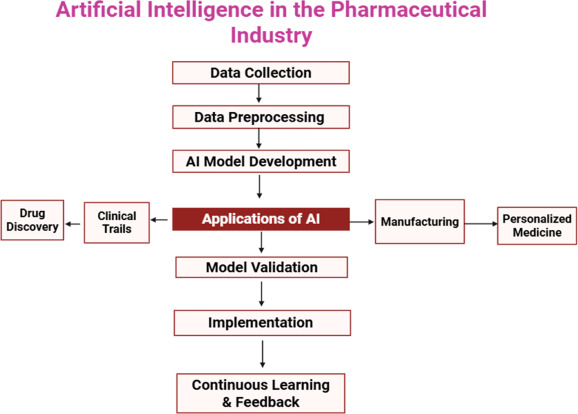
Figure -1. AI in pharmaceutical Industry
The pharmaceutical and medical device sectors rely heavily on manufacturing and quality control, as they play a crucial role in ensuring a product's safety, effectiveness, and adherence to stringent regulations. These industries are inherently linked to human health, which raises the stakes and allows for minimal margin of error. Therefore, to ensure compliance with safety and effectiveness standards, it is vital to implement robust manufacturing practices and stringent quality control measures. The primary concerns of pharmaceutical and medical device organizations are effective treatment and the safety of patients. The manufacturing procedures must adhere to established guidelines and specific regulations to ensure the production of consistent, high-quality items. Any deviation from these established criteria could result in substandard products that might jeopardize patient safety and erode trust in the manufacturing company. Consequently, quality assurance systems are in place to detect and address risks at every stage of the manufacturing process.
Artificial intelligence is transforming the medical device industry. Recent patent filings showcase advancements in AI-driven image processing that are set to enhance diagnostic and therapeutic accuracy. These innovations, spanning cancer detection, tissue evaluation, anatomical measurements, and surgical planning, are expected to lead to better patient outcomes and healthier healthcare systems. A notable rise in AI patent applications by medical firms has been observed, aimed at enhancing and potentially transforming their operations. Koninklijke Philips NV has created a method to predict the time needed for interpreting cardiac imaging tests. In contrast, Yonsei University has designed a system to develop a hyperkalemia prediction model using ECG data. A technique from the Chinese University of Hong Kong enhances cellular information by rectifying batch effects in biological images.
NEC Corp.'s equipment utilizes eye movement data to assess a patient's recovery progress, while Medtronic Plc.'s technique enhances object measurement in minimally invasive robotic surgeries. By improving predictive accuracy, reducing interpretation times, correcting imaging distortions, and refining surgical processes—all ultimately benefiting patients and healthcare providers—these innovations illustrate how AI can transform the healthcare sector.
C. Artificial Intelligence in the Pharma Industry
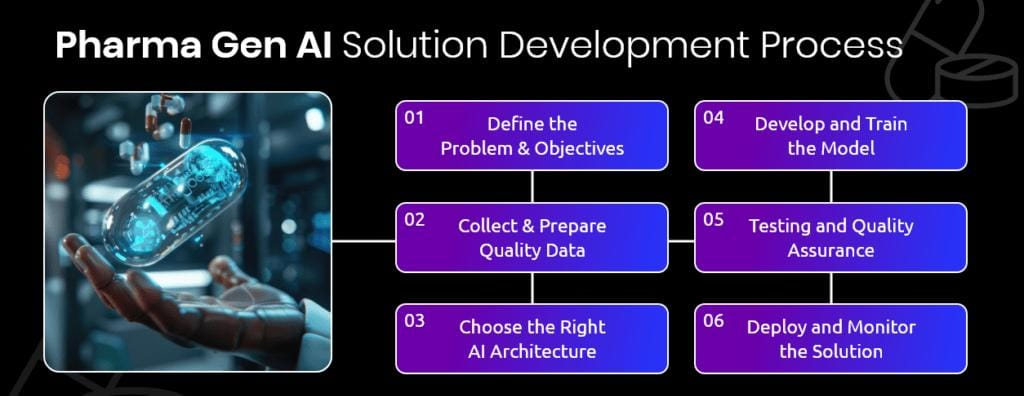
Figure-2.AI in Pharma Industry
Artificial intelligence is quickly revolutionizing drug development, enhancing patient treatment, and driving innovation in the pharmaceutical sector. A rise in patent filings and strategic deals within the pharmaceutical field suggests that companies are increasingly integrating AI into their operations.
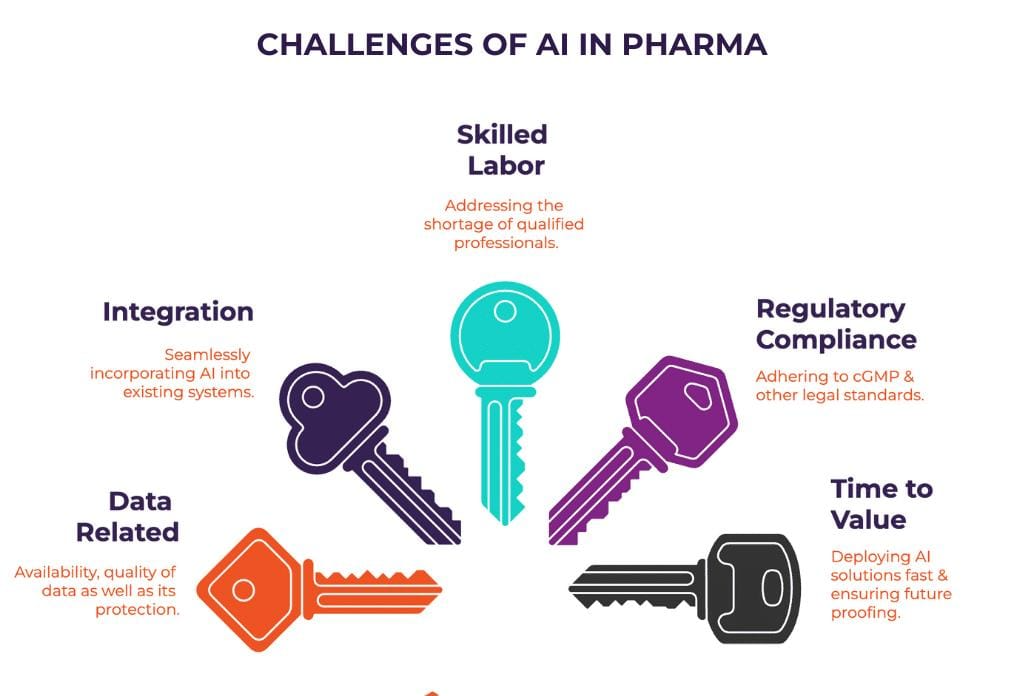
Figure-3. Challenges of AI in Pharma
II. AI IN MANUFACTURING AND QUALITY ASSURANCE OF MEDICAL DEVICES
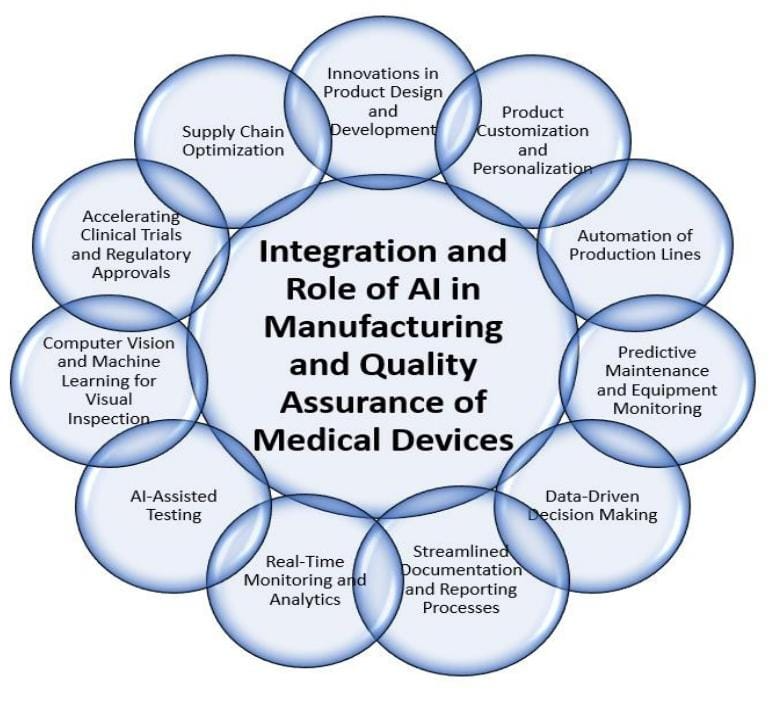
Figure-4.AI In Manufacturing and Quality Assurance of Medical Device
1.Enhanced Efficiency and Productivity
The entire production efficiency of medical devices is significantly increased by AI technology. AI deployment can increase productivity by streamlining manufacturing processes . Maintaining smooth manufacturing processes depends on AI's ability to optimize supply chain efficiency through accurate inventory management, demand forecasting, and disruption identification .
2. Early Detection of Defects and Anomalies and Better Product Reliability
In the production of medical devices, early fault and anomaly detection is essential to preserving product reliability.Product reliability and safety are raised due to AI's effective mitigation capabilities.
3. Improved Product Quality and Consistency
AI significantly raises the consistency and quality of medical device products. AI-powered processes result in higher-quality goods.AI-powered defect detection solutions improve product quality and ensure consistent manufacturing standards.
B. Benefits of AI
Incorporating AI into its production and quality assurance procedures can reap numerous advantages for the medical device sector, greatly improving productivity, dependability, and quality.
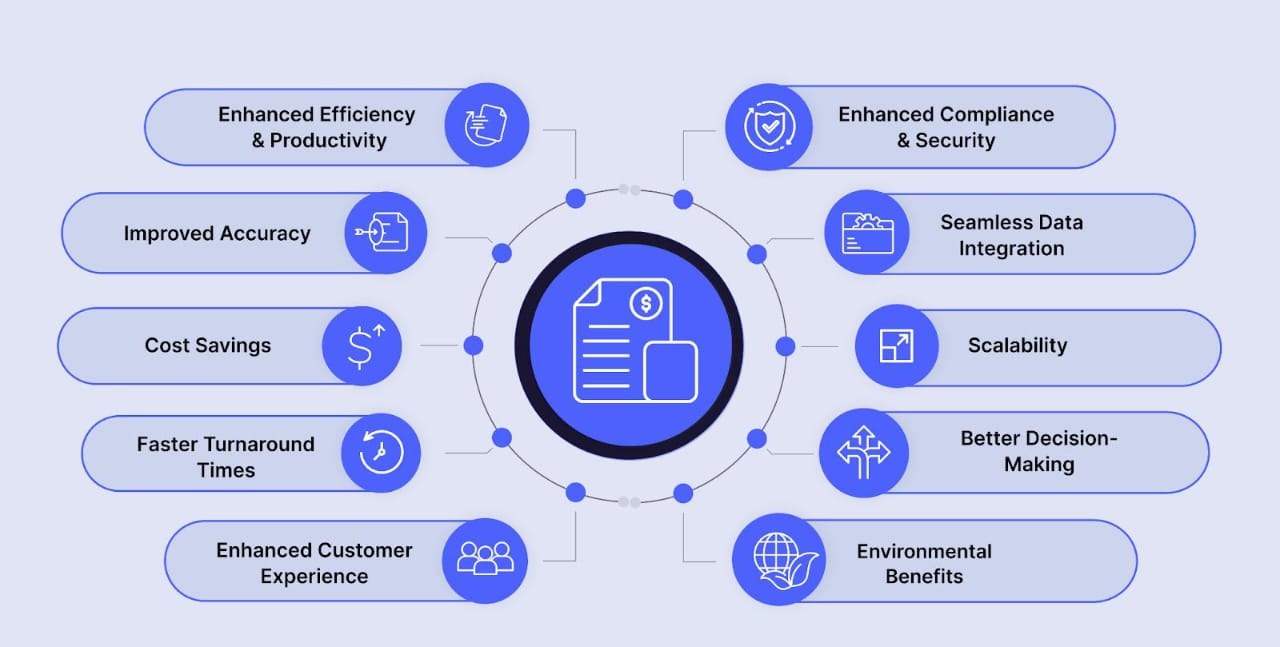
Figure-5. Benefit of AI
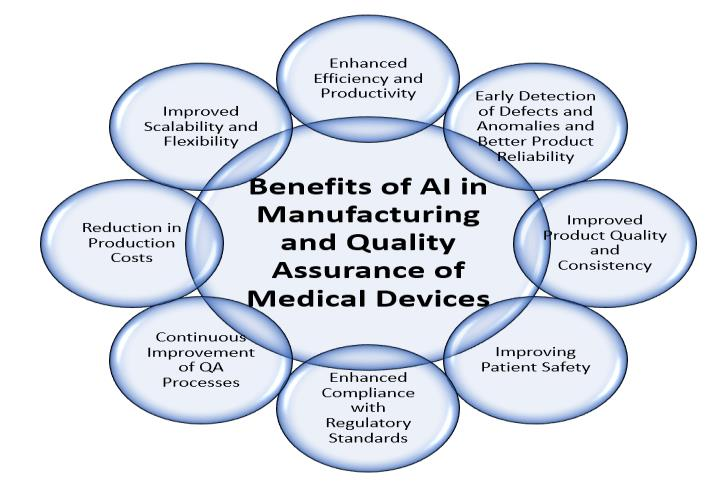
Figure-6. Benefits of AI in Manufacturing and Quality Assurance of Medical Devices
The entire production efficiency of medical devices is significantly increased by AI technology. AI deployment can increase productivity by streamlining manufacturing processes. Maintaining smooth manufacturing processes depends on AI's ability to optimize supply chain efficiency through accurate inventory management, demand forecasting, and disruption identification.
The use of AI in customized medicine is a significant advancement in the area. Targeted and adaptive therapies are made possible by AI's ability to identify patient groups most likely to benefit from particular drug candidates.
?. AI IN MANUFACTURING AND QUALITY ASSURANCE OF PHARMACEUTICALS
I. Integration and Role of AI
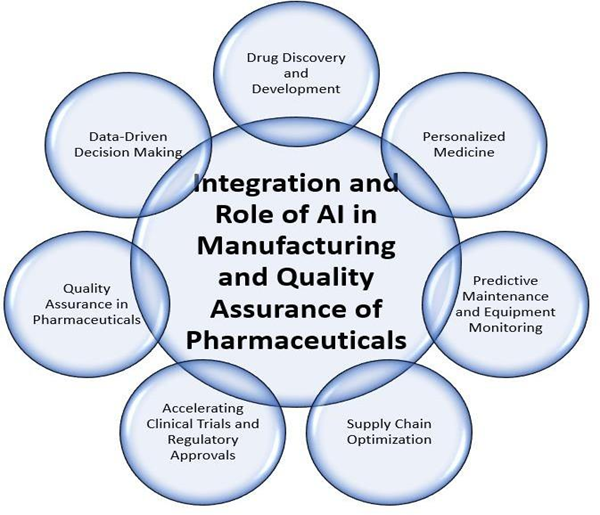
Figure-7. Integration and Role of AI in Manufacturing and Quality Assurance of Pharmaceuticals
B. Benefits of AI
Integrating AI in the pharmaceutical sector has several benefits, especially in improving productivity, accuracy, and product quality.
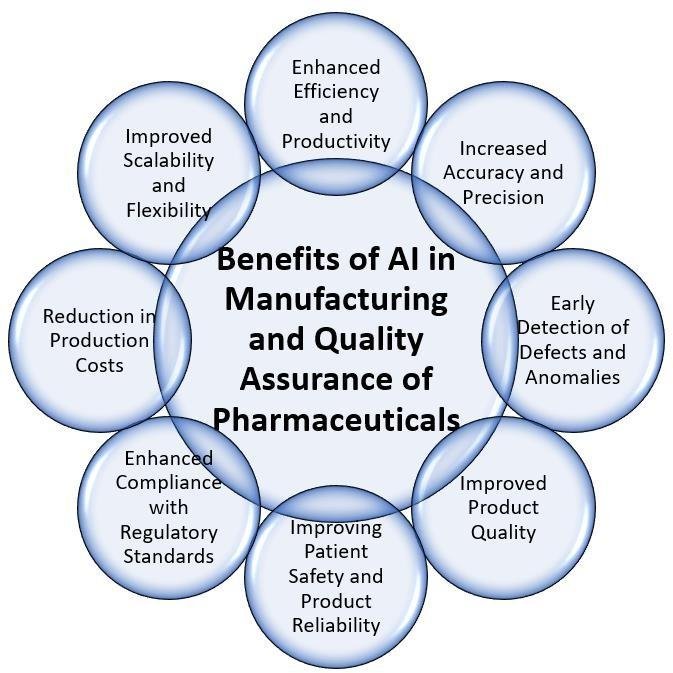
Figure-8. Benefits of AI in Manufacturing and Quality Assurance of Pharmaceuticals
IV. CHALLENGES AND CONSIDERATIONS
Integrating Artificial Intelligence (AI) into the manufacturing and quality assurance (QA) processes within the medical devices and pharmaceuticals industry presents several significant challenges and considerations. These challenges span financial, technical, ethical, regulatory, and organizational domains.
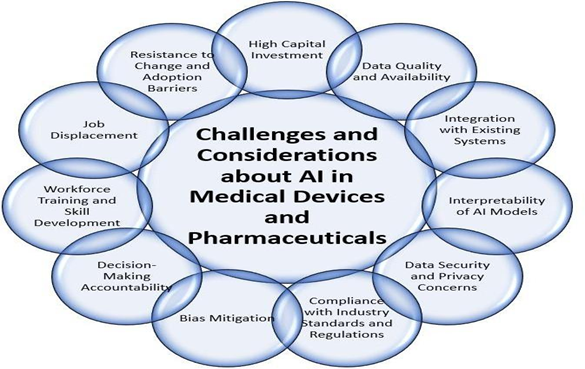
Figure-9. Challenges and Considerations of AI in Medical Devices and Pharmaceuticals
V. FUTURE TRENDS AND DEVELOPMENTS
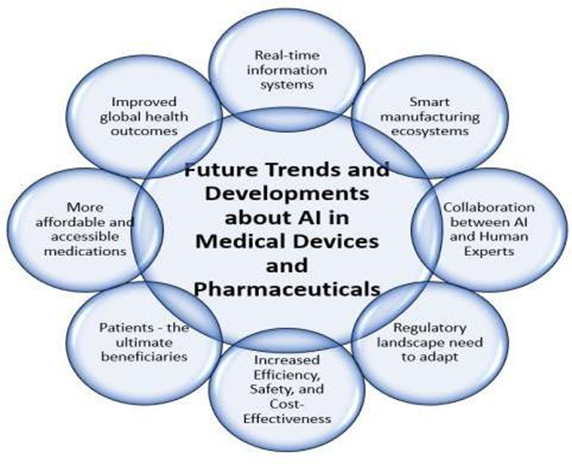
Figure-10. Future Trends and Developments of AI in Medical Devices and Pharmaceuticals
A. Emerging AI Technologies in Manufacturing and Quality Assurance
The use of cutting-edge technologies will be the future of AI in manufacturing and quality assurance for the pharmaceutical and medical device industries. Thanks to these developments, systems for quality control and manufacturing procedures are about to undergo a revolution.
VI. CONCLUSION
As AI is incorporated into the manufacturing and QA processes of pharmaceutical and medical device producers, there is great potential for disruptive growth. With AI technologies like machine learning, computer vision, and predictive analytics, these industries may achieve previously unthinkable levels of efficiency, accuracy, and quality control. Adoption of AI is anticipated to accelerate product design and development innovation, enabling personalized products, automating production lines, and improving and optimizing supply chains. AI's predictive abilities can also alter maintenance schedules, assuring uninterrupted operations and minimizing downtime. The disruptive aspect of AI is highlighted by the quicker clinical trial and regulatory clearance processes made possible by AI- computational methodologies.
REFERENCES


Urmi Rohit*, Dr. Shailesh V. Luhar, Dr. Neha Desai, Dr. Sachin B. Narkhede, Impact of AI on Manufacturing and Quality Assurance in Medical Device and Pharmaceutical Industry, Int. J. of Pharm. Sci., 2026, Vol 4, Issue 4, 491-500. https://doi.org/10.5281/zenodo.19401546
 10.5281/zenodo.19401546