

We use cookies to ensure our website works properly and to personalise your experience. Cookies policy
Department of Pharmacy, Royal School of Pharmacy, The Assam Royal Global University, Betkuchi-781035, Guwahati, Kamrup, Assam, INDIA
Intranasal drug delivery has become feasible non-invasive direct brain targeting technique, bypassing the blood–brain barrier (BBB). But the rapid mucociliary clearance with short nasal residence time greatly limits drug uptake. Mucoadhesive nanocarriers have attracted considerable attention to augment nasal retention, permeation and bioavailability in the brain. This review aims to present the anatomical basis for nose-to-brain transport, mechanisms of mucoadhesion and design principles for intranasal mucoadhesive nanocarriers. This review critically appraises a range of nanoplatforms like polymeric nanoparticles, solid lipid nanoparticles, nanoemulsions, liposome and nanogels for formulation strategies, characterization techniques and therapeutic applications for central nervous system (CNS) disorders. This review outlines recent clinical advancements, regulatory perspectives and translational hurdles. In the end, some perspectives on emerging technologies are discussed including stimulus-responsive systems, bioinspired polymers and AI-assisted formulation design to showcase potential delivery systems for the future
Recent trends with continued rise in prevalence and chronic progression as well as poor therapeutic options for many of these conditions have made neurological and neurodegenerative disorders including Alzheimer’s disease, Parkinson’s disease, epilepsy, glioblastoma, multiple sclerosis and other CNS pathologies a significant global health burden [1]. Targeting over altered transmission pathways and deploying therapeutic agents directly to the central nervous system (CNS) instead of requiring it to pass through a highly selective blood–brain barrier (BBB), despite notable advances in neuropharmacology and biotechnology-mediated approaches, continues to pose major hurdles for resolving CNS disorders. Blood-brain barrier (BBB) is a semipermeable protective barrier formed by specialized, tightly connected endothelial cells, astrocytes and pericytes that limit diffusion of most therapeutic agents into the brain parenchyma. As a result, many orally or parenterally delivered neurotherapeutics experience low brain bioavailability, extensive systemic distribution prior to reaching their CNS sites of action, rapid metabolic degradation by sulfonylhydrolases and other enzymes, and unwanted adverse effects. In addition, hepatic first-pass metabolism and peripheral toxicity cause a markedly reduced clinical effectiveness of many CNS-active drugs [2].
The nasal delivery of drugs via intranasal (IN) administration has been a novel option for non-invasive direct brain targeting, which can circumvent the BBB owing to the special anatomical and neuronal connections between nasal cavity and the brain. Nasal cavity has a very vascular area and access to the CNS through the olfactory and trigeminal nerve pathways. Intranasally delivered drug molecules have the potential to specifically be carried directly into the olfactory bulb, brainstem and other parts of the cerebrum with minimal systemic exposure. Such a pathway allows for rapid initiation of pharmacological action, lower systemic exposure and enhancement in therapeutic effictiveness. Moreover, the intranasal delivery has some highly patient-friendly properties such as the easy administration, enhanced patient compliance, reduced dosing frequency and avoidance of gastrointestinal degradation and hepatic first pass metabolism [3].
The intranasal route offers considerable opportunities in furthering the ability to deliver drugs from the nose to the brain however, various physiological and biological barriers hinder its clinical viability. Nasal mucosa has an efficient water soluble and non-soluble mucociliary clearance mechanism that can eliminate foreign particles and formulation from the nasal cavity within ~15–30 minutes, resulting in reduced drug residence time and absorption. In addition, many drugs administered intranasally have poor bioavailability due to several factors such as layers of mucus, tight junctions between epithelial cells that hinder transport of hydrophilic macromolecules through the epithelium, enzymatic degradation by proteases and cytochrome negative enzymes in the nose region, and limited formulation volume. These limitations demand the design of sophisticated and smart delivery systems with the ability to improve drug bioavailability, permeability and stability in nasal milieu [4].
Nanotechnology based drug delivery systems together with versatile bioactive agents have attracted extensive interest as practical platforms to overcome the limitations of conventional intranasal formulations. Of these, mucoadhesive nanocarriers have been studied as very successful systems to improve the nose-to-brain transport. Mucoadhesive nanocarriers are nanosized delivery vehicles that utilize bioadhesive polymers engineered to interact with the mucin glycoproteins in the nasal mucus layer. Such interactions increase the residence time of formulations in the nasal cavity, promote intimate contact with the epithelial membrane, and improve drug permeability through the mucosal barrier. Moreover, they exhibit protection from enzymes, increase the solubility of water insoluble drugs, control and prolong drug release, and allow for brain region site specific delivery [5].
For intranasal delivery targeting to the brain, diverse mucoadhesive nanocarrier systems have been studied, such as polymeric nanoparticles (PNPs), nanoemulsions/liposomes/solid lipid nanoparticles/nanostructured lipid carriers/dendrimers/nanomicelles/in situ nanogels. Both natural and synthetic mucoadhesive polymers (for example, chitosan, carbopol, hyaluronic acid, alginate and thiolated polymers) may hold great promise for promoting mucosal adhesion and paracellular transport. Moreover, surface functionalisation and targeting strategies allowed both for an improved cellular uptake as well as neuronal transport efficiency resulting in better therapeutic outcomes in different preclinical models of CNS disorders [6].
The development of novel pharmaceutical nanotechnology, materials science and neurotherapeutics over the past decade has further accelerated their translational potential as intranasal adhesive nanocarriers. Despite their remarkable potential, challenges around formulation stability, large-scale manufacturing, toxicity, regulatory approval and reproducibility coupled with long-term safety still through most successful clinical translational activity. As such, an integrative molecular understanding of mechanistic pathways, formulation strategies, and translational barriers to therapy is necessary for the rational design of intranasal nanomedicines that are safe and effective [7].
This article reviews the current state-of-the-art of intranasal mucoadhesive nanocarrier systems for nose-to-brain drug delivery in a contemporary and critical manner. It reviewed the anatomical and physiological connectivity for nasal drug transport, mechanisms of mucoadhesion and neuronal uptake, different classes of mucoadhesive nanocarriers, formulation strategies, characterization technologies, therapeutic applications in CNS disorders and highlighted recent clinical/regulatory progress. It also discusses the issues inhibitory research and showcases future directions and possibilities for effective, safe and clinically translatable via intranasal route brain-targeted nanotherapeutics.
Basic Anatomy and Physiology of the Nasal Cavity
Structural Regions
Anatomically, the nasal cavity can be divided into three main regions of function: vestibular, respiratory and olfactory. Nasal hairs and stratified epithelium located in the anterior part of the vestibular region perform protective action from penetration of particulates (Figure 1). The predominant part is the respiratory region, highly vascularized for drug absorption and systemic transport. Located at the top of the nasal cavity, the olfactory region houses an area of olfactory neurons projecting to the central nervous system. These neuronal connections allow for the direct nose-to-brain delivery of therapeutics, circumventing the blood–brain barrier, making the olfactory epithelium a fundamental player in this process [8].
Nose-to-Brain Transport Pathways
Intranasal drug delivery allows for bypassing the blood-brain barrier and directs medicine to the brain via several transport pathways. Since the olfactory epithelium and cortical regions of the brain are adjacent, drug molecules can be transported directly across the nasal mucosa into the CNS via intracellular and extracellular pathways through functionally connected neurons comprising the olfactory pathway. Via trigeminal nerve ramifications that are dispersed over the nasal mucosa, areas bordering the structural proteins of how you odor can be linked to deeper regions of the mind, such as the brainstem and spine cord, along with by means of pathways present in brainstem. Furthermore, the systemic route encompassed drug absorption through the abundant nasal vasculature and then indirect transport to the brain through systemic circulation. Together, these pathways enable fast and non-invasive routes of therapeutics delivery to the central nervous. system [9].
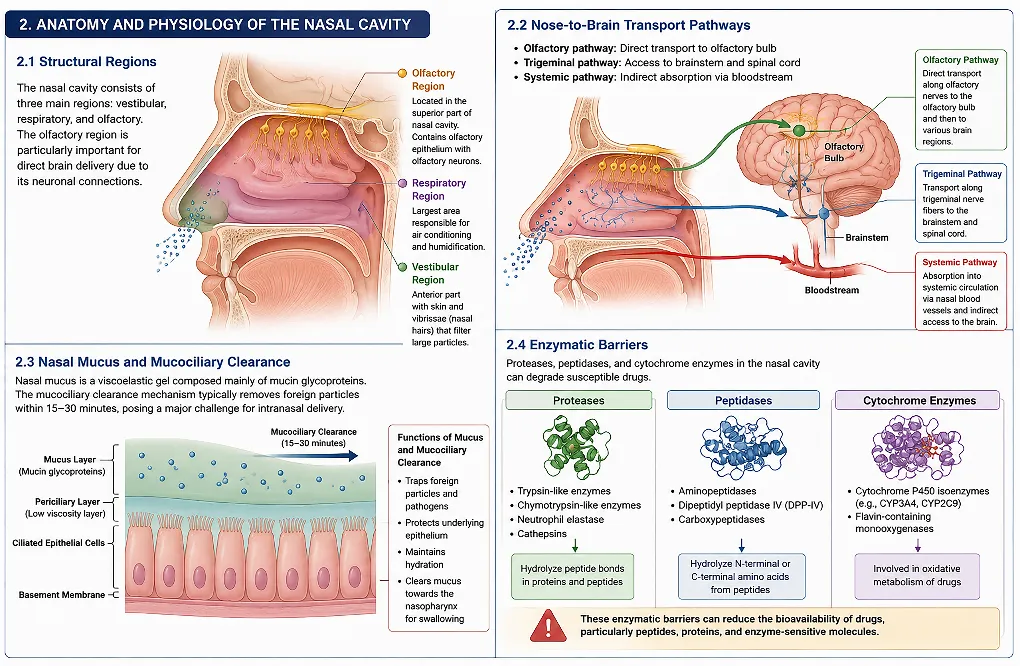
Figure 1. Section: General and physiology anatomy for drug delivery via the nose-to-brain route
Nasal Mucus and Mucociliary Clearance
Nasal mucus is a heterogeneous viscoelastic hydrogel mainly consisting of water, mucin glycoproteins, lipids, salts, enzymes and immunological components. It constitutes a protective layer on the nasal epithelium, preserving tissue hydration and filtering pathogens, allergens and particulate elements. The mechanism of mucociliary clearance provides stable propulsion of mucus layer due to coordinated beating cilia, moving the mucus layer towards nasopharynx. While this defense mechanism is crucial to protect the respiratory tract, it poses a major challenge for intranasal drug delivery as administered formulations are eliminated within 15–30 minutes. Therefore, the lower residence time and diminished contact with the mucosa can greatly diminish drug absorption and brain targeting efficiency [10].
Enzymatic Barriers
Different metabolizing enzymes are presented in the nasal cavity that can greatly affect the stability and bioavailability of drugs administered intranasally. The nasal mucosa and epithelial tissues contain enzymes including proteases, peptidases, cytochrome P450 isoenzymes, and esterases. They degrade peptide- and protein-based therapeutics which can result in the degradation of drugs before absorption takes place. One major obstacle for the transnasal route is an enzymatic degradation (e.g., human nasal mucosal tissue degrading substrates intracellularly); therefore, this pathway is not efficient enough for biologics and other relatively labile compounds. Thus, protection formulation strategies different from organic solvents or enzymes conversion are often used to improve the stability and therapeutic effects of metabolites from mushrooms such as encapsulation in nanocarriers [11].
Fundamentals of Mucoadhesion
Mucoadhesion is the property of a material, usually polymeric system that helps it to adhere on a mucosal surface through physical, chemical and molecular interactions. Mucoadhesion is important in intranasal drug delivery because it extends formulation residence time in the nasal cavity, which can influence drug absorption and, thus, therapeutic efficacy. It is mainly mediated by the interaction of mucoadhesive polymers and mucin glycoproteins in the mucus layer. Mucoadhesive properties play a crucial role in minimizing rapid mucociliary clearance and enhancing epithelial contact, leading to prolonged and selective nose-to-brain delivery of drugs [12].
Theories of Mucoadhesion
Many theories have been put forward to account the mechanisms behind mucoadhesion. The term wetting theory refers to a polymer's capacity to spread appropriately over the mucosal area. The interpenetration of the polymer and mucin chains results in strong adhesion bonding between them according to diffusion theory. There is an attractive electrostatic force that arises via the electron transfer between mucus and polymer as described by the electronic theory. The theory of adsorption also encompasses secondary interactions between the adhesive material and mucosal surface by hydrogen bond formation, van der Waals forces, etc. The fracture theory measures the energy used to break away the adhesive bonding, which is indicative of mucoadhesion strength [13].
Factors Affecting Mucoadhesion
There are several physicochemical factors and biological factors that influence mucoadhesion efficiency. The molecular weight of polymers plays an important role on the chain entanglement and adhesive strength where higher molecular weight polymer has shown better mucoadhesion property. Hydroxyl, carboxyl and amino groups as major functional groups mediate multiple hydrogen bond and electrostatic interactions with mucin. Hydration level is another significant contributing factor, as increased swelling improves polymer flexibility that in turn increases contact of the polymer with the mucosa. The surface charge of polymers affects their electrostatic attraction to mucus, and environmental pH affects the ionization of functional groups on the polymer backbone that contribute to intermolecular polymer-mucin interactions. All these factors together control the adhesive performance and stability of intranasal formulations [14].
Evaluation Methods
In vitro and ex vivo methods have been used to study the mucosal adhesive properties of nasal drug delivery systems. Detachment studies performed by using texture analyzers, which measures the adhesive force to detach a formulation from biological (for example, enteroid) or synthetic mucosal surface. Mucin particle assay based on changes in particles size or zeta potential. Rheological synergism studies that assess the viscodyamic effect due to polymer interactions with mucin reflect the strength of mucoadhesion. Ex vivo nasal adhesion studies utilizing excised animal nasal mucosa also shed light on formulation retention, relative adhesive nature and possible residence time in the nasal cavity [15].
Advantages of Intranasal Mucoadhesive Delivery
• Bypasses the BBB
• Rapid onset of action
• Reduced systemic exposure
• Non-invasive and patient-friendly
• Improved bioavailability
Mucoadhesive Polymers in Intranasal Systems
Intranasal drug delivery systems benefit from the use of mucoadhesive polymers that prolong nasal residence time, improve absorption and minimize mucociliary clearance [16]. These polymers achieve spontaneous interaction with mucin glycoproteins by means of hydrogen bonding, electrostatic interactions and chain entanglement to give extended retention time in the nasal compartment. Popular mucoadhesive polymers consist of chitosan, carbopol, hydroxy propyl methylcellulose (HPMC), sodium alginate, xanthan gum and polyvinyl alcohol. Among these, chitosan has a distinctive interest because of its permeability-enhancing effect and bioadhesive property [17]. Mucoadhesive polymers are widely used in intranasal therapeutic systems for modulated and targeted drug delivery due to their modified bioavailability, prolonged residence time, enhanced bioavailability of the API at the site of action as well as up-regulated nose-to-brain transport efficiency. Intranasal delivery of common mucoadhesive polymers is summarized in Table 1.
Table 1. Common Mucoadhesive Polymers for Intranasal Delivery
|
Category |
Polymer |
Key Features |
Limitations |
|
Natural |
Chitosan |
Cationic, permeation enhancer |
pH dependent solubility |
|
Natural |
Alginate |
Biocompatible, gel forming |
Weak mechanical strength |
|
Natural |
Pectin |
Good swelling |
Batch variability |
|
Synthetic |
Carbopol |
Strong mucoadhesion |
Nasal irritation risk |
|
Semi-synthetic |
HPMC |
Film forming |
Moderate adhesion |
|
Functionalized |
Thiomers |
Covalent mucus bonding |
Complex synthesis |
Natural Polymers
Due to their biocompatibility, biodegradability and low toxicity natural polymers are widely exploited in the development of intranasal mucoadhesive nanocarriers. In this regard, chitosan and its derivatives are the most extensively studied due to cationic features enhancing electrostatic interplay with negatively charged mucin. All Chitosan can transiently open the epithelial tight junctions, therefore improves paracellular drug transport and nasal permeation. Moreover, the natural mucoadhesive quality extends nasal residence time and enhances the absorption of drug and thus makes it especially desirable for nose-to-brain delivery purposes.
Synthetic and Semi-Synthetic Polymers
The use of synthetic and semi-synthetic polymers has been extensively investigated to enhance the stability, viscosity and release rates of intranasal formulations. Carbopol and hydroxypropyl methylcellulose (HPMC) are common excipients due to their swelling ability and high mucoadhesive properties. These polymers increase viscosity and reduce mucociliary clearance, which would enhance retention of the formulation in the nasal cavity. However high concentrations of the polymer could create nasal irritation, as well as impair ciliary movement or induce discomfort in the patients. Thus, optimized polymer concentrations and rheological proprieties are necessary for the safe and efficient administration by which nasal drug delivery [18].
Functionalized Polymers
Functionalized polymers have attracted considerable interest with the aim of improving mucoadhesion and drug permeation in monomer-based intranasal delivery systems. Mucoadhescence is ensured via covalent disulfide bonds between thiolated polymer and cysteine-rich domains of mucin glycoproteins, providing a longer nasal residence time. Likewise, catechol modified polymers imitate the function of mussel proteins by forming strong interactions via hydrogen bonding and covalent interaction with mucosal surfaces. Application of these advanced polymers can improve formulation stability, controlled drug release and epithelial permeation to deliver through the nasal cavity and will provide with enhanced transport across nose-to-brain pathway ultimately improving therapeutic outcomes [19].
Types of Mucoadhesive Nanocarriers
Polymeric Nanoparticles
Polymeric nanoparticles are one of the most widely studied nanocarrier systems for intranasal drug delivery, owing to their exceptional biocompatibility, controlled-release profiles and structural flexibility (Table 2). Such a platform is especially advantageous as you can encapsulate sensitive biomolecules i.e. In addition, surface functionalization with targeting ligands and/or mucoadhesive polymers can augment nasal retention and brain uptake. Chitosan-based polymers like PLGA, alginate and gelatin, which are among the most commonly used in drug delivery systems [20], produce a synergistic effect that can have advantages for drug stability, permeation and therapeutic efficiency.
Lipid-Based Nanocarriers
Various lipid-based nanocarrier systems, such as solid lipid nanoparticles (SLNs) and nanostructured lipid carriers (NLCs), have recently attracted increased attention towards the nose-to-brain delivery of hydrophobic drugs. Lipid-based systems provide increased drug stability, controlled release, and biocompatibility. Their nanoscale size also enhances mucosal penetration and brain targeting efficiency. SLNs, in comparison to NLCs, are characterized by higher drug expulsions during long-term and storage; however, NLCs have shown superior efficacy over SLNs when it comes to the amount of drugs loaded into the nanoparticles. Lipid-based systems can also safeguard the encapsulated drug from enzymatic degradation in the nasal environment [21][22][23].
Vesicular Systems
The availability of vesicular nanocarriers such as liposomes and niosomes makes them the smart choice in intranasal drug delivery since both hydrophilic and lipophilic therapeutic agents can be encapsulated. Liposomes are made of phospholipid bilayers, but niosomes consist of nonionic surfactants which do not only have a better stability than liposomes but also are more cost-effective. These vesicular systems can increase drug solubility, protect labile molecules from degradation and even improve the mucosal permeation. Due to their flexible structure and ability for surface modification, NPs can significantly prolong nasal retention time and enable targeted delivery of substances into the brain cavity that are not able to pass through a healthy blood-brain barrier (BBB) [24].
Nanoemulsions and Nanogels
Nanoemulsions and nanogels are an attractive route for drug delivery via nasal instillation because of their very high spreadability, its ability to solubilize high amount of drugs and the higher penetration through mucosal layers. Nanoemulsions are comprised of nanoscale oil droplets, which are stabilized by surfactants, allowing such made formulation for rapid absorption and to enhance the bioavailability of poorly water-soluble drugs. In situ gelling systems, nanogels are able to retain drug dispersal and undergo sol-to-gel transition upon contact with nasal physiological conditions so as to sustain residence time and inversely prevent mucociliary clearance. Thermosensitive or mucoadhesive gels with combination of nanoemulsion gives controlled drug release and increase nose-to-brain transport efficiency [26] [27].
Table 2. Major Intranasal Mucoadhesive Nanocarrier Systems
|
Nanocarrier |
Typical Size |
Advantages |
Limitations |
|
Polymeric nanoparticles |
100–300 nm |
Controlled release |
Polymer toxicity concerns |
|
SLNs |
50–200 nm |
High stability |
Limited drug loading |
|
NLCs |
80–250 nm |
Improved loading |
Complex formulation |
|
Liposomes |
100–400 nm |
Biocompatible |
Leakage issues |
|
Nanoemulsions |
<200 nm |
High solubilization |
Physical instability |
|
Nanogels |
100–500 nm |
High mucoadhesion |
Scale-up difficulty |
Formulation Strategies
Surface Modification
The performance of the intranasal mucoadhesive nanocarriers can be improved through a variety of strategies, among which an important one is their surface modification. The PEG chain not only minimizes the aggregation of particles and nonspecific interaction with mucin fibers but also increases mucus penetration, thus improves stability and diffusion of formulation in nasal mucus layer. Ligand conjugation with transferrin, lectins or peptides allow for receptor-mediated targeting and increased transport across the nasal epithelium and along brain tissues. These modifications all increase the stability, permeation, and targeting of drugs to the brain in nose-to-brain delivery systems improving therapeutic outcomes [28].
Thiolation and Functionalization
Advanced methods to increase the mucoadhesion of intranasal nanocarriers include thiolation and polymer functionalization. Thiolated polymers, which have the thiol functional group (-SH) that can crosslink covalently with proteins such as cysteine-rich mucin glycoproteins in the nasal mucus layer by disulfide bonding. Such interaction markedly prolongs residence time and alleviates formulation stability within the nasal cavity. It's also possible to make improve epithelial permeation and cellular uptake via functionalization with catechol groups, peptides or targeting ligands. These adaptations help to increase drug absorption, alleviate controlled release and nose–brain transport of active agents [29].
Particle Size and Charge Optimization
Particle size and surface charge are the most important parameters that affect drug delivery using intranasal nanocarrier systems. Nanoparticles less than 100–200 nm in size can provide distinct advantages such as enhanced mucus penetration, increased cellular uptake and neuronal transport, and evasion of rapid clearance from the nasal cavity. Surface charge is vital for mucoadhesion and permeation as well. Nasal retention and epithelial contact is improved by the effect of electrostatic interaction between mildly positive nanoparticles with negatively charged mucin. On the flipside, excessive positive charge can result mucosal irritation or toxicity and thus requires optimized to safe and efficient brain-targeted delivery [30].
Integration into the In Situ Nasal Gels
Nanocarriers were incorporated into in situ nasal gels to prolong drug retention at the site of administration and allow for controlled release. These formulations are maintained in a fluid state before the delivery and change from sol to gel due to physiological stimuli like temperature, pH or ionic concentration. Thermo- and ion-sensitive gels cause the viscosity of the formulation in the nasal cavity to increase, which slows mucociliary clearance and prolongs residence time. The co-application of mucoadhesive polymers and nanocarriers provides enhanced stability, continuous release and greater efficacy for the nose-to-brain delivery of drugs [31].
Quality by Design (QbD)
The systematic and science-based approach nowadays extensively used in development of intranasal nanocarrier formulations is Known as Quality by Design (QbD). This includes determining critical quality attributes (CQAs), critical material attributes (CMAs) and critical process parameters (CPPs) that have an impact on product performance and safety. Design of experiment (DoE) allows a statistical optimization of formulations with adaptive variables, e.g., zeta potential, drug loading and gel viscosity. QbD minimizes variability and improves formulation robustness, reproducibility, and regulatory compliance, thereby enabling the design of safe, effective and clinically translatable drug delivery systems for nasal administration [32].
Characterization and Evaluation
Physicochemical Characterization
Physicochemical characterization is the key to determining quality, stability, and performance of intranasal mucoadhesive nanocarriers. Both the particle size and polydispersity index (PDI) affects not only mucus penetration but also cellular uptake, and uniformity of formulations. Mucoadhesion and aggregation behavior is dependent on surface charge, which can be determined by the zeta potential. Scanning electron microscopy (SEM) or transmission electron microscopy (TEM) por determine morphological profiles including particle shape and surface morphology. From a drug delivery perspective, drug loading and entrapment efficiency are essential parameters that evaluate the ability of nanocarriers to encapsulate and retain therapeutic agents on their way from nose-to-brain deliverysystem prior to in vivo application [33].
Mucoadhesion Studies
The migrating mucoadhesion study is conducted to establish the interaction between nanocarrier formulations and nasal mucosal surface. Ex vivo nasal mucosa adhesion studies are performed with animal nasal tissues to gain information regarding the time of retention and strength of adhesion of formulations under physiological condition. Mucin binding efficiency assays measure the extent with which mucoadhesive polymers interact with mucin glycoproteins found in the mucus layer. This prolongation of the nasal residence time, reduction of mucociliary clearance and drug absorption are provided by a strong mucoadhesion. Such studies are critical to the in vivo translational potential and efficacy of intranasal drug delivery systems [34].
In Vitro and Ex Vivo Studies
Studies carried out in vitro and ex vivo are often used for the characterisation of drug release and permeation behavior from intranasal nanocarrier systems. Drug release kinetics studies assess the drug release rate and mechanism of therapeutic agent releasing from formulation to predict sustained or controlled-release performance. Such experiments using excised animal nasal mucosa yield information regarding transport across the epithelial barrier in ex vivo nasal permeation studies. These studies provide insight into permeation efficiency, diffusion properties and formulation stability assisting in the optimisation of intranasal systems towards improved nose-to-brain delivery of drug [35].
In Vivo Evaluation
The next step is the in vivo evaluation, which is vital to determine the therapeutic performance of NGTs and their associated effects on safety as intranasal mucoadhesive nanocarriers. Brain biodistribution studies determine the amount of drug delivered to brain areas after intranasal delivery. These studies analyze multiple pharmacokinetic parameters including drug absorption, bioavailability, half-life and brain-targeting efficiency. Nasal ciliotoxicity studies are performed to assess the potential for formulation-induced compromise of the integrity of nasal epithelium and ciliary structure. These assessments furnish essential details about the efficacy, safety and clinical relevance of nose to brain drug delivery systems [36].
Therapeutic Applications in CNS Disorders
In this regard, in recent years due to the utilization of intranasal routes, these mucoadhesive nanocarriers have shown their capability for numerous CNS disease treatments through direct and efficient nose-to-brain drug delivery (Table 3). In Alzheimer disease, these systems promote brain delivery of agents like donepezil, rivastigmine, curcumin and neuroprotective peptides, thus enhancing cognition while limiting systemic unwanted effects [37]. Intranasal nanocarriers used for targeted delivery of dopamine agonists, levodopa and antioxidant compounds also improve motor function and bioavailability. Fast intranasal delivery of anticonvulsants will therefore facilitate rapid control of seizures with better efficacy in epilepsy. These systems have also been reported to manage brain tumors by enhancing targeted delivery of chemotherapeutic drugs past the bloodbrain barrier [39]. Moreover, due to their non-invasive administration route and sustained release & target brain advantages, intranasal nanocarriers are being presented as challenging tools for depression, anxiety, multiple sclerosis, migraine and glioblastoma therapy [40].
Table 3. Selected Applications of Intranasal Mucoadhesive Nanocarriers
|
Disorder |
Drug Examples |
Nanocarrier Type |
Outcome |
|
Alzheimer’s disease |
Rivastigmine, Donepezil |
Chitosan NPs |
Improved brain uptake |
|
Parkinson’s disease |
Rotigotine |
NLCs |
Sustained delivery |
|
Epilepsy |
Diazepam |
Nanoemulsion gel |
Rapid seizure control |
|
Brain tumors |
Temozolomide |
Polymeric NPs |
Enhanced targeting |
|
Depression |
Venlafaxine |
SLNs |
Improved bioavailability |
Clinical Translation and Regulatory Landscape
Intranasal administration of mucoadhesive nanocarriers has attracted much attention for the clinical translation toward nose-to-brain delivery. In addition, a few different traditional intranasal formulations for migraine and pain management or hormonal substitution have been approved since and are available on the market. Nevertheless, nano-based mucoadhesive systems for nose-to-brain delivery still remain mostly preclinical or in early clinical development. Formulation complexity, scalability and batch-to-batch reproducibility, along with long-term stability, also pose major challenges for translation. Clinical translation claims must evaluate the physicochemical properties, biodistribution, immunogenicity and ciliotoxicity of each NPs before regulatory agencies can approve clinical usage. Moreover, the lack of regulatory harmonization data especially for nanomedicine based intranasal products render innovative developmental and approval pathways. Consequently, for successful clinical translation and commercialization of intranasal mucoadhesive nanocarrier systems 26 solid quality control strategies, high-level manufacture technologies as well as regulatory frameworks have to be defined accordingly [26][41].
CHALLENGES AND LIMITATIONS
Although the method seems very promising, intranasal mucoadhesive nanocarriers encounter many challenges for clinical translation. Fast turnover of mucus and mucociliary clearance may decrease residence time of formulations and absorption. The nasal cavity cannot administer higher doses due to its low volume capacity. This is likely due to formulation instability (nanoparticle aggregation, drug leakage) impacting therapeutic performance during storage. Furthermore, extended exposure to some polymers or excipients could lead to nasal irritation or ciliotoxicity. Furthermore, large-scale manufacturing and reproducibility have not been solved technically in addition to inter-subject variability of nasal physiology that could cause inconsistent drug delivery and therapeutic outcomes [42][43].
FUTURE PERSPECTIVES
The innovations on the way are likely to be centered around smart and patient friendly delivery systems for intranasal mucoadhesive nanocarriers in near future. It was known that stimuli-responsive nanocarriers which are sensitive to pH, enzymes or temperature can be used for drug release at particular sites in controlled manner [44]. Mussel-inspired catechol-functionalized polymers as bioinspired materials enhance adhesive ability in wet conditions and prolong nasal retention [45]. AI/ML approaches are continuously being researched to optimize predictive formulation and accelerate development. Therapies that are tailored to each individual's nasal physiological characteristics may lead to better therapeutic outcomes in intranasal drug delivery. Furthermore, the application of green nanotechnology employing biodegradable and plant-mediated nanomaterial is blossoming as a safer and more environmentally-friendly strategy for brain targeting drug delivery [46].
CONCLUSION
However, conventional systemic therapies for CNS disorders are limited and intranasal mucoadhesive nanocarriers are developing as a very powerful novel platform in targeted nose-to-brain drug delivery with many advantages over conventional therapies. Nanotechnology-based systems that use mucoadhesive polymers allow overcoming well-known physiological barriers including the blood–brain barrier, rapid mucociliary clearance and enzymatic degradation. Several systems of nanocarrier such as polymeric nanoparticles, lipid-based carrier, vesicular system and nanogels have shown to improve nasal residency time, drug permeation, controlled release in order to enhance the brain bioavailability. In addition, dosage forms that utilize sophisticated formulation technologies such as surface functionalization, thiolation, in situ gelling systems and Quality by Design (QbD) platforms have significantly enhanced therapeutic performance and reproducibility of dosage forms. Although preclinical results are promising, long-term safety concerns, large-scale manufacturing difficulties, formulation stability, and standardization hurdles remain formidable obstacles to clinical translation. Continued progress on stimuli-responsive materials, bioinspired polymers, artificial intelligence-aided formulation design and green nanotechnology will facilitate the development of clinically translatable intranasal nanotherapy systems for neurological disorders that are safe and effective.
ACKNOWLEDGEMENT
The authors sincerely acknowledge the support and encouragement provided by the Department of Pharmacy, Royal School of Pharmacy, The Assam Royal Global University research facilities for enabling the completion of this review work entitled “Intranasal Mucoadhesive Nanocarriers for Nose-to-Brain Drug Delivery: Mechanistic Insights, Formulation Strategies, and Clinical Translation.” The authors are grateful to all researchers and scientists whose valuable contributions in the fields of intranasal drug delivery, mucoadhesive nanocarriers, and brain-targeted therapeutics have significantly enriched the scientific understanding presented in this manuscript. The authors also appreciate the academic resources and institutional support that facilitated extensive literature collection, critical analysis, and manuscript preparation.
CONFLICT OF INTEREST
The authors declare no conflict of interest.
ABBREVIATIONS
AD: Alzheimer’s disease; AI: Artificial intelligence; BBB: Blood–brain barrier; CMAs: Critical material attributes; CNS: Central nervous system; CPPs: Critical process parameters; CQAs: Critical quality attributes; DoE: Design of experiments; HPMC: Hydroxypropyl methylcellulose; IN: Intranasal; NLCs: Nanostructured lipid carriers; NPs: Nanoparticles; PDI: Polydispersity index; PEG: Polyethylene glycol; PEGylation: Polyethylene glycol functionalization; PLGA: Poly(lactic-co-glycolic acid); QbD: Quality by Design; SEM: Scanning electron microscopy; SLNs: Solid lipid nanoparticles; TEM: Transmission electron microscopy; P450: Cytochrome P450.
REFERENCES

Swagata Chetia, Kamal Deka, Bipul Nath, Parampara Barman, Intranasal Mucoadhesive Nanocarriers for Nose-to-Brain Drug Delivery: Mechanistic Insights, Formulation Strategies, and Clinical Translation: A Review, Int. J. of Pharm. Sci., 2026, Vol 4, Issue 5, 7848-7863, https://doi.org/10.5281/zenodo.20443612
 10.5281/zenodo.20443612