

We use cookies to ensure our website works properly and to personalise your experience. Cookies policy
Immanuel Arasar college of pharmacy, Nattalam, Tamil Nadu, India 629165.
Seabed sand is a vital and ecologically significant microbial habitat, consisting of diverse bacterial and archaeal communities that play crucial roles in biogeochemical cycling, organic matter decomposition, and the overall functioning of marine ecosystems. These communities, found in the subsurface seabed, face strong energy limitations and exhibit growth rates that are significantly slower than those in lab environments. This poses a challenge for scientists attempting to isolate and characterize these microor ganisms. This review discusses traditional and modern techniques for isolating, identifying, and quantifying these marine bacteria. Traditional methods like serial dilution, streak plate technique, and heat shock, alongside modern techniques such as th e sandwich agar plate method and spent culture medium, have enhanced the recovery of previously unculturable marine bacteria. Morphological characterization, biochemical testing, MALDI -TOF mass spectrometry, and 16S rRNA gene sequencing are utilized for id entification, with 16S rRNA gene sequencing being a widely used molecular marker. Genetic quantification through quantitative PCR (qPCR) that targets the 16S rRNA gene facilitates an accurate assessment of bacterial abundance in marine sediments. Further, amplicon sequencing of the 16S rRNA gene V4 region corroborates qPCR results and uncovers novel bacterial diversity. Comparative genomics and metagenomics studies reveal a wide range of bacterial taxa with unique functional properties essential for seabed ecosystem functions, including degradation and recycling of DNA and organic material. The review underscores the significant biotechnological potential of these bacterial communities in enzyme production, bioremediation of hydrocarbons and heavy metals, and the synthesis of biosurfa ctants, along with the discovery of novel bioactive compounds relevant to clinical and pharmaceutical applications.
Marine environments constitute the largest and most diverse ecosystems globally,
encompassing over 70% of Earth's surface. Within these ecosystems, seabed sediments present
a complex habitat that support rich diversity of microbial life. These microbes are integral to
global biogeochemical cycling, influencing carbon, nitrogen, and oxygen dynamics (1). Rather
than being passive, these microbial communities actively drive nutrient transformation and
energy flow in the oceans.Physical, chemical, and biologica l processes—including currents,
sedimentation rates, and interactions with marine organisms —shape marine sediment
environments. Benthic microbial communities create a boundary layer interfacing the water
column and subseafloor, where they contribute significantly to organic matter decomposition,
biogeochemical cycling, and contaminant remediation (1). The diversity found in deep marine
sediments possess metabolic capabilities that can influence global biogeochemical cycles.
Importantly, only about 1% of microbial species are cultivable, with the vast majority still
unexplored regarding their roles in biogeochemical processes (2), indicating a significant area
for further study in seabed sediment microbiology. Research focused on isolating and
cultivating bacteria from marine sediments yields essential insights into their physiology
characteristics, metabolic functions, and ecological roles. Cultivation-based methods shed light
on the abundance of specific taxa, including Bacillus, Proteobacteria, Actin obacteria, and
Firmicutes, in these environments (3). The isolation of microorganisms enhances
understanding of their genomic properties and ecology, facilitating the characterization of
novel species (4). The recent advancement of molecular techniques, such as 16S rRNA gene
sequencing, has become a pivotal methodology for bacterial identification, surpassing
traditional morphological and biochemical methods in phylogenetic classification precision
(4). Furthermore, quantitative PCR (qPCR) methods targeting the 16S rRNA gene allow
accurate quantification of bacterial populations in marine sediments. Coupled with amplicon
sequencing, qPCR also reveals previously unnoticed bacterial diversity (5). Together, these
genetic tools enable comprehensive analyses of b oth qualitative and quantitative aspects of
microbial populations in intricate environmental contexts. While microbial communities are
crucial for biogeochemical cycling, their functional distributions across various geographic
marine features remain isnad equitably studied (6). Considering this, a thorough investigation
focused on the isolation, identification, and genetic quantification of bacteria from seabed sand
is vital for unravelling the microbial ecology of these habitats and their contributions to marine
ecosystem functioning (7). This review aims to synthesize evidence on the isolation and characterization of bacteria
communities from seabed sand samples employing cultural, biochemical, and molecular
methodologies, further quantifying the bacterial populations through qPCR and 16S rRNA
gene analysis.
REVIEW SCOPE AND LITERATURE COVERAGE
This narrative review synthesizes literature on the isolation, identification, and genetic quantification of bacteria associated with marine and seabed sediments, with emphasis on culture-dependent methods, molecular identification, quantitative PCR, high-throughput sequencing, and emerging cultivation strategies. The literature set used for this review includes peer-reviewed studies and methodological sources covering marine microbiology, microbial cultivation, bacterial identification, qPCR, sequencing, bioremediation, and pharmaceutical or biotechnological applications. qPCR, Bioremediation, Seabed microbiology, MALDI-TOF ,Marine biotechnology.
HISTORY OF BACTERIAL ISOLATION
The history of bacterial isolation originates in the 17th century with Antonie van
Leeuwenhoek's first observations of microorganisms in 1676, laying the groundwork for
microbiology. However, system atic methods for bacterial isolation developed in the 19th
century, particularly within bacteriology and parasitology. A pivotal advancement occurred in
1860 with Louis Pasteur's introduction of liquid media, enhancing the visualization of bacterial
growth patterns (8). In the subsequent period from 1876 to 1883, Robert Koch significantly
advanced these concepts, perfecting pure -culture techniques. Koch pioneered methods that
allowed disease organisms to be cultured outside the host, demonstrating the com plete life
cycle of pathogens through meticulous experiments. He introduced methods such as the
hanging drop technique to assess bacterial motility, staining techniques with aniline dyes, and
essential sterilization methods including the hot air oven and steam sterilizer. The introduction
of agar for solid cultures in 1881 by Koch, along with Fanny Eilshemius's contributions in
1882, revolutionized microbial isolation by enabling the culture of a broader range of
Microorganisms (8).
Koch's methods established pure culture techniques as foundational for research in infectious
diseases, with the streak plate method emerging as the standard for isolating individual
microbes. This method involves using an inoculating loop to spread a microbial population
over solid agar plates, leading to isolated colonies from which pure cultures can be obtained (9).
Despite traditional microbial techniques' substantial contributions, their inability to cultivate
the majority of microorganisms in natural environments has hindere d the discovery of novel
microbial resources. This limitation prompted the development of molecular -based
identification techniques, integrating advanced technologies that have vastly improved
precision in microbial isolation. Microfluidic technologies, which manipulate tiny fluid
volumes with high accuracy, mark an essential transformation in this field (10,11).
In the current era, the rise of artificial intelligence introduces new computational tools to
address the challenges in microbial resource discovery. A five-stage framework illustrates this
evolution: the germination period (1997–2008), early exploration (2008–2015), rapid
development (2015–2019), a deep learning explosion (2020–2022), and ongoing integration
(2023–present) (12).
IMPORTANCE OF BACTERIAL ISOLATION
The identification and isolation of bacterial species are pivotal in understanding their role in
disease processes. Traditionally, the techniques utilized for bacterial identification emphasize
morphological, biochemical, and metabolic properties, necessitating the need for precise
identification to manage bacterial pathogens effectively. The foundation of microbiome
research relies on pure bacterial cultures, which allow for detailed experimental studies,
although traditional isolation methods are often labour-intensive and lack integration between
phenotypic and genotypic data. Consequently, the development of efficient isolation techniques
has emerged as a primary focus within microbiology (13,14).
The economic significance of microbiology extends beyond mere taxonomy, with projections
suggesting that the global microbial market ’s value will surpass USD 675.2 billion by 2024.
Bacterial isolation is crucial for producing a variety of bioactive compounds including
enzymes, antibiotics, and probiotics, thereby reinforcing its fundamental role in the industry.
The cultivation of bacteria remains the gold standard for diagnosing bacterial and fungal
pathogens and understanding antimicrobial resistance (15). The discovery of novel bacteria in
unexplored environments, such as marine sediments, have unveiled new antibiotics critical for
combating antimicrobial resistance (16).
Furthermore, bacteria play a vital role in environmental monitoring by detecting pollutants,
heavy metal ions, and other hazardous substances in ecosystems. Engineered bacterial strains
can elicit specific biological responses to pollutants, allowing for the quantifiable detection of
various organic compounds and heavy metals, enhancing environmental safety measures (17).
Innovative approaches, driven by artificial intelligence, have facilitated the exploration of
microbial interactions and the identification of potential microbial biomarkers for applications
in environmental monitoring and disease detection. A refined understanding of bacterial
taxonomy is essential for effective operations in medical microbiology laboratories and
communication with key stakeholders (14).
Recent advancements in high-throughput isolation and cultivation methodologies, including
culturomics, droplet microfluidics, and genomic selection techniques, have dramatically
improved the cultivability of previously non-culturable bacteria. This technological progress
signifies a substantial leap in bacterial isolation capabilities, thereby enhancin g our
understanding and control of microbial communities in various settings, from clinical to
Environmental Realms (18,19).
ISOLATION METHODS REPORTED IN MARINE SEDIMENT STUDIES
PART A: METHODS OF BACTERIAL ISOLATION
The methods of bacterial isolation describe various methodologies for isolating bacteria from
marine sediment samples.
A1. SAMPLE COLLECTION
Sample Collection involves using sterile corers or SCUBA diving to obtain sediment samples,
specifically from the upper 1-5 cm of seabed sand, with careful recording of GPS coordinates
and subsequent storage at 4°C (20).
A2. SERIAL DILUTION METHOD
Serial Dilution Method entails serially diluting 0.2 g of sediment in sterile seawater and
spreading aliquots onto culture media plates, incubating them at 28–30°C for up to 30 days to
cultivate colonies, which are then streaked onto Marine Broth agar for pure isolations (20).
A3. HEAT SHOCK METHOD
Heat Shock Method mixes wet sediment with sterile seawater and heats it to 55°C to efficiently
isolate spore-forming bacteria like Bacillus spp. by subsequent dilution and inoculation onto
agar (20).
A4. STAMPING METHOD
Stamping Method involves transferring wet sediment to a sterile dish, drying it, grinding it, and
then stamping it onto agar to achieve a serial dilution effect, effectively preparing the media
with filtered seawater (20).
A5. CULTURE MEDIA
Culture Media Used includes Marine Agar 2216 and Marine Broth 2216, among others like
Water Extracted Matter (WEM), which is noted for yielding a broader diversity of
actinobacteria, especially Micromonospora and Streptomyces species (21).
A6. SANDWICH AGAR PLATE METHOD
Sandwich Agar Plate Method employs a coculture technique to enhance microbial interactions,
which significantly increases the recovery of previously uncultured species by nearly tenfold
(22).
A7. SPENT CULTURE MEDIUM
Spent Culture Medium (SCM) Method dilutes sediment samples in artificial seawater,
enriching them with modified media to promote recovery of visible colonies through aerobic
incubation (23).
PART B: IDENTIFICATION OF BACTERIA
The identification of bacteria outlines procedures for characterizing bacteria after isolation.
B1. MORPHOLOGICAL CHARACTERIZATION
Morphological Characterization examines colony characteristics and employs Gram staining
for microscopic observation (20).
B2. BIOCHEMICAL TESTS
Biochemical Tests use systems such as API 20E for isolates showing low -confidence
identification, thereby enhancing identification accuracy for various species (24).
B3. MALDI-TOF MASS SPECTROMETRY
MALDI-TOF Mass Spectrometry is highlighted for its rapid and cost-effective bacteria
identification capabilities in microbiological laboratories (24,25).
B4. 16S rRNA GENE SEQUENCING
16S rRNA Gene Sequencing is widely used as a molecular marker for bacterial identification,
leveraging platforms like EzBioCloud to ensure accurate classification of major bacterial phyla (24).
B5. COMPARISON OF IDENTIFICATION METHODS
Comparison of Identification Methods indicates that each of biochemical tests, MALDI-TOF
MS, and 16S rRNA sequencing has specific advantages, with the former being widespread and
the latter providing the quickest results (24,25).
PART C: GENETIC QUANTIFICATION METHODS
The genetic quantification details techniques for quantifying bacterial populations.
C1. DNA EXTRACTION
DNA Extraction uses the DNeasy Power Lyzer Power Soil Kit for genomic DNA extraction and
quantification of 16S rRNA gene abundance relative to wet sediment weight (26).
C2. QUANTITATIVE PCR
Quantitative PCR (qPCR) is utilized to measure total bacterial abundance by assessing 16S
rRNA gene copy numbers, applying specific primer sets, with negative controls incorporated
for accuracy (26,27).
C3. PRIMER SETS TARGET
Primer Sets target the bacterial 16S rRNA gene in qPCR analysis, with V4 region amplicon
sequencing confirming quantificati on accuracy and revealing additional microbial diversity (26).
C4. ABSOLUTE QUANTIFICATION
Absolute Quantification Using Spike -in Standards employs synthetic DNA standards for
normalization purposes in qPCR, which ensures precise bacterial abundance calculations per
gram of sediment (28).
C5. MULTIPLEX RT-PCR
Multiplex RT-qPCR facilitates rapid quantification of various bacterial groups, showing higher
gene copy numbers in sediments compared to seawater and documenting seasonal bacterial
abundance variations (29).
PHARMACEUTICAL AND CLINICAL RELEVANCE
1. ANTIBIOTIC DISCOVERY
Marine environments are increasingly recognized as valuable resources for pharmaceutical
applications, particularly antibiotic discovery, due to the diverse bioactive compounds
produced by marine bacteria. Members of the genus Streptomy ces possess remarkable
biosynthetic capabilities that yield numerous antimicrobial secondary metabolites.
Salinosporamide A, derived from the marine actinomycete Salini Pora tropica, has entered
clinical trials for hematological malignancies, demonstrating the clinical importance of marine
sediment bacteria (30).
2. ANTICANCER DRUG DEVELOPMENT
Advances in marine microbiology, genomics, metabolomics, and bioinformatics have
accelerated the identification of previously uncultured marine bacteria and their biosynthetic
gene clusters. These studies have revealed metabolites exhibiting potent cytoto xic activity
against various cancer cell lines, including drug -resistant forms. Natural products continue to
play a crucial role in anticancer drug development (31).
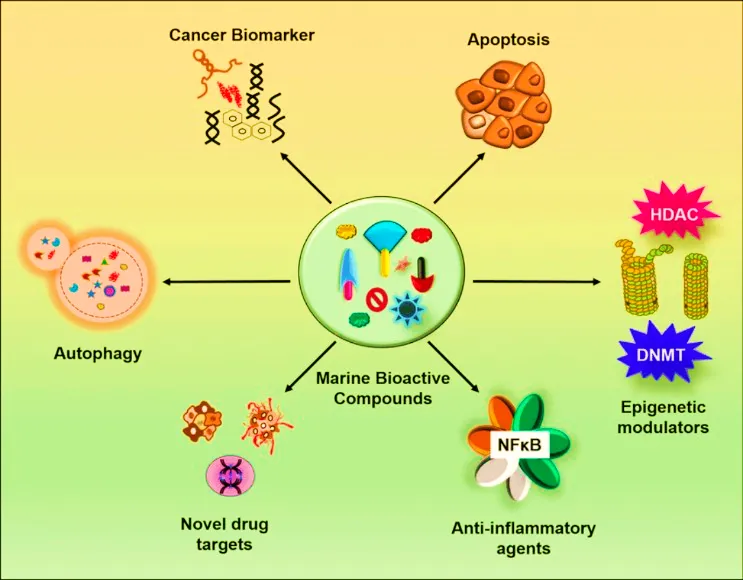
FIG.NO :1 (ANTICANCER DRUG DEVELOPMENT)
3. BACTERIAL BIOSENSORS IN CLINICAL DIAGNOSTICS
The increasing demand for rapid and efficient diagnostic tools has stimulated development
of bacterial biosensors and nano -biosensors. These technologies facilitate point-of-care
detection of bacterial and viral pathogens and have significant applications in diseases such as
HIV, Ebola, and SARS-CoV-2 (32,33).
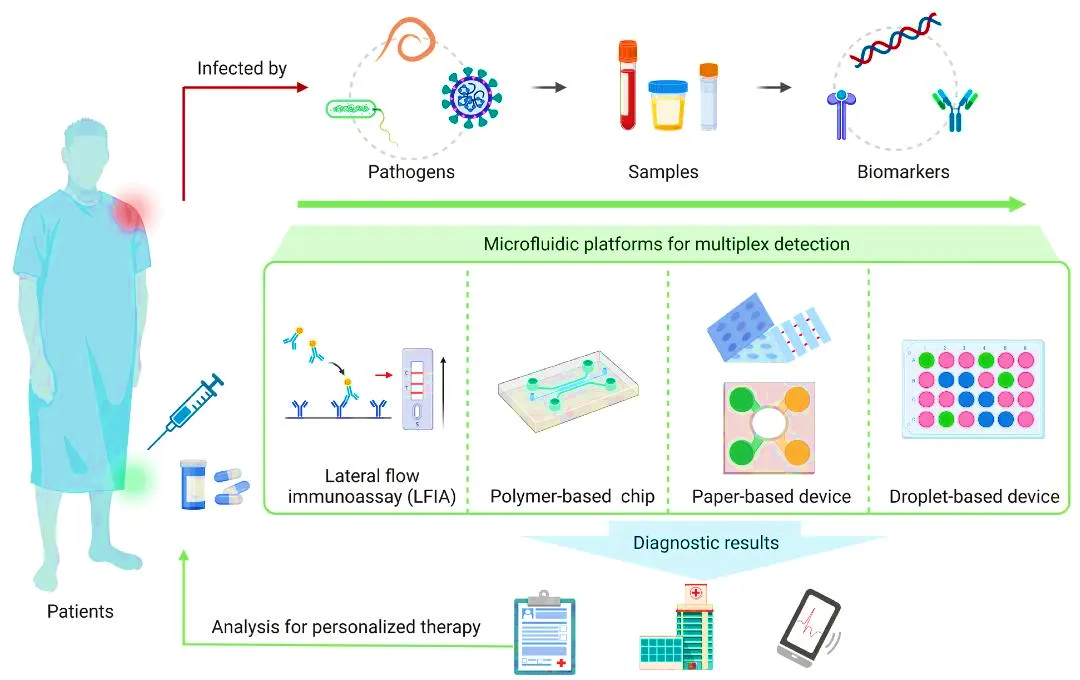
FIG NO:2(BACTERIAL BIOSENSORS IN CLINICAL DIAGNOSTICS)
4. ANTIMICROBIAL RESISTANCE (AMR) STUDIES
Marine-derived bacteria, especially members of the genus Streptomyces, produce structurally
unique metabolites with promising activity against multidrug -resistant pathogens. Genome
mining approaches have identified novel biosynthetic gene clusters and compounds with
therapeutic potential against antimicrobial resistance (34).
5. GENOME MINING FOR DRUG DISCOVERY
Genome mining strategies have revealed several biosynthetic gene clusters responsible for the
synthesis of antibacterial and antifungal compounds. These findings highlight marine
ACTi mycetoma as promising sources of novel drug candidates (34).
6. ENVIRONMENTAL PATHOGEN DETECTION
Modern molecular techniques, including quantitative PCR and next -generation sequencing,
have significantly improved pathogen detection in environmental samples. Biosensor -based
approaches provide highly sensitive and specific detection of waterborne pathogens (35).
7. BIOACTIVE COMPOUNDS – ACTINOBACTERIA FROM SEA BED
Intertidal marine sediments harbor diverse Act inobacteria with significant bioactive and
biosynthetic potential. These microorganisms represent valuable resources for drug discovery
and infectious disease management (35).
APPLICATION IN BIOTECHNOLOGY
1. INDUSTRIAL ENZYME PRODUCTION
Marine microbial enzymes play a crucial role in various bioindustries due to their stability and adaptability to harsh conditions. Enzymes such as amylase, caseins, lipase, gelatinase, and
DNA obtained from marine microorganisms exhibits remarkable thermostability and pH
tolerance, making them suitable for industrial applications (36,37).
2. PROTEASE, LIPASE & AMYLASE PRODUCTION
A large proportion of bacterial isolates have been reported to produce industrially important
enzymes such as amylase, lipase, and protease, demonstrating their considerable
biotechnological potential. The expanding lipase market further highlights the importance of
these enzymes in biodiesel production, food processing, textiles, and pharmaceutical industries (37).
3. HEAVY METAL BIOREMEDIATION
Marine bacteria have demonstrated significant potential in the biodegradation of polycyclic
aromatic hydrocarbons and heavy metals. Species such as Halo monas and Alcanivorax have
shown remarkable efficiency in removing toxic contaminants from polluted marine sediments (38,39).
4. BIOSURFACTANT PRODUCTION
Marine bacteria, particularly Bacillus and Pseudomonas species, are capable of producing
biosurfactants and secondary metabolites that have applications in wastewater treatment, oil
spill remediation, cosmetics, pharmaceuticals, and food industries (40).
5. GENOME MINING FOR NOVEL BIOACTIVE COMPOUNDS
Recent advances in genome mining of marine-derived Streptomyces and Micromonospora
species have enabled the identification of biosynthetic gene clusters associated with antibiotic
and other bioactive compound production. These discoveries have accelerated the search for
novel therapeutic molecules and industrial enzymes (41).
6. BIOFUEL & BIODIESEL PRODUCTION
Marine microbial enzymes have also found applications in biofuel and biodiesel production.
Their exceptional catalytic properties under extreme environmental conditions make them
valuable tools for sustainable biotechnological processes and human health -related
applications (42).
CHALLENGES AND LIMITATIONS
1. THE UNCULTURABLE PROBLEM
The challenge of bacterial isolation in microbiology is significantly hindered by the inability
to culture the majority of microorganisms present in natural environments. This limitation
arises mainly from the disruption of symbiotic interactions during pure culture techniques,
which are essential for microbial communication and cooperation. In their natural habitats,
microorganisms exchange metabolites, growth factors, chelating agents, and signaling
molecules that are difficult to reproduce under laboratory monoculture conditions (43).
2. DEEP SEA AND MARINE SEDIMENT SPECIFIC CHALLENGES
Isolation of bacteria from deep -sea and marine sediment environments is particularly
challenging because of low nutrient availability and the recalcitrant nature of organic matter.
Conventional isolation methods often disturb microbial interactions, there by limiting the
cultivation of microorganisms that depend on cooperative relationships for growth (44).
3. NUTRIENT AND GROWTH LIMITATIONS
The inability to culture many bacteria is also associated with the limited availability of
essential nutrients and growth factors in laboratory media. Certain nutrients are supplied by
neighbouring microorganisms through mechanisms such as satellitism, whereas excessive
nutrient concentrations may inhibit oligotrophic bacteria that thrive under nutrient -poor
conditions commonly found in marine sediments (43).
4. VIABLE BUT NON-CULTURABLE (VBNC) STATE
Another major challenge is the viable but non -culturable (VBNC) state, in which bacteria
remain metabolically active but fail to grow on conventional media. This phenomenon results
in an underestimation of microbial diversity and restricts the recovery of microorganisms with
potential biotechnological importance (45).
5. LOW RECOVERY RATE
Traditional cultivation methods have a relatively low success rate for isolating novel bacterial
strains. Advanced approaches such as the spent culture medium (SCM) method have
considerably improved recovery rates and enabled the cultivation of previously overlooked
taxa including Planctomycetes, Deinococcota, and Balneolota (46).
6. OVERCOMING LIMITATIONS
Recent developments such as microencapsulation, targeted isolation, and resuscitation
techniques have enhanced the recovery of bacterial diversity from marine sediments.
Encapsulation methods have demonstrated higher operational taxonomic unit (OTU) recovery
than conventional resuspension methods. Furthermore, diffusion chambers and growth -
Promoting factors have shown considerable promise for recovering uncultured bacteria with
potential applications in bioremediation and environmental biotechnology (47).
RECENT ADVANCES
1. SANDWICH AGAR PLATE METHOD (2024)
The sandwich agar plate method is an innovative coculture technique designed to enhance
microbial interactions during bacterial isolation and cultivation. This approach resulted in an
almost tenfold increase in the recovery of previously uncultured species compared with
conventional methods. Several isolates exhibited commensal lifestyles, and heme was
identified as an important growth -promoting factor for certain marine bacteria, thereby
facilitating the cultivation of previously unculturable marine sediment microorganisms
2. HIGH-THROUGHPUT SEQUENCING FOR MARINE BACTERIA
Despite remarkable improvements in microbial culture techniques, hi gh-throughput
sequencing (HTS) studies have revealed that a substantial proportion of marine
microorganisms remain uncultured. HTS analyses showed the predominance of
Gammaproteobacteria, whereas culture-dependent methods mainly recovered Actinobacteria.
Only a small percentage of operational taxonomic units (OTUs) identified by sequencing were
represented in culture collections, emphasizing the need for multiple culture media to recover
broader microbial diversity
3. MALDI-TOF MASS SPECTROMETRY
Matrix-assisted laser desorption/ionization time -of-flight (MALDI-TOF) mass spectrometry
has emerged as a rapid and cost-effective approach for bacterial identification, providing results
within minutes. In addition, nanopore sequencing technologies enable rapid pathogen detection
and antimicrobial resistance profiling, offering improved sensitivity and broader pathogen
coverage compared with conventional culture-based methods
4. NANOPORE SEQUENCING (OXFORD NANOPORE)
Long-read metagenomic sequencing base d on Oxford Nanopore technology has accelerated
the accurate identification of pathogens and antimicrobial resistance determinants without the
need for cultivation. This culture-independent shotgun metagenomic approach has significantly
improved the unders tanding of complex microbial communities across different
microbiological environments
5. MICROENCAPSULATION AND IN SITU INCUBATION
Recent developments involving gel -filled microwell arrays and microencapsulation
techniques have enhanced the reco very of bacterial diversity from marine sediments.
Encapsulation approaches have demonstrated superior diversity recovery compared with
conventional resuspension methods, providing access to previously hidden microbial resources
with environmental and biotechnological significance
6. BALTIC SEA AND TARA OCEAN EXPEDITION
Advances in DNA sequencing technologies and bioinformatics, particularly through the Tara
Ocean expedition and studies of Baltic Sea microbial communities, have revealed extensive
taxonomic and functional diversity within the global ocean microbiome
7. AI-INTEGRATION (2023–PRESENT)
The integration of artificial intelligence with physical and chemical pretreatment strategies has
further improved microbial isolation and recove ry. AI-assisted approaches facilitate high -
throughput screening of novel bacterial taxa while minimizing contamination and enhancing
the efficiency of microbial resource discovery
CONCLUSION
1. SUMMARY OF THE REVIEW
This review on the isolation, identification, and genetic quantification of bacteria from sea bed
sand highlights a pivotal intersection between marine microbiology and applied biotechnology.
Despite significant advances in microbiology, much of bacterial taxonomy remains unexplored.
The research emphasizes the richness and diversity of bacterial communities within seabed
sediments, and the efficacy of merging traditional culturing methods with molecular techniques
for comprehensive characterization.
2. ISOLATION METHODS
Regarding isolation methods, a combination of various media and modern co -culture
techniques markedly improved bacterial recovery from sediment samples. Utilizing multiple
media yielded more taxa than single media, while nutrient -rich and specific-carbon/nitrogen-
source media limited taxa growth. Notably, nitrogen quality proved crucial in influencing
bacterial isolation outcomes, indicating the need for optimized culture conditions tailored to
marine sediment environments.
3. IDENTIFICATION METHODS
For identification methods, molecular techniques, particularly 16S rRNA gene sequencing,
emerged as powerful tools, enabling precise bacterial identification that surpasses
morphological and biochemical methods. The application of DNA sequencing to phylogenetic
characterization facilitated accurate taxonomic placement of novel strains isolated from marine sediments. Furthermore, the integration of MALDI -TOF and nanopore sequencing enhanced the speed and accuracy of
identifications.
4. GENETIC QUANTIFICATION METHODS
In terms of genetic quantification, a quantitative PCR (qPCR) method was employed to assess
bacterial populations within marine sediments, leveraging primer sets targeting the total
bacterial community. This approach, validated by amplicon sequencing of the 16S rRNA gene
V4 region, demonstrated not only the accuracy of bacterial enumeration via qPCR but also
suggested previously unrecognized diversity among the communities.
5. BIOTECHNOLOGICAL SIGNIFICANCE
Examining the biotechnological implication s, genome analyses of isolates indicated the
presence of genes associated with bacterial secondary metabolism and various biodegradation
pathways. This finding underscores the potential of marine sediment bacteria in bioremediation efforts, contributing to the broader understanding of microbial adaptations in extreme
environments.
FUTURE PROSPECTS
Looking ahead, metagenomic next -generation sequencing promises higher detection
sensitivity and broader pathogen coverage compared to traditional methods. Future research
endeavours are encouraged to incorporate metagenomics, transcriptomics, and sophisticated
bioinformatics to unlock the functional capabilities of seabed bacterial communities. The
adoption of AI-driven tools and advanced sequencing technologies like Oxford Nanopore could
significantly expedite the discovery of novel bacterial taxa and bioactive compounds.
CLOSING STATEMENT
In summary, sea bed sand represents a vital reservoir of microbial diversity with considerable
ecological, biotechnolog ical, and pharmaceutical potential. Highly contaminated marine
sediments could harbour rare bacterial taxa beneficial for bioremediation, underscoring the
necessity for continued exploration and characterization of bacterial life. Comprehensive
investigations on isolation, identification, and genetic quantification are critical to fully
understand marine microbial ecology and its applications.
CONFLICT OF INTEREST
The authors declare that they have no conflict of interest.
FUNDING
No specific funding was received for the preparation of this review.
ETHICAL APPROVAL
Not applicable. This article is a literature review and does not involve human participants, animals, or new experimental samples.
AUTHOR CONTRIBUTIONS
All listed authors contributed to the conception, literature review, drafting, critical revision, and approval of the final manuscript.
REFERENCES

Kapil Raj PK, Kenneth N, Manokaran R, Azeena TS, Edwin john JS, Priya S, Sree Devika SJ Isolation, Identification and Genetic Quantification of Bacteria from Sea-Bed Sand – A Comprehensive Review, Int. J. of Pharm. Sci., 2026, Vol 4, Issue 9, 1990-2004, https://doi.org/10.5281/zenodo.22793431
 10.5281/zenodo.22793431