

We use cookies to ensure our website works properly and to personalise your experience. Cookies policy
IVM's Krishna Rao Bhegade Institute of pharmaceutical education and research Talegaon Dabhade, Pune, Maharashtra,410507
Marine ecosystems are increasingly recognized as one of the richest natural reservoirs of structurally di-verse bioactive metabolites with considerable pharmaceutical importance. The unique physicochemical conditions of ma-rine habitats, including extreme salinity, pressure, temperature fluctuations, and ecological competition, stimulate marine organisms to synthesize a wide range of secondary metabolites as survival and defense mechanisms. These compounds possess remarkable biological activities and have attracted growing scientific attention for their potential in novel drug discovery. A broad spectrum of marine organisms such as microorganisms, phytoplankton, bacteria, cyanobacteria, fungi, algae, sponges, and cnidarians has been reported to produce therapeutically significant metabolites including alkaloids, peptides, terpenoids, polyketides, sulfated polysaccharides, pigments, and sterols. These marine-derived compounds exhibit diverse pharmacological properties such as antimicrobial, antioxidant, antivi-ral, anti-inflammatory, anticancer, immunomodulatory, and wound-healing effects. The present review highlights the major marine biological sources of bioactive metabolites and discusses their biomedical relevance as promising candidates for future pharmaceutical, nutraceutical, cosmetic, and women’s health applications.
Marine ecosystems cover more than 70% of Earth’s surface and represent one of the largest reservoirs of biodiversity. Marine organisms survive under extreme environmental conditions such as high salinity, pressure fluctuations, radiation exposure, nutrient limitation, and ecological competition. These harsh conditions stimulate the synthesis of structurally unique secondary metabolites possessing important bio-logical activities. Marine-derived natural products have gained major importance in pharmaceutical research due to their therapeutic potential. Marine bioactive compounds demonstrate antimicrobial, antiviral, antioxidant, anti-inflammatory, anticancer, immunomod-ulatory, and wound-healing properties.
The oceans, covering over 70% of Earth’s surface, serve as a vast and largely untapped source of potential therapeutic agents. Natural compounds known as secondary metabolites, derived from diverse marine organisms such as bacteria, algae, fungi, and invertebrates, have proven to be valuable sources of bioactive molecules. Over the past five decades, more than 30,000 marine-derived compounds have been identified, many exhibiting promis-ing pharmaceutical properties. Recent research highlights marine organisms—especially cyanobacteria and algae—as rich sources of biologically active metabolites with diverse chemical structures. Pharmaceutical Uses: Marine microorganisms and phytoplankton are widely explored in pharmaceutical industries be-cause of their rapid growth, renewable biomass production, and ability to synthesize chemically diverse metabolites. Bioac-tive compounds isolated from these organisms are currently being investigated for the development of broad-spectrum an- tibiotics, antiviral formulations, anti-inflammatory drugs, antioxidant supplements, and anticancer agents. Certain phytoplankton-derived pigments, omega fatty acids, and sulfated polysaccharides are also used in nutraceutical preparations and skin-protective cosmetic formulations. Due to their ease of large-scale cultivation, marine microalgae are considered suitable biotechnological factories for future marine drug production.
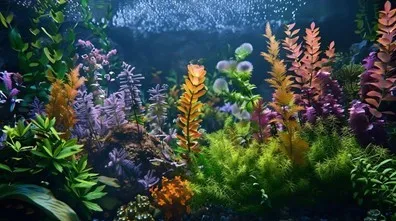
Figure 1: Marine Microorganisms and Phytoplankton
Pharmaceutical Uses
The marine ecosystem contains enormous diversity of organisms adapted to extreme environmental conditions such as high salinity, temperature variation, and nutrient limitation.
Marine microbial metabolites include:
These compounds possess antibacterial, antifungal, antiviral, antitumor, anti-inflammatory, antibiofilm, and cytotoxic activities.
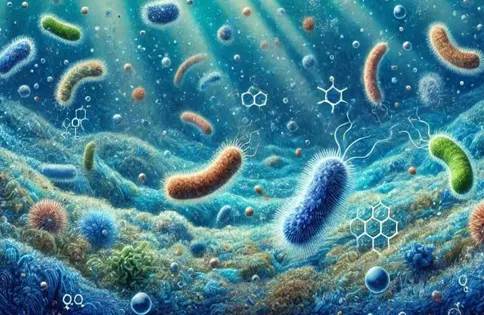
Figure 2: Marine Sourced Bacteria
The marine ecosystem covers a major portion of the earth and contains an enormous diversity of living organisms that have adapted to extreme environmental conditions such as high salinity, pressure, temperature variation, radiation, and limited nutrients. Due to these harsh survival conditions, marine organisms, particularly microorganisms, have developed unique metabolic pathways and the ability to synthesize structurally diverse secondary metabolites with significant biological activities. Among marine organisms, marine bacteria and fungi are now gaining increasing scientific attention as valuable yet underexplored producers of natural bioactive compounds. These microorganisms live freely in seawater, sediments, hy-drothermal vents, polar regions, and often in symbiotic association with corals, algae, sponges, and fish. Such ecological interactions enhance their capacity to produce specialized metabolites for defense, communication, and adaptation.
Marine microbial metabolites include bio surfactants, peptides, exopolysaccharides, enzymes, alkaloids, polyketides, and various antimicrobial substances. These compounds possess a wide range of pharmacological and biotechnological properties such as antibacterial, antifungal, antiviral, antitumor, anti-inflammatory, antibiofilm, and cytotoxic activities. Because of these multifunctional biological effects, marine microorganisms are considered promising candidates for the development of next-generation pharmaceuticals, cosmetics, biomedical materials, and health-care products. In addition to medicinal applications, marine microbial metabolites also exhibit excellent potential in biotechnology because of their low toxicity, high stability, and compatibility with biological systems. Enzymes and surfactants obtained from marine microorganisms can function effectively under conditions where conventional terrestrial microbial products fail, making them highly useful in industrial and biomedical formulations. Studies have revealed that only a very small fraction of marine bacteria has been scientifically characterized, indicating that the majority of marine microbial biodiversity still remains unexplored. Despite this limited exploration, several impor-tant compounds isolated from marine bacteria have already demonstrated strong medicinal potential, including antibacterial agents effective against resistant pathogens, anticancer molecules capable of inhibiting tumor growth, and antiviral com-pounds with therapeutic significance.
Cyanobacteria are microscopic photosynthetic organisms that primarily live in aquatic environments. They are among the oldest known life forms on Earth.
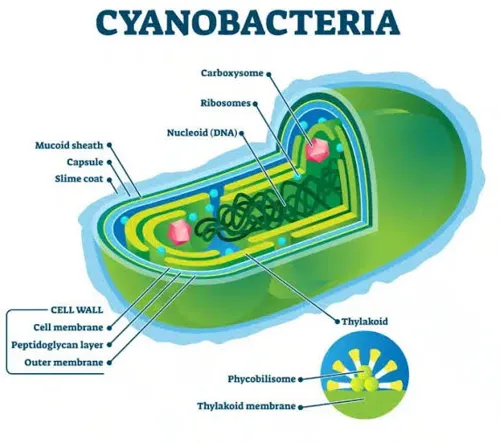
Figure 3: Cyanobacteria
Pharmaceutical Uses
Cyanobacteria also played a key role in the evolution of plants. The chloroplasts found in plant cells are thought to have originated from cyanobacteria through a process called endosymbiosis, where these bacteria began living inside early eukaryotic cells and provided them with energy in exchange for protection.
V. MARINE SOURCED FUNGI
Marine fungi are underexplored yet highly promising sources of biologically active compounds.
Marine fungal metabolites include:
• Polyketides
• Alkaloids
• Terpenes
•Peptides
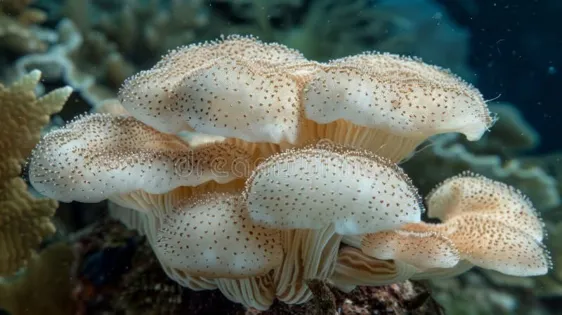
Figure 4: Marine Fungi
Marine fungi are an underexplored yet highly promising source of biologically active natural products. Since the first documented marine fungal species, Sphaeria posidoniae, was identified on the sea grass Pisidia oceanica in 1846, research has revealed that thousands of fungal species inhabit marine ecosystems. These organisms are found across diverse habitats—from deep- sea sediments to surface waters and in association with algae, invertebrates, and marine mammals—yet only a small fraction has been scientifically described. Marine fungi are particularly valuable for their ability to produce secondary metabolites with significant pharmaceutical potential. Although fungi account for a large proportion of known bioactive microbial compounds, marine-derived species remain relatively untapped. These fungi generate diverse chemical compounds such as polyketides, alkaloids, terpenes, and peptides, many of which exhibit antibacterial, antiviral, antioxidant, and anticancer properties. Despite the discovery of over a thousand such compounds, only a few—such as Cyclosporine A—have reached clinical use, highlighting the need for improved research and drug development strategies. Fungi from extreme marine environments, including deep- sea ecosystems, are especially significant due to their unique metabolic adaptations. Living under high pressure,
low temperature, and limited nutrients, these organisms produce novel chemical structures with potential therapeutic applications. For instance, deep-sea fungi like Phomopsis, lithocarpus and Phialocephala have yielded compounds with cytotoxic and antioxidant activities, demonstrating their relevance in drug discovery.
Pharmaceutical Uses
• Anticancer research
• Antioxidant medicines
• Immunosuppressive drugs
• Anti-infective therapy
Dinoflagellates are diverse eukaryotic microalgae serving as key primary producers in aquatic ecosystems. Dinoflagellates are a diverse group of more than 2,000 species of eukaryotic microalgae that, along with diatoms,serve as key primary producers in aquatic ecosystems. They form an essential part of the food web, supporting marine and freshwater life. These organisms are easily recognized by their unique structure and movement. They possess two distinct flagella: one extends behind the cell, while the other wraps around its middle in a groove. The coordinated motion of these flagella produces a characteristic spinning or spiral swimming pattern. Many species also have a strong outer covering made of cellulose plates, giving structural support and protection.
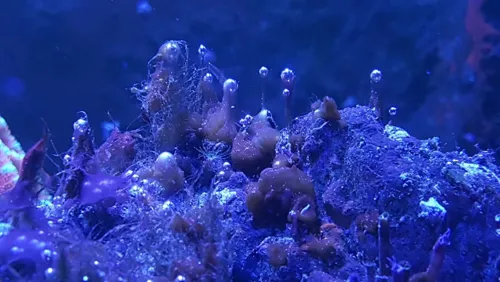
Figure 5: Dinoflagellates
Pharmaceutical Uses
Green algae are highly diverse photosynthetic organisms found in freshwater and marine environments. Green algae are a highly diverse group of photosynthetic protoctists found across a wide range of environments. They vary greatly in form, size, and lifestyle, making them one of the most adaptable groups of organisms in the biosphere. As primary producers, they play a crucial role in global ecosystems, contributing significantly to oxygen production and energy flow—similar in importance to tropical rainforests. From an evolutionary perspective, green algae share a common ancestry with land plants. They possess similar pigments for photosynthesis and produce comparable carbohydrate products, highlighting their close relationship. However, they are considered a paraphyletic group due to their broad and varied lineage. Ecologically, green algae exhibit remarkable flexibility in how they utilize resources such as light and nutrients, and in their ability to withstand environmental changes like water movement. This adaptability leads to high biodiversity, especially in freshwater ecosystems where conditions can shift rapidly. Although their wide distribution makes them difficult to generalize, they are commonly categorized based on their habitat as either benthic (attached to surfaces) or planktonic (free-floating), reflecting their main ecological strategies.
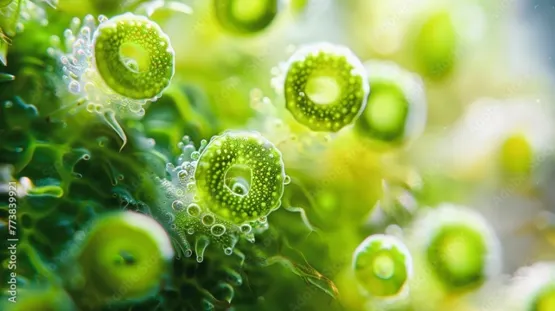
Figure 6: Green Algae
Pharmaceutical Uses
Brown algae contain the xanthophyll pigment fucoxanthin. Phaeophyta or brown algae are a group of autotrophic,multicellular Organisms, belonging to the class Phaeophyceae in the division Chlorophyte. They contain the xanthophyll pigment – fu-coxanthin, in Addition to chlorophyll a and c. Hence, the members of phaeophyta Exhibit a characteristic greenish- brown color. The brown colored pigment Is very important for the adaptation of phaeophyta in deep seas and Oceans. Phaeophyta are commonly adapted to marine environment, only a Few phaeophyta are freshwater species. In fact, majority of phaeo-phyta Are predominant in the temperate zones of Northern Hemisphere, whereas some species are found in warm tropical waters.
Important metabolites include:
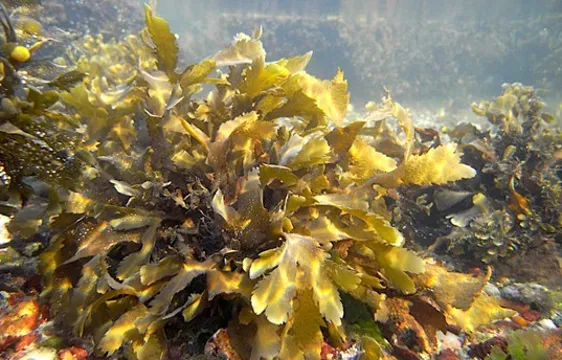
Figure 7: Brown Algae
Pharmaceutical Uses
IX. RED ALGAE
Red algae are marine photosynthetic organisms containing pigments such as phycoerythrin and phycocyanin. Red al-gae (Rhodophyta) are predominantly marine, photosynthetic organisms ranging from simple unicellular forms to complex multicellular thalli. While a small fraction inhabits freshwater or terrestrial environments, the majority thrive in marine ecosystems. Their life cycles vary from simple binary division in unicellular species to more complex triphasic, haplo-diplobiontic cycles in advanced forms, involving gametophytes, carposporophytic, and tetrasporophytic stages. Phyloge-netically, red algae share a common ancestor with green algae and land plants, classifying them as true plants. However, they are distinguished by unique features such as the absence of flagella and centrioles, the presence of phycobilisomes, and chloroplasts with unstacked thylakoids. Their characteristic red coloration arises from accessory pigments like phyco-erythrin, along with phycocyanin and allophycocyanin, which assist in light absorption. Structurally, red algae lack true tissues and meristems; their growth occurs through apical or intercalary cell divisions. Their thalli are formed by filamen-tous cells interconnected through mucilage and pit connections, creating a pseudoparenchymatous organization. The cell walls consist of cellulose fibrils embedded in a matrix of sulfated polysaccharides, which form important hydrocolloids.
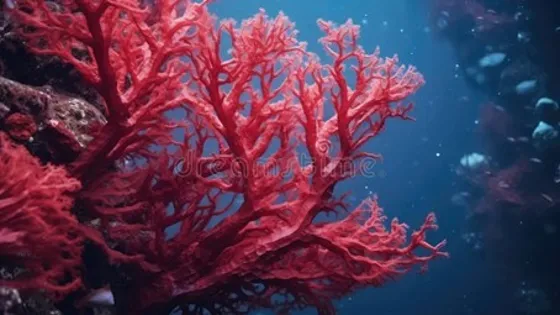
Figure 8: Red Algae
Pharmaceutical Uses
• Carrageenan production
• Antiviral medicines
• Antioxidant therapies
• Women’s healthcare applications
X. SPONGES
Marine sponges are important marine sources of pharmaceutical compounds.
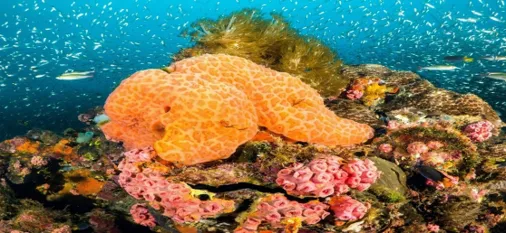
Figure 9: Marine Sponges
Pharmaceutical Uses
• Leukemia treatment
• Tumor suppression
• Antiviral therapy
• Antimicrobial drug development
Cnidarians include corals, jellyfish, hydras, and sea anemones. Cnidarians are aquatic animals belonging to the phylum Cnidaria, comprising over G,000 living species. They are predominantly marine organisms, although a few species can be found in freshwater habitats. This diverse group includes well-known forms such as corals, jellyfish, sea anemones, hydras, and colonial species like sea fans and sea whips. Cnidarians are known for their simple body structure and specialized stinging cells used for capturing prey and defense. Despite their structural simplicity, they play a vital role in marine ecosystems, especially in the formation of coral reefs. Cnidarians are a diverse group of mostly marine invertebrates comprising over G,000 species, including corals, jellyfish, sea anemones, and hydras. They are classified into four main classes: Hydrozoa, Scyphozoa, Anthozoa, and Cubozoa. Although some species inhabit freshwater, they are most abundant in warm tropical seas, where reef-building forms contribute significantly to large marine structures such as the Great Barrier Reef.
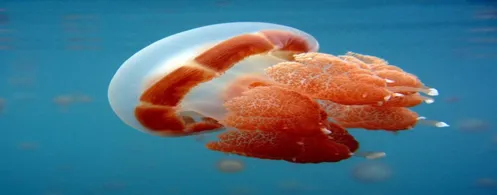
Figure 10: Cnidarians
Pharmaceutical Uses
Bryozoans are tiny filter-feeding aquatic invertebrates. Bryozoans, often called “moss animals,” are tiny, filter- feeding invertebrates that live in both marine and freshwater environments. Individual units known as zooids (usually less than 1 mm in size) form colonies that can encrust surfaces like rocks, shells, or seaweeds, grow into branching structures, or appear as gelatinous masses in freshwater habitats. Although small and easily overlooked, bryozoans are highly significant in the fossil record due to their calcium carbonate skeletons. Scientists have identified over 17,800 fossil species and more than 6,000 living species. Most fossil bryoans belong to the marine classes Stenolaemata and Gymnolaemata, while freshwater Phylactolaemata are less commonly preserved because they lack hard skeletons.
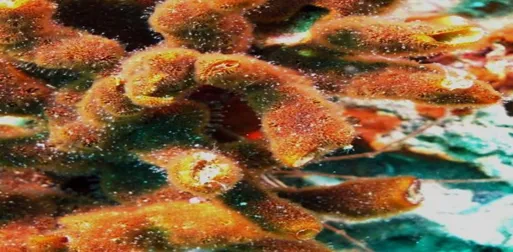
Figure 11: Bryozoans
Molluscs are highly diverse marine organisms producing pharmacologically important compounds. Molluscs are among the most diverse animal groups, with around 200,000 species worldwide. Australia alone hosts about 15,000 species, including over 2,000 found in Sydney, ranging from tiny periwinkles to large cuttlefish exceeding 1 meter in length. Despite their varied appearance, all molluscs share a similar internal structure and are fundamentally soft-bodied organisms, sometimes protected by a hard shell. They are divided into seven major classes, five of which are found in Sydney: gastropods, bivalves, cephalopods, chitons, and the lesser-known aplacophorans. Molluscs inhabit marine, freshwater, and terrestrial environments, with most Australian freshwater species being endemic. Common features include an unsegmented body, a muscular foot or tentacles, and a mantle that may produce a shell. Snails and slugs make up the majority of species. Many shelled molluscs can also produce pearls, which form when foreign particles become trapped inside organisms like oysters.
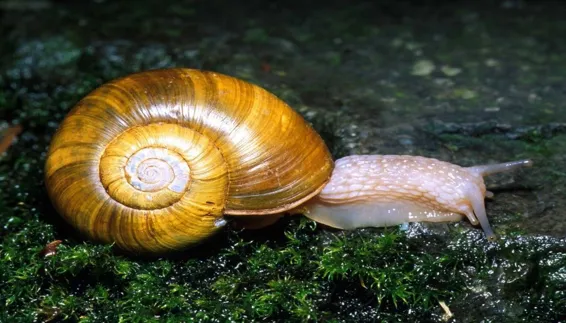
Figure 12: Molluscs
Pharmaceutical Uses
Tunicates are widely distributed marine organisms rich in proteins, cellulose, and omega-3 fatty acids. Tunicates are widely distributed marine organisms that serve as abundant and promising bioresources. Studies show that their chemical composition is comparable to that of fish, containing valuable nutrients such as proteins, cellulose, and -3 fatty acids, making them suitable for use in food and animal feed. However, the presence of certain toxic elements requires careful safety evaluation before large-scale use.
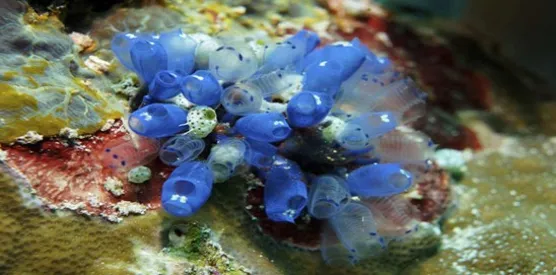
Figure 13: Tunicates
Pharmaceutical Uses
XV. MISCELLANEOUS FUTURE PERSPECTIVES
CONCLUSION
Marine ecosystems represent extraordinary reservoirs of bioactive compounds with immense pharmaceutical potential. Ma-rine organisms produce structurally unique metabolites possessing antimicrobial, antiviral, anticancer, anti-inflammatory, antioxidant, and immunomodulatory activities. Future research involving advanced biotechnology, sustainable utilization, and eco-friendly production methods will help translate marine natural products into therapeutic agents. Marine bioactive compounds hold great promise for pharmaceuticals, nutraceuticals, healthcare innovations, regenera-tive medicine, and women’s health applications.
ACKNOWLEDGEMENT
The authors sincerely acknowledge the Department of Pharmacy and the institution for guidance and support during the preparation of this review article.
REFERENCES




Prajwal Tupe*, Manav Watane, Shruti Sonawane, Vilasini Pandav, Marine-Derived Bioactive Compounds and Their Pharmaceutical Applications: A Review, Int. J. of Pharm. Sci., 2026, Vol 4, Issue 6, 4930-4939. https://doi.org/10.5281/zenodo.20758342
 10.5281/zenodo.20758342