

We use cookies to ensure our website works properly and to personalise your experience. Cookies policy
Shree Krishna College of pharmacy, Sitapur AKTU, Lucknow, UP, India
Matteuccia struthiopteris (L.) Todaro, commonly known as ostrich fern, is a perennial pteridophyte widely distributed in temperate regions of North America and Europe. This fern holds significant ethnomedicinal importance, with its young fronds, or fiddleheads, traditionally used to treat gastrointestinal disorders, liver ailments, inflammation, and infections. Phytochemical investigations have revealed that M. struthiopteris is rich in bioactive compounds, including flavonoids (quercetin, kaempferol, rutin, astragalin), phenolic acids (caffeic and chlorogenic acids), stilbenes (resveratrol, piceatannol), terpenoids, and phytosterols. These constituents contribute to its diverse pharmacological activities, such as antioxidant, anti-inflammatory, antimicrobial, antiviral, anticancer, hepatoprotective, neuroprotective, and antidiabetic effects. Toxicological studies indicate that while properly cooked fiddleheads are generally safe, raw or undercooked consumption may lead to gastrointestinal disturbances and rare thiamine deficiency. Despite promising preclinical results, clinical validation and standardized extraction methods remain limited, highlighting the need for further research. This review comprehensively summarizes the botanical characteristics, traditional uses, phytochemistry, pharmacological properties, and toxicological aspects of M. struthiopteris, emphasizing its potential as a source of natural therapeutic agents and nutraceuticals for modern medicine.
Herbal medicine is conceived from different points of view depending on the place where it is used, but its definitions have the same conception, that is, it is the use of plants or parts of the plant to treat a disease and achieve health wellness. The herbal medicines include herbs, herbal materials, herbal preparations, and finished herbal products that contain as active ingredient parts of plants, or other plant materials, or combinations (Miranda, 2021). Herbal drugs constitute a major share of all the officially recognised systems of health in India viz. Ayurveda, Yoga, Unani, Siddha, Homeopathy and Naturopathy, except Allopathy. More than 70% of India’s 1.1 billion population still use these non-allopathic systems of medicine (Vaidya and Devasagayam, 2007). Historically, the foundations of herbal medicine can be traced back to Ancient Greece, where medicinal knowledge was believed to be divinely bestowed. Theophrastus (372–286 BC), a disciple of Aristotle, laid the groundwork for systematic botanical science through his pioneering studies on plants (Knoess et al., 2019). Over centuries, traditional medicinal knowledge was transmitted across generations and cultures, aided by colonial expansion and improved communication systems (Galucio et al., 2022). In recent years, the resurgence of interest in herbal medicines has been driven by their perceived safety, affordability, and therapeutic versatility, particularly for self-care practices (Chandorkar et al., 2021; Rout et al., 2022; Muzammil et al., 2023). Matteuccia struthiopteris (L.) Tod., commonly known as the ostrich fern, is a perennial, deciduous fern belonging to the family Onocleaceae. It is native to the temperate regions of the Northern Hemisphere, including parts of Europe, Asia, and North America (Hoshizaki et al., 2001). The species is named for its large, gracefully arching sterile fronds, which resemble the plumes of an ostrich, giving rise to its common name (Schmid et al., 1990; Peck et al., 1990). This fern typically inhabits moist, shaded environments, such as riverbanks, forested wetlands, and damp valleys (Flora of North America, 1993). It produces two morphologically distinct frond types: large, green, sterile fronds that form a vase-shaped crown during summer, and shorter, brown, fertile fronds that bear spores and persist through winter for reproduction (Foster et al., 1974).
Besides its ecological significance, M. struthiopteris holds horticultural and economic value. It is widely cultivated as an ornamental plant for its attractive foliage and also harvested for its edible fiddleheads, which are consumed as a seasonal delicacy in some regions, particularly in North America and East Asia (Arnason et al., 1981; Small, 1997). In India, M. struthiopteris is popularly known as Lingad (लिंगड़) and is widely consumed in Himachal Pradesh, Kashmir, and Uttarakhand. It is one of the most economically important wild edible ferns in these regions, with large quantities harvested annually from forests and sold in local markets. Despite its extensive use as food and medicine, the plant has not yet been systematically cultivated.
Synonym: Anisogonium esculentum, Asplenium ambiguum, Asplenium esculentumAthyrium esculentum, Callipteris ambigua, Callipteris esculenta, Digrammaria esculenta, Diplazium malabaricum, Hemionitis esculenta, Microstegia esculenta,
Botanical Description Of Matteuccia Struthiopteris (L.) Tod.
Matteuccia struthiopteris is a large, deciduous, herbaceous fern characterized by pronounced frond dimorphism, producing distinct sterile and fertile fronds (Grzybowski et al., 2015). The plant arises from a stout, creeping rhizome that exhibits both vertical (orthotropic) growth, forming crowns, and horizontal (plagiotropic) growth, enabling vegetative propagation (Prange et al., 1985; Aderkas et al., 1986). Numerous fibrous adventitious roots originate from the rhizome, facilitating anchorage and nutrient uptake. The sterile fronds (trophophylls) are large, green, plume-like, and form a vase-shaped rosette. They can reach up to 1.5 meters in length, with lanceolate to oblanceolate blades and deeply pinnatifid pinnae tapering toward the apex (Odland, 2007; Grzybowski et al., 2015). The fertile fronds (sporophylls) are shorter (30–60 cm), erect, dark brown, and bear sporangia enclosed within rolled pinnae. These fronds persist through winter and release homosporous spores in early spring (Gantt et al., 1965). The species reproduces both sexually through spores and asexually through rhizome division. It thrives in moist, nutrient-rich soils with high organic content and forms dense colonies in suitable habitats (Odland, 2007).
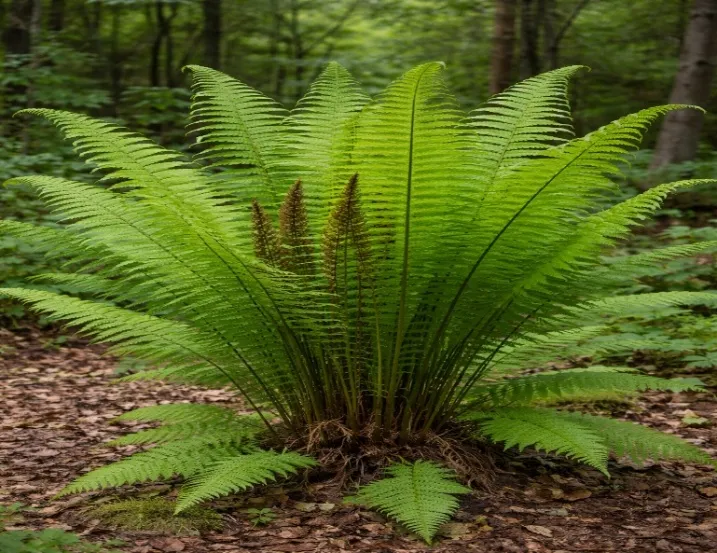
Figure 1. Habit of Matteuccia struthiopteris (Lingad/Ostrich fern) showing a clump-forming growth pattern with large, arching sterile fronds and centrally located fertile fronds, growing naturally in a moist, shaded forest habitat.
Lingad botanical classification:
Lingad, botanically known as Matteuccia struthiopteris (L.) Todaro, belongs to the kingdom Plantae and the clade Tracheophytes, indicating its vascular nature. It is classified under the division Polypodiophyta and the class Polypodiopsida, which comprise true ferns. The species falls within the order Polypodiales and the suborder Aspleniineae, and is a member of the family Onocleaceae. The plant is placed in the genus Matteuccia, with Matteuccia struthiopteris as the recognized species (Singla et al., 2022; Prange et al., 1985)
Macroscopic Characters
A large shrub or sometimes a small slender tree; bark thin, grey; branchlets quadrangular, whitish with a fine tomentum. Leaves 3-5 foliate; leaflets lanceolate, acute, the terminal leaflet 5-10 by 1.6-3.2 cm. with a petiole 1-1.3 cm. long, the lateral leaflets smaller with a very short petiole, all nearly glabrous above, covered with a fine white tomentum beneath, base acute. Matteuccia is a genus of ferns with one species: Matteuccia-struthiopteris (Common-names Ostrich fern, fiddlehead fern, or shuttlecock fern). The root is considered tonic, febrifuge and expectorant. The leaves are aromatic, tonic and vermifuge. A decoction of Nirgundi leaves is given with the addition of long pepper in catarrhal fever with heaviness of head and dullness of hearing. The flowers are useful in diarrhoea, cholera, fever, haemorrhages, hepatopathy and cardiac disorders. Leaves and bark are useful in scorpion stings; seeds are considered useful in eye diseases in form of anjan. Matteuccia struthiopteris is a clump-forming, erect to bending, rhizomatous, deciduous fern which characteristically cultivates 2–3′, but possibly will attain 6’ tall in cool and wet microclimates (Stone 1909). The crowns of the fern are composed of a stout erect rhizome (Prange et al., 1985). The outer parts are the magnificently separated, moderate green, fronds that display the feathery appearance as of long ostrich plumes, suggesting its common name “ostrich fern” (Goebel 1905). These fronds may be either sterile or fertile. In spring season, the vegetative fronds (sterile) arise at the constricted base of the clumps as fiddleheads, large green blades with numerous leaflets and then unfurl to attain a length of 4′ maximum (Cobb et al. 2005; Cody et al., 1989; Aderkas and Green 1986). Tere are 20–60 pairs of bipinnate leaflet (pinnae), pointed to the base and tip giving a vase-like appearance. The fronds are broadest at the mid, but the reduced size of base pinnae typically pointing to down creates narrow lower part. Every pinna is arranged alternate to the rachis, providing a different appearance. Each pinna has deep cuts that are not reaching to central vein and divides it into lobes (pinnules). Whitish hairs are present on rachis. Kasrod/Lingad (Fiddlehead Ferns) is one of the many varieties of ferns found here in Himachal, but the only edible one. Lingad have a long green stalk and are coiled up towards the top. They have a short growing season in the summer months and are harvested before the onset of monsoon. These ferns have a grassy flavour with a little bit of nuttiness, and they bring out a sensation of spring. Lingad is popular with the nomads as well as the local people and can be found in the shelves of various markets in the form of lingad/lingri ka achaar (pickle) which is traditionally made in local households.
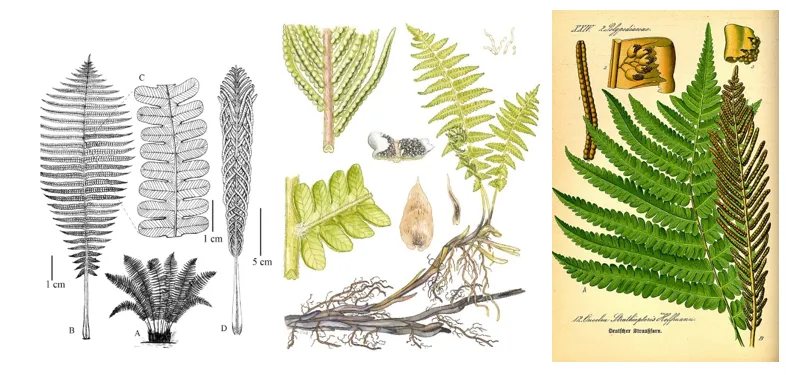
Figure 2. Morphological and reproductive features of Matteuccia struthiopteris (Lingad) showing sterile and fertile fronds, rhizome with adventitious roots, pinnae structure, and sporangia-bearing fertile pinnae.
Phytochemical Constituents Of Matteuccia Struthiopteris
Matteuccia struthiopteris (L.) Todaro is rich in diverse bioactive compounds, including glycosides, flavonoids, stilbenes, phenolic acids, terpenoids, steroids, fatty acids, sugars, and alcohols. The flavonoid fraction comprises astragalin (kaempferol-3-O-glucoside), rutin (quercetin-3-O-rutinoside), quercetin, kaempferol, isorhamnetin, and luteolin, which have been reported to exhibit potent antioxidant, anti-inflammatory, and antimicrobial activities (Huh et al., 2025; zhu et al., 2016; Shao et al., 2010). In addition, the fern contains stilbenes such as resveratrol and piceatannol, which contribute to its anticancer, antioxidant, and anti-inflammatory properties (Huh et al., 2025). The plant also harbors phenolic acids, including caffeic acid, chlorogenic acid, p-hydroxybenzoic acid, p-coumaric acid, ferulic acid, vanillic acid, and protocatechuic acid, which further enhance its antioxidant, anti-inflammatory, and antimicrobial potential (Singla et al., 2022; Chen et al., 2003). The fatty acid profile includes palmitic acid, linoleic acid, and oleic acid, contributing to its nutritional and anti-inflammatory properties (Delong et al., 2011), while terpenoids such as (E)-phytol, nonanal, and decanal provide antioxidant and antimicrobial effects (Wang et al., 2024). The fern also contains phytosterols, including β-sitosterol, campesterol, and stigmasterol, known for their anti-inflammatory, antioxidant, and cholesterol-lowering activities (Singla et al., 2022). Furthermore, sugars and polyols such as D-mannitol and succinic acid are present, contributing to the nutritional and antioxidant capacity of the plant (Yang et al., 2005). These bioactive compounds are typically extracted and isolated using techniques such as column chromatography, high-performance liquid chromatography (HPLC), gas chromatography-mass spectrometry (GC-MS), and microwave-assisted extraction (MAE), which allow efficient separation and identification of both polar and volatile constituents (Yang et al., 2005; Li et al., 2013; Dvorakova et al., 2021). Overall, the phytochemical richness of Matteuccia struthiopteris supports its traditional uses in food and medicine and provides a scientific basis for its antioxidant, anti-inflammatory, antimicrobial, and nutritional properties.
Table 1. Phytochemical constituents
|
Phytochemical Class |
Bioactive Compounds |
Biological/Pharmacological Activities |
Reference |
|
Flavonoids |
Astragalin, Rutin, Quercetin, Kaempferol, Isorhamnetin, Luteolin |
Antioxidant, anti-inflammatory, antimicrobial |
Huh et al., 2025 |
|
Stilbenes |
Resveratrol, Piceatannol |
Antioxidant, anti-inflammatory, anticancer |
Huh et al., 2025 |
|
Phenolic Acids |
Caffeic acid, Chlorogenic acid, p-Hydroxybenzoic acid, p-Coumaric acid, Ferulic acid, Vanillic acid, Protocatechuic acid |
Antioxidant, anti-inflammatory, antimicrobial |
Singla et al., 2022 |
|
Fatty Acids |
Palmitic acid, Linoleic acid, Oleic acid |
Nutritional, anti-inflammatory |
Delong et al., 2011 |
|
Terpenoids |
(E)-Phytol, Nonanal, Decanal |
Antioxidant, antimicrobial |
Wang et al., 2024 |
|
Steroids (Phytosterols) |
β-Sitosterol, Campesterol, Stigmasterol |
Anti-inflammatory, antioxidant, cholesterol-lowering |
Singla et al., 2022 |
|
Sugars & Polyols |
D-Mannitol, Succinic acid |
Nutritional, antioxidant |
Yang et al., 2005 |
|
Extraction/Isolation Methods |
Column Chromatography, HPLC, GC-MS, Microwave-Assisted Extraction (MAE) |
Efficient separation and identification of bioactive compounds |
Yang et al., 2005 Li et al., 2013 |
Pharmacological Activities Of Matteuccia Struthiopteris
Antioxidant Activity
Matteuccia struthiopteris exhibits strong antioxidant activity due to the presence of flavonoids such as quercetin, kaempferol, astragalin, and rutin, along with phenolic acids and stilbenes. These compounds effectively scavenge free radicals, inhibit lipid peroxidation, and protect cellular components from oxidative stress (Huh 2025; Singla et al., 2022; Li et al., 2015). Several in vitro assays, including DPPH, ABTS, and chemiluminescence methods, have confirmed the fern’s antioxidant potential (Kimura et al., 2002; Dvorakova et al., 2021; Nekrasov et al., 2019) isolated l-O-caffeoylhomoserine from the fern, which showed strong free radical scavenging activity with IC₅₀ values of 0.45 ± 0.05 mM (chemiluminescence) and 0.30 ± 0.00 mM (DPPH). Wang et al. (2024) further demonstrated that different plant parts, particularly the underground portions, possess high antioxidant capacity along with acetylcholinesterase (AChE) inhibitory activity.
Anti-Inflammatory Activity
The anti-inflammatory potential of M. struthiopteris is primarily attributed to flavonoids and phytosterols such as β-sitosterol. These compounds inhibit key inflammatory mediators, including cyclooxygenase (COX) enzymes, tumor necrosis factor-alpha (TNF-α), and nitric oxide production (Huh 2025; Singla et al., 2022). Similarly, research investigated the antioxidant, antidiabetic, and anti-inflammatory properties of the ethanol extract of M. struthiopteris collected from Ugep, Cross River State, Nigeria (Okop et al., 2025).
Dion et al. (2015) reported that fern extracts significantly suppressed the gene expression of interleukin-1 beta (IL-1β) and interleukin-6 (IL-6), as well as inducible nitric oxide synthase (iNOS) in lipopolysaccharide-stimulated macrophages. A notable reduction in IL-1β expression was observed with an IC₅₀ value of 50 μg/mL, confirming its strong anti-inflammatory efficacy (Dion et al., 2015).
Antimicrobial Activity
Matteuccia struthiopteris demonstrates broad-spectrum antimicrobial activity against various bacterial and fungal pathogens. This activity is largely associated with the presence of terpenoids such as (E)-phytol, nonanal, and decanal (Wang et al., 2024; Lai et al., 2010; Khan Tabassum et al., 2015). These findings support the traditional ethnomedicinal use of the fern in treating minor infections and wounds.
Antiviral Activity
The antiviral activity of M. struthiopteris is closely linked to its strong antioxidant and anti-inflammatory properties. Flavonoids and polyphenols present in the fern help inhibit viral replication and reduce virus-induced oxidative stress, contributing to its reported anti-influenza potential (Huh 2025).
Anticancer and Cytotoxic Activity
Stilbenes such as resveratrol and piceatannol present in M. struthiopteris exhibit promising anticancer properties. In vitro studies have shown that these compounds induce apoptosis, inhibit cancer cell proliferation, and modulate signaling pathways involved in cell cycle regulation (Huh 2025). Although these results highlight the chemopreventive potential of the fern, further in vivo and clinical investigations are required.
Antidiabetic Activity
Phenolic acids and flavonoids present in M. struthiopteris contribute to its antidiabetic activity by enhancing insulin sensitivity, regulating glucose metabolism, and reducing oxidative stress associated with hyperglycemia. These properties suggest the potential use of the fern as a natural adjunct in diabetes management (Singla et al., 2022).
Hepatoprotective Activity
The hepatoprotective effects of M. struthiopteris are mainly attributed to its antioxidant constituents. By reducing oxidative stress and inflammation in hepatic tissues, the fern helps prevent liver damage and supports normal liver function. Additionally, its bioactive compounds may reduce lipid accumulation in hepatocytes, contributing to improved metabolic health (Huh 2025; Delong et al., 2011).
Antihyperlipidemic and Cardiovascular Activity
Matteuccia struthiopteris exhibits significant antihyperlipidemic activity. Dalvi et al. (2025) reported that an ethanolic extract of the aerial parts significantly reduced cholesterol and triglyceride levels in Wistar rats with diet-induced hyperlipidemia by inhibiting lipid synthesis.
Furthermore, flavonoids, phytosterols, and fatty acids such as linoleic, oleic, and palmitic acids help improve lipid profiles, reduce low-density lipoprotein (LDL) cholesterol, and maintain endothelial function, thereby lowering the risk of cardiovascular diseases (Delong et al., 2011).
Neuroprotective Activity
Neuroprotective effects of M. struthiopteris have gained increasing attention. Certain flavonoids and polyphenols can cross the blood–brain barrier and exert antioxidant and anti-inflammatory effects in neural tissues. These compounds protect neurons from oxidative damage and apoptosis, offering potential benefits in neurodegenerative disorders such as Alzheimer’s and Parkinson’s diseases (Guo et al., 2023; Singla et al., 2022).
Gastrointestinal Protective Activity
Traditionally, M. struthiopteris has been used to treat digestive disorders. Recent studies indicate that its bioactive compounds help reduce gastrointestinal inflammation, maintain gut microbiota balance, and protect mucosal integrity, thereby supporting overall gastrointestinal health (Yang et al., 2005).
Nutritional and Metabolic Benefits
In addition to its pharmacological activities, M. struthiopteris is nutritionally valuable. The presence of fatty acids, sugars, and polyols such as D-mannitol and succinic acid supports energy metabolism and exhibits mild antioxidant effects. These components reinforce the fern’s role as both a medicinal and edible plant (Yang et al., 2005; Delong et al., 2011).
Traditional uses
Matteuccia struthiopteris (ostrich fern) has a long history of traditional use as both a food and medicinal plant across North America, Europe, and parts of Asia. The young fronds, known as fiddleheads, are commonly consumed as a seasonal vegetable after boiling or steaming to ensure safety, and are valued for their nutritional content, including vitamins, minerals, and antioxidants. Ethnomedicinally, the plant has been used for its diuretic, digestive, and anti-inflammatory properties, particularly in the treatment of stomach disorders and mild gastrointestinal complaints. Folk practices also describe the use of its fronds and rhizomes for managing fevers, kidney ailments, and skin problems, with applications varying among regions. These traditional uses, supported in part by the presence of phenolic compounds and flavonoids, form the ethnobotanical basis for contemporary pharmacological research on M. struthiopteris (Lev et al., 2003). In conclusion, Matteuccia struthiopteris is a pharmacologically versatile fern exhibiting antioxidant, anti-inflammatory, antimicrobial, antiviral, anticancer, antidiabetic, hepatoprotective, cardiovascular, neuroprotective, gastrointestinal, and nutritional effects. Its rich phytochemical composition underpins these activities, offering a promising natural resource for therapeutic development and functional nutrition. Further scientific validation, particularly through controlled clinical studies, will help establish its role in modern medicine and nutraceutical applications.
Table 2. Pharmacological activities
|
Pharmacological Activity |
Responsible Bioactive Compounds |
Mechanism / Effect |
Reference |
|
Antioxidant |
Flavonoids (quercetin, kaempferol, astragalin, rutin), phenolic acids (caffeic acid, chlorogenic acid) |
Scavenges free radicals, reduces lipid peroxidation, protects cells from oxidative stress |
Huh et al., 2025. Singla et al., 2022. Wang et al., 2024. |
|
Anti-inflammatory |
Flavonoids, phytosterols (β-sitosterol) |
Inhibits COX enzymes and TNF-α, reduces inflammation |
Huh et al., 2025. Singla et al., 2022. |
|
Antimicrobial |
Terpenoids ((E)-phytol, nonanal, decanal), flavonoids |
Inhibits growth of bacterial and fungal pathogens |
Wang et al., 2024. Singla et al., 2022. |
|
Antiviral |
Stilbenes (resveratrol, piceatannol) |
Inhibits viral replication, demonstrated against influenza |
Huh et al., 2025. Wang et al., 2024. |
|
Anticancer / Cytotoxic |
Stilbenes (resveratrol, piceatannol) |
Induces apoptosis, inhibits proliferation of cancer cells |
Huh et al., 2025. |
|
Antidiabetic |
Phenolic acids, flavonoids |
Enhances insulin sensitivity, modulates glucose metabolism, reduces oxidative stress |
Singla et al., 2022. |
|
Hepatoprotective |
Flavonoids, phenolic acids |
Reduces oxidative stress and inflammation in liver tissues, protects hepatocytes |
Delong et al., 2011 |
|
Cardiovascular / Lipid-lowering |
Flavonoids, phytosterols |
Improves lipid profile, reduces LDL cholesterol, supports endothelial function |
Delong et al., 2011 |
|
Neuroprotective |
Flavonoids, polyphenols |
Reduces oxidative stress in neural tissues, prevents neuronal apoptosis |
Singla et al., 2022 |
|
Gastrointestinal protective |
Flavonoids, polyphenols |
Reduces gut inflammation, supports beneficial microbiota, protects mucosa |
Yang et al., 2005. |
|
Nutritional / Metabolic |
Fatty acids (linoleic, oleic, palmitic), sugars & polyols (D-mannitol, succinic acid) |
Provides essential nutrients, supports energy metabolism, contributes antioxidant support |
Delong et al., 2011. Yang et al., 2005 |
|
anti-hypertriglyceridemic |
Flavonoids, toxins, Alkaloids, Glycosides, Phenolic compounds, Amino acids, Saponins, Steroids, Gums, and Proteins |
Inhibiting the enzyme lowers hepatic cholesterol while boosting the expression of LDL receptors (low-density lipoprotein receptors) on hepatocytes |
Dalvi et al., 2025 |
Toxicological Concerns
1. Gastrointestinal Distress
The primary health concern associated with the consumption of raw or undercooked ostrich fern fiddleheads is gastrointestinal distress. Symptoms typically include nausea, vomiting, abdominal cramps, and diarrhea (CDC, 1994). These symptoms usually manifest within 30 minutes to 12 hours after ingestion and can persist for up to three days. The exact cause of these symptoms is not fully understood; however, it is believed that an unidentified natural toxin present in the fiddleheads may be responsible. The Alaska Department of Environmental Conservation notes that these symptoms can result in dehydration, particularly among older individuals, infants, and those with underlying medical conditions (Alaska DEC, n.d.).
2. Carcinogenic Potential
Concerns have also been raised regarding the potential carcinogenicity of certain fern species. While some ferns, such as bracken (Pteridium species), contain carcinogenic compounds like ptaquiloside, ostrich ferns have not been conclusively linked to cancer. A study by Newberne (1976) found no tumors in rats fed a diet containing 1–10% fiddlehead greens for 70–73 weeks, suggesting that M. struthiopteris is not carcinogenic under these conditions.
3. Thiaminase Activity
Fiddleheads from various fern species, including ostrich ferns, contain an enzyme called thiaminase, which breaks down thiamine (vitamin B1). Consuming large amounts of fiddleheads over an extended period could potentially lead to thiamine deficiency, resulting in symptoms such as fatigue, irritability, and nerve damage. However, such cases are rare and typically occur only with excessive consumption (SB Dhir Fiddlehead Fern Poisoning: A Case Report, 2020).
Safety Guidelines for Consumption
To mitigate the risks associated with consuming ostrich fern fiddleheads, the following safety guidelines are recommended:
While Matteuccia struthiopteris fiddleheads offer nutritional benefits, they also pose certain health risks if not prepared and consumed properly. By adhering to recommended safety guidelines, individuals can enjoy this seasonal delicacy while minimizing potential health hazards (CDC, 1994; Newberne, 1976; SB Dhir Fiddlehead Fern Poisoning: A Case Report, 2020).
DISCUSSION
The pharmacological and toxicological findings of Matteuccia struthiopteris highlight its multifaceted potential as a medicinal plant. Studies demonstrate that the fern exhibits antioxidant, anti-inflammatory, antimicrobial, antiviral, anticancer, hepatoprotective, neuroprotective, and antidiabetic activities (Huh et al., 2025; Singla et al., 2022; Li et al., 2015). These effects are primarily attributed to its rich phytochemical profile, which includes flavonoids (quercetin, kaempferol, astragalin, rutin), phenolic acids (caffeic acid, chlorogenic acid), stilbenes (resveratrol, piceatannol), terpenoids, and phytosterols (Delong & McDonald, 2011; Zhu & Li, 2016). The antioxidant and anti-inflammatory properties, in particular, provide a mechanistic basis for its traditional ethnomedicinal uses, such as treating gastrointestinal inflammation, liver disorders, and infections (Singla et al., 2022; Wang et al., 2024). Critical analysis of the available research indicates that most pharmacological studies have been conducted in vitro or in animal models, with very few clinical trials evaluating the effects of M. struthiopteris in humans. While the in vitro studies are promising—showing inhibition of viral replication, apoptosis induction in cancer cells, and modulation of glucose metabolism—they cannot fully predict bioavailability, metabolism, and safety in humans (Huh et al., 2025; Li et al., 2015). Similarly, toxicological studies highlight that fiddleheads are safe when properly cooked, but reports of gastrointestinal distress and rare thiamine deficiency indicate that consumption without proper preparation carries risk (CDC, 1994; Fiddlehead Fern Poisoning: A Case Report, 2020). Another important limitation is the lack of standardization in extraction and formulation. Different studies have employed diverse solvents, plant parts, and extraction methods, making comparisons difficult and reproducibility challenging (Wang et al., 2024). The variability in phytochemical content due to factors such as geographic location, harvesting season, and plant maturity further complicates the evaluation of its therapeutic potential. Despite these gaps, M. struthiopteris holds considerable promise for modern medicine and pharmaceutical applications. Its flavonoids and stilbenes could serve as lead compounds for the development of antioxidant and anti-inflammatory agents, whereas its antiviral and antimicrobial properties suggest potential use in natural therapeutics against viral and bacterial infections (Li et al., 2015; Wang et al., 2024). Moreover, the hepatoprotective and antidiabetic activities indicate potential applications in nutraceuticals or functional foods for managing metabolic disorders (Singla et al., 2022; Delong & McDonald, 2011).
Future research should focus on several areas to bridge existing gaps:
CONCLUSION
Matteuccia struthiopteris is a perennial fern with significant ethnomedicinal, nutritional, and pharmacological potential. Its young fronds, or fiddleheads, are rich in bioactive compounds including flavonoids, phenolic acids, stilbenes, terpenoids, and phytosterols, which contribute to its antioxidant, anti-inflammatory, antimicrobial, antiviral, anticancer, hepatoprotective, neuroprotective, and antidiabetic activities. Traditional use in treating gastrointestinal, hepatic, and inflammatory disorders aligns with these pharmacological properties, validating its ethnobotanical relevance. While preclinical studies demonstrate promising therapeutic effects, the major limitations include the lack of standardized extracts, insufficient clinical trials, and variability in phytochemical content due to environmental and seasonal factors. Additionally, although generally safe when properly cooked, the consumption of raw or undercooked fiddleheads may lead to gastrointestinal disturbances and rare thiamine deficiency, highlighting the need for caution. Overall, M. struthiopteris represents a valuable medicinal plant and potential source of natural therapeutic agents. Future research should focus on clinical validation, standardization of extracts, mechanistic studies, and long-term toxicological evaluation to fully harness its pharmaceutical and nutraceutical potential. With such studies, ostrich fern could transition from a traditional dietary and medicinal resource into a scientifically validated candidate for modern medicine.
REFERENCES



Arun Prakash*, Mohd Jawed Khan, Prateek Kumar, Matteuccia Struthiopteris: A Comprehensive Review On Its Ethnomedicinal Uses, Phytochemistry, Pharmacological Activities And Toxicological Aspects, Int. J. of Pharm. Sci., 2026, Vol 4, Issue 5, 6649-6662. https://doi.org/10.5281/zenodo.20390493
 10.5281/zenodo.20390493