View Article

Abstract

The systemic autoimmune disease known as rheumatoid arthritis (RA) is typified by progressive cartilage degradation, synovial hyperplasia, and persistent joint inflammation. Long-term use of systemic medications, such as nonsteroidal anti-inflammatory drugs (NSAIDs) and disease-modifying antirheumatic drugs (DMARDs), is frequently linked to serious gastrointestinal, hepatic, and renal adverse effects, even though there are seversal pharmacological therapies available. As a result, there is growing interest in localised, plant-based treatments that are effective while having little systemic toxicity. Rich in bioactive substances including citral and geraniol, lemongrass (Cymbopogon citratus) essential oil has strong anti-inflammatory, analgesic, and antioxidant qualities, making it a viable option for the treatment of RA. Aim- The purpose of this study was to develop and assess a topical emulgel loaded with lemongrass oil in order to improve medication absorption via the skin and offer focused, long-lasting alleviation of RA symptoms. The methodology: An oil-in-water emulsion was mixed with lemongrass essential oil to create an emulgel formulation, which was then stabilised using non-ionic surfactants and gelled with Carbopol 940. The formulation's physicochemical characteristics, such as its drug concentration, pH, viscosity, and spreadability, were described. Franz diffusion cells were used in ex vivo skin penetration and in vitro release investigations. Using the Freund's Complete Adjuvant (FCA)-induced arthritis paradigm in Wistar rats, anti-inflammatory effectiveness was assessed in vivo by measuring joint thickness, paw oedema, and synovial tissue histology. Results: The optimised emulgel showed constant medication content, good physical stability, and skin pH compatibility. Studies on drug release in vitro showed a 12-hour sustained release profile. When compared to simple formulations, ex vivo permeation experiments verified improved skin absorption of lemongrass oil. Paw oedema, joint inflammation, and pro-inflammatory cytokine production (TNF-?, IL-6) were all significantly reduced in the treated groups, according to in vivo data. Histological analysis confirmed the anti-inflammatory impact by showing less infiltration of inflammatory cells and thickening of the synovial membrane. In conclusion- the emulgel filled with lemongrass oil showed great promise as a natural, non-invasive topical treatment for rheumatoid arthritis. It is a viable supplement or substitute for traditional RA therapies since it can directly reduce inflammation in afflicted joints without causing systemic negative effects. In order to confirm its effectiveness in human patients, more clinical research is necessary.

Keywords

rheumatoid arthritis, emulgel, lemongrass oil, Cymbopogon citratus, topical medication, skin penetration, natural treatment, and arthritis model Essential oils

Introduction

× Popup Image

RA is a chronic, systemic autoimmune disease primarily affecting synovial joints. Characterized by persistent synovitis, systemic inflammation, and autoantibody production, RA leads to progressive joint destruction, functional disability, and reduced quality of life. It affects approximately 0.5–1% of the global population, with a higher prevalence in women than men. The disease involves complex interactions between genetic, environmental, and immunological factors. RA is considered a multifactorial disease, with risk factors including smoking, infections, hormonal influences, and certain genetic markers like HLA-DR4. The autoimmune response in RA is characterized by the activation of T-cells, B-cells, and macrophages, which collectively contribute to the production of inflammatory cytokines such as TNF-α, IL-1, and IL-6. These cytokines play a key role in perpetuating synovial inflammation and joint destruction. Moreover, systemic inflammation in RA is not limited to the joints but can also involve other organs, leading to complications such as cardiovascular disease, interstitial lung disease, and osteoporosis.(1) Both non-inflammatory arthritis (osteoarthritis) and inflammatory arthritis caused by crystal deposition (pseudogout, basic calcium phosphate disease, gout), bacterial and viral infections (Staphylococcus aureus, Neisseria gonorrhoea, complications of Lyme disease, Parvovirus, Enterovirus), or autoimmune processes are among the many types of arthritis that have been studied and described.​(2)​ Systemic lupus erythematosus (SLE), Sjögren's syndrome, adult-onset scleroderma, spondylarthritis (SpA), psoriatic arthritis (PsA), polymyositis (PM), and other conditions are also included in the diverse category of autoimmune rheumatic illnesses. Even though their indications and symptoms could be identical, a differential diagnosis is crucial.(3)The aetiology of RA remains unclear despite the proposal of several biomolecular processes. One theory currently in use is that anti-citrullinated protein antibodies (ACPAs) are produced because of dysregulated citrullination.(4) ​ With sporadic flare-ups, RA progresses in a variable manner. Without the best care, symptoms progressively increase until the joints are irreparably damaged and compromise both physical and mental functioning. Additionally, comorbidities and problems associated with RA shorten patients' life expectancy by a few years. (5) Below image no.1 shows pathology and epidemiology of RA.
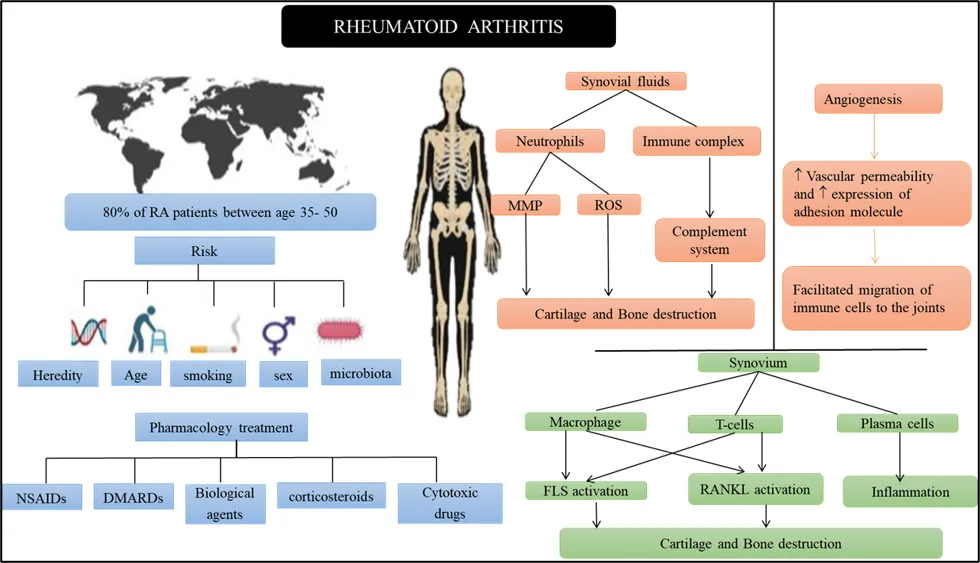
Figure 1: Pathology, Risk factor & treatment of Rheumatoid Arthritis.

DMARDs, corticosteroids, biologics, and NSAIDs are all part of the traditional pharmacological care of RA.​(6) Although these treatments can reduce inflammation and moderate the course of the disease, long-term use of them is frequently linked to negative side effects, such as hepatotoxicity, cardiovascular risks, immunosuppression, gastrointestinal bleeding, and an increased risk of infection. Furthermore, the investigation of safer and more economical alternatives is required because to the high expenses and partial or non-response in a fraction of patients.​(7)

A potential method for treating RA, especially localised joint inflammation, is topical medication administration. Topical solutions can decrease systemic adverse effects, avoid first-pass metabolism, and increase patient compliance while delivering focused activity.​(8) In this regard, natural products have drawn interest; one such option is the essential oil of Cymbopogon citratus, also known as lemongrass. Lemongrass oil is a promising treatment for inflammatory diseases like RA because of its strong anti-inflammatory, analgesic, and antioxidant properties, which are attributed to its high citral content (a blend of geranial and neral).(9,10)

However, essential oils have drawbacks that limit their absorption and therapeutic effectiveness in traditional formulations, including volatility, instability, and low water solubility. The advantages of both dosage forms are combined in emulgels, which are hybrid systems of emulsions and gels that provide a flexible drug delivery platform. They solve the problems with volatile oils by offering better medication solubilisation, skin penetration, and prolonged release. Additionally, nano-emulgel systems can improve medication penetration and retention at the target location because of their higher surface area and smaller droplet size.​(11)

The purpose of this study is to create and assess a topical nano-emulgel loaded with lemongrass oil for the treatment of RA. Using a rat paw oedema model caused by carrageenan, the study includes formulation optimisation, physicochemical characterisation, in vitro drug release analysis, and in vivo anti-inflammatory testing. This study aims to provide a safer, more efficient, and more patient-friendly option for treating RA by using the therapeutic potential of lemongrass oil and the sophisticated delivery advantages of nano-emulgels. 

2. LITERATURE REVIEW 

2.1. RA Pathology-The immunological mechanisms that occur in the joint synovium and synovial fluid are of interest, even if the precise aetiology of RA is still unclear. TNF-α, IL-1, and IL-6 are among the cytokines released by synovial macrophages as part of these immunological responses.(12–14) These cytokines speed up bone degradation by co-stimulating osteoclast activity with inflammation and FLS. Moreover, active FLS can create matrix metalloproteinase (MMP), which degrades cartilage. Nuclear factor-kappa-light-chain-enhancer of activated B cells (NF-κB) is involved in the pathogenesis of chronic inflammatory diseases. FLS triggers the NF-κB signalling pathway, which allows T cells to adhere to proteins on the surface of osteoclasts.(15) This accelerates the deterioration of bone by increasing osteoclast activity. FLS can cause symmetrical joint degeneration by spreading from one joint to another, as is typical in RA. Additionally, autoantibodies, the most prevalent of which are RF and ACPA, are found in the blood of RA patients.(16) These autoantibodies are present in 50–80% of RA patients, along with newly identified antibodies such as anti-acetylated protein and anti-carbamylated protein antibodies. The production of antibodies causes inflammation, and citrullination triggers an immune reaction that initiates the manufacture of ACPA. (17)The existence of ACPA in RA patients is directly associated with bone loss and pain, and it might play a major role in the chronic inflammatory process. The heart, kidneys, lungs, digestive system, eyes, skin, and neurological system are frequently impacted in addition to joints since RA is a systemic disease. About 40% of those with RA experience issues.(18) This image no-2 shows the sign and symptoms of RA.
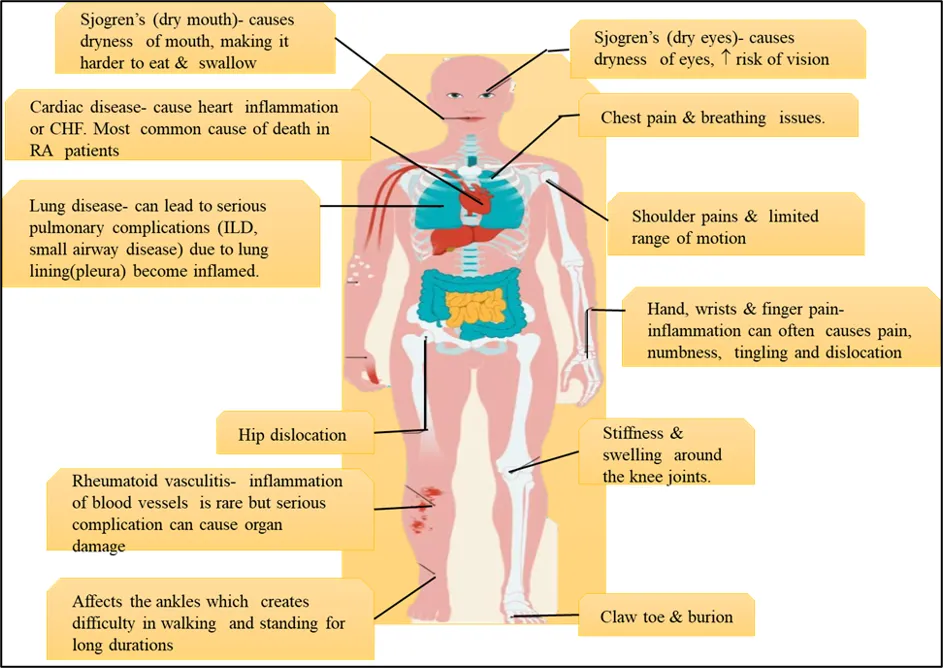
Figure 2: The List of various clinical complications of Rheumatoid Arthritis

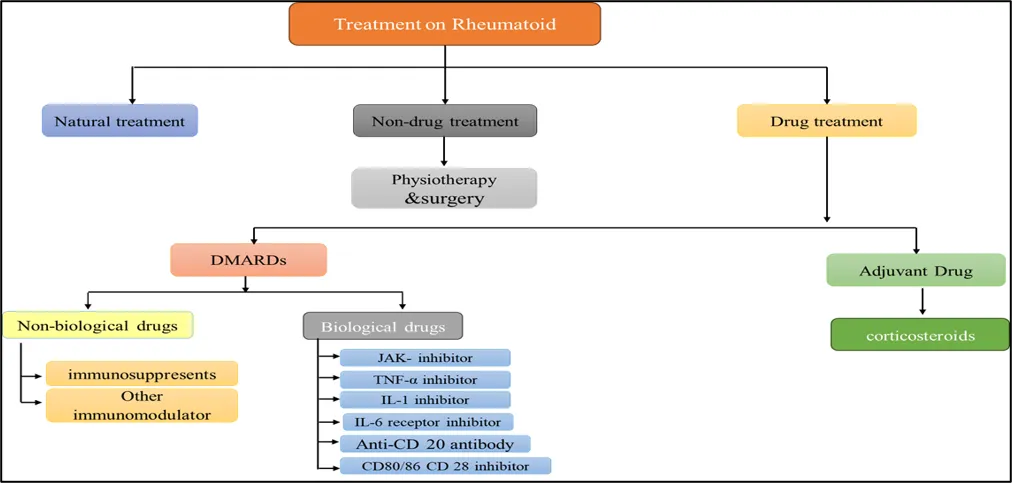
2.2. RA Treatment Limitations- Currents treatments of RA contains different type of managements as shown in image no-3. Trial-and-error treatment is frequently used for patients with difficult-to-treat RA, which can be troublesome for a number of reasons. Up to 20% of RA patients still have a difficult-to-manage condition, despite the fact that RA medication has made substantial progress in recent decades. The current therapies for RA include DMARDs, corticosteroids, NSAIDs, and biological DMARDs. Additionally, these drugs stop joint deterioration. ​(19)

Figure 3: An overview of current treatment of Rheumatoid Arthritis.

Concerning the use of glucocorticoids, biologic DMARDs, and DMARDs in high-risk populations, including those suffering from cancer, congestive heart failure, hepatitis, and other serious illnesses. Patient demand, cost, and tolerance are the key determinants for designing such combo therapy. Biologic DMARDs can exacerbate the illness and can result in flare-ups if stopped abruptly. In all cases, a patient's comorbidities, financial choices, tolerance, and the severity of their condition should be considered before a doctor and patient mutually choose a course of treatment. Conventional treatments for RA, including methotrexate (MTX), sulfasalazine, leflunomide, and others, can have serious side effects, including teratogenicity, gastrointestinal distress, bone marrow suppression, and hepatotoxicity. Biologic medications increase the risk of infections, malignancies, and cardiovascular problems. Regular checks of blood levels, liver function, and infection symptoms are necessary for patients. ​(20) Table no. 1 shows the drugs which are used in RA and adverse effects.

Careful supervision is necessary to balance the therapeutic benefits with any potential drawbacks in order to guarantee patient safety and therapy efficacy. 

Table No-1: Drugs with their reported adverse effects.

Sr.No

Drug class

Drug name

Adverse effects

Reference

1.

NSAIDs

Naproxen

Aspirin

Flurbiprofen

Ibuprofen

inflammation of the stomach, peptic ulcer, bleeding in the stomach, Feeling queasy, pain in the abdomen, kidney dysfunction, impacts on the heart, Rash

(21)

2.

Corticosteroids


Prednisone, Hydrocortisone

Methylprednisolone

Dexamethasone

Diabetes, osteoporosis, metabolic syndrome, cataracts, and peptic ulcers.

(22,23)

3.

Conventional synthetic DMARDS

Methotrexate


gastrointestinal problems, hepatic dysregulations, pneumonitis, and renal damage.

(24)


Hydroxychloroquine


Gastrointestinal conditions
Disorders of the skin
Toxicology of the retina

(25,26)


Sulfasalazine

Leukopenia, agranulocytosis, central neurological toxicity, fertility issues, and kidney failure

(27)

Leflunomide

Migraines, vomiting, abdominal cramps, elevated blood pressure, and an organ failure the liver

(28)

4.

Biological DMARDs

(TNF-α Inhibitors)

Etanercept

Infliximab.

Adalimumab

Certolizumab

Golimumab

Certolizumab pegol

Upper airway infections, vomiting, breathing difficulties, and arterial hypertension

(29)

5.

Targeted synthetic DMARDs

(Janus Kinase inhibitor)

Tofacitinib

infections, elevated serum transaminases, a high cholesterol level, and creatininemia.

(30,31)

Baricitinib

Upadacitinib


Infections

Neutrophils reduce migraines and dermatitis.

6.

Biological DMARDs

(IL-6 Receptor inhibitor)


Tocilizumab

infestations as well as infections, Skin rashes and elevated blood pressure.

(32)

Sarilumab

infestations as well as infections, Neutropenia Elevated LDL cholesterol (low-density lipoprotein)

(33)

3. LEMONGRASS : TRADITIONAL USES AND PHYTOCHEMISTRY

The Poaceae grass family includes the tall perennial plant known as lemongrass (Cymbopogon), which grows well in tropical and subtropical climates. Steam distillation is the method used to extract lemongrass oil from the plant's dried leaves. It is either brilliant yellow or pale, and it has a thin consistency. It smells powerful, fresh, earthy, and citrussy. In addition to relieving rheumatism and muscular soreness, lemongrass oil may assist tone and relax your muscles. Geranyl acetate, myrcene, nerol, citronellal, terpineol, methyl heptenone, dipentene, geraniol, neral, farnesol, limonene, and citral are the primary constituents of lemongrass oil.
According to studies, limonene, another advantageous component of lemongrass, helps destroy germs and lessen inflammation. One of the top six essential oils with anti-inflammatory qualities is lemongrass oil.(34)

In India, lemongrass is a plant that is utilised for both medical purposes and scents. Lemongrass's extensive phytochemical composition is primarily responsible for its medicinal usefulness. Citral, a blend of two isomers—geranial and neral—is the most potent of the concentrated bioactive chemicals found in the essential oil that is produced from its leaves and stalks. The plant's potent lemon aroma and several pharmacological characteristics, such as its anti-inflammatory, analgesic, antifungal, antibacterial, and antioxidant actions, are mostly caused by these constituents. Limonene, myrcene, geraniol, and linalool are other significant components of lemongrass oil that work in concert to enhance the plant's overall bioactivity.

The anti-inflammatory properties of lemongrass are especially significant from a pharmaceutical standpoint. In a variety of in vitro and in vivo settings, citral has been demonstrated to suppress the synthesis of pro-inflammatory mediators such prostaglandins, nitric oxide (NO), and cytokines like interleukin-1β (IL-1β) and TNF-α. In the context of chronic inflammatory diseases like RA, where immunological dysregulation and persistent inflammation are key factors in the development of the illness, these processes are particularly intriguing.
Furthermore, by shielding tissues from oxidative stress, a recognised cause of RA-related joint damage, lemongrass's antioxidant qualities—which stem from its capacity to scavenge free radicals and suppress lipid peroxidation—may offer further therapeutic advantages. The plant's potential as a supplemental or alternative medicinal agent is highlighted by these two actions: lowering oxidative damage and controlling inflammation.(35)

3.1. Anti-inflammatory Activity of Lemongrass Oil

The use of traditional drugs to treat painful conditions including sciatica, cluster headaches, arthritis, and others was restricted because of their severe adverse effects.(36) Scientists continue to look for new natural medications that are very effective and have fewer adverse effects in spite of this findings. Among the many therapeutic plants with strong anti-inflammatory qualities is C. citratus. As a result, C. citratus was extensively studied in vivo utilising animal models. Researchers used the carrageenan-induced rat pas oedema model to investigate the anti-inflammatory properties of several C. citratus fractions, such as the flavonoid and tannin fractions. The authors observed that while both fractions were rich in bioactive chemicals, particularly luteolin, the combination of them decreased the oedema volume by about 59%.(37)

It has been demonstrated that this bioactive derivative inhibits the production of proinflammatory factors such cytokines, iNOS, TNF-α, IL-ß, and IL-6. In the same setting, researchers demonstrated that the fractions high in phenolic acid and tannin suppress the activation of NF-θb in both human and murine macrophages that have been pretreated with various C. citratus fractions. Furthermore, these authors suggested that fractions of C. citratus had a significant reduction in the production of nitric oxide and a significant decrease in the proteasome activity of murine macrophages activated by LPS, which may account for the anti-inflammatory properties of C. citratus, which is thought to be a promising source of safe and active substances.(38,39)

LEO's strong anti-inflammatory qualities, which have long been used in traditional medicine to reduce pain and swelling, have drawn increasing scientific interest. It has been demonstrated that the oil's main active ingredients, citral, geranial, and neral, inhibit the synthesis of pro-inflammatory cytokines and enzymes, which makes it useful for regulating immunological responses. The potential of lemongrass oil to lower inflammatory markers including VCAM-1, IP-10, and MIG in pre-inflamed human dermal fibroblasts has been demonstrated in recent investigations, offering a molecular explanation for its calming effects on inflammatory tissues.(40) Furthermore, it has been shown that geraniol, a significant component of lemongrass, activates protective cellular pathways such PI3K/Akt and Nrf-2, which results in the overexpression of heme oxygenase-1, an enzyme with anti-inflammatory and antioxidant properties.(41) This implies that lemongrass oil helps shield tissues from oxidative stress in addition to reducing inflammation. Animal research also supports these conclusions; in zebrafish models, lemongrass essential oil showed notable decreases in oxidative damage and inflammation.(42) Furthermore, topical use of diluted lemongrass oil may provide comfort in illnesses such as rheumatoid arthritis, possibly complementing current medications with fewer side effects, according to some human experiences and early clinical findings. These encouraging findings imply that lemongrass oil may be a safe and efficient alternative for treating inflammatory diseases, particularly when applied topically using cutting-edge emulgel delivery technologies.(43) The below mentioned Figure-4 depicts that anti-inflammatory effects of lemongrass oil.
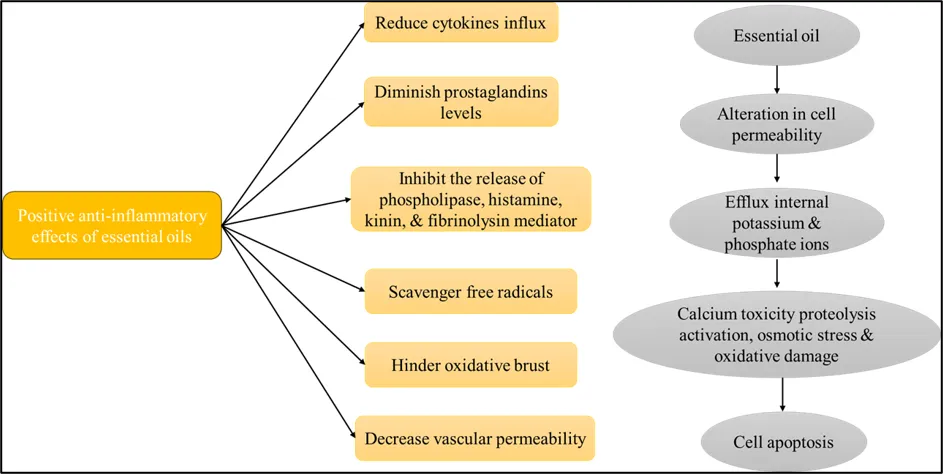
Figure 4: Anti-inflammatory effects of lemongrass oil.

4. THE ROLE OF TOPICAL DELIVERY IN RHEUMATOID ARTHRITIS (RA)

Any perfect formulation should have superior pharmacological activity, less side effects, self-administration, patient compliance, and non-invasiveness. The majority of the above described features are present in formulations administered topically. Avoiding the hepatic first-pass impact, reducing adverse effects because of the local site of action, improving percutaneous absorption, and maybe increasing bioavailability with a prolonged deposition are some advantages of topical administration.(44) Additional benefits include the capacity to precisely target the medicine at the intended spot and less drug loss from metabolism or breakdown. In the conventional treatment of RA, systemic therapy includes medications such as biologics, DMARDs, and NSAIDs. However, rising knowledge of the disadvantages of systemic medications, including unpleasant side effects, inadequate drug targeting, and the need for long-term administration, has spurred research into alternate therapy techniques, such as topical drug delivery. Applying medicinal materials directly to the skin to treat certain conditions is known as topical delivery, and it is a non-invasive method of medicine administration. Topical drug delivery systems (TDDS) have emerged as a promising approach for the targeted management of joint inflammation and pain in RA due to their many advantages over traditional systemic medicines.(45) Reduced drug breakdown combined with continuous administration of the medication over an extended length of time causes the drug to flow prominently across the stratum corneum barrier, improving bioavailability.(46)
Numerous studies have demonstrated that topical administration of medications increases their bioavailability. For instance, when administered topically as opposed to orally, flurbiprofen nano-emulsion demonstrated a 4.4-fold increase in bioavailability. The nile red dye nano-emulsion, which demonstrated a ten-fold increase in dye penetration into the skin in comparison to an emulsion formulation. A three-and-a-half increase in lacidipine bioavailability when administered transdermally with microemulsions. According to the group, this improvement could be the result of avoiding the drug's first-pass action when applied topically. A barrier to drug penetration, the stratum corneum (non-viable epidermis layer) is 5–20 μm thick and consists of ten to fifteen layers of thick corneocytes, lipid matrix, corneodesmosomes, and a tight junction. The following are some suggested routes for the molecule to get through the stratum corneum:

(a.) The paracellular (intercellular) pathway is the movement of a small lipophilic molecule between the corneocytes through the lipid matrix.

(b.) The lipophilic molecule splits into hydrophilic and lipophilic domains and then travels into the corneocytes via the transcellular (intracellular) pathway.

(c.) Drug molecules use the transfollicular (shunt) pathway to pass via hair follicles and sweat glands.

After passing through this non-viable layer (the stratum corneum), it disperses throughout the dermal layer and eventually reaches the blood vessels.(47) In this instance, the molecule will be able to cross the barrier by integrating into the proper carrier. Numerous nanolipid formulations have surfaced that have better penetration and longer residence durations than conventional topical preparations. These lipids also improve skin adhesion, which reduces water loss and enhances skin hydration, are biocompatible, and can lead to lipid exchange between carriers and the outermost layer of the epidermis, which facilitates drug penetration.

The below mentioned Figure-5 depicts that there are some pathways for the molecule to cross the stratum corneum.
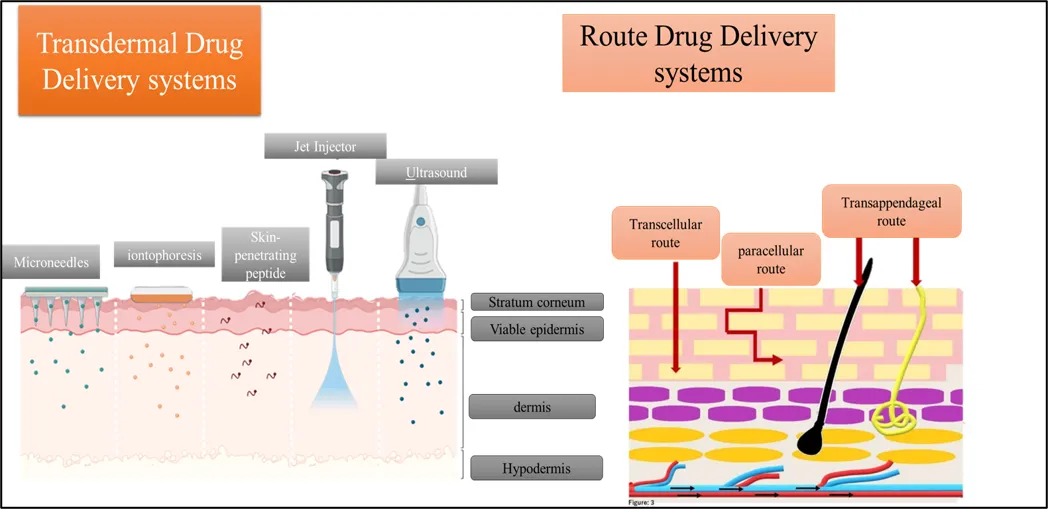
Figure-5: Routes of tropical drug administration in the treatment of Rheumatoid Arthritis.

Topical drug distribution is the process of applying a pharmaceutical formulation topically to the skin to produce localised action at the site of inflammation.(48) Even though the skin acts as a barrier, advances in formulation technology have made medications more effective and more soluble. Several topical formulations are used to treat RA, including gels, creams, ointments, patches. Among them, gels and creams are well-liked due to their ease of use and patient compliance. These formulations often include NSAIDs including ketoprofen, ibuprofen, and diclofenac.(49) Studies have demonstrated that topical diclofenac gel significantly reduces pain and oedema in RA patients while having less gastrointestinal side effects than oral versions.
Transdermal patches provide controlled, extended drug release. For instance, diclofenac and ketoprofen patches have shown promise in reducing inflammation and joint pain.(50) The primary disadvantage of conventional topical techniques is poor skin permeability, especially for hydrophilic or high molecular weight drugs.

Heterogeneous colloidal mixes of water and oil, with one component as a continuous phase and the other as a dispersed phase, are called nano-emulsions. At the interface between the continuous and dispersed phases, a surfactant called an emulsifier is adsorbed, reducing surface tension and stabilising the system. These systems have a longer shelf life than basic emulsions, micelles, suspensions, etc. because of their great thermodynamic stability.(51) Nano-emulsions are limited by their low viscosity, which results in low retention time and spreadability, despite their many benefits. These difficulties can be handled by converting the nano-emulsion into a nano-emulgel by employing an appropriate gelling agent.(52)

The nano-emulgel, which is a combination of gel and emulsion, functions as a colloidal system. Like other nano-carriers, the emulsion component enhances penetration and shields the medication from hydrolysis and enzymatic destruction. Maintaining the drug's therapeutic concentrations for an adequate amount of time is just as crucial as improving the drug's penetration through the skin. The gel component decreases surface and interfacial tension, increasing thermodynamic stability, and increases viscosity and spreadability, which enhance retention duration. Compared to other nano-carriers, nano-emulgel has a number of benefits, including a high drug loading capacity, improved penetration, diffusion, and little skin irritation.(53,54)

5. FORMULATION STRATEGIES FOR LEMONGRASS OIL-LOADED EMULGEL

In order to maximise the administration of both hydrophilic and hydrophobic medications via the skin, Emulgel, a complex topical drug delivery technology, combines the advantages of emulsions and gels. The volatile essential oil known as lemongrass oil (LGO), which comes from Cymbopogon citratus, is a great option for emulgel formulations because of its antibacterial, antifungal, antioxidant, anti-inflammatory, and analgesic qualities. The drawbacks of LGO, such as its limited water solubility, volatility, and potential for skin irritation due to its main component, citral, are addressed by the creation of lemongrass-loaded emulgel.

5.1. Lemongrass-Loaded Emulgel Ingredients-

Careful component selection is necessary for the formulation of lemongrass-loaded emulgel in order to guarantee stability, effectiveness, and skin compatibility. The oil phase, aqueous phase, emulsifiers, gelling agents, penetration enhancers, and the active ingredient, lemongrass oil, are the main components.

5.1.1. Oil Phase: Hydrophobic substances, such as lemongrass oil, are transported by the oil phase. Oils with occlusive qualities and improved skin penetration include oleic acid, liquid paraffin, and natural oils like argan oil. A study found that using lemongrass oil as an active component and penetration enhancer in an emulgel loaded with lornoxicam enhanced skin penetration and medication release.(55)

5.1.2. Aqueous Phase: This stage guarantees skin compatibility and is usually distilled water or a pH-adjusted buffer (pH 5.5–7.0). Propylene glycol and glycerin are examples of humectants that preserve moisture and enhance spreadability.

5.1.3. Emulsifiers: By lowering the interfacial tension between the aqueous and oil phases, emulsifiers stabilise the emulsion. Because of their low toxicity and skin compatibility, non-ionic surfactants like Tween 20, Tween 80, and Span 80 are preferred. A study created a meloxicam-loaded emulgel using Tween 20 and PEG 400, producing a stable microemulsion with globule sizes ranging from 128 to 176 nm.(56)

5.1.4. Gelling Agents: For prolonged drug release, gelling agents offer viscosity and thixotropic behaviour. Because Carbopol 934 and Carbopol 940 work well with emulsions, they are often utilised. According to a study, 1% Carbopol 934 produced an emulgel for glucosamine sulphate potassium chloride that had an 88% drug release over 6 hours (57). For biocompatibility, substitutes such as carboxymethyl cellulose (CMC) and hydroxypropyl methylcellulose (HPMC) are also utilised.

5.1.5. Penetration Enhancers: By rupturing the stratum corneum, lemongrass oil naturally improves skin penetration. According to a study on mefenamic acid emulgel, other enhancers like mentha or clove oil may be added.(58)

5.1.6. Active Ingredient: Lemongrass oil has broad-spectrum antibacterial and antioxidant properties due to its 60–80% citral, linalool, and citronellal content. Because of its weak solubility and volatility, it requires sophisticated delivery techniques, such as emulgel, to ensure stability and bioavailability.(59)
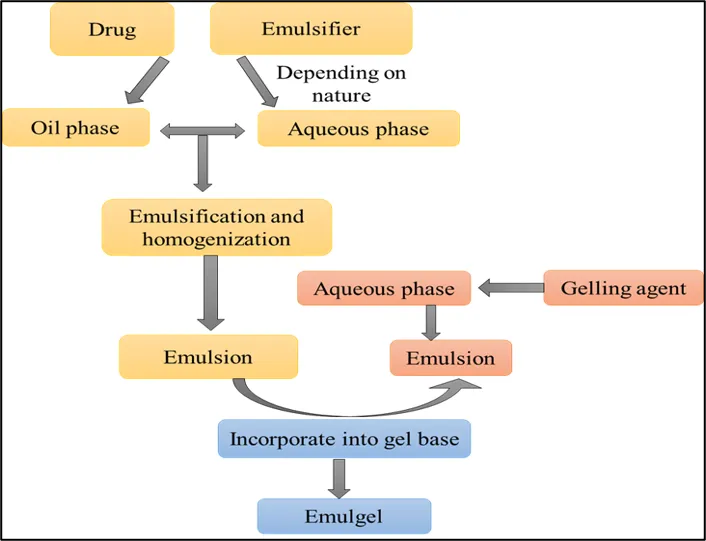
5.2. The Formulation Process-

Three crucial steps are involved in the methodical formulation of lemongrass-loaded emulgel in order to produce a stable, uniform product with the best possible drug release:

5.2.1. Emulsion Preparation: The phase inversion composition technique or water titration are used to prepare the emulsion. Using pseudoternary phase diagrams as a reference, the oil phase (lemongrass oil and oil base) is combined with a surfactant-co-surfactant combination (Smix) in ratios such as 1:2 or 1:1 to create microemulsions. The aqueous phase is introduced gradually while being constantly stirred to create a stable emulsion of water in oil (w/o) or oil in water (o/w). Bhatt et al. (2024) achieved 83% drug release over 6 hours by optimising a lornoxicam microemulsion with lemongrass oil using a 1:2 Smix ratio.(60)

5.2.2. Gel Base Preparation: Distilled water is used to dissolve the gelling ingredient (such as Carbopol 934), which is then hydrated for the whole night. To create a smooth gel, triethanolamine is used to raise the pH to 6–7. Preservatives such as sodium benzoate are then added to stop microbiological development.(57)

5.2.3. Emulsion Incorporation into Gel: To prevent air entrapment, the emulsion is mixed into the gel base in a 1:1 (w/w) ratio while being stirred under controlled conditions (e.g., 500 rpm). In order to create a thermodynamically stable emulgel with improved drug-loading capability, research focused on uniform mixing.(61)

5.3. Evaluation and Characterisation

To guarantee quality, stability, and therapeutic efficacy, lemongrass-loaded emulgel is thoroughly assessed using the following criteria:

5.3.1. Physical Appearance: Colour, homogeneity, and lack of grittiness are examined in the emulgel. Research revealed a smooth, non-greasy hydrogel filled with lemongrass that is perfect for topical use.(62)

5.3.2. Viscosity and pH- Viscosity is evaluated using a Brookfield viscometer to verify thixotropic behaviour, and pH is determined to guarantee skin compatibility (5.5–7.0). According to research, an ideal emulgel had a pH of 6.5 and a viscosity of 25,000 cP.(57)

5.3.3. Extrudability and Spreadability: Extrudability measures how easily an emulgel spread may be extruded from a tube, whereas spreadability measures the diameter of the spread under a fixed weight. Excellent spreadability with Carbopol 940 was noted in a trial on Piper nigrum emulgel, which increased patient compliance.(63)

5.3.4. Drug Content and Release: HPLC or UV-Vis spectroscopy are used to measure drug content. A Franz diffusion cell with a semi-permeable membrane is used to measure in vitro drug release. According to one study, nanosponges loaded with lemongrass exhibited a regulated release of 75% over 8 hours.(58)

5.3.5. Antimicrobial and Antifungal Activity: Propionibacterium acnes and Candida albicans are among the pathogens against which the emulgel is tested for effectiveness. Using deep eutectic solvents, studies showed that lemongrass extracts had increased antibacterial action, indicating synergy in emulgel formulations.(64)

5.3.6. Anti-Inflammatory Activity- The primary ingredient in lemongrass (Cymbopogon citratus), citral, is primarily responsible for its strong anti-inflammatory qualities. By blocking cytokines (such as TNF-α and IL-6), COX-2, and iNOS, as well as altering the NF-κB signalling cascade, it inhibits inflammatory pathways. Reduced oxidative stress, leukocyte infiltration, and oedema are the results of these effects. Lemongrass oil's usage in natural anti-inflammatory therapy, especially topical applications for rheumatoid arthritis, has been supported by preclinical research showing its effectiveness in lowering inflammation in arthritic animals.(65)

5.3.7. Stability Studies: To determine phase separation or drug degradation, stability is assessed for three to six months at accelerated temperatures (40°C/75% RH). After ninety days, a research on lemongrass nanoemulgel loaded with ferulic acid found no alterations.(60)

6. Different Animal Models Used in Rheumatoid Arthritis Research

Preclinical research frequently uses rodents, especially DBA/1 mice, Sprague-Dawley rats, and Wistar rats, to assess anti-arthritic treatments. These animals are favoured because they are inexpensive, easy to handle, and have well-characterized immune systems. Complete Freund's Adjuvant (CFA) is commonly used to produce arthritis in Wistar rats, simulating the chronic joint inflammation observed in human RA, in the majority of topical trials, including those employing herbal emulgels such as formulations based on lemongrass oil.(66) Furthermore, autoimmune-mediated RA is frequently modelled using Collagen-Induced Arthritis (CIA) in DBA/1 mice, which offers important insights into the immunological and inflammatory aspects of the illness.(67) These models provide a dependable platform for drug screening before to clinical trials by allowing the assessment of biomarker levels, paw swelling, histological alterations, and therapeutic effectiveness. Table no.2 provides a summary of the additional animal models that were employed.

Table 2. Various animal models used in labs.

Model Type

Method of Induction

Features

Advantages

Limitations

References

Complete Freund’s Adjuvant (CFA)

Intradermal injection of CFA (Mycobacterium tuberculosis + oil) into paw

Chronic inflammation, joint swelling, bone/cartilage erosion

Well-established, reproducible, mimics human RA pathology

Not autoimmune-driven; inflammation more innate in nature

(68)

Collagen-Induced Arthritis (CIA)

Injection of Type II collagen emulsified in CFA (usually in mice or rats)

Autoimmune features, synovial hyperplasia, pannus formation, joint deformity

Mimics human RA closely (adaptive immunity), T-cell involvement

Technically challenging, strain-dependent (DBA/1 mice preferred)

(69)

Antigen-Induced Arthritis (AIA)

Immunization with foreign antigen (e.g., ovalbumin) followed by intra-articular challenge

Monarticular inflammation, T-cell mediated, rapid onset

Useful for studying immunological mechanisms

Not polyarticular, limited chronicity

(70)

Zymosan-Induced Arthritis

Intra-articular injection of zymosan (yeast cell wall component)

Acute inflammation, neutrophil infiltration

Rapid and simple; good for short-term inflammation studies

Lacks autoimmune component, not chronic

(71)

Adjuvant-Induced Arthritis (AIA)

Similar to CFA but often systemic induction via tail base injection

Polyarthritis, systemic inflammation, immune involvement

Useful for long-term efficacy testing of anti-RA agents

Severe systemic effects, ethical concerns

(72)

K/BxN Serum Transfer Model

Injection of serum from arthritic K/BxN mice into normal mice

Immune complex-mediated arthritis, rapid onset, reproducible

No need for immunization, rapid screening of anti-inflammatory drugs

Not autoimmune-induced in host, short duration

(73)

TNF-α Transgenic Mice

Genetically engineered mice overexpressing TNF-α

Chronic synovitis, bone erosion, systemic inflammation

Useful for studying TNF-targeted therapies

Costly, complex breeding and maintenance

(74)

SCW-Induced Arthritis

Injection of streptococcal cell wall fragments in susceptible rats

Chronic relapsing arthritis, macrophage and T cell involvement

Mimics flares and relapses; used for innate/adaptive immune studies

Less common; species- and strain-specific

(75)

7. PRECLINICAL TRIALS OF LEMONGRASS OIL-LOADED EMULGEL IN RA MANAGEMENT:

A crucial stage of medication research, preclinical trials evaluate a formulation's pharmacological activity, safety, and effectiveness prior to moving on to human clinical trials. Preclinical tests of emulgel loaded with lemongrass oil in animal models for rheumatoid arthritis (RA) have yielded encouraging findings. The emulgel was administered topically to Wistar rats with CFA-induced arthritis, and its effectiveness was tracked for 21 days.(76) Important metrics were measured, including body weight, joint diameter, arthritic index, and paw volume.(77) In addition to improving physical mobility and lowering pro-inflammatory markers like TNF-α and IL-6, the results showed a substantial decrease in inflammation and joint swelling, suggesting considerable anti-inflammatory and immunomodulatory potential. Histopathological examination further verified that the treated groups had less leukocyte infiltration and synovial hyperplasia. The synergistic action of citral in lemongrass oil and the improved permeability qualities of the emulgel base are responsible for the formulation's efficacy.(78) These results imply that emulgel infused with lemongrass oil is a promising non-invasive treatment alternative for RA symptoms in future clinical settings.

8. CONCLUSION

The crippling autoimmune disease known as rheumatoid arthritis (RA) is characterised by persistent inflammation, joint degeneration, and increasing functional disability. Current therapies like corticosteroids and NSAIDs are frequently successful, but because of their long-term toxicity, they have systemic adverse effects and low patient adherence. Using citral, the main active ingredient in lemongrass essential oil, which has anti-inflammatory and analgesic properties, a new emulgel filled with lemongrass oil was developed and tested as a topical option for treating RA. Carbopol 940 was used as a gelling agent in the development of the emulgel, and surfactant-co-surfactant combinations were optimised for stable emulsion formation. It had outstanding physicochemical properties, such as a pH that is suitable for skin contact, the right viscosity for topical use, and even drug dispersion. Its long-term chemical and physical integrity under varied storage conditions was validated by stability experiments. Citral's sustained release profile over an 8-hour period was shown in in vitro drug release experiments, confirming the formulation's potential for longer therapeutic activity with fewer administrations. Wistar rats were used to test the formulation's anti-arthritic properties in an arthritis model produced by CFA. Animals treated with the lemongrass emulgel, especially at higher dosages, shown notable improvements in important metrics such paw oedema, joint diameter, and arthritic score when compared to the disease control group. These outcomes were similar to those of the diclofenac gel-treated conventional therapy group. Additionally, the formulation showed systemic anti-inflammatory efficacy by improving body weight and lowering blood levels of pro-inflammatory markers such TNF-α, IL-6, and CRP.
The lemongrass emulgel preserved the structural integrity of the joints by reducing synovial hyperplasia, leukocyte infiltration, and cartilage degradation, according to histopathological analysis of the joints. The findings imply that the topical emulgel not only reduces local inflammation but also alters the RA-related systemic immune response, maybe as a result of citral's well-known capacity to prevent the generation of inflammatory cytokines and oxidative stress. This study supports the therapeutic viability of lemongrass oil in a topical delivery system for the management of rheumatoid arthritis. The non-invasive nature, ease of application, and minimal side effects make the lemongrass emulgel an attractive alternative to oral or injectable RA medications. However, further research is needed, including mechanistic studies, dermal toxicity assessments, and clinical trials in humans to fully establish its efficacy and safety in long-term use. In conclusion, the lemongrass oil-loaded emulgel developed in this study has demonstrated promising preclinical efficacy, offering a natural, safe, and effective option for the management of RA. It represents a significant step forward in combining traditional herbal medicine with modern pharmaceutical technology, supporting the integration of plant-based therapies into mainstream rheumatological treatment protocols.

ABBREVIATION

Sr.No

Abbreviation

Full form

1.

RA

Rheumatoid Arthritis

2.

NSAIDs

Nonsteroidal Anti-inflammatory Drugs

3.

DMARDs

Disease-Modifying Antirheumatic Drugs

4.

TNF-α

Tumor Necrosis Factor Alpha

5.

IL

Interleukins

6.

FCA

Freund’s complete adjuvants

7.

SLE

Systemic Lupus Erythematous

8.

SpA

Spondyl arthritis

9.

PsA

Psoriatic arthritis

10.

ACPAs

Anti- Citrullinated protein Antibodies

11.

NF-κB

Nuclear factor-kappa-light-chain-enhancer of activated B cells

12.

FLS

Fibroblast Like Synovicytes

13.

TDDS

Topical drug delivery systems

14.

HLA

Human Leukocyte Antigen

15.

MTX

Methotrexate

16.

LEO’s

Lemongrass Essential oil

17.

CMC

carboxymethyl cellulose

18.

HPMC

hydroxypropyl methylcellulose

19.

COX

cyclooxygenase

20.

CIA

Collagen-Induced Arthritis

21.

CFA

Complete Freund’s Adjuvant

22.

AIA

Antigen-Induced Arthritis

23.

AIA

Adjuvant-Induced Arthritis

REFERENCES

  1. Conforti A, Di Cola I, Pavlych V, Ruscitti P, Berardicurti O, Ursini F, et al. Beyond the joints, the extra-articular manifestations in rheumatoid arthritis. Autoimmun Rev. 2021 Feb 1;20(2).
  2. Cojocaru M, Cojocaru I, Silosi I, LastName… CV, LastNameLastNameLastNameLastName2020 undefined. Extra-articular manifestations in rheumatoid arthritis. pmc.ncbi.nlm.nih.govM Cojocaru, IM Cojocaru, I Silosi, CD Vrabie, R TanasescuMaedica, 2020•pmc.ncbi.nlm.nih.gov [Internet]. 2020 [cited 2025 May 6]; Available from: https://pmc.ncbi.nlm.nih.gov/articles/PMC3152850/
  3. Joseph A, Brasington R, Kahl L, Ranganathan P, Cheng TP, Atkinson J. Immunologic rheumatic disorders. Journal of Allergy and Clinical Immunology. 2020 Feb;125(2 SUPPL. 2).
  4. Kurowska W, Kuca-Warnawin EH, Radzikowska A, Maśliński W. The role of anti-citrullinated protein antibodies (ACPA) in the pathogenesis of rheumatoid arthritis. termedia.plW Kurowska, EH Kuca-Warnawin, A Radzikowska, W MaślińskiCentral European Journal of Immunology, 2017•termedia.pl [Internet]. 2017 [cited 2025 May 6];42(4):390–8. Available from: https://www.termedia.pl/The-role-of-anti-citrullinated-protein-antibodies-ACPA-in-the-pathogenesis-of-rheumatoid-arthritis,10,31515,0,1.html
  5. Chaurasia N, Singh A, Singh I, Singh T, Tiwari T. Cognitive dysfunction in patients of rheumatoid arthritis. J Family Med Prim Care. 2020;9(5):2219.
  6. Singh JA, Saag KG, Bridges SL, Akl EA, Bannuru RR, Sullivan MC, et al. 2021 American College of Rheumatology Guideline for the Treatment of Rheumatoid Arthritis. Arthritis and Rheumatology [Internet]. 2021 Jan 1 [cited 2025 May 8];68(1):1–26. Available from: https://pubmed.ncbi.nlm.nih.gov/26545940/
  7. van Vollenhoven R. Treat-to-target in rheumatoid arthritis — are we there yet? Nat Rev Rheumatol [Internet]. 2019 Mar 1 [cited 2025 May 8];15(3):180–6. Available from: https://pubmed.ncbi.nlm.nih.gov/30700865/
  8. Drosopoulou K, Kosheleva RI, Ofrydopoulou A, Tsoupras A, Mitropoulos A. Topical and Transdermal Delivery of Nonsteroidal Anti-Inflammatory Drugs (NSAIDs) for Inflammation and Pain: Current Trends and Future Directions in Delivery Systems. Processes 2025, Vol 13, Page 907 [Internet]. 2025 Mar 19 [cited 2025 May 8];13(3):907. Available from: https://www.mdpi.com/2227-9717/13/3/907/htm
  9. De Cássia Da Silveira E Sá R, Andrade LN, De Sousa DP. A review on anti-inflammatory activity of monoterpenes. Molecules [Internet]. 2019 Jan [cited 2025 May 9];18(1):1227–54. Available from: https://pubmed.ncbi.nlm.nih.gov/23334570/
  10. Han X, Parker TL. Lemongrass (Cymbopogon flexuosus) essential oil demonstrated anti-inflammatory effect in pre-inflamed human dermal fibroblasts. Biochim Open [Internet]. 2017 Jun 1 [cited 2025 May 9];4:107. Available from: https://pmc.ncbi.nlm.nih.gov/articles/PMC5801909/
  11. Asbahani A El, Miladi K, Badri W, Sala M, Addi EHA, Casabianca H, et al. Essential oils: From extraction to encapsulation. Int J Pharm [Internet]. 2020 Apr 15 [cited 2025 May 9];483(1–2):220–43. Available from: https://pubmed.ncbi.nlm.nih.gov/25683145/
  12. Nygaard G, Firestein GS. Restoring synovial homeostasis in rheumatoid arthritis by targeting fibroblast-like synoviocytes. Nat Rev Rheumatol [Internet]. 2020 Jun 1 [cited 2025 May 9];16(6):316–33. Available from: https://pubmed.ncbi.nlm.nih.gov/32393826/
  13. Hu XX, Wu Y jing, Zhang J, Wei W. T-cells interact with B cells, dendritic cells, and fibroblast-like synoviocytes as hub-like key cells in rheumatoid arthritis. Int Immunopharmacol [Internet]. 2019 May 1 [cited 2025 May 9];70:428–34. Available from: https://pubmed.ncbi.nlm.nih.gov/30856393/
  14. Yoshitomi H. Regulation of immune responses and chronic inflammation by fibroblast-like synoviocytes. Front Immunol [Internet]. 2019 [cited 2025 May 9];10(JUN). Available from: https://pubmed.ncbi.nlm.nih.gov/31275325/
  15. Hu Q, Ecker M. Overview of MMP-13 as a promising target for the treatment of osteoarthritis. Int J Mol Sci [Internet]. 2021 Feb 2 [cited 2025 May 9];22(4):1–22. Available from: https://pubmed.ncbi.nlm.nih.gov/33572320/
  16. Xia Z Bin, Meng FR, Fang YX, Wu X, Zhang CW, Liu Y, et al. Inhibition of NF-κB signaling pathway induces apoptosis and suppresses proliferation and angiogenesis of human fibroblast-like synovial cells in rheumatoid arthritis. Medicine (United States) [Internet]. 2018 Jun 1 [cited 2025 May 9];97(23). Available from: https://pubmed.ncbi.nlm.nih.gov/29879032/
  17. Conforti A, Di Cola I, Pavlych V, Ruscitti P, Berardicurti O, Ursini F, et al. Beyond the joints, the extra-articular manifestations in rheumatoid arthritis. Autoimmun Rev [Internet]. 2021 Feb 1 [cited 2025 May 9];20(2). Available from: https://pubmed.ncbi.nlm.nih.gov/33346115/
  18. Derksen VFAM, Huizinga TWJ, van der Woude D. The role of autoantibodies in the pathophysiology of rheumatoid arthritis. Semin Immunopathol [Internet]. 2017 Jun 1 [cited 2025 May 9];39(4):437–46. Available from: https://pubmed.ncbi.nlm.nih.gov/28451788/
  19. Kearsley-Fleet L, Davies R, De Cock D, Watson KD, Lunt M, Buch MH, et al. Biologic refractory disease in rheumatoid arthritis: results from the British Society for Rheumatology Biologics Register for Rheumatoid Arthritis. Ann Rheum Dis [Internet]. 2018 [cited 2025 May 9];77(10):1405–12. Available from: https://pubmed.ncbi.nlm.nih.gov/29980575/
  20. Roodenrijs NMT, Van Der Goes MC, Welsing PMJ, Tekstra J, Lafeber FPJG, Jacobs JWG, et al. Difficult-to-treat rheumatoid arthritis: contributing factors and burden of disease. Rheumatology (United Kingdom) [Internet]. 2021 Aug 1 [cited 2025 May 9];60(8):3778–88. Available from: https://pubmed.ncbi.nlm.nih.gov/33331946/
  21. Crofford LJ. Use of NSAIDs in treating patients with arthritis. Arthritis Res Ther [Internet]. 2018 Jul 24 [cited 2025 May 9];15(Suppl 3):S2. Available from: https://pmc.ncbi.nlm.nih.gov/articles/PMC3891482/
  22. Sarzi-Puttini P, Ceribelli A, Marotto D, Batticciotto A, Atzeni F. Systemic rheumatic diseases: From biological agents to small molecules. Autoimmun Rev [Internet]. 2019 Jun 1 [cited 2025 May 9];18(6):583–92. Available from: https://pubmed.ncbi.nlm.nih.gov/30959214/
  23. Ingawale DK, Mandlik SK. New insights into the novel anti-inflammatory mode of action of glucocorticoids. Immunopharmacol Immunotoxicol [Internet]. 2020 Mar 3 [cited 2025 May 9];42(2):59–73. Available from: https://pubmed.ncbi.nlm.nih.gov/32070175/
  24. Bedoui Y, Guillot X, Sélambarom J, Guiraud P, Giry C, Jaffar-Bandjee MC, et al. Methotrexate an old drug with new tricks. Int J Mol Sci [Internet]. 2019 Oct 2 [cited 2025 May 9];20(20). Available from: https://pubmed.ncbi.nlm.nih.gov/31658782/
  25. Kim JW, Kim YY, Lee H, Park SH, Kim SK, Choe JY. Risk of retinal toxicity in longterm users of hydroxychloroquine. Journal of Rheumatology [Internet]. 2017 Nov 1 [cited 2025 May 9];44(11):1674–9. Available from: https://pubmed.ncbi.nlm.nih.gov/28864645/
  26. Sames E, Paterson H, Li C. Hydroxychloroquine-induced agranulocytosis in a patient with long-term rheumatoid arthritis. Eur J Rheumatol [Internet]. 2016 Oct 6 [cited 2025 May 9];3(2):91–2. Available from: http://eurjrheumatol.org/en/hydroxychloroquine-induced-agranulocytosis-in-a-patient-with-long-term-rheumatoid-arthritis-132870
  27. Niknahad H, Heidari R, Mohammadzadeh R, Ommati MM, Khodaei F, Azarpira N, et al. Sulfasalazine induces mitochondrial dysfunction and renal injury. Ren Fail [Internet]. 2017 Jan 1 [cited 2025 May 10];39(1):745–53. Available from: https://pubmed.ncbi.nlm.nih.gov/29214868/
  28. Cui X, Dai X, Ma L, Yang C, Tan W, Zhang L, et al. Efficacy and safety of leflunomide treatment in Takayasu arteritis: Case series from the East China cohort. Semin Arthritis Rheum [Internet]. 2020 Feb 1 [cited 2025 May 10];50(1):59–65. Available from: https://pubmed.ncbi.nlm.nih.gov/31350057/
  29. Sarzi-Puttini P, Ceribelli A, Marotto D, Batticciotto A, Atzeni F. Systemic rheumatic diseases: From biological agents to small molecules. Autoimmun Rev [Internet]. 2019 Jun 1 [cited 2025 May 10];18(6):583–92. Available from: https://pubmed.ncbi.nlm.nih.gov/30959214/
  30. Meyer DM, Jesson MI, Li X, Elrick MM, Funckes-Shippy CL, Warner JD, et al. Anti-inflammatory activity and neutrophil reductions mediated by the JAK1/JAK3 inhibitor, CP-690,550, in rat adjuvant-induced arthritis. J Inflamm [Internet]. 2021 [cited 2025 May 10];7. Available from: https://pubmed.ncbi.nlm.nih.gov/20701804/
  31. Maeshima K, Yamaoka K, Kubo S, Nakano K, Iwata S, Saito K, et al. The JAK inhibitor tofacitinib regulates synovitis through inhibition of interferon-γ and interleukin-17 production by human CD4+ T cells. Arthritis Rheum [Internet]. 2019 Jun [cited 2025 May 10];64(6):1790–8. Available from: https://pubmed.ncbi.nlm.nih.gov/22147632/
  32. Biggioggero M, Crotti C, Becciolini A, Favalli EG. Tocilizumab in the treatment of rheumatoid arthritis: An evidence-based review and patient selection. Drug Des Devel Ther [Internet]. 2019 [cited 2025 May 10];13:57–70. Available from: https://pubmed.ncbi.nlm.nih.gov/30587928/
  33. Raimondo MG, Biggioggero M, Crotti C, Becciolini A, Favalli EG. Profile of sarilumab and its potential in the treatment of rheumatoid arthritis. Drug Des Devel Ther [Internet]. 2017 May 24 [cited 2025 May 10];11:1593–603. Available from: https://pubmed.ncbi.nlm.nih.gov/28579757/
  34. Boukhatem MN, Ferhat MA, Kameli A, Saidi F, Kebir HT. Lemon grass (cymbopogon citratus) essential oil as a potent anti-inflammatory and antifungal drugs. Libyan Journal of Medicine [Internet]. 2022 [cited 2025 May 1];9(1). Available from: https://pubmed.ncbi.nlm.nih.gov/25242268/
  35. Bersan SMF, Galvão LCC, Goes VFF, Sartoratto A, Figueira GM, Rehder VLG, et al. Action of essential oils from Brazilian native and exotic medicinal species on oral biofilms. BMC Complement Altern Med [Internet]. 2022 Dec 18 [cited 2025 May 9];14(1). Available from: https://pubmed.ncbi.nlm.nih.gov/25407737/
  36. Barut EN, Engin S, Saygın İ, Kaya-Yasar Y, Arici S, Sezen SF. Alpha‐lipoic acid: A promising adjuvant for nonsteroidal anti‐inflammatory drugs therapy with improved efficacy and gastroprotection. Wiley Online LibraryEN Barut, S Engin, İ Saygın, Y Kaya‐Yasar, S Arici, SF SezenDrug development research, 2021•Wiley Online Library [Internet]. 2021 Sep 1 [cited 2025 May 9];82(6):844–51. Available from: https://analyticalsciencejournals.onlinelibrary.wiley.com/doi/abs/10.1002/ddr.21791
  37. Sharifi-Rad J, Quispe C, Imran M, Rauf A, Nadeem M, Gondal TA, et al. Genistein: an integrative overview of its mode of action, pharmacological properties, and health benefits. Wiley Online LibraryJ Sharifi-Rad, C Quispe, M Imran, A Rauf, M Nadeem, TA Gondal, B Ahmad, M AtifOxidative medicine and cellular longevity, 2021•Wiley Online Library [Internet]. 2021 [cited 2025 May 9];2021. Available from: https://onlinelibrary.wiley.com/doi/abs/10.1155/2021/3268136
  38. Liu Y, Song Y, Li S, (Yakhteh) LMCJ, 2021 undefined. Cardioprotective effect of quercetin against ischemia/reperfusion injury is mediated through NO system and mitochondrial K-ATP channels. pmc.ncbi.nlm.nih.govY Liu, Y Song, S Li, L MoCell Journal (Yakhteh), 2021•pmc.ncbi.nlm.nih.gov [Internet]. [cited 2025 May 9]; Available from: https://pmc.ncbi.nlm.nih.gov/articles/PMC8181321/
  39. Francisco V, Figueirinha A, Costa G, LastName… JLJ of functional, LastNameLastNameLastNameLastNameLastNameLastName2019 undefined. Chemical characterization and anti-inflammatory activity of luteolin glycosides isolated from lemongrass. ElsevierV Francisco, A Figueirinha, G Costa, J Liberal, MC Lopes, C García-RodríguezJournal of functional foods, 2019•Elsevier [Internet]. 2019 [cited 2025 May 9]; Available from: https://www.sciencedirect.com/science/article/pii/S175646461400231X
  40. Han X, Parker TL. Lemongrass (Cymbopogon flexuosus) essential oil demonstrated anti-inflammatory effect in pre-inflamed human dermal fibroblasts. Biochim Open [Internet]. 2017 Jun 1 [cited 2025 May 9];4:107–11. Available from: https://pubmed.ncbi.nlm.nih.gov/29450147/
  41. Ben Ammar R, Mohamed ME, Alfwuaires M, Abdulaziz Alamer S, Bani Ismail M, Veeraraghavan VP, et al. Anti-Inflammatory Activity of Geraniol Isolated from Lemon Grass on Ox-LDL-Stimulated Endothelial Cells by Upregulation of Heme Oxygenase-1 via PI3K/Akt and Nrf-2 Signaling Pathways. Nutrients [Internet]. 2022 Nov 1 [cited 2025 May 9];14(22). Available from: https://pubmed.ncbi.nlm.nih.gov/36432506/
  42. Subramaniam G, Yew XY, Sivasamugham LA. Antibacterial activity of Cymbopogon citratus against clinically important bacteria. S Afr J Chem Eng [Internet]. 2020 Oct 1 [cited 2025 May 9];34:26–30. Available from: https://www.medicalnewstoday.com/articles/325209
  43. Duarte da Silva KC, Carneiro WF, Virote B do CR, Santos M de F, de Oliveira JPL, Castro TFD, et al. Evaluation of the Anti-Inflammatory and Antioxidant Potential of Cymbopogon citratus Essential Oil in Zebrafish. Animals [Internet]. 2024 Feb 1 [cited 2025 May 9];14(4). Available from: https://pubmed.ncbi.nlm.nih.gov/38396549/
  44. PharmSciTech SMA, 2020 undefined. Approaches for delivery of drugs topically. SpringerSN MurthyAAPS PharmSciTech, 2020•Springer [Internet]. 2020 Jan 1 [cited 2025 May 10];21(1). Available from: https://link.springer.com/article/10.1208/s12249-019-1582-x
  45. Ramadon D, McCrudden MTC, Courtenay AJ, Donnelly RF. Enhancement strategies for transdermal drug delivery systems: current trends and applications. Drug Deliv Transl Res [Internet]. 2022 Apr 1 [cited 2025 May 10];12(4):758–91. Available from: https://pubmed.ncbi.nlm.nih.gov/33474709/
  46. Iqbal MA, Md S, Sahni JK, Baboota S, Dang S, Ali J. Nanostructured lipid carriers system: recent advances in drug delivery. Taylor & FrancisMA Iqbal, S Md, JK Sahni, S Baboota, S Dang, J AliJournal of drug targeting, 2022•Taylor & Francis [Internet]. 2022 Dec [cited 2025 May 10];20(10):813–30. Available from: https://www.tandfonline.com/doi/abs/10.3109/1061186X.2012.716845
  47. Qindeel M, Ullah MH, Fakhar-ud-Din, Ahmed N, Rehman A ur. Recent trends, challenges and future outlook of transdermal drug delivery systems for rheumatoid arthritis therapy. Journal of Controlled Release [Internet]. 2020 Nov 10 [cited 2025 May 10];327:595–615. Available from: https://pubmed.ncbi.nlm.nih.gov/32920080/
  48. Derry S, Moore RA, Gaskell H, Mcintyre M, Wiffen PJ. Topical NSAIDs for acute musculoskeletal pain in adults. Cochrane Database of Systematic Reviews [Internet]. 2021 Jun 15 [cited 2025 May 10];2017(3). Available from: https://pubmed.ncbi.nlm.nih.gov/26068955/
  49. Herndon CM. Topical delivery of nonsteroidal anti-inflammatory drugs for osteoarthritis. J Pain Palliat Care Pharmacother [Internet]. 2022 Mar 7 [cited 2025 May 10];26(1):18–23. Available from: https://pubmed.ncbi.nlm.nih.gov/22448937/
  50. Tiwari C, Choudhary M, Malik P, JAISWAL PK, Chauhan R. Transdermal Patch: A Novel Approach for Transdermal Drug Delivery. Journal of Drug Delivery and Therapeutics [Internet]. 2022 Nov 15 [cited 2025 May 10];12(6):179–88. Available from: https://jddtonline.info/index.php/jddt/article/view/5779/5086
  51. Shukla T, Upmanyu N, Agrawal M, Saraf S, Saraf S, Alexander A. Biomedical applications of microemulsion through dermal and transdermal route. Biomedicine and Pharmacotherapy. 2018 Dec 1;108:1477–94.
  52. Nastiti CMRR, Ponto T, Abd E, Grice JE, Benson HAE, Roberts MS. Topical nano and microemulsions for skin delivery. mdpi.comCMRR Nastiti, T Ponto, E Abd, JE Grice, HAE Benson, MS RobertsPharmaceutics, 2017•mdpi.com [Internet]. 2017 Dec 1 [cited 2025 May 10];9(4). Available from: https://www.mdpi.com/1999-4923/9/4/37
  53. Anand K, Ray S, Rahman M, Shaharyar A, Bhowmik R, Bera R, et al. Nano-emulgel: Emerging as a Smarter Topical Lipidic Emulsion-based Nanocarrier for Skin Healthcare Applications. Recent Pat Antiinfect Drug Discov. 2019 Sep 23;14(1):16–35.
  54. Aithal GC, Narayan R, Nayak UY. Nanoemulgel: A Promising Phase in Drug Delivery. Curr Pharm Des. 2019 Dec 27;26(2):279–91.
  55. Kumari V, Bajpai M. Formulation and Characterization of Emulgel Lornoxicam Containing Lemon Grass Oil as Penetration Enhancer. Antiinflamm Antiallergy Agents Med Chem [Internet]. 2024 Jul 29 [cited 2025 May 19];23(3). Available from: https://pubmed.ncbi.nlm.nih.gov/39069701/
  56. View of FORMULATION AND CHARACTERISATION OF MELOXICAM LOADED EMULGEL FOR TOPICAL APPLICATION | International Journal of Pharmacy and Pharmaceutical Sciences [Internet]. [cited 2025 May 19]. Available from: https://journals.innovareacademics.in/index.php/ijpps/article/view/7397/5967
  57. Rao K, Kumari S, Minocha N. Formulation and Characterization of Glucosamine Sulphate Potassium Chloride (GSPC) Loaded Emulgel for the Treatment of Osteoarthritis. Curr Rheumatol Rev [Internet]. 2024 Apr 5 [cited 2025 May 19];21(1):97–108. Available from: https://benthamscience.com/article/139555
  58. Khullar R, Kumar D, Seth N, Saini S. Formulation and evaluation of mefenamic acid emulgel for topical delivery. Saudi Pharmaceutical Journal : SPJ [Internet]. 2021 Jan [cited 2025 May 19];20(1):63. Available from: https://pmc.ncbi.nlm.nih.gov/articles/PMC3745000/
  59. (PDF) A Review on the Phytochemistry and Pharmacology of Cymbopogon citratus Stapf. (Lemongrass) [Internet]. [cited 2025 May 19]. Available from: https://www.researchgate.net/publication/340635011_A_Review_on_the_Phytochemistry_and_Pharmacology_of_Cymbopogon_citratus_Stapf_Lemongrass
  60. Anuradha U, Bhavana V, Chary PS, Kalia NP, Mehra NK. Exploration of the Topical Nanoemulgel Bearing with Ferulic Acid and Essential Oil for Diabetic Wound Healing. Pathophysiology [Internet]. 2024 Dec 1 [cited 2025 May 19];31(4):680–98. Available from: https://pubmed.ncbi.nlm.nih.gov/39728684/
  61. Yadav SK, Mishra MK, Tiwari A, Shukla A. EMULGEL: A NEW APPROACH FOR ENHANCED TOPICAL DRUG DELIVERY. Int J Curr Pharm Res [Internet]. 2017 Dec 31 [cited 2025 May 19];9(1):15–9. Available from: https://journals.innovareacademics.in/index.php/ijcpr/article/view/16628/9005
  62. Aldawsari HM, Badr-Eldin SM, Labib GS, El-Kamel AH. Design and formulation of a topical hydrogel integrating lemongrass-loaded nanosponges with an enhanced antifungal effect: In vitro/ in vivo evaluation. Int J Nanomedicine [Internet]. 2019 Jan 29 [cited 2025 May 19];10:893–902. Available from: https://pubmed.ncbi.nlm.nih.gov/25673986/
  63. Yousuf M, Khan HMS, Rasool F, Khan K ur R, Usman F, Ghalloo BA, et al. Chemical Profiling, Formulation Development, In Vitro Evaluation and Molecular Docking of Piper nigrum Seeds Extract Loaded Emulgel for Anti-Aging. Molecules [Internet]. 2022 Sep 1 [cited 2025 May 19];27(18):5990. Available from: https://pmc.ncbi.nlm.nih.gov/articles/PMC9504714/
  64. Grozdanova T, Trusheva B, Alipieva K, Popova M, Dimitrova L, Najdenski H, et al. Extracts of medicinal plants with natural deep eutectic solvents: enhanced antimicrobial activity and low genotoxicity. BMC Chem [Internet]. 2020 Dec 1 [cited 2025 May 19];14(1). Available from: https://pubmed.ncbi.nlm.nih.gov/33308280/
  65. Rungqu P, Oyedeji O, Nkeh-Chungag B, Songca S, Oluwafemi O, Oyedeji A. Anti-inflammatory activity of the essential oils of Cymbopogon validus (Stapf) Stapf ex Burtt Davy from Eastern Cape, South Africa. Asian Pac J Trop Med [Internet]. 2016 May 1 [cited 2025 May 22];9(5):426–31. Available from: https://pubmed.ncbi.nlm.nih.gov/27261849/
  66. Kola-Mustapha AT, Ibraheem HF, Taiwo S, Ishola IO, Usman SO, Ghazali YO. Formulation of Entandrophragma utile into an Herbal Emulgel for the Management of Inflammation. Gels 2023, Vol 9, Page 956 [Internet]. 2023 Dec 6 [cited 2025 May 21];9(12):956. Available from: https://www.mdpi.com/2310-2861/9/12/956/htm
  67. Zhao T, Xie Z, Xi Y, Liu L, Li Z, Qin D. How to Model Rheumatoid Arthritis in Animals: From Rodents to Non-Human Primates. Front Immunol [Internet]. 2022 May 25 [cited 2025 May 21];13:887460. Available from: www.frontiersin.org
  68. Williams RO. Collagen-induced arthritis in mice: A major role for tumor necrosis factor-α. Methods in Molecular Biology. 2018 Feb 5;361:265–84.
  69. Brand DD, Latham KA, Rosloniec EF. Collagen-induced arthritis. Nat Protoc [Internet]. 2021 May 17 [cited 2025 May 20];2(5):1269–75. Available from: https://www.nature.com/articles/nprot.2007.173
  70. Brackertz D, Mitchell GF, Mackay IR. Antigen‐induced arthritis in mice. Arthritis Rheum [Internet]. 2019 [cited 2025 May 20];20(3):841–50. Available from: https://pubmed.ncbi.nlm.nih.gov/857805/
  71. Monach PA, Mathis D, Benoist C. The K/BxN arthritis model. Curr Protoc Immunol [Internet]. 2018 [cited 2025 May 20];Chapter 15(SUPPL. 81). Available from: https://pubmed.ncbi.nlm.nih.gov/18491295/
  72. Patil KR, Mahajan UB, Unger BS, Goyal SN, Belemkar S, Surana SJ, et al. Animal models of inflammation for screening of anti-inflammatory drugs: Implications for the discovery and development of phytopharmaceuticals. Int J Mol Sci [Internet]. 2019 Sep 1 [cited 2025 May 20];20(18). Available from: https://pubmed.ncbi.nlm.nih.gov/31491986/
  73. Keffer J, Probert L, Cazlaris H, Georgopoulos S, Kaslaris E, Kioussis D, et al. Transgenic mice expressing human tumour necrosis factor: a predictive genetic model of arthritis. EMBO J [Internet]. 2021 Dec [cited 2025 May 20];10(13):4025–31. Available from: https://pubmed.ncbi.nlm.nih.gov/1721867/
  74. Rioja I, Bush KA, Buckton JB, Dickson MC, Life PF. Joint cytokine quantification in two rodent arthritis models: kinetics of expression, correlation of mRNA and protein levels and response to prednisolone treatment. Clin Exp Immunol [Internet]. 2022 Jul [cited 2025 May 20];137(1):65. Available from: https://pmc.ncbi.nlm.nih.gov/articles/PMC1809073/
  75. Rana N, Gupta P, Singh V, Ali M. Investigating antiarthritic potential of polyherbal emulgel. J Ayurveda Integr Med [Internet]. 2023 Nov 1 [cited 2025 May 21];14(6). Available from: https://pubmed.ncbi.nlm.nih.gov/38016365/
  76. Chando A, Basudkar V, Gharat S, Momin M, Khan T. Development and preclinical assessment of nanoemulgel loaded with phytoconstituents for the management of rheumatoid arthritis. Drug Deliv Transl Res [Internet]. 2024 Feb 1 [cited 2025 May 21];14(2):524–41. Available from: https://pubmed.ncbi.nlm.nih.gov/37606759/
  77. Zhao T, Xie Z, Xi Y, Liu L, Li Z, Qin D. How to Model Rheumatoid Arthritis in Animals: From Rodents to Non-Human Primates. Front Immunol [Internet]. 2022 May 25 [cited 2025 May 21];13:887460. Available from: www.frontiersin.org
  78. Kola-Mustapha AT, Ibraheem HF, Taiwo S, Ishola IO, Usman SO, Ghazali YO. Formulation of Entandrophragma utile into an Herbal Emulgel for the Management of Inflammation. Gels 2023, Vol 9, Page 956 [Internet]. 2023 Dec 6 [cited 2025 May 21];9(12):956. Available from: https://www.mdpi.com/2310-2861/9/12/956/htm

Reference

  1. Conforti A, Di Cola I, Pavlych V, Ruscitti P, Berardicurti O, Ursini F, et al. Beyond the joints, the extra-articular manifestations in rheumatoid arthritis. Autoimmun Rev. 2021 Feb 1;20(2).
  2. Cojocaru M, Cojocaru I, Silosi I, LastName… CV, LastNameLastNameLastNameLastName2020 undefined. Extra-articular manifestations in rheumatoid arthritis. pmc.ncbi.nlm.nih.govM Cojocaru, IM Cojocaru, I Silosi, CD Vrabie, R TanasescuMaedica, 2020•pmc.ncbi.nlm.nih.gov [Internet]. 2020 [cited 2025 May 6]; Available from: https://pmc.ncbi.nlm.nih.gov/articles/PMC3152850/
  3. Joseph A, Brasington R, Kahl L, Ranganathan P, Cheng TP, Atkinson J. Immunologic rheumatic disorders. Journal of Allergy and Clinical Immunology. 2020 Feb;125(2 SUPPL. 2).
  4. Kurowska W, Kuca-Warnawin EH, Radzikowska A, Ma?li?ski W. The role of anti-citrullinated protein antibodies (ACPA) in the pathogenesis of rheumatoid arthritis. termedia.plW Kurowska, EH Kuca-Warnawin, A Radzikowska, W Ma?li?skiCentral European Journal of Immunology, 2017•termedia.pl [Internet]. 2017 [cited 2025 May 6];42(4):390–8. Available from: https://www.termedia.pl/The-role-of-anti-citrullinated-protein-antibodies-ACPA-in-the-pathogenesis-of-rheumatoid-arthritis,10,31515,0,1.html
  5. Chaurasia N, Singh A, Singh I, Singh T, Tiwari T. Cognitive dysfunction in patients of rheumatoid arthritis. J Family Med Prim Care. 2020;9(5):2219.
  6. Singh JA, Saag KG, Bridges SL, Akl EA, Bannuru RR, Sullivan MC, et al. 2021 American College of Rheumatology Guideline for the Treatment of Rheumatoid Arthritis. Arthritis and Rheumatology [Internet]. 2021 Jan 1 [cited 2025 May 8];68(1):1–26. Available from: https://pubmed.ncbi.nlm.nih.gov/26545940/
  7. van Vollenhoven R. Treat-to-target in rheumatoid arthritis — are we there yet? Nat Rev Rheumatol [Internet]. 2019 Mar 1 [cited 2025 May 8];15(3):180–6. Available from: https://pubmed.ncbi.nlm.nih.gov/30700865/
  8. Drosopoulou K, Kosheleva RI, Ofrydopoulou A, Tsoupras A, Mitropoulos A. Topical and Transdermal Delivery of Nonsteroidal Anti-Inflammatory Drugs (NSAIDs) for Inflammation and Pain: Current Trends and Future Directions in Delivery Systems. Processes 2025, Vol 13, Page 907 [Internet]. 2025 Mar 19 [cited 2025 May 8];13(3):907. Available from: https://www.mdpi.com/2227-9717/13/3/907/htm
  9. De Cássia Da Silveira E Sá R, Andrade LN, De Sousa DP. A review on anti-inflammatory activity of monoterpenes. Molecules [Internet]. 2019 Jan [cited 2025 May 9];18(1):1227–54. Available from: https://pubmed.ncbi.nlm.nih.gov/23334570/
  10. Han X, Parker TL. Lemongrass (Cymbopogon flexuosus) essential oil demonstrated anti-inflammatory effect in pre-inflamed human dermal fibroblasts. Biochim Open [Internet]. 2017 Jun 1 [cited 2025 May 9];4:107. Available from: https://pmc.ncbi.nlm.nih.gov/articles/PMC5801909/
  11. Asbahani A El, Miladi K, Badri W, Sala M, Addi EHA, Casabianca H, et al. Essential oils: From extraction to encapsulation. Int J Pharm [Internet]. 2020 Apr 15 [cited 2025 May 9];483(1–2):220–43. Available from: https://pubmed.ncbi.nlm.nih.gov/25683145/
  12. Nygaard G, Firestein GS. Restoring synovial homeostasis in rheumatoid arthritis by targeting fibroblast-like synoviocytes. Nat Rev Rheumatol [Internet]. 2020 Jun 1 [cited 2025 May 9];16(6):316–33. Available from: https://pubmed.ncbi.nlm.nih.gov/32393826/
  13. Hu XX, Wu Y jing, Zhang J, Wei W. T-cells interact with B cells, dendritic cells, and fibroblast-like synoviocytes as hub-like key cells in rheumatoid arthritis. Int Immunopharmacol [Internet]. 2019 May 1 [cited 2025 May 9];70:428–34. Available from: https://pubmed.ncbi.nlm.nih.gov/30856393/
  14. Yoshitomi H. Regulation of immune responses and chronic inflammation by fibroblast-like synoviocytes. Front Immunol [Internet]. 2019 [cited 2025 May 9];10(JUN). Available from: https://pubmed.ncbi.nlm.nih.gov/31275325/
  15. Hu Q, Ecker M. Overview of MMP-13 as a promising target for the treatment of osteoarthritis. Int J Mol Sci [Internet]. 2021 Feb 2 [cited 2025 May 9];22(4):1–22. Available from: https://pubmed.ncbi.nlm.nih.gov/33572320/
  16. Xia Z Bin, Meng FR, Fang YX, Wu X, Zhang CW, Liu Y, et al. Inhibition of NF-κB signaling pathway induces apoptosis and suppresses proliferation and angiogenesis of human fibroblast-like synovial cells in rheumatoid arthritis. Medicine (United States) [Internet]. 2018 Jun 1 [cited 2025 May 9];97(23). Available from: https://pubmed.ncbi.nlm.nih.gov/29879032/
  17. Conforti A, Di Cola I, Pavlych V, Ruscitti P, Berardicurti O, Ursini F, et al. Beyond the joints, the extra-articular manifestations in rheumatoid arthritis. Autoimmun Rev [Internet]. 2021 Feb 1 [cited 2025 May 9];20(2). Available from: https://pubmed.ncbi.nlm.nih.gov/33346115/
  18. Derksen VFAM, Huizinga TWJ, van der Woude D. The role of autoantibodies in the pathophysiology of rheumatoid arthritis. Semin Immunopathol [Internet]. 2017 Jun 1 [cited 2025 May 9];39(4):437–46. Available from: https://pubmed.ncbi.nlm.nih.gov/28451788/
  19. Kearsley-Fleet L, Davies R, De Cock D, Watson KD, Lunt M, Buch MH, et al. Biologic refractory disease in rheumatoid arthritis: results from the British Society for Rheumatology Biologics Register for Rheumatoid Arthritis. Ann Rheum Dis [Internet]. 2018 [cited 2025 May 9];77(10):1405–12. Available from: https://pubmed.ncbi.nlm.nih.gov/29980575/
  20. Roodenrijs NMT, Van Der Goes MC, Welsing PMJ, Tekstra J, Lafeber FPJG, Jacobs JWG, et al. Difficult-to-treat rheumatoid arthritis: contributing factors and burden of disease. Rheumatology (United Kingdom) [Internet]. 2021 Aug 1 [cited 2025 May 9];60(8):3778–88. Available from: https://pubmed.ncbi.nlm.nih.gov/33331946/
  21. Crofford LJ. Use of NSAIDs in treating patients with arthritis. Arthritis Res Ther [Internet]. 2018 Jul 24 [cited 2025 May 9];15(Suppl 3):S2. Available from: https://pmc.ncbi.nlm.nih.gov/articles/PMC3891482/
  22. Sarzi-Puttini P, Ceribelli A, Marotto D, Batticciotto A, Atzeni F. Systemic rheumatic diseases: From biological agents to small molecules. Autoimmun Rev [Internet]. 2019 Jun 1 [cited 2025 May 9];18(6):583–92. Available from: https://pubmed.ncbi.nlm.nih.gov/30959214/
  23. Ingawale DK, Mandlik SK. New insights into the novel anti-inflammatory mode of action of glucocorticoids. Immunopharmacol Immunotoxicol [Internet]. 2020 Mar 3 [cited 2025 May 9];42(2):59–73. Available from: https://pubmed.ncbi.nlm.nih.gov/32070175/
  24. Bedoui Y, Guillot X, Sélambarom J, Guiraud P, Giry C, Jaffar-Bandjee MC, et al. Methotrexate an old drug with new tricks. Int J Mol Sci [Internet]. 2019 Oct 2 [cited 2025 May 9];20(20). Available from: https://pubmed.ncbi.nlm.nih.gov/31658782/
  25. Kim JW, Kim YY, Lee H, Park SH, Kim SK, Choe JY. Risk of retinal toxicity in longterm users of hydroxychloroquine. Journal of Rheumatology [Internet]. 2017 Nov 1 [cited 2025 May 9];44(11):1674–9. Available from: https://pubmed.ncbi.nlm.nih.gov/28864645/
  26. Sames E, Paterson H, Li C. Hydroxychloroquine-induced agranulocytosis in a patient with long-term rheumatoid arthritis. Eur J Rheumatol [Internet]. 2016 Oct 6 [cited 2025 May 9];3(2):91–2. Available from: http://eurjrheumatol.org/en/hydroxychloroquine-induced-agranulocytosis-in-a-patient-with-long-term-rheumatoid-arthritis-132870
  27. Niknahad H, Heidari R, Mohammadzadeh R, Ommati MM, Khodaei F, Azarpira N, et al. Sulfasalazine induces mitochondrial dysfunction and renal injury. Ren Fail [Internet]. 2017 Jan 1 [cited 2025 May 10];39(1):745–53. Available from: https://pubmed.ncbi.nlm.nih.gov/29214868/
  28. Cui X, Dai X, Ma L, Yang C, Tan W, Zhang L, et al. Efficacy and safety of leflunomide treatment in Takayasu arteritis: Case series from the East China cohort. Semin Arthritis Rheum [Internet]. 2020 Feb 1 [cited 2025 May 10];50(1):59–65. Available from: https://pubmed.ncbi.nlm.nih.gov/31350057/
  29. Sarzi-Puttini P, Ceribelli A, Marotto D, Batticciotto A, Atzeni F. Systemic rheumatic diseases: From biological agents to small molecules. Autoimmun Rev [Internet]. 2019 Jun 1 [cited 2025 May 10];18(6):583–92. Available from: https://pubmed.ncbi.nlm.nih.gov/30959214/
  30. Meyer DM, Jesson MI, Li X, Elrick MM, Funckes-Shippy CL, Warner JD, et al. Anti-inflammatory activity and neutrophil reductions mediated by the JAK1/JAK3 inhibitor, CP-690,550, in rat adjuvant-induced arthritis. J Inflamm [Internet]. 2021 [cited 2025 May 10];7. Available from: https://pubmed.ncbi.nlm.nih.gov/20701804/
  31. Maeshima K, Yamaoka K, Kubo S, Nakano K, Iwata S, Saito K, et al. The JAK inhibitor tofacitinib regulates synovitis through inhibition of interferon-γ and interleukin-17 production by human CD4+ T cells. Arthritis Rheum [Internet]. 2019 Jun [cited 2025 May 10];64(6):1790–8. Available from: https://pubmed.ncbi.nlm.nih.gov/22147632/
  32. Biggioggero M, Crotti C, Becciolini A, Favalli EG. Tocilizumab in the treatment of rheumatoid arthritis: An evidence-based review and patient selection. Drug Des Devel Ther [Internet]. 2019 [cited 2025 May 10];13:57–70. Available from: https://pubmed.ncbi.nlm.nih.gov/30587928/
  33. Raimondo MG, Biggioggero M, Crotti C, Becciolini A, Favalli EG. Profile of sarilumab and its potential in the treatment of rheumatoid arthritis. Drug Des Devel Ther [Internet]. 2017 May 24 [cited 2025 May 10];11:1593–603. Available from: https://pubmed.ncbi.nlm.nih.gov/28579757/
  34. Boukhatem MN, Ferhat MA, Kameli A, Saidi F, Kebir HT. Lemon grass (cymbopogon citratus) essential oil as a potent anti-inflammatory and antifungal drugs. Libyan Journal of Medicine [Internet]. 2022 [cited 2025 May 1];9(1). Available from: https://pubmed.ncbi.nlm.nih.gov/25242268/
  35. Bersan SMF, Galvão LCC, Goes VFF, Sartoratto A, Figueira GM, Rehder VLG, et al. Action of essential oils from Brazilian native and exotic medicinal species on oral biofilms. BMC Complement Altern Med [Internet]. 2022 Dec 18 [cited 2025 May 9];14(1). Available from: https://pubmed.ncbi.nlm.nih.gov/25407737/
  36. Barut EN, Engin S, Sayg?n ?, Kaya-Yasar Y, Arici S, Sezen SF. Alpha?lipoic acid: A promising adjuvant for nonsteroidal anti?inflammatory drugs therapy with improved efficacy and gastroprotection. Wiley Online LibraryEN Barut, S Engin, ? Sayg?n, Y Kaya?Yasar, S Arici, SF SezenDrug development research, 2021•Wiley Online Library [Internet]. 2021 Sep 1 [cited 2025 May 9];82(6):844–51. Available from: https://analyticalsciencejournals.onlinelibrary.wiley.com/doi/abs/10.1002/ddr.21791
  37. Sharifi-Rad J, Quispe C, Imran M, Rauf A, Nadeem M, Gondal TA, et al. Genistein: an integrative overview of its mode of action, pharmacological properties, and health benefits. Wiley Online LibraryJ Sharifi-Rad, C Quispe, M Imran, A Rauf, M Nadeem, TA Gondal, B Ahmad, M AtifOxidative medicine and cellular longevity, 2021•Wiley Online Library [Internet]. 2021 [cited 2025 May 9];2021. Available from: https://onlinelibrary.wiley.com/doi/abs/10.1155/2021/3268136
  38. Liu Y, Song Y, Li S, (Yakhteh) LMCJ, 2021 undefined. Cardioprotective effect of quercetin against ischemia/reperfusion injury is mediated through NO system and mitochondrial K-ATP channels. pmc.ncbi.nlm.nih.govY Liu, Y Song, S Li, L MoCell Journal (Yakhteh), 2021•pmc.ncbi.nlm.nih.gov [Internet]. [cited 2025 May 9]; Available from: https://pmc.ncbi.nlm.nih.gov/articles/PMC8181321/
  39. Francisco V, Figueirinha A, Costa G, LastName… JLJ of functional, LastNameLastNameLastNameLastNameLastNameLastName2019 undefined. Chemical characterization and anti-inflammatory activity of luteolin glycosides isolated from lemongrass. ElsevierV Francisco, A Figueirinha, G Costa, J Liberal, MC Lopes, C García-RodríguezJournal of functional foods, 2019•Elsevier [Internet]. 2019 [cited 2025 May 9]; Available from: https://www.sciencedirect.com/science/article/pii/S175646461400231X
  40. Han X, Parker TL. Lemongrass (Cymbopogon flexuosus) essential oil demonstrated anti-inflammatory effect in pre-inflamed human dermal fibroblasts. Biochim Open [Internet]. 2017 Jun 1 [cited 2025 May 9];4:107–11. Available from: https://pubmed.ncbi.nlm.nih.gov/29450147/
  41. Ben Ammar R, Mohamed ME, Alfwuaires M, Abdulaziz Alamer S, Bani Ismail M, Veeraraghavan VP, et al. Anti-Inflammatory Activity of Geraniol Isolated from Lemon Grass on Ox-LDL-Stimulated Endothelial Cells by Upregulation of Heme Oxygenase-1 via PI3K/Akt and Nrf-2 Signaling Pathways. Nutrients [Internet]. 2022 Nov 1 [cited 2025 May 9];14(22). Available from: https://pubmed.ncbi.nlm.nih.gov/36432506/
  42. Subramaniam G, Yew XY, Sivasamugham LA. Antibacterial activity of Cymbopogon citratus against clinically important bacteria. S Afr J Chem Eng [Internet]. 2020 Oct 1 [cited 2025 May 9];34:26–30. Available from: https://www.medicalnewstoday.com/articles/325209
  43. Duarte da Silva KC, Carneiro WF, Virote B do CR, Santos M de F, de Oliveira JPL, Castro TFD, et al. Evaluation of the Anti-Inflammatory and Antioxidant Potential of Cymbopogon citratus Essential Oil in Zebrafish. Animals [Internet]. 2024 Feb 1 [cited 2025 May 9];14(4). Available from: https://pubmed.ncbi.nlm.nih.gov/38396549/
  44. PharmSciTech SMA, 2020 undefined. Approaches for delivery of drugs topically. SpringerSN MurthyAAPS PharmSciTech, 2020•Springer [Internet]. 2020 Jan 1 [cited 2025 May 10];21(1). Available from: https://link.springer.com/article/10.1208/s12249-019-1582-x
  45. Ramadon D, McCrudden MTC, Courtenay AJ, Donnelly RF. Enhancement strategies for transdermal drug delivery systems: current trends and applications. Drug Deliv Transl Res [Internet]. 2022 Apr 1 [cited 2025 May 10];12(4):758–91. Available from: https://pubmed.ncbi.nlm.nih.gov/33474709/
  46. Iqbal MA, Md S, Sahni JK, Baboota S, Dang S, Ali J. Nanostructured lipid carriers system: recent advances in drug delivery. Taylor & FrancisMA Iqbal, S Md, JK Sahni, S Baboota, S Dang, J AliJournal of drug targeting, 2022•Taylor & Francis [Internet]. 2022 Dec [cited 2025 May 10];20(10):813–30. Available from: https://www.tandfonline.com/doi/abs/10.3109/1061186X.2012.716845
  47. Qindeel M, Ullah MH, Fakhar-ud-Din, Ahmed N, Rehman A ur. Recent trends, challenges and future outlook of transdermal drug delivery systems for rheumatoid arthritis therapy. Journal of Controlled Release [Internet]. 2020 Nov 10 [cited 2025 May 10];327:595–615. Available from: https://pubmed.ncbi.nlm.nih.gov/32920080/
  48. Derry S, Moore RA, Gaskell H, Mcintyre M, Wiffen PJ. Topical NSAIDs for acute musculoskeletal pain in adults. Cochrane Database of Systematic Reviews [Internet]. 2021 Jun 15 [cited 2025 May 10];2017(3). Available from: https://pubmed.ncbi.nlm.nih.gov/26068955/
  49. Herndon CM. Topical delivery of nonsteroidal anti-inflammatory drugs for osteoarthritis. J Pain Palliat Care Pharmacother [Internet]. 2022 Mar 7 [cited 2025 May 10];26(1):18–23. Available from: https://pubmed.ncbi.nlm.nih.gov/22448937/
  50. Tiwari C, Choudhary M, Malik P, JAISWAL PK, Chauhan R. Transdermal Patch: A Novel Approach for Transdermal Drug Delivery. Journal of Drug Delivery and Therapeutics [Internet]. 2022 Nov 15 [cited 2025 May 10];12(6):179–88. Available from: https://jddtonline.info/index.php/jddt/article/view/5779/5086
  51. Shukla T, Upmanyu N, Agrawal M, Saraf S, Saraf S, Alexander A. Biomedical applications of microemulsion through dermal and transdermal route. Biomedicine and Pharmacotherapy. 2018 Dec 1;108:1477–94.
  52. Nastiti CMRR, Ponto T, Abd E, Grice JE, Benson HAE, Roberts MS. Topical nano and microemulsions for skin delivery. mdpi.comCMRR Nastiti, T Ponto, E Abd, JE Grice, HAE Benson, MS RobertsPharmaceutics, 2017•mdpi.com [Internet]. 2017 Dec 1 [cited 2025 May 10];9(4). Available from: https://www.mdpi.com/1999-4923/9/4/37
  53. Anand K, Ray S, Rahman M, Shaharyar A, Bhowmik R, Bera R, et al. Nano-emulgel: Emerging as a Smarter Topical Lipidic Emulsion-based Nanocarrier for Skin Healthcare Applications. Recent Pat Antiinfect Drug Discov. 2019 Sep 23;14(1):16–35.
  54. Aithal GC, Narayan R, Nayak UY. Nanoemulgel: A Promising Phase in Drug Delivery. Curr Pharm Des. 2019 Dec 27;26(2):279–91.
  55. Kumari V, Bajpai M. Formulation and Characterization of Emulgel Lornoxicam Containing Lemon Grass Oil as Penetration Enhancer. Antiinflamm Antiallergy Agents Med Chem [Internet]. 2024 Jul 29 [cited 2025 May 19];23(3). Available from: https://pubmed.ncbi.nlm.nih.gov/39069701/
  56. View of FORMULATION AND CHARACTERISATION OF MELOXICAM LOADED EMULGEL FOR TOPICAL APPLICATION | International Journal of Pharmacy and Pharmaceutical Sciences [Internet]. [cited 2025 May 19]. Available from: https://journals.innovareacademics.in/index.php/ijpps/article/view/7397/5967
  57. Rao K, Kumari S, Minocha N. Formulation and Characterization of Glucosamine Sulphate Potassium Chloride (GSPC) Loaded Emulgel for the Treatment of Osteoarthritis. Curr Rheumatol Rev [Internet]. 2024 Apr 5 [cited 2025 May 19];21(1):97–108. Available from: https://benthamscience.com/article/139555
  58. Khullar R, Kumar D, Seth N, Saini S. Formulation and evaluation of mefenamic acid emulgel for topical delivery. Saudi Pharmaceutical Journal?: SPJ [Internet]. 2021 Jan [cited 2025 May 19];20(1):63. Available from: https://pmc.ncbi.nlm.nih.gov/articles/PMC3745000/
  59. (PDF) A Review on the Phytochemistry and Pharmacology of Cymbopogon citratus Stapf. (Lemongrass) [Internet]. [cited 2025 May 19]. Available from: https://www.researchgate.net/publication/340635011_A_Review_on_the_Phytochemistry_and_Pharmacology_of_Cymbopogon_citratus_Stapf_Lemongrass
  60. Anuradha U, Bhavana V, Chary PS, Kalia NP, Mehra NK. Exploration of the Topical Nanoemulgel Bearing with Ferulic Acid and Essential Oil for Diabetic Wound Healing. Pathophysiology [Internet]. 2024 Dec 1 [cited 2025 May 19];31(4):680–98. Available from: https://pubmed.ncbi.nlm.nih.gov/39728684/
  61. Yadav SK, Mishra MK, Tiwari A, Shukla A. EMULGEL: A NEW APPROACH FOR ENHANCED TOPICAL DRUG DELIVERY. Int J Curr Pharm Res [Internet]. 2017 Dec 31 [cited 2025 May 19];9(1):15–9. Available from: https://journals.innovareacademics.in/index.php/ijcpr/article/view/16628/9005
  62. Aldawsari HM, Badr-Eldin SM, Labib GS, El-Kamel AH. Design and formulation of a topical hydrogel integrating lemongrass-loaded nanosponges with an enhanced antifungal effect: In vitro/ in vivo evaluation. Int J Nanomedicine [Internet]. 2019 Jan 29 [cited 2025 May 19];10:893–902. Available from: https://pubmed.ncbi.nlm.nih.gov/25673986/
  63. Yousuf M, Khan HMS, Rasool F, Khan K ur R, Usman F, Ghalloo BA, et al. Chemical Profiling, Formulation Development, In Vitro Evaluation and Molecular Docking of Piper nigrum Seeds Extract Loaded Emulgel for Anti-Aging. Molecules [Internet]. 2022 Sep 1 [cited 2025 May 19];27(18):5990. Available from: https://pmc.ncbi.nlm.nih.gov/articles/PMC9504714/
  64. Grozdanova T, Trusheva B, Alipieva K, Popova M, Dimitrova L, Najdenski H, et al. Extracts of medicinal plants with natural deep eutectic solvents: enhanced antimicrobial activity and low genotoxicity. BMC Chem [Internet]. 2020 Dec 1 [cited 2025 May 19];14(1). Available from: https://pubmed.ncbi.nlm.nih.gov/33308280/
  65. Rungqu P, Oyedeji O, Nkeh-Chungag B, Songca S, Oluwafemi O, Oyedeji A. Anti-inflammatory activity of the essential oils of Cymbopogon validus (Stapf) Stapf ex Burtt Davy from Eastern Cape, South Africa. Asian Pac J Trop Med [Internet]. 2016 May 1 [cited 2025 May 22];9(5):426–31. Available from: https://pubmed.ncbi.nlm.nih.gov/27261849/
  66. Kola-Mustapha AT, Ibraheem HF, Taiwo S, Ishola IO, Usman SO, Ghazali YO. Formulation of Entandrophragma utile into an Herbal Emulgel for the Management of Inflammation. Gels 2023, Vol 9, Page 956 [Internet]. 2023 Dec 6 [cited 2025 May 21];9(12):956. Available from: https://www.mdpi.com/2310-2861/9/12/956/htm
  67. Zhao T, Xie Z, Xi Y, Liu L, Li Z, Qin D. How to Model Rheumatoid Arthritis in Animals: From Rodents to Non-Human Primates. Front Immunol [Internet]. 2022 May 25 [cited 2025 May 21];13:887460. Available from: www.frontiersin.org
  68. Williams RO. Collagen-induced arthritis in mice: A major role for tumor necrosis factor-α. Methods in Molecular Biology. 2018 Feb 5;361:265–84.
  69. Brand DD, Latham KA, Rosloniec EF. Collagen-induced arthritis. Nat Protoc [Internet]. 2021 May 17 [cited 2025 May 20];2(5):1269–75. Available from: https://www.nature.com/articles/nprot.2007.173
  70. Brackertz D, Mitchell GF, Mackay IR. Antigen?induced arthritis in mice. Arthritis Rheum [Internet]. 2019 [cited 2025 May 20];20(3):841–50. Available from: https://pubmed.ncbi.nlm.nih.gov/857805/
  71. Monach PA, Mathis D, Benoist C. The K/BxN arthritis model. Curr Protoc Immunol [Internet]. 2018 [cited 2025 May 20];Chapter 15(SUPPL. 81). Available from: https://pubmed.ncbi.nlm.nih.gov/18491295/
  72. Patil KR, Mahajan UB, Unger BS, Goyal SN, Belemkar S, Surana SJ, et al. Animal models of inflammation for screening of anti-inflammatory drugs: Implications for the discovery and development of phytopharmaceuticals. Int J Mol Sci [Internet]. 2019 Sep 1 [cited 2025 May 20];20(18). Available from: https://pubmed.ncbi.nlm.nih.gov/31491986/
  73. Keffer J, Probert L, Cazlaris H, Georgopoulos S, Kaslaris E, Kioussis D, et al. Transgenic mice expressing human tumour necrosis factor: a predictive genetic model of arthritis. EMBO J [Internet]. 2021 Dec [cited 2025 May 20];10(13):4025–31. Available from: https://pubmed.ncbi.nlm.nih.gov/1721867/
  74. Rioja I, Bush KA, Buckton JB, Dickson MC, Life PF. Joint cytokine quantification in two rodent arthritis models: kinetics of expression, correlation of mRNA and protein levels and response to prednisolone treatment. Clin Exp Immunol [Internet]. 2022 Jul [cited 2025 May 20];137(1):65. Available from: https://pmc.ncbi.nlm.nih.gov/articles/PMC1809073/
  75. Rana N, Gupta P, Singh V, Ali M. Investigating antiarthritic potential of polyherbal emulgel. J Ayurveda Integr Med [Internet]. 2023 Nov 1 [cited 2025 May 21];14(6). Available from: https://pubmed.ncbi.nlm.nih.gov/38016365/
  76. Chando A, Basudkar V, Gharat S, Momin M, Khan T. Development and preclinical assessment of nanoemulgel loaded with phytoconstituents for the management of rheumatoid arthritis. Drug Deliv Transl Res [Internet]. 2024 Feb 1 [cited 2025 May 21];14(2):524–41. Available from: https://pubmed.ncbi.nlm.nih.gov/37606759/
  77. Zhao T, Xie Z, Xi Y, Liu L, Li Z, Qin D. How to Model Rheumatoid Arthritis in Animals: From Rodents to Non-Human Primates. Front Immunol [Internet]. 2022 May 25 [cited 2025 May 21];13:887460. Available from: www.frontiersin.org
  78. Kola-Mustapha AT, Ibraheem HF, Taiwo S, Ishola IO, Usman SO, Ghazali YO. Formulation of Entandrophragma utile into an Herbal Emulgel for the Management of Inflammation. Gels 2023, Vol 9, Page 956 [Internet]. 2023 Dec 6 [cited 2025 May 21];9(12):956. Available from: https://www.mdpi.com/2310-2861/9/12/956/htm

Photo
Sushila
Corresponding author

Assistant Professor, School of Pharmaceutical Sciences, Starex University, Gurugram-122413, Haryana, India

Photo
Nikita Kaushik
Co-author

Assistant Professor, School of Pharmaceutical Sciences, Starex University, Gurugram-122413, Haryana, India

Photo
Parveen Kumari
Co-author

Assistant Professor, School of Pharmaceutical Sciences, Starex University, Gurugram-122413, Haryana, India

Sushila, Nikita Kaushik, Parveen Kumari, Modern Phyto-Emulgel Platforms of Lemongrass oil for Rheumatoid Arthritis, Int. J. of Pharm. Sci., 2026, Vol 4, Issue 7, 979-1000. https://doi.org/10.5281/zenodo.21194369

More related articles
Herbal Nephroprotective Agents Against Gentamicin-...
Mohammad Sabir, Md. Manawwar Alam, Vaibhav Kumar katara, Akrati P...
Dextromethorphan in Neuropsychiatry: Therapeutic P...
Sasidharan S, Revanth R, Vishagar S...
Pharmacotherapy Of Migraine: Recent Advances and Future Perspectives...
Pagar Nayana , Pagar Durgesh , Pagar Aakanksha ...
Exploring Centella Asiatica as A Neuroprotective Agent in Epilepsy Via Gabaergic...
Farheen Taj, Shivarajan R , Kiran Kumar D C , Kavana K, Akash R S...
Recent Advances in Nanotherapeutics for Neurological Disorders...
Goday Swapna , Avala Jyothika, Savitikada Khasimbee, Mungara Manoj, P. Jyothi...