Mental health is shaped by a complex mix of biological, psychological, and social factors, making its understanding and management inherently multidimensional. This report explores mental well-being in India, tracing its journey from ancient Ayurvedic and Unani practices to modern community-focused programs like the National Mental Health Programme (NMHP) and Tele MANAS. It highlights how genetics, environment, and lifestyle contribute to common mental disorders such as anxiety, depression, bipolar disorder, schizophrenia, and PTSD.A comparative overview of therapeutic approaches—including Allopathic, Ayurvedic, Homeopathic, Unani, Siddha, Naturopathy, and Yogic methods—illustrates their unique mechanisms, active ingredients, effectiveness, and limitations. The report also examines recent advances in diagnosis and care, such as AI-assisted tools, neuroimaging, digital interventions, and early community-based support, which are transforming mental health services.Finally, it discusses the impact of WHO guidelines (2023–2025) and India’s strategies for integrating mental health into primary care. The study emphasizes that a holistic, integrative approach—combining biomedical, traditional, and psychosocial methods—is essential to reduce the growing burden of mental illness and ensure accessible, equitable mental well-being for all.
Keywords
Multi-dimensional Treatment, WHO Guidelines, Integrative Medicine, Ayurveda, Tele MANAS
Introduction
×
Mental illness disorders are caused by multiple interactions of social, psychological, and biological factors instead of a single etiology [1][2]. Multi-dimensional treatment combines various treatment modalities to tackle the multiplicity, such as psychotherapy, pharmacotherapy, family interventions, and social support in an attempt to enhance patient outcomes [2][3]. Such integrative strategies acknowledge that an exclusively biological or psychological treatment model might be inadequate in dealing with the complex nature of mental illness and promote complete care models that take into consideration environmental and lifestyle factors.[4][5]
Mental Health:
The World Health Organization describes mental health as a "state of well-being whereby individuals recognize their abilities, are able to cope with the normal stresses of life, work productively and fruitfully, and make a contribution to their communities.[1]" Using definitions based on adults and finding mental health issues in young people is challenging, especially with the dramatic changes in behaviour, thinking ability, and identity that happen during adolescence. The effect of shifting youth subcultures on priorities and behaviour may also complicate the definition of mental health and adolescent mental health issues. Even though mental disorders illustrate psychiatric disturbance, adolescents might be more generally impacted by adolescent mental health issues. These encompass multiple problems and challenges that disrupt adolescent development and negatively impact quality of life emotionally, socially, and occupationally.[8] Mental illness and mental illness issues appear to have risen significantly among teenagers over the last 20-30 years.[7] It has been fuelled by social change, such as breakdown of family, rising youth unemployment, and rising educational and occupational stress. Mental health disorders among 11 to 15-year-olds are estimated to occur at a rate of 11%, with conduct disorders more prevalent in boys and depression and anxiety more prevalent in girls.[9][10].
Mental illnesses: [13]
Mental illnesses are medical conditions that consist of changes in emotion, thinking or behavior (or any combination of these). Mental illnesses are related to distress and/or difficulty functioning in work, social or family activities. [13]
Table 1: Definition And Characteristics of Mental Health and Illness [11]
Aspect
Mental Health
Mental Illness
Definition
Involves effective functioning in daily activities.
Refers collectively to all diagnosable mental disorders — health conditions involving significant changes in mental functions.
Characteristics
- Productive activities (such as in work, school, or caregiving).- Healthy relationships.- Ability to adapt to change and cope with adversity.
- Significant changes in thinking, emotion, and/or behavior.- Distress and/or problems functioning in social, work, or family activities.
Mental health is the basis for thinking, emotions, living, learning, hope and self-esteem. Mental health is also responsible for relationships, emotional and personal well-being and making contributions to community or society. Mental health is part of general well-being. It can be affected and can affect physical health.[11] The vast majority of individuals with a mental illness hesitate to talk about it. But don't be ashamed of mental illness! Remember that it is a medical illness, like heart disease or diabetes.. And mental illnesses can be treated. We are constantly learning more about the workings of the human brain, and treatments exist that enable individuals to successfully navigate mental illness.Mental illness is indiscriminate and can strike anyone no matter what your age, gender, geography, income, social status, race, ethnicity, religion/spirituality, sexual orientation, background or other component of cultural identity. Though mental illness can strike at any age.[11].
Historical Background of Mental Issue:
Overview of Mental Health History in India:
The mental health history of India is from the ancient period to the present day, with developments in the understanding and treatment of mental illness. Mental illnesses and therapies such as psychotherapy, dietary factors, and psychosomatics based on the unification of the body and soul are explained in ancient Indian literature such as the Charaka Samhita, Sushruta Samhita, and Atharva-Veda. Conventional systems like Ayurveda and Unani medicine identified different categories of mental disorders and provided remedies, some of which include significant contributions like Agastiyar kirigai Nool describing 18 psychiatric illnesses [14][15].
Pre-Colonial and Colonial Era:
There were mentally ill hospitals during King Asoka's rule with institutions having separate enclosures for treatment13. The British colonial period saw the beginnings of modern mental asylums from the mid-eighteenth century, mostly for European troops and colonial interests. They were primarily custodial institutions, emphasizing detainment over cure, often in bad facilities.. The first government lunatic asylum was opened in 1795 at Monghyr. The Lunacy Act of 1858 followed by the Lunacy Act of 1912 introduced legislative control but continued to demonstrate custodial sentiments. British colonial psychiatry was characterized by racial discrimination and early policies for institution at an earlier time for Europeans compared to locals[14][15].
Development of Modern Psychiatry :
Pioneers such as Berkeley-Hill at the Central Institute of Psychiatry (CIP), Ranchi brought in new treatments such as occupational therapy, ECT, and psychosurgery. Psychoanalytic methodologies and indigenous professional bodies like the Indian Psychoanalytical Association established in 1922, also made their entry in Indian psychiatry. General hospital psychiatric units started surfacing from the 1930s, providing access beyond mental hospitals. Post-independence witnessed the shift in attention from massive mental hospitals to general hospital psychiatric units and community care [14][15].
Post-Independence Mental Health System:
After 1947, India added general hospital psychiatric units to the mental hospitals and established institutions such as the NIMHANS (1974) to promote training, research, and community psychiatry. The National Mental Health Programme (1982) had an objective of integrating mental health with general health care services, with a mission of expanding access, enabling community participation, and enhancing education. The Mental Health Act (1987), which replaced the old Lunacy Act, intended to protect the rights of persons with mental illnesses, simplify admissions, and modernize the provision of mental health facilities. However, implementation is sporadic and there are tremendous gaps in resources, infrastructure, and community rehabilitation [14][15].
Current Challenges and Prospects:
The system still remains under-equipped with insufficient trained staff and infrastructure concentrated in a handful of states. Hospitals are overwhelmed, many patients have no family or community support, and many patients receive a substantial amount of care from traditional healers. Legislative initiatives and Supreme Court rulings have aimed to increase accountability and patient rights, but problems continue to exist. Voluntary groups and legal activism have been instrumental in supporting humane care and policy reform. The future is contingent upon strengthening community-based care, manpower training, and the complete implementation of progressive laws [14][15].
Different Factors Influencing Mental Health Issues: [12][13]
Social factors: relationships, family, culture, work, money, housing.
Biological Factors:[12][13]
Physical Health: Many physical health issues result in either neurological diseases, infections and/or an endocrine imbalance and subsequently result in a consequent "over-stimulation" or degeneration of the hormonal and/or neurochemical systems (which elevate the risk of mental disorders.) For example, people with diabetes or epilepsy demonstrably have elevated rates of depression and anxiety; physical health matters when it comes to mental health and poor physical health can worsen mental health in a vicious cycle.
Genetics: Family heredity is important. Mental disorders are genetic in nature but arise from complex interactions between genes and environmental factors.
Diet and Nutrition: Diet affects brain chemistry and mood. Nutrient-dense diets support healthy brain function and deficiencies (e.g. omega-3 fatty acids, vitamins) are associated with mood disorders.
Sleep: Sleep disorders are common in mental illnesses for both quality and quantity. Poor quality of restorative sleep leads to increased symptoms and risk.
Substance Use (Alcohol and Drugs): Alcohol and illegal drugs modify brain neurotransmitters that may lead to the onset or worsening of mental illness. Dependence or addiction can make recovery more challenging.
Menopause: Hormonal changes in menopause will also modify emotional state and can lead to mood swings or depression.
Physical Activity: Regular exercise benefits mental health due to the release of endorphins, improves the quality of sleep, and decreases anxiety and depression.
Smoking: Nicotine dependence will also change the brain's chemistry, and the cessation of smoking will lead to improvement in mental health over time; normally several months.
Neurodevelopmental Disorders (e.g., Autism): Such disorders affect mental health and necessitate special support and coping.
Psychological Influences on Mental Health : [12][13]
Attitude and Perception: How individuals perceive themselves and the world around them is powerful. Distorted thoughts, or negative beliefs about oneself, may cause or exacerbate anxiety, depression, or mental illness.
Mental Health Diagnoses: Disorders such as depression, anxiety disorders, bipolar disorder, schizophrenia can be associated with thinking, feelings, and behavior.
Addictions: Both behavioral and substance addictions can lead to a distortion of mental health.
Body Image: Body image issues or negative perceptions concerning one's body image frequently lead to low self-worth, depression, and anxiety.
Gambling: Problem gambling can lead to stress and financial problems along with cognitive decline.
Hearing Voices: Symptoms of hearing voices can signify a mental health condition that requires empathy and compassion.
Stigma and Discrimination: The community stigma associated with mental health can lead to social isolation and rejection of treatment; stigma aggravates distress.
Stress: Both acute and chronic stress can trigger or exacerbate mental illness.
Trauma: Trauma from the past can have a lasting impact on mental health and well-being; chronic trauma will often lead to PTSD or depression.
Social Influences on Mental Health: [12][13]
Relationships and Friendship: Support from best friends or family members can provide protection from other risk factors. Feelings of loneliness and social isolation increase the risk of developing a mental health issue.
Debt and Financial Stress: Economic issues create significant mental health issues and access to treatment issues.
Housing Issues: Unstable, inadequate accommodation perpetuates instability and feelings of emotional safety.
Work-life Balance: Failure to maintain a work-life balance leads to stress and burnout that can affect one's mental health..
Culture and Community: Cultural identification and the sense of belonging or not belonging impact mental health.
Human Rights Awareness: Awareness of rights can help protect from abusive situations or discrimination. Awareness of rights can also aid in the recovery of mental health illness..
Nature and Pets: The connection to nature and being around animals suggest significant mental health benefits to be related to lower symptoms of anxiety and higher elevated mood.
Table 2: Data distribution for cause of mental health issues
Cause Type
Estimated Contribution
Details (expanded)
Biological/ Genetic
30-40%
Family history, genetics, brain chemistry, prenatal exposures. Genetic factors typically increase susceptibility, in combination with other causes [16]
Psychological
20-30%
Traumatic experiences can precipitate depression, PTSD, anxiety, or other disorders [17]
Socioeconomic/ Environmental
20-30%
Poverty, unemployment, unstable housing, discrimination, low access to education/healthcare, exposure to violence. Supportive environments enhance resilience[18]
Social Media/ Digital
5-15%
Increased screen time, cyberbullying, social isolation, social comparison, FOMO. Excessive use has anxiety and depression risk, particularly in youth[19]
Substance Abuse
10-20%
Alcohol and drug use tend to exacerbate or cause mental illness. Dual diagnosis (mental illness plus substance abuse) needs special attention[20]
Type of mental health issue :
Anxiety :
Approximately 359 million people are affected [21].
Main Symptoms: engulfing worries, fear, or panic that disrupts daily life [22].
Common Types: generalized anxiety disorder, panic disorder, social anxiety disorder, and separation anxiety disorder. [22].
Treatment Options: psychological therapy (ex: CBT) and possibly medication [21][22].
Depression and Mood Disorders :
Affects 280 million people worldwide [21].
Symptoms: feeling sad, feelings of hopelessness, lack of interest, lethargy, sleep problems, and change in appetite [21][22].
Increased risk of suicide if untreated [21].
Treatment Options: therapy, medication, and emotional support [21][22].
3. Bipolar Disorder :
An estimated 37 million people are affected [21].
Mood changes between depression and mania (high energy, impulsive behavior, decreased sleep need) [21][22].
Treatment Options: reduce stress, therapy, and medication [21][22].
4. Post-traumatic Stress Disorder (PTSD) :
Experience after a very stressful or traumatic experience (ex: accident, assault, war, or a disaster) [22].
Symptoms: re-experience trauma (flashbacks, nightmares), avoid reminders of the trauma, and be "on edge" [21][22].
Treatment Options: psychological therapy and emotional support [21][22].
5. Schizophrenia :
Approximately 23 million people [21].
Symptoms: hallucinations (seen, or heard things that aren't there), delusions (beliefs that aren't true), disorganization in thinking, and some changes in behavior [21][22].
May affect memory, motivation, and social life [22].
Treatment Options: medication, therapy, family support, and rehabilitation [21][22].
6. Psychosis :
Psychosis may occur as a symptom in an illness such as schizophrenia or a drug-induced illness [22].
Causes delusions, hallucinations and muddled thinking [22].
Treatment options: psychological and medication support [22].
7. Eating Disorders :
Includes anorexia (an aversion to food) and bulimia (binge eating followed by vomiting) [21][22].
Often a result of body image and emotional stress [22].
Affects physical health and can be fatal [21].
Treatment: therapy (especially Family or Cognitive therapy) and nutritional rehabilitation [22].
8. Disruptive and Dissocial Disorders :
Predominantly occurs in children and adolescents [22].
Symptoms: rule-breaking, defiance, aggression, and failure to comply with social rules [22].
Treatment: behavior training, social skills programs, and family therapy [22].
9. Neurodevelopmental Disorders :
Begin in childhood and influence learning, behavior, or social skills [21].
Examples: autism, ADHD, and intellectual disabilities [22].
Treatment: behavioral therapy, speech and occupational therapy, and in some cases, medication [21][22]
Table 3: Summary of Common Mental Health Disorders, Symptoms, Prevalence, and Treatments [21][22]
Disorder
Key Symptoms
Affected Population
Common Treatments
Anxiety Disorders
Excessive fear, worry
359 million
Therapy, medication
Depression
Sadness, low energy, poor sleep
280 million
Therapy, medication
Bipolar Disorder
Mood swings: depression & mania
37 million
Medication, stress control
PTSD
Flashbacks, fear, avoidance
Data not exact
Therapy
Schizophrenia
Delusions, hallucinations
23 million
Medication, therapy
Psychosis
Hallucinations, confused thinking
Varies
Medication, therapy
Eating Disorders
Abnormal eating, body image issues
16 million
Therapy, support
Disruptive Disorders
Aggressive or defiant behavior
41 million
Behavior therapy
Neurodevelopmental Disorders
Impaired learning or social skills
Common in children
Therapy, medication sometimes
Mental Health Issue in India:
Mental illnesses are a significant concern in India, with reports estimating that around 10% of the population has common mental disorders and about 1.9% of individuals exhibit severe mental illnesses - schizophrenia, bipolar disorder, depression, anxiety, etc. [23]
The prevalence of mental illness is much higher in urban locations, 2-3 times more than in rural areas, with depression affecting nearly 1 in 20 people with an emphasis on women in the 40-49 age range [23].
Substance use disorders occur in more than 22% of adults, primarily because of tobacco and alcohol, and are prevalent in males [23].
While total prevalence of mental illness is greater in males (13.9%) compared to females (7.5%), some disorders such as mood and anxiety disorders are more prevalent in women [23].
Adolescents between the ages of 13-17 have an approximately 7.3% prevalence for mental disorders [23].
In spite of such large numbers, merely 30 million Indians have access to mental health care and treatment gaps of more than 70% exist predominantly because of shortages in funds and facilities [23].
India spends very little on mental health, just 0.06% of the health budget, and has fewer beds and professionals for mental health than the world's averages [23].
Rural regions have a critical lack of psychiatrists, psychologists, and counselors, making it hard to access care [23].
Stigma and lack of knowledge regarding mental illnesses discourage people from seeking treatment, with an estimated 80% of those diagnosed not receiving treatment [23].
India's National Mental Health Programme is trying to incorporate mental health into primary care but only reaches around 20% of districts currently [25].
The lack of trained mental health professionals and uneven distribution across urban and rural settings is a primary challenge [25].
Task-shifting mental health services to trained community health workers has been implemented in some regions of India, enhancing detection and care for patients [25].
The economic crisis and economic insecurity in India have amplified mental health issues and suicides, particularly among urban middle-class individuals who are at risk of job loss [25].
Suicide is a serious Indian public health problem, with increased rates and among numerous young individuals; approximately 35% of suicides are among youths aged 15-29 [24].
Mental disorders are impacted by poverty, low education levels, unemployment, domestic violence, and social exclusion, with women being at greater risk owing to social disadvantage and abuse [24].
Mental disorders are also prevalent in industrial workers, children, adolescents, elderly, and survivors of disasters [24].
Poor funding, lack of political will, and traditional beliefs have been responsible for the stagnation in India's mental health [24].
National policies such as the Mental Healthcare Act 2017 have been enacted to ensure access to treatment and dignity for mentally ill individuals and require that mental illnesses be covered by insurance [23].
A very high requirement exists for political will, enhanced funding, increased public awareness, and better infrastructure in order to decrease the mental disorder burden in India [23][24][25].
State Wise Distribution of Mental Health Issue in India:
1. Southern and Highly Developed States (Tamil Nadu, Kerala, Goa, Telangana, Karnataka)
Higher proportion of adults experience depression and anxiety.
Depression is highest in Tamil Nadu, Kerala, Goa, Telangana, and Andhra Pradesh.
Anxiety is highest in Kerala, Karnataka, Telangana, Tamil Nadu, Himachal Pradesh, and Maharashtra.
More mental health reporting could be correlated to higher awareness and healthcare access.[26]
2. Less Developed Northern and Northeastern States (Bihar, Uttar Pradesh, Madhya Pradesh, Assam)
Increased incidence of mental illness among adolescents and children.
Such conditions include intellectual disability, conduct disorders, and autism.
Limited access to diagnosis and treatment can exacerbate outcomes.[26]
3. Urban vs Rural Differences
Urban regions (e.g., Maharashtra, Delhi) exhibit almost twice the incidence of mental illness than rural areas.
Cities have a greater incidence of schizophrenia and mood disorders because of stress, loneliness, and the challenges of urban living.[26]
Figure no 1: Percentage of total DALYs due to each mental disorder in India (2024-25) by gender [27][28]
Organ Anatomy and Physiology Change Before and After Mental Health Issue:
Neurotransmitters (serotonin, dopamine, GABA, norepinephrine) regulate mood and thought equilibrium.
After Mental Health Disorders :
Depression: Hippocampus reduced in size resulting in memory issues; underactive prefrontal cortex resulting in ineffective decision-making and concentration; overactive amygdala inducing sadness and fear.
Autonomic nervous system regulates heart rate and blood pressure, reconciling sympathetic (tension) and parasympathetic (relaxation) control.
After Mental Health Disorders:
Anxiety, PTSD: Overactivity of sympathetic nerves creates fast heart rate and elevated blood pressure.
Depression: Impaired heart disease risk and decreased heart rate variability hinder recovery from stress.[31]
Respiratory System
Normal:
Automatic control of breathing by brainstem, well-balanced rate at rest.
After Mental Health Disorders:
Automatic control of breathing by brainstem, well-balanced rate at rest.
Depression: Shallow breathing adds to tiredness.[31]
Respiratory System
Normal:
Automatic brainstem control of breathing, balanced resting rate.
After Mental Health Disorders:
Anxiety/Panic disorder: Shortness of breath and hyperventilation aggravate the symptoms of panic.
Depression: Shallow breathing leads to fatigue.[31]
Digestive System
Normal:
Gut-brain axis manages digestion, with healthy gut microbiome maintaining mental health.
After Mental Health Disorders:
Anxiety and stress may lead to irritable bowel syndrome, nausea, and diarrhea.
Changes in appetite, weight, and gut microbiome dysbiosis due to depression aggravate mood symptoms.[30][31]
Musculoskeletal System
Normal:
The muscles relax except during emergencies when stress hormones increase.
After Mental Health Disorders:
Anxiety: Results in tension in the muscles, headaches, jaw clenching.
Depression: Produces exhaustion, body pains, decreased energy.[31]
Sleep System (Circadian Rhythm)
Normal:
Pineal gland secretes melatonin in concordance with sleep-wake cycle.
After Mental Health Disorders:
Depression produces waking up early, insomnia, or excessive sleep.
Bipolar disorder interferes with sleep patterns inducing episodes.
Anxiety results in rapid thoughts and insomnia [30]
Treatment Methods and Interventions for Mental Health Issue:
Allopathy
Ayurveda
Homeopathy
Unani
Siddha
Naturopathy
Yoga And Medication
1. ALLOPATHIC
Allopathy (i.e., the conventional, Western medical treatment of mental illness) is based predominantly on the use of medicines that help level off certain chemicals in the brain and/or help manage symptoms for a particular mental illness. The medicine prescribed may also be used with therapies, such as counseling, and is selected based on a person's individual presentation of symptoms, needs, and medical history [29][30].
Major Classes of Medications for Mental
Antidepressants -
Used for the treatment of depression, anxiety (worry), pain, or sleep problems (insomnia).?
Types:
SSRIs (Selective Serotonin Reuptake Inhibitors), such as sertraline or fluoxetine. Generally have fewer side effects and mostly work on serotonin.?
SNRIs SNRIs (Selective Serotonin and Norepinephrine Reuptake Inhibitors), such as duloxetine or venlafaxine. Work on both serotonin and norepinephrine.
Tricyclics/MAOIs (Monoamine Oxidase Inhibitors). These medications are older and generally have more side effects. If the newer medications do not work, Doctors do sometimes use these.[29][30]
Anti-Anxiety Medications
Used for severe anxiety, panic attacks, and anxiety disorders?
Types:
SSRIs/SNRIs should be used for long-term treatment for anxiety.?
Benzodiazepines such as lorazepam and alprazolam. These medications often give the fastest relief for short periods (mild anxiety), because they can also be habit-forming.?
Buspirone: this medication is often used on an as-needed basis, usually a daily medication, for ongoing anxiety. This is not habit-forming. .?
Beta-blockers: have been used sometimes for “off label” use, specifically for physical symptoms of anxiety (such as rapid heart rate, etc), but this is not suitable for all situations.[29][30]
Stimulants
Mainly used for ADHD and narcolepsy, but also help with being active and focused.
There are many different stimulants for mental health which are primarily amphetamines (Adderall) or amphetamine-like (methylphenidate, such as Ritalin.
Side effects: trouble sleeping, less appetite, mild behavior changes; generally safe when monitored by a doctor.[29][30].
Antipsychotics
Used for psychosis (schizophrenia, severe depression, bipolar disorder) and sometimes combined with other medications.?
Types:
First-generation (typical): Older medicines; effective but higher risk of movement problems (like tardive dyskinesia).?
Second-generation (atypical): Newer drugs with lower risk of movement problems, but can affect weight and metabolism.[29][30]
Mood Stabilizers
Used for bipolar disorder, mood swings, or to boost antidepressant effects.?
Examples: lithium (requires kidney and thyroid monitoring), some anticonvulsants (useful for both manic and depressive symptoms).?
Ongoing monitoring is important because of possible side effects.[29][30]
General Safety and Precautions
Individuals react differently to drugs—it can take a few attempts to get the best match.
Don't abruptly change or discontinue medications under a physician's advice, to avoid health hazards or unsavory withdrawal.
Inform your physician of all drugs, vitamins, or supplements to prevent harmful drug interactions.
Report serious side effects and issues to a medical professional or FDA MedWatch.[29][30].
Table 3: Allopathic Drug Classes Used in Mental Health Disorders — Mechanisms, Clinical Uses, common side effect.
Drug Class
When Used / What Types of Conditions
How It Works (Mechanism)
Common Side Effects & Risks
SSRIs (Selective Serotonin Reuptake Inhibitors)
Used in depression, anxiety disorders, OCD, PTSD, panic disorders (WebMD, 2024) [31][32]
Inhibit reuptake of serotonin in the brain, increasing serotonin levels in synaptic cleft, improving mood and anxiety symptoms [31,33]
Nausea, headache, insomnia, sexual dysfunction, weight changes, risk of serotonin syndrome [31][34]
Lithium: alters neuronal signal transduction via inositol monophosphate pathways [46] Anticonvulsants: stabilize neuronal firing and enhance GABA transmission [47]
Movement disorders (EPS), sedation, metabolic syndrome, weight gain, hyperprolactinemia [48][50]
2. AYURVEDIC
Basic Ayurvedic View on Mental Health
Ayurveda perceives mental health as a state of harmony of body, mind, and spirit, regulated by three energies called doshas: Vata (movement), Pitta (transformation), and Kapha (stability). Mental illness occurs when these doshas become out of balance, causing disturbances in thoughts and emotions [51[52].
Reasons for Mental Illness in Ayurveda
Mental illness in Ayurveda may arise due to genetics, personality type, lifestyle, environment, and actions in past lives (karma). Further, unhealthy sensory experiences, changes of seasons, and incorrect utilization of intellect are contributory causes [51][53].
Treatment Principles
Ayurvedic treatment for mental health encompasses three primary therapies:
Spiritual Therapy (Daiva Vyapashraya): Rituals and mantras have been found to foster mental health [53].
Psycho-behavioral Therapy (Satvavajaya) : Deals with the regulation of emotions and restructuring of thought [53].
Biological Therapy (Yukti Vyapashraya): Involves dietary changes, herbals, and life style modifications to re-establish equilibrium [54][55].
Diagnosis and Individualized Care
Practitioners evaluate a person's individual constitution (prakriti) by observing body and mind processes in health. They then determine present imbalances (vikriti) and individualize treatments to re-establish dosha equilibrium through customized strategies such as diet, herbs, cleansing, and complementary therapies [51[52].
Herbal Remedies
Ayurveda employs Medhya Rasayanas to enhance brain function, memory, mood, and alleviate anxiety:
Brahmi (Bacopa monnieri): Improves memory and reduces anxiety [56].
Mandukaparni (Centella asiatica): Aids cognition [56].
Shankhpushpi (Convolvulus pluricaulis): Calms the mind [56].
Kapikacchu (Mucuna pruriens): Supports mood and energy [56].
Specific Disorders Treatment
Depression: Ashwagandha, Brahmi, and Mucuna, in conjunction with detoxification and diet adjustment, alleviate symptoms [56,57].
Anxiety: Brahmi, Centella, Ashwagandha, and preparations such as Geriforte can lower anxiety symptoms [56].
Psychosis/ Schizophrenia: Brahmyadiyoga, a combination that contains Rauwolfia and Brahmi, helps to control symptoms with less side effect compared to conventional medications [58].
Bipolar Disorder: Rauwolfia derivatives help control manic episodes [58].
ADHD & Cognitive Dysfunction: Brahmi and Centella improve attention and memory [56].
Detoxification (Panchakarma)
Panchakarma treatments like oil massages, herbal steam therapy, nasal oils, vomiting, purgation, and enemas eliminate toxins and balance doshas and hence enhance physical and mental well-being [51][53].
Lifestyle Practices
Following dosha-specific diets, yoga poses, the practice of breathing exercises, meditation, and the adoption of healthy lifestyle changes are necessary to ensure balance in the mind and stress reduction [51][53].
Research and Safety
Whereas Ayurvedic therapies have centuries of documented safe use and some scientific support, individual treatment is essential. Additional rigorous investigation is required to establish many therapies [52,55,56]
3. HOMEOPATHIC
Homeopathy for Mental Health :
Homeopathy is a complete system of medicine developed by Dr. Samuel Hahnemann in the 18th century. It is derived from the law of "like cures like," where a substance that produces symptoms in a healthy individual can be applied, in highly diluted concentration, to cure the same symptoms in a sick individual [59].
What Homeopathy Treats in Mental Health
Homeopathy is employed to heal a range of mental illnesses like depression, anxiety, sleeping disorders, stress, attention-deficient disorders, phobias, eating disorders, and even complex diseases like schizophrenia. It considers the mind, body, and emotional makeup as a whole, and it is concerned with the individual's own set of symptoms and constitution [60][61]
How Homeopathy Works in Mental Health
The process is an extended case taking where the homeopath evaluates mental symptoms together with physical and emotional manifestations. The remedy is determined based on the totality of the symptoms and the personality and life history of the patient. The treatment seeks to awaken the vital energy of the body to reinstate balance and consciousness, although it may take a longer time for chronic or acute symptoms [62].
Common Homeopathic Remedies for Mental Health
Following are some key remedies commonly used, along with the symptoms they treat [63][64]:
Arsenicum Album: Relieves anxiety, restlessness, perfectionism, and fatigue.
Aurum Metallicum: Indicated for depression with high achievers who have a sense of failure and suicidal tendencies.
Calcarea Carbonica: For anxiety, fears, phobias, and fatigue; often accompanied by an overweight constitution.
Ignatia Amara: Useful in grief, mood swings, and depression related to emotional trauma.
Pulsatilla Nigricans: For mood swings, fears, and emotional dependency.
Gelsemium: Treats anticipatory anxiety, exhaustion, and weakness.
Nux Vomica: For irritability, anxiety, anger, and sensitivity to stress.
Stramonium: Used for night terrors, intense fears, and behavioral problems.
Scientific Evidence on Efficacy
A meta-analysis of 22 clinical trials concluded homeopathic remedies to be safe and possibly effective in both depression and anxiety of many kinds, although more well-designed randomized controlled trials are needed before definite conclusions may be drawn [65].Another systematic review of 25 randomized placebo-controlled psychiatric trials reported mixed evidence — homeopathy had promise in the treatment of functional somatic syndromes and certain sleep disorders but not consistent evidence for depression and anxiety. Safety was usually good with little adverse effect [66].A pragmatic randomized controlled trial of patients with self-reported depression found that treatment by homeopaths resulted in modest but statistically significant improvement in depression scores compared with usual care [67].Homeopathy's personalisation is quoted as both an advantage and a research challenge due to difficulty in standardising treatments to put into trials [68].
How Treatment Progresses
Homeopathic treatment will sometimes uncover old traumas or symptoms to heal. Gradual improvement in mood, energy, and outlook occurs in patients. Remedies are tailored to the personal persistent symptoms and constitution, and the homeopath modifies treatment over time according to response [62][64].
Benefits and Considerations [59-68]
Homeopathy treats the whole person — mental, emotional, and physical levels.
It can be selected because of fewer side effects than traditional antidepressants .
Long-term therapy is commonly required for complicated mental conditions .
There is evidence for potential efficacy in anxiety, depression, sleep disorders, and certain psychosomatic symptoms, but more high-quality studies are necessary .
The treatment is extremely individualized and must be administered by skilled homeopaths to obtain the best outcome.
4. Unani
Mental Health in Unani Medicine
Mental health in Unani medicine is understood to be the equilibrium of the "psychic faculty" (Quwwat-i-Nafsaniyya), which is thought to be located in the brain. Mental illness (Amr-i-Nafsniyya) is caused by disturbances of faculties like sensation, intellect, thought, and memory due to imbalances in humors of the body (particularly black bile, Safra, and phlegm) and disturbances of sleep, emotions, and body functions [69][70].
Causes of Mental Disorders
Imbalance of Four Humors (Akhlat): The four humors—blood (Dam), phlegm (Balgham), yellow bile (Safra), and black bile (Sauda)—can affect brain function [69].
Temperament Disorder: Disorders like coldness, dryness, or excess heat in the brain [69][71].
Improper Sleep: Both too little or too much sleep disrupts brain function and mental faculties [70].
Psychological Emotional Disturbances: Fears, anxieties, sorrow, and anger influence the flow of pneuma (Rooh), impacting further mental illness [72].
Stages of Mental Disorder as classified by Unani
Unani classifies mental disorder stages based on disturbance:
Stage 1: Hallucinations with intact intellect but disturbed sensation [69].
Stage 2: Intellect disturbed but sensation intact [69].
Stage 3: Both sensation and intellect deteriorated (rare) [69].
Disorders are also defined in terms of which mental faculty is affected—sensory, motor, thinking, or memory faculties [69][71].
Unani Treatment Principles
Treatment in Unani is aimed at restoring equilibrium through:
Evacuating Morbid Matter: Removing toxic humors via purgatives, bloodletting (phlebotomy), and detoxifying drugs [69][73].
Symptom Relief: Cooling therapies, massages, and alternate medicines to temper hot or dry imbalances [71].
Strengthening Brain and Heart: Use of brain and cardio tonics—herbal tonics (Muqawwiyt), exhilarants (Mufarrit), and evacuants (Munaqqiyt) [70][73].
Psychological Interventions and Environment: Isolation of patients in comfortable, ventilated environments, elimination of anxiety, exposure to soothing music, and promotion of positive psychological activation [72].
Treatment Modalities
1. Diet Therapy (Ilaj bil-Ghiza)
nclusion of foods that are rich in omega-3, antioxidants, B vitamins, probiotics, magnesium, and vitamin D that promote brain function. Avoid ingested refined sugars, caffeine, alcohol, and high-sodium or processed food that can increase anxiety and mood disorders [69-70].
2. Regimenal Therapy (Ilaj bil Tadbeer)
Therapies like Turkish bath (Hammam), Dalak oil massage (such as almond oil), nasal drops, fumigation using aromatic chemicals (such as sandalwood), and physical exercise (Riyadat) assist in soothing the mind and maintaining circulation and nervous system well-being. Aromatherapy and massage minimize tension and improve mental well-being [69][71][73].
3. Pharmacotherapy (Ilaj bil Daw)
Utilization of herbal brain tonics such as Withania somnifera (Asgand), Bacopa monnieri (Brahmi), Nardostachys jatamansi (Sumbul-ul-Teeb), Rosa damascena (Gul Surkh), and others possessing effects to enhance memory, decrease anxiety, and exert antioxidant and neuroprotective activities. Drugs that cleanse blood, fortify brain, heart, and liver and induce sedative or stimulating effect are prevalent in Unani prescriptions for mental illnesses [70][71].
Examples of Herbal Medicines for Mental Health in Unani
Sumbul-ul-Teeb (Nardostachys jatamansi): Brain and cardiac tonic, antidepressant [71][73].
Gul Surkh (Rosa damascena): Mood enhancer, antioxidant, sedative [71][73].
Halayla (Terminalia chebula): Purifier of black bile, strengthens memory [69].
Numerous other plants such as Polypodium vulgare, Cyperus rotundus, and Borago officinalis are conventionally utilized for the same purpose with proven pharmacological action [74].
Psychological and Lifestyle Advice
Develop a peaceful, scented, and aired room atmosphere [72].
Minimize worrying and upsetting media [72].
Enable proper rest and sleep [70].
Enable mild physical exercise and mental activity [71].
Listening to soothing music and restriction of negative stimulation facilitate healing [72].
5. Siddha
Siddha Concepts of Mental Health
In Siddha medicine, mental wellness is based on the equilibrium of the three humors (Mukkuttram): Vali (Air), Azhal (Fire), and Iyam (Water). Derangements among these humors give rise to diseases, including mental illness. The mind (Manam) consists of cognition, desire, and activity, which act in harmony together. Diseases occur due to derangement of these faculties. Siddhars dealt with mental illness scientifically, dissociating from demonology, and categorized conditions aligned with contemporary disorders such as schizophrenia, mania, and depression. Predisposing causes are constitutional constitution, age, sex, diet, season, psychological trauma, drug abuse, and karma [75][76].
Classification of Mental Disorders in Siddha
Siddha medicine enumerates 18 types of functional psychoses, like Anal Kirigai (flame insanity), akin to manic excitement, and Pittha Kirigai (bilious insanity), frequently associated with psychosis. Clinical types comprise catatonic withdrawal and excitement and chronic schizophrenia-like illnesses, manic excitement, depressive psychosis, toxic psychosis, neurosis (hysteria, depression), and convulsive illnesses (epilepsy forms). Symptoms map closely to contemporary mental illness diagnoses but are classified in Tamil traditional language [75][76][80].
Treatment Modalities for Mental Health
Medicinal Approaches
Medicines consist of herbs, metals, and minerals in powder, pill, oil, and other forms meant for the different humors. Certain medicines are for psychiatric disorders, with some ancient texts mentioning around 18 preparations for mental diseases. Plants used are leaves, roots, and oils from such plants as Indian nettle, five-leaved chaste tree, wild jasmine, and medicated oils [76][80].
External Therapies
Ennai Muzhukku (Oil Bath): Regular oil massage/bath focusing on scalp, ears, nose, eyes, and feet to stimulate Varmam points and balance humors. This promotes mental and physical well-being, regulates neurotransmitters (serotonin, norepinephrine), reduces stress, improves sleep, and enhances immunity [77][78].
Fumigation with Medicinal Herbs: Used to clear toxins and balance humors [77].
Nasiyam (Nasal Application): Herbal paste/oils applied to balance head and mental disorders [77].
Kallikkam (Ocular Application): Medicinal pastes for eye-related symptoms of mental disturbances [77].
Psychotherapy (Mantiram)
Stress on character development, eliminating unwanted thoughts, and activities such as Yoga and meditation for enhancing mind health [76][78]
Lifestyle and Preventive
Siddha focuses on daily habits (Nithiya Ozhukkam), seasonal habits (Kaala Ozhukkam), diet, exercise, moral behavior, meditation, and prevention of stress-causing habits as essential to mental well-being. Oil bath is advocated every 4 days, preferably early morning or on designated days according to astrology (male - Saturday, female - Friday). Medicinal oils for various symptoms are Aruganver Thylam in insomnia, Milagu Thylam in headache, Thiripalai Thylam in Pitha Thodam correction, etc. [77][79].
6. Naturopathy
Naturopathic Medicine and Mental Health
Naturopathic medicine is aimed at utilizing natural remedies and a holistic philosophy to enhance mental health. It is centered on treating the whole individual—mind, body, and emotions—instead of merely controlling symptoms. The aim is to treat the core causes of mental disorders like depression, anxiety, and stress-related illnesses using safe, non-invasive, and natural remedies [81][82].
How Naturopathy Treats Mental Health
Naturopathic professionals typically mix herbal remedies, nutritional supplements, dietary changes, and lifestyle advice to facilitate mental health recovery [83].
Some of the prominent naturopathic treatments are:
Herbal treatments: Herbs like Hypericum perforatum (St. John's Wort) and Withania somnifera (Ashwagandha) are utilized for their tranquilizing and mood-modifying effects [81][84].
Nutritional supplements: Vitamins (B-complex, D), minerals (magnesium, zinc), and omega-3 fatty acids are utilized to promote optimal brain functioning [85].
Nutrition and exercise recommendations: Individualized dietary and physical activity regimens assist in improving mood and quality of life [82].
Relaxation and meditation strategies: Mindfulness, breathing exercises, and yoga are employed to alleviate stress and anxiety levels [86].
Sleep hygiene instruction: Sleep habits, sleep environment, and bedtime habits education enhance sleep and mental acuity [83].
Counseling: Emotional support and discourse therapy methods are incorporated as necessary to handle underlying psychological stressors [87].
Evidence from Clinical Studies
Research supports the effectiveness of naturopathic treatments for mild to moderate mental health disorders. An Australian pilot study indicated patients treated with naturopathic treatment for anxiety or depression had improvements in depression, anxiety, stress, and overall health scores by 4–6 weeks [81]. Practitioners most commonly prescribed herbal supplements (84%), nutritional supplements (67%), dietary guidance (52%), and mind-body techniques (35%). Patients also reported subjective improvement in mood, energy, and reduction in anxiety [81][85].In the same vein, a randomized controlled trial in PLoS ONE illustrated that naturopathic treatment resulted in a 56.5% decrease in anxiety measures, versus 30.5% with routine psychotherapy. The participants had improved vitality, concentration, and general quality of life as well [82]. Other research confirms the use of whole-person interventions such as diet change, exercise, and stress management in enhancing mood and emotional equilibrium [86][88].
Basic Principles of Naturopathy
Naturopathic philosophy is based on a few fundamental principles [83][87]:
Resupport the body's inherent healing capacity instead of covering up symptoms.
Do no harm: Prefer non-manipulative, harmless, and gentle treatments.
Treat the cause and not merely the symptoms.
Patient participation: Patients become active participants in the healing process.
Prevention and education: Educate patients to sustain long-term health.
Common Naturopathic Methods
A few commonly used methods in mental health treatment include:
Detoxification: Helping the body eliminate toxins through hydration, diet, or fasting [87].
Hydrotherapy: Applying water-based treatments to calm the nervous system.
Yoga and meditation: Mind-body methods shown to improve mental clarity and mitigate stress [86][88].
Color and sunlight therapy: Involvement in natural light and colors to elevate mood and enhance circadian rhythm [85].
Manual therapy and massage: To ease tension and facilitate relaxation [84].
Reflexology and acupuncture: Procedures designed to restore energetic balance and emotional equilibrium [88].
Safety
Clinical trials have established that naturopathic remedies tend to be safe and well-tolerated, with no severe adverse effects noted in controlled study settings [81][82][85].
7. Yoga and Medication
Yoga and Meditation for Mental Health
Yoga and meditation are effective, safe, and practical methods to benefit mental health, particularly for anxiety, depression, and conditions related to trauma. Yoga and meditation complement standard treatments and can be safely prescribed to most individuals. Nevertheless, optimal outcomes result from regular use and adequate teaching by qualified teachers.
How Yoga Helps the Mind
Yoga integrates physical postures, breathing, and relaxation techniques that collectively minimize tension, soothe the mind, and improve mood. Science has consistently demonstrated that regular practice of yoga dramatically reduces anxiety and stress levels, commonly achieving noticable benefits within only one week of frequent sessions [89].
In individuals with mild anxiety, yoga can have similar effects as diazepam or antidepressants, hence a viable option for those looking for natural means to cope with mental distress [90]. There is evidence indicating that yoga is also good for such conditions as anxiety neurosis, OCD, depression, and PTSD—either by itself as treatment or as adjunctive therapy with mainstream treatment [89][90].
Why Yoga Works
Yoga assists in restoring balance between body and mind through multiple avenues:
Postures (Asanas): Flexing and movement free tension in the muscles and stimulate relaxation pathways within the nervous system.
Breathing (Pranayama): Deep, conscious breathing enhances oxygenation of the brain, enhancing concentration, clarity, and emotional equanimity.
Mindfulness: The meditative state in yoga instructs practitioners to stay present, assisting them in controlling unpleasant thoughts and minimizing panic or excessive thinking.
By making stress responses normal in the body and brain, yoga promotes general mental and emotional health [90].
How Meditation Enhances Mental Health
Training the mind to stay attentive and alert in the present moment is the practice of meditation. This easy yet potent practice has been found to be helpful in the management of anxiety, depression, and stress. Despite the fact that most of the available studies are small-scale, overall evidence points towards favorable results for mental health [90].
Meditation serves to control the body's "fight-or-flight" response, which is usually overactive in panic and anxiety disorders. Meditation enhances concentration, suppresses negative thinking, and increases resilience such that stressful situations are confronted with more composed reactions [90][91].
Various styles of meditation—like Mindfulness Meditation and Transcendental Meditation—have been found to assist in the regulation of breathing, heart rate, and control over feelings. Kundalini Yoga Meditation has shown considerable effectiveness for diseases like OCD if done under controlled protocols [91].
Applying Yoga and Meditation for Mental Illness
Both yoga and meditation are safe for the majority of people and can be combined with medical therapies like medication and psychotherapy. Nevertheless, those with severe heart disease, physical disability, or serious psychiatric illness should first see a health professional about initiating vigorous yoga programs [89][90].
Gentle yoga and uncomplicated meditation practices are available for almost everyone, including older adults, survivors of trauma, and those with disabilities. Regularity is most important—those who practice frequently most often note durable benefits in mood, concentration, and overall emotional stability [89]
Table : Comparative Overview of Mental Health Treatment Approaches in Allopathic, Ayurvedic, Siddha, Unani, Nutraceutical, and Homeopathic Systems [92-97].
Moderate–large efficacy for many disorders (response ~40–60% in many trials for anxiety/ depression; relapse risk if stopped). Evidence strongest for severe disorders.
Weight gain, sexual dysfunction, EPS, metabolic syndrome, withdrawal on discontinuation
Strongest RCT evidence; emergency/ acute interventions available
Remedy names (e.g., Arsenicum album, Ignatia); mother-tinctures for less diluted use
Systematic reviews find limited/ highly variable evidence; few high-quality RCTs show consistent benefit for depression/anxiety — evidence overall weak.
Low direct toxicity for ultra-dilutions; risk is delaying effective care
Low direct toxicity; some patients prefer individualized care
Lack of robust evidence for major psychiatric disorders; risk of foregoing effective treatment
WHO Guidelines and Global Efforts to Improve Mental Health
Overview of Mental Health Challenges
Mental health is not merely the absence of illness—it's about feeling well, coping with stress, and being capable of living and working meaningfully. An estimated 970 million people across the world suffer from a mental disorder, the most prevalent being anxiety and depression [98]. Disorders such as these are leading causes of disability and lost productivity worldwide.
Although they are crucial, mental health services are usually under-resourced and poorly staffed, particularly in low- and middle-income settings. Many individuals with mental illnesses are exposed to stigma, discrimination, and restricted access to acceptable care. This not only aggravates suffering but also hinders people from joining society fully [98][99].
WHO Guidelines on Mental Health at Work (2023)
Work environments significantly contribute to the determinants of mental health. WHO estimates that approximately 15% of adults who work have a mental disorder at any one time [99]. To reduce this, the WHO Guidelines on Mental Health at Work suggest various interventions to enable organizations to develop healthy and inclusive working environments.
They include:
Encouraging mental well-being by developing healthy organizational culture and stress prevention programs.
Equipping managers and employees to recognize and react to mental health issues.
Helping workers who live with mental health disorders through personalized care plans, return-to-work strategies, and flexible job arrangements.
The objective is to transform workplaces into safe environments where mental health is safeguarded, supported, and given priority [99].
Updated WHO mhGAP Guidelines (2023)
The Mental Health Gap Action Programme (mhGAP) offers evidence-based recommendations for non-specialist health care providers, particularly in low-resource environments [100]. The 2023 revision introduced some major changes, reflecting the current scientific evidence and international priorities.
Some of the significant updates are:
A new anxiety disorder module, highlighting cognitive behavior therapy (CBT), stress management, and selective serotonin reuptake inhibitors (SSRIs) for anxiety and panic disorders.
Increased emphasis on psychological and psychosocial therapies for illnesses such as psychosis, bipolar disorder, and substance use disorders.
Warning against the use of sodium valproate in women of childbearing age because of risks to their babies.
Support for digital mental health treatments and non-drug interventions for dementia such as exercise and stimulation [100].
These revisions intend to make mental health treatment safer, more equitable, and more effective globally.
New WHO Policy Guidance (2025)
In 2025, WHO published new guidance that demands a global shift in mental health systems [101]. The report emphasizes the need to move away from outmoded, institutional models to person-centered, rights-based, and community-integrated care.
Priorities are:
Ensuring that policies on mental health are aligned with human rights standards.
Delivering care for the whole person that meets psychological, physical, and social needs.
Addressing social determinants such as poverty, housing, work, and education.
Using prevention and early intervention approaches.
Enabling individuals with lived experience to co-design and lead mental health policy.
The guidance sets out five areas for change—leadership, service organization, workforce development, person-centered interventions, and social support systems. It provides flexible frameworks that countries can adapt to construct inclusive, high-quality, and responsive mental health services [101].
Indian Government Initiatives for Mental Health
1. National Mental Health Programme (NMHP)
India initiated the National Mental Health Programme (NMHP) in 1982 to decrease the disease burden of mental illness and provide access to care close to everyone's home [102][103].
The central aim of the program is to incorporate mental health into overall healthcare, such that individuals have access to psychological and emotional assistance alongside where they are treated for physical illnesses.
Major points of NMHP:
Inpatient and outpatient mental health care is provided in district hospitals, community health centers, and primary health centers [102].
Common mental disorders and counseling are provided free of charge as essential medicines [103].
Training is provided to doctors, nurses, and health workers to recognize and treat mental illness at an early stage [104].
Stigma reduction and early help-seeking behavior are promoted through awareness programs [105].
Community-based mechanisms promote local participation in recovery and rehabilitation [103][104].
2. District Mental Health Programme (DMHP)
The District Mental Health Programme (DMHP) initiated in 1996 brought the NMHP to the level of the community [104][105].
It was patterned after the Bellary Model in Karnataka, which demonstrated that mental health care could be successfully incorporated into general health care.
DMHP functions in more than 767 districts in India today [106].
Key services under DMHP:
Community mental health clinics in district and sub-district hospitals [104].
Outreach and awareness activities such as school interventions, home visits, and counseling camps [105].
Free psychiatric medications provided at government centers [106].
Multidisciplinary teams in every district — psychiatrists, psychologists, nurses, and social workers [105].
Early detection, crisis management, and referral for specialist treatment when necessary [106].
3. Tele MANAS (National Tele Mental Health Programme)
To access people at a rapid pace and in confidentiality, the government introduced Tele MANAS — Tele Mental Health Assistance and Networking Across States — in October 2022 [107].
This service offers 24×7 free tele-counseling in 20 Indian languages over a toll-free number 14416 / 1-800-891-4416.
Major features of Tele MANAS:
Free counseling for stress, anxiety, depression, and emotional crises [107].
Video consultations over the Tele MANAS mobile app (released in 2024) [108].
A Tele MANAS cell for military personnel at AFMC Pune [108].
As of July 2025, more than 23 lakh (2.3 million) calls have been received through 53 centers in 36 states and union territories [107][108].
Tele MANAS provides a situation where any individual in India can speak with a trained counselor at any time, free of charge, travel, or stigma.
4. Integration with Primary Health Care
Mental health care is now integrated into Ayushman Bharat, provided through Ayushman Arogya Mandirs (previously Primary Health Centres) [109].
More than 1.77 lakh health centers in India have been upgraded to include mental health care.
This implies that an individual coming to a center for diabetes, fever, or hypertension can be given psychological counseling and support within the same context [109].
5. Training and Development of Mental Health Professionals
India still lacks psychiatrists, psychologists, and psychiatric social workers [103][105].
To counter this, the government has:
Funded and strengthened Centers of Excellence in psychiatry departments of medical colleges [103][106].
Promoted more than 42,000 healthcare professionals through online and blended courses since 2018 [106].
serialize postgraduate seats (MD Psychiatry) and developed short-term diploma and certificate courses in mental health streams [103][106].
These initiatives are intended to create a more robust and evenly spread workforce for mental healthcare in India.
6. Mental Health in Schools and Workplaces
The government encourages mental health among students and workers through specialized programs [105][106].
In schools:
Coping skills, emotional strength, and stress management are emphasized through programs.
Free counseling and peer-support sessions enable early identification of issues [106].
In workplaces:
Work-life balance and mental well-being are encouraged by awareness campaigns via handbooks, seminars, and websites [105].
These encourage normal and accepted discussion of mental health.
7. Community Awareness and Anti-Stigma Campaigns
Public awareness is crucial for mental health promotion. The government implements Information, Education & Communication (IEC) campaigns through schools, workplaces, media, and NGOs [105][107].These campaigns reinforce the message that mental illnesses are manageable, and help-seeking is a sign of strength, not weakness.Voluntary associations and NGOs organize outreach camps, radio talks, and social media campaigns to de-stigmatize discussions about mental health and limit discrimination [105][107].
8. Institutional Support and Funding
Dedicated funding from the central government is provided to:
Tele MANAS centers,
Modernization of mental hospitals, and
Upgradation of psychiatry departments in government medical colleges [108].
Funds are allocated under the National Health Mission (NHM) in collaboration with the state governments [106][108].
This continued financial assistance ensures that infrastructure and digital mental health reach rural and urban communities alike.
9. Challenges and Future Plans
Although India has come a long way, there are still challenges:
Lack of trained staff, particularly in rural counties [103].
Stigma and myths still discourage many from accessing help [105].
Inequitable access to quality care in rural and urban settings [106].
Planned future action includes:
Expanding Tele MANAS services across all languages and districts [107][108].
Enhancing training courses in health workers at all levels [106].
Becoming an integral part of every primary health center by incorporating mental health modules [109].
Bolstering community-based and digital outreach with maximum coverage [106][107].
Recent Advancement in Diagnosis, Prevention, and Treatment of Mental illness:
1. Diagnostic Advances
Increased Diagnostic Accuracy
The diagnosis of mental health conditions has historically been based on self-reported symptoms, making it challenging to differentiate between comorbid conditions. Modern artificial intelligence (AI) and computerized decision support systems (DSS) increase diagnostic accuracy by matching evaluations to standardized ICD-11 criteria, reducing variability and enhancing accuracy. Such technology assists clinicians in identifying subtle symptom patterns that might otherwise be missed (1,2).
Second, neuroimaging and electrophysiological methods like fMRI and EEG now unveil the biological underpinnings of psychiatric conditions like depression and schizophrenia, both for diagnosis and treatment planning purposes [112].
Digital Tools for Early Identification
Mobile and web-based screening instruments, such as self-report questionnaires and behavioral monitoring, facilitate earlier detection—particularly in distant or under-resourced communities. Virtual reality (VR) is becoming an advanced tool to assess emotional and cognitive reactions in secure, controlled settings [113].
2. Advances in Prevention
Preventive Psychiatry and Public Health Strategies
Preventive psychiatry aims to promote health and prevent disorders prior to their onset. This involves universal (general population), selective (at-risk groups), and indicated (those with initial symptoms) prevention strategies [114].
Computerized interventions, such as internet-based therapy courses and mobile mental health applications, are now major instruments for increasing resilience within schools, workplaces, and communities [115].
Community and Family-Based Approaches
Interventions such as school mental health campaigns, nurse-family partnerships, and parenting programs minimize childhood trauma and promote early resilience. Nutrition and gut-brain axis interventions also promise to prevent neurodevelopmental disorders such as ADHD and autism [116].
Early Intervention Impact
Early interventions enhance outcomes in psychosis, depression, and anxiety—declining relapse rates and improving social and occupational functioning. School-based cognitive-behavioral programs have been especially effective in enhancing long-term emotional well-being [117].
3. Advances in Treatment
Pharmacological Innovations
Contemporary psychiatry has been aided by newer antipsychotic drugs for treatment-resistant schizophrenia and rapid-acting neurosteroids such as brexanolone in the case of postpartum depression—both providing quicker relief with fewer side effects than conventional drugs [118].
Treatment is increasingly being more integrated, with medication being paired with psychotherapy and digital therapeutic interventions for end-to-end care.
Psychotherapy and Digital Therapy
Evidence-based psychotreatments like CBT and DBT are now being delivered online, reaching the entire world. Newer methods like avatar therapy for schizophrenia and internet-based mindfulness treatment for anxiety are showing promise [119].
Brain and Digital Therapies
Procedures such as Transcranial Magnetic Stimulation (TMS) and Deep Brain Stimulation (DBS) are enhancing results in treatment-resistant depression and obsessive-compulsive disorder. Likewise, exposure therapy in VR allows people to confront safely their anxiety triggers without losing high engagement and adherence [120].
Stepped and Blended Care Models
Combining digital and face-to-face care enables tailored, effective, and inexpensive mental health management. These stepped-care models coupled with digital training for non-specialist staff are closing the world's mental health treatment gap [121].
CONCLUSION:
Mental health isn't solely the treatment of illness—it's the assistance of individuals to live more complete, happier, and healthier lives. This report indicates that our mental well-being is influenced by numerous forces interacting together—our biology, feelings, relationships, and the world around us. Therefore, attention to mental health needs to extend beyond mere medicine; it needs to encompass compassion, empathy, and a blend of scientific and customary wisdom.India's path towards mental health is an exemplar of this balance. From traditional Ayurvedic and Unani care to contemporary efforts such as the National Mental Health Programme and Tele MANAS, the nation has traversed an impressive trajectory in bridging care to the doorstep of people. However, obstacles in the form of stigma, deficiency of professionals, and scarcity of finance continue to restrain us. These need to be overcome by all working together—families, communities, and policy makers.The future of mental health care is integration—uniting the precision of modern medicine with the holistic power of Ayurveda, Siddha, Yoga, and other ancient systems. Emerging technologies such as AI-based diagnostic tools, digital therapy, and community-based interventions hold out the promise of early intervention and improved recovery.Finally, mental health is all our responsibility. Combining science with compassion and tradition with creativity, we can create a world in which mental wellbeing is not a luxury, but a right—where each individual is seen, cared for, and empowered to live with dignity, peace, and purpose.
REFERENCES
World Health Organization. Promoting mental health: concepts, emerging evidence, practice. Summary report. Geneva: WHO; 2004. Available from: https://www.who.int/mental_health/evidence/en/promoting_mhh.pdf
Patel V, Saxena S, Lund C, Thornicroft G, Baingana F, Bolton P, et al. The Lancet Commission on global mental health and sustainable development. Lancet. 2018;392(10157):1553–98.
McHugh RK, Barlow DH. The dissemination and implementation of evidence-based psychological treatments: a review of current efforts. Am Psychol. 2010;65(2):73–84.
Thornicroft G, Sunkel C, Alikhon Alimov R, et al. Integrating biological, psychological and social care in mental health. World Psychiatry. 2022;21(3):326–40.
Freeman M, Patel V, Saraceno B. The World Mental Health Report: transforming mental health for all. Lancet Psychiatry. 2022;9(10):e1–e4.
World Health Organization. Promoting mental health: concepts, emerging evidence, practice. Geneva: WHO; 2004.
World Health Organization. Adolescent mental health: key facts. Geneva: WHO; 2023. Available from: https://www.who.int/news-room/fact-sheets/detail/adolescent-mental-health
Patel V, Flisher AJ, Hetrick S, McGorry P. Mental health of young people: a global public-health challenge. Lancet. 2007;369(9569):1302–13.
Ford T, Goodman R, Meltzer H. The British Child and Adolescent Mental Health Survey 1999: the prevalence of DSM-IV disorders. J Am Acad Child Adolesc Psychiatry. 2003;42(10):1203–11.
Erskine HE, Baxter AJ, Patton G, Moffitt TE, Patel V, Whiteford HA, Scott JG. The global coverage of prevalence data for mental disorders in children and adolescents: gaps and recommendations. Lancet Psychiatry. 2017;4(5):330–5.
Pierre-André Michaud, Eric Fombonne ABC of adolescence Common mental health problems BMJ VOLUME330 9APRIL2005 bmj.com
Factors that affect mental health | Mental Health Foundation https://www.mentalhealth.org.uk/explore-mental-health/factors-affect-mental-health
WebMD. Mental Health: Causes of Mental Illness [Internet]. Available from: https://www.webmd.com/mental-health/mental-health-causes-mental-illness
Nizamie SH, Goyal N. History of Psychiatry in India. Indian J Psychiatry. 2010;52(Suppl):S7-S12.Ganju V.
The Mental Health System in India: History, Current System, and Prospects. Int J Law Psychiatry. 2000;23(3-4):393-402.
Mapmygenome India Ltd. The connection between genetics and mental health disorders [Internet]. 2024 Aug 31 [cited 2025 Oct 11]. Available from: https://mapmygenome.in/blogs/learn/the-connection-between-genetics-and-mental-health-disorders
Leonard J. Trauma: Types, causes, symptoms, and recovery [Internet]. Medical News Today; 2025 Aug 20 [cited 2025 Oct 11]. Available from: https://www.medicalnewstoday.com/articles/trauma
Ya?ar M. Interdisciplinary Studies in Society, Law, and Politics: Chief Editor’s Note on the Journal Launching. Interdiscip Stud Soc Law Polit [Internet]. 2022 Jul 1 [cited 2025 Oct 11];1(1):1–3. Available from: https://journalisslp.com/index.php/isslp/article/view/76
Sultan R. Smartphones, social media, and their impact on mental health [Internet]. New York: Columbia University Department of Psychiatry; 2023 Oct 11 [cited 2025 Oct 11]. Available from: https://www.columbiapsychiatry.org/research/research-areas/child-and-adolescent-psychiatry/sultan-lab-mental-health-informatics/research-areas/smartphones-social-media-and-their-impact-mental-health
Rethink Mental Illness. How do drugs and alcohol affect mental health? [Internet]. London: Rethink Mental Illness; [updated 2023 Oct 11; cited 2025 Oct 11]. Available from: https://www.rethink.org/advice-and-information/living-with-mental-illness/mental-wellbeing-and-physical-health/drugs-alcohol-and-mental-health/
World Health Organization. Mental disorders [Internet]. Geneva: WHO; 2022 [cited 2025 Oct 12]. Available from: https://www.who.int/news-room/fact-sheets/detail/mental-disorders
Better Health Channel. Types of mental health issues and illnesses [Internet]. Victoria State Government; 2025 [cited 2025 Oct 12]. Available from: https://www.betterhealth.vic.gov.au/health/servicesandsupport/types-of-mental-health-issues-and-illnesses
Mental Health Issues in India: Concerns and Response - Mala Kapur Shankardass, 2018
Mental Health Issues and Challenges in India: A Review - Venkatashiva Reddy et al., 2021
Economic Crisis Highlights Mental Health Issues in India - Patralekha Chatterjee, The Lancet, 2009
India State-Level Disease Burden Initiative Mental Disorders Collaborators. 2020. "The burden of mental disorders across the states of India: The Global Burden of Disease Study 1990–2017." The Lancet Psychiatry 7 (2): 148-161. https://doi.org/10.1016/S2215-0366(19)30475-4.
World Health Organization. WHO’s World Mental Health Report [Internet]. Drishti IAS; 2025 Sep 05 [cited 2025 Oct 12]. Available from: https://www.drishtiias.com/daily-updates/daily-news-analysis/who-s-world-mental-health-report
World Health Organization. Mental health - India [Internet]. Geneva: WHO; 2024 [cited 2025 Oct 12]. Available from: https://www.who.int/india/health-topics/mental-health
National Institute of Mental Health – Mental Health Medications Mental Health Medications - National Institute of Mental Health (NIMH)
WebMD – Drugs That Treat Mental Illnesses Mental Health Medications for Various Conditions
WebMD. Selective Serotonin Reuptake Inhibitors (SSRIs): Uses and Side Effects [Internet]. WebMD; 2024 [cited 2025 Oct 14]. Available from: https://www.webmd.com
Mayo Clinic. Antidepressants: Selecting one that’s right for you [Internet]. Rochester (MN): Mayo Foundation for Medical Education and Research; 2023 [cited 2025 Oct 14]. Available from: https://www.mayoclinic.org
National Institute of Mental Health (NIMH). Mental Health Medications. NIH Publication No. 21-MH-8129. Bethesda (MD): U.S. Department of Health and Human Services; 2021.
American Psychiatric Association. Practice Guideline for the Treatment of Patients With Major Depressive Disorder. 4th ed. Washington (DC): APA Publishing; 2022.
National Institute for Health and Care Excellence (NICE). Depression in Adults: Treatment and Management (NG222) [Internet]. London: NICE; 2023 [cited 2025 Oct 14]. Available from: https://www.nice.org.uk/guidance/ng222
Stahl SM. Essential Psychopharmacology: Neuroscientific Basis and Practical Applications. 5th ed. Cambridge: Cambridge University Press; 2021.
WebMD. SNRIs for Depression and Anxiety [Internet]. WebMD; 2024 [cited 2025 Oct 14]. Available from: https://www.webmd.com
StatPearls Publishing. Monoamine Oxidase Inhibitors: Mechanism and Clinical Use [Internet]. Treasure Island (FL): StatPearls; 2024 [cited 2025 Oct 14]. Available from: https://www.ncbi.nlm.nih.gov/books/
Mayo Clinic. MAOIs: Uses and Side Effects [Internet]. Rochester (MN): Mayo Foundation for Medical Education and Research; 2023 [cited 2025 Oct 14]. Available from: https://www.mayoclinic.org
Drugs.com. MAOIs: Drug Interactions and Warnings [Internet]. Drugs.com; 2024 [cited 2025 Oct 14]. Available from: https://www.drugs.com
WebMD. Tricyclic Antidepressants (TCAs): Overview [Internet]. WebMD; 2024 [cited 2025 Oct 14]. Available from: https://www.webmd.com
StatPearls Publishing. Tricyclic Antidepressants Pharmacology [Internet]. Treasure Island (FL): StatPearls; 2023 [cited 2025 Oct 14]. Available from: https://www.ncbi.nlm.nih.gov/books/
Harvard Health Publishing. TCAs: Benefits and Side Effects [Internet]. Cambridge (MA): Harvard University; 2023 [cited 2025 Oct 14]. Available from: https://www.health.harvard.edu
World Health Organization (WHO). Depression and Other Common Mental Disorders: Global Health Estimates. Geneva: WHO; 2023.
StatPearls Publishing. Lithium [Internet]. Treasure Island (FL): StatPearls; 2024 [cited 2025 Oct 14]. Available from: https://www.ncbi.nlm.nih.gov/books/
Gitlin M. Lithium side effects and toxicity: Prevalence and management strategies. Int J Bipolar Disord. 2016;4(1):27.
StatPearls Publishing. Valproic Acid [Internet]. Treasure Island (FL): StatPearls; 2024 [cited 2025 Oct 14]. Available from: https://www.ncbi.nlm.nih.gov/books/
WebMD. Antipsychotic Medications: Uses and Risks [Internet]. WebMD; 2024 [cited 2025 Oct 14]. Available from: https://www.webmd.com
StatPearls Publishing. Atypical Antipsychotics [Internet]. Treasure Island (FL): StatPearls; 2024 [cited 2025 Oct 14]. Available from: https://www.ncbi.nlm.nih.gov/books/
Mayo Clinic. Antipsychotics: Side Effects and Warnings [Internet]. Rochester (MN): Mayo Foundation for Medical Education and Research; 2023 [cited 2025 Oct 14]. Available from: https://www.mayoclinic.org
Shilpa S. Understanding personality from Ayurvedic perspective for mental health. Perspect Clin Res. 2011;2(4):137-142. Available from: https://pmc.ncbi.nlm.nih.gov/articles/PMC3215408/
Kulamarva K. Role of Ayurveda in the management of psychotic disorders. J Ayurveda Integr Med. 2023;14(1):1-7. Available from: https://pmc.ncbi.nlm.nih.gov/articles/PMC10267528/
Behere PB. Ayurvedic concepts related to psychotherapy. Indian J Psychiatry. 2013;55(Suppl 2):S220-S224. Available from: https://pmc.ncbi.nlm.nih.gov/articles/PMC3705701/
Speers AB. Effects of Withania somnifera (Ashwagandha) on stress, anxiety, depression, and insomnia. Phytomedicine. 2021;84:153531. Available from: https://pmc.ncbi.nlm.nih.gov/articles/PMC8762185/
Mishra L, Singh BB, Dagenais S. Healthcare and disease management in Ayurveda. Altern Ther Health Med. 2001;7(2):44-50. Available from: https://pubmed.ncbi.nlm.nih.gov/11253416/
Farooqui AA. Ayurvedic medicine for the treatment of dementia. Pharmacogn Rev. 2018;12(24):1-10. Available from: https://pmc.ncbi.nlm.nih.gov/articles/PMC5976976/
Jaiswal YS. The forgotten history and principles of Indian traditional medicine. J Ayurveda Integr Med. 2016;7(3):157-162. Available from: https://pmc.ncbi.nlm.nih.gov/articles/PMC5198827/
Mishra R. Exploring the potential of traditional herbal medicine in mental health. Phytomedicine. 2025;77:153-160. Available from: https://www.sciencedirect.com/science/article/pii/S2667031325001678
Hahnemann S. Organon of Medicine. 6th ed. New Delhi: B. Jain Publishers; 2002.
Jonas WB, Kaptchuk TJ, Linde K. A critical overview of homeopathy. Ann Intern Med. 2003;138(5):393-9.
Bell IR, Koithan M. Models for the study of whole systems. Integr Cancer Ther. 2006;5(4):293-307.
Kent JT. Lectures on Homeopathic Philosophy. New Delhi: B. Jain Publishers; 2004.
Boericke W. Pocket Manual of Homeopathic Materia Medica. 9th ed. New Delhi: B. Jain Publishers; 2004.
Clarke JH. A Dictionary of Practical Materia Medica. Vol. 1-3. London: Homeopathic Publishing Co.; 1900.
Pilkington K, Kirkwood G, Rampes H, Fisher P, Richardson J. Homeopathy for anxiety and depression: a systematic review. Complement Ther Med. 2005;13(2):79-86.
Davidson JRT, Crawford C, Ives JA, Jonas WB. Homeopathic treatments in psychiatry: a systematic review of randomized placebo-controlled studies. J Clin Psychiatry. 2011;72(6):795-805.
Viksveen P, Relton C, Nicholl J. Depressed patients treated by homeopaths: a randomized controlled trial using the cohort multiple randomized controlled trial design. Trials. 2017;18(1):299.
Ernst E. A systematic review of systematic reviews of homeopathy. Br J Clin Pharmacol. 2003;54(6):577-82.
Siddiqui N. Herbal Drugs as Brain Tonics (Muqawwi-e-Dimag) in Unani Medicine. LifeSci Res Commun. 2025;1(2):47-53. Available from: https://lifesci.com.sg/article/3349/
Khan AA, Khan SA, Khan MA. Awareness and Utilization of Unani Medicine among the General Population. J Unani Med. 2022;8(3):157-162. Available from: https://www.unanijournal.com/articles/301/8-3-18-157.pdf
Imran S, Siddiqui U, Khan MA. Therapeutic Evaluation of Unani Medicine, Including Herbal Formulations, for Neurodegenerative Disorders. World J Pharm Res. 2020;9(6):123-130. Available from: https://wjpr.s3.ap-south-1.amazonaws.com/article_issue/1596194482.pdf
Riaz A. Control of Emotions and Restoring Harmony in Unani Medicine. Hippocratic J Unani Med. 2022;7(1):1-5. Available from: https://journals.lww.com/hjum/fulltext/2022/07000/control_of_emotions_and_restoring_harmony_in_unani.1.aspx
Jabin F. A Guiding Tool in Unani Tibb for Maintenance and Promotion of Health. J Integr Comm Health. 2011;6(1):1-6. Available from: https://pmc.ncbi.nlm.nih.gov/articles/PMC3252723/
Uddin MJ, Khan MA, Khan SA. Medicinal Plants Used for Treatment of Psychiatric Disorders in Unani Medicine. Acta Sci Nutr Health. 2020;3(2):1-5. Available from: https://actascientific.com/ASNE/pdf/ASNE-03-0189.pdf
75Josyaa SS. Psychiatry in Siddha: Literature Review. [Internet]. Available from: https://cict.in/cict2023/wp-content/uploads/2025/3-Highly_Technical_Papers/Psychiatry_in_Siddha-Literature_Review.pdf
Ottilingam S. Mental Health: Concepts and Treatment in the Siddha (Tamil) System of Medicine. ASEAN Journal of Psychiatry. 2015;16(2):. Available from: https://www.aseanjournalofpsychiatry.org/articles/mental-health-concepts-and-treatment-in-the-siddha-tamil-system-of-medicine.pdf
Josyaa SS. Significance of Oil Bath in Siddha System - A Review. [Internet]. Available from: https://ijarm.com/pdfcopy/2023/mar2023/ijarm9.pdf
Gangadharan T, Arumugam M. Siddha Medicine and Modern Neuroscience: A Synergistic Approach to Neurological Care. [Internet]. Available from: https://www.researchgate.net/publication/390073724_Siddha_medicine_and_modern_neuroscience_a_synergistic_approach_to_neurological_care
Siddha Daily Chores for Health: Benefits & Practices. [Internet]. Available from: https://globalcenterforsiddha.org/resources/siddha-naal-ozhukkam.html
Josyaa SS. Paper - 27 Siddha Medicine on Mental Diseases. [Internet]. Available from: https://www.academia.edu/5781760/Paper_27_Siddha_Medicine_on_Mental_Diseases
Sarris J, Gadsden S, Schweitzer I. Naturopathic medicine for treating self-reported depression and anxiety: An observational pilot study. Adv Integr Med. 2014;1[82]:87–92.
Cooley K, Szczurko O, Perri D, et al. Naturopathic care for anxiety: A randomized controlled trial. PLoS ONE. 2009;4[88]:e6628.
Kohli M, Kohli G. Understanding of Naturopathy. Int J Nurs Educ Res. 2020;8[83]:321–5.
Lakhan SE, Vieira KF. Nutritional and herbal supplements for anxiety and anxiety-related disorders: Systematic review. Nutr J. 2010;9:42.
Sarris J, Logan AC, Akbaraly TN, Amminger GP, Balanza-Martinez V, Freeman MP, et al. Nutritional medicine as mainstream in psychiatry. Lancet Psychiatry. 2015;2[83]:271–4.
Pascoe MC, Thompson DR, Ski CF. Yoga, mindfulness-based stress reduction and stress-related physiological measures: A meta-analysis. Psychoneuroendocrinology. 2017;86:152–68.
Wardle J, Oberg EB. The intersecting paradigms of naturopathic medicine and public health: Opportunities for naturopathic medicine. J Altern Complement Med. 2011;17(11):1079–84.
McIntosh J, Dean E. Mind-body medicine in primary care: An overview. Complement Ther Med. 2017;33:61–6.
Macy RJ, Jones E, Graham LM, Roach L. Yoga for trauma and related mental health problems: A meta-review. Trauma Violence Abuse. 2015;16(6):1–17.
Saeed SA, Antonacci DJ, Bloch RM. Exercise, yoga, and meditation for depressive and anxiety disorders. Am Fam Physician. 2010;81(8):981–6.
Shannahoff-Khalsa DS. Introduction to Kundalini Yoga meditation techniques for psychiatric disorders. J Altern Complement Med. 2004;10[89]:91–101.
Cuijpers P, Karyotaki E, Ciharova M, et al. The efficacy of psychotherapies and pharmacotherapies for mental disorders in adults: An umbrella review and meta-analytic update. Front Psychiatry. 2022;13:8751557. Available from: https://pmc.ncbi.nlm.nih.gov/articles/PMC8751557
Pal S, Purohit AK. Role of Ayurveda in the management of psychotic disorders. J Ayurveda Integr Med. 2023;14(2):10267528. Available from: https://pmc.ncbi.nlm.nih.gov/articles/PMC10267528
Rajasekaran S, et al. A review on integrative psychiatry in Siddha system. Longdom Proceedings. 2021. Available from: https://www.longdom.org/proceedings/a-review-on-integrative-psychiatry-in-siddha-system-46076.html
Ahmad S, et al. Integrating Unani medicine in managing major depressive disorder: A review. Int J Community Med Public Health. 2024;11(2):13625. Available from: https://www.ijcmph.com/index.php/ijcmph/article/download/13625/8311/66607
National Center for Complementary and Integrative Health (NCCIH). Depression and Complementary Health Approaches: What the Science Says. 2024. Available from: https://www.nccih.nih.gov/health/providers/digest/depression-and-complementary-health-approaches-science
Pilkington K, Kirkwood G, Rampes H, Fisher P, Richardson J. Homeopathy for depression: A systematic review of the research evidence. Homeopathy. 2005;94(3):153–163. Available from: https://www.ncbi.nlm.nih.gov/books/NBK71860
World Health Organization. Mental health: Strengthening our response. Geneva: WHO; 2024.
World Health Organization. WHO Guidelines on Mental Health at Work. Geneva: WHO; 2023
World Health Organization. Mental Health Gap Action Programme (mhGAP) – Updated Guidelines 2023. Geneva: WHO; 2023.
World Health Organization. Transforming Mental Health Policies and Services: Global Guidance 2025. Geneva: WHO; 2025.
Directorate General of Health Services (DGHS). National Mental Health Programme (NMHP) Guidelines. Ministry of Health and Family Welfare, Government of India.
International Journal of Current Medical and Applied Sciences. The National Mental Health Programme of India. 2015.
Vikaspedia. National Mental Health Programme – Overview. Government of India.
Government of India. National Health Mission – Integration of Mental Health with Primary Health Care. NHM Records, 2023.
Murthy RS, Kumar K. District Mental Health Programme – Review Study. Indian J Psychiatry. 2019;61(Suppl 4):S295–S302. [PMC6425797].
Press Information Bureau (PIB). Launch of Tele MANAS – National Tele Mental Health Programme. Government of India, 2022.
Ministry of Health and Family Welfare. Annual Reports 2023–2025. Government of India.
Ayushman Bharat. Health and Wellness Centre Upgradation Report. National Health Authority, 2024
World Health Organization. ICD-11 for Mortality and Morbidity Statistics. Geneva: WHO; 2023.
Shatte AB, Hutchinson DM, Teague SJ. Machine learning in mental health: A review. Psychol Med. 2023;53[110]:1–14.
Rolls ET. The orbitofrontal cortex and mental disorders. Nat Rev Neurosci. 2023;24[115]:381–397.
Freeman D, et al. Virtual reality in the assessment and treatment of mental health. Psychol Med. 2024;54[111]:233–244.
Patel V, et al. Preventive psychiatry for the 21st century. Lancet Psychiatry. 2023;10[110]:5–16.
Linardon J, et al. The efficacy of mobile and internet-based mental health interventions. World Psychiatry. 2023;22[110]:64–78.
McGorry PD, et al. Early intervention in psychosis: outcomes and innovations. World Psychiatry. 2023;22[111]:118–130.
Kane JM, et al. Advances in pharmacologic treatment of schizophrenia. N Engl J Med. 2024;390[110]:72–84.
Andersson G, et al. Internet-based CBT and emerging digital psychotherapies. Psychol Med. 2024;54[114]:487–502.
George MS, et al. Advances in brain stimulation therapies. Nat Rev Neurol. 2024;20[112]:150–165.
World Health Organization. Mental Health Gap Action Programme (mhGAP) Implementation Guide 2023 Update. Geneva: WHO; 2023.
Reference
World Health Organization. Promoting mental health: concepts, emerging evidence, practice. Summary report. Geneva: WHO; 2004. Available from: https://www.who.int/mental_health/evidence/en/promoting_mhh.pdf
Patel V, Saxena S, Lund C, Thornicroft G, Baingana F, Bolton P, et al. The Lancet Commission on global mental health and sustainable development. Lancet. 2018;392(10157):1553–98.
McHugh RK, Barlow DH. The dissemination and implementation of evidence-based psychological treatments: a review of current efforts. Am Psychol. 2010;65(2):73–84.
Thornicroft G, Sunkel C, Alikhon Alimov R, et al. Integrating biological, psychological and social care in mental health. World Psychiatry. 2022;21(3):326–40.
Freeman M, Patel V, Saraceno B. The World Mental Health Report: transforming mental health for all. Lancet Psychiatry. 2022;9(10):e1–e4.
World Health Organization. Promoting mental health: concepts, emerging evidence, practice. Geneva: WHO; 2004.
World Health Organization. Adolescent mental health: key facts. Geneva: WHO; 2023. Available from: https://www.who.int/news-room/fact-sheets/detail/adolescent-mental-health
Patel V, Flisher AJ, Hetrick S, McGorry P. Mental health of young people: a global public-health challenge. Lancet. 2007;369(9569):1302–13.
Ford T, Goodman R, Meltzer H. The British Child and Adolescent Mental Health Survey 1999: the prevalence of DSM-IV disorders. J Am Acad Child Adolesc Psychiatry. 2003;42(10):1203–11.
Erskine HE, Baxter AJ, Patton G, Moffitt TE, Patel V, Whiteford HA, Scott JG. The global coverage of prevalence data for mental disorders in children and adolescents: gaps and recommendations. Lancet Psychiatry. 2017;4(5):330–5.
Pierre-André Michaud, Eric Fombonne ABC of adolescence Common mental health problems BMJ VOLUME330 9APRIL2005 bmj.com
Factors that affect mental health | Mental Health Foundation https://www.mentalhealth.org.uk/explore-mental-health/factors-affect-mental-health
WebMD. Mental Health: Causes of Mental Illness [Internet]. Available from: https://www.webmd.com/mental-health/mental-health-causes-mental-illness
Nizamie SH, Goyal N. History of Psychiatry in India. Indian J Psychiatry. 2010;52(Suppl):S7-S12.Ganju V.
The Mental Health System in India: History, Current System, and Prospects. Int J Law Psychiatry. 2000;23(3-4):393-402.
Mapmygenome India Ltd. The connection between genetics and mental health disorders [Internet]. 2024 Aug 31 [cited 2025 Oct 11]. Available from: https://mapmygenome.in/blogs/learn/the-connection-between-genetics-and-mental-health-disorders
Leonard J. Trauma: Types, causes, symptoms, and recovery [Internet]. Medical News Today; 2025 Aug 20 [cited 2025 Oct 11]. Available from: https://www.medicalnewstoday.com/articles/trauma
Ya?ar M. Interdisciplinary Studies in Society, Law, and Politics: Chief Editor’s Note on the Journal Launching. Interdiscip Stud Soc Law Polit [Internet]. 2022 Jul 1 [cited 2025 Oct 11];1(1):1–3. Available from: https://journalisslp.com/index.php/isslp/article/view/76
Sultan R. Smartphones, social media, and their impact on mental health [Internet]. New York: Columbia University Department of Psychiatry; 2023 Oct 11 [cited 2025 Oct 11]. Available from: https://www.columbiapsychiatry.org/research/research-areas/child-and-adolescent-psychiatry/sultan-lab-mental-health-informatics/research-areas/smartphones-social-media-and-their-impact-mental-health
Rethink Mental Illness. How do drugs and alcohol affect mental health? [Internet]. London: Rethink Mental Illness; [updated 2023 Oct 11; cited 2025 Oct 11]. Available from: https://www.rethink.org/advice-and-information/living-with-mental-illness/mental-wellbeing-and-physical-health/drugs-alcohol-and-mental-health/
World Health Organization. Mental disorders [Internet]. Geneva: WHO; 2022 [cited 2025 Oct 12]. Available from: https://www.who.int/news-room/fact-sheets/detail/mental-disorders
Better Health Channel. Types of mental health issues and illnesses [Internet]. Victoria State Government; 2025 [cited 2025 Oct 12]. Available from: https://www.betterhealth.vic.gov.au/health/servicesandsupport/types-of-mental-health-issues-and-illnesses
Mental Health Issues in India: Concerns and Response - Mala Kapur Shankardass, 2018
Mental Health Issues and Challenges in India: A Review - Venkatashiva Reddy et al., 2021
Economic Crisis Highlights Mental Health Issues in India - Patralekha Chatterjee, The Lancet, 2009
India State-Level Disease Burden Initiative Mental Disorders Collaborators. 2020. "The burden of mental disorders across the states of India: The Global Burden of Disease Study 1990–2017." The Lancet Psychiatry 7 (2): 148-161. https://doi.org/10.1016/S2215-0366(19)30475-4.
World Health Organization. WHO’s World Mental Health Report [Internet]. Drishti IAS; 2025 Sep 05 [cited 2025 Oct 12]. Available from: https://www.drishtiias.com/daily-updates/daily-news-analysis/who-s-world-mental-health-report
World Health Organization. Mental health - India [Internet]. Geneva: WHO; 2024 [cited 2025 Oct 12]. Available from: https://www.who.int/india/health-topics/mental-health
National Institute of Mental Health – Mental Health Medications Mental Health Medications - National Institute of Mental Health (NIMH)
WebMD – Drugs That Treat Mental Illnesses Mental Health Medications for Various Conditions
WebMD. Selective Serotonin Reuptake Inhibitors (SSRIs): Uses and Side Effects [Internet]. WebMD; 2024 [cited 2025 Oct 14]. Available from: https://www.webmd.com
Mayo Clinic. Antidepressants: Selecting one that’s right for you [Internet]. Rochester (MN): Mayo Foundation for Medical Education and Research; 2023 [cited 2025 Oct 14]. Available from: https://www.mayoclinic.org
National Institute of Mental Health (NIMH). Mental Health Medications. NIH Publication No. 21-MH-8129. Bethesda (MD): U.S. Department of Health and Human Services; 2021.
American Psychiatric Association. Practice Guideline for the Treatment of Patients With Major Depressive Disorder. 4th ed. Washington (DC): APA Publishing; 2022.
National Institute for Health and Care Excellence (NICE). Depression in Adults: Treatment and Management (NG222) [Internet]. London: NICE; 2023 [cited 2025 Oct 14]. Available from: https://www.nice.org.uk/guidance/ng222
Stahl SM. Essential Psychopharmacology: Neuroscientific Basis and Practical Applications. 5th ed. Cambridge: Cambridge University Press; 2021.
WebMD. SNRIs for Depression and Anxiety [Internet]. WebMD; 2024 [cited 2025 Oct 14]. Available from: https://www.webmd.com
StatPearls Publishing. Monoamine Oxidase Inhibitors: Mechanism and Clinical Use [Internet]. Treasure Island (FL): StatPearls; 2024 [cited 2025 Oct 14]. Available from: https://www.ncbi.nlm.nih.gov/books/
Mayo Clinic. MAOIs: Uses and Side Effects [Internet]. Rochester (MN): Mayo Foundation for Medical Education and Research; 2023 [cited 2025 Oct 14]. Available from: https://www.mayoclinic.org
Drugs.com. MAOIs: Drug Interactions and Warnings [Internet]. Drugs.com; 2024 [cited 2025 Oct 14]. Available from: https://www.drugs.com
WebMD. Tricyclic Antidepressants (TCAs): Overview [Internet]. WebMD; 2024 [cited 2025 Oct 14]. Available from: https://www.webmd.com
StatPearls Publishing. Tricyclic Antidepressants Pharmacology [Internet]. Treasure Island (FL): StatPearls; 2023 [cited 2025 Oct 14]. Available from: https://www.ncbi.nlm.nih.gov/books/
Harvard Health Publishing. TCAs: Benefits and Side Effects [Internet]. Cambridge (MA): Harvard University; 2023 [cited 2025 Oct 14]. Available from: https://www.health.harvard.edu
World Health Organization (WHO). Depression and Other Common Mental Disorders: Global Health Estimates. Geneva: WHO; 2023.
StatPearls Publishing. Lithium [Internet]. Treasure Island (FL): StatPearls; 2024 [cited 2025 Oct 14]. Available from: https://www.ncbi.nlm.nih.gov/books/
Gitlin M. Lithium side effects and toxicity: Prevalence and management strategies. Int J Bipolar Disord. 2016;4(1):27.
StatPearls Publishing. Valproic Acid [Internet]. Treasure Island (FL): StatPearls; 2024 [cited 2025 Oct 14]. Available from: https://www.ncbi.nlm.nih.gov/books/
WebMD. Antipsychotic Medications: Uses and Risks [Internet]. WebMD; 2024 [cited 2025 Oct 14]. Available from: https://www.webmd.com
StatPearls Publishing. Atypical Antipsychotics [Internet]. Treasure Island (FL): StatPearls; 2024 [cited 2025 Oct 14]. Available from: https://www.ncbi.nlm.nih.gov/books/
Mayo Clinic. Antipsychotics: Side Effects and Warnings [Internet]. Rochester (MN): Mayo Foundation for Medical Education and Research; 2023 [cited 2025 Oct 14]. Available from: https://www.mayoclinic.org
Shilpa S. Understanding personality from Ayurvedic perspective for mental health. Perspect Clin Res. 2011;2(4):137-142. Available from: https://pmc.ncbi.nlm.nih.gov/articles/PMC3215408/
Kulamarva K. Role of Ayurveda in the management of psychotic disorders. J Ayurveda Integr Med. 2023;14(1):1-7. Available from: https://pmc.ncbi.nlm.nih.gov/articles/PMC10267528/
Behere PB. Ayurvedic concepts related to psychotherapy. Indian J Psychiatry. 2013;55(Suppl 2):S220-S224. Available from: https://pmc.ncbi.nlm.nih.gov/articles/PMC3705701/
Speers AB. Effects of Withania somnifera (Ashwagandha) on stress, anxiety, depression, and insomnia. Phytomedicine. 2021;84:153531. Available from: https://pmc.ncbi.nlm.nih.gov/articles/PMC8762185/
Mishra L, Singh BB, Dagenais S. Healthcare and disease management in Ayurveda. Altern Ther Health Med. 2001;7(2):44-50. Available from: https://pubmed.ncbi.nlm.nih.gov/11253416/
Farooqui AA. Ayurvedic medicine for the treatment of dementia. Pharmacogn Rev. 2018;12(24):1-10. Available from: https://pmc.ncbi.nlm.nih.gov/articles/PMC5976976/
Jaiswal YS. The forgotten history and principles of Indian traditional medicine. J Ayurveda Integr Med. 2016;7(3):157-162. Available from: https://pmc.ncbi.nlm.nih.gov/articles/PMC5198827/
Mishra R. Exploring the potential of traditional herbal medicine in mental health. Phytomedicine. 2025;77:153-160. Available from: https://www.sciencedirect.com/science/article/pii/S2667031325001678
Hahnemann S. Organon of Medicine. 6th ed. New Delhi: B. Jain Publishers; 2002.
Jonas WB, Kaptchuk TJ, Linde K. A critical overview of homeopathy. Ann Intern Med. 2003;138(5):393-9.
Bell IR, Koithan M. Models for the study of whole systems. Integr Cancer Ther. 2006;5(4):293-307.
Kent JT. Lectures on Homeopathic Philosophy. New Delhi: B. Jain Publishers; 2004.
Boericke W. Pocket Manual of Homeopathic Materia Medica. 9th ed. New Delhi: B. Jain Publishers; 2004.
Clarke JH. A Dictionary of Practical Materia Medica. Vol. 1-3. London: Homeopathic Publishing Co.; 1900.
Pilkington K, Kirkwood G, Rampes H, Fisher P, Richardson J. Homeopathy for anxiety and depression: a systematic review. Complement Ther Med. 2005;13(2):79-86.
Davidson JRT, Crawford C, Ives JA, Jonas WB. Homeopathic treatments in psychiatry: a systematic review of randomized placebo-controlled studies. J Clin Psychiatry. 2011;72(6):795-805.
Viksveen P, Relton C, Nicholl J. Depressed patients treated by homeopaths: a randomized controlled trial using the cohort multiple randomized controlled trial design. Trials. 2017;18(1):299.
Ernst E. A systematic review of systematic reviews of homeopathy. Br J Clin Pharmacol. 2003;54(6):577-82.
Siddiqui N. Herbal Drugs as Brain Tonics (Muqawwi-e-Dimag) in Unani Medicine. LifeSci Res Commun. 2025;1(2):47-53. Available from: https://lifesci.com.sg/article/3349/
Khan AA, Khan SA, Khan MA. Awareness and Utilization of Unani Medicine among the General Population. J Unani Med. 2022;8(3):157-162. Available from: https://www.unanijournal.com/articles/301/8-3-18-157.pdf
Imran S, Siddiqui U, Khan MA. Therapeutic Evaluation of Unani Medicine, Including Herbal Formulations, for Neurodegenerative Disorders. World J Pharm Res. 2020;9(6):123-130. Available from: https://wjpr.s3.ap-south-1.amazonaws.com/article_issue/1596194482.pdf
Riaz A. Control of Emotions and Restoring Harmony in Unani Medicine. Hippocratic J Unani Med. 2022;7(1):1-5. Available from: https://journals.lww.com/hjum/fulltext/2022/07000/control_of_emotions_and_restoring_harmony_in_unani.1.aspx
Jabin F. A Guiding Tool in Unani Tibb for Maintenance and Promotion of Health. J Integr Comm Health. 2011;6(1):1-6. Available from: https://pmc.ncbi.nlm.nih.gov/articles/PMC3252723/
Uddin MJ, Khan MA, Khan SA. Medicinal Plants Used for Treatment of Psychiatric Disorders in Unani Medicine. Acta Sci Nutr Health. 2020;3(2):1-5. Available from: https://actascientific.com/ASNE/pdf/ASNE-03-0189.pdf
75Josyaa SS. Psychiatry in Siddha: Literature Review. [Internet]. Available from: https://cict.in/cict2023/wp-content/uploads/2025/3-Highly_Technical_Papers/Psychiatry_in_Siddha-Literature_Review.pdf
Ottilingam S. Mental Health: Concepts and Treatment in the Siddha (Tamil) System of Medicine. ASEAN Journal of Psychiatry. 2015;16(2):. Available from: https://www.aseanjournalofpsychiatry.org/articles/mental-health-concepts-and-treatment-in-the-siddha-tamil-system-of-medicine.pdf
Josyaa SS. Significance of Oil Bath in Siddha System - A Review. [Internet]. Available from: https://ijarm.com/pdfcopy/2023/mar2023/ijarm9.pdf
Gangadharan T, Arumugam M. Siddha Medicine and Modern Neuroscience: A Synergistic Approach to Neurological Care. [Internet]. Available from: https://www.researchgate.net/publication/390073724_Siddha_medicine_and_modern_neuroscience_a_synergistic_approach_to_neurological_care
Siddha Daily Chores for Health: Benefits & Practices. [Internet]. Available from: https://globalcenterforsiddha.org/resources/siddha-naal-ozhukkam.html
Josyaa SS. Paper - 27 Siddha Medicine on Mental Diseases. [Internet]. Available from: https://www.academia.edu/5781760/Paper_27_Siddha_Medicine_on_Mental_Diseases
Sarris J, Gadsden S, Schweitzer I. Naturopathic medicine for treating self-reported depression and anxiety: An observational pilot study. Adv Integr Med. 2014;1[82]:87–92.
Cooley K, Szczurko O, Perri D, et al. Naturopathic care for anxiety: A randomized controlled trial. PLoS ONE. 2009;4[88]:e6628.
Kohli M, Kohli G. Understanding of Naturopathy. Int J Nurs Educ Res. 2020;8[83]:321–5.
Lakhan SE, Vieira KF. Nutritional and herbal supplements for anxiety and anxiety-related disorders: Systematic review. Nutr J. 2010;9:42.
Sarris J, Logan AC, Akbaraly TN, Amminger GP, Balanza-Martinez V, Freeman MP, et al. Nutritional medicine as mainstream in psychiatry. Lancet Psychiatry. 2015;2[83]:271–4.
Pascoe MC, Thompson DR, Ski CF. Yoga, mindfulness-based stress reduction and stress-related physiological measures: A meta-analysis. Psychoneuroendocrinology. 2017;86:152–68.
Wardle J, Oberg EB. The intersecting paradigms of naturopathic medicine and public health: Opportunities for naturopathic medicine. J Altern Complement Med. 2011;17(11):1079–84.
McIntosh J, Dean E. Mind-body medicine in primary care: An overview. Complement Ther Med. 2017;33:61–6.
Macy RJ, Jones E, Graham LM, Roach L. Yoga for trauma and related mental health problems: A meta-review. Trauma Violence Abuse. 2015;16(6):1–17.
Saeed SA, Antonacci DJ, Bloch RM. Exercise, yoga, and meditation for depressive and anxiety disorders. Am Fam Physician. 2010;81(8):981–6.
Shannahoff-Khalsa DS. Introduction to Kundalini Yoga meditation techniques for psychiatric disorders. J Altern Complement Med. 2004;10[89]:91–101.
Cuijpers P, Karyotaki E, Ciharova M, et al. The efficacy of psychotherapies and pharmacotherapies for mental disorders in adults: An umbrella review and meta-analytic update. Front Psychiatry. 2022;13:8751557. Available from: https://pmc.ncbi.nlm.nih.gov/articles/PMC8751557
Pal S, Purohit AK. Role of Ayurveda in the management of psychotic disorders. J Ayurveda Integr Med. 2023;14(2):10267528. Available from: https://pmc.ncbi.nlm.nih.gov/articles/PMC10267528
Rajasekaran S, et al. A review on integrative psychiatry in Siddha system. Longdom Proceedings. 2021. Available from: https://www.longdom.org/proceedings/a-review-on-integrative-psychiatry-in-siddha-system-46076.html
Ahmad S, et al. Integrating Unani medicine in managing major depressive disorder: A review. Int J Community Med Public Health. 2024;11(2):13625. Available from: https://www.ijcmph.com/index.php/ijcmph/article/download/13625/8311/66607
National Center for Complementary and Integrative Health (NCCIH). Depression and Complementary Health Approaches: What the Science Says. 2024. Available from: https://www.nccih.nih.gov/health/providers/digest/depression-and-complementary-health-approaches-science
Pilkington K, Kirkwood G, Rampes H, Fisher P, Richardson J. Homeopathy for depression: A systematic review of the research evidence. Homeopathy. 2005;94(3):153–163. Available from: https://www.ncbi.nlm.nih.gov/books/NBK71860
World Health Organization. Mental health: Strengthening our response. Geneva: WHO; 2024.
World Health Organization. WHO Guidelines on Mental Health at Work. Geneva: WHO; 2023
World Health Organization. Mental Health Gap Action Programme (mhGAP) – Updated Guidelines 2023. Geneva: WHO; 2023.
World Health Organization. Transforming Mental Health Policies and Services: Global Guidance 2025. Geneva: WHO; 2025.
Directorate General of Health Services (DGHS). National Mental Health Programme (NMHP) Guidelines. Ministry of Health and Family Welfare, Government of India.
International Journal of Current Medical and Applied Sciences. The National Mental Health Programme of India. 2015.
Vikaspedia. National Mental Health Programme – Overview. Government of India.
Government of India. National Health Mission – Integration of Mental Health with Primary Health Care. NHM Records, 2023.
Murthy RS, Kumar K. District Mental Health Programme – Review Study. Indian J Psychiatry. 2019;61(Suppl 4):S295–S302. [PMC6425797].
Press Information Bureau (PIB). Launch of Tele MANAS – National Tele Mental Health Programme. Government of India, 2022.
Ministry of Health and Family Welfare. Annual Reports 2023–2025. Government of India.
Ayushman Bharat. Health and Wellness Centre Upgradation Report. National Health Authority, 2024
World Health Organization. ICD-11 for Mortality and Morbidity Statistics. Geneva: WHO; 2023.
Shatte AB, Hutchinson DM, Teague SJ. Machine learning in mental health: A review. Psychol Med. 2023;53[110]:1–14.
Rolls ET. The orbitofrontal cortex and mental disorders. Nat Rev Neurosci. 2023;24[115]:381–397.
Freeman D, et al. Virtual reality in the assessment and treatment of mental health. Psychol Med. 2024;54[111]:233–244.
Patel V, et al. Preventive psychiatry for the 21st century. Lancet Psychiatry. 2023;10[110]:5–16.
Linardon J, et al. The efficacy of mobile and internet-based mental health interventions. World Psychiatry. 2023;22[110]:64–78.
McGorry PD, et al. Early intervention in psychosis: outcomes and innovations. World Psychiatry. 2023;22[111]:118–130.
Kane JM, et al. Advances in pharmacologic treatment of schizophrenia. N Engl J Med. 2024;390[110]:72–84.
Andersson G, et al. Internet-based CBT and emerging digital psychotherapies. Psychol Med. 2024;54[114]:487–502.
George MS, et al. Advances in brain stimulation therapies. Nat Rev Neurol. 2024;20[112]:150–165.
World Health Organization. Mental Health Gap Action Programme (mhGAP) Implementation Guide 2023 Update. Geneva: WHO; 2023.
Abhijeet Welankiwar
Corresponding author
Associate Professor P. R. Pote Patil College of Pharmacy, Kathora Amravati Maharashtra 444604
Rutuja Dugane
Co-author
P. R. Pote Patil College of Pharmacy, Amravati Maharashtra 444604
Abhijeet Welankiwar, Rutuja Dugane, Multi-Dimensional View for Clinical Management of Mental Health Issues, Int. J. of Pharm. Sci., 2025, Vol 3, Issue 11, 654-687. https://doi.org/10.5281/zenodo.17531921


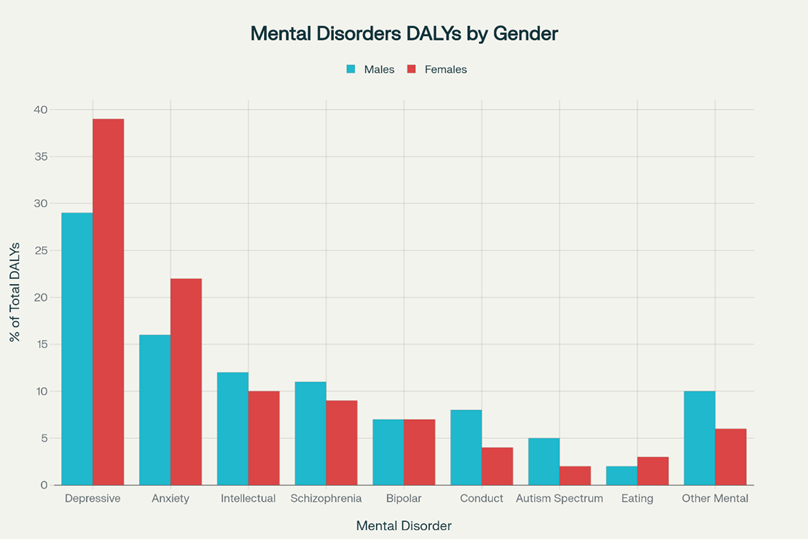


 10.5281/zenodo.17531921