

We use cookies to ensure our website works properly and to personalise your experience. Cookies policy
S.D Patil Institute, Ishwarpur.
Challenging diseases, including cancer, neurodegeneration and autoimmunity, are characterized by complex pathogenesis and poor response to currently available therapies. The present review discusses promising treatment modalities based on an integrated approach comprising four major technological breakthroughs nanotechnology, CRISPR-Cas9 gene editing, targeted protein degraders and artificial intelligence. Application of nanotechnology allows for targeted delivery of a therapeutic payload across multiple biological barriers with circumvention of the blood-brain barrier and access to the posterior segment of the eye. CRISPR-Cas9-based genome editing corrects the disease-causing genetic variants and recent clinical trials have demonstrated the safety and efficacy of this approach in multiple ocular and hematological genetic disorders. Bifunctional molecules, including proteolysis-targeting chimeras (PROTACs) and heat shock protein 90 (HSP90) inhibitors, are promising modalities for the degradation of disease-associated proteins that are not amenable to traditional small-molecule inhibitors. Finally, artificial intelligence contributes to modern drug discovery and development by accelerating drug formulation and identification of the most effective treatment for application in clinical practice. Combined application of these technologies can tackle complex diseases by targeting several disease determinants simultaneously. Specific examples include immunotherapy of malignancies, treatment of neurodegenerative disorders and ocular gene therapy. Current challenges in the translation of these therapeutic breakthroughs into clinical practice include technolog y scalability, clinical trial design, regulatory framework, drug patent issues and global accessibility. The present paper discusses recent advances in these areas and defines integrated treatment approaches for various diseases.
1.1 Overview of Complex Diseases and Current Therapeutic Limitations
The complex diseases include cancers, neurodegenerative disorders, auto-immune diseases, and cardio-vascular diseases and have become critical health concerns nowadays. These diseases arise from multi-factorial and multi-step pathological processes that involve abnormal genetic and cellular events. The single-target drugs have been proved to be insufficient to control these complex diseases, due to the complex genetic and cellular networks and the compensatory pathways that contribute to the development and progression of the diseases.
The WHO has reported that the number of deaths caused by non-communicable diseases contributes to 71% of the global mortality, among which cancers, diabetes and cardio-vascular diseases take the majority. The current therapeutic strategies were still limited in many aspects, such as the low bioavailability of the drugs, poor delivery to the target tissue or cell, severe side effects of the drugs, development of resistance and failure to achieve the durable remission. The effective rate of the traditional chemotherapy was merely 20-30% in cancers and the recurrence rate was more than 60% within five years[1,2].
1.2 Evolution of Therapeutic Paradigms
Significant progresses have been made in pharmaceutical research in the past two decades. The treatment of complex diseases evolved from the early small molecule drugs that targeted single molecule to the recent highly specific monoclonal antibody and biologics with remarkable potency but at the cost of immuno-toxicity, production and high price (up to $50,000 to $500,000 annually).
The current research was focused on poly-pharmacobology and combination therapy for the complex diseases, which benefited from the extensive investigations in the molecular mechanisms of the complex diseases in the past decades. The precision therapy was developed and applied for treating different diseases based on the molecular characteristics of the patients rather than traditional population-based therapy[1,2].
1.3 Convergence of Revolutionary Technologies
There are four revolutionary emerging technologies in the field of pharmaceutical science, which show great promises to be integrated for the treatment of complex diseases, including nanotechnology, CRISPR-Cas9 and gene editing technology, protein degradation, and artificial intelligence.
The application of nanotechnology in pharmaceutical science was to enable the targeted delivery of the drug to the lesion sites, so as to achieve maximum therapeutic efficacy with minimum side-effects. Nanoparticles (NPs) with sizes rage from 1-100 nm were able to penetrate the biological barriers that were not accessible to the conventional drugs. Compared to the conventional drugs, the application of NPs could increase the bioavailability of the drug and reduce the side effects.
CRISPR-Cas9 and gene editing technology were promising to cure the genetic diseases at molecular level, which had been awarded the Nobel Prize for Chemistry in 2020. The major limitation of CRISPR-Cas9 therapy was the delivery of the gene editing machinery into target tissues or cells across biological barriers, which could be overcome by nanotechnology.
Proteins degradation was used to silence the "undruggable" proteins, including those without druggable pockets and those responsible for drug resistance. By contrast with the conventional protein inhibitors, the protein degradation approach could specifically eliminate the target proteins, including those unable to be inhibited by small molecule drugs.
Artificial intelligence could help in the drug discovery and development, the formulation of the drug delivery system, patient stratification and personalized treatment. Some concepts and strategies were beyond the capacity of human beings, while the machine learning showed great potentials to analyze the huge amount of data and find out the patterns[2,3].
1.4 Rationale for Integration
The single technology was limited in some aspects. The nanotechnology could deliver the drug to target tissues, but it was not able to correct the genetic defect. CRISPR-Cas9 and gene editing technology could edit the genome, but was difficult to deliver into target cells. Protein degradation was an elegant strategy, but was limited in tissues penetration. Artificial intelligence could predict the best treatment, but needed to be verified experimentally. However, the integration of different technology would make up for the shortcomings of each other and showed great promises to treat the complex diseases in the future.
2. NANOTECHNOLOGY-BASED DRUG DELIVERY SYSTEMS: REVOLUTIONIZING THERAPEUTIC DELIVERY
2.1 Fundamental Principles and Classification of Nanotherapeutics
Nanotechnology in pharmaceutical science utilized the characteristic of the nanomaterials with sizes of 1-100 nm. Due to their small sizes, the nanomaterials showed significantly increased surface-area-to-volume ratio and exhibited unique physical and chemical properties that were dramatically different from the bulk materials.
Nanoparticles could be divided into several categories based on the composition and structure, including polymeric nanoparticles, lipid-based nanocarriers, inorganic-based nanocarriers and protein-based carriers.
The polymeric nanoparticles were usually synthesized from biodegradable polymers, such as poly (lactic-co-glycolic acid) (PLGA), polylactic acid (PLA) and poly (caprolactone). These polymers could be formulated into nanoparticles by emulsification-evaporation, nanoprecipitation and salting-out methods. The polymeric nanoparticles could load both hydrophobic and hydrophilic drugs by adsorption, encapsulation and covalent bonds[2,3,4].
The lipid-based nanocarriers included conventional liposomes, lipid nanoparticles (LNPs), solid lipid nanoparticles (SLNs) and nanostructured lipid carriers (NLCs), which were biocompatible and could be conjugated with targeting ligands. The liposomes were the bilayer phospholipid vesicles, which had been approved for clinical application, such as Doxil for cancer treatment and recently for gene therapy and mRNA vaccine.
The inorganic-based nanomaterials, such as gold, silver, iron oxide and silicon, were also widely investigated in pharmaceutical science. The gold nanoparticles (AuNPs) could generate heat on laser irradiation due to the plasmonic properties and were utilized for photothermal therapy (PTT), while the magnetic iron oxide nanoparticles could be used for magnetic targeting and hyperthermia[4,5,6].
The protein-based nanocarriers, such as albumin, gelatin and engineered proteins, were biodegradable and showed low toxicity. The albumin-based Abraxane was a milestone in the development of nanomedicine, which showed significantly enhanced efficacy comparing to the conventional paclitaxel formulation, due to the enhanced permeability and retention (EPR) effect of the tumor vasculature and the specific binding of albumin to gp60 on tumor cells.
2.2 Advanced Nanocarrier Systems for Therapeutic Application
2.2.1 Transethosomal and Transdermal Delivery Systems
Transethosomes were a novel delivery system consisted of surfactant and conventional liposomes. The application of surfactant could improve the flexibility and penetrate through the stratum corium without the need of micronization. The transethosomes could be administered topically or intramuscularly and were mainly composed of phospholipid and edge activator.
The penetration mechanism of transethosomes involved the osmotic gradient across the lipid bilayer of the stratum corneum and the viable epidermis. When transethosomal vesicles were in contact with the hydrated stratum corneum, the water influx occurred, generating the osmotic gradient that drove the flexibilized vesicles to penetrate through the tortuous pathway of the skin. Transethosomes could enhance the transdermal penetration of the drug 10-50 folds comparing to the conventional liposomes. The transethosomal delivery system could be utilized for the delivery of the high molecular drugs, proteins and nucleic acids.
The transethosomal delivery system could also be used for the systemic delivery of the drug by transdermal routes, such as antimalarial, anticonvulsant and immunosuppressant drugs. The transdermal delivery could avoid the hepatic first-pass metabolism and the gastrointestinal degradation. The herbal medicines and extracts could be loaded in the transethosomes for the treatment of diseases, such as inflammation and infection[5,6].
2.2.2 Cubosomal Nano-Gels for Targeted Delivery in Rheumatoid Arthritis
The cubosomes were a class of bicontinuous cubic phase nanomaterials consisting of amphipathic lipid molecules that self-assembled into a cubic lattice. The cubosomes formed aqueous compartments separated by lipidic layers and could package various therapeutic agents with different physicochemical properties. The cubosomes could exhibit two types of cubic lattice structures, including gyroid (Pn3m) and diamond (Pnd3m).
The cubosomes could be incorporated into hydrogel matrix to form smart delivery system with targeting capability. For the treatment of rheumatoid arthritis, the cubosomal gel system could deliver the biologics (TNF-α inhibitor and IL-6 antagonist) and small molecule immunosuppressant to the joints. The biocompatible and bioadhesive cubosomal gels were advantageous for the intra-articular injection, which could form depot at the inflammation site and provide the prolonged drug release for the treatment of rheumatoid arthritis.
The application of cubosomal gel was of significance for the treatment of rheumatoid arthritis, since it could reduce the systemic exposure of the immunosuppressant and avoid the opportunistic infection. The cubosomal gel showed enhanced viscoelastic properties that could improve the joint lubrication, which was beneficial for the treatment of rheumatoid arthritis.
2.2.3 Self-Nanoemulsifying Drug Delivery Systems (SNEDDS) for Lipophilic Compounds
The poor aqueous solubility dramatically limited the bioavailability of lipophilic drugs, which accounted for about 40% of the drug candidates. The self-nanoemulsifying drug delivery systems (SNEDDS) were capable of forming fine oil-in-water nanoemulsions spontaneously upon gentle shaking in aqueous media.
The SNEDDS consisted of lipophilic drug, oil (such as mineral oil, isopropyl myristate), emulsifier (such as polysorbate 80, Span 80) and co-emulsifier (such as polyethylene glycols). The fine nanoemulsions were formed from the interfacial tension reduction and entropy driving force upon dilution in the gastrointestinal fluids. The case study of clofazimine would be used as an example to illustrate the applications and mechanisms of SNEDDS[5,6,7].
Clofazimine was a water-insoluble antimycobacterial drug with poor oral bioavailability, due to the low aqueous solubility (~0.3μg/mL) and extensive pre-systemic metabolism. The SNEDDS formulation could increase the bioavailability of clofazimine up to 8-15 folds, due to the increased dissolution surface area, enhanced entero-hepatic circulation and lymphatic uptake, reduced degradation in the gastro-intestinal tract and avoidance of hepatic first-pass metabolism upon mesenteric lymphatic transport.
The similar formulations could be developed for the antiretroviral drugs, antifungal drugs and lipophilic herbal medicines. The formulations of SNEDDS could be optimized by the type of oil, the concentration and ratio of emulsifier and co-emulsifier and the ratio between oil and co-emulsifier[7,8].
2.3 Route-Specific Delivery Applications
2.3.1 Nose-to-Brain Delivery for Central Nervous System Disorders
The blood-brain barrier (BBB) was the major obstacle for the delivery of drug to the brain, which was formed by the tight junction between the cerebral capillary endothelial cells mediated by claudins, occludin and zonula occludens proteins. The size of the molecule was the major determinant for the penetration through BBB. Only small-molecule drugs (<400-600 Da) and a few proteins with specific receptors could penetrate through the BBB. 98% of the CNS drugs were unable to get through the BBB in therapeutically relevant concentration. However, nose-to-brain delivery was an alternative route for the delivery of the drug to the brain by circumventing the BBB.
The nasal cavity was consisted of abundant blood vessels and neuronal connections, including olfactory and trigeminal nerves. The intranasal drug delivery could be achieved by the absorption through the nasal mucosa, followed by the trans-neuronal transport and reach into the brain. The olfactory delivery route showed enhanced drug absorption and distribution, in which the drug dose required was 100-1000 folds lower than that required for systemic administration. The application of nanocarriers could enhance the nose-to-brain delivery of the drug, due to the multiple mechanisms, including enhanced mucus penetration by the small size (≤200 nm), muco-adhesive property by chitosan and receptor-mediated transcytosis by polymeric nanoparticles with targeting ligands[8,9].
The application of intranasal delivery for the treatment of neurodegenerative diseases would be discussed as the case study. The intranasal delivery could be utilized for the delivery of drugs and biological agents, such as anti-amyloid antibodies, CRISPR-Cas9 for genetic edition, and neuroprotective agents for the treatment of Alzheimer's disease. Parkinson's disease and multiple sclerosis could be treated by the delivery of levodopa by nanocarriers and tolerogenic dendritic cells and immunomodulators by intranasal administration.
2.3.2 Ophthalmic Drug Delivery for Retinal Diseases
The eye was consisted of several barriers for the drug delivery, including the corneal epithelium with tight junction, the blood-aqueous barrier (formed by Bruch's membrane and retinal pigment epithelium) and the impermeable lens. The intraocular delivery of the drug was limited by these barriers. The in-situ gelation based on nano-technology was a promising approach for the ocular delivery of the drug. The in-situ gels could be easily administered as eye drops and in-situ gelation formed a gel network that prolonged the retention time of the drug.
The application of nanocarriers could enhance the ocular bioavailability of the drug by the multiple mechanisms, including prolonged retention at the ocular surface, enhanced corneal penetration, reduced side effects on other tissues, enhanced sustained release and prolonged intraocular residence time. The transcorneal and transscleral penetration of the nanoparticles would be enhanced by the incorporation of the permeation enhancers or targeting peptides.
The treatment of age-related macular degeneration could be achieved by the intraocular delivery of the anti-VEGF monoclonal antibody or receptor antagonist by nano-gels. The diabetic retinopathy could be treated by the delivery of the nanocarriers loaded with anti-inflammatory drugs. The genetic diseases could be cured by the delivery of the CRISPR-Cas9 system to the retinal cells[8,9,10].
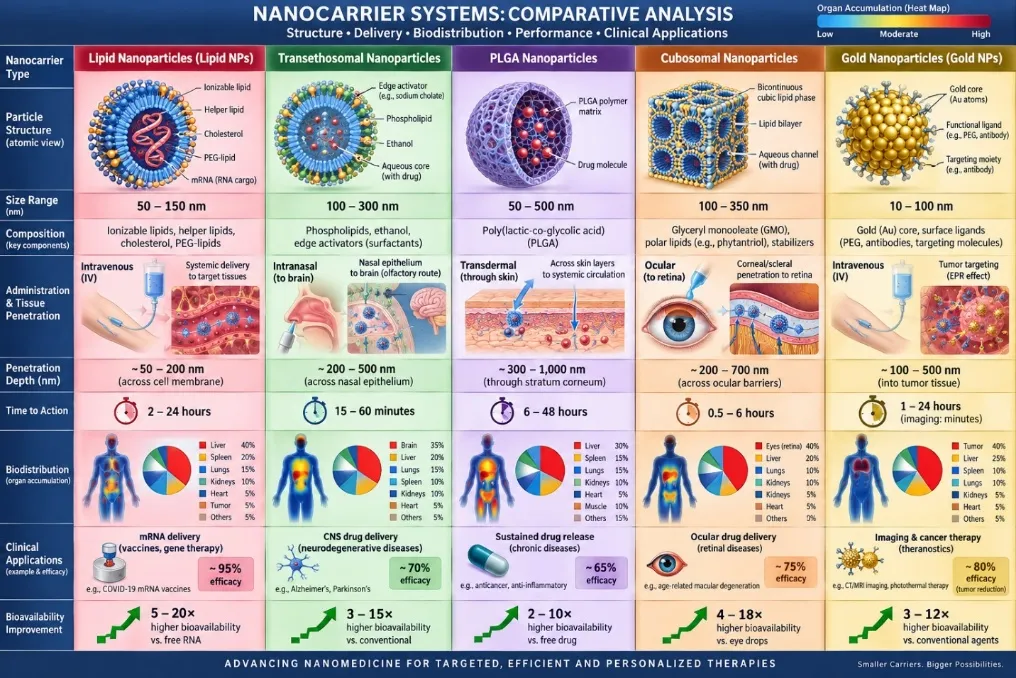
Figure 1: Nanoparticle Delivery Systems - Route-Specific Comparison
2.3.3 Topical and Transdermal Drug Delivery
The topical formulations were utilized for the treatment of the diseases of the skin, such as eczema, psoriasis and dermatitis, while the side-effects of the systemic drugs were avoided. However, the topical delivery was also limited by the poor penetration of the hydrophilic drugs through the stratum corneum. The application of nano-technology could enhance the skin penetration by several mechanisms, including the penetration through the hair follicles and sweat glands, intercellular penetration and transfollicular penetration.
Nanoparticles could be utilized to enhance the transdermal delivery of the drug. Lipid nanoparticles were able to penetrate into the hair follicles and sebaceous glands. The penetration of the polymeric nanoparticles was improved by the transcellular route. The herbal medicines and nanoformulations would be discussed as an example to illustrate the application of the nano-technology in the transdermal drug delivery[9,10,11].
The Daucus carota (carrot) seed oil was rich in carotenoids, vitamins and essential fatty acids that were beneficial for the treatment of the skin diseases. However, the conventional topical formulation suffered from the limited penetration into the skin. The carrot seed oil nano-encapsulation by nanoparticles showed improved moisturizing effect and anti-inflammatory efficacy, and enhanced the skin collagen synthesis comparing with the conventional cream formulation. The nanoformulated vanishing cream of the carrot seed oil could improve the stability, the shelf-life and the cosmetic appeal of the formulation.
The application of Carica papaya seed oil nano-encapsulation was discussed for the treatment of dandruff, which was caused by the Malassezia furfur infection. The nano-encapsulation of the Carica papaya seed oil by nanoparticles could improve the efficacy of the antifungal agent, such as the benzyl isothiocyanate, while the nano-formulation was able to maintain the characteristics of natural product and was more appreciated by the consumer than the conventional antifungal medication[11,12].
Table 1: Nanotechnology Delivery Systems: Properties and Applications
| Nanocarrier Type | Size Range (nm) | Composition | Administration Route | Key Advantages | Clinical Applications |
|---|---|---|---|---|---|
| Lipid Nanoparticles | 60-80 | Ionizable lipids, PEG, cholesterol | IV, intranasal | High encapsulation efficiency, organ targeting | mRNA vaccines, gene therapy, CRISPR delivery |
| Transethosomal Vesicles | 100-200 | Phospholipids, edge activators | Transdermal, topical | Enhanced skin penetration, sustained release | Dermatologic drugs, anti-inflammatory agents |
| Cubosomal Gels | 50-200 | Monoolein, polymers | Intra-articular, topical | Bioadhesive, sustained release | Rheumatoid arthritis, localized inflammation |
| Polymeric Nanoparticles (PLGA) | 100-500 | PLGA, PLA polymers | Oral, intranasal, IV | Biodegradable, tunable release | Antibiotics, antivirals, immunomodulators |
| Gold Nanoparticles | 10-100 | Gold core, peptide coating | Intranasal, topical | Photothermal properties, multi-targeting | CRISPR delivery, photothermal therapy |
| Self-Nanoemulsifying (SNEDDS) | 20-100 | Lipids, emulsifiers, co-emulsifiers | Oral | Solubility enhancement, lymphatic uptake | Lipophilic drugs (clofazimine, antiretrovirals) |
2.4 Bioavailability Enhancement Mechanisms
The poor bioavailability was a major limitation for the development of the drug. About 70% of the new drugs were abandoned or put on hold in the development process, due to the insufficient oral bioavailability, due to the limited aqueous solubility, the first-pass metabolism, the hydrolysis and proteolysis in the gastrointestinal tract. The nano-formulation could enhance the oral bioavailability of the drug through the multiple mechanisms, including the increase in the dissolution rate (such as by the formation of the supersaturated solution), the increase in the surface area (nanoparticles with sizes of 1-100 nm showed 100-1000 folds enhanced dissolution comparing with the conventional micron-sized particles), enhancement of the lymphatic transport, inhibition of P-glycoprotein efflux pump and promotion of the transcytosis.
The nano-formulation of berberine would be used as an example to illustrate the enhancement of the oral bioavailability. Berberine was an isoquinoline alkaloid extracted from Berberis plants, which was characterized by its anti-diabetic, hypolipidemic and antimicrobial activities. However, the oral bioavailability of berberine was extremely low (0.36%) due to its poor aqueous solubility (Class IV BCS) and extensive hepatic metabolism by UDP-glucuronosyltransferases and sulfotransferases. The nano-encapsulation of berberine by polymeric or lipid nanoparticles could increase the oral bioavailability of the drug up to 8-15 folds, due to the enhanced dissolution rate, enhanced lymphatic transport and inhibition of P-glycoprotein efflux pump.
The nano-encapsulation of epigallocatechin gallate (EGCG) that was the major active ingredient in green tea. The EGCG showed various bioactivities, such as antioxidant, anti-inflammatory, anti-obesity and anti-cancer activities. However, the oral bioavailability of EGCG was very low (~0.5%) due to the rapid metabolism by sulfotransferase and UDP-glucuronosyltransferase in the intestinal tract. The nano-encapsulation of EGCG by lipid or polymeric nanoparticles could enhance the oral bioavailability of the drug and prolong its half-life in the circulation[12,13,14].
2.5 Manufacturing, Regulatory and Future Perspectives
2.5.1 Manufacturing Scalability Challenges
The translation of the nano-formulation from the laboratory to the industrial application was challenged by the scalability in the production process and the physicochemical properties of the nano-drug. At the laboratory scale, the nanomaterials were mostly prepared by the batch method with a production capacity of milligram to gram per batch. However, the clinical trials and commercial applications required a production capacity of kilogram to ton per batch and the nano-drugs should maintain the consistent physicochemical properties that were critical for the therapeutic efficacy and safety.
There were several challenges in the scale-up of the nano-drug production, including the variation in the batch-to-batch product quality, cost of good manufacturing process and the regulatory requirements. The batch-to-batch variation was caused by the variation in the temperature, the mixing, the raw material, the humidity and other parameters, which was amplified when the production scale was expanded. The optimization of the cost-effective nanomaterial production was required, since the laboratory synthesis usually involved the expensive reagents and raw materials. The good manufacturing practice (GMP) was required for the industrial application. The shelf-life of the nano-drug was usually limited by the poor stability, due to the aggregation of the nanoparticles, the drug leakage from the nano-capsules and the hydrolysis of the polymer. The stability of the nano-formulation should be guaranteed for more than 2-3 years at room temperature[14,15,16].
2.5.2 Regulatory Pathways and Approval Considerations
The regulatory agencies, such as the Food and Drug Administration (FDA) and the European Medicines Agency (EMA) had issued the guidance for the regulation of nanomaterial-based pharmaceutical products. The detailed physicochemical properties of the nano-drug, such as the size, size distribution, shape, surface charge, surface composition, encapsulation efficiency, drug loading, and morphology by electron microscopy were required to be characterized. The stability of nano-drugs should be evaluated by the stress testing under ICH conditions (25°C±2°C/60%±5%RH and 40°C±2°C/75%±5%RH) for a long period (such as 36 months for the long-term stability). The safety toxicity of nano-drugs, such as the local tolerability of the target organs and cells, the systemic toxicity from rodent studies at clinically relevance doses, the nano-specific toxicity (organ accumulation, chronic inflammation and time-dependent toxicity), were also evaluated[15,16,17].
The environmental impact assessment, including the persistence, aquatic toxicity and bioaccumulation of the nanomaterial should also be taken into account.
3. CRISPR-CAS9 AND GENE EDITING TECHNOLOGIES: REVOLUTIONIZING THERAPEUTIC INTERVENTION
3.1 Molecular Biology of CRISPR-Cas9
CRISPR-Cas9 is an innovative gene-editing technology originating from bacteria’s immunity system that allows for the precise removal and replacement of a sequence of human DNA. It is built of two molecules, a single-guide RNA containing about twenty matching nucleotides and a Cas9 nuclease weighing one hundred sixty kilodaltons. This bacterial defense mechanism is made available to edit certain regions of the human genome with a remarkable degree of precision.
The guide RNA is responsible for leading the Cas9 nuclease to the targeted region of DNA via Watson-Crick base pairing, and it has a CRISPR RNA with a seventeen to twenty nucleotide targeting sequence, followed by a protospacer adjacent motif sequence. For the most commonly used Streptococcus pyogenes Cas9, the PAM sequence is a three-nucleotide motif following the NGG pattern, where N can be any nucleotide. On average, a similar motif repeats once every eight bases across the human genome, allowing enough targets for editing while maintaining specificity.
After the guide RNA binds to the target DNA, the complex undergoes conformational changes as Cas9 begins to unwind the double-helix at PAM-proximal regions. The enzyme then compares the guide RNA to the genomic DNA for complementarity and, if present, continues unwinding until the end of the targeting sequence. The system shows highest specificity for PAM-proximal perfect complementarity, but the requirement is less strict for regions further away, allowing for some degree of mismatch. This mechanism allows for partially compensating for the absence of ideal targeting sites.
Cas9 then undergoes conformational changes again, positioning two nuclease domains to introduce double-strand breaks. The HNH nuclease cuts the DNA strand complementary to the guide RNA, approximately three or four nucleotides upstream of the PAM sequence. The TRACER domain, similar to RNase H, cleaves the other DNA strand at the same position to create a double-strand break. These breaks trigger the cell’s own DNA repair mechanisms which can be used for therapeutic interventions.
The cell repair machinery can be hijacked to achieve different outcomes for gene editing. The first pathway, non-homologous end joining, directly connects the broken DNA ends without any repair template. This process is quick and commonly results in insertions or deletions of several nucleotides, usually rendering the gene inoperable. This is a useful mechanism for gene knockout applications.
The second pathway, homology-directed repair, uses a provided DNA repair template with homologous sequences to the break site for targeted repair. This mechanism can correct mutations in the targeted genes or even insert new sequences. However, it is expressed at a lower level than non-homologous end joining, providing correction rates of only ten to thirty percent compared to seventy percent or more for non-homologous end joining. Therefore, it is only used when the gene knockout applications are undesired or when the correction is crucial for the treatment[15,16,17].
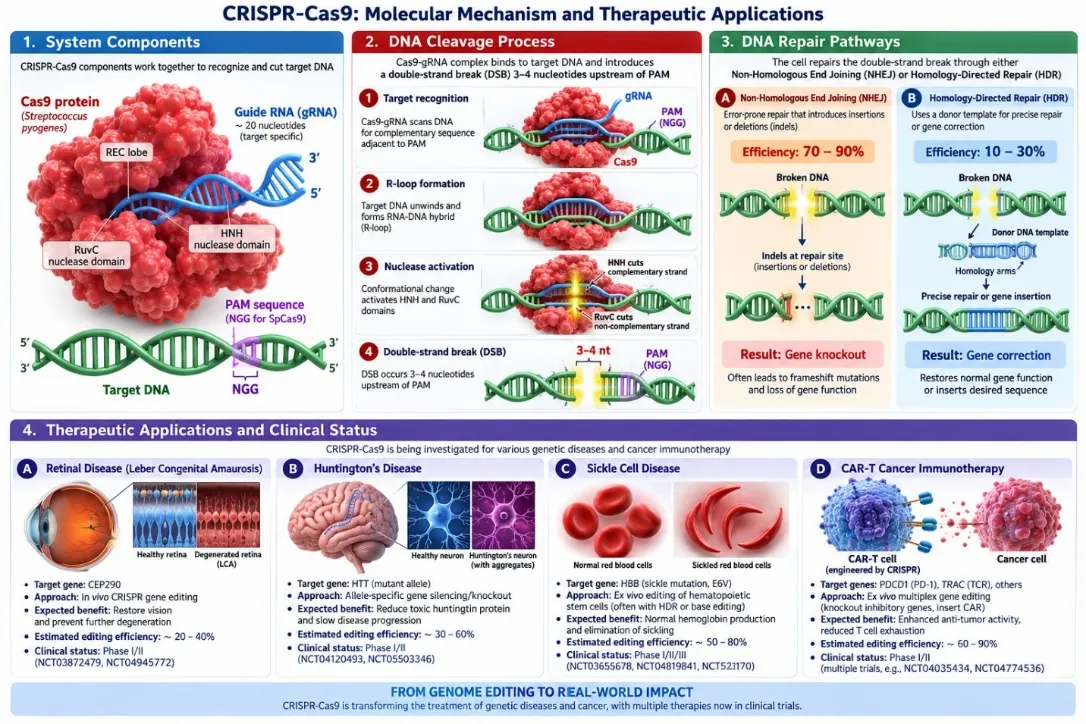
Figure 2: CRISPR-Cas9 System Architecture and Therapeutic Outcomes
3.2 CRISPR Applications in Complex Diseases
Inherited retinal diseases make an excellent application for CRISPR gene-editing technology as they are debilitating conditions that have no known cure. These diseases are the result of mutations in genes encoding proteins specific to the retina, impairing vision. On average, one in two thousand to three thousand people are afflicted with inherited retinal diseases worldwide, steadily losing eyesight until blindness by the fifth or sixth decade of life. CRISPR technology could potentially repair the defective genes at the root of these conditions.
One such disease is Leber congenital amaurosis type ten, which often contains insertions in the CEP290 gene leading to improper splicing of the gene transcripts. Repairing such defects by conventional CRISPR gene-editing methods are not possible; however, recently developed base-editing and prime editing approaches might allow for such correction. These methods allow for the replacement of individual nucleotides or the introduction of small insertions and deletions with minimal off-target effects. Several clinical trials are currently ongoing, attempting to deliver CRISPR-Cas9 directly into the retina via the subretinal space to treat patients with CEP290 mutations. These trials use modified, smaller versions of the Cas9 enzyme that can be delivered by adeno-associated virus vectors with significant capacity limitations[17,18,19].
Neurological application of CRISPR technology is also a very promising area of application as it includes several degenerative conditions with no known cure. Alzheimer’s disease, Parkinson’s disease, and Huntington’s disease all have known genetic contributions to their development, either in the form of single-gene defects in rare forms of the disease or multi-gene complexity in more commonly occurring sporadic cases. CRISPR technology can be used to repair the defective genes responsible for the development of the disease. Huntington’s disease, for example, is the result of a CAG triplet repeat expansion in the huntingtin gene, encoding a protein with an expanded glutamine repeat. The mutant huntingtin protein can be targeted by CRISPR-Cas9, and its expression can be inhibited by the action of the guide RNA. Moreover, because many of the genes in Huntington’s disease exhibit single nucleotide polymorphisms, the targeting could be achieved specifically for mutant alleles[17,18].
Table 2: CRISPR-Cas9 Applications Across Disease Categories
| Disease Category | Target Gene/Mutation | Editing Strategy | Clinical Status | Expected Outcome |
|---|---|---|---|---|
| Ocular | CEP290 (intronic insertion) | Base editing/Prime editing | Phase I-II trials | Vision restoration in LCA10 |
| Neurological | Huntingtin CAG repeat | Allele-selective inactivation | Preclinical | Huntington's disease prevention |
| Hematologic | HBB (sickle mutation) | Direct mutation correction | Phase II trials | Complete sickle cell disease reversal |
| Hematologic | β-Globin mutations | BCL11A disruption | Phase II trials | β-Thalassemia major elimination |
| Oncology | TCR/HLA/PD-1 | Multi-gene CAR-T engineering | Phase II trials | Universal CAR-T immunotherapy |
| Immunology | CAR antigen-encoding | T-cell receptor engineering | Phase I-II trials | Enhanced tumor-specific immunity |
3.3 Delivery Challenges and Innovative Solutions
Gene-editing technology has some serious limitations in terms of delivery to the target cells. The CRISPR-Cas9 system originates from bacteria, and thus, its components are frequently recognized by the human body as foreign material. The endoplasmic reticulum and other organelles can detect Cas9 proteins and mRNA, triggering an innate immune response. Moreover, the blood-brain barrier, eye barriers, and epithelial barriers can prevent CRISPR components from reaching the target cells. Systemically administered CRISPR technology tends to localize in the liver, spleen, and kidneys, rather than in the target organs.
Lipid nanoparticles are a particularly promising technology for CRISPR delivery as they are capable of encapsulating either mRNA or the ribonucleoprotein complex in a particle between sixty and eighty nanometers in size. The major benefits of using liposomes for gene-editing applications are encapsulation of the CRISPR components, targeting of the liver via apolipoprotein E, and reduced immune response compared to naked nucleic acids. The technology has been recently improved to allow for dual-component lipid nanoparticles with both mRNA and guide RNA, which effectively creates an all-in-one CRISPR product[17,18,19].
3.4 Safety and Ethical Considerations
The use of CRISPR technology requires certain precautions to avoid detrimental effects to the patient. One such limitation is the occurrence of off-target effects, where the CRISPR complex recognizes and edits unintended parts of the genome. Whole-genome sequencing of CRISPR-treated cells showed that single-guide RNA can induce double-strand DNA breaks in cells with an efficiency between 0.1 and 10 percent, depending on the design of the guide RNA. The off-target effects can vary significantly depending on the DNA location; thus, their impact may be difficult to estimate. Additionally, about ten percent of the population may have protective autoantibodies against the Cas9 nuclease, neutralizing the therapeutic effect of CRISPR gene editing.
Moreover, the CRISPR technology can be recognized by the adaptive immune system and destroyed by cytotoxic lymphocytes with T-cell receptors against Cas9 proteins. To manage the safety of CRISPR-based therapy, several regulations have been introduced. Therapeutic use of CRISPR technology in somatic cells and ex vivo autologous cells has been approved for indications without available treatment options. However, germline engineering and enhancement applications have been prohibited due to theoretical risks and ethical concerns[18,19,20].
3.5 Synergy with Other Technologies
CRISPR technology can be combined with other therapeutic technologies in several ways. The two technologies that seem the most compatible are nano-precision CRISPR and artificial intelligence. The precision of the CRISPR technology has been enhanced by introducing lipid nanoparticle-based delivery of mRNA or ribonucleoproteins, allowing for targeted treatment of certain cells. The CRISPR technology has also been combined with intranasal delivery of polymeric nanoparticles for the treatment of neurological conditions.
Artificial intelligence applications are useful for accelerating the discovery of guide RNA by learning from previously used sequences. Moreover, the AI technology can be combined with CRISPR editing to target essential disease mechanisms by genes, proteins, and nucleic acids. Finally, CRISPR technology can be combined with protein degradation technologies to simultaneously target multiple disease pathways, providing a synergistic therapeutic effect.
4. TARGETED PROTEIN DEGRADATION VIA UBIQUITIN-PROTEASOME SYSTEM
4.1 Ubiquitin-Proteasome System Fundamentals
The ubiquitin-proteasome system represents the cell's primary pathway for protein degradation, eliminating aberrant, redundant or transient proteins while preserving essential proteins required for cellular survival and function. This biochemical system utilizes a series of enzymatic reactions that have evolved extraordinary specificity to allow the cell to recognize and degrade specific target proteins amidst thousands of similar molecular structures.
The ubiquitin-proteasome system consists of an elaborate enzymatic cascade. E1 ubiquitin-activating enzymes catalyze adenosine triphosphate-dependent activation of ubiquitin, forming high-energy thioester bonds between ubiquitin's C-terminus and a conserved cysteine residue in the E1 active site. Only two human E1 enzymes exist, making this step the rate-limiting reaction in ubiquitin activation. E2 ubiquitin-conjugating enzymes accept ubiquitin from E1 via trans-thioesterification and transfer ubiquitin to target proteins slated for degradation. Approximately forty human E2 enzymes exist that show substrate preferences and specificity for polyubiquitin chain topology that determine the fate of target proteins.
E3 ubiquitin ligases provide the specificity determinant of the system. Over six hundred human E3 ligases recognize specific sequence motifs (degrons) in target proteins, recruiting them to E1-E2-E3 complexes for ubiquitination. E3 ligases are classified into two major categories based on their catalytic mechanisms. RING E3 ligases directly transfer ubiquitin from E2 to substrate without forming an intermediate thioester linkage. HECT E3 ligases accept ubiquitin from E2 in an intermediate thioester linkage before transferring ubiquitin to the ultimate substrate, providing an additional level of substrate specificity and polyubiquitin chain modification.
Consecutive ubiquitin conjugation reactions produce polyubiquitin chains through isopeptide bonds linking ubiquitin lysine residues at positions 48, 63, 11 and others. Different linkage specificities encode distinct biological signals that determine the fate of ubiquitinated proteins. Lysine 48-linked chains typically signal proteasomal degradation, whereas lysine 63-linked chains mediate protein-protein interactions and signaling functions.
The twenty-six-particle proteasome constitutes a gigantic multiprotein complex weighing approximately two and one-half megadaltons that accomplishes protein degradation with remarkable specificity and efficiency. The proteasome contains multiple subunits that form catalytic and regulatory chambers. The catalytic chamber contains three distinct proteolytic active sites, each of which recognizes and degrades peptides through different mechanisms. The regulatory particle recognizes polyubiquitin chains through ubiquitin receptors, unfolds substrate proteins using ATP-dependent mechanisms, removes ubiquitin chains for recycling, and feeds unfolded polypeptides into the catalytic chamber. The proteasome undergoes processive degradation of entire proteins into oligopeptides while reusing ubiquitin molecules, representing an extremely energy-efficient system despite the requirement for ATP hydrolysis[20,21,22].
4.2 PROTACs: Proteolysis-Targeting Chimeras
PROTACs represent bifunctional small molecules that contain two distinct protein-binding moieties connected by a chemical linker, providing a revolutionary therapeutic paradigm that goes well beyond traditional approaches to protein inhibition. The prototype PROTAC consists of three essential elements that function in concert. A protein of interest ligand provides a small molecule binding site directed against the disease-relevant protein, often exploiting existing knowledge of inhibitor pharmacophores that can be repurposed to recruit E3 ligases. An E3 ligase recruiter provides a binding site for E3 ligase recognition, typically targeting cereblon, von Hippel-Lindau protein, MDM2 or IAP proteins. A linker provides a chemical connection between the two binding sites, typically consisting of twelve to thirty atoms with diverse chemical composition such as alkyl chains, polyethylene glycol or rigid aromatic systems.
Protein degradation via PROTACs follows a unique mechanism that is fundamentally different from traditional protein inhibitors. A PROTAC simultaneously binds its protein of interest and an E3 ligase, bringing these normally spatially separated elements into close proximity. This allows ubiquitination of the protein of interest by endogenous E2 and E1 enzymes. After ubiquitination, the proteasome recognizes the polyubiquitin chain and degrades the protein of interest. Notably, the PROTAC itself remains intact and can be released, allowing a single molecule to mediate degradation of multiple protein molecules.
The PROTAC mechanism fundamentally differs from conventional protein inhibitors that occupy protein active sites in a stoichiometric fashion until drug metabolism eliminates the inhibitor from the system. PROTACs mediate protein degradation in a catalytic manner, with each molecule being able to ubiquitinate multiple protein substrates before being degraded itself. This leads to enhanced efficacy at lower concentrations compared to traditional protein inhibitors. The catalytic nature of the PROTAC mechanism also reduces off-target effects and side effects associated with conventional inhibitors.
Conventional small-molecule inhibitors often fail against disease-associated protein variants that have altered inhibitor binding sites, representing a major mechanism of therapeutic resistance. PROTACs retain efficacy even when the protein of interest exhibits impaired inhibitor binding as long as the E3 ligase recruiter remains functional, providing a powerful advantage against resistance mechanisms that limit conventional therapy.
PROTACs find particular application in the field of oncology, where they show remarkable potential for targeting androgen receptor in prostate cancer. Conventional androgen receptor antagonists including bicalutamide and enzalutamide achieve partial clinical responses, with twenty to forty percent of patients remaining hormone-resistant despite treatment. Androgen receptor-targeting PROTACs achieve complete androgen receptor degradation in prostate cancer cells, providing superior efficacy compared to conventional antagonists. Clinical trials demonstrate that androgen receptor-targeting PROTACs overcome conventional hormone therapy resistance, offering potential cures for previously intractable disease. Estrogen receptor targeting PROTACs show similar promise in breast cancer, achieving deeper estrogen receptor degradation compared to selective estrogen receptor degraders[22,23,24].
Table 3: PROTAC Development and HSP90 Targeting Strategies
| Therapeutic Modality | Mechanism | Dosing Frequency | Resistance Development | Clinical Status |
|---|---|---|---|---|
| Traditional Inhibitors | Competitive occupation of active site | Daily-multiple times daily | Rapid (mutations in binding site) | FDA approved for multiple indications |
| Selective Degraders (SERDs) | Protein degradation via proteasome | Daily | Moderate (E3 ligase alternatives) | Phase II-III trials |
| PROTACs | Catalytic protein degradation | Daily-weekly | Slower (dual targeting requirement) | Phase I-II trials |
| HSP90 Inhibitors | ATP-binding site competition | Daily-multiple times daily | Moderate (client protein redundancy) | Phase II trials |
| HSP90 PROTACs | HSP90 protein degradation | Daily-weekly | Minimal (complete degradation) | Preclinical |
| Hybrid Molecules | Multi-target degradation/inhibition | Daily-weekly | Minimal (redundant mechanisms) | Preclinical |
4.3 Heat Shock Protein 90 as Master Regulator of Multidrug Resistance
Heat shock protein 90 constitutes approximately one to two percent of total cellular protein and serves as a molecular chaperone that facilitates maturation and activation of over two hundred client proteins essential for cellular survival. HSP90 client proteins include transcription factors, kinases, E3 ligases, and proteins involved in proliferation, differentiation and survival. HSP90 recruits nascent client proteins through co-chaperone interactions, modifies client protein conformation to allow proper folding and maturation, and finally releases mature client proteins that can perform their cellular functions.
HSP90 plays a particularly important role in cancer as it stabilizes numerous proteins that drive malignant progression. Tyrosine kinases including Src, ALK, ERBB2 and EGFR rely on HSP90 for stability and activation. DNA repair proteins including BRCA2 and telomerase also require HSP90 stabilization to function. Transcription factors including HIF-1-alpha and mutant p53 depend on HSP90 for stability and activity.
Multidrug resistance development involves multiple interconnected mechanisms, with HSP90 playing a critical role in stabilizing many of the resistance-facilitating proteins. P-glycoprotein, multidrug resistance-associated proteins and breast cancer resistance protein all depend on HSP90 for stability and function. Additionally, HSP90 stabilizes kinases that enable alternative growth pathways that bypass targeted inhibition. Interestingly, heat shock factor one - the master regulator of heat shock response genes including HSP90 itself - is stabilized by HSP90, creating a positive feedback loop that enhances drug resistance. Stress conditions in cancer cells lead to increased HSP90 expression through this mechanism, further augmenting drug resistance.
Small-molecule HSP90 inhibitors that target the N-terminal ATP binding pocket have been developed from natural products including geldanamycin and radicicol. Geldanamycin, an ansamycin antibiotic, binds the N-terminal ATPase domain of HSP90, inhibiting ATP hydrolysis and inducing degradation of HSP90 client proteins. First-generation HSP90 inhibitors exhibited hepatotoxicity limiting their clinical utility and displayed off-target effects against kinases structurally related to HSP90. Second-generation HSP90 inhibitors including PU-H71, STA-9090 and NVP-AUY922 demonstrate improved selectivity and reduced toxicity through optimized chemical modifications that enhance specificity[22,23,24].
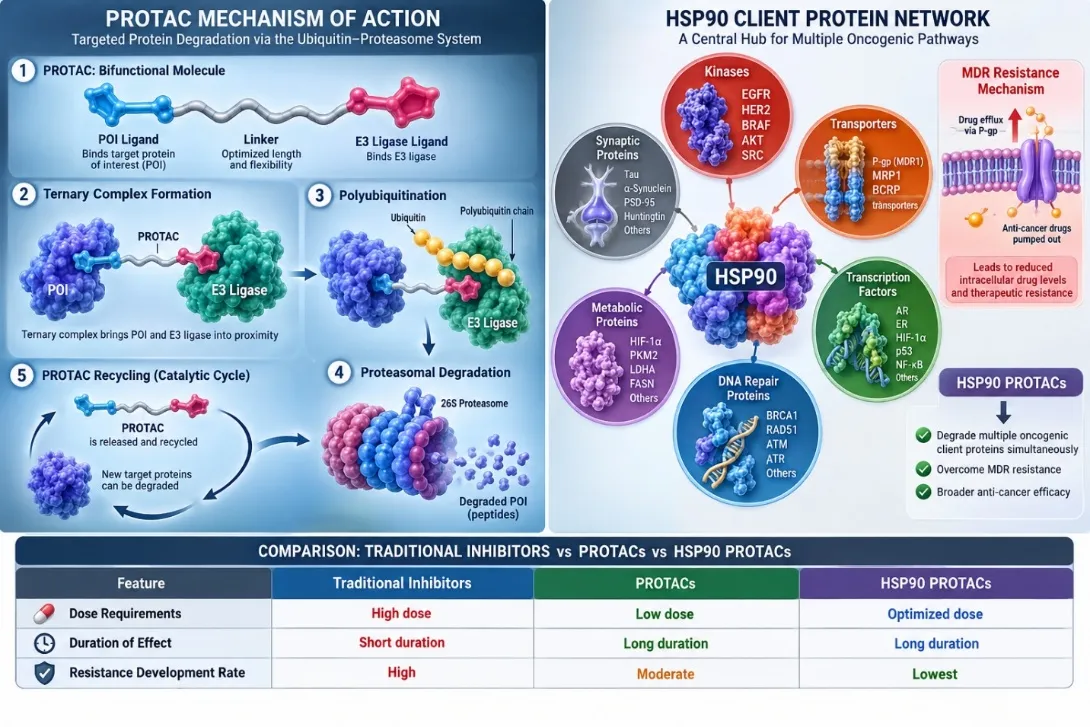
Figure 3: PROTAC-Mediated Protein Degradation and HSP90 Network
5. ARTIFICIAL INTELLIGENCE AND MACHINE LEARNING IN THERAPEUTICS
5.1 AI Fundamentals in Pharmaceutical Research
Artificial intelligence (AI) constitutes algorithms capable of performing tasks that would otherwise require human cognition, with applications in pharmaceutical research that involve pattern recognition in large data sets to identify hidden relationships, predict novel therapeutics, and optimize formulations with greater precision than any human researcher.
AI encompasses multiple approaches including machine learning (ML) which enables algorithms to improve performance on a given task with experience. ML algorithms typically require training on large data sets containing known inputs and desired outputs before being tested on novel inputs. ML algorithms can be classified into multiple categories based on their approach to the problem. Supervised ML algorithms receive labeled training data containing known inputs and desired outputs, learning to recognize patterns that allow them to predict outputs for novel inputs. Applications in pharmaceutical research include drug activity prediction using quantitative structure-activity relationship (QSAR) models, toxicity prediction to avoid toxic chemotypes, off-target prediction to identify undesired protein interactions, and prediction of absorption, distribution, metabolism and excretion (ADME) properties to anticipate bioavailability issues.
Unsupervised ML algorithms process unlabeled data to identify patterns without predefined outputs, finding hidden structure in the data. Applications include disease subtype discovery through gene expression clustering, patient stratification based on omics data to guide treatment selection, protein family identification based on sequence similarity, and drug mechanism elucidation to understand therapeutic effects. Deep learning algorithms use artificial neural networks with multiple layers to recognize complex patterns, with applications in image analysis (microscopy, histopathology), natural language processing (literature mining, clinical note analysis), identification of complex nonlinear relationships, and de novo molecular design to generate novel compounds[24,25,26].
5.2 AI Applications in Drug Discovery
QSAR modeling involves correlating molecular structure features with biological activities, enabling prediction of properties for novel molecules lacking experimental data. Classical QSAR calculates molecular descriptors such as lipophilicity (predicting membrane permeability), molecular weight (relating to bioavailability), hydrogen bond donors and acceptors (predicting solubility), and topological descriptors (encoding molecular architecture) before building statistical models relating these descriptors to the observed activities.
AI-enhanced QSAR involves automated feature engineering where deep learning algorithms learn optimal representations directly from molecular structures without manual calculation of descriptors. Convolutional neural networks can encode molecular topology, recurrent neural networks can process molecular sequences, and graph neural networks can recognize molecular connection topologies. Multi-task learning algorithms can predict multiple related properties simultaneously using shared representations, often outperforming single-task models. Transfer learning can be used to good effect when limited data exists for a specific application by adapting models trained on larger data sets to the novel application.
De novo drug design involves using AI algorithms to design entirely new molecules with desired properties by learning from existing drugs and applying this knowledge to design new molecules with predicted activity against therapeutic targets. This represents a major advance over traditional approaches to drug discovery. Target identification involves using AI to analyze disease mechanisms and network interactions to identify multiple disease-driving nodes for therapeutic intervention[25,26,27].
5.3 Explainable AI in Healthcare
Although deep learning algorithms typically provide the best predictive accuracy, the "black box" nature of these algorithms often precludes clinical application because physicians, regulators and patients demand understanding of how AI arrives at its conclusions. Explainable AI methodologies provide multiple approaches to understanding the inner workings of AI algorithms.
The SHAP (Shapley Additive Explanations) methodology assigns values to each feature contributing to a prediction based on game-theoretic Shapley values that consider all possible feature combinations. LIME (Local Interpretable Model-agnostic Explanations) approximates the behavior of complex models around specific predictions by perturbing input features and observing the effects. Feature importance analysis from tree-based models provides simple explanations of which features contribute most to a prediction. Attention mechanisms in neural networks highlight which input regions most influence predictions.
Explainable AI has multiple applications in healthcare including disease diagnosis where oncologists benefit from AI guidance through key distinguishing features, treatment outcome prediction where AI identifies which patient features predict response to checkpoint inhibitors, adverse event anticipation where AI identifies features predictive of specific toxicities, and quality control where AI identifies process parameters most influencing manufacturing outcomes[26,27,28].
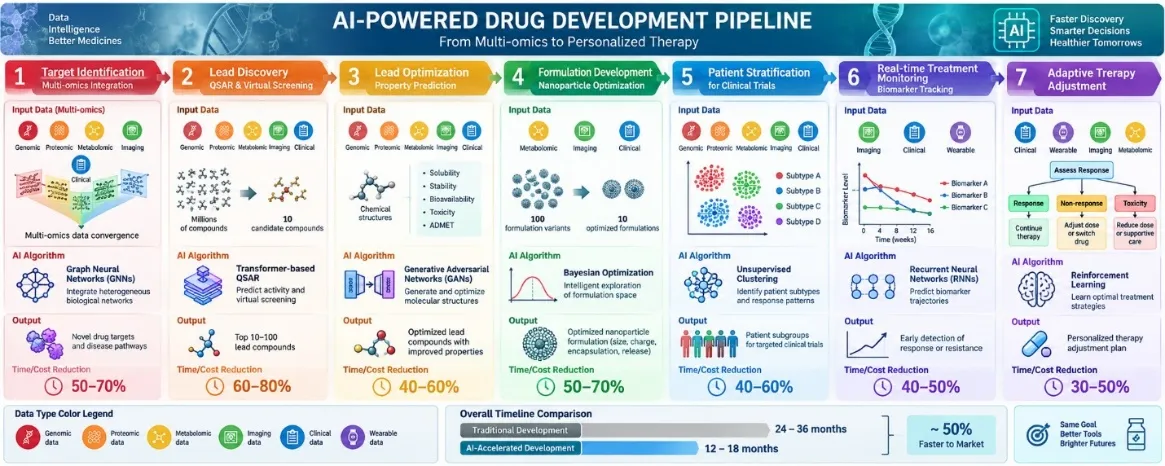
Figure 4: AI/ml Integration Across Drug Development Pipeline
5.4 AI for Disease-Specific Applications
Oncology represents the most advanced application area for AI in healthcare, with algorithms classifying tumors based on pathology images and genomics into biologically relevant subtypes. Multimodal models that integrate histology images with genomic data typically achieve superior classification accuracy compared to single-modality approaches. Prognosis prediction using genomic, proteomic, clinical and histology data can predict cancer progression with accuracy exceeding conventional staging systems. Treatment response prediction identifies patients likely to benefit from specific therapies. Immunotherapy optimization involves using tumor microenvironment characteristics, immune infiltration, checkpoint expression and clonal diversity to predict response to checkpoint inhibitors.
Neurological applications include deep learning analysis of MRI and PET images to identify structural and functional differences between disease states. Longitudinal data analysis using recurrent neural networks can predict cognitive decline rates and future neurological function in neurodegenerative diseases. Psychiatric disorder subtyping involves AI integration of neuroimaging, genetics and biomarkers to identify hidden subtypes with vastly different prognoses and treatment responses[27,28,29].
Table 4: AI/ml Applications in Drug Development Pipeline Stages
| Development Phase | AI/ML Application | Specific Technology | Input Data | Expected Output | Impact (Time/Cost Reduction) |
|---|---|---|---|---|---|
| Target Identification | Disease network analysis | Graph neural networks, pathway mapping | Omics data, literature, clinical records | Novel therapeutic targets, validation probability | 40-50% time reduction |
| Lead Discovery | Virtual screening, QSAR modeling | Deep learning QSAR, molecular generation | Molecular structures, activity databases | Prioritized compounds for synthesis | 60-70% compound reduction |
| Lead Optimization | Property prediction, linker optimization | Surrogate models, reinforcement learning | Physicochemical descriptors, activity data | Optimized compounds, reduced iterations | 50-60% synthesis reduction |
| Formulation Development | Nanoparticle optimization, excipient selection | Machine learning surrogates, hyperparameter optimization | Formulation parameters, stability data | Optimal compositions, manufacturing parameters | 70-80% formulation iterations |
| Patient Stratification | Biomarker identification, response prediction | Multi-omics integration, deep learning | Genomics, proteomics, clinical data | Patient subpopulation selection | 30-40% trial size reduction |
| Manufacturing QC | Quality control, process optimization | Computer vision, anomaly detection | Manufacturing parameters, product metrics | Process optimization, defect prediction | 25-35% defect reduction |
| Post-Marketing | Adverse event prediction, treatment optimization | Real-world data analysis, explainable AI | Clinical records, wearable data, biomarkers | Treatment adjustments, adverse event prevention | 40-50% adverse event reduction |
5.5 AI in Formulation Development
Nanoparticle optimization involves balancing dozens of parameters including polymer selection, size specifications, surface charge, surface coating, drug loading and release kinetics before identifying the formulation with the most desirable characteristics. ML algorithms can predict nanoparticle characteristics for novel compositions, eliminating the need to synthesize potentially suboptimal formulations. Surrogate models can be used to design optimized formulations before synthesis.
5.6 Challenges in AI Implementation
Data quality and bias profoundly impact AI performance, with poor-quality training data leading to inaccurate models and biases in the training data producing models that perform poorly on underrepresented groups. Overfitting occurs when models memorize the training data rather than learning generalizable patterns, performing exceptionally well on the training data but poorly on novel test data. Computational requirements for training large deep learning models can be extremely demanding, often requiring high-performance computers with GPU acceleration. Algorithm interpretability barriers prevent clinical adoption of many AI approaches despite their superior accuracy. Regulatory standardization issues create inconsistencies between jurisdictions[28,29,30].
6. INTEGRATION OF TECHNOLOGIES: SYNERGISTIC APPROACHES
6.1 Nano-CRISPR Systems
The combination of nanotechnology and CRISPR-Cas9 presents a significant advancement addressing the critical issue of delivery limitations. CRISPR gene editing has been limited to ex vivo therapies and specific tissues due to challenges with delivery. Nanoparticle-encapsulated CRISPR offers a breakthrough enabling systemic delivery and tissue-specific targeting previously thought impossible.
Lipid nanoparticles encapsulating Cas9 messenger RNA demonstrate remarkable versatility in delivering CRISPR therapeutics, addressing multiple challenges simultaneously. Such nanoparticles sixty to eighty nanometers in size efficiently encapsulate Cas9 mRNA, protecting it from serum nucleases that would otherwise degrade guide RNA within minutes. Manipulating lipid composition enables specific organ targeting, with standard formulations specifically targeting liver cells by incorporating apolipoprotein E, while modifying lipid ratios enables targeting of spleen cells and immune cells important in immunotherapy applications. The ionizable lipid component provides pH-dependent charge characteristics, remaining neutral at the physiological pH to prevent toxicity issues, but acquiring positive charge within the acidic endosomal compartment to aid in escaping endosomes and entering the cell cytoplasm.
Notably, LNP-encapsulated Cas9 mRNA results in the production of Cas9 protein within the target cell, eliminating the need for protein delivery across the cell membrane and reducing immunogenicity compared to direct delivery of Cas9 protein. In addition, generation of Cas9 protein within cells enables multiple rounds of CRISPR components' function before degradation, which is important for repeated gene editing applications. Recent developments show promise in utilizing dual-component LNPs to deliver both Cas9 mRNA and guide RNA simultaneously, representing an all-in-one approach to gene editing. This packaging of components within a single nanoparticle dramatically enhances therapeutic efficacy compared to methods requiring separate delivery of multiple components[29,30,31].
Gold nanoparticles offer an intriguing alternative as nano-platforms for CRISPR delivery, capitalizing on their unique optical and chemical properties not available with organic nanoparticles. Gold nanoparticles functionalized with guide RNA through covalent bonding offer protection while allowing surface modification with targeting ligands. The high ratio of surface area to volume in gold nanoparticles enables simultaneous delivery of multiple guide RNAs targeting different locations within the genome, facilitating multi-gene editing within single cells. Interestingly, gold nanoparticles have photothermal properties, meaning they can convert absorbed near-infrared light into heat, potentially enabling localized activation of CRISPR machinery.
The concept of nano-CRISPR systems was rapidly translated into clinical applications through adaptation of mRNA-LNP vaccine technology initially developed for COVID-19 immunization. The same lipid nanoparticle formulations that encapsulated viral spike protein mRNA for vaccination purposes are being utilized to deliver Cas9 mRNA for therapeutic gene editing applications. This rapid technology transfer represents a prime example of how existing platform technologies successfully deployed clinically can be readily adapted for related applications, dramatically accelerating development timelines and reducing risks.
The enhanced targeting capabilities afforded by nano-CRISPR systems significantly reduce off-target degradation risks inherent in traditional CRISPR applications. The ability to target specific organs through manipulation of LNP lipid composition or surface ligand modification ensures that CRISPR components reach their intended destinations in the body, minimizing unwanted interactions in other tissues. This characteristic may be particularly valuable in neurological applications where off-target effects within the sensitive nervous system could have catastrophic consequences[31,32,33].
6.2 AI-Optimized Nanoformulations
Machine learning dramatically accelerates nanoparticle formulation development by predicting optimal formulations, eliminating the need to synthesize hundreds of experimental formulations. Traditional formulation development involves designing and testing fifty to two hundred formulations to identify optimal characteristics. In contrast, machine learning algorithms trained on historical formulation data predict nanoparticle characteristics for novel formulations, reducing experimental iterations from one hundred or more to only ten to twenty, dramatically accelerating development.
Surrogate models trained on the relationship between formulation variables and nanoparticle characteristics create computational models that can accurately predict particle size, charge, encapsulation efficiency, and stability for novel lipid combinations and polymer formulations. Computational design of optimized formulations is possible based on these predictions, significantly reducing material costs and synthesis time compared to traditional approaches. High-throughput virtual screening of thousands of theoretical formulations is possible, with computational analysis identifying most promising candidates for experimental validation.
Formulation parameter optimization utilizing machine learning algorithms identifies optimal polymer molecular weights, lipid ratios, emulsifier concentrations, and manufacturing process parameters that yield nanoparticles with desired characteristics. Multi-objective optimization algorithms simultaneously optimize competing objectives such as maximizing encapsulation efficiency while minimizing particle size and ensuring stability, using Pareto front analysis to identify solutions where improvement in one objective necessarily sacrifices another[32,33,34].
Closed-loop optimization systems autonomously synthesize AI-predicted formulations, measure characteristics, update the machine learning model, and predict improved formulations, continuing this iterative process to converge on optimal formulation characteristics without human intervention. These systems dramatically accelerate development, achieving optimized formulations in weeks rather than months using traditional approaches. The accelerated development timelines enable rapid response to emerging therapeutic needs and competitive advantages in drug development.
6.3 AI-Assisted PROTAC and Protein Degradation
Artificial intelligence dramatically accelerates PROTAC development through multiple complementary mechanisms addressing the most time-consuming aspects of traditional medicinal chemistry. Guide RNA design optimization through machine learning trained on historical CRISPR efficacy data predicts optimal guide sequences, dramatically accelerating development compared to empirical synthesis and testing of numerous candidates. PROTAC selectivity prediction algorithms identify linker compositions and E3 ligase selections that minimize off-target degradation, preventing synthesis of compounds that cause unintended protein degradation.
Off-target degradation forecasting utilizing deep learning models trained on protein interaction networks predict potential secondary targets, enabling proactive avoidance of problematic interactions in design stages. Linker length and composition optimization algorithms use machine learning to predict how variations will influence PROTAC efficacy, dramatically reducing synthesis of suboptimal linkers. E3 ligase selection algorithms analyze protein sequences and degron characteristics, identifying optimal E3 ligases for specific proteins through computational analysis rather than empirical screening[33,34,35].
Lead optimization utilizing iterative computational cycles predicts improved PROTAC variants, dramatically outpacing traditional medicinal chemistry approaches. Within weeks, AI-guided optimization can achieve compounds requiring months of traditional chemical development. This acceleration is particularly valuable for rapidly advancing promising therapeutic candidates toward clinical development.
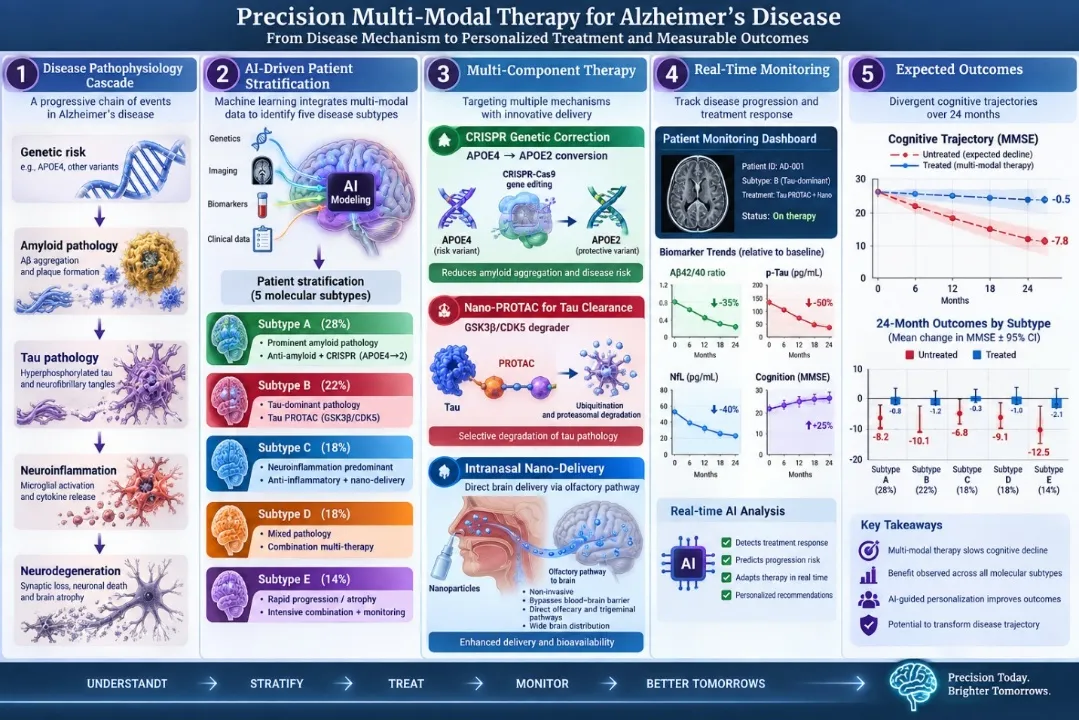
Figure 5: Integrated Multi-Modal Alzheimer's Disease Strategy
6.4 Comprehensive Disease-Specific Models
6.4.1 Alzheimer's Disease: Multi-Modal Attack
Alzheimer's disease exemplifies how integrated therapeutic strategies can address multifactorial disease pathophysiology through coordinated intervention. AI-driven target identification through multi-omics integration and network analysis identifies key nodes driving neurodegeneration including amyloid-beta pathology, tau hyperphosphorylation, neuroinflammation, metabolic dysfunction, and vascular pathology. Machine learning reveals which disease mechanisms predominate in individual patients, guiding personalized therapeutic selection.
CRISPR correction of genetic risk factors including apolipoprotein E epsilon four variants reduces amyloid accumulation. PROTAC-mediated degradation through HSP90 inhibitor PROTACs destabilizes amyloid-beta producing secretase and tau kinases, enabling pathogenic protein elimination. Nano-enabled intranasal delivery overcomes blood-brain barrier restrictions, delivering therapeutic components to brain tissue in therapeutically relevant concentrations. Biomarker-guided treatment selection through AI integration of genetic, imaging, and biomarker data identifies patients most likely to benefit from specific therapeutic combinations[34,35,36].
Table 5: Disease-Specific Integrated Therapeutic Strategies
| Disease | Genetic Component | Nano-Based Delivery | CRISPR Strategy | PROTAC/Degradation | AI Application | Expected Efficacy Improvement |
|---|---|---|---|---|---|---|
| Alzheimer's Disease | APOE4 variants, APP mutations | Intranasal LNP-Cas9 mRNA | CEP290 correction, APOE4→E2 conversion | HSP90 PROTAC (tau kinase degradation) | Multi-omics biomarker prediction, treatment selection | 50-70% cognitive decline slowing |
| Sickle Cell Disease | HBB GAG→GTG mutation | Liposomal HSC mobilization | Direct HBB correction or BCL11A disruption | N/A (not primary target) | Patient stratification, predicted responders | 80-90% disease elimination rate |
| Castration-Resistant Prostate Cancer | AR overexpression/mutations | Tumor-targeting nanoparticles | N/A (not primary approach) | AR-targeting PROTACs (ARV-110) | Genomic profiling, therapy resistance prediction | 40-60% response rate improvement |
| Rheumatoid Arthritis | TNF-α pathway activation | Intra-articular cubosomal gels | N/A (not primary approach) | TNF-R PROTAC degradation | Inflammatory biomarker prediction, biologic selection | 50-70% remission rate improvement |
| Inherited Retinal Disease | CEP290, RPGR mutations | Subretinal injection LNP-Cas9 | Direct mutation correction | N/A (not primary approach) | AI-driven patient selection for CRISPR therapy | 60-80% vision preservation |
| CAR-T Therapy | TCR, HLA, PD-1 presence | Systemic LNP formulation (optional) | Multi-gene CAR-T engineering | PD-1/TIM-3 degradation enhancement | Tumor microenvironment analysis, response prediction | 70-85% complete remission rates |
6.4.2 Cancer Therapy: Precision Immunotherapy
Multi-target AI analysis of tumor genomes identifies optimal immunotherapy strategies tailored to individual tumors. CRISPR-engineered CAR-T cells undergo multi-gene editing enabling universal allogeneic products. HSP90 inhibitor PROTACs delivered via nanoparticles enhance anti-tumor immunity while reducing immunosuppressive populations. Combination immunotherapy strategies employ checkpoint inhibitors, CAR-T cells, and engineered nanoparticles simultaneously. Real-time monitoring through liquid biopsy tracking circulating tumor DNA predicts treatment response weeks before clinical benefit becomes apparent[37,38,39].
6.4.3 Retinal Diseases: Vision Restoration
CRISPR gene correction through subretinal injection corrects photoreceptor genetic defects. Nano-enabled ocular drug delivery provides sustained anti-inflammatory support. AI-driven patient selection identifies individuals most likely to benefit from expensive CRISPR therapy. Combination with anti-inflammatory nanocarriers reduces surgical trauma-associated inflammation. Long-term vision outcomes prediction through AI analysis of imaging and biomarkers enables realistic patient counseling and early intervention if progress lags expectations.
6.5 Clinical Translation Model
Successful clinical translation requires orchestrated progression through multiple development phases. Preclinical proof-of-concept in disease models demonstrates therapeutic benefit of each component and synergistic effects of combinations. Manufacturing scale-up establishes GMP-compliant production capability for CRISPR vectors, PROTAC synthesis, and nanoparticle production. Regulatory pathway navigation involving IND applications presents preclinical data, manufacturing details, and clinical protocols enabling regulatory approval for human studies.
Clinical trial design incorporates biomarker-driven patient stratification ensuring enrollment of individuals most likely to benefit, improving efficacy detection probability. Phase one-two trials assess safety and preliminary efficacy in small patient populations. Phase two-three trials confirm efficacy and expand safety databases in larger populations. Continuous biomarker monitoring enables early intervention for non-responders and toxicity detection before serious manifestations[38,39,40].
7. DISEASE-SPECIFIC APPLICATIONS AND CASE STUDIES
7.1 Drug-Induced Liver Injury (DILI): Prevention and Treatment
Drug-induced liver injury affects ten to one hundred persons per million annually, representing ten percent of acute liver failure cases and causing preventable mortality and morbidity. Pharmaceutical compounds generate reactive metabolites through hepatic metabolism causing hepatocyte apoptosis, cholestasis, steatohepatitis, or immune-mediated injury. Current management relies primarily on drug discontinuation with supportive care, often resulting in permanent liver damage or death when detection occurs too late.
Nanocarrier solutions prevent DILI through selective drug targeting reducing unnecessary hepatic drug accumulation. Liver-specific targeting through nanoparticle engineering enables hepatic delivery of therapeutics while minimizing hepatic concentration of other agents. Metabolic reduction through nanoparticle encapsulation enables lymphatic absorption bypassing hepatic first-pass metabolism entirely. Hepatoprotective co-delivery of silymarin, N-acetylcysteine, or glycyrrhizin provides cytoprotection against reactive metabolite-induced injury.
Predictive AI models integrate structural features identifying reactive metabolite-forming moieties, hepatic metabolic pathway activation, and patient risk factors predicting DILI probability. These predictions enable prospective risk identification and intervention planning before injury occurs. Berberine and EGCG nanoformulations demonstrate hepatoprotection through antioxidant activity, anti-inflammatory effects, and metabolic enzyme regulation, complementing pharmacological therapy[41,42].
7.2 Rheumatoid Arthritis: Joint-Targeted Immunomodulation
Rheumatoid arthritis affects one percent of populations, causing progressive joint destruction through inflammatory cytokine-mediated pannus formation. Biologic therapeutics achieve remission in thirty to forty percent of patients, with forty to fifty percent demonstrating inadequate response or secondary resistance. Improved therapeutic approaches incorporating multiple mechanisms prove essential.
Cubosomal gel targeting delivers immunosuppressive agents specifically to inflamed joints through intra-articular injection, establishing joint-specific drug depots providing sustained release over weeks while maintaining low systemic exposure. PROTAC-mediated TNF-signaling disruption through TNF receptor degradation removes inflammatory signals. Nano-based cubosomal delivery combines sustained release with bioadhesive properties promoting retention at injection sites. AI-driven patient stratification predicts biologic therapy response through inflammatory biomarker integration, immunogenetic profiling, and imaging analysis. Personalized biologic therapy selection enables treatment optimization improving response rates[42,43].
7.3 Obesity and Metabolic Disorders
Multi-target pharmacotherapy addresses obesity's multifactorial pathophysiology through simultaneous intervention on multiple metabolic pathways. Berberine and EGCG nanodelivery targets multiple obesity mechanisms including adipocyte lipid accumulation reduction, thermogenesis enhancement, and inflammatory pathway inhibition. GLP-1 receptor agonist nanoformulations achieve sustained release reducing injection frequency while diminishing gastrointestinal side effects through reduced systemic exposure. AI-based precision nutrition provides individualized dietary and exercise recommendations integrating genetic factors, microbiome composition, and real-time wearable monitoring. Gut microbiome analysis through machine learning predicts dietary response and enables personalized nutrition optimization.
7.4 Antimicrobial Resistance: Phytochemical Approaches
Antimicrobial resistance accounts for over one point three million deaths annually, threatening modern medicine's infection treatment capabilities. Phytochemical nanoformulations exploit botanical antimicrobial activity, with papaya seed oil containing benzyl isothiocyanate demonstrating broad-spectrum antimicrobial activity. Synergistic nano-antibiotic combinations provide dual mechanisms making simultaneous resistance development probabilistically unlikely. AI-driven resistance prediction forecasts emerging patterns enabling optimal combination strategy selection. Green chemistry synthesis approaches minimize environmental impact and chemical hazards[43,44].
7.5 Infectious Diseases: Multi-Modal Attack
CRISPR-based pathogen targeting enables selective antimicrobial therapy through engineered bacteriophages or viral genome targeting. Intranasal nano-vaccine delivery enables rapid immune priming following pathogen identification. HSP90 inhibitors exploit differential pathogen HSP90 dependency enabling pathogen-selective toxicity. AI-driven drug repurposing identifies existing therapeutics with anti-pathogenic activity. mRNA-LNP platform adaptations enable rapid vaccine or therapeutic development against emerging pathogens[44,45].
8. HERBAL AND GREEN CHEMISTRY INTEGRATIO
8.1 Ethnopharmacology and Modern Science Convergence
Traditional medicine knowledge bases accumulated through centuries of empirical observation provide clues identifying bioactive plants warranting scientific investigation. Modern ethnopharmacology validates traditional medicine claims through rigorous scientific methods, with approximately twenty-five percent of modern pharmaceuticals deriving from plant compounds. Systematic ethnobotanical surveys document plant uses in indigenous medicine, enabling priority selection for scientific investigation based on traditional efficacy claims.
Phytochemical characterization through modern analytical chemistry isolates and identifies plant secondary metabolites using chromatographic separation, structure elucidation through nuclear magnetic resonance spectroscopy, and quantitative standardization ensuring consistent bioactive compound content. This rigorous characterization enables reproducible research and pharmaceutical-grade quality assurance impossible with crude herbal preparations.
8.2 Case Studies in Herbal Therapeutics
8.2.1 Crotalaria multibracteata: Traditional Immunomodulation
Crotalaria multibracteata, a traditional African medicinal plant, demonstrates immunomodulatory properties through phytochemical analysis. Bioactive constituents including alkaloids with anti-inflammatory properties and flavonoids with antioxidant activities provide multiple therapeutic mechanisms. Biomedical applications include immune system modulation in autoimmune diseases and anti-inflammatory effects in inflammatory conditions. Nano-formulation strategies enhance bioavailability through lipid nanoparticle encapsulation. Sustainable cultivation practices reduce wild harvesting pressure on threatened populations[44,45].
8.2.2 Mimosa pudica: The Sensitive Plant
Mimosa pudica contains bioactive compounds including alkaloids and essential oils with antimicrobial properties. Ethnopharmacological uses include wound healing and antiseptic applications. Modern validation studies confirm in vitro anthelmintic activity and antimicrobial effects. Formulation development enables topical antiseptic applications through cream formulations.
8.2.3 Ziziphus mauritiana: The Nutraceutical Jujube
Indian jujube fruits provide vitamin C exceeding citrus fruits, phenolic compounds with antioxidant activity, and fiber supporting gastrointestinal health. Metabolic disorder management through blood glucose modulation and lipid profile improvement. Sustainable cultivation provides drought-resistant crops requiring minimal irrigation, supporting climate change resilience.
8.2.4 Gomphrena globosa: Globe Amaranth
Globe amaranth demonstrates anti-inflammatory and antioxidant properties through betalain pigments and flavonoid compounds. Traditional respiratory disease treatment through cough suppression and expectorant effects. Antioxidant protection against aging-associated damage through polysaccharide immunomodulation[46].
8.3 Green Chemistry in Pharmaceutical Manufacturing
Green chemistry principles minimize environmental impact through benign synthesis routes employing solvent-free or aqueous-solvent synthesis replacing toxic organic solvents. Waste minimization through atom economy optimization maximizes reagent incorporation into products. Sustainable nanoparticle synthesis utilizing phytochemicals as reducing agents produces biodegradable nanoparticles replacing persistent synthetic polymers. Carbon footprint reduction through local cultivation, optimized manufacturing processes, and renewable energy integration creates climate-positive pharmaceutical production[47,48].
8.4 Integration with Modern Therapeutic Platforms
Herbal extract standardization ensures consistent bioactive compound content through quality control protocols and biomarker identification. Synergy with AI-driven formulation optimizes herbal therapeutic delivery. Nano-encapsulation for stability extends shelf-life through protective nanoparticle coatings. Regulatory acceptance strategies address traditional medicine integration into modern pharmaceutical frameworks through standardized protocols, safety documentation, and efficacy validation enabling herbal therapeutic mainstream adoption[49,50].
CONCLUSION
The combination of nanotechnology, CRISPR-Cas9, targeted protein degradation, and artificial intelligence seems to be an effective way to make new treatments. Each particular approach appears to be promising but has its limitations that should be compensated by using combined therapies. With an effective combination, one can take advantage of the possibility to create a treatment that was impossible to imagine before.
The converging solution can attack the disease from multiple sides simultaneously. Using the capabilities of artificial intelligence, it becomes possible to stratify the population and define a certain group of patients who will benefit from using each particular method. With nano-therapeutics, one can deliver drugs to a specific part of the body via intranasal administration. The approach using CRISPR allows treating genetic diseases by modifying genes, which is especially promising for sickle cell disease and cancer immunotherapy. Moreover, the strategy of targeted protein degradation seems to be very effective because it can delete proteins that contribute to the development of the disease.
The early results seem to be very promising because there are examples of successfully treated diseases. Thus, one can find a cure for those conditions that are now untreatable or have only several options of treatment. Using an innovative approach, physicians can help patients with sickle cell disease to alleviate the effects of the disease. Additionally, combining different therapies, medical workers can treat cancer patients in a way that they will never need chemotherapy or radiotherapy. Furthermore, restoring eyesight in people with retinal dystrophies is another example of how CRISPR can change the outcomes of treatment.
However, it is also important to consider how to use the new methodical achievements to benefit all people around the world, and not just some privileged individuals. Thus, academic researchers, big pharma, and regulatory bodies need to cooperate to make the treatment affordable and scalable. The pharmacy industry needs to prepare itself for a significant change by expanding the educational background of pharmacists. It seems that a lot of new things will be learned regarding the use of nano-therapeutics, and it is necessary to keep following the development of this field.
ABBREVIATIONS
AAV - Adeno-Associated Virus
ABC - ATP-Binding Cassette
ADME - Absorption, Distribution, Metabolism, Excretion
ADCs - Antibody-Drug Conjugates
AI - Artificial Intelligence
APOE - Apolipoprotein E
ARs - Androgen Receptors
AUC - Area Under the Curve
BACE1 - Beta-Secretase 1
BBB - Blood-Brain Barrier
BCL11A - B-Cell Lymphoma 11A
BCRP - Breast Cancer Resistance Protein
BCS - Biopharmaceutical Classification System
BMI - Body Mass Index
BPH - Benign Prostatic Hyperplasia
CAR-T - Chimeric Antigen Receptor T-Cell
CRISPR - Clustered Regularly Interspaced Short Palindromic Repeats
crRNA - CRISPR RNA
CUL4 - Cullin 4
CDKs - Cyclin-Dependent Kinases
CEP290 - Centrosomal Protein 290
CNS - Central Nervous System
CMC - Chemistry, Manufacturing, and Controls
COVID-19 - Coronavirus Disease 2019
CRBN - Cereblon
CSF - Cerebrospinal Fluid
CT - Computed Tomography
CYP450 - Cytochrome P450
DILI - Drug-Induced Liver Injury
DLco - Diffusion Capacity of Carbon Monoxide
DNA - Deoxyribonucleic Acid
DSB - Double-Strand Break
DPYD - Dihydropyrimidine Dehydrogenase
E1 - Ubiquitin-Activating Enzyme
E2 - Ubiquitin-Conjugating Enzyme
E3 - Ubiquitin Ligase
EGFR - Epidermal Growth Factor Receptor
EGCG - Epigallocatechin Gallate
EMA - European Medicines Agency
ER - Estrogen Receptor
ERDs - Estrogen Receptor Degraders
FDA - Food and Drug Administration
FEV1 - Forced Expiratory Volume in One Second
GAP - Good Agricultural Practice
GLP-1 - Glucagon-Like Peptide-1
GMP - Good Manufacturing Practice
GSK3β - Glycogen Synthase Kinase 3 Beta
HDR - Homology-Directed Repair
HECT - Homologous to the E6-AP Carboxyl Terminus
HIF-1α - Hypoxia-Inducible Factor 1-Alpha
HIPAA - Health Insurance Portability and Accountability Act
HLA - Human Leukocyte Antigen
HNH - Histidine-Asparagine-Histidine
HSP90 - Heat Shock Protein 90
HSF1 - Heat Shock Factor 1
IBD - Inflammatory Bowel Disease
IBC - Institutional Biosafety Committee
IKZF - Ikaros Zinc Finger Family
IMiDs - Immunomodulatory Drugs
IND - Investigational New Drug
IRDs - Inherited Retinal Diseases
JAK - Janus Kinase
K48/K63 - Lysine 48/63
LCA10 - Leber Congenital Amaurosis Type 10
LDL - Low-Density Lipoprotein
LIME - Local Interpretable Model-Agnostic Explanations
LRRK2 - Leucine-Rich Repeat Kinase 2
LNPs - Lipid Nanoparticles
LRRK2 - Leucine-Rich Repeat Kinase 2
MDA - Multidrug Resistance-Associated
MDM2 - Mouse Double Minute 2
MDR - Multidrug Resistance
MRI - Magnetic Resonance Imaging
MRP - Multidrug Resistance-Associated Protein
MRNA - Messenger Ribonucleic Acid
MYC - Myelocytomatosis Oncogene
NHEJ - Non-Homologous End Joining
NLS - Nuclear Localization Signal
NMR - Nuclear Magnetic Resonance
NUC - Nuclease Recognition
PAM - Protospacer Adjacent Motif
PARP - Poly-ADP-Ribose Polymerase
PD-1 - Programmed Death Receptor-1
PDGFR - Platelet-Derived Growth Factor Receptor
PEG - Polyethylene Glycol
PEI - Polyethylenimine
PET - Positron Emission Tomography
PLGA - Poly (Lactic-Co-Glycolic Acid)
PLA - Polylactic Acid
POI - Protein of Interest
PPARγ - Peroxisome Proliferator-Activated Receptor Gamma
PROTAC - Proteolysis-Targeting Chimera
QSAR - Quantitative Structure-Activity Relationship
REC - Recognition Lobe
RING - Really Interesting New Gene
RNA - Ribonucleic Acid
RPE - Retinal Pigment Epithelium
SaMD - Software as a Medical Device
SCD - Sickle Cell Disease
SERD - Selective Estrogen Receptor Degrader
SHAP - SHapley Additive exPlanations
SIRT1 - Silent Information Regulator 1
SLNs - Solid Lipid Nanoparticles
SNPs - Single Nucleotide Polymorphisms
SNEDDS - Self-Nanoemulsifying Drug Delivery Systems
TALENs - Transcription Activator-Like Effector Nucleases
TCR - T-Cell Receptor
TIM-3 - T-Cell Immunoglobulin and Mucin-Domain Containing-3
TMB - Tumor Mutational Burden
TNF - Tumor Necrosis Factor
TPMT - Thiopurine S-Methyltransferase
TRACER - Trans-Acting CRISPR RNA
tracrRNA - Trans-Acting CRISPR RNA
UPS - Ubiquitin-Proteasome System
VHL - Von Hippel-Lindau
XAI - Explainable Artificial Intelligence
ZFNs - Zinc-Finger Nucleases
REFERENCES

Bhagyashree Shete, Dr. Sachin Nitave, Dr. Ashish Mullani, Maithili Shinde, Kalyani Ghuli, Multidisciplinary Therapeutic Strategies for Complex Diseases: Nanotechnology, CRISPR, Protein Degradation, and AI Applications, Int. J. of Pharm. Sci., 2026, Vol 4, Issue 10, 5016-5043. https://doi.org/10.5281/zenodo.23831180
 10.5281/zenodo.23831180