

We use cookies to ensure our website works properly and to personalise your experience. Cookies policy
Department of pharmaceutics, S.V.U College of Pharmaceutical Sciences, Sri Venkateswara University, Tirupati, India
Nanotechnology has a modernized cosmetic formulation by improving the delivery, stability, and efficacy of active ingredients. Cosmetic systems, particularly nano emulsions, are widely used to enhance skin penetration, protect sensitive bioactive, and enable controlled release in products such as anti-aging creams, sunscreens, and moisturizers. However, these systems pose challenges related to formulation variability, stability, safety, and solubility. The Quality by Design (Qb-D) approach provides a systematic and science-based framework for addressing these challenges by ensuring a thorough understanding of formulation and process variables. This review emphasizes the role of QbD in nano emulsion-based cosmeceuticals, focusing on key elements such as Quality Target Product Profile (QTPP), Critical Quality Attributes (CQAs), Critical Material Attributes (CMAs), and Critical Process Parameters (CPPs). The application of risk assessment tools and design of experiments (DoE) for optimization also discussed. In addition, the review summarizes current methods for preparation of nanoemulsion, safety assessment. Overall, QbD-guided development offers effective strategy for producing safe, effective, and high-quality nano-cosmetic formulations.
The cosmetic industry has swiftly progressed from traditional beauty products to advanced cosmeceuticals with both aesthetic and medicinal properties. Modern cosmetic formulations increasingly formulated not just to improve appearance but also to deliver biologically active chemicals that promote skin health, hydration, anti-aging properties, and photo protection. However, many conventional cosmetic formulations have disadvantages such as low solubility of active ingredients, insufficient stability, and restricted penetration across the skin barriers.
Nanotechnology has emerged as a useful technique for addressing these difficulties. Nanoemulsions have gained popularity in cosmetic and pharmaceutical formulations because to their small droplet size, huge surface area, and improved physicochemical stability. These systems typically comprise oil, water, surfactants, and co-surfactants that create nanosized droplets capable of enhancing active chemical solubilization and cutaneous administration. Because of these benefits, nanoemulsions are commonly used in products such as moisturizers, sunscreens, anti-aging creams, and therapeutic skincare formulas.(15,17) Despite their benefits, developing stable nanoemulsion systems is challenging since formulation composition and processing factors have a significant impact on droplet size, stability, and performance. In recent years, the Quality by Design (QbD) method has gained prominence as a systematic framework for formulation development. QbD focuses on a detailed understanding of formulation variables and process parameters to assure consistent product quality, safety, and efficacy. The QbD technique involves determining critical quality attributes (CQAs), critical material attributes (CMAs), and critical process parameters (CPPs). The QbD technique allows for optimal and reproducible nanoemulsion formulations. (10,11)
These review paper also discusses nanoemulsion preparation methods, uses in cosmetic items and the significance of statistical tools such as Design of Experiments (DoE) in attaining robust formulation development.
NANOEMULSIONS:
Nanoemulsions are nano scale dispersions composed of two immiscible liquids stabilized by surfactants. Although they are thermodynamically unstable systems, they exhibit significant kinetic stability due to their extremely small droplet size. , Flow chart of Mechanism of nanoemulsion based cosmeceuticals with QbD approach followed in Fig.1
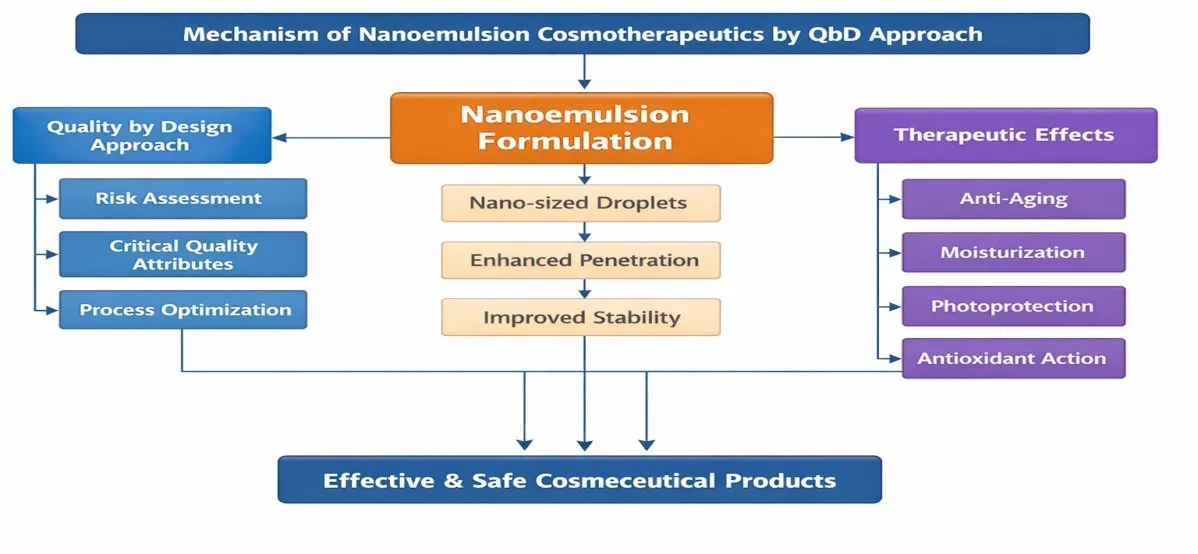
Fig .1 Mechanism of nanoemulsion of cosmeceuticals by QbD Approach
1.2 Mechanism of Nanoemulsion-Based Cosmeceuticals with QbD:
Nanoemulsions enhance drug delivery by improving solubilization, penetration, and controlled release of active ingredients (17, 18). Their nanoscale droplet size increases surface contact with the skin, while surfactants disrupt the lipid structure of the stratum corneum, facilitating permeation through intercellular, transcellular, and follicular pathways (21, 22).
They also protect active compounds from degradation and enable sustained release, resulting in prolonged therapeutic effects such as hydration, anti-aging, antioxidant, and photo protective benefits (25). Mechanism of Skin Cosmo therapeutics by Nanoemulsion followed in Fig.2
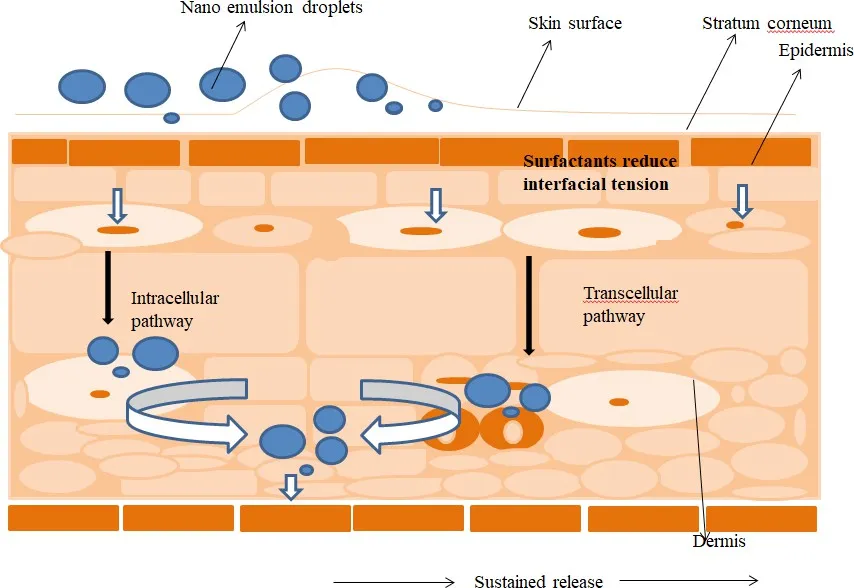
Fig.2. Mechanism of Skin Cosmotherapeutics by Nano emulsion
Under the QbD framework, critical material attributes (CMAs) and process parameters (CPPs) optimized to achieve desired critical quality attributes (CQAs) like droplet size, stability, and drug release. Tools such as Design of Experiments (DoE) help establish optimal conditions, ensuring reproducibility and enhanced product performance (9, 10).Overall, integrating Nano emulsion technology with QbD provides a robust and scientific approach for developing safe and effective cosmeceutical formulations (14, 32).
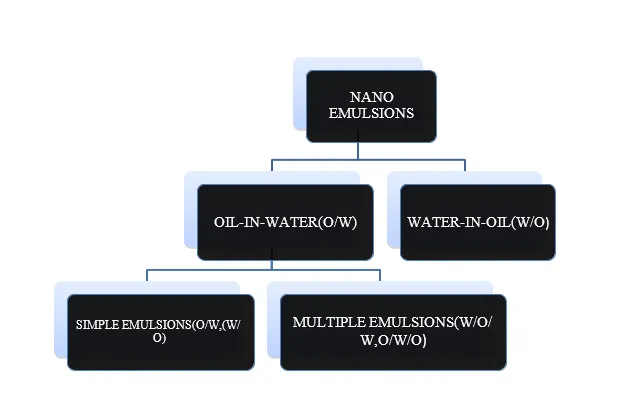
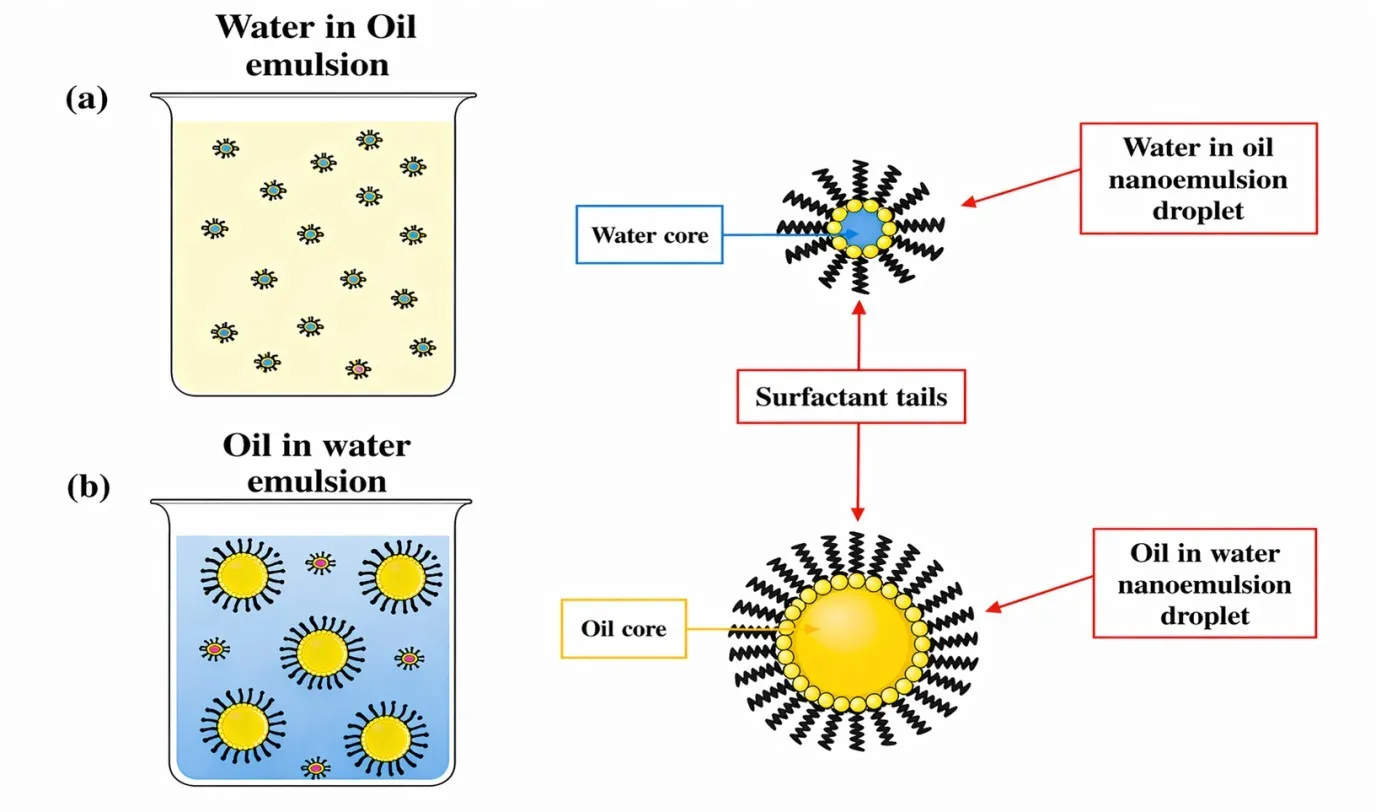
Fig.3. Basic Structure of Water-in-Oil and Oil-in-Water Emulsions
The oil phase serves as the dispersed phase in oil-in-water nanoemulsions. The type of oil (natural oils like coconut or olive oil, lipids like oleic acid, or essential oils) directly affects droplet size, solubility of active ingredients, and overall stability. Oils with lower viscosity and appropriate polarity typically produce smaller droplets.
This is the continuous phase, usually consisting of purified water or buffer solutions. It determines the viscosity, pH, and ionic strength of the system, which in turn influence droplet distribution and stability.
Surfactants such as Tween 80, Span 60, and lecithin reduce interfacial tension between oil and water, enabling the formation of nanosized droplets and preventing coalescence. Their hydrophilic-lipophilic balance (HLB) is crucial for efficient emulsification.
Co-surfactants like PEG 400, glycerol, and propylene glycol enhance the flexibility of the interfacial film, further reducing interfacial tension and improving long-term stability and droplet uniformity.
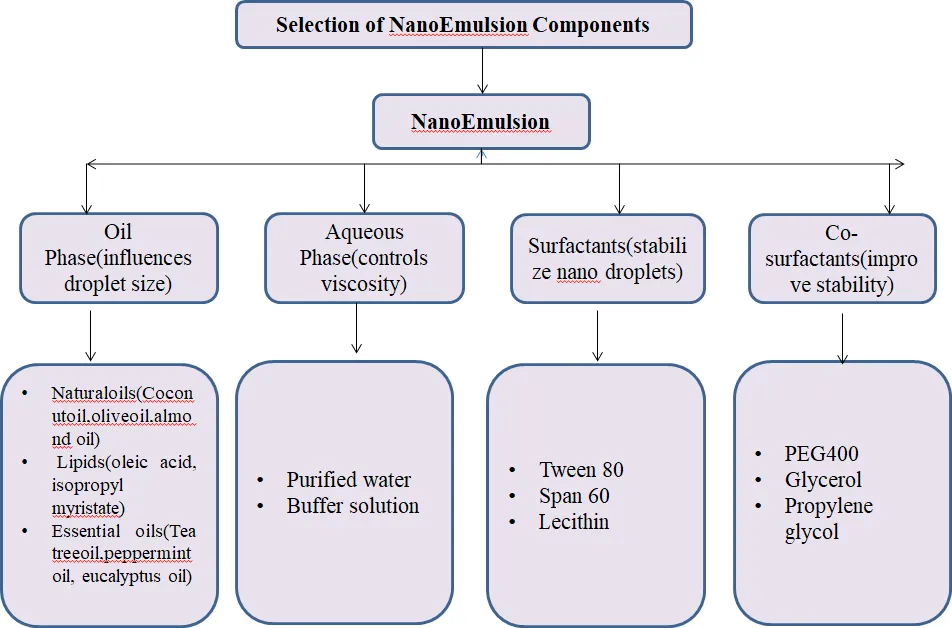
Fig.4. Selection of nano emulsion components
Fig.4 emphasizes that nanoemulsion formulation is highly dependent on the careful selection and balance of these components, as each one plays a distinct role in determining droplet size, stability, viscosity, and overall performance of the system.
Nanoemulsions are nanosized colloidal systems whose characteristics depend on the method of preparation, classified as high-energy or low-energy techniques. Incorporation of QbD ensures controlled development by optimizing formulation parameters through DoE, resulting in reproducible, stable, and efficient nanoemulsion systems. Methods of preparation of nanoemulsion flowchart is followed in Fig.5
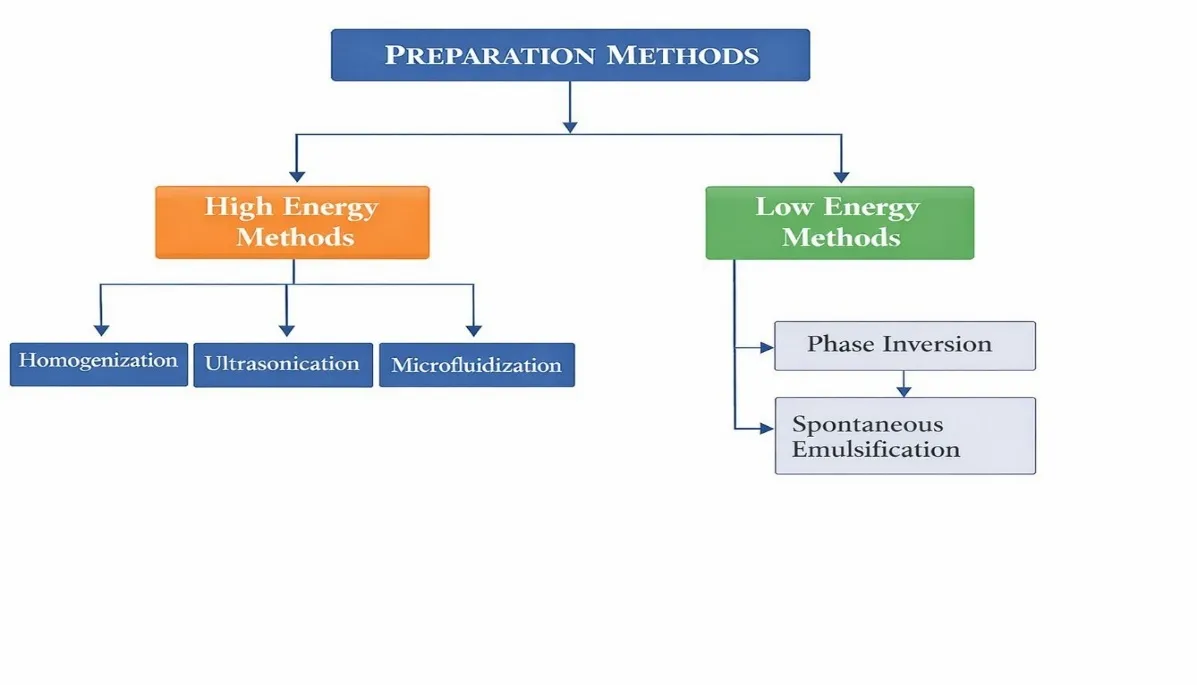
Fig. 5 Methods of preparation of nanoemulsion formulation
This is one of the most widely used industrial techniques. A coarse emulsion forced through a narrow gap under high pressures (500–5000 psi), generating intense shear forces, cavitation, and turbulence that reduce droplet size.
Applications: Frequently used in cosmetic creams, lotions, and pharmaceutical formulations.
Role of QbD:
Role of QbD:
This technique involves passing emulsions through microchannels where streams collide at high velocities, producing strong shear forces and uniform droplet size.
Applications: Widely used in pharmaceutical, cosmetic, and food industries for stable and uniform nanoemulsions.
Role of QbD:
This method utilizes temperature-dependent changes in the solubility of nonionic surfactants. At the phase inversion temperature, the surfactant shifts from hydrophilic to lipophilic, resulting in the formation of very small droplets.
Applications: Commonly used in cosmetic and pharmaceutical formulations for stable nanoemulsions with enhanced drug delivery.
Role of QbD:
This process occurs when an organic phase containing oil, surfactant, co-surfactant, and solvent mixed with water, leading to rapid diffusion and formation of nanosized droplets.
Applications: Widely used for improving bioavailability of poorly soluble actives in pharmaceutical, nutraceutical, and cosmetic formulations.
Role of QbD:
Nano-emulsions extensively used in various cosmetic applications due to their enhanced delivery and Pleasing properties. (4, 25)
Nanoemulsions are widely used in anti-aging creams, moisturizers, sunscreens, and serums to increase the penetration of antioxidants, vitamins, and herbal extracts. Overview of Nanoemulsion Applications in Skin care Cosmetics with QbD Considerations followed in Table.1
TABLE.1. Nanoemulsion-Based Skin Care Products in cosmetics (21, 22, 23)
|
Skin Care Product |
Active Ingredients |
Role of Nanoemulsion |
Role of QbD |
Applications |
|||
|
Moisturizers |
Jojoba oil, ceramides, hyaluronic acid |
Enhances hydration and improves spreadability |
Optimization of oil–surfactant ratio and droplet size to ensure stability and skin hydration efficiency |
Daily hydration creams lotions |
and |
||
|
Anti-aging creams |
Vitamin C, Vitamin E, Coenzyme Q10, retinol |
Promotes deeper penetration and controlled release |
Control of CQAs like droplet size, PDI, and release profile for enhanced collagen stimulation and reduced irritation |
Anti-aging and firming products |
|||
|
Sunscreens |
Zinc oxide, titanium dioxide, octocrylene |
Improves dispersion of UV filters and photostability |
Optimization of particle size and dispersion uniformity to ensure consistent SPF and photostability |
Broad-spectrum protection |
sun |
||
|
Acne treatment products |
Tea tree oil, salicylic acid, neem extract |
Enhances delivery of antimicrobial agents |
Controlled formulation variables to improve stability and targeted delivery while minimizing irritation |
Acne gels and medicated creams |
|||
|
Skin |
Niacinamide, |
Protects active |
Optimization of |
Pigmentation |
|||
|
brightening creams |
alpha-arbutin, licorice extract |
from degradation and increases bioavailability |
formulation parameters to enhance stability of sensitive actives and improve delivery efficiency |
and brightening treatments |
|||
|
Sensitive skin formulations |
Aloe vera, chamomile, calendula |
Provides gentle and uniform release |
Selection of mild surfactants and controlled processing conditions to ensure safety and minimize irritation |
Products for reactive or delicate skin |
|||
|
Cleansers |
Essential oils, mild surfactants |
Improves solubilization of oily impurities |
Optimization of surfactant concentration and formulation pH to maintain cleansing efficiency and skin compatibility |
Facial cleansers and makeup removers |
|||
|
Under-eye creams |
Peptides, caffeine |
Facilitates targeted delivery |
Control of droplet size and release kinetics for precise delivery to delicate skin areas |
Under-eye treatments |
|||
They boost the delivery of conditioning chemicals, eliminate frizz, and increase hair shine while leaving no greasy residue. Overview of Nanoemulsion Applications in Hair care Cosmetics with QbD Considerations followed in Table.2
TABLE 2.Nanoemulsion-Based Hair Care Products in cosmetics (3, 25, 26, 27, 32)
|
Hair Care Active Product Ingredients |
Role of Nanoemulsion |
Role of QbD |
Applications |
|
|||||||
|
Shampoos Tea tree oil, peppermint oil, zinc pyrithione |
Enhancessolubilization of essential oils and antimicrobial agents |
Optimization of surfactant concentration, pH, and droplet size to ensure stability and effective cleansing performance |
Anti-dandruff and clarifying shampoos |
|
|||||||
|
Conditioners Argan oil, coconut oil, silk proteins |
Enables uniform distribution on hair fibers |
Control of formulation parameters to achieve optimal viscosity and uniform deposition on hair strands |
Daily conditioners and smoothing products |
|
|||||||
|
Hair tonics |
growth |
Minoxidil, caffeine, biotin, herbal extracts |
Promotes deeper penetration into hair follicles |
Optimization of droplet size and release kinetics to enhance follicular delivery and efficacy |
Hair regrowth treatments |
|
|||||
|
Hair serums |
Vitamin jojoba keratin |
E oil, |
Provides lightweight formulation with rapid absorption |
Adjustment of oil phase and surfactant ratio to ensure non-greasy texture and stability |
Leave-in serums and gloss enhancers |
|
|||||
|
Anti-hair fall formulations |
Ginseng extract, castor oil, bhringraj |
Improves bioavailability of nutrients to follicles |
Optimization of CMAs and CPPs to enhance delivery efficiency and formulation stability |
Therapeutic scalp treatments |
|
||||||
|
Scalp treatments |
Aloe vera, neem extract, salicylic acid |
Facilitates controlled release of soothing agents |
Selection of mild excipients and controlled processing to ensure safety and sustained release |
Products for sensitive or irritated scalp |
|
||||||
|
Hair masks |
repair |
Shea butter, hydrolyzed proteins, ceramides |
Enhances penetration damaged structure into hair |
Optimization of formulation viscosity and droplet size to improve adherence and penetration into hair fibers |
Intensive repair masks |
||||||
|
Color protection products |
Green extract, filters |
tea UV |
Protects actives from degradation |
Control of formulation stability and photostability through optimized composition and processing parameters |
Products for chemically treated hair |
|
|||||
Nano-emulsions are excellent transporters of plant-based actives, increasing their stability and bioavailability. Overview of Nanoemulsion Applications in Herbal Cosmetics with QbD Considerations followed in Table.3
TABLE.3.Herbal/Natural Nanoemulsion products in cosmetics (11, 32)
|
Herb/Extract Loaded |
Nanoemulsion Carrier |
Stability Results |
Role of QbD |
|
|
Curcuma |
O/W |
Stable (PZ 12–547 nm, |
Optimization of |
|
|
aromatica |
nanoemulsion |
PDI 0.29–0.84) with |
surfactant ratio (Smix), |
|
|
extract |
stabilized with |
maintained physical |
droplet size, and PDI to |
|
|
(antioxidant) |
Tween 80/Span 80 |
parameters over storage |
ensure physical stability |
|
|
|
|
|
and consistent |
|
|
|
|
|
antioxidant delivery |
|
|
Hydroxy-safflor |
Nanoemulsion |
Enhanced |
Control of formulation |
|
|
yellow A |
|
physicochemical |
variables and process |
|
|
(Carthamus |
|
stability vs free |
parameters to improve |
|
|
tinctorius) |
|
compound |
stability and reproducibility |
|
|
|
|
|||
|
Elemene oil (Curcuma sp.) |
Nanoemulsion |
Improved stability relative to conventional emulsion |
Optimization of oil phase composition and processing conditions to enhance formulation stability |
|
|
Quercetin (plant flavonoid) |
Nanoemulsion |
More stable colloidal system |
Optimization of droplet size and surfactant concentration to maintain stability and uniform dispersion |
|
|
Essential oils (multiple EOs) |
Nanoemulsion (O/ W with Tween/Span stabilizers) |
Nano droplets <200 nm show dynamic and thermodynamic stability |
Selection of appropriate surfactant system and process optimization to ensure stability and minimize variability |
|
4. Quality by Design (QbD) Approach in Nanoemulsions based Cosmeceuticals
Quality by Design (QbD) is the most recent appeal added by the International Council for Harmonization (ICH) to the annexure to the ICH Q8 guidelines. It is a scientific and systematic idea that results in the manufacture of high-quality products by planning and developing pharmaceutical formulations and preparation methods [18]. It is founded on the notion that "quality cannot be proven into things; rather, quality should be incorporated in by design" [19]. QbD is rapidly replacing the conventional technique (one variable at a time) and solidifying its position in the industry. Prior to formulation development, a quality target product profile (QTPP) established. It is necessary to define and establish the relationship between various aspects of QbD, such as QTPP, CQAs, CPPs, and CMAs. Common tools of QbD include risk assessment and design of experiment (DOE). (9, 10, 11)
It analyzes how the material and process parameters affect the CQAs of the final product. It determines the source of variability and helps to control it. It ultimately designs the product with optimized parameters. Most importantly, the process of statistical optimization and analysis guarantees the product quality to the regulatory bodies.
QbD ensures that each QTPP parameter is systematically defined and achieved through optimization of formulation and process variables, resulting in a stable, effective, and consumer-acceptable nanoemulsion product. Determines desired product qualities such as appearance, droplet size, viscosity, stability, and safety. Quality by Design (QbD) Elements
and Target Product Profile (QTPP) for Nanoemulsion-Based Cosmetic Formulations followed in Table.4
Table 4: Quality by Design (QbD) Framework for Nano-Emulsion–Based Cosmetics (9, 10, 11)
|
QbD Element |
Parameter |
Description |
Role of QbD |
|
QTPP |
Dosage form |
Cream, gel, lotion, or serum intended for topical cosmetic use |
QbD helps in selecting an appropriate dosage form based on target performance, stability, and consumer acceptability |
|
|
Route of application |
Topical (skin application) |
Ensures formulation is designed for effective dermal delivery and safety |
|
|
Droplet size range |
< 200 nm to qualify as nanoemulsion and enhance skin interaction |
Optimization of formulation and process parameters to achieve desired nanoscale size for better penetration |
|
|
Product appearance |
Transparent or translucent for consumer acceptability |
QbD ensures control of formulation variables to maintain clarity and aesthetic appeal |
|
|
pH |
Skin-compatible pH (≈ 5–6) to avoid irritation |
Helps in selecting suitable excipients and maintaining pH within safe limits for skin compatibility |
|
|
Stability |
No phase separation, creaming, or coalescence during shelf life |
Identification and control of factors affecting physical stability to ensure product robustness |
|
|
Intended cosmetic function |
Anti-aging, moisturizing, antioxidant, sunscreen, etc. |
Guides formulation design to meet desired cosmetic outcomes effectively |
Critical Quality Attributes (CQAs) such as droplet size, PDI, and zeta potential directly influence skin penetration, stability, and uniformity of the formulation. Maintaining these within acceptable limits ensures effective delivery and product consistency. Key CQAs and their role in QbD Optimization of Nanoemulsions is followed in Table.5
Table.5 Key Critical Quality Attributes (CQAs) and their role in optimization of nano emulsion formulation
|
QbD Element |
Parameter Description |
Role of QbD |
|
CQAs |
Mean droplet Governs skin penetration, size optical clarity, and physical stability |
QbD optimizes formulation and process variables to achieve desired nanoscale size |
|
|
Polydispersity Indicates droplet size Index (PDI) uniformity and formulation robustness |
Ensures uniform distribution by controlling formulation conditions |
|
|
Zeta potential Reflects electrostatic stabilization of nano-droplets |
Helps maintain stability by optimizing charge-related parameters |
|
|
pH Ensures skin compatibility and active stability |
Maintains safe and effective pH through excipient selection |
|
|
Viscosity / Influences spreadability, Rheology sensory feel, and application |
Optimizes formulation composition for desired texture and performance |
|
|
Physical stability Resistance to creaming, flocculation, Ostwald ripening |
Identifies and controls instability factors for long-term stability |
|
|
Active content Ensures consistent uniformity cosmetic performance |
Ensures uniform distribution of actives across batches |
Critical Material Attributes (CMAs) such as oil type, surfactant concentration, and co-surfactant ratio determine interfacial properties, solubilization capacity, and overall stability of nanoemulsions. Key CMAs and their role in QbD Optimization of Nanoemulsions is followed in Table.6
Table.6 Key Critical Material Attributes (CMAs) and their role in optimization of nano emulsion formulation
|
QbD Element |
Parameter |
Description |
Role of QbD |
|
CMAs |
Oil phase type |
Natural oils/esters affect droplet formation, penetration, and skin feel |
Selection based on solubility, compatibility, and performance |
|
|
Oil concentration |
Influences droplet size and emulsion viscosity |
Optimization ensures balance between stability and performance |
|
|
Surfactant type & HLB |
Determines interfacial tension reduction and emulsion stability |
Selection ensures proper emulsification and stability |
|
|
Co-surfactant ratio |
Enhances flexibility of interfacial film |
Optimized to improve droplet stability and uniformity |
|
|
Cosmetic active |
Lipophilicity and stability |
Ensures compatibility and |
|
|
nature |
affect loading and release |
efficient delivery of actives |
|
|
Stabilizer |
Controls viscosity, stability, and release behaviour |
Selection improves formulation stability and controlled release |
Critical Process Parameters (CPPs) including homogenization speed, time, ultrasonication amplitude, and temperature significantly affect droplet formation and size reduction. Proper control of these parameters prevents instability and ensures reproducibility. Key CPPs and their role in QbD Optimization of Nanoemulsions is followed in Table.7
Table.7.Key Critical Process Parameters (CPPs) and their role in optimization of nano emulsion formulation
|
QbD Element |
Parameter |
Description |
Role of QbD |
|||||
|
CPPs |
Homogenization speed |
Controls droplet breakup and size reduction |
Optimization ensures efficient droplet size reduction |
|||||
|
|
Homogenization time |
Excess time may over-processing instability |
cause and |
Identifies optimal time to avoid degradation or instability |
||||
|
|
Ultrasonication amplitude |
Generates cavitation forces for nano-droplet formation |
Controls energy input for consistent droplet formation |
|||||
|
|
Processing temperature |
Affects viscosity, surfactant behavior, and active stability |
Maintains temperature within limits to prevent instability |
|||||
|
|
Order addition |
phase |
Impacts initial formation and distribution |
droplet size |
Standardizes process sequence for reproducibility |
|
||
4.5. RISK ASSESMENT TOOLS
Risk assessment tools in QbD provide a structured approach to identify, evaluate, and control variables affecting nanoemulsion quality, ensuring efficient and reliable formulation development. Risk assessment tools and their role in optimization of nano emulsion formulation is followed in Table.8
Table.8 Risk assessment tools and their role in optimization of nano emulsion formulation
|
|
QbD Element |
Tool |
Description |
Role of QbD |
||
|
|
Risk |
Ishikawa |
Identifies potential causes |
Helps in systematic |
||
|
|
Assessment |
diagram |
affecting CQAs (e.g., |
identification of factors |
||
|
|
|
|
material, method, |
influencing product quality and |
||
|
|
equipment, environment) |
guides risk-based formulation development |
|
|||
|
FMEA |
Prioritizes high-risk |
Enables ranking of risks and |
|
|||
|
(Failure Mode |
CMAs and CPPs based on |
focuses optimization on critical |
|
|||
|
and Effects |
severity, occurrence, and |
variables to ensure robust and |
|
|||
|
Analysis) |
detectability |
stable nanoemulsion formulation |
|
|||
Design of Experiments (DoE) is a systematic statistical approach used in the Quality by Design (QbD) framework better understand the link between formulation variables and product quality. In nanoemulsion-based nanocosmetics, DoE aids in determining the best mix of ingredients and processing conditions required to achieve desired quality features such as small droplet size, high stability, and uniform dispersion.
Factorial designs and response surface methodology used to optimize formulation variables and establish design space. (8, 9, 12) Key QbD elements and Statistical tools used in Design of Experiments for optimization of Nanoemulsion formulations is followed in Table.9
Table.9 Key QbD elements and Statistical tools used in Design of Experiments for optimization of Nanoemulsion formulations.
|
QbD Element |
Parameter |
Description |
Role of QbD |
|||
|
DoE |
Box–Behnken / Statistical experimental Central designs used to evaluate Composite Design interaction effects between (CCD) variables and optimize formulation |
Enables systematic optimization of formulation and process variables with minimal experimental runs |
||||
|
|
Independent variables |
Oil %, surfactant %, homogenization speed (rpm) |
Identified as CMAs and CPPs that significantly influence nanoemulsion characteristics |
|||
|
|
Dependent responses |
Droplet size, PDI, zeta potential |
Represent CQAs used to evaluate formulation performance and quality |
|||
|
|
ANOVA analysis |
Statistical tool to determine significance of variables and model fitness |
Helps identify critical factors and validate the experimental model |
|||
|
|
Response surface plots |
Graphical representation of variable interactions |
Assists in understanding combined effects of variables on responses |
|||
|
|
Optimization |
Selection of best formulation conditions |
Ensures achievement of desired CQAs such as stability and uniformity |
|||
|
Design space |
Range of variables where product quality remains acceptable |
Provides flexibility in manufacturing without affecting product performance |
|
|||
|
Software used |
Design-Expert®, JMP®, MODDE® |
Minitab®, |
Facilitates experimental design, statistical analysis, modeling, and optimization of nanoemulsion formulations |
|
||
Software’s Used in QbD for Nanoemulsions:
Various statistical and modelling software tools used to design experiments, analyse data, and optimize formulations:
These tools help in establishing relationships between variables and responses, enabling precise optimization.(8,9,12)
Effective control strategy under QbD ensures consistent product quality by controlling raw materials, monitoring processes, and verifying final product performance (8, 9, 10, and 11). Control Strategy elements in Quality by Design (QbD) to ensure process control and quality of nano emulsion formulation is followed in Table.10
Table.10. Control Strategy elements in Quality by Design (QbD) to ensure process control and quality of nano emulsion formulation.
|
|
QbD Element |
Parameter |
Description |
Role of QbD |
|
|
|
Control Strategy |
Raw material specifications |
Ensures consistency of oils, surfactants, and active ingredients used in formulation |
QbD ensures selection and control of high-quality materials to maintain batch-to- batch consistency |
|
|
In-process controls |
Monitoring of CPPs during manufacturing (e.g., temperature, speed, time) |
Enables real-time control of process variables to ensure desired CQAs are achieved |
|
||
|
Finished product testing |
Confirms CQAs meet predefined acceptance criteria |
Ensures final product quality, safety, and performance before release |
|
||
The implementation of QbD in nanoemulsion formulation involves the following steps:
Step 1: Define QTPP (Quality Target Product Profile)
Step 2: Identify CQAs
Step 3: Identify CMAs and CPPs
Step 4: Risk Assessment
Step 5: Experimental Design (DoE)
Step 6: Data Analysis & Optimization
Step 7: Design Space Establishment
Step 8: Validation
Step 9: Control Strategy
Nanoemulsions are highly dependent on formulation composition (oil, surfactant ratio) and processing parameters (temperature, homogenization). Small variations can lead to significant changes in droplet size, polydispersity, and stability, affecting product performance and reproducibility.(16,17,19)
To achieve stability, nanoemulsions often require higher amounts of surfactants, which may cause skin irritation, toxicity, or allergic reactions upon prolonged use, especially in sensitive skin formulations.(22,24,25)
The adoption of the Quality by Design (QbD) approach in nanoemulsion-based cosmeceutical development marks a shift away from traditional formulation approaches and toward a more structured and science-driven process. Unlike traditional trial-and-error procedures, which frequently lack consistency and process awareness, QbD emphasizes the proactive integration of quality into both formulation and manufacturing processes from the start.
Nanoemulsions have significant interfacial surface area and nanoscale droplet size, making them complex and sensitive systems (17). These properties render them susceptible to physical instability mechanisms such as creaming, flocculation, and coalescence. The QbD framework allows for a comprehensive understanding of the factors that influence formulation performance and stability by linking the Quality Target Product Profile (QTPP) with Critical Quality Attributes (CQAs), Critical Material Attributes (CMAs), and Critical Process Parameters (CPPs). This integrated method assures that the final product constantly fulfills predetermined quality, safety, and efficacy standards.
Among the identified CQAs, droplet size and polydispersity index (PDI) are critical in determining nanoemulsion behavior. These factors have a direct impact on not just physical stability, but also skin penetration, visual appearance, and sensory properties, all of which are crucial for consumer approval of cosmetic products. The use of systematic risk assessment methods like Ishikawa diagrams and Failure Mode and Effects Analysis (FMEA) enables the identification of high-impact variables in CMAs and CPPs. As a result, formulation efforts can be strategically oriented toward regulating these essential parameters, increasing efficiency and minimizing development time.
The increased demand for herbal and organically derived cosmetic actives continues emphasizes the importance of QbD in nanoemulsion systems. Such bioactives frequently present problems like poor water solubility, sensitivity to degradation, and unpredictability in function. QbD facilitates the stabilization and effective delivery of these sensitive compounds by selecting and optimizing formulation components such as oil phase, surfactant systems, and stabilizers, as well as precisely controlling processing conditions. This improves both product performance and shelf life.
Furthermore, including Design of Experiments (DoE) into the QbD framework provides a useful tool for assessing the combined impacts of various factors. Unlike traditional one-factor-at-a-time approaches, DoE allows for the detection of interaction effects and aids in the construction of prediction models. The creation of a well-defined design space guarantees that acceptable product quality is maintained even with modest alterations in formulation or processing conditions, increasing robustness and allowing scale-up for industrial production. Although originally created for pharmaceutical development, the use of QbD concepts in cosmetics is becoming increasingly significant as regulatory standards rise and consumers seek safe, effective, and scientifically validated goods. Overall, applying QbD to nanoemulsion-based cosmeceuticals provides a dependable and forward-thinking technique for achieving consistent product quality, increased performance and successful commercialization.
CONCLUSION
The advancement of nanoemulsion-based nano cosmetics highlights the need for a more rational and controlled formulation strategy, which is effectively addressed by the Quality by Design (QbD) approach. By integrating scientific understanding with statistical optimization tools, QbD enables precise control over formulation variables and processing conditions, resulting in improved product reliability and reproducibility.
This approach is particularly valuable in managing the complexities associated with nanoscale systems, including stability challenges and variability in performance. It also supports the efficient incorporation of bioactive compounds by enhancing their protection and delivery within the formulation matrix.
In the context of evolving regulatory expectations and increasing demand for high-performance cosmetic products, QbD-driven nanoemulsion development offers a robust pathway for innovation, scalability, and commercialization.
Conflict of interest: No conflict of interest
REFERENCES

Chinnaguravagari Saranya, Vothani Sarath Babu*, Velpuri Nikitha Lakshmi, Nanoemulsion - Based Cosmeceuticals: Formulation Strategies and Quality by Design Approach- A Comprehensive Review, Int. J. of Pharm. Sci., 2026, Vol 4, Issue 7, 1959-1980. https://doi.org/ 10.5281/zenodo.21283624
 10.5281/zenodo.21283624