

We use cookies to ensure our website works properly and to personalise your experience. Cookies policy
Kamalakshi Pandurangan College of Pharmacy, Ayyapalayam, Tiruvannamalai-606603, Tamil Nadu, India.
Cancer remains one of the leading causes of mortality worldwide, and conventional therapeutic approaches such as chemotherapy, radiotherapy, and surgery are often limited by poor drug specificity, systemic toxicity, and reduced patient compliance. The emergence of nanotechnology-based drug delivery systems offers promising solutions to these limitations by enabling precise, controlled, and targeted delivery of therapeutic agents. This review explores two cutting-edge nanoplatforms: lipid-based nanoparticles (LBNPs) and stimuli-responsive hydrogels (SRHs), both of which have demonstrated significant potential in improving the therapeutic index of anticancer drugs. LBNPs, including liposomes, solid lipid nanoparticles, and nanostructured lipid carriers, can encapsulate hydrophobic or hydrophilic drugs, protect them from premature degradation, prolong systemic circulation, and enhance accumulation in tumor tissues via the enhanced permeability and retention (EPR) effect. Surface modifications such as PEGylation and ligand conjugation impart stealth properties and active targeting capabilities, further improving efficacy while reducing off-target effects. In parallel, SRHs function as smart biomaterials capable of delivering drugs in response to specific tumor microenvironment stimuli such as pH, temperature, enzymes, redox gradients, or external triggers like light and magnetic fields. Such responsiveness allows for site-specific drug release with sustained therapeutic levels, minimizing systemic side effects. We discuss the fundamentals of each system, design considerations, mechanisms of drug release, key examples from preclinical and clinical studies, and the comparative advantages and limitations of both platforms. Furthermore, we highlight the potential of hybrid systems integrating nanoparticles within hydrogels to achieve synergistic
Introduction To Nanotechnology in Drug Delivery
Nanotechnology in medicine, especially oncology, revolutionizes cancer treatment by overcoming conventional chemotherapy limitations like non-specific toxicity, poor drug solubility, and rapid drug clearance. Nanoparticles and hydrogels serve as precision drug delivery systems, enhancing targeting ability to cancer cells while sparing healthy tissue. These nanocarriers prolong drug circulation time in the bloodstream and enable controlled, sustained drug release. They exploit unique tumor characteristics such as abnormal vasculature and enhanced permeability, facilitating accumulation at the tumor site. This targeted approach improves therapeutic efficacy, reduces side effects, and allows for personalized cancer treatment strategies, advancing oncology care significantly.
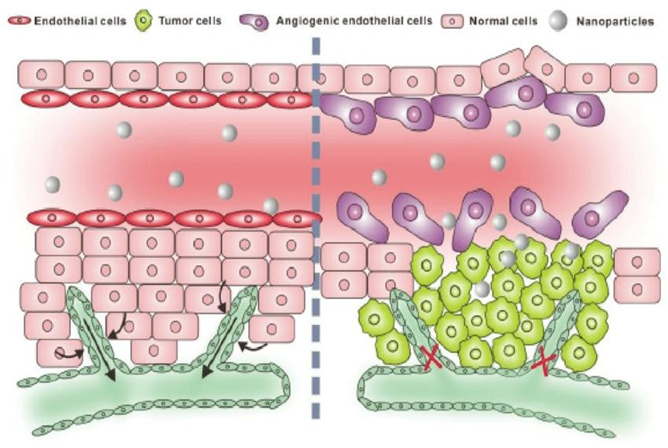
Lipid-Based Nanoparticles for Cancer Treatment
Types And Composition:
Liposomes: Spherical vesicles composed of phospholipid bilayers and cholesterol, capable of encapsulating both hydrophobic and hydrophilic drugs. They improve drug solubility, reduce toxicity, and enhance pharmacokinetics.
Lipid Nanoparticles (LNPs): Typically include phospholipids, cholesterol, helper lipids, and PEGylated lipids to improve stability, drug loading, and circulation time. Cationic or ionizable lipids aid in nucleic acid delivery.
Solid Lipid Nanoparticles (SLNs): Made of solid lipids and emulsifiers, these offer high stability and biocompatibility but have moderate drug loading and possible crystallization issues.
Nanostructured Lipid Carriers (NLCs): They contain a mixture of solid and liquid lipids, providing a less ordered matrix that increases drug loading capacity, reduces drug expulsion, and improves stability compared to SLNs.

2.2 Mechanisms of Tumor Targeting and Drug Release
The Enhanced Permeability and Retention (EPR) effect is crucial in cancer drug delivery, where nanoparticles preferentially accumulate in tumor tissues due to their unique vascular characteristics. Tumors stimulate the growth of abnormal, leaky blood vessels with wide fenestrations and defective lymphatic drainage, allowing nanoparticles to penetrate and remain longer within the tumor microenvironment. This passive targeting mechanism helps concentrate therapeutic agents at the tumor site, improving drug efficacy while reducing systemic side effects. Surface PEGylation, the attachment of polyethylene glycol (PEG) chains to nanoparticles, greatly enhances their therapeutic potential by reducing immune system recognition. PEG forms a hydrophilic “stealth” coating around the particles, preventing protein adsorption and opsonization, which are key processes leading to uptake and clearance by the mononuclear phagocyte system. This increases nanoparticle circulation time in the bloodstream, allowing more opportunities for the particles to reach tumor tissues via the EPR effect. Ligand conjugation adds an active targeting layer by attaching specific molecules (ligands) to the nanoparticle surface that bind selectively to receptors overexpressed on cancer cells. Common ligands include antibodies, peptides, folic acid, and hyaluronic acid. This specificity facilitates receptor-mediated endocytosis, significantly enhancing cellular uptake and therapeutic payload delivery directly into cancer cells. Together, these strategies—exploiting EPR, PEGylation for immune evasion, and ligand-based active targeting—synergistically improve nanoparticle-based cancer treatments by enhancing targeting precision, drug accumulation, and therapeutic efficacy.

Clinical Applications and Trials
Example: Doxil® is a clinically approved liposomal formulation of doxorubicin used for cancer treatment. Its composition involves encapsulating doxorubicin within PEGylated liposomes, which enhances drug delivery by prolonging circulation time and improving tumor accumulation through the Enhanced Permeability and Retention (EPR) effect. The PEG coating (PEGylation) helps evade immune detection, allowing the drug-loaded liposomes to circulate longer and preferentially target tumor tissues.
Benefits: The major benefit of Doxil is the significant reduction in doxorubicin’s cardiotoxicity, a common limiting side effect of the free drug. This is achieved because the liposomal encapsulation restricts drug distribution to the heart and other normal tissues, while increasing drug concentration in tumors. Clinical studies show that Doxil has comparable efficacy to free doxorubicin but with a better safety profile, particularly reducing cardiac damage. Challenges with Doxil include stability issues related to the liposome formulation and immune responses such as infusion reactions and hand-foot syndrome, a skin toxicity caused by the PEG layer's long circulation time.
|
Brand Name |
Cargo |
Indication |
Year |
Company |
|
Spikevax |
mRNA |
COVID-19 |
2020 |
Moderna (Cambridge, MA, USA) |
|
Comirnaty |
mRNA |
COVID-19 |
2020 |
Pfizer-BioNTech (New York,NY,USA) |
|
ONPATTRO |
SiRNA |
Hereditary transthyretin- mediated amyloidosis |
2018
|
Alnylam (Cambridge, MA, USA)
|
|
VYXEOS |
Cytarabine /daunorubicin |
Acute myeloid leukemia |
2017 |
JAZZ Pharmaceuticals (Dublin,Ireland) |
|
Marqibo |
vincristine |
Philadelphia chromosome- negative acute lymphoblastic leukemia |
2012 |
Spectrum (Reno,NV,USA) |
|
Doxil |
Doxorubicin |
Ovarian cancer, AIDS-related Kaposi sarcoma ,and multiplemyeloma |
1995 |
Janssen(Beerse, Belgium) |
3. Stimuli-Responsive Hydrogels in Cancer Therapy
3.1 Types of Stimuli and Hydrogel Design
pH-responsive systems leverage the acidic environment of tumors, which is typically more acidic (pH ~6.5) than normal tissues (pH ~7.4). These systems contain nanocarriers or polymers with pH-sensitive chemical groups or acid-labile bonds that alter their physical or chemical properties in response to acidity. For example, some carriers undergo protonation, changing surface charge from neutral to positive, which enhances tumor cell uptake.
2. Thermo-responsive systems are activated by hyperthermia, where the tumor site is locally heated (often around 40–45 °C). These systems employ materials that undergo phase transitions or structural changes at specific temperatures, triggering drug release only when heated. This approach allows controlled, on-demand release during hyperthermia treatment, increasing drug concentration locally and reducing systemic toxicity. Materials can include thermosensitive polymers or lipid nanoparticles designed to release chemotherapy drugs such as paclitaxel or doxorubicin upon heating, thus combining thermal therapy with chemotherapy for enhanced effect.
3. Redox-responsive systems exploit the elevated levels of intracellular glutathione (GSH) found in tumor cells compared to normal cells. These systems incorporate redox-sensitive chemical bonds, typically disulfide bonds, which are cleaved in the reducing environment inside cancer cells due to interaction with GSH. This cleavage causes structural breakdown or release of the drug payload specifically inside tumor cells. The high GSH concentration facilitates rapid, selective drug release, enhancing efficacy while minimizing off-target effects. Furthermore, some redox systems are designed to deplete GSH to induce oxidative stress in tumors, complementing anticancer treatments.
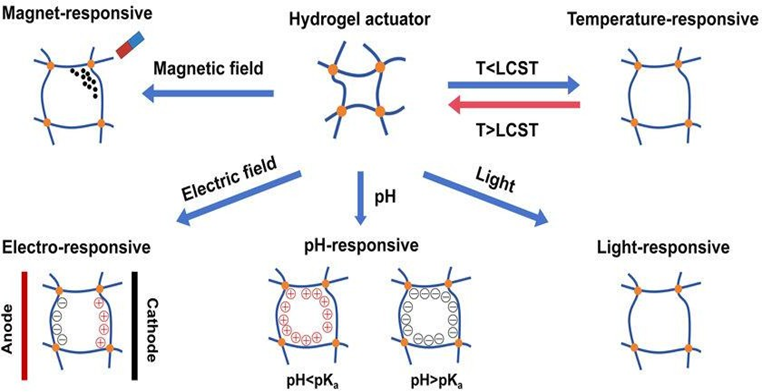
Drug Delivery Mechanisms
Local injection and implantation are targeted drug delivery methods designed to enhance therapeutic efficacy while minimizing systemic side effects. Local injection involves directly administering drugs into a specific site, such as a tumor or inflamed tissue, allowing high local drug concentrations and rapid action. Implantation involves placing a drug-loaded device or biodegradable matrix at the target site, enabling sustained and controlled drug release over time. Both approaches offer precise delivery to affected areas, improving bioavailability, reducing dosage frequency, and enhancing patient compliance. These methods are widely used in cancer therapy, pain management, and chronic disease treatments for effective localized drug action. Minimal systemic exposure and sustained release are key advantages of localized drug delivery methods like local injection and implantation. Minimal systemic exposure means the drug acts primarily at the target site with little to no distribution throughout the rest of the body, reducing systemic side effects and toxicity. Sustained release refers to the controlled, gradual release of the drug from an implanted device or matrix over an extended period. This steady release maintains therapeutic drug levels at the site of action, enhances treatment efficacy, reduces the frequency of dosing, and improves patient compliance, especially in chronic or long-term therapies.
Preclinical And Clinical Studies
In preclinical and clinical studies, effective treatments for brain cancer include surgery combined with chemotherapy and radiation, and emerging immunotherapies like CAR-T cell therapy. Breast cancer treatments involve surgery, chemotherapy (especially taxanes and platinum agents), endocrine therapies, and CDK4/6 inhibitors, with immunotherapy showing promise in triple- negative subtypes. Prostate cancer treatments encompass surgery, radiation, hormone therapy, chemotherapy (docetaxel), and immunotherapy. Brain metastases from prostate cancer are rare and challenging, treated mainly with surgery and radiation; systemic therapies have limited CNS penetration. Combining local therapies with systemic treatments improves outcomes across these cancers. Manufacturing complexity and degradation rate control pose significant challenges in cancer treatment drug development, especially for advanced therapies like targeted drug delivery systems and biologics.
Comparative Advantages and Challenges
|
Feature |
Lipid Based Nanoparticles |
Stumuli-Responsive Hydeogels |
|
Targeting |
Passive (EPR) + active (ligands) |
Localized implantation/injection |
|
Release Control microenvironment |
Diffusion, erosion, stumuli |
Triggered by tumor |
|
Clinical progess |
Severapproved l FDA a |
Mostly preclinical/early clinical |
|
Manufacturing |
Scalable |
complex |
|
Key challenges |
Stability, immune responses |
Biocomatibility, reproducibility |
Future Directions
Combination systems involving lipid-based nanoparticles (LBNPs) embedded in hydrogels offer dual benefits for controlled drug delivery. This strategy provides a double encapsulation mechanism where lipophilic drugs are first loaded into lipid nanoparticles, which are then embedded within a hydrogel matrix. This setup enables precise spatial and temporal control over drug release, enhances the stability and delivery efficiency, and leverages the biological properties of hydrogels for versatile applications such as dermal, transdermal, mucosal, and intramuscular administration. Different types of hydrogels, including synthetic polymers like Poly (acrylic acid) and natural polysaccharides such as alginate, can be used to tailor the release profiles by adjusting cross-link density and surface charge interactions with LBNPs. Immunomodulation through nanocarriers is a cutting-edge approach, particularly in cancer immunotherapy, where nanocarriers deliver immune checkpoint inhibitors or vaccines directly to immune cells in lymph nodes and other immune sites. This targeted delivery enhances the immune response against tumors by improving antigen presentation and the activation of dendritic cells and T cells. Nanocarriers can be of biogenic, semi-biogenic, or synthetic origins, and recent advances include the development of nanovaccines and immune checkpoint blockade combinations that show promise in preclinical models for improving immunotherapeutic outcomes with reduced systemic toxicity. Artificial intelligence (AI) is playing an increasingly transformative role in nanomedicine design for personalized therapy. AI algorithms, including machine learning and deep learning, are used to predict optimal nanoparticle characteristics (size, shape, surface charge, and functionalization), optimize drug loading and release kinetics, and personalize treatment strategies based on individual genomic, proteomic, and clinical data. AI-powered predictive modeling aids in simulating nanoparticle biodistribution and tumor targeting to maximize therapeutic efficacy while minimizing side effects. Moreover, AI enables real-time monitoring and adaptive therapy adjustments, leading to highly personalized and dynamic treatment regimens that are tailored to each patient's tumor biology and response
CONCLUSION
Lipid-based nanoparticles and stimuli-responsive hydrogels are at the frontier of precision cancer therapy. While LBNPs are already in clinical use, stimuli-responsive hydrogels have vast localized treatment potential. Integrating these approaches may produce the next breakthroughs in oncology.
REFERENCES




P. Parimala, S. Surya*, B. Vakeeswaran, R. Deepa, Dr. V. Kannabiran, Dr. D. Rajalingam, Nanotechnology in Drug Delivery for Cancer Treatment: Lipid-Based Nanoparticles and Stumuli- Responsive Hydrogels, Int. J. of Pharm. Sci., 2025, Vol 3, Issue 8, 2971-2979 https://doi.org/10.5281/zenodo.16991284
 10.5281/zenodo.16991284