

We use cookies to ensure our website works properly and to personalise your experience. Cookies policy
Department of Pharmacology, KCT's R. G. Sapkal college of pharmacy, Nashik
Inflammation is a complex biological response initiated by the immune system to protect the body against harmful stimuli such as pathogens, toxins, damaged cells, and environmental stress. Although acute inflammation plays an essential role in tissue repair and host defense, prolonged or uncontrolled inflammation contributes to the pathogenesis of numerous chronic disorders, including rheumatoid arthritis, cardiovascular diseases, diabetes, cancer, neurodegenerative disorders, and inflammatory bowel disease. Conventional anti-inflammatory therapies, particularly non-steroidal anti-inflammatory drugs (NSAIDs) and corticosteroids, remain widely used for managing inflammatory conditions; however, their long-term use is often associated with adverse effects such as gastrointestinal irritation, renal dysfunction, immunosuppression, and cardiovascular complications. Consequently, there is increasing interest in safer and more effective alternatives derived from natural sources.Natural products obtained from plants, microorganisms, and marine organisms have gained considerable attention as emerging anti-inflammatory agents due to their structural diversity, multi-target activity, and favorable safety profiles. Bioactive phytochemicals such as curcumin from Turmeric, resveratrol from grapes, quercetin from fruits and vegetables, gingerol from Ginger, and boswellic acids from Frankincense have demonstrated significant anti-inflammatory effects through modulation of multiple molecular pathways. These compounds inhibit key inflammatory mediators and signaling pathways, including nuclear factor-kappa B (NF-?B), cyclooxygenase (COX), lipoxygenase (LOX), mitogen-activated protein kinase (MAPK), pro-inflammatory cytokines, and reactive oxygen species.This review comprehensively summarizes the role of natural products as emerging anti-inflammatory agents, focusing on their sources, mechanisms of action, therapeutic applications, pharmacological potential, and recent advances in formulation strategies. Additionally, challenges such as poor bioavailability, lack of standardization, and limited clinical evidence are discussed. The review highlights future prospects for integrating natural products into modern drug discovery and developing safer anti-inflammatory therapies.
Inflammation is a fundamental biological response of the body’s immune system to harmful stimuli such as pathogens, toxic chemicals, physical injury, and damaged tissues. It serves as a protective mechanism aimed at eliminating the initial cause of cell injury, removing damaged cells, and initiating tissue repair to restore homeostasis. The inflammatory response involves a complex cascade of biochemical and cellular events mediated by immune cells, inflammatory mediators, and signaling pathways. Acute inflammation is generally short-lived and beneficial, characterized by redness, swelling, heat, pain, and loss of function. However, when inflammation becomes persistent or dysregulated, it progresses into chronic inflammation, which contributes significantly to the pathogenesis of numerous diseases.
Chronic inflammation has been recognized as a major underlying factor in several non-communicable and degenerative disorders, including rheumatoid arthritis, osteoarthritis, cardiovascular diseases, diabetes mellitus, inflammatory bowel disease, asthma, cancer, and neurodegenerative diseases such as Alzheimer's disease and Parkinson's disease. Prolonged inflammatory responses lead to excessive production of pro-inflammatory mediators such as tumor necrosis factor-alpha (TNF-α), interleukins (IL-1β, IL-6), prostaglandins, leukotrienes, and reactive oxygen species (ROS), resulting in tissue damage and disease progression. The regulation of these mediators has therefore become a central focus in the development of anti-inflammatory therapies.
Conventional anti-inflammatory medications, including non-steroidal anti-inflammatory drugs (NSAIDs), corticosteroids, and immunosuppressive agents, are widely prescribed for the management of inflammatory disorders. These drugs primarily act by inhibiting cyclooxygenase enzymes, suppressing inflammatory mediator synthesis, or modulating immune responses. Despite their therapeutic efficacy, long-term administration is frequently associated with adverse effects such as gastrointestinal ulceration, renal toxicity, cardiovascular complications, immunosuppression, and metabolic disturbances. Such limitations have driven the search for safer, more effective, and affordable therapeutic alternatives.
Natural products have historically played a vital role in healthcare and drug discovery. Traditional medicinal systems such as Ayurveda, Traditional Chinese Medicine, and herbal medicine have long utilized plant-derived remedies for the treatment of inflammatory disorders. Natural products obtained from plants, microorganisms, and marine organisms represent an abundant source of structurally diverse bioactive compounds with significant pharmacological activities. Among these, phytochemicals such as flavonoids, alkaloids, terpenoids, polyphenols, tannins, and glycosides have attracted substantial scientific interest because of their potent anti-inflammatory, antioxidant, and immunomodulatory properties.
Several naturally occurring compounds, including curcumin from Turmeric, resveratrol from grapes, quercetin from fruits and vegetables, gingerol from Ginger, and boswellic acids from Frankincense, have demonstrated promising anti-inflammatory potential in both preclinical and clinical studies. These bioactive molecules exert their effects by modulating multiple signaling pathways, including nuclear factor-kappa B (NF-κB), cyclooxygenase (COX), lipoxygenase (LOX), mitogen-activated protein kinase (MAPK), and various cytokine-mediated pathways. Unlike synthetic drugs that often target a single pathway, natural products frequently exhibit multi-target actions, which may enhance therapeutic effectiveness while minimizing adverse effects.
Recent advances in pharmacological research, biotechnology, and novel drug delivery systems such as nanoparticles, liposomes, and nanoemulsions have further improved the therapeutic applicability of natural compounds by enhancing their solubility, stability, and bioavailability. These developments have strengthened interest in natural products as emerging anti-inflammatory agents in modern medicine.
Therefore, this review aims to provide a comprehensive overview of natural products as emerging anti-inflammatory agents, focusing on their sources, classification, mechanisms of action, therapeutic applications, advantages, limitations, and future prospects in anti-inflammatory drug discovery.
Inflammation is an essential physiological defense mechanism that protects the body from infections, injuries, and harmful external stimuli. It represents a highly coordinated response involving immune cells, blood vessels, signaling molecules, and biochemical mediators that work together to eliminate harmful agents and initiate tissue healing. The inflammatory process is crucial for maintaining cellular homeostasis and ensuring survival against pathogenic invasion. In general, inflammation is classified into acute and chronic forms depending on its duration, severity, and underlying pathological conditions.
Acute inflammation is characterized by a rapid onset and short duration, usually lasting from a few hours to several days. It involves classical clinical signs including redness (rubor), heat (calor), swelling (tumor), pain (dolor), and loss of function (functio laesa). These manifestations occur due to vasodilation, increased vascular permeability, and migration of leukocytes to the affected site. The primary objective of acute inflammation is to neutralize harmful stimuli and facilitate tissue repair. Under normal circumstances, once the causative factor is eliminated, the inflammatory response subsides, and tissue homeostasis is restored. However, failure to resolve inflammation may result in persistent immune activation and chronic inflammatory conditions.
Chronic inflammation is a prolonged and dysregulated inflammatory state that persists for months or years. Unlike acute inflammation, chronic inflammation is often associated with continuous tissue destruction and impaired healing. Persistent activation of macrophages, lymphocytes, and inflammatory signaling pathways contributes to sustained production of inflammatory mediators such as cytokines, chemokines, prostaglandins, and reactive oxygen species. Chronic inflammation has emerged as a major contributor to the development and progression of various diseases, including rheumatoid arthritis, cardiovascular disorders, obesity, metabolic syndrome, cancer, and neurodegenerative conditions such as Alzheimer's disease and Parkinson's disease. Increasing evidence suggests that inflammation serves not only as a symptom but also as a key pathogenic driver in these disorders.
The molecular mechanisms of inflammation involve activation of several intracellular signaling pathways. Key regulators include nuclear factor-kappa B (NF-κB), activator protein-1 (AP-1), mitogen-activated protein kinase (MAPK), cyclooxygenase (COX), and lipoxygenase (LOX) pathways. These pathways stimulate the release of inflammatory mediators such as tumor necrosis factor-alpha (TNF-α), interleukins (IL-1β, IL-6), nitric oxide, prostaglandins, and leukotrienes. Excessive production of these mediators results in oxidative stress, cellular dysfunction, and tissue injury. Consequently, inhibition of these pathways has become an important strategy in anti-inflammatory drug development.
Conventional anti-inflammatory therapies, including non-steroidal anti-inflammatory drugs (NSAIDs), corticosteroids, and biological agents, remain the cornerstone of inflammatory disease management. NSAIDs exert their action primarily by inhibiting cyclooxygenase enzymes and reducing prostaglandin synthesis, thereby alleviating pain and inflammation. Corticosteroids suppress immune cell activation and cytokine production, producing potent anti-inflammatory effects. Despite their therapeutic benefits, these drugs are associated with significant adverse effects, especially during long-term administration. Common complications include gastrointestinal bleeding, peptic ulceration, renal impairment, cardiovascular toxicity, osteoporosis, hormonal imbalance, and immunosuppression. These limitations emphasize the need for safer, more effective, and economically accessible alternatives.
Natural products have been used as therapeutic agents since ancient times and continue to play a critical role in modern medicine. Traditional medicinal systems such as Ayurveda, Traditional Chinese Medicine, and indigenous herbal practices have extensively utilized plant-based formulations for treating inflammatory conditions. Natural products obtained from plants, fungi, microorganisms, and marine organisms provide a vast reservoir of structurally diverse bioactive molecules with significant pharmacological properties. Historically, several modern drugs have originated from natural sources, highlighting their importance in drug discovery and development.
Among natural compounds, phytochemicals have attracted considerable attention due to their broad spectrum of biological activities. Phytochemicals such as flavonoids, polyphenols, alkaloids, terpenoids, tannins, saponins, and glycosides exhibit potent antioxidant, anti-inflammatory, antimicrobial, and immunomodulatory effects. These compounds can modulate multiple molecular targets simultaneously, making them particularly valuable for managing complex inflammatory disorders. Unlike many synthetic drugs that target single enzymes or receptors, natural products often demonstrate multi-target actions, thereby offering synergistic therapeutic benefits.
Several natural compounds have demonstrated remarkable anti-inflammatory potential in experimental and clinical studies. Curcumin derived from Turmeric has shown potent inhibitory effects on NF-κB activation and cytokine production. Resveratrol found in grapes exhibits antioxidant and anti-inflammatory activities through modulation of oxidative stress pathways. Gingerol present in Ginger suppresses prostaglandin synthesis and reduces inflammatory pain. Boswellic acids obtained from Frankincense inhibit 5-lipoxygenase and leukotriene formation. Similarly, quercetin and catechins have shown significant protective effects against inflammatory tissue damage. These findings have strengthened scientific interest in natural products as promising alternatives or adjuncts to conventional anti-inflammatory therapy.
Recent advances in pharmaceutical sciences have further enhanced the therapeutic potential of natural products. Novel drug delivery systems such as nanoparticles, liposomes, phytosomes, nanoemulsions, and solid lipid carriers have been developed to overcome major limitations associated with natural compounds, including poor solubility, low bioavailability, rapid metabolism, and limited stability. These technological advancements improve drug absorption, targeted delivery, and therapeutic efficacy, thereby expanding the clinical applicability of natural anti-inflammatory agents.
In recent years, growing public preference for herbal medicines and plant-based therapeutics has accelerated research into natural anti-inflammatory compounds. Increased awareness regarding drug safety, reduced side effects, and holistic therapeutic benefits has further driven the demand for natural alternatives. However, challenges such as lack of standardization, variability in phytochemical composition, limited large-scale clinical trials, and regulatory issues remain major barriers to widespread clinical adoption.
Pathophysiology of Inflammation
Inflammation is a complex protective biological response initiated by the immune system in reaction to harmful stimuli such as microbial infections, physical injury, chemical irritants, allergens, and tissue damage. The primary purpose of inflammation is to eliminate the causative agent, remove damaged tissues, and initiate healing processes to restore normal physiological function. The pathophysiology of inflammation involves a highly coordinated interaction between vascular components, immune cells, inflammatory mediators, and molecular signaling pathways. This process is generally divided into acute and chronic phases depending on the duration and nature of the inflammatory response.
The inflammatory response begins with the recognition of harmful stimuli by immune surveillance cells such as macrophages, dendritic cells, mast cells, and neutrophils. These cells possess specialized receptors known as pattern recognition receptors (PRRs), including Toll-like receptors (TLRs), which detect pathogen-associated molecular patterns (PAMPs) and damage-associated molecular patterns (DAMPs). Upon activation, these receptors trigger intracellular signaling cascades that initiate the release of inflammatory mediators. Early mediators include histamine, serotonin, bradykinin, prostaglandins, and leukotrienes, which collectively promote vascular changes and immune cell recruitment.
One of the earliest events in inflammation is vasodilation of local blood vessels, primarily mediated by histamine, nitric oxide, and prostaglandins. Vasodilation increases blood flow to the affected tissue, resulting in redness (rubor) and heat (calor), which are classical signs of inflammation. Simultaneously, increased vascular permeability allows plasma proteins, fluid, and leukocytes to move from circulation into the interstitial tissues. This leakage causes tissue swelling (tumor). Accumulation of inflammatory mediators stimulates sensory nerve endings, producing pain (dolor), while severe tissue damage may lead to loss of function (functio laesa).
Neutrophils are typically the first leukocytes recruited to the site of acute inflammation. Leukocyte migration occurs through a multistep process involving margination, rolling, adhesion, and transmigration across endothelial cells. Adhesion molecules such as selectins and integrins facilitate this migration. Once inside tissues, neutrophils and macrophages perform phagocytosis to eliminate pathogens, cellular debris, and foreign particles. Activated phagocytes also generate reactive oxygen species (ROS), lysosomal enzymes, and antimicrobial peptides to destroy invading microorganisms. Although these mechanisms are essential for host defense, excessive ROS production can cause oxidative stress and collateral tissue damage.
Cytokines and chemokines play a central role in amplifying and regulating the inflammatory response. Pro-inflammatory cytokines such as tumor necrosis factor-alpha (TNF-α), interleukin-1 beta (IL-1β), and interleukin-6 (IL-6) promote leukocyte activation, fever, vascular permeability, and mediator release. Chemokines guide immune cell migration toward sites of injury. In addition, arachidonic acid metabolism generates important inflammatory mediators through cyclooxygenase (COX) and lipoxygenase (LOX) pathways. Cyclooxygenase enzymes produce prostaglandins and thromboxanes, while lipoxygenase produces leukotrienes, all of which contribute to pain, edema, and inflammation.
Several intracellular signaling pathways regulate inflammatory mediator production. Among these, nuclear factor-kappa B (NF-κB) is considered one of the most important transcription factors involved in inflammation. Upon activation by cytokines, oxidative stress, or microbial products, NF-κB translocates to the nucleus and promotes transcription of genes encoding cytokines, chemokines, adhesion molecules, and inflammatory enzymes such as COX-2 and inducible nitric oxide synthase (iNOS). Similarly, mitogen-activated protein kinase (MAPK) pathways regulate cellular responses including cytokine synthesis, apoptosis, and immune cell activation.
When acute inflammation resolves successfully, anti-inflammatory mediators such as interleukin-10 (IL-10), transforming growth factor-beta (TGF-β), and specialized pro-resolving mediators suppress inflammatory signaling and promote tissue repair. Fibroblasts contribute to extracellular matrix formation and wound healing. However, if the triggering stimulus persists or immune regulation fails, inflammation becomes chronic.
Chronic inflammation is characterized by prolonged infiltration of macrophages, lymphocytes, and plasma cells, accompanied by persistent cytokine production, tissue destruction, fibrosis, and abnormal repair processes. Unlike acute inflammation, chronic inflammation may not present with obvious clinical symptoms initially but progressively contributes to pathological changes in tissues and organs. Chronic inflammatory processes are strongly associated with numerous diseases including rheumatoid arthritis, asthma, inflammatory bowel disease, atherosclerosis, cancer, and neurodegenerative disorders such as Alzheimer's disease.
Oxidative stress is another critical component in the pathophysiology of inflammation. Excessive production of reactive oxygen species and reactive nitrogen species damages lipids, proteins, and nucleic acids, further intensifying inflammatory signaling. This creates a vicious cycle in which oxidative stress promotes inflammation, and inflammation generates additional oxidative damage. Therefore, targeting oxidative stress and inflammatory pathways simultaneously has become an important therapeutic strategy.
Overall, the pathophysiology of inflammation involves a dynamic and interconnected network of vascular events, immune cell activation, inflammatory mediators, oxidative stress, and molecular signaling pathways. Understanding these mechanisms provides a strong scientific basis for the development of novel anti-inflammatory therapies, particularly natural products capable of modulating multiple inflammatory targets simultaneously.
Classification of Natural Products
Natural products are chemical substances or bioactive compounds derived from natural sources such as plants, animals, microorganisms, and marine organisms. These products have played a crucial role in traditional medicine and modern drug discovery due to their remarkable structural diversity and broad pharmacological activities. Natural products possess various biological properties, including anti-inflammatory, antioxidant, antimicrobial, anticancer, and immunomodulatory effects. In the context of anti-inflammatory therapy, natural products are particularly important because they contain multiple bioactive constituents capable of targeting diverse inflammatory pathways simultaneously. Based on their source and chemical nature, natural products can be broadly classified into the following categories.
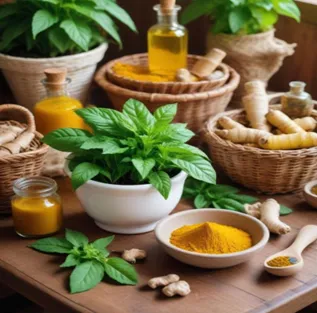
Plant-derived natural products constitute one of the largest and most extensively studied groups of bioactive compounds. Medicinal plants have been used for centuries in traditional healthcare systems such as Ayurveda, Traditional Chinese Medicine, and herbal medicine for treating inflammatory disorders. Plants synthesize a wide variety of secondary metabolites that protect them against environmental stress, pathogens, and herbivores. Many of these metabolites exhibit potent anti-inflammatory activity in humans.
Major classes of plant-derived phytochemicals include flavonoids, alkaloids, polyphenols, terpenoids, tannins, glycosides, and saponins. These compounds modulate inflammatory mediators by inhibiting cyclooxygenase, lipoxygenase, nuclear factor-kappa B, and cytokine signaling pathways. Common examples include curcumin from Turmeric, gingerol from Ginger, quercetin from onions and apples, and resveratrol from grapes.


Animal-derived natural products include bioactive compounds obtained from animals or animal secretions that possess therapeutic properties. These products have historically been used in folk medicine and continue to be investigated for pharmaceutical applications. Animal-derived compounds may exhibit anti-inflammatory, wound healing, analgesic, and immunomodulatory effects.
Examples include omega-3 fatty acids derived from fish oil, chitosan from crustacean shells, bee venom, snake venom peptides, and collagen-derived peptides. Omega-3 fatty acids are particularly important because they reduce the synthesis of pro-inflammatory eicosanoids and cytokines. Chitosan has shown wound healing and anti-inflammatory properties in biomedical applications.
Microorganisms such as bacteria, fungi, and actinomycetes are important producers of secondary metabolites with significant pharmacological activities. Microbial natural products have contributed immensely to modern therapeutics, especially in antibiotics, immunosuppressants, and anti-inflammatory agents.
Microbial metabolites often possess unique chemical structures not found in plants or animals. Certain bacterial and fungal metabolites regulate immune responses and suppress inflammatory pathways. Examples include cyclosporine from fungi, tacrolimus from Streptomyces, and various polysaccharides from probiotic bacteria. These compounds can modulate cytokine release and immune cell activation.
Marine ecosystems represent a rich source of chemically unique bioactive compounds. Marine organisms such as algae, sponges, corals, mollusks, and marine bacteria produce secondary metabolites with potent pharmacological properties. The extreme environmental conditions of marine habitats contribute to the production of structurally novel compounds.
Marine natural products have gained increasing attention for their anti-inflammatory potential. Sulfated polysaccharides, carotenoids, peptides, sterols, and terpenes isolated from marine organisms have demonstrated strong anti-inflammatory activity. Examples include fucoidan from brown algae, astaxanthin from microalgae, and bioactive compounds from marine sponges.


Although less commonly discussed, certain naturally occurring minerals and inorganic substances also possess medicinal value. Traditional medicine systems have used minerals and clays for anti-inflammatory and wound-healing purposes. These substances may exert protective effects by adsorbing toxins, reducing irritation, or modulating local inflammation.
Classification Based on Chemical Nature
Natural products can also be classified according to their chemical structure and biosynthetic origin.
Alkaloids.
Alkaloids are nitrogen-containing compounds with significant pharmacological activities. Many alkaloids exhibit anti-inflammatory and analgesic properties by modulating inflammatory mediators and neural signaling.
Examples:
Flavonoids
Flavonoids are polyphenolic compounds widely distributed in fruits, vegetables, and medicinal herbs. They possess strong antioxidant and anti-inflammatory activities.
Examples:
Quercetin
Catechin
Kaempferol
Polyphenols
Polyphenols are plant metabolites known for their ability to neutralize free radicals and reduce inflammation.
Examples:-
Curcumin
Resveratrol
Ellagic acid
Terpenoids
Terpenoids are a diverse class of naturally occurring compounds synthesized from isoprene units. Many terpenoids demonstrate anti-inflammatory effects.
Examples:-
Menthol
Boswellic acid
Limonene
Glycosides
Glycosides contain a sugar moiety linked to a bioactive non-sugar component. Many glycosides possess therapeutic properties.
Examples:
Tannins
Tannins are polyphenolic compounds known for antioxidant, antimicrobial, and anti-inflammatory activities.
Examples:
Phytochemicals and Mechanism of Anti-Inflammatory Action
Phytochemicals are naturally occurring bioactive chemical compounds synthesized by plants as secondary metabolites for protection against pathogens, environmental stress, ultraviolet radiation, and herbivores. Although these compounds are not directly involved in plant growth and development, they play a crucial role in plant defense and survival. In humans, phytochemicals exhibit a wide range of pharmacological activities, including antioxidant, anti-inflammatory, antimicrobial, anticancer, and immunomodulatory properties. Their diverse chemical structures enable them to interact with multiple molecular targets involved in inflammatory pathways, making them highly promising candidates for anti-inflammatory drug discovery.
Inflammation is regulated by a complex network of signaling pathways involving inflammatory mediators such as cytokines, prostaglandins, leukotrienes, chemokines, nitric oxide, and reactive oxygen species. Excessive production of these mediators contributes to tissue injury and chronic inflammatory diseases. Phytochemicals exert anti-inflammatory effects by modulating these mediators and suppressing intracellular signaling pathways such as nuclear factor-kappa B (NF-κB), cyclooxygenase (COX), lipoxygenase (LOX), mitogen-activated protein kinase (MAPK), Janus kinase-signal transducer and activator of transcription (JAK-STAT), and nuclear factor erythroid 2-related factor 2 (Nrf2). Through these mechanisms, phytochemicals reduce oxidative stress, inhibit inflammatory mediator release, and protect tissues from inflammatory damage.
Polyphenols are one of the most abundant and extensively studied classes of phytochemicals. They are widely distributed in fruits, vegetables, tea, coffee, cereals, and medicinal plants. Polyphenols are characterized by the presence of multiple phenolic rings, which contribute to their strong antioxidant and anti-inflammatory activities. These compounds effectively scavenge free radicals, reduce oxidative stress, and modulate inflammatory signaling pathways.
Curcumin, a major polyphenolic compound isolated from Turmeric, is among the most extensively studied natural anti-inflammatory agents. Curcumin inhibits activation of NF-κB, suppresses cyclooxygenase-2 (COX-2), and reduces the production of pro-inflammatory cytokines such as TNF-α, IL-1β, and IL-6. Resveratrol, another important polyphenol found in grapes and berries, exerts anti-inflammatory effects by inhibiting oxidative stress and modulating sirtuin-mediated signaling pathways. Polyphenols also activate Nrf2, which enhances cellular antioxidant defense by stimulating detoxifying enzymes.
Mechanism of Polyphenols


Flavonoids are polyphenolic plant metabolites commonly present in fruits, vegetables, tea, citrus fruits, and medicinal herbs. They possess potent antioxidant and anti-inflammatory properties due to their ability to neutralize free radicals and inhibit inflammatory enzymes. Structurally, flavonoids contain a characteristic phenyl-benzopyrone skeleton.
Important flavonoids include quercetin, catechin, kaempferol, luteolin, and apigenin. Quercetin is widely recognized for its strong anti-inflammatory activity. It inhibits mast cell degranulation, suppresses cytokine release, and reduces histamine-mediated inflammation. Catechins found in green tea inhibit oxidative stress and suppress inflammatory mediator synthesis.
Mechanism of Flavonoids
3. Alkaloids
Alkaloids are nitrogen-containing naturally occurring compounds that exhibit diverse pharmacological properties. They are widely found in medicinal plants and possess analgesic, antimicrobial, anti-inflammatory, and neuroprotective activities.
Examples include berberine, caffeine, nicotine-derived alkaloids, and piperine. Berberine has shown promising anti-inflammatory effects through suppression of inflammatory cytokines and inhibition of MAPK and NF-κB pathways. Piperine derived from black pepper enhances bioavailability of other phytochemicals, particularly curcumin.
Mechanism of Alkaloids
Terpenoids constitute one of the largest classes of plant secondary metabolites and are synthesized from isoprene units. They are commonly found in essential oils, aromatic herbs, and medicinal plants. Many terpenoids possess strong anti-inflammatory and antioxidant properties.
Boswellic acids from Frankincense are well known for inhibiting 5-lipoxygenase, thereby reducing leukotriene synthesis. Limonene, menthol, and carvacrol also exhibit significant anti-inflammatory effects by modulating inflammatory mediators.
Mechanism of Terpenoids
Tannins are high-molecular-weight polyphenolic compounds widely present in bark, fruits, seeds, and leaves. These compounds possess strong antioxidant and anti-inflammatory properties by scavenging free radicals and preventing oxidative tissue damage.
Tannins reduce inflammatory responses by suppressing cytokine production and stabilizing proteins in inflamed tissues. Their astringent properties also help reduce swelling and irritation.
Mechanism of Tannins
Saponins are glycosidic compounds known for their soap-like foaming characteristics. They are widely distributed in legumes, herbs, and medicinal plants. Saponins exhibit anti-inflammatory and immunomodulatory properties by regulating cytokine signaling and immune responses.
Mechanism of Saponins
Molecular Mechanisms of Anti-Inflammatory Action
Phytochemicals exert anti-inflammatory effects through multiple molecular targets:
NF-κB Inhibition
NF-κB is a major transcription factor regulating inflammatory genes. Many phytochemicals suppress NF-κB activation, reducing expression of cytokines and inflammatory enzymes.
COX and LOX Suppression
Cyclooxygenase and lipoxygenase catalyze the synthesis of prostaglandins and leukotrienes. Inhibition reduces pain, swelling, and inflammation.
Cytokine Modulation
Phytochemicals decrease production of:
Antioxidant Mechanism
Oxidative stress amplifies inflammation. Phytochemicals neutralize ROS and protect cells from oxidative injury.
MAPK Pathway Regulation
MAPK pathways regulate inflammatory gene expression and immune cell activation. Inhibition reduces inflammatory signaling.
Table 1: Comparative Analysis of Major Natural Anti-Inflammatory Phytochemicals.
|
Phytochemical |
Natural Source |
Chemical Class |
Major Mechanism of Action |
Therapeutic Applications |
|
Curcumin |
Turmeric |
Polyphenol |
NF-κB inhibition, COX-2 suppression, cytokine reduction |
Arthritis, cancer, inflammatory disorders |
|
Resveratrol |
Grapes, berries |
Polyphenol |
Antioxidant activity, SIRT pathway modulation |
Cardiovascular diseases, neuroinflammation |
|
Quercetin |
Onion, apple, leafy vegetables |
Flavonoid |
Histamine inhibition, mast cell stabilization |
Allergy, asthma, inflammation |
|
Gingerol |
Ginger |
Phenolic compound |
COX inhibition, prostaglandin reduction |
Pain, arthritis, inflammation |
|
Boswellic Acid |
Frankincense |
Terpenoid |
5-LOX inhibition |
Osteoarthritis, asthma |
|
Catechin |
Green tea |
Flavonoid |
ROS scavenging, cytokine inhibition |
Metabolic inflammation |
|
Piperine |
Black pepper |
Alkaloid |
Cytokine suppression, bioavailability enhancer |
Adjunct therapy |
|
Luteolin |
Celery, parsley |
Flavonoid |
NF-κB suppression |
Neuroinflammation |
Table 2: Comparison of Molecular Targets
|
Phytochemical |
NF-κB |
COX |
LOX |
MAPK |
ROS Reduction |
|
Curcumin |
Strong |
Strong |
Moderate |
Strong |
Strong |
|
Resveratrol |
Strong |
Moderate |
Moderate |
Strong |
Strong |
|
Quercetin |
Moderate |
Moderate |
Moderate |
Strong |
Strong |
|
Gingerol |
Moderate |
Strong |
Moderate |
Moderate |
Moderate |
|
Boswellic Acid |
Low |
Low |
Strong |
Moderate |
Moderate |
|
Catechin |
Moderate |
Low |
Low |
Moderate |
Strong |
Therapeutic Applications of Natural Anti-Inflammatory Agents
Natural anti-inflammatory agents have gained significant attention in modern pharmacotherapy because of their ability to modulate multiple inflammatory pathways with relatively fewer adverse effects compared to conventional synthetic drugs. These bioactive compounds act through inhibition of pro-inflammatory cytokines, suppression of oxidative stress, regulation of immune responses, and modulation of signaling pathways such as nuclear factor-kappa B (NF-κB), cyclooxygenase (COX), and lipoxygenase (LOX). Due to these multi-target mechanisms, natural products have demonstrated promising therapeutic potential in the prevention and management of various acute and chronic inflammatory disorders.
Rheumatoid arthritis (RA) is a chronic autoimmune inflammatory disorder characterized by persistent synovial inflammation, cartilage degradation, joint swelling, pain, and progressive bone destruction. The pathogenesis of RA involves excessive production of inflammatory mediators such as tumor necrosis factor-alpha (TNF-α), interleukin-1 beta (IL-1β), interleukin-6 (IL-6), prostaglandins, and matrix metalloproteinases. These mediators contribute to joint destruction and reduced mobility.
Natural compounds such as curcumin from Turmeric, boswellic acid from Frankincense, and gingerol from Ginger have shown substantial anti-arthritic activity. Curcumin suppresses NF-κB activation and reduces cytokine production, thereby decreasing joint inflammation and pain. Boswellic acids inhibit leukotriene synthesis and reduce cartilage degradation. These properties make natural products useful adjuncts in rheumatoid arthritis management.
Osteoarthritis is a degenerative joint disorder involving progressive cartilage breakdown, inflammation of synovial tissues, and bone remodeling. Although traditionally considered a non-inflammatory disease, inflammatory mediators play a crucial role in disease progression. Pro-inflammatory cytokines and oxidative stress accelerate cartilage degeneration.
Natural products such as curcumin, gingerol, quercetin, and catechins help reduce joint pain and stiffness by suppressing COX-2 activity and oxidative stress. Their antioxidant effects protect cartilage from further degradation and improve joint function.
Chronic inflammation plays a central role in the development of cardiovascular diseases including atherosclerosis, hypertension, myocardial infarction, and stroke. Endothelial dysfunction, oxidative stress, and inflammatory cytokines contribute to plaque formation and vascular injury.
Polyphenols such as resveratrol, catechins, and flavonoids exert cardioprotective effects through antioxidant and anti-inflammatory mechanisms. Resveratrol reduces oxidative stress, improves endothelial function, and suppresses inflammatory cytokines. These compounds may reduce the risk of atherosclerosis and improve cardiovascular health.
Inflammation is closely linked with tumor initiation, progression, angiogenesis, metastasis, and resistance to therapy. Chronic inflammatory conditions increase cancer risk by promoting DNA damage, oxidative stress, and abnormal cell proliferation.
Natural anti-inflammatory agents such as curcumin, resveratrol, quercetin, and epigallocatechin gallate inhibit tumor-promoting inflammatory pathways including NF-κB, STAT3, and COX-2 signaling. These compounds reduce oxidative damage and suppress inflammatory mediators involved in tumor progression, making them promising candidates for cancer prevention and supportive therapy.
Neuroinflammation contributes significantly to neurodegenerative diseases such as Alzheimer's disease, Parkinson's disease, and multiple sclerosis. Activated microglial cells release inflammatory cytokines and reactive oxygen species, resulting in neuronal damage and progressive cognitive decline.
Natural compounds including resveratrol, luteolin, quercetin, and curcumin exhibit neuroprotective effects by reducing oxidative stress and suppressing microglial activation. Their antioxidant and anti-inflammatory properties help protect neurons from chronic inflammatory damage.
Inflammatory bowel disease (IBD), including Crohn's disease and Ulcerative colitis, is characterized by chronic gastrointestinal inflammation. Excessive immune activation and cytokine release cause mucosal injury, abdominal pain, diarrhea, and impaired nutrient absorption.
Natural products such as curcumin, aloe vera, and polyphenols reduce intestinal inflammation by suppressing inflammatory mediators and improving mucosal healing. Their immunomodulatory properties help restore intestinal homeostasis.
Inflammatory processes are central to respiratory disorders such as asthma, chronic obstructive pulmonary disease (COPD), allergic rhinitis, and bronchitis. Airway inflammation causes bronchoconstriction, mucus hypersecretion, and breathing difficulty.
Natural compounds such as quercetin, boswellic acid, and flavonoids reduce airway inflammation by inhibiting leukotriene synthesis and suppressing inflammatory cytokines. Boswellic acids are particularly useful in asthma due to their inhibitory effects on the lipoxygenase pathway.
Chronic low-grade inflammation is strongly associated with insulin resistance, obesity, type 2 diabetes, and metabolic syndrome. Adipose tissue inflammation promotes excessive cytokine production and oxidative stress, contributing to metabolic dysfunction.
Natural compounds such as curcumin, resveratrol, catechins, and quercetin improve insulin sensitivity and reduce systemic inflammation. These agents suppress inflammatory signaling and protect pancreatic cells from oxidative damage.
Inflammation is a major component of dermatological conditions such as eczema, psoriasis, acne, dermatitis, and wound healing disorders. Excessive cytokine release and oxidative stress contribute to skin irritation and tissue damage.
Natural products such as aloe vera, tea tree oil, curcumin, and flavonoids demonstrate anti-inflammatory and wound-healing effects. These compounds reduce erythema, irritation, and local inflammatory responses while promoting tissue repair.


Inflammation is closely associated with pain conditions including muscle injury, back pain, tendon inflammation, and sports injuries. Inflammatory mediators sensitize pain receptors and increase pain perception.
Natural analgesic anti-inflammatory compounds such as gingerol, curcumin, capsaicin, and menthol reduce inflammatory pain by inhibiting prostaglandin synthesis and modulating pain signaling pathways.
Recent Advances in Nanotechnology for Natural Anti-Inflammatory Agents
Recent advances in nanotechnology have significantly improved the therapeutic potential of natural anti-inflammatory compounds by overcoming major limitations such as poor aqueous solubility, low bioavailability, rapid metabolism, instability, and limited target specificity. Although many phytochemicals demonstrate potent anti-inflammatory activity in vitro and in preclinical studies, their clinical translation is often restricted by poor pharmacokinetic properties. Nanotechnology-based drug delivery systems offer innovative strategies to enhance the absorption, distribution, stability, and therapeutic efficacy of these bioactive compounds.
Nanoparticles are among the most widely studied nanocarriers for natural products. Polymeric nanoparticles, lipid nanoparticles, and inorganic nanoparticles can encapsulate phytochemicals and protect them from degradation. This encapsulation improves systemic circulation time and facilitates controlled drug release. Curcumin-loaded nanoparticles have shown enhanced anti-inflammatory activity due to improved cellular uptake and prolonged circulation.
Liposomes are spherical vesicles composed of phospholipid bilayers capable of encapsulating both hydrophilic and lipophilic compounds. Liposomal formulations of curcumin, resveratrol, and quercetin have demonstrated improved solubility and bioavailability. Liposomes also enhance tissue targeting and reduce systemic toxicity.
Nanoemulsions are thermodynamically stable colloidal dispersions with droplet sizes typically in the nanometer range. These systems improve oral absorption and membrane permeability of poorly soluble phytochemicals such as gingerol and essential oils. Nanoemulsions have shown promising applications in inflammatory skin disorders and oral drug delivery.
Phytosomes represent advanced vesicular systems in which phytoconstituents are complexed with phospholipids to enhance membrane permeability. Compared to conventional herbal extracts, phytosomes demonstrate superior absorption and therapeutic efficacy. Quercetin and catechin phytosomal formulations have shown improved pharmacological performance.
Solid lipid nanoparticles and nanostructured lipid carriers offer additional advantages such as controlled release, physical stability, and enhanced drug loading. These systems are increasingly explored for targeted anti-inflammatory therapy. Nanotechnology therefore provides a promising platform for improving the clinical applicability of natural anti-inflammatory agents.
Limitations and Challenges:-
Despite the considerable therapeutic potential of natural anti-inflammatory agents, several limitations hinder their widespread clinical use and commercial development. One of the major challenges is poor bioavailability. Many phytochemicals, including curcumin and resveratrol, suffer from low water solubility, poor intestinal absorption, rapid metabolism, and fast elimination, resulting in reduced systemic exposure and limited therapeutic efficacy.
Another significant limitation is lack of standardization. Natural products often exhibit variability in chemical composition due to differences in plant species, geographical location, harvesting conditions, storage, and extraction methods. Such variability affects consistency, potency, and reproducibility of therapeutic outcomes.
Limited clinical evidence remains a major barrier. Although numerous in vitro and animal studies support anti-inflammatory effects of phytochemicals, well-designed human clinical trials are relatively scarce. Insufficient clinical data makes it difficult to establish optimal dosage, long-term safety, and efficacy.
Potential herb-drug interactions also pose challenges. Natural products may interact with conventional medications by altering metabolism, absorption, or pharmacological activity, potentially leading to adverse effects or reduced therapeutic efficacy.
Regulatory challenges further complicate commercialization. Herbal products often lack stringent regulatory guidelines regarding quality control, safety evaluation, and manufacturing standards. This creates difficulties in approval and global market acceptance.
Large-scale production and formulation development also remain difficult due to extraction costs, purification complexity, and stability issues. Addressing these limitations is essential for successful integration of natural products into modern therapeutics.
FUTURE PERSPECTIVES
The future of natural anti-inflammatory drug discovery appears highly promising due to increasing scientific interest in safer and multi-target therapeutic agents. Advances in phytochemistry, biotechnology, molecular pharmacology, and pharmaceutical sciences are expected to accelerate the identification and development of novel bioactive compounds from natural sources.
Future research should prioritize isolation and characterization of unexplored phytochemicals from medicinal plants, marine organisms, and microbial sources. Advanced analytical tools such as high-performance liquid chromatography, mass spectrometry, and metabolomics will facilitate identification of potent anti-inflammatory molecules.
Greater emphasis should be placed on molecular target-based drug discovery to understand precise mechanisms of action. Identification of novel signaling pathways and biomarkers may improve therapeutic precision and personalized medicine approaches.
Nanotechnology and advanced drug delivery systems are expected to play a crucial role in enhancing bioavailability and targeted delivery of phytochemicals. Novel formulations such as nanoparticles, liposomes, phytosomes, and nanogels may improve therapeutic outcomes and expand clinical applications.
Large-scale randomized clinical trials are necessary to validate safety and efficacy in human populations. Such evidence will strengthen scientific acceptance and support regulatory approval.
Integration of traditional medicinal knowledge with modern evidence-based research may create new opportunities for innovative anti-inflammatory therapeutics. Continued interdisciplinary collaboration between pharmacologists, chemists, clinicians, and pharmaceutical industries will be essential for future progress.
CONCLUSION
Inflammation is a complex biological response essential for host defense and tissue repair; however, chronic or uncontrolled inflammation contributes significantly to the pathogenesis of numerous diseases, including arthritis, cardiovascular disorders, cancer, diabetes, neurodegenerative diseases, and inflammatory bowel disease. Conventional anti-inflammatory therapies such as NSAIDs and corticosteroids are effective but often associated with adverse effects during long-term use.
Natural products have emerged as promising anti-inflammatory agents due to their structural diversity, broad pharmacological activities, and relatively safer profiles. Bioactive phytochemicals such as curcumin from Turmeric, resveratrol, quercetin, gingerol from Ginger, and boswellic acids from Frankincense demonstrate significant anti-inflammatory effects by modulating multiple signaling pathways, including NF-κB, COX, LOX, MAPK, cytokines, and oxidative stress pathways.The multi-target mechanism of natural products offers distinct advantages over conventional single-target drugs. Additionally, recent advances in nanotechnology and novel drug delivery systems have improved the therapeutic potential of phytochemicals by enhancing stability, solubility, and bioavailability. Despite challenges such as poor standardization, limited clinical evidence, and regulatory barriers, continued scientific research and technological innovation may facilitate the development of safer and more effective anti-inflammatory therapies. Natural products therefore represent an important and promising frontier in modern anti-inflammatory drug discovery.
REFERENCES

Priti Sah, Dr. Rishikesh Bachhav, Harsha Suryawanshi, Natural Products as Emerging Anti-Inflammatory Agents: A Comprehensive Review, Int. J. of Pharm. Sci., 2026, Vol 4, Issue 6, 6091-6108, https://doi.org/10.5281/zenodo.20827738
 10.5281/zenodo.20827738