
View Article

Abstract

The purpose of this review is to learn more about the medicinal plants ability to prevent ulcers. of essence, it is an inflammatory rupture of the mucous membrane or skin that lines the digestive tract. The most prevalent condition affecting the gastrointestinal tract gastrointestinal tract is ulceration, which is mostly caused by an imbalance between the defensive and aggressive The erosion of the stomach and duodenal lining is known as a peptic ulcer. Duodenal and stomach ulcers are the two varieties. To treat ulcers, a variety of synthetic drugs are available. However, these drugs are more expensive and probably have more side effects than natural therapy. According to the literature, many ayurveda physicians and traditional healers treat ulcers with a variety of medicinal plants and polyherbal combinations. The ideal objectives of treating peptic ulcer illness are to reduce discomfort, heal the ulcer, and stop it from coming again. An attempt has been made to learn about the different medicinal plants that can be used In this review, efforts have been made to learn about various medicinal plants that may be utilized to treat or prevent peptic ulcers in both modern science and Ayurveda.

Keywords

Medicinal Plants, Prevent Ulcers, Natural Remedies

Introduction

× Popup Image

Ulcers are caused by outwardly irritated dead tissue that erodes the. One feature of ulcers, which are open sores, i.e. the shedding of inflammatory dead tissue from the skin or mucous membrane.1,2 Vaginal, oesophageal, peptic, and oral ulcers are among the many types of ulcers."Ulcus" (genitive: ulceris), a Latin word meaning sore, wound, or ulceris the root of the English word ulcer. Vaginal, oesophageal, peptic, and oral ulcers are among the many types of ulcers.3A peptic ulcer is a painful sore or wound those forms on the inner lining of the stomach, small intestine (usually the duodenum), or oesophagus, caused by the excessive erosion of the mucosal lining.4 This erosion occurs as a result of the digestive acids in the stomach coming into direct contact with the sensitive underlying tissues.5 The term “peptic” refers to pepsin, the enzyme involved in the digestive process, while “ulcer” refers to a break or hole in the lining of an organ.6 Peptic ulcers are among the most common gastrointestinal conditions worldwide, affecting millions of people each year.7

1.1 TYPES OF PEPTIC ULCER

1. Gastric ulcer:

These ulcers are referred to as gastric ulcers when they develop in the stomach.4 In the elderly age range, ulcers are prevalent.8

2. Duodenum ulcer:

Duodenal ulcers are the name given to ulcers that develop in the duodenum.5 Men are the main victims of duodenal ulcers, which are more prevalent in younger adults.9 Ulcers may form on the duodenum's anterior and posterior walls.10

1.2 Causes



Fig 1. Causes of peptic ulcer

1.3 Peptic ulcer symptoms and indicators:



Fig.2 Signs & Symptoms of peptic ulcer

1.5  Pathophysiology:

The most common peptic ulcers are caused by an imbalance between the stomach's defense and

destructive mechanisms. HCl, pepsin, ethanol, NSAIDs, stress, smoking, and H. pylori infection are among the harmful elements. Mucus-bicarbonate barrier, mucin secretion prostaglandins, and antioxidant enzymes are examples of defense factors. One Helicobacter pylori infections and pharmacological reactions, especially to NSAIDS (non steroidal anti-inflammatory medicines), are two causes ofpeptic ulcers. By staying between the mucous layer and the gastric epithelium, the Gram-negative bacterium Helicobacter pylori is able to endure in the harsh environment of the stomach. Helicobacter pylori initially reside in the antrum before progressively migrating to the closer areas of the stomach. 11

1.6 Prevalence:

Approximately 10% of people worldwide suffer from ulcers, of which 5% are stomach ulcers. Peptic ulcers are more common in men than in women. For men, the prevalence is between 11% to 14%, whereas for women, it is 8% to 11%. The current study reviewed medicinal plants included in ayurveda materials that are thought to have gastroprotective and ulcer-healing properties. The retrieved research either clearly show how efficient these herbs are or indirectly show how effective they are on the mechanisms involved in treating peptic ulcers.12

HERBAL PLANTS USED AS ANTIULCER ACTIVITY

1. Zingiber officinalis Roscoe

Zingiber officinalis Roscoe sometimes referred to as ginger, is a spice that is used as a flavoring agent and is a from of the Zingiberaceae family. Proliferative, hepatoprotective, anti-inflammatory, anti-migraine, antiemetic, anti-inflammatory, antimicrobial, antithrombotic, anti-analgesic, and anti-osteoarthritic propertiesare among the plant's reported pharmacological properties. 13 Although ginger encourages stomach secretions, its powdered rhizome has long been employed as a traditional treatment for gastrointestinal issues, including peptic ulcers.14

Anti-ulcer activity: - Ginger has been found to contain a number of anti-ulcer chemicals, such as ar-curcumene, 6-gingesulphonic acid15, and 6-shogaol.16 The most noteworthy is 6-gingesulphonic acid, which exhibited stronger anti-ulcer efficacy and less pungency than 6-gingerol and 6-shogaol.17, 18 Ginger may potentially have antiulcer properties because of its strong thromboxane synthetase inhibition.19 Ginger in high dosages most likely irritates the stomach.
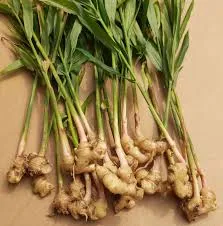


Figure-1:Zingiber officinalis Roscoe

2. Morus alba Linn:

White mulberry is a popular name for Morus alba Linn is a member of the Moraceae family. Around the world, white mulberry is grown wherever silkworms are kept. White mulberry leaves are the main feeding source for silkworms. There are multiple names for the plant in several languages, including Tamil: Muskets, Malayalam: Malbari, English: Mulberry, Hindi: Tut, and Sanskrit: Tutam. Tribes in this nation have long used this widely growing plant to treat conditions such diabetes, influenza, eye infections, nosebleeds, asthma, coughing, edema, insomnia, and wound healing 20. The fruit of the mulberry has long been used as a remedy totreat weakness, exhaustion, anemia, early graying of the hair, and to replenish the blood and kidneys. dditionally, it is used to treat older patients' constipation, tinnitus, dizziness, and urine incontinence 21.

Additionally, was found that β cell regeneration lowered blood glucose levels22.
Anti-ulcer activity: Rats with artificially produced stomach ulcers showed antiulcer activity from plant leaf extracts 23. Chinese medicine has long utilized the white mulberry for therapeutic purposes; practically every component of the plant is used 24. The greatest source of health-promoting phytochemicals that may be utilized as a vegetable is found in mulberry leaves. Higher levels of quercetin, which lowers the oxidation process both in vivo and in vitro, are found in mulberry leaves.
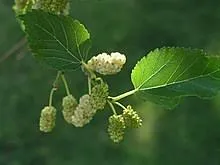


Figure-2: Morus alba Linn

3. Aegle marmelos:

Aegle marmelos, often referred to as a “bale tree”.The plant that grows most commonly belongs to the Rutaceae family in India. On a local level, it is referred to as "vilvam." This plant contains Chemical constituents include flavonoids, tannins, and saponins 25. In folk medicine, antiulcer activity. The Kani tribes in Tamil Nadu, India's Kanyakumari area, have long utilized thefruit of A. marmelostotreat ulcers.25

In current research. Rats with Aspirin and pylorus-ligated stomach ulcers develop ulcers, and for 21 days, an aqueous extract of leaves is administered orally at a dose of 1gm/kg daily.26

Active Constituents:-  Luvangetin, a pyranocoumarin isolated from the seeds. 27

.
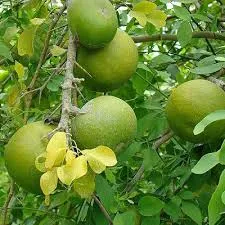


Figure -3: Aegle marmelos

4. Mangifera indica:

 Mangifera indica (Anacardiaceae) is commonly known as “mango tree.”"Mangaai" is the local term for it. It is cultivated throughout India. Among this plant's chemical constituents include flavonoids, alkaloids, sterols, saponins, and tannins 28. Leaf extracts were dissolved in rice bran oil and taken orally to heal ulcers. According to traditional reports, the plant has antiulcer properties 29.

In current research. Rats with gastrointestinal lesions were given the flower decoction orally in increments of 250, 500, and 1000 mg/kg that are dosage dependant. Consequently, the extract significantly reduced the amount of gastric juiceand the acidity of the stomach 30.
Components that are active: - Mangiferin 31
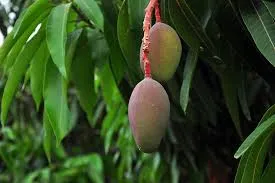


Figure -4 :Mangifera indica

5. Aloe vera:-

"Aloe gel" is the popular term for aloe vera, which is a member of the Liliaceae family. Locally, it is known as "kattalai," and it is present throughout India. This herbcontains the chemical components emodin, isobarbaloin, and aloin 32.  In America, leaves are effectively used as a cure for chronic ulcers locally. Initially, the pain subsides as the ulcers heal after a few weeks 33.

In current research. solution of aloe vera powder and gum acacia was given orally to rats  at a dose of 200 mg/kg to prevent stomach ulcers caused by indomethacin. Significant antiulcer action was demonstrated by the extract, which was on par with control 34.
Components that are active:-Saponins, isobarbolin, and barbalin are regarded as
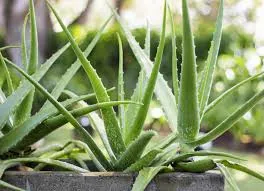


Figure-5:Aloe vera


6. Annona squamosa:-

The common name for Annona squamosa (Annonaceae) is “custard apple.” It is cultivated in gardens all over India which is locally called as “sitapalam.”Alkaloids, flavonoids, saponins, and tannins are all present in this plant. Seeds are the source of oil and resin.; an acrid principle is present in seeds, leaves, and immature fruits.35                                                                                                                  

According to recent studies, leaves groundapplied on unhealthy ulcers as a paste without water 35

Rats were shielded from ethanol-induced stomach ulcers and pylorus ligation by the aqueous leaf extract. 36
Components that are active:- Tannic acid is taken into account.
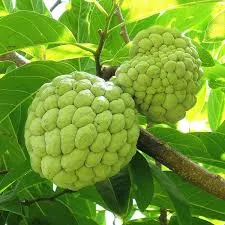


Figure-6:-Annona squamosa

7.Beta vulgaris:-

Beta vulgaris (Chenopodiaceae) is commonly known as “beetroot”alsoknown as sugar beet, it is native to the Mediterranean shores and is currently widely grown in Europe and America. In several regions of India, it is also grown in gardens for the meaty roots and leaves. Red and white are the two varieties. This plant's chemical components include the active principle "betin."37

Ayurvedic antiulcer activity:- For all types of ulcers and running sores, a root decoction with a little vinegar added works wonders. 37
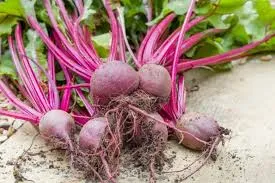


Figure-7:Beta vulgaris

8.Hibiscus rosa sinensis.

Hibiscus rosa sinensis (Malvaceae) is commonly known as “changing rose.” It is locally called “chembaruthi.” Originally from China, it is now widely grown throughout India as an ornamental plant. Flavonoids, anthocyanins, quercetin, cyanidin, kaempferol, and hydrocitric acid are some of the chemical components of this plant. In folk medicine, antiulcer activity 38. For many years, the Kani tribes in Tamil Nadu, India's Kanyakumari district have used the root of H. rosa sinensis to treat ulcers 38.

In current research: At dosages of 250 and 500 mg/kg, In rats with pylorus ligation, H. rosea sinensis root extracts in both aqueous and alcohol form showed potent antiulcer effects. Therefore, the potential of these extracts as an antiulcerogenic agent has been demonstrated by science 39.
components that are active. Quercetin and flavonoids are taken into consideration.
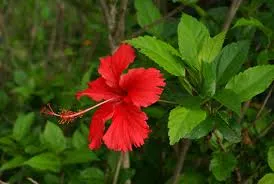


Figure-8:Hibiscus rosa sinensis


9.Ocimum sanctum Linn

Ocimum sanctum, a member of the Lamiaceae family, is significant due to its potential for therapeutic use. The chemical components of the two types of Ocimum sanctum—black (Krishna Tulsi) and green (Rama Tulsi)—are comparable 40. There are Ocimum sanctum plants all over the Indian subcontinent. An essential part of the Hindu sacred tradition is Tulsi. Ayurveda and Siddha systems of medicine use various plant parts to prevent and treat a wide range of ailments. Many conditions, including wounds, bronchitis, liver illnesses, catarrhal fever, ophthalmia, lumbago, hiccough, ophthalmia, stomach disorders, genitourinary disorders, skin diseases, different poisonings, and psychological stress disorders, can be treated at home with tulsi 41,42 . Additionally, it contains demulcent, diuretic, expectorant, alexiteric, vermifuge, febrifuge, fragrant, stomachic, and carminative qualities.

Anti-ulcer activity:

The fixed oil's lipoxygenase inhibitory, histamine antagonistic, and antisecretory properties gave it a notable antiulcer impact. Antibacterial, anti-inflammatory, antihypertensive, cardioprotective, antipyretic, immunomodulatory, antioxidant, chemopreventive, central nervous system depressant, antifertility, anti-stress, anti-cataract, anticoagulant, hepatoprotective, and radioprotective are among the plant's reported pharmacological properties 43.
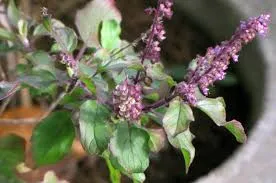


Figure-9:Ocimum sanctum

10.Carica papaya:-

"Papaya" is a common name for Caricaceae. Locals refer to it as "papali-pazham." It can be seen growing in many subtropical areas and all tropical countries.Among this plant's chemical constituents are papain, chymopapain, pectin, carposide, carpaine, carotenoids, and antheraxanthin44.

Folk Medicine's Antiulcer Activity: Tropical folk treatments use it extensively. Ripe fruit can be eaten, and unripe fruit can be prepared to treat indolent ulcers. The unripe fruit can be cooked and added to salads, jellies, and stews, but the ripe fruits are usually eaten raw, without the skin or seed. Consuming the plant's immature fruit has been associated with a lower risk of developing ulcers 44.

In current research: - Rats were given oral administration of C. papaya aqueous seed extract at 50 and 100 mg/kg to stop stomach ulcers caused by ethanol oral doses of 50 and 100 mg/kg of C. papaya aqueous seed extract to prevent ethanol-induced stomach ulcers. The extract shielded the stomach mucosa from the effects of ethanol. The volume and acidity of gastric juice were considerably decreased by C. papaya extract 45.

Components that are active. Papain and chymopapain are well known for their ability to help with gastrointestinal tract disturbances and digestive issues46.
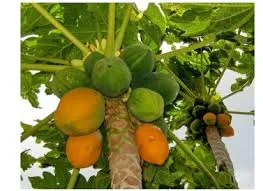


Figure-10: Carica papaya


11.Tamarindus indica

Plant belongs from family Caesalpiniaceae are the "tamarind tree" as they are commonly known. The local term for it is "puli; puliyam-pazham." Originally from South India, this evergreen tree is planted all over India and Burma.The pulp of this plant includes 25–40% invert sugar, gum, pectin, malic and acetic acids, 5% tartaric acid, 4% citric acid, and 8% potassium tartaric acid. Seeds contain lipids, albuminoids, fiber, 63.22% carbohydrates, and ash that contains phosphate and nitrogen. Fruit contains tiny amounts of oxalic acid 47.

Ayurvedic antiulcer activity : The leaves are used as a wash for indolent ulcers and their decoction promotes good behaviour 47. In the pylorus ligation-induced ulcer model, the methanolic extract of T. indica seed coat at 100 and 200 mg/kg significantly reduces the amount of gastric juice in total. as well as the free and total acidity of gastric output as compared to control. components that are active 48. They take tannins is active component.
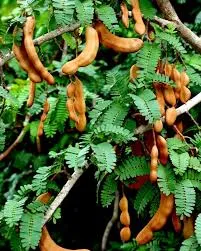


Figure-11: Tamarindus indica

12. Moringa oleifera: -

The Moringaceae family is popularly referred to as the "drum-stick, horse radish tree."People in the area call it "murungai."It is native to Asia Minor, Arabia, Africa, India, Pakistan, as well as the sub-Himalayan and Western areas. This plant's chemical components include terpenoids, alkaloids, flavonoids, saponin, tannins, zeatin, quercetin, and kaempferom 49.

Folklore medicine : Many elements of the plant have long been recognized for their medicinal properties in folk medicine. The leaf tea is used by the Kani tribal people of Tamil Nadu, India's Pechiparai Hills, to treat stomach ulcers. It has been demonstrated that M. oleifera flower buds, which are frequently consumed in Pakistan, have antiulcer qualities. The alcoholic leaf extract of M. oleifera was administered orally to rats at 125, 250, and 500 mg/kg to prevent stomach ulcers brought on by aspirin, ethanol, cold restraint stress, and pylorus ligation. The extract demonstrated reductions in acid pepsin secretion and ulcers 50.

Components that are active:- Beta carotene, beta sitosterol, and quercetin are thought to
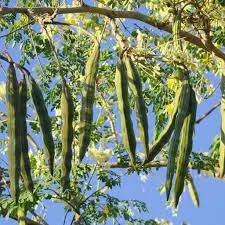


Figure-12: Moringa oleifera

Plants and their antiulcer activity


Plant Name

Family

Common Name

Part Used

Active Constituent

Medicinal Use

Zingiber officinalis Roscoe

Zingiberaceae

Ginger

Rhizome

Curcumene ,     6-gingesulphonic acid and 6-shogaol

Antiulcer, hepatoprotective, anti-inflammatory, anti-migraine, antiemetic, antimicrobial, anti-osteoarthritic

Morus alba Linn

Moraceae

White mulberry

Leaves

Quercetin

Antiulcer, diabetes, influenza, eye infections, urine incontinence  to replenish the blood and kidneys urine incontinence

Aegle marmelos

Rutaceae

Vilvam, bale tree

Leaves

Luvangetin, pyranocoumarin

Antiulcer, Antidiabetic , Anti-inflammetory, cardioprotective, Hepatoprotective,  analgesic

Mangifera indica

Anacardiaceae

Mango, Mangaai

Leaves, Flowers


Mangiferin

Antiulcer, antioxidant, Hypoglycemic effect, Anti microbial, Anti- cancer, Wound healing

Aloe vera

Liliaceae

Kattalai,

Leaves

Saponins, isobarbolin, barbalin

Antiulcer, Anti cancer Antioxidant, Laxative Effect, Skin-protective Hepatoprotective

Annona squamosa

Annonaceae

Sitapalam

Leaves

Tannic acid, saponins

Antiulcer, Anticancer

Antiparasitic, wound healing activity, Antidiabetic,  Anticonvulsant activity

Beta vulgaris

Chenopodiaceous

Beetroot

Roots

Betin

Antiulcer, Anticancer, Antihypertensive, Erogenic, Anti-anemic, Neuroprotective Cardioprotective effect

Hibiscus rosa sinensis

Malvaceae

Changing rose,

Chembaruthi

Roots

Quercetin, flavonoids

Hepatoprotective, Antiulcer, Analgesic, Antifertility, Uterotonic, Anthelmintic effects

Ocimum sanctum Linn

Lamiaceae

Holy basil, Tulsi

Leaves

Fixed oil eugenol

Antiulcer, Antidiabetic, Thrombocytopoietic, Hepatoprotective, Gastroprotective

Carica papaya

Caricaceae

Papaya

Fruits, Seeds

Papain, chymopapain

Antiulcer, Diagestive Aid, Antioxidant, immunomodulatory, Hypoglycemic, Wound healing , Cardioprotective

Tamarindus indica

Caesalpiniaceous

Tamarind tree

Leaves

Tannins


Antiulcer, Anthelmintic, Hepatoprotective, Anti-inflammatory, Antipyretic

Moringa oleifera

Moringaceae

Drum-stick, Horse radish tree

Leaves

Beta carotene, beta sitosterol,  quercetin

Antiulcer,  Antifatigue Neuroprotective, Hepatoprotective, , Antipyretic effects


CONCLUSION

This study clearly shows the importance of medicinal herbs in the treatment of a variety of diseases. Numerous herbal plants and plant extracts have potent antiulcer effects in animal models. Compared to reference herbal medications, it exhibits mucoprotective and gastrointestinal anti-secretary properties. Even at comparatively high quantities, the extract is non-toxic. According to our review's findings, the aforementioned medicinal plants may help prevent ulcers by using the dose-dependent principle. Numerous botanical compounds have been shown to have antiulcer properties.

Lastly, it should be mentioned that compounds with antiulcer properties, like flavonoids and tannins, are very important for treatment. According to the study's findings, there is a good chance that several medicinal plant extracts, including leaf and plant extracts, could be used to treat peptic ulcer illness

REFERENCES

  1. Ramasubramaniaraja R, Babu M N, Peptic ulcer and phytochemistry: an overview, Journal of Pharmacy Research, 4, 2011, 156-160.
  2. Thabrew MI, Arawwawala LDAM, An overview of in vivo and in vitro models that can be used for evaluating anti-gastric ulcer potential of medicinal plants, Austin biology, 1 , 2016, 1-9.
  3. Ravisankar P, Koushik OS, Reddy AA, Kumar UE, Anvith PS, Pragna P, A detailed analysis on acidity and ulcers in esophagus, gastric and duodenal ulcers and management, IOSR Journal of Dental and Medical Sciences,15,2016,94-114.
  4. Mayo Clinic Staff. (2023). Peptic ulcer. Mayo Clinic. https://www.mayoclinic.org/diseases-conditions/peptic-ulcer/symptoms-causes/syc-20354223
  5. National Institute of Diabetes and Digestive and Kidney Diseases. (2021). Definition & facts for peptic ulcers (stomach ulcers). U.S. Department of Health and Human Services. https://www.niddk.nih.gov/health-information/digestive-diseases/peptic-ulcers-stomach-ulcers/definition-facts.
  6.  Kumar, P., & Clark, M. (2020). Kumar and Clark's clinical medicine (10th ed.). Elsevier.
  7. World Gastroenterology Organisation. (2022). Practice guidelines: Peptic ulcer disease. https://www.worldgastroenterology.org/guidelines/global-guidelines/peptic-ulcer-disease
  8. Sleisenger, M. H., Feldman, M., Friedman, L. S., & Brandt, L. J. (2010). Sleisenger and Fordtran’s gastrointestinal and liver disease: Pathophysiology, diagnosis, management (9th ed.). Saunders Elsevier.
  9. Sonnenberg, A. (2013). Review article: Historic changes of Helicobacter pylori-associated diseases. Alimentary Pharmacology & Therapeutics, 38(4), 329–342. https://doi.org/10.1111/apt.12408
  10. Schwartz, S. I., Brunicardi, F. C., Andersen, D. K., et al. (2010). Schwartz's principles of surgery (9th ed.). McGraw-Hill Education.
  11. Suerbaum, S., & Michetti, P. (2002). Helicobacter pylori infection. New England Journal of Medicine, 347(15), 1175–1186. https://doi.org/10.1056/NEJMra020542
  12. Siddique, N. A., Rehman, S., Farooq, M., & Malik, M. F. (2015). Herbal approach in the treatment of peptic ulcer. Journal of Sheikh Zayed Medical College, 6(3), 828–835. Retrieved from https://applications.emro.who.int/imemrf/J_Sheikh_Zayed_Med_Coll/J_Sheikh_Zayed_Med_Coll_2015_6_3_828_835.pdf
  13. Ghosh, A. K., Mullick, H. I., Banerjee, J., & Banerjee, S. (2011). Zingiber officinale: A natural gold. International Journal of Pharma and Bio Sciences, 2(1).
  14.  Backon, J. (1986). Ginger: Inhibition of thromboxane synthetase and stimulation of prostacyclin: Relevance for medicine and psychiatry. Medical Hypotheses, 20, 271–278.
  15. Yoshikawa, M., Hatakeyama, S., Taniguchi, K., Matsuda, H., & Yamahara, J. (1992). 6-Gingesulfonic acid, a new antiulcer principle and Gingerglycolipids A, B and C, three new monoacyldigalactosyl glycerols, from Zingiberis Rhizoma originating in Taiwan. Chemical and Pharmaceutical Bulletin, 40, 2239–2241.
  16. . Yamahara, J., Hatakeyama, S., Taniguchi, K., Kawamura, M., & Yoshikawa, M. (1992). Stomachic principles in ginger II: Pungent and antiulcer effects of low polar constituents isolated from ginger, the dried rhizome of Zingiber officinale Rosc. cultivated in Taiwan. The absolute stereostructure of a new diarylheptanoid. Yakugaku Zasshi: Journal of the Pharmaceutical Society of Japan, 112, 645–655.
  17.  Yamahara, J., Mochizuki, M., Rong, H. Q., Matsuda, H., & Fujimura, H. (1988). The antiulcer effect in rats of ginger constituents. Journal of Ethnopharmacology, 23, 299–304.
  18. Al-Yahya, M. A., Rafatullah, S., Mossa, J. S., Ageel, A. M., Parmar, N. S., & Tariq, M. (1989). Gastroprotective activity of ginger (Zingiber officinale Rosc.) in albino rats. American Journal of Chinese Medicine, 17, 51–56.
  19.  Srivastava, K. C. (1984). Aqueous extracts of onion, garlic and ginger inhibit platelet aggregation and alter arachidonic acid metabolism. Biomedica Biochimica Acta, 43, 335–346. 10.
  20.  Anonymous. (1952). The Wealth of India: A dictionary of Indian raw materials (Vol. 7, pp. 429–437). New Delhi: Council of Scientific and Industrial Research.
  21.  Nadkarni, A. K. (1976). Indian materia medica (Vol. 1, pp. 1292–1294). Mumbai: Popular Prakashan.
  22.  Jamshid, M., & Prakash, R. N. (2012). The histopathologic effects of Morus alba leaf extract on the pancreas of diabetic rats. Turkish Journal of Biology, 36, 211–216.
  23.  Ali, H. M., Ahmed, K. A., Abdulla, M. A., Ismail, S., & Noor, S. M. (2009). Evaluation of the anti-ulcer activities of Morus alba extracts in experimentally-induced gastric ulcer in rats. Biomedical Research, 20(1), 35–39.
  24.  Mhaskar, K. S., Latter, E. B., Caius, J. S., & Kirtikar and Basu. (2000). Indian medicinal plants (Vol. 3, p. 3185). Sri Satguru Publications.
  25. Kumari Subitha, T., Ayyanar, M., Udayakumar, M., & Sekar, T. (2011). Ethnomedicinal plants used by Kani tribe in Pechiparai forest of Southern Western Ghats, Tamil Nadu, India. International Research Journal of Plant Science, 2(12), 344–354.
  26. Ilavarasan, R., Manideen, S., & Vijayalakshmi, M. (2012). Antiulcer activity of Aegle marmelos. Ancient Science of Life, 21(4), 23–26.
  27.  Goel, R. K., Maiti, R. N., Manickam, M., & Ray, A. B. (1997). Antiulcer activity of naturally occurring pyrano-coumarin and iso-coumarins and their effect on prostanoid synthesis using human colonic mucosa. Indian Journal of Experimental Biology, 35(10), 1080–1083.
  28. K. M. Nadkarni’s, Indian Materia Medica, Volume 1, pp. 764–769, Popular Prakashan, Mumbai, India, 1976.Nadkarni, K. M. (1976). Indian materia medica (Vol. 1, pp. 764–769). Mumbai, India: Popular Prakashan.
  29.  N. Neelima, M. Sudhakar, M. B. Patil, and B. V. S. Lakshmi,“Anti-ulcer activity and HPTLC analysis of Mangifera indica leaves,” International Journal of Pharmaceutical and Phytopharmacological Research, vol. 1, no. 4, pp. 146–155, 2012.
  30. Z. P. Lima, J. A. Severi, C.H. Pellizzon et al., “Can the aqueous decoction of mango flowers be used as an antiulcer agent?”Journal of Ethnopharmacology, vol. 106, no. 1, pp. 29–37, 2006.
  31. Ruan, Q., Liu, M., Fan, M., Yang, D., & Xu, Z. (2024). Mangiferin suppresses lipid synthesis in human sebocytes via the AKT signaling pathway. Journal of Asian Natural Popular Prakashan.
  32. Wichtl, M., & Bisset, N. (2000). In Herbal Drugs and Phytopharmaceuticals (2nd ed.). Medpharm Scientific Publishers. (In this work, aloe latex compounds like aloins A/B (barbaloin / isobarbaloin) and emodin are discussed.)
  33. Borra, S., Lagisetty, R. K., & Mallela, G. R. (2011). Anti‑ulcer effect of Aloe vera in non‑steroidal anti‑inflammatory drug induced peptic ulcers in rats. African Journal of Pharmacy and Pharmacology, 5(16), 1867‑1871. https://doi.org/10.5897/AJPP11.306
  34. Fallah Huseini, H., Nazari, M., & Amin, G. (2015). Effects of Aloe vera leaf gel powder and extracts on indomethacin‑induced gastric ulcer in rats. Journal of Medicinal Plants, 14(55), 58‑65.
  35. K. M. Nadkarni’s, Indian Materia Medica, Volume 1, pp. 116-117, Popular Prakashan, Mumbai, India, 1976.
  36. Saleem, T. S. M., Kumar, R. P., Priyanka, N., Madhuri, M., Sravanti, V., & Sarala, K. (2012). Anti-ulcerogenic effect of aqueous extract of Annona squamosa (Linn). International Journal of Research in Phytochemistry and Pharmacology, 2(3), 157–159.
  37. Samyuktha, K., Chinnala, K. M., Prathiba, G., Rajendhar, D., & Smana Reddy, P. (2017). Evaluation of anti ulcer activity of ethanolic root extract of Beta vulgaris in rats. International Journal of Basic & Clinical Pharmacology, 6(3), 555‑561. https://doi.org/10.18203/2319-2003.ijbcp20170330
  38. Subitha, T. K., Ayyanar, M., Udayakumar, M., & Sekar, T. (2011). Ethnomedicinal plants used by Kani tribals in Pechiparai forests of Southern Western Ghats, Tamilnadu, India. International Research Journal of Plant Science, 2(12), 349–354.
  39.  Srivastava, S., Jaiswal, J., Gautam, H., Sharma, S., & Rao, C. V. (2013). Anti-ulcer activity of methanol extract of Hibiscus rosa-sinensis leaves. International Journal of Pharmacy and Pharmaceutical Sciences, 5(3), 829–830.
  40. Mondal S., Bijay R. Miranda R. B., and Sushil C. M. (2009). The Science behind Sacredness of Tulsi (Ocimum sanctum LINN.). Ind J of Physiol Pharmacol. 53: 291–306.
  41.  Das SK, Vasudevan DM. Tulsi: The Indian holy power plant. Natural Product Radiance. 5:2006,279-83.
  42.  Prajapati ND, Purohit SS, Sharma AK, Kumar T. A Hand Book of Medicinal Plant, 1st Ed. Agrobios, India: 2003, p. 367.
  43. Gupta SK, Prakash J, Srivastava S. Validation of traditional claim of Tulsi, Ocimum sanctum Linn. as a medicinal plant. Indian J Exp Biol 40:2002,765-773.
  44. R. Kottaimuthu, “Ethnobotany of the Valaiyans of Karandamalai, Dindigul District, Tamil Nadu, India,” Ethnobotanical Leaflets, vol. 12, pp. 195–203, 2008.
  45.  M. Indran, A. A. Mahmood, and V. R. Kuppusamy, “Protective effect of Carica papaya L leaf extract against alcohol induced acute gastric damage and blood oxidative stress in rats,” West Indian Medical Journal, vol. 57, no. 4, pp. 323–326, 2008.
  46.  J.Drenth, J. N. Jansonius, R. Koekoek, and B.G.Wolthers, “The structure of papain,” Advances in Protein Chemistry, vol. 25, pp.79–115, 1971.
  47. K. M. Nadkarni’s, Indian Materia Medica, Volume 1, pp. 1205–1210, Popular Prakashan, Mumbai, India, 1976.
  48.  D. Raju, K. Ilango, V. Chitra, and K. Ashish, “Evaluation of antiulcer activity of methanolic extract of Terminalia chebula fruits in experimental rats,” Journal of Pharmaceutical Sciences and Research, vol. 1, no. 3, pp. 101–107, 2009
  49. Anwar, F., Latif, S., Ashraf, M., & Gilani, A. H. (2007). Moringa oleifera: A food plant with multiple medicinal uses. Phytotherapy Research, 21(1), 17–25. https://doi.org/10.1002/ptr.2023
  50. V. K. Verma, N. Singh, P. Saxena, and R. Singh, “Anti-ulcer and anti-oxidant activity of Moringa oleifera (Lam) leaves against aspirin and ethanol induced gastric ulcer in rats,” International Research Journal of Pharmacy, vol. 2, pp. 46–57, 2002

Reference

  1. Ramasubramaniaraja R, Babu M N, Peptic ulcer and phytochemistry: an overview, Journal of Pharmacy Research, 4, 2011, 156-160.
  2. Thabrew MI, Arawwawala LDAM, An overview of in vivo and in vitro models that can be used for evaluating anti-gastric ulcer potential of medicinal plants, Austin biology, 1 , 2016, 1-9.
  3. Ravisankar P, Koushik OS, Reddy AA, Kumar UE, Anvith PS, Pragna P, A detailed analysis on acidity and ulcers in esophagus, gastric and duodenal ulcers and management, IOSR Journal of Dental and Medical Sciences,15,2016,94-114.
  4. Mayo Clinic Staff. (2023). Peptic ulcer. Mayo Clinic. https://www.mayoclinic.org/diseases-conditions/peptic-ulcer/symptoms-causes/syc-20354223
  5. National Institute of Diabetes and Digestive and Kidney Diseases. (2021). Definition & facts for peptic ulcers (stomach ulcers). U.S. Department of Health and Human Services. https://www.niddk.nih.gov/health-information/digestive-diseases/peptic-ulcers-stomach-ulcers/definition-facts.
  6.  Kumar, P., & Clark, M. (2020). Kumar and Clark's clinical medicine (10th ed.). Elsevier.
  7. World Gastroenterology Organisation. (2022). Practice guidelines: Peptic ulcer disease. https://www.worldgastroenterology.org/guidelines/global-guidelines/peptic-ulcer-disease
  8. Sleisenger, M. H., Feldman, M., Friedman, L. S., & Brandt, L. J. (2010). Sleisenger and Fordtran’s gastrointestinal and liver disease: Pathophysiology, diagnosis, management (9th ed.). Saunders Elsevier.
  9. Sonnenberg, A. (2013). Review article: Historic changes of Helicobacter pylori-associated diseases. Alimentary Pharmacology & Therapeutics, 38(4), 329–342. https://doi.org/10.1111/apt.12408
  10. Schwartz, S. I., Brunicardi, F. C., Andersen, D. K., et al. (2010). Schwartz's principles of surgery (9th ed.). McGraw-Hill Education.
  11. Suerbaum, S., & Michetti, P. (2002). Helicobacter pylori infection. New England Journal of Medicine, 347(15), 1175–1186. https://doi.org/10.1056/NEJMra020542
  12. Siddique, N. A., Rehman, S., Farooq, M., & Malik, M. F. (2015). Herbal approach in the treatment of peptic ulcer. Journal of Sheikh Zayed Medical College, 6(3), 828–835. Retrieved from https://applications.emro.who.int/imemrf/J_Sheikh_Zayed_Med_Coll/J_Sheikh_Zayed_Med_Coll_2015_6_3_828_835.pdf
  13. Ghosh, A. K., Mullick, H. I., Banerjee, J., & Banerjee, S. (2011). Zingiber officinale: A natural gold. International Journal of Pharma and Bio Sciences, 2(1).
  14.  Backon, J. (1986). Ginger: Inhibition of thromboxane synthetase and stimulation of prostacyclin: Relevance for medicine and psychiatry. Medical Hypotheses, 20, 271–278.
  15. Yoshikawa, M., Hatakeyama, S., Taniguchi, K., Matsuda, H., & Yamahara, J. (1992). 6-Gingesulfonic acid, a new antiulcer principle and Gingerglycolipids A, B and C, three new monoacyldigalactosyl glycerols, from Zingiberis Rhizoma originating in Taiwan. Chemical and Pharmaceutical Bulletin, 40, 2239–2241.
  16. . Yamahara, J., Hatakeyama, S., Taniguchi, K., Kawamura, M., & Yoshikawa, M. (1992). Stomachic principles in ginger II: Pungent and antiulcer effects of low polar constituents isolated from ginger, the dried rhizome of Zingiber officinale Rosc. cultivated in Taiwan. The absolute stereostructure of a new diarylheptanoid. Yakugaku Zasshi: Journal of the Pharmaceutical Society of Japan, 112, 645–655.
  17.  Yamahara, J., Mochizuki, M., Rong, H. Q., Matsuda, H., & Fujimura, H. (1988). The antiulcer effect in rats of ginger constituents. Journal of Ethnopharmacology, 23, 299–304.
  18. Al-Yahya, M. A., Rafatullah, S., Mossa, J. S., Ageel, A. M., Parmar, N. S., & Tariq, M. (1989). Gastroprotective activity of ginger (Zingiber officinale Rosc.) in albino rats. American Journal of Chinese Medicine, 17, 51–56.
  19.  Srivastava, K. C. (1984). Aqueous extracts of onion, garlic and ginger inhibit platelet aggregation and alter arachidonic acid metabolism. Biomedica Biochimica Acta, 43, 335–346. 10.
  20.  Anonymous. (1952). The Wealth of India: A dictionary of Indian raw materials (Vol. 7, pp. 429–437). New Delhi: Council of Scientific and Industrial Research.
  21.  Nadkarni, A. K. (1976). Indian materia medica (Vol. 1, pp. 1292–1294). Mumbai: Popular Prakashan.
  22.  Jamshid, M., & Prakash, R. N. (2012). The histopathologic effects of Morus alba leaf extract on the pancreas of diabetic rats. Turkish Journal of Biology, 36, 211–216.
  23.  Ali, H. M., Ahmed, K. A., Abdulla, M. A., Ismail, S., & Noor, S. M. (2009). Evaluation of the anti-ulcer activities of Morus alba extracts in experimentally-induced gastric ulcer in rats. Biomedical Research, 20(1), 35–39.
  24.  Mhaskar, K. S., Latter, E. B., Caius, J. S., & Kirtikar and Basu. (2000). Indian medicinal plants (Vol. 3, p. 3185). Sri Satguru Publications.
  25. Kumari Subitha, T., Ayyanar, M., Udayakumar, M., & Sekar, T. (2011). Ethnomedicinal plants used by Kani tribe in Pechiparai forest of Southern Western Ghats, Tamil Nadu, India. International Research Journal of Plant Science, 2(12), 344–354.
  26. Ilavarasan, R., Manideen, S., & Vijayalakshmi, M. (2012). Antiulcer activity of Aegle marmelos. Ancient Science of Life, 21(4), 23–26.
  27.  Goel, R. K., Maiti, R. N., Manickam, M., & Ray, A. B. (1997). Antiulcer activity of naturally occurring pyrano-coumarin and iso-coumarins and their effect on prostanoid synthesis using human colonic mucosa. Indian Journal of Experimental Biology, 35(10), 1080–1083.
  28. K. M. Nadkarni’s, Indian Materia Medica, Volume 1, pp. 764–769, Popular Prakashan, Mumbai, India, 1976.Nadkarni, K. M. (1976). Indian materia medica (Vol. 1, pp. 764–769). Mumbai, India: Popular Prakashan.
  29.  N. Neelima, M. Sudhakar, M. B. Patil, and B. V. S. Lakshmi,“Anti-ulcer activity and HPTLC analysis of Mangifera indica leaves,” International Journal of Pharmaceutical and Phytopharmacological Research, vol. 1, no. 4, pp. 146–155, 2012.
  30. Z. P. Lima, J. A. Severi, C.H. Pellizzon et al., “Can the aqueous decoction of mango flowers be used as an antiulcer agent?”Journal of Ethnopharmacology, vol. 106, no. 1, pp. 29–37, 2006.
  31. Ruan, Q., Liu, M., Fan, M., Yang, D., & Xu, Z. (2024). Mangiferin suppresses lipid synthesis in human sebocytes via the AKT signaling pathway. Journal of Asian Natural Popular Prakashan.
  32. Wichtl, M., & Bisset, N. (2000). In Herbal Drugs and Phytopharmaceuticals (2nd ed.). Medpharm Scientific Publishers. (In this work, aloe latex compounds like aloins A/B (barbaloin / isobarbaloin) and emodin are discussed.)
  33. Borra, S., Lagisetty, R. K., & Mallela, G. R. (2011). Anti?ulcer effect of Aloe vera in non?steroidal anti?inflammatory drug induced peptic ulcers in rats. African Journal of Pharmacy and Pharmacology, 5(16), 1867?1871. https://doi.org/10.5897/AJPP11.306
  34. Fallah Huseini, H., Nazari, M., & Amin, G. (2015). Effects of Aloe vera leaf gel powder and extracts on indomethacin?induced gastric ulcer in rats. Journal of Medicinal Plants, 14(55), 58?65.
  35. K. M. Nadkarni’s, Indian Materia Medica, Volume 1, pp. 116-117, Popular Prakashan, Mumbai, India, 1976.
  36. Saleem, T. S. M., Kumar, R. P., Priyanka, N., Madhuri, M., Sravanti, V., & Sarala, K. (2012). Anti-ulcerogenic effect of aqueous extract of Annona squamosa (Linn). International Journal of Research in Phytochemistry and Pharmacology, 2(3), 157–159.
  37. Samyuktha, K., Chinnala, K. M., Prathiba, G., Rajendhar, D., & Smana Reddy, P. (2017). Evaluation of anti ulcer activity of ethanolic root extract of Beta vulgaris in rats. International Journal of Basic & Clinical Pharmacology, 6(3), 555?561. https://doi.org/10.18203/2319-2003.ijbcp20170330
  38. Subitha, T. K., Ayyanar, M., Udayakumar, M., & Sekar, T. (2011). Ethnomedicinal plants used by Kani tribals in Pechiparai forests of Southern Western Ghats, Tamilnadu, India. International Research Journal of Plant Science, 2(12), 349–354.
  39.  Srivastava, S., Jaiswal, J., Gautam, H., Sharma, S., & Rao, C. V. (2013). Anti-ulcer activity of methanol extract of Hibiscus rosa-sinensis leaves. International Journal of Pharmacy and Pharmaceutical Sciences, 5(3), 829–830.
  40. Mondal S., Bijay R. Miranda R. B., and Sushil C. M. (2009). The Science behind Sacredness of Tulsi (Ocimum sanctum LINN.). Ind J of Physiol Pharmacol. 53: 291–306.
  41.  Das SK, Vasudevan DM. Tulsi: The Indian holy power plant. Natural Product Radiance. 5:2006,279-83.
  42.  Prajapati ND, Purohit SS, Sharma AK, Kumar T. A Hand Book of Medicinal Plant, 1st Ed. Agrobios, India: 2003, p. 367.
  43. Gupta SK, Prakash J, Srivastava S. Validation of traditional claim of Tulsi, Ocimum sanctum Linn. as a medicinal plant. Indian J Exp Biol 40:2002,765-773.
  44. R. Kottaimuthu, “Ethnobotany of the Valaiyans of Karandamalai, Dindigul District, Tamil Nadu, India,” Ethnobotanical Leaflets, vol. 12, pp. 195–203, 2008.
  45.  M. Indran, A. A. Mahmood, and V. R. Kuppusamy, “Protective effect of Carica papaya L leaf extract against alcohol induced acute gastric damage and blood oxidative stress in rats,” West Indian Medical Journal, vol. 57, no. 4, pp. 323–326, 2008.
  46.  J.Drenth, J. N. Jansonius, R. Koekoek, and B.G.Wolthers, “The structure of papain,” Advances in Protein Chemistry, vol. 25, pp.79–115, 1971.
  47. K. M. Nadkarni’s, Indian Materia Medica, Volume 1, pp. 1205–1210, Popular Prakashan, Mumbai, India, 1976.
  48.  D. Raju, K. Ilango, V. Chitra, and K. Ashish, “Evaluation of antiulcer activity of methanolic extract of Terminalia chebula fruits in experimental rats,” Journal of Pharmaceutical Sciences and Research, vol. 1, no. 3, pp. 101–107, 2009
  49. Anwar, F., Latif, S., Ashraf, M., & Gilani, A. H. (2007). Moringa oleifera: A food plant with multiple medicinal uses. Phytotherapy Research, 21(1), 17–25. https://doi.org/10.1002/ptr.2023
  50. V. K. Verma, N. Singh, P. Saxena, and R. Singh, “Anti-ulcer and anti-oxidant activity of Moringa oleifera (Lam) leaves against aspirin and ethanol induced gastric ulcer in rats,” International Research Journal of Pharmacy, vol. 2, pp. 46–57, 2002

Photo
Jadhavar Ankita
Corresponding author

Dayanand Education Society's Dayanand College of Pharmacy, Latur, 413512, Maharashtra, India.

Photo
Dr. Wadulkar Raghunath
Co-author

Dayanand Education Society's Dayanand College of Pharmacy, Latur, 413512, Maharashtra, India.

Photo
Dr. Satpute Kranti
Co-author

Dayanand Education Society's Dayanand College of Pharmacy, Latur, 413512, Maharashtra, India.

Photo
Sangale Vikas
Co-author

Dayanand Education Society's Dayanand College of Pharmacy, Latur, 413512, Maharashtra, India.

Jadhavar Ankita, Dr. Wadulkar Raghunath, Dr. Satpute Kranti, Sangale Vikas Natural Remedies on Antiulcer, Int. J. of Pharm. Sci., 2026, Vol 4, Issue 8, 3236-3247, https://doi.org/10.5281/zenodo.22040645

Related Articles
A Prospective Observational Study on Assessment of Awareness in ADRs of Antibiot...
Anjali CS, Dr. Sirajudheen MK, Dr. Kameswaran R, Safna Sherin E K, Wafa Moyin Alungal, Niranjana N M...
Next-Generation Hydrogels: Crosslinking Mechanisms and Applications...
Dhiraj sharma, Dr. Amar Pal Singh, Dr. Ajeet Pal Singh, Pardeep Kaur...
Formulation and Evaluation of Mouth Dissolving Film of Diflunisal...
Komal Tikariya, Dr. Umesh Atneriya, Ashwini Rathod, Dr. Dharmendra Solanki...
More related articles
Marine And Algal Drug Technology: An Overview Of Bioactive Compounds And Pharmac...
P.Vinaya Keerthi , B.Thangabalan, Y.Yeswanthi , S.K.Naziya , T.Srinivas Thota ...