

We use cookies to ensure our website works properly and to personalise your experience. Cookies policy
1Assistant Professor, Department of Pharmacology, Surabhi Dayakar Rao College of Pharmacy, Rimmanaguda, Telangana, India, Pin code: 502312
2Surabhi Dayakar Rao College of Pharmacy, Rimmanaguda, Telangana, India, Pin code: 502312
A simple, accurate, and reproducible reverse-phase high-performance liquid chromatography (RP-HPLC) method was successfully developed and optimized for the simultaneous estimation of Silodosin and Mirabegron in bulk and pharmaceutical dosage forms. Chromatographic separation was achieved using a SPURCIL C18 column with a mobile phase of ammonium acetate buffer and methanol (30:70 v/v) at pH 5.0, resulting in well-resolved peaks with acceptable retention times, good symmetry, and satisfactory system suitability parameters. The method exhibited excellent linearity with correlation coefficients greater than 0.999 for both drugs. Precision studies confirmed repeatability with %RSD values within acceptable limits, while accuracy studies demonstrated recovery values close to 100%, validating the reliability of the method. Sensitivity was established through low LOD and LOQ values, confirming its ability to detect and quantify trace levels effectively. Overall, the validated RP-HPLC method proved precise, accurate, linear, sensitive, and robust, meeting all standard guideline requirements. Its simplicity, cost-effectiveness, and time efficiency make it highly suitable for routine quality control analysis in pharmaceutical industries and research laboratories for combined dosage forms of Silodosin and Mirabegron.
RP-HPLC is one of the most commonly used analytical techniques for the separation and quantification of pharmaceutical compounds. It is based on the principle of partition chromatography, where the stationary phase is non-polar (typically C18 column) and the mobile phase is relatively polar. In RP-HPLC, compounds are separated based on their hydrophobic interactions with the stationary phase. More hydrophobic compounds exhibit longer retention times, whereas polar compounds elute faster. RP-HPLC is widely used for simultaneous estimation of drugs in combined dosage forms, making it an ideal choice for the present study involving Mirabegron and Silodosin. (3,4) . Mirabegron and Silodosin are often co-administered in the management of lower urinary tract symptoms (LUTS) associated with overactive bladder and benign prostatic hyperplasia. Their combination provides synergistic therapeutic benefits by targeting different mechanisms involved in urinary dysfunction.
Method Validation as per ICH Guidelines
Analytical method validation is a process used to confirm that the developed method is suitable for its intended purpose. According to ICH guidelines (ICH Q2(R1)), validation parameters include: (1,2)
Specificity: Ability to measure the analyte accurately in the presence of impurities, excipients, and degradation products.
Linearity: Ability to obtain test results that are directly proportional to the concentration of analyte within a given range
Accuracy: Closeness of agreement between the true value and the value found.
Precision: Degree of repeatability under normal operating conditions (intra-day and inter-day precision).
Limit of Detection (LOD) and Limit of Quantification (LOQ): Lowest concentration of analyte that can be detected or quantified with acceptable accuracy and precision.
Robustness: Capacity of the method to remain unaffected by small variations in method parameters.
System Suitability Testing: Evaluation of system performance parameters such as resolution, tailing factor, and theoretical plates before analysis.
Analytical chemistry is the science that seeks ever improved means of measuring the chemical composition of natural and artificial materials. Chemical composition is the entire picture (composition) of the material at the chemical scale and includes geometric features such as molecular morphologies and distributions of species within a sample as well as single dimensional features such as percent composition and species identity.
2. Drug Profile
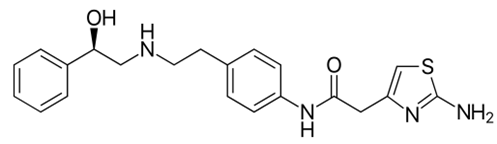
Molecular Structure Of Mirabegron
|
Molecular Formula |
C25H32F3N3O4 (6,7) |
|
Molecular Weight |
495.53 g/mol (6) |
|
IUPAC Name |
2-(2-Amino-1,3-thiazol-4-yl)-N-[4-(2-oxo-1,2,3,4-tetrahydroquinazolin-7-yl)phenyl]acetamide (6) |
|
ChemSpider ID |
108879 (7) |
|
Density |
1.313g/cm3 (7) |
|
Boiling Point |
6900 (7) |
|
Vapour Pressure |
5.45E-20mmHg at 25°C (7) |
|
Flash Point |
371.1°C (7) |
|
Refractive Index |
1.68 (7) |
|
LogP (Octanol/Water) |
2.5 (6) |
|
Generic Name |
Mirabegron (5) |
|
Brand Names |
Myrbetriq (8,9) |
|
Drug Category |
Beta-3 adrenergic agonist (5) |
|
Indications |
Overactive bladder (OAB), Neurogenic detrusor overactivity (NDO) (8,9) |
|
Pharmacology |
Beta-3 adrenergic receptor agonist (5) |
|
Potency |
Moderate (5) |
|
Tolerability |
Generally well-tolerated (5) |
|
Contraindications |
Severe uncontrolled hypertension (9) |
|
Adverse Effects |
Hypertension, Nasopharyngitis, Urinary tract infection, Headache (8,9) |
|
Avalilability |
Prescription (9) |
|
Mechanism of action |
Mirabegron is a potent and selective agonist of beta-3 adrenergic receptors. The activation of beta-3 receptors relaxes detrusor smooth muscle during the storage phase of the urinary bladder fill-void cycle, which increases the bladder's storage capacity thereby alleviating feelings of urgency and frequency. (5,8) |
Molecular Structure Of Silodosine

|
Molecular Formula |
C25H32F3N3O4 (11,12) |
|
Molecular Weight |
495.5 g/mol (11) |
|
IUPAC Name |
1-(3-Hydroxypropyl)-5-[2-(2-oxo-1,2-dihydroquinolin-3-yl)ethyl]-2,3-dihydro-1H-indol-7-yl trifluoromethyl ketone (11) |
|
ChemSpider ID |
5293683 (12) |
|
Density |
1.249±0.06 g/cm3(Predicted) (12) |
|
Boiling Point |
601.4±55.0 °C(Predicted) (12) |
|
Vapour Pressure |
2.58E-15mmHg at 25°C (12) |
|
Flash Point |
317.5±31.5 °C (12) |
|
Refractive Index |
1.552 (12) |
|
LogP (Octanol/Water) |
3.5 (11) |
|
Generic Name |
Silodosin (10) |
|
Brand Names |
Rapaflo, Silodyx, Urorec (13,14) |
|
Drug Category |
Alpha-1 adrenergic receptor antagonist (10) |
|
Indications |
Benign prostatic hyperplasia (BPH) (13,14) |
|
Pharmacology |
Alpha-1A adrenergic receptor antagonist (10) |
|
Potency |
High (10) |
|
Tolerability |
Moderate tolerability (10) |
|
Contraindications |
Severe renal impairment, Severe hepatic impairment, Concomitant use with strong CYP3A4 inhibitors (14) |
|
Adverse Effects |
Retrograde ejaculation, Dizziness, Diarrhea, Orthostatic hypotension, Headache, Nasopharyngitis, Nasal congestion (13,14) |
|
Availability |
Prescription (14) |
|
Mechanism of action |
1. Relaxation of smooth muscle: Silodosin binds to α1A-adrenergic receptors in the smooth muscle of the prostate gland and bladder neck, causing relaxation of these muscles. 2. Increased urine flow: The relaxation of smooth muscle in the prostate gland and bladder neck leads to an increase in urine flow and a decrease in urinary hesitancy. 3. Relief of BPH symptoms: By relaxing the smooth muscle in the prostate gland and bladder neck, silodosin helps to relieve the symptoms of benign prostatic hyperplasia (BPH), such as difficulty urinating, weak urine flow, and frequent urination. (10,13) |
3. Materials And Methods
Table no 1: List of Proposed Materials:
|
S.No. |
Chemicals/standards and reagents |
Grade |
Make |
Used for the estimation of drugs |
|
1 |
Phosphate buffer |
HPLC |
Qualigens |
1.Mirabegron & silodosin |
|
2 |
Acetic acid |
HPLC |
Qualigens |
1. Mirabegron & silodosin |
|
3 |
Water |
HPLC |
Qualigens |
For all drugs |
|
4 |
Acetonitrile |
HPLC |
Qualigens |
For all drugs |
|
5 |
Methanol |
HPLC |
Rankem |
For all drugs |
Table no. 2: Equipments and instruments used in the study:
|
S.No. |
Equipment |
Model/Type |
Manufacturer |
|
1 |
Electronic Balance |
SAB2032 |
SCALETEC |
|
2 |
Ultra-Sonicator |
SE60US |
LABMAN SCIENTIFIC INDIA |
|
3 |
Thermal Oven |
i-THERM A17782 |
DWARAKA SCIENTIFIC |
|
4 |
pH Meter |
ORION STAR A111 |
THERMOSCIENTIFIC |
|
5 |
Filter Paper |
0.45 microns |
MILLIPORE |
|
6 |
HPLC System |
WATERS 2690 SEPARATION MODULE |
WATERS |
Optimization of Column:
SPURCIL C18 (4.6*250mm, 5µ) (DIKMA) was found to be ideal as it gave good peak shape and resolution at 1.0 ml/min flow.
Optimized Chromatographic Conditions
Equipment : High performance liquid chromatography equipped with Auto Sampler and PDA detector
Column : SPURCIL C18 (4.6*250mm, 5µm) (DIKMA)
Buffer : Ammonium acetate
PH : 5.0
Mobile phase :30% buffer: 70% Methanol
Flow rate : 1.0 ml per min
Wavelength : 230 nm
Injection volume : 20 l
Run time : 10 min.
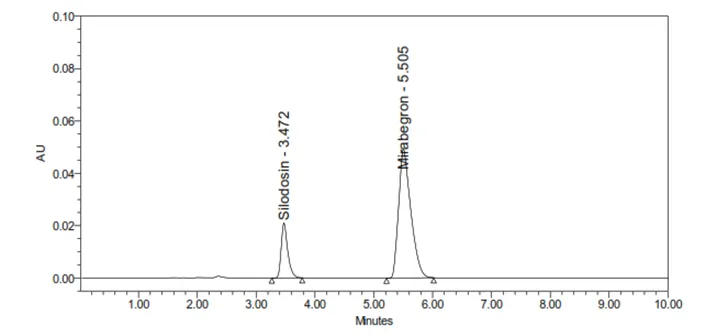
Table no 3:
|
S.No |
Name |
RT(min) |
Area (µV sec) |
Height (µV) |
Resolution |
USP tailing |
USP plate count |
|
1 |
Silodosin |
3.472 |
327896 |
602157 |
5.2 |
1.10 |
5147 |
|
2 |
Mirabegron |
5.505 |
15478 |
20157 |
1.02 |
4278 |
3.1 Method Validation Parameters:
3.1.1assay:
Standard Solution Preparation:
Accurately weigh and transfer 6.4mg of Silodosin and 20mg Mirabegron working standard into a 20ml clean dry volumetric flask add Diluents and sonicate to dissolve it completely and make volume up to the mark with the same solvent. (Stock solution) Further pipette 0.75ml of the above stock solution into a 10ml volumetric flask and dilute up to the mark with Diluents (24ppm Silodosin &75ppm Mirabegron).
Sample Solution Preparation:
Accurately weigh and transfer equivalent to 6.4mg of Silodosin and 20mg Mirabegron equivalent weight of the sample into a 20ml clean dry volumetric flask add Diluents and sonicate to dissolve it completely and make volume up to the mark with the same solvent. (Stock solution). Further pipette 0.75ml of the above stock solution into a 10ml volumetric flask and dilute up to the mark with Diluents (24ppm Silodosin &75ppm Mirabegron).
Procedure:
Inject 10 mL of the standard, sample into the chromatographic system and measure the areas for the Silodosin and Mirabegron peaks and calculate the % Assay by using the formulae.
3.1.2. Linearity:
Preparation Of Stock Solution:
Accurately weigh and transfer 6.4mg of Silodosin and 20mg Mirabegron working standard into a 20ml clean dry volumetric flask add Diluents and sonicate to dissolve it completely and make volume up to the mark with the same solvent. (Stock solution)
Preparation of Level – I (8ppm of Silodosin and 25ppm Mirabegron):
0.25 ml of stock solution has taken in 10ml of volumetric flask dilute up to the mark with Diluents.
Preparation of Level – II (16ppm of Silodosin and 50ppm Mirabegron):
0.5 ml of stock solution has taken in 10ml of volumetric flask dilute up to the mark with Diluents.
Preparation of Level – III (24ppm of Silodosin and 75ppm Mirabegron):
0.75 ml of stock solution has taken in 10ml of volumetric flask dilute up to the mark with Diluents.
Procedure:
Inject each level into the chromatographic system and measure the peak area.
Plot a graph of peak area versus concentration (on X-axis concentration and on Y-axis Peak area) and calculate the correlation coefficient.
3.1.3. Precision:
Procedure:
The standard solution was injected for six times and measured the area for all six injections in HPLC. The %RSD for the area of six replicate injections was found to be within the specified limits.
3.1.4. Intermediate Precision/Ruggedness:
To evaluate the intermediate precision (also known as Ruggedness) of the method, Precision was performed on different day within the laboratory.
Procedure:
The standard solution was injected for six times and measured the area for all six injections in HPLC. The %RSD for the area of six replicate injections was found to be within the specified limits.
3.1.5. Accuracy:
For accuracy determination, three different concentrations were prepared separately i.e. 50%, 100% and 150% for the analyte and chromatograms are recorded for the same.
Preparation Sample solutions:
For preparation of 50% solution (With respect to target Assay concentration):
Accurately weigh and transfer 3.2mg of Silodosin and 10mg Mirabegron working standard into a 20ml clean dry volumetric flask add Diluents and sonicate to dissolve it completely and make volume up to the mark with the same solvent. (Stock solution).
Further pipette 0.75ml of the above stock solution into a 10ml volumetric flask and dilute up to the mark with Diluents
For preparation of 100% solution (With respect to target Assay concentration):
Accurately weigh and transfer 6.4mg of Silodosin and 20mg Mirabegron working standard into a 20ml clean dry volumetric flask add Diluents and sonicate to dissolve it completely and make volume up to the mark with the same solvent. (Stock solution)
Further pipette 0.75ml of the above stock solution into a 10ml volumetric flask and dilute up to the mark with Diluents (24ppm Silodosin &75ppm Mirabegron).
For preparation of 150% solution (With respect to target Assay concentration):
Accurately weigh and transfer 9.6mg of Silodosin and 30mg Mirabegron working standard into a 20ml clean dry volumetric flask add Diluents and sonicate to dissolve it completely and make volume up to the mark with the same solvent. (Stock solution)
Further pipette 0.75ml of the above stock solution into a 10ml volumetric flask and dilute up to the mark with Diluents
Procedure:
Inject the standard solution, Accuracy -50%, Accuracy -100% and Accuracy -150% solutions.
Calculate the Amount found and Amount added for Silodosin and Mirabegron and calculate the individual recovery and mean recovery values.
3.1.6. Limit Of Detection:
Preparation of Silodosin and Mirabegron solution:
Preparation of 0.18µg/ml solution:
Accurately weigh and transfer 6.4mg of Silodosin working standard into a 20ml clean dry volumetric flask add Diluents and sonicate to dissolve it completely and make volume up to the mark with the same solvent. (Stock solution)
Further pipette 075ml of the above stock solution into a 10ml volumetric flask and dilute up to the mark with Diluents.
Further pipette 0.15 ml of the above stock solution into a 20ml volumetric flask and dilute up to the mark with Diluent.
Preparation of 0.02µg/ml solution:
Accurately weigh and transfer 20mg Mirabegron working standard into a 20ml clean dry volumetric flask add Diluents and sonicate to dissolve it completely and make volume up to the mark with the same solvent. (Stock solution)
Further pipette 0.75ml of the above stock solution into a 10ml volumetric flask and dilute up to the mark with Diluents.
Further pipette 0.1 ml of the above stock solution into a 10ml volumetric flask and dilute up to the mark with Diluent.
Further pipette 0.3 ml of the above stock solution into a 10ml volumetric flask and dilute up to the mark with Diluent
3.1.7. Limit Of Quantification:
Preparation Of Silodosin And Mirabegron Solution:
Preparation Of 0.62µg/Ml Solution:
Accurately weigh and transfer 6.4mg of Silodosin working standard into a 20ml clean dry volumetric flask add Diluents and sonicate to dissolve it completely and make volume up to the mark with the same solvent. (Stock solution) Further pipette 0.75ml of the above stock solution into a 10ml volumetric flask and dilute up to the mark with Diluents.
Further pipette 0.52ml of the above stock solution into a 10ml volumetric flask and dilute up to the mark with Diluents.
Preparation of 0.07µg/ml solution:
Accurately weigh and transfer 20mg Mirabegron working standard into a 20ml clean dry volumetric flask add Diluents and sonicate to dissolve it completely and make volume up to the mark with the same solvent. (Stock solution)
Further pipette 0.75ml of the above stock solution into a 10ml volumetric flask and dilute up to the mark with Diluents.
Further pipette 0.1 ml of the above stock solution into a 10ml volumetric flask and dilute up to the mark with Diluent.
Further pipette 0.9 ml of the above stock solution into a 10ml volumetric flask and dilute up to the mark with Diluent.
3.1.8. Robustness:
As part of the Robustness, deliberate change in the Flow rate, Mobile Phase composition, Temperature Variation was made to evaluate the impact on the method.
a) The flow rate was varied at 0.9 ml/min to 1.1 ml/min.
Standard solution 6.4µg/ml of Silodosin and 20µg/ml Mirabegron prepared and analysed using the varied flow rates along with method flow rate.
b) The Organic composition in the Mobile phase was varied from 63% to 77%
Standard solution 6.4µg/ml of Silodosin and 20µg/ml Mirabegron was prepared and analysed using the varied Mobile phase composition along with the actual mobile phase composition in the method.
4. Results And Discussion
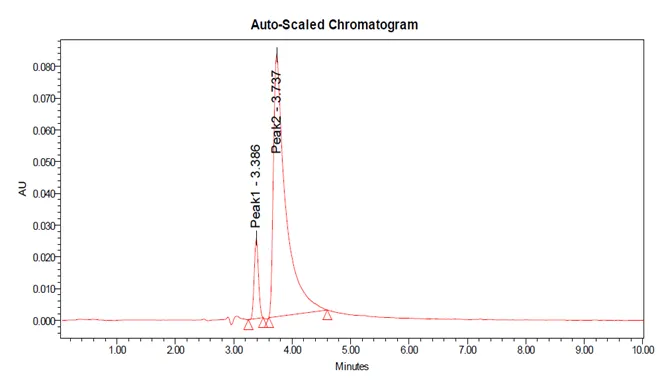
Trial 1
Chromatographic device : High performance liquid chromatography equipped with AutoSampler & PDA
Thermal profile : Room
Packed column : spursilC8,(150×3.0mm,3m)
Mobilephase : 60%Methanol:40%OPAPH-4
Elution rate : 0.9mlpermin
λmax : 230nm
Injection load : 10l
Elution duration : 10min.
Trial 2
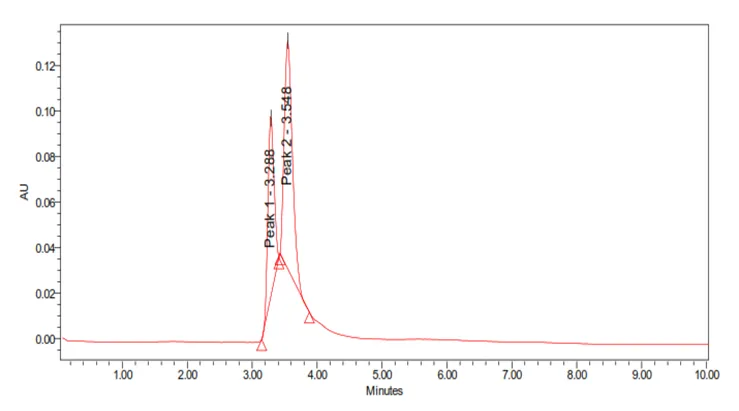
Chromatographic device : High performance liquid chromatography equipped with AutoSampler & PDA
Thermal profile : Room
Packed column :PlatisilC18,(150×4.6mm,3m)
Mobile phase : 80%Methanol:20%OPAPH-4.5
Elution rate : 1.0mlpermin
λmax : 230nm
Injection load : 10l
Elution duration : 10min.
Trial 3
Chromatographic device : High performance liquid chromatography equipped with AutoSampler & PDA
Thermal profile : Room
Packed column : Platisil,(250×4.6mm,5m)
Mobilephase : 70%Methanol:30%OPAPH-4.5
Elution rate : 0.9mlpermin
λmax : 230nm
Injection load : 10l
Elution duration : 14min.
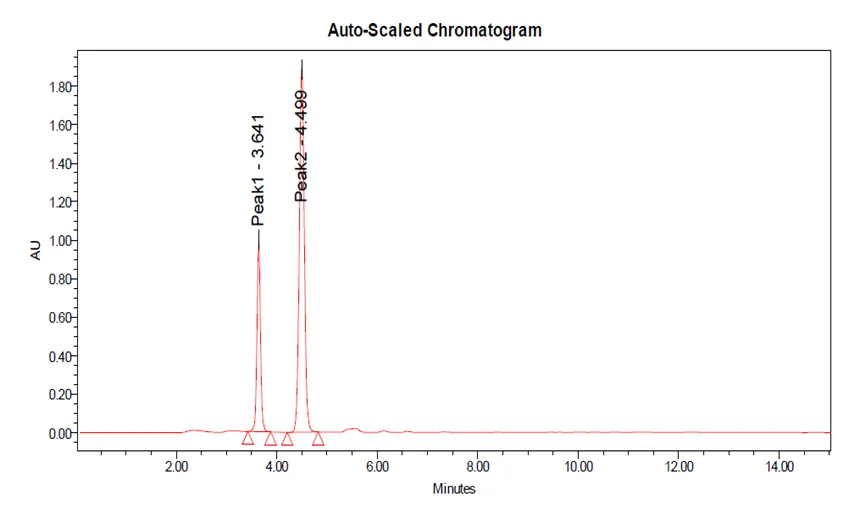
System Suitability:
Equipment : High performance liquid chromatography equipped with Auto Sample and PDA detector
Column : SPURCIL C18 (4.6*250mm, 5µm) (DIKMA)
Buffer : Ammonium acetate
PH : 5.0
Mobile phase : 30% buffer: 70% Methanol
Flow rate : 1.0 ml per min
Wavelength : 230 nm
Injection volume : 20 l
Run time : 10 min.
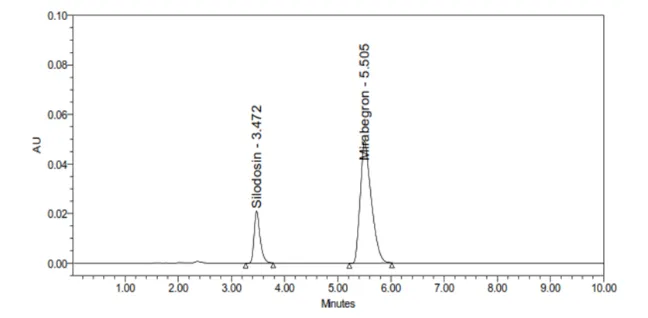
Figure 1: Chromatogram for system suitability
Table 4: Results of system suitability parameters
|
S.No |
Name |
RT(min) |
Area (µV sec) |
Height (µV) |
Resolution |
USP tailing |
USP plate count |
|
1 |
Silodosin |
3.472 |
15752 |
602157 |
5.2 |
1.10 |
5147 |
|
2 |
Mirabegron |
5.505 |
96123 |
20157 |
1.02 |
4278 |
Acceptance criteria:
4.2 Validation Parameters:
4.2.1 Assay:
Standard and sample solution injected as described under experimental work. The corresponding chromatograms and results are shown below.
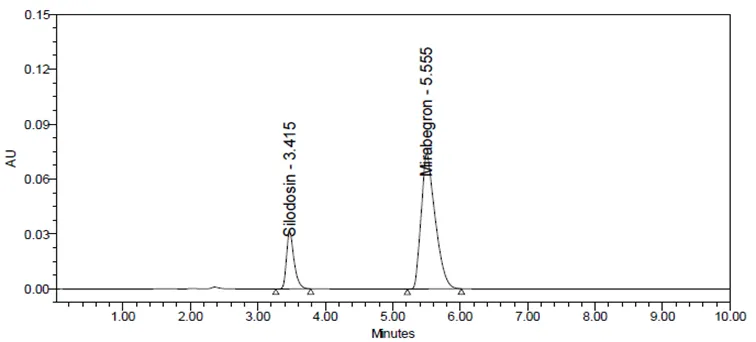
Figure 2: Chromatogram for Standard
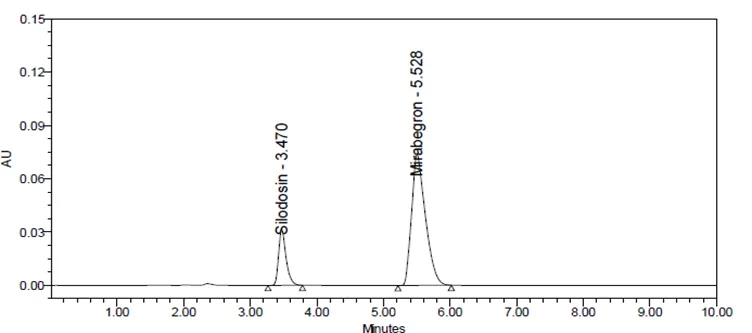
Figure 3: Chromatogram for Sample
|
S.No |
Name (STD) |
RT(min) |
Area (µV sec) |
Height (µV) |
Resolution |
USP tailing |
USP plate count |
|
1 |
Silodosin |
3.415 |
15812 |
13536 |
4.7 |
1.03 |
3050 |
|
2 |
Mirabegron
|
5.555 |
97321 |
18461 |
1.07 |
6928 |
|
|
S.No |
Name (Sample) |
RT(min) |
Area (µV sec) |
Height (µV) |
|
USP tailing |
USP plate count |
|
1 |
Silodosin |
3.470 |
15752 |
13568 |
5.01 |
1.21 |
3026 |
|
2 |
Mirabegron
|
5.528 |
96123 |
18483 |
1.05 |
6922 |
Table 5: Results of Assay for Silodosin and Mirabegron
|
|
Label Claim (mg) |
% Assay |
|
Silodosin |
8 mg |
99.0 % |
|
Mirabegron |
25mg |
98.1% |
4.2.2 LINEARITY:
The linearity range was found to lie from 10µg/ml to 50µg/ml of Silodosin and Mirabegron and chromatograms are shown below.
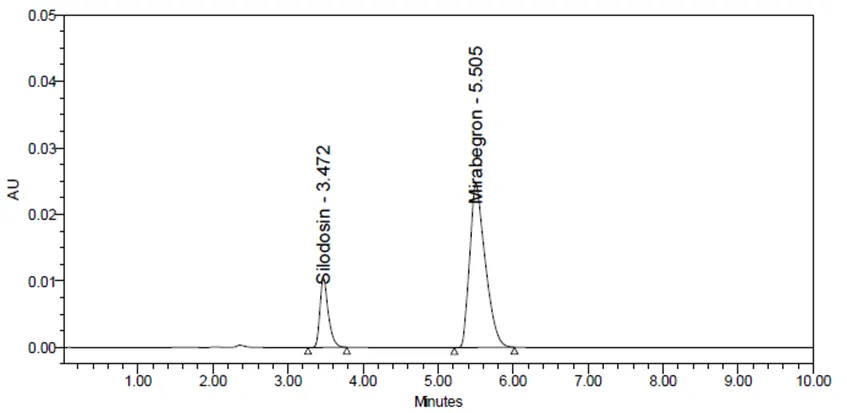
Figure 4: Chromatogram for linearity-1
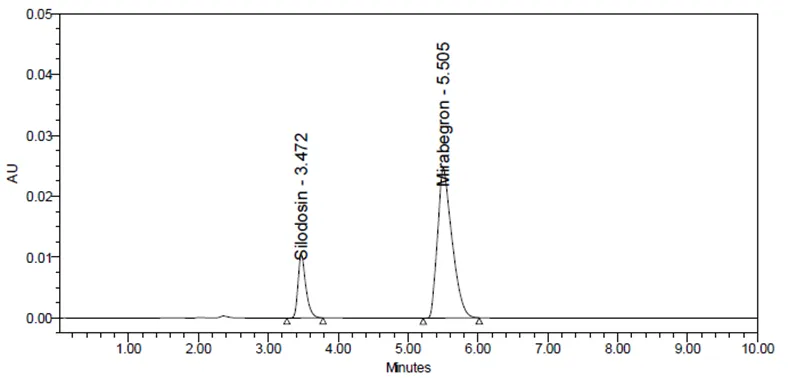
Figure 5: Chromatogram for linearity-2
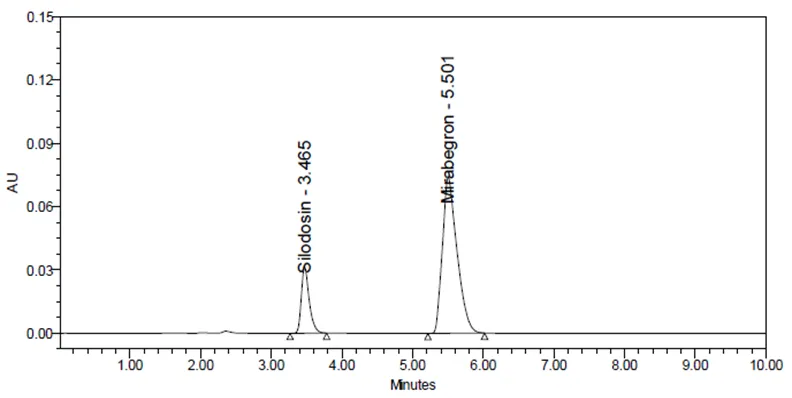
Figure 6: Chromatogram for linearity-3
Table 6: Area of different concentration of Silodosin and Mirabegron
|
S. No |
Silodosin |
|
|
Concentration (µg/ml) |
Area |
|
|
1 |
8 |
5163 |
|
2 |
16 |
10384 |
|
3 |
24 |
15699 |
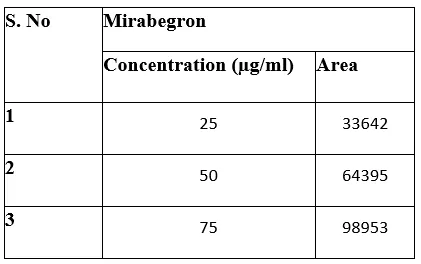
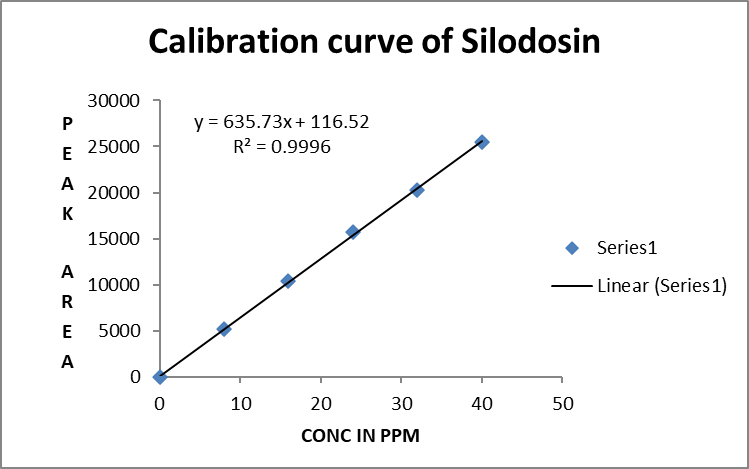
Figure 7: Calibration graph for Silodosin
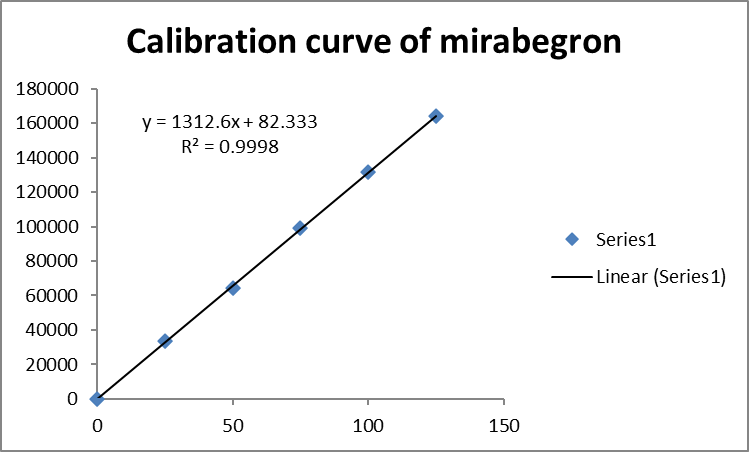
Figure 8: Calibration graph for Mirabegron
Table 7: Analytical performance parameters of Silodosin and Mirabegron
|
Parameters |
Silodosin |
Mirabegron |
|
Slope (m) |
203.43 |
4101.8 |
|
Intercept (c) |
116.52 |
82.333 |
|
Correlation coefficient (R2) |
0.9996 |
0.9998 |
Acceptance criteria:
Correlation coefficient (R2) should not be less than 0.999
• The correlation coefficient obtained was 0.999 which is in the acceptance limit.
4.2.3 Precision:
Precision of the method was carried out for both sample solutions as described under experimental work. The corresponding chromatograms and results are shown below.
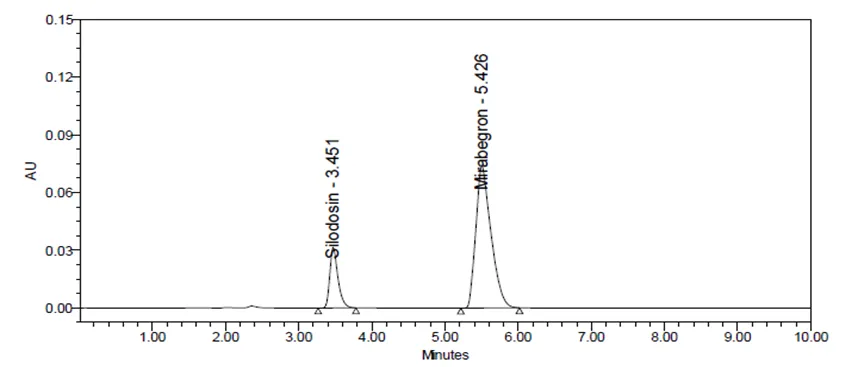
Figure 9: Chromatogram for Precision -1
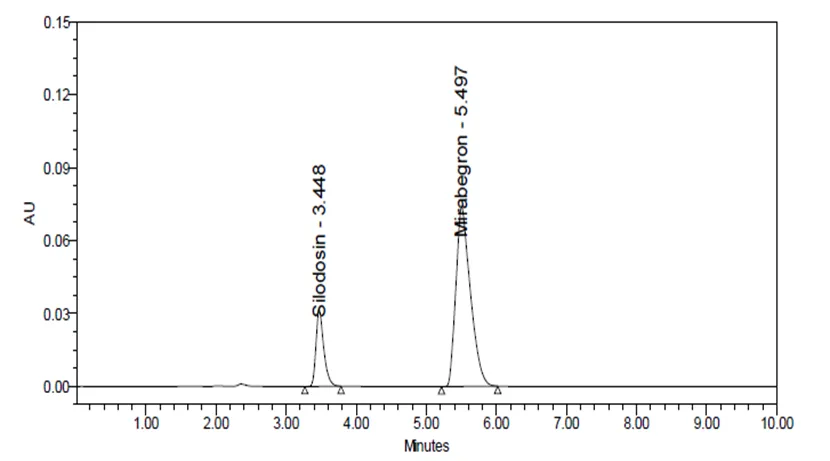
Figure 10: Chromatogram for Precision -2
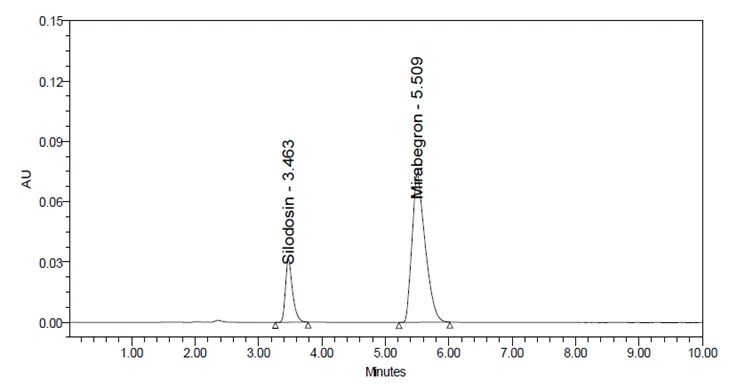
Figure 11: Chromatogram for Precision -3
Table 8: Results of Precision for Silodosin and Mirabegron
|
Injection |
Silodosin Area |
Mirabegron Area |
|
Injection-1 |
15765 |
97453 |
|
Injection-2 |
15763 |
97685 |
|
Injection-3 |
15742 |
97932 |
|
Average |
15753.17 |
97514 |
|
Standard Deviation |
28.63157 |
300.6779 |
|
%RSD |
0.2 |
0.3 |
Acceptance criteria:
4.2.4 Intermediate Precision (ruggedness)
There was no significant change in assay content and system suitability parameters at different conditions of ruggedness like day to day and system to system variation.
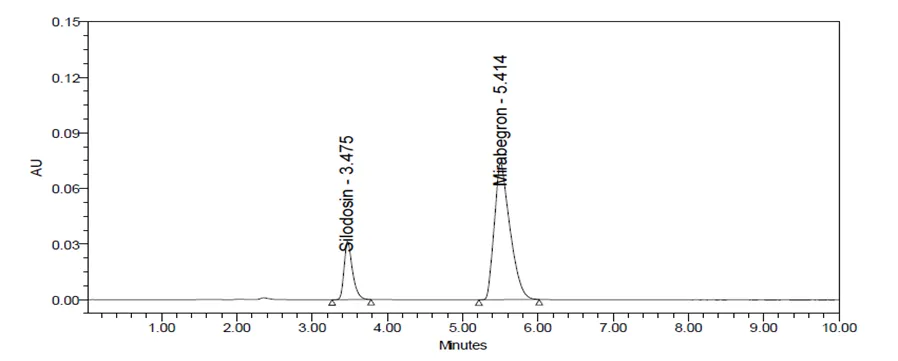
Figure 12: Chromatogram for ID Precision -1
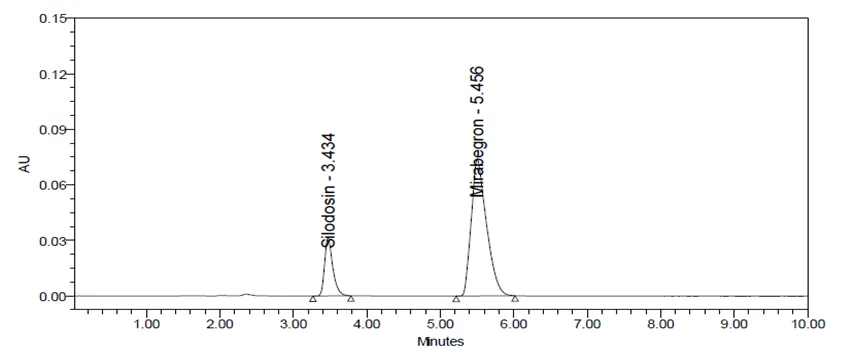
Figure 13: Chromatogram for ID Precision -2
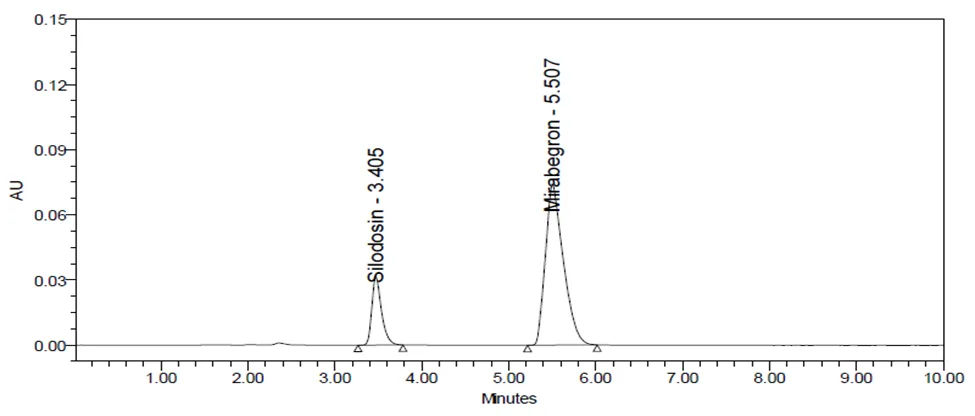
Figure 14: Chromatogram for ID Precision
Table 9: Results of Intermediate precision for Silodosin and Mirabegron
|
Injection |
Silodosin Area |
Mirabegron Area |
|
Injection-1 |
15832 |
97236 |
|
Injection-2 |
15841 |
96652 |
|
Injection-3 |
15803 |
96142 |
|
Average |
15837.17 |
96557.5 |
|
Standard Deviation |
21.4515 |
453.3607 |
|
%RSD |
0.1 |
0.5 |
Acceptance criteria:
4.2.5 Accuracy:
Sample solutions at different concentrations (50%, 100%, and 150%) were prepared and the % recovery was calculated.
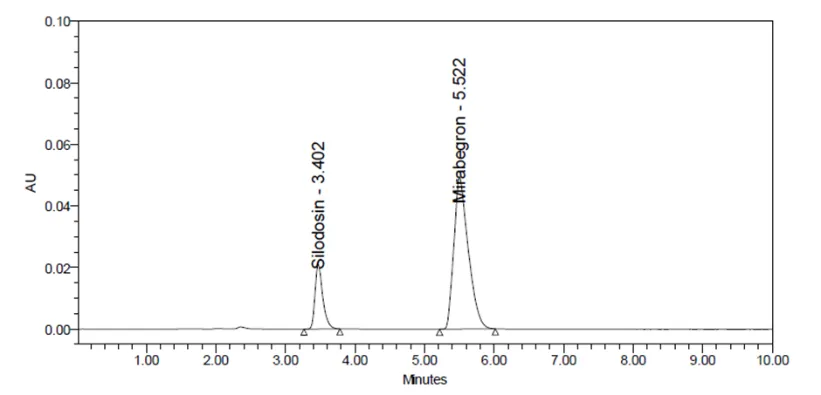
Figure 15: Chromatogram for Accuracy 50%
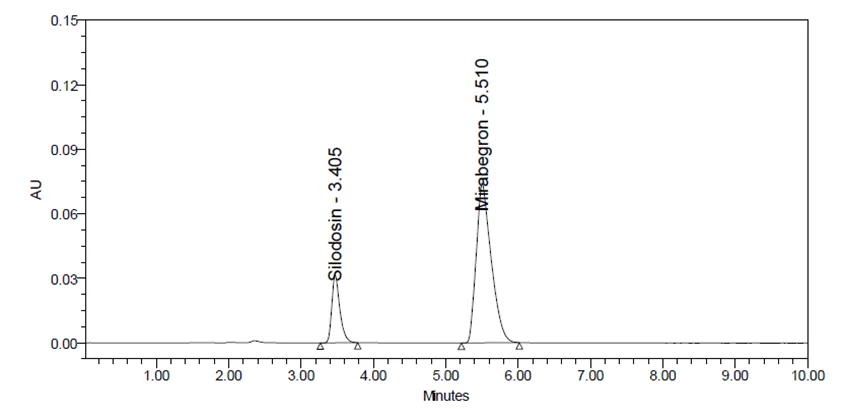
Figure 16: Chromatogram for Accuracy 100%
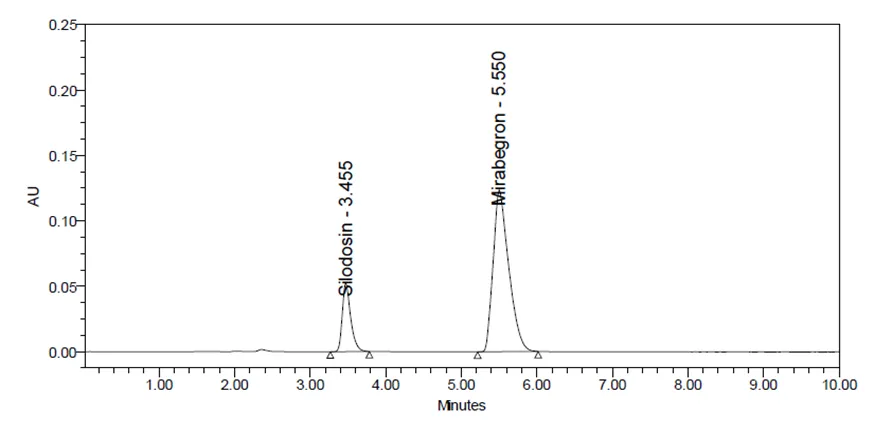
Figure 17: Chromatogram for Accuracy 150%
Table 10: Accuracy (recovery) data for Mirabegron:
|
%Concentration (at specification Level) |
Area* |
Amount Added (mg) |
Amount Found (mg) |
% Recovery |
Mean Recovery |
|
50% |
48362 |
10 |
9.92 |
99.2 |
99.1 |
|
100% |
96123 |
20 |
19.71 |
98.6 |
|
|
150% |
145658 |
30 |
29.87 |
99.58 |
Accuracy (recovery) data for Silodosin:
|
%Concentration
(at specification Level) |
Area* |
Amount Added (mg) |
Amount Found (mg) |
% Recovery |
Mean Recovery |
|
50% |
7966 |
3.2 |
3.2 |
100.6 |
99.6 |
|
100% |
15752 |
6.4 |
6.4 |
99.4 |
|
|
150% |
23452 |
9.6 |
9.5 |
98.7 |
4.2.6 Limit Of Detection For Silodosin And Mirabegron
The lowest concentration of the sample was prepared with respect to the base line noise and measured the signal to noise ratio.
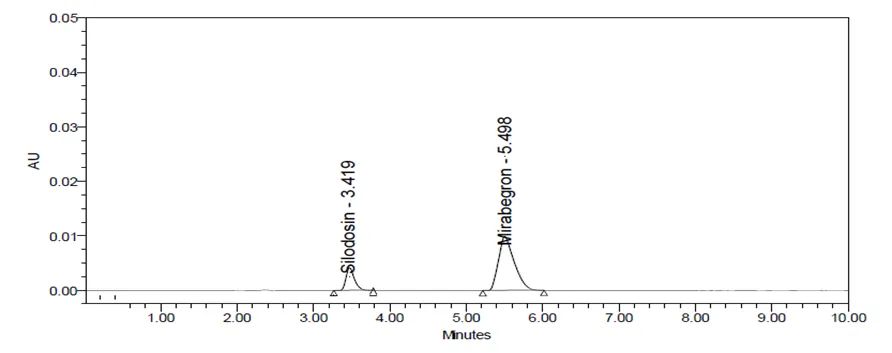
Figure 18: Chromatogram of Silodosin and Mirabegron showing LOD
Table 11: Results of LOD
|
Drug name |
Baseline noise(µV) |
Signal obtained (µV) |
S/N ratio |
Conc. |
|
Silodosin |
53 |
147 |
2.77 |
0.18µg/ml |
|
Mirabegron |
53 |
528 |
9.96 |
0.07µg/ml |
4.2.7 Limit Of Quantification For Silodosin And
Mirabegron
The lowest concentration of the sample was prepared with respect to the base line noise and measured the signal to noise ratio.
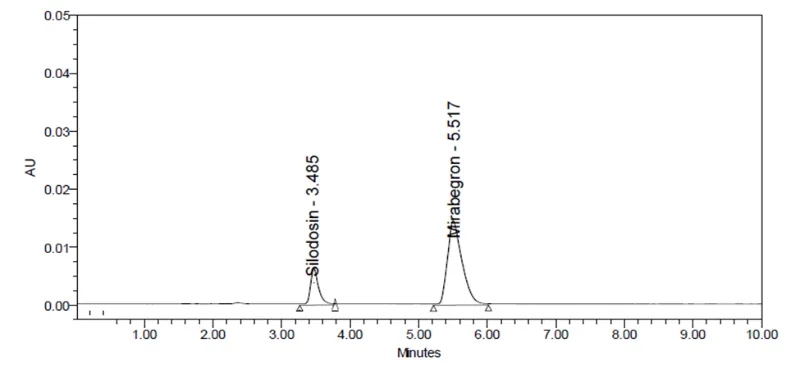
Figure 19: Chromatogram of Silodosin and Mirabegron showing LOQ
Table 12: Results of LOQ
|
Drug name |
Baseline noise(µV) |
Signal obtained (µV) |
S/N ratio |
Conc. |
|
Silodosin |
53 |
521 |
9.83 |
0.62µg/ml |
|
Mirabegron |
53 |
528 |
9.96 |
0.07µg/ml |
4.2.8 Robustness:
The standard and samples of Silodosin and Mirabegron were injected by changing the conditions of chromatography. There was no significant change in the parameters like resolution, tailing factor, asymmetric factor, and plate count.
Variation in flow
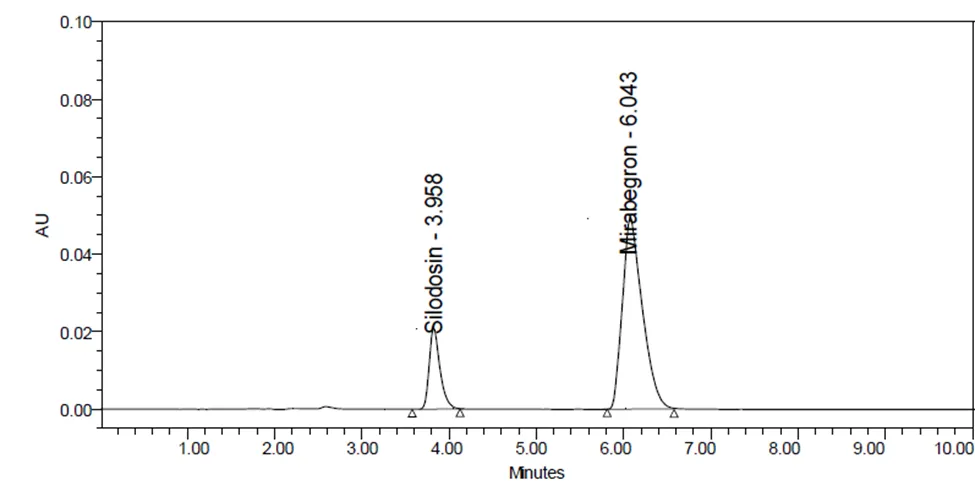
Figure 20: Chromatogram showing less flow
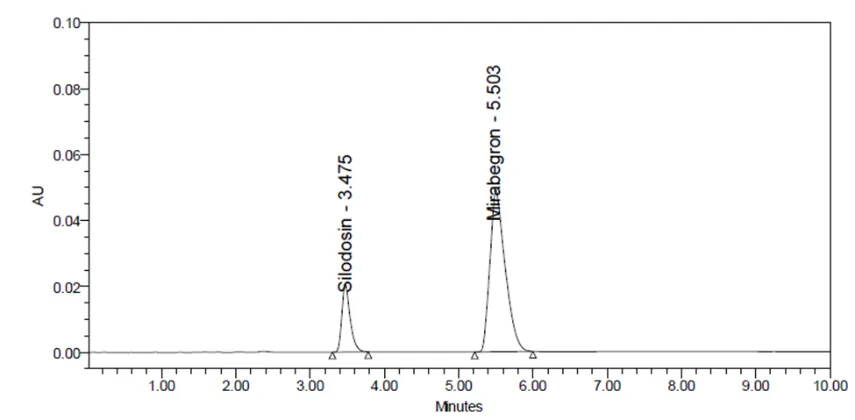
Figure 21: Chromatogram showing more flow
Variation of mobile phase organic composition:
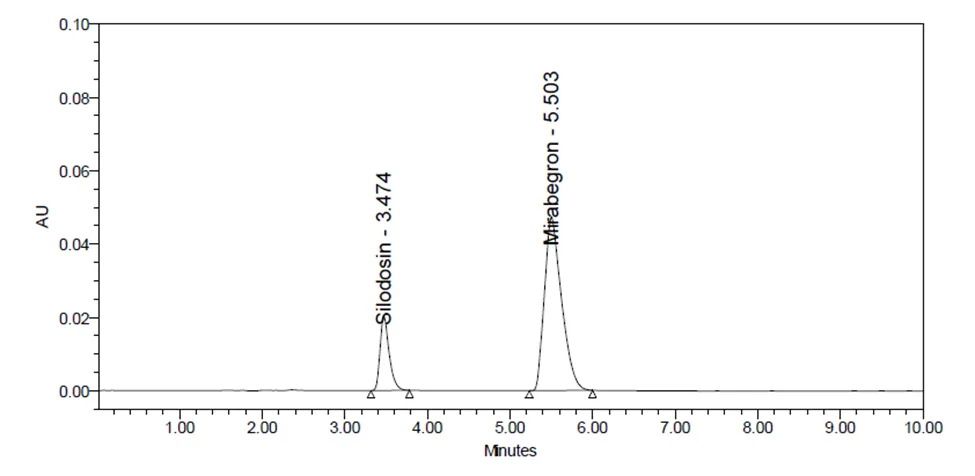
Figure 22: Chromatogram showing less organic composition
Figure 23: Chromatogram showing more organic composition
Table 13: Results for variation in flow for Silodosin and Mirabegron
|
S. No |
Flow Rate (ml/min) |
System Suitability Results of Silodosin |
|
|
USP Plate Count |
USP Tailing |
||
|
1 |
0.9 |
3412 |
1.01 |
|
2 |
1.0 |
3489 |
1.03 |
|
3 |
1.1 |
3473 |
1.5 |
|
S. No |
Flow Rate (ml/min) |
System Suitability Results of Mirabegron |
|
|
USP Plate Count |
USP Tailing |
||
|
1 |
0.9 |
5941 |
1.03 |
|
2 |
1.0 |
5986 |
1.02 |
|
3 |
1.1 |
5932 |
1.4 |
* Results for actual flow (1.2 ml/min) have been considered from Assay standard
Table 20: Results for variation in mobile phase composition for Silodosin and
Mirabegron
|
S. No |
Change in Organic Composition in the Mobile Phase |
System Suitability Results of Silodosin |
|
|
USP Plate Count |
USP Tailing |
||
|
1 |
10% less(54ml) |
3412 |
1.01 |
|
2 |
*Actual(60ml) |
3489 |
1.03 |
|
3 |
10% more(66ml) |
3473 |
1.5 |
|
S. No |
Change in Organic Composition in the Mobile Phase |
System Suitability Results of Mirabegron |
|
|
USP Plate Count |
USP Tailing |
||
|
1 |
10% less(54ml) |
5941 |
1.03 |
|
2 |
*Actual(60ml) |
5986 |
1.02 |
|
3 |
10% more(66ml) |
5932 |
1.4 |
* Results for actual Mobile phase composition have been considered from Accuracy standard.
Acceptance criteria:
The Retention time, USP plate count, USP tailing factor obtained for change of flow rate, variation in mobile phase was found to be within the acceptance criteria. Hence the method is robust.
Summary:
A simple, accurate, and reproducible RP-HPLC method was successfully developed and optimized for the simultaneous estimation of Silodosin and Mirabegron in bulk and pharmaceutical dosage forms. The chromatographic separation was achieved using a SPURCIL C18 column with a mobile phase consisting of ammonium acetate buffer and methanol (30:70 v/v) at pH 5.0, providing well-resolved peaks with acceptable retention times, good symmetry, and satisfactory system suitability parameters. The method demonstrated excellent linearity over the studied concentration ranges with correlation coefficients greater than 0.999. Precision studies showed %RSD values well within acceptable limits, confirming repeatability, while accuracy studies indicated recovery values close to 100%, demonstrating the reliability of the method. The method also exhibited good sensitivity with low LOD and LOQ values.
CONCLUSION:
The validated RP-HPLC method proved to be precise, accurate, linear, sensitive, and robust for the simultaneous determination of Silodosin and Mirabegron. All validation parameters including system suitability, precision, accuracy, linearity, LOD, LOQ, and robustness were found to be within acceptable limits as per standard guidelines. The method is simple, cost-effective, and time-efficient, making it suitable for routine quality control analysis in pharmaceutical industries and research laboratories. Therefore, the developed method can be effectively applied for the estimation of Silodosin and Mirabegron in combined dosage forms with high reliability and reproducibility.
REFERENCES





Srimukhi Tangellapally*, Shirin Begum, Bhavana Dundigalla, Karrolla Mounika, Rahul Tirumalapuram, New RP-HPLC Method Development & Validation for Simultaneous Estimation of Mirabegron & Silodosin as Per Ich Guidelines, Int. J. of Pharm. Sci., 2026, Vol 4, Issue 5, 7829-7850. https://doi.org/10.5281/zenodo.20443161
 10.5281/zenodo.20443161