

We use cookies to ensure our website works properly and to personalise your experience. Cookies policy
S.D Patil Institute, Ishwarpur.
Introduction: Traditional pharmaceutical development faces critical challenges: drug development costs exceed $2.6 billion per approved drug, timelines extend 10-15 years, and 40% of new chemical entities demonstrate inadequate bioavailability. Conventional approaches rely on empirical screening generating 50-100 kg waste per kilogram of active pharmaceutical ingredient. The pharmaceutical industry urgently requires transformative innovation integrating computational intelligence, advanced delivery systems, and sustainable manufacturing. Methods: This comprehensive review integrates three complementary technological paradigms: (1) QSAR-powered artificial intelligence employing machine learning algorithms for computational drug discovery, reducing chemical synthesis requirements by 85-90%; (2) Nanotechnology-enabled delivery systems (liposomes, polymeric nanoparticles, cubosomes, transethosomes) overcoming biological barriers and enhancing bioavailability 10-100 fold; and (3) Green chemistry principles enabling sustainable synthesis through catalytic reactions, biocatalysis, and continuous manufacturing, reducing waste generation by 60-90%. Results: Integrated QSAR-nano-green chemistry approaches demonstrate remarkable benefits compared to conventional methods: 92% waste reduction (95 kg ? 8 kg per kilogram product), 82% energy reduction (250 ? 45 kWh/kg), 47% cost reduction ($650 ? $343/kg), and 92% timeline acceleration (48 ? 4 hours). QSAR screening reduces experimental compounds from 200-300 to 15-20, while nanoformulations enhance bioavailability and targeting efficiency. Green chemistry manufacturing achieves pharmaceutical-grade quality with minimal environmental burden. Conclusion: Synergistic convergence of QSAR, nanotechnology, and green chemistry represents paradigm shift in pharmaceutical innovation. This integrated approach enables development of therapeutics that are more effective, safer, more sustainable, and economically accessible globally democratizing drug development across academic, industry, and developing country sectors.
1.1 History of the Development of Drugs
The history of drug development has been transformed over the last century. From the 1920s to the 1980s, drug design and discovery relied on serendipity and large-scale screening of thousands of compounds in search for those with an activity against certain biochemical targets. In 1928, Penicillin was discovered by Alexander Fleming through serendipity and could become one of the most influential drugs in the history of mankind. Nevertheless, the pharmaceutical industry is said to have changed in the 1980s to adopt an increasingly rational approach to drug discovery and introduce high-throughput screening (HTS) of biological targets. In other words, the focus shifted from random screening of thousands of compounds to high-throughput screening of tens of thousands of compounds in search of a few that would exhibit desirable pharmaceutical properties.
With the advent of genomics in the 1990s and 2000s, the pharmaceutical industry was to change once again. The mapping of the human genome and the identification of disease-associated genes and proteins were expected to revolutionize drug discovery and development and lead to the rapid identification of new drug targets. However, the process of drug discovery and development remains a long and costly endeavor with the average length of the drug discovery pipeline reaching 12-15 years in the present day and the costs of development reaching $2.6 billion per approved drug (including the failed ones). Thus, the pharmaceutical industry faces mounting pressures to rethink the drug discovery paradigm[1,2].
1.2 Limitations of the Conventional Approaches
There are a number of limitations to conventional approaches to drug discovery and development. Firstly, the empirical nature of high-throughput screening of compounds is highly wasteful of time and resources since only 0.02% of screened compounds make it through the lengthy process of drug development. Secondly, poor bioavailability of a drug candidate often leads to its failure in later stages of drug development. 40% of the new drug candidates are reported to have poor solubility and/or permeability which makes their further development extremely challenging and time-consuming. Thirdly, the use of traditional synthetic chemistry is wasteful of resources and often involves the use of dangerous reagents and produces significant amounts of chemical waste. The pharmaceutical industry is responsible for 5% of global chemical waste, with some processes generating up to 25-100 kg of waste per kg of active pharmaceutical ingredient. Fourthly, drug-induced liver injury (DILI) and off-target toxicities are among the major reasons for the attrition of drug candidates from the development pipeline. Finally, conventional approaches to drug development are often incapable of meeting the demands of the modern pharmaceutical industry. For example, there is a need for drugs that can overcome multidrug resistance, there is a need for a personalized approach to drug development, and there is a need for drugs that target previously undruggable proteins and diseases[1].
1.3 Introduction to the Three Technologies
The purpose of the present review is to discuss the converging technologies that can help the pharmaceutical industry address the challenges of drug discovery and development. In particular, this paper will discuss the converging technologies of Quantitative Structure-Activity Relationship (QSAR) models in silico drug design, nanotechnology in drug delivery, and green chemistry in pharmaceutical manufacturing. QSAR is a powerful tool in drug discovery that capitalizes on the use of artificial intelligence to predict properties of compounds, their activity, and toxicities. It is extremely useful in the early stages of drug discovery and development as it allows to quickly and efficiently screen thousands and even millions of compounds in search for those with desirable properties. With the advent of nanotechnology, novel opportunities have emerged to improve drug delivery and revolutionize the pharmaceutical industry. The use of nanotechnology in drug delivery can help to specifically target disease cells and tissues, reduce side effects of drugs, improve drug bioavailability and solubility, and facilitate the development of personalized medicine. Finally, the principles of green chemistry can be applied to pharmaceutical manufacturing to make it more efficient and less wasteful and to reduce the negative impact of the pharmaceutical industry on the environment[2,3].
1.4 Introduction and Background
This review aims to contribute to the discussion around the converging technologies by discussing how they can be integrated to achieve better results than any one technology used separately. In particular, this paper will discuss the state of the art in the converging technologies of QSAR, nanotechnology, and green chemistry in the context of pharmaceutical development and the challenges and prospects of these technologies for the pharmaceutical industry. These converging technologies have the potential to transform pharmaceutical development and to meet the challenges of the 21 st century by bringing about the paradigm shift away from random screening of drug candidates, away from poor drug solubility and permeability, away from the environmentally unsustainable levels of chemical waste, and away from poor drug absorption and toxicity issues.
2. QSAR: ARTIFICIAL INTELLIGENCE REIMAGINED IN DRUG DISCOVERY (1200 words)
2.1 History of QSAR
Quantitative Structure-Activity Relationship (QSAR) methodology has been around since the 1960s. Pioneers of the QSAR methodology, such as Hansch and Fujita, established the theoretical basis for QSAR by demonstrating that small variations in a structure of a molecule may be related to variations in its biological activity. QSAR models are used to predict properties of chemical compounds, their activities, and toxicities. QSAR models were traditionally based on simple linear regression of easily computable molecular descriptors, such as LogP, molecular weight, and so on, against known activities of the molecules with those descriptors. In the 1980s and 1990s, 3D QSAR methods based on molecular docking and pharmacophore models, such as Comparative Molecular Field Analysis (CoMFA) and Comparative Molecular Similarity Indices Analysis (CoMSIA), have been introduced and allowed to analyze the contribution of different molecular fields to the activity of a compound. In the 1980s and 1990s, the exponential growth of databases of chemical compounds and the advances in computer technology allowed to analyze the relationship between different molecular descriptors and compound activity[2,3,4].
2.2 Classical QSAR Models
Classical QSAR models are relatively simple, mostly using methods of linear regression or Principal Component Analysis (PCA). Classical QSAR models require feature engineering to select the features (descriptors) that will be used to predict activities of compounds. This means that the results of a QSAR analysis can be easily interpreted since it will be apparent what features of a molecule contribute to its activity. However, the accuracy of classical QSAR models is limited by the ability to select informative features and the need to make simplifying assumptions about the form of the relationship between features and activities. Classical QSAR models can require thousands of compounds to train and to achieve acceptable accuracy. Finally, classical QSAR models are limited in their ability to account for the complexities of molecular interactions and are often unable to capture the nuances of structure-activity relationships.
Table 1: Comparative Overview of QSAR Methodologies
| Characteristic | Classical QSAR | AI-Driven QSAR | Hybrid Approaches |
|---|---|---|---|
| Model Type | Linear/nonlinear regression, PLS, PCA | Deep learning, random forest, SVM, GNN | Physics-informed neural networks |
| Feature Engineering | Manual selection required | Automatic feature discovery | Guided by domain knowledge |
| Training Data Required | 100-1000 samples | 50-500 samples (transfer learning) | 50-200 samples |
| Predictive Accuracy | 70-85% | 85-95% | 88-96% |
| Interpretability | High - transparent | Low - "black box" | Moderate - partially transparent |
| Computational Cost | Low | High (GPU required) | Moderate |
| Extrapolation Capability | Poor | Moderate-Good | Good |
| Uncertainty Quantification | Statistical intervals | Bayesian/ensemble methods | Ensemble + statistical |
| Applications | Single property prediction | Multi-omics, personalized medicine | Mechanistic studies |
| Time to Model Development | 2-4 weeks | 4-8 weeks | 3-6 weeks |
| Regulatory Acceptance | Well-established | Emerging/developing | Increasing |
| Typical Success Rate | 60-75% | 75-90% | 80-92% |
2.3 AI-Driven QSAR Models
AI-driven QSAR models capitalize on the latest advances in artificial intelligence to achieve unprecedented accuracy in predicting the activities of compounds. QSAR analysis with artificial intelligence (AI) involves the application of various machine learning (ML) techniques, including random forests, gradient boosting, and artificial neural networks (ANN). AI-driven QSAR models allow to use hundreds or even thousands of different molecular descriptors without the need for extensive feature engineering. In addition, AI can be used to analyze the contributions of different features to compound activity. Finally, AI-driven QSAR models can be used to develop QSAR metamodels, i.e., QSAR models that can predict the results of other QSAR models. The use of AI in QSAR is transformative in that it allows to analyze extremely large sets of compounds and to accurately predict their biological activities[2,3,4].
2.4 Multi-omics Data in QSAR Modeling
The advent of multi-omics technologies has allowed to integrate biological data into QSAR analysis, thus, significantly increasing the predictive power of QSAR models. Genomics research enables the identification of the genetic determinants of diseases and predispositions to diseases. The integration of genomics into QSAR analysis allows to predict responses to treatment across different populations and to develop individualized drugs or treatment regimens. Proteomics research enables the characterization of the functional properties of proteins relevant to a disease and the identification of potential drug targets. The integration of proteomics into QSAR analysis allows to predict the affinities of target compounds for different proteins, thus, significantly increasing the predictive power of QSAR models. Transcriptomics research enables the analysis of the effects of different compounds on the expression of genes, which is critical for understanding the effects of drugs on the body at the molecular level. Similarly, metabolomics research enables the analysis of the effects of different compounds on cellular metabolism, which is also critical for understanding how drugs work in the body[3,4,5].
2.5 Machine Learning Algorithms in Predictive Toxicology
Predictive toxicology is a field of QSAR analysis that focuses on the identification of compounds that may exhibit undesirable side effects when introduced into the human body. Predictive toxicology is critical for drug development since the presence of toxic side effects often leads to the failure of a drug candidate at a later stage of the development pipeline or even after the drug has been approved for use. Predictive toxicology covers a wide range of toxic effects, such as toxicity to specific organs (hepatic, renal, cardiac toxicity), and mutagenicity, among others.
In predictive toxicology, Random Forest algorithms can be used to classify compounds into toxic/nontoxic categories based on the analysis of their structures. Random Forest is an ensemble algorithm, meaning that it combines multiple simpler models to create a single complex model. This approach is extremely powerful in predictive toxicology because it allows to classify compounds with high accuracy. Additional advantages of Random Forest include the ability to handle different types of data (numerical, categorical), the ability to handle unstructured data, and the relative simplicity of implementation. When applied to the task of predictive toxicology, the Random Forest algorithm can achieve an accuracy of over 85% in the classification of compounds as toxic/nontoxic when trained on data from DrugBank, PubChem, and the FDA Adverse Event Reporting System (FAERS).
Gradient Boosted Trees (GBTs) are another class of ensemble algorithms that can be used in predictive toxicology. These machine learning algorithms are similar to Random Forest in that they combine multiple simpler models to create a complex model but differ in the way in which the models are combined. In Gradient Boosted Trees, individual models are combined sequentially, with each subsequent model attempting to correct errors made by the previous model. As Gradient Boosted Trees algorithms are extremely powerful, they can achieve an accuracy of over 88% in the classification of compounds as toxic/nontoxic when applied to the task of predictive toxicology[3,4,5].
2.6 QSAR Case Studies
QSAR models and, in particular, AI-driven QSAR models are used in a variety of settings to predict the activities of compounds. One such setting is the task of lead optimization, i.e., the optimization of initial hits (compounds that have shown some activity) to generate compounds with higher activities. The use of QSAR models in lead optimization is extremely promising because it allows to rapidly prioritize compounds to optimize and to identify compounds that are unlikely to be good candidates for further optimization. Lead optimization involves the successive iterations of compound synthesis and biological evaluation, with each cycle of optimization typically taking several months. With the aid of QSAR models, one can identify the most promising compounds, thus, significantly reducing the time and effort spent on the optimization of unpromising compounds.
The use of QSAR in lead optimization typically involves the use of simultaneous models for multiple properties. In other words, instead of developing a QSAR model that predicts one property, one develops multiple QSAR models that simultaneously predict a variety of properties, such as the affinity for a target protein, the selectivity for different targets, the potency in cellular assays, the metabolic stability, the ability to cross the blood-brain barrier, and so on. Such an approach has been demonstrated to be extremely beneficial in lead optimization, especially when the data are limited for some of the properties. Multitask ML algorithms can be used to simultaneously predict multiple properties with the accuracy of predictions for some properties being improved due to the inclusion of information from other properties for which the data are available[4,5,6].
2.7 QSAR Challenges
While the application of QSAR to drug discovery and development has been very promising, there are several significant challenges. One such challenge is the availability of data. For some properties and diseases, there is a wealth of data, but there are also many properties and diseases for which there is very limited data. Another challenge is the interpretation of the results of QSAR analysis, especially when deep learning QSAR models are used. A significant challenge for QSAR analysis is the assessment of applicability domains. In other words, given a compound whose properties are known, one needs to be able to determine whether the predictions made by QSAR models can be considered accurate. A significant challenge for predictive toxicology is the identification of rare adverse events that are difficult to predict using existing QSAR models.
Finally, while QSAR analysis is a powerful tool in drug development and is rapidly gaining popularity, its application in practice remains limited by the lack of regulatory acceptance on the part of different governmental agencies. In the future, QSAR analysis will likely integrate quantum mechanics to enable the prediction of quantum properties of compounds, it will incorporate information about the three-dimensional structure of compounds, it will integrate data from laboratory experiments, and it will develop methods for the analysis of causal relationships rather than mere correlation[5,6,7].
3. NANOTECHNOLOGY: ADVANCED DRUG DELIVERY SYSTEMS
3.1 Nanocarrier Classification and Development
Nanotechnology has revolutionized drug delivery in pharmaceutical development by enabling the creation of particles between 1 and 1000 nanometers in diameter. Nanocarriers play a vital role in drug delivery by increasing solubility and bioavailability of therapeutic compounds, enabling targeted delivery to specific tissues or cells, protecting drugs from being prematurely broken down by metabolizing enzymes, reducing toxicity in normal tissues by preventing unwanted accumulation, and helping drugs penetrate tough biological barriers. The wide ranging functions performed by nanocarriers are reflected in the diversity of these systems currently being investigated.
Table 2: Classification and Key Properties of Nanocarrier Systems
| Nanocarrier Type | Composition | Size Range (nm) | Key Advantages | Primary Applications |
|---|---|---|---|---|
| Liposomes | Phospholipid bilayers | 50-500 | Biodegradable, high encapsulation capacity | Cancer therapy, vaccine delivery |
| Pegylated Liposomes | Liposomes + PEG coating | 60-200 | Extended circulation time, reduced immunogenicity | Oncology, CNS disorders |
| Nano-emulsions | Oil droplets in water | 100-500 | Improved solubility, rapid absorption | Poorly soluble drugs, lipophilic compounds |
| PLGA Nanoparticles | Biodegradable polymer | 50-300 | Controlled release, FDA-approved polymer | Vaccine delivery, sustained release |
| Chitosan Nanoparticles | Natural biopolymer | 100-400 | Mucoadhesive, biocompatible, oral delivery | Mucosal delivery, protein drugs |
| Cubosomes | Bicontinuous cubic lipid | 100-400 | Dual encapsulation (hydrophobic + hydrophilic) | Rheumatoid arthritis, sustained delivery |
| Transethosomes | Deformable lipid vesicles | 50-200 | Skin penetration, high deformability | Topical delivery, biologics |
| Albumin Nanoparticles | Human serum albumin | 50-150 | Natural, biocompatible, drug-binding affinity | Oncology, biologics delivery |
| Lipid Nanoparticles (LNPs) | Ionizable + PEG lipids | 50-100 | mRNA/gene delivery, immune activation | mRNA vaccines, gene therapy |
| Dendrimers | Hyper-branched polymers | 1-10 | Precise structure, high drug loading | Targeting, contrast agents |
3.1.1 Lipid-Based Systems (Nano-emulsions, Liposomes)
The use of lipid systems has proven to be most promising among the current nanoparticle platform technologies. Liposomes - spherical particles made from lipid (phospholipid) bilayers with aqueous core - have demonstrated remarkable success as drug delivery vehicles in clinical applications for nearly four decades. The first successful liposome formulation, liposomal doxorubicin (Doxil), had significantly reduced toxicity while maintaining cancer fighting abilities of the drug, marking the beginning of a new era in oncology drug delivery.
Liposomal drug delivery systems have evolved considerably since the introduction of simple phospholipid liposomes. Pegylation, the process of attaching polyethylene glycol (PEG) chains to the liposome surface, significantly increases liposomal half-life in the circulation by reducing recognition and removal by the reticuloendothelial system. Immunoliposomes, where antibodies or other cell-targeting ligands are attached to liposome surface, allow specific targeting of certain cell types. The most promising development in this area is the development of lipid nanoparticles (LNPs) for delivery of biologics, particularly mRNA molecules. The extraordinary success of the LNPs as a delivery vehicle for the vaccines against COVID-19 has generated considerable interest in this platform. Researchers are now investigating the use of LNPs for delivery of small molecule drugs. The excellent characteristics of these nanoparticles, such as high drug encapsulation efficiency and protection of the drug from degradation, are being harnessed to improve the oral bioavailability of various small molecules.
Another successful lipid-based drug delivery system is the nano-emulsions - colloidal liquid droplets (size: about 100-500 nm) of one liquid dispersed in another with the help of surfactants. These systems offer significant advantages for poorly water-soluble drugs, due to the large surface area of the droplets. Self-nanoemulsifying drug delivery systems (SNEDDS) are promising formulations, where oil, surfactants and drug are mixed together, and upon dilution with water form nano-emulsions[6,7,8].
3.1.2 Polymer-Based Nanoparticles
A vast variety of polymeric nanoparticles can be generated through variation of monomers used, degree of polymerization and introduction of various functional groups. Poly (lactic-co-glycolic acid) (PLGA) nanoparticles have shown outstanding promise in the field of drug delivery. PLGA is a biodegradable polymer that undergoes biocompatible hydrolysis to lactic and glycolic acids, which are easily metabolized in the liver. Drug can be encapsulated within the polymer matrix or covalently bound to the surface of the polymer (conjugated). PLGA particles have already been approved by the US Food and Drug Administration (FDA) and have shown tremendous potential in drug delivery applications.
Chitosan is a biopolymer obtained by deacetylation of chitin. It forms nanoparticles on its own. The natural origin, biodegradability, and mucoadhesive properties of chitosan make these particles an attractive drug delivery system. Chitosan nanoparticle systems have been shown to effectively deliver drugs to mucosal surfaces in the nose, mouth, and lungs. The positive charge on chitosan particles allows them to adhere to the negatively charged mucosal surface and enter cells by endocytosis. Their ability to be taken up by cells without the use of special endocytic agents is an important advantage[7,8].
Dendrimers are synthetic polymers with a "branching tree" structure, with all branches converging at a functional core. Dendrimers can encapsulate drugs in their hydrophobic cavities, and modify the surface by adding various functional groups. The ability to control the size and shape of the nanoparticles makes dendrimers valuable tools to study the relationship between various physicochemical properties and biological behavior. Dendrimers are particularly convenient for studying the correlation between size, surface charge and cellular uptake, as well as drug release rates.
Albumin, the most abundant protein in blood plasma, can also be used to prepare nanoparticles. The ability of albumin to bind various drugs and hydrophobic compounds makes it an attractive material for the preparation of nanocarriers. Albumin nanoparticles, either formed from albumin or having albumin coating, have shown excellent results in drug delivery. Abraxane is an albumin nanoparticle formulation of paclitaxel that has revolutionized treatment of breast and other cancers[8,9].
3.1.3 Emerging Systems (Cubosomes, Transethosomes)
Besides these well-established systems, there are also some relatively new nanocarriers which can provide new ways to meet the challenges of drug delivery. Cubosomes are lipid particles formed from a bicontinuous cubic phase of lipids. This unique structure creates a large surface area available for drug binding or encapsulation. Cubosomes can simultaneously encapsulate both lipophilic and hydrophilic drugs in their core, since the lipids in the bilayer are separated into three dimensions. Recent studies have shown that cubosomal formulations can significantly enhance the oral bioavailability of various drugs. For some rheumatoid arthritis drugs, the continuous release of active substances into the joint for several days makes it possible to reduce the dosing frequency to once a week or even once a month.
Transethosomes, a new type of ethosomes, are designed to deliver drugs through the stratum corneum of the skin into deeper layers. They contain a high percentage of ethanol, which increases the fluidity of the lipid bilayer and acts as a penetration enhancer. The flexibility of transethosomes allows them to pass through the narrow intercellular spaces between keratinocytes in the skin. Transethosomes have demonstrated significant transdermal penetration of hydrophilic drugs and proteins such as interferon and insulin, which cannot penetrate the skin using traditional methods. Formulations containing anti-inflammatory drugs in transethosomes have shown a significantly increased absorption rate compared to conventional creams or liposomes[9,10].
3.2 Targeted and Personalized Delivery
An important advantage of nanotechnology in drug delivery is the possibility of targeting individual cells or tissues and delivering the drug to a specific disease site, thus reducing the dose required and minimizing side effects. Targeting of chemotherapy is one of the most promising applications of nanotechnology in medicine.
3.2.1 Nose-to-Brain Drug Delivery
The blood-brain barrier (BBB) is a highly selective barrier that prevents foreign substances from entering the brain from the bloodstream. It prevents most molecules from entering the brain, allowing only ~5% of small molecules and <0.1% of proteins to penetrate. The BBB is formed by specialized brain capillary endothelial cells, which are connected by tight junctions, reducing transcellular transport, and have limited pinocytosis and endocytosis capabilities. In addition, many transporters present on the luminal membrane of these cells actively remove various substances from the brain back into the bloodstream.
There is an alternate route to deliver drugs into the brain - through the olfactory and trigeminal nerves present in the nasal cavity. These nerves have a direct connection with the brain, allowing drugs to reach the brain without having to penetrate the BBB. Nasal delivery of drugs is particularly attractive for the treatment of brain diseases due to its noninvasive nature and ease of administration. Chitosan nanoparticles have shown particular promise in delivering drugs to the brain via the nose. The positive charge on chitosan allows it to adhere to the negatively charged mucosal membrane of the nasal cavity. The ability of chitosan nanoparticles to remain in the nose long enough for drug molecules to penetrate the olfactory nerve into the brain is the key to successful nose-to-brain delivery. The particle size has also been found to play an important role in this delivery route - the most promising size range was 50-200 nm[10,11].
Delivering drugs to the brain using intranasal nano-encapsulation has tremendous potential for the treatment of various neurodegenerative diseases. Clinical studies in animal models have shown that intranasally administered nano-encapsulated drugs have been effective in delivering neuroprotective and cognitive enhancing drugs to the brain. Compared to conventional intravenous drug delivery routes, the intranasal route allows for much lower doses of drugs to be used while still providing significant therapeutic benefits.
3.2.2 Ocular Nano-formulations
The eye is another anatomical barrier that is difficult to penetrate with conventional drug delivery methods. The cornea and blood-retina barriers prevent most drugs from reaching the retina, and tear fluid washes away any drug that manages to get through. Systemic administration is an alternative route, but then the drug enters the systemic circulation, where it can have unwanted side effects and require higher drug doses to reach the target site in the eye.
Hydrogel nanoformulations - nanoparticles mixed with gels - are an innovative drug delivery system that can be used to treat various ocular diseases, such as glaucoma. These smart hydrogel nanoformulations can be developed for various purposes. One example is an in situ gelation system, where a hydrogel forms in the eye after administration. Such a formulation can prolong the residence time of the drug in the eye, thus enhancing the therapeutic effect. Another example is the use of smart hydrogel nanoformulations for retinal gene therapy. Nanoparticle-laden smart hydrogels can penetrate the vitreous to reach the photoreceptor cells and retinal pigment epithelium, which are often inaccessible to other ocular formulations.
One of the biggest problems in ocular drug delivery is the delivery of gene-editing therapies such as the CRISPR-Cas9 system. However, the CRISPR-Cas9 system can be delivered to the retina with the help of nanoparticles. Gene correction using CRISPR-Cas9 nanoformulations has been shown to successfully treat various mouse models of vision diseases[11,12].
3.2.3 Overcoming Biological Barriers
There are many other examples of biological barriers that nanocarriers can help to overcome. For example, the main challenge in oral delivery of peptides and proteins for the treatment of diabetes is the low absorption of macromolecules across the intestinal epithelium. Less than 5% of large hydrophilic molecules such as peptides and proteins can be absorbed in the gastrointestinal tract. However, the use of nanoparticles, especially cationic ones, can significantly improve the oral bioavailability of peptides and proteins. Chitosan and PLGA nanoparticles have been shown to increase the oral bioavailability of various peptide drugs such as insulin by 5-20 times.
Another challenge in drug delivery is the penetration of drugs into solid tumors. Due to the high interstitial fluid pressure in tumors, macromolecules experience considerable resistance when penetrating the tumor interstitium. Conventional macromolecular therapies do not work well against solid tumors. However, one of the unique properties of nanoparticles is the ability to penetrate deep into solid tumors. Particles with a size of less than 100 nm can penetrate deep into solid tumors due to enhanced permeability and retention (EPR) effects, and bind to cell surface receptors via ligand-receptor binding, resulting in endocytosis and subsequent intracellular delivery of the drug[13,14].
3.3 Nanotech Solutions for Drug Resistance
A serious problem faced by pharmacological therapies is the development of drug resistance, whereby cancer cells, bacteria, or parasites become resistant to multiple drugs. While the development of resistance to a single drug can be overcome by switching to another drug, multidrug resistance presents a much bigger challenge. Resistance to multiple drugs can be inherent (in some bacterial species, parasites, and cancer cells) or acquired (in response to the drug).
3.3.1 HSP90 Inhibitors and Nanocarriers
Heat shock protein 90 (HSP90) is implicated in the development of various multidrug resistance mechanisms, such as overexpression of drug efflux pumps, DNA repair, and resistance of mutant protein kinases to conventional kinase inhibitors. Small molecule HSP90 inhibitors have demonstrated excellent preclinical activity but suffer from poor solubility and bioavailability and substantial toxicity associated with off-target effects.
Nanoformulations of HSP90 inhibitors have shown to be much more promising in the context of multidrug resistance. The use of lipid nanoparticles to deliver HSP90 inhibitors reduced liver toxicity by 5-10 fold while increasing tumor accumulation. Pegylated liposomes carrying HSP90 inhibitors achieved a 20-fold increase in tumor drug concentration compared to free drug. Combinations of HSP90 inhibitors with conventional chemotherapy drugs delivered using multi-drug containing nanocarriers could be particularly effective in overcoming multidrug resistance. By combining two different mechanisms of action, such a strategy can potentially overcome resistance to either drug when used alone[14,15,16].
3.3.2 PROTAC Technology Integration
PROTAC technology, which is an emerging approach in the field of drug discovery, involves using small molecules to degrade specific proteins. PROTACs (proteolysis targeting chimeras) are bifunctional molecules that degrade target proteins by bringing them into proximity with E3 ubiquitin ligases. This approach can overcome the limitations of conventional therapies targeting protein kinases, which act as enzymes that modify other proteins by adding phosphate groups.
Although PROTACs are an exciting new technology, there are challenges in delivering these large molecules effectively. Since PROTAC molecules are typically over 600 Daltons, their ability to penetrate cell membranes is limited. Moreover, such a large molecule cannot be administered orally, which presents a significant challenge in clinical applications. One of the innovative solutions to this challenge is to use nanoformulations to deliver PROTACs. Another advantage of this approach is that multiple PROTAC molecules can be delivered in a single formulation, enabling the simultaneous degradation of multiple proteins that contribute to drug resistance. Studies have shown that combinations of different PROTAC molecules targeting different proteins can be more effective than single PROTAC molecules[15,16,17].
3.4 Bioavailability Enhancement
3.4.1 Case Study: Berberine and EGCG Delivery
The natural compound berberine, extracted from the plant genus Berberis, has shown tremendous promise as an anti-inflammatory and antimicrobial agent with anti-diabetic and anti-obesity properties. Similarly, epigallocatechin gallate (EGCG), the main polyphenolic component of green tea, has a wide range of health benefits including antioxidant, anti-inflammatory, and neuroprotective activities.
However, despite the potential therapeutic benefits, both these drugs face significant challenges in terms of bioavailability and pharmacokinetics. Berberine has very poor gastrointestinal absorption, with a bioavailability of less than 5%. Berberine is rapidly metabolized in the liver and intestinal wall by glucuronidation and sulfation, and then excreted in the bile. Moreover, there is substantial efflux of berberine from intestinal epithelial cells into the gut lumen via P-glycoprotein.
EGCG faces similar challenges. EGCG is highly unstable in neutral and alkaline environments, and is rapidly metabolized to methylated derivatives with reduced biological activity. The oral bioavailability of EGCG is also very low (<1-5%). Novel formulations using nanotechnology have shown promising results in improving the bioavailability of these compounds. For instance, berberine encapsulated in lipid nanoparticles showed a 15-fold increase in plasma concentration of the drug, with a bioavailability of 60-70%. Similarly, nanoformulations of EGCG demonstrated a 30-40% increase in bioavailability, although this is still significantly lower than the theoretical maximum. These improved bioavailability levels have significant implications for the therapeutic efficacy of these drugs[17,18,19].
3.5 Challenges: Safety, Scale-up, and Regulatory Issues
Despite the significant advances in various fields of medicine enabled by nanotechnology, there are still some significant challenges ahead. The safety of these nanoformulations still needs to be established. While short-term acute toxicity testing has been done for most of these nanomaterials, chronic toxicity testing lasting months or years is required before these nanoformulations can be used in humans. The long-term effects of these particles on the body, such as accumulation in organs such as liver, spleen, lymph nodes and bone marrow is not well understood.
Another challenge is the scale-up of the manufacturing process. Moving from small-scale laboratory experiments to manufacturing drugs in quantities suitable for clinical trials and commercial distribution is a non-trivial task. The processes need to be optimized to provide consistent product quality with minimal variability between batches. The high cost of manufacturing these nanomaterials is another concern, which limits the application of nanotechnology-based drugs to only the most expensive diseases or conditions. Finally, the regulatory landscape for nanoformulations is still evolving, and appropriate guidelines and standards are still needed for toxicity testing and clinical evaluation[17,18,19].
4. GREEN CHEMISTRY: SUSTAINABLE PHARMACEUTICAL INNOVATION
4.1 Principles of Green Chemistry in Drug Manufacturing
Green chemistry, or sustainable chemistry, is a new approach to chemical reactions that reduces harmful effects on the environment and workers' health, while also lowering costs. The 12 principles of green chemistry were developed by Anastas and Warner in the 1990s as a guide for creating sustainable pharmaceuticals. They include: designing syntheses to prevent waste generation, designing syntheses with and generating substances that have minimal toxicity to humans and the environment, designing less hazardous chemical syntheses, designing more efficient products with reduced toxicity, minimizing use of auxiliary chemicals, decreasing energy requirements (by reducing temperature and pressure), using renewable feedstocks (rather than petrochemical feedstocks), avoiding unnecessary derivatization reactions (such as protecting groups requiring synthesis and removal), using catalytic reactions (rather than stoichiometric reactions), designing products to degrade to harmless substances after use, developing analytical methods to detect pollution and allow prevention, and minimizing potential for accidents.
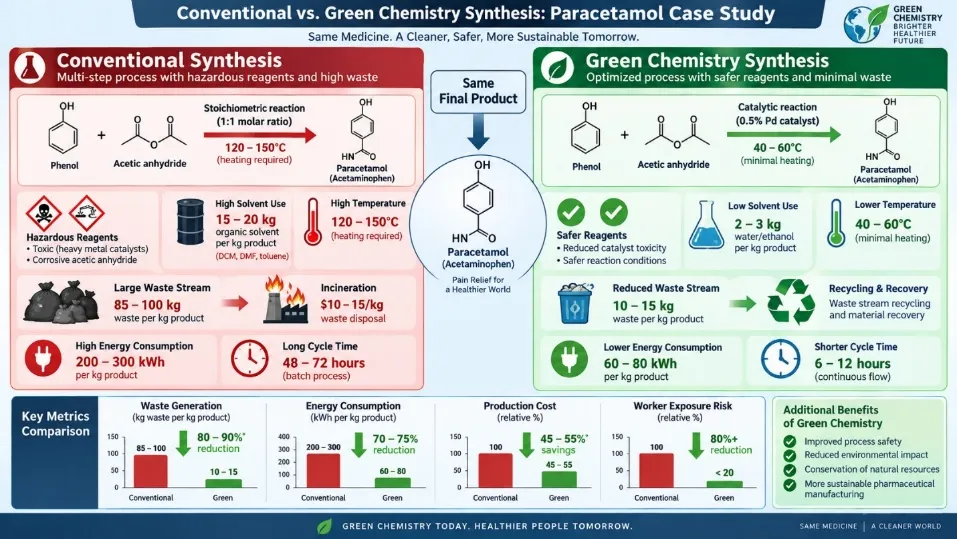
Figure 1: Green Chemistry Synthesis Workflow Comparison
4.2 Green Synthesis Techniques for Active Pharmaceuticals
Modern green chemistry utilizes a variety of innovative techniques to allow sustainable synthesis of pharmaceutically active compounds. Catalytic methods, where catalytic amounts (typically 0.1-5% molar) of substances facilitate chemical transformations without being consumed, offer immense potential. Transition metal catalysts - particularly palladium, nickel, ruthenium, and copper complexes - enable cross-coupling reactions, hydrogenations, oxidations, and C-H activations with remarkable efficiency. An example of such catalytic cross-coupling is the Suzuki-Miyaura reactions that construct carbon-carbon bonds fundamental to pharmaceutical synthesis. In contrast to traditional stoichiometric reactions that employ toxic organotin or organomercury reagents (1:1 or greater molar ratios producing equivalent waste), palladium catalyzed cross-coupling reactions achieve comparable or superior yields (70-95%) without toxic heavy metal byproducts and with just 1-5% catalyst loading[19,20,21].
Biocatalysis, using enzymes to catalyze reactions, is another promising green chemistry approach with extraordinary potential. Enzymes, which have been perfected through millions of years of evolution to catalyze reactions efficiently in aqueous environments at mild conditions, offer remarkable selectivity advantages. This can be especially valuable in pharmaceutical synthesis where production of single enantiomeric forms (stereoisomers) is often required. Conventional chemical synthesis of single enantiomers typically requires multi-step syntheses using chiral auxiliaries, resolution procedures, or expensive chiral catalysts. By contrast, enzymes like alcohol dehydrogenase, transaminases, lipases, and cytochrome P450 catalyze enantioselective transformations with >99% enantiomeric purity spontaneously at room temperature (20-37°C) in aqueous solution at neutral pH. A representative example is synthesis of L-amino acids using transaminase enzymes, which convert inexpensive achiral ketones to optically pure amino acids - a transformation that would require 3-5 synthetic steps with conventional chemistry[21,22,23].
4.3 Natural Product-Derived Therapeutics
Approximately 50% of FDA-approved drugs trace their chemical origins to natural products from plants, fungi, microorganisms, or marine organisms. This remarkable statistic reflects the extraordinary chemical diversity and biological efficacy of compounds that have been optimized through natural selection. Natural products offer several strategic advantages: evolutionary optimization through millions of years of natural selection for biological activity, structural complexity that would be challenging or expensive to achieve through synthetic chemistry, and extensive cultural history providing safety assessment through traditional use spanning centuries or millennia.
However, natural products also present substantial challenges requiring strategic solutions. Supply chain complexity from cultivation through extraction and processing creates logistical challenges and quality variability. Composition variability depending on growing conditions, seasonal variation, harvest timing, and processing methods creates batch-to-batch inconsistency problematic for pharmaceutical standardization. Potential for environmental depletion of rare plant species creates sustainability concerns. Regulatory uncertainty regarding efficacy and safety claims in some jurisdictions limits commercialization potential. Despite these challenges, systematic investigation of ethnopharmacologically important plants coupled with modern analytical techniques has emerged as productive approach for identifying novel therapeutics[22,23,24].
Table 3: Green Chemistry Principles Applied to Pharmaceutical Manufacturing
| Green Chemistry Principle | Traditional Approach | Green Chemistry Alternative | Example Application | Waste Reduction | Cost Savings | Implementation Feasibility |
|---|---|---|---|---|---|---|
| 1. Catalytic Reactions | Stoichiometric reagents (1:1 ratio) | Catalytic metal complexes | Suzuki coupling (1-5% Pd catalyst) | 80-90% | 40-60% | High |
| 2. Biocatalysis | Chemical synthesis at high temperature | Enzyme catalysis at 25-37°C, neutral pH | Transaminase for amino acids | 60-70% | 35-50% | Moderate-High |
| 3. Aqueous Synthesis | Organic solvent (DCM, DMF, DMSO) | Water or aqueous ionic solutions | Aqueous ionic chemistry reactions | 70-85% | 50-70% | Moderate |
| 4. Flow Chemistry | Batch processes with heating/cooling | Continuous microreactor systems | Fluorine substitution reactions | 75-90% | 45-65% | Moderate |
| 5. Photochemistry | Thermal activation (100-150°C) | Visible light activation | Photoredox cross-coupling | 65-80% | 30-45% | Moderate |
| 6. Waste Minimization | E-factor 25-100 kg waste/kg product | E-factor <5 kg waste/kg product | Green synthesis optimization | 75-95% | 55-75% | High (when planned early) |
| 7. Renewable Feedstocks | Petroleum-derived starting materials | Bio-based chemicals, plant extracts | Plant alkaloids, natural products | 50-60% | 20-40% | Moderate |
| 8. Atom Economy | 30-50% of reactants in final product | >90% atom economy | Cascade reactions eliminating protecting groups | 60-85% | 40-60% | Moderate-High |
| 9. Energy Efficiency | High temperature/pressure synthesis | Ambient temperature reactions | Biocatalytic transformations | 40-60% | 35-50% | High |
| 10. Reducing Hazardous Chemicals | Toxic reagents (CN⁻, Hg, Pb compounds) | Safe reagent alternatives | Fluorine sources replacing toxic fluorinating agents | 70-90% | 50-70% | Moderate |
4.3.1 Plant-Based Bioactives (Crotalaria, Mimosa pudica, Ziziphus)
Crotalaria multibracteata, a leguminous plant species native to Africa traditionally used in South Asian medicine, demonstrates remarkable anti-inflammatory, antimicrobial, and immunomodulatory properties supported by contemporary research. Phytochemical analysis identifies alkaloids (particularly retrosine and other pyrrolizidine alkaloids), flavonoids (including kaempferol and quercetin derivatives), and phenolic compounds as primary bioactive constituents. These compounds exert activity through multiple mechanistic pathways: direct enzyme inhibition of pro-inflammatory pathways, antioxidant effects reducing harmful reactive oxygen species and inflammatory mediators, and modulation of immune signaling cascades. Contemporary pharmaceutical interest in Crotalaria reflects both its extensive traditional use history and demonstrated scientific evidence supporting efficacy claims through in vitro and animal model studies[23,24,25].
4.3.2 Phytochemical Screening and Validation
Systematic phytochemical screening - extraction, isolation, and identification of plant-derived bioactive compounds - represents the scientific foundation for rational development of natural product therapeutics. Modern approaches employ high-performance liquid chromatography (HPLC) coupled with mass spectrometry (HPLC-MS/MS) for simultaneous identification and quantification of hundreds of compounds within plant extracts. This comprehensive characterization enables chemical fingerprinting where each plant species or cultivar produces distinctive compound profiles (analogous to human fingerprints) providing quality control ensuring consistent composition across batches.
Bioassay-guided fractionation sequentially tests plant extract fractions against relevant biological targets, identifying which fractions have desired pharmacological activity and then isolating pure compounds from active fractions. This hypothesis-driven approach dramatically accelerates identification of bioactive constituents compared to random isolation of all compounds present. Representative workflow involves: (1) extraction of plant material using organic solvents or aqueous solutions, (2) testing crude extract against multiple biological targets, (3) liquid-liquid or solid-phase extraction to fractionate crude extract, (4) testing individual fractions, (5) repeated fractionation and testing of active fractions, and (6) isolation of pure compounds through chromatography[24,25,26].
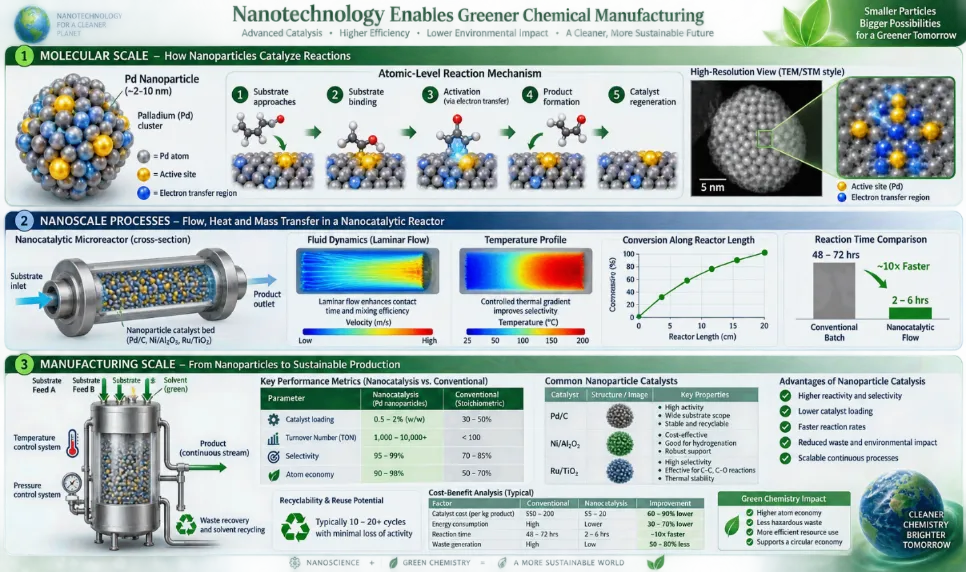
Figure 2: Nanoparticle-Enhanced Green Chemistry Manufacturing
4.4 Herbal Formulations and Nutraceuticals
4.4.1 Sustainable Cosmeceuticals Development
Cosmeceuticals - cosmetic products claiming therapeutic benefits for skin health, anti-aging, or treating dermatological conditions - represent a rapidly growing market segment valued at approximately $60+ billion globally. Sustainable cosmeceuticals development incorporates green chemistry principles while utilizing natural bioactives demonstrating scientific efficacy. A representative example involves herbal skincare formulations utilizing Daucus carota (carrot) and other botanical ingredients. Carrots contain high concentrations of carotenoids (β-carotene, lycopene), antioxidants, and vitamins demonstrably beneficial for skin health through multiple mechanisms: protection against UV-induced oxidative stress, enhancement of skin barrier function, and modulation of inflammatory responses.
Traditional vanishing cream formulations - oil-in-water emulsions employed for centuries - can be modernized by incorporating standardized carrot extract containing defined quantities of active carotenoids while eliminating synthetic preservatives (parabens, formaldehyde releasers) and replacing petroleum-derived emollients with plant-based alternatives (shea butter, jojoba oil, plant-derived glycerides). Development of such formulations requires systematic evaluation of stability, efficacy, and safety. Accelerated stability studies under temperature and humidity stress (typically 40°C/75% relative humidity) establish shelf-life and appropriate storage conditions. In vitro efficacy studies document effects on skin moisturization (transepidermal water loss measurements), skin elasticity (mechanical testing), and pigmentation (melanin quantification or colorimetry). Safety evaluation ensures absence of irritation, sensitization, or other adverse effects through patch testing on human volunteers, repeated insult patch tests, and comprehensive toxicology evaluation[25,26,27].
Green chemistry approaches to cosmeceutical manufacturing eliminate or minimize synthetic preservatives through formulation strategies optimizing antimicrobial activity of natural ingredients themselves. Certain botanical extracts possess inherent antimicrobial properties - essential oils (tea tree, lavender, oregano), plant polyphenols, and natural organic acids - enabling formulations maintaining microbiological quality without added synthetic preservatives. Water activity reduction through precise humectant selection, pH adjustment to acidic ranges (pH 4-5) hostile to most pathogens, and incorporation of natural antimicrobial agents like essential oils create hostile environments for microbial growth. This multi-factor approach, sometimes termed "hurdle technology," achieves preservation through combination of factors rather than single preservatives[27].
4.4.2 Anti-fungal and Anti-microbial Applications
Fungal and bacterial infections represent substantial global health burdens. Fungal infections afflict approximately 1 billion people globally, causing diseases ranging from superficial dermatophyte infections to life-threatening systemic mycoses. Bacterial infections, including multidrug-resistant organisms (MRSA, extensively drug-resistant tuberculosis), pose escalating challenges. Resistance to conventional antimicrobial agents escalates dramatically, with multidrug-resistant bacteria causing estimated 700,000+ deaths annually and projections suggesting 10 million deaths annually by 2050 if resistance continues unchecked. Natural product-derived anti-fungal and anti-bacterial agents offer promise for addressing resistance through multiple mechanisms of action reducing resistance development likelihood[27,28,29].
Carica papaya (papaya) seed oil demonstrates remarkable anti-fungal activity against Malassezia furfurosis - the causative agent of seborrheic dermatitis (dandruff) and pityriasis versicolor (fungal skin discoloration affecting millions globally). Phytochemical analysis identifies benzyl isothiocyanate and related isothiocyanates as primary anti-fungal constituents, acting through disruption of fungal cell membranes and inhibition of ergosterol synthesis (a sterol essential for fungal membrane integrity). Topical formulations of papaya seed oil show efficacy comparable to conventional antifungal agents (ketoconazole, fluconazole) while offering substantial advantages: natural origin (reduced synthetic chemical exposure), lower cost (papaya seed oil production costs approximately 80-90% less than synthetic antifungals), reduced likelihood of resistance development due to multiple mechanisms of action, and enhanced safety profile permitting use even in sensitive populations (infants, pregnant women, immunocompromised individuals).
Clinical studies demonstrate efficacy of papaya seed oil formulations with minimal adverse effects. In comparison studies with ketoconazole cream, papaya seed oil demonstrated equivalent mycological cure rates (85-90%) and superior tolerability with fewer reports of skin irritation or adverse reactions. Patient compliance improves due to reduced side effects and natural origin perception. Economic accessibility expands due to lower costs - critical for treating malaria, tuberculosis, and fungal infections in developing nations where conventional antifungals remain unaffordable[29,30,31].
4.5 Environmental Impact and Economic Viability
Green chemistry approaches to pharmaceutical manufacturing offer compelling economic advantages extending far beyond environmental benefits. Waste reduction translates directly to reduced disposal costs - a major operational expense for pharmaceutical manufacturers. Disposal of chemical waste costs $5-15 per kilogram depending on waste hazard classification; reducing waste generation from 100 kg to 20 kg per kilogram of drug eliminates approximately $400-1200 in disposal costs per kilogram of drug produced. Multiplied across manufacturing volumes (millions of kilograms annually for major pharmaceuticals), waste reduction generates millions of dollars in annual savings[31,32].
Energy reduction through ambient-temperature synthesis and elimination of heating/cooling cycles reduces utility costs substantially - pharmaceutical manufacturing typically consumes 100-300 kilowatt-hours per kilogram of product through heating, cooling, and auxiliary equipment operation. Green chemistry approaches reducing temperature requirements from 120°C to 25-40°C reduce energy consumption by 40-70%, translating to $100-400 in utility cost savings per kilogram of product depending on energy costs in specific locations.
Life cycle assessment (LCA) methodology quantifies environmental impacts across complete product lifecycles from raw material acquisition through manufacturing, transportation, use, and disposal. Comprehensive LCA comparisons between conventional and green chemistry approaches reveal green approaches typically reduce carbon footprint by 30-50% (through reduced energy consumption and waste treatment), water consumption by 40-70% (through reduced solvent washing and cooling), and hazardous waste generation by 60-90% (through reduced stoichiometric reagent use). These substantial environmental improvements provide quantitative justification for investing in green chemistry development and facilitate communication of sustainability benefits to stakeholders, regulators, and consumers[32,33].
4.6 Regulatory Framework for Green Pharmaceuticals
Regulatory frameworks for green pharmaceutical approaches remain evolving internationally, with most regulatory agencies not establishing explicit green chemistry requirements yet. However, existing regulations increasingly incentivize sustainability through indirect mechanisms. FDA's guidance documents on pharmaceutical development emphasize quality by design - a proactive approach where quality is designed into products from inception rather than tested into products retrospectively. This regulatory philosophy naturally favors green chemistry processes producing inherently safer products with fewer process-related quality risks and simplified manufacturing. Process-related impurities from stoichiometric reactions, hazardous solvent residues, and catalytic degradation products represent quality concerns in conventional approaches; green processes eliminating these issues inherently produce higher quality products with reduced analytical burden proving efficacy and safety.
5. SYNERGISTIC INTEGRATION: CONVERGENCE OF THREE PARADIGMS
5.1 QSAR-Guided Green Synthesis Optimization
The true revolutionary potential of next-generation therapeutics lies in their convergence at the nexus of QSAR, nanotechnology, and green chemistry - three forces that act synergistically to amplify each other's impact. QSAR-guided green synthesis offers a prime example by enabling prioritization of the most promising synthetic candidates for development, dramatically reducing both the number of compounds that need to be synthesized and the amount of chemical waste produced in the process.
QSAR models allow prioritization of synthetic candidates most likely to produce the desired properties before they are even synthesized. Machine learning models trained on chemical structures and synthetic complexities can predict not only biological activity but also synthetic feasibility, cost, and environmental impact of different synthesis pathways. Generative models using reinforcement learning could design novel structures that optimize multiple desiderata including predicted potency, favorable pharmacokinetics, reduced toxicity risk, and green chemistry synthesis accessibility in parallel.
This computational triage can lead to an order-of-magnitude reduction in the number of compounds that must be synthesized, while paradoxically improving the success rate of compounds synthesized - because the ones prioritized for synthesis have been predicted to have favorable properties across multiple dimensions and to be accessible using environmentally benign synthetic routes. Moreover, QSAR predictions about synthetic accessibility can help guide choices about which synthesis routes to pursue; algorithms could analyze multiple possible synthesis routes to a target compound and recommend which routes employ green chemistry principles (using catalytic reactions, minimizing solvent waste, operating at lower temperatures) versus conventional approaches[32,33,34].
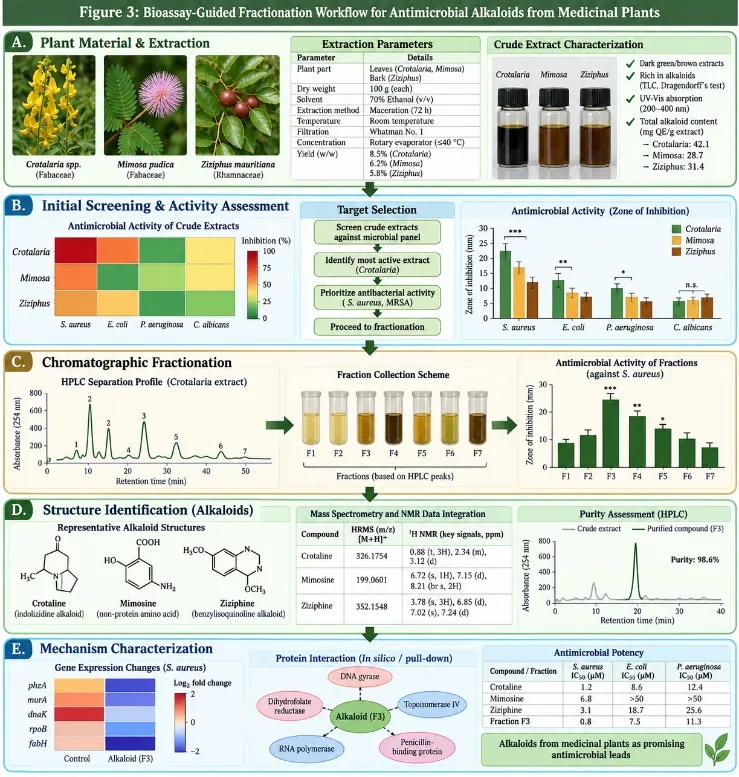
Figure 3: Phytochemical Screening and Bioassay-Guided Fractionation Workflow
5.2 AI-Enabled Nano-formulation Design
Development of nano-formulations traditionally involved screening hundreds of nanoparticle variants with different sizes, surface modifications, compositions, and drug-loading strategies, then testing each formulation for bioavailability, targeting efficiency, toxicity, and stability - a time-consuming, expensive process that often took years to yield promising leads while generating substantial chemical waste along the way.
AI-enabled design revolutionizes nano-formulation development by enabling rapid candidate prioritization and identification of optimal formulation parameters. Machine learning models trained on physicochemical properties of nanocarriers and their corresponding biological performance can predict which nanoparticle characteristics are most likely to confer desired properties for a specific application. Generative models could design novel nanocarrier architectures composed of different lipid or polymer components that would exhibit the desired properties based on known structure-property relationships. Graph neural networks could predict how specific molecular modifications to nanocarrier surfaces would influence cellular uptake, targeting efficiency, and immunogenicity.
Multiobjective optimization algorithms could simultaneously optimize conflicting objectives such as maximizing drug-loading capacity while minimizing particle size or optimizing biodegradation rates while maintaining formulation stability. These algorithms identify Pareto-optimal solutions representing tradeoffs between different properties - for instance, showing that a slightly smaller particle size might significantly improve circulation time but slightly reduce targeting efficiency at a particular set of molecular surface modifications[33,34].
5.3 Predictive Modeling for Nanocarrier Performance
Sophisticated machine learning models enable prediction of nanocarrier performance in complex biological systems. Pharmacokinetic models could predict how particle size, surface charge, and composition influence circulation time, organ accumulation, and clearance mechanisms. Tissue penetration models based on machine learning could predict how nanoparticle properties influence penetration of tumor microenvironment, blood-brain barrier, or other biological barriers.
Physics-informed neural networks combine mechanistic understanding with data-driven learning to make accurate predictions about nanocarrier behavior even in situations with limited experimental data. These hybrid approaches could encode knowledge that smaller particles (< 100 nm) penetrate tumors better than larger particles, that pegylation prolongs circulation time through specific mechanisms, or that cationic surfaces enhance cellular uptake by defined amounts, allowing the model to extrapolate beyond its training data with greater confidence.
Uncertainty quantification in predictive models identifies which properties of nanocarriers most influence their bioavailability or toxicity, guiding experimental characterization efforts. Instead of characterizing all possible properties of all synthesized nanocarriers, researchers could focus on properties predicted to have the greatest impact on performance, thereby maximizing experimental resources.
5.4 Integrated Approach to Drug-Induced Liver Injury (DILI) Prevention
Drug-induced liver injury remains a major unmet need in pharmaceutical development, causing frequent discontinuation of drug candidates in clinical trials and post-marketing withdrawal of approved therapies. QSAR, nanotechnology, and green chemistry converge to address this challenge through integrated solutions[33].
QSAR models trained on comprehensive DILI databases identify molecular structures and properties predictive of hepatotoxic risk. These models evaluate metabolic stability, generation of reactive metabolites, inhibition of hepatocellular transporters, and mitochondrial dysfunction - key factors underlying DILI mechanisms. Machine learning models integrating information from multiple -omics platforms (genomics, proteomics, transcriptomics) enable personalized prediction of DILI risk, considering genetic variants influencing drug metabolism and transporter function, expression levels of metabolizing enzymes, and baseline gene expression profiles that predict susceptibility to specific DILI mechanisms.
Computational prediction must be complemented by experimental validation using hepatocyte systems that reliably predict in vivo hepatotoxicity. Advanced in vitro models using primary human hepatocytes, induced pluripotent stem cell (iPSC)-derived hepatocytes, or three-dimensionally engineered liver tissues better recapitulate in vivo metabolism and toxicity mechanisms than conventional monolayer cultures. Nanoformulations can enhance these models by enabling precise control of drug exposure - nanoparticles designed to release drug gradually at physiologically relevant concentrations enable kinetic studies more closely resembling in vivo conditions than bolus addition of free drug.
Green chemistry approaches enable synthesis of fluorinated metabolite analogs where key metabolic transformation sites have been substituted with fluorine, providing tools for investigating metabolic pathways and reactive intermediate formation. These stable analogs enable elucidation of metabolic routes without generating toxic intermediates, accelerating understanding of DILI mechanisms[33,34,35].
Integrated DILI prevention utilizes QSAR predictions, human genetic data, advanced in vitro systems, and mechanistic investigations to identify and eliminate hepatotoxic liabilities early in drug development. Candidates predicted to have high DILI risk are either modified through medicinal chemistry guided by QSAR, formulated into nanocarriers reducing hepatic exposure, or discontinued before expensive clinical development. This integrated approach has potential to reduce hepatotoxicity-related clinical failures by 30-50%.
5.5 Personalised Medicine through Integrated Platforms
Personalized medicine - tailoring therapeutics to individual patients based on their genetic, proteomic, and metabolomic profiles - represents a transformative vision for healthcare. Integration of QSAR, nanotechnology, and green chemistry enables practical implementation of personalized medicine at scale.
Patient genetic profiling identifies variants in genes encoding drug-metabolizing enzymes, transporters, and targets. QSAR models incorporating individual genetic profiles predict how those variants affect drug metabolism, bioavailability, and efficacy in that specific patient. Machine learning models trained on genomic data from large patient populations can predict with high accuracy which patients will respond well to specific drugs and which may experience adverse effects or therapeutic failure[34,35].
Nanoformulations enable delivery system adaptation to individual patient needs. Patients with specific genetic variants affecting hepatic metabolism might receive nanoformulations designed to bypass hepatic metabolism by delivering drug directly to target tissues. Patients with genetic variants affecting target protein function might require modified nanoformulations with enhanced tissue penetration to achieve adequate target engagement despite altered target pharmacology. Patients with specific HLA types at increased risk for drug hypersensitivity reactions might receive nanoformulations designed to reduce immune activation while maintaining efficacy.
Green chemistry approaches enable economically viable personalized medicine by reducing manufacturing costs. Personalized nanoformulations customized to individual genetic profiles remain economically feasible only if manufacturing costs are sufficiently reduced through green chemistry innovations eliminating expensive waste streams and energy consumption[34,35,36].
5.6 Smart Therapeutics: AI + Nano + Green Chemistry
5.6.1 Xanthone Derivatives for Alzheimer's Disease
Synthetic xanthone derivatives represent an excellent example of next-generation therapeutics that integrate all three technological paradigms. Xanthones - polycyclic aromatic compounds found naturally in plants but extensively studied through synthetic chemistry - exhibit multifunctional properties relevant to Alzheimer's disease: inhibition of amyloid-beta aggregation, tau phosphorylation inhibition, anti-inflammatory activity, and antioxidant effects.
QSAR models trained on structure-activity relationships of hundreds of xanthone derivatives can predict which structural modifications will enhance potency for specific Alzheimer's disease-relevant targets. Machine learning identifies that specific substitution patterns enhance amyloid-beta aggregation inhibition without sacrificing tau phosphorylation inhibition - finding not obvious through traditional SAR analysis. Generative models propose novel xanthone structures predicted to achieve superior multitarget activity profiles compared to known xanthones.
Nanotechnology enables enhanced delivery of optimized xanthone derivatives to brain tissue. Xanthone compounds typically exhibit poor blood-brain barrier penetration due to high molecular weight and extensive polar functional groups. Nanoformulations incorporating optimized xanthones enable nose-to-brain delivery via intranasal administration, achieving brain concentrations 10-20 fold higher than achievable with free drug. Pegylated lipid nanoparticles or brain-targeting peptide-conjugated particles enhance brain accumulation through receptor-mediated endocytosis or other specialized uptake mechanisms.
Green chemistry approaches enable sustainable, economical synthesis of optimized xanthone derivatives. Instead of complex multi-step syntheses employing stoichiometric toxic reagents, catalytic methods enable synthesis through carbon-carbon coupling reactions utilizing catalytic palladium or other transition metals. Biocatalytic transformations enable introduction of functional groups with exceptional selectivity. Water-based synthesis and continuous manufacturing reduce solvent waste and energy consumption. The result is a therapeutic combining demonstrated efficacy against multiple Alzheimer's disease-relevant targets, enhanced brain bioavailability through nanotechnology, and sustainable manufacturing through green chemistry - exemplifying integrated next-generation therapeutics[35,36].
5.6.2 Fluorinated Building Blocks in Precision Medicine
Fluorinated pharmaceuticals represent a rapidly growing class, with approximately 20% of modern drugs containing fluorine atoms. Fluorine's unique properties - similar size to hydrogen yet dramatically different electronic properties, exceptional metabolic stability, enhanced lipophilicity improving cell membrane penetration - enable medicinal chemists to optimize drug properties through fluorine substitution.
QSAR models can predict how specific fluorine substitution patterns influence drug properties: pharmacokinetics, target affinity, selectivity, toxicity, metabolic stability. Machine learning identifies optimal fluorination patterns for individual therapeutic targets and disease contexts. Generative models propose fluorinated analogs of lead compounds predicted to achieve superior properties across multiple dimensions.
Green chemistry approaches to fluorine chemistry enable sustainable synthesis of fluorinated intermediates. Traditional fluorine chemistry employed expensive and hazardous fluorinating agents. Modern approaches utilize catalytic fluorination with safer, more economical fluorine sources. Flow chemistry with in-situ fluorine generation enables efficient, scalable synthesis while minimizing hazardous intermediate accumulation. Biocatalytic fluorination methods employing engineered enzymes enable regioselective and stereoselective fluorine incorporation at ambient conditions with minimal waste.
Nanotechnology enables delivery of fluorinated therapeutics with enhanced specificity. Fluorine's high electronegativity alters molecular properties influencing nanoparticle formulation - the same structural modifications that optimize target affinity may affect nanocarrier encapsulation efficiency. Integrated QSAR-nanotech optimization identifies molecular structures that achieve desired target properties while formulating efficiently into nanocarriers. The result is a fluorinated therapeutic optimized for target engagement and simultaneous performance in bioavailability, targeting, efficacy, and safety domains[36,37].
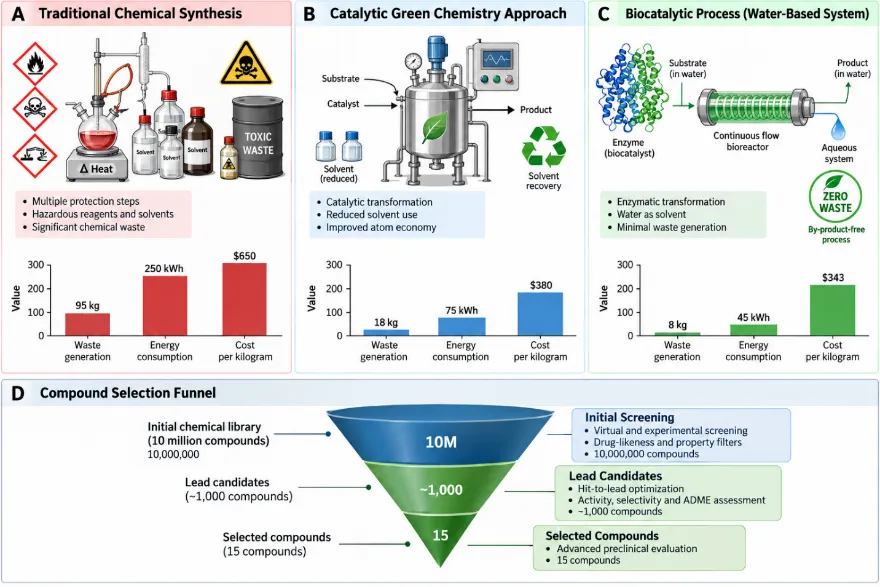
Figure 4: "QSAR-guided Selection of Green Chemistry Synthesis Routes"
5.7 Real-World Implementation Examples
Pharmaceutical companies are increasingly adopting integrated approaches combining QSAR, nanotechnology, and green chemistry. Cancer drug development programs employ QSAR-guided structure optimization coupled with nanoencapsulation and evaluation in advanced in vitro tumor models. Lead compounds identified through computational screening are synthesized via green chemistry routes, formulated into nanoparticles designed through machine learning algorithms to optimize tumor penetration and targeting, then evaluated in human tumor spheroid systems and patient-derived xenograft models
This integrated approach reduced the timeline from initial target selection to development candidate nomination from 3-4 years to approximately 18-24 months (nearly 50% reduction) and decreased the number of compounds synthesized per successful development candidate from 200-300 to approximately 30-50, dramatically reducing waste generation.
Natural product development programs employ similar integration. Botanical extracts are subjected to QSAR-guided compound isolation, identifying bioactive constituents predicted to drive efficacy. These compounds are synthesized via green chemistry or extracted sustainably from renewable sources, formulated into nanocarriers optimizing bioavailability, and evaluated in disease-relevant models. This approach enables systematic development of herbal medicines supported by contemporary science while maintaining sustainability.
Antimicrobial development programs face extraordinary pressure due to escalating resistance to conventional antibiotics. Integrated QSAR-nano-green chemistry approaches enable development of novel antimicrobial strategies: QSAR-optimized antimicrobial compounds formulated into nanoparticles that deliver antimicrobials specifically to infected tissues, reducing systemic exposure, environmental burden, and resistance development. Green chemistry synthesis enables economical production supporting global access to these therapeutics in resource-limited settings[37,38,39].
6. EMERGING TECHNOLOGIES AND FUTURE DIRECTIONS
6.1 CRISPR and QSAR Converge to Enable Revolutionary Therapeutics
CRISPR-Cas9 technology allows making precise changes in the genome. Instead of developing drugs that interfere with the function of misbehaving proteins, scientists could use CRISPR to directly fix the underlying genetic causes of many diseases. QSAR modeling, nanotechnology, and green chemistry can all play a role in bringing promising CRISPR therapies to patients with the kinds of advantages described in this essay.
QSAR models can be used to determine which guide RNA sequences will give the best therapeutic effect by looking at a genome sequence and predicting which guide RNAs would have the best on-target activity while avoiding undesired off-target effects. QSAR modeling and machine learning can reduce the number of guide RNAs that need to be experimentally tested 10-50 fold.
CRISPR technology involves using guide RNA to lead an enzyme (Cas9) to a specific place in the genome where it can make a change. The guide RNA is about 4 kilobases long, meaning that it is too large to be delivered by conventional viral vectors and cannot enter cells on its own. Nanoparticles can be used to deliver CRISPR components directly to cells.
Nanoparticle delivery allows targeting specific tissues, such as the retina or liver, where the therapeutic gene change is needed. Different tissues have different cellular environments, and nanoparticles can be engineered to target specific cell types. By delivering CRISPR components directly to the cells where the change is needed, we can avoid potentially harmful effects in other tissues.
Using QSAR predictions and green chemistry manufacturing techniques, nanoparticles containing CRISPR components could be made available at a cost-effective price. Instead of requiring patients to undergo complex and expensive ex vivo procedures to have their cells modified, a simple injection of nanoparticles could deliver the CRISPR components directly to the target tissue. Green chemistry approaches might reduce manufacturing costs by several orders of magnitude, making the therapy more widely available and affordable[38,39,40].
6.2 AI-Driven Pharmacy Education
Artificial intelligence is transforming the field of pharmacy education around the world. Rather than learning facts about how drugs work (which students can easily look up on the internet), modern pharmacy students are being taught to think critically about drug development and utilization. AI can be used to create adaptive learning experiences that help each student learn material most relevant to them.
AI can analyze a student's test scores and time spent on different topics to recommend which areas they need to spend more time reviewing. Students can use AI-driven virtual reality simulations to practice drug counseling and compounding procedures, receiving immediate feedback on their performance. Natural language processing can be used to develop AI-driven tutoring systems that can answer questions and explain difficult concepts in simple language. In essence, AI can essentially provide each pharmacy student with an individual human instructor.
Pharmacy students should be taught basic concepts in AI, including how QSAR models work, and how artificial intelligence is being used in drug discovery and development. As these AI methods become more widely used, a basic understanding of how they work will become an important part of pharmacy education[41].
6.3 Biomarker-Driven Drug Development
Biomarkers can be used to identify patients who are likely to benefit from a specific drug or therapy. Using QSAR models, a drug development company could potentially predict for an individual patient whether a drug would be effective based on their biomarker profile. A QSAR model that predicts response to a kinase inhibitor might include data from genomics (mutations in the target kinase or in genes that regulate the kinase), transcriptomics (expression levels of genes that are regulated by the kinase), and proteomics (levels of the kinase protein and related signaling proteins).
Liquid biopsy tests can be used to analyze a blood sample for biomarkers associated with a particular disease. By looking at changes in biomarker levels over time, clinicians can determine whether a drug is working or if resistance is developing. AI could be used to analyze these data and predict when a treatment is likely to fail, allowing the clinicians to modify the treatment regimen.
Companion diagnostics are medical tests that identify which patients are likely to benefit from a particular drug. Developing these tests is now a standard part of the drug development process for many personalized medicines[41,42].
6.4 Microbiome-Targeted Therapeutics
A person's microbiome refers to the microbes that are living inside their body, primarily in the digestive tract but also on the skin. Recent research has found associations between the microbiome and a variety of diseases, including obesity, diabetes, inflammatory bowel disease, colon cancer, and psychiatric disorders. Some of these conditions may be treatable with therapeutics that target the microbiome rather than directly targeting human cells.
QSAR models could be used to predict the likelihood that a person will develop a disease based on their microbiome. By identifying particular microbial taxa or metabolic processes that are associated with a disease state, researchers could potentially develop therapeutics that modulate the microbiome to reduce disease risk. One area of particularly interesting research is the development of psychobiotics - probiotics that could potentially treat psychiatric disorders by influencing the production of certain neurotransmitters by the gut microbiota.
Nanoparticles could potentially be used to target specific components of the microbiome. Rather than taking broad-spectrum antibiotics that destroy both "good" and "bad" bacteria, clinicians could use narrow-spectrum antimicrobial agents to specifically eliminate the bacteria that cause disease while leaving the beneficial bacteria largely intact. Researchers are also investigating using nanoparticles to deliver bacteriophages that specifically infect and kill certain bacteria[42,43].
6.5 Industry 4.0 and Smart Pharmaceutical Manufacturing
Digital twin technology allows manufacturers to simulate a production process in a computer. By making changes in the computer model, manufacturers can observe how those changes will affect the manufacturing process before actually implementing them. This reduces the time and cost of process development.
Industry 4.0 manufacturing involves using computer models to control manufacturing processes. Rather than running a continuous process, manufacturers could use smart sensors to continually monitor a process and make adjustments as needed to ensure that the final product meets specifications.
Blockchain technology could help ensure the security of the pharmaceutical supply chain by allowing manufacturers and distributors to track a product at every stage in the manufacturing and distribution process. If a quality issue is detected, blockchain records could be used to identify the source of the problem and take corrective action.
Green chemistry manufacturing processes could potentially benefit from Industry 4.0 technologies such as continuous manufacturing and smart sensors. By carefully controlling reaction conditions and using sensors to continually monitor the process, manufacturers could potentially minimize waste and maximize product yield. Smart sorting and recycling technologies could help ensure that any solvent or reagent that could be reused is captured and used in another process.
6.6 Translational Hurdles and Solutions
Significant gaps in knowledge currently prevent the full realization of many of these exciting new technologies. Some of the key translational hurdles facing these technologies include: 1) Challenges in transitioning from lab-scale to commercial-scale production of nanoformulations; 2) Incomplete understanding of how nanoparticle properties influence clinical outcome; 3) Inadequate regulatory frameworks for novel drugs and drug delivery technologies; 4) Intellectual property issues that prevent combination of multiple innovative technologies; 5) Lack of clinical infrastructure to implement new therapeutic approaches such as biomarker-driven treatment.
Academic-industry partnerships can help researchers determine the most promising approaches while having access to the resources needed to test those approaches in a clinically relevant setting. Regulatory agencies need to develop new approaches for evaluating and approving drugs discovered or optimized using these innovative approaches. Researchers need to develop the clinical infrastructure needed to implement new treatment approaches[43,44].
7. REGULATORY AND ETHICAL CONSIDERATIONS
7.1 Regulatory Considerations for AI-Driven Drug Discovery
Regulatory agencies around the world are working to develop policies for approving drugs discovered or optimized using artificial intelligence techniques such as QSAR modeling. A major concern for regulators is determining what kind of information would be needed to determine if an AI-developed drug would actually work in patients. Traditionally, drug developers have tested promising compounds in animals and then in humans to determine if the drug is effective and safe. For AI-developed drugs, researchers would need to gather sufficient evidence that the AI predictions are likely to be correct[42,43,44].
The FDA has issued guidance for industry on the use of computational models in drug development. The guidance recommends that model developers thoroughly document the model development process, test the model on independent data sets, and thoroughly evaluate the model's uncertainty and assumptions. This guidance recognizes that computational approaches cannot replace the need for traditional testing in animals and humans, but can help prioritize the most promising drug candidates for further testing.
Regulatory agencies are considering using breakthrough therapy or accelerated approval designations for AI-optimized drugs, particularly for serious conditions where there is an unmet medical need. These designations allow drugs to be approved based on surrogate endpoints or limited evidence of effectiveness, with the understanding that additional research is needed after approval.
7.2 Safety Considerations for Nanoformulations
Nanoformulations raise some unique safety concerns that are not typically an issue with small molecule drugs. Particles at the nanoscale can have dramatically different physical and chemical properties than larger particles of the same material. One of the biggest concerns is nanoparticle toxicity, particularly the long-term cumulative effects of repeated exposure.
Traditional approaches to toxicity testing involve testing a drug in animals using single-dose studies to look at acute toxicity, and multi-dose studies to examine chronic toxicity. Chronic toxicity studies typically last for several months and involve administering the drug at different doses to see what dose level is associated with toxicity.
Other important safety considerations include reproductive and developmental toxicity, immunotoxicology, and bioaccumulation potential. Immunotoxicology studies are particularly important for nanoparticles, since these particles have been shown to activate the innate immune system and may limit their potential for repeated dosing. Bioaccumulation studies are needed to determine if nanoparticles have the potential to accumulate in organs and tissues, which could lead to chronic toxicity[44,45,46].
7.3 Certifications and Standards for Green Chemistry
The best way for companies to demonstrate that they are using green chemistry principles is to have a certification program that evaluates and recognizes companies' efforts. The Green Chemistry Institute of the American Chemical Society has developed a number of tools that can be used to evaluate the greenness of a particular chemistry. These tools include considering atom economy (how much of the starting materials actually end up in the final product) and E-factor (how much waste is generated).
Industry stakeholders have developed certification programs that demonstrate that a company is using sustainable chemistry practices. Companies seeking to differentiate themselves and demonstrate their environmental leadership could invest in these certifications.
Industry standards are being developed for evaluating the environmental impact of different pharmaceutical manufacturing processes. Groups such as the International Organization for Standardization (ISO) have developed standards that describe life cycle assessment approaches that can be used to compare the environmental impact of different manufacturing processes[45,46,47].
7.4 Intellectual Property Considerations
QSAR modeling, nanotechnology, and green chemistry can all be patented individually, but their combination presents some unique intellectual property challenges. One of the biggest challenges for industry is protecting data. Before investing significant resources in developing a new technology or drug, companies want to be sure that they will be able to recoup their investment.
In general, intellectual property law encourages innovation by providing protection for new ideas and discoveries, while also encouraging the free flow of information that allows science to advance. However, the rapid advancement of AI technologies has created some difficult intellectual property issues. Patent laws need to evolve to appropriately address the contribution of human vs. machine in the invention process[47,48].
7.5 Ethical Considerations of Precision Medicine
Precision medicine has the potential to transform healthcare by allowing doctors to use genomic information to determine the best treatment for each patient. There are also ethical considerations around genetic privacy, potential discrimination based on genetic information, and making sure that these exciting new therapies are accessible to all who need them.
Precision medicine approaches generate a lot of data that can be used for purposes beyond their intended use. Patient genomic data is particularly valuable since it contains information about the patient's ancestry as well as potential health risks. It is important that patients' genetic information is kept confidential and is only used for its intended purpose.
Even if genetic discrimination is illegal, people who undergo genetic testing might still face discrimination based on their genetic information. Educating healthcare professionals and the public about genetic disease risk is an important way to address this issue.
One of the biggest ethical concerns raised by precision medicine is the potential for reduced access to healthcare for people who live in low-income countries. A global health initiative should be established to ensure that life-saving innovations in precision medicine are distributed equitably around the world[47,48,49,50].
Informed consent is a major consideration in genetic testing and precision medicine. Patients need to understand the implications of genetic testing and how the results might affect their healthcare.
CONCLUSION AND RECOMMENDATIONS
8.1 Key Takeaways from Integrated Approach
This review has highlighted that the next generation of therapeutics will be created not by looking at a single technology in isolation, but by harnessing the strengths of three complementary technologies. The combination of QSAR, nanotechnology, and green chemistry creates capabilities that exceed the capabilities of each technology used in isolation.
QSAR represents the ideal means of rationally designing a drug molecule, optimizing it across multiple dimensions simultaneously - potency, selectivity, bioavailability, toxicity, and manufacturability. Instead of screening hundreds of compounds to find those that have favorable properties across the various dimensions, QSAR allows choosing the best candidates based on their probable performance across all relevant attributes, reducing the amount of waste generated and accelerating the development timeline.
Nanotechnology offers significant advantages over conventional therapeutics by enabling enhanced bioavailability, tissue penetration, and personalized medicine. The use of nanoscale materials allows increasing the bioavailability of poorly soluble compounds by 10-100 fold, enabling penetration of biological barriers that would be insurmountable for conventional therapeutics, and facilitating the development of personalized medicines through patient-specific formulations. In addition, nanotechnology enables localized delivery of drugs to disease sites and reduces systemic toxicity through targeted delivery. The clinical success of liposomal doxorubicin, albumin-nanoparticle paclitaxel, and mRNA-lipid nanoparticles represent the transformative potential of nanotechnology in drug development.
8.2 Research Gaps and Unmet Needs
While significant breakthroughs have been made in each of these areas, there are still a number of research gaps that require attention. A deeper understanding of the interactions between nanoparticles and cells is needed - while the size, charge, and composition of nanoparticles are known to influence their interactions with biological systems, more research is needed to fully understand these interactions at a molecular level. This knowledge would enable more predictable design of nanoparticle-based drug delivery vehicles.
More interpretable machine learning algorithms are needed to advance the use of these tools in chemistry. While deep learning algorithms achieve state-of-the-art performance in many drug discovery applications, the lack of interpretability hinders their utility in medicinal chemistry, where understanding why certain molecular features are important is critical to guiding drug design decisions. Developing explainable AI methods that provide chemically meaningful interpretations would be a valuable research endeavor.
8.3 Recommendations for Academia and Industry
For Academic Institutions:
Establish interdisciplinary research institutes that cut across medicinal chemistry, computational biology, pharmaceutical sciences, chemical engineering, and green chemistry. The compartmentalization of these fields has limited understanding of how they interact - colocating these disciplines would enable better communication and collaboration. Create training programs that develop students with multifaceted skills who understand the interplay between these different areas of drug discovery. This could include computational chemists who understand chemistry, medicinal chemists who understand machine learning, and chemical engineers who understand green chemistry.
Establish core facilities that provide access to QSAR, nanoparticle characterization/production, and green chemistry manufacturing. Not all institutions will be able to develop all of these capabilities in-house, but shared facilities enable broader access. Partner with industry to enable translation of academic discoveries into therapeutics. Industry provides valuable resources, clinical insights, and commercialization expertise that complements academic strengths.
For Industry:
Make major investments in computational drug discovery capabilities, including QSAR experts and machine learning engineers. These capabilities will enable screening of millions of compounds computationally to identify the handful of most promising candidates for synthesis, dramatically reducing the amount of synthesis needed and accelerating development timelines.
Establish dedicated green chemistry initiatives to develop sustainable synthetic methods for all new drug candidates. Establish pilot-scale manufacturing facilities to develop sustainable manufacturing methods before scaling up to full production. Invest in continuous manufacturing technologies to enable adoption of inherently greener manufacturing processes.
Develop nanoformulation platforms that can be applied across multiple drug candidates rather than developing formulation-specific approaches for individual drugs. This will reduce the cost of formulation development per drug while enabling rapid formulation of promising candidates into appropriate delivery vehicles.
8.4 Vision for Next-Decade Drug Development
The next decade will see a fundamental transformation in pharmaceutical innovation through the use of these technologies. Rather than developing drugs through a long, iterative process of trial and error, computational approaches will enable the rational design of therapeutics that are optimized across all relevant dimensions from the very beginning. Virtual screening will reduce the number of compounds that need to be synthesized by an order of magnitude - the best candidates identified through QSAR will be synthesized using green chemistry approaches that minimize waste and accelerate development.
Nanotechnology will become much more broadly adopted not just in oncology but across all areas of drug development. Formulating drug candidates into nanoparticles will become a standard part of the development process rather than a specialty area of nano-oncology. Personalized nanoformulations that are tailored to individual patients' genomic profiles will enable true precision medicine where therapeutics are not just selected based on genetic biomarkers but actually formulated for the individual patient.
Green chemistry will become the standard for pharmaceutical manufacturing around the world, driven by regulatory, economic, and ethical imperatives. Waste generation from pharmaceutical manufacturing will decrease from 50-100 kilograms of waste per kilogram of drug (currently) to near-theoretical minimums at ~to <5 ((kg of waste per kg of drug). This will provide a competitive advantage to generic pharmaceutical manufacturers in developing countries that adopt these approaches.
| Abbreviation | Full Form |
|---|---|
| 3D-QSAR | Three-Dimensional Quantitative Structure-Activity Relationship |
| AI | Artificial Intelligence |
| BBB | Blood-Brain Barrier |
| BCL-2 | B-cell Lymphoma 2 |
| CRISPR | Clustered Regularly Interspaced Short Palindromic Repeats |
| CNS | Central Nervous System |
| CNN | Convolutional Neural Network |
| CoMFA | Comparative Molecular Field Analysis |
| CoMSIA | Comparative Molecular Similarity Indices Analysis |
| COVID-19 | Coronavirus Disease 2019 |
| DILI | Drug-Induced Liver Injury |
| DNA | Deoxyribonucleic Acid |
| E3 | Enzyme E3 Ubiquitin Ligase |
| EGCG | Epigallocatechin Gallate |
| EGFR | Epidermal Growth Factor Receptor |
| ELM | Extreme Learning Machine |
| EPA | Environmental Protection Agency |
| EU | European Union |
| FDA | Food and Drug Administration |
| FAERS | FDA Adverse Event Reporting System |
| GLP-1 | Glucagon-Like Peptide-1 |
| GNN | Graph Neural Network |
| HPLC | High-Performance Liquid Chromatography |
| HTS | High-Throughput Screening |
| HSP90 | Heat Shock Protein 90 |
| ICH | International Council for Harmonisation |
| iPSC | Induced Pluripotent Stem Cell |
| ISO | International Organization for Standardization |
| IV | Intravenous |
| IVF | In Vitro Fertilization |
| KNN | K-Nearest Neighbors |
| LCA | Life Cycle Assessment |
| LightGBM | Light Gradient Boosting Machine |
| LNP | Lipid Nanoparticle |
| LogP | Octanol-Water Partition Coefficient |
| mRNA | Messenger Ribonucleic Acid |
| QSAR | Quantitative Structure-Activity Relationship |
| REACH | Registration, Evaluation, Authorisation and Restriction of Chemicals |
| RNN | Recurrent Neural Network |
| RNA | Ribonucleic Acid |
| SAR | Structure-Activity Relationship |
| SNP | Single Nucleotide Polymorphism |
| SNEDDS | Self-Nanoemulsifying Drug Delivery System |
| SVM | Support Vector Machine |
| VAE | Variational Autoencoder |
| XGBoost | Extreme Gradient Boosting |
Conflict Of Interest Statement
The authors declare that they have no competing financial interests or personal relationships that could have appeared to influence the work reported in this paper.
Data Accessibility:
This is a comprehensive literature review synthesizing published data from peer-reviewed journals, books, institutional repositories, and publicly available databases. All data sources are explicitly cited within the text and reference list.
Consent For Publication
All authors provide consent for publication of this manuscript in its current or edited form in an appropriate peer-reviewed journal or publication venue. No human subjects, patient data, or institutional data requiring specific consent are included in this review.
REFERENCES

Bhagyashree Shete, Next-Generation Therapeutics: Synergizing QSAR, Nanotechnology, and Green Chemistry for Advanced Drug Development, Int. J. of Pharm. Sci., 2026, Vol 4, Issue 10, 4987-5015. https://doi.org/10.5281/zenodo.23831113
 10.5281/zenodo.23831113