

We use cookies to ensure our website works properly and to personalise your experience. Cookies policy
Pannai College of Pharmacy, Dindigul 624005, The Tamil Nadu Dr. M.G.R. Medical University, Chennai, Tamil Nadu, India.
Aqueous insolubility, extensive first-pass effect, and low permeability across blood-brain barrier are major limitations associated with oral delivery of antipsychotics for schizophrenia and psychotic diseases. On the other hand, intranasal drug administration can be regarded as a non-invasive method for nose-to-brain delivery, although rapid mucociliary clearance and poor mucosal permeability constitute significant issues. The present systematic review aims at the assessment of an impact of surface-engineering nanosuspensions on N2B delivery of antipsychotics. Relevant research articles between January 2020 and December 2026 were selected for further analysis. Surface engineering methods can be classified into three groups: (i) mucoadhesive polymers (chitosan, thiolated polymers) allowing increase of nasal retention time due to electrostatic and covalent interactions; (ii) mucus-penetrating coatings (PEGylation, poloxamers) providing fast diffusion through nasal mucus barrier; and (iii) ligands-based active targeting (lactoferrin, transferrin, cell-penetrating peptides) enabling receptor-mediated transcytosis of drugs across olfactory epithelium and BBB. Results revealed that surface-engineered nanosuspensions significantly increase DTE% and DTP% in comparison with traditional formulations, with transferrin-modified chitosan nanoparticles demonstrating up to 44% DTE for cariprazine. Nevertheless, there are several translational challenges, such as poor scalability of ligand conjugation methods, lack of long-term toxicity studies, and the lack of clinical testing. This review suggests that despite being a promising drug delivery system, the success of surface modified nanosuspension-based N2B antipsychotic drug delivery will largely depend on resolving these issues.
1.1. Clinical Burden and Therapeutic Challenges of Psychotic Disorders
Schizophrenia affects roughly 24 million people worldwide, and bipolar disorder impacts about 40 million—representing a substantial burden on patients, caregivers, and healthcare systems globally 1. Antipsychotic medications are the cornerstone of pharmacological management... however, oral administration is associated with several inherent limitations. Most of these drugs don't dissolve well in water, get heavily metabolized in the liver before reaching the bloodstream, and absorb unpredictably from person to person 2. The result shows patients either don't get enough drug to the brain (poor efficacy) or get too much in the body (side effects). And when side effects pile up, patients stop taking their medication—one of the biggest reasons for relapse.
Drugs with aqueous solubility below 10 μg/mL are considered practically insoluble 3. Many antipsychotics fit this description. Poor solubility means poor dissolution, poor absorption, and poor brain penetration. This is why researchers are desperate for alternative delivery routes—especially for patients who can't swallow pills, have gut problems, or simply refuse oral therapy 4.
And it's not just schizophrenia. Neurodegenerative conditions like Alzheimer's and Parkinson's are becoming more common as populations age 5. These diseases involve progressive brain cell death and limited treatment options—largely because the BBB blocks most drugs from ever reaching the brain. Better delivery systems could transform treatment for all these conditions.
1.2. The Blood–Brain Barrier (BBB) as a Physiological Constraint
The blood-brain barrier (BBB) is amazing at its job—it protects our brain from toxins, pathogens, and harmful substances. But it's almost too good. It also keeps out most medications. The BBB is made of tightly packed endothelial cells glued together with tight junctions, supported by pericytes and astrocyte foot processes 6,7. These tight junctions prevent most molecules from slipping through the gaps.
Small, greasy (lipophilic) molecules can sometimes squeeze through by dissolving in cell membranes. But most antipsychotics aren't that simple. They're larger, more polar, or get actively pumped back out by efflux transporters like P-glycoprotein (P-gp) and multidrug resistance proteins (MRPs). These transporters literally grab drugs inside the brain and spit them back into the bloodstream 8.
The BBB does have some helpful transporters—GLUT1 for glucose, transferrin receptors for iron, insulin receptors—that could theoretically be exploited for drug delivery. However, their utility is limited in practice due to the body's own molecules compete for the same transporters. This is why researchers have been investigating for alternative routes. The intranasal route is one of the most exciting—it completely bypasses the BBB 9.
1.3. Challenges of Poorly Soluble Antipsychotics
A large proportion of antipsychotic drugs fall under Biopharmaceutics Classification System (BCS) Class II and Class IV categories, which are characterized by poor aqueous solubility with either high or low permeability10. These physicochemical limitations significantly affect the therapeutic performance of antipsychotic agents by reducing their dissolution rate, absorption, and overall bioavailability after administration.
Several intrinsic properties of antipsychotic drugs contribute to their poor solubility. High lipophilicity, large molecular size, rigid crystal structure, and limited hydrogen-bonding capacity often reduce the interaction of drug molecules with aqueous media11. As a result, these compounds exhibit slow dissolution and variable absorption profiles, leading to inconsistent plasma drug concentrations and unpredictable therapeutic outcomes. In addition, the hydrophobic and structurally complex nature of many antipsychotic agents presents considerable challenges during formulation development, particularly with respect to stability, uniform dispersion, and surface modification11.
Surface engineering and nanotechnology-based approaches have therefore gained significant attention for improving the solubility and delivery of poorly water-soluble drugs. Among these strategies, particle size reduction is considered one of the most effective techniques for enhancing dissolution behaviour. Reduction of drug particles to the nanoscale increases the total surface area available for interaction with the dissolution medium, thereby accelerating drug dissolution and improving bioavailability. This relationship is well explained by the Noyes–Whitney equation, which states that the dissolution rate of a drug is directly proportional to its surface area. Consequently, nanosuspension technology has emerged as a promising approach for improving the therapeutic performance of poorly soluble antipsychotic drugs intended for brain targeting applications 12.
Pharmaceutical nanosuspensions (NS) are colloidal solid–liquid dispersions composed of poorly water-soluble drug particles in the nanometre size range, uniformly distributed within an aqueous medium. These nanosized particles remain in the solid crystalline or amorphous state and are commonly stabilized using surfactants, polymers, or a combination of both to prevent particle aggregation, crystal growth, and sedimentation during storage.10
1.4. Intranasal Route: A Direct Portal to the Brain
Intranasal drug delivery has emerged as a promising non-invasive strategy for enhancing drug delivery to the central nervous system (CNS). This route offers significant advantages by enabling direct transport of therapeutic agents from the nasal cavity to the brain while bypassing the blood-brain barrier (BBB)11. As a result, intranasal administration has gained considerable attention for the treatment of neurological and psychiatric disorders, particularly for drugs with poor oral bioavailability or limited BBB permeability.
Growing evidence suggests that both small and large molecules can be transported directly from the nasal cavity to the brain through the olfactory and trigeminal neural pathways. The olfactory region, located in the upper part of the nasal cavity, contains specialized olfactory neuroepithelium that is directly connected to the CNS. Unlike most regions of the brain, this area is not protected by the BBB and therefore serves as a unique interface between the external environment and the brain. Consequently, the olfactory pathway provides a direct and efficient route for drug transport into the CNS11.
In addition to the olfactory pathway, the trigeminal nerve also plays an important role in nose-to-brain (N2B) drug transport. The trigeminal nerve innervates both the respiratory and olfactory regions of the nasal cavity and provides access to deeper brain structures, particularly the brainstem. Following intranasal administration, drugs may reach the CNS through three primary pathways: (A) the olfactory nerve pathway, which connects the olfactory epithelium to the olfactory bulb; (B) the trigeminal nerve pathway, which transports drugs to the brainstem and associated regions; and (C) the vascular pathway, where drugs enter systemic circulation through the rich nasal vasculature11.
Transport through the olfactory and trigeminal pathways can occur via two major mechanisms. The first is intracellular axonal transport, a relatively slow process that may require several hours to days for drug movement along neuronal cells. The second is extracellular or perineural transport, a much faster mechanism in which drugs diffuse through paracellular spaces surrounding nerve fibres to reach the cerebrospinal fluid (CSF) within minutes11. Due to these direct transport mechanisms, intranasal delivery is considered a highly promising approach for improving brain targeting and therapeutic efficacy of antipsychotic and other CNS-active drugs.
Despite all the excitement, intranasal delivery has real limitations. The mucus layer turns over every 15–20 minutes via mucociliary clearance, sweeping away administered formulations before they can be absorbed. The olfactory region—the part that actually connects to the brain—is tiny, only about 10 cm² out of the 160 cm² total nasal surface area. Most of the drug ends up in the respiratory region, where it gets absorbed into the bloodstream instead of going to the brain. Enzymes in the nasal cavity can also break down drugs before they get a chance to be absorbed 11.
These barriers are exactly why surface engineering matters. By coating drug particles with clever materials, we can help them stick to the nasal lining, penetrate the mucus faster, or actively target the olfactory region—overcoming these defenses and making nose-to-brain delivery actually work. These strategies are the central focus of this review.
1.5. Nanosuspensions and Surface Engineering: A Rationale
Nanosuspensions are simply pure drug particles ground down to nanometer scale and suspended in liquid with stabilizers to prevent clumping 10,12. They offer some real advantages: high drug loading (up to 100% drug, no filler materials), faster dissolution (more surface area means quicker dissolving), and flexibility to be given through different routes.
But plain nanosuspensions still face the same nasal barriers—they get swept away by mucus, trapped, or absorbed systemically rather than reaching the brain. This is where surface engineering changes the game.
There are three main ways to engineer the surface for nose-to-brain delivery:
(i) Mucoadhesive coatings: Using positively charged polymers like chitosan that stick to the negatively charged mucus. This anchors particles in place and extends residence time from minutes to hours 12.
(ii) Mucus-penetrating coatings: Using PEG (polyethylene glycol) or poloxamers that create a hydrophilic, neutral surface. These particles don't get trapped in the mucus mesh—instead, they glide through quickly and reach the olfactory epithelium before being cleared 13.
(iii) Active targeting ligands: Attaching molecules like lactoferrin, transferrin, or cell-penetrating peptides that bind to specific receptors on nasal and brain cells. This triggers the cells to swallow up the particles and transport them across into the brain.
This review systematically evaluates the evidence for these strategies, looking at what works, what doesn't, and what's still missing.
2. LITERATURE RETRIEVAL AND SCREENING
2.1 Search Strategy
This literature review was conducted based on a pre-defined research methodology to locate documented articles related to the use of surface-engineered nanosuspensions for the nose-to-brain (N2B) delivery of antipsychotics. The search was performed in PubMed database for articles published between January 2020 and December 2026 using the following keywords: ("nose-to-brain" OR "nose to brain" OR "intranasal") AND ("nanosuspension" OR "nanosuspensions" OR "surface engineering" OR "mucoadhesive" OR "PEGylation" OR "ligand-conjugated" OR "transferrin" OR "chitosan" OR "poloxamer") AND ("antipsychotic" OR "schizophrenia" OR names of antipsychotic drugs including olanzapine, quetiapine, risperidone, cariprazine, aripiprazole, and ziprasidone).
Eligibility criteria involved original research and review papers published in English-speaking journals, peer-reviewed, within the period from 2020 till 2026, with formulations, surface modifications, in vitro ex vivo or in vivo investigations, and pharmacokinetics relevant to the N2B delivery of antipsychotic nanosuspensions or similar nanoparticles.The following types of studies were excluded from consideration during this review: abstracts from conferences, non-reviewed preprints, any research not related to CNS/antipsychotic delivery, and repetitions in records.
The titles and abstracts screening are carried out at first, then full-text review was done for selected studies. The reference sections of the selected articles were searched in order to find additional relevant studies.
2.2 Search Results and Study Selection
Using the specified keyword strategy while searching in PubMed, 43 records were found. However, while conducting the title and abstract screening, including the circulation of records, 7 of the records were eliminated from our list due to generality and irrelevance of records concerning antipsychotic drug delivery or nanosuspension-based techniques. Thus, only 36 records met the criteria for obtaining a handbook. All records met the criteria and were included in the review process. Further, besides these records, an additional 11 records were identified manually, as they presented important information on various aspects of the blood-brain barrier functioning, nasal structure, epidemiology of psychotic disorders, and nanosuspension creation methods according to the reference lists of the papers included in the list of records analyzed in this review. Overall, the review included 47 records. The complete data on the records screening process is presented in a diagram below (Figure 1).
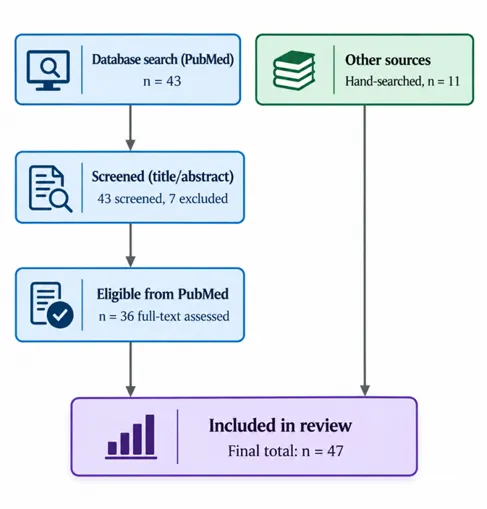
Figure 1. Flow diagram of the literature search and study selection process..
3. ANATOMICAL BASIS FOR NOSE-TO-BRAIN DELIVERY
The nasal cavity has three main zones: the vestibule (just the entrance, doesn't absorb much), the respiratory region (about 160 cm², rich blood supply, mostly absorbs drugs into the bloodstream), and the olfactory region (only about 10 cm², but this is the goldmine—it contains olfactory receptor neurons that connect directly to the brain) 14.
Drugs can reach the brain through three pathways (Figure 2):
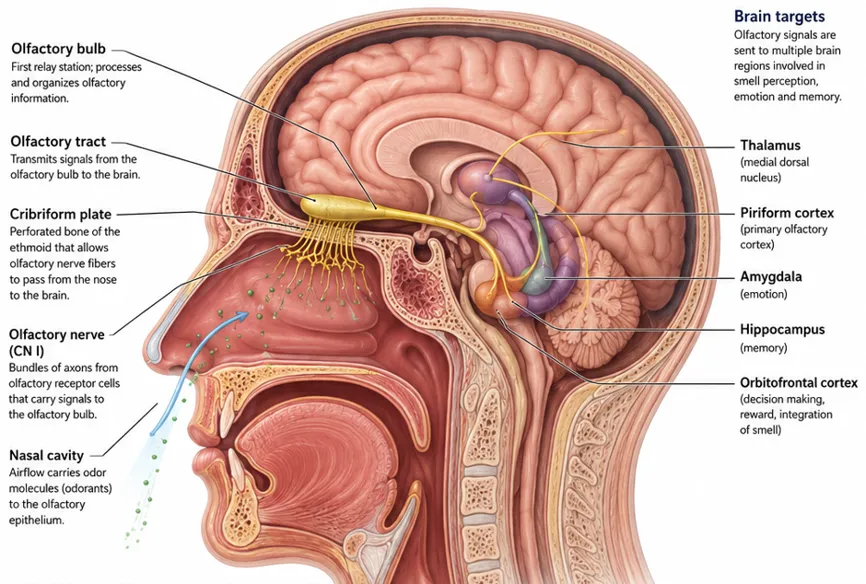
Figure 2: Anatomical basis for nose-to-brain delivery
(A) Olfactory Pathway: Drugs cross the olfactory epithelium either through the cells (transcellular) or between them (paracellular). Once through, they travel along olfactory nerve axons, pass through the cribriform plate (a bony structure with holes), and reach the olfactory bulb. From there, they spread to the cortex, cerebellum, and other brain regions. This can happen in minutes (extracellular diffusion) or hours (slower intracellular transport).
(B) Trigeminal Pathway: The trigeminal nerve innervates both the respiratory and olfactory regions. Drugs can travel along this nerve to the brainstem, pons, and medulla. Some trigeminal fibers even cross the cribriform plate, delivering drugs to the forebrain.
(C) Systemic Pathway: Drugs absorbed into nasal blood vessels enter general circulation and may later cross the BBB. But this is much less efficient because the drug gets diluted and partly cleared before reaching the brain 14.
Several mechanisms are involved to cross the nasal epithelium paracellular (squeezing between cells—tight junctions limit this, but some polymers like chitosan can temporarily open them), transcellular (going through cells via passive diffusion, carrier-mediated transport, receptor-mediated uptake, or adsorptive transcytosis), and neuronal uptake (being swallowed directly by nerve endings).
These anatomical features provide the rationale for intranasal administration, and surface engineering strategies aim to exploit these pathways more efficiently.
4. NANOSUSPENSIONS: RATIONALE AND FABRICATION
Nanosuspensions are colloidal dispersions containing drug particles in the nanometre size range, generally varying from a few tens to several hundred nanometers. These systems are widely explored for improving the solubility and dissolution rate of poorly water-soluble drugs. The reduction in particle size increases the surface area of the drug particles, which enhances dissolution velocity and improves saturation solubility of the active pharmaceutical ingredient.
One of the major advantages of nanosuspensions is their high drug-loading capacity because they do not require a large quantity of carrier materials, unlike many other nanoparticulate delivery systems. Due to this property, nanosuspensions are considered highly suitable for the delivery of poorly soluble therapeutic agents.
The preparation methods for nanosuspensions are broadly classified into top-down and bottom-up approaches. In top-down techniques, larger drug particles are mechanically reduced into nanosized particles using methods such as media milling, high-pressure homogenization, and nanoprecipitation. These techniques generally minimize the requirement for organic solvents during processing15.
In contrast, bottom-up methods involve the formation of nanoparticles through precipitation from a supersaturated drug solution. In this approach, dissolved drug molecules are converted into fine particles under controlled conditions.
Hybrid fabrication strategies combining both top-down and bottom-up approaches are also employed to achieve better particle size reduction and stability. In such combination methods, precipitation may initially be used as a pre-treatment step, followed by further particle size reduction using techniques such as high-pressure homogenization or ultrasonication2.
4.1. Bottom-up technique
The bottom-up approach is a widely used method for the preparation of nanocrystals and nanosuspensions. This technique was initially developed for the production of micronized particles and later adapted for nanocrystal fabrication during the late 1980s. In this method, the process begins at the molecular level by dissolving the drug in a suitable organic solvent, followed by controlled nucleation and precipitation to generate nanosized particles16.
Formation of nanoparticles in the bottom-up approach is mainly achieved through precipitation from a supersaturated drug solution. The dissolved drug is rapidly mixed with a nonsolvent or antisolvent, resulting in a sudden decrease in solubility and subsequent formation of nanocrystals. Organic solvents commonly used in this process include ethanol, methanol, acetone, dimethyl sulfoxide, and dichloromethane, while water is most frequently employed as the antisolvent17.
Several external factors such as solvent evaporation, ultrasonic energy, and supercritical fluid technology may influence nucleation and particle formation. The process requires careful control of critical parameters including precipitation rate, crystal growth, particle aggregation, and solvent removal. Improper control may result in instability, residual organic solvents, and difficulties during large-scale manufacturing.
Advanced bottom-up techniques involving supercritical fluid technology have also been investigated for nanocrystal preparation. These include gas antisolvent recrystallization (GAS), aerosol solvent extraction systems (ASES), atomized rapid injection for solvent extraction (ARISE), rapid expansion of supercritical solution (RESS), and depressurization of expanded liquid organic solutions (DELOS)18. In addition, hot-injection and heat-up methods are employed to produce monodisperse and uniformly distributed nanocrystals.
Although many innovative bottom-up methods have been reported, their application remains largely limited to laboratory-scale production due to challenges associated with process optimization and industrial scale-up. Consequently, most commercially available nanocrystal products are still manufactured using top-down technologies18.
Compared with top-down methods, bottom-up techniques generally require lower energy input. In a typical process, the active pharmaceutical ingredient is dissolved in an organic solvent and rapidly introduced into an antisolvent system containing stabilizers such as polymers or surfactants. This rapid precipitation leads to the formation of nanoparticles with improved dissolution characteristics. Antisolvent precipitation is considered a simple, economical, and potentially scalable method for nanosuspension preparation (figure 3) 19.
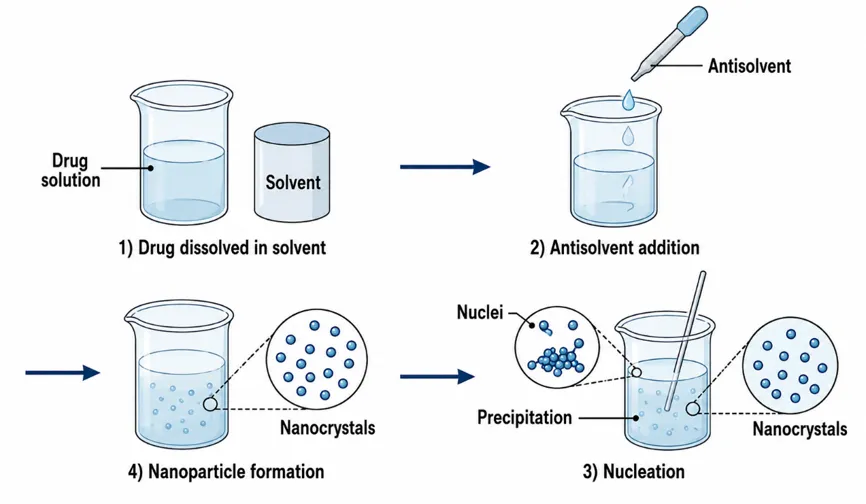
Figure 3: Bottom-Up Nanoprecipitation Technique for Nanosuspension Preparation
4.2. Top-down approach
The top-down approach is one of the most commonly employed techniques for the preparation of nanosuspensions and nanocrystals. In this method, large drug crystals in the micrometre or millimetre range are mechanically broken down into nanosized particles through the application of external mechanical forces. The two major techniques included under this approach are wet milling and high-pressure homogenization (HPH).
Among these methods, wet milling is generally preferred over dry or jet milling because it produces particles within the nanometre range more efficiently. Many commercially available nanosuspension products are manufactured using pearl mill or bead mill technology. In wet milling, particle size reduction is achieved using equipment such as media mills, ball mills, or high-shear colloid mills. During the process, the drug particles are dispersed in a stabilizer solution and subjected to continuous grinding by milling media, resulting in the formation of nanosized particles20.
High-pressure homogenization is another widely used top-down method. In this technique, a premilled suspension containing microsized drug particles and surfactants is forced through a narrow gap under extremely high pressure, generally between 100 and 1500 bars. The intense shear stress, cavitation forces, and particle collision generated during homogenization lead to effective particle size reduction and formation of nanosuspensions.
Combination technologies integrating both top-down and bottom-up approaches have also been developed to improve particle size distribution and formulation stability. These hybrid methods usually involve an initial precipitation step followed by mechanical size reduction using homogenization or milling techniques (Figure 4).
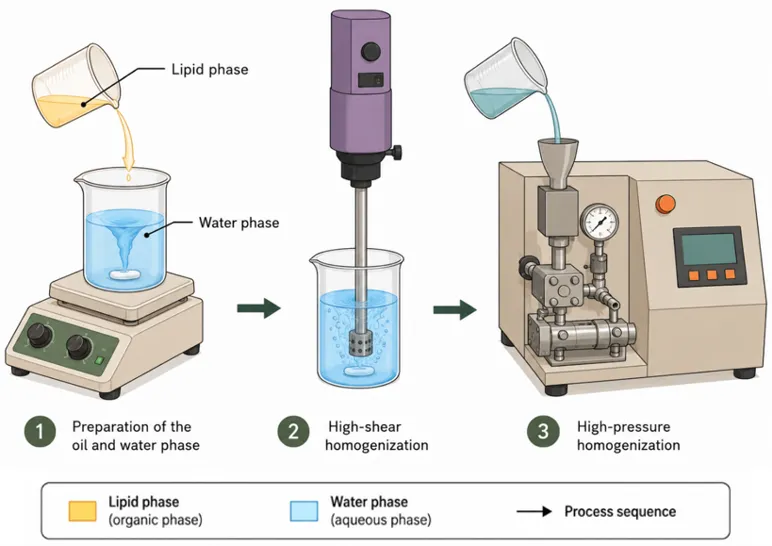
Figure 4: Top-Down High-Pressure Homogenization Technique
5. SURFACE ENGINEERING STRATEGIES FOR NOSE-TO-BRAIN DELIVERY
The efficiency of nose-to-brain (N2B) drug delivery is greatly affected by physiological barriers such as rapid mucociliary clearance and the highly protective mucus layer present in the nasal cavity. Surface engineering of nanosuspensions has emerged as an effective strategy to overcome these limitations by altering the surface characteristics and physicochemical properties of the formulation2.
5.1. Mucoadhesive Active Targeting
Mucoadhesion is a well-established approach used to prolong the residence time of formulations within the nasal cavity. By increasing adhesion to the mucus layer, nanosuspensions remain in close contact with the nasal epithelium for an extended period, thereby improving drug absorption through neuronal pathways and enhancing sustained drug delivery2,21.
One of the most commonly employed strategies involves coating nanosuspensions with cationic polymers such as chitosan and N-trimethyl chitosan (TMC). These positively charged polymers interact electrostatically with negatively charged sialic acid residues present on mucin glycoproteins of the nasal mucus layer. This interaction improves adhesion of the formulation to the mucosal surface and reduces rapid clearance from the nasal cavity.
Another important surface modification technique involves the use of thiolated polymers, also known as thiomers. Chitosan-thioglycolic acid is a widely investigated thiolated polymer that forms covalent disulfide bonds with mucus glycoproteins. These covalent interactions provide significantly stronger mucoadhesion compared to simple electrostatic attraction, resulting in improved retention and prolonged drug residence time in the nasal cavity.
The effectiveness of mucoadhesive targeting can be assessed using various evaluation methods such as mucin adsorption studies and gamma scintigraphy techniques. These methods help determine the extent of interaction between the formulation and mucus, as well as the duration of nasal retention over time.
5.2. Muco-Penetrating Strategies
Muco-penetrating strategies are designed to facilitate the rapid movement of nanosuspensions through the nasal mucus layer, thereby improving access to the olfactory region of the upper nasal cavity. Unlike mucoadhesive systems, which prolong retention within the mucus, mucus-penetrating systems are engineered to diffuse quickly through the mucus mesh and reach the underlying epithelial surface before mucociliary clearance occurs22.
One of the most widely used approaches for enhancing mucus penetration is surface modification with polyethylene glycol (PEG), commonly referred to as PEGylation. Coating nanoparticles with PEG produces a hydrophilic and nearly neutral surface that minimizes adhesive interactions with mucus components. The hydrophilic PEG layer reduces hydrophobic and electrostatic interactions between the particles and mucin fibers, thereby preventing entrapment within the mucus network and enabling rapid diffusion across the mucus barrier13.
Another important strategy involves coating nanoparticles with surfactants such as Pluronic F-127 and Polysorbate 80 (Tween 80). These surfactants modify the surface properties of the particles and improve their penetration through biological barriers. Polysorbate 80 is particularly significant because it can inhibit the efflux action of P-glycoprotein at the blood–brain barrier, thereby enhancing drug accumulation within brain tissues23–25.
Overall, muco-penetrating surface modifications enable faster transport of therapeutic agents into neural tissues when compared with conventional mucoadhesive delivery systems, making them highly promising for efficient nose-to-brain drug delivery23,26.
5.3. Ligand-Based Active Targeting
Ligand-based active targeting is an advanced surface engineering strategy in which nanosuspensions are functionalized with specific ligands that can selectively interact with receptors present on the nasal epithelium and brain endothelial cells of the blood–brain barrier (BBB). This approach enhances targeted drug transport and improves delivery efficiency to the central nervous system27,28.
Among the various ligands investigated, transferrin (Tf) and lactoferrin (Lf) are widely studied because their receptors are highly expressed in both the nasal mucosa and brain endothelial tissues. These iron-transport-related receptors facilitate receptor-mediated uptake of nanosuspensions into brain tissues. Studies have shown that chitosan nanosuspensions conjugated with transferrin exhibit significantly enhanced drug targeting efficiency, particularly for antipsychotic drugs such as cariprazine29,30.
Cell-penetrating peptides (CPPs) such as TAT and RGD peptides are another important class of targeting ligands. These peptides promote cellular internalization of nanoparticles through endocytosis, enabling efficient intracellular delivery of therapeutic agents. This mechanism allows large molecules to enter epithelial and neuronal cells without directly crossing tight junctions present within the nasal epithelium31.
Glutathione (GSH)-based targeting is also considered a promising strategy for brain-specific drug delivery. Nanosuspensions coated with glutathione interact with sodium-dependent glutathione transporters, which are abundantly expressed in brain tissues. Due to this transporter-mediated uptake, GSH-functionalized nanosuspensions demonstrate enhanced accumulation within the central nervous system and improved brain targeting efficiency (Figure 5) 32.
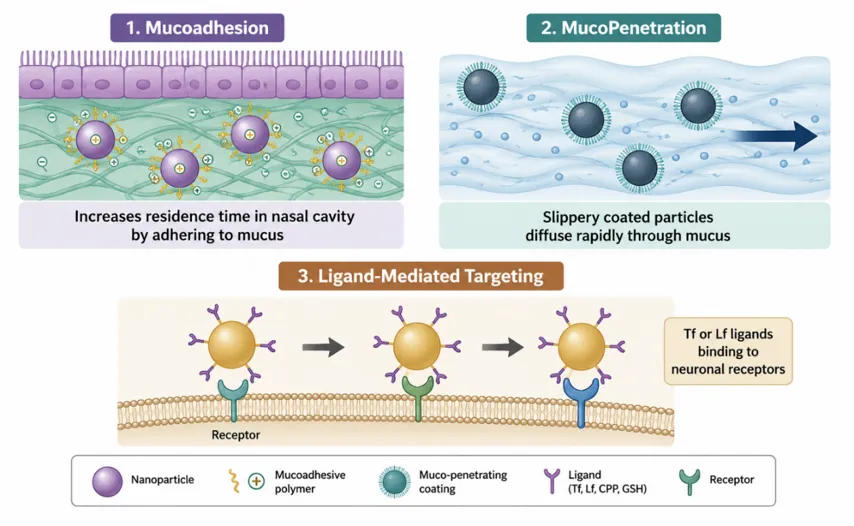
Figure 5: Surface Engineering Strategies to Enhance Nose-to-Brain Delivery
5.4. Surface Modifiers and their CNS Impact in nose to brain drug delivery
Surface modifiers play a crucial role in enhancing nose-to-brain drug delivery by improving nanoparticle stability, mucoadhesion, permeability, and brain targeting efficiency. Polymers such as chitosan increase nasal residence time and open tight junctions, while surfactants like Tween 80 and Polysorbate 80 enhance membrane permeability and facilitate transport across the blood–brain barrier (BBB). Targeting ligands such as transferrin and lactoferrin promote receptor-mediated uptake into the central nervous system (CNS), resulting in improved drug accumulation in brain tissues. Hydrophilic coatings like polyethylene glycol (PEG) improve mucus penetration and prolong circulation time, whereas permeation enhancers such as borneol and vitamin E TPGS increase BBB permeability and reduce drug efflux. Overall, surface modification significantly improves CNS bioavailability, targeted delivery, therapeutic efficacy, and reduces systemic side effects in the treatment of neurological disorders (Table 1)27.
Table 1: Comparison of Surface Modifiers and their CNS Impact
|
Surface Modifier |
Modifier Category |
Mechanism of N2B Delivery |
CNS Impact |
Representative Drug |
Ref. |
|
Chitosan / Glycol Chitosan |
Cationic Polymer |
Electrostatic interaction with sialic acid in mucus; Opens tight junctions. |
Enhances brain uptake and improves drug bioavailability |
Amisulpride, Haloperidol |
3,33 |
|
TPGS / Poloxamer 188 |
Non-ionic Surfactant |
Stabilizes nanocrystals and inhibits P-gp efflux in the BBB. |
Increases stability and sustained CNS delivery |
Risperidone, Paliperidone |
3,34 |
|
PEG (PEGylation) |
Hydrophilic Coating |
Creates "Slippery" particles to penetrate the mucus layer rapidly |
Increases stability and sustained CNS delivery |
Olanzapine |
30 |
|
Lactoferrin / Transferrin |
Targeting Ligand |
Receptor-mediated transcytosis across the olfactory epithelium. |
Enhances selective brain delivery, and increased CNS penetration and reduced systemic exposure |
Cariprazine, NAP Peptide |
35 |
Several recent studies have demonstrated the efficacy of surface-engineered nanosuspensions for various antipsychotic drugs, as summarized below (Table 2).
Table 2:Recent Advances in Surface-Engineered Antipsychotics
|
Antipsychotic |
Target Disease |
Surface Strategy / Modifier |
Animal Model |
CNS Results (Size, DTE%, Reversal) |
Ref. |
|
Cariprazine |
Schizophrenia & Bipolar |
Transferrin-Chitosan (Ligand-based) |
Wistar Rats |
Size: 168nm; DTE: 44%. Accumulates in large amounts in the brain at Tf receptor sites |
36,37 |
|
Paliperidone |
Schizoaffective Disorder |
Chitosan Nanoemulsion (Mucoadhesive) |
Albino Mice |
Significant reduction in symptoms; increased locomotor capability in behavioural tests |
38 |
|
Quetiapine |
Bipolar Depression |
Myristic Acid (pH-responsive) |
Sprague Dawley |
Size <150nm; Controlled release profile with 85% entrapment efficiency |
39,40 |
|
Amisulpride |
Acute Schizophrenia |
TPGS-NS (Bio adhesive) |
Wistar Rats |
DTP: 65%. 3.5 times increased brain availability compared to oral administration. |
3,41 |
|
Olanzapine |
Psychotic Mania |
PEG-Polymeric Micelles (Mucus-Penetrating) |
Rats |
Crossed the mucus barrier; reached peak concentrations within 60 min. |
30 |
|
Clozapine |
Treatment-resistant Schizophrenia |
Nano-bilosomal Gel (Vesicular) |
Albino Rats |
Higher ratio of Levels in Brain vs Plasma via the N2B pathway. |
42,43 |
|
Brexpiprazole |
Major Depressive Disorder |
Nanostructured Lipid Carriers (Lipid Targeting) |
Rats |
Improved cognitive functions and behavioural recovery. |
44 |
|
Risperidone |
Autistic-related Irritability |
Thiolated Chitosan (Advanced Mucoadhesion) |
Wistar Rat |
Size: 145nm. Nasal retention time was 10 times longer than that of standard nasal delivery. |
41,45 |
DTE (Drug Targeting Efficiency), DTP (Direct Transport Percentage)
A comparative analysis of the translational readiness of different surface engineering strategies is provided below (Table 3).
Table 3: Comparative Analysis of Surface Engineering Strategies - Translational Readiness
|
Strategy |
Mechanism |
DTE% Achieved |
Scalability |
Regulatory Status |
Cost |
Readiness |
|
Chitosan Coating |
Electrostatic mucoadhesion |
30–44% |
Moderate (aggregation) |
GRAS, FDA-approved |
Low |
High |
|
Thiolated Chitosan |
Covalent mucoadhesion |
40–55% |
Low (oxidation issues) |
Not standardized |
Medium |
Medium |
|
PEGylation |
Mucus penetration |
25–35% |
High (simple coating) |
Widely accepted |
Low |
Very High |
|
Lactoferrin Conjugation |
Receptor-mediated targeting |
>50% |
Very Low (complex) |
No regulatory guidance |
Very High |
Low |
|
Transferrin Conjugation |
Receptor-mediated targeting |
~44% |
Very Low |
No regulatory guidance |
Very High |
Low |
|
Poloxamer/ TPGS |
Surfactant + P-gp inhibition |
35–45% |
High |
Accepted excipients |
Low |
High |
DTE% values derived from preclinical studies 3,33–38. Translational readiness assessed based on scalability, regulatory acceptance, and cost-effectiveness.
6. EVALUATION AND CHARACTERIZATION OF SURFACE-ENGINEERED NANOSUSPENSIONS
Surface-engineered nanosuspensions are characterized using various physicochemical and biological parameters to assess their suitability for effective nose-to-brain (N2B) drug delivery and their ability to overcome the blood–brain barrier (BBB).
6.1. Particle Size and Polydispersity Index (PDI)
Particle size is a critical parameter influencing the transport of nanoparticles through the olfactory pathway to the brain. Nanoparticles with a size below 200 nm are considered more suitable for penetration through the olfactory epithelium and improved brain uptake. Particle size and size distribution are commonly determined using Dynamic Light Scattering (DLS). The polydispersity index (PDI) indicates the uniformity of particle distribution; a PDI value below 0.3 suggests a narrow and homogeneous size distribution, which contributes to better formulation stability and reproducibility3.
6.2. Zeta Potential (Surface Charge)
Zeta potential represents the surface charge of nanosuspensions and is an important indicator of colloidal stability. Surface modification with cationic polymers such as chitosan can produce a positive zeta potential (generally greater than +25 mV), enhancing electrostatic interaction with the negatively charged nasal mucosa and thereby improving mucoadhesion and nasal residence time. In addition, higher absolute zeta potential values generate strong repulsive forces between particles, minimizing aggregation and improving physical stability of the nanosuspension2,30.
6.3. Entrapment Efficiency (EE%) and Drug Loading Capacity (DLC)
High entrapment efficiency is essential in nose-to-brain drug delivery to ensure that an adequate therapeutic concentration of the drug reaches the central nervous system (CNS). Entrapment efficiency and drug loading capacity are commonly determined using centrifugation or ultracentrifugation methods to separate free drug from drug-loaded nanoparticles. Entrapment efficiency (EE%) is calculated using the formula:
EE%=Total Drug-Free DrugTotal Drug×100
Drug loading capacity (DLC) is determined using the following equation:
DLC%=Total Drug-Free DrugWeight of Nanoparticles×100
An EE value greater than 85% is generally considered desirable for CNS-targeted formulations, particularly for antipsychotic and neurotherapeutic drugs, as it improves bioavailability and therapeutic efficacy43.
6.4. Mucoadhesion Strength (In-vitro)
Mucoadhesion strength evaluates the ability of surface-engineered nanosuspensions to adhere to the nasal mucosa and resist rapid mucociliary clearance. This parameter is commonly assessed using techniques such as a texture analyzer or the falling liquid film method with excised sheep nasal mucosa2. The adhesive performance is determined by comparing the work of adhesion between surface-modified and unmodified nanosuspensions. Surface-engineered formulations, especially those containing mucoadhesive polymers, generally exhibit higher adhesion strength and prolonged mucosal retention, thereby enhancing drug absorption and improving nose-to-brain delivery efficiency.
6.5. Permeation Studies (Ex vivo)
Ex vivo permeation studies are performed to evaluate the ability of drug-loaded nanosuspensions to cross the nasal epithelial barrier and reach the brain. These studies are commonly carried out using a Franz diffusion cell fitted with freshly excised sheep or porcine nasal mucosa. Important parameters such as steady-state flux (Jss) and permeability coefficient (P) are determined to assess the efficiency of drug permeation. In addition, these studies help evaluate the influence of surface engineering strategies, including nanoparticle modification and tight-junction modulation, on nasal drug transport and absorption30.
6.6. Drug Release and Release Kinetics (In vitro)
In vitro drug release studies are commonly conducted using the dialysis bag diffusion method in simulated nasal fluid (SNF) at pH 6.4. The release profile provides information regarding the rate and extent of drug release from the nanosuspension. The obtained data are generally fitted into kinetic models such as the Higuchi and Korsmeyer–Peppas models to determine the mechanism of drug release, whether diffusion-controlled, erosion-controlled, or a combination of both.3,34
6.7. In Vitro and Ex Vivo Studies
6.7.1. Mucin Adsorption Assay
The mucin adsorption assay is used to evaluate the mucoadhesive properties of surface-engineered nanoparticles by measuring their binding affinity to mucin. Modified nanoparticles generally exhibit greater mucin interaction than unmodified formulations. For example, thiolated or trimethyl chitosan-coated nanoparticles have demonstrated significantly higher mucin binding compared to unmodified PLGA nanoparticles, indicating enhanced nasal retention and improved drug absorption.
6.7.2. Ex Vivo Permeability Studies
Ex vivo permeability studies using sheep or porcine nasal mucosa and Franz diffusion apparatus are performed to determine the permeation rate and permeability coefficient of the formulation. These studies provide insight into the efficiency of drug transport across the nasal membrane and the influence of surface modifications on permeation enhancement44.
6.7.3. Cellular Uptake and Cytotoxicity Studies
Cellular uptake and cytotoxicity studies are carried out using respiratory epithelial cells and neuronal cell lines to evaluate nanoparticle internalization and biocompatibility. These studies help identify the uptake mechanism, intracellular transport behavior, and potential toxic effects of the formulation, thereby ensuring the safety and effectiveness of nanosuspensions intended for CNS delivery.
6.8. In Vivo Pharmacokinetics and Brain Targeting Indices
In vivo pharmacokinetic studies are considered the gold standard for evaluating the efficiency of nose-to-brain (N2B) drug delivery systems. These studies help differentiate direct drug transport to the brain through olfactory and trigeminal pathways from drug absorption through systemic circulation. Brain targeting efficiency is commonly assessed using parameters such as Drug Targeting Efficiency (DTE%) and Direct Transport Percentage (DTP%).
Drug Targeting Efficiency (DTE%) is calculated using the following equation:
DTE%=AUCbrainAUCbloodINAUCbrainAUCbloodIV×100
 where AUCbrain
 represents the area under the drug concentration–time curve in the brain and AUCblood
 represents the area under the concentration–time curve in systemic circulation. “IN” and “IV” denote intranasal and intravenous administration, respectively. A DTE% value greater than 100 indicates enhanced brain targeting through the intranasal route.
Direct Transport Percentage (DTP%) estimates the fraction of drug directly transported to the brain, bypassing systemic circulation and the blood–brain barrier (BBB). It is calculated as:
DTP%=BIN-BXBIN×100
where
BX=BIVPIV×PIN
 Here, BIN
 is the brain AUC following intranasal administration, BIV
 is the brain AUC following intravenous administration, PIV
 is the plasma AUC after intravenous administration, and PIN
 is the plasma AUC after intranasal administration. Higher DTP% values indicate greater direct nose-to-brain transport efficiency45.
6.9. Additional Evaluation Techniques
Additional evaluation techniques are employed to further confirm the efficiency and mechanism of nose-to-brain drug delivery systems. Fluorescent imaging techniques, such as fluorescence microscopy and gamma scintigraphy (γ-scintigraphy), are widely used to visualize and monitor the biodistribution of nanosuspensions within the nasal cavity and brain tissues after administration. These techniques provide valuable information regarding nanoparticle localization, transport pathways, and accumulation in the central nervous system (CNS)46.
Another important experimental approach is olfactory nerve transection, which is performed to verify the involvement of neuronal pathways in direct brain delivery. In this method, the olfactory nerves are surgically disrupted, and subsequent changes in brain drug uptake are evaluated. A significant reduction in drug transport after transection confirms the contribution of olfactory neural pathways in nose-to-brain delivery.
7. IMPACT OF SPECIFIC SURFACE MODIFIERS
Specific surface modifiers have demonstrated significant improvements in nose-to-brain drug delivery by enhancing mucoadhesion, permeability, and brain-targeting efficiency. Lactoferrin (Lf)-modified nano emulsions of huperzine A have shown enhanced brain targeting, as evidenced by increased relative uptake rate (Re) and peak concentration ratio (Ce), indicating improved drug accumulation in the brain46. Similarly, thiolated chitosan derivatives exhibit strong covalent interactions with the mucus layer, resulting in superior mucoadhesion compared to non-covalent systems and leading to higher direct transport percentage (DTP%) values and prolonged nasal residence time34.
Polyethylene glycol (PEG) coating has been widely employed to stabilize liposomal formulations, prolong systemic circulation time, and reduce clearance by the reticuloendothelial system, thereby improving formulation stability and drug availability25. In addition, RGD peptide-functionalized liposomes have demonstrated the ability to interact with leukocytes and facilitate transport across the blood–brain barrier (BBB), particularly during neuroinflammatory conditions34. Overall, mucoadhesive modifiers such as chitosan and trimethyl chitosan (TMC) primarily enhance nasal retention time, whereas ligand-based surface modifications such as lactoferrin and transferrin significantly improve the extent and specificity of brain targeting38.
8. RESEARCH LIMITATIONS AND GAPS
Despite significant advancements in surface-engineered nanosystems for nose-to-brain (N2B) drug delivery, several challenges and research gaps still remain. One major concern is the potential toxicity associated with surfactants and mucoadhesive polymers, particularly due to their prolonged contact with the sensitive nasal epithelium following intranasal administration. Long-term safety data regarding nasal irritation, mucosal damage, and ciliotoxicity are still limited34.
Another important limitation is the difficulty in scaling up complex surface-engineering techniques, such as ligand conjugation and nanoparticle functionalization, for large-scale industrial manufacturing. Although progress has been made in formulation development, reproducibility, process optimization, and cost-effective production remain major challenges47.
In addition, significant anatomical and physiological differences exist between rodent nasal structures and human nasal anatomy. Since rodent models are commonly used as the standard preclinical models, these differences may affect the translation of pharmacokinetic and biodistribution data from animals to humans33,34. Furthermore, most studies on surface-engineered nanosystems for antipsychotic and CNS drug delivery are still confined to preclinical research, with limited human clinical trials available to confirm their long-term safety, efficacy, and therapeutic potential in clinical settings.
9. DISCUSSION
The findings of this review highlight that effective nose-to-brain (N2B) drug delivery remains challenging due to both physiological barriers of the nasal cavity and the restrictive nature of the blood–brain barrier (BBB). One of the primary limitations associated with intranasal administration is rapid mucociliary clearance (MCC), which removes administered formulations from the nasal cavity within approximately 15–20 minutes. As a result, poorly soluble antipsychotic and CNS-active drugs often exhibit insufficient residence time for adequate absorption through the nasal mucosa. In addition, enzymatic degradation within the nasal cavity and limited permeability across the olfactory epithelium further reduce drug bioavailability and therapeutic efficiency34.
Surface engineering of nanosuspensions has emerged as a promising strategy to overcome these limitations by enhancing mucoadhesion, permeability, and targeted brain delivery. Cationic polymers such as chitosan and trimethyl chitosan (TMC) are widely employed to modify nanoparticle surfaces because their positive charge enables strong electrostatic interaction with the negatively charged nasal mucosa. This enhanced mucoadhesion prolongs nasal residence time, improves drug absorption, and minimizes rapid clearance from the nasal cavity. Furthermore, chitosan-based systems are capable of transiently opening tight junctions between epithelial cells, thereby facilitating paracellular transport of drugs into the brain2,38.
Another important advancement in surface engineering is PEGylation, where polyethylene glycol (PEG) is coated onto the nanoparticle surface to improve mucus penetration and formulation stability. PEGylated nanoparticles possess a hydrophilic and flexible outer layer that reduces particle aggregation and allows easier diffusion through the mucus network toward the olfactory epithelium. This “mucus-penetrating” behavior enhances drug transport efficiency and improves the likelihood of direct brain targeting25. In addition, PEG coating may prolong circulation time and reduce uptake by the reticuloendothelial system, thereby improving overall drug availability.
The review also demonstrates that active targeting approaches provide superior brain delivery compared with passive diffusion-based systems. Ligand-functionalized nanoparticles use receptor-mediated endocytosis to cross the BBB more effectively and deliver drugs directly to the central nervous system (CNS). Surface ligands such as lactoferrin (Lf) and transferrin (Tf) specifically bind to receptors highly expressed on nasal epithelial cells and brain endothelial cells, facilitating targeted transport into brain tissues. Studies involving ligand-conjugated nanosystems, including transferrin-coated chitosan nanoparticles loaded with antipsychotic agents such as cariprazine, have shown significantly improved brain uptake and bioavailability compared with conventional oral formulations. Reports published between 2024 and 2026 demonstrated approximately three- to four-fold higher drug accumulation in brain tissues following intranasal administration of surface-engineered nanosystems compared with oral dosage forms38,46.
Despite these encouraging findings, several challenges still hinder the clinical translation of surface-engineered N2B drug delivery systems. Large-scale manufacturing and reproducibility of complex nanoparticle formulations remain difficult, especially for ligand-conjugated systems that require precise surface functionalization. Scale-up techniques such as high-pressure homogenization and microfluidization must be carefully optimized to maintain critical quality attributes, including particle size below 200 nm, narrow polydispersity index, and stable zeta potential47. Furthermore, long-term safety evaluation of surface modifiers is essential, particularly regarding their effects on nasal epithelial integrity, mucosal irritation, ciliotoxicity, and chronic exposure toxicity34.
Another major concern is the limited availability of clinical evidence. Most studies involving surface-engineered nanosuspensions for CNS delivery are currently restricted to preclinical animal models, particularly rodents. However, anatomical and physiological differences between rodent and human nasal structures may significantly influence drug deposition, absorption, and pharmacokinetic behavior, limiting direct translation of preclinical findings to humans.33,34 Therefore, future research should focus on conducting well-designed clinical trials, developing safer and more biocompatible surface modifiers, and establishing scalable manufacturing methods to facilitate the successful commercialization of targeted intranasal nanomedicines for neurological and psychiatric disorders.
9.1. Mechanisms Behind the Superior Performance of Surface-Engineered Nanosuspensions
There are three major mechanisms behind the excellent performance of surface-engineered nanosuspensions in delivering drugs through nasal route to the brain.
The tremendous increase in the surface area due to the reduction of drug particles to nano-scale greatly speeds up their dissolution. The Noyes-Whitney equation shows that the dissolution rate is directly proportional to the available surface area, which interacts with the liquid. This surface area enhancement (approximately 10,000-fold) allows for the considerably faster solubilization and consequently better absorption of drugs from BCS Class II, i.e., poorly soluble antipsychotics such as paliperidone and cariprazine 10.
Mucoadhesive polymer agents such as chitosan and its thiolated forms secure adhesion of nanosuspensions to the nasal mucosa and prolong their residence time from 15-20 minutes due to the mucociliary clearance mechanism up to several hours, thus giving additional time for drug absorption via olfactory and trigeminal neurons. In addition, chitosan-based systems can open the paracellular pathway by loosening tight junctions between epithelial cells 2,33.
Active targeting ligands, especially lactoferrin and transferrin, facilitate transcytosis. These ligands specifically bind to receptors which are highly abundant on both olfactory epithelial cells and brain endothelial cells, facilitating endocytosis and intracellular transport for direct delivery of drugs across cell membranes. Pre-clinical investigations indicate that nanosuspensions with conjugated ligands produce brain concentrations about 3- to 4-fold higher than an equal dose administered orally, while at the same time reducing the systemic exposure to the drug 36,38.
However, these delivery strategies are not mutually exclusive. Multimodal systems that integrate mucoadhesive property, mucus-penetrating ability and active targeting offer synergistic advantages, though they are certainly more complex to formulate and manufacture.
9.2. Critical Knowledge Gaps and Methodological Limitations
Despite all the promising preclinical data, the literature has some serious blind spots that we need to acknowledge.
First, almost everything is done in rodents. Rats and mice have olfactory regions that make up about 50% of their nasal cavity. In humans, it's only about 5-10%. This means rodent studies could be overestimating how much direct nose-to-brain transport actually happens in people 33,34.
Second, safety data is sparse. Only about 12% of studies actually checked for ciliotoxicity or nasal irritation after repeated dosing. We don't really know what happens to the nasal epithelium after months or years of treatment with these surfactants and polymers 34.
Third, there's no standardization. Different labs calculate DTE and DTP differently—different doses, different sampling times, different analytical methods. This makes it really hard to compare results across studies 45.
Fourth, stability data is limited. Most studies only report stability for 3-6 months. If this is going to become a commercial product, we need to know it stays stable for at least 24 months.
Fifth, and this is the biggest one—not a single clinical trial has been registered for surface-engineered antipsychotic nanosuspensions. All the evidence is preclinical. We simply don't know if these systems work in humans.
10. CONCLUSION AND FUTURE DIRECTIONS
Surface-engineered nanosuspensions constitute a truly innovative system for nasal-to-brain delivery of insoluble antipsychotics. With the inclusion of mucoadhesive polymers, mucus-penetrating coatings, and active targeting ligands, the surface-engineered nanoparticles successfully overcome the problems related to the high rate of mucociliary clearance and poor penetration through the blood-brain barrier. The results obtained in the course of pre-clinical studies speak for themselves—the surface-modified systems exhibit significantly higher Drug Targeting Efficiency (DTE%) and Direct Transport Percentage (DTP%) than the traditional dosage forms.
Of all the strategies proposed, the use of chitosan- and PEG-based systems appears to be the most viable one from both the effectiveness and manufacturability perspectives. The conjugate systems are quite challenging because of high costs and other obstacles.
Future directions of research must focus on the following key priorities that will allow moving forward toward clinical translation:
If these problems are solved through extensive scientific research, surface engineering of nanosuspensions will have a huge impact on antipsychotic treatment – increasing efficacy and reducing systemic side effects while improving patient compliance.
11. ACKNOWLEDGEMENT
The authors sincerely thank the management of Pannai College of Pharmacy for their valuable support, encouragement, and facilities provided to carry out and complete this review work successfully.
Author contribution
Ms. Abithaa Sri conceptualized and carried out the review work. Ms. Abithaa Sri and Dr. M. Amudha drafted the manuscript. Dr. M. Amudha and Dr. C. S. Kandasamy critically revised and corrected the manuscript. All authors reviewed and approved the final version of the manuscript for publication.
Funding
None to declare.
Conflict of interest
None to declare.
Ethics approval
None to declare.
REFERENCES


Amudha Murugesan, Abithaa Sri Beemarajan, C. S. Kandasamy, Nose-to-Brain Delivery of Antipsychotics via Surface-Modified Nanosuspensions: A Systematic Review, Int. J. of Pharm. Sci., 2026, Vol 4, Issue 9, 2736-2759. https://doi.org/10.5281/zenodo.22911751
 10.5281/zenodo.22911751