

We use cookies to ensure our website works properly and to personalise your experience. Cookies policy
Vidya Niketan Institute of Pharmacy and Research Centre, Bota, Sangamner 422602
The history of wound management has moved beyond traditional passive dressings to advanced intelligent therapeutic solutions that proactively encourage healing by directing the delivery of drugs through controlled mechanisms. Conventional wound dressings such as gauze, cotton and adhesive bandages have limited protection and absorption properties that cannot accommodate the intricate healing issues that may be needed like control of infection and inflammatory, as well as tissue regeneration. These traditional modalities exhibit high levels of limitations such as inadequate moisture management, regular dressing changes which can disrupt healing and failure to address the dynamic wound conditions. The use of modern drug delivery systems containing natural bioactives marks a revolutionary change in the technology of wound care. Plant-based natural compounds such as polyphenols, flavonoids, terpenoids, and essential oils possess varied therapeutic effects, which include anti-inflammatory, antimicrobial, anti-oxidant, and regenerative effects on the tissues. Such bioactives have better biocompatibility and multi-target activities over synthetic counterparts. The development of advanced delivery systems as hydrogels, nanoparticles, electrospun fibers, and smart responsive systems allows the delivery of sensitive compounds to be regulated, increase bioavailability, and protect vulnerable compounds. Smart therapeutic systems reacts smartly to the stimuli of the wound environment like pH, changes in temperature, enzyme presence, and infection indicators to allow targeted therapeutic action to occur. Improved healing results are seen in acute wounds, chronic ulcers, diabetic wounds, and burning wounds; there are huge decreases in healing time, infections, and patient comfort. The personalized medicine, digital health integration, artificial intelligence applications, and regenerative medicine developments will be in the future and will radically transform wound care delivery by providing advanced, adaptive therapeutic systems.
The process of wound healing is a complex biological process encompassing several cellular and molecular processes that result in tissue repair and regeneration that encompasses different phases that may be similar but distinct that include hemostasis, inflammation, proliferation, and remodeling [1]. Every stage is described by distinct cellular processes and molecular signaling mechanisms that should take place in a strict order to yield the best healing effects. Hemolytic stage is characterized by instantaneous vasoconstriction and platelet aggregation, then the inflammatory stage during which the migration of immune cells to eliminate debris and pathogens occurs [2]. Angiogenesis, collagen synthesis, re-epithelialization as a part of the proliferative phase and matrix reorganisation and maturation of scar as part of the remodelling phase [3]. The wound care market has been growing faster than ever before globally due to the ageing population, rising chronic illnesses rates (diabetes and cardiovascular diseases) and rising cases of traumatic injuries. The current market worth is estimated to be more than billions of dollars every year and it is expected to grow further in the future as a result of demographic changes and changing medical requirements [4]. Chronic wound burden impacts millions of patients across the globe and incurs heavy healthcare expenses and a considerable burden on quality of life. The diabetic foot ulcers, the venous leg ulcers, and pressure sores are significant clinical problems with disproportionately high contributions to healthcare costs [5].
Conventional wound care methods, largely relying on passive protection and absorption of heat, moisture, and exudates using absorbent materials of gauze and simple dressings, have not been effective in meeting the multifactorial needs of contemporary wound care, especially chronic and non-healing wounds [6]. These traditional approaches adhere to the old rule of wound dryness which is in contrast to modern knowledge of the best healing conditions which are to ditch the wound in a humid environment at an active therapeutic action [7]. The traditional dressing is passive, not resolving underlying pathophysiology, biofilm formation or ongoing inflammation typical of problematic wounds. Wound care has not only undergone changes in the form of intricate defensive mechanisms but also in the form of compound treatment regimes which can achieve the same healing effects by delivering necessary ingredients to the wound in a controlled and targeted way besides showing incident intelligence [8]. This revolutionary change has been triggered by progress in materials science, nanotechnology and increased bio-knowledge of wound healing. Modern materials science has offered smart polymers and nanostructured materials that are specifically engineered, and nanotechnology has allowed the ability to control drug loading and release kinetics [9]. Modern wound management requires physical protection as well as active therapeutic intervention to control inflammation and prevent infection, angiogenesis stimulation, and tissue regeneration. The understanding that wound is found in dynamic environments where adaptive responses are needed has led to the creation of smart systems that are able to detect conditions and alter therapeutic delivery as a result. These developments recognize that various wound types and healing stages can and should be treated with individualized therapy and not general strategies [10].
Plant-based natural bioactives have attracted much interest because of their wide range of therapeutic advantages, such as anti-inflammatory effects, antimicrobial activity, antioxidant protection, and tissue regenerative properties [11]. These compounds can be seen as evolutionary engineering of biological activity and have been used in conventional medicine and there has been reported efficacy. Most traditional uses have been scientifically proven in modern times and recognized particular mechanisms of action and therapeutic combinations. The benefits of these plant based compounds over their artificial counterparts are clearer; they are more biocompatible, less toxic, multi-target therapeutics and are frequently cheaper [12]. Numerous natural products prove to be synergistic in mixing and it is possible to create multifaceted therapeutic systems that are more effective. There are however numerous difficulties associated with direct delivery, such as chemical instability, insolubility, rapid dissolution, and absence of controlled release properties that lead to un-optimized therapeutic concentrations. Introduction of natural bioactives as a part of novel drug delivery approaches is an encouraging prospect that removes the old constraints but improves clinical potential of the drugs [13]. The modern delivery systems are able to inhibit the degradation of sensitive compounds, regulate the release kinetics, increase the penetration and address specific tissues during the wound healing process. The integration is necessary in order to achieve the full therapeutic potential of the natural compounds with the use of advanced engineering techniques [14]. Smart therapeutic systems are stimuli-responsive in behavior with controlled drug release, enabling new opportunities to maximize the contrasting results of therapy and reduce toxicity. Such systems are able to react to certain wound conditions, including pH alterations, temperature changes, enzyme presence of infection signs, and are able to deliver exact therapeutic responses in a timely and precise manner. The responsiveness enables adaptive therapy to adapt to wound healing [15].
The scope of this review encompasses the comprehensive analysis of novel drug delivery approaches in wound healing, tracing the evolution from conventional dressings to smart therapeutic systems. Special emphasis is placed on the incorporation of natural bioactives and their therapeutic potential in modern wound care applications. This review aims to provide insights into current technologies, emerging trends, and future directions in the field of advanced wound care delivery systems.
2. Conventional Wound Dressings and Their Limitations
Conventional wound dressing has been used as the basis of wound management over centuries, mostly acting as passive protective layers to avoid contamination and to absorb wound exudates. Traditional dressings encompass gauze, cotton wool, bandages, adhesive tapes and simple hydrocolloid preparations [16]. These were made with the principle of keeping the wound dry and inaccessible to external contaminants, as it was believed by tradition that the wound heals best under non-hydrated conditions a concept that is now considered as fundamentally flawed when it comes to modern wound-infection research. Gauze dressings contain woven or non-woven cotton or synthetic fibres and their use is still prevalent because of the implied low cost, versatility, and ready-to-use nature [17]. Nonetheless, gauze also has a number of major limitations such as sticking to the beds of wounds, possible mechanical trauma when removing it, inability to absorb the moderate to heavily exuding wounds properly, and frequent dressing changes that constantly interfere with the healing process [18]. Dressings made of cotton have the same drawbacks, likely to leave residues of fibres in the wound that stimulate aforementioned reactions and inflammatory reactions, and due to their removal, which causes mechanical trauma, reverses the healing process [19].
Tapes and adhesive bandages, though convenient to apply with an excellent fixation type, may lead to skin irritation as well as allergic contact dermatitis especially in patients who have prolonged usage or display sensitivity. The materials may also injure delicate periwound skin during removal, thus leaving extra wounds that make recovery more complex [20]. These dressings have little therapeutic benefit besides basic protection and are usually ineffective in maintaining optimum moisture levels in the wound required to facilitate cellular movement, proliferation and healthy cellular healing. The most critical weakness of conventional dressings in contemporary wound care is their passive properties [21]. These materials do not play an active role in the healing process and do not focus on a particular wound healing problem like infection control, inflammation control, pain management, or tissue regeneration promotion. They do not have the capacity to react to altering wound conditions, track progress in healing, and offer regulated release of therapeutic agent with the potential of improving healing results [22]. This passive method is specifically not suitable to chronic wounds which need active measures to address barriers to healing. Another important restriction of conventional dressings that drastically influences the process of healing is moisture control. Some traditional dressings might be able to absorb exudates but they usually lack ability to preserve delicate moisture environment to ensure optimal healing and result in either maceration or desiccation that undermine tissue integrity. This poor moisture control may critically affect the progression of healing with a high chance of complication like infections or slow healing and provide an environment that supports biofilm proliferation [23].
The necessity of regularly changing dressing that is connected to the traditional materials not only raises the cost of healthcare significantly but also interferes with the recovery process by causing repeated trauma and disrupting the surrounding environment. Change of dressings may potentially strip of new tissue and positive factors of healing, reestablishes inflammatory response to earlier stages, brings about risks of contamination and instills discomfort on the part of patients thus, affecting adherence [24]. This limitation is especially problematic with chronic wounds, where it takes long to heal, and the compounding effect of repeated interference greatly limits the potential of healing. Traditional dressings are not always clinically optimal, especially in complicated wounds like diabetic ulcers, pressure ulcers, venous leg ulcers, and burns. The failure to tackle underlying pathophysiology, prevent biofilm formation, treat biofilm, treat bioburden, or stimulate active healing, restrains therapeutic benefit and critically increases the duration of treatment. Such restriction generates higher costs of healthcare, patient distress, and at worst complications that can necessitate more invasive measures, like surgical debridement or amputation [25].

Figure 1: Limitations of Conventional Wound Dressing
3. Natural Bioactives in Wound Healing
Natural bioactives are a wide range of naturally occurring plant-derived compounds, which include polyphenols, flavonoids, terpenoids, alkaloids, and essential oils and each has specific therapeutic effects in wound healing [26]. These substances are centuries old and used in traditional medicine systems in various cultures, and are currently being scientifically substantiated with rigorous research and are being integrated into modern wound care preparations. The therapeutic promise of natural bioactives is in their complex molecular structures, which have evolved through millions of years of evolution to engage with biological systems and frequently have multiple therapeutic advantages as a combination of effects [27]. Plant polyphenols, such as green tea catechins, grape resveratrol, and turmeric curcumin, have strong anti-inflammatory effects by inhibiting several major pro-inflammatory mediators, including nuclear factor-kappa B (NF-κB), tumor necrosis factor-alpha (TNF- α), and several interleukins, including IL-1 8, IL-6, and IL-8. These compounds control the inflammatory stage of wound healing by inhibiting excessive inflammation that may slow the healing process without affecting the necessary inflammatory reactions necessary to clear debris, eliminate pathogens, and initiate tissue repair. The capacity to regulate inflammatory reactions instead of entirely inhibiting them is a major benefit over synthetic anti-inflammatory compounds [28].
The other important group of natural bioactives that have been shown to have wound healing effects and is commonly found in the plant kingdom are the flavonoids. Quercetin, kaempferol and rutin are compounds with strong antioxidant effect, which can inhibit the damage of cells caused by oxidants in the wound healing process. These molecules serve as effective scavengers of reactive oxygen species (ROS) such as superoxide radicals, hydrogen peroxide, and hydroxyl radicals in addition to stabilizing cell membranes by reacting with membrane lipids and enhancing cell survival in the demanding oxidative environment of the wound [29]. Moreover, flavonoids may chelate metal ions which catalyze oxidative reactions to give extensive antioxidant protection. The antimicrobial activity of natural bioactives has essential benefits in wound management especially prevention and treatment of wound infection, which is a significant complication during the healing process [30]. Plant oils such as tea tree (Melaleuca alternifolia), lavender (Lavandula angustifolia), and oregano (Origanum vulgare) contain bioactive compounds including terpinen-4-ol, linalool, and carvacrol, which exhibit universal antimicrobial effects against bacteria, fungi, and viruses which are usually associated with wound infections. These compounds act by action of various mechanisms, such as disturbance of microbial cell membranes, disturbances in cellular metabolism and blockage in biofilm formation among other mechanisms and the pathogen may not develop resistance easily [31].
Angiogenesis stimulation is also another crucial process by which natural bioactives stimulate wound healing by maintaining sufficient vascularization of healing tissues. Such compounds as, asiaticoside by Centella asiatica (gotu kala) and allantoin by comfrey (Symphytum officinale) enhance the development of new blood vessels, normal blood supply of oxygen and nutrients to wounded tissue, and the elimination of waste products [32]. These compounds increase the endothelial cell growth, migration and tube formation by activating growth factor pathways and enhancing angiogenic factors like the VEGF (vascular endothelial growth factor), which promotes revascularization of damaged tissues and prevents prolonged healing process. Various natural bioactives enrich tissue regeneration and collagen production through multiple mechanisms that facilitate coordinated tissue recovery and ideal functional recuperation [33]. Polysaccharides in aloe vera gel like acemannan promote the growth of fibroblasts and collagen synthesis without altering the normal collagen arrangement and avoid overgrowth of scar tissue. Likewise, Centella asiatica contains compounds such as madecassoside that inhibits disorganized deposition of collagen, improves tensile strength of a wound and inhibits excessive scar formation by regulating collagen synthesis cascades and by inhibiting wound matrix metalloproteinases. These regenerative functions are compiled in terms of both aesthetics and therapeutic recovery [34].
Table 1: Classification and Mechanisms of Natural Bioactives in Wound Healing [35–38]
|
Compound Class |
Examples |
Primary Mechanisms |
Therapeutic Effects |
|
Polyphenols |
Curcumin, Resveratrol, Catechins |
NF-κB inhibition, ROS scavenging |
Anti-inflammatory, Antioxidant |
|
Flavonoids |
Quercetin, Kaempferol, Rutin |
Membrane stabilization, Enzyme modulation |
Antioxidant, Vascular protection |
|
Terpenoids |
Asiaticoside, β-Sitosterol |
Growth factor modulation, Cell signaling |
Tissue regeneration, Anti-inflammatory |
|
Essential Oils |
Terpinen-4-ol, Linalool |
Cell membrane disruption, Enzyme inhibition |
Antimicrobial, Anti-inflammatory |
|
Alkaloids |
Berberine, Sanguinarine |
DNA intercalation, Protein synthesis inhibition |
Antimicrobial, Anti-inflammatory |
|
Polysaccharides |
Pectin, Chitosan, Alginates |
Cell adhesion, Growth factor binding |
Tissue regeneration, Hemostasis |
The drawback with the use of natural bioactives is the fact that they are labile, not easily solution in water, and easily degraded when subjected to environmental conditions like light, oxygen and pH changes. Most bioactive compounds exhibit low bioavailability on a topical application, limiting their therapeutic use. Moreover, standardization of natural extracts is not easy because plant sources, extraction techniques, and seasonal changes also change the concentrations of compounds [39].
4. Modern Drug Delivery Systems for Wound Care
Recent wound care delivery systems have become advanced and can manage the release of drugs, degradation of therapeutic agents and increase bioavailability in the wound site. These systems counter numerous of the shortcomings experienced with traditional dressings coupled with offering active therapeutic interventions to enhance wound healing. Hydrogel delivery systems are among the brightest ways of wound care in the modern world [40]. These hydrogel networks are hydrophilic and three-dimensional, which allows them to take in huge volumes of wound exudates without drying the wound, which is favorable to healing. Natural polymers like chitosan, alginate, and hyaluronic acid, or synthetic polymers like polyvinyl alcohol and polyethylene glycol can be applied in formulating hydrogel. Hydrogels are porous networks that enable diffusion of therapeutic factors to be controlled, and mechanical support to tissues in wounds [41].
Natural hydrogel of polymer has provided specific strengths such as biocompatibility, biodegradation and also biological activities. Chitosan hydrogels have antimicrobial effects, and create a hemostatic effect, whereas alginate gels possess a superior absorption capacity and mild elimination characteristics [42]. Hyaluronic acid hydrogels facilitate cell migration and proliferation as well as preserving optimum moisture levels [43]. Nanoparticle and Microparticle delivery systems allow this: it is possible to control the drug delivery kinetics and preserve sensitive bioactive compounds. Those systems may be programmed to dispense drugs in different ways such as diffusion, erosion or triggers of stimuli. Polymeric nanoparticles, liposomes and solid lipid nanoparticles have various benefits according to the particular requirements and the physicochemical properties of the loaded drug [44]. Another type of innovative wound care delivery system is electrospun fiber matrices. These ultrafine fibers with diameters of one or two micrometers resemble the natural extracellular matrix and exhibit great potential application as a drug loading surface. Mechanical properties, porosity, and drug release can be customized by controlling the parameters in electrospinning, resulting in the creation of fiber morphologies [45].
Therapeutic agents are also delivered to wounds wound with the use of film and membrane technologies that offer thin, flexible structures. These systems may be in the form of single or multilayered designs and various therapeutic agents may be used in different layers to be released in a sequential or even simultaneous manner. The solvent casting, compression molding, and Layer by Layer construction method provides easy control of film properties and drug distribution. Sponge and foam systems are advantageous with high contents of exuding wounds that have a high absorption rate and where regulated delivery of drugs is needed. These 3-D structures can be produced by a wide range of methods such as freeze-drying, gas foaming and template leaching [46]. The porous structure interrelates to enable fluid uptake, gaseous exchange, and the cellular penetration yet retaining mechanical stability. A comparative analysis of the delivery platforms shows that both systems have their own strengths and weaknesses. Hydrogels are very good in terms of moisture control, biocompatibility, but they can be weak in terms of mechanical strength. The nanoparticle systems offer excellent control of the drug but might be problematic in terms of large-scale production and regulatory acceptance. Electrospun fibers provide structural resemblance to natural tissue although they demand the use of specific equipment and expertise to produce. Depending on several factors such as wound type, exudate levels, patient infection, patient mobility and particular therapeutic needs the selection of appropriate delivery systems is possible. Simple hydrogel systems may be suitable to acute wounds, and multi-functional platforms are needed in chronic wounds. The combination of various delivery systems into one system is a new trend to cope with the multidimensional needs of contemporary wound care [47].
5. Smart Therapeutic Systems in Wound Management
Smart therapeutic systems will become the future of wound care technology, they have the capacity to react dynamically to conditions in the wound environment, as well as provide therapeutic responses when and where they are required. Such smart systems also include materials that are stimuli-responsive, and can monitor and react to certain biological or physical stimuli in the wound environment [48]. pH-sensitive delivery systems take advantage of the pH fluctuations that are specific to wound healing progression. Normal skin has a slightly acidic pH of about 5.5 and acute wounds usually have a pH of between 7.15 and 8.9 depending on the metabolism and bacterial activity. When a chronic wound maintains high PH levels, this is an indication of impaired healing because pH-responsive polymers can be configured to exhibit conformational change or dissolution based on certain pH levels, which allows localized control over drug delivery based on wound healing conditions. poly(acrylic acid) and Eudragit polymers are both chitosan-based polymers pH-responsive and capable of localized drug delivery based on wound healing status. Temperature-responsible systems involve the use of thermosensitive polymers, i.e. polymers which show sol-gel transitions or swellings with temperature fluctuations. These systems can be stimulated by changes in body temperature, which may be linked to an inflammatory or infectious process or an increase or decrease in blood flow. Poly(N-isopropylacrylamide) (PNIPAM) and its derivatives exhibit lower critical solution temperature (LCST) behavior and thus they are useful in applications where temperature-controlled drug delivery is needed [49].
The use of enzyme-mediated release strategies is among the most specific approaches to smart drug delivery of wound healing. Different types of enzymes are elevated at various stages of wound healing, such as Matrix metalloproteinases (MMPs), elastase, and hyaluronidase. Targeted drug delivery Enzyme-cleavable linkages may be incorporated into smart systems to contain enzymes in response to particular proteases and activate them during specific healing or pathological conditions [50]. Oxygen-responsive devices respond to oxygen tension that is an important part of wound healing. Hypoxic Environment wound hypoxia induces the activation of growth factors, angiogenic factors or other therapeutic molecules that promote revascularization. Oxygen-sensitive materials may use oxygen sensitive chemical bonds or oxygen killing reactions that control drug release on the basis of oxygen supply in the area. Particularly innovative methods of fighting wound infections are infection-responsive systems. Such systems are capable of detecting the presence of bacteria using many different techniques, such as alterations in pH due to bacterial metabolism, the activity of bacterial enzymes, or direct attachment to the bacterial components [51]. When pathogens are detected through infection, antimicrobial release takes place to fight the bacterial infections without causing unneeded exposure to antibiotics. Multi-functional therapeutic platforms combine various responsive processes into one system that has complete wound management functions. Such platforms may simultaneously track the state of wounds, provide relevant therapeutic interventions, and adjust their behavior following the course of healing. Advanced systems can also include several drugs with various release triggers, and this allows sequential therapy to be applied based on wound healing stage [51].
Table 2: Comparative Analysis of Smart Therapeutic Systems for Wound Healing [52–54].
|
System Type |
Trigger Mechanism |
Response Time |
Therapeutic Applications |
Advantages |
Limitations |
|
pH-responsive |
pH changes (5.5-8.9) |
Minutes to hours |
Anti-inflammatory, Antimicrobial |
Simple design, Predictable response |
Limited selectivity |
|
Temperature-responsive |
Body temperature (37°C±2°C) |
Seconds to minutes |
Vasodilators, Growth factors |
Rapid response, Reversible |
Sensitivity to ambient temperature |
|
Enzyme-responsive |
Protease activity |
Hours to days |
Anti-inflammatory, Antimicrobial |
High specificity, Disease correlation |
Complex synthesis, Stability issues |
|
Oxygen-responsive |
Hypoxia (pO2 <40 mmHg) |
Minutes to hours |
Angiogenic factors, Antioxidants |
Physiologically relevant |
Oxygen measurement complexity |
|
Infection-responsive |
Bacterial presence |
Hours |
Antimicrobials, Immune modulators |
Targeted therapy, Reduced resistance |
Detection sensitivity |
|
Multi-functional |
Multiple stimuli |
Variable |
Combination therapy |
Comprehensive care, Adaptive response |
Manufacturing complexity, Cost |
Combination of natural bioactives into smart therapeutic systems has special opportunities and challenges. Natural compounds usually have a wide range of biological activity that supplements the smartness of responsive systems [55]. In this case, one example is that the anti-inflammatory and antimicrobial effects of curcumin can be improved with the use of pH-responding delivery, which will release increased amounts at inflammatory or infectious states. Nevertheless, when considering natural bioactive as components of smart systems it is essential to take into account stability of the compound, compatibility with responsive material, and biological functioning after system construction. Naturally occurring compounds are generally vulnerable to processing conditions like temperature, pH level as well as organic solvents adopted in the preparation of the systems. Smart therapeutic systems encounter a host of problems during clinical translation such as the ability to secure regulatory approval, scalability in manufacturing and cost-efficiency. They are frequently associated with highly complicated materials and manufacturing technologies that could make them commercially unprofitable despite their therapeutic benefits [56].
6. Formulation Strategies and Optimization Approaches
Formulation strategies to implement the development of effective bioactive-loaded therapeutic systems should be systematic and assures that the developmental challenge of natural compound delivery is overcome and the therapeutic results are maximized. The strategies include material choice, processing procedures, characterization methods, and optimization methods depending on what wound healing application to apply. Design principles of bioactive loaded systems start with a profound water of the physicochemical character of natural substances such as solubility, stability, partition coefficient, and molecular interactions. Compounds that are hydrophilic like ascorbic acid and various polyphenols cannot be formulated in a similar manner as lipophilic compounds like essential oils and vitamins that are soluble in fats [57]. Carrier materials should be chosen in such a way that they are compatible with the bioactive compound and offer the necessary mechanical characteristics, biocompatibility and degradation properties. Encapsulation methods have significant applications in preserving sensitive natural products to elimination of degradation whilst regulating the discharge. Different methods are available that are spray drying, coacervation, inclusion complexion and emulsification, which have various benefits based on the properties of the compounds and the release properties required. The solubility and stability of lipophilic compounds is effectively improved using cyclodextrin inclusion complexes whereas liposomal encapsulation offers a biocompatible delivery allowing both hydrophilic and lipophilic compounds to be delivered [58].
Stabilization techniques deal with the natural instability of most natural bioactives using methods such as antioxidant addition, pH control, light protection and controlled atmosphere packaging. The oxidative degradation may be prevented by the inclusion of natural antioxidants like tocopherol or ascorbic acid, and the pH buffering system can be used to conserve optimal conditions of compound stability. Optimization of release kinetics entails the establishment of systems that supply therapeutic doses to the wound site without exposing the wound to toxicity that relates to presence of excessive amounts of the drugs [59]. With equations like Higuchi and Korsmeyer-Peppas as well as Weibull equations, release profiles can be predicted and optimized through mathematical modeling of drug release. A zero-order release kinetics can be required because of the sustained therapeutic duration, whereas first-order kinetics could be selected because of drugs that need a rapid release accompanied by maximum concentrations. Use of the addition of permeation enhancers can enhance bioavailability of topically applied natural compounds. Essential oils, fatty acids and terpenes are natural enhancers that do not lead to severe irritation and can enhance skin permeation. The choice of enhancers should however, be guided by the fact that the enhancers need to be compatible with both the bioactive compound and the delivery system matrix [60].
The biocompatibility analysis is a vital parameter of formulation development, especially of systems that are supposed to be used in chronic wounds. Initial safety assessment is through in vitro cytotoxicity testing of impacted cell lines including; keratinocytes, fibroblasts, and endothelial cell lines. More sophisticated tests can be done such as skin sensitization tests, irritation tests, and evaluation of immune response. The optimization of mechanical properties is done to ensure that delivery systems have the right handling properties, adherence properties and can be used in application with proper durability [61]. Elongation at break, tensile strength and adhesive properties should be balanced to ensure that wound is covered without any pain when it is removed. Mechanical properties can be varied accordingly by the incorporation of plasticizers, crosslinking agents or reinforcing materials. The consideration of scale-up is concerned with changing preparation on laboratory scale to commercial scale manufacturing. The parameters in the processes, which have been effective at small-scale, might need readjustments to large-scale production. The majority of manufacturing techniques, quality control systems, and batch-to-batch constancy are seen as the key factors in business development. They should implement quality control and methods of analysis that will maintain a steady product quality and bioactive content. HPLC, ultraviolet-visible spectroscopy and other methods can be used to measure the bioactive compounds and stability during storage. Analytical methods that are validated are required to pass regulations and commercial quality assurance [62].
7. Clinical Applications and Therapeutic Outcomes
This practice of clinical translation of advanced drug delivery systems with natural bioactives has proven promising and quantifiable results in many wound types and in diverse patient groups and this is a big leap in the knowledge base compared to conventional wound care practices. These novel applications include treatment of acute wounds in non-pathological individuals, multiconcomitant chronic wound treatment, dedicated management of diabetic ulcers with their pathophysiological peculiarities, and emergency treatment of burns and traumatic injuries [63]. The simplest and most effective use of advanced delivery systems is acute wound management, in which effective infection prevention, thorough pain treatment, and rapid and marked improvement of normal healing processes devoid of complications are primary therapeutic objectives. In numerous healthcare environments, clinical trials have shown that advanced hydrogel systems impregnated with natural antimicrobials like medical grade honey, standardized tea tree oil extracts, or biocompatible silver nanoparticles are effective in preventing bacterial colonization and infection and at the same time maintaining optimal wound moisture levels essential in cellular migration and proliferation. Patients receiving these advanced systems demonstrate shorter recovery times by 30-50 percent, lower pain scores as rated by the use of validated assessment instruments, lower incidences of scarring, and higher levels of patient satisfaction than the traditional use of gauze and adhesive dressings [64].
The clinical issues presented by chronic wound care are more complicated and demand highly advanced therapeutic choices that directly target underlying pathophysiology that inhibits the normal healing course. The disrupted circulation, long-standing chronic inflammation, the established biofilm formation, which does not respond to traditional antimicrobial therapy and a variety of patient comorbidities such as diabetes, cardiovascular disease, and immunosuppression have resulted in severely impaired healing in venous leg ulcers, pressure sores, and arterial ulcers [65]. Developed delivery systems with strong anti-inflammatory agents such as curcumin with increase bioavailability, or growth factor recombinant growth factor such as PDGF (platelet-derived growth factor) or angiogenic growth factor such as VEGF have demonstrated astonishing clinical activity in healing previously non-healing wounds that had resisted months or even years of conventional therapeutic modalities. Applications in diabetic ulcer present one of the most significant and complex clinical environments, where state-of-the-art delivery systems exhibit superior treatment benefit and the possibility of eliminating catastrophic adverse outcomes. The unique features of diabetic wounds include an extremely low level of immune functioning that promotes the susceptibility to infections, diabetic angiopathy compromises the circulation, peripheral neuropathy that meant lack of protective sensation and delayed wound recognition, and high risk of infections leading to the limb-threatening complications. Smart therapeutic systems that will respond intelligently on the presence of elevated glucose levels, moderate changes in pathology pH conditions, which are signs of infection or lack of healing, or even infection-specific biomarkers like bacterial enzymes offers a controlled, specific interventions directly aimed at the multifactorial pathophysiology of diabetic wounds. Significant clinical trials have shown a patient curing rate of more than 70 percent and according to comparison to the conventional care 30-40 percent, a substantial decrease in amputation rates, which is a significant quality of life enhancement, and an overall quality of life results in a vastly better manner in diabetic patients that used these advanced delivery systems [66].
Patients with burns and traumatic wounds should be immediately and intensively treated with therapeutic interventions to avoid life-threatening infection, successfully manage painful experiences of severe quality that may influence patient recovery, and promote their quick healing without causing serious functional deficits and cosmetic scarring reported in the long-term patient outcomes. They have successfully integrated natural bioactives, including standardized aloe vera gel with proven polysaccharide composition, medical-grade honey with proved antimicrobial action, and other scientifically validated plant extracts into advanced delivery devices specifically created to be used in the treatment of burns [67]. Globally, clinical outcomes of burn centers include radically shortened time to healing with certain studies documenting up to 4060 percent faster healing, significantly decreased pain during dressing changes enhancing patient comfort and adherence, increased overall patient comfort in addition to getting significantly better functional and cosmetic outcomes that positively affect patient quality of life over time. Combination of natural bioactives into clinical wound care has proved several important benefits beyond simple accelerated healing effects, such as minimized side effects in comparison with synthetic ones, significantly improved patient tolerance to actually increase treatment response, and numerous synergistic mechanisms of action. When using natural compound-loaded systems of their treatment, patients consistently report higher levels of overall comfort during treatment, much less pain that requires fewer analgesic drugs, and a higher quality of life throughout the healing process [67].
The assessment of clinical efficacy must involve stringent standardized outcome measurement of specific items such as exact wound closure rates in digital planimetry, duration to heal documented by photography, wound infection documented by microbiological culture, validated pain scores using accepted measures of pain such as visual analog scales, and overall indices of patient satisfaction that reflect various components of treatment experience. Clinically sound evidence about the clinical efficacy of advanced delivery systems has been undertaken by randomized controlled trials carried out in numerous different institutions and various peer-reviewed studies have revealed statistically significant increases in the healing outcome that surpass clinically meaningful levels of improvement [68]. Nevertheless, several critical issues related to clinical translation deserve to be considered as well: patient variability (genetic polymorphism influences the pharmacokinetics of certain drugs), screening of potential allergies to particular natural compounds and the necessity of rigorous educating of the whole healthcare provider on the latest wound care methods and patient monitoring practices. Certain patients might react to certain plant-derived compounds with contact sensitivity or allergy, and therefore, careful selection of patients based on careful allergy history and perhaps with patch testing is required, and continuous monitoring is essential during treatment [69].
The clinical impact of an improved delivery system can only be well put into consideration in the development of healthcare policies and economic aspects of medical procedures. Although such systems might cost more than traditional dressings, in the long term economic analyses have seen that they can yield significant cost savings through drastically reduced healing time, resulting in reduced total treatment costs, less dressing changes that save cost in terms of time and materials, low infection rates that save cost on expensive complications, and good patient outcomes that save cost in terms of healthcare utilization in general, including fewer hospitalizations and surgical interventions. Patient compliance is another acute key component of clinical success that is directly influencing therapeutic outcomes. Higher-orders of delivery systems that need less frequent changes of the dressing, are more comfortable in use, and less painful to apply or remove, frequently demonstrate significantly improved patient compliance with prescribed treatment regimens, leading to better therapeutic responses and fewer treatment failures [70].
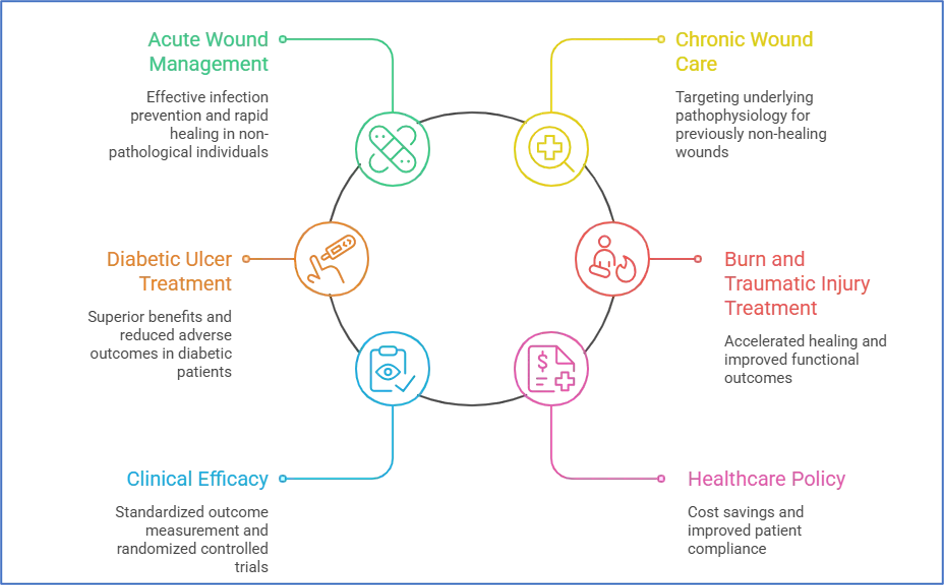
Figure 2: Advanced Drug Delivery Systems in Wound Care
8. Regulatory Considerations and Market Perspectives
Regulatory environment involving advanced wound care products involving natural bioactives poses multifaceted complications that needs to be addressed thoroughly to achieve a successful commercialization and penetration on the market. Such new products frequently fit within different regulatory categories with respect to their particular composition, intended therapeutic use, and central action mechanism and need careful consideration of their possible regulatory routes and strategic planning to ensure their acquisition complies with relevant guidelines and maximizes development pathways and expenditures [71]. Medical device regulations are normally applicable to wound dressings physically able to provide rendezvous barrier function, possessing exudate absorption capacity, or structural support without exerting direct pharmacological effect on wound healing events. The addition of bioactive compounds with therapeutic levels, however, can essentially transform products into device-drug classes that are associated with much stricter regulatory controls such as extensive safety and efficacy trials. Classification critically relies on the core mechanism of action as established by regulatory bodies and the particular therapeutic assertions of the treatment made in terms of enhancing healing abilities, preventing infection or managing pain potentials [72].
The regulations are likely to be applied to natural bioactives in terms of including them in amounts that are supposed to create the pharmacological effects or certain therapeutic claims are made about the promotion of healing, antimicrobial, anti-inflammatory effects, or the pain treatment. The difference between the cosmetic to drug and device classification can have a severe effect on regulatory aspects, development cost, clinical trial aspects as well as time to market and so an early regulatory consultation is fundamental to a successful product development plan [73]. The quality control considerations to be made of products with natural compounds pose very specific and complex challenges because of the natural variability of plant-derived materials, which may vary considerably in response to the conditions of growing, harvesting, geographical origins, and processing techniques. Raw materials need to be standardized, extraction procedures must be validated and accurate specifications of bioactive items must be established using complex analytical techniques such as HPLC, mass spectrometry and bioassays techniques, together with comprehensive quality systems ensuring uniform product performance. It needs to be shown that the batch-to-batch consistency is of high quality based on extensive testing protocols and statistical analysis to comply with the regulation [74].
Commercial production absolutely requires Good Manufacturing Practice (GMP) compliance, with the mandatory validated manufacturing procedures, tight environmental regulation, thorough and effective personnel training, and extensive documentation systems to guarantee the quality and traceability of products. The inclusion of the natural compounds could mean further requirements of sourcing of the raw materials through qualified sources and the use of specific storage facilities consolidating its bioactive stability, and extra precautions to curtail contamination against microbial growth and cross-contamination of the bioactive compounds. Clinical evidence requirements differ significantly as per the type of products being studied, the claims they are meant to make in their therapy and the type of regulatory pathway you want to take [75]. Although simple wound dressings might just pass through biocompatibility and safety testing; products with definite therapeutic claims generally need thorough clinical efficacy data through well controlled trials that have suitable endpoints and statistical power. The strength of evidence required varies based on the regulatory route, therapeutic claims and their nature and breadth as well as the risk benefit profile of the product. The international harmonisation of regulations using international bodies such as the International Council for Harmonisation (ICH) offer great prospects to international market penetration and easy development schemes, and still, a long way will remain with huge regional and country differences in the requirements, culture response on natural products and the process of approval that needs thorough deliberation. The medical device regulation (MDR) in the European Union, FDA in the United States, and Health Canada and other regional regulatory jurisdictions might provide different standards on safety documentation, efficacy demonstration and quality control standards [76].
The outlook of the market in relation to the advanced wound care products which include natural bioactives is mainly positive and promising with the rising global demands in finding new innovative ways to heal wounds, growing consumer and healthcare provider awareness levels of natural therapeutics and natural therapeutic benefits, rising and further increasing amount of health expenditures in wound care due to the increasing aging human populations and the heightened awareness of the shortcomings of conventional wound care models. The wound care market remains dynamic and is widely growing, with highly developed delivery systems being a high priority and a fast-growing segment of the market that creates significant commercial fields. The cost-effectiveness analysis will play a pivotal role in meeting the market acceptability, especially in those healthcare systems that are ever stricter in their budgetary allocation and focus more on the value-based care. Products need to not only exhibit clinical superiority related to better healing outcomes but also explicit economic benefit that can be achieved in terms of shorter overall healing time, lower complication rates necessitating expensive intervention, better patient outcome resulting in reduced healthcare usage, or better quality of life resulting in increased initial cost [77].
The intellectual property issue is of crucial importance in terms of commercial feasibility and market position and in terms of patents, new formulation methods and new modes of delivering a certain substance to its target market, specific bioactive combinations will provide a high competitive impact and time of exclusive sales in the market. Nonetheless, the historical implication of numerous natural compounds use in folk medicine could restrict patentability of the compounds, which therefore needs strategic emphasis on new rules of delivery, specific formula, manufacturing process, or combination therapies that can offer patentable innovations. Market segmentation approaches should be keen to recognize various types of wounds and their unique needs, various care environments that have varied needs and constraints, as well as unique patient groups with different priorities and preferences. On the one hand, this could be because ease-of-use, comfort to the patient and simplified application procedures are important to home care market settings, whereas on the other hand, hospital environments might emphasize clinical effectiveness, cost-effectiveness and compatibility with pre-existing protocols. Another market segment that is emerging and is also of significance is the specialty wound care centers in which specialized therapeutic capabilities and more advanced treatment solutions are needed to deal with challenging cases [78].

Figure 3: Challenges in Commercializing Advanced Wound Care Products
9. Future Directions and Emerging Trends
The future of wound care delivery systems is bright and promising as it will bring forth exciting and transformative changes that will positively impact on therapeutic outcomes and address systematically the current limitations and unmet clinical needs in the field. The advancements are obviously emerging to be more sophisticated, personalized, and integrated as the focus moves towards leveraging break-throughs in various scientific fields such as materials science, biotechnology, digital health, artificial intelligence, and regenerative medicine to develop holistic solutions to the intricate wound care challenges. Customized wound care is one of the key paradigm shifts to a treatment approach more precisely focused upon wound-specific patient traits, wound-specific biology, hereditary aspects, and individual healing reactions instead of the currently used one-size-fits-all strategy. New advances in biomarker discovery using proteomics and metabolomics, deep genetic profiling such as single nucleotide polymorphism analysis, and state of the art wound assessment systems using advanced imaging and molecular diagnostics allow unprecedented customization of therapeutic interventions based on individual needs, genetic predisposition, and anticipated treatment response. Smart selection of natural bioactives largely will be determined by pharmacogenomic considerations, as individual metabolic profiles, enzyme polymorphisms which influence drug metabolism, and predicted therapeutic responses are considered in order to achieve optimal efficacy with minimal adverse effects [79].
The inclusion of digital health tools would totally transform the wound care monitoring and management by real-time data gathering, analysis, and maximization of the treatment. Smart sensors that are easily woven into highly sophisticated dressings might be used to continuously measure vital wound parameters including temperature, pH changes, moisture, bacterial population through discrete biomarkers, and even oxygen concentration in the air to gauge tissue viability, and feedback real-time feedbacks back to the health care provider to make immediate adjustments to the treatments [80]. The advanced telemedicine solutions allow a wide range of wound testing via high-resolution imaging, adjusting the treatment in accordance with the objective information, better access to the specialized wound-care experience without reference to the geographical location, and substantial savings in healthcare and simultaneously or better quality of care. Applications of AI and machine learning are starting to seriously change the wound care field with unprecedented better diagnostic services, the advanced treatment prediction model, and overall optimization of treatment plans based on vast amounts of clinical data. With superhuman accuracy, applied to wound images, AI-powered systems can categorize wound types and severity, forecast wound healing patterns with unprecedented accuracy based on numerous patient and wound variables, suggest an optimum wound treatment plan through reinforcement of thousands of similar cases, and they can continuously improve over time to deliver more useful and efficient wound treatment [81].
Another critically important trend is the combination therapies and multi-modal systems, which intelligently combine several therapeutic mechanisms into one delivery platform to manage wound healing, which is complex and multifactorial. These advanced systems can synergize diverse natural bioactives with complementary mechanism of action, strong growth factors or advanced stem cell therapies to boost tissue regeneration, or exercise various physical stimulation modalities including electrical stimulation, phototherapy, or ultrasound to produce comprehensive healing enhancement with action at many sites of wound biology at once. There are so many applications of nanotechnology that keep on changing at such a rapid pace that there are new opportunities to using nanotechnology in drug delivery, with massive increases in bioavailability of therapeutic molecules, and totally new directions of therapy- based mechanisms that could not be efficiently used previously. Nanoparticles with receptive targeting ligands offer a means of precision delivery of therapeutic agents to desired cell types or tissue locations with unprecedented precision, and smart nanocarriers that react to more than one environmental stimulus at a time afford unprecedented control over the timing, location and distribution of drug release, enabling really intelligent therapeutic delivery systems [82].
The environmental awareness and pressure have led to increased consideration of sustainability and eco-friendly formulations in product development. Strategic deployment of biodegradable materials that inherently degrade in ways that do not adversely affect the environment, sustainable sourcing of natural compounds via ethical and environmentally focused methods, environmentally friendly production processes that reduce waste and energy use, development of products that are beneficial to the patient, and the environment, produce products that help both the patient and the planet. Regenerative medicine strategies are being formally encompassed into sophisticated delivery systems by careful incorporation of stem cells with tissue regenerative properties, potent growth factors encouraging cell proliferation and differentiation, extra cellular matrix materials providing structural support to tissue formation and tissue engineering support fabrics facilitating organized tissue regeneration. These groundbreaking techniques are not only intended to heal wounds but also to fully replace functional tissue with mechanical capabilities, cellular structure, and biological functions of healthy native tissue to possibly remove scarring and restore normal functionality [83].
Living therapeutic systems are a new and exciting area of research with genetically engineered bacteria or other highly-regulated microorganisms being strategically placed into delivery systems to generate therapeutic compounds directly on-site at the wound site. These disruptive platforms would have the potential to offer continuous, on-demand generation of factors promoting healing, antimicrobial compounds or growth factors or other therapeutic molecules directly into the wound site and the system can intelligently react to local environmental conditions to generate an all-encompassing autonomous and adaptive therapeutic platform. The complex regulation adaptation to newer technologies that do not fit within current categories, whole healthcare system adoption of new technologies that demand infrastructure adjustments, the huge medical provider training needs regarding new technologies, and new treatment modalities and treatments offered to different patient groups, in different economic situations, and in different healthcare facilities straightforwardly contribute to the issues and opportunities in the future progress of wound care to ensure that the gap between healthcare disparities grows. This intersection of several fields of science such as materials science, molecular biology, biomedical engineering, data science, and clinical medicine will spur interdisciplinary innovation in wound care like never before. The next generation of therapeutic systems to tackle the multifaceted, complex issues of wound healing and mirror the changing demands of patients and systems will depend absolutely on collaborative research approaches that can bring in expertise across diverse fields to enhance its effectiveness in addressing these problems [83].
CONCLUSION
The overall introduction to new strategies in the exact delivery of drugs in wound healing discloses an impressive shift in the traditional passive methods of dressing to experience technology smart therapeutic system that involves the use of natural bioactives. The given evolution is a paradigm shift that considers the multifactory nature of wound healing as an active therapeutic intervention instead of mere protective wrapping. Classical wound care products despite their affordability and broad availability, exhibit a considerable weaknesses in responding to the wide needs of contemporary wound care especially in chronic and complex wounds that are treated with active intervention. Combining natural bioactives with enhanced delivery technologies creates unparalleled chances to integrate the therapeutic potential of plant-based compounds and achieve their breakthrough by eliminating their natural constraints with sophisticated manufacturing technologies. These delivery systems offer a controlled release, better stability, better bioavailability, and delivery in a targeted manner whereby the therapeutic effect is increased and the adverse effects are reduced. Dynamic response Smart therapeutic systems represent the most advanced technology in wound care, and can be accurately used to provide adaptive therapeutic intervention dynamically responsive to the wound condition as the healing process advances. Clinical cases prove considerable improvement in the healing rate of different types of wounds, and updated delivery systems record less time to heal, least infections, better patient comfort, and better living quality with the traditional methods. Nonetheless, an effective clinical translation process must pay close attention to the political necessity of regulatory concerns, cost-effectiveness, training of medical personnel, and patient selection that could maximize the therapeutic benefits without compromising the safety and adherence to regulation. The potentials of the future, such as the customization of wound care, the introduction of digital health technology, the application of artificial intelligence, and regenerative medicine could offer even smarter solutions to the treatment. The synergy between several areas of scientific knowledge will lead to additional innovations, and joint research methods will be necessary in order to create new restorative systems of the future, capable of solving the most complicated issues of wound healing. Wound care delivery systems still develop at a high pace, and the future of wound management has been promised because of the innovative technologies, which promise to provide better healing results and better patient care via intelligent and adaptive therapeutic options in the form of an intelligent system that can be considered the future of wound treatment.
REFERENCES


Dipti Sable, Manjusha Aher, Novel Drug Delivery Approaches in Wound Healing from Conventional Dressings to Smart Therapeutic Systems Incorporating Natural Bioactives, Int. J. of Pharm. Sci., 2026, Vol 4, Issue 6, 1392-1416. https://doi.org/10.5281/zenodo.20564887
 10.5281/zenodo.20564887