

We use cookies to ensure our website works properly and to personalise your experience. Cookies policy
1,2,3,6 Instituto Federal de Educação, Ciência e Tecnologia do Rio de Janeiro, Campus Realengo, Rio de Janeiro, Brazil
4,5 Research Group on Structure and Reactivity of Organic Compounds – Department of Organic Chemistry, Institute of Chemistry, Federal Fluminense University – UFF, Niterói, Rio de Janeiro, 24020-141, Brazil.
Obesity is a chronic, multifactorial and recurrent disease characterized by abnormal or excessive accumulation of adipose tissue that poses health risks. The management of obesity primarily relies on lifestyle modifications, such as adherence to a low-calorie diet and regular physical activity. Classic pharmacological and surgical interventions present a complex balance between efficacy and safety. Given the limitations of conventional therapies, the search for new molecular targets has intensified, focusing on the neuroendocrine regulation of appetite and energy expenditure, growth hormone secretagogue receptor (GHSR), modulation of neuropeptide Y (Y Y1) receptors, dipeptidyl peptidase 4 (DPP-4), and glucagon-like polypeptide receptor 1 (GLP-1R). In this context of therapeutic innovation and the search for effective herbal medicines, the secondary amide-type metabolites from Capsicum frutescens, capsaicinoids, stand out. Earlier studies have demonstrated that standardized extract containing 2% capsaicinoids increases energy expenditure, respiratory quotient, fat oxidation, and endurance performance in healthy overweight participants. Aiming to investigate possible anti-obesity mechanisms of action of capsaicin, dihydrocapsaicin, homocapsaicin, homodihydrocapsaicin, nordihydrocapsaicin, vanilildecamide, vanililnonamide, vanililoctamide, main capsaicinoids extracted from C. frustescens, molecular docking simulations were performed with the GHSR, Y Y1, DPP-4 and GLP-1R receptors. All compounds interacted with the evaluated targets, indicating structural recognition of proteins involved in metabolic regulation. Among them, the ghrelin receptor emerged as the most promising target, showing the most favorable docking scores and interaction profiles most like the crystallographic ligand, suggesting that modulation of this receptor may be a key mechanism underlying the potential anti-obesity effects of capsaicinoids
Obesity is defined by the World Health Organisation (WHO) not only as an aesthetic excess of fat, but as a chronic, multifactorial and recurrent disease characterised by abnormal or excessive accumulation of adipose tissue that poses health risks. The pathophysiology involves a state of low-grade systemic inflammation, exacerbated by genetic, environmental and behavioural factors. Epidemiologically, obesity has reached pandemic proportions. Recent WHO data indicate that more than 1 billion people worldwide are obese. In Brazil, the scenario is equally alarming.[1]In the global context, data from the World Health Organization (WHO) and the World Obesity Federation indicate that approximately 43% of the adult population is overweight, with the prevalence of obesity now affecting more than 1 billion people worldwide—equating to roughly one in eight individuals. Current epidemiological trends show a trajectory of continuous growth, with projections estimating that 1.13 billion adults will be living with obesity by 2030. The complications associated with this condition are systemic and severe, encompassing metabolic disorders (type 2 diabetes mellitus, dyslipidemia, and metabolic syndrome), cardiovascular diseases (hypertension, coronary artery disease, and stroke), and various comorbidities such as obstructive sleep apnea, osteoarthritis, and an elevated risk for multiple types of cancer.[1, 2] The management of obesity primarily relies on lifestyle modifications, such as adherence to a low-calorie diet and regular physical activity. However, physiological mechanisms of energy counterregulation make maintaining weight loss a long-term challenge.[3] Classic pharmacological and surgical interventions present a complex balance between efficacy and safety, with classic pharmacotherapy resorting to the use of drugs such as orlistat (lipase inhibitor) and sibutramine (monoamine reuptake inhibitor) (Figure 1). [4, 5]. While the former has limiting gastrointestinal side effects, the latter and catecholaminergic anorectic agents have a history of cardiovascular and psychiatric risks. In the context of surgical treatment, bariatric surgery is an option which, although the considered the "gold standard" for efficacy in morbid obesity, is an invasive and irreversible procedure associated with surgical and complications, such as malabsorption of micronutrientes. [6, 7]
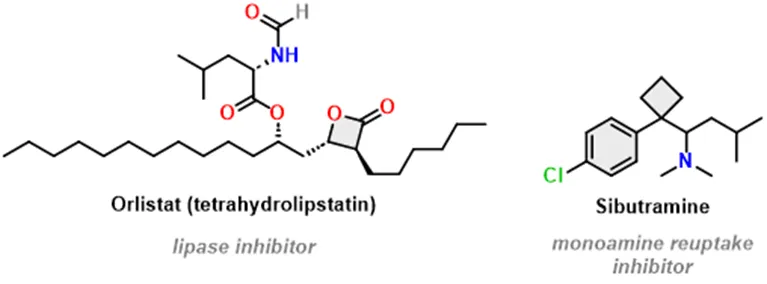
Figure 1 – Chemical structures of classic pharmacotherapy for the management of obesity.
Given the limitations of conventional therapies, the search for new molecular targets has intensified, focusing on the neuroendocrine regulation of appetite and energy expenditure. Current literature highlights promising neuroendocrine pathways for the development of new therapies. Among them are GLP-1 (Glucagon-like Peptide-1) receptors, which are targets of agonists such as semaglutide and tirzepatide, found in weight-loss injections, whose activation slows gastric emptying and signals satiety; dipeptidyl peptidase IV (DPP-IV), which is adipokine overexpressed in the visceral fat of obese patients and target of inhibitors as vildagliptin and saxaglipitin, approved drugs for type 2 diabetes management [8]; growth hormone secretagogue receptor, whose blockade aims to reduce the orexigenic drive (hunger) [9], and the modulation of Neuropeptide Y (NPY) receptors, specifically the Y1 subtype, which is involved in control of energy expenditure. [10]In this context of therapeutic innovation and the search for effective herbal medicines, capsaicinoids stand out. These secondary amide-type metabolites, responsible for the pungency and biological activity of red chili peppers, have pharmacological effects that are widely described in the literature, particularly the activation of the TRPV1 (Transient Receptor Potential Vanilloid 1) receptor. Stimulation of this channel promotes the release of catecholamines and the activation of uncoupling protein 1 (UCP-1) in adipose tissue, resulting in thermogenesis and the browning of white adipose tissue (i.e. the transformation of white cells of fat into thermogenic brown fat cells).[11] In addition, evidence suggests a possible modulation of the endocannabinoid system, specifically through CB1 receptors, which may contribute to the reduction of peripheral lipogenesis.[12]Despite their promising effects on weight reduction, the clinical use of capsaicinoids has been limited due to their high pungency and associated gastrointestinal adverse effects, such as heartburn, diarrhea, pain.[13] This limitation has led to the development of a sustained intestinal-release pharmaceutical formulation obtained by incorporating a standardized extract containing 2% capsaicinoids (capsaicin, dihydrocapsaicin, and nordihydrocapsaicin) into fenugreek mucilage using FenuMat™ technology.[14] In a randomized, double-blind, placebo-controlled study with in healthy overweight participants, the efficacy and tolerability of this formulation were demonstrated through increases in energy expenditure, respiratory quotient, fat oxidation, and endurance performance, supporting the potential use of this type of formulation containing standardized capsaicinoid extract as an effective and safe supplement for weight maintenance and as an ergogenic aid. [15] In Brazil, this same formulation is marketed in compounding pharmacies as a supplement under the name Akkermat®, promoted as a natural alternative to injectable weight-loss medications. [16,17]Considering reports in the literature on the potential of capsaicinoids for the treatment of obesity, as well as the complexity of the disease, herein we aim to understand, at the molecular level, how major and minor capsaicinoids from Capsicum frutescens [18] (Figure 2) may interact with emerging molecular targets for weight-loss therapy, such as GLP-1, DPP-IV, GHSR and NPY1 receptors.
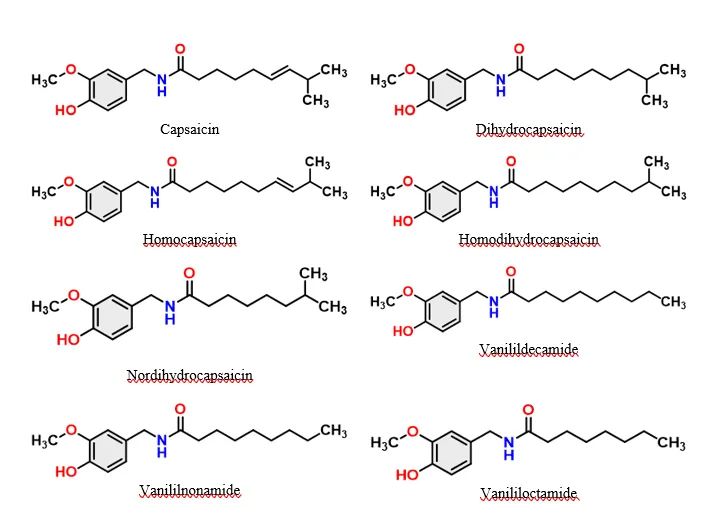
Figure 2 – Chemical structures of capsaicinoids from C. frutescens
MATERIALS AND METHODS
To investigate possible anti-obesity mechanisms of action of capsaicinoids, molecular docking simulations were performed with the growth hormone secretagogue receptor (GHSR, PDB ID: 6KO5), neuropeptide Y Y1 receptor (NPY-Y1R, PDB ID: 5ZBQ), dipeptidyl peptidase-4 (DPP-4, PDB ID: 5T4B) and GLP-1 receptor (PDB ID: 5VEW). The structures of the capsaicinoids were obtained from ChemSpider database, and their protonation states were adjusted to physiological pH (7.4). The starting structures obtained from ChemSpider were optimized using the semi-empirical GFN2-xTB method [19], followed by a conformational analysis using the CREST (Conformer-Rotamer Ensemble Sampling Tool) program [20], which also employs the GFN2-xTB method for extensive conformational sampling. The GFN2-xTB method is a low-cost semiempirical tight-binding approach based on density functional theory (DFT), capable of generating more reliable geometries and more accurate energies than classical force fields, and has been increasingly applied in studies for predicting molecule’s properties and energies, including docking.[21-23] Accordingly, the lowest-energy conformers obtained with CREST were processed using AutoDockTools (MGLTools 1.5.6) for the assignment of Gasteiger partial charges, definition of atom types (AD4), and conversion to the .pdbqt format. Ligands were kept flexible by allowing rotation around their rotatable bonds to enable conformational exploration.
Molecular docking calculations were performed using AutoDock Vina (Trott & Olson, 2010). Only polar hydrogens of the receptor and ligands were considered during the docking simulations. The docking protocol was established by defining the search space (grid box) centered on the crystallographic ligand of each receptor: 8QX, a pyrimidinone derivative, antagonist of the growth hormone secretagogue receptor (Cartesian coordinates x = 9.325; y = −18.805; z = 14.622; grid box dimensions of 14 × 17 × 14 Å); 34a, an imidazopurinone derivative for DPP-4 (Cartesian coordinates x = 37.692; y = 50.549; z = 40.212; grid box dimensions of 10 × 10 × 14 Å); and the argininamide UR-MK299, antagonist of the neuropeptide Y Y1 receptor (Cartesian coordinates x = 47.611; y = −18.465; z = 71.248; grid box dimensions of 14 × 16 × 15 Å); a small-molecule negative allosteric modulator (NAM) of the glucagon-like peptide-1 receptor (GLP-1R) (Cartesian coordinates: x = 18.436, y = 29.194, z = 28.973; grid box dimensions: 13 × 13 × 11 Å).
The docking protocol was validated by superimposing the docked pose onto the co-crystallized ligand within the binding site of each target protein and by calculating the Root Mean Square Deviation (RMSD) between the co-crystallized and the redocked ligand. The protocol was considered valid if the RMSD value was lower than 2 Å, in accordance with the literature.[24] The interactions established between the ligands and the amino acid residues of the binding sites were analyzed using Discovery Studio Visualizer 2021.[25]
RESULTS AND DISCUSSION
Molecular docking simulations were performed using the ghrelin receptor (PDB ID: 6KO5), neuropeptide Y Y1 receptor (PDB ID: 5ZBQ), dipeptidyl peptidase-4 (PDB ID: 5T4B) and GLP-1 receptor (PDB ID: 5VEW ). These biomacromolecules were selected due to their involvement in appetite regulation. The docking protocol was validated by redocking the co-crystallized ligands of each receptor, yielding low computed root-mean-square deviation (RMSD) values of 0.790 Å for the growth hormone secretagogue receptor, 1.2832 Å for the neuropeptide Y Y1 receptor, 0.513 Å for DPP-4 and 1.7938 Å for GLP-1 recepto (Figure 3). These results indicate an adequate reproduction of the crystallographic ligand binding poses for each target using the employed methodology.[24]
Figure 3 – Superimposition of the co-crystallized ligands (in yellow) and the redocked ligands at their respective molecular targets
3.1 Ghreline receptor
Ghrelin is a 28-amino-acid peptide secreted mainly by the stomach and stimulates appetite and growth hormone (GH) release. In the endocrine system, ghrelin exerts a critical orexigenic function, being the only known peptide capable of inducing appetite stimulation via peripheral injection, acting in a functionally opposite manner to leptin. In addition to controlling hunger and modulating growth hormone (GH) secretion, ghrelin also regulates adiposity by decreasing fat utilization and is involved in systemic energy homeostasis and neurocognitive processes, such as hippocampal neurogenesis and memory formation.[26]
The compound 8QX, an azaquinazoline, is a high-affinity neutral antagonist, as it does not affect the constitutive activity of the growth hormone secretagogue receptor (GHSR). It is not used as a commercial drug but rather as an essential pharmacological tool in computational studies of ghrelin analogs.[9]
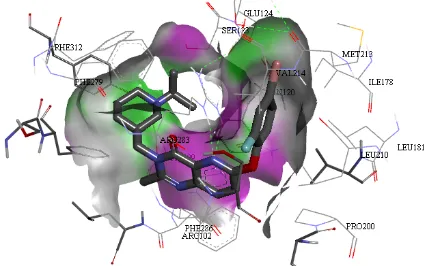
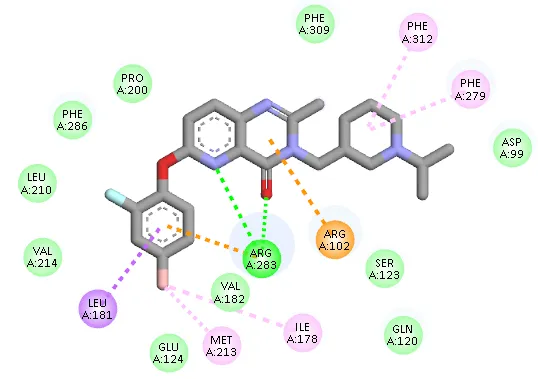
According to the literature, the key interactions that must be preserved are the hydrophobic interactions involving the halogenated moiety of the molecule (4-bromo-2-fluorobenzene) with the amino acids Leu181, Ile178, and Met213, located in cavity II of the receptor. In addition, interactions with the hydrophobic pocket formed by the amino acids Phe279, Phe309, and Phe312, in relation to the 1-isopropylpiperidine moiety of 8QX in cavity I of the receptor, must also be maintained. The π-cation interaction with Arg102 and the hydrogen bond with Arg283 involving the 5-aza core of the molecule should likewise be established.[9]
After performing molecular docking, it was observed that the interactions with amino acid residues important for receptor activity were maintained: in the halogenated portion of the molecule with Leu181, Ile178 and Met213; in the 5-aza core with Arg102 and Arg283; and in the 1-isopropylpiperidine moiety with the phenylalanine triad (Phe279, Phe309, and Phe312). The preservation of these interactions demonstrates good reliability of the docking protocol employed (Figure 40).[24]
|
|
|
Figure 4: Docking pose of 8QX (3D, left and 2D, right) in the binding site of growth hormone secretagogue receptor (GHSR)
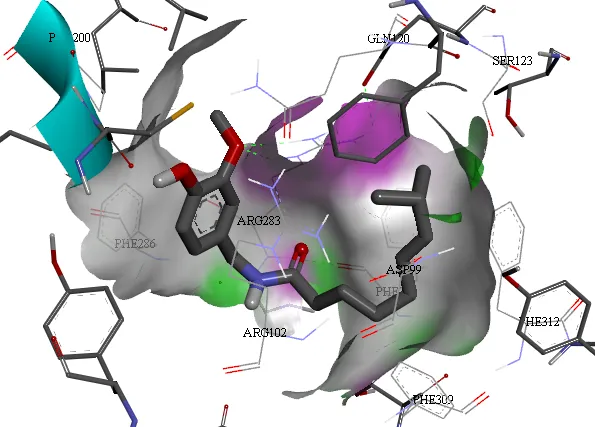
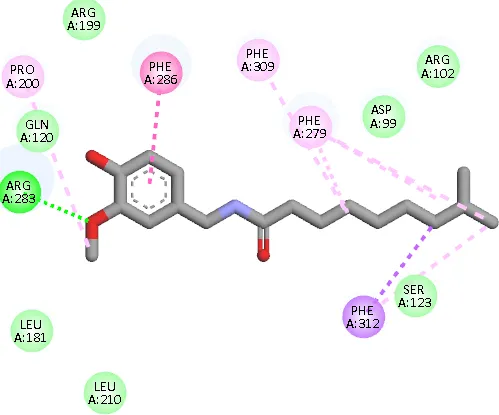
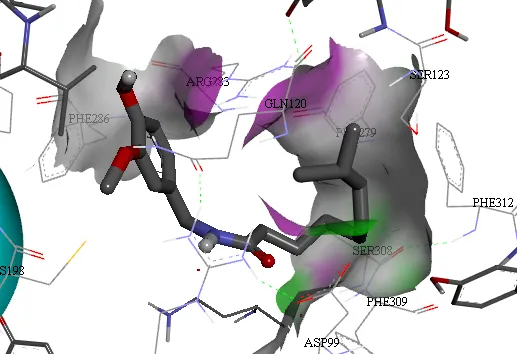
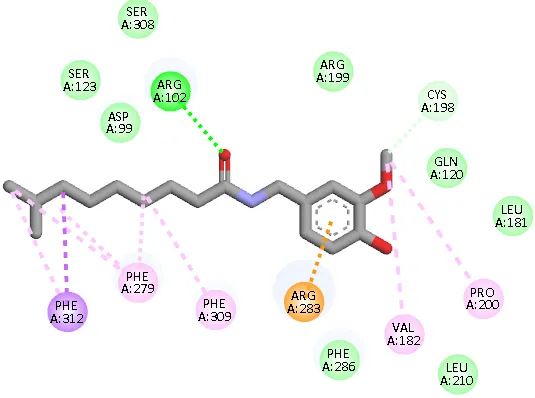
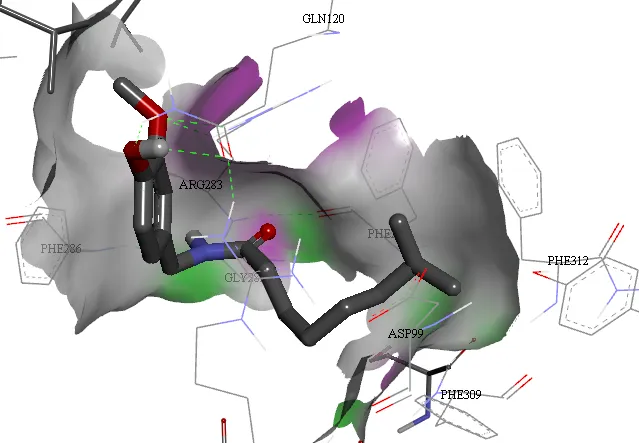
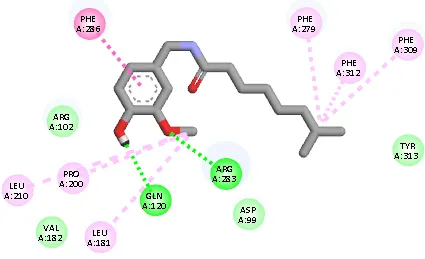
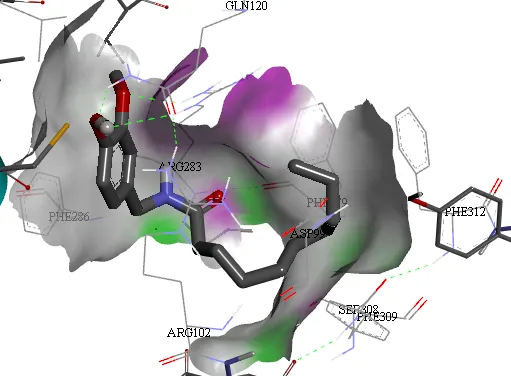
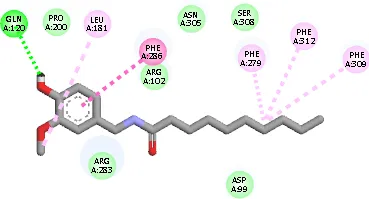
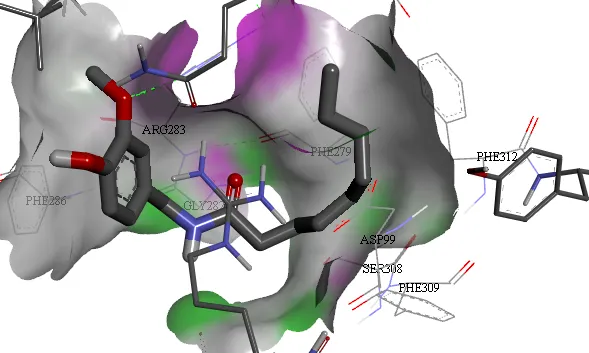
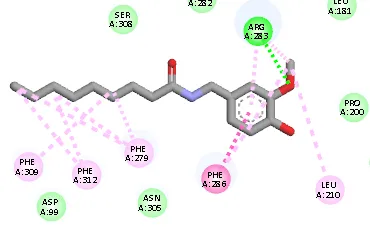
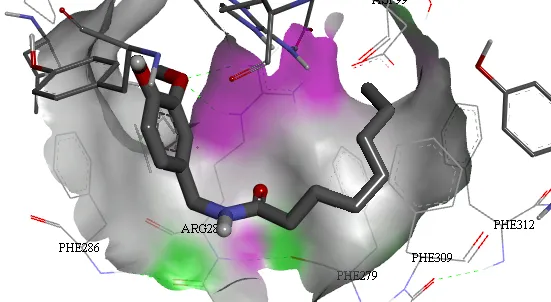
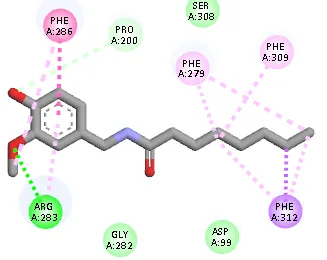
With the molecular docking methodology properly validated, the docking of capsaicinoids into the growth hormone secretagogue receptor was carried out (Figure 5). All capsaicinoids showed interaction energy values ranging from −7.7 to −6.7 kcal·mol⁻¹, which are higher (i.e., less favorable) than the interaction energy of the crystallographic ligand with the GHSR (−11.0 kcal·mol⁻¹) (Table 1). Notably, the best interactions were observed for capsaicin and homocapsaicin, both with binding affinity energies of −7.7 kcal·mol⁻¹.[24] Capsaicin and homocapsaicin established hydrogen bonds between the methoxy group and the Arg283 residue, similarly to what occurs with the nitrogen atom of the 5-aza core of the crystallographic ligand. The results indicate that the phenylalanine residue triad interacts with the alkyl portion of both capsaicinoids, favoring ligand accommodation within the receptor, similarly to the hydrophobic interactions involving the 1-isopropylpiperidine moiety of the crystallographic ligand. An additional π–π stacking interaction with Phe286 was observed for both capsaicin and homocapsaicin. The remaining capsaicinoids, although they bind favorably to the receptor with common amino acid residues, likely exhibit weaker binding due to the greater conformational flexibility of their alkyl chains, resulting from the absence of unsaturation. This flexibility may hinder optimal fitting within the protein, leading to weaker interaction energies compared to unsaturated-chain molecules such as capsaicin and homocapsaicin.[27] Nevertheless, a consistent pattern of π–π stacking interaction between Phe286 and the aromatic ring of capsaicinoids is maintained, along with the formation of a hydrophobic pocket of phenylalanine residues that accommodates the alkyl moieties, stabilizing the receptor in its active form.[9] Hydrogen bonding between the guanidine group of arginine residues and the methoxy groups of the molecules is also a common feature observed among capsaicinoids.[28]
|
Capsaicin
|
Dihidrocapsaicin
|
|
Homocapsaicin
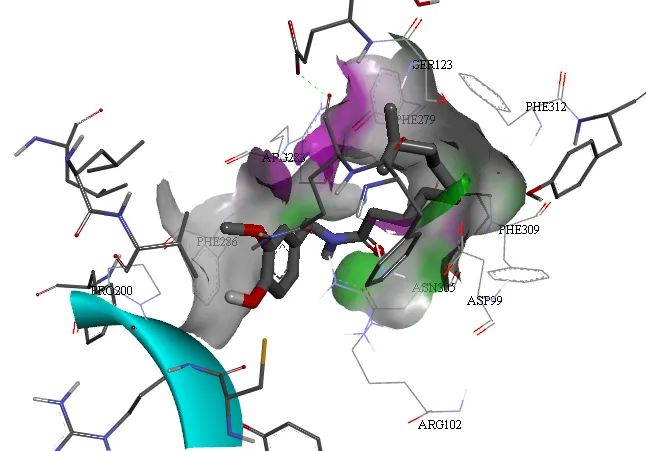
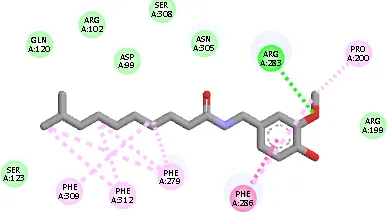
|
Homodihidrocapsaicin
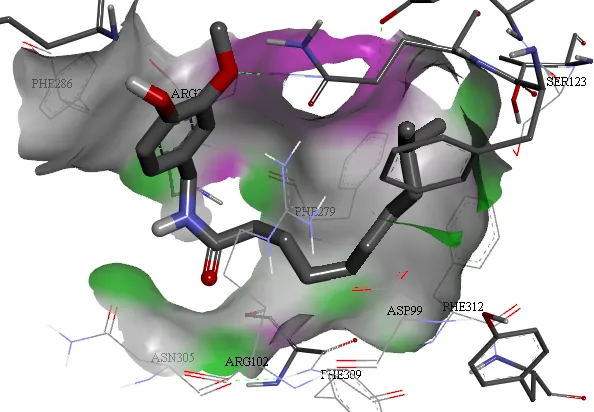
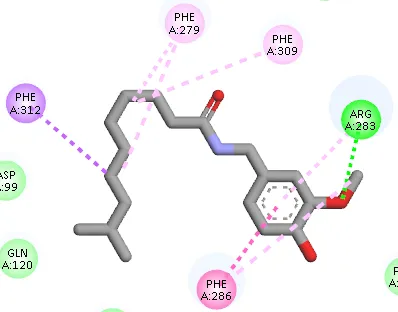
|
|
Nordihidrocapsaicin
|
Vanilildecamide
|
|
Vanililnonamide
|
Vanililoctamide
|
|
Interactions

|
|
Figure 5 – The docking pose of capsaicinoids in the binding site of GHSR
3.2 Neuropeptide Y Type Y1 receptor
The Neuropeptide Y type Y1 receptor (NPY-Y1R) is a G protein–coupled receptor widely expressed in the Central Nervous System and peripheral tissues, acting as an important mediator of the physiological effects of neuropeptide Y. Its activation is associated with inhibition of adenylate cyclase via the Gi/o protein, resulting in a consequent reduction in intracellular cyclic adenosine monophosphate (cAMP) levels.[29] In peripheral tissues, particularly in adipose tissue, antagonism of the Y1 receptor increases thermogenesis, protects against diet-induced obesity in murine models, and improves metabolic parameters, thereby establishing NPY-Y1R as a promising pharmacological target for the treatment of obesity.[30,31]
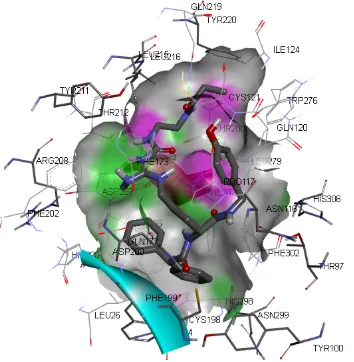
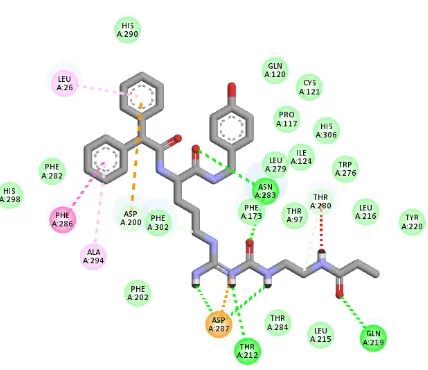
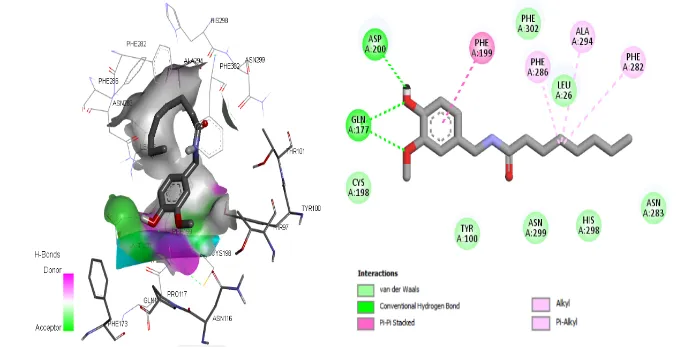
For NPY-Y1R, the capsaicinoids evaluated showed interaction energy values ranging from −7.8 to −6.8 kcal mol⁻1, with an average of −7.2 kcal mol⁻1, indicating reduced affinity of the capsaicinoids for the receptor compared with the reference antagonist, UR-MK299 (–10.3 kcal mol–1)(Figure 6) (Table 1) [32]. According to Yang et al. [32], the crucial interactions for the recognition of UR-MK299 by NPY-Y1R include ionic interactions and hydrogen bonds with the residues Asn283 and Asp287, which are considered determinants for antagonistic activity. Residue Asn283 forms two hydrogen bonds with functional groups from the hydroxybenzylamine moiety of the ligand, whereas Asp287 forms a salt bridge with the protonated guanidine group and a hydrogen bond with the carbamoyl group. Mutations in these residues result in a significant loss of affinity and antagonist activity. None of the capsaicinoids were able to simultaneously reproduce these key interactions, which is consistent with the higher interaction energy values observed.
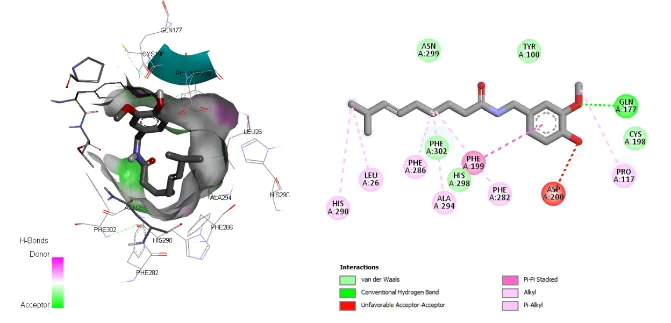
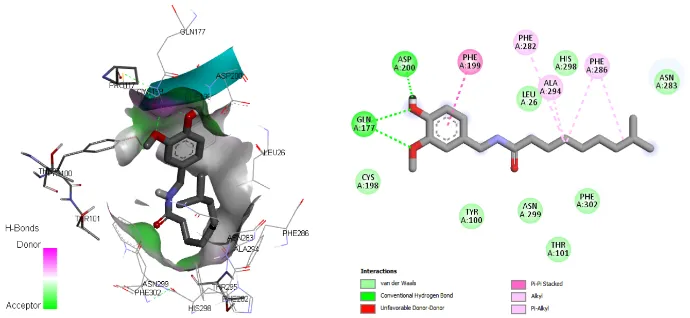
Additionally, UR-MK299 establishes a hydrophobic interaction with Trp276, which is important for stabilizing the inactive state of the receptor and for blocking conformational activation. This interaction was not observed for any of the capsaicinoids. Although all compounds established hydrophobic interactions with residues of the hydrophobic pocket, such as Phe282, Phe286, and Phe302 (Figure 7), which are associated with the proper positioning of antagonists within the helical bundle, these interactions occurred mostly in a manner distinct from that described for the crystallographic ligand. Considering that mutations in Phe286 reduce antagonist potency and mutations in Phe302 abolish UR-MK299 activity, the results suggest that capsaicinoids exhibit only limited modulation of NPY-Y1R. Other residues, such as Leu216, Thr280 and Asn283, form hydrophobic contacts with the carbamoyl group, which fits deeply into the V–VI subpocket, while hydrophobic interactions with Gln120, Leu279, Cys121, and Ile124 participate in the competitive blockade of the endogenous agonist. In addition, Gln219 forms a hydrogen bond with the oxygen of the propionyl group, whose mutation reduces binding activity by 30-fold [32]; however, these interactions were not fully reproduced by the capsaicinoids. Overall, the similar interaction energies observed among the capsaicinoids can be attributed to their structural similarities, resulting in comparable interaction profiles that are nevertheless insufficient to mimic the complete pattern associated with effective antagonism by UR-MK299.
|
|
|
Figure 6: Docking pose of UR-MK299 (3D, left and 2D, right) in the binding site of NPY-Y1R
|
Capsaicin
|
Dihidrocapsaicin
|
|
Homodihidrocapsaicin
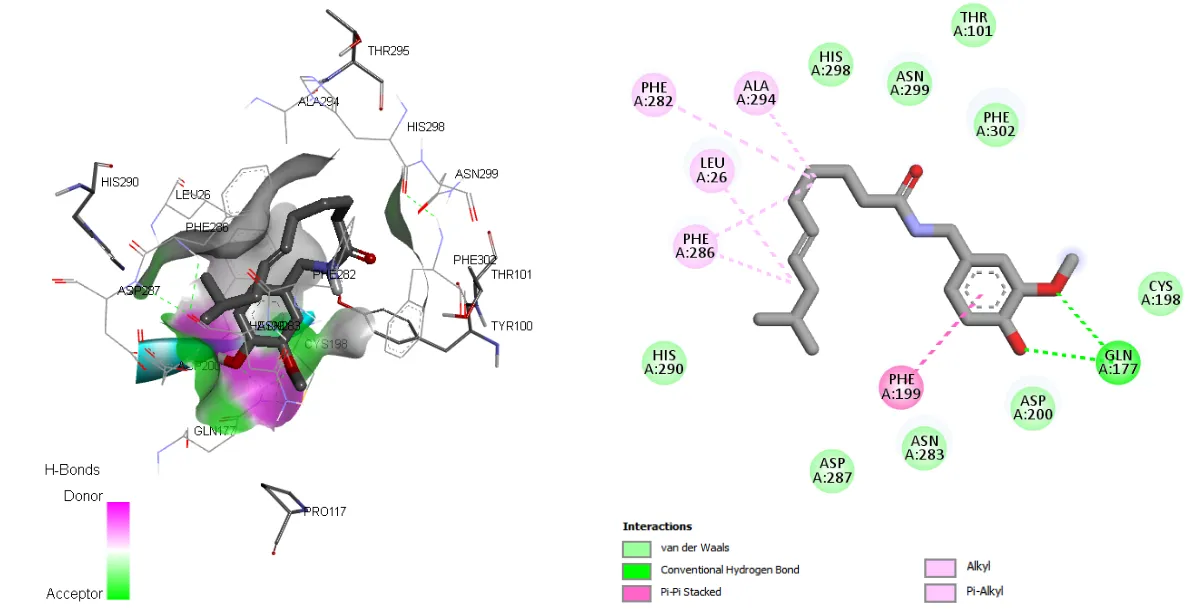
|
Homocapsaicin
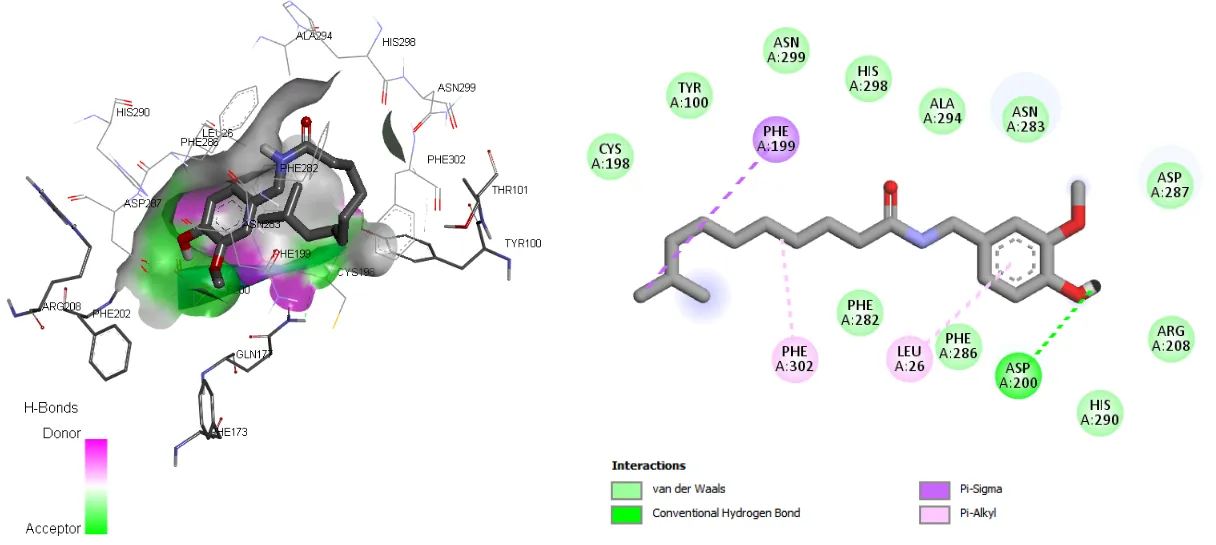
|
|
Nordihidrocapsaicin
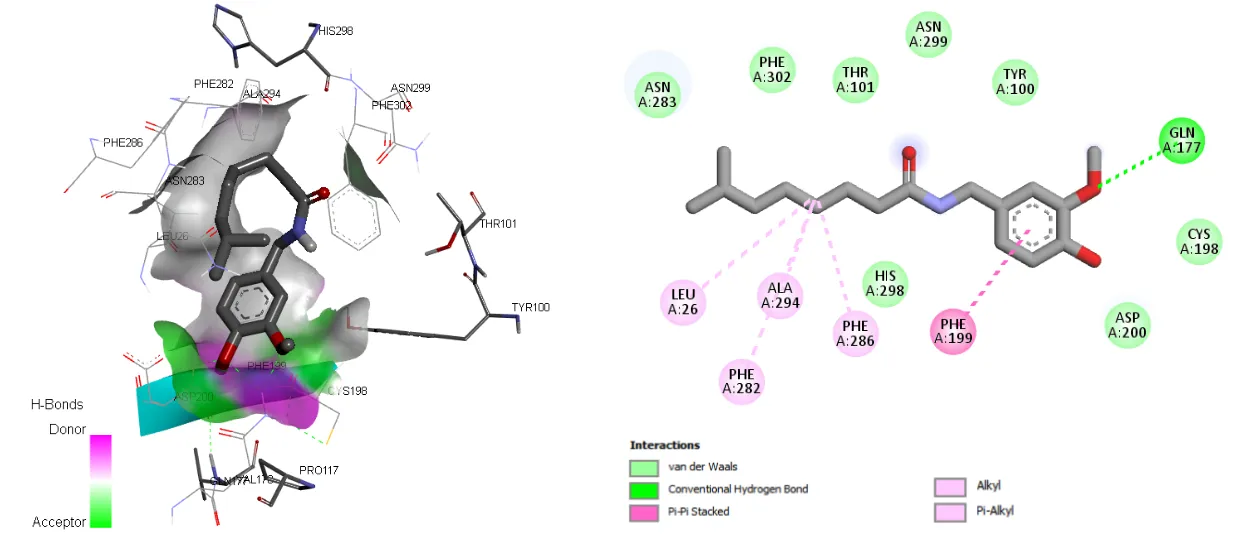
|
Vanilildecamide
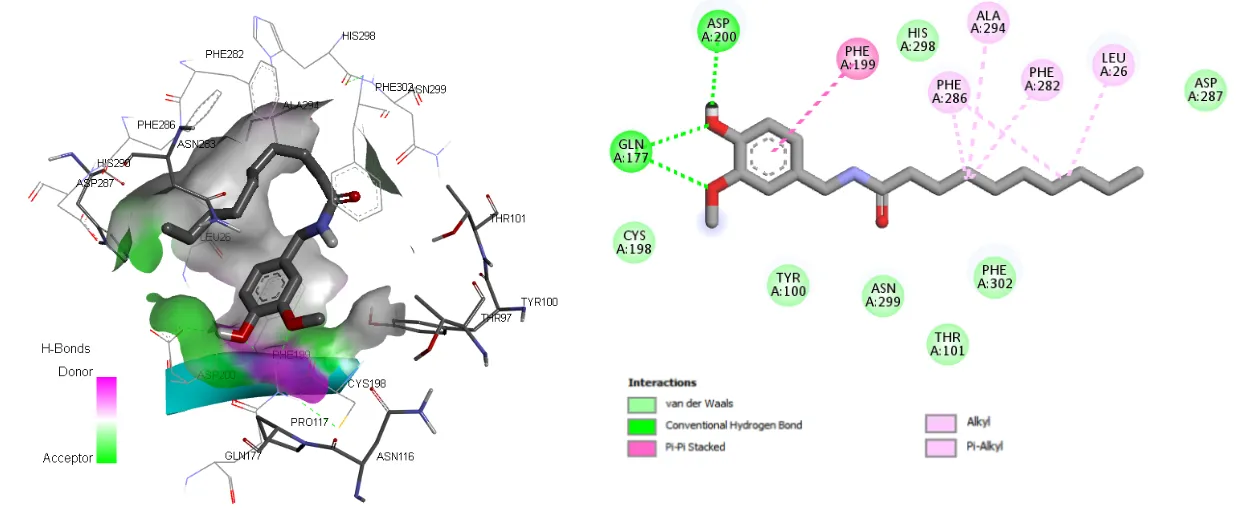
|
|
Vanililnonamide 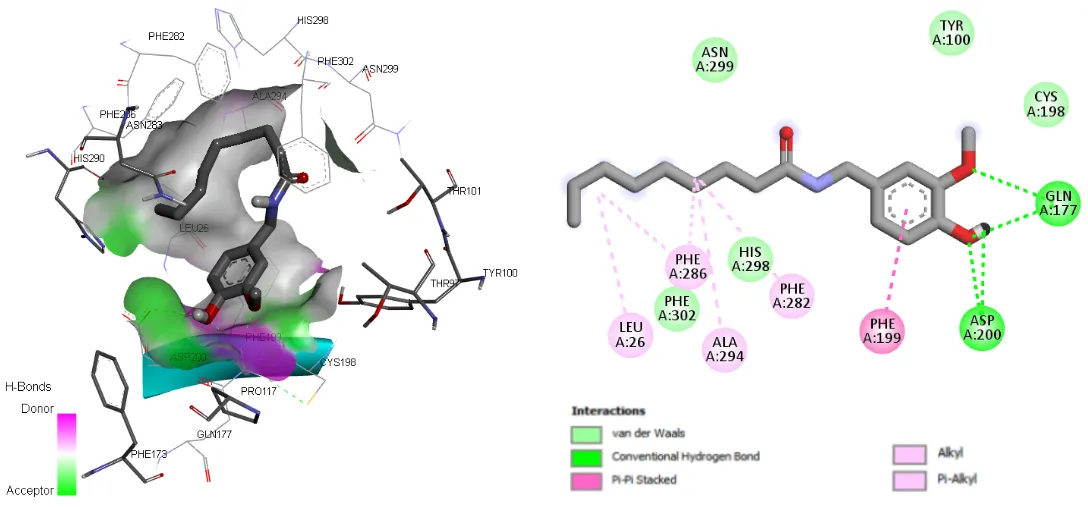
|
Vanililoctamide
|
Figure 7 – The docking pose of capsaicinoids in
the binding site of NPY-Y1R
3.3 Dipeptidyl Peptidase 4 (DPP-4)
Dipeptidyl peptidase-4 (DPP-4), also known as CD26 (Cluster of Differentiation 26), is a serine protease responsible for the degradation of the incretin hormones glucagon-like polypeptide 1 and glucose-dependent insulinotropic polypeptide (GLP-1 and GIP, respectively), which stimulate glucose-dependent insulin secretion following food intake. Inhibition of this enzyme increases the availability of these incretins, promoting improved glycemic control and contributing to metabolic homeostasis, both of which are central factors in the pathophysiology of obesity. In addition, DPP-4 is associated with inflammatory processes and insulin resistance. Although DPP-4 inhibitors are generally considered weight-neutral, their modulation improves metabolic and inflammatory profiles, justifying interest in this enzyme as a therapeutic target in this context.[33]
For DPP-4, the capsaicinoids evaluated exhibited interaction energy values ranging from −7.0 to −6.3 kcal mol⁻1, suggesting lower affinity for DPP-4 compared with its crystallographic ligand 34a (–11.0 kcal mol–1) (Table 1), which acts as an inhibitor of this enzyme. [34]
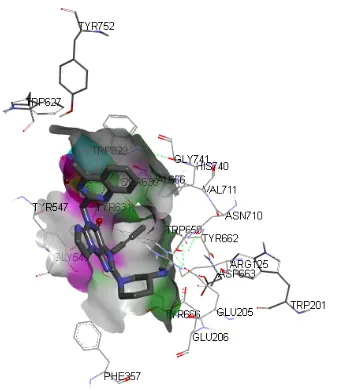
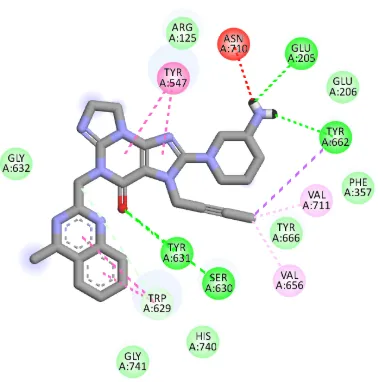
The crucial interactions for the recognition of 34a by DPP-4 include hydrogen bonds between the aminopiperidine nitrogen and the residues Glu205 and Glu206, which function as anchoring points for the ligand within the active site and are determinants of its potency (Figure 8).[34] None of the capsaicinoids were able to reproduce these interactions equivalently, which is consistent with the considerably higher interaction energies observed. Although nordihydrocapsaicin and vanillyldecanamide interacted with all key amino acids, they did not establish the same types of interactions described for the crystallographic ligand (Figure 9).
Other interactions important for the affinity and activity of 34a, such as π–π stacking with the side chain of Trp629 in the S20 subsite of the enzyme, as well as hydrogen bonds with Tyr662 and the catalytic Ser630 in the S1 subsite, were also predominantly absent in the complexes formed with the capsaicinoids..[34] The main similarity identified was the π-stacking interaction with Tyr547, which contributes to the proper positioning of the crystallographic ligand within the active site by occupying the S1′ subsite and to the overall stabilization of the complex. Overall, the absence of the key interactions described for the crystallographic ligand further supports the lower affinity of capsaicinoids for DPP-4.
|
|
|
Figure 8: Docking pose of 34a (3D, left and 2D, right) in the binding site of dipeptidyl peptidase-4
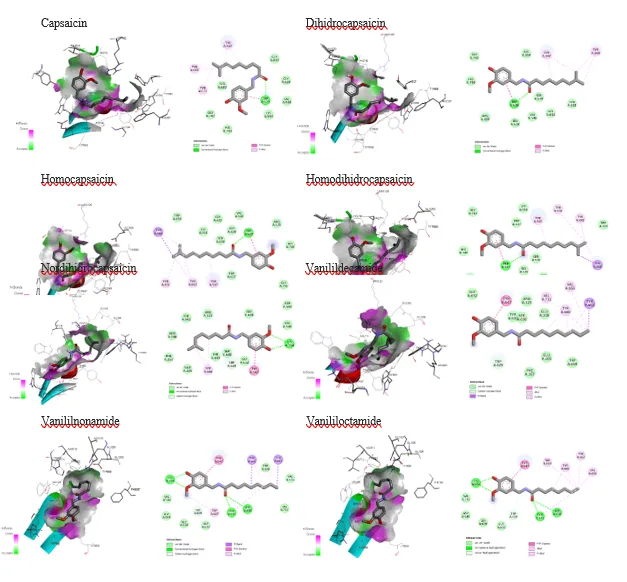
Figure 9 – The docking pose of capsaicinoids in the binding site of DPP-4
3.4 Glucagon-Like Peptide-1 (GLP-1R)
The glucagon-like peptide-1 receptor (GLP-1R) is a class B G protein-coupled receptor that plays a fundamental role in glycemic homeostasis by mediating the effects of incretins, particularly GLP-1, which stimulates insulin secretion and inhibits glucagon release in a glucose-dependent manner. Owing to these functions, GLP-1R is considered one of the main pharmacological targets for the treatment of metabolic disorders, such as type 2 diabetes mellitus and obesity. [35, 36]
Song et al. [35] demonstrated that small molecules can bind to an intracellular allosteric pocket of GLP-1R, located between transmembrane helices V, VI, and VII, distinct from the orthosteric site of the endogenous ligand. This site is composed of key residues, including Ile328, Val331, Arg348, Lys351, Ser352, Thr355, and Asn406, which play an essential role in molecular recognition and in stabilizing the ligand within the receptor.
The crystallographic ligand present (PDB: 5VEW), identified as PF-06372222 (97Y), is a synthetic small-molecule negative allosteric modulator (NAM) of GLP-1R. Unlike peptide agonists currently used clinically, such as semaglutide and liraglutide, PF-06372222 does not activate the receptor; instead, it stabilizes an inactive receptor conformation through binding to the intracellular allosteric pocket.[35] Although this compound is not clinically used, its crystallographic characterization provided important structural insights into the organization of the transmembrane allosteric site and the molecular determinants involved in ligand recognition.
Recent studies have highlighted the growing interest in small-molecule modulators of GLP-1R due to their potential advantages over peptide agonists, including improved oral bioavailability, greater chemical stability, and easier administration.[38] Structural investigations involving non-peptidic agonists demonstrated that small molecules are capable of modulating GLP-1R activity by interacting with regions within the transmembrane domain associated with receptor activation and conformational rearrangements.[39, 40] These findings reinforced the relevance of the allosteric pocket as an important target for the development and evaluation of novel GLP-1 modulators, such as capsaicinoids.
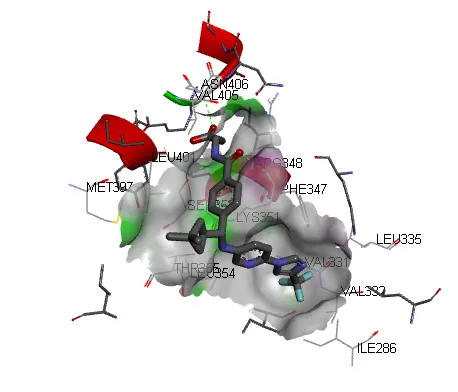
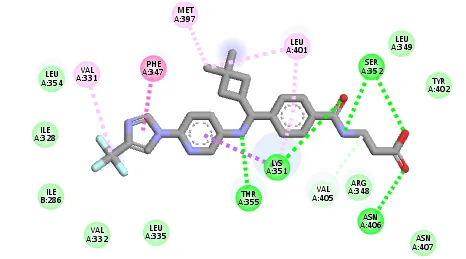
The crystallographic ligand 97Y establishes a network of interactions within the allosteric pocket of GLP-1R, including hydrogen bonds and polar interactions with residues such as Ser352, Thr355, and Asn406, in addition to hydrophobic contacts involving Ile328 and Val331, which are considered essential for receptor conformational stabilization.[35, 41] Although Arg348 has been described in the crystallographic structure as participating mainly in polar interactions, the redocking procedure performed in the present study indicated a predominantly hydrophobic interaction profile for this residue, while the remaining key interactions described experimentally were satisfactorily reproduced. These interactions are particularly relevant for allosteric modulation because they directly influence the structural dynamics of the transmembrane domain and contribute to stabilization of the inactive receptor state (Figure 10).
|
|
|
Figure 10: Docking pose of 97Y (3D, left and 2D, right) in the binding site of GLP-1R
The evaluated capsaicinoids exhibited interaction energy values ranging from −5.1 to −6.2 kcal mol–1, indicating moderate affinity for the allosteric site of GLP-1R compared to the crystallographic ligand (−7.8 kcal mol⁻1) (Table 1). All capsaicinoids exhibited conserved interactions with the residues Ile328 and Lys351 (Figure 11), indicating that these compounds can access the same allosteric pocket described in the literature. However, although additional interactions were observed in a structure-dependent manner for each molecule, none of the capsaicinoids was able to fully reproduce the interaction pattern established by the crystallographic ligand. Notably, there was a consistent absence of interactions with critical residues such as Ser352 and Asn406, which are widely recognized as key determinants for effective ligand anchoring and stabilization. Furthermore, the residue Thr355, also described as essential for hydrogen bond formation and complex stabilization, interacted with approximately half of the capsaicinoids, suggesting a relevant contribution to the overall stabilization of the system.[35, 42] Among the compounds analyzed, capsaicin and homocapsaicin stood out for exhibiting the lowest interaction energy values, which may be attributed to their lower conformational flexibility, allowing the pharmacophoric conformation to stabilize the ligand–receptor complex more efficiently.
Structural studies indicate that efficient modulation of GLP-1R by small molecules depends on a precise combination of hydrophobic interactions and specific hydrogen bonds, particularly within the transmembrane domain associated with helix VI, which plays a central role in the conformational changes required for receptor activation.[39, 40] The limited ability of capsaicinoids to establish such specific and directional interactions is consistent with their less favorable binding energy values.
Additionally, the structural features of capsaicinoids, such as the presence of a hydrophobic alkyl chain linked to a vanillyl group, predominantly favor nonpolar interactions. Although these interactions contribute to initial site recognition, they may be insufficient to ensure the formation of a robust network of polar interactions and hydrogen bonds required for high-affinity and stable binding. [43]
Overall, the results indicate that capsaicinoids can interact with the allosteric site of GLP-1R; however, the predominance of hydrophobic contacts and the absence of critical polar interactions confer reduced efficiency in stabilizing the ligand–receptor complex, suggesting that these compounds may exert a more limited role in the conformational modulation of the receptor.
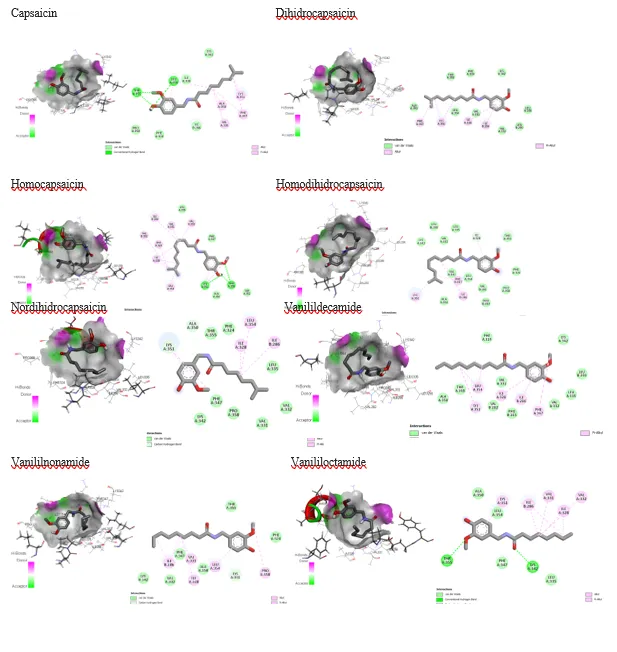
Figure 11: The docking pose of capsaicinoids in the allosteric binding site of GLP-1R
Table 1 – Interaction energies of capsaicinoids and co-crystallized ligands and key amino acids located in the binding site of GHSR, NPY-Y1R, DPP-4 and GLP-1 receptor
|
Compounds |
Interaction energy, kcal mol–1 |
Key amino acids (AA) |
||||||
|
GHSR |
NPY-Y1R |
DPP-4 |
GLP-1 |
Key AA GHSR |
Key AA NPY-Y1R |
Key AA DPP-4 |
Key AA GLP-1 |
|
|
8QX |
–11.0 |
– |
– |
– |
Arg102, Ile178, Leu181, Met213, Phe279, Arg283, Phe309, Phe312 |
– |
– |
– |
|
UR-MK299 |
– |
–10.3 |
– |
– |
– |
Asn283, Asp287, Trp276, Phe282, Phe286, Phe302, Leu216, Gln219, Thr280, Gln120, Leu279, Cys121, Ile124 |
– |
– |
|
34a |
– |
– |
–11.0 |
– |
– |
– |
Glu205, Glu206, Trp629, Tyr547, Tyr662, Ser630 |
– |
|
97Y
|
– |
– |
– |
–7.8 |
|
|
|
Ans406, Arg348, Ile328, Lys351, Ser352, The355, Val331 |
|
Capsaicin |
–7.7 |
–7.4 |
–6.9 |
–6.0 |
Pro200, Phe279, Arg283, Phe286, Phe309, Phe312 |
Phe282, Phe286, Phe302 |
Trp629, Tyr547, Ser630 |
Lys351, The355, Val331 |
|
Dihidrocapsaicin |
–7.0 |
–7.3 |
–6.4 |
–5.1 |
Arg102, Val182, Cys198 Pro200, Phe279, Arg283, Phe309, Phe312 |
Asn283, Phe282, Phe286, Phe302 |
Trp629, Tyr547, Ser630 |
Ile328, Lys351 |
|
Homocapsaicin |
–7.7 |
–7.8 |
–7.0 |
–6.2 |
Pro200, Phe279, Arg283, Phe286, Phe309, Phe312 |
Asn283, Asp287, Phe282, Phe286, Phe302 |
Trp629, Tyr547, Tyr662, Ser630 |
Ile328, Lys351, The355, Val331 |
|
Homodihidrocapsaicin |
–7.0 |
–6.9 |
–6.8 |
–5.7 |
Phe279, Arg283, Phe286, Phe309, Phe312 |
Asn283, Asp287, Phe282, Phe286, Phe302 |
Trp629, Tyr547, Tyr662, Ser630 |
Ile328, Lys351, The355 |
|
Nordihidrocapsaicin |
–6.7 |
–7.0 |
–6.3 |
–5.4 |
Gln120, Ile178, Leu181, Val182, Pro200, Phe279, Arg283, Phe286 |
Asn283, Phe282, Phe286, Phe302 |
Glu205, Glu206, Trp629, Tyr547, Tyr662, Ser630 |
Ile328, Lys351 |
|
Vanilildecamide |
–7.0 |
–7.3 |
–6.6 |
–5.5 |
Gln120, Leu181, Phe279, Phe286, Phe309, Phe312 |
Asp287, Phe282, Phe286, Phe302 |
Glu205, Glu206, Trp629, Tyr547, Tyr662, Ser630 |
Ile328, Lys351 |
|
Vanililnonamide |
–7.3 |
–7.0 |
–7.0 |
–5.3 |
Leu210, Phe279, Arg283, Phe286, Phe309, Phe312 |
Phe282, Phe286, Phe302 |
Trp629, Tyr547, Tyr662, Ser630 |
Ile328, Lys351, Val331 |
|
Vanililoctamide |
–7.1 |
–6.8 |
–6.9 |
–5.5 |
Pro200, Phe279, Arg283, Phe286, Phe309, Phe312 |
Asn283, Phe282, Phe286, Phe302 |
Trp629, Tyr547, Tyr662, Ser630 |
Ile328, Lys351, The355, Val331 |
CONCLUSION
Overall, the evaluated capsaicinoids were able to interact with all molecular targets investigated, demonstrating potential structural recognition toward proteins associated with metabolic regulation and obesity control. However, when compared with their respective crystallographic ligands, the compounds generally exhibited less favorable affinity values, indicating lower stability of the formed complexes and a reduced ability to fully reproduce the key interactions experimentally described for established modulators. Nevertheless, the conservation of interactions with critical residues across different targets suggests that capsaicinoids possess structural features compatible with the recognition of these pharmacological sites.
Among the evaluated targets, the results highlighted the growth hormone secretagogue receptor (GHSR) as the most promising, since the capsaicinoids exhibited the most favorable docking scores and greater similarity in interaction profiles relative to the crystallographic ligand. Considering the physiological role of ghrelin in appetite stimulation, energy regulation, and adipose storage, these findings suggest that this receptor may represent one of the principal mechanisms involved in the potential anti-obesity activity of capsaicinoids. Furthermore, the observed interaction capability with the growth hormone secretagogue receptor reinforces the possibility that these compounds may act through pathways related to hunger and satiety regulation.
Another relevant aspect observed throughout the analyses was the influence of conformational freedom on the molecular performance of the compounds. Capsaicinoids with lower structural flexibility showed, for some evaluated targets, better docking scores and a greater ability to maintain stabilizing interactions within the binding site. This behavior suggests that reduced conformational mobility may favor molecular fitting by decreasing entropic losses during the binding process, thereby allowing more stable positioning within active and allosteric pockets. Thus, structural characteristics associated with molecular rigidity appear to play an important role in the affinity observed for certain targets.
Although capsaicinoids are traditionally associated with activation of the TRPV-1 receptor, the results obtained in this study demonstrate that these compounds exhibit interaction potential with multiple targets involved in the pathophysiology of obesity, including receptors and enzymes related to energy homeostasis, incretin signaling, and appetite regulation. Therefore, the biological effects of capsaicinoids may involve additional and complementary mechanisms beyond the classical TRPV-1 pathway.
Taken together, the molecular docking results demonstrated that capsaicinoids possess promising pharmacological potential as adjuvant agents in the treatment of obesity, particularly due to their ability to modulate multiple molecular pathways associated with energy metabolism. Although additional experimental studies are still required to confirm the biological and pharmacodynamic relevance of these findings, the present results reinforce the relevance of capsaicinoids as multitarget compounds with possible therapeutic application in obesity and related metabolic disorders.
REFERENCES


João Pedro dos Santos Ferreira, Antonio Ailton Sousa da Silva Junior, Marina Ramos de Azevedo, Patrick de Lima Barbosa, Rodolfo Goetze Fiorot, Anne Caroline Candido Gomes, Obesity from a Multitarget Perspective: An In Silico Evaluation of Capsaicinoids as Alternative Therapeutic Agents, Int. J. of Pharm. Sci., 2026, Vol 4, Issue 7, 5501-5521, https://doi.org/10.5281/zenodo.21665791
 10.5281/zenodo.21665791