
View Article

Abstract

Ulcer may cause due excess secretion of HCl from parietal cell via hyperactivity of H?/K?-ATPase enzyme, in which damage the mucosal cell cause bleeding.[1]This study was conducted to evaluate the preventable effect of aloe vera, zingiber and mixture of omeprazole. phytogenic agent have traditionally been used by herbal ingredient for the prevention and treatment of peptic ulcer.[2] this type of combination drug reduce the side effect of PPIs (Omeprazole) among herbal drug, alve vera and zingiber officinale have used extensively and their clinical effect documented.[1,2] An ulcer may result from excessive HCl production from the parietal cell due to hyperactivity of the H+/K+-ATPase enzyme, which damages the mucosal cell and causes bleeding.[4] The purpose of this study was to assess the preventable effects of a combination of omeprazole, zingiber, and aloe vera.[6] Herbal ingredients have long been utilized as phytogenic agents to prevent and treat peptic ulcers. Alve vera and zingiber officinale are herbal remedies that have been widely utilized and their clinical effects recorded; this sort of combination medication lessens the negative effects of PPIs (omeprazole).[7] A number of plant ulcers are also used in ethnomedical systems. This article examines medicinal plants that have phytochemicals with antiulcer and gastroprotective properties.[9]

Keywords

Peptic ulcer , Alove vera , Zingiber officinal , Omeprazole

Introduction

× Popup Image

The Old French word ulcere, which is derived from the Latin word ulcus, which means "ulcer," is where the word ulcer originally appeared around 1200 CE. Additionally, the word came from French and crossed the English Channel.[11] Ulcer means "painful spot,
When the natural balance is upset by either increased aggression or decreased mucosal resistance, ulceration results. The pathophysiology of stomach ulcers is linked to multiple factors. Pain relief, ulcer healing, and ulcer recurrence prevention are the ideal goals of peptic ulcer disease treatment.[12,13]

An imbalance between gastric offensive factors—such as acid, bile salts, pepsin secretion, H. pylori, ethanol, NSAIDs, nitric acid oxide, and lipid peroxidation—and protective factors—such as blood flow, prostaglandins, glycoproteins, mucosal cell shedding, mucin secretion, and antioxidant enzymes like superoxide dismutase—causes peptic ulcers.[16,17]

2  Types

  • Gastric peptic ulcer
  • Duodenal peptic ulcer

2.1 Gastric peptic ulcer –

A gastric ulcer is a rupture in the stomach lining's mucosa that extends more than 5 mm in diameter and passes through the muscularis mucosa. Changes in the stomach's defensive mechanisms might lead to changes in the gastric mucosa, which can ultimately induce erosion and ulceration.[19]

2.2 Duodenal peptic ulcer

When the surface of the duodenum's mucosa is disturbed, duodenal ulcers develop. The stomach and the first segment of the duodenum are affected by peptic ulcer disease, which includes these ulcers. In this exercise, the assessment and management of duodenal ulcers are reviewed, and the function of the interprofessional team in enhancing patient care is explained.[20]

3. cause

There are major cause of peptic ulcer –

  • H pyloric bacteria
  • Non stroidal  Anti-iflammatory drug (NSAIDs)
  • Other factor
  • Smoking
  • Caffeine
  • Alcohal
  • Stress

3.1 H pyloric bacteria

Most ulcers are now thought to be caused by H. pylori (Cover & Blaser, 1992). The stomach contains the H. pylori bacteria, which, when combined with acid production, can harm the stomach and duodenum's tissue, resulting in inflammation and ulcers. A bacterium called Helicobacter pylori inhabits the digestive system's mucous membranes. H. pylori has been identified as the cause of 70% of all gastric ulcers and 95% of all duodenal ulcers.[22]



Figure 3.1 Heli cobactar bacteria


3.2 Nonsteroidal anti-inflammatory drug (NSAIDs)

Numerous medications can irritate the stomach lining and result in ulcers, including aspirin, other NSAIDs, and corticosteroids. The majority of NSAID and corticosteroid users do not have peptic ulcers.25 However, some doctors advise against using an older class of NSAIDs in favor of coxibs (COX-2 inhibitors), which are less likely to irritate the stomach, for those who are at high risk of developing peptic ulcers.[25]


Table 3.1 Peptic ulcer risk by specific NSAIDs

Lowest Risk

Midium Risk

Highest Risk

  • Nabumetone (Relafen)
  • Etodolac (Lodine)
  • Salsalate
  • Sulindac (Clinoril)


  • Aspirin. Even low-dose aspirin (81 mg) used to protect the heart may pose some risk (although lower than standard doses).
  • Ibuprofen (Motrin, Advil, Nuprin, Rufen)
  • Naproxen (Aleve, Naprosyn, Naprelan, Anaprox)
  • Diclofenac (Voltaren)

Tolmetin (Tolectin)

  • Flurbiprofen (Ansaid)
  • Piroxicam (Feldene)
  • Fenoprofen
  • Indomethacin (Indocin)
  • Meclofenamate (Meclomen)
  • Ketoprofen (Action, Orudis KT)


3.3 Other factor

May also increase a person risk for ulcer for example. Smokers are more likely to develop an ulcer and also more likely to die from the complication of an ulcer.[27]

The stomach is protected from ulcers by gastric mucus, the stomach's surface cells, bicarbonate ions (which neutralize acid), and substances called prostaglandins. Stress ulcers can also be caused by ischemia, reduced mucosal blood flow, acid, free radicals, Prostaglandin, glucose, angiotensin II, nicotine, thyrotropin-releasing hormone (TRH), and salts of bile. [28]A few more causes exist in addition to these, including:

  • Smoking -Cigarette smoking has been linked to an increased risk of ulcers, according’ p=;=];= to studies. Additionally, smoking promotes ulcer recurrence and hinders the healing of pre-existing ulcers.[28]


  • Caffeine - Beverages and foods that contain caffeine can stimulate acid secretion in the stomach. This can aggravate an existing ulcer, but the stimulation of stomach acid can't be attributed solely to caffeine.[28]
  • Alcohol - No direct correlation has been established between alcohol use and peptic ulcers; nonetheless, ulcers are more prevalent among individuals with cirrhosis of the liver, a condition frequently associated with excessive alcohol intake.[28]
  • Stress - Although it is no longer believed that emotional stress causes ulcers, those who are under emotional stress frequently claim that their pre-existing ulcers hurt worse. On the other hand, physical stress is distinct. It may make ulcers more likely to occur, particularly in the stomach.  People with injuries like severe burns and those undergoing major surgery are two examples of physical stressors that can result in ulcers.[28]

As shown below, ulcerogens have mostly targeted acid secretion and disruption of mucosal defense (Figure 1.4 & 1.5). Understanding the physiological control in stomach cells becomes evident prior to comprehending their targeted involvement during ulcerogenesis. Since H+, K+-ATPase, and mucosal defense have been essential for,regulating.[28]
The following is a detailed illustration of the stomach defense.
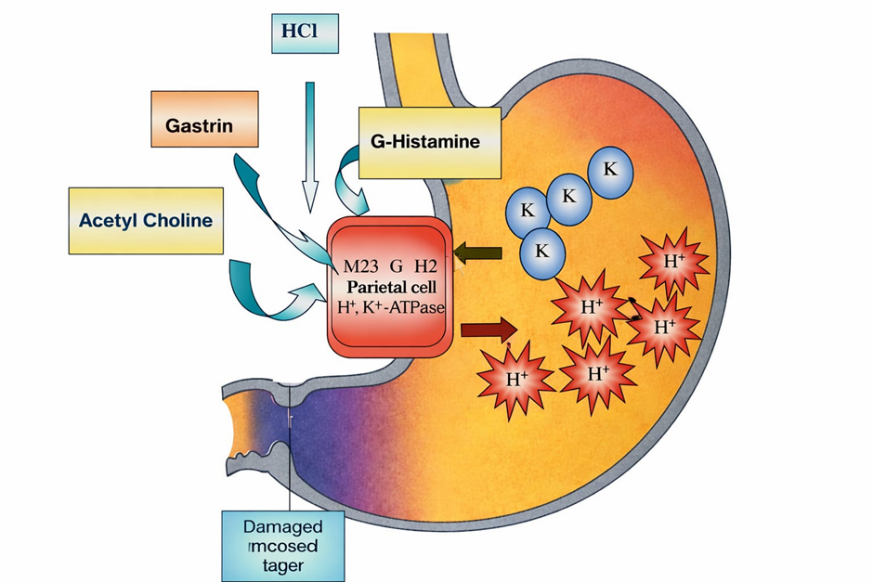


Figure 3.1 Dysregulation of parital cellular activity result in acidity
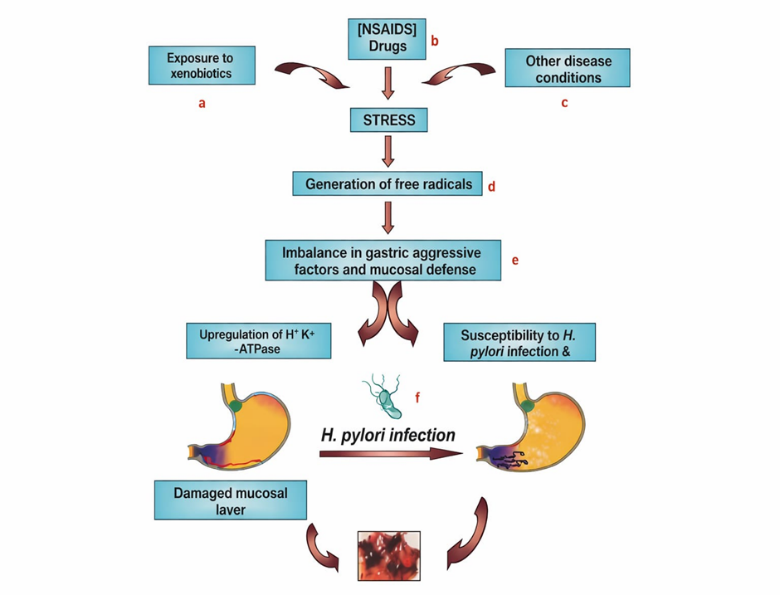


Figure 3.2 -scheme of induction of ulcerogenicity


4. Diagnosis of Ulcer

Diagnosis can be me made by series of  text including physical examination and different diagnosis.[30]

Physical examination - Epigastric tenderness is the most frequent finding in patients with gastric or duodenal ulcer . Physical examination is critically important for discovering evidence of ulcer complications. Tachycardia and orthostasis suggest dehydration secondary to vomiting or active gastrointestinal blood loss. A severely tender, board like abdomen suggests a perforation.[29]

Endoscopy offers the most accurate and focused method for assessing the upper gastrointestinal tract (Figure 1.10). Endoscopy facilitates tissue sampling and photographic documentation of a mucosal defect in addition to allowing direct sight of the mucosa.[29]

exclude H. pylori or cancer. When evaluating unusual radiographic abnormalities, detecting lesions too small to be detected by radiographic examination, or determining whether an ulcer is the cause of blood loss, endoscopic examination is especially.[29]

useful. A urease test in the biopsy samples is part of the diagnostic process for H. pylori, but it has a sensitivity and specificity of >90 to 95%. Several noninvasive techniques for identifying H. pylori have been developed in an effort to diagnose this infection without the need for endoscopy.[29]
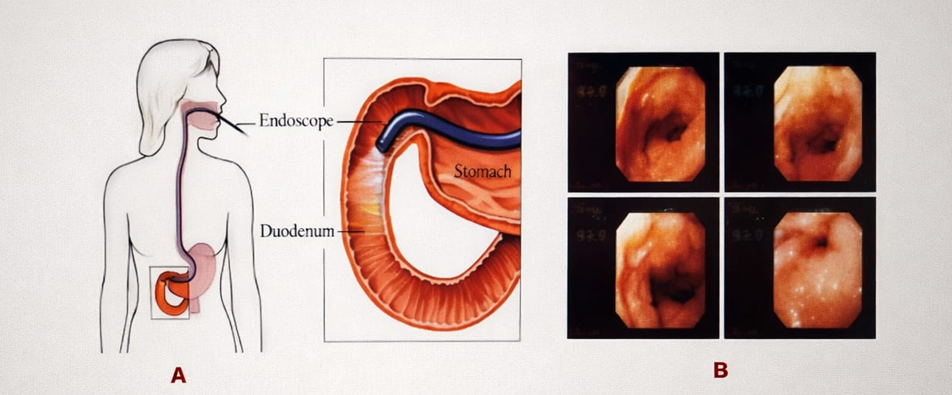


Figure 4.1 picture depicting endoscopy


5. Effects of different PPIs on the parietal cell

Omeprazole, a benzimidazole derivative, was the first PPI to be used in clinical settings. Rabeprazole, pantoprazole, and lansoprazole are further benzimidazole PPIs that were later introduced. Each of these substances is made up of two heterocyclic components connected by a methyl sulfinyl group: a pyridine and a benzimidazole moiety.[1]

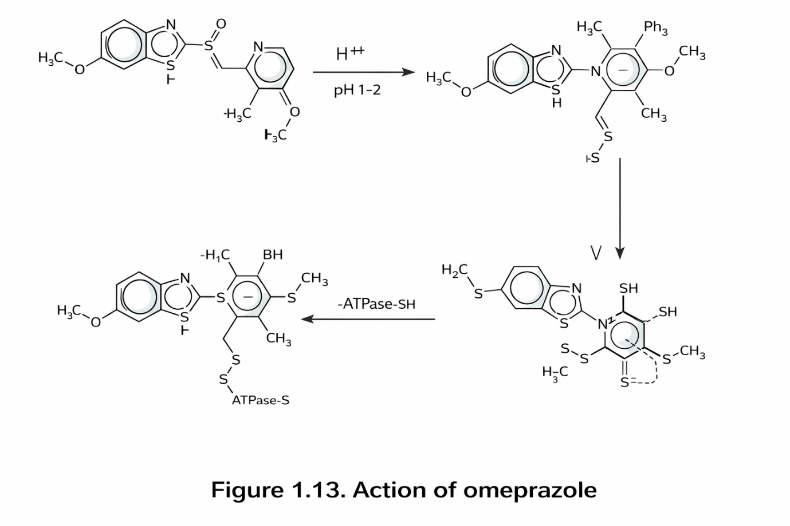
Omeprazole transforms into a sulfenamide analogue when acid is present, and this analogue inhibits the ATPase irreversibly by creating a covalent disulfide link with an essential sulfhydryl group in the active site. Esomeprazole, the enantiomerically pure S-isomer, is sold separately under the brand name Nexium.[1]

Mode Of Action


6. Plant Profile

  • Aleo vera 

Family name:              Liliaceae

Common name:          Aloe vera

Origin:                        It is perennial plant native to mediterranean and

african countries. it is cultivated in cyprus, india, malta

and sicily

Parts used:                  Leaf

Active constituent:       Saponin, barbaloin, isobarbaloin

Traditional uses:         Its gel is used in preparation

of

beverages, lotions and cosmetics such as shampoos, razors,

moisturizers, soaps, sunscreens and makeup

Roles in human body: Detoxification, laxative, wound

healing, skin burns care, antiulcer, cytoprotective, anti-

fungal, hepatoprotective, immunostimulator, mucus

secreting and anti-diabetic.[30]

  • Zingiber officinale

Common name:          Ginger

 Family name:             Zingiberaceae  (Ginger family)

Parts used:                 Rhizome

Active constituents: Gingerols (especially 6-gingerol), Shogaols, Zingerone

Traditional use:  Relief of nausea and vomiting (motion sickness, pregnancy-related nausea),Treatment of colds and cough, Digestive aid (indigestion, bloating, flatulence), Anti-inflammatory remedy for joint pain.

Roles in the human body:     Stimulates digestive enzymes and improves gut motility,

Acts as an anti-inflammatory by inhibiting prostaglandins and leukotrienes,      Antioxidant activity (reduces oxidative stress).[30]

CONCLUSION

Peptic ulcers are gastrointestinal disorders caused by an imbalance between defensive forces such prostaglandins, bicarbonate production, gastric mucus, and intrinsic resistance of the mucosal cell actors and aggressive factors like acid, pepsin, and Helicobacter pylori.[35] This article discusses medications made from plants, such as tannins and flavonoids, to treat peptic ulcers. It is clear that plant extracts have strong antiulcer effects in animal models. A survey of medicinal plants that may have anti-ulcer properties is presented in this article. Around the world, Allophylus serratus, Zingiber officinalis, Aloe vera, and other medicinal plants are widely used to cure ulcers.[35]

REFERENCES

  1. Agrawal, A. K.; Rao, C. V.; Sairman, K.; Joshi, V. K. and Goel, R. K.(2000): Effect of Piper longum linn, Zingiber officianails linn and Ferula species on gastric ulceration and secretion in rats. J. of Exp. Biol., 38 (10): 994-998
  2. Ahmad, A.; Husain, A.; Mujeeb, M.; Khan, S. A.; Najmi, A. K. and Siddique, N. A. (2013): A review on therapeutic potential of Nigella sativa: A miracle herb. Asian Pac J Trop Biomed; 3(5): 337-52.
  3. Akhtar, A. H. and Ahmed, K. U. (1995): Anti- ulcerogenic evaluation of the methanolic extracts of some indigenous medicinal plants in Pakistan on aspirin-ulcerated rats. J. Ethnopharmacol.; 46(1): 1-6.
  4. Al Batran, R.; Al-Bayaty, F.; Jamil Al-Obaidi, M. M.; Abdualkader, A. M.; Hadi, H. A. and Ali, H. M. (2013): In vivo antioxidant and antiulcer activity of Parkia speciosa ethanolic leaf extract against ethanol-induced gastric ulcer in rats. PLoS One; 8(5): e64751.
  5. Bardocz, S.; Grant, G.; Ewen, S. W. D.; Dunguid, T. J.; Brown, D. S.; Englyst, K. and Pusztai, A. (1995): Reversible effect of phytohaemaglutinins on the growth and metabolism of rat gastrointestinal tract. Gut.; 37: 353–360
  6. Bashinskaya, B.; Nahed, B. V.; Redjal, N.; Kahle, K. T. and Walcott, B. P. (2011): Trends in peptic ulcer disease and the identification of helicobacter pylori as a causative organism: population-based estimates from the US nationwide inpatient sample, J. Glob. Infect. Dis.; 3 (4): 366-370.
  7. Borra, S. K.; Lagisetty, R. K. and Mallela, G. R. (2011): Anti-ulcer effect of Aloe vera in non-steroidal anti-inflammatory drug induced peptic ulcers in rats. African Journal of Pharmacy and Pharmacology Vol.; 5(16), pp. 1867-1871. DOI: 10.5897/AJPP11.306.
  8. El-Abhar, H.; Abdallah, D. and Saleh, S. (2002): Gastroprotective, activity of Nigella sativa oil and its constituent, thymoquinone, against gastric mucosal injury induced by ischemia/reperfusion in rats. J. Ethnopharmacol.; 84: 251- 258
  9. Fallahi, M.; Soroush, A.; Sadeghi, N.; Mansouri, F.; Mobaderi, T. and Mahdavikian, S. (2022): Comparative Evaluation of the Effect of Aloe Vera Gel, Olive Oil, and Compound Aloe Vera Gel-Olive Oil on Prevention of Pressure Ulcer: A Randomized Controlled Trial. Adv Biomed Res.; 31; 11:6. Doi: 10.4103/abr.abr_121_21
  10. Weberg, R.; Berstad, K. and Berstad, A. (1990): Acute effects of antacids on gastric juice components in duodenal ulcer patients. Eur J Clin Invest.; 20:511-515.
  11. Teradaira, R.; Shinzato, M.; Bepp, U. H. and Fujita, K. (1993): Antigastric ulcer effects in rats of Aloe arborescens Miller var. natalensis Berger extract. Phytother Res.; 7: 34-36.
  12. University of Michigan Health System. Peptic ulcer disease. Accessed May 4, 2007, at: http://www.cme.med.umich.edu/pdf/guideline/PUD05.pdf
  13. Sonnenberg A, Everhart JE. The prevalence of self-reported peptic ulcer in the United States. Am J Public Health 1996;86:200-5.
  14. Kang JY, Tinto A, Higham J, Majeed A. Peptic ulceration in general practice in England and Wales 1994-98: period prevalence and drug management. Aliment Pharmacol Ther 2002;16:1067-74
  15. Kurata JH, Nogawa AN. Meta-analysis of risk factors for peptic ulcer. Nonsteroidal anti-inflammatory drugs, Helicobacter pylori, and smoking. J Clin Gastroenterol 1997;24:2-17
  16. Ziegler AB. The role of proton pump inhibitors in acute stress ulcer prophylaxis in mechanically ventilated patients. Dimens Crit Care Nurs 2005;24:109-14.
  17. NIH Consensus Conference. Helicobacter pylori in peptic ulcer disease. NIH Consensus Development Panel on Helicobacter pylori in Peptic Ulcer Disease. JAMA 1994;272:65-9.
  18. Lanas A, Serrano P, Bajador E, Esteva F, Benito R, Sainz R. Evidence of aspirin use in both upper and lower gastrointestinal perforation. Gastroenterology 1997;112:683-9.
  19. Hilton D, Iman N, Burke GJ, Moore A, O’Mara G, Signorini D, et al. Absence of abdominal pain in older persons with endoscopic ulcers: a prospective study. Am J Gastroenterol 2001;96:380-4.
  20. Talley NJ, Vakil NB, Moayyedi P. American Gastroenterological Association technical review on the evaluation of dyspepsia. Gastroenterology 2005;129:1756-80
  21. Treiber G, Wittig J, Ammon S, Walker S, van Doorn L, Klotz U. Clinical outcome and influencing factors of a new short-term quadruple therapy for Helicobacter pylori eradication: a randomized controlled trial (MACLOR study). Arch Intern Med 2002;162:153-60.
  22. Poynard T, Lemaire M, Agostini H. Meta-analysis of randomized clinical trials comparing lansoprazole with ranitidine or famotidine in the treatment of acute duodenal ulcer. Eur J Gastroenterol Hepatol 1995;7:661-5.
  23. Vakil N, Fennerty MB. Direct comparative trials of the efficacy of proton pump inhibitors in the management of gastro-oesophageal reflux disease and peptic ulcer disease. Aliment Pharmacol Ther 2003;18:559-68.
  24. Behrman SW. Management of complicated peptic ulcer disease. Arch Surg 2005;140:201-8
  25. Lanas AI, Remacha B, Esteva F, Sainz R. Risk factors associated with refractory peptic ulcers. Gastroenterology 1995;109:1124-33.
  26. Peura DA. Prevention of non-steroidal anti-inflammatory drug-associated gastrointestinal symptoms and ulcer complications. Am J Med 2004;177 (suppl 5A):63S-71S.
  27. Palanivelu C, Jani K, Rajan PS, Kumar KS, Madhankumar MV, Kadalakat A. Laparoscopic management of acid peptic disease. Surg Laparosc Endosc Percutan Tech 2006;16:312-6.
  28. Hernandez-Diaz S, Rodriguez LA. Incidence of serious upper gastrointestinal bleeding/perforation in the general population: review of epidemiologic studies. J Clin Epidemiol 2002;55:157-63.
  29. Rockall TA, Logan RF, Devlin HB, Northfield TC. Risk assessment after acute upper gastrointestinal haemorrhage. Gut 1996;38:316-21.
  30. Leontiadis GI, Sharma VK, Howden CW. Systematic review and metaanalysis: proton-pump inhibitor treatment for ulcer bleeding reduces transfusion requirements and hospital stay—results from the Cochrane Collaboration. Aliment Pharmacol Ther 2005;22:169-74
  31. Eisen GM, Dominitz JA, Faigel DO, Goldstein JL, Kalloo AN, Petersen BT, et al., for the American Society for Gastrointestinal Endoscopy. Standards of Practice Committee. An annotated algorithmic approach to upper gastrointestinal bleeding. Gastrointest Endosc 2001;53:853-8.
  32. Gisbert JP, Khorrami S, Carballo F, Calvet X, Gene E, Dominguez-Munoz E. Meta-analysis: Helicobacter pylori eradication therapy vs. antisecretory non-eradication therapy for the prevention of recurrent bleeding from peptic ulcer. Aliment Pharmacol Ther 2004;19:617-29.
  33. Silverstein FE, Graham DY, Senior JR, Davies HW, Struthers BJ, Bittman RM, et al. Misoprostol reduces serious gastrointestinal complications in patients with rheumatoid arthritis receiving nonsteroidal anti-inflammatory drugs. A randomized, double-blind, placebo-controlled trial. Ann Intern Med 1995;123:241-9
  34. Rostom A, Dube C, Wells G, Tugwell P, Welch V, Jolicoeur E, et al. Prevention of NSAID-induced gastroduodenal ulcers. Cochrane Database Syst Rev 2002;(4):CD002296
  35. Shone DN, Nikoomanesh P, Smith-Meek MM, Bender JS. Malignancy is the most common cause of gastric outlet obstruction in the era of H2 blockers. Am J Gastroenterol 1995;90:1769-70.

Reference

  1. Agrawal, A. K.; Rao, C. V.; Sairman, K.; Joshi, V. K. and Goel, R. K.(2000): Effect of Piper longum linn, Zingiber officianails linn and Ferula species on gastric ulceration and secretion in rats. J. of Exp. Biol., 38 (10): 994-998
  2. Ahmad, A.; Husain, A.; Mujeeb, M.; Khan, S. A.; Najmi, A. K. and Siddique, N. A. (2013): A review on therapeutic potential of Nigella sativa: A miracle herb. Asian Pac J Trop Biomed; 3(5): 337-52.
  3. Akhtar, A. H. and Ahmed, K. U. (1995): Anti- ulcerogenic evaluation of the methanolic extracts of some indigenous medicinal plants in Pakistan on aspirin-ulcerated rats. J. Ethnopharmacol.; 46(1): 1-6.
  4. Al Batran, R.; Al-Bayaty, F.; Jamil Al-Obaidi, M. M.; Abdualkader, A. M.; Hadi, H. A. and Ali, H. M. (2013): In vivo antioxidant and antiulcer activity of Parkia speciosa ethanolic leaf extract against ethanol-induced gastric ulcer in rats. PLoS One; 8(5): e64751.
  5. Bardocz, S.; Grant, G.; Ewen, S. W. D.; Dunguid, T. J.; Brown, D. S.; Englyst, K. and Pusztai, A. (1995): Reversible effect of phytohaemaglutinins on the growth and metabolism of rat gastrointestinal tract. Gut.; 37: 353–360
  6. Bashinskaya, B.; Nahed, B. V.; Redjal, N.; Kahle, K. T. and Walcott, B. P. (2011): Trends in peptic ulcer disease and the identification of helicobacter pylori as a causative organism: population-based estimates from the US nationwide inpatient sample, J. Glob. Infect. Dis.; 3 (4): 366-370.
  7. Borra, S. K.; Lagisetty, R. K. and Mallela, G. R. (2011): Anti-ulcer effect of Aloe vera in non-steroidal anti-inflammatory drug induced peptic ulcers in rats. African Journal of Pharmacy and Pharmacology Vol.; 5(16), pp. 1867-1871. DOI: 10.5897/AJPP11.306.
  8. El-Abhar, H.; Abdallah, D. and Saleh, S. (2002): Gastroprotective, activity of Nigella sativa oil and its constituent, thymoquinone, against gastric mucosal injury induced by ischemia/reperfusion in rats. J. Ethnopharmacol.; 84: 251- 258
  9. Fallahi, M.; Soroush, A.; Sadeghi, N.; Mansouri, F.; Mobaderi, T. and Mahdavikian, S. (2022): Comparative Evaluation of the Effect of Aloe Vera Gel, Olive Oil, and Compound Aloe Vera Gel-Olive Oil on Prevention of Pressure Ulcer: A Randomized Controlled Trial. Adv Biomed Res.; 31; 11:6. Doi: 10.4103/abr.abr_121_21
  10. Weberg, R.; Berstad, K. and Berstad, A. (1990): Acute effects of antacids on gastric juice components in duodenal ulcer patients. Eur J Clin Invest.; 20:511-515.
  11. Teradaira, R.; Shinzato, M.; Bepp, U. H. and Fujita, K. (1993): Antigastric ulcer effects in rats of Aloe arborescens Miller var. natalensis Berger extract. Phytother Res.; 7: 34-36.
  12. University of Michigan Health System. Peptic ulcer disease. Accessed May 4, 2007, at: http://www.cme.med.umich.edu/pdf/guideline/PUD05.pdf
  13. Sonnenberg A, Everhart JE. The prevalence of self-reported peptic ulcer in the United States. Am J Public Health 1996;86:200-5.
  14. Kang JY, Tinto A, Higham J, Majeed A. Peptic ulceration in general practice in England and Wales 1994-98: period prevalence and drug management. Aliment Pharmacol Ther 2002;16:1067-74
  15. Kurata JH, Nogawa AN. Meta-analysis of risk factors for peptic ulcer. Nonsteroidal anti-inflammatory drugs, Helicobacter pylori, and smoking. J Clin Gastroenterol 1997;24:2-17
  16. Ziegler AB. The role of proton pump inhibitors in acute stress ulcer prophylaxis in mechanically ventilated patients. Dimens Crit Care Nurs 2005;24:109-14.
  17. NIH Consensus Conference. Helicobacter pylori in peptic ulcer disease. NIH Consensus Development Panel on Helicobacter pylori in Peptic Ulcer Disease. JAMA 1994;272:65-9.
  18. Lanas A, Serrano P, Bajador E, Esteva F, Benito R, Sainz R. Evidence of aspirin use in both upper and lower gastrointestinal perforation. Gastroenterology 1997;112:683-9.
  19. Hilton D, Iman N, Burke GJ, Moore A, O’Mara G, Signorini D, et al. Absence of abdominal pain in older persons with endoscopic ulcers: a prospective study. Am J Gastroenterol 2001;96:380-4.
  20. Talley NJ, Vakil NB, Moayyedi P. American Gastroenterological Association technical review on the evaluation of dyspepsia. Gastroenterology 2005;129:1756-80
  21. Treiber G, Wittig J, Ammon S, Walker S, van Doorn L, Klotz U. Clinical outcome and influencing factors of a new short-term quadruple therapy for Helicobacter pylori eradication: a randomized controlled trial (MACLOR study). Arch Intern Med 2002;162:153-60.
  22. Poynard T, Lemaire M, Agostini H. Meta-analysis of randomized clinical trials comparing lansoprazole with ranitidine or famotidine in the treatment of acute duodenal ulcer. Eur J Gastroenterol Hepatol 1995;7:661-5.
  23. Vakil N, Fennerty MB. Direct comparative trials of the efficacy of proton pump inhibitors in the management of gastro-oesophageal reflux disease and peptic ulcer disease. Aliment Pharmacol Ther 2003;18:559-68.
  24. Behrman SW. Management of complicated peptic ulcer disease. Arch Surg 2005;140:201-8
  25. Lanas AI, Remacha B, Esteva F, Sainz R. Risk factors associated with refractory peptic ulcers. Gastroenterology 1995;109:1124-33.
  26. Peura DA. Prevention of non-steroidal anti-inflammatory drug-associated gastrointestinal symptoms and ulcer complications. Am J Med 2004;177 (suppl 5A):63S-71S.
  27. Palanivelu C, Jani K, Rajan PS, Kumar KS, Madhankumar MV, Kadalakat A. Laparoscopic management of acid peptic disease. Surg Laparosc Endosc Percutan Tech 2006;16:312-6.
  28. Hernandez-Diaz S, Rodriguez LA. Incidence of serious upper gastrointestinal bleeding/perforation in the general population: review of epidemiologic studies. J Clin Epidemiol 2002;55:157-63.
  29. Rockall TA, Logan RF, Devlin HB, Northfield TC. Risk assessment after acute upper gastrointestinal haemorrhage. Gut 1996;38:316-21.
  30. Leontiadis GI, Sharma VK, Howden CW. Systematic review and metaanalysis: proton-pump inhibitor treatment for ulcer bleeding reduces transfusion requirements and hospital stay—results from the Cochrane Collaboration. Aliment Pharmacol Ther 2005;22:169-74
  31. Eisen GM, Dominitz JA, Faigel DO, Goldstein JL, Kalloo AN, Petersen BT, et al., for the American Society for Gastrointestinal Endoscopy. Standards of Practice Committee. An annotated algorithmic approach to upper gastrointestinal bleeding. Gastrointest Endosc 2001;53:853-8.
  32. Gisbert JP, Khorrami S, Carballo F, Calvet X, Gene E, Dominguez-Munoz E. Meta-analysis: Helicobacter pylori eradication therapy vs. antisecretory non-eradication therapy for the prevention of recurrent bleeding from peptic ulcer. Aliment Pharmacol Ther 2004;19:617-29.
  33. Silverstein FE, Graham DY, Senior JR, Davies HW, Struthers BJ, Bittman RM, et al. Misoprostol reduces serious gastrointestinal complications in patients with rheumatoid arthritis receiving nonsteroidal anti-inflammatory drugs. A randomized, double-blind, placebo-controlled trial. Ann Intern Med 1995;123:241-9
  34. Rostom A, Dube C, Wells G, Tugwell P, Welch V, Jolicoeur E, et al. Prevention of NSAID-induced gastroduodenal ulcers. Cochrane Database Syst Rev 2002;(4):CD002296
  35. Shone DN, Nikoomanesh P, Smith-Meek MM, Bender JS. Malignancy is the most common cause of gastric outlet obstruction in the era of H2 blockers. Am J Gastroenterol 1995;90:1769-70.

Photo
Shweta Ram
Corresponding author

Rungta Institute of Pharmaceutical Sciences, Bhilai.

Photo
Dharmesh Koushal
Co-author

Rungta Institute of Pharmaceutical Sciences, Bhilai.

Photo
Fiza Nazreen
Co-author

Rungta Institute of Pharmaceutical Sciences, Bhilai.

Photo
Gajendra Singh Thakur
Co-author

Rungta Institute of Pharmaceutical Sciences, Bhilai.

Photo
A Lokesh Swami
Co-author

Rungta Institute of Pharmaceutical Sciences, Bhilai.

Photo
Suchita Wamankar
Co-author

Rungta Institute of Pharmaceutical Sciences, Bhilai.

Photo
Dr. Gyanesh Sahu
Co-author

Rungta Institute of Pharmaceutical Sciences, Bhilai.

Photo
Dr. Chanchal Deep Kaur
Co-author

Rungta Institute of Pharmaceutical Sciences, Bhilai.

Dharmesh Koushal, Fiza Nazreen, Gajendra Singh Thakur, A Lokesh Swami, Shweta Ram, Suchita Wamankar, Dr. Gyanesh Sahu, Dr. Chanchal Deep Kaur, Omeprazole Delayed Release Tablets and Herbal Interventions (Aloe barbadensis Miller & Zingiber officinale): A Review on Safety Enhancement, Int. J. of Pharm. Sci., 2026, Vol 4, Issue 3, 3843-3850, https://doi.org/10.5281/zenodo.19333045

More related articles
Development and Validation of a Rapid UV Spectrome...
A. Anil Kumar, Sambram Vishweshwar Reddy...
Formulation and Evaluation of Anti-Aging Serum usi...
Swapnil Pradhan, Snehalta Mali, Gauri Bhamare, Raj Patil, Neha Pa...
Niosomal Drug Delivery Systems: Emerging Trends in Dermatological Applications...
Imran Rashid, Quazia Ifaq Wani, Arashjit Singh, Neha Srivastava...
Groundnut Shell-Derived Activated Carbon for Lead (Ii) Removal from Aqueous Solu...
Stuti Ganbote, Yogesh Kolekar , Omkar Dhanawade, Pranavi Yadav, Siya Desai , Shravani Kumbhar, Prano...
The Comparision Between Rosuvastatin And Atorvastatin On Lipid Profile, Predispo...
Rudhra Sandhya, P. S. V. Sandeep, Deepika Pallati, Dr. Swathi Boddupally, Dr. Haritha. P, Mohd Shahn...
Related Articles
Virtual Screening of Bioactive Constituents of Lagenaria siceraria as Potential ...
Dinesh Kawade, Gun Chourasia, Shashwati Motghare, Dipak Rinait, Alpana Asnani...
Antibody-Drug Conjugates in Modern Prodrug Design: Linker Chemistry and Payload ...
G. E. Ebimo-Moko, T. Ganatra, V. Ebimo-Moko, W. E. Madu, J. E. Sampson, J. D. Joel, F. O. Oladele...
Natural Hand Hygiene Solutions: A Review of Areca Catechu Leaf Sheath-Based Herb...
Aishwarya M, Dr. Shiju L, Bhoomika C K, Thejaswi Gowda K M, Sachin. M S, Harsha C J...