

We use cookies to ensure our website works properly and to personalise your experience. Cookies policy
S.C.S.M.S.S., Institute of Pharmacy and Research, Maregaon – 445303, India.
Due to the presence of significant phytochemical components, Pluchea indica (L.) Less. is a medicinal plant that has long been utilized for a variety of therapeutic reasons. The objective of this study was to assess the total phenolic content (TPC), total flavonoid content (TFC), phytochemical ingredients, and extractive yield of ethanolic and acetone extracts of Pluchea indica leaves. Ethanol and acetone were used to extract the dried leaf powder, and the resulting extracts were then examined for both qualitative and quantitative phytochemical research. Ethanol demonstrated superior extraction efficiency for bioactive chemicals, as seen by the greater percentage yield of ethanolic extract (about 6%) compared to acetone extract (roughly 5%). The Folin–Ciocalteu colorimetric technique with gallic acid as the standard was used to estimate the total phenolic content, and the aluminum chloride colorimetric assay with quercetin as the standard was used to assess the total flavonoid content. Calibration curves with strong correlation coefficients and acceptable linearity were created using various gallic acid and quercetin concentrations. The absorbance readings rose in direct proportion to concentration, demonstrating the analytical techniques' dependability. Compared to the acetone extract, the ethanolic extract showed significantly greater phenolic and flavonoid levels, indicating that ethanol is a better solvent for extracting antioxidant phytoconstituents from Pluchea indica. The plant's therapeutic value is further enhanced by the well-known antioxidant, anti-inflammatory, antibacterial, and free radical scavenging properties of phenolic compounds and flavonoids. Therefore, enhanced biological activity might be linked to the ethanolic extract's higher phytochemical concentration.
The potential medical use of several physiologically active compounds obtained from medicinal plants are widely recognized. Alkaloids, flavonoids, tannins, and phenolic compounds are examples of phytoconstituents that are crucial for the prevention and treatment of many illnesses. A quick and easy way to separate these elements from plants is crucial for phytochemical research since it affects the quantity and quality of the components that are recovered. Traditional medicine has long relied heavily on medicinal plants. In this instance, they form the basis of Ayurveda.
The established usage of therapeutic plants may be the source of modern medicine. Historically and currently, plant-based chemicals have been a major source of molecules utilized in medications. This research examined over 100,000 publications and conducted a bibliometric analysis of all works indexed in the Scopus database up until 2019. The primary nations, organizations, and writers who have researched this subject are listed, along with how they have evolved over time. Nonetheless, the identification of communities has been used to examine the relationships between writers, nations, and research topics. The study subjects were examined over the preceding two periods, 2009–2014 and 2015–2019. Studies on unidentified drugs, conventional medicine, cancer, in vivo research (antidiabetic action), and animal research (anti-inflammatory activity) have been the most recent areas of attention. It has been observed that the study areas or clusters have diminished.1
Because herbal medication is widely available and reasonably priced, particularly in underdeveloped nations, it is even more crucial to healthcare. Many people chose plant-based medications over synthetic ones because they are frequently more accessible, less expensive, and simpler to use. Alkaloids, flavonoids, tannins, glycosides, and terpenoids are just a few of the many bioactive substances found in herbal remedies. These substances have a variety of pharmacological properties, including antioxidant, antibacterial, anti-inflammatory, and anticancer actions.
Pluchea indica (L.) Less is found in tropical and subtropical countries such as Southeast Asia, India, and the coastal regions of Indonesia and Malaysia. is a bush with herbs. It is a member of the Asteraceae family. Beluntas, also known as Indian camphorweed, is a plant that grows well in marshy and saline environments. It has fragrant leaves and tiny pinkish-purple flowers.
This plant has been used in traditional medicine to treat a variety of illnesses, such as fever, inflammation, digestive issues, and skin disorders. P. indica's rich phytochemical content, which includes tannins, alkaloids, phenolic compounds, terpenoids, and flavonoids like quercetin and kaempferol, is the primary source of its medicinal effects.
Pluchea indica is also found in tropical and subtropical regions, particularly in South and Southeast Asia, which includes Bangladesh, Thailand, Malaysia, Indonesia, China, India, and Sri Lanka. It is especially prevalent in coastal regions of India, such as West Bengal, Kerala, Tamil Nadu, and Maharashtra, where it flourishes in mangrove habitats, riverbanks, and marshes. The plant is a common species in coastal regions because it can withstand dampness and salinity. It may be grown in large quantities in the wild at low elevations in warm, humid areas, but it can also be cultivated for medicinal purposes.
It is used to treat a variety of illnesses, including lumbago, kidney stones, leucorrhea, inflammation, gangrenous and atonic ulcers, hemorrhoids, dysentery, eye problems, itchy skin, acid reflux, dysuria, abdominal discomfort, scabies, fever, painful muscles, diabetes, rheumatism, etc.2 The many components of Pluchea indica have been used in traditional Thai medicine. While leaves have been used as a nerve tonic to treat inflammation, lumbago, and leucorrhea, bark decoction has been used to cure hemorrhoids.3
Pluchea indica contains phytochemicals that fall into a number of important groups. These classes include alkaloids, tannins, steroids, phenolic acids, flavonoids, and phytosterols. Flavonoids, which are organic antioxidants, are especially prevalent in P. indica leaves. Medicinal plants have different levels of traditional flavonoids, with leaves frequently having the greatest concentration.
Extraction is the process of moving molecules from a solid phase (such a plant raw material) to a liquid phase (solvent). The extraction method consists of two basic steps. The first step is to impregnate the solid with the solvent by stirring it appropriately and optimizing the temperature and solid/liquid ratio. Except for extremely viscous liquids, this procedure is often fast, scalable, and not process-limiting. In the second stage, the molecules of interest diffuse from the solid to the liquid phase using Fick's equation.4
All plant components, including the leaves, stems, bark, roots, seeds, flowers, and fruits, contain trace levels of phytochemicals and secondary metabolites. These compounds have garnered interest due to their potential health benefits and applications in the food, pharmaceutical, nutraceutical, and cosmetic sectors. Because these compounds are rare, efficient organic compound extraction methods are essential to maximizing the recovery of chemicals in plant material.5 The long process of obtaining phytochemicals in their purest form and sufficient quantities requires extraction, pharmacological screening, identification, isolation, and characterization of bioactive compounds with various polarities using separation techniques like thin-layer chromatography, column chromatography, high-performance lipid chromatography, flash chromatography, and gas chromatography.6
Conventional approaches are limited by the thermostability of significant oil components, which can change chemistry (isomerization, hydrolysis, and oxidation) at high temperatures. Extensive extraction procedures can significantly lower the overall quality of essential oils. The natural chemical makeup and balances of essential oils must be preserved during extraction.7
The German scientist Franz Ritter Von Soxhlet was the first to mention Soxhlet extraction. This method's primary goal is to eliminate fats. These days, this technique is used to extract bioactive compounds (solid to liquid) from a variety of plant sources. Soxhlet extraction is a simple and effective technique for carrying out a highly repetitive sequence of abstractions with a fresh solvent. Until all of the raw material has been removed from the solution, this procedure is repeated.8 A well-liked conventional technique for removing bioactive substances from plant materials, especially fats and oils, is Soxhlet extraction. The benefits of traditional Soxhlet are its affordability and ease of usage. However, this procedure may be detrimental to the environment because it uses a lot of solvents and takes a long time to extract.9
Soxhlet extraction is a widely used and well-known method that was first used in 1879. The method uses a naturally occurring solvent to completely extract organic materials (analytes) in a Soxhlet system. The solvent constantly refluxes through the substrate, which is a porous thimble. Analytes accumulate in a heated flask after being extracted from the solution, therefore they must be stable in the boiling solvent being refluxed. The analytes are usually extracted from 1 to 100 g of biological tissue using 50–200 mL of organic solvent, while the size of the system might vary. Soxhlet extraction's primary benefits include the ability to use a large number of samples (1–100 g), the process's independence from the matrix, the absence of the need to filter the sample after extraction, and the ability to set up multiple Soxhlet extractors to run unattended.10 The main benefit of Soxhlet rinses is that the same solvent may be used repeatedly instead of having to be replaced for every stage of the washing process.11
Solvent type: - The extraction process is adjusted based on several factors. These include the desired level of extract purity, the concentration levels in plant tissue, the chemical complexity of the plant biomass, and the desired chemical characteristics of the phenolic acid, such as polarity. For the plant biomass being utilised, it is obvious that the SE methodology needs to be enhanced. SE with a 50% ethanol in water solution and an extraction period of more than 4 hours at temperatures below 100°C could be a nice place to start.12 To obtain the most advantageous phytoconstituents, it is crucial to carefully optimise the various factors that influence the efficiency and speed of Soxhlet extraction.
Extraction time:
Within a certain time range, the extraction efficiency increases as the extraction length increases. After a solute reaches equilibrium both inside and outside the solid substance, extending the duration won't affect the extraction.13 Reducing the cost and energy needed in the extraction process depends heavily on the extraction time. It is one of the most important factors that affects the recovery of phenolic compounds from plant matrix. This is due to the fact that prolonged exposure of plant samples to localised heating can degrade phenolic compounds. In order to maximise returns, it is crucial to select the appropriate extraction time.14
Temperature:
Bioactive chemicals become more soluble at temperatures between 20 and 80 °C, mostly by increasing solute concentration and speeding mass transfer. Higher temperatures enable more phenolic chemicals in the solution and quicker complete extraction because they lower solvent viscosity and surface tension. Anthocyanins are among the majority of phenolic compounds that break down at high temperatures, particularly above 70 °C. 15
Particle Size:
The Soxhlet process of extraction depends on both crushing and size reduction since the dispersed particles' total surface area increases with decreasing particle diameter. More surface area improves the powdered particles' interaction with the extraction solvent, leading to more effective extraction.[16]
Solvent-to-solid ratio:
Solvent type, extraction time, sample particle size, extraction temperature, and solid/solvent ratio are the main factors that affect extraction efficiency. Since a greater ratio could result in longer extraction durations, an average solid:solvent ratio is advised.17
Numerous factors, including the type and particle size of the plant material, affect this ratio. Because of their larger surface area, finely powdered materials require less solvent. The target chemicals' capacity to dissolve is also crucial because, although poorly soluble compounds need larger solvent-to-solid ratios to accomplish complete recovery, highly soluble components may be extracted using smaller solvent volumes. Additionally, the degree of interaction with the phytochemicals is influenced by the polarity and kind of solvent used, which changes the required solvent volume.
A response surface technique and the Box-Behnken design were used to optimise two operational solvent extraction characteristics, namely average particle size and extraction time, in order to produce high oil yields. Particle size, extraction time, and solvent type (polar or non-polar) all affect how effective Soxhlet extraction is.18 The presence of phytocompounds in plants is influenced by temperature, precipitation, humidity, soil structure, hydration, fertilisers, manures, and terrain. The extraction of phytocompounds from any plant or plant material is also controlled by a number of variables, such as the extraction temperature, time, solvent used, solvent polarity, pH of the extracting solvent, liquor-to-drug ratio, extraction process, and other aspects. Optimising the extraction procedure is crucial to get the most medicinal active chemicals from the plant.19
MATERIALS AND METHODS
Materials
Fresh leaves of P. indica in the month of March from the area around the campus of SCSMSS Institute of Pharmacy, Maregaon 445303. The plant was taxonomically identified and authenticated by a qualified expert Mr. Chavhan Sir from Arts, Commerce and Science College of Maregaon.
Preparation of leaf sample for Extraction
Collected leaves were washed with running water to remove impurities and shade dried about 2-3 weeks. Then dried leaves were converted into coarse powder and store in container.
Selection of solvent system
A range of solvents, including as acetone, ethanol, and methanol, were used to extract phytoconstituents from P. indica leaves. These solvents were selected based on their different polarity in order to evaluate how well they extracted bioactive compounds.
Methanol and ethanol are polar solvents that are excellent in extracting phenolic and flavonoid compounds, whereas acetone, a semi-polar solvent, helps extract a greater range of phytoconstituents. Aqueous solutions of ethanol, methanol, acetone, and ethyl acetate make the best solvents. Ethanol is safe for human consumption and has been recognised as an effective solvent for the extraction of polyphenols.20
Preparation of extract
For Soxhlet extraction, twenty grams (20 g) of dried, powdered Pluchea indica leaves were precisely weighed and placed in a thimble. Using 250 mL of acetone and 250 mL of 99% ethanol as solvents, the extraction procedure was performed independently. After the Soxhlet apparatus was correctly erected, the extraction process was carried out for roughly 6 hours (or 12 cycles) for each solvent until the solvent in the syphon tube turned colourless, signifying that the phytoconstituents had been completely extracted.
Concentration of extract
The extract was concentrated by evaporating solvent using a water bath for 1 hour. The yield (%) of extraction was calculated by
Equation (1):
Yield of extraction %={Weight of crude extract}{Weight of powdered branches} × 100

Preliminary phytochemical screening
Test for Phenols
1 ml of water and one to two drops of iron III chloride (FeCl3) were added to a test tube containing a small amount of the ethanolic extract. A test is positive if the color is blue, green, red, or purple.22
Test for Flavonoids
2 ml of plant extract was taken in a test tube. 2-3 drops of sodium hydroxide (NaOH) were added to the solution. 5 ml of dilute HCl was added to the mixture. The appearance of intense yellow coloration that disappears upon the addition of dilute HCl indicates flavonoids.
Determination of TPC
Gallic acid was dissolved in 95% ethanol at 10 mg/mL as a stock solution, based on the Folin–Ciocalteu method with slight modifications. [63]The stock solution of gallic acid was prepared at 10 mg/mL in ethanol (50 mL) according to the Folin–Ciocalteu method with slight modification. [63] The stock solution was used to make standard solutions of 20, 40, 60, 80 and 100 µg/mL. Crude extract preparation: 50 mg of the extract was dissolved in 50 ml of 95% ethanol. Folin-Ciocalteu reagent was diluted 10 fold and 0.5 mL was added to 2.5 mL of the standard or sample solution and the mixture was left to stand for 5 minutes during the test. Then 2 mL of 7.5% of sodium carbonate solution were added and then inoculated and incubated for an hour at ambient temperature in dark period. The absorbance of colourant has been measured at 765 nm.
Determination of TFC
Total flavonoid content in P. indica extract was determined using aluminum chloride colorimetry assay.23 Quercetin stock solution (1 mg/mL) was prepared by dissolving 50 mg quercetin in 50 mL of ethanol. Standard solutions of 20, 40, 60, 80, and 100 µg/mL were prepared from the stock solution. The crude extract was prepared by dissolving 50 mg extract in 50 mL of ethanol. For the assay, 0.5 mL of extract or standard solution was mixed with 0.15 mL of 5% sodium nitrite solution and incubated at room temperature for 5 min. Then, 0.15 mL of 10% aluminium chloride solution was added and the mixture was further incubated for 6 min. After incubation, 1 mL of 1 M sodium hydroxide solution was added and the final volume was adjusted to 5 mL using distilled water. The reaction mixture was mixed thoroughly and incubated for 10 min at room temperature. The absorbance was measured at 510 nm using UV. The flavonoid content was determined from the standard curve and expressed as quercetin equivalents.24
RESULTS
Percentage yield of extracts
|
Extract |
Initial weight |
Final weight |
% Yeild |
|
Pluchea i. (Ethanol) |
20g |
1.22 |
6% |
|
Pluchea i. (Acetone) |
20g |
1 |
5% |
Preliminary phytochemical screening
Phenolic chemicals and flavonoids were found via preliminary phytochemical screening. When ferric chloride (FeCl3) solution was added, a distinctive colour development that indicated the presence of phenols was formed in the phenol test. The addition of concentrated sodium hydroxide (NaOH) in the flavonoid test led to quick yellow colour development confirming the presence of flavonoids.
Total phenolic content (TPC)
The TPC of the ethanolic extracts was determined by extrapolation from the calibration curve (Y = 0.0067x - 0.1, R2 = 0.9991) prepared from the gallic acid concentrations and expressed in mg of gallic acid equivalence (GAE) per gram.
The total phenolic content of the ethanolic extract was determined by Folin–Ciocalteu method. The absorbance of the ethanolic extract was found to be 0.30 at 765 nm. From the gallic acid standard graph, the phenolic content was calculated as 46 µg/mL gallic acid equivalent (GAE).
Table No. 1 Total Phenolic Compound in P. Indica
|
Replicate |
Phenolic Content (mg GAE/g extract) |
Estimated Absorbance (765 nm) |
|
R1 |
0.381 |
0.298 |
|
R2 |
0.377 |
0.294 |
|
R3 |
0.383 |
0.301 |
|
Mean ± SD |
0.380 ±0.003 |
|
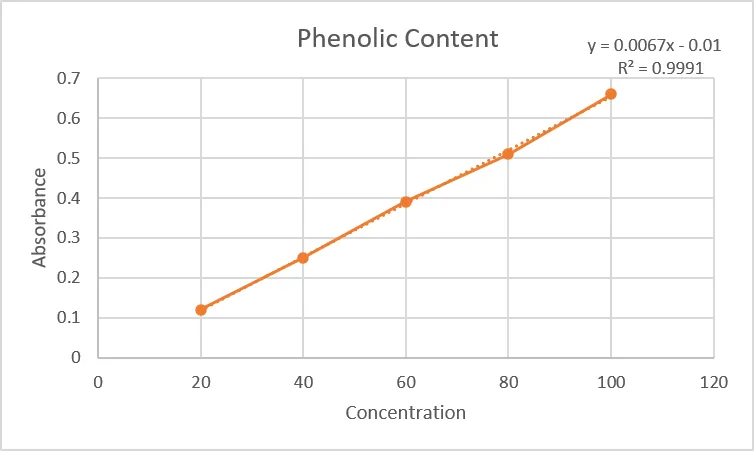
Figure 1: Calibration Curve for Phenolic constituents
Total flavonoid content (TFC)
Total flavonoid content in P. indica extract was determined using aluminum chloride colorimetry assay, with quercetin as the standard. The calibration curve obtained was linear, with the regression equation y = 0.0088x + 0.001 and a correlation coefficient (R²) of 0.9998, indicating a strong linear relationship between absorbance and quercetin concentration.The total flavonoid content in the ethanolic extract was found to be 0.339 ± 0.003 mg QE/g extract. Flavonoids are well-known dietary polyphenols with antioxidant properties that are pH-dependent. Additionally, they serve as cardioprotective agents and offer advantages to the cardiovascular system.
Table No. 8 Total Flavonoid Compound in P. Indica
|
Replicate |
Flavonoid Content (mg QE/g extract) |
Estimated Absorbance (510 nm) |
|
R1 |
0.339 |
0.301 |
|
R2 |
0.336 |
0.297 |
|
R3 |
0.341 |
0.305 |
|
Mean ± SD |
0.339 ± 0.003 |
- |
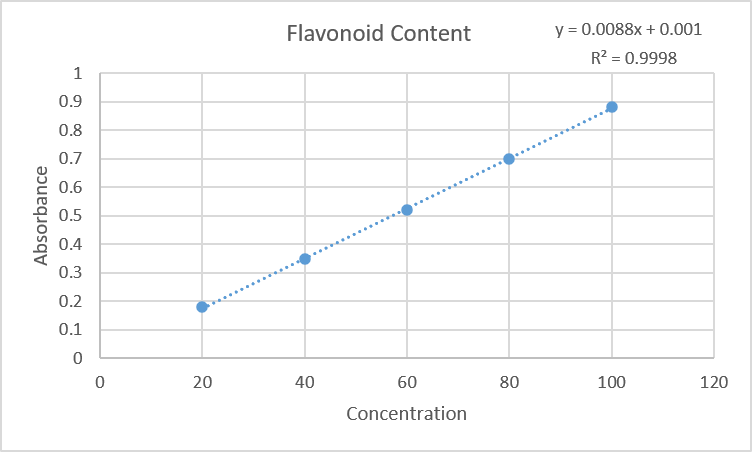
Figure 2: Calibration Curve for Flavonoid constituents
DISCUSSION
Major biologically active substances such as flavonoids as well as phenolics, known for their therapeutic and antioxidant effects, were identified. The larger solvent extraction content of the standard ethanolic extract rather than the acetone extract indicated that ethanol was stronger in extracting polar phytoconstituents from the plant material. The change in the extracted yield may be due to the higher solubility of phenolic and flavonoid compounds in ethanol. Oxidative stress is a high level of production of free radicals. It has a role in many chronic diseases such as cancer, diabetes mellitus, cardiovascular, neurological and inflammatory diseases. The possibility of various diseases can be reduced with the help of flavonoids and phenolic compounds by protecting biological systems from oxidative damage. Flavonoids are also found to enhance the immune system, prevent the degradation of lipids and protect tissues from damage induced by inflammation. Therefore, the detection of these compounds indicates that the plant extract may have a role in the prevention of diseases and health promotion. The study concludes that the choice of solvent is important for extraction of phytochemicals and the extract is a good source of bioactive compounds. The presence of phenolics and flavonoids in the extract suggests its possible use in the growth of herbal products and natural antioxidant therapy.
CONCLUSION
The present investigation revealed substantial phytochemical constituents like flavonoids along with phenolic substances in ethanolic and acetone extracts. Total phenolic content (TPC) was determined using gallic acid as standard by Folin-Ciocalteu method and total flavonoid content (TFC) was determined using aluminium chloride colourimetric assay using quercetin as standard. The TPC analysis exhibited a mean value of 0.380 ± 0.003 mg GAE/g extract, while the TFC analysis exhibited an indicate standard deviation of 0.339 ± 0.003 mg QE/g extract. The calibration curves showed the precision and reliability of the analytical procedures with high equivalence and R2 values. The higher extractive yield (6%) of the ethanolic extract compared to the acetone extract (5%) indicates that ethanol was more effective in extracting phytochemicals from plant material. The extract is rich in phenolic and flavonoid content, which indicates it can have antioxidant and therapeutic properties. Hence, the ethanolic extract is a better solvent solution for extraction of bioactive components as shown in this study.
REFERENCES




Nandini Sayam, Janhvi Kaware, Shivam Kale, Dr. Nilesh Chachda, Optimization of Soxhlet Extraction Parameter for Maximum Recovery of Phytoconstituents from the Leaves of P. Indica, Int. J. of Pharm. Sci., 2026, Vol 4, Issue 6, 4038-4047. https://doi.org/10.5281/zenodo.20727514
 10.5281/zenodo.20727514