

We use cookies to ensure our website works properly and to personalise your experience. Cookies policy
Department of pharmacology, Bharathi College of Pharmacy, Bharathinagar, Maddur Taluk, Mandya District, Karnataka, India- 571422
Impatiens balsamina L., belonging to the family Balsaminaceae and widely referred to as garden balsam, is a medicinal herb with a history of traditional therapeutic use. The present investigation was undertaken to assess the phytochemical profile and possible anti-ulcer potential of the leaves of I. balsamina. The collected leaves were properly authenticated, dried, powdered, and extracted using an appropriate solvent. Preliminary phytochemical analysis was carried out to determine the presence of different classes of secondary metabolites in the prepared extract. The screening indicated the possible occurrence of important constituents, including flavonoids, phenolic compounds, tannins, alkaloids, saponins, and related phytochemicals. These compounds may contribute to gastroprotective activity through their antioxidant, anti-inflammatory, and mucosal-protective properties. The study is intended to provide preliminary scientific evidence regarding the anti-ulcer potential of I. balsamina leaf extract and its possible role as a plant-based source of gastroprotective compounds. Further pharmacological and phytochemical studies are required to establish its efficacy and underlying mechanisms.
Medicinal plants have played an important role in traditional healthcare systems for centuries and continue to be used for the management of various diseases. The widespread and prolonged use of conventional medicines has contributed to the emergence of drug-resistant pathogens, while adverse effects associated with some therapeutic agents have also become a growing concern. These challenges have increased interest in identifying natural therapeutic alternatives that may provide beneficial effects with fewer undesirable consequences. India possesses a rich and diverse medicinal plant flora, and numerous plant species have been traditionally employed for the treatment of different ailments.
Impatiens balsamina L., a member of the family Balsaminaceae, is an annual, erect herb characterized by a soft, succulent stem that can reach approximately 100 cm in height. Its leaves are generally simple and arranged alternately, although the lower leaves may occasionally occur in opposite pairs, with individual leaves reaching about 13 cm in length. The inflorescence typically consists of one to three flowers. The flowers are solitary and cup-shaped, displaying a range of colors such as white, pink, violet, and red, with pedicels measuring up to approximately 2 cm long. The fruit is a capsule that is narrow toward both ends, usually measuring 1–2 cm in length and bearing small bristles on its surface.[1]
Pacar air, commonly known as garden balsam (Impatiens balsamina L.), is a flowering plant native to South and Southeast Asia. It is characterized by flowers that may appear in white, red, purple, or pink, along with thick, non-woody stems and serrated leaves. The plant can grow to approximately one meter in height and is widely cultivated as an ornamental species. Its growth is favored by adequate moisture and sunlight. Pontianak, the capital of West Kalimantan, provides favorable environmental conditions for I. balsamina because of its high atmospheric and soil humidity, abundant rainfall, and prolonged exposure to sunlight. In Indonesia, including the Bengkulu region, fresh I. balsamina has traditionally been used in folk medicine, particularly for managing wounds and swelling.[2]
Impatiens balsamina (IB), a member of the Balsaminaceae family, is an annual herbaceous plant that generally grows to a height of about 60–100 cm. The species is distributed across several regions of Asia, including Western Asia, China, India, Sri Lanka, Myanmar, and Malaysia. It has a long history of traditional medicinal use, with different parts of the plant being employed for various therapeutic purposes. Traditionally, I. balsamina has been used as an emetic, diuretic, and cathartic, as well as for alleviating joint pain and treating warts. The leaves are commonly crushed and applied to areas affected by skin inflammation, while preparations containing salt and castor oil have been traditionally used for infections or inflammation around the fingers and damaged nails. A decoction prepared from the roots is used traditionally to manage menstrual irregularities, and the roots are also applied for certain skin inflammatory conditions and nail-related problems. The seeds have been reported to possess expectorant and anticancer properties and, in powdered form, have traditionally been administered to women during labor to help provide strength. The flowers contain mucilaginous substances and have been used as a tonic. Their cooling properties make them suitable for traditional application to burns, while flower juice has also been used traditionally in the treatment of snake bites. In addition, extracts prepared from the flowers have demonstrated antimicrobial activity against certain fungi and viruses.[3]
Impatiens balsamina L. has a long history of traditional use in the management of skin infections, wounds, and inflammatory conditions. These ethnomedicinal applications suggest that the plant may contain bioactive compounds with potential antibacterial properties.[4]
The pharmacological activities of Impatiens balsamina L. are primarily attributed to the diverse secondary metabolites present in the plant. Phytochemical investigations have identified several classes of secondary metabolites, including flavonoids, saponins, quinones, phenolic acids, nitrogen-containing compounds, coumarins, and other bioactive constituents. In addition to these secondary metabolites, I. balsamina L. contains primary metabolites such as carbohydrates, amino acids, and proteins. The phytochemical composition varies considerably among different parts of the plant, which may contribute to differences in its pharmacological effects. These activities can also be influenced by the specific plant material used and the extraction method employed.[5]
Impatiens balsamina L. is an annual herbaceous species belonging to the family Balsaminaceae, which comprises approximately 500 species. It is widely cultivated as an ornamental plant in gardens, parks, and other landscaped areas. The species can be propagated either through seeds or by vegetative methods and grows well under appropriate soil moisture and water conditions. Although prolonged exposure to direct sunlight should be avoided, the plant can withstand relatively high temperatures when adequate water and humidity are available. Flowering generally begins in early April and may continue through autumn. The flowers exhibit considerable color variation, including white, pink, violet, and red shades. In addition, the plant possesses succulent, translucent stems, which may contribute to its ability to withstand sunlight and environmental heat.[6]
Impatiens balsamina has been investigated extensively for its diverse pharmacological properties. Studies have reported several biological activities associated with different parts and extracts of the plant, including antitumor, antifungal, antibacterial, antimicrobial, antioxidant, antidiabetic, anti-inflammatory, antinociceptive, antiarthritic, anthelmintic, and wound-healing effects. In addition, the plant has demonstrated potential in preventing allergic responses, reducing hepatic fibrosis, and alleviating pruritic and dermatitic conditions. Antihistaminic activity has also been reported, along with findings from toxicological investigations that contribute to the understanding of its therapeutic potential and safety profile [7]
TOXONOMY CLASSFICATION[8]:
Table 1: Taxonomical classification of Impatiens balsamina
|
Kingdom |
Plantae |
|
Division |
Spermatophyta |
|
Subdivision |
Angiospermae |
|
Class |
Dicotyledonae |
|
Subclass |
Asteridae |
|
order |
Ericales |
|
Family |
Balsaminaceae |
|
Genus |
Impatiens |
|
Species |
Balsamina |
VERNICULAR NAMES [9]
Table 2: Vernicular names of Impatiens balsamina
|
Kannada |
Karna kundala |
|
Hindi |
Gulmehendi |
|
Tamil |
Kasa thumbai |
|
Telugu |
Balasam |
|
Malayalam |
Kaarthika |
|
English |
Garden balsam |
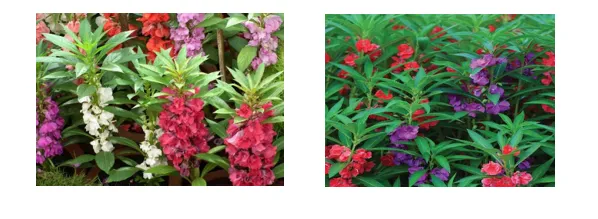
FIG 1: Impatiens balsamina L
BOTANICAL DESCRIPTION
Impatiens balsamina is an annual herb that generally grows to about 60–100 cm in height. The stem is erect, fleshy, and sturdy, and may be either unbranched or branched. Numerous fibrous roots are present near the base, and the lower portion of the stem is often swollen. The leaves are usually arranged alternately, although the lowermost leaves may sometimes occur in opposite pairs. The leaf blade is typically lance-shaped, narrowly elliptic, or oblanceolate. Near the base of the leaves, several pairs of small, black, sessile glands may be present.[10]
MORPHOLOCIAL CHARCTERTSTIC
Macroscopic Study
The plant material was examined macroscopically to evaluate its external characteristics, including size, shape, colour, odour, and overall appearance. These features were recorded to help identify and characterize the plant material.
Microscopic Study
Transverse sections of the leaf, stem, and root were prepared using a sharp blade. The sections were treated with appropriate stains, including phloroglucinol–HCl and Sudan red, and mounted on glass slides. A cover slip was carefully placed over each section. The prepared slides were examined under a microscope at 100× and 400× magnifications to observe the anatomical and cellular characteristics of the plant material.[11]
CHEMICAL CONSTUTIENTS
The phytochemical composition of the plant has been extensively investigated, revealing the presence of various bioactive constituents, including flavonoids, saponins, alkaloids, tannins, coumarins, and glycosides. Among the identified flavonoids is kaempferol. In addition, the plant has been reported to contain reducing sugars and proteins. The leaves are particularly rich in flavanols and naphthoquinone derivatives such as lawsone and lawsone methyl ether. The aerial parts contain impatienol along with other naphthoquinones, while the flowers have been reported to contain flavanols, naphthoquinones, and impatienol. [12]
Impatiens balsamina L. contains a variety of bioactive constituents that may contribute to its biological effects. Among these are naphthoquinone derivatives, particularly lawsone, lawsone methyl ether, and methylene-3,3′-bi-lawsone. Phytochemical investigations have also identified other compounds, including quercetin, kaempferol, p-hydroxybenzoic acid, p-coumaric acid, uronic acid, flavone glycosides, phenolic compounds, oleanane-type triterpenoid glycosides, tannins, and saponins. Further studies have reported additional naphthoquinone-related compounds in I. balsamina L., including 1a,2a-diol-4a-ethoxy-1,2,3,4 tetrahydronaphthalene and 1a,2a,4b-triol-1,2,3,4-tetrahydronaphthalene .[13]
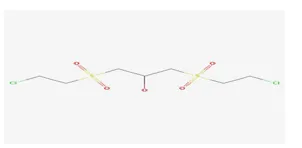
FIG 2: 3′-bi-lawsone
PHARMOCOLOGIAL ACTIVITES
Impatiens balsamina has demonstrated notable antianaphylactic effects in experimental studies. Ethyl acetate and n-butanol (n-BuOH) extracts were found to significantly suppress anaphylactic responses. Lawson (2-hydroxy-1,4-naphthoquinone), isolated from the ethyl acetate fraction, and nicotiflorin, obtained from the n-BuOH fraction, were identified as important active constituents responsible for this activity.The antianaphylactic effects were evaluated at different stages of the allergic response. To examine the effect before antibody formation, mice received either the plant extract (100 mg/kg in 1 mL saline) or an isolated compound (10 mg/kg in 1 mL saline) orally one day before sensitization with HEL. On day 9, the animals were challenged with HEL following test bleeding for the heterologous passive cutaneous anaphylaxis (PCA) reaction, with 10 animals included in each group.To assess activity after antibody production, the extract (100 mg/kg) or isolated compound (10 mg/kg) was administered to HEL-sensitized mice one hour before the HEL challenge on day 9. The time-dependent antianaphylactic effect was subsequently examined in vivo. I. balsamina extract at 256 mg/kg, corresponding to the maximum dose that could be administered, was given intravenously 10, 30, or 60 minutes before the antigen challenge. These findings indicate that I. balsamina and its bioactive constituents may interfere with different stages of the anaphylactic response. [14]
The antihistaminic effect of the white petals of Impatiens balsamina L. the extracted using 35% ethanol as a solvent was observed using the Passive cutaneous anaphylaxis (PCA) reaction method in mice induced by hen egg-white lysozyme (HEL). It was observed that the flower extract of the water henna plant was able to provide significant anti-anaphylactic effects at local doses > 0.01 mg/kg BW of rats and was able to prevent symptoms and fatal anaphylactic shock at a dose of 256 mg/kg BW of rats injected intravenously[15].
Leaves of Impatiens balsamina have anti-tumor activity against the human hepatocellular carcinoma cell line HepG2. The ethanol extracts were separated into five fractions according to polarity. Only the chloroform fraction had a strong tumor inhibition ratio (IC50 = 6.47 ± 0.05 mg/L), which was superior to that of curcumin (IC50 = 13.95 ± 0.11 mg/L). However, the final active component was isolated and identified as 2-methoxy-1,4naphthoquinone. 2-Methoxy-1,4-naphthoquinone has intensive in vitro anti-tumor activity against HepG2 cells [16].
4 .Anti-inflammatory Activity:
The anti-inflammatory potential of Impatiens balsamina L. has been investigated using several experimental models and different plant extracts. In one study, ethanol and aqueous extracts prepared from the roots and stems were evaluated using the carrageenan-induced paw edema model in albino Wistar rats. Among the tested preparations, the ethanol extract of the roots administered orally at 50 mg/kg produced the greatest anti-inflammatory response [17].
Compounds isolated from the corolla of Impatiens balsamina (two new 1,4-naphthoquinone sodium salt sodium 3-hydroxide-2{[sodium 3-hydroxide-1,4-dioxo(2naphthyl)]ethyl}naphthalene-1,4-dione (impatienolate) and sodium 2-hydroxide-3-(2-hydroxyethyl)naphthalene-1,4dione (balsaminolate)), showed significant selective cyclooxygenase-2 (COX-2) inhibitory activities[18].
The activity of 96% ethanol extract of I. balsamina leaves on wound healing was observed. The results of observing the area of the wound, which is represented as an AUC value, indicate total healing activity. The extract dose of 10.5 mg/mL provided the best wound healing effectiveness because it produced a significant difference in AUC values compared to the normal, negative, and povidone-iodine groups. It is known that flavonoid compounds, tannins, and quinones play a role in accelerating wound healing [19].
The ethanol and chloroform extracts of Impatiens balsamina leaves have shown in vitro anti-tumor activity against the human hepatocellular carcinoma cell line HepG2. Further separation and purification leads to the isolation of active component which was identified as 2-methoxy-1,4- naphthoquinone (Ding et al., 2008). Crude leaf extract of Impatiens balsamina leaves and isolated 2-methoxy-1,4- naphthoquinone showed histoprotective effects on the pancreas, stomach, duodenum and spleen of tumor-induced mice (Herrera et al., 2013). In another study the ethanol extract of Impatiens balsamina was investigated for in vitro cytotoxicity and in-vivo antitumor activity by Hela and NIH3T3 cells by MTT assay and Dalton’s ascites lymphoma tumor bearing mice respectively, where by at 200 and 400 mg/kg dose, it significantly increase the life span, decrease in the cancer cell number and exert protective effect on the hemopoietic system. The results clearly indicate significant antitumor and cytotoxic effects, which supports ethnomedical use of Impatiens balsamina in cancer therapy (Baskar et al., 2012b). A new dinaphthofuran-7,12-dione derivative named Balsaminone C, isolated from seeds of Impatiens balsamina exhibit cytotoxicity against cancer cell lines A549, Bel-7402 and Hela (Pei et al., 2012). The study was conducted to investigate the cytotoxicity of 2-methoxy-1,4-naphthoquinone against gastric adenocarcinoma (MKN45 cell line). The compound resulted in serious necrosis at dose higher than 50 µM, via superoxide anion catastrophe (Wang and Lin, 2012). [20].
The antidiabetic activity of the hydroalcoholic extract of I. balsamina L. roots in vitro was observed using the alpha-amylase inhibitory activity method. The IC50 value of the extract is 0.316 mg/ml. Meanwhile, as a comparison, the IC50 value of acarbose is 0.206 mg/ml. The compounds that play a role are mainly flavonoids and anthraquinone glycosides. Several compounds isolated from I. balsamina L. flowers showed antidiabetic activity. The highest activity in one of the compounds was identified as having an IC50 value of 0.72 µg/ml, whereas acarbose, as a comparison, showed an IC50 value of 3.36 µg/ml. In another study, the antidiabetic activity of the ethanol extract of I. balsamina L. seeds was also observed using a similar method. The highest activity was observed at a seed ethanol extract concentration of 500 µg/ml [21].
There is wide variability among reported results for the evaluation of the antimicrobial activity of different extracts from Impatiens plants. Phatthalung et al. reports that ethanol extract from I. balsamina stems has weak activity against acinetobacter baumannii, reducing its growth to 9.77% at concentration of 250 µg/mL under broth dilution assay.[196] According to Grosvenor et al., the ethanol extract from I. balsamina stems and leaves has antibacterial activity against Staphylococcus aureus based on agar diffusion assay results.[93] Naitullah et al. reports that ethanol extract from I. balsamina leaves shows antifungal activity against Candida albicans with Inhibition Zone Diameters (IZD) from 6.00 to 13.66 mm according to agar diffusion assays.[197] The ethanol extract from I. balsamina leaves has antibacterial activity against Propionibacterium acnes with IZD in the range of 11.4-17.9 mm based on the same assay.[198] The ethanol (70%) extract from I. balsamina leaves has antibacterial activity against Escherichia coli and Shigella sonnei when 2.5 mg are applied in agar diffusion assay obtaining IZD values ranging from 13.7 to 14.7 mm. This extract can act synergically with chloramphenicol against both microorganisms [22].
CONCLUSION
The findings of the present study indicate that Impatiens balsamina L. leaves may have significant therapeutic potential, particularly in the management of gastric ulcers. The presence of bioactive phytoconstituents such as flavonoids, phenolic compounds, tannins, and other secondary metabolites may contribute to the observed gastroprotective activity through antioxidant, anti-inflammatory, and enhancement of gastric mucosal defense. These findings provide scientific support for the traditional medicinal applications of I. balsamina. The plant may therefore serve as a promising natural source for further investigation in the development of herbal anti-ulcer formulations. Nevertheless, additional experimental studies are necessary to determine the specific active compounds, clarify the underlying mechanisms, and establish the safety and efficacy of the extract.
Acknowledgement:
I would like to express my sincere gratitude to Bharathi Education Trust, Bharathinagara, Mandya, Karnataka, for their valuable support and encouragement throughout the completion of this review.
I extend my heartfelt thanks to Vidyashree N for her immense guidance, constant support, and encouragement throughout this work. Her valuable suggestions, motivation, and continuous assistance have been instrumental in the successful completion of this review.
Finally, I express my sincere appreciation to everyone who directly or indirectly contributed to and supported me during the preparation of this review.
Conflict interest: no conflict interest
REFERENCES



Vidyashree N.*, Harshithgowda M.P., Kavana, Pharmacological Evaluation Of The Anti-Ulcer Activity Of Impatiens Balsamina Leaves, Int. J. of Pharm. Sci., 2026, Vol 4, Issue 9, 1102-1110. https://doi.org/10.5281/zenodo.22692299
 10.5281/zenodo.22692299