

We use cookies to ensure our website works properly and to personalise your experience. Cookies policy
Guru Nanak College of Pharmaceutical Sciences, Dehradun
Pharmacovigilance (PV) in clinical trials is the systematic science of detecting, assessing, understanding, and preventing adverse effects during the human testing of investigational medicinal products. Unlike post marketing surveillance, clinical trial PV operates in a tightly regulated, pre approval environment where safety profiles are largely unknown, and its primary goal is to protect trial subjects while generating reliable safety data for regulatory benefit risk assessment. This article traces the evolution of PV from early drug disasters (sulfanilamide, thalidomide) to modern ICH guidelines (E2A–E2F, E6(R3)) and regional regulations (FDA, EMA, MHRA). It defines core concepts including adverse events (AE), serious adverse events (SAE), suspected unexpected serious adverse reactions (SUSAR), and causality assessment using WHO UMC and Naranjo algorithms. Operational processes are described in detail: AE/SAE collection and documentation, MedDRA and WHODrug coding, case processing with quality review, and expedited reporting timelines (7/15 days for SUSARs). The infrastructure section covers safety databases (Argus, ArisG) and data reconciliation between safety and clinical databases. Signal detection and risk management are discussed, including quantitative/qualitative signal detection, signal validation using Bradford Hill criteria, and the structure and role of Risk Management Plans (RMPs). Finally, aggregate safety reporting (Development Safety Update Report, DSUR) and ongoing benefit risk assessment are presented as critical continuous activities that ensure subject protection and regulatory compliance. The article concludes that robust pharmacovigilance is not merely a regulatory obligation but an ethical and scientific cornerstone of clinical research, requiring multidisciplinary collaboration, rigorous documentation, and adaptive processes to safeguard patient welfare throughout the drug development lifecycle.
Pharmacovigilance, derived from the Greek pharmakon (drug) and Latin vigilare (to keep watch), is the pharmacological science relating to the collection, detection, assessment, monitoring, and prevention of adverse effects with pharmaceutical products. In the context of clinical trials, pharmacovigilance refers specifically to the systematic process of identifying, evaluating, understanding, and communicating information about the safety of an investigational medicinal product during the human testing phase. Unlike post‑marketing surveillance, which monitors drugs after they reach the market, clinical trial pharmacovigilance operates in a controlled, highly regulated environment where the safety profile of the product is still largely unknown. Its primary objective is to protect the well‑being of trial subjects while generating reliable safety data that will ultimately support the benefit‑risk assessment for regulatory approval.
The history and evolution of pharmacovigilance are marked by tragic drug disasters that reshaped global regulatory frameworks. The modern era of drug safety monitoring can be traced to the early 20th century, but it was the sulfanilamide elixir disaster of 1937 in the United States—which killed more than 100 people due to toxic diethylene glycol—that prompted the Federal Food, Drug, and Cosmetic Act of 1938, requiring proof of safety before marketing. A more profound turning point occurred in the early 1960s with the thalidomide tragedy. Thalidomide, prescribed to pregnant women for morning sickness, caused severe phocomelia (limb malformations) in more than 10,000 newborns worldwide. This catastrophe revealed the inadequacy of pre‑approval safety testing and the lack of systematic adverse event reporting. In response, the World Health Organization (WHO) launched its Programme for International Drug Monitoring in 1968, formalising the science of pharmacovigilance. Over subsequent decades, clinical trial safety monitoring evolved from passive observation to a disciplined, data‑intensive discipline. The establishment of the International Council for Harmonisation (ICH) in 1990 accelerated the convergence of regulatory requirements across Europe, Japan, and the United States, producing the E2 series of guidelines that now define good pharmacovigilance practices for clinical research.
The importance of pharmacovigilance in clinical trials cannot be overstated. First and foremost, it is a moral and ethical imperative to protect human subjects who volunteer for research. Many investigational products carry unknown risks, and without rigorous safety monitoring, participants could be exposed to potentially life‑threatening adverse events without any mitigating intervention. Second, high‑quality pharmacovigilance ensures the integrity of clinical data. Unreported or under‑reported adverse events compromise the sponsor’s ability to characterise the true safety profile of a drug, leading to flawed regulatory submissions and eventually unsafe medicines reaching the public. Third, early detection of safety signals during clinical trials can prevent extensive harm in later phases or after marketing. For example, during Phase II trials of a novel anti‑arrhythmic drug, vigilant safety monitoring might identify a signal of increased mortality that would not have been apparent in animal studies, allowing the sponsor to halt development before exposing thousands more patients. Finally, robust clinical trial pharmacovigilance builds trust among regulators, healthcare providers, and patients. A transparent and well‑documented safety database is the cornerstone of regulatory approval and post‑marketing acceptance.
Regulatory Framework and Global Guidelines
Pharmacovigilance in clinical trials operates within a complex web of international guidelines and national regulations, all designed to harmonise safety data collection, analysis, and reporting. The most influential framework is provided by the International Council for Harmonisation of Technical Requirements for Pharmaceuticals for Human Use (ICH). For clinical trial safety, the critical ICH guidelines include E2A (Clinical Safety Data Management: Definitions and Standards for Expedited Reporting), E2B (individual case safety report transmission), E2C (Periodic Benefit‑Risk Evaluation Report), E2D (Post‑Approval Safety Data Management), E2E (Pharmacovigilance Planning), and E2F (Development Safety Update Report). Additionally, ICH E6(R3), the guideline for Good Clinical Practice (GCP), mandates that sponsors establish a system for managing adverse events, including collection, reporting, and follow‑up.
ICH E2A is particularly foundational for clinical trials. It defines key terms such as adverse event, serious adverse event, and suspected unexpected serious adverse reaction (SUSAR), and it sets the expedited reporting timelines: fatal or life‑threatening SUSARs must be reported to regulators within 7 calendar days, and all other SUSARs within 15 days. The guideline also requires that investigators inform ethics committees of SUSARs as per local requirements. ICH E2F introduced the Development Safety Update Report (DSUR), an annual, integrated summary of all safety information from ongoing clinical trials, replacing the previous periodic safety update reports used during development. The DSUR provides a concise, critical analysis of the evolving safety profile and any changes to the benefit‑risk balance, facilitating continuous regulatory oversight.
At the national and regional levels, the US Food and Drug Administration (FDA) enforces pharmacovigilance requirements under 21 CFR Part 312 (Investigational New Drug Application). The FDA mandates that sponsors submit individual case safety reports via the FDA Adverse Event Reporting System (FAERS) and requires annual safety reports that include a narrative summary of all serious adverse events. The European Medicines Agency (EMA), under the Clinical Trials Regulation (EU) No. 536/2014, maintains the EudraVigilance clinical trial module, which receives expedited SUSAR reports from all EU member states. This regulation introduced a single portal and database for submitting clinical trial applications and safety reports, significantly streamlining pharmacovigilance across Europe. The UK’s Medicines and Healthcare products Regulatory Agency (MHRA) continues to follow ICH guidelines but has adapted them for post‑Brexit operations. Meanwhile, the WHO Programme for International Drug Monitoring, with its Uppsala Monitoring Centre (UMC), focuses on post‑marketing safety but also provides essential coding tools such as the WHO Drug Global dictionary, widely used in clinical trial case processing.
Beyond the core guidelines, regulatory frameworks increasingly emphasise risk‑based monitoring and quality management systems. ICH E6(R3) encourages sponsors to adopt a proportionate approach, focusing pharmacovigilance resources on critical processes and data that most affect subject safety and trial outcomes. This means that for low‑risk trials (e.g., Phase I healthy volunteer studies with well‑characterised drugs), the safety monitoring plan may be less intensive than for first‑in‑human studies of novel biologics. Nonetheless, the fundamental obligations—prompt identification, assessment, and reporting of serious and unexpected adverse events—remain absolute. Non‑compliance can lead to clinical hold, termination of the trial, disqualification of investigators, and civil or criminal penalties for sponsors. Understanding this regulatory landscape is therefore essential for every professional involved in clinical research safety.
CORE CONCEPTS IN CLINICAL TRIAL SAFETY
Essential Safety Definitions
Accurate and consistent interpretation of safety data depends on a standardised vocabulary. The ICH E2A guideline provides the core definitions that are universally adopted in clinical trial pharmacovigilance. The most fundamental term is Adverse Event (AE), defined as any untoward medical occurrence in a patient or clinical investigation subject administered a pharmaceutical product, which does not necessarily have a causal relationship with the treatment. An AE can be any unfavourable and unintended sign (including an abnormal laboratory finding, vital sign, or imaging result), symptom, or disease temporally associated with the use of the investigational product, whether or not considered related to the product. For example, a subject who develops a mild headache one hour after dosing would record that as an AE, even if the headache was later attributed to dehydration rather than the drug.
A Serious Adverse Event (SAE) is an AE that, at any dose, results in any of the following outcomes: death, life‑threatening event (immediate risk of death at the time of the event), inpatient hospitalisation or prolongation of existing hospitalisation, persistent or significant disability/incapacity, a congenital anomaly/birth defect, or a medically important event that may jeopardise the subject and may require medical or surgical intervention to prevent one of the above outcomes. The “medically important” category captures events such as allergic bronchospasm requiring emergency room treatment without hospitalisation. The distinction between AE and SAE drives reporting urgency: SAEs are subject to expedited reporting to regulators and ethics committees, whereas non‑serious AEs are typically recorded in the case report form and summarised periodically. An Adverse Reaction (AR) is a subset of AE for which a causal relationship between the product and the event is at least a reasonable possibility. In clinical trials, the phrase “reasonable possibility” means there is evidence suggesting a causal relationship, such as a positive de‑challenge (event resolves when drug is stopped) or re‑challenge (event recurs when drug is reintroduced). The determination of what constitutes an adverse reaction is often made by the investigator, but may be reviewed by the sponsor’s medical monitor. A Suspected Unexpected Serious Adverse Reaction (SUSAR) is the most critical safety finding. It is an SAE that is both an adverse reaction (causally suspected) and unexpected—meaning its nature or severity is not consistent with the applicable product information (e.g., the Investigator’s Brochure for an unapproved product or the Summary of Product Characteristics for an approved product used in a trial). SUSARs trigger the tightest reporting timelines: 7 days for fatal/life‑threatening events, 15 days for other SUSARs. For example, if an Investigator’s Brochure lists headache as a known adverse reaction but a subject experiences a cerebral haemorrhage that the investigator suspects is drug‑related, that would be a SUSAR because the severity (intracranial bleed) is not consistent with the expected mild headache. Other important terms include Expectedness, which is the comparison between an event and the reference safety information (usually the Investigator’s Brochure), and De‑challenge and Re‑challenge, which are clinical manoeuvres that provide evidence for causality. MedDRA (Medical Dictionary for Regulatory Activities) is the mandated standardised terminology for coding AEs, SAEs, and SUSARs, allowing consistent data aggregation across trials and databases.
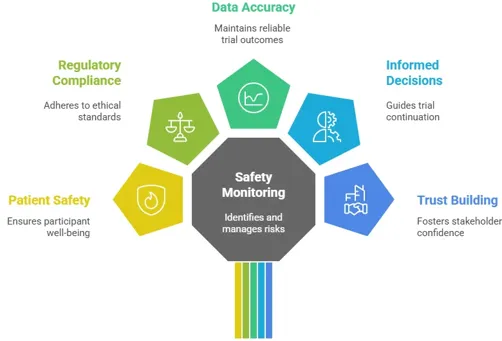
Fig: 1 Safety monitoring of data and regulatory compliance
Causality Assessment
Causality assessment is the methodological process of determining whether there is a reasonable possibility that an investigational product caused or contributed to an adverse event. It is one of the most nuanced and critical activities in clinical trial pharmacovigilance, because misclassification can either mask a genuine safety signal (false negative) or create an artificial signal that wastes resources (false positive). Causality assessment is typically performed by both the investigator (at the trial site) and the sponsor’s medical monitor or pharmacovigilance physician. The results may differ, but concordance is sought through discussion and medical review. The most widely used framework in clinical trials is the WHO‑UMC causality categories, which include six levels: certain, probable/likely, possible, unlikely, conditional/unclassified, and unassessable/unclassifiable. A certain causal relationship requires a plausible time relationship, a clear event improvement after de‑challenge (if performed), recurrence after re‑challenge (if performed), and no alternative explanation (e.g., concomitant illness or medication). In practice, re‑challenge is rarely performed intentionally in clinical trials due to ethical concerns, so “certain” ratings are uncommon. A probable/likely relationship involves a reasonable time sequence, improvement after de‑challenge, no plausible alternative cause, and perhaps supportive laboratory evidence (e.g., drug level, antibody test). A possible relationship means the event follows a reasonable temporal sequence but could also be explained by another cause; information on de‑challenge may be lacking or unclear. Unlikely indicates that the event’s temporal relationship makes a causal connection improbable, and another cause is more likely. Conditional/unclassified is used when more data are needed, and unassessable when information is insufficient or contradictory. Alternative systems include the Naranjo algorithm, which uses ten weighted questions (e.g., “Were there previous conclusive reports of this reaction?”; “Did the adverse event appear after a challenge dose?”) to produce a numerical score (definite ≥9, probable 5–8, possible 1–4, doubtful ≤0). The Naranjo algorithm is more quantitative and was originally developed for post‑marketing case reports, but it is sometimes used in clinical trial settings for consistency. The CIOMS (Council for International Organizations of Medical Sciences) causality assessment is another structured approach, often employed by regulatory authorities when reviewing aggregate safety data.
In practice, causality assessment considers six key dimensions. First, temporality: did the adverse event occur after administration of the product, and is the time interval biologically plausible (e.g., anaphylaxis within minutes, Stevens‑Johnson syndrome after days to weeks)? Second, de‑challenge: did the event resolve or improve when the product was discontinued or dose reduced? Third, re‑challenge: if the product was re‑started, did the event recur? Fourth, alternative explanations: could concomitant drugs, underlying disease, or other factors fully explain the event? Fifth, laboratory or objective evidence: are there positive allergy tests, drug serum levels, or biomarkers that support causality? Sixth, literature and prior experience: has this reaction been previously reported for the drug or its class. A major challenge in causality assessment is the handling of blinded trials. In double‑blind, placebo‑controlled studies, the investigator and sponsor may not know whether a subject received active drug or placebo at the time of an SAE. For expedited reporting, regulators require that SUSARs be reported based on the sponsor’s “unblinded” suspicion. Consequently, many sponsors appoint an unblinded independent safety monitor or use a third‑party unblinding service so that causality can be assessed without breaking the blind for all study personnel. Another challenge is the multiple‑event scenario, where a subject experiences several AEs concurrently (e.g., fever, hypotension, and acute kidney injury). The causal relationship may differ for each event. A protocol‑defined strategy for handling such cases is essential.
Finally, causality assessment is not a static judgment. As a trial progresses, new information—such as a positive de‑challenge after protocol‑mandated dose reduction, or a cluster of similar events in the same treatment group—can change the initial assessment. Therefore, sponsors maintain a cumulative review of causality assessments and may perform centralised medical review to ensure consistency across sites. In regulatory submissions, aggregate causality data are presented as part of the DSUR and in the clinical study report, providing a transparent view of how the sponsor interpreted the relationship between the investigational product and observed adverse events. Accurate, thoughtful, and well‑documented causality assessment is the bedrock on which sound drug safety decisions are built.
PHARMACOVIGILANCE OPERATIONAL PROCESSES
AE and SAE Collection and Documentation
The collection of Adverse Events (AEs) and Serious Adverse Events (SAEs) is the cornerstone of clinical trial pharmacovigilance. From the moment a subject signs informed consent, investigators and site staff are responsible for actively soliciting and passively receiving information about any untoward medical occurrence. Active collection involves asking non‑leading questions at each study visit, such as “Have you felt any different since your last visit?” or “Have you taken any new medications?” Passive collection relies on subjects spontaneously reporting symptoms. All AEs, regardless of whether they are considered related to the investigational product, must be recorded in the subject’s source documents and then transcribed into the electronic Case Report Form (eCRF). For each AE, the investigator documents the onset date, duration, severity (typically using a protocol‑defined scale like mild/moderate/severe or a numeric rating), outcome (resolved, resolving, not resolved, fatal), and action taken (none, dose reduced, drug withheld, drug discontinued, concomitant medication given). For SAEs, a separate SAE form is completed, which captures additional data such as hospitalisation dates, life‑threatening criteria, and any interventions to prevent permanent damage. Documentation must be contemporaneous, accurate, and legible. All source documents and eCRFs are subject to monitoring and potential regulatory inspection. Incomplete or ambiguous documentation is a frequent cause of inspection findings, so sponsors provide detailed AE collection guidelines and standardised forms. The follow‑up of SAEs is particularly intensive: the sponsor may request additional information for months until the event is fully resolved or stabilised. Every piece of documentation contributes to the ultimate safety database that regulators will scrutinise.
MedDRA and WHODrug Coding
Once AEs and SAEs are collected, they must be coded using standardised medical and drug dictionaries to enable consistent data aggregation, analysis, and regulatory submission. The Medical Dictionary for Regulatory Activities (MedDRA) is the globally mandated terminology for AE coding. MedDRA is a hierarchical structure comprising five levels: System Organ Class (SOC, e.g., Cardiac disorders), High Level Group Term (HLGT, e.g., Cardiac arrhythmias), High Level Term (HLT, e.g., Supraventricular arrhythmias), Preferred Term (PT, e.g., Atrial fibrillation), and Lowest Level Term (LLT, e.g., Atrial fibrillation paroxysmal). Coders, who are trained pharmacovigilance professionals or physicians, select the LLT that most accurately reflects the verbatim term reported by the investigator. For example, if the investigator writes “fast irregular heartbeat,” the coder might select the LLT “Atrial fibrillation” if clinically appropriate, assigning the PT “Atrial fibrillation” under the SOC “Cardiac disorders.” Consistency is paramount: the same event across different subjects or trials must be coded identically. Sponsors maintain coding conventions and perform quality control to ensure that synonyms and colloquial expressions map correctly. MedDRA is updated twice yearly, and all trials must adopt the latest version for new data while possibly re‑coding historical data for analysis. For concomitant and prior medications, the WHO Drug Global dictionary (or a similar national dictionary) is used. WHO Drug assigns a unique code to each active substance, with structured information on trade names, manufacturers, and Anatomical Therapeutic Chemical (ATC) classification. Proper coding of medications allows the pharmacovigilance team to assess whether an AE might be explained by a concomitant drug rather than the investigational product. Both MedDRA and WHO Drug coding are non‑negotiable elements of clinical trial safety processing; without them, cross‑trial and cross‑drug comparisons would be impossible.
Case Processing and Quality Review
Case processing is the systematic workflow from receipt of an AE or SAE report to its final entry into the safety database and regulatory submission. It begins with “case intake” when a safety report arrives via email, phone, fax, or direct eCRF integration. A case is defined as all information pertaining to a single subject and a single event (or related cluster of events). The initial step is “triage”: determining whether the report is a minimum data set (identifiable subject, identifiable reporter, suspect product, and at least one AE or SAE). Without these four elements, the case is “non‑valid” and may be returned for clarification. Valid cases proceed to “data entry” into the safety database, where each data field is populated according to standard operating procedures. Next comes “medical coding” using MedDRA and WHO Drug as described. For SAEs and SUSARs, “narrative writing” is a critical component. The narrative is a clear, chronological, medically meaningful description of the event: what happened, when, what treatment was given, the outcome, and the investigator’s causality assessment. Good narratives help regulators and future reviewers understand the event without re‑examining raw data. “Case quality review” is performed by a trained pharmacovigilance professional or a physician, who checks for internal consistency, logical errors (e.g., onset date after resolution date), missing data, and correct coding. For serious cases, a second medical review may be required. Any discrepancies are resolved through queries to the investigator. After final approval, the case is “locked” and can be transmitted electronically to regulators, ethics committees, and other stakeholders. Throughout the process, an audit trail records every change, who made it, and why. Quality review is not a one‑time event; periodic case reviews and compliance checks ensure that the entire database maintains high integrity. Sponsors often perform “source data verification” on a sample of cases, comparing the safety database entries against the original source documents at the site. Errors found during quality review trigger corrective and preventive actions (CAPA), such as retraining of site staff or modifications to the case report form.
Expedited Safety Reporting
Expedited reporting refers to the rapid notification of regulatory authorities, ethics committees (IRBs), and sometimes investigators about certain SAEs that meet specific criteria. According to ICH E2A and most national regulations, the events requiring expedited reporting are SUSARs (Suspected Unexpected Serious Adverse Reactions). For fatal or life‑threatening SUSARs, the sponsor must report to all relevant regulatory authorities within 7 calendar days of first becoming aware of the event. A follow‑up report, with complete details, must be submitted within an additional 8 days (total 15 days). For all other SUSARs (serious but not immediately fatal or life‑threatening), the timeline is 15 calendar days. The clock starts when any employee of the sponsor (including contract research organisation staff) has knowledge of a valid report meeting minimal criteria. The report is typically submitted using the CIOMS I form (Council for International Organizations of Medical Sciences) in many countries, or the FDA Form 3500A in the US, or the EudraVigilance electronic reporting format in the EU. The report includes de‑identified subject data, the SUSAR description, the reference safety information (Investigator’s Brochure) that defines “expectedness,” and the sponsor’s causality and expectedness assessments. Ethics committees receive expedited SUSAR reports as per local law; some require reporting of all SAEs, but most follow the SUSAR definition. In blinded trials, the sponsor may unblind the subject’s treatment assignment only for that specific case to determine if the event meets SUSAR criteria, while keeping the overall study blind intact. Unblinding procedures must be documented and controlled to avoid bias. Failure to meet expedited reporting timelines is a serious regulatory violation, often leading to warning letters, clinical holds, or fines. Therefore, sponsors maintain 24/7 systems for case receipt and dedicate teams to meet the 7‑day and 15‑day deadlines. Additionally, for certain “designated medical events” (e.g., Stevens‑Johnson syndrome, acute liver failure), some sponsors choose to report even when causality is uncertain, out of an abundance of caution. Expedited reporting is a highly dynamic, time‑sensitive activity that demands rigorous process management and quality assurance.
SAFETY MONITORING INFRASTRUCTURE
Safety Databases
A fit‑for‑purpose safety database is the technological backbone of clinical trial pharmacovigilance. Unlike clinical data management systems (e.g., EDC) which focus on collecting all trial data, safety databases are purpose‑built for adverse event case processing, regulatory reporting, and signal detection. Leading commercial systems include Argus (Oracle), ArisG (ArisGlobal), and Veeva Vault Safety. These databases support the ICH E2B standard for electronic transmission of individual case safety reports (ICSRs). Key features include automated workflow (triage → data entry → coding → medical review → reporting), MedDRA and WHO Drug integration, audit trails, and a reporting engine that generates CIOMS I forms and E2B XML files. Safety databases must be validated (computer system validation) to ensure they meet regulatory requirements for data integrity, security, and traceability. User access is role‑based: a data entry clerk cannot approve a case, and a medical reviewer cannot delete records. All data modifications are logged with time stamps and user IDs. The database also maintains a “seriousness” flag, “expectedness” flag, and causality fields that drive reporting rules. For example, when a user marks an SAE as “related” and “unexpected,” the system automatically calculates the regulatory due date and generates a draft CIOMS form. Safety databases are often integrated with EDC systems via middleware or APIs, allowing automatic transfer of SAE data from the eCRF to the safety database, reducing manual double‑entry errors. However, integration must be carefully configured to avoid duplicate or conflicting records. Many sponsors also use the safety database to track follow‑up information, generate line listings for DSURs, and export data for statistical analysis. The database is subject to regulatory inspection, so sponsors must maintain complete documentation of its configuration, validation, and change control history. In an era of increasing data volume, cloud‑based safety databases are becoming standard, offering scalability, disaster recovery, and collaborative access for global pharmacovigilance teams.
Data Reconciliation
Data reconciliation is the critical process of ensuring that safety data recorded in the safety database are consistent with safety data recorded in the clinical database (EDC) and, where applicable, in other sources such as the laboratory information system or the randomization system. In most trials, AEs are initially captured in the EDC, while SAEs are entered into both the EDC and the safety database. Over time, discrepancies can arise: a SAE might be resolved and closed in the safety database but still open in the EDC; the narrative may differ; or a SAE coded as “definite” causality in the safety database might be recorded as “possible” in the EDC. Reconciliation is typically performed at regular intervals (e.g., monthly or quarterly) and always before database lock for final analysis. The process involves generating two listings: all SAEs in the safety database and all SAEs in the EDC. A pharmacovigilance or data management professional then compares them, identifying mismatches in subject ID, event term, onset date, seriousness criteria, outcome, and causality. Discrepancies are resolved through queries to the site or through joint review between the safety and clinical teams. For non‑serious AEs, reconciliation is simpler: the EDC is considered the source of truth, but the safety database may also receive non‑serious AEs if the sponsor uses a single integrated system. In that case, consistency is still verified. Reconciliation also extends to “expectedness”: if a SUSAR was reported to regulators, the same event in the EDC must be flagged accordingly. Another dimension is reconciliation between the safety database and the randomization or treatment assignment list. In blinded trials, it is critical to know which subjects received active drug versus placebo for analysis, but the safety database often stores treatment assignment in a blinded way until unblinding. The reconciliation process must ensure that the final unblinded database is accurate. All reconciliation activities are documented in a reconciliation log, which becomes part of the trial master file. Regulatory inspectors look for evidence of systematic reconciliation; its absence is a common finding. Therefore, sponsors have standard operating procedures that define reconciliation frequency, responsible parties, and escalation pathways for unresolved discrepancies. Effective data reconciliation ensures that the safety dataset used for final analysis and regulatory submission is complete, consistent, and verifiable.
SIGNAL DETECTION AND RISK MANAGEMENT
Safety Signal Detection
Signal detection is the process of identifying potential cause‑effect relationships between an investigational product and one or more adverse events that were not previously recognised or fully characterised. In clinical trials, signals can arise from individual case reports, particularly if a single SUSAR involves a novel and severe event (e.g., a previously unreported case of progressive multifocal leukoencephalopathy). More commonly, signals are detected through aggregate data analysis. Quantitative signal detection methods include simple descriptive statistics: comparing the incidence of each AE between treatment groups (active vs. placebo or comparator). A significantly higher incidence of a specific event in the active arm, especially if dose‑dependent or temporally linked, raises a signal. For example, if 5% of subjects on active drug develop elevated liver enzymes compared to 1% on placebo, that constitutes a potential signal of hepatotoxicity. More sophisticated methods include the use of disproportionality analysis, borrowed from post‑marketing databases but adapted for clinical trials. In a trial with multiple events, one can calculate the Reporting Odds Ratio (ROR) or Proportional Reporting Ratio (PRR) for each event–drug pair. A PRR above a threshold (e.g., >2) with a chi‑square statistic suggests a disproportionate reporting. However, in small trials, these metrics can be unstable, so medical judgment remains paramount. Other signal detection techniques include “longitudinal analysis” (e.g., time‑to‑event curves) and “tree‑based scan statistics” to identify unexpected clustering in subpopulations (e.g., events only in elderly women). Qualitative signal detection involves regular medical review of line listings, cumulative summary tables, and individual case narratives by a safety review team. Signals are not only statistical aberrations; they also include “clusters” of events that share a biological mechanism (e.g., all events suggesting immune activation) even if each individual event is rare. The frequency of signal detection activity depends on trial phase and size. In Phase I, signal detection focuses on acute, dose‑related events; in large Phase III trials, more sophisticated weekly or monthly reviews are conducted. Sponsors document all signal detection activities in the Safety Management Plan and in the Development Safety Update Report (DSUR). Early detection of a signal allows the sponsor to initiate further investigation, update the Investigator’s Brochure, modify the protocol, or even stop the trial.
Signal Validation and Management
Once a potential signal is identified, it must be validated: that is, a multidisciplinary team must determine whether the association is genuine or artefactual. Signal validation is the gatekeeper between hypothesis generation and action. The team typically includes a pharmacovigilance physician, a clinical researcher, a biostatistician, and a drug safety scientist. The first step is to exclude obvious biases: data quality issues (e.g., differential reporting of AEs between arms due to unblinding), selection bias, or confounding by indication. For example, a signal of heart failure in an active arm might be entirely explained if the active drug was given to a sicker population with pre‑existing cardiac disease. The team evaluates the strength of the association using the Bradford Hill criteria (temporality, consistency, strength, biological gradient, plausibility, etc.). They also check for internal consistency: is the signal present across multiple trials or only in one? Are there dose‑response relationships? Does de‑challenge or re‑challenge data support causality? A validated signal is one where the evidence, after considering alternative explanations, suggests that a causal relationship is at least reasonably possible. Following validation, the signal enters the “signal management” phase, which includes prioritisation, assessment, and action. Prioritisation considers the seriousness of the event, the potential impact on benefit‑risk, the strength of evidence, and regulatory interest. A validated signal of a life‑threatening event like Stevens‑Johnson syndrome would be high priority, whereas a mild, reversible event like transient nausea might be low priority. For high‑priority signals, the sponsor may conduct a formal “signal assessment”, a comprehensive report that analyses all available data (including from literature, animal studies, and other trials) to characterise the risk. The output is a recommendation: no action needed (false signal); update reference safety information (e.g., add a new adverse reaction to the Investigator’s Brochure); modify the protocol (e.g., add monitoring or exclusion criteria); or implement a risk minimisation measure (e.g., patient alert card). In some cases, the signal may trigger an urgent safety measure, such as pausing enrolment or unblinding the study for an independent data monitoring committee review. Throughout signal management, the sponsor communicates with regulators via DSURs or dedicated safety notifications. Signal validation and management are not linear but iterative: as new data arrive, previously validated signals may be refuted or strengthened. Documenting these decisions is critical for inspection readiness.
Risk Management Plans (RMPs)
A Risk Management Plan (RMP) is a comprehensive, living document that outlines a sponsor’s strategy for identifying, characterising, preventing, and minimising risks associated with an investigational product. For clinical trials, an RMP (or a similar document called a “Pharmacovigilance Plan” or “Safety Monitoring Plan”) is required by many regulators, especially for first‑in‑human studies, trials in vulnerable populations, or products with novel mechanisms. The RMP consists of two core components: the safety specification and the pharmacovigilance plan. The safety specification identifies important identified risks (e.g., known from non‑clinical studies or prior trials), important potential risks (e.g., theoretical risks based on class effects), and missing information (e.g., use in pregnancy, renal impairment, or long‑term exposure). For each risk, the document describes its frequency, severity, population at risk, and any potential risk factors. The pharmacovigilance plan details how the sponsor will detect and monitor these risks during the trial. It includes specific activities such as scheduled laboratory monitoring (e.g., liver function tests every week), validated questionnaires (e.g., for suicidality), planned analyses (e.g., time‑to‑event analysis for cardiovascular events), and additional signal detection methods. For high‑risk products, the RMP may include a “risk minimisation plan” with routine measures (e.g., standard warnings in the Investigator’s Brochure) and additional measures (e.g., a mandatory educational program for investigators, a pregnancy prevention program, or a restricted distribution system). The RMP is reviewed by ethics committees and regulators before trial initiation. During the trial, the RMP is updated based on emerging safety data; significant changes are submitted as amendments. At the end of Phase III, the RMP is expanded for the post‑marketing setting, becoming a core document for marketing authorisation. For example, a new oncology drug might have an RMP that lists neutropenia as an important identified risk, with the pharmacovigilance plan specifying weekly complete blood counts, and the risk minimisation plan including dose reduction guidelines and a patient wallet card. The RMP is also a tool for transparency: some regulators publish summaries of RMPs for approved drugs. In clinical trial pharmacovigilance, the RMP is not a bureaucratic exercise but an operational blueprint that aligns safety monitoring with the product’s risk profile.
SAFETY DATA ANALYSIS AND REPORTING
Aggregate Safety Reporting
Aggregate safety reporting refers to the periodic, integrated analysis of cumulative safety data from one or more clinical trials, rather than case‑by‑case reports. The most important aggregate report during drug development is the Development Safety Update Report (DSUR) , defined by ICH E2F. The DSUR is submitted annually to regulators (e.g., FDA, EMA, MHRA) for each investigational product that is in clinical development. It covers a one‑year reporting period (the “data lock point”) and includes all clinical trials, whether ongoing or completed, where the sponsor is responsible for safety reporting. The DSUR has a standardised structure: an introduction, a worldwide marketing approval status (if any), a summary of actions taken for safety reasons (e.g., protocol amendments, dose modifications, study holds), a reference safety information section, a line listing of all SUSARs that occurred during the period, a summary of all serious adverse events (aggregated by body system), a signal detection and evaluation section, a benefit‑risk analysis, and a summary of the safety profile changes. Crucially, the DSUR provides an integrated analysis: it does not just list events, but interprets them. For example, it might compare the cumulative incidence of a specific AE to the expected background rate derived from literature. The DSUR also includes updates on the Investigator’s Brochure and the RMP. Another important aggregate report is the Periodic Safety Update Report (PSUR) , but PSURs are primarily for marketed products; in development, the DSUR replaces the PSUR. For specific trials, sponsors may also prepare a line listing of all SAEs for a Data Monitoring Committee (DMC) at each meeting, or a safety summary for the clinical study report (CSR) at trial completion. Aggregate reporting requires collaboration between pharmacovigilance, biostatistics, clinical operations, and regulatory affairs. The DSUR must be submitted within 60 or 90 days (depending on jurisdiction) of the data lock point. Failure to submit on time is a compliance issue. Regulators review DSURs to decide whether a trial should continue, be modified, or be placed on clinical hold. Therefore, aggregate safety reporting is not merely archival; it is a dynamic tool for regulatory oversight and sponsor decision‑making.
Ongoing Benefit–Risk Assessment
Benefit–risk assessment is the continuous, systematic evaluation of the favourable (beneficial) and unfavourable (risk) effects of an investigational product to determine whether continued trial participation is justified for current and future subjects. Unlike a one‑time assessment at the end of a trial, ongoing benefit‑risk assessment is performed throughout the clinical development programme, often at regular intervals (e.g., quarterly) and triggered by new safety data, signals, or cumulative analyses. The process is led by the sponsor’s safety review team, usually involving a clinician, a pharmacovigilance physician, a biostatistician, and a regulatory scientist. The first step is to define the target “benefit” endpoints: typically efficacy measures (e.g., response rate, survival, symptom improvement) but also patient‑reported outcomes or functional gains. The “risks” include all important identified and potential risks from the RMP, as well as any emerging safety signals. Quantitative methods include calculating the number needed to treat (NNT) for benefit versus the number needed to harm (NNH) for a specific risk. For example, if a drug prevents a cardiovascular event in 1 of 20 patients (NNT=20) but causes major bleeding in 1 of 50 patients (NNH=50), the benefit‑risk balance is favourable (20 vs. 50). However, such calculations require careful assumption validation. Qualitative methods use frameworks like the PrOACT‑URL (Problem, Objectives, Alternatives, Consequences, Trade‑offs, Uncertainty, Risk tolerance, Linked decisions) or the FDA Benefit‑Risk Framework, which organises decisions across dimensions: analysis of condition, unmet medical need, clinical benefit, safety, and risk management. In ongoing trials, the sponsor also considers the “stopping rule” defined in the protocol: if an interim analysis shows that risks outweigh benefits, the Data Monitoring Committee may recommend termination. Ongoing benefit‑risk assessment is particularly intense in adaptive trial designs, where accumulating data may trigger protocol changes (e.g., dropping a high‑dose arm). Another crucial aspect is the assessment of benefit‑risk in special populations, such as children, pregnant women, or those with comorbidities. If a signal of a rare but serious AE emerges (e.g., one case of liver failure in 1,000 treated subjects), the team must estimate whether the expected therapeutic benefit (e.g., curing a deadly cancer) outweighs that risk. For a benign condition with available alternatives, even a small risk may be unacceptable. All ongoing benefit‑risk assessments are documented, typically in the DSUR, in safety committee minutes, and in the clinical study report. Regulators expect a transparent narrative of how the sponsor balanced uncertainty, evidence strength, and patient welfare. Ultimately, ongoing benefit‑risk assessment ensures that the ethical imperative to protect trial subjects does not become static; it evolves with every new piece of safety and efficacy data, guiding the trial towards a meaningful and justifiable
CONCLUSION
Pharmacovigilance in clinical trials is far more than a regulatory checkbox; it is the ethical and scientific backbone of safe drug development. The tragic lessons of sulfanilamide and thalidomide have driven the creation of a sophisticated, multi‑layered safety monitoring system that now spans global harmonised guidelines, dedicated safety databases, standardised medical coding, and structured signal detection and risk management processes. From the moment a subject signs informed consent, every adverse event—whether mild or life‑threatening—must be captured, coded, assessed for causality, and, if a SUSAR, reported within days to regulators and ethics committees. This rigorous operational framework is supported by validated safety databases (e.g., Argus, ArisG) and disciplined data reconciliation, ensuring that the final safety database is complete, consistent, and inspection‑ready.
REFERENCES

Mohd. Nadir, Kashif Hussain, Pharmacovigilance - Safety Monitoring in Clinical Trials, Int. J. of Pharm. Sci., 2026, Vol 4, Issue 6, 443-457. https://doi.org/10.5281/zenodo.20501653
 10.5281/zenodo.20501653