

We use cookies to ensure our website works properly and to personalise your experience. Cookies policy
Department of Botany, Bioinformatics and Climate Change Impacts Management, Gujarat University, Ahmedabad, Gujarat, India.
The Acanthaceae family, comprising approximately 4,300 species distributed in 346 genera worldwide, members of the family are used in global traditional medicine systems. Eranthemum roseum (Vahl) R. Br. and Neuracanthus sphaerostachyus Dalzell are medicinally significant members of the family, distributed across Gujarat and various parts of India, traditionally used for treating respiratory disorders, diabetes, skin diseases, microbial infection, ulcers, and inflammatory conditions. This review shows a comparative study of the phytochemical compounds and pharmacological activities of both members. Thoroughly assessing current scientific literature to uncover therapeutic possibilities and areas needing further research. Phytochemical investigation report alkaloids, flavonoids, terpenoids, steroids, saponins, tannins, phenolic acids, fatty acids, and steroidal sapogenins in both species with remarkable Organ-specific and inter-species differences. Pharmacological studies validate antimicrobial, antiasthmatic, anticancer, antioxidant, anti-inflammatory, antidiabetic, and wound healing activities in both plants, Neuracanthus sphaerostachyus Dalzell. remains undiscovered with significant gaps in compound isolation, anticancer screening, and toxicological profiling. A scientific basis and research roadmap for the pharmaceutical development of both species are established by this review.
Medicinal plants represent the most ancient ways of medication; medicinal plants are as old as
mankind in terms of healing. The connection between man and plants in search of drugs in the forest and its surrounding nature holds a tight bond from the distant past. After lots of observation of the plants and their usage by traditional healers, science has recorded this knowledge, and it has included this knowledge in modern pharmacotherapy to prepare a wide range of drugs of plant origin to respond to the challenges that have emerged in the modern era (Petrovska 2012). Medicinal plants have been used for thousands of years to cure and prevent a wide range of illnesses. Medicinal plants function as an important foundation for traditional healthcare systems around the world, offering a rich treasure of bioactive compounds that deliver critical therapeutic benefits. Within this vast field, two members of the family Acanthaceae, Eranthemum roseum (Vahl) R. Br. and Neuracanthus sphaerostachyus Dalzell, hold particular scientific and ethnobotanical significance due to their diverse phytochemical profiles and a wide range of validated potential medicinal applications (Patil P H & Surana, 2010; Surana et al., 2008). Medicinal plants are richly valued for their therapeutic properties, scent, and flavouring properties due to their medicinal properties, and have no side effects. People see them as safer than synthetic products. A large number of plants are unaccounted for to date, which possess rich therapeutic potential. Medicinal plants carry a vast array of novel chemical compounds that possess useful pharmacological and therapeutic properties, which can be used directly or by extracting the chemical compounds as starting material in the synthesis of pharmaceutical drugs. In modern medicine, 25% of the ingredients in the prescribed medicines are extracted from medicinal plants. It is also a fact that one quarter of all medical prescriptions are based on substances from plants or synthetic versions of those substances. According to the WHO, 80% of the world's population, mainly in developing countries, relies on plant-based medicines for their healthcare. More than three-quarters of the world's population depends on plants and plant extracts for healthcare. Traditional culture gained deep knowledge of herbal remedies through trial and error over many years; the most important cures were carefully shared verbally from one generation to the next (Gurib-Fakim 2006).
Over 30% of plant species are used for medicine. India is one of the world's 12 centres of biodiversity. It is home to more than 45,000 plant species, of which 15,000 to 20,000 have medicinal value, and traditional communities use 7,000 to 7,500 species. Medicinal plants play a crucial role in traditional medicine systems, including Ayurveda, Unani, Siddha, and Folk medicine. Ayurveda is the most developed and widely practiced system in India. Medicinal plants are used in various forms, including whole plants, roots, stems, bark, leaves, flowers, seeds, and excretory products such as gum, resins, and latex. It is estimated that the world market for plant-derived drugs may account for about Rs. 2,00,000 crores. Currently, India's contribution is less than Rs. 2000 crores. Indian exports of raw drugs have steadily grown at a rate of 26%, increasing from Rs. 130 crores in 1991-92 to Rs. 165 crores in 1994-95. The annual production of raw materials from medicinal and aromatic plants is valued at about Rs. 200 crores. This is expected to reach US$1150 million by the year 2000 and US$5 trillion by 2050. Various studies have shown the presence of active chemical compounds, such as alkaloids and flavonoids, which blend traditional knowledge with modern scientific methods. Modern science and technology play an important role in this process. A Joint approach is necessary for cultivating, conserving, and preserving valuable plant species through plant molecular biology and plant tissue culture. Research should focus on the reasons behind and methods used in Ayurvedic medicinal practice. It is also important to isolate active components and develop them into a new compound. Finally, the standardization and validation of established herbal medicines, along with other related areas, need attention. Green plants carry and store valuable biochemical products. Many compounds can be extracted and used as chemical feedstocks or as raw materials for various scientific studies. Many secondary metabolites of plants are important for commerce and are added to several pharmaceutical products. (Joy et al., 1998). Many countries rely on plants for therapeutic purposes, and they are the source for multiple strong and effective medications. Only a small portion of the estimated 250,000-500,000 plant species have been studied phytochemically, and an even smaller number of plants have undergone biological or pharmacological screening. Antimicrobial agents are abundant in medicinal plants. (Bader, 2014).
Taxonomic Overview
Acanthaceae is a large and diverse dicotyledonous family of flowering plants, within the order Lamiales, encompassing over 346 genera and approximately 4300 species, found mostly in almost every ecological habitat. These species thrive in tropical and subtropical regions, with a few found in temperate areas. They can be found in moist evergreen forests, as well as dense or open forests. They also grow in tropical dry deciduous and scrubby lands, wet fields and valleys along the coast, and in swamps. This family plays a crucial role in the ecosystem. Pollinators such as butterflies, bees, hummingbirds, hawk moths, bats, and sunbirds rely on their pollen and nectar to survive. Species from this family can also serve as bio indicators for the distribution of plant communities, this connection is evident in the word's etymology, where ' Acan' means it washes reflecting how their leaves contain oil that is used in laundry. The plants in this family are mostly herbs, shrubs, or twining vines or epiphytes. Stems are round to quadrangular. Leaves are simple, usually opposite, decussated, and without stipules. Flowers are bisexual, zygomorphic to sub-actinomorphic, usually arranged in terminal or axillary spikes, and racemes or panicles. Calyx is usually arranged in 4- or 5-lobed. Corolla is sympetalous, with limbs usually 5 in number. Stamens are epipetalous, two or four, and didynamous. Family has a superior ovary, 2-loculed, and placentation axil. Fruit is a capsule, usually loculicidal. Seeds are usually attached to hook-like structures called retinacula, or they may lack this structure entirely. The surface can be smooth or rough, and it may or may not have trichomes or hairs. Sometimes seeds have hygroscopic trichomes that swell when they get wet. (McDade et al., 2008; Xu & Chang, 2017; Jan, 2017).
Phytochemical report on the family Acanthaceae
The Acanthaceae family is renowned for its wide variety of secondary metabolites. Common classes of compounds include flavonoids, alkaloids, lignans, saponins, steroids, glycosides, benzonoids, phenolic compounds, naphthoquinone, triterpenoids, and fatty acids, which are among the phytochemicals studied in the Acanthaceae. The family has bioactive chemical components, including antibacterial, antifungal, anti-pyretic, hepatoprotective, anti-inflammatory, cytotoxic, anti-platelet, and insecticidal properties, which have been reported as pharmacological activities in plants of the family. (Javaid Awan et al. 2014.; Rattan 2023).
Table 1 Pharmacological activities from Acanthaceae.
|
Sr No. |
Plant species |
Plant part used |
Type of extract/ compound |
Pharmacological activity |
Experimental model |
Reference |
|
1. |
Acanthaus ilicifolius L. |
Flowers |
Hydroethanolic extract: tannin, saponin, flavonoids, terpenoids, phenolic compounds, reducing sugar, steroids, alkaloids, and carbonyl compounds |
Antioxidant, Anti-inflammatory, Antimicrobial
|
In vitro (Phytochemical screening and TCL) |
(Mety et al. 2025) |
|
2. |
Acanthus mollis L. |
Perianth, flowers, stems, and leaves |
Ethanol, ethyl acetate: anthraquinones, flavonoids, phenols |
Antioxidant, Antifungal |
In vitro (TRAP, ORAC, and DPPH assays and antifungal testing against Candida spp.) |
(Jara et al. 2017) |
|
3. |
Acanthus montanus (Nees) T. Anderson |
Leaves |
Ethanol, Methanol: alkaloids, tannins, saponins, flavonoids, glycosides, steroids, carbohydrates |
Haemostasis; Acute toxicity; , Anti-inflammatory, Analgesic |
In vitro (Albino Wistar rats; rat and mouse models, HPLC)
|
(Odoh et al., 2010; Osigwe et al., 2025) |
|
4. |
Adhatoda vasica L. |
Leaves |
Aqueous, ethanol: Tannins, alkaloids, saponins, steroids, flavonoids, glycosides, carbohydrates |
|
In vitro (Pharmacognostic: macroscopy, microcopy, phytochemical screening) |
(Kumar Singh Scholar et al. 2014) |
|
5. |
Andrographis echioides (L.) Nees |
Leaves |
Ethanol: alkaloids, flavonoids, terpenoids, tannins, cardiac glycosides, gums, and phytosteroids |
Anti-ulcer |
In vitro (Phytochemical screening; Albino rat model) |
(Ramasubramania Raja et al. 2014) |
|
6. |
Andrographis paniculata (Burm.f.) Nees |
Leaves |
Aqueous, methanol: flavonoids, phenols, saponins, alkaloids, tannins; terpenoids |
Antioxidative, Anti-ulcer |
In vitro DPPH scavenging assay, FRAP assay, β-carotene bleaching assay |
(Borgohain & Kakoti, 2019; Sikri & Dalal, 2018) |
|
7. |
Asystasia gangetica (L.) T. Anderson |
Leaves |
Aqueous, methanol, ethanol: alkaloids, saponins, cardiac glycosides |
|
In vitro Phytochemistry screening, DNA barcodes, and proximate analysis |
(Wahua & Odogwu, 2021) |
|
8. |
Barleria acuminata Nees |
Leaves |
Ethanol: alkaloids, flavonoids, tannins, steroids, phenols, terpenoids, saponins |
Antibacterial |
In vitro Phytochemistry screening |
(Lohidas J et al., 2018) |
|
9. |
Barleria sps. |
Whole, Bark, Leaves, Aerial, Roots, Stems |
Aqueous, Ethanol, Methanol; Flavonoid, Phenolic, Iridoids, Terpenoids, Phytosterols & Phenylethanoid glycosides |
Antioxidants, Antibacterial, Antifungal, Anti-inflammatory, Anticancer, Antidiabetic, Antiulcer, Hepatoprotective, Analgesic, Antiamoebic, Antihelmintic, Antiarthritic, Antihypertensive, Antiviral, Acetylcholinesterase |
In vitro Phytochemistry screening |
(Serisha G. et al., 2021) |
|
10. |
Clinacanthus nutans (Burm.f.) Lindau |
Leaves, Stem, and Barks |
Aqueous, ethanol, petroleum ether, ethyl acetate, methanol, crude extract |
Cytotoxic, Antimicrobial, Antioxidant, Anti-inflammatory, and antiviral |
In vitro; in vivo (animal models) MMT assay, DPPH assay, MIC, MBC, and MFC assay |
(Arullappan et al., 2014; Yee Fong, 2015) |
|
11. |
Dyschoriste pedicellata (Nees) Kuntze |
Whole plant |
Petroleum ether, ethyl acetate, methanol: Alkaloids, carbohydrates, cardiac glycosides, flavonoids, saponins, Anthraquinones, steroids, terpenoids, and tannins |
Antimicrobial |
In vitro, phytochemical screening (MBC/MFC) |
(Kantiok & Iyun, 2020) |
|
12. |
Elytraria acaulis (L.f.) Lindau |
Leaves |
Methanol; flavonoids, phenols, tannins |
Antioxidant |
In vitro; Phytochemical screening; DPPH, Superoxide scavenging, FRAP |
(Manigandan & Kolanjinathan, 2016) |
|
13. |
Justicia adhatoda L. & Justicia betonica L |
Leaves |
Ethanol |
|
In vitro, Phytochemical screening |
(More & Patil, 2025) |
|
14. |
Justicia secuda Vahl |
Leaves |
Ethanol-water: cardiac, cyanogenetic, glycosides, flavonoids, alkaloids, tannins |
Antibacterial and Antisickling |
In vitro Phytochemical screening; microbial culture and human erythrocyte assays |
(Abere et al., 2025) |
|
15. |
Odontonema strictum (Ness) Kuntze |
Root and Steam |
Ethanol-water; tannins, sterols, triterpenes, flavonoids, and saponosides |
Antioxidant |
In vitro Phytochemical screening: ABTS, FRAP, DPPH, and LPO methods |
(Mathieu et al., 2024) |
|
16. |
Pleocaulus sessilis (Nees) |
Leaves, Inflorescences, and Stems |
Methanol; flavonoids, saponins, steroids, and phenols |
Antioxidant |
In vitro Phytochemical screening: DPPH and ABTS |
(Raghavendra et al., 2017) |
|
17. |
Ruellia patula Jacq. |
Whole plants |
Petroleum ether, Chloroform, ethyl acetate, Acetone, Ethanol, Methanol, and Water |
Antioxidant and Antimicrobial |
In vitro Phytochemical screening: TPC, TFC, Antioxidant Assay, reducing power Assay, Antibacterial Disc Diffusion Assay, MIC, Ani-quorum Assay, GS-MS |
(Chemmugil et al., 2017) |
|
18. |
Sanchezia oblonga Ruiz & Pav Syn (Sanchezia speciosa Leonard |
Leaves |
Ethanol, methanol and Water-soluble; Glycerin, 2,6 -Difluorobenoic acid, tridec-2-ynyl, Phenol, 2, 4-bis(1,1-dimethylethyl)-, 2, 4,6-tris(1-methylethyl)-, Dodecanoic acid, methyl, ester |
|
In vitro Phytochemical screening |
(Umoh et al., 2024) |
|
19. |
Strobilanthes crispa (L.) Blume |
Leaves |
Ethanol; Terpenes, alkaloids, phenols, quinones, and chlorophylls |
|
In vitro Phytochemical screening |
(Chen et al., 2024) |
|
20. |
Strobilanthus kunthiana (Nees) T. Anderson ex Benth |
Leaves, Roots, Stems, Seeds, and Flowers |
Ethanol, methanol, petroleum ether, chloroform, ethyl acetate, glycoside, phenolics, steroids, triterpenoids, tannins, alkaloids, flavonoids, saponins |
Antioxidant |
In vitro phytochemical screening |
(Balasubramaniam et al., 2020; Prabakaran & Kirutheka, 2018) |
|
21. |
Thunbergia coccinea Wall. ex D.Don |
Leaves |
Methanol, petroleum ether, chloroform; alkaloid, flavonoid, cardiac glycoside, saponin glycoside, tannin, and phenolics |
Antimicrobial |
In vitro Phytochemical screening, antibacterial assay, antifungal assay |
(SULTANA & DAS, 2019) |
|
22. |
Elytraria acaulis (L.f.) Lindau Syn Tubiflora acaulis Kuntze |
Leaves |
Methanol, ether, and chloroform |
Antioxidant |
In vitro Phytochemical screening: DPPH, Nitric oxide, and reducing power assay |
(Gomase & Pawar, 2021) |
Medicinal and Ethnobotanical Importance
Traditional medicine continues to be a cornerstone of primary healthcare globally, with the World Health Organization (WHO) estimating that around 70% to 80% of people in developing nations depend on herbal treatment (Sandhya et al., 2006; Jeruto et al., 2008; Muthu et al., 2006; Tsobou et al., 2016). Medicinal plants provide human society with chemical compounds that offer beneficial medicinal and therapeutic properties. This medicinal plant has foundational resources in the synthesis of medications, which have historically been used as healing plants and have been utilized in the formulation of modern drugs in the developing world. 25% of chemical compounds in allopathic medicine are derived from the extraction of medicinal plants. Plants of the Acanthaceae play a major role in the treatment of many deadly diseases. Some plants of this family, like Justicia gendarussa Burm.f., Adathoda zylanica L., and Strobilanthes alternata (Burm.f.) Moylan ex J.R.I. Wood has the capacity to kill or retard the growth of many infectious microbes, as well as dangerous Pseudomonas species.(Prasad, 2014). Asteracantha longifolia (L.) Nees species, which are used in many cosmetics and pharmaceutical industries, have several chemical compounds like 2-propanone, Methylhydrazone, Acetaldehyde, Cyclopentane, etc., which have been collected through GC-MS analysis (Doss et al., 2017).
Leaves of some plants of this family are used for skin diseases, backache, eye infections, anti-diarrhoea, cough, wounds, edema, and pneumonia. The plants which are used to treat these diseases are Thunbergia alata Bojer ex Sims, Dyschoriste thunbergiiflora (S. Moore) Lindau, Vesica adhatoda Nees, Dyschoriste radicans Nees, Asystasia mysorensis (Roth) T.Anderson, and Acanthus eminens C.B. Clarke. Barleria grandicalyx Lindau leaves are used for snake bites, whereas Justica betonica L., Justicia flava (Forssk.) Vahl, and Acanthus pubescens (Oliv.) Engl. has been used to treat ulcers, dry cough, flu, and diarrhea. Justicia adhatoda L., Hygrophila spinosa T.Anderson, Barleria prionitis L., and Andrographis paniculata (Burm.f.) Neeshave has traditional use as anti-asthmatic, antipyretic, antiviral, and in respiratory diseases (Krishnaraju et al., 2005). Clinacanthus nutans (Burm.f.) Lindau contains plenty of valuable bioactive compounds, flavonoids, glycosides, glycoglycerolipids, cerebrosides, and monoacylmonogalatosylgycerol. These compounds have a wide range of anti-diabetic, anti-inflammatory, antiviral, and antioxidant activities (Alam et al., 2016). Justicia adhatoda L. has been used traditionally for fever, asthma, rheumatism, chest diseases, pneumonia, as an expectorant, tuberculosis, antiseptic, antispasmodic, diuretic, and to reduce swelling. Justicia tranquebariensis L.f. has been used for poisonous bites (Jan et al., 2008). The Ruellia genus in the Acanthaceae family has anti-inflammatory, antidiabetic, antioxidant, antipyretic, and antiulcer properties. Rullia brittoniana L. is studied for its inflammatory and antioxidant effects (Afzal et al., 2015). Leaf infusion of Justicia L. is used to cure glandular tumours, diarrhea, and dysentery, also used in herbal drugs against cancer and tuberculosis and possessed anti-helmintc properties. Leaves of Justicia adhatoda L. are used in a variety of diseases and disorders, particularly for fever, respiratory tract ailments like chronic bronchitis, asthma, swelling, pneumonia, tuberculosis, malaria, cold, and cough (Ayyanar & Ignacimuthu, 2008; Sharma et al., 2008). Strobilanthes urticifolia Wall. ex. Kuntze.is used in antiulcer, laxative, stomach ailments, rheumatism, and as a diuretic agent (Anderson, 1986).
Taxonomic Overview of Eranthemum roseum (Vahl) R. Br.
Scientific classification:
Common Name: Dashmuli
Kingdom: Plantae
Phylum: Tracheophyta
Class: Magnoliopsida
Order: Lamiales
Family: Acanthaceae
Genus: Eranthemum
Species: Eranthemum roseum (Vahl) R. Br.
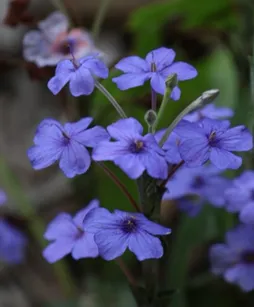
Eranthemum roseum (Vahl) R. Br. is a shrub reaching a height of about 1 m. Leaves are oblong-lanceolate, 12-18 × 4-7 cm long, acuminate, with lineolate on both surfaces, entire or obscurely crenulate, tapering at the base. Flowers are arranged in sub-interrupted, lax, axillary or terminal spikes, which turn rose color afterwards; the peduncles are quadrangular; bracts are obovate and obtuse, white with green hairs; bracteoles are narrowly linear, acute, and densely clothed on the back, ciliate with white, long hairs. Calyx is scarious and pubescent; lobes are lanceolate and acute with a strong midrib. Corolla is 2.5-4 cm long, blue in color, with a slender tube; up to 1 cm long lobes, oblong-obovate, rounded, or truncate at the tip, with exserted stamens. Capsules are around 1.5 cm long, glabrous and pointed; seeds are 3-4 mm, hygroscopically hairy, compressed. Fruiting and flowering occur from October to December.
Eranthemum roseum (Vahl) R. Br. is commonly found in moist wastelands and deciduous forests of Saurashtra, central, and south Gujarat. This shrub has been examined in various areas of Gujarat, as noted in the Flora of Gujarat. It was examined in Valsad (Pungarbari), Vadodara (Neemwada, Songadh, Rang), Dang (Subir), Panchmahal (Jambhughoda Wildlife Sanctuary, Nani Raski), Junagadh (Girnar Forest), and Godhra.
Ethnomedicinal and Traditional Uses
The Acanthaceae family, to which Eranthemum roseum (Vahl) R. Br. belongs, has a strong history in traditional medicinal systems across Asia. Various parts of Eranthemum roseum (Vahl) R. Br. (leaves, roots, and other parts) are used to treat specific diseases. Bhil and its Subtribes, Dhangar, Bhila, and tribes of the Western Ghats use the root for ulcer, anti-inflammatory, stomach ache, malaria, typhoid, control diabetes, hyperacidity, and scabies (Ahirrao et al., 2007; Kamble et al., 2008; Patil, 2016; Pullaiah et al., 2017; Samvatsar et al., 2004; Santosh Kumar et al., 2019; Yp et al., 2021). The Pawar tribe uses roots to reduce body heat (Jagtap et al., 2008). The Palghar tribes use flowers for menstrual disorders, and the tribes of the Khandesh region use leaves for liver disorders (Chalil & Shinde, 2022; Chandel et al., 2018; V. Girase & L. Jadhav, 2020). Tribes of Baiga, Dhamtari, and Ratnagiri districts use roots for the treatment of Loeucorrhea, also to promote fetal growth during pregnancy and safe delivery, and to treat wounds (Ghalme, 2020; Sahoo & Pradhan, 2021). Tribes of Korku, Silvassa, and Mahur taluka use roots to cure vertigo, jaundice, reduce burning sensation, and treat cracks in the feet (Gorat et al., 2021; Jagtap et al., 2008; Kanthale & Biradar, 2012).
Table 2 Pharmacological activities of Eranthemum roseum (Vahl) R. Br.
|
Sr No. |
Plant Part Used |
Extract/compound |
Pharmacological activity |
Experimental model |
Reference
|
|
1. |
Root |
Methanolic extracts |
Toxicological evaluation (Acute toxicity and chronic toxicity) |
In vivo animal model (rats) |
(Patil PH & Surana SJ, 2010) |
|
2. |
Root |
Petroleum ether, chloroform, methanol, and aqueous extracts |
Antimicrobial activity |
In vitro antimicrobial assay (Cup plate / Kirby-Bauer diffusion method) against bacterial and fungal strains. |
(Jain et al., 2007) |
|
3. |
Root |
Saponin fraction of methanolic extracts (SFER) |
Antidiabetic and Antioxidant Activity |
Streptozotocin (STZ)-induced diabetic rat model |
(Patil et al., 2014) |
|
4. |
Whole plant extract |
Methanol extract |
Cytotoxicity evaluation |
Sulforhodamine-B (SRS) assay |
(Muyumba et al., 2021) |
|
5. |
Leaf |
An aqueous leaf extract was used to synthesize Ag-ZnO nanocomposites |
Antibacterial, Antioxidant, Hypoglycemic, Anti-proliferative, Larvicidal |
Disc diffusion assay (antibacterial), DPPH & ABTS assays, α-amylase, α- glucosidase inhibition assays, MTT assay on HepG2 liver cancer cell line, Larvicidal bioassay against Aedes aegypti and Culex quinquefasciatus. |
(Adhavan et al., 2024) |
|
6. |
Root |
Pharmacognostical and Physico-chemical Standardization |
Haemolytic activity |
Pharmacognostical & phytochemical study, Microscopy, ash value, extractive value, HPTLC. |
(Surana et al., 2008) |
|
7. |
Leaf |
Methanolic extract |
Antioxidant, Anti-inflammatory, Antidiabetic, Antibacterial, Anti-proliferative |
DPPA, ABTS, and hydroxyl radical scavenging assays; Albumin denaturation and HRBC membrane stabilization assays; α-amylase and α-glucosidase inhibition assays; agar well diffusion method; HepG2 liver cancer line assay. |
(Adhavan et al., 2024) |
Taxonomic Overview of Neuracanthus sphaerostachyus Dalzell
Scientific classification:
Common Name: Ganthera or Gantharo
Kingdom: Plantae
Phylum: Streptophyta
Class: Equisetopsida
Order: Lamiales
Family: Acanthaceae
Genus: Neuracanthus
Species: Neuracanthus sphaerostachyus Dalzell.
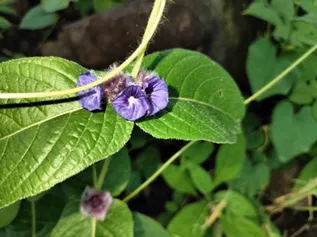
Neuracanthus sphaerostachyus Dalzell is a perennial, erect herb about 70 cm high; the stems are erect, numerous from a perennial root, simple, obtusely quadrangular, scabrous-pubescent. Leaves are elliptic-oblong 5.5-10 × 3.5-6, which are obtuse or shortly acuminate at the apex, and subcordate or truncate at the base; hispid on veins, subsessile. Flowers are present axially, with silky hairy, congested, sessile spikes borne in opposite axils; their purplish-colored bracts are 5-7 veined. Calyx is 2-lipped; the upper lip is divided into 3 lobes, and the lobes are lanceolate and ciliated; the lower lip is divided almost to the base. Corolla is 1.25 cm long; tube whitish; with blue-colored limb. Capsules are ovoid and glabrous, about 1.25 × 0.5 cm, and are attenuate at the base; their seeds are compressed and orbicular, silky. Flowering and fruiting are seen from August to June.
Neuracanthus sphaerostachyus Dalzell is primarily found in dry-deciduous forests throughout Gujarat. This herb has been examined in various areas of Gujarat, as noted in the Flora of Gujarat (Meena et al., 2025). It was examined in Junagadh, Gir Forest; Sabarkantha, Dharod; Panchmahal, Jambhughoda Wildlife Sanctuary, Sagva forest, Panch mahudi; Amreli, Dhari range; Mehsana, Dharoi dam; Bharuch, Piplod; Bhavnagar, Mithivirdi near the seashore; Kachchh, Sudasha hills, Dang, Jharan forest, Subir-Lauchali and Narmada Shoolpaneshwar Wildlife Sanctuary, Junaraj forest.
Ethnomedicinal and Traditional Uses
Neuracanthus sphaerostachyus Dalzell has traditionally been used as a medicine for the treatment of asthma, in various oral formulations, and for skin diseases and cough (DK & NJ, 2021). Ash of the whole plant is mixed with honey or jaggery and given orally 2-3 times a day to cure asthma and cough (Punjani & Kumar, 2002). Root used to treat skin ailments such as ringworm (Phate et al., 2026).
Table 3 Pharmacological activities of Neuracanthus sphaerostachyus Dalzell.
|
Sr No. |
Plant Part Used |
Extract/compound |
Pharmacological activity |
Experimental model |
Reference
|
|
1. |
Leaves |
Methanolic and aqueous extracts |
Anti-inflammatory activity |
In vivo TNBS-induced ulcerative colitis in Wistar rats |
(DK & NJ, 2021) |
|
2. |
Leaves and roots |
Ethanol extract |
Antidiabetic activity |
In vivo animal model- STZ and Alloxan-induced diabetic Wistar rats |
(Venkatesh et al., 2025) |
|
3. |
Roots |
Ethanolic extract |
Compound reported to possess antimicrobial, antifungal, anti-inflammatory, and wound-healing activities. |
GC-MS phytochemical analysis |
(Phate et al., 2026) |
|
4. |
Leaves |
Methanolic extract (MENS) and aqueous extract (AENS) |
Anti-inflammatory activity |
In vitro: Albumin denaturation assay; In vivo; Carrageensn-induced paw edema in Wistar rats and acetic acid-induced vascular permeability in mice |
(DK & NJ, 2019) |
|
5. |
Leaves |
Methanolic extract (MENS) and aqueous extract (AENS) |
Anti-asthmatic activity |
In vitro: Compound 48/80-induced mast cell degranulation; In vivo: Milk-leukocytosis & eosinophilia in mice and Compound 48/80-induced systemic anaphylaxis in mice |
(Dangar & Patel, 2019) |
|
6. |
Leaves |
Pharmacogenetic and physicochemical evaluation |
Pharmacogenetic evaluation |
Macroscopic, microscopic, and physicochemical analysis |
(Dangar & Patel, 2020) |
Comparative Analysis
Even though the ethnomedicinal importance and initial pharmacological validation of Eranthemum roseum (Vahl) R. Br. and Neuracanthus sphaerostachyus Dalzell have been documented, notable research gaps remain that need to be addressed to elucidate their therapeutic potential fully.
Table 4 Comparative Pharmacological Activities of Eranthemum roseum (Vahl) R. Br. and Neuracanthus sphaerostachyus Dalzell
|
Pharmacological |
Eranthemum roseum |
Neuracanthus sphaerostachyus |
Research Gap
|
|
Antioxidant |
Well-documented significant antioxidant activity reported |
Limited evidence available. |
Comparative antioxidant evaluation using standardized assays and IC50 determination is needed. |
|
Antimicrobial |
Well documented against bacterial and fungal pathogens |
Preliminary evidence available |
MDR organism testing is absent for both species |
|
Anti-inflammatory |
Strong in vitro & in vivo evidence available |
Moderate in vitro and in vivo evidence is available, but fewer studies than E. roseum |
Comparative molecular mechanism studies (COX-1, COX-2, LOX) needed |
|
Antidiabetic |
Significant antidiabetic activity reported |
Preliminary in vivo antidiabetic evidence available |
Detailed mechanistic studies, enzyme inhibition assays, and long-term animal studies are required |
|
Anticancer |
Anti-proliferative activity reported |
No data reported |
Cancer cell line screening needed for N. sphaerostachyus |
|
Antiasthmatic |
Not reported |
Preliminary evidence reported |
In vivo broncho dilatory models needed |
|
Wound Healing |
Limited data |
Preliminary data available |
Standardized wound healing models are needed for both |
|
Toxicological Profile |
Acute & chronic toxicity were studied for the root extract |
No toxicological data available |
OECD guideline-based studies needed for both |
Table 5 Comparative Phytochemical Activities of Eranthemum roseum (Vahl) R. Br. and Neuracanthus sphaerostachyus Dalzell
|
Compound Class |
Plant part |
E. roseum |
N. sphaerostachyus |
|
Saponin glycoside |
Root |
Present |
Absent (not reported) |
|
Steroidal sapogenin |
Root |
Present |
Absent (not reported) |
|
Sterol/Triterpenoid |
Root |
Present |
Present |
|
Carbohydrate |
Root |
Present |
Absent (not reported) |
|
Protein |
Root |
Present |
Absent (not reported) |
|
Steroid |
Root |
Present |
Absent (not reported) |
|
Tanin |
Root |
Absent (not reported) |
Absent (not reported) |
|
Alkaloid |
Root |
Absent (not reported) |
Absent (not reported) |
|
Flavonoid |
Root |
Absent (not reported) |
Absent (not reported) |
|
Anthraquinone glycoside |
Root |
Absent (not reported) |
Absent (not reported) |
|
Flavonoid |
Leaf |
Present |
Present |
|
Anthocyanin |
Flower |
Present |
Absent (not reported) |
|
Flavonoid |
Flower |
Present |
Absent (not reported) |
|
Alkaloid |
Leaf |
Present |
Present |
|
Phenol |
Leaf |
Present |
Present |
|
Tannin |
Leaf |
Present |
Present |
|
Terpenoid |
Leaf |
Present |
Present |
|
Anthraquinone |
Leaf |
Present |
Absent (not reported) |
|
Saponin |
Leaf |
Present |
Present |
|
Carbohydrate |
Leaf |
Present |
Absent (not reported) |
|
Fixed Oils & Fats |
Leaf |
Present |
Absent (not reported) |
|
Amino Acid Derivative |
Leaf |
Present |
Absent (not reported) |
|
Phenolic Acid |
Leaf |
Absent (not reported) |
Present |
|
Fatty Acid Amide |
Root |
Absent (not reported) |
Present |
|
Unsaturated Hydrocarbon |
Root |
Absent (not reported) |
Present |
Table 5: Comparative phytochemical constituents of Eranthemum roseum (Vahl) R. Br. and Neuracanthus sphaerostachyus Dalzell based on plant parts and available literature. (Absent = not reported in literature to date)
FUTURE PERSPECTIVES AND RESEARCH GAPS
Even though Eranthemum roseum (Vahl) R. Br. and Neuracanthus sphaerostachyus Dalzell have notable ethnomedical and pharmacological evidence, both species remain largely unexplored, with several important research gaps that need to be addressed immediately. Future research must use advanced analytical methods such as LC-MS/MS, HPLC-DADA, and NMR spectroscopy to systematically isolate and structurally characterize the bioactive compounds responsible for their observed biological activities, as the phytochemical characterization of both plants remains largely lacking. Future research will need to use receptor binding assays, molecular docking, and network pharmacology techniques because current pharmacological studies, which are mostly restricted to simple in vitro screening and have almost no mechanistic information on molecular targets and signalling pathways, especially for antidiabetic and anti-inflammatory activities. Neuracanthus sphaerostachyus Dalzell, in particular, is significantly under-researched, with no isolated pure bioactive compounds identified, no available anticancer data, and no toxicological assessments documented thus far, making it a crucial candidate for focused investigation. The successful creation of Ag-ZnO nanocomposites using Eranthemum roseum (Vahl) R. Br. extracts additionally unveils an exciting opportunity in green nanotechnology for both species, particularly in targeted drug delivery and antimicrobial material development. Moreover, there is currently no comparative pharmacological study conducted for these two Acanthaceae species under the same experimental conditions, and comprehensive toxicological assessments following OECD guidelines, along with an evaluation of the conservation status for both species, represent an urgent and unmet scientific necessity.
CONCLUSION
Eranthemum roseum (Vahl) R. Br. and Neuracanthus sphaerostachyus Dalzell are pharmaceutically important members of the family Acanthaceae, with significant potential for pharmaceutical development and therapeutic applications. Eranthemum roseum (Vahl) R. Br. has demonstrated validated antioxidant, anti-inflammatory, antidiabetic, antibacterial, anti-proliferative, haemolytic, and antimicrobial activities through rigorous scientific investigation, while Neuracanthus sphaerostachyus Dalzell demonstrated anti-inflammatory, antidiabetic, antimicrobial, antifungal, and anti-asthmatic activities; in comparison, both species carry promising career value in pharmaceuticals. Both species require extensive phytochemical characterization and systematic pharmacological evaluation to fully establish their medicinal potential. The traditional uses of these plants in folk medicine systems, together with the well-documented bioactivities of related Acanthaceae family members, provide a compelling rationale for intensive research in these species. Members of the family demonstrate antioxidant, antimicrobial, anti-inflammatory, antifungal, anticancer, and antiulcer properties, and may have more active compounds that hold a rich value of bioactive pharmacological activity. Future investigations should prioritize comprehensive phytochemical profiling, systematic pharmacological screening, mode-of-action studies, toxicity evaluation, and clinical validation to establish a scientific foundation for potential therapeutic development. Integrating ethnobotanical knowledge with modern research methods offers promising opportunities to discover novel bioactive compounds and develop effective plant-based therapies from members of this important Acanthaceae family. Furthermore, conservation efforts and sustainable farming practices should be implemented to ensure the long-term availability of these medicinal plant resources for future research and therapeutic uses.
REFERENCES


Tushar Chaudhari, Nainesh Modi, Phytochemical Constituents and Medicinal Uses of Eranthemum roseum (Vahl) R. Br. and Neuracanthus sphaerostachyus Dalzell. (Acanthaceae): A Review, Int. J. of Pharm. Sci., 2026, Vol 4, Issue 7, 600-620-, https://doi.org/10.5281/zenodo.21155988
 10.5281/zenodo.21155988