

We use cookies to ensure our website works properly and to personalise your experience. Cookies policy
Department of Pharmacognosy, Sarada Vilas College of Pharmacy, K M Puram, Mysuru, Karnataka, India.
The search for plant-derived anthelmintic agents has gained interest as a complementary approach to managing helminth infections. The present study aimed to evaluate the phytochemical constituents and in vitro anthelmintic activity of the aqueous leaf extract of Coleus amboinicus Lour. The leaves were collected, authenticated, shade-dried, powdered, and extracted by cold maceration using water. The percentage yield of the aqueous extract was 19.80%. Preliminary phytochemical screening indicated the presence of alkaloids, flavonoids, tannins, phenolic compounds and saponins. The anthelmintic activity was assessed against Pheretima posthuma at 20, 40 and 60 mg/mL, using albendazole as the standard drug. The extract demonstrated concentration-dependent anthelmintic activity, i.e., reduced time for paralysis and death with increasing concentration. At 60 mg/mL, the mean paralysis time was 10.73 ± 0.71 min, and the mean death time was 22.12 ± 0.03 min. These findings indicate that the aqueous leaf extract of Coleus amboinicus Lour. possesses in vitro anthelmintic potential and supports its potential as a plant-based source for the development of anthelmintic formulations.
The word ‘Helminths’ is derived from the Greek word meaning ‘worm’.[1] Helminths are complex multicellular metazoan parasites. Approximately 300 species can infect humans, causing a wide array of pathology and disability. [2] Helminthic infections are the most prevalent infections in developing countries, affecting approximately 2 billion people worldwide, or more than one-quarter of the global population. These infections represent a major public health burden, particularly in developing regions, with children being among the most vulnerable populations. [3,4,5]
Helminths are classified into three groups based on their structure :
1. Trematodes (Flukes): Adult flukes are leaf-shaped flatworms with prominent attachment suckers. They are generally hermaphroditic (except for blood flukes), and they require snails as intermediate hosts.
e.g., Fasciola hepatica (liver fluke), Paragonimus westermani (lung fluke)
2. Nematodes (roundworms): These are cylindrical, unsegmented worms with separate sexes.
e.g., Ascaris lumbricoides, Ancylostoma duodenale (hookworms)
3. Cestodes (Tapeworms): These worms are flat, elongated, segmented worms that lack a digestive tract, absorbing nutrients directly from the host's intestine
e.g., Taenia saginata, Echinococcus granulosus.[6]
Untreated helminthic infections may result in serious health complications, including malnutrition, anaemia, eosinophilia, and, in severe cases, death. These infections are commonly transmitted through the consumption of contaminated food and water, as well as through vectors such as mosquitoes and flies.
Helminth infections are reported to be more prevalent among males. In India, traditional medicinal systems such as Ayurveda, Unani, and Siddha are widely practiced, with more than 24% of the population relying on these systems for healthcare.[7]
Anthelmintics are drugs used to treat parasitic worm infections in humans and animals. Based on their action, they are classified into two types: vermifuges, which paralyze or weaken worms, allowing their expulsion through intestinal peristalsis, and vermicides, which kill the worms directly within the host, enabling their breakdown and elimination.[8]
The herbal extracts act by causing paralysis or death of worms by inhibiting their growth. Many herbal formulations, such as syrup, suspension, and tablets, were also reported to show comparable activity to standard drugs like albendazole. [7]
Coleus amboinicus Lour. (synonyms: Plectranthus amboinicus, Coleus aromaticus) is a large, perennial, aromatic succulent herb belonging to the family Lamiaceae, which is characterized by its distinct oregano-like aroma. The leaves are ovate, succulent, thick-petioles, and display an acute apex with toothed edges. It is highly valued across the pharmaceutical, culinary, horticultural, and beverage industries due to its essential oil production and nutritional value.
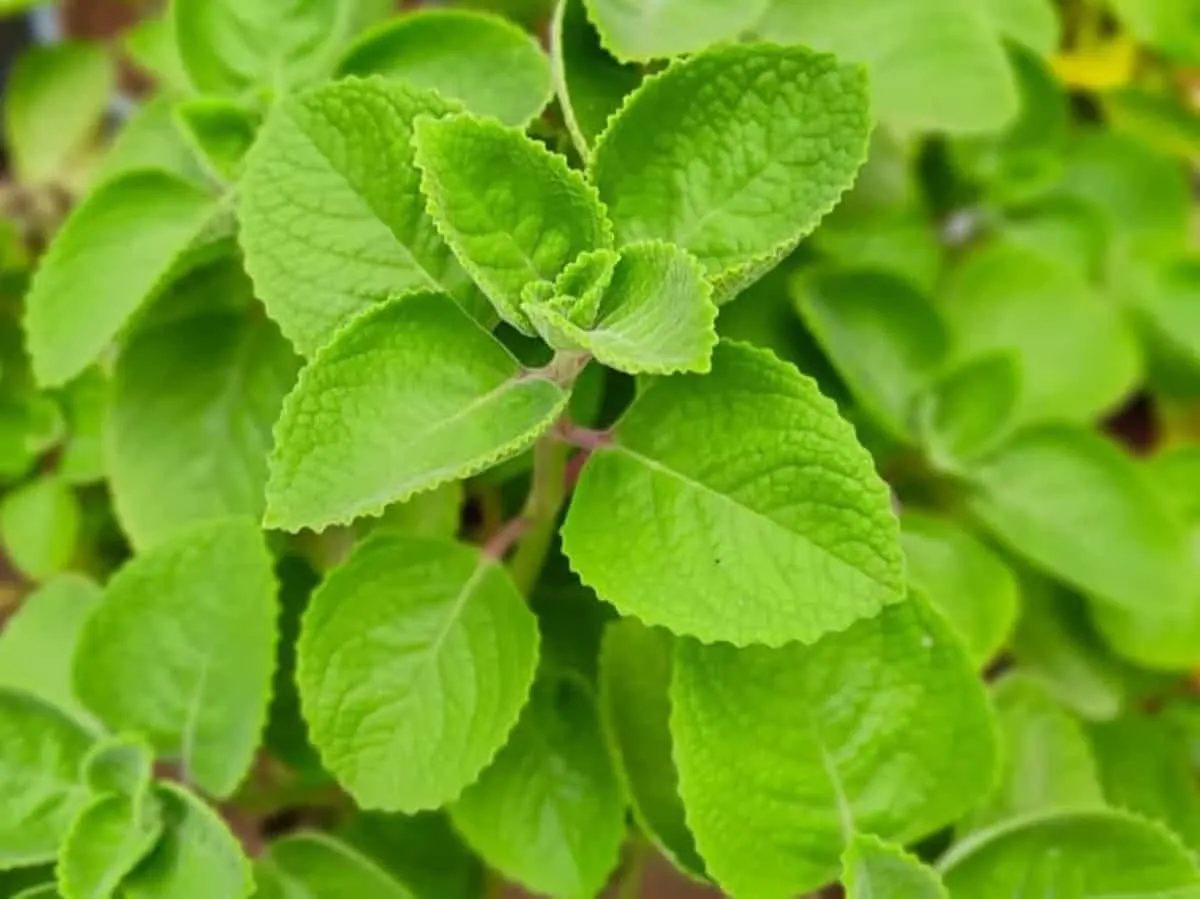
Figure 1: Coleus amboinicus Lour. Leaves
The plant occurs naturally throughout the tropics and warm regions of Asia, Africa, and Australia. It is native to eastern Asia and widely distributed across tropical countries including India and Brazil. [9,10,11]
Coleus amboinicus Lour. is globally used; it has many regional and common names, some of which are given below-
Phytochemical studies of Coleus amboinicus Lour. have identified numerous volatile and non-volatile compounds. Its essential oil is rich in monoterpenes and sesquiterpenes, with carvacrol (content varies geographically, ranging from 33.5% to as high as 90%) as a major constituent, along with thymol, p-cymene, γ-terpinene, and β-caryophyllene. Other constituents include phenolic acids, flavonoids, and terpenoids.[10,12] The plant also contains nutritional components such as iron (3.3 mg), vitamin C, carotenoids, vitamin A, and γ-linolenic acid. [11]
It exhibits various pharmacological properties, including antimicrobial, antifungal, anti-inflammatory, antidiabetic, analgesic, and anticancer activities. Traditionally, it is used to promote wound healing and relieve respiratory conditions, burns, and inflammatory disorders. [11]
The Pheretima posthuma model is a well-established and validated in vitro model for preliminary anthelmintic screening because of its anatomical and physiological similarities with the helminths that infect humans and animals, and it is generally considered ethically acceptable as an invertebrate model.[13]
Previous studies have reported the anthelmintic potential of Coleus amboinicus Lour. Bhattacharjee et al. (2011) investigated the anthelmintic activity of alcoholic extracts of different plant parts prepared by Soxhlet extraction[14], while Wadekar et al. (2010) evaluated alcoholic and aqueous leaf extracts (prepared using chloroform water by maceration).[15] However, differences in extraction solvents, extraction methods, and reference drugs highlight the need for further investigation of the anthelmintic activity of the aqueous leaf extract prepared using distilled water by cold maceration.
Hence, the present study aims to investigate the phytochemical profile and in vitro anthelmintic potential of the distilled-water leaf extract against Pheretima posthuma by evaluating paralysis and death times at different concentrations and comparing the results with the standard drug Albendazole.
MATERIALS AND METHODS:
Drugs and chemicals
Albendazole (standard drug), distilled water (extraction solvent) and normal saline (obtained from Ultra Laboratories Pvt. Ltd.) were used in the study. All chemicals and reagents used were of analytical grade and high purity.
Collection and Authentication of the Plant:
Fresh leaves of Coleus amboinicus Lour. were collected during June-July 2026 from local areas in Mysuru, Karnataka, India. The plant specimen was authenticated by Dr M. Devika, Principal and Head of the Department of Botany, Sarada Vilas College, Mysuru. The collected leaves were thoroughly washed, shade-dried, and pulverised into a coarse powder using an electric grinder. The powdered material was then stored in an airtight container for further use.
Extraction:
Maceration is a conventional extraction method in which coarsely powdered plant material is soaked in a suitable solvent for a specified period to extract soluble phytoconstituents, followed by filtration to separate the extract from the plant residue. Cold maceration is performed at room temperature without external heating, making it suitable for extracting heat-sensitive constituents.[16,17,18]
Preparation of aqueous extract:
In the present study, 25 g of coarsely powdered, shade-dried Coleus amboinicus Lour. leaves were immersed in 250 mL of distilled water (1:10 w/v ratio) in a closed container and kept at room temperature for 72 hours, protected from direct sunlight, with occasional shaking. The mixture was then filtered through filter paper, and the filtrate was concentrated at a controlled low temperature (below 50 0C). The concentrated extract was dried, weighed, and stored in an airtight container until further use.[16,17,18]
Percentage yield is calculated using the following formula [16,17]
Percentage yield (%) = (weight of dried extract obtained after maceration (g))/(weight of the powdered drug used for maceration(g)) x 100
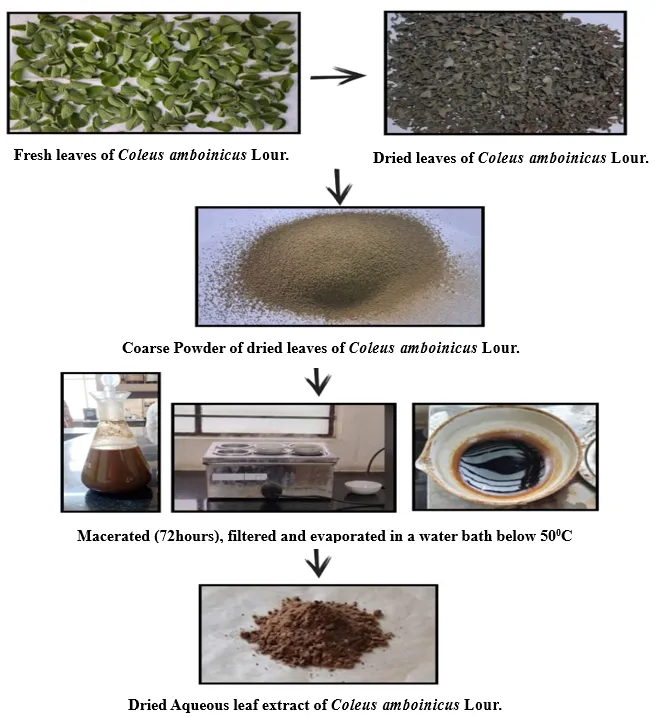
Figure 2: Aqueous Extraction Process of Coleus amboinicus Lour. Leaves
Preliminary Phytochemical Screening:
Test for Carbohydrates
Test for Alkaloids
Test for Flavonoids
Test for Phenols
Test for Saponins
Test for Steroids (Phytosterols)
Test for Tannins
Test for Proteins
Test for Amino Acids
Test for Glycosides
Evaluation of in vitro anthelmintic activity:
Experimental worms
Healthy adult Indian earthworms (Pheretima posthuma) were procured from HumVerm Private Limited, Mysore, for in vitro anthelmintic evaluation because of their anatomical and physiological similarities to intestinal helminth parasites. Before the evaluation of in vitro anthelmintic activity, the earthworms were thoroughly washed with normal saline solution to remove adhering dirt, soil, and fecal debris. Worms of uniform length and size (approximately 3-5 cm) were selected to ensure consistency across all control and treatment groups.
Preparation of Test and Standard solution
Fresh solutions were prepared immediately before the experiment. The dried aqueous extract of Coleus amboinicus Lour. was dissolved in normal saline to prepare different concentrations such as 20,40,60 mg/mL, and the final volume was made to 25 mL
Albendazole is used as the standard drug. Prepare a 20 mg/mL standard solution of Albendazole by accurately weighing 500 mg in 25 mL of normal saline (or equivalent from a tablet after correcting for excipients); similarly, prepare 40 and 60 mg/mL solutions and adjust the final volume to 25 mL.[22]
Experimental Design
The in vitro anthelmintic assay was performed according to the method described by Mukadam et al. (2016) with a minor modification. The original method used six adult earthworms per experimental group; however, in the present study, two adult earthworms of approximately equal size were used in each group.
The prepared Albendazole solution and the aqueous leaf extract of Coleus amboinicus Lour. at different concentrations (25 mL each) were transferred into separately labelled Petri dishes. The Pheretima posthuma worms were divided into six groups, along with a control group (normal saline). Groups I, II, and III were treated with standard Albendazole at concentrations of 20, 40, and 60 mg/mL, respectively, while Groups IV, V, and VI received the aqueous leaf extract of Coleus amboinicus Lour. at the corresponding concentrations.
Evaluation parameters
Earthworms were released into the labelled Petri dishes containing different concentrations of the standard drug and aqueous leaf extract of Coleus amboinicus Lour. time taken for paralysis and death was recorded.
Paralysis time was defined as the time at which the worm ceased movement, except when vigorously shaken. Death time was recorded when the worms showed no movement even after vigorous shaking or immersion in warm water (50°C), accompanied by fading of body colour. The recorded values were expressed as Mean ± SEM.[22]
RESULTS AND DISCUSSION
The percentage yield of the aqueous extract of Coleus amboinicus Lour. was found to be 19.80%.
The phytochemical investigation of aqueous extracts of leaves of Coleus amboinicus Lour. revealed the presence of Alkaloids, Flavonoids, Saponins, tannins, and Phenolic compounds and the absence of Carbohydrates, Proteins, Amino acids, steroids, and glycosides, as represented in Table 1 and Figure 3
Table 1: Preliminary Phytochemical Screening of Coleus amboinicus Lour.
| Sl No. | Name of the Test | Aqueous extract of Coleus amboinicus Lour. |
|---|---|---|
| 1. | Test for carbohydrates | |
| a. | Molisch’s Test | - |
| b. | Fehling’s Test | - |
| 2. | Test for Alkaloids | |
| a. | Mayer’s Test | + |
| b. | Dragendorff’s Test | + |
| 3. | Test for Flavonoids | |
| a. | Shinoda Test | + |
| b. | Alkaline Reagent Test | + |
| c. | Lead acetate Test | + |
| 4. | Test for Tannins | |
| a. | Ferric chloride Test | + |
| b. | Matchstick Test | + |
| 5. | Test for Saponins | |
| a. | Foam Test | + |
| 6. | Test for Proteins | |
| a. | Biuret’s Test | - |
| 7. | Test for Amino Acids | |
| a. | Ninhydrin Test | - |
| 8. | Test for Steroids (Phytosterols) | |
| a. | Salkowski Test | - |
| 9. | Test for Phenols | |
| a. | Ferric chloride Test | + |
| 10. | Test for Glycosides | |
| a. | General Test | - |
+ indicates that the sample shows a positive result for the test
- indicates that the sample shows a negative result for the test
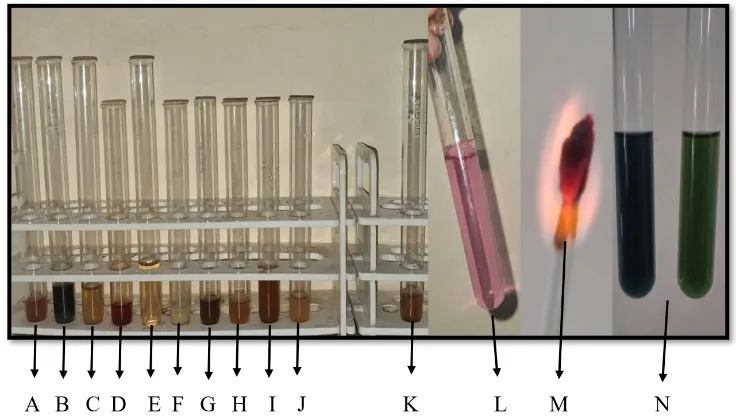
Figure 3: Preliminary Phytochemical Screening of Coleus amboinicus Lour.
A) Molisch's Test, B) Fehling's Test, C) Mayer's Test, D) Dragendorff's Test, E) Alkaline Reagent Test, F) Lead acetate Test, G) Ferric chloride Test, H) Foam Test, I) Biuret's Test, J) Ninhydrin Test, K) Salkowski Test, L) Shinoda Test, M) Matchstick Test, N) General test for Glycosides [solution b was not darker than solution a]
The in vitro anthelmintic potential of the aqueous leaf extract of Coleus amboinicus Lour. was assessed (Figure 4) by determining the time required for complete paralysis (Tp) and death (Td) of earthworms at concentrations of 20, 40, and 60 mg/mL represented in Table 2. Albendazole was used as the standard drug. Results are expressed as mean ± SEM (min).
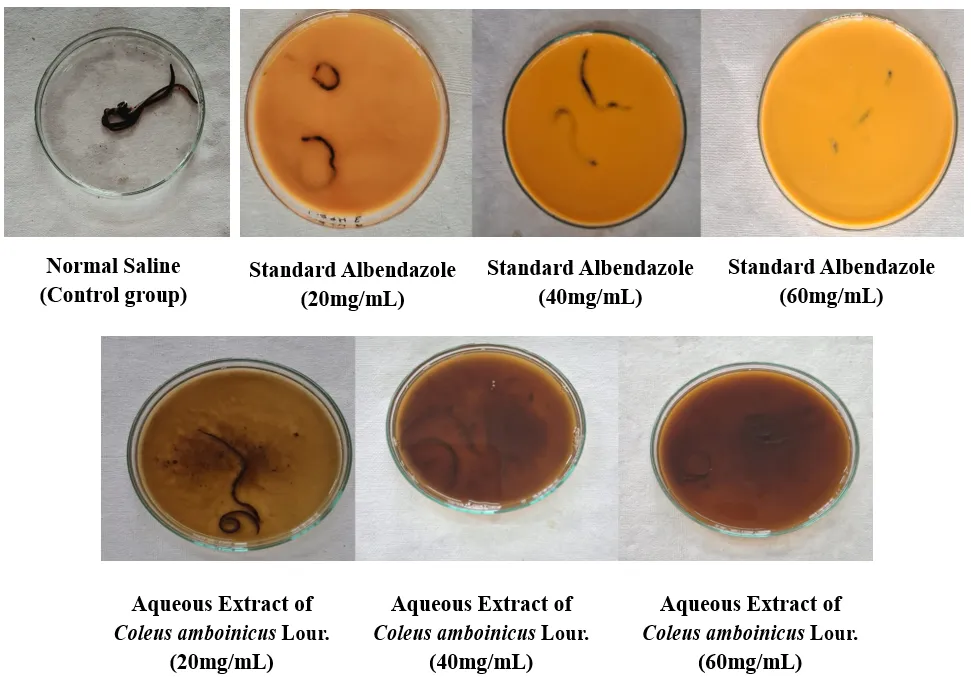
Figure 4: In vitro Anthelmintic Evaluation of Standard Albendazole and Aqueous Leaf Extract of Coleus amboinicus Lour. at Varying Concentrations (20, 40, and 60mg/ml) Using Pheretima posthuma.
Table 2: In Vitro Anthelmintic Activity of Coleus amboinicus Lour. Against Pheretima posthuma.
| Treatment | Concentration | Time of Paralysis (minutes) (Mean ± SEM) |
Time of Death (minutes) (Mean ± SEM) |
|---|---|---|---|
| Normal Saline (control) | - | - | - |
| Standard (Albendazole) | 20 mg/ml | 17.76 ± 0.19 | 31.72 ± 0.34 |
| 40 mg/ml | 12.29 ± 0.42 | 16.22 ± 0.98 | |
| 60 mg/ml | 4.52 ± 0.07 | 9.52 ± 0.38 | |
| Aqueous Extract of Coleus amboinicus Lour. | 20 mg/ml | 29.44 ± 1.33 | 102.69 ± 0.19 |
| 40 mg/ml | 19.47 ± 0.42 | 42.30 ± 0.29 | |
| 60 mg/ml | 10.73 ± 0.71 | 22.12 ± 0.03 |
Albendazole exhibited faster activity at all concentrations. At 20 mg/mL, its Time of paralysis and Time of death were 17.76 ± 0.19 min and 31.72 ± 0.34 min; At 40 mg/mL, 12.29 ± 0.42 min and 16.22 ± 0.98 min; and at 60 mg/mL, 4.52 ± 0.07 min and 9.52 ± 0.38 min.
The in vitro anthelmintic activity of aqueous Coleus amboinicus Lour. leaf extract increased with concentration, as indicated by reduced time for paralysis (Tp) and time for death (Td). At 20 mg/mL, the extract caused paralysis at 29.44 ± 1.33 min and death at 102.69 ± 0.19 min. At 40 mg/mL, Tp and Td decreased to 19.47 ± 0.42 min and 42.30 ± 0.29 min, respectively. At 60 mg/mL, the extract showed greater activity, with paralysis at 10.73 ± 0.71 min and death at 22.12 ± 0.03 min. Both treatments showed concentration-dependent activity, with Albendazole consistently more effective.
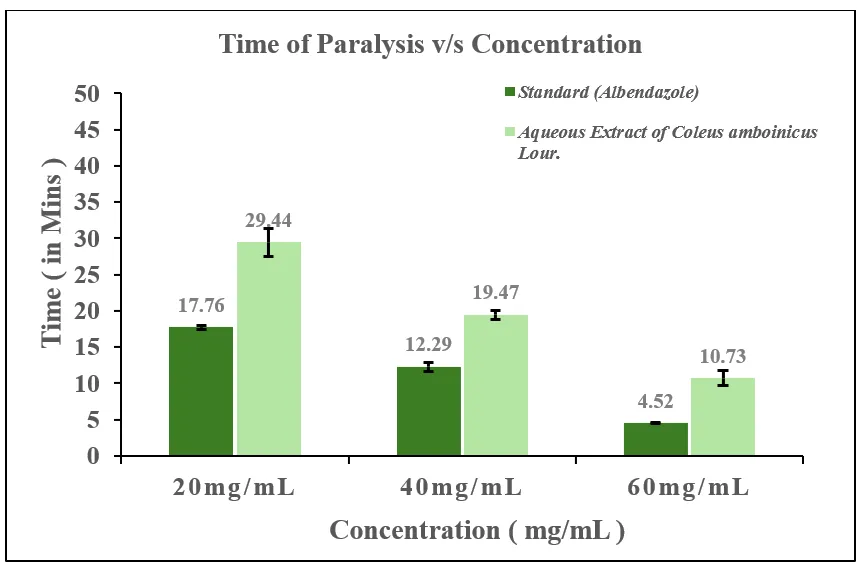
Figure 5: Comparative Evaluation of Time of Paralysis (Tp) of Adult Indian Earthworms (Pheretima posthuma) Treated with Standard Albendazole and Aqueous Extracts of Coleus amboinicus Lour. at Varying Concentrations (20, 40, and 60mg/ml).
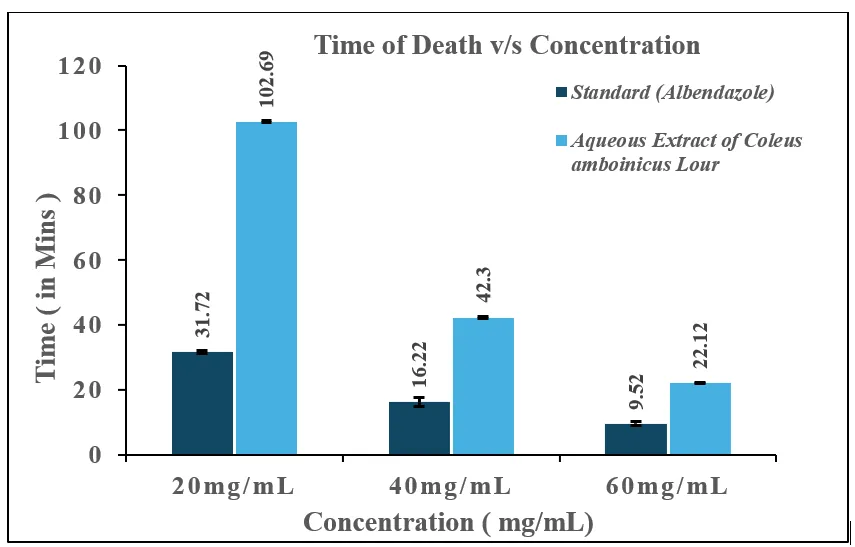
Figure 6: Comparative Evaluation of Time of Death (Td) of Adult Indian Earthworms (Pheretima posthuma) Treated with Standard Albendazole and Aqueous Extracts of Coleus amboinicus Lour. at Varying Concentrations (20, 40, and 60mg/ml).
CONCLUSION
In the present study, the aqueous leaf extract of Coleus amboinicus Lour. demonstrated in vitro anthelmintic activity against Pheretima posthuma. Preliminary phytochemical screening confirmed the presence of bioactive constituents such as alkaloids, flavonoids, tannins, phenolic compounds, and saponins, which likely contribute to this anthelmintic potential. The aqueous leaf extract of Coleus amboinicus Lour. demonstrated anthelmintic activity in a concentration-dependent manner, as evidenced by decreasing times for paralysis and death. While standard albendazole exhibited faster paralysis and death at all tested concentrations, the findings validate the traditional use of Coleus amboinicus Lour. and further studies, including isolation of active constituents, toxicity assessment, and in vivo evaluation, are required to establish its efficacy and safety.
ACKNOWLEDGEMENT
The authors express their gratitude to the Principal, Dr Hanumanthachar Joshi, the teaching and non-teaching staff, and the Management of Sarada Vilas College of Pharmacy, Mysuru, Karnataka, India, for providing the necessary facilities and support to carry out this study. The authors also thank Dr M. Devika for authenticating the plant material.
CONFLICT OF INTEREST
The authors declare no conflicts of interest regarding the publication of this research article.
REFERENCES

Thanushree R., Varshini R., Uma Maheshwari M. P., Nischitha D., Keerthy S. P., Neha N., Phytochemical Screening and in Vitro Evaluation of Anthelmintic Potential of Aqueous Leaf Extract of Coleus Amboinicus Lour. Against Pheretima Posthuma, Int. J. of Pharm. Sci., 2026, Vol 4, Issue 11, 3151-3160. https://doi.org/10.5281/zenodo.24360734
 10.5281/zenodo.24360734