

We use cookies to ensure our website works properly and to personalise your experience. Cookies policy
1Associate professor, Lokmanya Tilak Institute of Pharmacy, Kharghar, 410210 , Navi Mumbai, Maharashtra .
2,3,4,5Lokmanya Tilak Institute Of Pharmacy, Navi Mumbai, Maharashtra, India.
6Principal Of Pharmacy, Lokmanya Tilak Institute Of Pharmacy, Navi Mumbai, Maharashtra, India.
Pumpkin seeds (Cucurbita pepo) are increasingly recognised as a functional food because they are a rich source of proteins and beneficial lipids, along with high fibre content and essential micronutrients. Traditionally, they have been eaten both as a food and as a medicine. Pumpkin seeds have been examined for their chemical composition and bioactive compounds, and for how these may contribute to an individual's health and to food applications. Pumpkin seeds are an excellent source of high-quality protein, unsaturated fatty acids and minerals such as magnesium, zinc, iron and potassium. These can help promote cardiovascular health, strengthen the immune system and support digestive health. They also contain numerous bioactives, including phytosterols, antioxidants (vitamin E, carotenoids), cucurbitacins, lignans and tryptophan. In pre-clinical studies, these have been shown to offer numerous health benefits, including lowering cholesterol levels, reducing oxidative stress, and providing anti-inflammatory properties, hormone regulation and neurological benefits. In food science, pumpkin seeds are a versatile ingredient that can be incorporated into a variety of food products such as snacks, baked goods, salads, soups, functional foods and supplements. The oil extracted from pumpkin seeds is highly valued, as it contains a favourable fatty acid profile and antioxidants. Overall, pumpkin seeds can improve the nutritional quality and functional properties of food. Further research is required to establish the bioactivity of pumpkin seeds and their health benefits for humans, along with new ways to incorporate them into modern diets.
World Health Organisation reported that seeds are rich in fibre, antioxidants, organic acids, vitamins, and phenolic compounds and are considered to be protective foods. They are used as a source of traditional medicine to cure many health problems and contribute as a main source of livelihood for poor people. Seeds are one of the most vital components of the foods known to be consumed by humans since the beginning of the human race. Not only fresh fruits, ripe or raw seeds , but also dried seeds have been an equally significant part of the basic diet of human beings due to the presence of rich nutrients in seeds, It provides essential minerals and vitamins, which in addition of boosting the immunity also helps to cure many diseases.[1]
Pumpkin seeds may contain significant amounts of fibre and nutrients. A large number of edible seeds are rich in monounsaturated and polyunsaturated fatty acids and provide vitamins, minerals and polyphenols. Seeds like flax seeds, chia seeds, pumpkin seeds, hemp, sesame and sunflower have gained fame as superfoods because of their nutritional and therapeutic properties. Seeds and nuts have drawn growing interest owing to their strong nutraceutical and therapeutic properties. Pumpkins are part of the Cucurbitaceae family. The majority of species in this family have served as a food source. The family's five main genera are Citrullus (watermelon and wild colocynth), Cucumis (cucumber, gherkin, melon), Lagenaria (gourd), Sechium (chayote) and Cucurbita. [2] Cucurbita is the genus of greatest economic importance and comprises five species. These are C.maxima, C.pepo, C.moschata, C. ficifolia, and C.turbaniformis. Within this genus, the greatest diversity is found in the C.pepo species. In particular, this applies to the fruits. In many countries worldwide, salted and roasted pumpkin seeds are commonly consumed as a snack food. Pumpkin seed oil has a high antioxidant potential. It has been shown to act as a preventive against hypertension and carcinogenic diseases. Pumpkin seeds are a nutritious food with a high oil and protein content (50% w/w oil and 35% protein).[3] This can, however, differ according to the pumpkin cultivar. The oil/protein content is also influenced by pumpkin phenotypes. These include hulled, semi-hulled, thin-layer, and naked pumpkins. This may result from the high levels of flavonoids and triterpenoids present in the seeds. Cucurbitacin is one of these triterpenoids and is well known for its anti-cancer properties. Numerous health benefits have been demonstrated and/or proposed by epidemiological studies and randomised clinical trials conducted around the world. These span from lowering cancer risk to enhancing cardiovascular health and boosting immune functions. All of this results from consuming functional foods. Many species in the pumpkin family are cultivated worldwide. They may be used for commercial, agricultural or ornamental purposes. C. pepo originates in North America and has been cultivated there for thousands of years. [3]
PLANT PROFILE:
Kingdom: Plantae
Division: Magnoliophyta
Class: Magnoliopsida
Order: Cucurbitales
Family: Cucurbitaceae
Genus: Cucurbita
Species: Cucurbita pepo
Common name: Pumpkin
Hindi name: Kaddu
Marathi name: Bhopla
GEOGRAPHICAL DISTRIBUTION:
It is thought that pumpkin originated in the Americas. It is grown across tropical and subtropical regions around the world. In India, it is widely cultivated in Maharashtra, Uttar Pradesh, Rajasthan, Karnataka and other states. It is grown primarily for its vegetables, fruits and seeds..
2. NUTRITIONAL AND BOTANICAL PROFILE OF PUMPKIN SEEDS:
2.1 BOTANICAL DESCRIPTION: PUMPKIN SEEDS:
Plants are herbaceous vines characterised by large leaves and yellow flowers, and they bear fruits that differ in size, shape, and colour. The seeds are generally flat and oval, and they are enclosed within a fibrous endocarp. Cultivars fall into two categories, hulled and hull-less, and the latter is favoured for oil extraction because it is easier to process and gives a higher oil yield Montesano[4] The Styrian pumpkin (C. pepo var. styriaca) is a well-known hull-less variety grown for its premium oil and protein-rich seeds
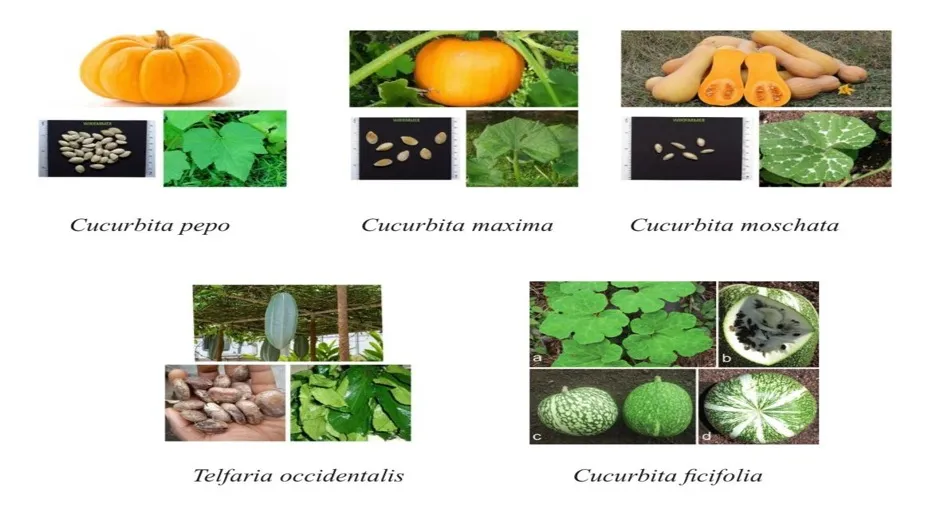
Figure 1: Fruits, Seeds and Leaves of the Studied Pumpkin Species
2.2 NUTRITIONAL COMPOSITION OF PUMPKIN SEEDS:
Pumpkin seeds contain a dense mix of macronutrients, including protein (24-39%), oil (28-43%), fibre (2-16%), and carbohydrates (25-28%) . (5)Unsaturated fatty acids dominate the lipid profile, with linoleic acid (52.69%) and oleic acid (18.14%) being the most abundant. Saturated fats such as palmitic (16.41%) and stearic acid (11.14%) occur in smaller proportions, which adds to the oil's oxidative stability and health benefits.[6]
In a case study, pumpkin seeds of Cucurbita pepo subsp. pepo var. Styriaka grown in Iran show a favourable nutritional and physicochemical profile, positioning them as a promising source of edible oil and protein. The seeds hold roughly 41.59% oil and 25.4% protein, together with notable amounts of crude fibre (5.34%), ash (2.49%), and carbohydrates (25.19%). The extracted oil shows high oxidative stability, with a tocopherol content of 882.65 mg/kg, total phenolics at 66.27 mg gallic acid/kg, and a balanced fatty acid composition dominated by linoleic (39.84%), oleic (38.42%), palmitic (10.68%), and stearic (8.67%) acids. These traits, together with favourable physicochemical parameters such as specific gravity (0.915) and refractive index (1.4662), highlight the potential of Styriaka pumpkin seeds as a high-quality oilseed crop suited to functional food applications. [7] The amino acid profile of pumpkin seed kernels shows high levels of arginine, glutamic acid, and aspartic acid, whereas methionine and tryptophan are limiting. This makes pumpkin seed protein well suited to fortification and to the development of protein isolates. Recent studies have also confirmed that all essential amino acids are present, which supports its use in plant-based diets and meat analogues.[8] Regarding micronutrients, pumpkin seeds are especially rich in magnesium (up to 592 mg/100g), zinc (7.81-14.14 mg/100g), iron (3.75-8.8 mg/100g), and vitamin E (up to 882.65 mg/kg oil). [9] [10] These nutrients are essential for enzymatic function, antioxidant defence, and metabolic regulation. Pumpkin seeds also contain powerful phytochemicals, including phenolic compounds (e.g., ferulic acid, vanillic acid), phytosterols (e.g., β-sitosterol), tocopherols (α-and γ-forms), and carotenoids. These compounds play a role in the seeds’ antioxidant capacity and therapeutic effects, which include anti-inflammatory, antidiabetic, and anticancer activities. [11] Recent innovations have investigated the use of pumpkin seed flour and protein isolates in the development of functional foods, such as spreads, bakery products, and meat substitutes. Research has shown that products enriched with pumpkin seed derivatives exhibit improved sensory attributes, protein digestibility, and oxidative stability.[12]
Table 1: Nutritional Composition of Pumpkin Seeds (Dry Basis)[12]
| Sr. No. | Components | Content (mg/100 g) |
|---|---|---|
| 1 | Crude protein | 14.05–39.25 |
| 2 | Crude fat | 31.90–58.0 |
| 3 | Total ash | 3.52–4.59 |
| 4 | Crude fiber | 16.84 |
| 5 | Carbohydrates | 11.69–24.85 |
| 7 | Sodium | 1.35 |
| 8 | Potassium | 434.71 |
| 9 | Iron | 6.02 |
| 10 | Calcium | 4.00 |
| 11 | Zinc | 18.78 |
| 12 | Phosphorus | 0.74 |
| 13 | Copper | Not visible in the image |
3. PHYTOCONSTITUENTS PRESENT IN PUMPKIN SEEDS:
3.1 PROTEINS:
Pumpkin seeds serve as an excellent plant-based protein source, comprising roughly 30%–39% protein by weight. [13] The protein profile of pumpkin seeds contains all the essential amino acids, which makes them a complete protein source. In particular, they are abundant in glutamic acid, arginine, and tryptophan. Glutamic acid is essential for brain function, arginine is recognised for its contribution to cardiovascular health, and tryptophan serves as a precursor to serotonin, a neurotransmitter that governs mood and sleep. Amino acids serve essential functions both as the building blocks of proteins and as intermediates in metabolism. Consuming sufficient quantities of high-quality essential amino acids through the diet is essential for physiological functions in the human body. Research shows that protein isolates derived from pumpkin seeds resemble those of soybeans, displaying high amino acid bioavailability, and that the globulin structure of pumpkin seed protein is similar to that of legume seeds. This nutritional resemblance matters because it supports the use of pumpkin seed protein as a dependable ingredient in nutritious food formulations, thereby helping to reduce the effects of protein malnutrition in vulnerable communities. In addition, protein isolates from pumpkin seeds exhibit promising antioxidative and chelating properties.
3.2 VITAMINS:
Pumpkin seeds contain a wealth of essential vitamins, such as vitamin E (in the form of gamma-tocopherol); B vitamins including riboflavin, niacin, and pantothenic acid; and vitamin K.[14] Vitamin E functions as a strong antioxidant, shielding cells from oxidative damage. B vitamins are essential for energy metabolism, the formation of red blood cells, and neurological function. Vitamin K is vital for blood clotting and maintaining bone health. [15] Pumpkin seeds are likewise a solid source of vitamin E, which comprises four tocopherol and tocotrienol isomers (α, β, γ, and δ). These isomers vary in the number and location of the methyl groups on the chromanol ring. Yet only a single isomer, d-RRR-α-tocopherol, satisfies the criteria for being a true vitamin E. Although sunlight can effectively stimulate the synthesis of vitamin E within the human body, numerous plant species, pumpkin seeds among them, are abundant sources of this vitamin. Pumpkin seeds are especially rich in tocopherols, with γ-tocopherol as the predominant isomer, followed by α- and δ-tocopherols. They also contain modest amounts of α-tocotrienol along with β- and γ-tocotrienols. These tocopherols and tocotrienols are potent antioxidants that can neutralise highly reactive radicals by releasing H+ ions from their rings. [16] This mechanism helps shield cell lipids from peroxidation, thus lowering the risk of oxidative damage. Tocopherols can also behave as prooxidants, lowering the amount of transition metals in tissues, though this mechanism depends heavily on tocopherol levels (Ansari et al. 2025). Although tocopherols in pumpkin seeds function primarily as antioxidants, they also carry out non-antioxidant roles. γ-Tocopherol has recently been shown to be effective at neutralising peroxynitrite, a strong oxidant with many harmful effects on cells. [17] This has heightened interest in the cell signalling-related activities of tocopherols. Research indicates that tocotrienols in pumpkin seeds have substantial anticholesterolemic potential, a trait unique to tocotrienols, along with neuroprotective, cardioprotective, and antitumor properties. In vitro, tocotrienols share several functional characteristics with isolated tocopherols and can be measured in plasma in both human and animal subjects. However, information on their bioaccumulation in human tissues remains limited.
Table 2: Vitamins Present in Pumpkin Seeds [14]
| Sr. No. | Vitamin in Pumpkin Seed | Amount |
|---|---|---|
| 1 | Folates | 0.058 mg |
| 2 | Niacin | 4.99 mg |
| 3 | Pantothenic acid | 0.750 mg |
| 4 | Pyridoxine (Vitamin B6) | 0.143 mg |
| 5 | Riboflavin (Vitamin B2) | 0.153 mg |
| 6 | Thiamine (Vitamin B1) | 0.273 mg |
| 7 | Vitamin A | 16 IU |
| 8 | Vitamin C | 0.0019 mg |
| 9 | Vitamin E | 35.10 mg |
3.3 MINERALS:
Pumpkin seeds contain abundant minerals, including notable quantities of magnesium, zinc, iron, copper, and manganese. [18] Magnesium is a vital mineral that is essential for muscle and nerve function, bone health, and energy production. Zinc is crucial for immunity, protein synthesis, and DNA repair. Iron is vital for carrying oxygen in the blood. Copper and manganese contribute to many enzymatic reactions. They contain high levels of valuable minerals. Pumpkin seeds are an abundant source of potassium (K) and contain little sodium (Na). Moreover, pumpkin seeds contain high levels of calcium (Ca), manganese (Mn), phosphorus (P), and magnesium (Mg) (Singh & Kumar, 2022). Furthermore, they are also abundant in trace elements such as zinc (Zn), iron (Fe), and copper (Cu). (19) Minerals like Zn, Cu, Mn, and Fe possess antioxidant properties and serve as cofactors for vital antioxidant-dependent enzymes. The combination of low sodium and high potassium levels gives pumpkin seeds clinical importance in promoting cardiovascular health. Zinc is essential for male reproduction, structural proteins, and the protection of cells. In general, because of their high mineral content, pumpkin seeds can be a valuable ingredient for food fortification, particularly in bakery products.
3.4 PHYTOSTEROLS:
Pumpkin seeds contain abundant phytosterols, mainly beta-sitosterol, which research has demonstrated can reduce cholesterol levels and support heart health .[19] In the intestines, phytosterols compete with dietary cholesterol for absorption, which decreases the total amount of cholesterol taken up. Pumpkin seeds are an abundant source of phytosterols, a class of naturally occurring compounds whose structure resembles that of cholesterol . These bioactive compounds are best known for their ability to lower cholesterol. Beta-sitosterol, stigmasterol, and campesterol are among the most common phytosterols found in pumpkin seeds. Phytosterols achieve their cholesterol-lowering effects by competing with dietary cholesterol for absorption in the intestines . [20] Because of this competition, less cholesterol is absorbed into the bloodstream, which lowers overall blood cholesterol levels. This mechanism is especially helpful for lowering LDL ("bad") cholesterol, a major risk factor for cardiovascular diseases. Beyond lowering cholesterol, phytosterols also have anti-inflammatory and antioxidant properties. By neutralising free radicals, they help decrease oxidative stress and thereby shield cells from damage. This antioxidant capacity helps prevent chronic diseases, such as heart disease and cancer. In addition, phytosterols have been found to strengthen immune function and lessen inflammation, both of which are essential for preventing and managing various inflammatory conditions.
3.5 TOCOPHEROLS:
Tocopherols represent the main lipophilic antioxidants present in Styrian pumpkin seed oil as well as in the oils added to further enrich it during production. Variations in the relative proportions of tocopherols matter: α-tocopherol influences human nutrition and health, while γ-tocopherol shows strong activity among seed-protecting compounds such as fatty acids. High-quality pumpkin seed oils have γ-tocopherol isomer concentrations reaching up to 800 mg/kg, along with α-tocopherol concentrations ranging from 18 to 282 mg/kg. Given the physiological significance of tocopherols as antioxidants and signalling molecules, breeders aim to obtain high vitamin E concentrations in new seed lines report that the biosynthesis of α- and γ-tocopherol is not strictly coupled and that individual tocopherols degrade at differing rates. Primarily dominated by \ (\gamma \)-tocopherol. Roasted pumpkin seed oil has a high total tocopherol concentration (e.g., 20.1 mg/100 9), with as much as 87% in the l (\gamma \) -form, whereas \(alpha V-tocopherol occurs in smaller amounts, and |(beta l-or |(\delta \) -forms are frequently absent or present only in trace quantities depending on the type. They act as highly effective scavengers of peroxyl radicals and as potent antioxidants.[21]
3.6 CARBOHYDRATES AND FIBRE:
Despite pumpkin seeds containing low total amounts of carbohydrates (10%16.84%), they are a great source of fibre (both insoluble fibre). This can help promote healthy digestion by promoting regular bowel movements and maintaining a healthy gut microbiome. [20]
3.7 FATS:
Pumpkin seeds also contain a significant amount of healthy fats, with a lipid content of roughly 45%–50%. [22] These fats are mainly unsaturated, comprising omega-6 fatty acids (linoleic acid) and monounsaturated fatty acids (oleic acid). Linoleic acid is essential for preserving skin health and metabolic functions, whereas oleic acid is recognised for its heart-healthy properties. In addition, pumpkin seeds contain a small amount of omega-3 fatty acids, which exert anti-inflammatory effects and support heart health. The main fatty acids in pumpkin seed oil (PSO) are linoleic, oleic, stearic, and palmitic acids, which jointly account for more than 95% of the total fatty acids, with approximately 75% being unsaturated fatty acids (UFAs). Unsaturated fatty acids have been widely researched because of their protective effects against cardiovascular diseases. They play a vital role in healthy brain and nervous system development, and they are recognised for their health benefits in improving coronary heart disease, hypertension, and arthritis, as well as lowering inflammation, autoimmune-related disorders, and cancer. In addition, linoleic and alpha-linolenic acids are the only two fatty acids regarded as essential for humans, since they cannot be synthesised by the human body and need to be acquired through diet; they act as highly effective scavengers of peroxyl radicals and as potent antioxidants.
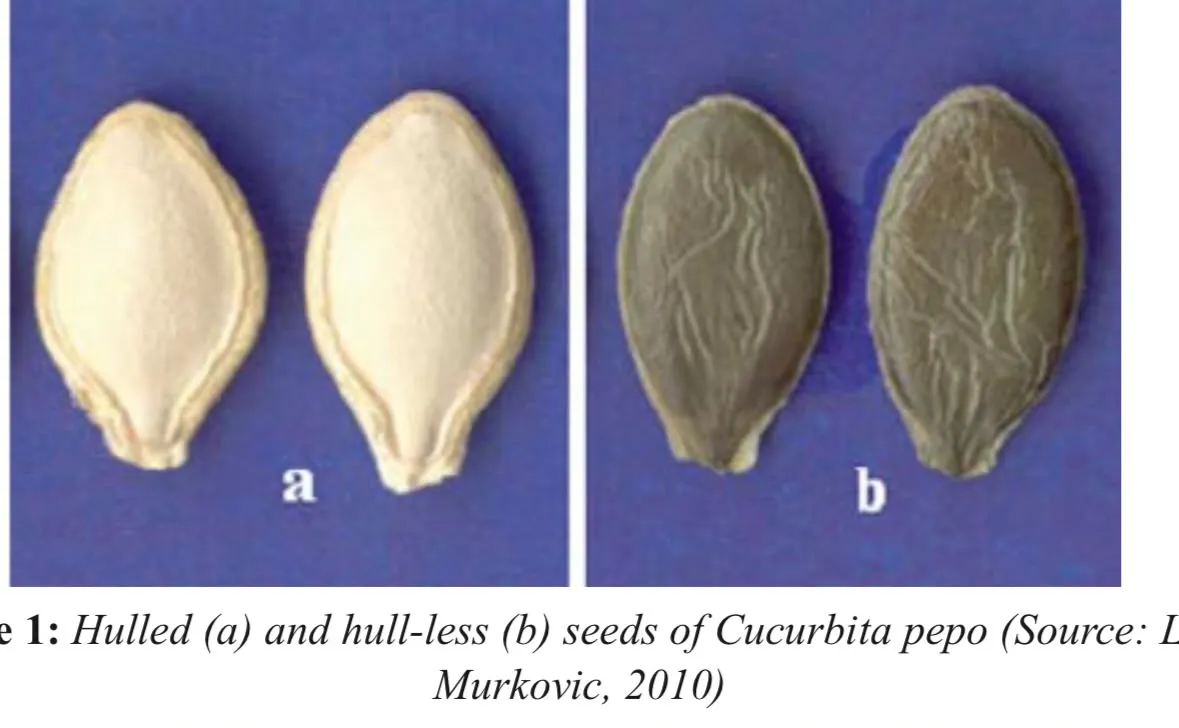
Figure 1: Hulled (a) and Hull-Less (B) Seeds of Cucurbita Pepo
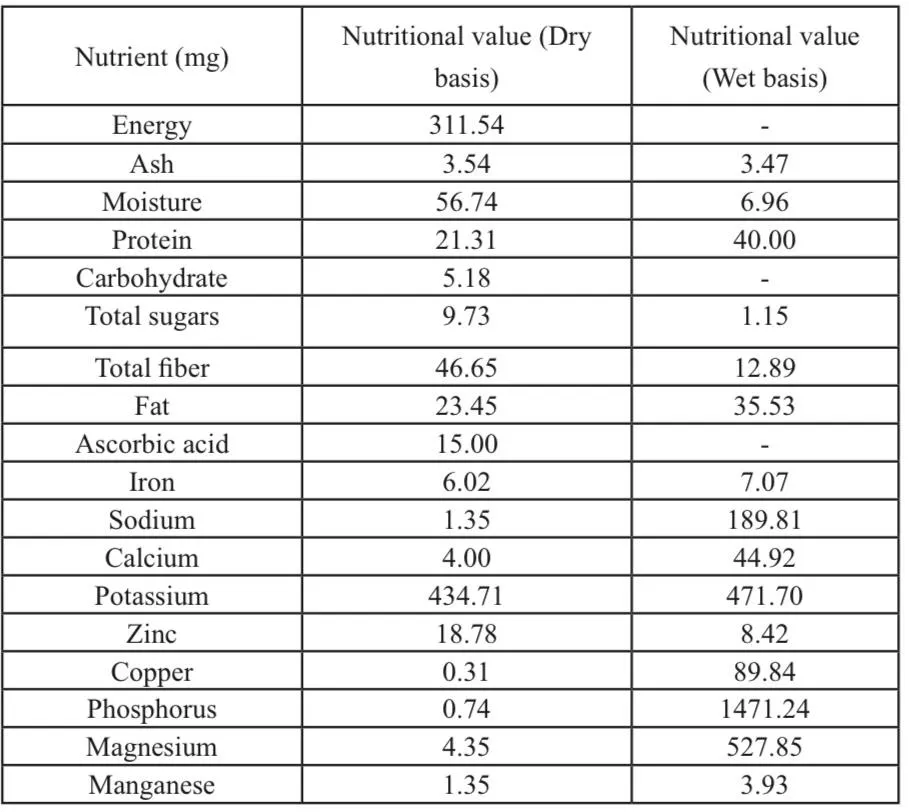
Table 3: Nutritional Value in Pumpkin Seeds.([22]
4 . HEALTH ADVANTAGE:
4.1 ANTI-DIABETIC ACTIVITY:
Pumpkin seeds contain high levels of phenolic antioxidant compounds, such as trigonelline, D-chiro-inositol, and nicotinic acid, which are known to act as insulin mediators or insulin sensitisers. [23] These bioactive compounds produce several physiological effects, especially on pancreatic β-cell function, insulin secretion, and the regulation of key enzymes in glucose metabolism. D-chiro-inositol, one of the main components, is thought to act as an intracellular mediator of insulin signalling. It promotes the dephosphorylation of glycogen synthase, activates pyruvate dehydrogenase, and increases the activity of rate-limiting enzymes in both oxidative and non-oxidative glucose uptake pathways. Trigonelline, a bioactive plant alkaloid present in pumpkin seeds, has shown considerable potential in reducing hyperglycemia and hyperlipidemia showed that both trigonelline and nicotinic acid boost the activity of key enzymes in glucose metabolism, including glucokinase and glucose-6-phosphatase. In addition, another study reported a wide variety of protein constituents in pumpkin seeds, with molecular weights between 3 and 60 kDa, which may help improve insulin levels and glucose tolerance [21]
4.2 ANTICANCER ACTIVITY:
Phytoestrogens show a controversial effect on hormone-dependent tumours. Earlier studies employing a rat breast cancer model have shown that treatment with pumpkin seed extract can modulate hormonal activity by increasing estradiol production and changing the expression of estrogen receptor (ER)- α, ER- β, and progesterone receptor (PR) in MCF7, BeWo, and Jeg3 breast cancer cell lines. A dose-dependent rise in estradiol synthesis was noted across all three cell types. In particular, MCF7 cells showed a significant downregulation of ER- α expression together with an upregulation of PR. These results indicate that compounds in pumpkin seeds may have therapeutic potential for the treatment and/or prevention of hormone- dependent breast cancers by modulating estrogen and progesterone signalling pathways.[9] Carried out an in vivo study to assess how ethanolic pumpkin seed extract affects 1,2- dimethylhydrazine- induced colon cancer in Wistar rats. Their results revealed that administering 200 mg/kg of the extract triggered apoptosis in cancer cells, pointing to its cytotoxic potential against tumour tissues. Likewise, other studies have shown that hydroalcoholic extracts of pumpkin seeds can suppress the proliferation of human hepatocarcinoma (HepG2) and colon carcinoma (CT26) cell lines. [24] Moreover, they showed antiproliferative activity of pumpkin seed extracts in breast, colon, and lung cancer cell lines. Also described a dose- dependent inhibitory effect of cucurbitacin, a bioactive compound isolated from pumpkin seeds, on prostate cancer cell lines. Their study further showed that cucurbitacin causes cell cycle arrest, disrupts cytokinesis, and increases apoptosis. Although several researchers credit the anticancer potential of pumpkin seeds to their flavonoid and cucurbitacin content, others argue that cucurbitacin alone may not fully account for these effects. This inconsistency suggests that other bioactive compounds or mechanisms may play a role in the anticarcinogenic activity observed. Consequently, additional studies centred on compound isolation, mechanistic pathways, and advanced analytical methods are needed to better understand and confirm these effects.
4.3 ANTIMICROBIAL ACTIVITY:
Pumpkin seeds have notable antimicrobial properties, which are attributed to their abundant content of bioactive compounds including phenolics, flavonoids, and essential fatty acids. These compounds have been shown to exert inhibitory effects against a variety of pathogenic microorganisms, such as bacteria and fungi. Research has demonstrated that extracts of pumpkin seeds are able to disrupt microbial cell membranes, interfere with enzyme activity, and suppress microbial growth. In particular, compounds such as cucurbitacins and certain peptides have been associated with potent antibacterial activity, especially against Gram-positive and Gram-negative bacteria. These antimicrobial properties support the potential use of pumpkin seeds as a natural preservative or therapeutic agent within the food and pharmaceutical industries. A 28-kDa antifungal protein designated PR-5 (pathogenesis-related protein 5), which was isolated from pumpkin seeds, has been shown to markedly inhibit the growth of Fusarium oxysporum on agar plates at concentrations above 2 μM. When combined with nikkomycin, a chitin synthase inhibitor, this protein also displayed synergistic antifungal activity, effectively suppressing the growth of Candida albicans. In another study, a further antifungal protein, with a molecular weight of approximately 40 kDa, was isolated from pumpkin rind and named PR-1. At concentrations of 10–20 μM, this protein showed strong antifungal activity against Fusarium oxysporum, Botrytis cinerea, Rhizoctonia solani, Fusarium solani, and Candida albicans. Nevertheless, even at 200 μM, it exhibited no inhibitory effect against Staphylococcus aureus or Escherichia coli. Furthermore, research has confirmed that the seed oil of Cucurbita pepo L. grown in Turkey has notable antibacterial activity against Klebsiella pneumoniae and Acinetobacter baumannii at 16 μg/mL, strong antifungal activity against Candida albicans at 8 μg/mL, and moderate antiviral activity against Parainfluenza virus type-3 within the concentration range of 8–16 μg/mL.[21]
4.4 ANTHELMINTIC ACTIVITY:
Botanical evidence and numerous scientific studies confirm that pumpkin seeds have been used for a long time in traditional medicine to treat prostate disorders, urinary tract ailments, and parasitic infections.established that the minimum effective dose of Cucurbita maxima seeds in mice was 23 g (roughly 73 seeds). They noted that the seeds displayed proteolytic activity and caused structural damage to the tegument, including the basal membrane, which led to a significant decrease in parasite egg count. In a separate study, the anthelmintic effects of aqueous and ethanolic extracts of C. maxima seeds were assessed against Aspiculuris tetraptera in rat intestines. The results demonstrated high efficacy: 81% for the aqueous extract and 85% for the ethanolic extract, indicating the greater potency of the ethanolic formulation. [22] Likewise, reported that oral administration of pumpkin seed extract, prepared in boiled water and given over 14 days, resulted in the destruction of Heterophyes heterophyes parasite eggs in infected puppies. Further investigated the anti- giardial potential of methanolic and petroleum ether extracts of C. maxima and C. pepo seeds at doses of 250, 500, and 1000 ppm. Their findings revealed that the C. maxima petroleum ether extract achieved complete (100%) efficacy against Giardia within 72 h at 250 ppm, and within 48 h at both 500 and 1000 ppm. By contrast, C. pepo showed 83.7% efficacy at 96 h with a 500-ppm dose. The anti- giardial activity of C. maxima was ascribed to triterpenes such as Cucurbitacin E and Cucurbitacin L 2- O- β- glucosides. In addition, an in vitro study was carried out using water, dichloromethane, and methanol extracts from Cucurbita moschata seeds against Haemonchus contortus. Of these, only the aqueous extract was able to effectively inhibit larval development. Furthermore, showed that when pigs infected with Oesophagostomum spp. larvae were treated three times a week with pumpkin seeds at a dose of 5 g/kg, the treatment produced a 96.1% anthelmintic efficacy, comparable to ivermectin, which achieved 97.5%. These results strongly indicate that pumpkin seeds represent a promising natural alternative for antiparasitic therapy.
4.5 CYTOPROTECTIVE ACTIVITY:
Some chemical compounds can shield cells from metabolic damage caused by toxic agents, a phenomenon known as cytoprotection. Prostaglandins are a classic example, preventing gastric ulceration mainly by strengthening mucosal defence rather than by suppressing gastric acid secretion. Similarly, several in vivo studies indicate that pumpkin seed extract (PSE) may provide cytoprotective effects against various toxic insults. However, the evidence available comes largely from animal models, and its direct relevance to human health is still not sufficiently established. The cytoprotective activities reported for pumpkin seed oil and extracts include a reduction of emamectin-induced toxicity in mice, as shown by decreased DNA fragmentation, oxidative stress, and apoptosis. PSE has also been reported to lessen cyclophosphamide- induced reproductive toxicity in male rats and to show hepatoprotective effects against acetaminophen- induced liver injury. In addition, lower lipid peroxidation and higher activity of antioxidant enzymes such as superoxide dismutase have been noted in models of carbon tetrachloride (CCl4)- induced hepatic damage. Although these findings are encouraging, they rest on controlled experimental conditions that may not fully reproduce the complex physiological systems of humans. Moreover, some studies report that PSE can lessen liver steatosis and fibrosis and may inhibit the metabolism of 1,2- dimethylhydrazine, pointing to possible chemoprotective properties. Nonetheless, the mechanisms involved remain poorly understood, and it is unclear which specific bioactive compounds are mainly responsible for these effects. Differences in extraction methods, dosages, and experimental models also make it harder to interpret and compare results across studies. In sum, while preliminary findings point to possible cytoprotective and hepatoprotective effects of pumpkin seed extracts, the current evidence base is limited by its [25] dependence on preclinical studies. Standardised experimental designs, detailed mechanistic studies, and well- controlled clinical trials are clearly needed to confirm these effects and evaluate their translational relevance.
4.6 ROLE IN IRON DEFICIENCY:
According to Mille, iron deficiency anaemia is a commonly seen dietary issue worldwide. Stated that supplementing with another naturally occurring source of iron, such as dehusked pumpkin seeds, may significantly improve blood iron levels. Fortified supplements help maintain an optimal nutritional status and lower the likelihood of iron scarcity, and fortified prepared cereals are also thought to be a widely used technique. Hematocrit, haemoglobin, reticulocyte count, serum ferritin, total iron-binding capacity, and transferrin saturation percentage were all the biochemical parameters assessed on the 20th day of menstrual cycles before and after pumpkin seed treatment. Throughout the consumption period, significant positive results for iron status were seen. Dehusked pumpkin seeds and iron-fortified prepared cereals are two sources of dietary supplements with iron. An in vivo experimental study has been conducted to compare the effectiveness of these two sources and discuss their effects on iron nutrition status and the changes in haematological parameters in women of reproductive age. For one month, 30 g of iron-fortified prepared cereals and 30 g of pumpkin seeds were given to eight healthy, non-pregnant women between the ages of 20 and 37, and it was found that the addition of pumpkin seeds in their diet improved the iron status [26]
4.8 ADDITIONAL NUTRACEUTICAL ROLES OF PUMPKIN SEEDS:
Beyond the therapeutic nutraceutical benefits described above, it has been demonstrated that pumpkin seeds exert a beneficial effect on lipotoxicity and hepatic inflammation in animal models in the course of clinical trials. Moreover, when compared with the placebo group in their study, pumpkin seeds demonstrated a potent anti-androgenic effect, and the self- reported improvement score was likewise considerably higher than that of the control group, as documented. Experimental studies have yielded definitive findings that pumpkin seeds have been demonstrated to enhance bladder and prostate health, control hypertension, lower inflammation, possess wound-healing properties, and alleviate sleep disorders [27]
4.9 ANTI-NUTRITIONAL PROPERTIES:
These are substances produced by plants, known as secondary metabolites, that protect the plants from being attacked by fungi, insects, bacteria and other animals. This is why they are known as anti-nutrients because they interfere with digestion and have negative effects on our health. These can be divided into several categories, including nitrogenous toxins, e.g. cyanogenic glycosides, toxic amino acids, alkaloids, coumarins, phenolic compounds, e.g. phytoestrogens, tannins, terpenes, e.g. saponins and sesquiterpene lactones, phytates and oxalates. There are various anti-nutrients found in pumpkin seeds. studied pumpkin (fluted variety) and found that there were various anti-nutrients found within the different sections of the plant, including the stems, leaves, roots and seeds. They found that 59mg/100g of oxalates, 28.90mg/100g of cyanides, 48.20mg/100g of tannins and 36.40mg/100g of phytates were found. The seeds of Telfairia occidentalis were also studied and found 44.00mg/100g of oxalates, 18.89mg/100g cyanides, 2.29mg/100g of tannins and 14.80mg/100g of phytates. Also studied the seeds of this variety and found 148.50mg/100g of oxalates, 0.50mg/100g of cyanides and 425.10mg/100g of phytates and found oxalates at 0.43mg/100g and 2.92%. C. pepo L. was studied and was found to contain four antinutrients. Cyanides were at 0.22mg/100g, nitrates at 2.27mg/100g, phytates at 35.06mg/100g and oxalates at 0.023mg/100g. The same species were also studied, and two ANFs were found. These included 9.67mg/100g of phytates and 0.21mg/100g of oxalates. This showed that phytates were found at 0.21%, oxalates at 0.11%, saponins at 0.23%, tannins at 0.01% and Trypsin inhibitors at 31.05mg/g. Different species will contain different ANFs due to their genetic differences and different growing conditions. Processing these seeds will reduce the ANFs and therefore improve the nutritional profile and organoleptic properties. These included saponins, tannins and cyanides. They were found in the seeds at 14.38-19.23% in C. pepo and C. maxima. 11.62%-24.66% in C. pepo and C. maxima. 12.82-29.62% in C. pepo and C. maxima. These Anti-Nutrients are known to be harmful to our health; however, studies have shown that if taken in small quantities, they can act as antioxidants and anti-cancer agents. They can also help to reduce our glycemic load and reduce cavity formation.
PHYTOCONSTITUENTS PRESENT IN PUMPKIN SEEDS [28]
| Phytoconstituent | Molecular Formula | Molecular Weight | Structure | Health Effects |
|---|---|---|---|---|
| Zeaxanthin | C₄₀H₅₆O₂ | 568.9 | Promotes eye health. | |
| Gallic acid | C₇H₆O₅ | 170.12 | Reported activities related to gastrointestinal, neuropsychological, metabolic and cardiovascular disorders. | |
| β-Carotene | C₄₀H₅₆ | 536.9 | An important vitamin source for humans. | |
| Chlorogenic acid | C₁₆H₁₈O₉ | 354.31 | Used in relation to metabolic syndrome; reported antioxidant, anti-inflammatory, antilipidemic, antidiabetic and antihypertensive activities. | |
| Vanillic acid | C₈H₈O₄ | 168.15 | Antioxidant; may help reduce oxidative stress. | |
| Protocatechuic acid | C₇H₆O₄ | 154.12 | Strong antioxidant, known for cardiovascular protective effects. | |
| Rutin | C₂₇H₃₀O₁₆ | 610.5 | Neuroprotective agent. |
6. PHARMACOLOGICAL ACTIVITY:
6.1 IN VITRO AND IN VIVO HYPOGLYCEMIC POTENTIAL OF PUMPKIN SEEDS AND LEAVES:
(A) IN VITRO HYPOGLYCAEMIC POTENCY
Table 4: In Vitro Hypoglycemic Activity of Pumpkin Seeds.[28]
| Pumpkin species | Concentration | Enzyme Tested | Inhibitory activity |
|---|---|---|---|
| Cucurbita maxima seed extract | 6.2–500 mg/mL | α-Amylase | 85% inhibition at 500 mg/mL; IC50 = 138 mg/mL Showed significant enzyme inhibition (P < 0.05). |
| Cucurbita maxima seed extract | 6.2–500 mg/mL | α-Glucosidase | 91.16% inhibition at 500 mg/mL; IC50 = 22 mg/mL Showed stronger inhibition than α-amylase. |
| Cucurbita pepo seed oil | As tested in the study | α-Amylase | C50 = 40.68 ± 1.22 µg/mL Showed stronger inhibitory activity than Soxhlet-extracted oil and acarbose. |
| Cucurbita pepo seed oil (Soxhlet extraction) | As tested in the study | α-Amylase | IC50 = 45.46 ± 1.29 µg/mL Showed slightly lower inhibitory activity than CAEE oi |
(B) HYPOGLYCEMIC POTENTIAL IN VIVO.
Table 5: In Vivo Hypoglycemic Activity of Pumpkin Seeds.[28]
| Pumpkin Species | Experimental model | Comparison /Control | Observed hypogylcemic effect |
|---|---|---|---|
| Cucurbita maxima seeds | Alloxan-induced diabetic rat | Untreated diabetic rats | Reduced blood glucose levels |
| Cucurbita maxima seeds | Streptozotocin induced diabetic rats | Untreated diabetic control group | Produced a significant reduction in blood glucose levels. |
| Pumpkin seed powder | Alloxan-induced diabetic rats | Pumpkin peel and flesh powder | Showed significant hypoglycemic activity. |
| Pumpkin peel powder | Alloxan-induced diabetic rats | Pumpkin seed powder | Did not show a comparable significant hypoglycemic effect. |
6.2 OTHER ACTIVITY:
(A) PROTECTIVE EFFECTS ON ARTHRITIS AND BONES:
Meals rich in zinc that are prepared from pumpkin seeds are likewise used to avert bone fractures. For individuals who are at risk of osteoporosis, zinc helps maintain bone density and bolsters the immune system. Particularly for women after menopause, pumpkin is a beneficial food to consume. As stated, the γ -tocopherol and beta-carotene present in pumpkin seeds possess anti-inflammatory properties and can be used to address arthritis and other conditions that cause uncomfortable swelling. As reported by multiple studies, pumpkin seeds provide greater healing and anti- inflammatory benefits than pharmaceutical drugs. In a comparative test against indomethacin, a common arthritis medication, the consumption of pumpkin seeds performed quite well the medication, along with the former.[28] Indeed, when compared with indomethacin, pumpkin seeds demonstrated a more favourable effect on the degradation of lipids within the joint linings. Pumpkin seeds have been demonstrated to relieve inflammation associated with arthritis naturally. They do not increase the amount of harmful fat in the joint linings.[29]
B) PREVENTIVE BENEFITS FOR LIVER DISEASE:
A number of researchers have documented the liver-protective properties of pumpkin in the past. This has been recorded by several researchers previously. In order to induce liver failure, male Sprague Dawley rats were fed a low-protein diet for five days in a 2005 study. After CCl4 injections, the levels of the four liver enzymes aspartate transaminase (AST), alkaline phosphatase (ALP), alanine transaminase (ALT), and lactate dehydrogenase (LDH) were all markedly elevated. The level of both of the enzymes mentioned above was reduced in one group after administration of a dose of pumpkin seed protein isolate, which indicates the usefulness of pumpkin in treating liver dysregulation. A similar hepatoprotective effect of pumpkin seed protein isolate was mainly observed through improved antioxidant activity and reduced liver enzymes in another study carried out on rats exposed to CCl4. The same result investigation conducted on rats with CCl4. The same finding was likewise identified by a separate study conducted in order to understand how fluted pumpkin leaf extract affects anaemia. In this case, the aqueous extract of pumpkin leaves at 50mg/kg is capable of regulating ALT and AST. All of these studies support the idea that pumpkin seed protein isolates are able to lower the elevated levels of liver enzymes (ALT, AST, ALP, LD) when liver damage is caused by a low-protein diet or malnutrition.[30] The same alterations in these liver enzymes resulting from pumpkin use were documented. Atherosclerosis is a significant health issue that leads to mortality and morbidity across the world and is additionally caused by non-alcoholic fatty liver disease (NAFLD). Consumption of fats and the type of fat contained in a person’s diet are essential in both treating NAFLD and preventing it from occurring. Around 80% of enriched fatty acids are unsaturated phytochemicals, as has already been established, and pumpkin seed oil contains them in abundance.[30]
6.3 (A) EFFECTS ON BLOOD PRESSURE AND HEART PROTECTION:
Eating pumpkin can potentially reduce blood pressure by inhibiting the angiotensin-converting enzyme, which is associated with blood vessel narrowing. The phytosterols in pumpkin, along with tocopherols, carotenoids, and essential fatty acids, may assist in lowering cholesterol and reducing oxidative stress and inflammation.[30] Within the small intestine, phytosterols block cholesterol from being taken up. Among common nuts and seeds, pumpkin seeds rank third in phytosterol content. Pumpkin seeds generally contain four primary fatty acids: Stearic (8%), Palmitic (13.3%), Oleic (29%), and Linoleic (47%). Research indicates that oleic acid may guard against atherosclerosis either by changing the production of nitric oxide or by blocking the expression of adhesion molecules. Due to their capacity to scavenge peroxyl radicals, tocopherols possess antioxidant properties that protect the cardiovascular system. Death rates from cardiovascular disease show an inverse correlation with the consumption of foods rich in tocopherols. Because they are rich in unsaturated fatty acids, especially linoleic acid, pumpkin seeds have been demonstrated to possess antiatherogenic properties. As reported by Neferti.com, pumpkin seed oil renders blood vessel walls more elastic and stronger, which helps in treating atherosclerosis. Plant sterols and stools present in pumpkin seeds have been associated with the prevention of atherosclerosis. The high fibre content of pumpkin also helps lower the risk of atherosclerosis. Pumpkin seeds help prevent atherosclerosis thanks to their high vitamin K content. Many studies have been conducted on the Cucurbitaceae species, a component of the Mediterranean diet, in order to understand its association with CVD.[30] Unsaturated fats have been demonstrated to lower the risk of numerous heart diseases, while saturated fats raise that risk. In view of these findings, a study was carried out in which a diet rich in mono- and polyunsaturated fatty acids raised HDL levels while reducing LDL levels. Building on this information, another study was conducted in 2011 to compare how pumpkin oil and olive oil affect blood lipoprotein levels. This was done since both oils contain high amounts of PUFA and MUFA. Both olive and pumpkin oil altered the serum lipid profile. profile. However, olive oil had a significantly larger effect than pumpkin seed oil. Consequently, this supports the use of pumpkin seed oil for treating heart conditions and makes it possible to investigate the oil further. The endothelial layer turns dysfunctional when cholesterol levels in the body are high levels, which raises the levels, which raises the amount of the vascular cell adhesion molecule. [30]
7. USES OF PUMPKIN SEEDS IN FOOD FORMULATIONS:
Pumpkin seeds contain substantial amounts of fibre, fat, and proteins, and their application in food formulations remains at the developmental stage. Reported that pumpkin seeds have a rich nutty flavour and a greenish colour, and their flour can be used to formulate various products in the baking industry. Greater firmness and moisture retention were observed when cakes were made with 33%, 50%, and 100% pumpkin seed flour. Chikki was prepared by replacing 25% with pumpkin seed flour, and its nutritional content rose alongside improvements in overall acceptability, flavour, and texture. Produced muffins with improved nutritional and sensory properties at 33% replacement with pumpkin seed flour. Both pumpkin seeds and rind contain a higher amount of protein (approx. 25%), which possesses unique functional properties, and it also contains a higher amount of lysine. Rich in protein bread can be produced by substituting pumpkin seed flour for all-purpose flour fortified with tryptophan, which is an essential amino acid. A high-protein bread can be made with a 5%–10% substitution of pumpkin seed flour. [31]The L-tryptophan found in pumpkin seeds helps to raise serotonin levels in the brain and helps to lower the chances of depression. Reported that amaranth and pumpkin seeds can be incorporated into chicken burgers, which results in improved cooking properties and reduced lipid oxidation during storage. Demonstrated an improvement in the water-holding capacity and cooking quality of bologna-type sausage when 3% pumpkin seed powder was used. Stated that a dried mixture of pumpkin seed and pulp is a good alternative for replacing lean meat in beef patties, preserves cooking properties and enhances water-holding properties without any adverse impacts on sensory or quality attributes. likewise noted that pumpkin seed paste may serve as a substitute for vegetable fat, potentially enhancing the fatty acid profile of meat batters, with little variation in the textural profile developed a low-fat spread, while created high-protein cereal bars with favourable fats by replacing 12%–25% with pumpkin seed flour noted that flour made from pumpkin seed kernels is a valuable nutrient source, since it contains fat, protein, and linoleic and oleic acid. It enhances the PUFA/SFA ratio, hardness, and the atherogenic and thrombogenic index, and incorporating up to 3% pumpkin seed flour in meatball production leads to improved functional characteristics. A significant application of pumpkin seed is the extraction of high-quality pumpkin seed oil rich in nutraceuticals. This oil can be blended with other edible oils to obtain an oil with superior functional and nutraceutical properties. The cake made from pumpkin seeds that remains after the oil has been extracted can also be used in the production of edible coating materials with improved gas permeability, protein concentration, and film thickness, along with mechanical barrier properties.[31]
7.1 BREAD & FLOUR FORTIFICATION:
Pumpkin seed flour or protein concentrate can be added to wheat flour to enhance the protein, lysine, and mineral content of the product whilst having no adverse effect on the quality of the dough or final loaf. Up to 21% protein isolate or flour can be added to bread to improve the nutritional value. The protein-rich pumpkin seed concentrate improves the dough's gas retention, improves structure and enhances the unsaturated fat and digestibility. It can be added to bread up to 10%, which shows it is a viable option to produce healthier bakery goods.[31]
7.2 COOKIES, CRACKERS, CAKES & GLUTEN- FREE BAKERY ITEMS:
Pumpkin seed flour can be used to improve the sensory and nutritional qualities of various baked items. For example, 5-10% pumpkin seed powder can be added to sponge cake with no negative effects. This improves the crust colour and flavour. By substituting 20-35% of the chickpea flour with pumpkin seed cake flour, it causes the protein, fibre, phenolics and antioxidant activity to increase in the final product. The cracker has a lowered glycemic index with no negative effect on the taste. In a study, they investigated the possibility of using pumpkin seed cake flour in the production of sponge cake. They produced sponge cakes with 5% and 10% pumpkin seed powder. They compared these against the control sample. This showed that the crust colour of the cakes was similar to the control. Therefore no major changes in appearance. These cakes had good quality characteristics, so they would be a viable option for development. They formulated 3 types of crackers: one control of only chickpea flour, and then 20% and 35% of the chickpea flour were substituted with cold-pressed pumpkin seed cake flour.[21]
As the pumpkin seed cake flour increased, so did the protein, fat and ash content. However, the total carbohydrate content decreased. This shows how pumpkin seed products can be used to increase the nutritional value of baked snack items. As the chickpea flour was substituted with pumpkin seed press cake flour, the proximate analysis showed there was an increase in protein, fat and ash content. The total carbohydrate content decreased. With the ingredients being high in fibre and protein, these crackers could be sold as a ‘high in fibre’ and a ‘source of protein’.[21]
The total phenolic content and antioxidant activity increased gradually. All of the samples had a moderate glycemic index; however, there was a significant decrease when the chickpea flour was substituted with pumpkin seed press cake flour at both 20% and 35%. They performed sensory analysis, and all of the samples had good organoleptic properties. Also, the pumpkin seed press cake flour actually improved some of the qualities such as taste and flavour. This study has shown how the use of pumpkin seed press cake can be used as a valuable by-product within the food industry to produce gluten- free crackers. Using this improves the nutritional value of the product, enhances antioxidant properties, and lowers the glycemic index. Also, it helps utilise the agro- industrial waste sustainably, which links to the circular economy and functional food. [21]
8. FUTURE PROSPECTS:
Future opportunities for pumpkin seeds: natural antioxidant formulation; pumpkin seed functional food, pumpkin seed protein supplement, nutraceutical formulation to help regulate blood sugar, immune-boosting and anti-inflammatory properties; value-added products from pumpkin seed oil and cake; more research into bioactive compounds and their applications
CONCLUSION:
The research studies mentioned above confirmed that pumpkin seeds possess both nutritional and therapeutic properties, and they are also served as a delicious food in many parts of the world. Pumpkin seeds are grown in tropical and subtropical regions. There are three main types that are cultivated, namely Cucurbita pepo, Cucurbita maxima, and Cucurbita moschata. The nutrient composition analysis of pumpkin seeds revealed that they are highly nutritious and supply many essential nutrients that are beneficial to health. However, pumpkin seeds have been used for medicinal purposes, and they also possess nutritional and therapeutic importance. Pumpkin seeds play an important role in supplying micronutrients and are also used in the treatment and management of diabetes, inflammation, hyperlipidaemia, hypertension, and cancer, and they protect the heart, among other benefits. In Pakistan, pumpkin seeds are utilised for cultivation and otherwise discarded as waste. There ought to be more research and awareness regarding their nutritional and therapeutic value, so that people incorporate them into their daily meals. [32]
REFERENCES


Dr. Anjali Wanegaonkar, Mrunal Nikam, Tanvi Mhatre, Mansi Singh, Samiya Kapdi, Shrutika Patil, Pumpkin Seeds as an Immunobooster, Int. J. of Pharm. Sci., 2026, Vol 4, Issue 11, 3161-3177. https://doi.org/10.5281/zenodo.24360884
 10.5281/zenodo.24360884