

We use cookies to ensure our website works properly and to personalise your experience. Cookies policy
Department Of Pharmacognosy, Jamia Salafiya Pharmacy College, Pulikkal, Malappuram, Kerala,673637, India.
Phytosome technology is a phospholipid-based strategy developed to overcome the poor solubility, membrane permeability, instability and limited systemic availability of many herbal bioactive constituents. Although medicinal plants contain pharmacologically valuable flavonoids, phenolic compounds, terpenoids, alkaloids and glycosides, their clinical and pharmaceutical utilization may be restricted by low aqueous solubility, inadequate gastrointestinal absorption, rapid metabolism and limited tissue penetration. In phytosomes, a standardized plant extract or isolated phytoconstituent is molecularly associated with a phospholipid, commonly phosphatidylcholine, through interactions involving the polar functional groups of the phytoconstituent and phospholipid head group. The resulting phyto-phospholipid complex possesses improved lipid compatibility and can facilitate membrane interaction and transport. This review summarizes the concept, historical development, physicochemical basis, preparation methods, characterization, evaluation parameters, therapeutic applications, advantages, limitations and future prospects of phytosomes for herbal drug delivery. Conventional preparation approaches such as solvent evaporation and anti-solvent precipitation and emerging supercritical-fluid approaches are discussed. Characterization by microscopy, particle-size analysis, zeta potential, drug content, entrapment/complexation efficiency, FTIR, NMR, DSC and XRD provides evidence of complex formation and product quality. Evidence summarized in the supplied literature indicates improved delivery of silybin, curcumin, quercetin, rutin, andrographolide and several herbal extracts. Recent work also demonstrates potential for oral, topical and other routes of administration. However, reproducible standardization of complexation, scalability, long-term stability, regulatory harmonization and clinical validation remain important challenges. Phytosomes therefore represent a promising bridge between traditional herbal therapeutics and modern pharmaceutical delivery science
Medicinal plants have remained an important source of therapeutic agents and continue to contribute to traditional and contemporary healthcare. Their phytochemical diversity includes flavonoids, phenolic acids, tannins, alkaloids, glycosides, terpenoids and other secondary metabolites with antioxidant, anti-inflammatory, antimicrobial, hepatoprotective, cardiovascular and anticancer activities. However, the presence of pharmacological activity in an extract does not necessarily ensure adequate therapeutic exposure after administration. Many phytoconstituents exhibit poor water solubility, limited membrane permeability, extensive first-pass metabolism, rapid elimination or inadequate tissue distribution. These properties can result in low and variable bioavailability and may require repeated or relatively high doses. The supplied literature identifies poor absorption and limited lipid solubility as major barriers to effective delivery of herbal constituents. [1,2]
Novel drug-delivery systems provide a means of modifying the physicochemical and pharmacokinetic behavior of plant-derived molecules. Approaches including liposomes, nanoparticles, microemulsions, solid dispersions and phospholipid complexes have been investigated to improve solubility, permeability, stability and bioavailability.[2,3] Among these approaches, phytosomes are particularly relevant to herbal drugs because the active phytoconstituent is associated with a phospholipid rather than merely being physically entrapped in an aqueous vesicle. The resulting phyto-phospholipid complex is more compatible with biological membranes and can enhance the transfer of the associated phytochemical across lipid barriers.[4,5]
The term phytosome combines “phyto,” referring to plant, with “some,” meaning cell-like structure. Phytosomes are generally described as molecular complexes of plant-derived active constituents with phospholipids, most commonly phosphatidylcholine. The polar portion of the phytoconstituent interacts with the polar head of the phospholipid, while the lipophilic portions of the phospholipid provide a lipid-compatible environment around the complex. This molecular association can alter solubility, partitioning, membrane interaction and pharmacokinetic behavior.[4,5]
The purpose of this review is to present a concise, publication-oriented overview of phytosome technology for enhanced herbal drug delivery, emphasizing the scientific rationale, preparation, characterization, therapeutic applications and translational challenges.
HERBAL DRUGS AND THE NEED FOR ADVANCED DELIVERY
Herbal medicines contain complex mixtures of constituents whose concentrations may vary according to species, geographical origin, cultivation, harvesting, drying, extraction and storage. Proper collection and post-harvest processing are therefore important for maintaining phytochemical quality. The supplied literature describes collection at appropriate stages of plant maturity, followed by garbling, drying and controlled storage to minimize enzymatic degradation, microbial contamination and loss of volatile or unstable constituents.[2]
Extraction is another critical step because the extraction solvent and process influence the recovery and stability of phytochemicals. Traditional methods include maceration, percolation, decoction, reflux extraction, Soxhlet extraction and steam distillation. Modern approaches include ultrasound-assisted extraction, microwave-assisted extraction, supercritical-fluid extraction, pressurized-liquid extraction, enzyme-assisted extraction and ionic-liquid extraction. The choice of extraction method should be aligned with the stability and polarity of the target marker compounds.[18,19] The supplied document emphasizes that modern techniques may reduce time, solvent consumption and energy requirements while improving control over extraction parameters.[2]
Even when an extract has a high phytochemical content, oral or topical administration may not produce adequate delivery. Hydrophilic molecules may have difficulty crossing lipid-rich membranes, whereas lipophilic molecules may have poor aqueous dissolution. Large molecular size, instability in gastrointestinal conditions and extensive metabolism can further reduce systemic exposure. The use of a phospholipid complex seeks to modify these limitations by providing a lipid-compatible molecular environment.[1,4,5]
CONCEPT AND HISTORY OF PHYTOSOME TECHNOLOGY
Phytosome technology was developed as a strategy for improving the absorption of plant extracts. The supplied literature traces the development of the technology to the late 1980s and highlights early work with silybin, the major active constituent of silymarin. Early investigations reported substantially improved absorption of silybin when administered as a phospholipid complex compared with conventional silybin preparations.[4,5]
Subsequent research expanded the concept to other phytochemicals. Reviews of phytosomes have documented applications across multiple herbal constituents and dosage forms. [4,5,12-14] Quercetin, curcumin, naringenin, rutin, andrographolide and several standardized plant extracts have been incorporated into phospholipid complexes. The supplied literature reports improved pharmacodynamic activity for quercetin phytosome in experimental liver injury models and increased plasma exposure for curcumin phytosome compared with free curcumin.[4] Modern reviews further describe phytosomes as a versatile platform applicable to oral, topical, transdermal and other delivery routes. [5,6]
PHYSICOCHEMICAL BASIS OF PHYTOSOME FORMATION
A phytosome is fundamentally a phyto-phospholipid molecular complex. Phosphatidylcholine is amphiphilic, containing a polar phosphate/choline head group and hydrophobic fatty-acid chains. Many phytochemicals possess hydroxyl, carbonyl or other polar groups capable of forming hydrogen-bonding interactions with the polar region of the phospholipid. Depending on the chemistry of the phytoconstituent and formulation conditions, stoichiometric ratios such as 1:1 or 2:1 have been reported.[4]
The formation of hydrogen bonding and molecular association changes the physicochemical environment of the phytoconstituent. The hydrophobic phospholipid chains can provide a lipophilic sheath around the polar drug-phospholipid region, thereby improving compatibility with biological membranes. Nuclear magnetic resonance, FTIR, DSC and XRD studies can be used to distinguish a genuine complex from a simple physical mixture. [4,7]
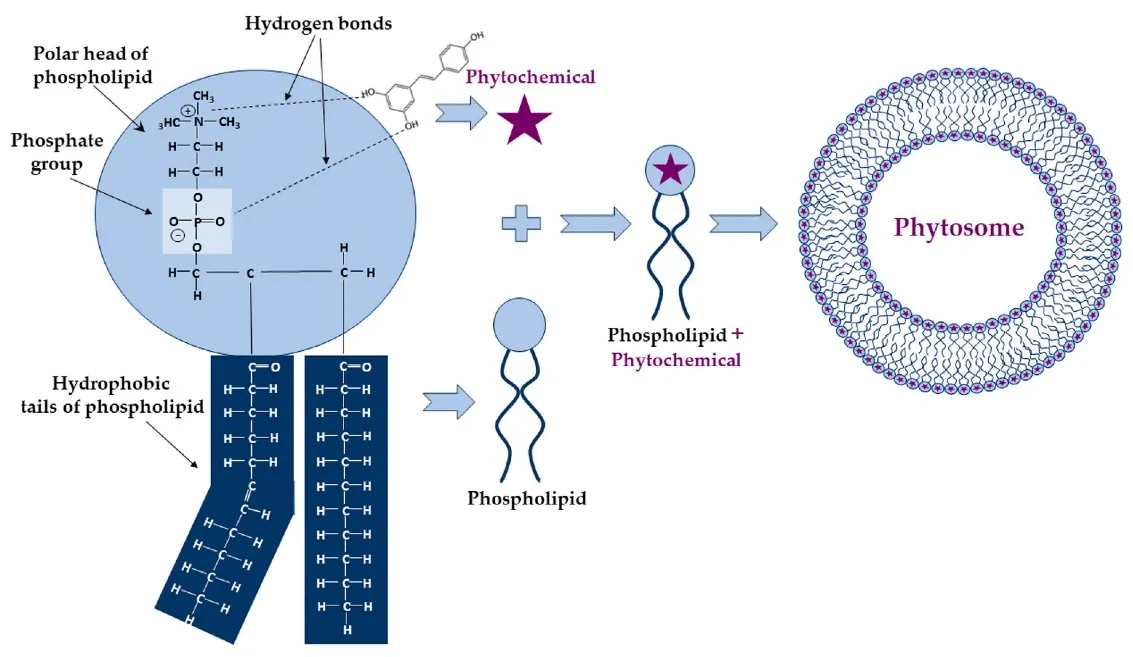
Fig. 1. Schematic representation of phytosome formation through phospholipid–phytochemical interaction.
When dispersed in an aqueous environment, phytophospholipid complexes may form micellar or vesicular structures. Their particle size can range from tens of nanometres to several hundred nanometres depending on composition and preparation conditions. Particle size, polydispersity and surface charge influence dispersion stability, aggregation and biological interaction.[7]
MECHANISM OF ENHANCED DELIVERY
The principal advantage of phytosomes arises from improved interaction between the phytochemical and biological lipid membranes. Phospholipid association may also influence partitioning, permeability and the pharmacokinetic profile of the active constituent.[13,15,17] A conventional hydrophilic phytoconstituent may have limited ability to partition into a membrane. Complexation with phospholipid increases lipid compatibility and can facilitate membrane association. Following oral administration, the lipid-compatible complex may improve dissolution or interaction with intestinal membranes and may protect the associated constituent from unfavorable environmental conditions. The overall result may be increased absorption and systemic exposure.[4,5]
For topical delivery, phospholipid association can improve partitioning into the stratum corneum and facilitate movement across the skin barrier. The supplied literature describes rutin phytosome as showing greater skin uptake and prolonged retention than free rutin, supporting its potential for topical anti-inflammatory delivery.[8] The actual effect depends on particle size, lipid composition, degree of complexation, vehicle and skin condition.
PREPARATION METHODS
Solvent evaporation method
In solvent evaporation, the phospholipid and phytoconstituent are dissolved in a suitable organic solvent or solvent system. The solution is mixed under controlled conditions and the solvent is subsequently removed under reduced pressure. The resulting residue is collected, dried and pulverized to obtain the phyto-phospholipid complex. The supplied literature describes controlled stirring followed by vacuum drying as a conventional approach.[4]
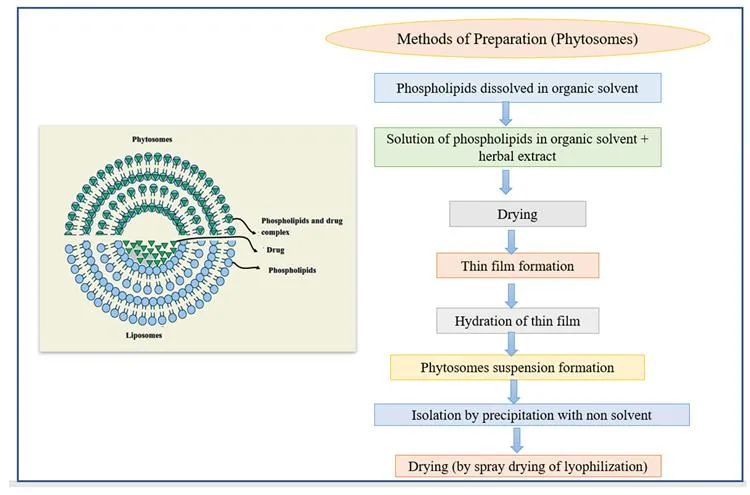
Fig. 2. Schematic representation of phytosome preparation by thin-layer hydration method.
Anti-solvent precipitation method
In anti-solvent precipitation, the phytoconstituent and phospholipid are first dissolved in an organic solvent. Addition of an anti-solvent or removal of the primary solvent under controlled conditions decreases solubility of the complex and promotes precipitation. The precipitated material is collected, dried and sieved. This approach can provide a relatively simple route for laboratory-scale preparation.[4]
Thin-layer hydration and related methods
Recent formulations may employ thin-layer hydration, in which phospholipid and extract are converted into a thin film, followed by hydration to produce a dispersed phytosomal system. A 2023 study of ginger and rosehip extracts used phosphatidylcholine and thin-layer hydration to produce a phytosome formulation that was subsequently characterized for particle size, zeta potential and encapsulation efficiency.[9]
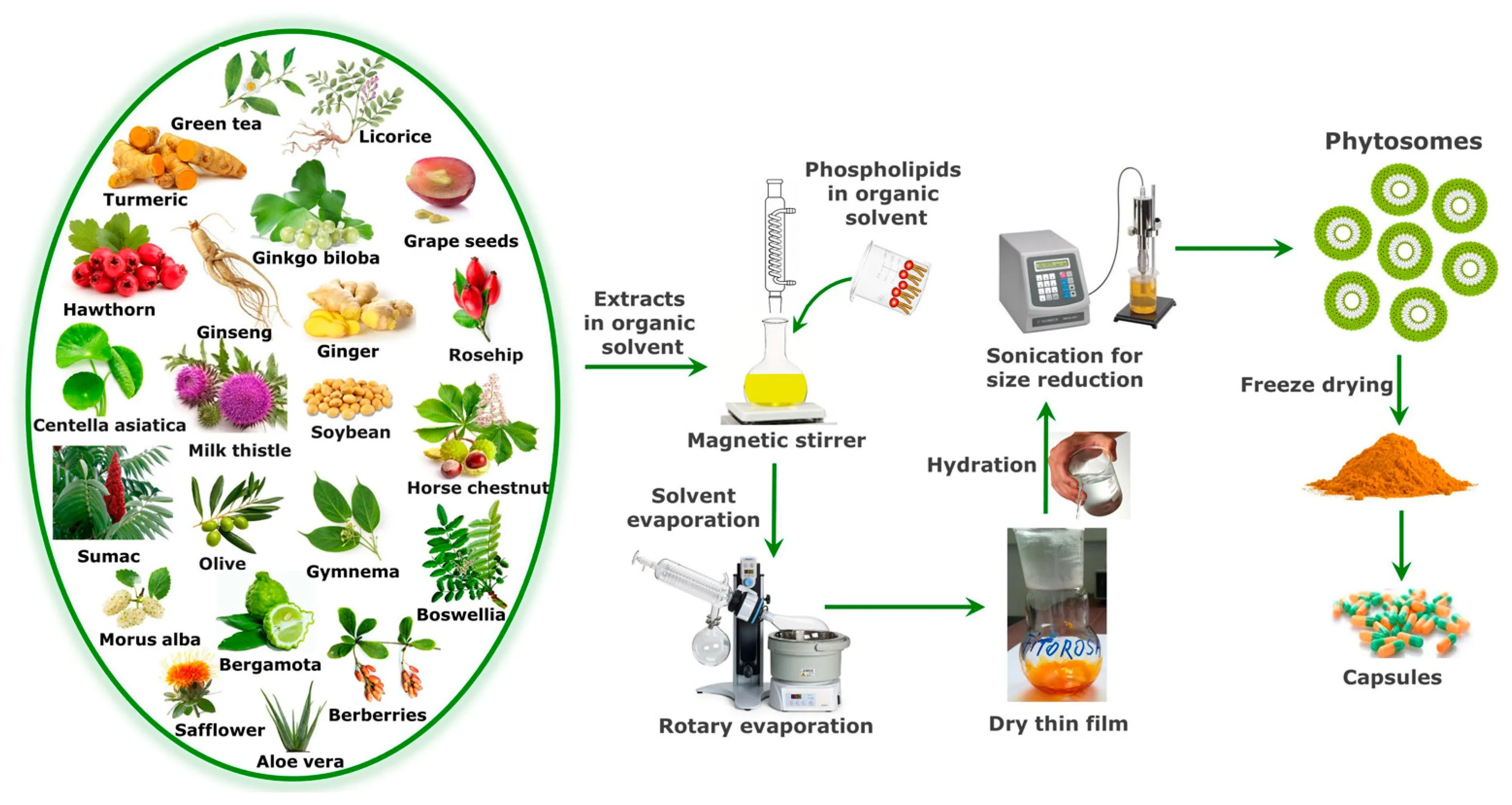
Fig. 3. Schematic workflow of phytosome preparation by solvent evaporation and size-reduction methods.
Supercritical-fluid methods
Supercritical-fluid technology has been explored to improve control over particle formation and reduce solvent-related limitations. Gas anti-solvent and supercritical anti-solvent methods use carbon dioxide to reduce solute solubility and promote precipitation. These techniques can provide advantages such as control over particle size, high product purity and processing at relatively mild temperatures, although specialized equipment and process optimization are required. [4,5]
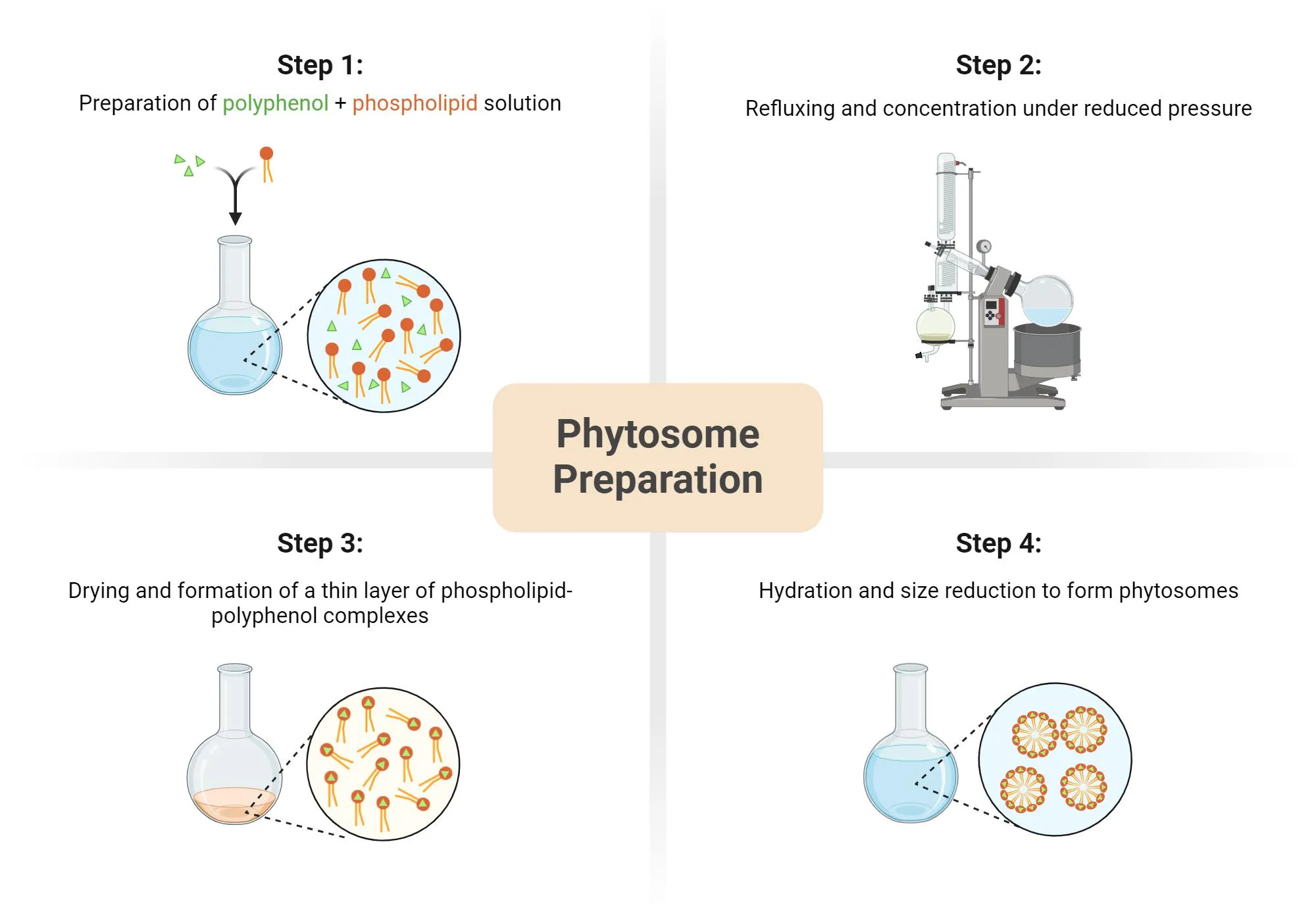
Fig. 4. Schematic representation of the major steps involved in phytosome preparation.
TABLE 1. COMPARISON OF MAJOR PHYTOSOME PREPARATION METHODS
|
Method |
Principle |
Major advantage |
Major limitation |
|
Solvent evaporation |
Dissolution followed by solvent removal |
Simple and widely applicable |
Organic solvent use and drying control |
|
Anti-solvent precipitation |
Precipitation by solvent/anti-solvent change |
Simple recovery of complex |
Particle-size control may be difficult |
|
Thin-layer hydration |
Lipid/extract film followed by hydration |
Suitable for dispersed systems |
Requires hydration and size-control steps |
|
Gas anti-solvent |
CO₂ reduces solvent power and precipitates product |
Potential scale-up and solvent reduction |
High-pressure equipment |
|
Supercritical anti-solvent |
Supercritical CO₂ induces precipitation |
Fine particles and process control |
Specialized equipment and optimization |
CHARACTERIZATION AND EVALUATION OF PHYTOSOMES
A phytosomal formulation should be evaluated. Experimental studies with extracts such as *Aegle marmelos* demonstrate the feasibility of preparing and evaluating plant-extract phospholipid complexes rather than only isolated compounds.[11] at both the molecular-complex and finished-product levels. The supplied literature identifies visualization, particle size, size distribution, zeta potential, drug content, entrapment/complexation efficiency, partition coefficient, release, FTIR, NMR, XRD and DSC as important characterization parameters.[7]
Morphology
Transmission electron microscopy and scanning electron microscopy can provide information about particle shape, surface morphology and aggregation. Spherical or roughly spherical structures with a relatively smooth or rough surface have been reported for several phospholipid complexes. Microscopy is particularly useful when particle size data from light-scattering techniques need morphological confirmation.[7]
Particle size, polydispersity and zeta potential
Dynamic light scattering or photon correlation spectroscopy is commonly used to determine hydrodynamic particle size and polydispersity index. Particle size influences surface area, dispersion stability, cellular interaction and permeation. The supplied document reports a curcumin-phytosome example with an average particle size of approximately 131.8 nm and a PDI of 0.191.[7] Zeta potential provides an indication of electrostatic stability; higher absolute values generally indicate stronger repulsive forces and reduced aggregation under comparable conditions.
Entrapment/complexation efficiency and drug content
For phytosomes, the terminology “entrapment efficiency” should be used carefully because the system is a molecular complex rather than a conventional aqueous vesicle. Nevertheless, the amount of phytoconstituent associated with the phospholipid can be quantified after separating free and associated fractions. HPLC, UV-visible spectrophotometry or other validated analytical techniques may be used for marker estimation. Drug or marker content should be determined to establish dose uniformity and batch reproducibility.[7]
Partition coefficient
Partition coefficient can provide information about the change in lipophilicity produced by phospholipid association. A shake-flask method using n-octanol and water can be used to compare the distribution of the free phytoconstituent and phytosomal complex. Increased lipid affinity may support improved membrane interaction, although excessive lipophilicity can also influence aqueous dispersion and release.[7]
Fourier-transform infrared spectroscopy
FTIR is useful for detecting changes in characteristic functional-group vibrations. Comparison of spectra of the pure phytoconstituent, phospholipid, physical mixture and final complex can provide evidence of molecular interaction. Changes in peak position, intensity or shape may indicate hydrogen bonding or other interactions. FTIR should be interpreted together with complementary techniques rather than used as the sole proof of complex formation.[7]
Nuclear magnetic resonance spectroscopy
Proton and carbon-13 NMR can provide molecular-level information about the interaction between phytoconstituents and phospholipids. The supplied literature describes hydrogen-bond-related interactions between polyphenols and phospholipid head groups and the shielding of the central polar region by hydrophobic lipid chains.[7]
Differential scanning calorimetry
DSC can detect changes in thermal behavior and crystallinity. A reduction or disappearance of a characteristic melting endotherm of the pure phytoconstituent after complex formation may indicate loss of the original crystalline organization and formation of a different molecular environment. The supplied literature associates reduced crystallinity with changes in the balance between hydrophilic and lipophilic behavior.[7]
X-ray diffraction
XRD is used to evaluate the crystalline or amorphous nature of the components and the final complex. Disappearance or reduction of characteristic crystalline peaks can support conversion of a crystalline phytoconstituent into a less ordered state within the phospholipid complex. XRD findings should be interpreted with DSC and spectroscopic data.[7]
In-vitro release and permeation
Release studies compare the release profile of the free extract or marker compound with the phytosomal system. The supplied literature describes an initial faster release from the free herbal extract and a more controlled or sustained profile from phytosomes.[7] For topical systems, Franz diffusion cells may be used to assess permeation through biological or synthetic membranes, while oral formulations may be assessed using dissolution and gastrointestinal simulation models.
Stability studies
Stability testing should monitor appearance, particle size, PDI, zeta potential, marker content, chemical integrity and microbial quality where applicable. Protection from moisture, heat, oxygen and light may be necessary because both phytochemicals and phospholipids can undergo degradation. Stability data are essential for establishing shelf life and packaging requirements.
PHARMACOLOGICAL AND THERAPEUTIC APPLICATIONS
Hepatoprotective activity
Silybin-phospholipid complexes are among the earliest and most established examples of phytosome technology. The supplied literature reports improved absorption and pharmacokinetic performance of silybin phytosome compared with conventional silybin. The approach illustrates how complexation can convert a poorly absorbed phytochemical into a more efficiently delivered form.[4,5]
Antioxidant and anti-inflammatory activity
Phytosomes have been investigated for improving the delivery of polyphenols and other antioxidant constituents. Curcumin, quercetin, rutin and plant extracts have demonstrated improved pharmacological performance after phospholipid complexation in experimental models. A 2023 ginger and rosehip phytosome study was specifically designed to improve bioavailability and antioxidant and anti-inflammatory effects; the formulation was characterized for particle size, zeta potential and encapsulation efficiency and showed measurable biological activity in vivo.[9]
Neurological applications
Ginkgo biloba phytosomes have been investigated for effects relevant to cognitive and neurological function. The supplied literature describes improved activity in experimental memory models compared with conventional standardized extract. Such findings suggest that improved delivery may contribute to enhanced exposure of active constituents to the central nervous system, although clinical efficacy must be established independently.[8]
Cardiovascular applications
Grape-seed and Ginkgo phytosomes have been explored for cardiovascular protection. The supplied literature describes enhanced antioxidant capacity and protection against ischemia/reperfusion-related damage in experimental models. The proposed mechanism includes increased systemic availability of polyphenolic constituents and improved antioxidant activity.[8]
Dermatological and cosmeceutical applications
The skin is an attractive target for phytosomes because the stratum corneum is a highly lipophilic barrier. Phospholipid complexation can improve the partitioning and retention of phytoconstituents within skin layers. Rutin phytosome has been investigated for enhanced skin uptake and anti-inflammatory activity. More recent work has extended phytosome concepts to polyherbal gels and cosmeceutical systems for skin aging and percutaneous delivery.[8,10,16]
Anticancer applications
Phytosomal delivery has been investigated for improving the exposure and activity of phytochemicals with anticancer potential. This is relevant because many medicinal plants contain constituents with reported anticancer activity, but delivery and pharmacokinetic limitations can restrict translation.[20] Curcumin phytosomes have been studied in cellular models, and the supplied literature describes dose-dependent inhibition of tumor-cell growth and invasion in experimental systems. However, nanocarrier-mediated enhancement of exposure does not itself establish clinical anticancer efficacy; rigorous pharmacokinetic, toxicological and clinical studies remain necessary.[8]
Antifungal applications
Phospholipid complexes have also been investigated for antifungal phytochemicals. The supplied literature describes improved activity of lawsone phytosome compared with plain lawsone and conventional comparison treatment in an experimental setting.[8] Such findings demonstrate the potential of phytosomes to improve delivery of plant-derived antimicrobial agents.
TABLE 2. REPRESENTATIVE PHYTOCONSTITUENTS INVESTIGATED IN PHYTOSOMAL DELIVERY
|
Phytoconstituent/extract |
Major pharmacological interest |
Expected delivery benefit |
|
Silybin/silymarin |
Hepatoprotection |
Improved absorption and systemic exposure |
|
Curcumin |
Antioxidant, anti-inflammatory, anticancer |
Improved bioavailability |
|
Quercetin |
Antioxidant, anti-inflammatory |
Improved therapeutic exposure |
|
Rutin |
Anti-inflammatory, antioxidant |
Enhanced skin penetration |
|
Andrographolide |
Hepatoprotective and anti-inflammatory |
Improved absorption |
|
Ginkgo biloba extract |
Neurological/cognitive applications |
Improved delivery of standardized constituents |
|
Grape-seed extract |
Cardiovascular and antioxidant activity |
Enhanced antioxidant exposure |
|
Ginger and rosehip extracts |
Antioxidant and anti-inflammatory |
Improved bioavailability |
COMPARISON WITH OTHER HERBAL DELIVERY SYSTEMS
Phytosomes should be distinguished from liposomes. In a conventional liposome, the drug may be encapsulated within an aqueous core or associated with the lipid bilayer, whereas in a phytosome the phytoconstituent is molecularly complexed with phospholipid. This distinction can provide a strong association between the active constituent and lipid carrier and may improve the delivery of polar plant molecules.[5,6]
Compared with simple herbal extracts, phytosomes generally offer improved lipid compatibility, absorption and stability. The supplied document summarizes the difference as low bioavailability and limited absorption for the conventional extract versus enhanced bioavailability and improved lipid solubility after phytosomal formulation.[7] However, phytosomal formulations are usually more complex and may involve higher manufacturing costs, specialized analytical methods and additional stability considerations.
TABLE 3. HERBAL EXTRACT VERSUS PHYTOSOMAL FORMULATION
|
Parameter |
Herbal extract |
Phytosomal formulation |
|
Bioavailability |
Often low or variable |
Generally enhanced |
|
Membrane interaction |
Limited for hydrophilic constituents |
Improved lipid compatibility |
|
Stability |
Dependent on extract chemistry |
May be improved for selected constituents |
|
Dose efficiency |
May require repeated dosing |
Potentially reduced dose requirement |
|
Manufacturing |
Relatively simple |
More complex |
|
Analytical requirements |
Extract standardization |
Standardization plus complex characterization |
|
Cost |
Usually lower |
Usually higher |
ADVANTAGES
The major advantages of phytosome technology include enhanced bioavailability, improved membrane permeability, better lipid compatibility, possible protection of sensitive phytochemicals, potential reduction in dose and improved therapeutic consistency. Because the phospholipid is itself a biologically compatible component, the approach can be attractive for nutraceutical, pharmaceutical and cosmeceutical development.[5,6]
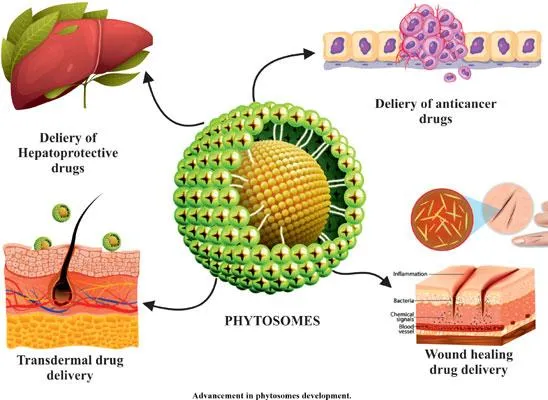
Fig. 5. Representative therapeutic and drug-delivery applications of phytosomes.
Phytosomes may also improve the practical performance of standardized herbal extracts. Standardization of botanical identity and chemical markers remains fundamental to reproducible herbal formulation.[18] by reducing the gap between phytochemical activity observed in vitro and the exposure achieved in vivo. This is especially important for compounds with high pharmacological potency but poor absorption. The technology can be adapted to different dosage forms and routes, including capsules, tablets, suspensions, gels, creams and transdermal preparations.
LIMITATIONS AND CHALLENGES
Despite its advantages, phytosome technology has limitations. Complex formation may vary with the chemical structure of the phytoconstituent, phospholipid type, molar ratio, solvent system, temperature and processing conditions. A simple physical mixture can be incorrectly interpreted as a true phytosome if molecular interaction is not adequately demonstrated. Therefore, multiple characterization techniques are required.[7]
Manufacturing scale-up is another challenge. Laboratory methods using organic solvents, rotary evaporation or high-pressure supercritical-fluid equipment may require substantial process development before industrial implementation. Residual solvent control, batch-to-batch reproducibility, particle-size distribution and long-term stability must be addressed.
Standardization of herbal starting materials is equally important. Botanical identity, extraction method, marker compounds, impurity profile and contaminant limits should be controlled. For polyherbal formulations, interactions among several constituents make complexation and quality control more difficult.
Clinical translation remains a major requirement. The available literature emphasizes the need to distinguish promising experimental findings from evidence sufficient to support clinical therapeutic claims.[3,6,15] Increased particle uptake, improved in-vitro activity or enhanced pharmacokinetic parameters do not automatically prove clinical benefit. Well-designed pharmacokinetic, pharmacodynamic, safety and comparative clinical studies are required before therapeutic claims can be established.
FUTURE PROSPECTS
The future of phytosome technology lies in integrating phospholipid complexation with modern formulation science. Quality-by-design approaches can be used to identify critical material attributes and critical process parameters. Design of experiments may optimize phytoconstituent-to-phospholipid ratio, solvent composition, processing temperature, particle size and drying conditions.
Combining phytosomes with other technologies may provide further opportunities. Examples include phytosomal gels, thermosensitive systems, nanostructured lipid carriers, microneedles and targeted delivery systems. The recent literature also supports development of phytosomes for topical and cosmeceutical applications, where enhanced skin deposition can be particularly valuable.[10]
Future studies should focus on standardized analytical methods for proving complex formation, validated marker assays, in-vitro/in-vivo correlation, pharmacokinetic-pharmacodynamic relationships and long-term clinical outcomes. Green manufacturing methods that reduce hazardous organic solvents and improve energy efficiency may also improve industrial sustainability.
DISCUSSION
The available literature consistently identifies poor bioavailability as a central barrier to the therapeutic utilization of many phytoconstituents. Phytosome technology addresses this limitation through molecular association with phospholipids, increasing the lipid compatibility of the plant-derived constituent. This approach is conceptually different from simply mixing an extract with a lipid vehicle. The evidence summarized in the supplied literature includes physicochemical characterization, experimental pharmacokinetic findings and therapeutic studies supporting improved delivery of several representative phytochemicals.[4,5,7]
The strongest rationale for phytosomes is observed with phytochemicals that have meaningful pharmacological activity but inadequate absorption. Silybin, curcumin, quercetin and rutin illustrate this concept. However, the magnitude of benefit is not universal and depends on the nature of the phytoconstituent and the formulation. Consequently, phytosome development should be treated as a formulation optimization problem rather than a universal solution for all herbal drugs.
Recent work also demonstrates the expanding scope of the technology. The 2023 ginger and rosehip study used phosphatidylcholine and thin-layer hydration and reported measurable improvements in formulation characteristics and biological performance.[9] The 2025 literature further emphasizes applications in oral, topical and other delivery routes and highlights the potential of phytosomes to address solubility, absorption, stability and distribution limitations.[6] Thus, the field is moving from simple phospholipid complexes toward more sophisticated, standardized and application-specific delivery platforms.
For publication-quality research, future phytosome studies should include a clearly defined phytochemical marker, validated quantitative assay, appropriate control groups, a physical mixture control, multiple orthogonal methods for confirming complex formation, comparative dissolution/permeation data and, where appropriate, pharmacokinetic evaluation. Such experimental rigor is essential to distinguish true delivery enhancement from apparent improvements caused by differences in formulation or assay conditions.
CONCLUSION
Phytosome technology represents an important approach for enhancing the delivery of herbal drugs and phytoconstituents. By forming a lipid-compatible complex between plant-derived active molecules and phospholipids, phytosomes can improve membrane interaction, absorption and bioavailability and may enhance pharmacological performance. Evidence from silybin, curcumin, quercetin, rutin, andrographolide, Ginkgo biloba, grape-seed, ginger and rosehip systems demonstrates the broad potential of the platform.
Nevertheless, successful phytosome development requires rigorous botanical standardization, controlled complex formation, comprehensive physicochemical characterization, stability assessment and clinical validation. The major future opportunities include scalable manufacturing, green processing, quality-by-design development, improved analytical standardization and integration with topical and targeted delivery platforms. Phytosomes therefore provide a promising technological bridge between traditional herbal medicine and modern pharmaceutical science, but their therapeutic claims should be supported by robust comparative and clinical evidence.
REFERENCES

Asla K Kukku, Adhil Mubarak K M, Fathima Ramsi A K, Fidha Thasni C, Srinsha T, Nidha A T, Phytosome Technology for Enhanced Delivery of Herbal Drugs, Int. J. of Pharm. Sci., 2026, Vol 4, Issue 8, 4636-4649, https://doi.org/10.5281/zenodo.22132358
 10.5281/zenodo.22132358