

We use cookies to ensure our website works properly and to personalise your experience. Cookies policy
Noble Pharmacy College, Faculty of Pharmacy, "Parth-Vatika", Junagadh- Bhesan Road, Via. Vadal, Nr. Bamangam, Junagadh - 362310, Gujarat, INDIA.
The study aimed to develop and optimize a mucoadhesive buccal patch for pindolol to bypass issues of oral delivery like first-pass metabolism and low bioavailability. Nine formulations (F1–F9) were made via solvent casting, using Fenugreek gum combined with HPMC K15M, Carbopol 934, and Sodium Alginate as mucoadhesive agents.Key evaluations included thickness, weight variation, folding endurance, surface pH, swelling index, bioadhesion strength, and drug content. Formulation F8 was optimized, showing uniform thickness (0.6978 mm), acceptable weight (374.6 mg), strong folding endurance (80), near-neutral surface pH (7.06), moderate swelling (2.61), good bioadhesion (0.0244 N), and excellent drug content uniformity (100.5%). It achieved controlled drug permeation of 99.4% over 12 hours.Drug release from F8 followed near zero-order kinetics with a non-Fickian diffusion mechanism, indicating combined diffusion and polymer relaxation effects. The study’s novelty is the integration of natural and synthetic polymers to balance mucoadhesion, swelling, and drug release.This buccal patch system offers sustained pindolol delivery with improved bioavailability, reduced dosing frequency, and enhanced patient compliance.
Tablets are the most commonly used oral drug delivery form, comprising approximately 70–80% of marketed pharmaceutical products. Despite their widespread popularity, tablets have several limitations that may restrict their use in new formulation development. These challenges primarily arise from the intrinsic physicochemical and pharmacokinetic properties of drug molecules, such as their aqueous solubility, bioavailability, absorption rate, and biological half-life. As a result, alternative drug delivery routes are being investigated, with buccal drug delivery gaining significant attention.
MATERIALS AND METHODS :
1. Solvent Casting Method
1.1. Preparation Of Mucoadhesive Buccal Patches By Solvent Casting Method
Materials:
The Following Materials Collected For The Experimental Work Done.
Table 1: List of materials
|
SR.NO. |
DRUG/ EXCIPIENTS |
GRADE |
GIFTED/MFG. BY |
|
1 |
Pindolol |
AR |
Wellona pharma |
|
2 |
HPMC |
AR |
Merck, India |
|
3 |
Polivinyl alcohol |
AR |
S.D. Fine Chemicals Ltd |
|
4 |
Eudragit L100 |
AR |
Merck, India |
|
5 |
Glycerin |
AR |
S.D. Fine Chemicals Ltd |
|
6 |
Peppermint oil |
AR |
S.D. Fine Chemicals Ltd |
Table 2: Natural Polymer List
|
Sr no. |
POLYMER |
ISOLATED FROM |
BOTANICAL NAME |
FAMILY |
|
1 |
Fenugreek Gum |
Seed |
Trigonellafoen um-graecum |
Leguminosae |
Weighed quantity of Fenugreek gum was added to distilled water and dissolved using a magnetic stirrer set at 500 rpm to obtain a uniform solution. Nine formulations using Pectin (F1-F3), Sodium alginate (F4-F6) and PVA (F7-F9) in varying proportions were added to each formulation.
The rest of the ingredients such as sucrose (sweetening agent), Vanillin (flavoring agent), PEG-400 (plasticizer) and Dimethyl sulphoxide (permeation enhancer) were added in the order as given in the Table-5.4. Finally, the required quantity of Pindolol was added to the polymer matrices. The formulation mixtures were poured to petri dishes of known diameter and allowed to air-dry at room temperature, by covering the dishes with a clean sieve or in a hot air oven at 30±5 °C, till the patches form a smooth non-sticky surface.
Table 3: Composition of buccal patch of Pindolol
|
Formulation Code |
F1 |
F2 |
F3 |
F4 |
F5 |
F6 |
F7 |
F8 |
F9 |
|
Ingredients |
(in mg) |
||||||||
|
Pindolol |
6.8 4 |
6.84 |
6.84 |
6.84 |
6.84 |
6.84 |
6.84 |
6.84 |
6.84 |
|
Fenugreek gum |
20 |
20 |
20 |
20 |
20 |
20 |
20 |
20 |
20 |
|
HPMC K15M |
40 |
35 |
30 |
- |
- |
- |
20 |
25 |
30 |
|
Carbopol 934 |
– |
5 |
10 |
40 |
35 |
30 |
- |
- |
- |
|
Sodium Alginate |
- |
- |
- |
- |
- |
- |
20 |
15 |
10 |
|
Vanillin |
60 |
60 |
60 |
60 |
60 |
60 |
60 |
60 |
60 |
|
Sucrose |
q.s |
q.s |
q.s |
q.s |
q.s |
q.s |
q.s |
q.s |
q.s |
|
|
in ml |
||||||||
|
Water |
10 |
10 |
10 |
10 |
10 |
10 |
10 |
10 |
10 |
|
PEG |
18 |
18 |
18 |
18 |
18 |
18 |
18 |
18 |
18 |
|
DMSO |
1.0 |
1.0 |
1.0 |
1.0 |
1.0 |
1.0 |
1.0 |
1.0 |
1.0 |
RESULTS AND DISCUSSION
Evaluation of Physicochemical Properties of Fenugreek gum Powder
The physicochemical and organoleptic properties of fenugreek powder are summarized in highlighting its suitability as a natural polymer for buccal patch formulation of pindolol.
• The light yellow color indicates minimal processing and natural origin, enhancing patient acceptability and formulation aesthetics.
• Its odorless nature benefits buccal drug delivery by preventing patient discomfort and promoting compliance.
• The mucilaginous taste is due to hydrophilic polysaccharides (mainly galactomannans), which enable rapid hydration and swelling—critical for mucoadhesion and controlled drug release.
• The rough, irregular fracture pattern suggests an amorphous, non-crystalline structure, improving water uptake, polymer relaxation, swelling, and drug diffusion.
• The coarse, uneven texture reflects a larger particle size distribution, which may affect flow properties and necessitates size reduction or sieving for uniform mixing and content consistency.
Table 4: Organoleptic property of Fenugreek gum Powder
|
S. No. |
Parameter |
Observation |
|
1. |
Color |
Light yellow |
|
2. |
Odor |
Odorless |
|
3. |
Taste |
Mucilaginous |
|
4. |
Fracture |
Rough and irregular |
|
5. |
Texture |
Coarse and uneven |
|
6. |
Appearance |
Amorphous powder with dull surface |
|
7. |
Touch/Feel |
Non-sticky, smooth when rubbed between fingers |
The solubility profile of fenugreek gum powder highlights its strong hydrophilic nature, making it suitable as a bioadhesive polymer in buccal drug delivery systems. It is slightly soluble in cold water, indicating limited immediate hydration at lower temperatures. In hot water, it forms a viscous colloidal dispersion, reflecting excellent swelling and gel-forming abilities due to polysaccharides like galactomannan. This property is crucial for buccal patch formulation, aiding mucoadhesion, matrix formation, and sustained drug release.
Fenugreek gum is insoluble in organic solvents such as ethanol, benzene, and acetone, demonstrating resistance to non-polar solvents and confirming its hydrophilic character. This insolubility preserves the polymer matrix's structural integrity during formulation processes involving organic phases, preventing premature dissolution. Overall, the solubility behavior supports fenugreek gum's use as a natural polymer for controlled release and mucoadhesive applications in pindolol buccal patches.
Table 5: Solubility profile of Fenugreek gum Powder
|
Solvents |
Results |
|
Cold water |
Slightly soluble |
|
Hot water |
Viscous colloidal dispersion |
|
Ethanol |
Insoluble |
|
Benzene |
Insoluble |
|
Acetone |
Insoluble |
The physicochemical properties of fenugreek gum powder highlight its suitability as a natural polymer for buccal patch formulation.
It has a good extraction yield of 25.6%, a near-neutral pH of 6.7 ensuring non-irritancy, and a moisture content of 19.8%, which balances stability without causing dryness or stickiness. The low ash value of 5.62% indicates minimal inorganic impurities. Its melting point range of 245–255°C reflects typical thermal stability for natural gums.
Table 6: Some physicochemical properties of Fenugreek gum Powder
|
S. No |
Parameter |
Observed Value |
Remarks |
|
1. |
Yield (% w/w) |
25.6 ± 0.4 |
Good extraction efficiency |
|
2. |
pH (2% w/v solution) |
6.7 ± 0.1 |
Near neutral, non-irritant |
|
3. |
Moisture Content (% w/ w) |
19.8 ± 0.5 |
Within acceptable range |
|
4. |
Ash Value (% w/w) |
5.62 ± 0.2 |
Indicates low inorganic residue |
|
5. |
Melting Point (°C) |
245–255 |
Comparable to natural gums |
|
6. |
Bulk Density (g/cm³) |
0.65 ± 0.02 |
Indicates moderate flow property |
|
7. |
Tapped Density (g/cm³) |
0.80 ± 0.01 |
Consistent with gum powders |
|
8. |
Carr’s Index (%) |
18.75 ± 0.3 |
Indicates good compressibility |
|
9. |
Hausner’s Ratio |
1.23 ± 0.01 |
Acceptable flow property |
|
10. |
Angle of Repose (°) |
27.8 ± 0.5 |
Indicates good flowability |
|
11. |
Swelling Index (mL/g) |
10.4 ± 0.2 |
Suggests strong hydration capacity |
|
12. |
Hygroscopic Nature |
Moderately hygroscopic |
Store in airtight container |
The phytochemical evaluation of fenugreek gum powder (Table 6.4) confirms the presence of key polysaccharide components and the absence of interfering phytoconstituents. A positive Ruthenium red test indicates mucilage presence, which contributes to swelling, gel formation, and mucoadhesive properties. The positive Molisch’s test confirms carbohydrates, supporting the gum’s primary composition of polysaccharides like galactomannans, vital for controlled drug release.
All other tests for monosaccharides, tannins, proteins, alkaloids, glycosides, flavonoids, and reducing sugars were negative, indicating their absence. This purity reduces the risk of unwanted interactions, irritation, or instability in formulations. Overall, fenugreek gum is a clean, carbohydrate-rich natural polymer, making it highly suitable for buccal patches in sustained drug delivery.
CALIBRATION DATA :
The plotted calibration graph showed a straight-line relationship with a correlation coefficient (R²) close to 0.9998, indicating strong linearity and suitability of the method for quantitative analysis of Pindolol in formulation studies. This calibration curve can be used for determining unknown concentrations of Pindolol in subsequent analytical evaluations.
Table 7: Calibration curve of Pindolol in phosphate buffer 6.8
|
Concentration (µg/mL) |
Absorbance at 262 nm |
|
0.0 |
0.000 |
|
2.0 |
0.156 |
|
4.0 |
0.312 |
|
6.0 |
0.462 |
|
8.0 |
0.614 |
|
10.0 |
0.771 |
Regression (linear fit of Absorbance vs Concentration): y = 0.0906x - 0.002
R² = 0.9998 where y = absorbance, x = concentration (µg/mL) Correlation coefficient: R² = 0.9998
Standard deviation of residuals (sy/x): 0.002
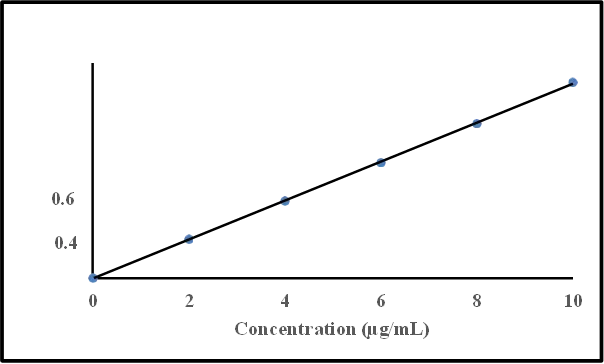
Figure 1: Calibration curve of Pindolol in phosphate buffer 6.8
FT-IR STUDIES
The physical mixtures of Pindolol and polymers were analyzed using FT-IR spectroscopy to detect any potential interactions between them. The analysis was conducted with a Lambda 7600 infrared spectrophotometer (Australia). Samples weighing 2–3 mg were blended with approximately 100 mg of dry potassium bromide powder and compressed into transparent discs. These discs were then scanned over a spectral range of 4000 to 400 cm⁻¹ using the FT-IR instrument.
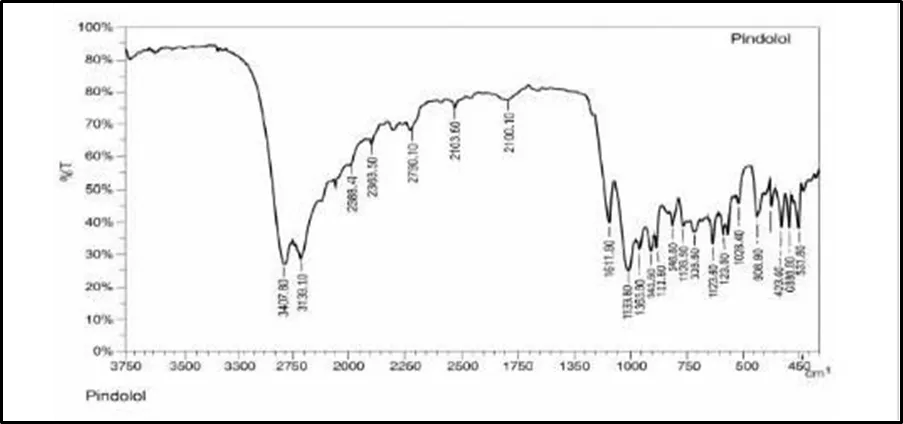
Figure 2: FTIR spectra of Pindolol
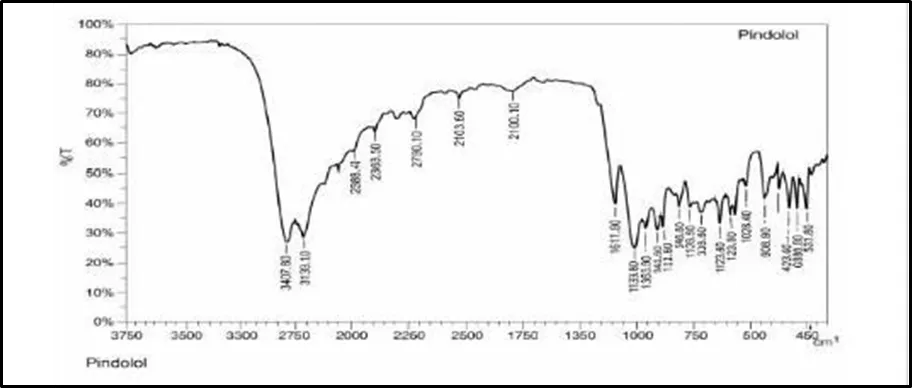
Figure 3: FT-IR Spectrum of Drug with polymer mixture
The FTIR spectrum of Pindolol, shown in Figure 6.2, displays characteristic peaks corresponding to its functional groups. A broad peak between 3332 and 3168 cm⁻¹ indicates O–H and N–H stretching vibrations, confirming the presence of hydroxyl and amine groups. Peaks at 2854–2824 cm⁻¹ correspond to aliphatic C–H stretching, while a peak at 1634 cm⁻¹ is attributed to aromatic C=C or N–H bending vibrations. Additional peaks in the 1511–1454 cm⁻¹ range reflect aromatic ring vibrations, and those between 1278 and 1032 cm⁻¹ are linked to C–O and C–N stretching. These spectral features confirm the structural integrity of pindolol.
EVALUTION OF PINDOLOL BUCCAL PATCHES :-
Formulations F1–F3 Composition:
• Fenugreek gum: 20 mg (constant)
• HPMC K15M: varies (F1: 40 mg, F2: 35 mg, F3: 30 mg)
Key Characteristics:
• Thickness: Moderate (0.688–0.715 mm)
• Weight Variation: Uniform, indicating good film-forming ability of HPMC
• Folding Endurance: 63–72, showing moderate flexibility—HPMC provides structural strength but limited elasticity at these concentrations
• Swelling Index: 2.21–2.62, reflecting moderate hydration mainly due to fenugreek mucilage and hydrophilic HPMC; slight changes occur as HPMC decreases (F1 to F3)
• Surface pH: 6.50–6.80, within safe buccal range, ensuring non-irritancy
• Bioadhesion Strength: Approximately 0.028 N—moderate adhesion primarily from fenugreek gum’s mucilage and hydrogen bonding, with HPMC offering secondary support
• Drug Content: 94–97%, confirming uniform drug distribution
Overall Assessment: These formulations demonstrate balanced but moderate performance, with HPMC contributing structural integrity and fenugreek gum providing moderate bioadhesion. The absence of a strong mucoadhesive polymer limits higher adhesion and flexibility.
Table 8 : Physico-chemical evaluation of Pindolol buccal patches F1-F9
|
Formulat ion Code |
Thickn ess (mm ) |
Weigh t variat ion (mg) |
Foldin g Endura nce |
Swelli ng Inde x |
Surf ace pH |
Bioadhesi on strength (N) |
Dru g cont ent assa |
|
F1 |
0.6882 ± |
405.8 ± 3.77 |
65 |
2.212 5 |
6.80 ± 0.1 |
0.0283 |
97.6 |
|
F2 |
0.6978 |
383.6 ± |
72 |
2.627 |
6.52 ± |
0.0292 |
94.02 |
|
|
± |
4.39 |
|
9 |
0.08 |
|
|
|
F3 |
0.7152 ± |
390.6 ± 3.84 |
63 |
2.515 2 |
6.50 ± 0.34 |
0.0288 |
94.7 |
|
F4 |
0.7190 ± |
345.4 ± 4.21 |
96 |
3.590 9 |
7.04 ± 0.09 |
0.0356 |
95.2 |
|
F5 |
0.7358 ± |
350.2 ± 4.32 |
105 |
4.105 7 |
6.84 ± 0.06 |
0.0395 |
96.8 |
|
F6 |
0.7258 ± |
364.2 ± 3.11 |
98 |
4.066 7 |
6.05 ± 0.11 |
0.0390 |
93.6 |
|
F7 |
0.6912 ± |
369.8 ± 3.11 |
66 |
2.545 5 |
7.10 ± 0.13 |
0.0287 |
99.6 |
|
F8 |
0.6978 ± |
374.6 ± 3.28 |
80 |
2.615 4 |
7.06 ± 0.09 |
0.0244 |
100.5 |
|
F9 |
0.7160 |
383.8 ± |
68 |
2.357 |
6.09 ± |
0.0271 |
96.5 |
|
|
± |
5.05 |
|
1 |
0.04 |
|
|
Formulations F4 to F6 include Carbopol 934 in amounts of 40, 35, and 30 mg, respectively, which significantly affect their properties:
• Thickness: Increased to 0.719–0.735 mm due to Carbopol's highly crosslinked, dense matrix structure.
• Weight variation: Remains within acceptable limits.
• Folding endurance: Improved markedly to 96–105, showing enhanced mechanical strength and flexibility from strong intermolecular Carbopol interactions.
• Swelling index: Highest among all formulations at 3.59–4.10, reflecting Carbopol’s strong water affinity and gel-forming ability.
• Surface pH: Ranges from 6.05 to 7.04, slightly acidic in F6 due to higher Carbopol ionization.
• Bioadhesion strength: Highest values of 0.0356–0.0395 N, indicating strong mucoadhesion via hydrogen bonding with mucin.
• Drug content: Acceptable at 93–96%, though slightly lower than other formulations. Clinical considerations: Despite superior mechanical and mucoadhesive properties, these formulations may cause patient discomfort due to excessive swelling and strong adhesion, potentially making removal from the buccal cavity difficult.
Formulations F7 to F9 combine fenugreek gum with HPMC (20–30 mg) and sodium alginate (20–10 mg), creating a balanced polymeric system.
• Thickness: 0.691–0.716 mm, indicating uniform and stable film formation.
• Weight Variation: Consistent, supporting uniformity.
• Folding Endurance: Moderate to good (66–80), improved flexibility due to the synergy of HPMC and alginate.
• Swelling Index: Controlled (2.35–2.61), lower than Carbopol formulations, indicating optimal hydration without excessive gel.
• Surface pH: Near neutral (6.09–7.10), ensuring buccal compatibility.
• Bioadhesion Strength: Slightly lower than Carbopol (0.024–0.028 N), but sufficient for effective retention owing to fenugreek mucilage and alginate gel.
• Drug Content: Highest among groups (96–100.5%), with F8 showing maximum uniformity at 100.5%, reflecting excellent formulation homogeneity.
• These formulations offer a good balance of flexibility, hydration control, and bioadhesion suitable for buccal delivery systems.
The in-vitro drug permeation
of pindolol buccal patches (F1–F9) demonstrates the significant impact of polymer composition on drug release profiles. The key polymers involved are:
• Fenugreek gum
• HPMC K15M (Hydroxypropyl Methylcellulose)
• Carbopol 934
• Sodium Alginate
These polymers influence the patch's drug release mechanisms, affecting the rate and extent of pindolol permeation through the buccal mucosa. Variation in polymer ratios alters the patch's matrix structure, swelling behavior, and drug diffusion, thereby modulating the drug's permeation characteristics.
Overall, careful selection and combination of these polymers enable controlled and sustained pindolol delivery via the buccal route.
Formulations F1–F3
Table 9: Invitro drug permeation of buccal patch of Pindolol from (F1-F3)
|
Sr. No. |
Time (hr.) |
Cumulative percentage release % |
||
|
F1 (%) |
F2 (%) |
F3 (%) |
||
|
1 |
0 |
0 |
0 |
0 |
|
2 |
0.5 |
12.4 |
14.2 |
13.8 |
|
3 |
1 |
21.6 |
24.8 |
23.5 |
|
4 |
2 |
35.2 |
38.9 |
37.4 |
|
5 |
4 |
52.6 |
55.8 |
54.1 |
|
6 |
6 |
66.3 |
69.5 |
68.2 |
|
7 |
8 |
78.5 |
81.2 |
80.6 |
|
8 |
10 |
88.2 |
90.5 |
89.7 |
|
9 |
12 |
94.6 |
96.2 |
95.4 |
Formulation F1-F3 showed a relatively fast and moderate drug release, achieving 94–96% release within 12 hours. This release is mainly controlled by Fickian diffusion. Fenugreek gum rapidly hydrates upon contact with the dissolution medium, forming a mucilaginous gel layer, while HPMC K15M swells to create a viscous matrix.
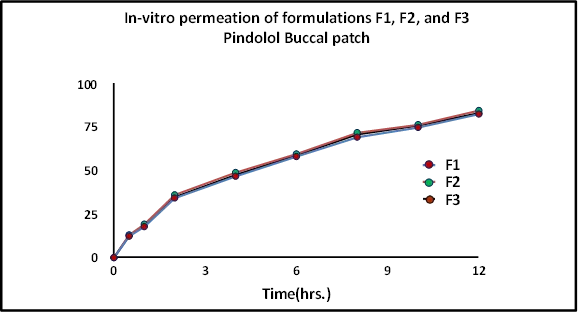
Figure 4: Invitro drug permeation of buccal patch of Pindolol from (F1-F3)
Since HPMC K15M is moderately viscous at these concentrations, it does not form a dense barrier, allowing drug molecules to diffuse through the hydrated polymer network. Decreasing HPMC concentration from F1 to F3 slightly enhances drug release due to reduced matrix density. Overall, fenugreek gum provides swelling and adhesion, and HPMC regulates diffusion. The mechanism involves polymer swelling followed by drug diffusion through aqueous channels with minimal resistance.
F4 to F6 formulations
(Fenugreek gum + Carbopol 934) showed the slowest drug permeation, with 87–89% release at 12 hours, indicating a swelling-controlled and partially erosion-controlled release mechanism.
• Carbopol 934 is a highly crosslinked polymer that hydrates extensively, forming a thick, highly viscous gel barrier, which increases the diffusional path length and restricts drug diffusion.
• Its ionization causes electrostatic repulsion within polymer chains, leading to extensive swelling and a thick gel network.
• Fenugreek gum enhances gel formation and strengthens the matrix integrity.
• Drug release happens through a combination of:
◦ Diffusion through the swollen gel layer
◦ Gradual polymer relaxation and erosion
• This release profile approximates non-Fickian (anomalous) transport.
• Increasing Carbopol concentration from F4 to F6 increases resistance and further slows drug permeation.
Table 10: Invitro drug permeationof buccal patch of Pindolol from (F4-F6)
|
Sr.No |
Time (hr.) |
Cumulative percentage release % |
||
|
F7 (%) |
F8 (%) |
F9 (%) |
||
|
1 |
0 |
0 |
0 |
0 |
|
2 |
0.5 |
13.8 |
15.2 |
12.9 |
|
3 |
1 |
25.4 |
28.6 |
24.2 |
|
4 |
2 |
39.6 |
42.8 |
38.1 |
|
5 |
4 |
58.4 |
62.5 |
56.7 |
|
6 |
6 |
72.1 |
76.8 |
70.4 |
|
7 |
8 |
84.2 |
88.9 |
82.6 |
|
8 |
10 |
93.5 |
96.8 |
91.4 |
|
9 |
12 |
98.2 |
99.4 |
96.3 |
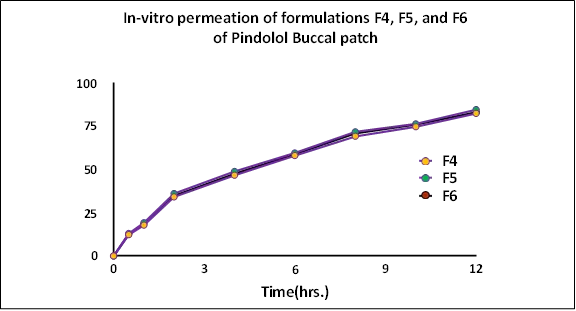
Figure 5: Invitro drug permeation of buccal patch of Pindolol from (F4-F6)
Formulations F7–F9
(Fenugreek gum + HPMC + Sodium Alginate) showed a well-balanced drug permeation profile.
• F8 achieved nearly 99% drug release at 12 hours.
• The release mechanism is a synergistic mix of diffusion and controlled swelling
(anomalous transport).
• Sodium alginate: Rapid hydration and gel formation.
• HPMC: Provides structural integrity and controls viscosity.
• Fenugreek gum: Enhances mucoadhesion and maintains hydration.
• Unlike Carbopol, alginate forms a less dense, more porous gel, allowing easier drug diffusion while sustaining release.
• The balanced polymer ratio in F8 optimizes water penetration, gel formation, and drug diffusion, resulting in a near zero-order, controlled, and consistent release profile.
Table 11: Invitro drug permeation of buccal patch of Pindolol from (F7-F9)
|
Sr.No |
Time (hr.) |
Cumulative percentage release % |
||
|
F7 (%) |
F8 (%) |
F9 (%) |
||
|
1 |
0 |
0 |
0 |
0 |
|
2 |
0.5 |
13.8 |
15.2 |
12.9 |
|
3 |
1 |
25.4 |
28.6 |
24.2 |
|
4 |
2 |
39.6 |
42.8 |
38.1 |
|
5 |
4 |
58.4 |
62.5 |
56.7 |
|
6 |
6 |
72.1 |
76.8 |
70.4 |
|
7 |
8 |
84.2 |
88.9 |
82.6 |
|
8 |
10 |
93.5 |
96.8 |
91.4 |
|
9 |
12 |
98.2 |
99.4 |
96.3 |
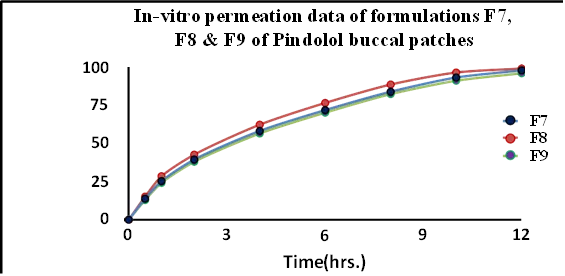
Figure 6: Invitro drug permeation of buccal patch of Pindolol from (F7-F9)
Release kinetics of optimized buccal patch of Pindolol (F8)
Correlations of coefficient values various kinetic models with respect to the in-vitro diffusion study were tabulated to determine the best-fit model and the mechanism of diffusion.
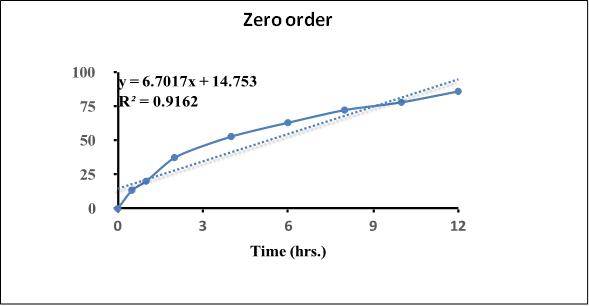
Figure 7: Zero order plot of optimized buccal patch of Pindolol (F8)

Figure 8: First order plot of optimized buccal patch of Pindolol (F8)
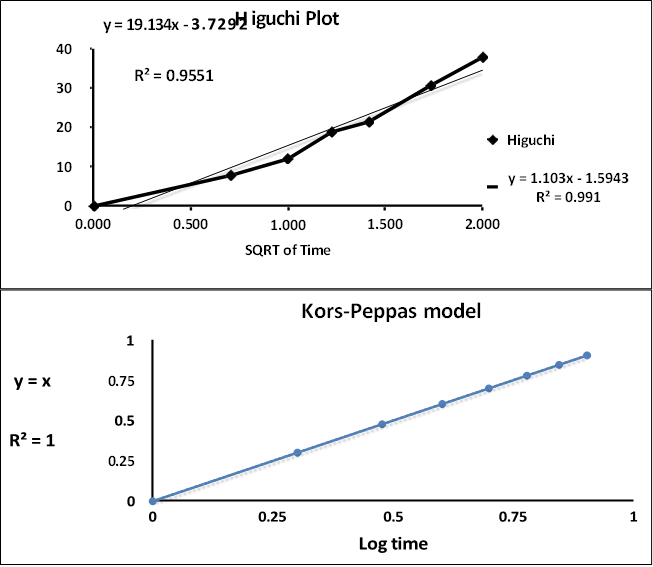
Figure 9,10: Kors-Peppas Plot of optimized buccal patch of Pindolol (F8)
Figure 11: Hixson Crowell Plot of optimized buccal patch of Pindolol (F8)
Kinetic Study
The correlations of coefficient values from various kinetic models were analyzed against the in-
vitro permeability data of formulation F8. This analysis aimed to identify the best-fit kinetic model and elucidate the diffusion mechanism governing the buccal patch delivery of Pindolol (F8).
Table 12: Correlation of coefficient values of various kinetic models for optimized buccal patch of Pindolol (F5)
|
Formulation Code |
|
Correlation coefficient value (R2) |
|||
|
Zero order kinetic Model |
First order Model |
Higuchi’s Model |
Hixson Crowell Model |
Korsmeyer-Peppas Model |
|
|
F5 |
0.991 |
0.965 |
0.991 |
0.998 |
0.982 |
Stability Studies
Stability studies of the prepared buccal patches (formulation F8) were conducted by storing them at room temperature and humidity, as well as at 40°C ± 2°C / 75% ± 5% RH in a humidity-controlled oven for 30 days. The purpose was to predict potential degradation over prolonged storage under different temperature and humidity conditions.
The formulation was evaluated for appearance, surface pH, drug content, in-vitro residence time, in-vitro drug release, and ex-vivo permeation, with the results summarized in Table
6.11. The findings showed a slight decrease in the in-vitro drug release of formulation F8 compared to the freshly prepared patches.
Table 13:Stability studies of optimized buccal patch of Pindolol(F8)
|
Patche s |
Avg. Thickne ss (mm) |
Avg. Weight (mg/ cm2) |
Folding Enduran ce |
%Drug Content (mg/cm2 ) |
Surfac e pH |
Swelli ng Index |
In-vitro drug releas e (after 12hr) |
Mucoadhesive strength (g) |
|
Initial |
0.697 8 ± 0.01 |
374.6 ± 3.28 |
80 |
100.5 |
7.06 |
2.61 54 |
89. 2 |
0.0244 |
|
First mont h |
0.697 0± 0.02 |
375.1 ± 3.15 |
78 |
99.78 |
7.04 |
2.590 5 |
89.0 |
0.0240 |
The data clearly indicated that there were no significant changes in the physical or performance parameters of the Pindolol buccal patches during stability studies conducted at room temperature and at 40°C with 75% relative humidity over a one-month period.
CONCLUSION
Pindolol, a β-blocker with significant first-pass metabolism and short half-life, requires frequent dosing. Buccal delivery offers a promising alternative by enabling direct systemic absorption through the buccal mucosa, improving bioavailability and reducing dosing frequency. Mucoadhesive polymers prolong residence time at the absorption site, supporting sustained therapeutic effects.
This study developed and optimized pindolol buccal patches using Fenugreek gum combined with HPMC K15M, Carbopol 934, and Sodium Alginate in nine formulations (F1–F9). Evaluations of physicochemical properties showed all patches were acceptable, with Carbopol formulations exhibiting higher swelling and bioadhesion, HPMC formulations moderate properties, and sodium alginate formulations balanced performance.
Drug permeation studies revealed polymer composition significantly affected release profiles. Formulation F8, containing Fenugreek gum, HPMC K15M, and Sodium Alginate, showed optimal controlled drug release (~99% over 12 hours), with suitable mechanical strength, moderate swelling, sufficient bioadhesion, and near-neutral pH, making it the optimized formulation.
Kinetic modeling indicated F8 followed diffusion-controlled release with non-Fickian transport, supporting sustained release. Stability studies confirmed F8’s physical and chemical stability under accelerated conditions.
In conclusion, the study successfully formulated a stable, effective pindolol buccal patch with controlled release and good mucoadhesion. Fenugreek gum proved effective as a natural mucoadhesive agent. Future work should include in-vivo assessments, scale-up, clinical trials, and exploration of advanced delivery techniques to further enhance therapeutic efficacy. This approach may be extended to other drugs with similar pharmacokinetic challenges.
REFERENCES
https://doi.org/10.5731/pdajpst.2012.00877
https://doi.org/10.53730/ijhs.v6nS9.13189
Release, 352,1071–1092. https://doi.org/10.1016/j.jconrel.2022.10.058
https://doi.org/10.5731/pdajpst.2012.00877
https://doi.org/10.53730/ijhs.v6nS9.13189
Release, 352,1071–1092. https://doi.org/10.1016/j.jconrel.2022.10.058

Nayna Parmar, Dr. Sheetal Buddhadev, Dr. Darshit Ram, Dr. Santosh Kirtane, Preparation And Evaluation of Fenugreek Gum-Based Mucoadhesive Buccal Patches of Pindolol to Improve Oral Bioavailability, Int. J. of Pharm. Sci., 2026, Vol 4, Issue 6, 5629-5643, https://doi.org/10.5281/zenodo.20796912
 10.5281/zenodo.20796912