

We use cookies to ensure our website works properly and to personalise your experience. Cookies policy
Pachamuthu College of Pharmacy, Dharmapuri.
Herbal medicines are commonly employed for wound management because of their safety and fewer side effects. Acacia nilotica (Family: Fabacee), a plant, is traditionally known for its antimicrobial, anti-inflammatory, and wound healing activities. In the present study, an attempt was made to formulate and evaluate a herbal ointment containing Acacia nilotica bark extract. The dried bark was powdered and extracted using the maceration method with ethanol as a solvent. The concentrated extract was mixed with an ointment base prepared using the fusion method. The prepared herbal ointment was evaluated for its physical and chemical properties, such as color, odor, consistency, pH, spreadability, extrudability, homogeneity, and stability. Preliminary phytochemical screening of Acacia nilotica showed the presence of tannins, Flavonoids, and saponins, which are responsible for its therapeutic effect. Based on the evaluation, it is evident that the Formulation possesses desirable characteristics and stability. This study suggests that the herbal ointment could act as an effective wound healer and antimicrobial agent
Ointments are semisolid formulations, wherein medicaments, like bark extract from Acacia nilotica, are dispersed in hydrocarbon, absorption, or water bases. Acacia nilotica is known as Babul, which consists of phytochemicals like tannins, flavonoids, and saponins providing effective antimicrobial and antioxidant properties. Bark extract is used as an active ingredient to make an ointment with a specific base, which will help in healing tissues locally. Scientific study of this herbal formulation would include organoleptic and physicochemical assessment like pH value, viscosity, and spreadbility. From pharmacological point of view, bark has remarkable anti-inflammatory and analgesic actions, which act by blocking pro-inflammatory cytokines and relieve pain. Due to higher levels of astringents in the bark, it becomes effective for use as a hemostatic agent as well as for treatment of different skin infections or inflammations.
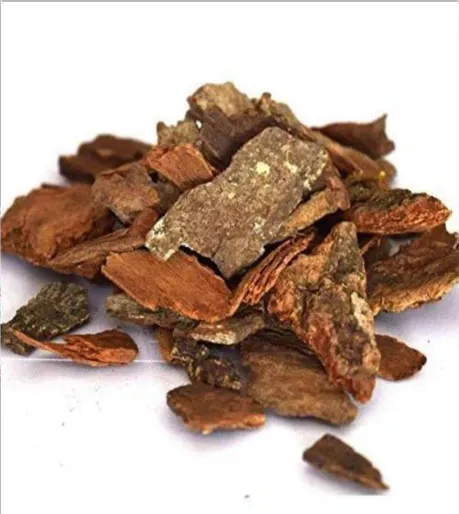
Fig No:1
The methanol extracts from the bark of the plant have been reported to be useful for bronchitis, diarrhea, and wound healing. Use of plants provides an inexpensive source and is safer than chemical medicines with low risk of adverse effects.
HERBAL OINTMENT :
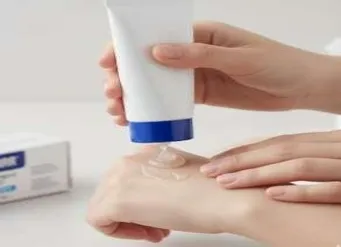
Ointments are semisolid preparation intended for application to the skin with or without inunction, they may be oleaginous substances.
OINTMENTS BASES:
• Ointment bases influence drug release and stability.
• Types include oleaginous bases (greasy, occlusive), absorption bases (water-absorbing), water-removable bases (washable creams), and water-soluble bases (PEG ointments).
• It is oleaginous base
• The extract is mixed with the base, sometimes with additives like beeswax for consistency and Vitamin E or essential oils for preservation and fragrance, then cooled and stored properly.
TYPES OF BASES
• Oleaginous bases or hydrocarbon bases
• Absorption bases
• Water-miscible bases / Emulsifying bases
• Water-soluble bases
CLASSIFICATION OF ONTMENTS:
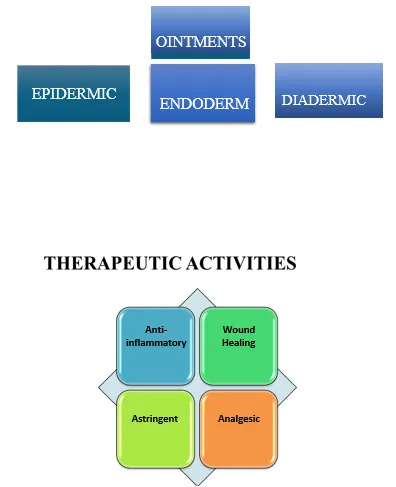
A plant, is traditionally known for its antimicrobial, anti-inflammatory, and wound healing activities.
AIM
• Preparation and evaluation a herbal ointment containing Acacia nilotica bark extract for wound healing activity.
OBJECTIVES
• To collect and authenticate the bark of Acacia nilotica.
• To prepare the bark extract using a suitable extraction method (maceration with ethanol). To carry out preliminary phytochemical screening of Acacia nilotica bark extract.
• To formulate a herbal ointment by incorporating the bark extract into a suitable ointment base.
• To evaluate the prepared herbal ointment for physical parameters such as color, odor, and consistency.
• To determine the physicochemical parameters, including pH, spreadability, viscosity, and Temperature.
• To assess the stability of the formulated herbal ointment under different storage conditions.
• To study the suitability of Acacia nilotica bark extract as a natural wound healing agent in topical for.mulations.
PLANT PROFILE
Scientific Classification Taxonomy
Kingdom: Plantae
Division: Magnoliophyta Class: Magnoliophyta Order: Fabales
Family: Fabaceae Leguminosae Genus: Acacia
Species: Acacia nilotica
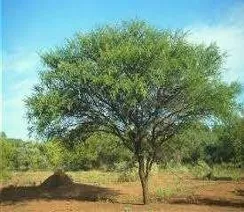
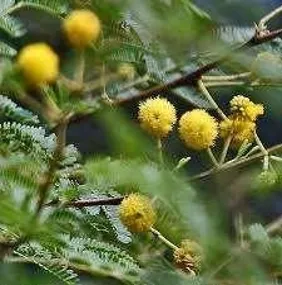
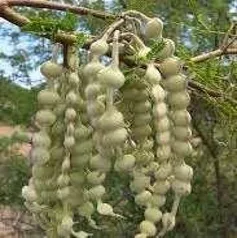
Fig No:3
METHODS
The acacia nilotica bark powder is extracted with extraction method.
EXTRACTION:
• The extraction process was carried out in maceration method with powder of the bark acacia nilotica.
• Using 70% ethanol and 30% distilled water. Ratio of the solvents Ethanol:
• Distilled water (70:30) separate for 24hrs and filter
• The extract was stored in air free sterile container and perform various chemical analysis.
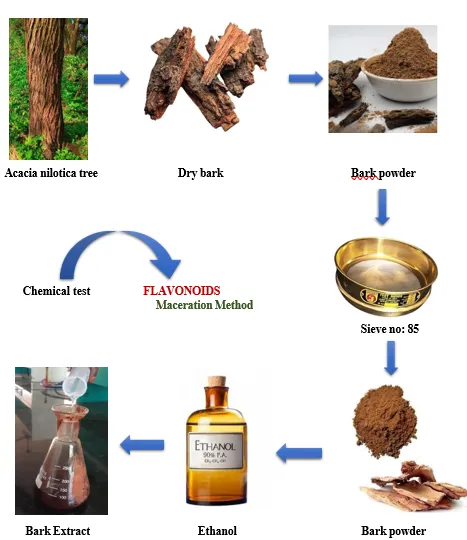
Fig No:4
Maceration:
This is an extraction procedure in which coarsely powdered drug material, either leaves or stem bark or root bark, is placed inside a container: the menstruum is poured on top until completely covered the drug material. The container is then closed and kept for at least three days. The content is stirred periodically, and if placed inside bottle it should be shaken time to time to ensure complete extraction. At the end of extraction, the micelle is separated from mare by filtration or decantation. Subsequently, the micelle is then separated from the menstruum by evaporation in an oven or on top of water bath. This method is convenient and very suitable for thermolabile plant material.
Methods:
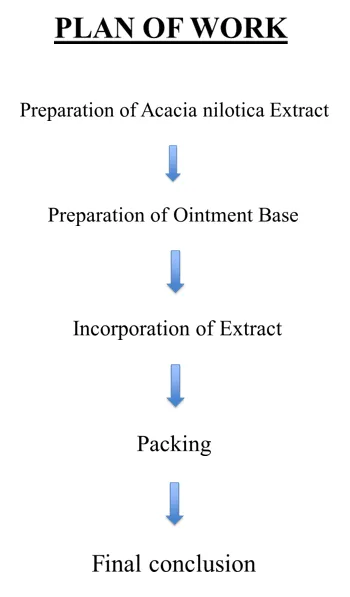
Step 1: Preparation of Acacia nilotica Extract
PREPARATION OF BARK POWDER
The bark are collected and shade dried. It was powdered in a mixer. The coarse powder was sieved and stored in close container.
Physical Evaluation pH Measurement
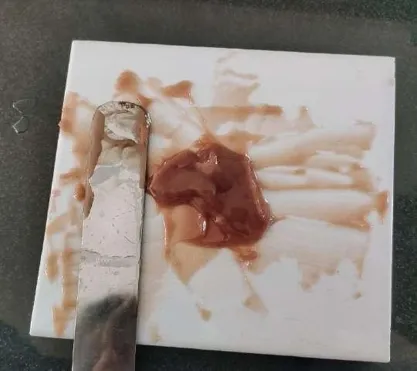
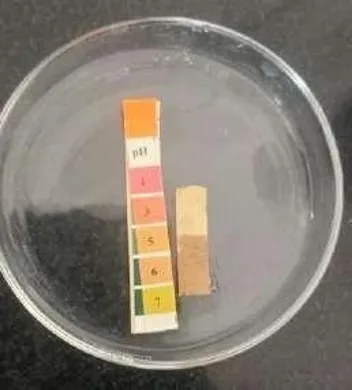
Fig No:5 Fig No:6
Procedure:

|
S.NO |
INGREDIENT AND CHEMICALS |
EQUIPMENTS |
|
1. |
Ethanol |
Glassware's (Beaker, Measuring Cylinder, China Dish |
|
2. |
White Soft Paraffin |
Muslin Cloth |
|
3. |
Hard Paraffin |
Ph Meter |
|
4. |
Ceto stearyl Alcohol |
Brookfield Viscometer |
|
5. |
Wool Fat |
Analytical Balance |
|
6. |
Distilled Water 100% |
|
CHEMICAL TEST RESULT:
The ethanolic extract of Acacia nilotica bark was subjected to preliminary phytochemical tests to detect the presence of:
• Tannins
• Flavonoids
• Alkaloids
• Saponins
• Phenolic compounds Standard qualitative chemical tests were performed.
HPLC apparatus and conditions
A Waters HPLC system, consisting in two module pumps, model 1525, a manual injector (Breeze 7725i, Rheodyne) and UV-Vis detector (Waters 2487) at 277 nm, was used. The analyses were carried out on an Eclipse Plus Zorbax C18 Agilent (150 mm×4.6 mm i.d., 5 μm particle size) column as a stationary phase. The mobile phase was a mixture of 5% acetic acid aqueous solution and methanol (80:20, v/v) used in mode isocratic elution. Twenty microliters of sample was injected into the HPLC system. The overall run time was 7.0 min and the flow rate was 1.0 ml/min. All the analyses were carried out at room temperature. Results were acquired and processed by internal software (Empower, Waters, Milford, MA, USA).
Preparation of solutions:
Standard preparation:
The standard solution (12.5 mg) was accurately weighted and transferred into a 25 ml amber volumetric flask and diluted with a solvent mixture of 5% acetic acid aqueous solution and methanol (80:20, v/v) (mobile phase) by 30 min sonication. This standard solution had a concentration of 500 μg/ml. Aliquots of the solution prepared above were transferred to 10 ml amber volumetric flasks to generate solutions to the final concentration required and were then supplemented with purified water. Solutions were filtered through a 0.45 μm membrane filter (Sartorius, Texas, USA) prior to injection.
The standard solutions are Andrographolide, 14-Deoxy-11,12-didehydroandrographolide, Neoandrographolide, 1,3 Triethoxy-Propane, Nobiletin and Tangeritin.
Sample preparation:
For the analysis of extraction Andrographis paniculata, was accurately weighed into a 25 ml amber volumetric flask. The volume was completed with a solvent mixture of 5% acetic acid aqueous solution and methanol (80:20, v/v) (mobile phase). The resulting solution was sonicated during 30 min to enable complete dissolution of sample and filtered using Whatman filter paper n°1. This sample solution had a concentration of 500 μg/ml. Aliquots of this solution were accordingly diluted with purified water in 10 ml amber volumetric flask in order to obtain solutions with final concentration required. These solutions were filtered through a 0.45 μm nylon filter before injections.
|
S. No |
Test for phytoconstituents |
Test |
Observation |
Result |
|
1. |
Flavonoids |
Shimoda test |
Pink, Crimson red colour develops. |
+ ve |
|
Alkaline reagent test |
Intense yellow colour appears with NaOH |
+ ve |
||
|
2. |
Tannins |
Ferric chloride test |
Blue-black or greenish-black colour appears |
+ ve |
|
Lead acetate test |
Formation of white or yellowish ppt. |
+ ve |
CONFIRMATORY TEST
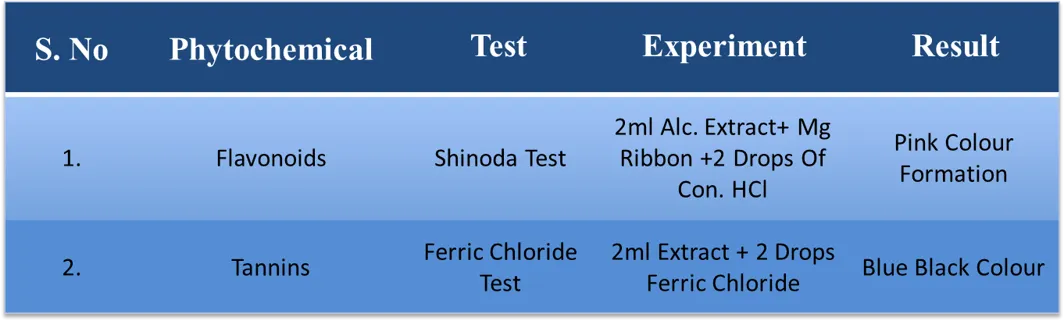
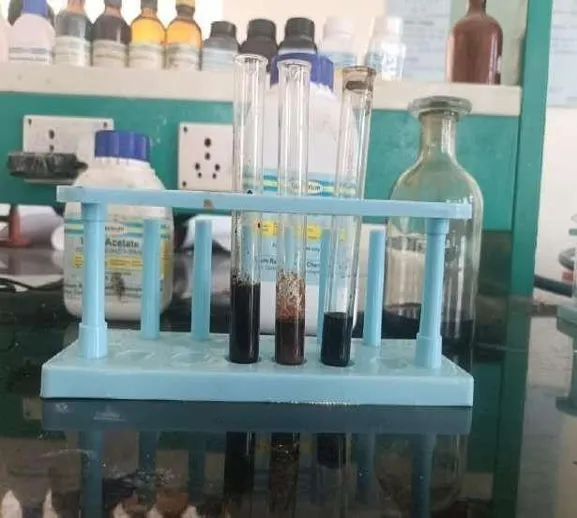
Fig No:7
CONCLUSION
The herbal ointment prepared from the bark extract of Acacia nilotica was successfully prepared and tested. The ointment possessed satisfactory physical properties such as consistency, homogeneity, pH, and spreadability. The ointment was stable and did not undergo any changes during the testing period. This study confirms the effectiveness and potential of Acacia nilotica bark extract in the preparation of herbal ointments.
REFERENCES






C. Saranya S. Harini, G.Mouriya, R. Perumal, J. Poovizhi, S. Vijayaragavan, Preparation And Evaluation of Herbal Ointment Using ACACIA NILOTICA Bark Extract, Int. J. of Pharm. Sci., 2026, Vol 4, Issue 9, 2885-2892, https://doi.org/10.5281/zenodo.22915198
 10.5281/zenodo.22915198