

We use cookies to ensure our website works properly and to personalise your experience. Cookies policy
Department of Pharmaceutics, KMCH College of Pharmacy, Coimbatore – 641048, affiliated to The Tamil Nadu Dr. M.G.R. Medical University, Chennai- 600032, Tamil Nadu, India.
Organ transplantation has become an effective therapeutic option for patients suffering from end-stage organ failure. The long-term success of transplantation largely depends on the continuous administration of immunosuppressive agents. Conventional delivery of immunosuppressive drugs such as calcineurin inhibitors, antiproliferative agents, and corticosteroids is often associated with several limitations including poor bioavailability, narrow therapeutic index, systemic toxicity, and the need for frequent dosing. These challenges can lead to suboptimal therapeutic outcomes and increased risk of adverse effects, thereby emphasizing the need for advanced drug delivery strategies. The application of hybrid nanocarriers offers improved pharmacokinetic profiles, reduced systemic toxicity, enhanced therapeutic efficacy, and the potential to achieve site-specific drug delivery. These systems can also facilitate better protection of drug molecules from degradation and allow modulation of drug release patterns. However, with the emergence of new nanocarrier technologies that combine several features in a single platform, the delivery of immunosuppressive agents in organ transplantation has been significantly improved and presents a great potential. The design, nature, preparation methods, and applications of these nanocarriers are conducive to increased drug delivery, improved therapeutic efficacy, and decreased adverse effects. Emerging advances in research and technology suggest that hybrid combination of nanocarriers may offer a key to enhancing the safety, efficacy and durability of transplantation therapy.
1.1 History of Organ Transplantation.
Organ transplantation emerged as a major scientific advancement during the early 20th century through experimental xenotransplantation studies; however, successful clinical transplantation was not achieved until the mid 20thcentury. Early transplantation attempts were largely unsuccessful due to the inability to control immune-mediated graft rejection and the limited understanding of transplant immunology [1].
A major breakthrough occurred in 1954 when Dr. Joseph Murray successfully performed the first human kidney transplantation between identical twins at Brigham Hospital, Boston, demonstrating long-term graft survival without the requirement for immunosuppressive therapy [2].
Subsequently, the introduction of immunosuppressive agents such as azathioprine and corticosteroids during the 1960s enabled transplantation between non-identical individuals, significantly expanding the clinical applicability of organ transplantation [3,5].
A transformative milestone in transplantation medicine was the discovery of cyclosporine A in the 1970s, which revolutionized immunosuppressive therapy. The introduction of cyclosporine significantly improved graft survival rates and reduced the incidence of acute organ rejection, increasing one-year kidney graft survival from nearly 50% to approximately 80–90% during the 1980s [4,6].
1.2. Background of Organ Transplantation
Organ transplantation has become one of the most significant advancements in modern medicine for the management of end-stage organ failure. Diseases affecting vital organs such as the kidney, liver, heart, lungs, and pancreas often progress to irreversible stages where conventional therapeutic interventions become ineffective. In such conditions, transplantation of a healthy donor organ offers a life-saving therapeutic option capable of restoring organ function, prolonging patient survival, and improving overall quality of life [7–9].
Among the various transplantation procedures performed worldwide, kidney transplantation remains the most commonly conducted solid organ transplant, followed by liver, heart, and lung transplantation [10,11]. Continuous improvements in surgical procedures, donor organ preservation, postoperative care, and immunosuppressive therapy have significantly enhanced transplantation outcomes over the past few decades [12].
Despite these advancements, the long-term success of organ transplantation primarily depends on effective control of the recipient’s immune response against the transplanted graft. Immune-mediated graft rejection occurs due to antigenic differences, particularly in human leukocyte antigens (HLA), causing the recipient immune system to recognize the graft as a foreign entity [13]. Therefore, sustained administration of immunosuppressive agents is essential to suppress immune activation, maintain graft tolerance, and ensure long-term graft survival and function [14].
Furthermore, the increasing global prevalence of chronic disorders such as diabetes mellitus, hypertension, cardiovascular diseases, and chronic kidney disease has markedly increased the demand for organ transplantation worldwide [15]. Consequently, transplantation medicine continues to evolve as a critical therapeutic field, with ongoing research focused on improving immunosuppressive strategies, minimizing drug-related toxicities, and developing advanced drug delivery systems to enhance graft survival and patient compliance [16,17].
1.3 Statistical data of Global Burden and Annual Transplantation.
Organ transplantation has increased substantially worldwide over the past few decades; however, the demand for donor organs continues to far exceed their availability. Recent global estimates indicate that more than 140,000 solid organ transplantations are performed annually, with kidney transplantation being the most frequently conducted procedure, followed by liver, heart, and lung transplantation [18,19].
Despite these advancements, only a limited proportion of patients requiring transplantation ultimately receive donor organs, highlighting the persistent disparity between organ demand and supply [20].Chronic kidney disease and liver cirrhosis remain among the leading indications for transplantation and continue to impose a substantial burden on healthcare systems globally [21].
One of the major limitations associated with transplantation is the shortage of donor organs, which is influenced by low organ donation rates, limited public awareness, socioeconomic factors, and logistical challenges related to organ procurement and preservation [22].
In addition to organ scarcity, long-term graft rejection and adverse effects associated with chronic immunosuppressive therapy continue to compromise transplantation outcomes. Prolonged use of immunosuppressive agents may lead to nephrotoxicity, infections, metabolic complications, and malignancies, thereby reducing long-term graft survival and patient quality of life [23,24]. These challenges emphasize the urgent need for improved therapeutic approaches, including advanced and targeted drug delivery systems capable of enhancing therapeutic efficacy while minimizing systemic toxicity [25].
1.4 Immune Response.
Differences in human leukocyte antigens (HLA) between donor and recipient cause the transplanted graft to be recognized as foreign by the recipient immune system, thereby initiating both innate and adaptive immune responses. If not adequately controlled, these immune reactions can result in graft rejection [26].
T lymphocytes play a central role in graft rejection. Donor antigens are processed by antigen-presenting cells and presented to T cells through major histocompatibility complex (MHC) molecules, leading to T-cell activation and proliferation. Activated T cells subsequently mediate cellular immune responses that contribute to graft destruction. In addition, B lymphocytes participate in the production of donor-specific antibodies, resulting in antibody-mediated graft injury [27,28].
1.5 Immunosuppressive Therapy in Organ Transplantation.
Immunosuppressive therapy plays a critical role in preventing graft rejection and maintaining long-term graft survival following organ transplantation. These therapies mainly target T-cell activation and proliferation to suppress immune responses against the transplanted organ [29].
Common classes of immunosuppressive agents include calcineurin inhibitors (tacrolimus and cyclosporine), antiproliferative agents (mycophenolate mofetil and azathioprine), corticosteroids, and mammalian target of rapamycin (mTOR) inhibitors. These drugs act through different mechanisms and are commonly used in combination to achieve effective immunosuppression [30].
Triple-drug therapy consisting of a calcineurin inhibitor, an antiproliferative agent, and a corticosteroid is widely used in clinical practice. Combinations such as tacrolimus, mycophenolate mofetil, and prednisone effectively reduce acute graft rejection and improve graft survival.[31].
Despite their therapeutic efficacy, immunosuppressive drugs exhibit several limitations including poor aqueous solubility, variable bioavailability, narrow therapeutic index, and systemic toxicities such as nephrotoxicity, gastrointestinal disturbances, and increased infection risk [32].
Therefore, the development of advanced drug delivery systems has gained considerable attention in transplantation research. Nanocarrier-based systems have shown promising potential in improving drug bioavailability, enabling controlled drug release, and reducing systemic toxicity, thereby enhancing the safety and effectiveness of immunosuppressive therapy [33,34].
1.6 Constrains of Traditional Immunosuppressive Therapy.
Despite significant advancements, conventional immunosuppressive therapy is associated with several limitations that affect long-term transplantation outcomes. Many immunosuppressive agents, including calcineurin inhibitors and antiproliferative drugs, exhibit poor aqueous solubility and variable bioavailability, resulting in inconsistent drug absorption and fluctuating plasma concentrations that may compromise therapeutic efficacy [35].
These drugs also possess a narrow therapeutic index, where slight variations in dose or plasma concentration may lead to subtherapeutic effects or severe toxicity. Consequently, therapeutic drug monitoring and frequent dose adjustments are often required during treatment [36].
Long-term administration of immunosuppressive agents is associated with adverse effects such as nephrotoxicity, hepatotoxicity, gastrointestinal disturbances, metabolic disorders, and increased susceptibility to infections and malignancies [37].
In addition, conventional formulations lack site-specific drug delivery, leading to nonspecific systemic distribution and reduced drug concentration at the target site. This may further contribute to systemic toxicity and reduced therapeutic efficiency [38].
1.7 Development of Drug Delivery Systems.
Drug delivery systems have evolved significantly over the years to overcome these limitations, sustained-release, controlled-release, and targeted drug delivery systems were developed to maintain therapeutic drug levels for prolonged periods. These systems improved drug bioavailability, reduced dosing frequency, and enhanced patient compliance by providing more predictable drug release profiles [39].
The emergence of nanotechnology has further revolutionized drug delivery approaches. Nanocarrier systems including liposomes, polymeric nanoparticles, solid lipid nanoparticles, and nanoemulsions have demonstrated significant potential in improving drug solubility, stability, and pharmacokinetic behavior. These systems also enable controlled and site-specific drug delivery, thereby enhancing therapeutic efficacy while minimizing systemic toxicity [40,41].
More recently, hybrid nanocarriers have attracted considerable attention due to their ability to combine the advantages of lipid-based and polymer-based systems. These carriers exhibit improved stability, higher drug loading capacity, and controlled drug release properties, making them particularly suitable for the delivery of immunosuppressive agents and other poorly soluble drugs [42].
1.8 Hybrid Nanocarriers Concept.
Hybrid nanocarriers are advanced drug delivery systems formed by combining two or more different materials, typically integrating the advantages of lipid-based and polymer-based carriers. This approach helps overcome limitations associated with individual systems, such as poor structural stability of liposomes and limited drug loading capacity of polymeric nanoparticles, thereby improving physicochemical properties and therapeutic performance [43].
Among various hybrid systems, lipid–polymer hybrid nanoparticles (LPHNs) have gained considerable attention due to their unique core–shell architecture. In these systems, the polymeric core provides structural stability and controlled drug release, while the surrounding lipid layer enhances biocompatibility and drug encapsulation efficiency. This design offers improved drug protection, enhanced stability, and prolonged drug release profiles [44].
Hybrid nanocarriers possess several advantages including high drug loading capacity, improved solubility of poorly water-soluble drugs, and enhanced pharmacokinetic performance. In addition, surface functionalization enables targeted drug delivery, thereby reducing off-target effects and systemic toxicity. These properties make hybrid nanocarriers highly suitable for the delivery of immunosuppressive agents requiring precise dosing and sustained drug release [45].
Furthermore, hybrid systems can be engineered for controlled and stimuli-responsive drug release, allowing better regulation of drug release kinetics. Improved interaction with biological membranes also enhances cellular uptake and bioavailability, making hybrid nanocarriers a promising platform for overcoming limitations associated with conventional drug delivery systems [46].
1.9 Scope and Objective of the Review.
The limitations associated with conventional immunosuppressive therapy, including poor bioavailability, systemic toxicity, and non-specific drug distribution, have increased the need for advanced drug delivery approaches. Hybrid nanocarriers have emerged as promising systems for improving the therapeutic performance of immunosuppressive agents used in organ transplantation [47].
This review focuses on recent advances in hybrid nanocarrier systems, particularly lipid–polymer hybrid nanoparticles (LPHNs), for controlled delivery of immunosuppressive drugs. The review discusses formulation strategies, preparation methods, physicochemical characterization, and drug release behavior of hybrid nanocarriers [48].
In addition, the role of hybrid nanocarriers in improving the pharmacokinetic and pharmacodynamic properties of immunosuppressive agents is highlighted. Their potential for controlled and targeted drug delivery, reduced systemic toxicity, improved patient compliance, and enhanced graft survival is also discussed [49].
2. NANOCARRIERS HYBRID NANOCARRIERS DRUG DELIVERY.
Nanocarrier-based drug delivery systems have emerged as promising approaches for overcoming the limitations of conventional pharmaceutical formulations. These nanoscale systems are designed to improve the solubility, stability, and bioavailability of therapeutic agents. Nanocarriers can encapsulate both hydrophilic and hydrophobic drugs, protect them from degradation, and facilitate controlled drug release at the target site [50].
One of the major advantages of nanocarriers is their ability to improve the pharmacokinetic and pharmacodynamic behavior of drugs. Modification of particle size, surface charge, and composition can enhance circulation time, reduce rapid clearance, and increase accumulation at the target site. Surface functionalization with ligands further enables targeted drug delivery, thereby minimizing off-target effects and improving therapeutic efficacy [52].
Nanocarrier systems are particularly beneficial for drugs with poor aqueous solubility and narrow therapeutic index, such as immunosuppressive agents. These systems help maintain stable drug concentrations, reduce dosing frequency, and minimize systemic toxicity. Consequently, nanocarrier-based approaches have gained considerable attention in transplantation medicine [53].
2.2 Types of Nanocarriers
A wide variety of nanocarrier systems have been developed to improve drug delivery by enhancing drug solubility, stability, bioavailability, and therapeutic efficacy, particularly for drugs with poor physicochemical properties.
Liposomes are among the earliest and most extensively studied nanocarriers. They are spherical vesicles composed of phospholipid bilayers capable of encapsulating both hydrophilic and lipophilic drugs. Liposomes exhibit excellent biocompatibility and low toxicity; however, they may suffer from limited physical stability and drug leakage during storage [51].
They are solid colloidal carriers prepared using biodegradable polymers such as poly(lactic-co-glycolic acid) (PLGA) and chitosan. These systems provide improved structural stability, controlled drug release, and protection of encapsulated drugs from degradation. In addition, their surface properties can be modified for targeted drug delivery applications [54].
They are composed of solid lipids stabilized by surfactants. They combine the advantages of lipid-based systems with enhanced stability and controlled drug release characteristics. However, limitations such as low drug loading capacity and possible drug expulsion during storage have been reported [55].
They are highly branched polymeric nanostructures with well-defined architecture. They offer high drug loading efficiency and precise control over particle size and surface functionality. Nevertheless, concerns regarding toxicity and complex synthesis procedures may restrict their large-scale application [56].
Nanoemulsion are kinetically stable dispersions of oil and water stabilized by surfactants. They are widely used to improve the solubility and oral bioavailability of poorly water-soluble drugs. However, long-term stability and large-scale manufacturing remain challenging [57].
2.3 Hybrid Nanocarriers
Hybrid nanocarriers have emerged as advanced drug delivery systems that integrate the advantages of multiple nanocarrier platforms within a single system. These systems are specifically designed to overcome limitations associated with conventional nanocarriers, including poor stability of lipid-based carriers and limited drug loading capacity of polymeric nanoparticles. Owing to their multifunctional nature, hybrid nanocarriers offer improved therapeutic efficacy and enhanced drug delivery performance [58].
Among the different hybrid systems, lipid–polymer hybrid nanoparticles (LPHNs) are the most widely investigated. These carriers possess a core–shell architecture composed of a biodegradable polymeric core and an external lipid layer as represented in Figure1. The polymeric core provides mechanical stability and sustained drug release, whereas the lipid shell improves biocompatibility, drug encapsulation efficiency, and membrane interaction [59].
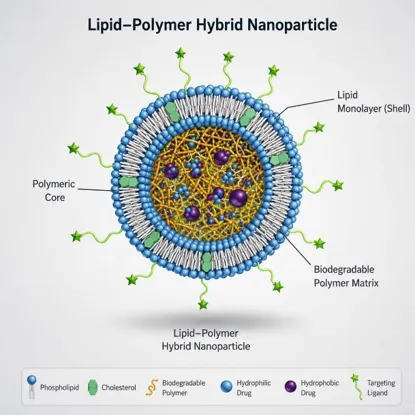
Figure1: Structure of Lipid Polymer Hybrid nanoparticles.
Hybrid nanocarriers are capable of delivering both hydrophilic and hydrophobic drugs, making them versatile platforms for pharmaceutical applications. In addition, they protect encapsulated drugs from premature degradation and improve drug retention within the systemic circulation. Surface modification using targeting ligands further enhances selective drug delivery and reduces systemic toxicity [60].
Another major advantage of hybrid nanocarriers is their ability to improve pharmacokinetic behavior by prolonging circulation time, minimizing rapid drug clearance, and maintaining controlled drug release. These characteristics are particularly beneficial for immunosuppressive agents that require sustained therapeutic concentrations to prevent graft rejection [61].
Furthermore, hybrid nanocarriers can be engineered for stimuli-responsive drug release triggered by pH, temperature, or enzymatic activity. Such smart delivery systems improve site-specific drug release and therapeutic outcomes, highlighting the growing importance of hybrid nanocarriers in transplantation-related drug delivery [62].
Overall, hybrid nanocarriers represent a promising advancement in nanomedicine due to their combined stability, targeting potential, and controlled drug release properties.
2.4 Components of Hybrid Nanocarriers
The selection of individual components plays a critical role in determining the performance and efficiency of hybrid nanocarriers. Typically, these systems consist of a polymeric core, lipid shell, and stabilizing surfactants, each contributing to the physicochemical properties, drug loading capacity, stability, and release behavior of the formulation.
Polymeric core:
The polymeric core forms the structural foundation of hybrid nanocarriers and is primarily responsible for providing mechanical stability and controlled drug release. Biodegradable polymers such as poly (lactic-co-glycolic acid) (PLGA), chitosan, and polycaprolactone are commonly employed for this purpose. Natural polymers like chitosan are particularly advantageous due to their biocompatibility, biodegradability, and mucoadhesive properties, which can enhance drug absorption and bioavailability. In addition, the polymeric matrix protects encapsulated drugs from premature degradation and enables sustained drug release over an extended period [63,64].
Lipid layer:
The lipid layer surrounds the polymeric core and plays a vital role in improving biocompatibility and drug encapsulation efficiency. Phospholipids such as lecithin are commonly used due to their structural similarity to biological membranes. The lipid coating enhances interaction with cellular membranes, improves permeability, prolongs circulation time by reducing reticuloendothelial system uptake, and minimizes premature drug leakage from the nanoparticles [65].
Surfactants and stabilizers:
Surfactants are essential for stabilizing hybrid nanocarriers and preventing particle aggregation during formulation. Commonly used surfactants include Tween 80, Poloxamers, and other non-ionic surfactants. These agents reduce interfacial tension, improve dispersion stability, and promote uniform particle size distribution. In addition, surfactants can influence drug release behavior and improve overall formulation stability [66].
Careful selection and optimization of polymers, lipids, and surfactants are necessary to achieve desirable characteristics such as particle size, surface charge, drug loading efficiency, and controlled drug release. By modifying the composition and proportion of these components, hybrid nanocarriers can be tailored for specific drug delivery applications, including controlled delivery of immunosuppressive agents [67].
2.5 Preparation of Hybrid Nanocarriers Methods.
The preparation method greatly influences the physicochemical properties, drug loading efficiency, and release behavior of hybrid nanocarriers. Several techniques have been developed for the preparation of lipid–polymer hybrid nanoparticles depending on the formulation requirements and nature of the drug.
Emulsification–solvent evaporation method:
This is one of the most commonly used techniques for preparing hybrid nanocarriers. In this method, the drug and polymer are dissolved in an organic solvent and emulsified into an aqueous phase containing lipids and surfactants to form an oil-in-water emulsion. Evaporation of the organic solvent results in the formation of nanoparticles with a polymeric core and lipid shell. This method is widely preferred due to its simplicity, high drug encapsulation efficiency, and ability to produce particles with controlled size distribution [68].
Nanoprecipitation, also known as the solvent displacement method, involves adding a polymer-drug solution in a water-miscible organic solvent into an aqueous lipid phase under stirring. Rapid solvent diffusion leads to polymer precipitation and nanoparticle formation. This method is simple, rapid, energy-efficient, and suitable for large-scale production [69].
The double emulsion (water-in-oil-in-water; W/O/W) technique is commonly employed for encapsulating hydrophilic drugs. Initially, an aqueous drug solution is emulsified into a polymer-containing organic phase to form a primary emulsion, which is then dispersed into a second aqueous phase containing lipids and surfactants. Following solvent removal, stable hybrid nanoparticles are obtained. This method provides improved encapsulation of hydrophilic drugs but involves relatively complex processing steps [70].
In the high-pressure homogenization technique, a mixture of polymer, lipid, and drug is forced through a narrow gap under high pressure, resulting in the formation of nanoparticles with uniform size distribution. This method offers good reproducibility, high stability, and is particularly suitable for large-scale production of lipid-based and hybrid nanocarriers [71].
Selection of an appropriate preparation method depends on several factors including drug properties, desired particle size, drug loading efficiency, and production scale. Proper optimization of formulation and process parameters is essential to obtain stable and efficient hybrid nanocarrier systems.
2.6 Characterization of Hybrid Nanocarriers.
Characterization of hybrid nanocarriers is essential to evaluate their physicochemical properties, stability, and drug delivery performance. Proper characterization ensures formulation reproducibility, quality, and therapeutic efficiency, particularly for controlled delivery of immunosuppressive agents.
Particle size is a critical parameter influencing drug release, cellular uptake, and biodistribution. Hybrid nanocarriers generally exhibit particle sizes ranging from 50 to 300 nm. The polydispersity index (PDI) indicates the uniformity of particle size distribution, where lower PDI values represent better homogeneity and formulation stability [72].
Zeta potential represents the surface charge of nanoparticles and serves as an important indicator of colloidal stability. High positive or negative zeta potential values help prevent particle aggregation through electrostatic repulsion, thereby improving formulation stability. Surface charge also influences interaction with biological membranes and cellular uptake [73].
Entrapment efficiency represents the percentage of drug successfully encapsulated within the nanocarrier system, while drug loading capacity indicates the amount of drug present relative to the total weight of the formulation. High entrapment efficiency and optimal drug loading are important for achieving effective therapeutic outcomes and dose optimization [74].
Drug release studies are performed to evaluate the release pattern of encapsulated drugs over time. Hybrid nanocarriers are generally designed to provide controlled and sustained drug release, thereby reducing dosing frequency and maintaining drug concentrations within the therapeutic range [75].
Morphological characteristics of nanoparticles are commonly examined using scanning electron microscopy (SEM) and transmission electron microscopy (TEM). These techniques provide information regarding particle shape, surface morphology, and structural integrity of hybrid nanocarriers [76].
Overall, comprehensive characterization of hybrid nanocarriers is essential for understanding their biological behavior and ensuring efficient drug delivery performance.
3. APPLICATION OF HYBRID NANOCARRIERS IN IMMUNOSUPPRESSIVE DRUG DELIVERY
4.1 Tacrolimus-Loaded Hybrid Nanocarriers
Tacrolimus is a potent calcineurin inhibitor widely used in organ transplantation; however, its clinical application is limited by poor aqueous solubility, variable bioavailability, and narrow therapeutic index. These limitations may result in fluctuating drug concentrations, frequent therapeutic monitoring, and repeated dose adjustments [83].
Lipid–polymer hybrid nanoparticles have shown considerable potential in improving the delivery of tacrolimus. The lipid layer enhances drug solubility and absorption, while the polymeric core enables controlled and sustained drug release. This combined functionality helps maintain stable plasma drug concentrations and reduces dosing frequency [84].
Hybrid nanocarriers can also prolong systemic circulation time and reduce rapid drug clearance. In addition, surface-modified hybrid nanoparticles enable targeted delivery to immune cells and transplanted tissues involved in graft rejection, thereby improving therapeutic efficacy and reducing systemic toxicity [85].
Several studies have demonstrated that tacrolimus-loaded hybrid nanocarriers exhibit enhanced oral bioavailability and improved pharmacokinetic performance compared with conventional formulations. These systems have also shown reduced nephrotoxicity and improved patient compliance due to sustained drug release and lower dose variability [86].
Overall, hybrid nanocarrier-based delivery of tacrolimus represents a promising strategy for improving immunosuppressive therapy and enhancing long-term transplantation outcomes.
4.2. Mycophenolate Mofetil (MMF)-loaded hybrid nanocarriers.
Mycophenolate mofetil (MMF) is a widely used antiproliferative immunosuppressive agent that inhibits inosine monophosphate dehydrogenase-mediated lymphocyte proliferation. Despite its therapeutic effectiveness, MMF is associated with limitations such as poor stability, gastrointestinal side effects, and variable bioavailability, which may affect patient compliance and therapeutic outcomes [87].
Hybrid nanocarriers have emerged as promising systems for improving MMF delivery by enhancing its physicochemical and pharmacokinetic properties. Encapsulation of MMF within lipid–polymer hybrid nanoparticles protects the drug from degradation and enables controlled drug release, thereby maintaining therapeutic concentrations for prolonged periods [88].
The lipid component enhances drug solubility and membrane permeability, whereas the polymeric core provides structural stability and sustained drug release. This combined effect helps reduce gastrointestinal irritation and minimizes systemic side effects commonly associated with conventional MMF therapy [89].
Furthermore, hybrid nanocarriers can be engineered for targeted drug delivery, enabling selective accumulation of MMF at sites of immune activation. Such targeted delivery improves therapeutic efficacy while reducing off-target toxicity, which is particularly beneficial for long-term immunosuppressive therapy [90].
Recent studies have demonstrated that MMF-loaded hybrid nanocarriers exhibit improved bioavailability, enhanced therapeutic control, and reduced dosing frequency compared with conventional formulations. These findings highlight the potential of hybrid nanocarrier systems in optimizing MMF therapy and improving transplantation outcomes [91].
4.3 Cyclosporine-Loaded Hybrid Nanocarriers
Cyclosporine was one of the earliest calcineurin inhibitors widely used in organ transplantation. Despite its effectiveness in preventing graft rejection, its clinical application is limited by poor aqueous solubility, low and variable oral bioavailability, and dose-related toxicities such as nephrotoxicity and hepatotoxicity. These limitations have encouraged the development of advanced drug delivery systems to improve its therapeutic performance [92].
Hybrid nanocarriers have shown significant potential in improving cyclosporine delivery by enhancing its solubility and stability. Encapsulation of cyclosporine within lipid–polymer hybrid nanoparticles improves drug dispersion and protects the drug from degradation. The lipid layer facilitates membrane permeation, whereas the polymeric core enables controlled and sustained drug release [93].
In addition, hybrid nanocarriers can improve the pharmacokinetic profile of cyclosporine by prolonging systemic circulation and reducing rapid drug elimination. This helps maintain stable therapeutic drug concentrations and reduces fluctuations associated with conventional formulations, thereby minimizing dose-related toxicity and improving therapeutic efficacy [94].
Surface-functionalized hybrid nanocarriers have also been investigated for targeted cyclosporine delivery to immune cells and transplanted tissues. Such targeted delivery strategies reduce systemic exposure and associated adverse effects, improving the safety of long-term immunosuppressive therapy [95].
Overall, hybrid nanocarrier-based systems represent a promising approach for overcoming the limitations of conventional cyclosporine therapy through improved solubility, bioavailability, and therapeutic control.
5. HYBRID NANOCARRIERS BENEFITS.
Overall, the combination of controlled release, enhanced bioavailability, improved stability, and targeting ability makes hybrid nanocarriers promising systems for optimizing immunosuppressive drug delivery and improving transplantation outcomes.
6. SHORTCOMINGS AND PROBLEMS WITH HYBRID NANOCARRIERS.
Despite their promising advantages, hybrid nanocarriers still face several limitations and challenges that may affect their clinical translation and large-scale application. Addressing these challenges is essential for the successful development of efficient and reliable drug delivery systems.
One of the major limitations is the complexity of formulation and scale-up. Preparation of hybrid nanocarriers involves multiple components and processing steps, making it difficult to achieve reproducibility and consistency during industrial-scale manufacturing. Careful optimization of formulation parameters is therefore necessary to obtain desired particle characteristics and stable formulations [102].
Another important concern is storage stability. Hybrid nanocarriers may undergo aggregation, drug leakage, or structural alterations during long-term storage, which can negatively affect their therapeutic performance and shelf life. Maintaining physical and chemical stability remains a major challenge in formulation development [103].
Potential toxicity and biocompatibility issues must also be carefully evaluated. Although many of the materials used are considered biocompatible, variations in particle size, composition, and surface properties may influence biological interactions and produce unexpected toxicological responses. Therefore, extensive in vitro and in vivo safety studies are necessary before clinical application [104].
Regulatory barriers also represent a significant challenge for the clinical translation of hybrid nanocarriers. The absence of universally accepted guidelines for characterization, evaluation, and approval of nanocarrier-based formulations complicates the transition from laboratory research to clinical practice [105].
In addition, the high production cost associated with specialized materials, sophisticated instrumentation, and advanced manufacturing techniques may limit the large-scale commercialization of hybrid nanocarrier systems, particularly in resource-limited settings.
Furthermore, achieving efficient and reproducible targeted delivery remains difficult due to biological barriers, immune clearance mechanisms, and interpatient variability. These factors may influence the targeting efficiency and overall therapeutic performance of hybrid delivery systems [106].
Overall, although hybrid nanocarriers possess remarkable potential for immunosuppressive drug delivery, overcoming these limitations is essential to fully realize their clinical applications in long-term transplantation therapy.
7. FUTURE PERSPECTIVES
Hybrid nanocarriers have demonstrated significant potential as advanced drug delivery systems for immunosuppressive therapy in organ transplantation. Their ability to combine the advantages of lipid-based and polymer-based systems enables improved drug solubility, controlled drug release, enhanced bioavailability, and targeted delivery. These properties help overcome many limitations associated with conventional immunosuppressive therapy and contribute to improved therapeutic outcomes.
Future research in this field is expected to focus on the development of smart and stimuli-responsive nanocarriers capable of releasing drugs in response to specific physiological triggers such as pH, temperature, or enzymatic activity. Such systems may further enhance site-specific drug delivery while minimizing systemic exposure and associated toxicities. In addition, advances in surface modification strategies may enable more precise targeting of immune cells involved in graft rejection, thereby improving the safety and effectiveness of immunosuppressive therapy [107].
Another important area of future development is the successful clinical translation of hybrid nanocarrier systems. Achieving this goal requires overcoming challenges related to large-scale manufacturing, long-term stability, regulatory approval, and cost-effectiveness. Standardization of characterization methods and establishment of clear regulatory frameworks will play a crucial role in facilitating clinical adoption [108].
Furthermore, integration of hybrid nanocarriers with emerging approaches such as personalized medicine and combination therapy may provide new opportunities for optimizing transplantation treatment. Tailoring drug delivery systems according to patient-specific requirements could improve therapeutic precision, minimize adverse effects, and enhance long-term graft survival [109].
Overall, hybrid nanocarriers represent a promising future direction in transplantation medicine and may contribute substantially to safer and more effective immunosuppressive therapy.
8. CONCLUSION
The hybrid nanocarriers are an exciting and versatile system to facilitate the controlled delivery of immunosuppressive drugs. Even though some challenges still exist, with continuous research and technology progress, people are likely to overcome these obstacles and create a clear pathway towards their successful implementation in clinic. Ongoing advancement of these systems can drastically enhance graft survival, decrease toxicity and improve the overall quality of life of transplant patients.
9. ACKNOWLEDGMENT
The authors would like to express their sincere appreciation to their institution and the Department of Pharmaceutics for support and resources in this review work. The authors also wish to express their gratitude to the researchers for their helpful contributions of published research that contributed to this article. Illustrative images were created using AI-aid tools and all content created was checked and proofread by the authors. The authors are responsible for the accuracy and integrity of the manuscript.
REFERENCES

Bharath Vishnu V S, Thirumurugan P, Pavinesh Kumar K, Srimathi R, Sankar C, Gayathri R, Recent Advances in Hybrid Nanocarrier Systems for Immunosuppressive Drug Delivery in Organ Transplantation: Current Progress and Future Perspectives, Int. J. of Pharm. Sci., 2026, Vol 4, Issue 9, 2760-2778. https://doi.org/10.5281/zenodo.22912449
 10.5281/zenodo.22912449