View Article

Abstract

Carbon nanotubes functionalized with ferulic acid serve as a effective target drug delivery system to upgrade cancer treatment by ameliorating the delivery of natural therapeutic agents directly to tumor cells.It aims at decreasing cytotoxicity in unaffected tissues. It works by targeted drug delivery to improve efficacy and specificity of cancer treatment by centralizing its effect on affected tissues only. Ferulic acid works effectively against cancer by regulating cell cycle and CNT provides controlled and targeted drug release.

Keywords

Ferulic Acid, Nanotubes, Cancer treatment, Carbon nano tubes.

Introduction

× Popup Image

Globally, cancer is the second most common cause of death. In general, cancer has become more common; by 2014, there were over 1,665,540 cases of cancer in the United States alone, and 585,720 of those cases resulted in death [1]. As a result, cancer is a major issue that has an impact on everyone's health. Unfortunately, it is a variation disease at tissue level, and this variability poses a significant barrier to its precise diagnosis, followed by therapeutic efficacy. The prostate, lung and bronchus, colon and rectum, and bladder have the largest percentages of cancer types in men. The breast, lung and bronchus, colon and rectum, uterine corpus, and thyroid have the highest rates of cancer in women. According to this data, a significant percentage of cancer cases in men and women are breast and prostate, respectively[2]. One of the leading causes of death worldwide is cancer, which is the result of unchecked cell development. It killed over 7,900,000 people globally in 2007, accounting for almost 13% of all deaths. Cancer is the second leading cause of death in the United States, after cardiovascular disease. Even though there have been significant advancements in cancer treatment over the past 50 years, the disease is still a serious health problem, thus much work has gone into finding new therapeutic strategies [3].A sequence of subsequent gene changes that alter cell activities are what cause cancer. It is clear that chemicals play a part in the formation of cancer cells and gene alterations. Additionally, smoking contains a number of chemical components that are carcinogenic and cause lung cancer [4].

Renowned physicist and Nobel laureate Richard P. Feynman originally put forth the concept of nanotechnology in 1965. One of the most promising technologies in recent years, nanotechnology has applications in a wide range of sectors, including physics, biology, engineering, microelectronics, and agriculture [5].

Iijima made the initial discovery of carbon nanotubes in 1991. They are composed of thin sheets of benzene ring carbons coiled up into a seamless tubular structure. CNTs can be broadly divided into two groups based on their structure: single-walled (SWNTs), which are made up of a single layer of cylindrical graphene, and multi-walled (MWNTs), which are made up of multiple concentric graphene sheets. great aspect ratio, ultralight weight, great mechanical strength, high electrical conductivity, and high thermal conductivity are only a few of the special physical and chemical characteristics of carbon nanotubes [6].

Ferulic acid has numerous physiological properties, including anti-inflammatory, antioxidant, antibacterial, anticancer, and antidiabetic effects, and it is not poisonous. Ferulic acid ([E]-3-[4-hydroxy-3-methoxy-phenyl] prop-2-enoic acid) (Fig. 1) is a member of the phenolic acid group that is frequently present in plant tissues. Secondary metabolites with different chemical structures and biological characteristics are called phenolic acids. The plants are mostly found in bound form as hydrolyzed tannins, lignin components, and esters or glycosides. Chemically speaking, they fall into two categories: phenolic acids of unique character and derivatives of cinnamic and benzoic acid, which differ in the quantity and substitution of hydroxyl and methoxy groups. The depside, a mixture of two or more phenolic acids, is another group. Ferulic acid is the most prevalent de-relative of cinnamic acid, along with caffeic, p-coumaric, synapine, syrette, and vanillin acids [7]

OBJECTIVE :-

1. To improve ferulic acid's solubility and bioavailability

Ferulic acid has limited stability and poor water solubility. Its solubility, degradation resistance, and general pharmacokinetics can all be enhanced by loading it onto CNTs.

2. To provide cancer cells with tailored delivery

By functionalizing CNTs with ligands (such as folic acid or antibodies), ferulic acid can be delivered to tumor tissues precisely, lowering systemic toxicity.

3. To increase intracellular uptake of ferulic acid

CNTs show efficient cellular penetration due to their needle-like structure, enabling higher intracellular concentration of ferulic acid in cancer cells.

4. To enhance anticancer efficacy via controlled and sustained release

CNTs act as nano-reservoirs, providing slow and controlled release of ferulic acid, thereby improving its therapeutic index.

5. To reduce side effects and improve safety

Targeted and sustained delivery minimizes exposure of healthy tissues to ferulic acid, lowering possible adverse effects.

6. To exploit the synergistic anticancer mechanisms

Ferulic acid exhibits antioxidant, anti-proliferative, pro-apoptotic, and anti-inflammatory effects. CNT delivery enhances these actions through improved delivery efficiency.

7. To evaluate biocompatibility and toxicity of CNT–ferulic acid formulations

Ensuring safety, hemocompatibility, and acceptable cytotoxicity is crucial for clinical translation.

8. To analyse pharmacokinetic and biodistribution profiles

Understanding how CNT-ferulic acid complexes distribute in organs helps optimize dosage forms[8,9,10].

SCOPE :-

1. Enhanced Drug Delivery Efficiency

2. Targeted Cancer Therapy

3. Synergistic Anti-Cancer Effects

4. Theragnostic Potential

5. Photothermal & Photodynamic Therapy Integration

6. Reduced Systemic Toxicity [11].

PROPERTIES OF CARBON NANOTUBES :-

  1. High  Surface  Area :- Because of their enormous surface area, carbon nanotubes can effectively load medications like ferulic acid for targeted delivery in the treatment of cancer.
  2. Excellent Mechanical Strength :- Because of their cylindrical graphene structure, CNTs are incredibly flexible and robust. They are very durable and have a high tensile strength.
  3. Electrical Conductivity :- Because of the ease with which electrons can pass through their graphitic structure, carbon nanotubes (CNTs) have exceptional electrical conductivity.
  4. Thermal Conductivity :- They aid in thermal stability and photothermal cancer therapy applications due to their exceptionally high thermal conductivity.
  5. Nano-size Structure :- Their nanoscale size facilitates intracellular medication delivery and makes it simple to enter cancer cells.
  6. Chemical Stability :- Under a variety of physiological circumstances, CNTs are chemically stable and resistant to deterioration.
  7. Drug Loading Capacity :- Adsorption or covalent bonding allow CNTs to transport both hydrophilic and hydrophobic medications.
  8. Biocompatibility :- CNTs become more biocompatible and appropriate for use in biomedical applications after functionalization.
  9. Targeted Drug Delivery :- By delivering anticancer drugs to tumour tissues specifically, functionalised CNTs can lessen their negative effects on healthy cells.
  10. Optical Properties :- Because CNTs absorb near-infrared radiation, they can be used in photothermal cancer treatment and imaging.

TYPES OF CARBON NANOTUBES :-

  1. Single-Walled Carbon Nanotubes (SWCNTs) :-comprise a single graphene sheet that has been wrapped into a tube.
  2. Multi-Walled Carbon Nanotubes (MWCNTs) :- comprise several concentric graphene cylinders   stacked within each other.

Fig 1 :- Types if carbon nanotubes

SYNTHESIS AND FUNCTIONALIZATION OF FERULIC ACID CARBON NANOTUBES:-

METHODS AND MATERIALS  :-

  • CNT Surface Modification :-

To improve pro-drug adhesion during the loadingprocess, functional groups were created on the surface of CNTs. Amino groups (−NH2) and carboxylic acid functionalization (COOH) were well-known surface modifications for carbon nanotubes (CNTs).31,32 As previously reported, carboxylic acid-functionalized MWCNTs were produced.33 They were given the designation CNTCOOH. 3-aminopropyltriethoxysilane (APTES; Sigma-Aldrich, St. Louis, MO, USA) was utilized to create CNTs functionalized with amino groups (−NH2). We used sonication (Elma GmbH, Singe, Germany) to suspend 1 g of CNTCOOH in 50 mL of anhydrous toluene (POCH, Poland) at room temperature (RT) for five minutes. After that, 2 mL of APTES was gradually added to this mixture over the course of 5 minutes, and it was stirred at 450 rpm for 24 hours at room temperature. Centrifugation at 10,000 rpm for 10 minutes was how we collected the resultant material (Cooling Sigma 16K, Laborzentrifugen GmbH, Osterode am Harz, Germany). After three methanol washes, the material was oven-dried for six hours at 50 °C and labelled CNTNH2.

  • FUA and DGN Loading :-

We used a 1/3 weight ratio of medication to nanocarrier. The following procedures were used to load the DGN and/or FUA. Ten milliliters of dimethyl sulfoxide (DMSO, Tedia, Fairfield, OH, USA) were used to dissolve 100 milligrams of either DGN or FUA. The drug solution was then mixed with 300 mg of CNTCOOH or CNTNH2 for 24 hours at 300 rpm using a multi-position stirrer (DAIHAN Scientific, Seoul, South Korea) at room temperature. We separated the solution by centrifugation and twice cleaned it with double-distilled water in order to gather the loaded CNTs. The final product was labeled as CNTCOOHDGN, CNTCOOHFUA, CNTNH2DGN, or CNTNH2FUA as appropriate after being oven-dried for 12 hours at 50 °C.We started with CNTCOOHFUA and CNTNH2FUA for dual loading. Resuspended in DGN (150 mg/15 mL organic solvent 1/1/1 DMSO/acetone/methanol), CNTCOOHFUA and CNTNH2FUA were agitated at 270 rpm for 24 hours at room temperature (DAIHAN Scientific, Seoul, South Korea). For DGN or FUA loading, the same procedures as previously mentioned were used. CNTCOOHFUADGN and CNTNH2FUADGN were the labels applied to the dried, loaded materials.

  • Coating with Polymers: Stearic Acid and Chitosan-Conjugated Fluorescent Dye :-

Because cancer cells like to internalize molecules coated with sugar, acids, and antibodies, a polymer coating was used.  As a result, coating improved the effectiveness of drug delivery. Additionally, the coating regulates the pro-drug's release kinetics. We employed chitosan and a combination of chitosan and stearic acid, both of which were conjugated with a fluorescent dye. Fluorescein isothiocyanate (FI) was the chosen dye. Because chitosan is utilized in DDS with controlled medication release, it was chosen.  CSFI stands for chitosan coupled with fluorescent dye. Stearic acid was chosen because it improves membrane transport and cellular absorption.  CSFISA was the combination of stearic acid, chitosan, and Fi. Only double-loaded samples (FUA and DGN) were coated in order to reduce the total number of samples under investigation.

As a result, CNTCOOHFUADGNFUA@CSFI and CNTNH2FUADGN@CSFI; CNTCOOHFUADGNFUA@CSFISA and CNTNH2FUADGNFUA@CSFISA were prepared.

1. Chitosan-Conjugated Fluorescent Dye Preparation

With certain changes, the conjugation of FI with chitosan was carried out in accordance with Mi et al. (38). We added 27 mg of FI (Arcos Organics, Geel, Belgium) to 40 mL of 1% chitosan (MW: 100,000–300,000, Arcos Organics, Geel, Belgium) solution (in 0.1% acetic acid) after dissolving it in 40 mL of methanol (Fisher Scientific, Loughborough, UK). After 24 hours of stirring at room temperature in the dark, the mixed solution was centrifuged for 10 minutes and then rinsed with double-distilled water until no green fluorescence was visible. Before being used again, the product (CSFI) was re-suspended in double-distilled water and stored at 5 °C.

2. Chitosan-FI-Stearic Acid Preparation

Stearic acid's carboxylic acid groups had to be activated in order to create this formulation. As detailed in our earlier study, it was accomplished. (39) In a beaker filled with 20 mL of DMSO, we dissolved 284 mg of stearic acid (MW: 284.48, Arcos Organics, Geel, Belgium), 206 mg of 1-(3-(dimethyl amino)propyl)-3-ethylcarbodiimide hydrochloride (EDC; Arcos Organics, Geel, Belgium), 140 mg of N-hydroxy succinimide (NHS; Arcos Organics, Geel, Belgium), and 0.250 mL of tri ethanol amine (TEA; Molekula GmbH, Munich, Germany). After two hours at 80 °C and another twenty-four hours at room temperature, we mixed the mixture. .Furthermore, we gradually added the stearic acid-containing activated solution to the CSFI solution, stirred it for ten hours at 60 °C, and then left it at room temperature for an additional twenty-four hours. Until it was needed again, the resultant solution (CSFISA) was kept at -20 °C.

Sr. No.

Example of a name

Functionalization

filled with drugs

covering


FUA


DGN


CNTCOOH


CNTNH2


F1

CNTCOOHDGN

–COOH

FUA


F2

CNTCOOHFUA

–NH2

DGN


F3

CNTNH2DGN

–NH2

FUA


F4

CNTNH2FUA

–COOH

DGN&FUA


F5

CNTCOOHFUADGN

–NH2

FUA

-

F6

CNTNH2FUADGN

–COOH

DGN&FUA

CSFI

F7

CNTCOOHFUADGNFUA@CSFI

–COOH

DGN&FUA

CS&FI&SA

F8

CNTCOOHFUADGNFUA@CSFISA

–NH2

DGN&FUA

CSFI

F9

CNTNH2FUADGN@CSFI

–NH2

DGN&FUA

CS&FI&SA

F10

CNTNH2FUADGN@CSFISA

-NH2

DGN@FUA

CS&FI&SA

OVERVIEW OF FERULIC ACID :-

FIG 2 :- Structure of Ferulic Acid

SOURCES

Rice bran oil has become ubiquitous due to the presence of oryzanol which is rich in FA . Hence, there is a greater need for the estimation of FA in food and beverage industry. For the quick and sensitive determination of FA in human body, food products, pharmaceutical compounds, beverages and effluents, various techniques have been used such as thin layer chromatography, high performance chromatography, liquid chromatography, capillary electrophoresis, spectrophotometry, UV-visible and ESR spectrometry, fluorescence, chemiluminescence, coulometric array detection, plasmon resonance light scattering.FA is also found in traces as waste water contaminant coming from the olive oil industry and needs to be detected as it is the cause for a potential ecological hazard, as reported in literature. The pungency of an alcoholic beverage such as beer and wine to name a few is directly related to the phenol content

  • Wheat bran
  • Rice bran
  • Oats
  • Corn [12]

PHARMACOLOGICAL ACTIVITY OF FERULIC ACID :-

Antioxidant

The antioxidant action mechanism of ferulic acid is complex, mainly based on the inhibition of the formation of reactive oxygen species (ROS) or nitrogen, but also the neutralization (“sweeping”) of free radicals. In addition, this acid is responsible for chelating protonated metal ions, such as Cu(II) or Fe(II). Ferulic acid is not only a free radical scavenger, but also an inhibitor of enzymes that catalyse free radical generation and an enhancer of scavenger enzyme activity. It is directly related to its chemical structure. Its antioxidating properties are primarily related to scavenging of free radicals, binding transition metals such as iron and copper, and lipid peroxidation prevention. The mechanism of antioxidative activity of ferulic acid is the ability to form stable phenoxy radicals, by the reaction of the radical molecule with the molecule of antioxidant. This makes it difficult to initiate a complex reaction cascade leading to the generation of free radicals. This compound may also act as hydrogen donor, giving atoms directly to the radicals. This is particularly important for the protection of cell membrane lipid acids, from undesired autoxidation processes. As a secondary antioxidant, ferulic acids and their related compounds are able to bind transition metals such as iron and copper. This prevents the formation of toxic hydroxyl radicals, which lead to cell membrane peroxidation. Free radicals may also be formed through natural human physiological processes, such as cell respiration process. These reactions are catalysed by some enzymes(13).

Limitation :-

  • To improve solubility and bioavailability of ferulic acid.
  • To achieve targeted drug delivery to cancer cells.
  • To enhance cellular uptake using CNT penetration ability.
  • To provide controlled and sustained drug release.
  • To increase anticancer efficacy (antioxidant & pro-apoptotic action).
  • To reduce systemic toxicity and side effects(14).

Carbon nanotubes :-

Since CNTs have high aspect ratios, very small sizes, and high surface areas, they can adsorb and/or conjugate to various therapeutic molecules. The needle-like shape of CNTs and their ease of tuneable functionalization are well known to facilitate their internalization into target cells. Therefore, CNTs have been identified as promising nano-carriers for the delivery of drugs, genes, and proteins. Specifically, the intrinsic nature of the safety of vesicle-based carriers such as liposomes has greatly promoted the utilization of CNTs in cancer more than other diseases, and thus the majority of the research concerning CNT-based nano-carriers has focused on the delivery of anticancer agents.

CNTs as Carriers of Anticancer Molecules :-

Although chemotherapy is generally coupled with other treatment techniques such as radiation and surgery to reduce the number and size of tumours, it could cause undesirable toxicity given that cancer drugs tend to have a narrow therapeutic window, show non-specificity to cancer cells, and require increased dosages due to the development of drug resistance by cancer cells .Therefore, new methods to deliver anticancer molecules specifically to tumors, reduce side effects, and improve therapeutic efficacy are in high demand. In this section, we emphasize current approaches in applications of CNT-based materials as novel agents to deliver anticancer drugs.

It developed a drug delivery system based on multi-walled CNTs (MWCNTs) by combining them with the antitumor agent 10-hydroxycamptothecin (HCPT). They used hydrophilic diaminotriethylene glycol as the spacer between MWCNTs and HCPT. Their HCPT-MWCNT conjugates showed remarkably improved antitumor activity compared with that of clinical HCPT formulations, both in vitro and in vivo (Figure 2). Using in vivo single-photon emission-computed tomography techniques and ex vivo gamma-scintillation counting analyses, they discovered that these conjugates were able to circulate for longer periods of time in the blood and were accumulated specifically in the tumor area. In cytotoxicity tests using human gastric carcinoma MKN-28 cells, the HCPT–CNT conjugate achieved a higher killing rate of cancer cells than obtained with injection of lyophilized HCPT at the same dose

Fig 3 :Relative tumour volume vs days → shows tumour growth inhibition[15].

IN VITRO STUDIES :-

The in vitro release studies were completed as directed. Phosphate buffered saline (PBS) (pH 6.8) with either 10 or 20 mM glutathione (GSH), also known as low and high GSH, served as the release medium. Five milligrams of each nano formulation were added to a dialysis bag (cellulose, MWCO 12,000 g/mol, Sigma-Aldrich CHEMIE GmbH, Sternheim, Germany) containing three millilitres of adjusted release medium. Both ends of the bag were tightly sealed before it was immersed in 50 mL of the release medium in a glass bottle with a top. The bottles were shaken in an incubator at 150 rpm and 37 °C for 72 hours. At predetermined intervals, two millilitres of the release medium were sampled and replaced with an equivalent volume of fresh medium. After centrifuging the extracted materials, the DGN and FUA concentrations at 331 and 295 nm were measured using a UV-vis spectrophotometer. The mean cumulative emission of DGN or FUA at each time point was calculated using three measurements. KineDS3 software (Jagiellonian University, Krakow, Poland) was used to fit the cumulative release data using either linear or nonlinear regression in order to estimate the release kinetic model [16].

RESULTS AND DISCUSSION :-

Morphological Findings. The FE-SEM pictures of CNTs and nanoformulations are displayed in Figure 1. The morphologies of CNTCOOH (Figure 1A), CNTCOOHFUADGN (Figure 1B), CNTNH2 (Figure 1D), and CNTNH2FUADGN (Figure 1E) did not change. Typical pictures of MWCNT entanglements are observed. As anticipated for the coated CNTCOOHFUADGN@CSFISA and CNTNH2FUADGN@CSFISA, respectively, Figure 1C,F depicts a coating on the samples' surfaces.

We measured the materials' SSA and total pore volume to ascertain the alteration in the CNT structure brought about by drug loading. Table 2 lists the outcomes. Drug loading, polymer coating, and surface modification all reduced the materials' SSA and total pore volumes. For instance, after loading with FUA, the surface area for CNTCOOH dropped from 233.5 m2/g to 146.4 m2/g.For instance, the surface area dropped from 233.5 m2/g for CNTCOOH to 146.4 m2/g following FUA loading (CNTCOOHFUA), 83.3 m2/g following DGN loading (CNTCOOHDGN), 71.6 m2/g following dual loading (CNTCOOHFUADGN), and 44.0 m2/g following coating (CNTCOOHFUADGN@CSFISA). This is the anticipated sequence for an increase in CNT diameter brought on by coating and drug loading.

 It is observed that compared to DGN loading, FUA loading results in fewer alterations. A variation in the loading capacity and/or molecular mass of the agents may be the cause of the discrepancy between CNTs loaded with DGN and FUA.In accordance with SSA modifications, the total pore volume dropped from 0.72 cm3/g for CNTCOOH to 0.49, 0.69, 0.52, and 0.38 cm3/g for CNTCOOHDGN, CNTCOOHFUA, CNTCOOHFUADGN, and CNTCOOHFUADGN@CSFISA, respectively. Zeta potential and size measurements of CNTs. Figure S1 and Table S1 in the Supporting Information display the size distribution of the CNTs suspended in water. The size of particles in the form of entangled MWCNTs or their agglomerates will be detected by the DLS method, which should be taken into account while interpreting these results.

The mean size was found to significantly increase after polymer coating.These findings are consistent with earlier research on drug-loaded CNT. Negative surface charges were present in every material (Figure S2 and Table S1, Supporting Information). The durability of nano formulations in aqueous solutions is improved by high negative zeta potentials, which induce electrostatic repulsion between negatively charged clusters. This is beneficial since the medicine put into the cells must be delivered via stable suspensions of DDS. XRD-based characterization. The XRD patterns of CNTCOOH and CNTNH2 displayed two signals at 2θ = 25.7° and 2θ = 43.0, as seen in Figure 2A.The hexagonal structure of CNTs is reflected in these peaks, which are indexed as C(002) and (100).

The multi-walled shape of the CNTs is indicated by the high intensity and sharpness of peak C(002). The intensity decreased after surface modification (CNTNH2), which could be the consequence of functionalization with −NH2 as a result of the APTES molecules adhering to the nanotube surface. When DGN was loaded, new peaks in the 2θ area between about 15 and 19° emerged (CNTCOOHDGN, CNTNH 2 DGN, CNTCOOHFUADGN, and CNTNH2FUADGN), which were attributed to free DGN (Figure 2B,F,D,H). The intensity of CNTs' primary typical peak of CNTs

Figure 1 shows FE-SEM pictures taken at various stages of preparation to identify morphological changes. (A) CNTCOOH; (B) F5 CNTCOOHFUADGN; (C) F8 CNTCOOHFUADGN@CSFISA; (D) CNTNH2; (E) F6 CNTNH2FUADGN; and (F) F10 CNTNH2FUADGN@CSFISA. Before and after surface modification and dual loading of DGN and FUA, the photos indicate no alterations; however, following coating with the chitosan-stearic acid complex, there was a noticeable change (see C,F). This finding suggests that chitosan and stearic acid have adhered to the surface of the nanotube [17].

Fig. no.4: XRD Patterns of Carbon nano tubes

FUTURE PROSPECTIVE :-

1. Targeted Drug Delivery

Through active (ligand-based) and passive (EPR effect) targeting, functionalized CNTs can deliver ferulic acid precisely to tumor tissues, increasing therapeutic efficacy and reducing systemic toxicity.

2. Increased Effectiveness Against Cancer

CNTs enhance ferulic acid's cellular absorption and stability, which boosts its cytotoxicity against cancer cells and improves its pharmacological activity.

3.Stimuli-Responsive and Regulated Release

CNT-based devices improve treatment precision by enabling regulated medication release in response to tumour microenvironment parameters as pH, temperature, or near-infrared (NIR) radiation.

4. Combination Treatment

CNTs allow for multifunctional therapy, which combines photothermal or photodynamic therapy with chemotherapy (ferulic acid) to provide synergistic anticancer effects.

5. Theragnostic Uses

Because of their imaging properties, CNTs can be employed for simultaneous diagnosis and therapy (theragnostic), allowing for real-time treatment monitoring.

6. Difficulties and Prospects

Before clinical application, problems like toxicity, biodegradability, and regulatory concerns must be resolved, despite encouraging results [18].

ADVANTAGES:-

Because carbon nanotubes assist address several of ferulic acid's main drawbacks, including low bioavailability, poor stability, and restricted tumor cell targeting, they can increase the drug's efficacy in treating cancer.

1. Improved Drug Delivery

Because of their enormous surface area and minuscule size, carbon nanotubes (CNTs) can transport ferulic acid straight into cancer cells.

Benefits:

  • Improved tumor penetration
  • Cancer cells' more effective absorption
  • decreased ferulic acid loss prior to reaching the target

2. Enhanced Bioavailability

The body quickly breaks down and eliminates ferulic acid on its own. CNTs shield it from deterioration.

  • Extended blood circulation time
  • Long-term medication release
  • Increased therapeutic concentration at the locations of tumors

3. Targeted Cancer Therapy

It is possible to bind functionalized CNTs to ligands or antibodies that identify cancer cells.

This permits:

  • Targeting tumors specifically
  • Reduced harm to healthy tissues

less adverse effects when compared to traditional chemotherapy

4. Increased Anticancer Activity

Although ferulic acid possesses anti-inflammatory, anticancer, and antioxidant qualities, its effects may be restricted when taken by itself.

CNT delivery may:

  •  A rise in intracellular accumulation
  •  Boost apoptosis, or the death of cancer cells
  •  Strengthen tumor growth inhibition

5. Combination Therapy Potential

For instance, ferulic acid plus chemotherapeutic medications, ferulic acid plus genes or siRNA, or ferulic acid plus photothermal treatments can all be carried by CNTs at the same time and have synergistic anticancer effects.

For instance.

• Ferulic acid and chemotherapy medications

• Ferulic acid plus siRNA or genes

Ferulic acid combined with photothermal agents

Synergistic anticancer effects may result from this

6. Controlled and Sustained Release

Ferulic acid can be gradually released by CNTs over time.

Benefits include:

  • Less dosage is needed
  • More consistent therapeutic outcomes

Diminished systemic toxicity

7. Photothermal and Imaging Applications

Certain CNTs produce heat by absorbing near-infrared light.

This enables:

  • Tumor elimination via photothermal means
  • Concurrent imaging and treatment (sometimes known as "theranostics")

Thus, multifunctional cancer treatment may be supported by ferulic acid-loaded carbon nanotube devices.

LIMITATIONS AND RISKS :-

1. Toxicity of Carbon Nanotubes

The toxicity of CNTs is one of the main issues.

Among the potential harmful effects are:

• Injury to healthy cells stress caused by oxidation

• Inflammation

• Damage to DNA

• Disruption of the cell membrane

If CNTs build up in tissues, particularly in the lungs, they may behave like asbestos-like fibers

2. Poor Biocompatibility

In order to lessen these effects, CNTs typically require surface modification (also known as "functionalization"), which adds complexity and expense.

These issues include:

• Immune system activation;

• Foreign body reactions; and

• Difficulty in safe degradation inside the body.

Raw CNTs are frequently not naturally compatible with biological systems.

Issues consist of:

• Activation of the immune system

• Reactions to foreign bodies

• The body's inability to safely degrade

CNTs typically require surface modification, or "functionalization," to lessen these effects, which raises complexity and expense

3. Accumulation in Organs

CNTs may accumulate in organs such as:

  • Liver
  • Lungs
  • Kidneys
  • Spleen

Chronic toxicity and organ damage may result from long-term buildup.

4. Uncertain Long-Term Safety

There is still limited information about:

  • Long-term exposure effects
  • Chronic toxicity
  • Carcinogenic potential
  • Reproductive toxicity

The majority of research is still preclinical and conducted on animals or in cell cultures.

5. Difficulty in Controlling Drug Release

Controlling the precise rate of ferulic acid release can be challenging, even though CNTs can offer sustained release.

This may lead to:

  •  Early release of drugs
  • Insufficient drug concentration in malignancies

Decreased effectiveness of treatment

6. Stability and Dispersion Problems

Strong intermolecular interactions lead CNTs to cluster, which can:

• Reduce drug-loading efficiency;

• Affect blood circulation;

• Increase toxicity;

• lead uneven distribution in tissues

Aggregation is able to

• Decrease the effectiveness of medication loading

• Impact blood circulation

• A rise in toxicity

• Make tissues unevenly distributed.

7. Manufacturing Challenges

Technical challenges in the manufacturing of CNT-based medication systems include:

• Costly production techniques;

• Batch-to-batch variability;

• Purification difficulties; and

• The presence of metal catalyst impurities, which may be harmful in and of themselves.

Among the limitations are:

• Costly production techniques

• Variability from batch to batch

• Purification is difficult.

• Impurities in metal catalysts

These contaminants could be hazardous in and of themselves

8. Regulatory and Clinical Barriers

CNT-based therapies face strict regulatory evaluation.

Challenges include:

  • Lack of standardized safety guidelines
  • Limited clinical trial data
  • Complex approval process for nanomedicines

Very few CNT-based cancer therapies are currently approved for clinical use.

9. Limited Solubility and Functionalization Requirements

CNTs are naturally hydrophobic and poorly soluble in water.

Therefore they often require:

  • Chemical modification
  • Polymer coating
  • Surface functionalization

These additional steps can:

  • Alter drug behavior
  • Increase production costs
  • Introduce extra toxicity risks

10. Risk of Non-Specific Targeting

If targeting is not highly precise, CNTs carrying ferulic acid may also affect healthy tissues.

This can cause:

  • Toxicity to normal cells
  • Inflammation
  • Side effects outside the tumor area

CONCLUSION

Ferulic acid has significant antioxidant qualities, which are directly related to its protective role for cellular structures and suppression of melanogenesis, according to research done so far. It is being utilized more frequently in cosmetic treatments, primarily to prevent photostage. At the same time, it lessens pre-existing discolouration and fine wrinkles. Ferulic acid is an increasingly used compound in cosmetology due to its good skin penetration, compatibility with various cosmetic formulae, and stabilizing properties of other compounds.

REFERENCES

  1. Seyed Hossein Hassanpour, Mohammad amin Dehghani https://doi.org/10.1016/j.jcrpr.2017.07.001
  2. Seyed Hossein Hassanpour*, Mohammad amin Dehghani Department of Toxicology, Faculty of Pharmacy, Ahvaz Jundishapur University of Medical Sciences, Ahvaz, Iran http://dx.doi.org/10.1016/j.jcrpr.2017.07.001 2311-3006/© 2017 Taiwan Oncology Society. Production and hosting by Elsevier B.V. This is an open access article under the CC BY-NC-ND license (http://creativecommons.org/licenses/by-nc-nd/4.0/)
  3. Donna S. Shewach, Guest Editor, University of Michigan School of Medicine Robert D. Kuchta Issue Editor, University of Colorado, Boulder CR900208X
  4. Seyed Hossein Hassanpour, Mohamm adamin Dehghani https://doi.org/10.1016/j.jcrpr.2017.07.00
  5. Puspita Chatterjee, Sanjeev Kumar https://doi.org/10.1016/j.matpr.2021.10.048
  6. Priya Vashisth, Naresh Kumar, Mohit Sharma, Vikas Pruthi* Department of Biotechnology, Indian Institute of Technology Roorkee, Roorkee 247667, Uttarakhand, India
  7. KamilaZduńska Agnieszka Dana Anna Kolodziejczak Helena Rotsztejn Chair of Cosmetology, Department of Cosmetology and Aesthetic Dermatology, Faculty of Pharmacy, Medical University of Łódź, Łódź, Poland
  8. Iijima S. Helical microtubules of graphitic carbon. Nature. 1991.
  9. Liu Z., et al. Drug delivery with carbon nanotubes for in vivo cancer treatment. Cancer Res. 2008.
  10. Zhang Y., et al. Carbon nanotubes in cancer therapy and drug delivery. J Control Release. 2019.
  11. Prato M, Kostarelos K, Bianco A. Functionalized carbon nanotubes in drug design and discovery. Acc Chem Res. 2008.
  12. Veera Eradya, Ronald J. Mascarenhasa, b*, Ashis K. Satpatic, Simon Detriched, Zineb Mekhalifd, Joseph Dalhalled, Dhason Ae a Research and Development Centre, Bharathiar University, Coimbatore – 641 014, Tamilnadu, India. E-mail: ronaldmasc2311@yahoo.co.in.
  13. Kamila Zduńska Department of Cosmetology and Aesthetic Dermatology, Faculty of Pharmacy Medical University of Łódź, Muszyńskiego 1 Street PL–91-151 Łódź (Poland)
  14. Wu W, Li R, Bian X, Zhu Z, Ding D, Li X, et al
  15. Khaled AbouAitah* Medicinal and Aromatic Plants Research Department, Pharmaceutical and Drug Industries Research Institute, National Research Centre (NRC), 33 El-Behouth Street, Dokki, Giza 12622, Egypt Ahmed M. AbdelazizI mane M. Higazy Anna Swiderska-Sroda Abeer M. E. Hassan Olfat G. Shaker Urszula Szałaj Leszek Stobinski Artur Malolepszy
  16. Bianco A, Kostarelos K, Prato M. Applications of carbon nanotubes in drug delivery. Curr Opin Chem Biol. 2005;9(6):674–679.
  17. Iannazzo D, Pistone A, Celesti C, Triolo C, Patanè S, Giofrè SV, et al. A smart nanovector for cancer targeted drug delivery based on graphene quantum dots. Nanomaterials. 2019;9(2):282.
  18. AbouAitah K, Abdelaziz AM, Higazy IM, Swiderska-Sroda A, Hassan AME, Shaker OG, Szałaj U, Stobinski L, Malolepszy A, Lojkowski W. Functionalized Carbon Nanotubes for Delivery of Ferulic Acid and Diosgenin Anticancer Natural Agents. ACS Appl Bio Mater. 2024 Feb 19;7(2):791-811. doi: 10.1021/acsabm.3c00700. Epub 2024 Jan 22. PMID: 38253026; PMCID: PMC10880110.
  19. Hwang Y, Park SH, Lee JW. Applications of Functionalized Carbon Nanotubes for the Therapy and Diagnosis of Cancer. Polymers (Basel). 2017 Jan 4;9(1):13. doi: 10.3390/polym9010013. PMID: 30970690; PMCID: PMC6432390.
  20. Mohd Saeed, Garima Gupta, Mohammed A.S. Abourehab, Prashant Kesharwani, Redefining cancer treatment: the role of imatinib nanoparticles in precision medicine, International Journal of Pharmaceutics, Volume 683, 2025, 126027, ISSN 0378-5173, https://doi.org/10.1016/j.ijpharm.2025.126027. (https://www.sciencedirect.com/science/article/pii/S0378517325008646)
  21. Veera Erady, Ronald J. Mascarenhas, Ashis K. Satpati, Simon Detriche, Zineb Mekhalif, Joseph Dalhalle, A. Dhason, Sensitive detection of Ferulic acid using multi-walled carbon nanotube decorated with silver nano-particles modified carbon paste electrode, Journal of Electroanalytical Chemistry, Volume 806, 2017, Pages 22-31,
  22. ISSN 1572-6657, https://doi.org/10.1016/j.jelechem.2017.10.045. (https://www.sciencedirect.com/science/article/pii/S157266571730752X)

Reference

  1. Seyed Hossein Hassanpour, Mohammad amin Dehghani https://doi.org/10.1016/j.jcrpr.2017.07.001
  2. Seyed Hossein Hassanpour*, Mohammad amin Dehghani Department of Toxicology, Faculty of Pharmacy, Ahvaz Jundishapur University of Medical Sciences, Ahvaz, Iran http://dx.doi.org/10.1016/j.jcrpr.2017.07.001 2311-3006/© 2017 Taiwan Oncology Society. Production and hosting by Elsevier B.V. This is an open access article under the CC BY-NC-ND license (http://creativecommons.org/licenses/by-nc-nd/4.0/)
  3. Donna S. Shewach, Guest Editor, University of Michigan School of Medicine Robert D. Kuchta Issue Editor, University of Colorado, Boulder CR900208X
  4. Seyed Hossein Hassanpour, Mohamm adamin Dehghani https://doi.org/10.1016/j.jcrpr.2017.07.00
  5. Puspita Chatterjee, Sanjeev Kumar https://doi.org/10.1016/j.matpr.2021.10.048
  6. Priya Vashisth, Naresh Kumar, Mohit Sharma, Vikas Pruthi* Department of Biotechnology, Indian Institute of Technology Roorkee, Roorkee 247667, Uttarakhand, India
  7. KamilaZdu?ska Agnieszka Dana Anna Kolodziejczak Helena Rotsztejn Chair of Cosmetology, Department of Cosmetology and Aesthetic Dermatology, Faculty of Pharmacy, Medical University of ?ód?, ?ód?, Poland
  8. Iijima S. Helical microtubules of graphitic carbon. Nature. 1991.
  9. Liu Z., et al. Drug delivery with carbon nanotubes for in vivo cancer treatment. Cancer Res. 2008.
  10. Zhang Y., et al. Carbon nanotubes in cancer therapy and drug delivery. J Control Release. 2019.
  11. Prato M, Kostarelos K, Bianco A. Functionalized carbon nanotubes in drug design and discovery. Acc Chem Res. 2008.
  12. Veera Eradya, Ronald J. Mascarenhasa, b*, Ashis K. Satpatic, Simon Detriched, Zineb Mekhalifd, Joseph Dalhalled, Dhason Ae a Research and Development Centre, Bharathiar University, Coimbatore – 641 014, Tamilnadu, India. E-mail: ronaldmasc2311@yahoo.co.in.
  13. Kamila Zdu?ska Department of Cosmetology and Aesthetic Dermatology, Faculty of Pharmacy Medical University of ?ód?, Muszy?skiego 1 Street PL–91-151 ?ód? (Poland)
  14. Wu W, Li R, Bian X, Zhu Z, Ding D, Li X, et al
  15. Khaled AbouAitah* Medicinal and Aromatic Plants Research Department, Pharmaceutical and Drug Industries Research Institute, National Research Centre (NRC), 33 El-Behouth Street, Dokki, Giza 12622, Egypt Ahmed M. AbdelazizI mane M. Higazy Anna Swiderska-Sroda Abeer M. E. Hassan Olfat G. Shaker Urszula Sza?aj Leszek Stobinski Artur Malolepszy
  16. Bianco A, Kostarelos K, Prato M. Applications of carbon nanotubes in drug delivery. Curr Opin Chem Biol. 2005;9(6):674–679.
  17. Iannazzo D, Pistone A, Celesti C, Triolo C, Patanè S, Giofrè SV, et al. A smart nanovector for cancer targeted drug delivery based on graphene quantum dots. Nanomaterials. 2019;9(2):282.
  18. AbouAitah K, Abdelaziz AM, Higazy IM, Swiderska-Sroda A, Hassan AME, Shaker OG, Sza?aj U, Stobinski L, Malolepszy A, Lojkowski W. Functionalized Carbon Nanotubes for Delivery of Ferulic Acid and Diosgenin Anticancer Natural Agents. ACS Appl Bio Mater. 2024 Feb 19;7(2):791-811. doi: 10.1021/acsabm.3c00700. Epub 2024 Jan 22. PMID: 38253026; PMCID: PMC10880110.
  19. Hwang Y, Park SH, Lee JW. Applications of Functionalized Carbon Nanotubes for the Therapy and Diagnosis of Cancer. Polymers (Basel). 2017 Jan 4;9(1):13. doi: 10.3390/polym9010013. PMID: 30970690; PMCID: PMC6432390.
  20. Mohd Saeed, Garima Gupta, Mohammed A.S. Abourehab, Prashant Kesharwani, Redefining cancer treatment: the role of imatinib nanoparticles in precision medicine, International Journal of Pharmaceutics, Volume 683, 2025, 126027, ISSN 0378-5173, https://doi.org/10.1016/j.ijpharm.2025.126027. (https://www.sciencedirect.com/science/article/pii/S0378517325008646)
  21. Veera Erady, Ronald J. Mascarenhas, Ashis K. Satpati, Simon Detriche, Zineb Mekhalif, Joseph Dalhalle, A. Dhason, Sensitive detection of Ferulic acid using multi-walled carbon nanotube decorated with silver nano-particles modified carbon paste electrode, Journal of Electroanalytical Chemistry, Volume 806, 2017, Pages 22-31,
  22. ISSN 1572-6657, https://doi.org/10.1016/j.jelechem.2017.10.045. (https://www.sciencedirect.com/science/article/pii/S157266571730752X)

Photo
Sakshi More
Corresponding author

Womens College of Pharmacy, Peth Vadgaon, Maharashtra, India

Photo
Shraddha Lakambare
Co-author

Womens College of Pharmacy, Peth Vadgaon, Maharashtra, India

Photo
Dr. Dhanraj Jadge
Co-author

Womens College of Pharmacy, Peth Vadgaon, Maharashtra, India

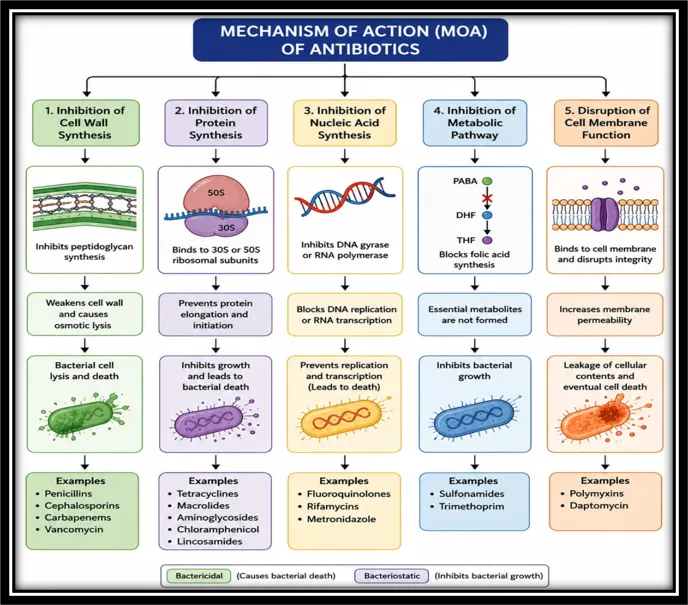
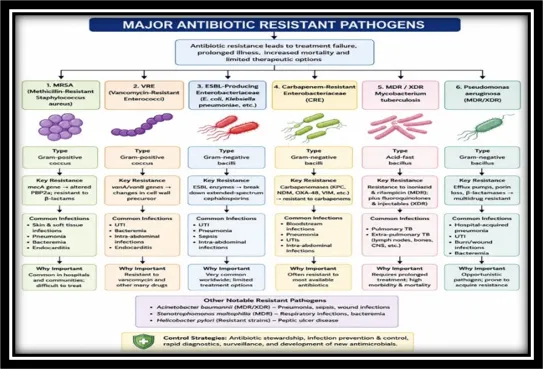
Sakshi More, Shraddha Lakambare, Dr. Dhanraj Jadge, Review on Antibiotic Resistance, Int. J. of Pharm. Sci., 2026, Vol 4, Issue 6, 1-15. https://doi.org/10.5281/zenodo.20481874

More related articles
Extraction and Characterization of Flaxseed (Linum...
Mayuri sutar, Yashraj Chopade, Pratiksha Kumbhar, Abhijeet Kulka...
Phytopharmacological Overview of Vitex Trifolia L....
Dr. Anant Deshpande, Supriya Kumbhargave , Aarti Kalshetti, Shrad...
Related Articles
Carbon Nanotubes in Ferulic Acid of Cancer Treatment...
Amruta Bhat, Dr. Dhanraj Jadge, Samiksha Gaikwad, Pragati Patil, Madhura Khot, Arpita Bhatane, Saksh...
Comparative Study of Herbal and Synthetic Drugs Used in the Management of Type I...
Yash Shimpi, Divyangana Tayade, Kirti Gadhari, Vishal Patil, Pavan Patil, M. M. Athar...
Recent Progress in Drug Discovery Using Computational Chemistry and Artificial I...
Shalini Devi , Jyoti Gupta, Swati Joshi, Sunita Dhiman, Mohamed Abdulla Mohammad Abdulla...
Extraction and Characterization of Flaxseed (Linum usitatissimum) Mucilage as a ...
Mayuri sutar, Yashraj Chopade, Pratiksha Kumbhar, Abhijeet Kulkarni, Dhanashree Jirole, Umesh Jirol...
More related articles
Extraction and Characterization of Flaxseed (Linum usitatissimum) Mucilage as a ...
Mayuri sutar, Yashraj Chopade, Pratiksha Kumbhar, Abhijeet Kulkarni, Dhanashree Jirole, Umesh Jirol...
Phytopharmacological Overview of Vitex Trifolia L.: Traditional Uses to Therapeu...
Dr. Anant Deshpande, Supriya Kumbhargave , Aarti Kalshetti, Shraddha Belkunde, Amar Fulsundar, Ikram...
Extraction and Characterization of Flaxseed (Linum usitatissimum) Mucilage as a ...
Mayuri sutar, Yashraj Chopade, Pratiksha Kumbhar, Abhijeet Kulkarni, Dhanashree Jirole, Umesh Jirol...
Phytopharmacological Overview of Vitex Trifolia L.: Traditional Uses to Therapeu...
Dr. Anant Deshpande, Supriya Kumbhargave , Aarti Kalshetti, Shraddha Belkunde, Amar Fulsundar, Ikram...