

We use cookies to ensure our website works properly and to personalise your experience. Cookies policy
Fabtech College of Pharmacy, Sangola, Maharashtra.
Background: Skin ageing is a combination of intrinsic (chronological) ageing and extrinsic (photoageing) ageing acting together on the principal mechanism of oxidative stress, chronic low-grade inflammation and increased levels of matrix metalloproteinases that lead to collagen and elastin degradation and the appearance of wrinkles. This ensures consumer interest in cosmetics containing botanical antioxidants and anti-inflammatory ingredients such as saffron (Crocus sativus L., Iridaceae) whose components (crocins, crocetin, picrocrocin and safranal) have well characterised antioxidant and anti-inflammatory activities in cell-free and preclinical models. Objective: The aim of the discussion is to have a critical review of saffron extract as an anti-wrinkle cosmetic active which will cover composition and behavior of saffron extract in formulations, safety aspects as well as research gaps of saffron extract due to anti-wrinkle action. Saffron and its constituents exhibit reproducible free-radical scavenging activity, modulate redox and inflammatory signalling in keratinocytes and fibroblasts and prevent oxidative damage in animal models upon UV exposure. Subjective improvements with respect to hydration, roughness and fine lines have been reported in small studies, primarily in combination products. Formulation has been done on standardised hydro-ethanolic extracts, light protection and preservation and pigment stability. Limited, and occasionally sponsor-specific, clinical databases, pigment instability and the risk of adverse quality control adulteration hinder definitive efficacy conclusions.
There are two forms of human ageing, both of which are mechanistically related. Intrinsic (chronological) ageing is genetically determined and involves mitochondrial reactive oxygen species (ROS), telomere attrition and loss of fibroblast biosynthesis [1,2]. Extrinsic ageing, primarily attributed to ultraviolet (UV) radiation, is additively affected by cigarette smoke and particulate matter and infrared radiation [2,3]. These, when combined, cause wrinkles, loss of elasticity, dyspigmentation and dermal atrophy [1,4]. Both of these pathways converge into activation of pro-inflammatory transcription factors NF- κB and AP-1 that activate matrix metalloproteinases (MMP-1, MMP-3, MMP-9) [4–7]. This fragmentation of type I/III collagen, disintegration of fibrillin microfibrils and reduced cross-linking of elastin leads to diminished functionality of the dermis and its apparent expression as wrinkles [5,7,8] whereas pro-inflammatory cytokines (TNF-α, IL-6) maintain a state of chronic low grade inflammation, or ‘inflammaging’ [7].
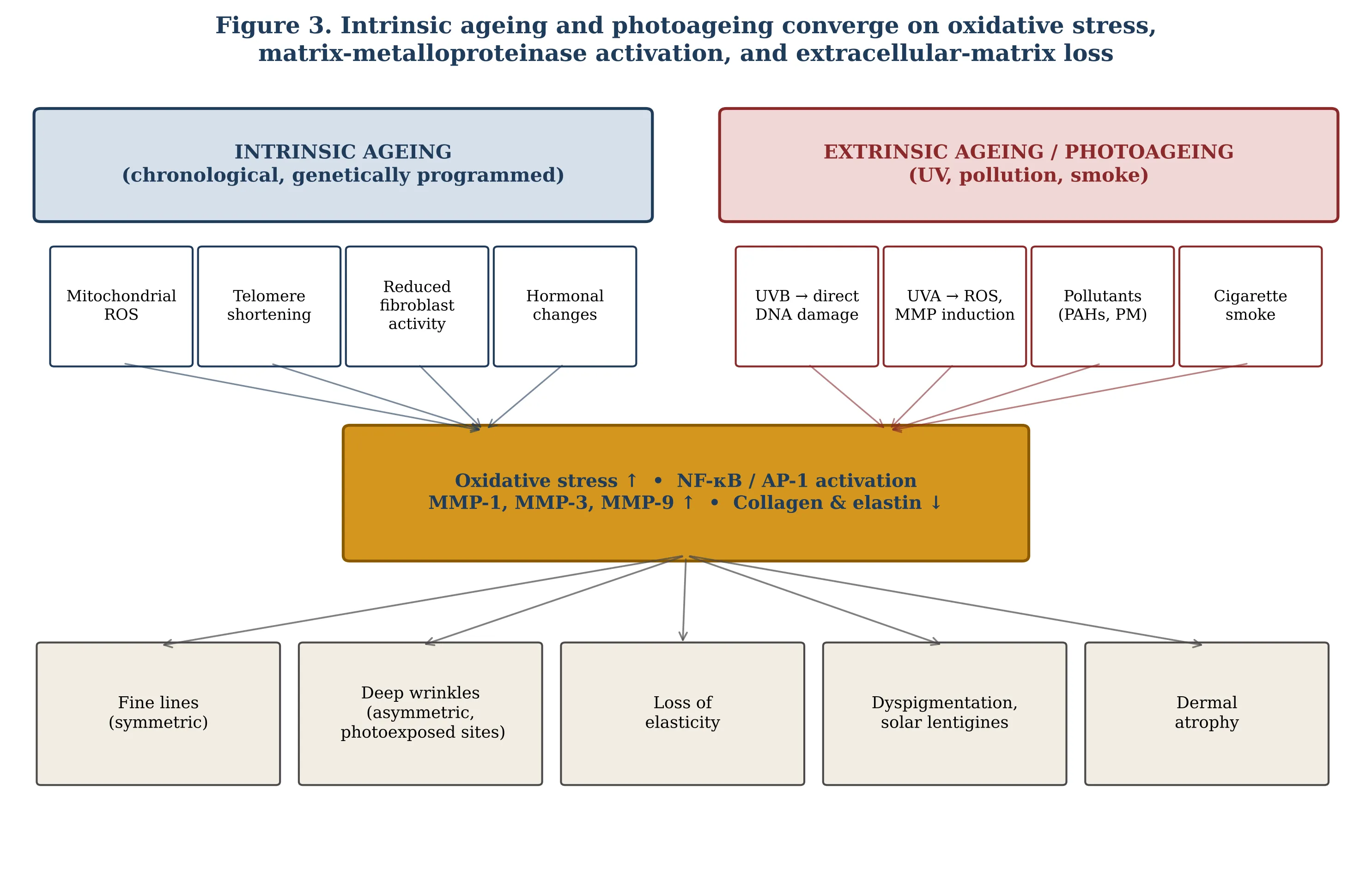
Figure 3: Intrinsic Ageing and Photoageing Converge on Oxidative Stress, Matrix Metalloproteinase Activation and Extracellular-Matrix Loss. Original Schematic by the Author; Pathway Data From [1–7].
Cosmetic formulations thus aim to directly address the oxidative/inflammatory stress or ECM homeostasis. Consumer demand for natural labels (i.e. ‘natural’) makes botanicals with multi-modal activity of antioxidant, anti-inflammatory and ECM-modulating properties scientifically and commercially attractive, but the complexity of the botanicals also could lead to compositional variability, the potential for adulteration and formulation difficulties, which must be overcome before efficacy is claimed.
Saffron, the dried stigma of Crocus sativus L. The family Iridaceae has had a long history as a colourant, spice and in traditional medicine in the Mediterranean, Persian and Indian Pharmacopoeias [11–13]. The characteristic constituents of saffron include water-soluble crocins, lipophilic crocetin, bitter picrocrocin and volatile safranal [14-16] that has gained interest due to its antioxidant [17-19], anti-inflammatory [20,21], photoprotective [22,23], pigmentation-modulating [24] and skin-repair activities [25,26] making it a promising ingredient for preventing wrinkles [27,28].
The review discusses the botanical and chemical composition of C. sativus, its antioxidant, anti-inflammatory and skin-repair properties, the likely mechanisms of action for C. sativus in preserving collagen, inhibiting MMPs, and other pharmaceutical formulations, and safety concerns associated with these topical applications. Evidence is purposefully organized by evidence type – cell-free assays, cellular studies, animal/ex-vivo, and human topical outcomes, and areas for future research are summarized.
3. Saffron (Crocus sativus L.) — Overview
Crocus sativus L. is a sterile triploid (2n = 3x = 24) autumn bloomer geophyte which propagates vegetatively by corms, exhibiting narrow leaves and a single flower with 6 tepals [11,12,29]. The commercial saffron is the hand pulled and dry stigmas, which are deep red with a trumpet tip. The other tepals, the stamens and the style are often by-products but the tepals are becoming increasingly interesting for the research of flavonoids and anthocyanins [14,30] and as a raw material for cosmetics.
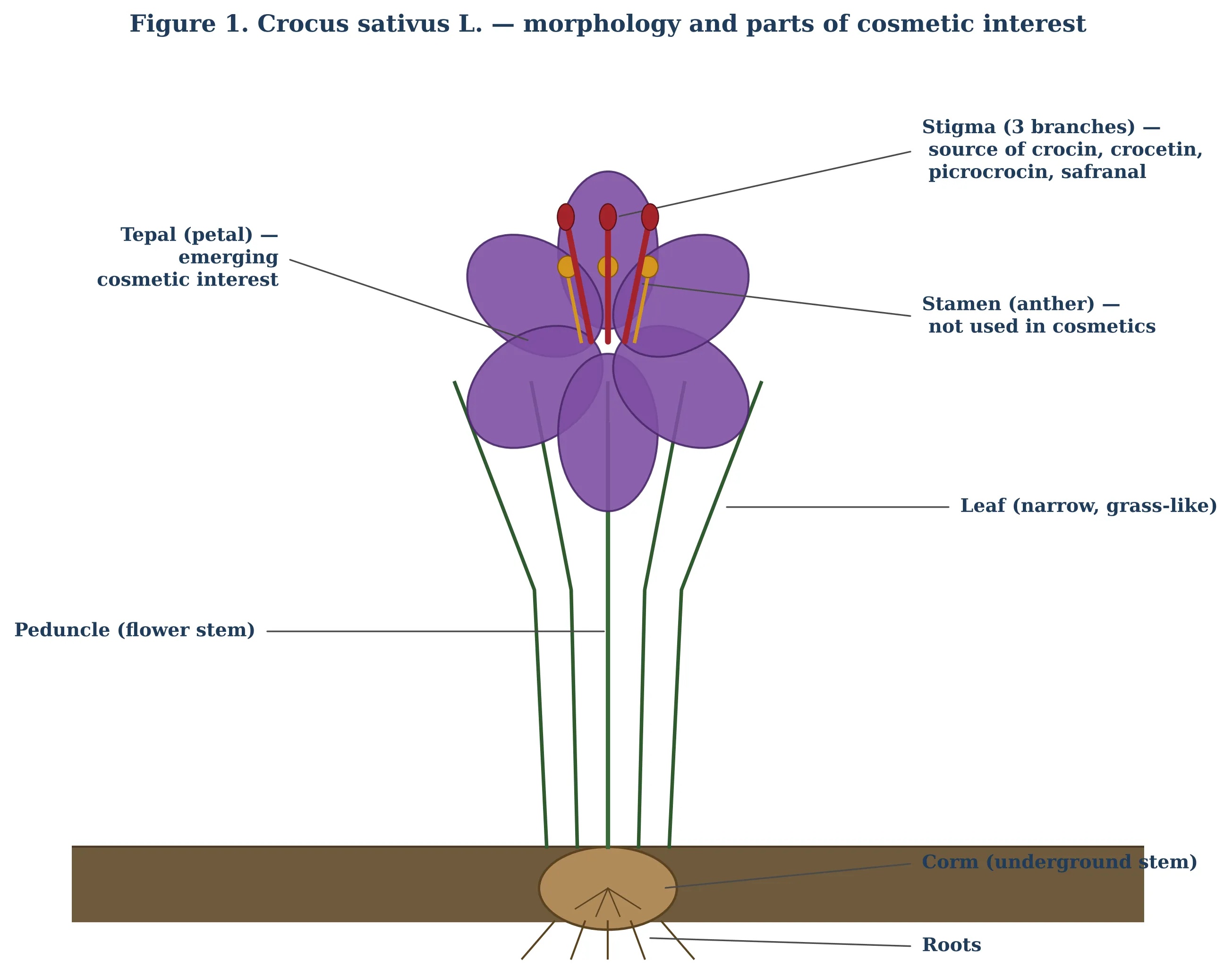
Figure 1: Crocus Sativus L. — Morphology and Parts of Cosmetic Interest. Original Schematic by the Author; Adapted from Standard Botanical Descriptions [11,12,29].
The majority of the world's saffron is sourced from Iran, but India (Kashmir), Spain, Greece, Morocco, Italy and Afghanistan also grow saffron [11,29]. About 150,000 flowers are required for producing 1 kg of dried stigma, and it poses considerable economic incentive to adulterate saffron with coloured portions of plants, synthetic dyes, or lesser quality product [13,31]. Saffron quality is graded based on the UV–visible absorbance of its aqueous extract according to ISO 3632, which reflects the levels of crocin (~440 nm), picrocrocin (~257 nm) and safranal (~330 nm) [32,33]. Other traditional uses include, except of food, saffron as an antispasmodic, carminative, emmenagogue, antidepressant and wound-healing agent [13,26,34] and as a saffron paste for use topically with complexion and youthful appearance in mind as per Unani, Ayurvedic and Persian medicine [35]. This precedent finds support in plausibility but not for today's safety and efficacy determinations.
Table 1: Botanical Profile of Crocus Sativus L. and Plant Parts of Cosmetic Relevance.
| Parameter | Description |
|---|---|
| Family | Iridaceae |
| Genus / species | Crocus sativus L. |
| Common names | Saffron (English); Kesar (Hindi/Urdu); Zafran (Persian/Arabic) |
| Ploidy | Sterile triploid (2n = 3x = 24); propagates by corms only |
| Habit | Autumn-flowering geophyte, 10–30 cm tall |
| Principal cultivation | Iran, India (Kashmir), Spain, Greece, Morocco, Afghanistan |
| Commercial material | Dried red stigma (three per flower) |
| By-product material | Tepals (petals) — emerging cosmetic interest; stamens; corms |
| Approximate yield | ~150,000 flowers for 1 kg dried stigma |
| Quality standard | ISO 3632 (Categories I–IV, based on UV–visible absorbance) |
Because stigma, tepal and corm extracts differ qualitatively and quantitatively in composition, activity and regulatory status [14,30,36], this review focuses on stigma extracts, the material most studied and most widely used commercially.
4. Chemical Constituents of Saffron
A small number of apocarotenoid secondary metabolites are responsible for saffron's colour, flavour and fragrance; the water soluble crocins (glycosyl esters of crocetin), the lipophilic compound aglycone crocetin, the bitter glycoside picrocrocin and the volatile aldehyde safranal [14,15,37]. The stigma also contains flavonoids (kaempferol glycosides), minor carotenoids (e.g., zeaxanthin), essential-oil components and trace vitamins [38,39].
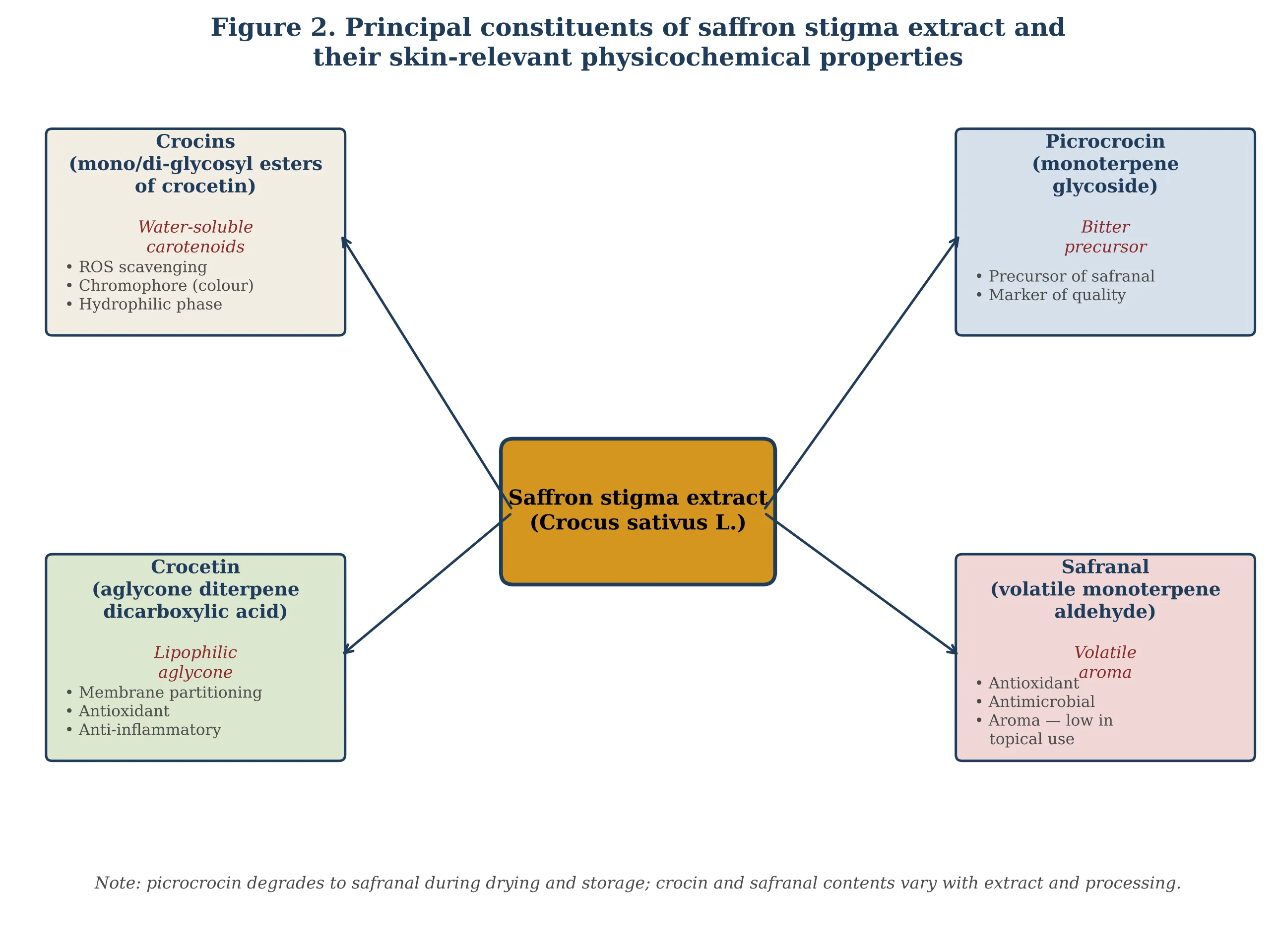
Figure 2: Principal Constituents of Saffron Stigma Extract and Their Skin-Relevant Physicochemical Properties. Original Schematic by the Author; Constituent Data From [14,15,37,40].
Ethers of crocetin containing a mono- or di-glycosyl group, namely trans-crocetin di-(β-D-gentiobiosyl) ester (α-crocin, crocin-1), are the predominant compounds in the high quality stigma, with minor amounts of mono-glycosyl compounds [14,37]. Crocin, the glycoside of carotenoid, is extremely water soluble due to this, and it can also serve as a hydrophilic colourant and antioxidant in the water part of emulsions [16], is also prone to oxidation, photochemical and thermal degradation thus affecting the formulation and packaging; carotinoids are prone to these sorts of degradation reactions [40,41] Topically, the more lipophilic and membrane-partitioning 20 carbon di-apocarotenoid, crocetin is more suitable in the oil phase and in model systems was more orally bioavailable than crocin [16, 42]. The glucoside of the aldehyde HTCC gives the sense of ‘pungency’ to saffron and slowly breaks down into safranal during the drying, storage and formulation of saffron; therefore, the ratio of picrocrocin to safranal is a quality marker. Safranal has been documented to have antioxidant and antimicrobial effects in vitro however its volatility, odour and reactivity restrict dilute formulations for use in a cosmetic cream [19,23]
Table 2: Principal Constituents of Saffron Stigma and Their Skin-Relevant Properties.
| Constituent | Chemical class | Solubility | Skin-relevant activity | Formulation note |
|---|---|---|---|---|
| Crocins (α-crocin and homologues) | Glycosyl esters of crocetin (apocarotenoid) | Water-soluble; intensely orange-red | ROS scavenging, antioxidant signalling, chromophore | Hydrophilic phase; UV- and heat-sensitive; needs light-protective packaging |
| Crocetin | Di-apocarotenoid dicarboxylic acid (aglycone) | Lipophilic; limited water solubility | Antioxidant, anti-inflammatory, better membrane partitioning | Oil phase; partitions across stratum corneum |
| Picrocrocin | Monoterpene glycoside | Water-soluble; bitter | Marker of quality; limited intrinsic topical activity | Precursor of safranal under heat/storage |
| Safranal | Volatile monoterpene aldehyde | Lipophilic; volatile | Antioxidant, antimicrobial | Odour-active; low topical concentrations only |
| Flavonoids (kaempferol glycosides) | Polyphenol | Partly water-soluble | Antioxidant, anti-inflammatory | Minor contributor; present in both stigma and tepal |
Any claim of 'saffron activity' must use the type of saffron extract, extraction solvent, and extraction parameters because different extraction solvents enrich different constituents of the saffron such as hydro-alcoholic extracts contain flavonoids, water extract contains crocin and picrocrocin, and supercritical CO2 extract contains lipophilic/volatile components
5. Pharmacological and Cosmetic Properties of Saffron
Most of the effects on the cardiovascular system, neurological system, metabolic and oncological system are found in the wider sphere of pharmacological literature from either oral or systemic delivery [16,19] and are of secondary relevance to the endpoints of interest here, at the skin level and at a cellular level. The most consistently reported activity is antioxidant, and crocin exhibits this activity with a concentration-dependent manner in all analyzed assays such as DPPH, ABTS, FRAP, and ORAC radical scavenging, while demonstrating this effect with the least concentration in DPPH assay; crocetin and safranal also show concentration-dependent antioxidant activity, with the former being the most active by weight in DPPH and ABTS assays and the latter the most active in FRAP and ORAC assays [17,18,39,45]; all these activities are extended to keratinocytes and fibroblasts challenged with hydrogen peroxide and UV radiation [23,46,47].
The anti-inflammatory effects are reported primarily in rodent studies; in these studies, crocin and saffron extract have been shown to inhibit the translocation of NF-κB and the production of inflammation cytokines (such as TNF-α, IL-1β and IL-6) and to decrease oedema [19–21]. Most of these data come from oral or parenteral delivery but molecular targets are common with those involved in photoageing that occur in the skin. Ex-vivo skin and small animal models showed that ex-curium saffron extract and crocin (and topical crocin-rich extracts) decreased ROS, lipid peroxidation and cytokine levels – in UV-stressed cell monolayers the reduction of these levels was significant but not the same levels as provided by UV filter chemicals and in a cream base it was measurable but not UV filter level [10,22,23].
Crocin and saffron extract do inhibit tyrosinase and melanin production in cell-based assays, which could give some rationale to claims for skin-tone-evening [24]. Safranal possesses light antimicrobial property useful for preserving purposes [19] and crocin/saffron extracts stimulate skin repair mechanisms in models of wound in rodents, which is biologically plausible for skin repair but not proven to occur in human skin so far. As a whole, the profile is coherent, with a plausible anti-ageing botanical profile, though there is a lack of distinction between the oral (topical) evidence, extract vs isolated constituent, and in-vitro vs in-vivo results which can be found in the botanical cosmetics literature [10].
6. Antioxidant Activity of Saffron
The anti-oxidant effect of saffron needs to be understood based on the type of assay which may be cell-free chemical assays, in-vivo/clinical assays, or cell-culture assays. The concentration-dependent activity was observed in all of the cell-free assays (DPPH, ABTS, FRAP, and ORAC) where crocin and safranal were active in low micromolar concentrations and crocetin in low millimolar concentrations [45]. These assays are inexpensive and also conveniently reproduced and useful for quality control, but can fail to accurately represent the amount of penetration in the skin, where the antioxidant interacts with other enzymes or might fail to compete with antioxidant derived from the human skin. This is frequently overlooked in product marketing literature [10]. Cellular assays: saffron extract and crocin were shown to decrease amounts of intracellular ROS (pro-aging factors) after incubation in H₂O₂ or UV exposure, preserved mitochondrial membrane potential (MMP), decreased lipid-peroxidation markers (malondialdehyde, 4-HNE), and increased the level of endogenous antioxidant enzymes (SOD, catalase, glutathione peroxidase), which verified internal uptake and redox modulation (concentrations used in cellular assays were, however, often higher than those used in human in vivo stratum corneum). There are even fewer in vivo- or ex vivo-based data. According to the animal studies, epidermal thickness decreased after UV-exposure with the treatment of saffron, however the treatment resulted in reduced collagen loss and oxidative markers, human studies on non-invasive biophysical measures such as Chromameter, Cutometer and Corneometer, reported increased water content, elasticity and roughness following saffron topical application after UV-exposure [10,41,48]. These positive signals are based on samples that are small, follow-up periods that are short, and typically combination products, in which saffron's independent effects are difficult to disentangle and can be identified only with a combination of differential and placebo works, and/or with the use of endpoints that are easily measurable and objective (such as silicone-replica profilometry or 3D imaging) [41,48].
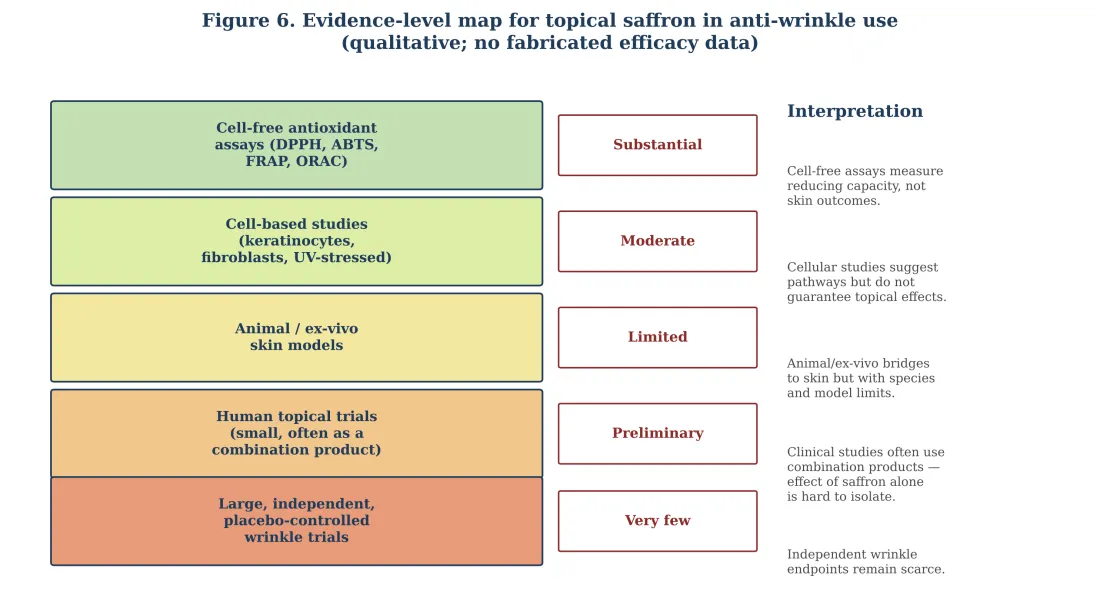
Figure 6: Evidence-level Map for Topical Saffron as an Anti-Wrinkle Ingredient. Qualitative; No Fabricated Efficacy Data Are Reported. Original Schematic by the Author.
7. Anti-Ageing and Anti-Wrinkle Potential
The integrity of ECM is key to anti-ageing cosmetic assertions. Chronic UV exposure upsets this balance by increasing MMP-1/-3/-9 and decreasing the synthesis of pro-collagen by itself induced by TGF-β, resulting in net loss of collagen, fragmentation of elastotic fibres and clinical wrinkling (~85% of the protein in the dermis is type I collagen, and elastin is increased [5,8] but normally ephemeral [7]). All of the above should be the properties of a plausible anti-wrinkle ingredient, including (i) reducing the transcripts of MMPs induced by UV/ROS in human cultured fibroblasts, (ii) maintaining live fibroblasts under oxidative/inflammatory stress conditions, (iii) maintaining procollagen transcription, or (iv) measurably decreasing wrinkle depth, roughness, or improving wrinkle elasticity in controlled human studies. There are preliminary positives for saffron constituents on these criteria. Crocin and crocetin have been shown to inhibit IL-8 production in both UV-induced keratinocytes and fibroblasts, cause procollagen I accumulation in fibroblasts and UV stimulated keratonicytes, and decrease the pro-fibrotic markers found in UV-induced keratonicytes (beta-galactosidase positivity, p16) in cell models, however results have not yet been replicated across different labs [47].
However, human topical evidence is less important and should be handled with great circumspection. A standardised saffron cream (containing 200 mg saffron and 100 mg vitamin C/E) in a small open label study, showed better skin hydration and roughness after 4-8 weeks and was well tolerated [10]; multibotanical products containing saffron, plus vitamin C/E, hyaluronic acid, or peptides showed reduced wrinkle depth or improved elasticity after a similar period, although not possible to assess the individual benefits of saffron [19,48]. Similarly, a double-blinded evaluation of the eye area demonstrated improvement in fine lines, in this case with a combination product [41]. Objective measurements of wrinkle (silicon replica profilometry, 3D fringe projection imaging and confocal reflectance) for saffron have not been reported yet. The potential for direct clinical affects of saffron in relation to improving skin elasticity due to its wrinkle reducing properties is, thus, considered as plausible, but not yet established, according to one of the main findings of this review.
Table 3: Representative Evidence for Anti-Ageing-Relevant Activity of Saffron and Its Constituents.
| Model | Material tested | Design | Principal outcome | Key limitation |
|---|---|---|---|---|
| Cell-free antioxidant assays | Crocin, crocetin, safranal | DPPH, ABTS, FRAP, ORAC | Concentration-dependent radical scavenging across assays | Does not model skin biology |
| Human keratinocytes (HaCaT, NHEK) under H₂O₂ or UV stress | Saffron extract or isolated crocin | Cell-viability, intracellular ROS, antioxidant-enzyme assays | Reduced ROS, preserved viability, up-regulation of SOD/catalase | In-vitro concentrations may exceed those achieved topically |
| Dermal fibroblasts under UVA/UVB or TNF-α stimulation | Crocin, crocetin | qPCR / zymography for MMPs; procollagen ELISA | Reduced MMP-1/-9 expression; preserved procollagen I | Limited replication across laboratories |
| Rodent skin photodamage models | Topical or oral saffron extract | Repeated UV exposure with saffron treatment | Reduced oxidative markers, less epidermal thickening, preserved collagen | Species differences; small samples |
| Human topical studies | Saffron-containing cosmetic creams (often combination products) | Open-label or single-arm; corneometer, cutometer, subjective scoring; small n, short follow-up | Improved hydration, roughness, perceived fine lines; good tolerability | Combination-product confounding; absence of placebo arm in several studies; subjective endpoints |
8. Mechanism of Action
Topical saffron's putative anti-wrinkle effect is suggested to occur through 3 parallel lines of evidence supported mechanisms (Figure 4), including direct inactivation of ROS, modulation of redox signalling and anti-inflammatory signalling
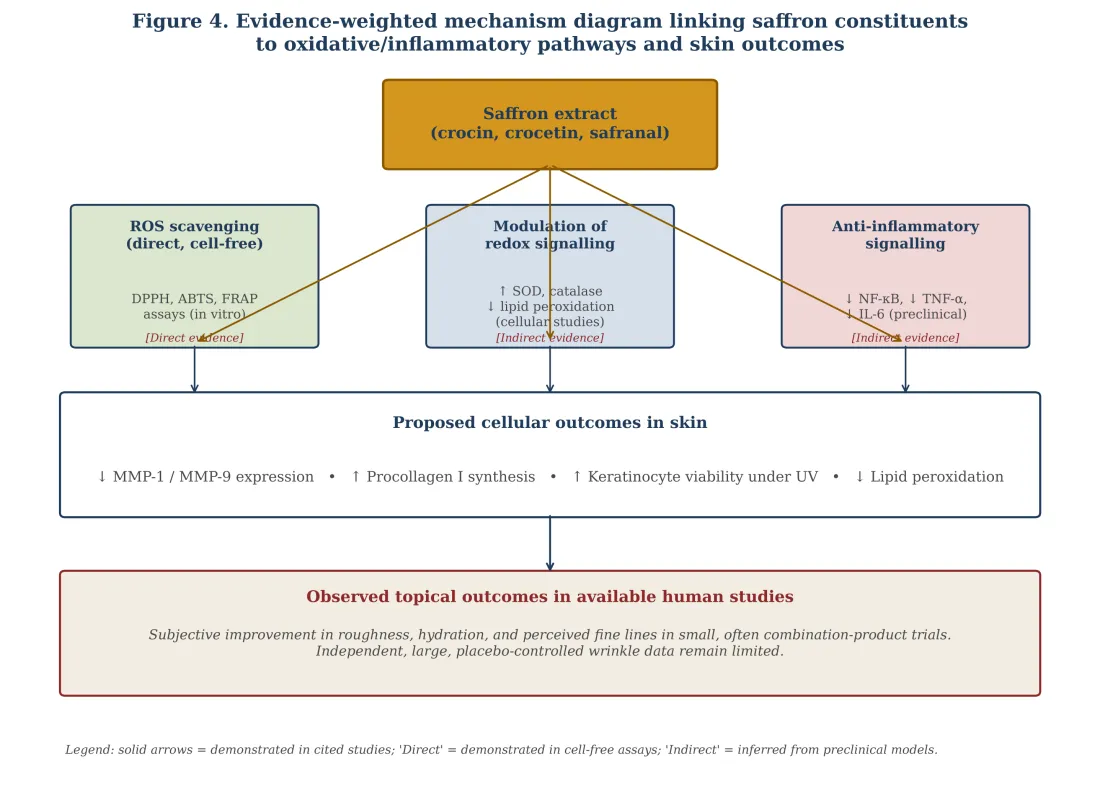
Figure 4: Evidence-weighted Mechanism Diagram Linking Saffron Constituents to Oxidative and Inflammatory Pathways and Skin Outcomes. Original Schematic by the Author; Evidence Drawn From [17–21,46,47].
Direct scavenging: crocin, crocetin and safranal act directly by donating hydrogen atoms or electrons to free radicals, in cell-free assays [17,18,39] and reducing intracellular ROS accumulation under oxidative challenge in cell and animal models [17,46,47] models; this is the most direct and least contestable action, upstream of any clinical skin outcome. The photo-elevated effects of saffron extract and or its bioactive component crocin (Scheme 1) under oxidative stress have been linked to increased expression of endogenous SOD, catalase and glutathione peroxidase, which leads to enhanced resistance of cells against oxidative stress typically through Nrf2/ARE pathways [17,47].
Anti-inflammatory signalling: in animal models saffron's constituents inhibit NF-κB and AP-1 activation, decrease prostaglandin E2, IL-1 beta, IL-6 and TNF-alpha and suppress inflammatory infiltrate, which is believed to correspond, in skin, to a decrease in the induction of MMPs, preservation of the matrix, although this is not well documented and has not been shown in human skin biopsies. All these downstream effects surmise that they have been demonstrated, either in cell and/or animal work, and it seems reasonable that they could apply to a clinically measurable decrease in wrinkle depth—however, this has not yet been proven by adequate, independent, placebo-controlled studies in humans. Mechanisms that have been shown for the whole extract should not be confused with mechanisms for isolated constituents, nor in vitro studies with in vivo studies, since the ratio of constituents in the extract may differ from one experiment to another, hence no activity shown by a single named constituent in one experiment can be extrapolated to the whole extract without specific experimental evidence [10]
9. Role of Saffron Extract in Anti-Wrinkle Cream
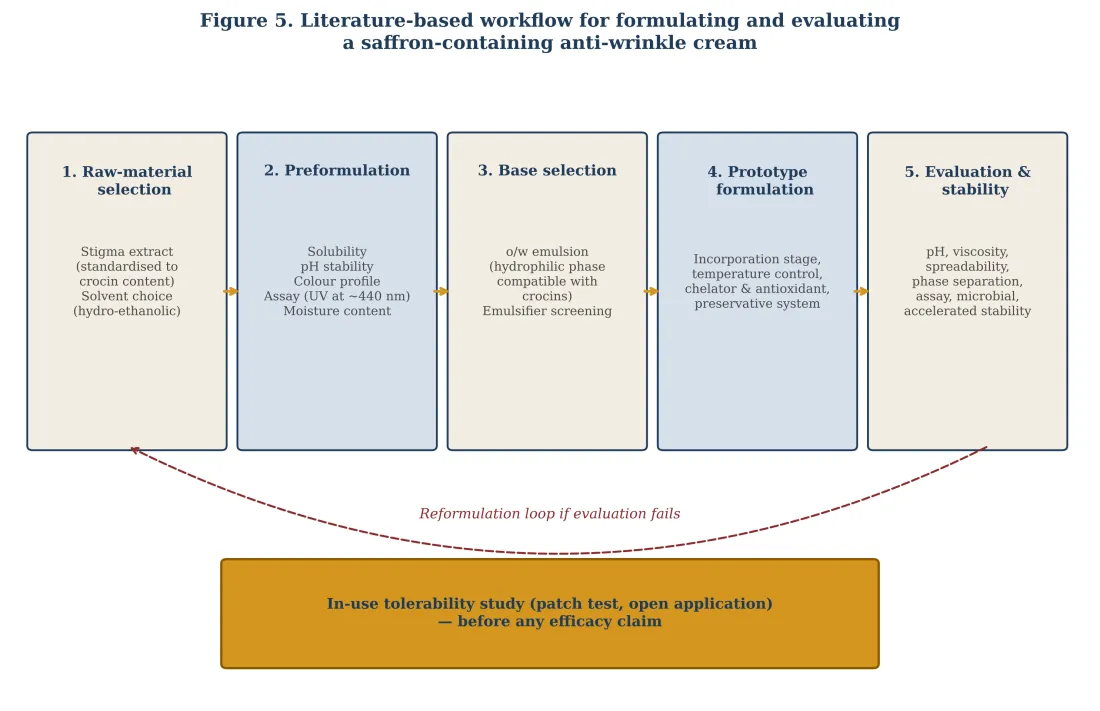
Figure 5: Literature-based Workflow for Formulating and Evaluating a Saffron-Containing Anti-Wrinkle Cream. Original Schematic by the Author; Stages Derived from Standard Cosmetic Development Practice and the Cited Literature [28,40,41,49].
To formulate saffron biological profile into stable, cosmetically acceptable and effective cream, some formulation level problems need to be addressed as summarised in Figure 5, which shows a literature-based workflow
Raw-material selection and authentication – the standard raw material is a stigma extract in a standardised hydro-alcoholic (50–70% ethanol) medium by use of UV-visible spectrophotometry (~440 nm absorbance) or HPLC (known with normalisation of the crocin content) – standardization is important given that an unstandardised ‘saffron extract' is not reproducible between batches and does not necessarily have a dose–response relationship. Considering the high value of saffron, it is susceptible to even further adulteration with the synthetic dyes, coloured starch, turmeric, calendula and safflower and so a certificate of analysis (HPLC assay, category 3632; moisture; residual solvent; microbial load) should be requested; HPLC fingerprinting, DNA barcoding and NMR profiling will confirm authenticity [13,31]. Extraction and compatibility: aqueous extraction (hydro-alcoholic) is preferred for crocin & picrocrocin for use in aqueous phase of an o/w emulsion [16,40] and supercritical CO₂ extraction is preferred for lipophilic crocetin and safranal for use in oil phase (more expensive) [44]. The high concentration of orange-red colour of Crocin is also affected by the packaging and claims that need to be considered, and formulation pH must not falling below 4.5–6.5, as it will affect Crocin stability and skin compatibility. [40,41] Storage and delivery: Crocin is sensitive to light and heat, and to oxidation, so protection from light, the use of metal-ion chelators (disodium EDTA is popular), and cool storage are routine measures; liposomes, nanostructured lipid carriers and chitosan/alginate nanoparticles have been investigated for their ability to stabilize and penetrate the pigments. Broad spectrum preservative (s) must be compliant [49]. Crocin is poorly recovered by permeation, the stratum corneum is a strong barrier, so permeation adjuvants (propylene glycol, a small amount of ethanol, some esters) have been used, although no comparisons have been made directly between human skin and non-transient forms of crocetin should partition more easily [41,43]
Table 4: Formulation Considerations, Evaluation Parameters and Stability Issues for a Saffron-Containing Anti-Wrinkle Cream.
| Category | Parameter | Typical target / method | Comment |
|---|---|---|---|
| Raw material | Standardisation | ISO 3632 category / HPLC assay of crocin | Essential for reproducibility |
| Raw material | Authentication | HPLC fingerprint, DNA barcoding | Addresses adulteration risk |
| Base | Type | Oil-in-water (o/w) emulsion | Hydrophilic crocins compatible with aqueous phase |
| Base | pH | ~4.5–6.5 | Preserves crocin stability; physiological |
| Processing | Temperature | Cold or warm process (<60 °C where feasible) | Reduces thermal degradation of crocin |
| Stability aids | Antioxidant | Tocopherol, ascorbyl palmitate, EDTA | Mitigate crocin oxidation and metal catalysis |
| Preservation | System | Phenoxyethanol / benzoate / sorbate (regional compliance) | Broad-spectrum, cosmetically acceptable |
| Packaging | Light protection | Opaque or amber tube/jar | Crocin is UV-sensitive |
| Delivery | Encapsulation | Liposomes, NLC, polymeric nanoparticles (optional) | Can improve pigment stability and penetration |
| Evaluation | Physicochemical | pH, viscosity, spreadability, centrifugation | Routine quality control |
| Evaluation | Chemical | Assay of crocin (UV ~440 nm or HPLC) | Dose confirmation; stability tracking |
| Evaluation | Microbial | ISO 11930 preservative efficacy; TAMC/TYMC | Regulatory expectation |
| Evaluation | Stability | Accelerated (40 °C/75% RH, 3–6 months); light stress | Pigment loss indicates crocin degradation |
| Tolerability | Human studies | Patch test, open-application study, HRIPT | Precedes efficacy claims |
Measurement and usage levels: In addition to physicochemical, chemical, microbial and stability tests (as described in Table 4), in-use tolerability testing (HRIPT, open application) should be done before making an efficacy claim [49,51]. The reported inclusion levels of standardised extract, 0.1–3% w/w (but with different standardisations, solvents and endpoints), make it difficult to compare different formulations and there is no standardized ‘optimal’ inclusion, supported by human dose–response studies at this time [10,41]
10. Advantages
Cell-free and preclinical evidence suggest a range of antioxidant, anti-inflammatory, and photoprotective, as well as pigmentation modulation and skin-repairing actions for saffron components, suggesting that a single component with several complementary and supported multi-target properties is very attractive for formulation and marketing. Mechanistic rationale (biological plausibility): Saffron works by targeting those pathways; they are the same pathways responsible for the mechanism of the other conceivable effects – photoageing and wrinkle – that the ingredient is likely to cause in the skin, and many botanical actives do not possess a similar mechanistic rationale [7,47]. Conducted use history: Background use for dietary supplements, such as saffron, provides a degree of reassurance, but follows long enough oral clinical trials in humans, which might include depression and metabolic disease, provide some, though not conclusive, reassurance (16,52). The use of saffron in traditional medicine provides another degree of background reassurance (52), as does its years-long history of use in food colorings (52). Repeated oral use over years provides background assurance for some topical-specific considerations below. In a saturated anti-ageing market, highlighting the product with orange-red saffron colour complement colour goes a long way to assisting product recognition and differentiation [12,28] and visible fading is a convenient cue for a pigment degradation and potential loss of activity. Thermal compatibility: Crocin has a high thermal sensitivity, therefore, it is suitable for cold or warm process emulsification, which is aligned with other actives like peptides, retinoids and Vitamin C derivatives that are also thermally unstable [28,40,41]
11. Limitations
Limited standardisation: as the content of crocin, picrocrocin and safranal are variable among cultivars, among years of harvest, as well as depending on extraction solvents and drying methods, one preparation may not be easily reproducible in another, without proper standardisation.
However, because of saffron's high value, it is frequently adulterated (by combining saffron with safflower, turmerik, calendula, coloured parts of the plant or added synthetic dyes (tartrazine or colours from Sudan series)) and therefore an authentication analysis is necessary [13,31].
Cost pressure: inclusion level is often extremely low, due to costs of raw materials, and may not demonstrate any biological effect, or any level higher than 'claim-only' needs to be scientifically supported, if the inclusion level is meant to imply any efficacy [28].
Chemical and photochemical instability: crocin suffers from severe chemical instability due to various purposes, including exposure to UV light, oxygen, heat and alkaline condition with visible breakdown or loss in colour being an early indication of degradation and it aids in packaging strategy [28,40,41]. Intactness of stratum corneum: One of the most significant challenges is the potential to reach meaningful concentrations in the dermis from standard emulsions with the hydrophilic, relatively high-molecular weight glycoside, crocin. Highway delivery systems for intradermal delivery or lipophilic analogues may be necessary to achieve meaningful dermal concentrations [41,43].
Thin independent clinical evidence: The clinical database is small, includes only some combination formulations, and is often sponsor-linked, and in existing trials, it is difficult to separate the independent effect of saffron from co-formulated actives like vitamins C/E, HA or peptides [19,41,48]
12. Safety and Skin Irritation
There is limited oral/systemic safety data that can be directly used for topical safety assessment. Culinary doses of saffron are generally considered safe, gastrointestinal upset, headache, sedation are relatively common side effects; gastrointestinal upset is the most common side effect is seen with clinical oral doses used for metabolic disease and depression. Oral safety data does not provide any indication of tolerability of the skin and it is only at very high doses that overt toxicity has been reported in animals, and the estimated human lethal dose would be much higher than the doses normally used. Saafron formulations applied topically are well tolerated as indicated by studies of safety in healthy adult skin that showed little evidence of erythema or stinging after repeated application over several weeks, including with topical application to the face, the most sensitive skin in human body [10,41,48]. It has been reported to cause rare cases of contact dermatitis/urticaria; type-I hypersensitivity occurred in rare cases, but was reported in people with more than one plant allergy, therefore care is needed in this group of people [54]. For any new formulation, it is suggested that a tiered testing approach is taken: ingredient level review (performed on the ingredient as well as Cosmetic Ingredient Review reports and regional regulatory listing if available [55]); in-vitro cytotoxicity/irritation testing is conducted on validated reconstructed-epidermis models (OECD TG 439); testing by human repeated-insult patch test (HRIPT) plus an open-application study of the actual product formulation prior to an efficacy claim, in the absence of any efficacy claim [49,51,56]. Patch-test responses vary from one formulation to another and cannot be generalized to other formulations made of a different composition. The name ‘natural’ does not equate the safety of ‘botanical’ ingredients; having their own range of allergic contact dermatitis, phototoxicity and individual variability risk factors [10]. The pregnant, the child, the atopic, the individual with known plant allergies and the use of products on mucous membranes and/or broken skin may require special consideration and the use of the actual product for patch testing would be the safest individual safety test. There are no de-novo clinical data available for this review; it cannot be used as a safety basis for an individual product.
13. Future Scope
Standardised raw material: being standardised by ISO 3632 category or HPLC assay of crocin, picrocrocin and safranal is a precondition which should be fulfilled in future studies to enable cross-laboratory reproducibility [31–33]. Realistic stability data:Published data for the stability of crocin/crocetin under typical emulsion base (s), accelerated and real time storage, light stress, and realistic packaging would help significantly in the formulation development process, as well as comparative data for supporting the comparisons between different types of encapsulation systems such as liposomes, NLCs and polymeric nanoparticles to determine the best pigment retention/release system [28,40,41].
Validation of human-skin models (reconstructed epidermis, ex-vivo, or biopsy skin) is necessary in order to provide mechanistic depth for MMP and procollagen, as well as anti-senescence, in models relevant to humans [47]. Placebo-controlled, well-powered topical trials, performed independently with objective (wrinkle; silicone-replica profilometry; 3D fringe-projection imaging; and confocal reflectance) measurement tools and validated subjective scales, are the most prominent evidence gaps, with treatment periods of 12 weeks or longer, required [41,48].
Addition of delivery, penetration and long-term tolerability/sensitisation data across formulation types (with and without encapsulation or permeation adjuvants) [41,43] and long-term tolerability/sensitisation data in sensitive-skin and paediatric populations [54,56], would meaningfully extend the supportable claim envelope
CONCLUSION
The stigma extract of saffron (Crocus sativus L.) is a potent and comprehensible ingredient for anti-wrinkle cosmetic and cosmetic raw material due to its historical background and biological source. The main constituents of it, crocin, crocetin, picrocrocin, and safranal, have reproducible anti-oxidant and anti-inflammatory activity in cell-free and preclinical models; effects on redox and inflammatory signaling in cultured human skin cells; and preliminary positive effects in small human topical studies.
The contrast is stark, however: commercial extracts have different compositions, there are known cases of adulteration, chemically and photo-chemically unstable main pigment, limited epidermolysis penetration of intact crocin, and meager efficacy data, which are sometimes sponsor-funded and confounded by combinations. These limitations do not afford, at this time, stand-alone or confident usage claims of saffron as a topical ingredient, nor do they imply a clear set of research priorities.
Saidemon shows itself to be a well-tolerated phytochemical with multiple target actions which is coherent with current knowledge about photoageing and is scientifically credible within these limits. It could reasonably be included in a scientifically formulated anti-ageing product, if it is obtained as an authenticated, standardised extract, added to the product in a scientifically acceptable and standardized manner, and marketed with making scientifically appropriate claims based on the results of independent scientific studies available. Although there are no signs of saffron being a cure for wrinkles, that doesn't mean it has no place in an evidence-based anti-ageing formula, or that it shouldn't be subjected to further investigation based on the evidence gaps it is raising
Table 5: Summary of Advantages, Limitations, Safety Considerations and Research Gaps for Topical Saffron.
| Dimension | Supported points | Caveats |
|---|---|---|
| Advantages | Multi-target antioxidant and anti-inflammatory activity; biological coherence with photoageing pathways; long history of use; characteristic colour; cold-process compatibility | Not a replacement for established anti-ageing actives; costly raw material |
| Limitations | Compositional variability; adulteration risk; thermal/photochemical instability; limited stratum-corneum penetration of intact crocin | Can be mitigated by standardisation, packaging and encapsulation |
| Safety | Generally well tolerated in cosmetic use; rare contact urticaria reports; patch testing recommended | ‘Natural’ ≠ ‘safe’; populations with plant allergy may need caution |
| Clinical evidence | Preliminary data on hydration, roughness, perceived fine lines | Small samples; combination products; few placebo-controlled studies |
| Research gaps | Independent randomised controlled trials with standardised extract and objective wrinkle endpoints; penetration data; long-term tolerability | Experimentally tractable priorities |
REFERENCES

Mangesh Bhandare, Sanjay Bais, Significance of Saffron Extract in Anti-Wrinkle Cream, Int. J. of Pharm. Sci., 2026, Vol 4, Issue 10, 4941-4955. https://doi.org/
 10.5281/zenodo.23830513